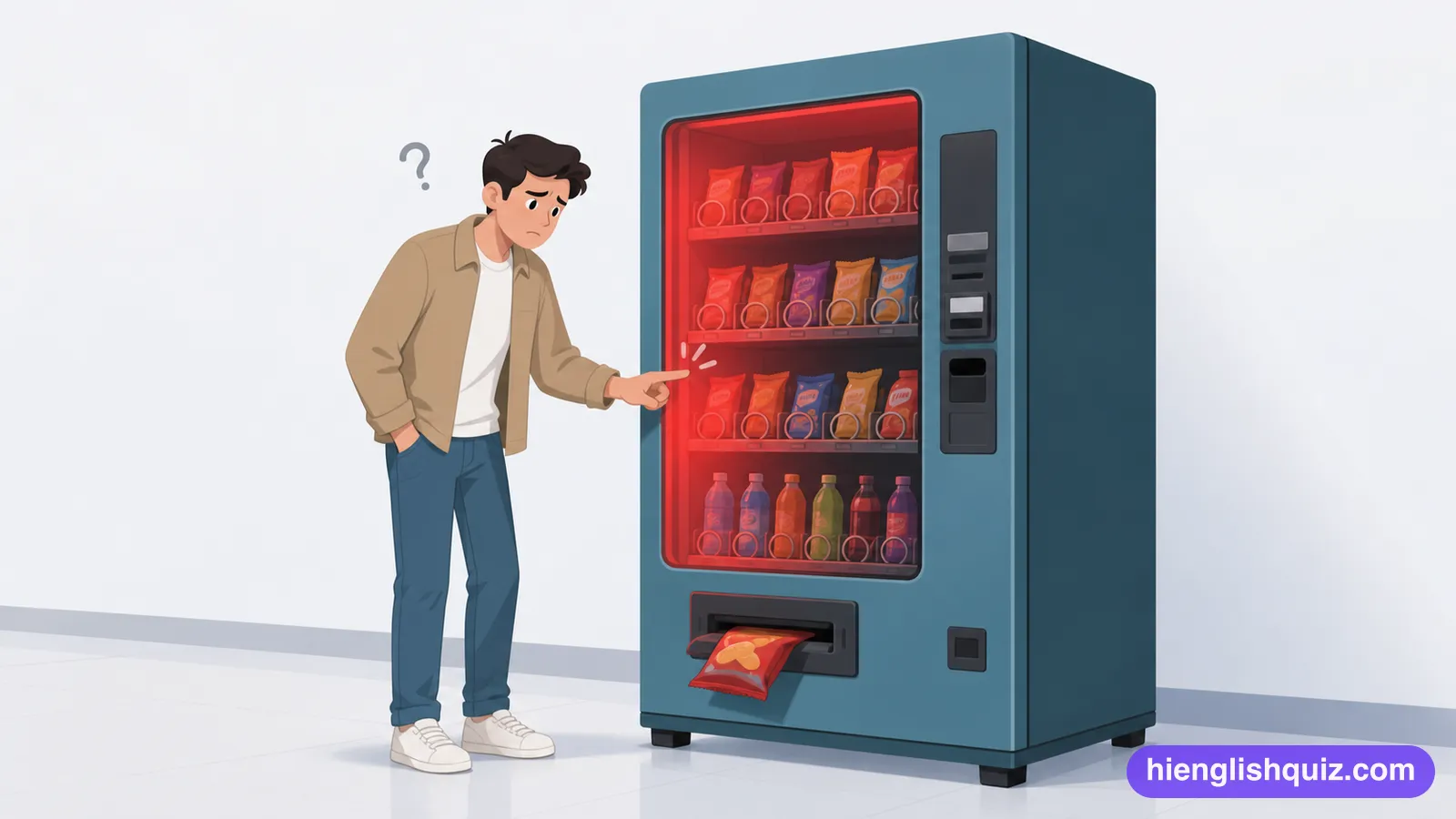
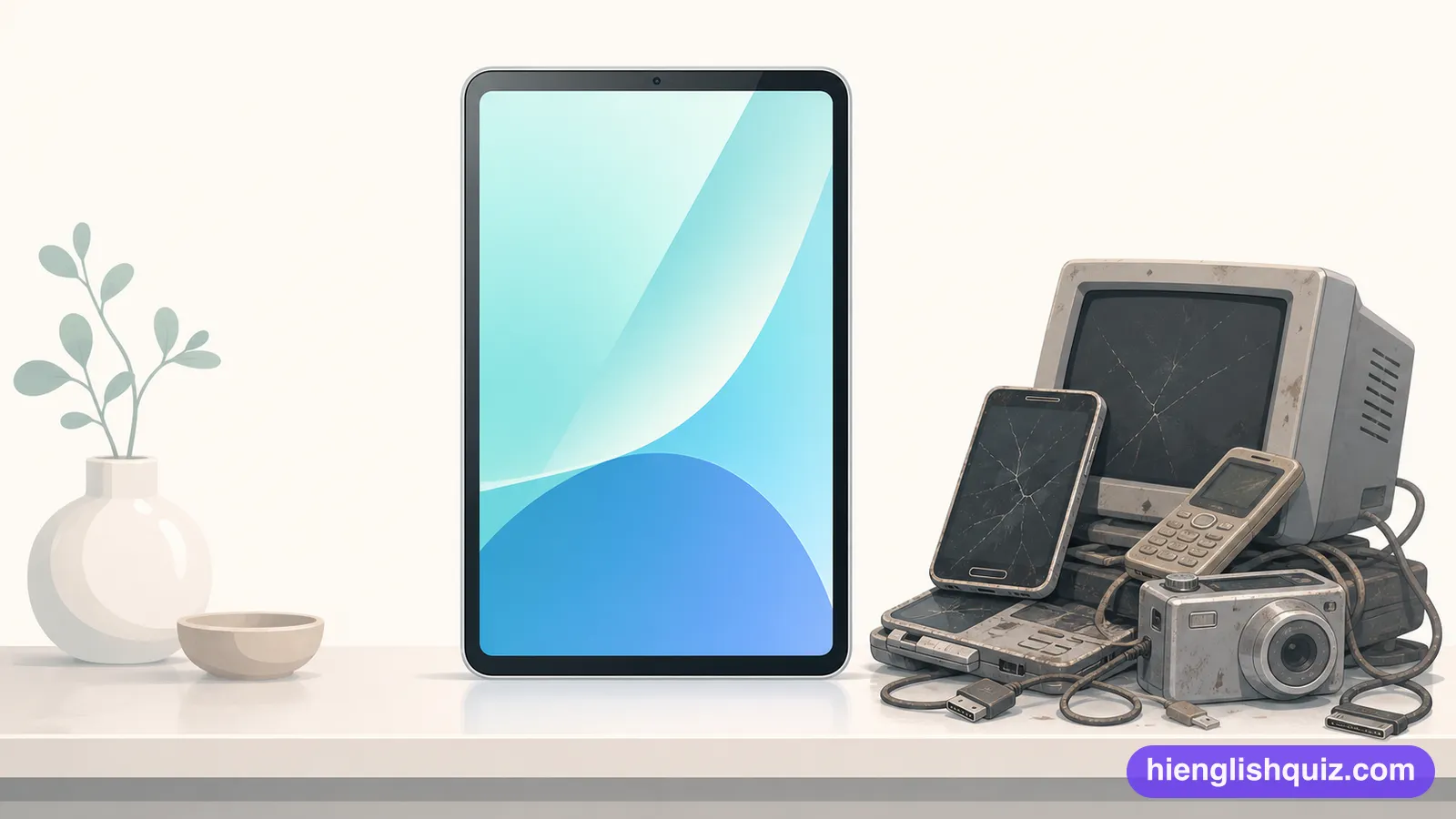
ubiquitous
/juˈbɪkwɪtəs/Found absolutely everywhere, so common that people stop noticing it is there.
Example: Contactless payment has become ubiquitous in cafes and corner shops.

 Hi EnglishQuiz
C225 words · Proficient
Device and software vocabulary such as legacy, scalable and technical debt, plus sandbox, abstraction and bottleneck. Words for discussing computing systems in depth.
Found absolutely everywhere, so common that people stop noticing it is there.
Example: Contactless payment has become ubiquitous in cafes and corner shops.
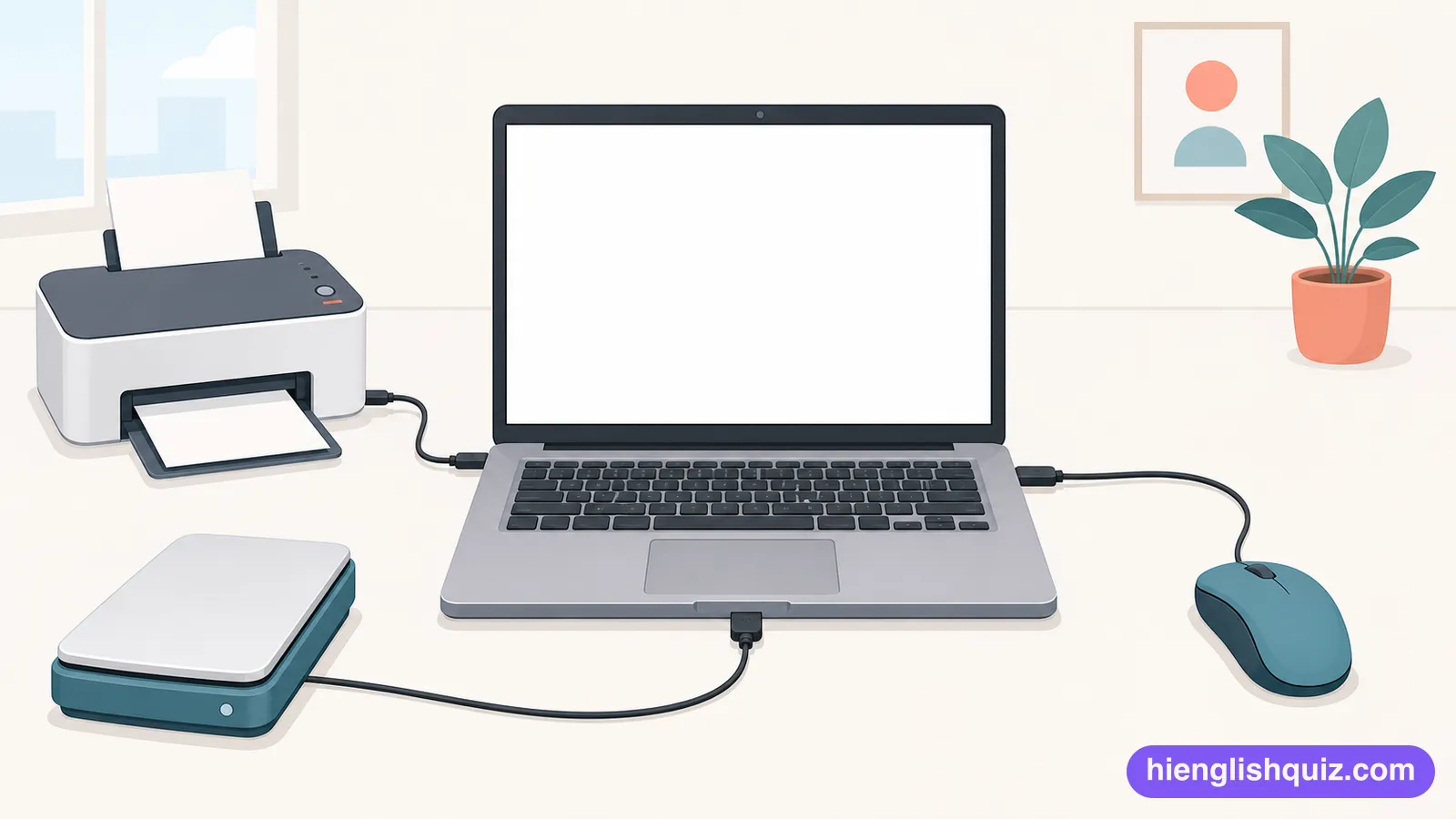
An extra device plugged into a computer that is not part of the main unit.
Example: You can connect any peripheral through this single port.
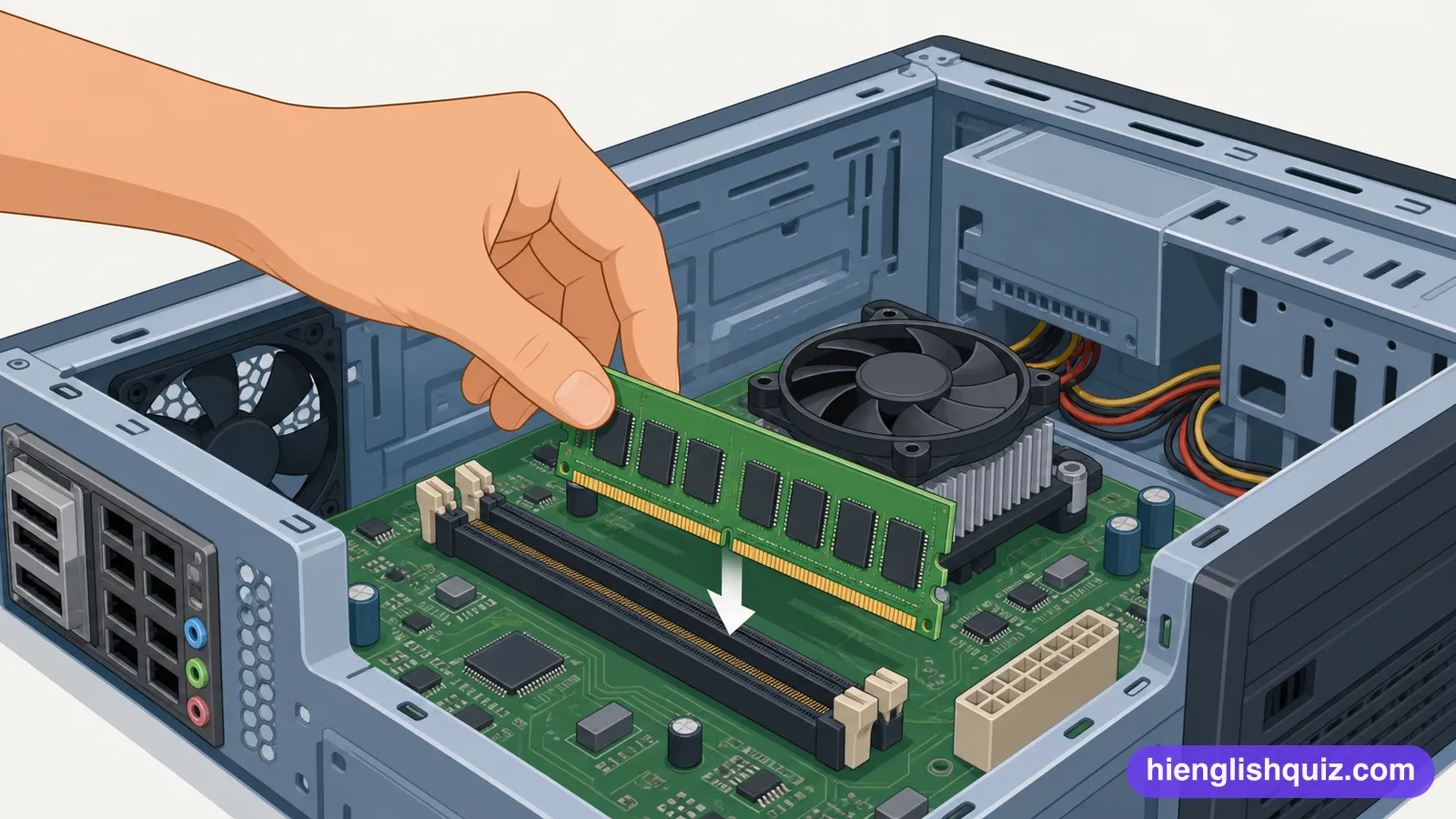
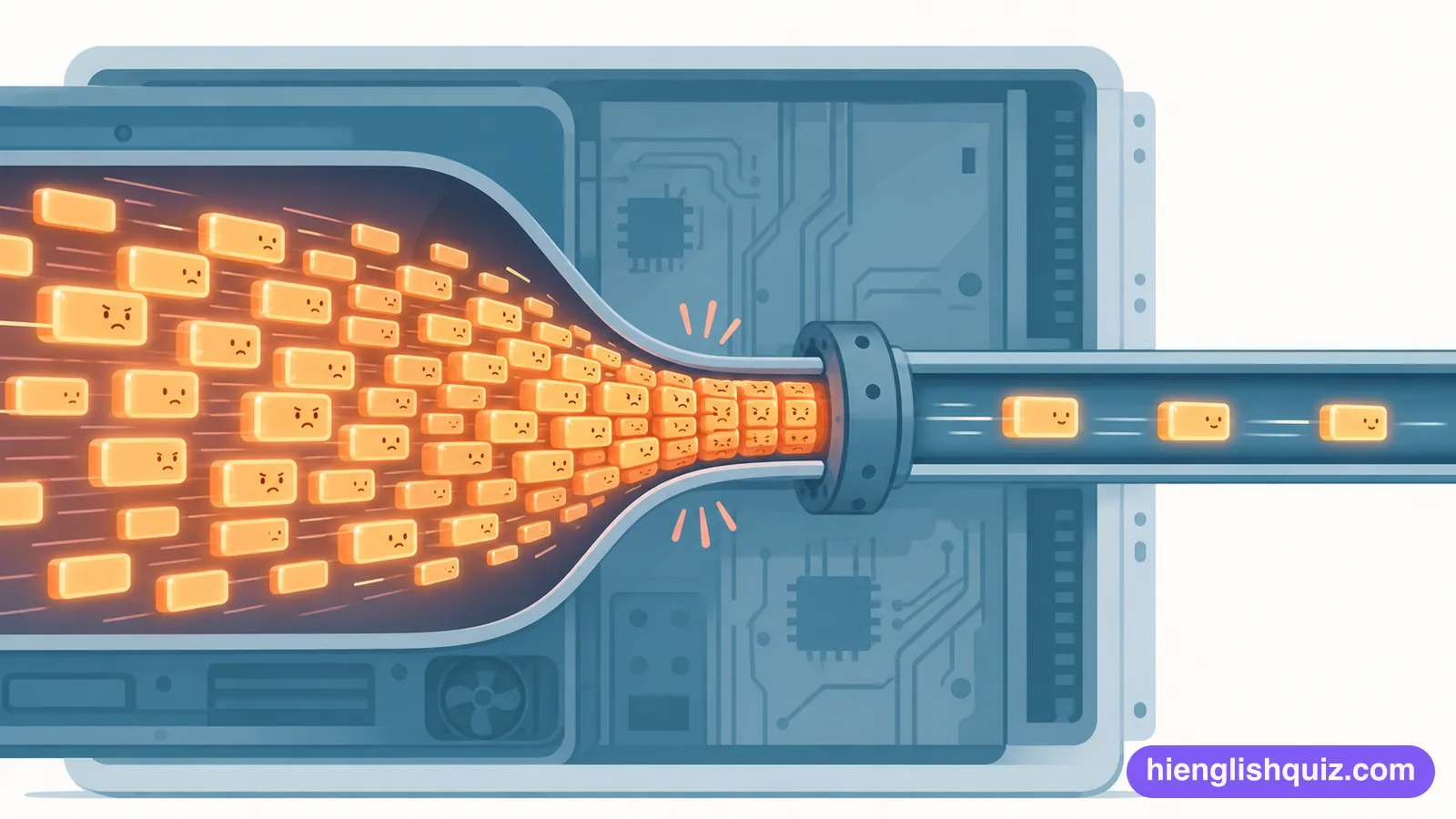
The one slow part of a system that holds back everything else and limits overall speed.
Example: Cheap memory is the bottleneck slowing this whole machine down.
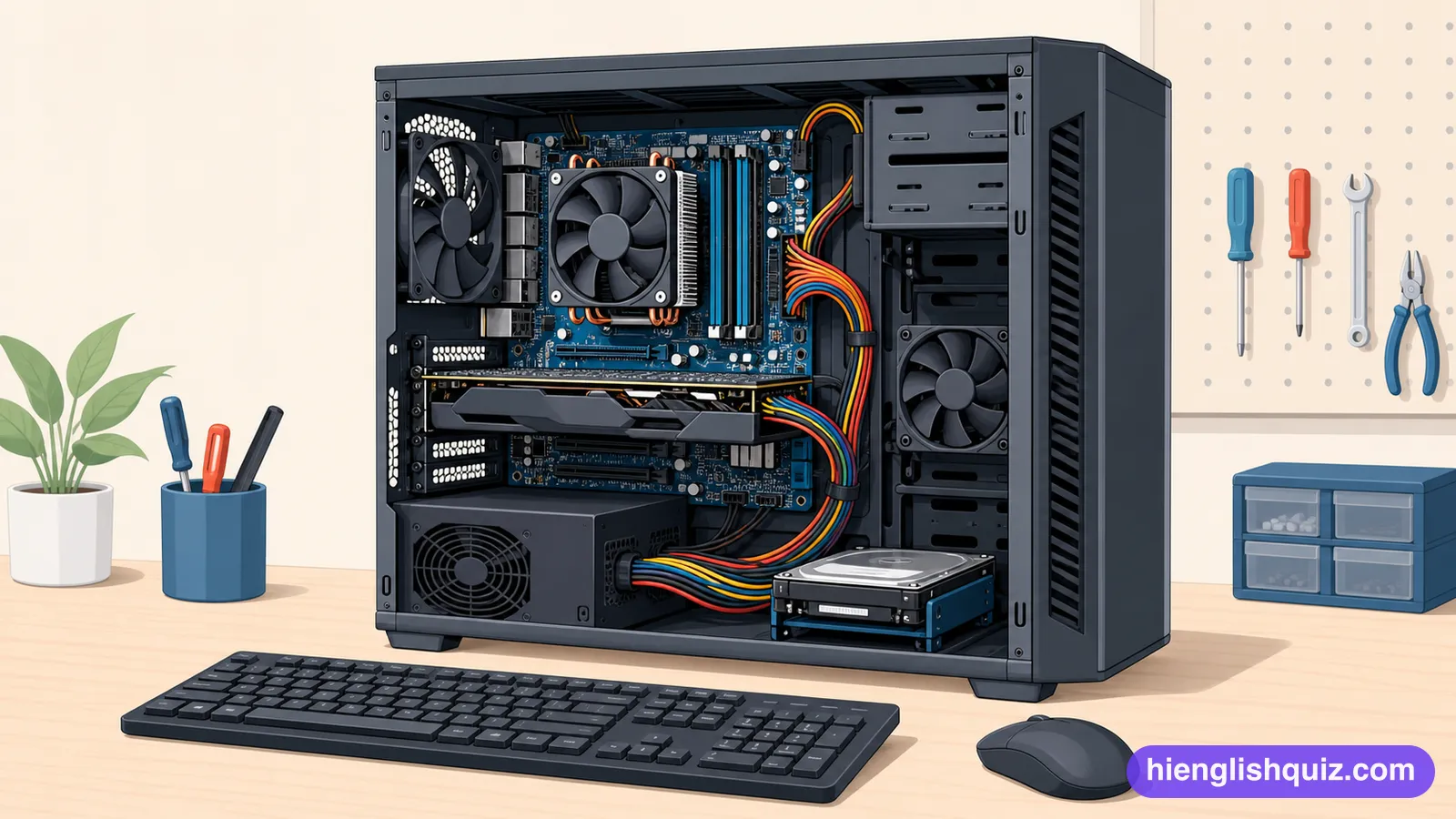
Describes old computer systems or technology that are still used, even though newer options exist.
Example: The bank still runs part of its business on legacy software.

Able to grow or handle a much larger amount of work without needing to be completely redesigned.
Example: The cloud service is scalable, so it can handle sudden traffic spikes.
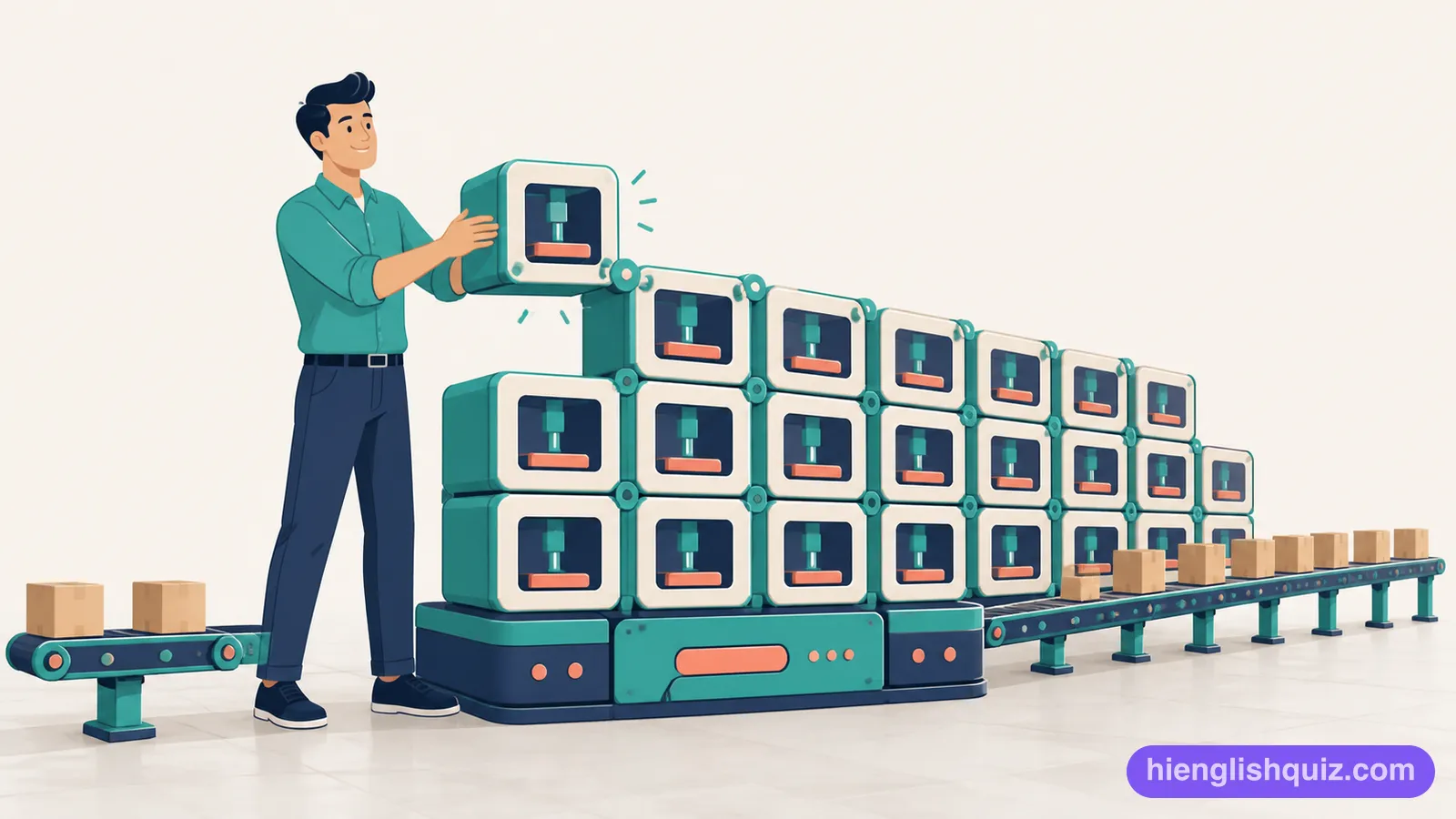
Not happening at exactly the same time, so one part of a system does not have to wait for another.
Example: The system uses asynchronous messaging so nothing has to wait.

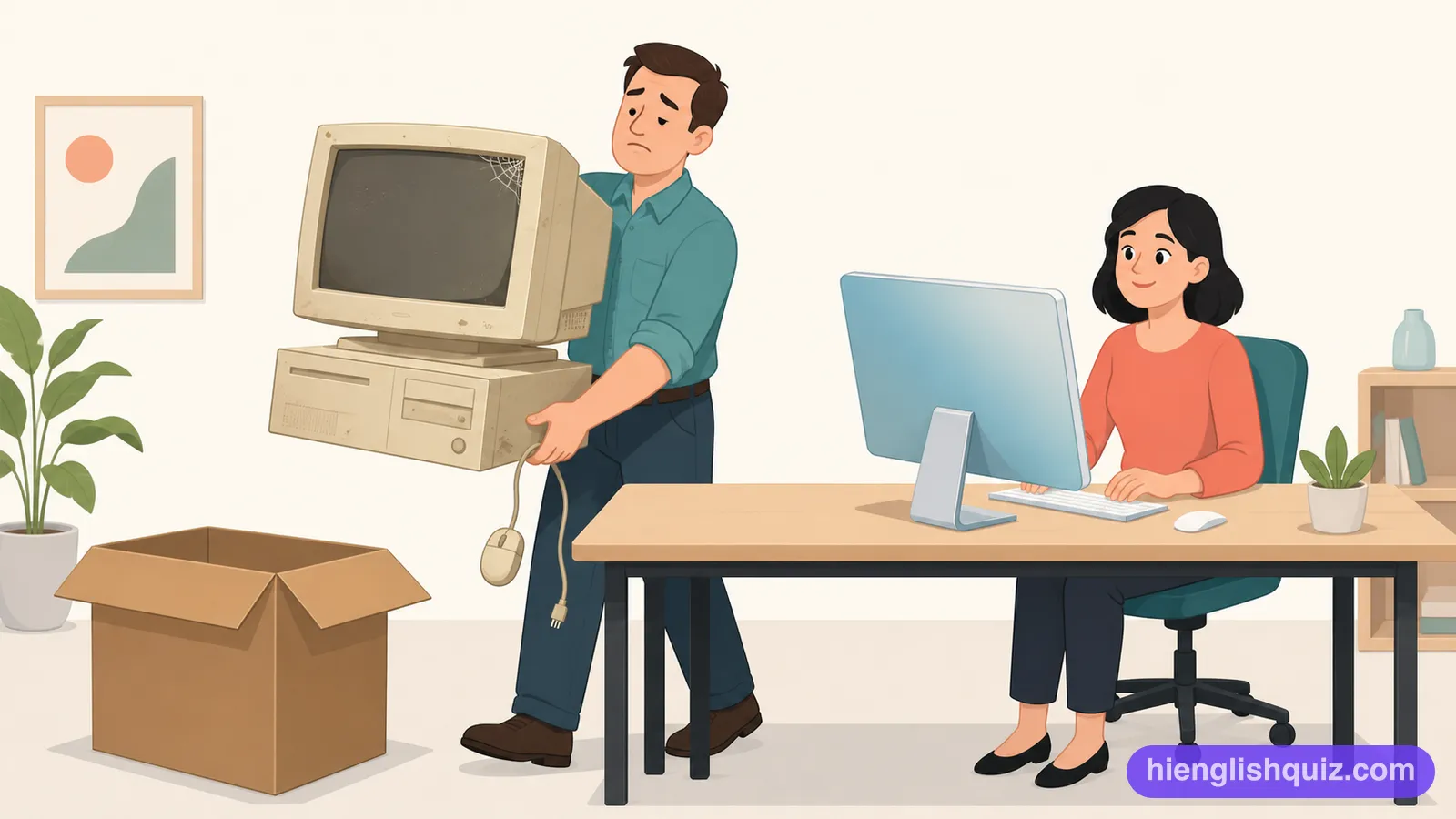
No longer used because something newer and better has replaced it.
Example: Floppy disks became obsolete once USB drives appeared.
Owned and controlled by a particular company, so that others cannot use or copy it freely.
Example: The software uses a proprietary file format that only this company supports.

A safe, separate space where new software can be tested without affecting the main system.
Example: Developers test risky code inside a sandbox first.

A way of simplifying a complex system by hiding its detailed inner workings from the user.
Example: The interface adds a layer of abstraction over the raw data.

So absorbing that you forget your real surroundings while it holds your attention.
Example: The headset gives a genuinely immersive view of the reef.

Pushing into your attention or your private life in a way you did not want.
Example: I turned the alerts off because they felt far too intrusive.

Designed to be comfortable and efficient for the human body to use.
Example: The phone's curved shape makes it more ergonomic to hold.

Relating to the sense of touch.
Example: The buttons give a satisfying tactile click when pressed.

Relating to technology that creates a sense of touch, often through vibration, to give feedback.
Example: The phone uses haptic feedback to simulate a physical click.

The border or frame around a phone's screen.
Example: The new model has an almost invisible bezel around the display.
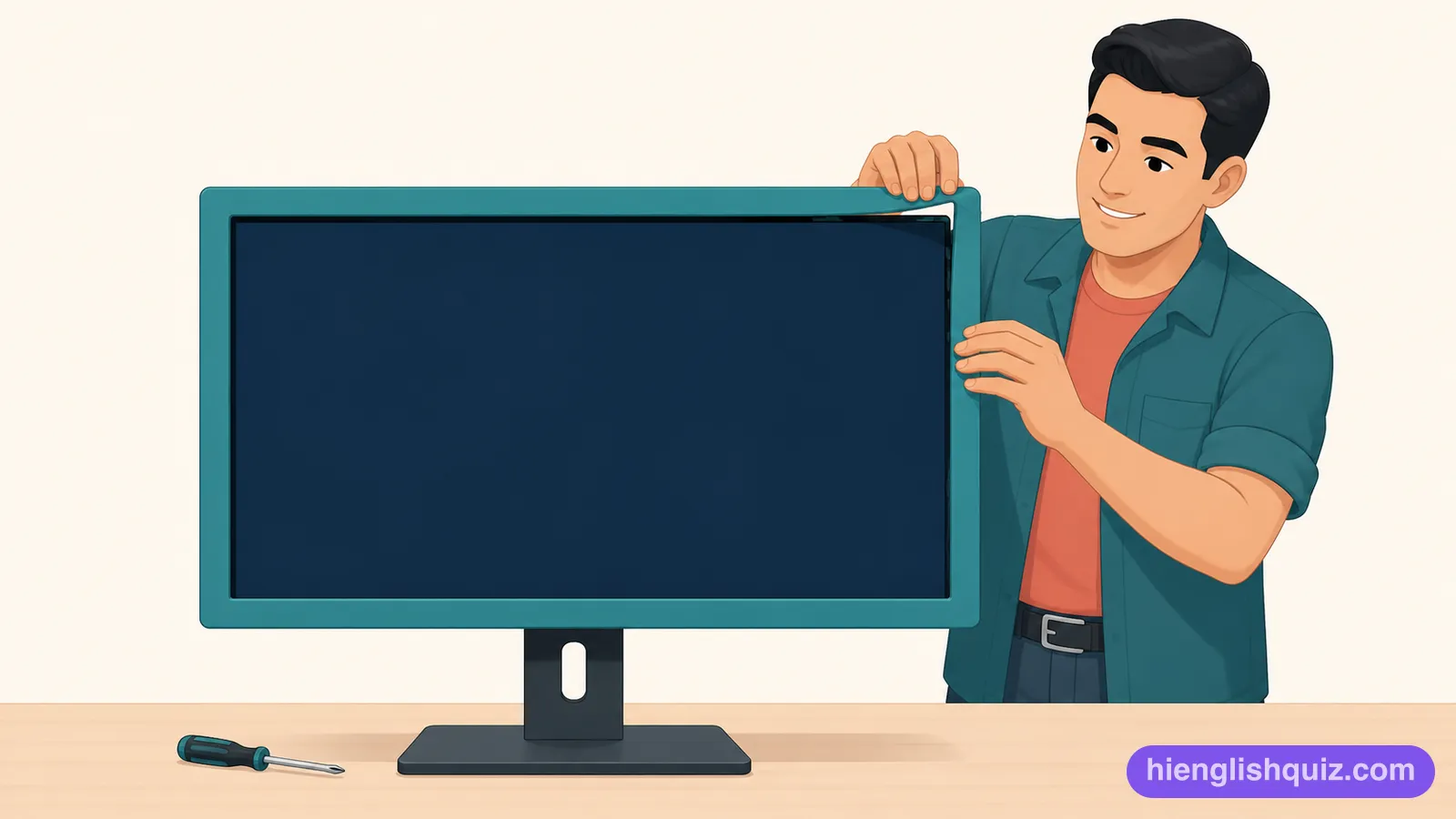
Simple in design, with no unnecessary decoration or extra features.
Example: The phone has a clean, minimalist design with no visible buttons.

Technology that adds computer-generated images or information onto a view of the real world, usually through a screen.
Example: The app uses augmented reality to show furniture in your room before you buy it.

The tired, overwhelmed feeling caused by receiving too many alerts and notifications.
Example: Constant alerts from every app led to serious notification fatigue.

A business practice of designing products to become outdated or stop working after a certain time, so people buy new ones.
Example: Critics accuse phone makers of planned obsolescence to boost sales.

So easy to understand that you know what to do without anyone teaching you.
Example: The app is so intuitive that my grandmother uses it.

Happening so smoothly that you never notice where one part hands over to the next.
Example: The handover between the two systems was completely seamless.

Strong and reliable, working well even under difficult conditions or heavy use.
Example: The system needs to be robust enough to handle millions of users.

Describes a flexible way of developing software in small, quick stages, adapting as needed.
Example: The team uses an agile approach, releasing small updates every two weeks.

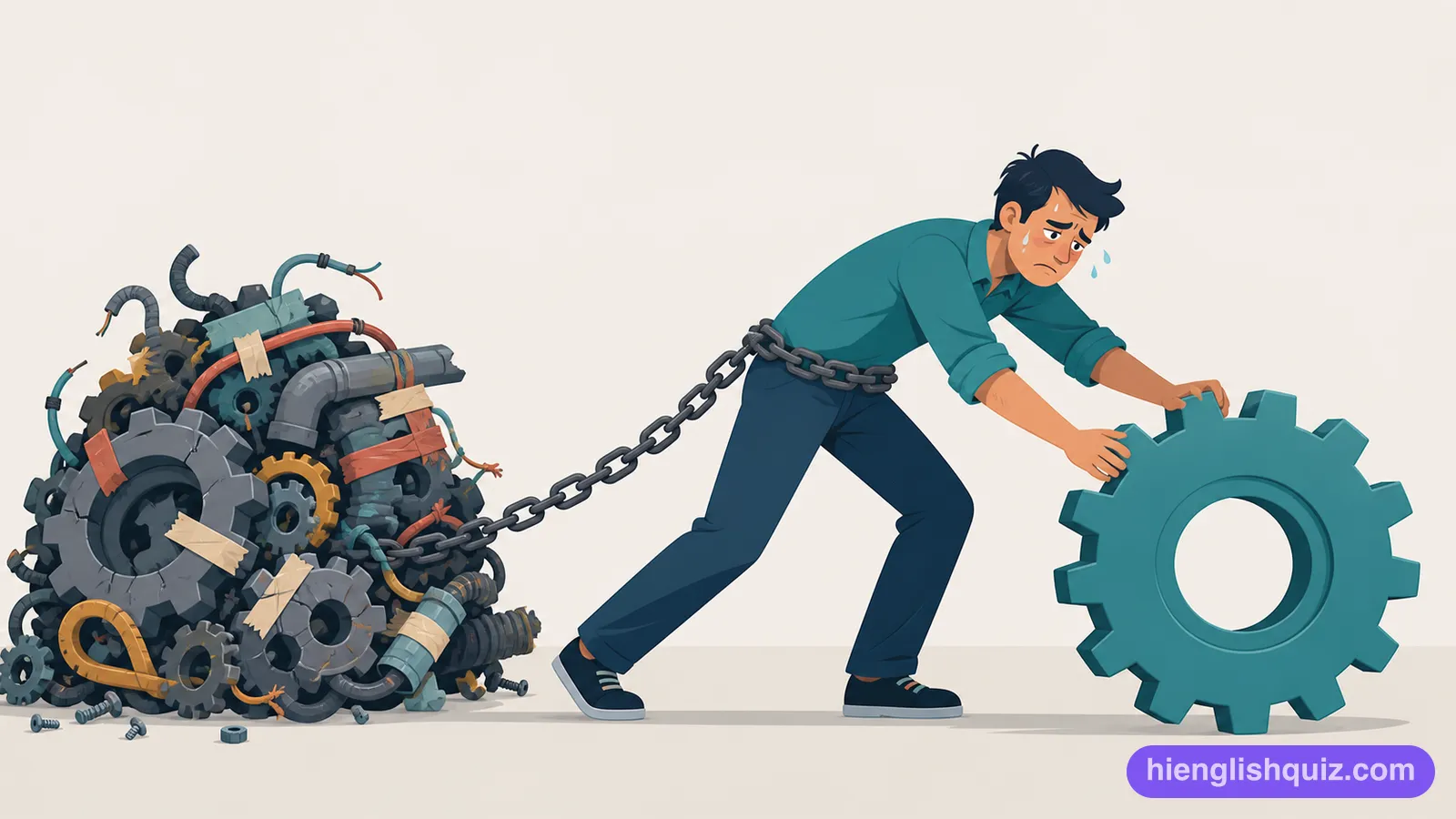
The extra work created later because a quick, simple solution was chosen now instead of a better one.
Example: Skipping proper testing added a lot of technical debt to the project.