etiquette
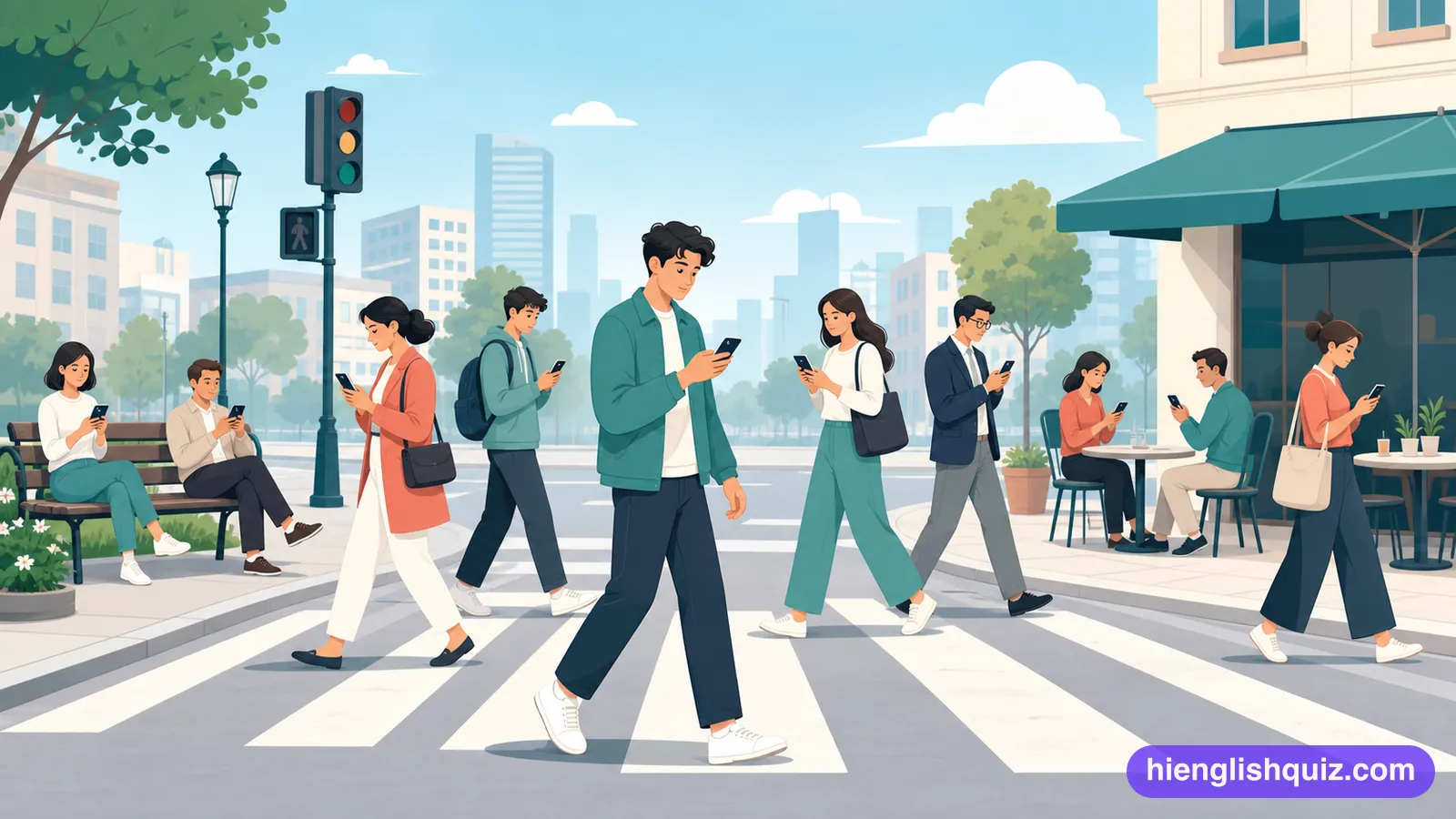
/ˈɛtəkət/The accepted unwritten rules about behaving politely towards other people.
Example: Replying to everyone breaks basic email etiquette.

 Hi EnglishQuiz
C218 words · Proficient
Digital communication vocabulary such as zero-day, backdoor and cryptography, plus echo chamber, confirmation bias and filter bubble. Words for discussing online life at an expert level.
The accepted unwritten rules about behaving politely towards other people.
Example: Replying to everyone breaks basic email etiquette.
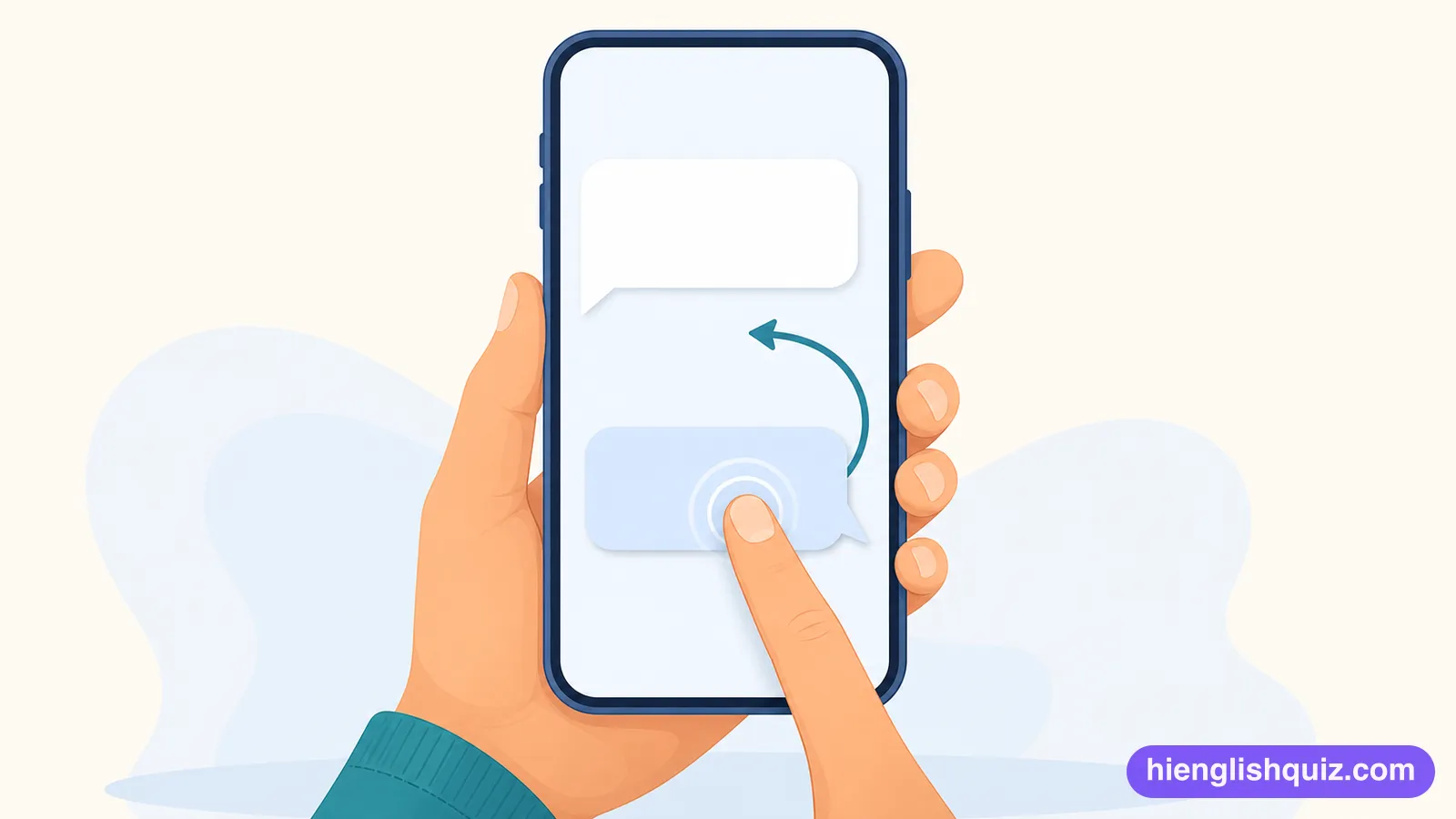
A small, subtle difference in meaning, tone, or feeling that is easy to miss in written messages.
Example: Text messages often lose the nuance of a real conversation.

A meaning that is suggested but not directly stated in a message.
Example: There was an unfriendly subtext hidden beneath her polite words.

Showing anger or annoyance indirectly, for example through polite-sounding but unkind messages.
Example: His passive-aggressive reply made everyone uncomfortable.

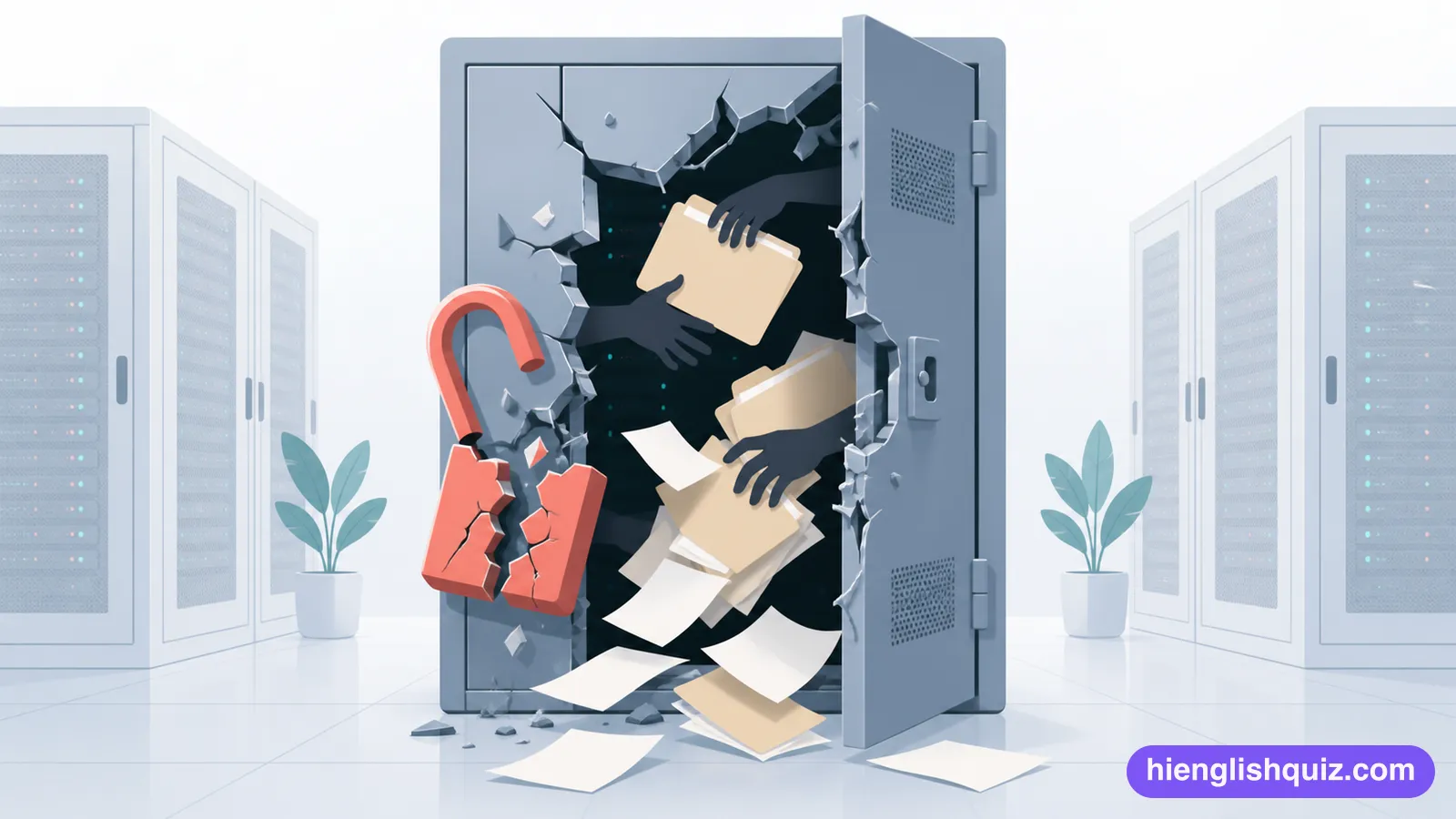
An incident in which someone gets past protection and steals private data.
Example: The company admitted a breach affecting thousands of customers.
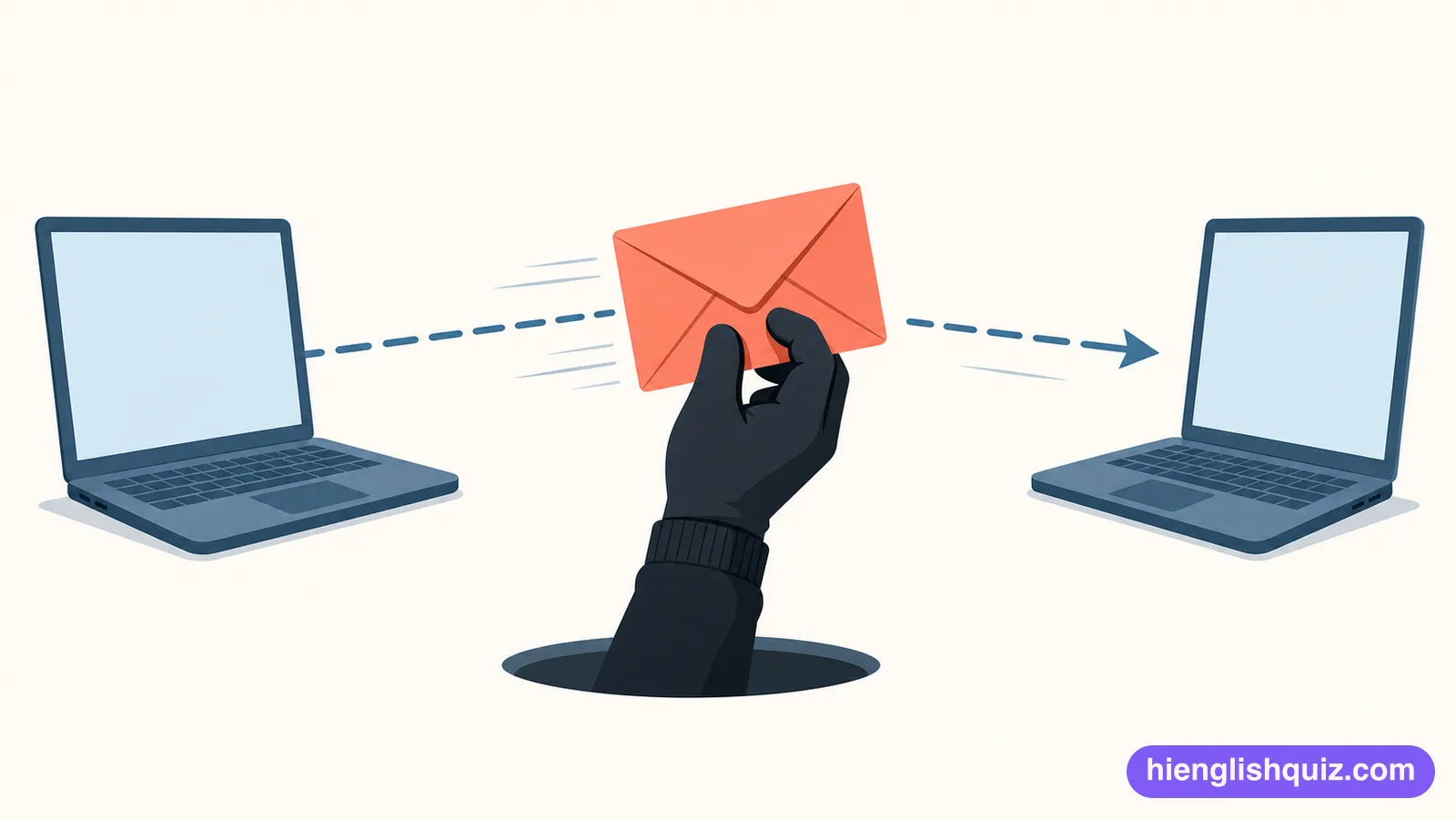
To secretly catch and read a message while it is travelling to the person it was sent to.
Example: Hackers can intercept anything you send over public wifi.
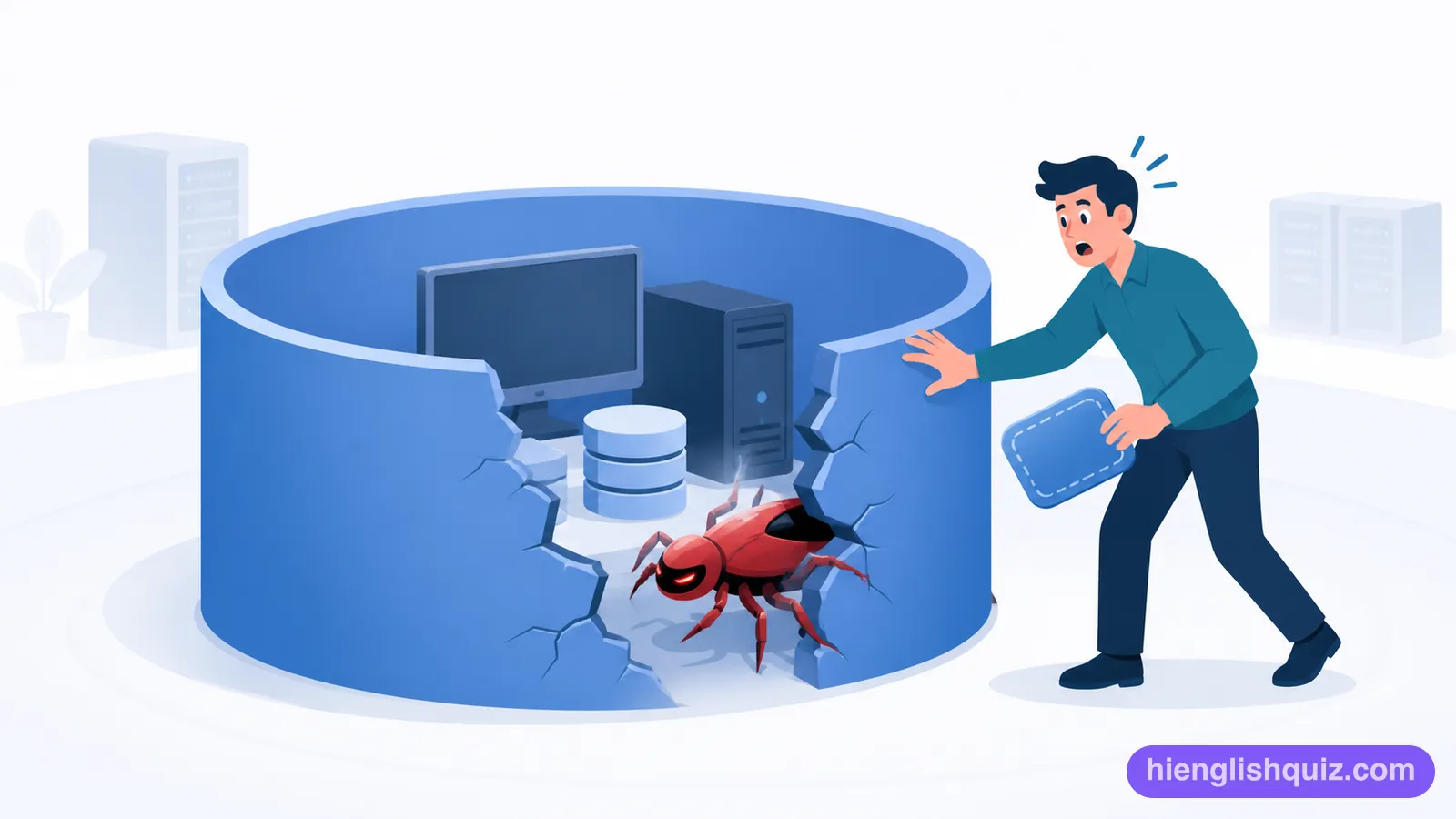
Describes a security weakness that is exploited by attackers before the company even knows it exists.
Example: The attack used a zero-day flaw that no one had patched yet.
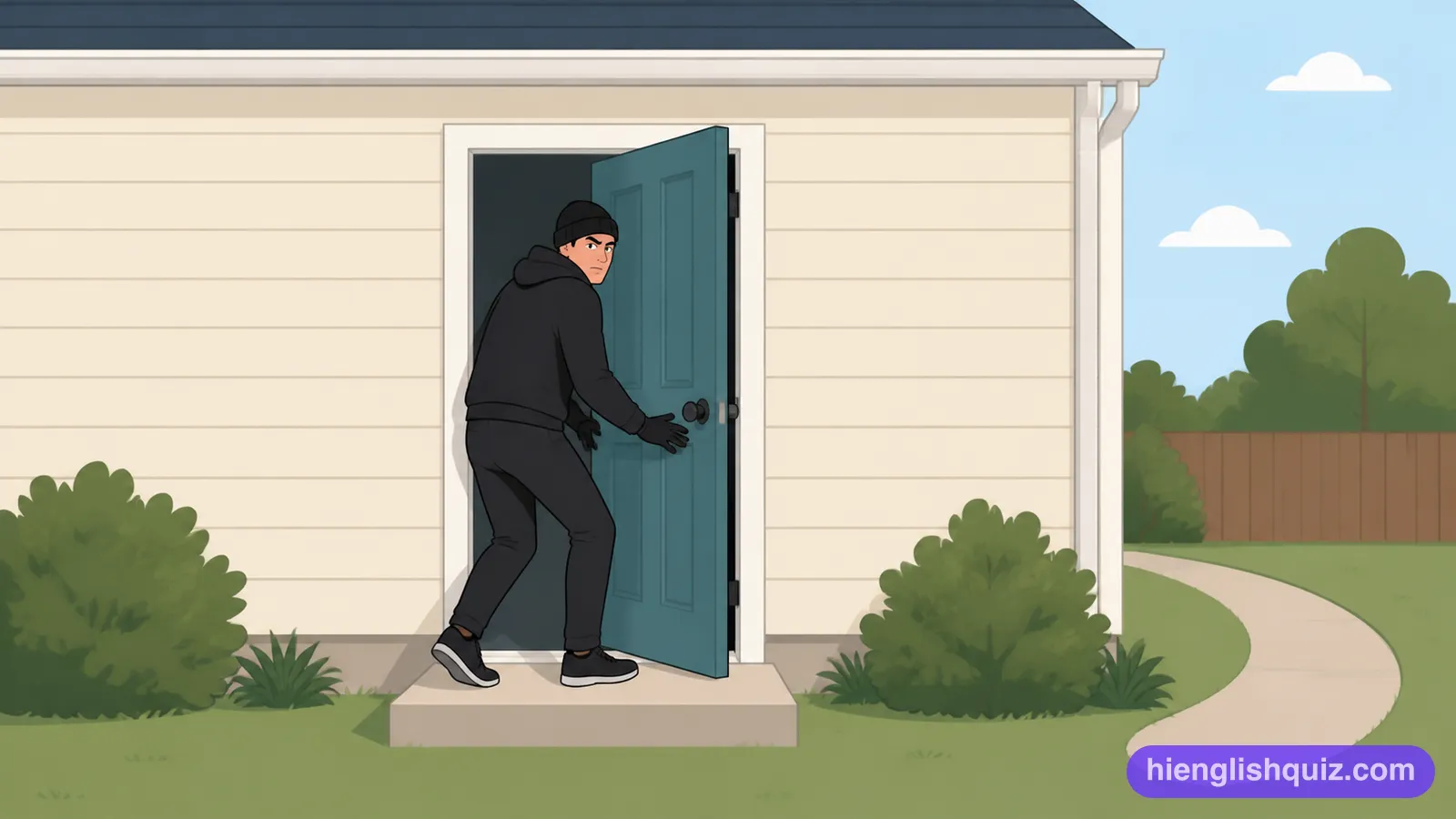
A hidden way into a computer system that bypasses normal security checks.
Example: Investigators found a secret backdoor built into the software.
To secretly remove data from a computer system without permission.
Example: The hackers managed to exfiltrate thousands of customer records.

To deliberately make code or data confusing and hard to understand, often to hide its real purpose.
Example: Malware writers obfuscate their code to avoid detection.

A fake system set up deliberately to attract and study hackers.
Example: Security researchers used a honeypot to study the attackers' methods.
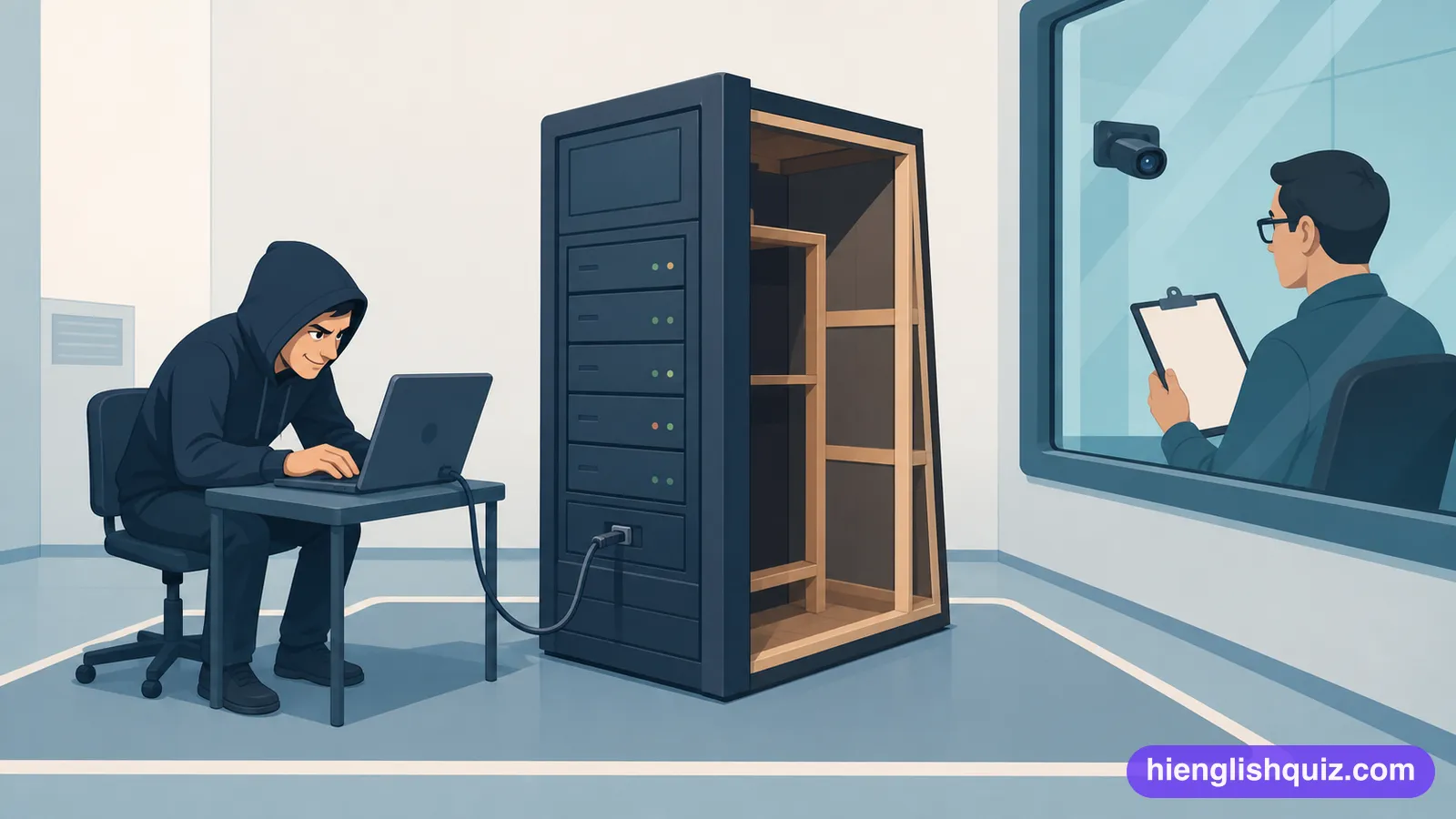
A controlled, authorized attempt to find security weaknesses in a system by trying to break into it.
Example: The company hires experts to run penetration testing every year.

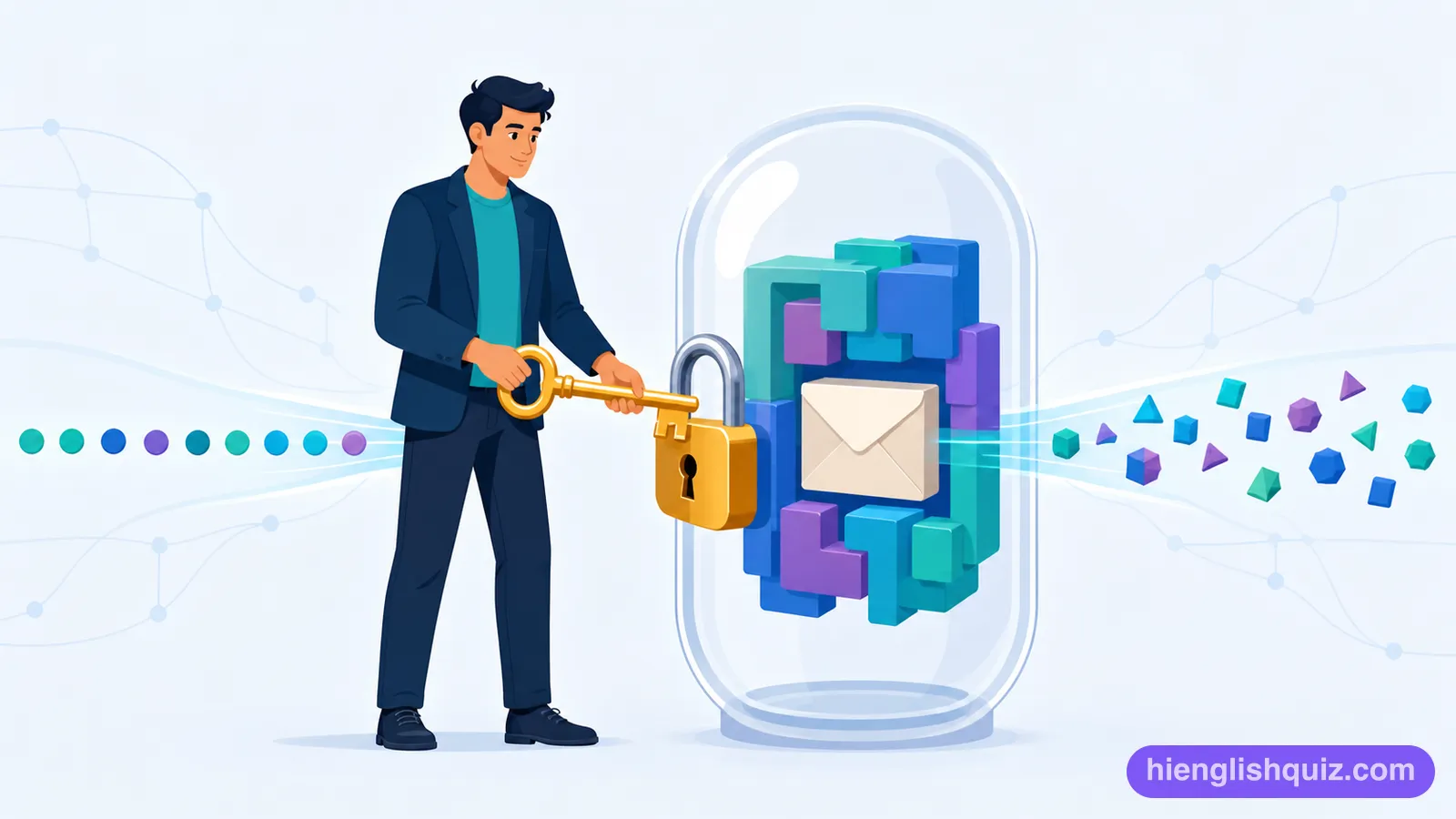
The science of writing and solving codes to keep information secret and secure.
Example: Modern cryptography protects almost every online payment.
The scientific examination of computers and data to find evidence of a crime.
Example: Digital forensics experts traced the attack back to a single laptop.

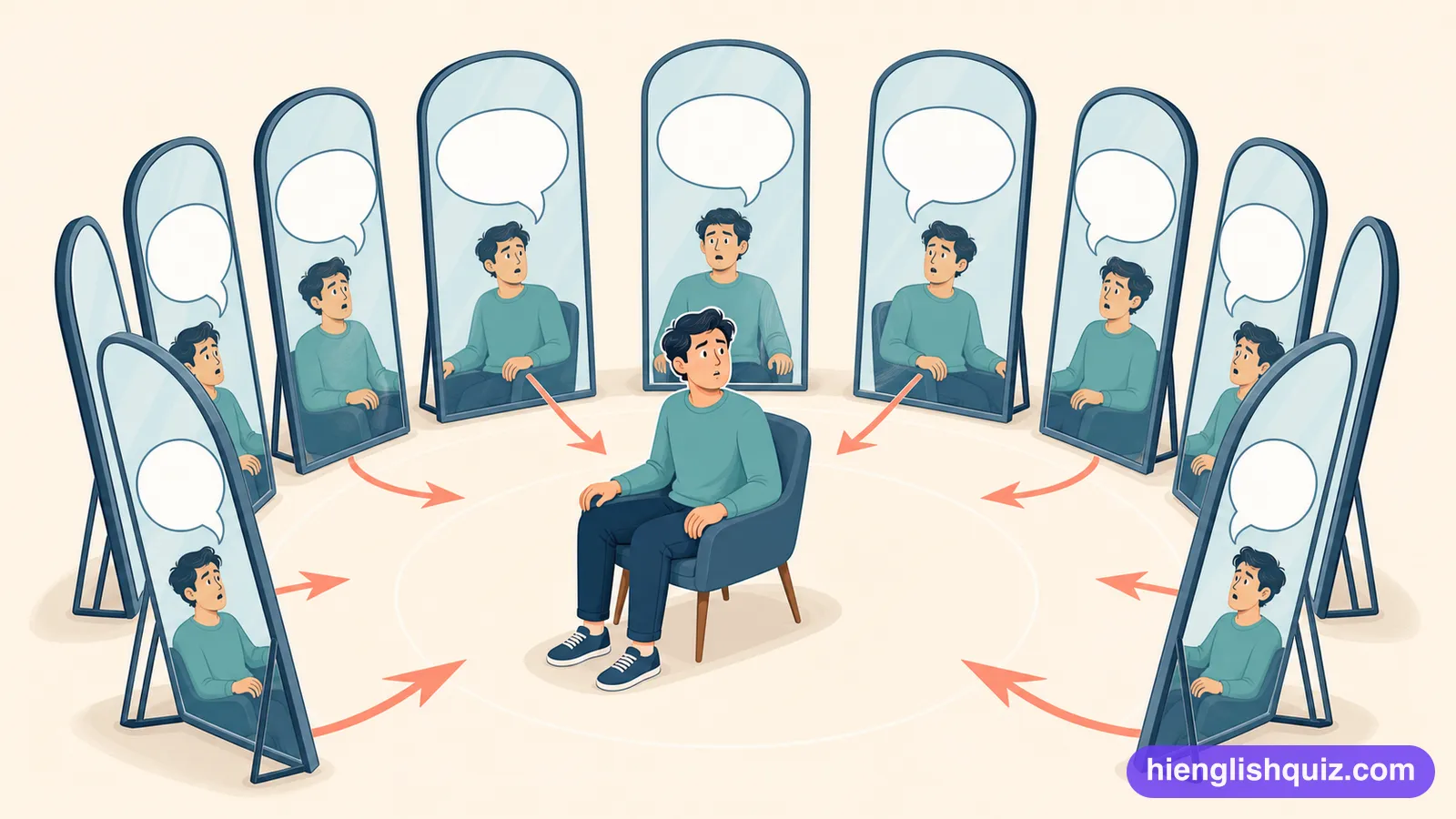
An online space where you meet only opinions that already match your own.
Example: Online, it's easy to end up inside an echo chamber.
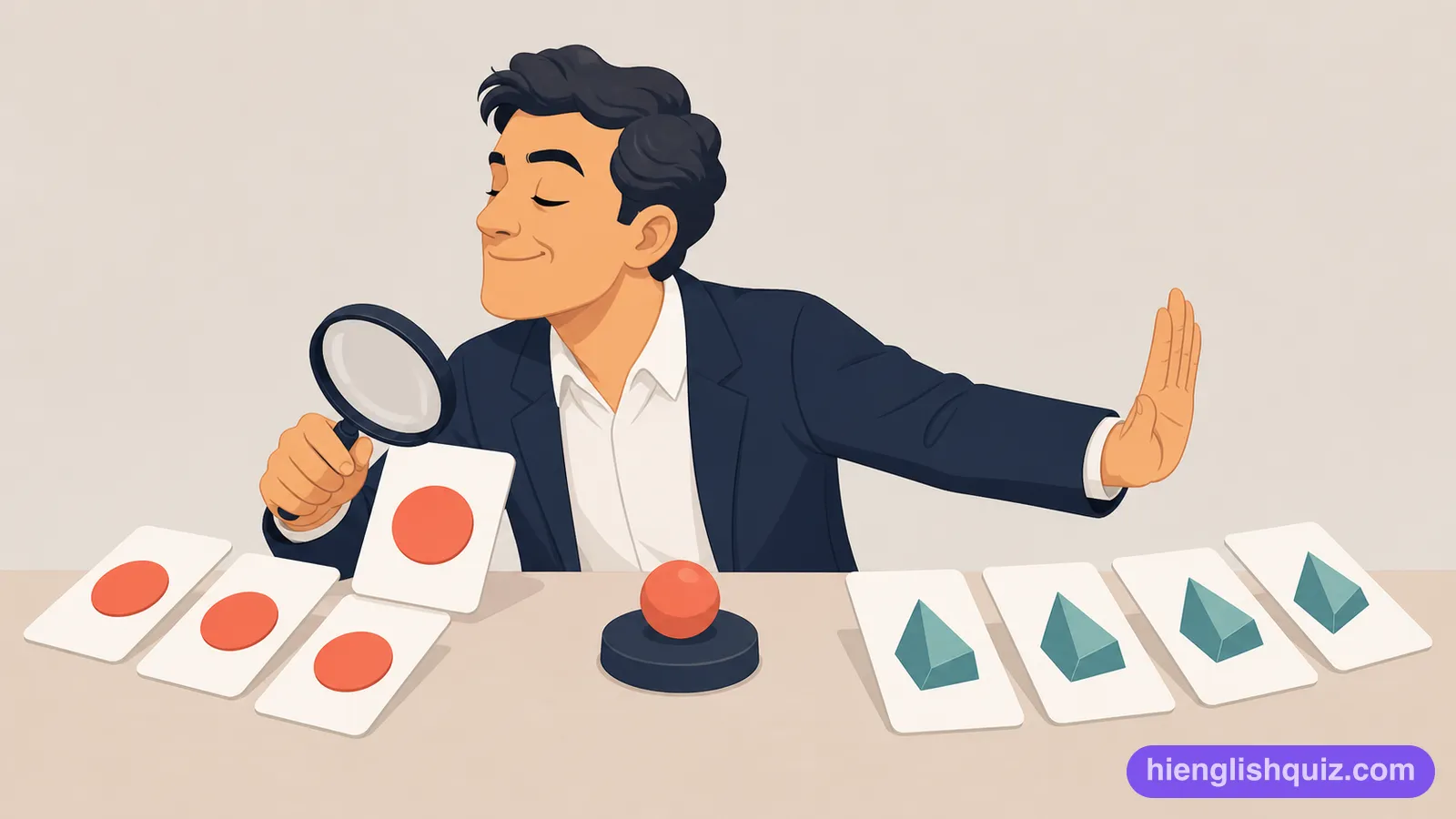
The tendency to notice and believe information that supports what you already think, while ignoring what disagrees with it.
Example: Social media feeds can strengthen confirmation bias by showing you similar opinions.
A situation where a person only sees information and opinions that match their own existing views, because of an algorithm.
Example: Personalized feeds can trap users inside a filter bubble.

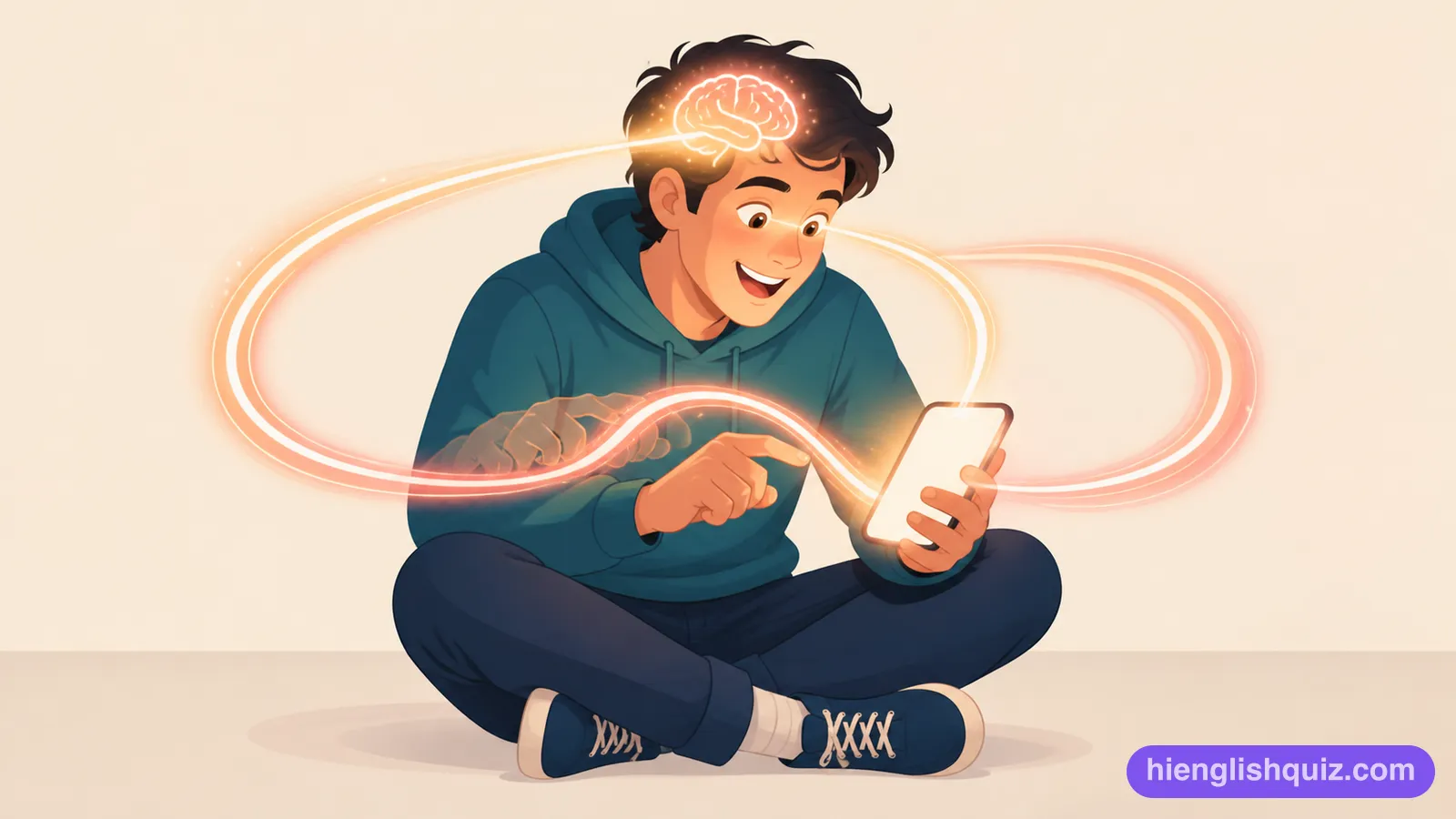
A repeating cycle of small rewards, such as likes and notifications, that keeps someone using an app.
Example: Apps are designed around a dopamine loop that keeps people checking their phones.