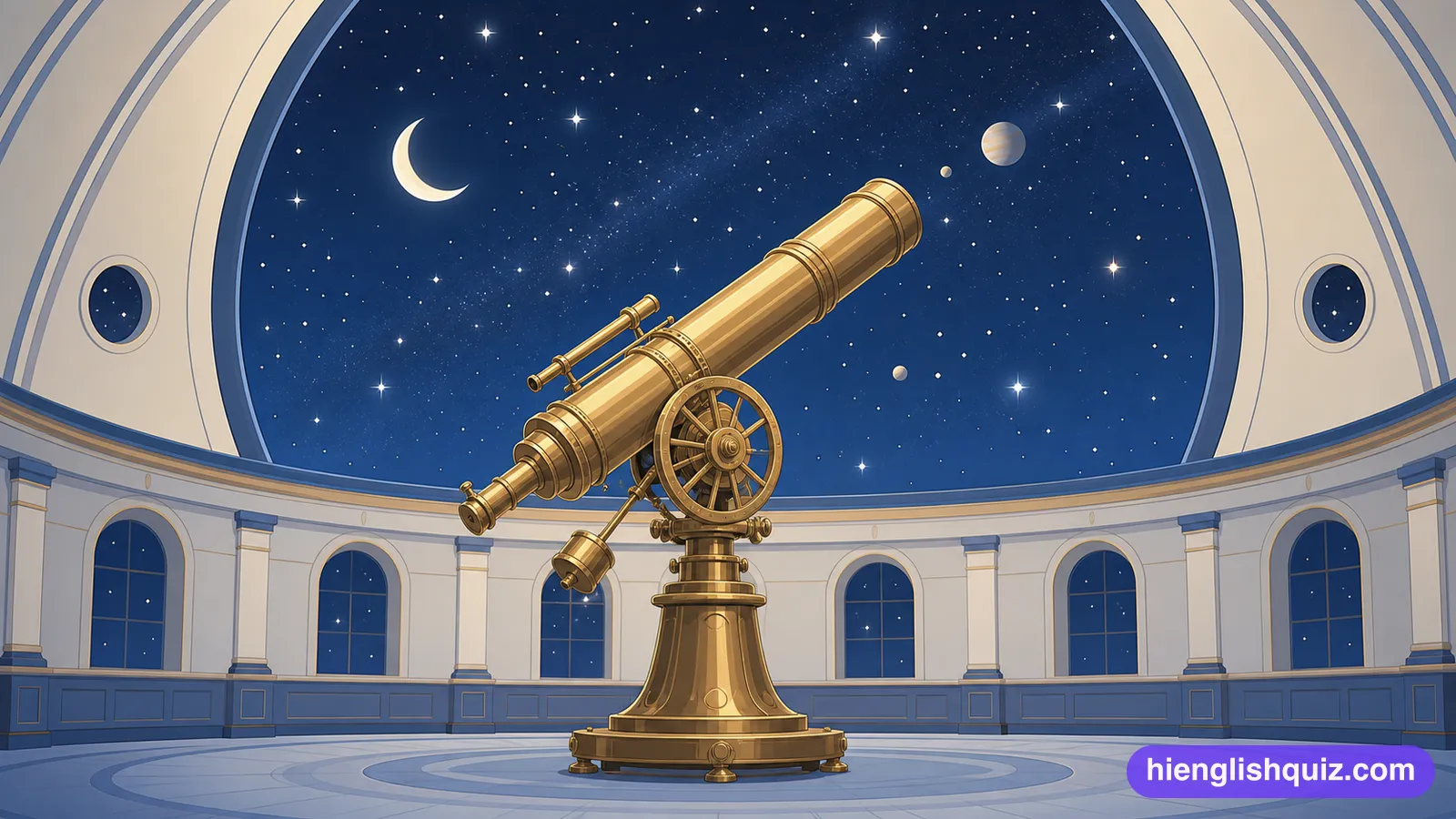
celestial
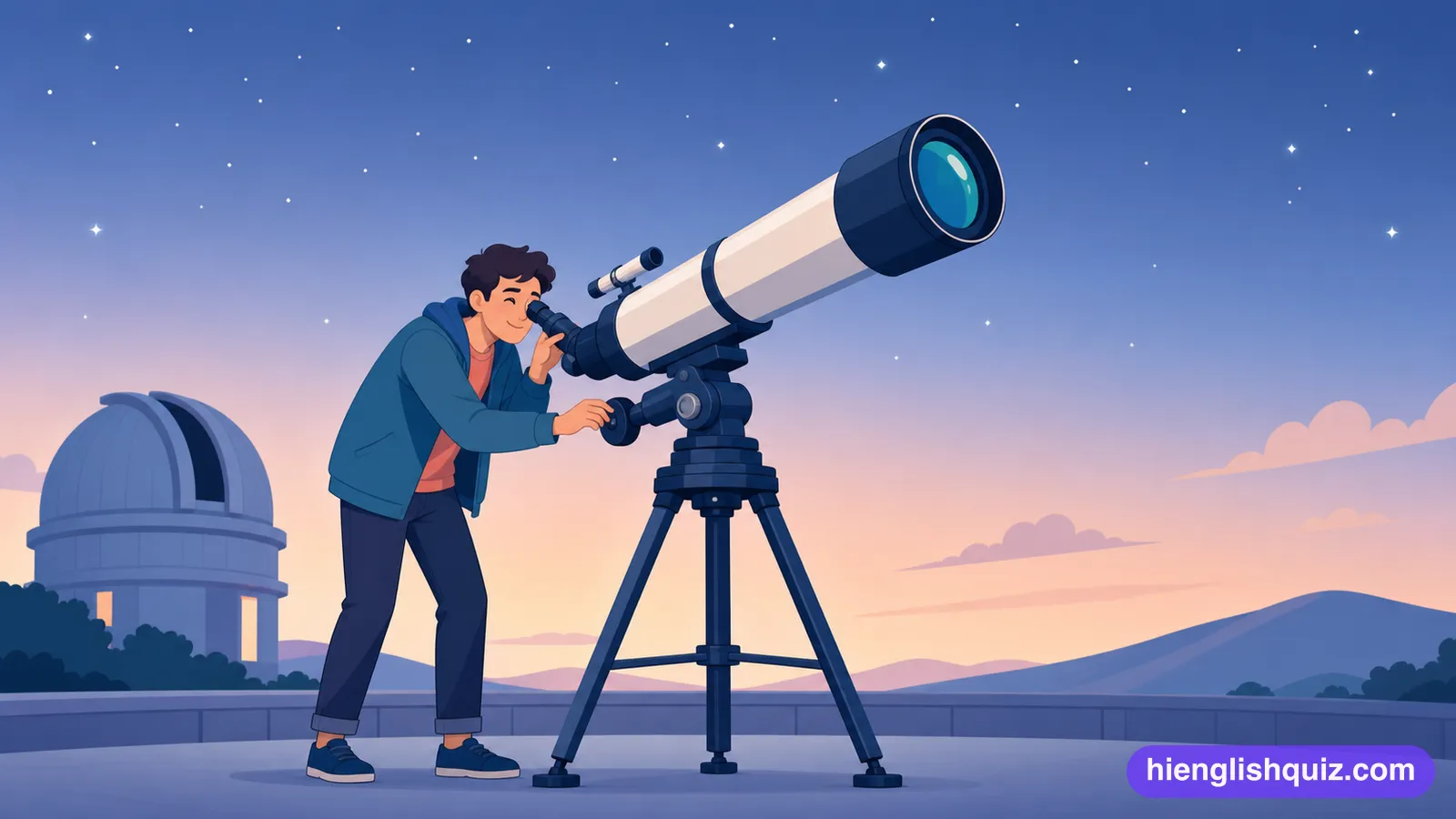
/səˈlɛstʃəl/Belonging to the sky and to the objects that move across it, seen from the ground.
Example: Sailors once navigated by celestial objects alone, night after night.
 Hi EnglishQuiz
C222 words · Proficient
Space vocabulary such as dark matter, event horizon and redshift, plus barycentre, nucleosynthesis and heliopause. Words for describing cosmology at an expert level.
Belonging to the sky and to the objects that move across it, seen from the ground.
Example: Sailors once navigated by celestial objects alone, night after night.
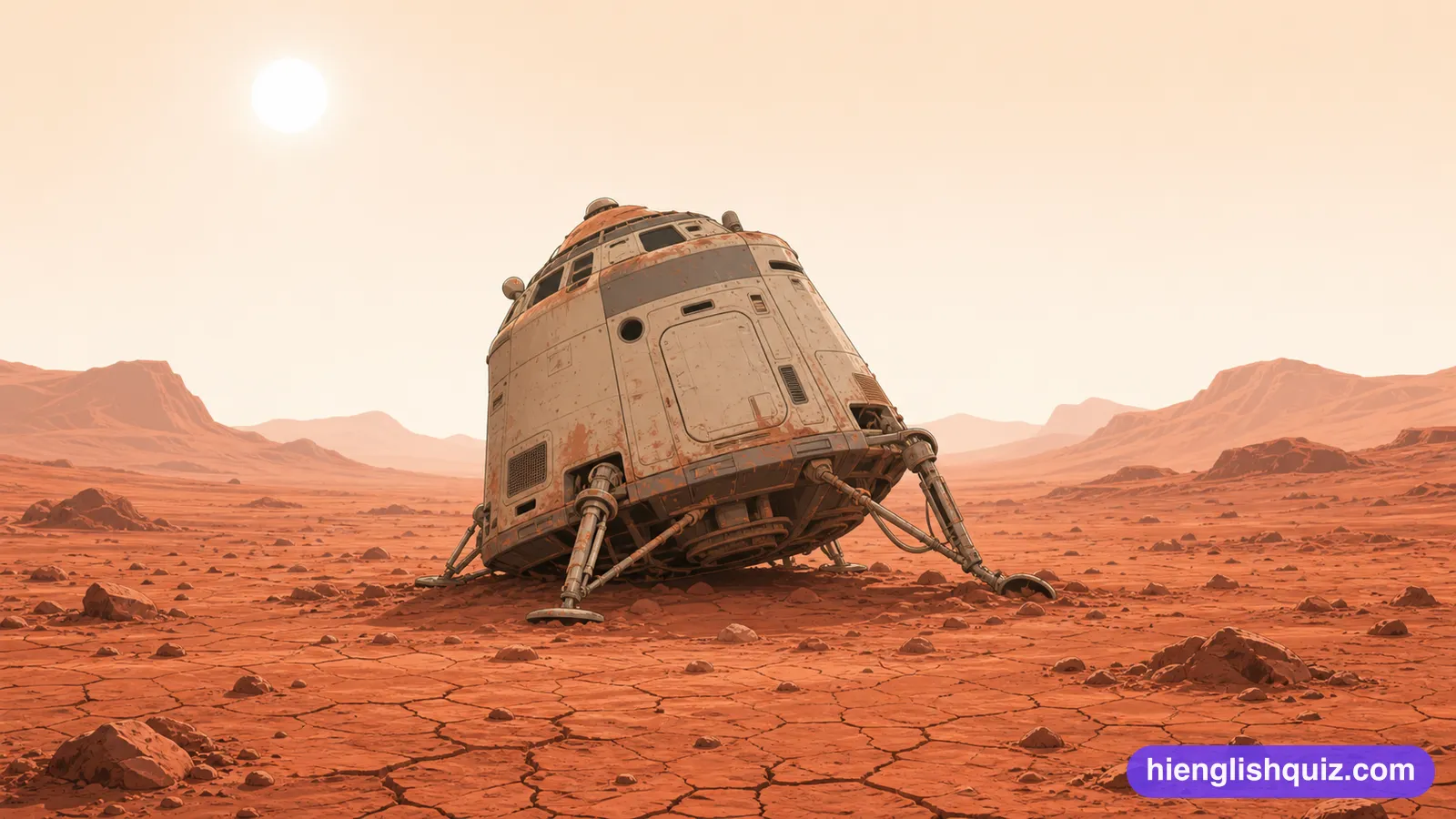
Impossible for people to live in, because the conditions there are far too harsh.
Example: Venus is uninhabitable: the surface is hot enough to melt lead.
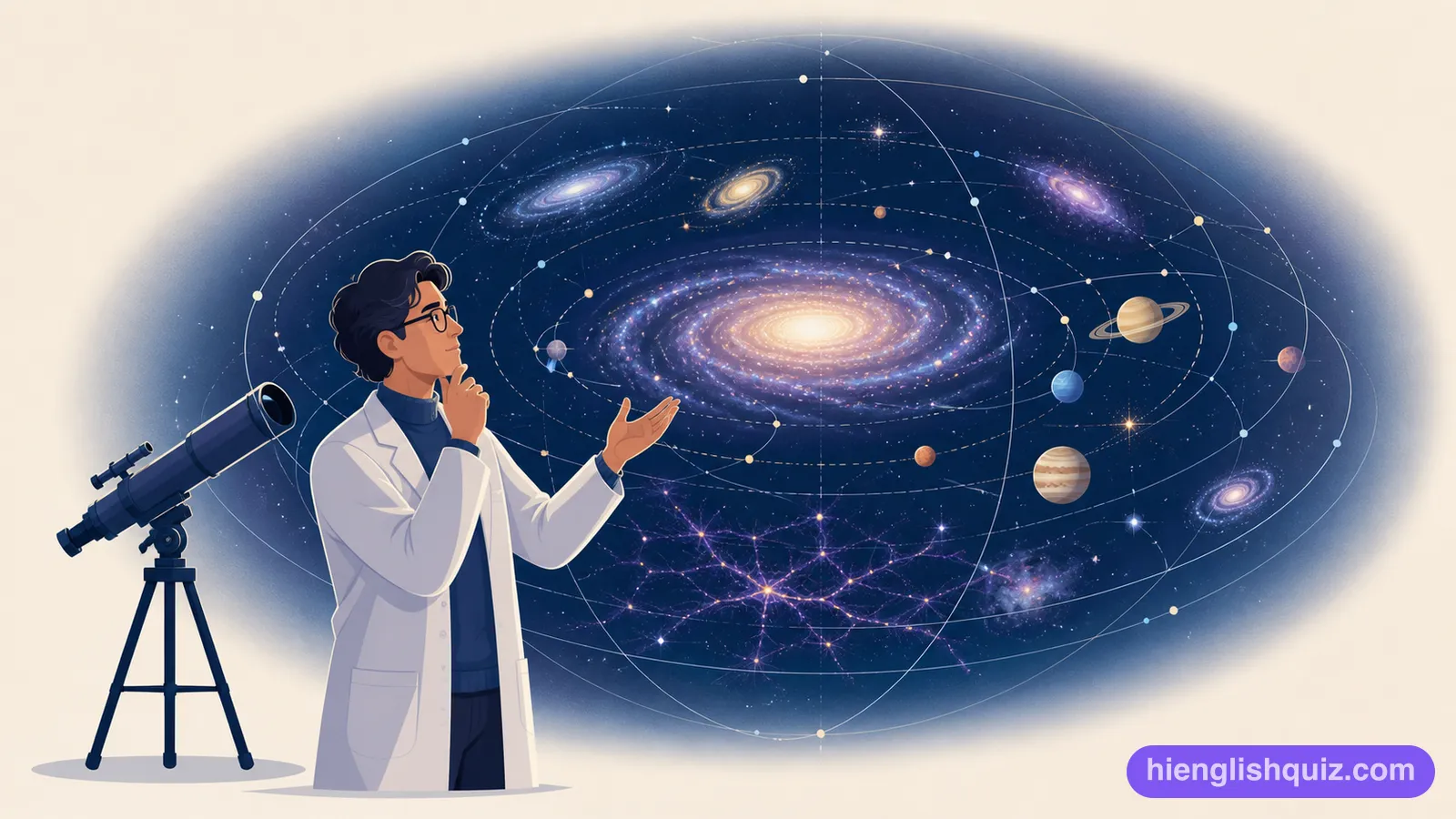
The scientific study of the origin and overall structure of the universe.
Example: Cosmology tries to explain how the universe began.
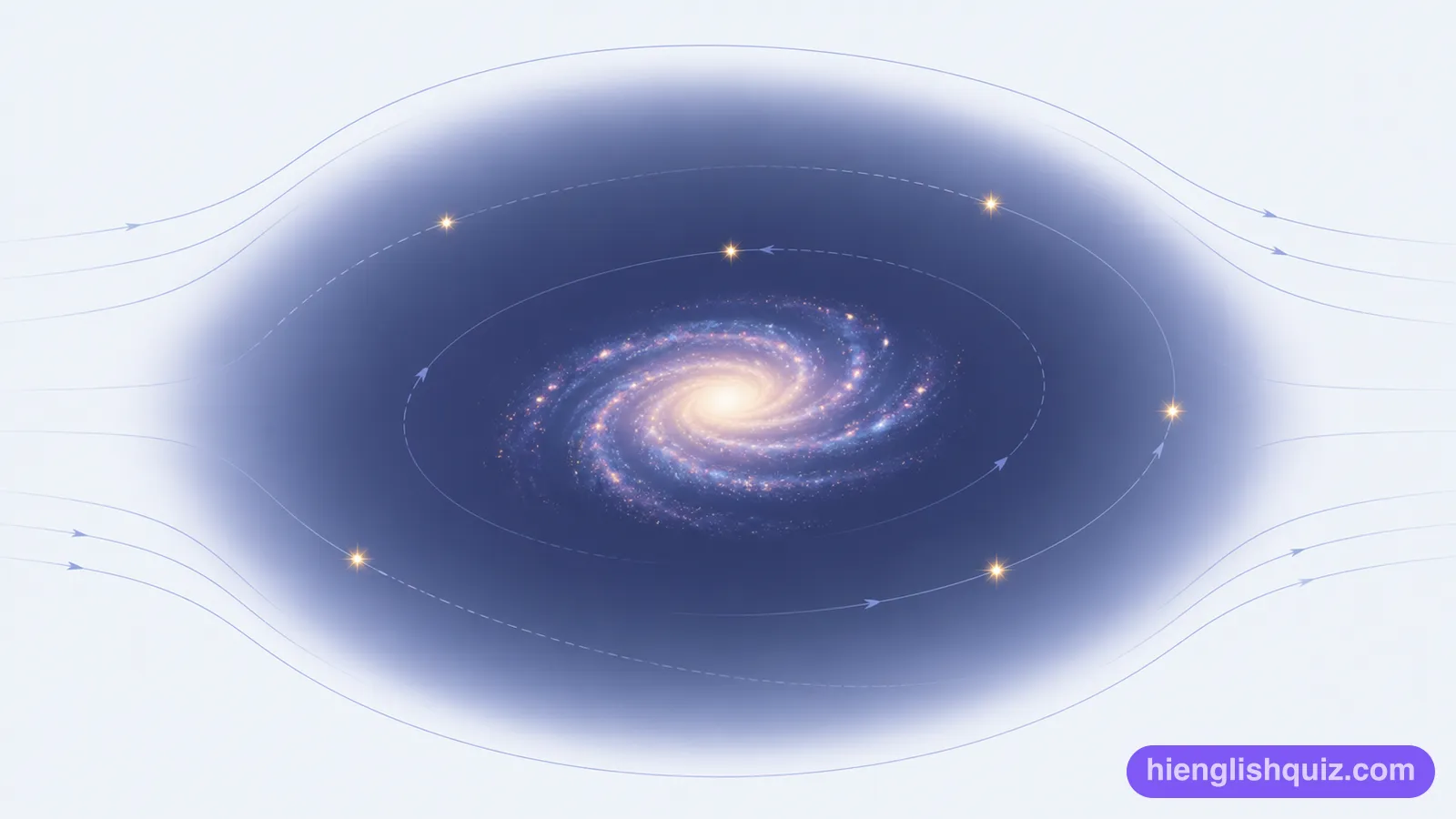
An invisible substance in space that cannot be seen directly but is believed to make up most of the universe's mass.
Example: Scientists still don't fully understand dark matter.
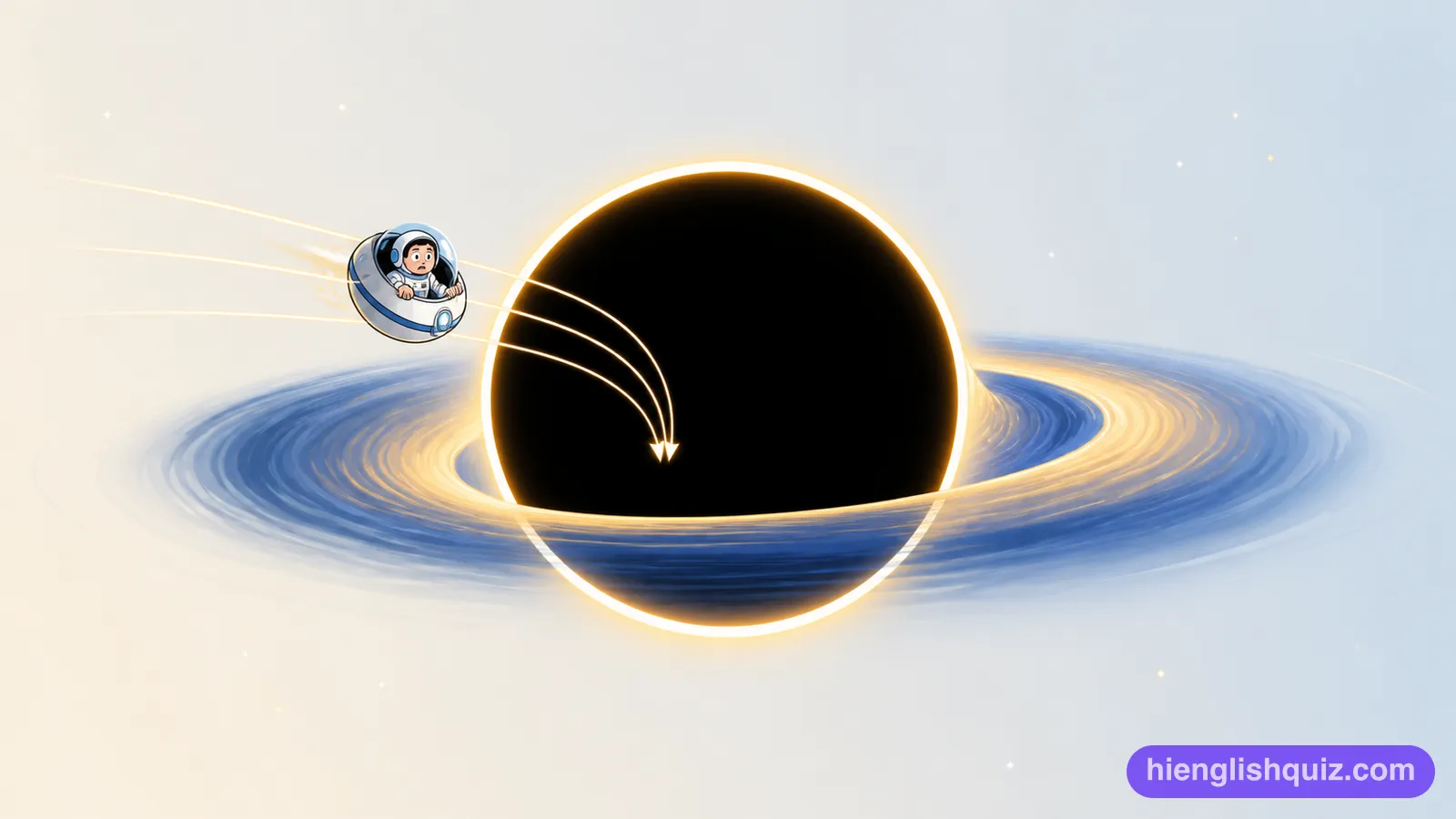
The boundary around a black hole beyond which nothing, not even light, can escape.
Example: Once an object passes the event horizon, it can never return.
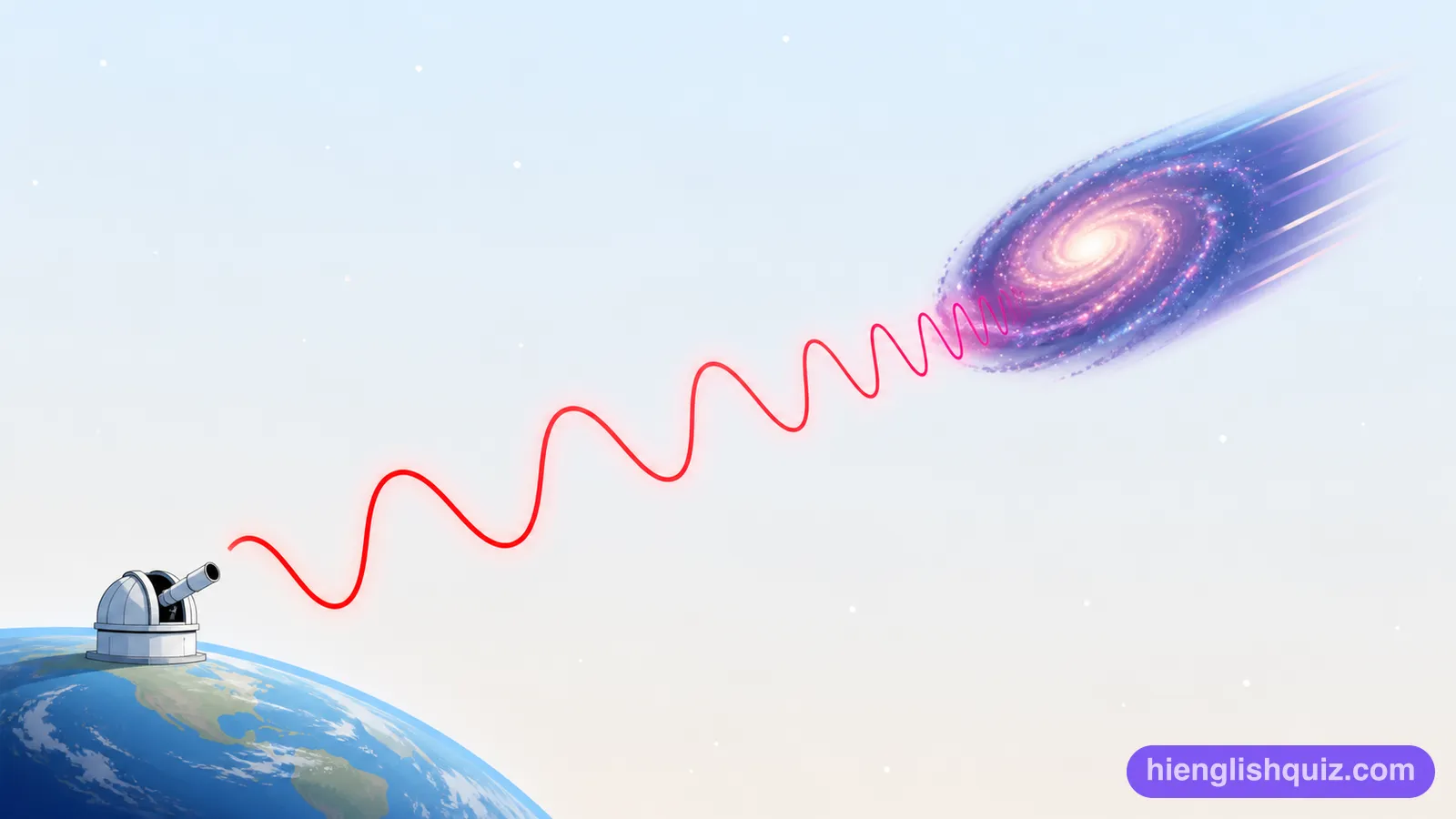
A change in the light from a distant object, showing that it is moving away from us.
Example: The star's redshift proved that the universe is expanding.
The total amount of light and energy given off by a star.
Example: A star's luminosity depends on its size and temperature.

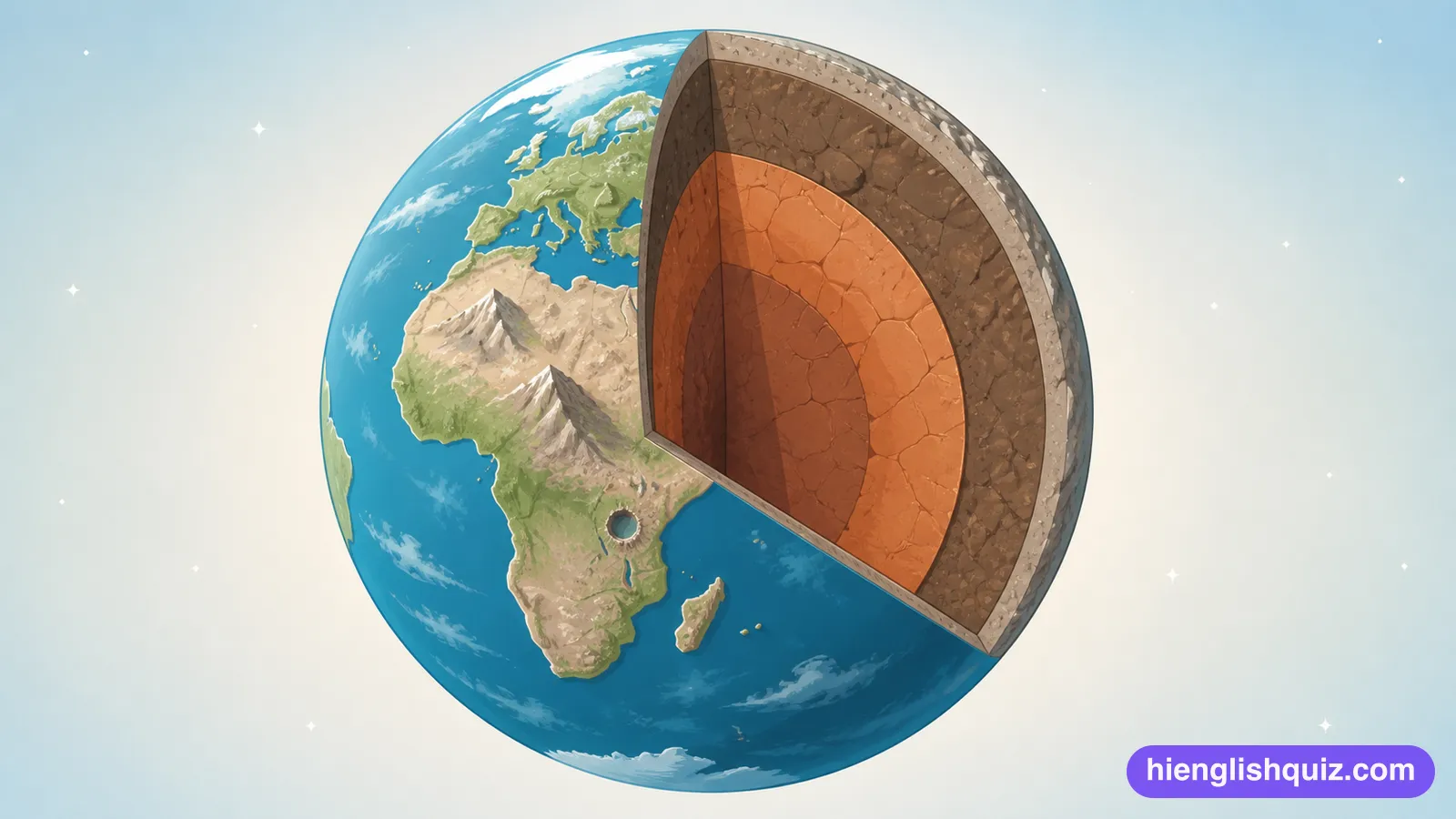
Relating to the Earth, or describing a planet made of rock, like Earth.
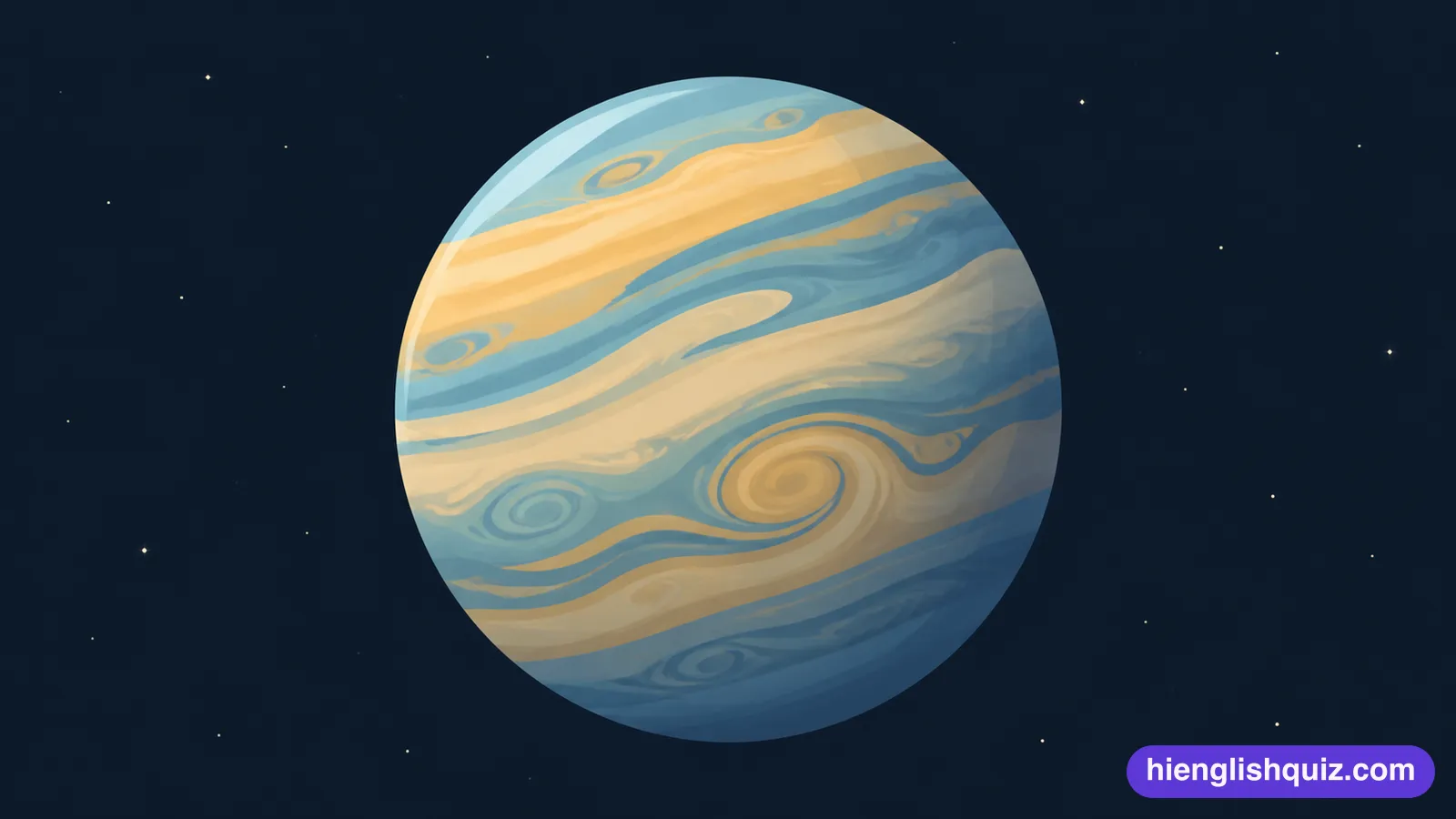
Example: Mars is a terrestrial planet, unlike gas giants such as Jupiter.
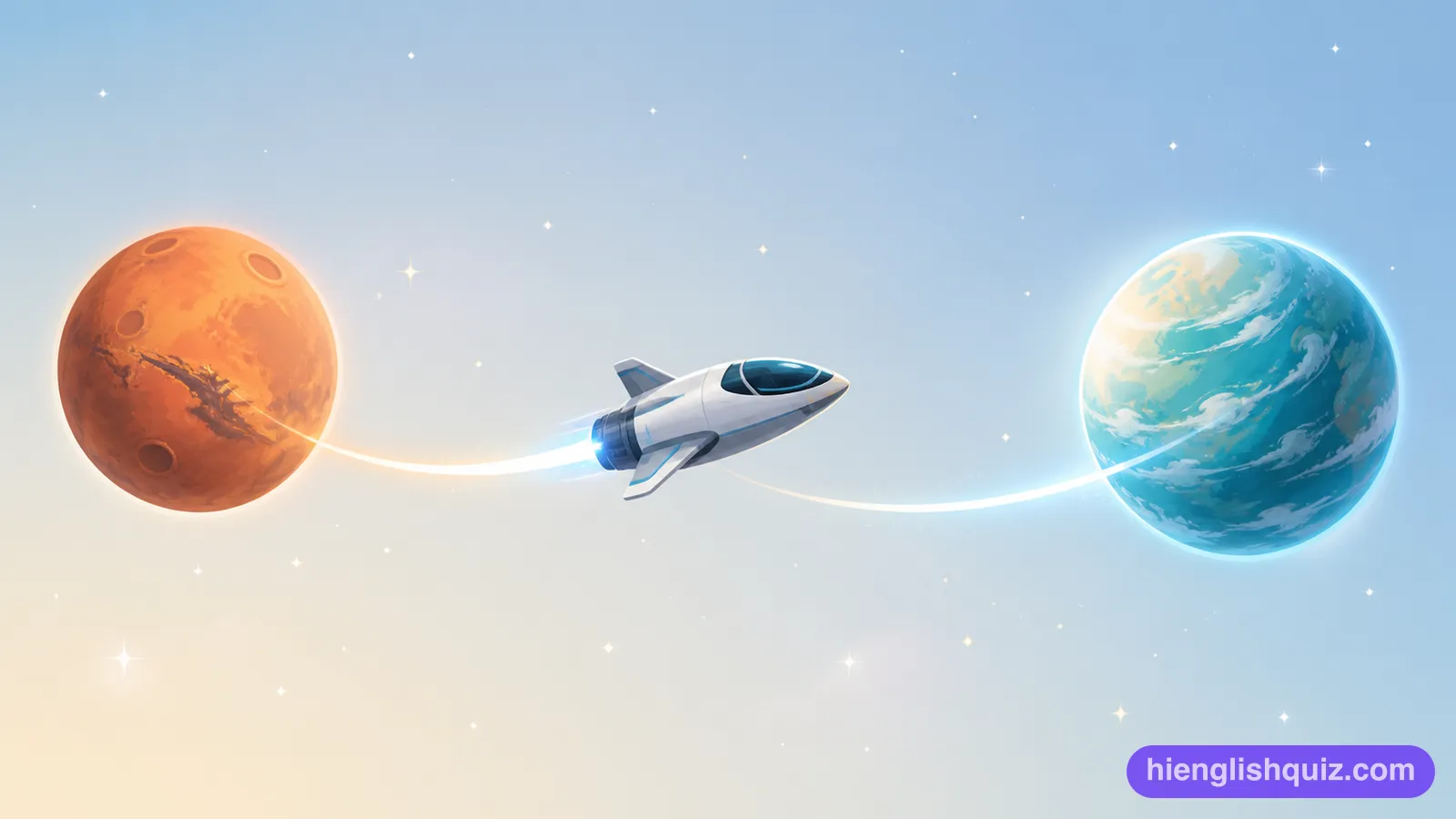
Happening or existing between different planets.
Example: The agency is planning an interplanetary mission to Mars.
Describes an old model of the universe in which the Earth was believed to be at the centre.
Example: Ancient astronomers once believed in a geocentric universe.
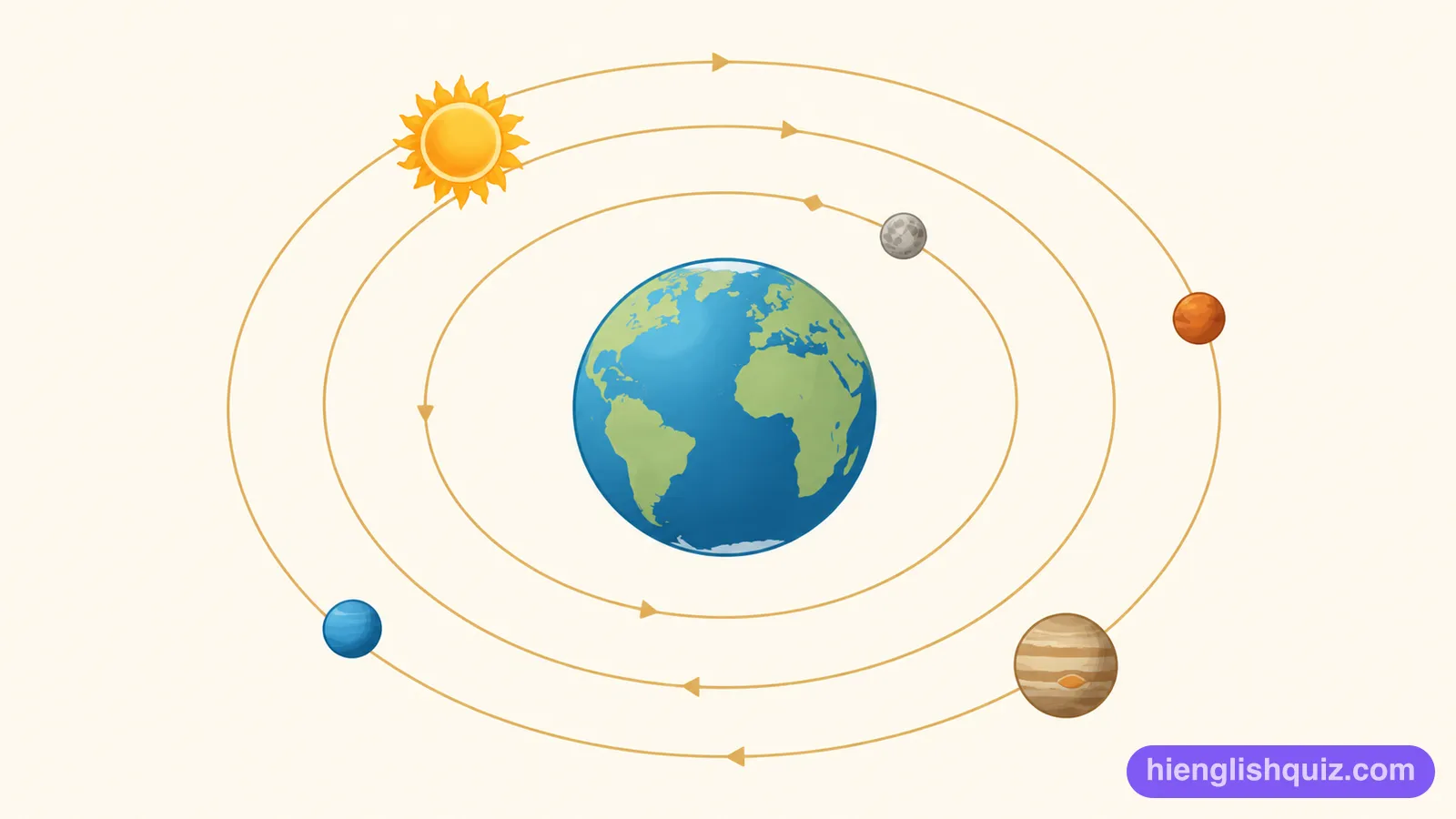
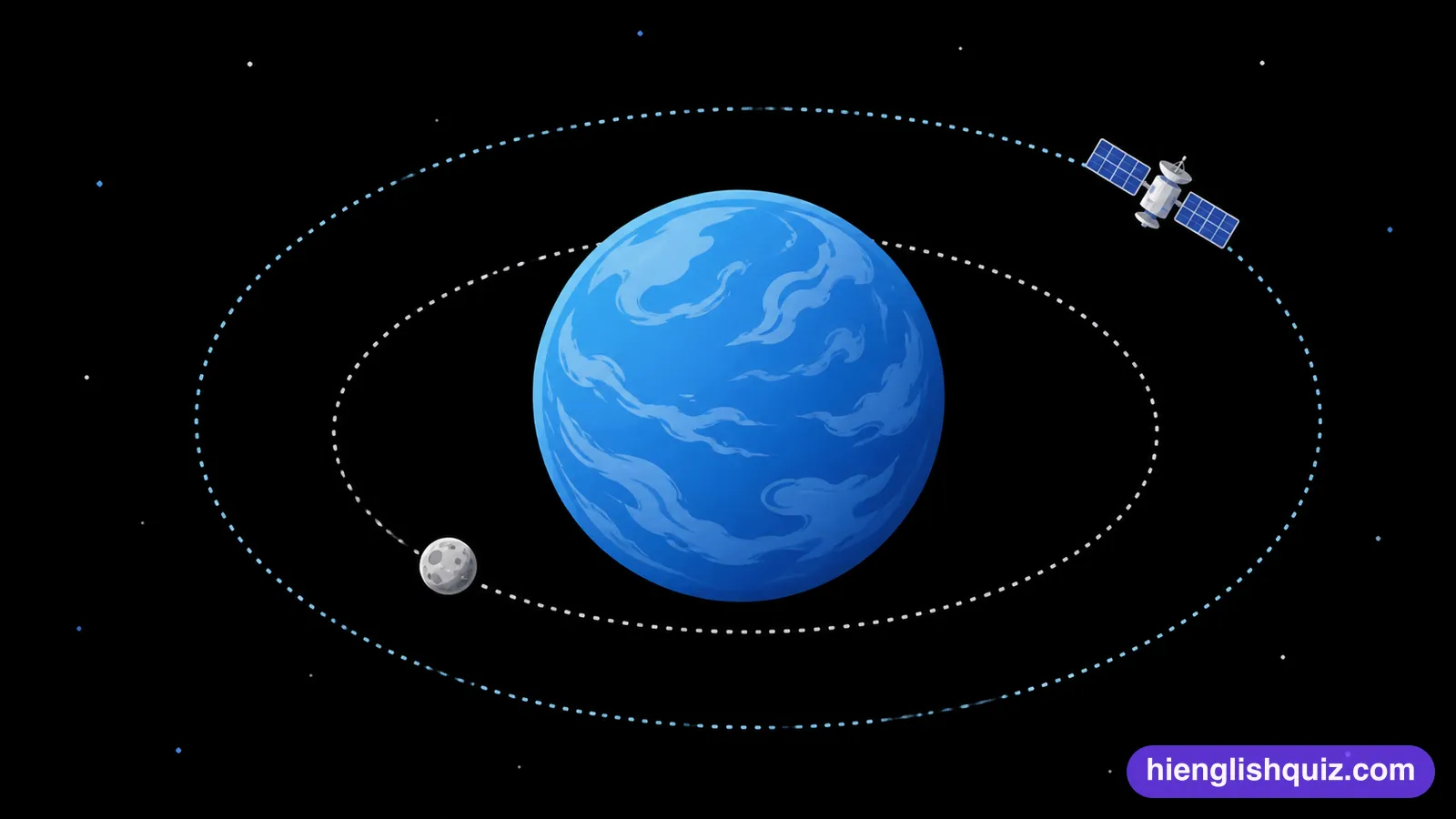
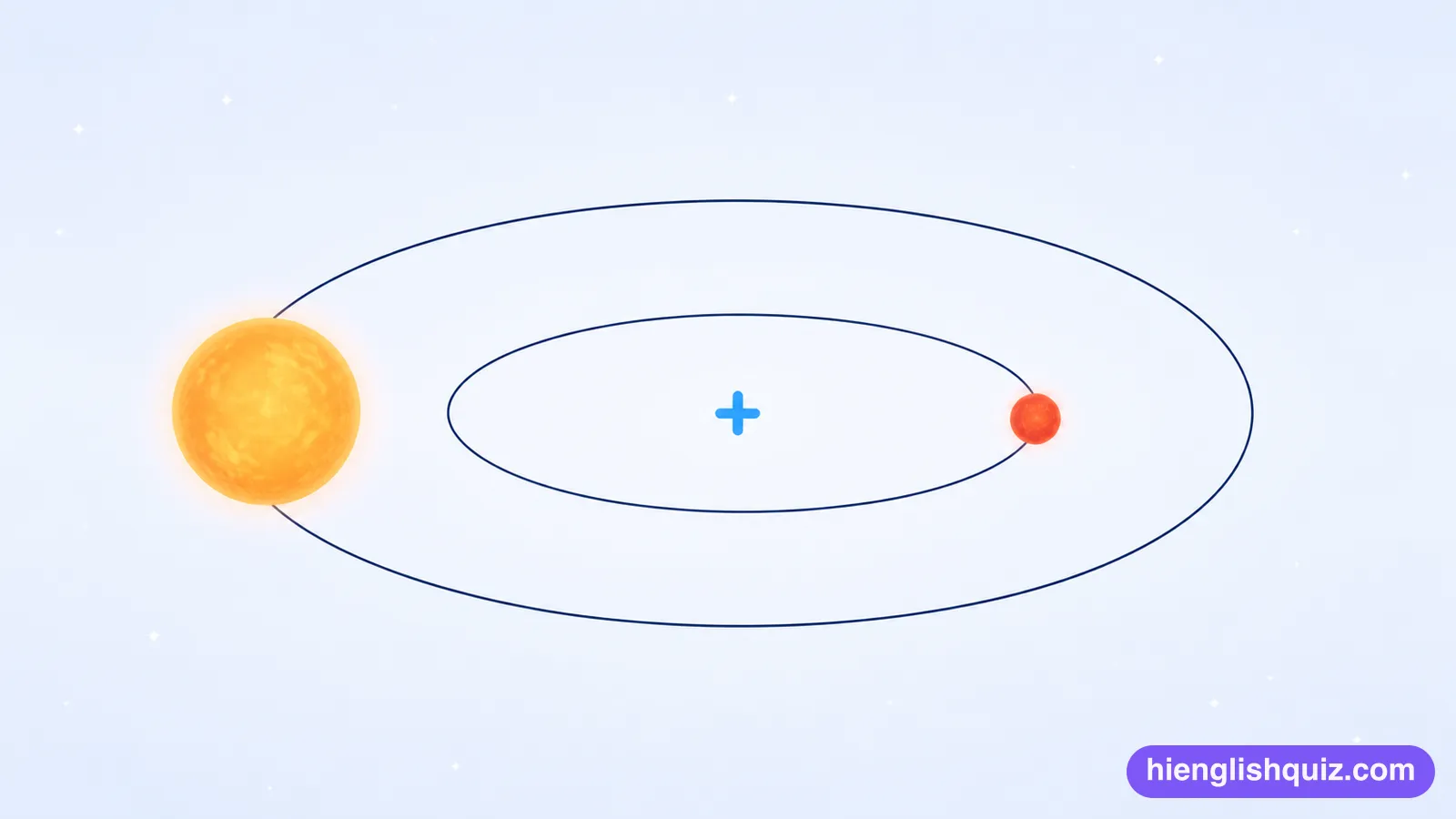
The common centre of mass that two bodies orbit.
Example: The barycentre of the Earth and Moon sits inside the Earth.
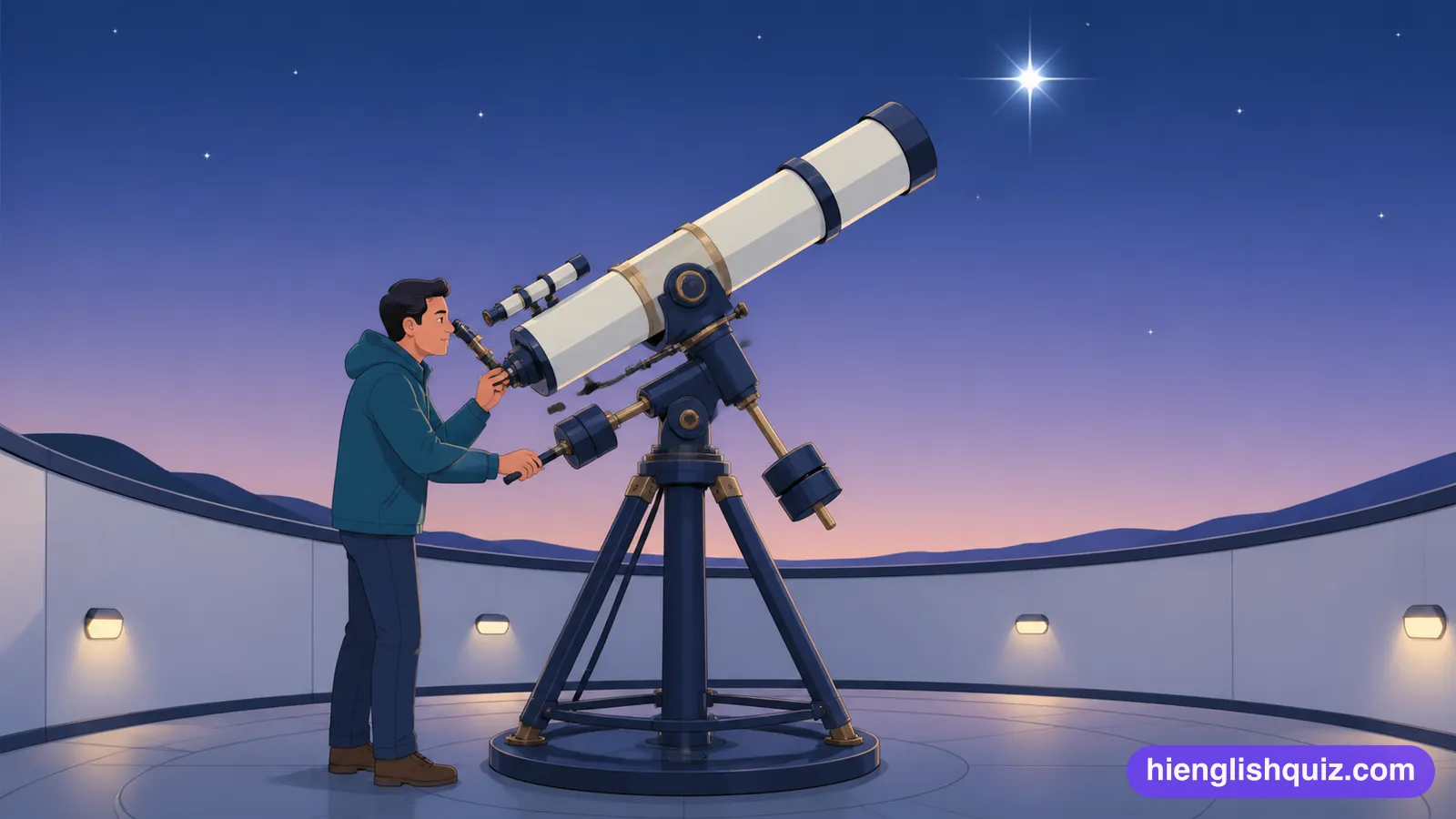
Measured by the stars rather than by the sun.
Example: A sidereal day is about four minutes shorter than a solar one.
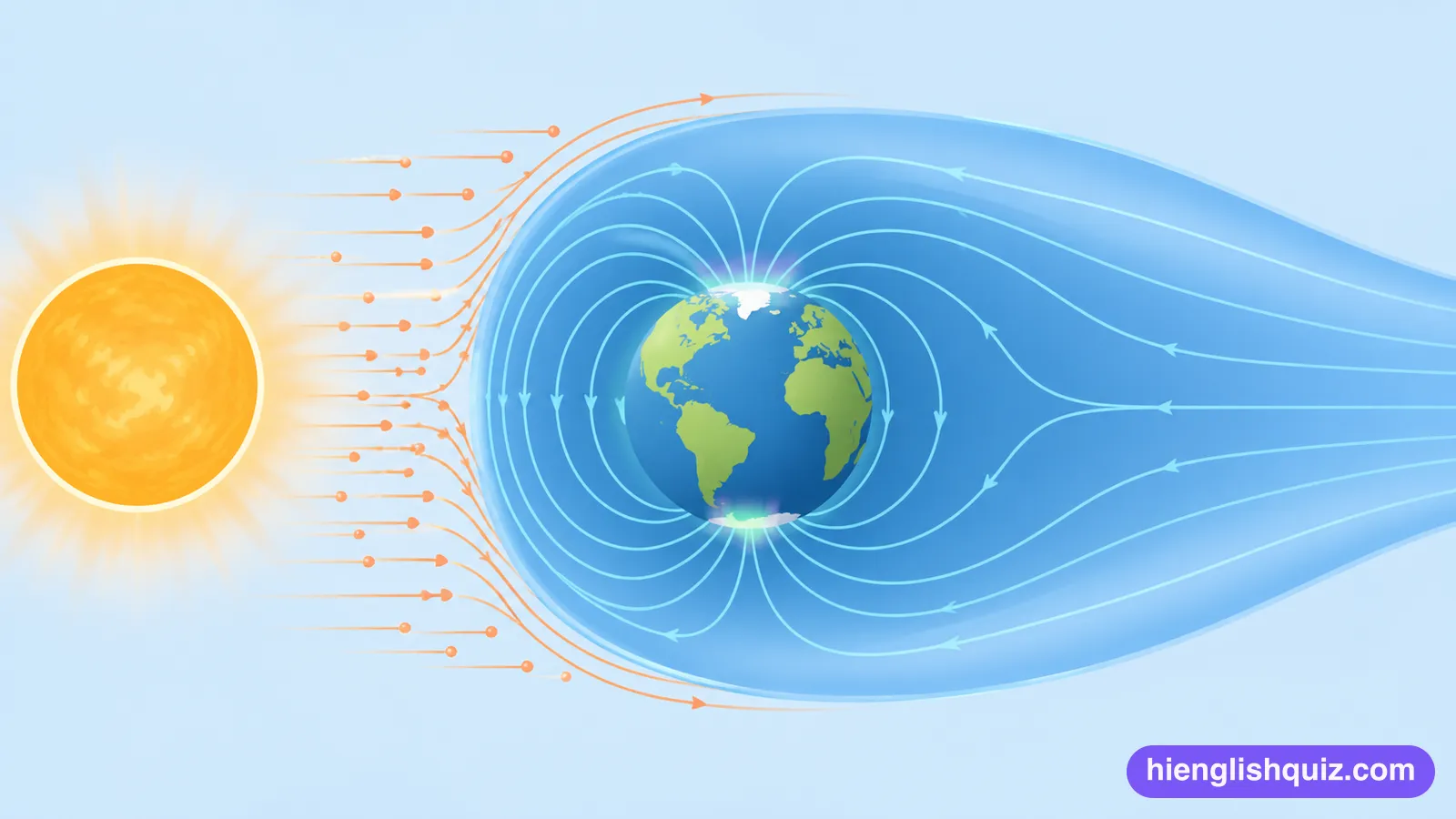
The region round a planet controlled by its magnetic field.
Example: The magnetosphere is what keeps the atmosphere from being stripped away.
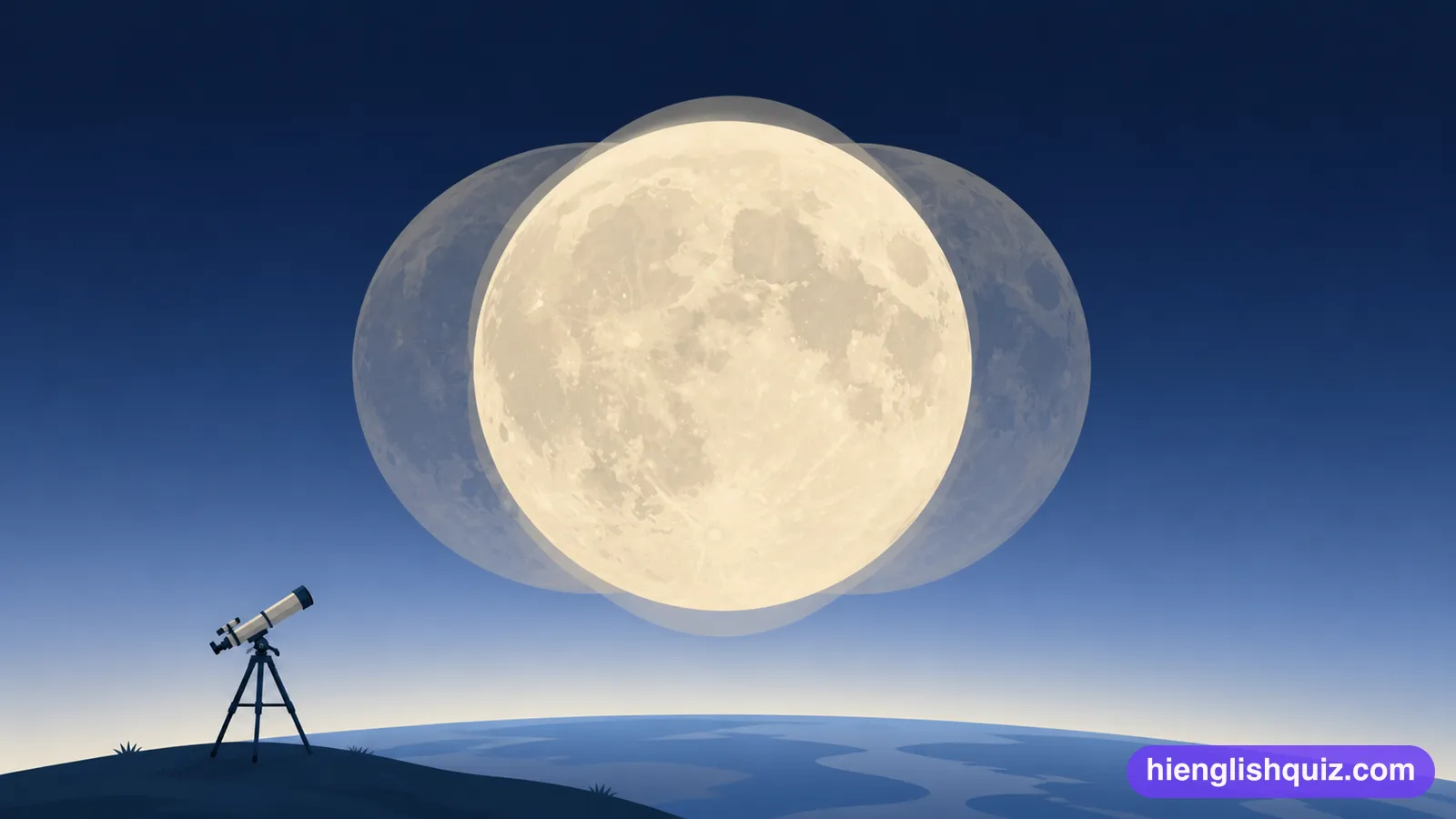
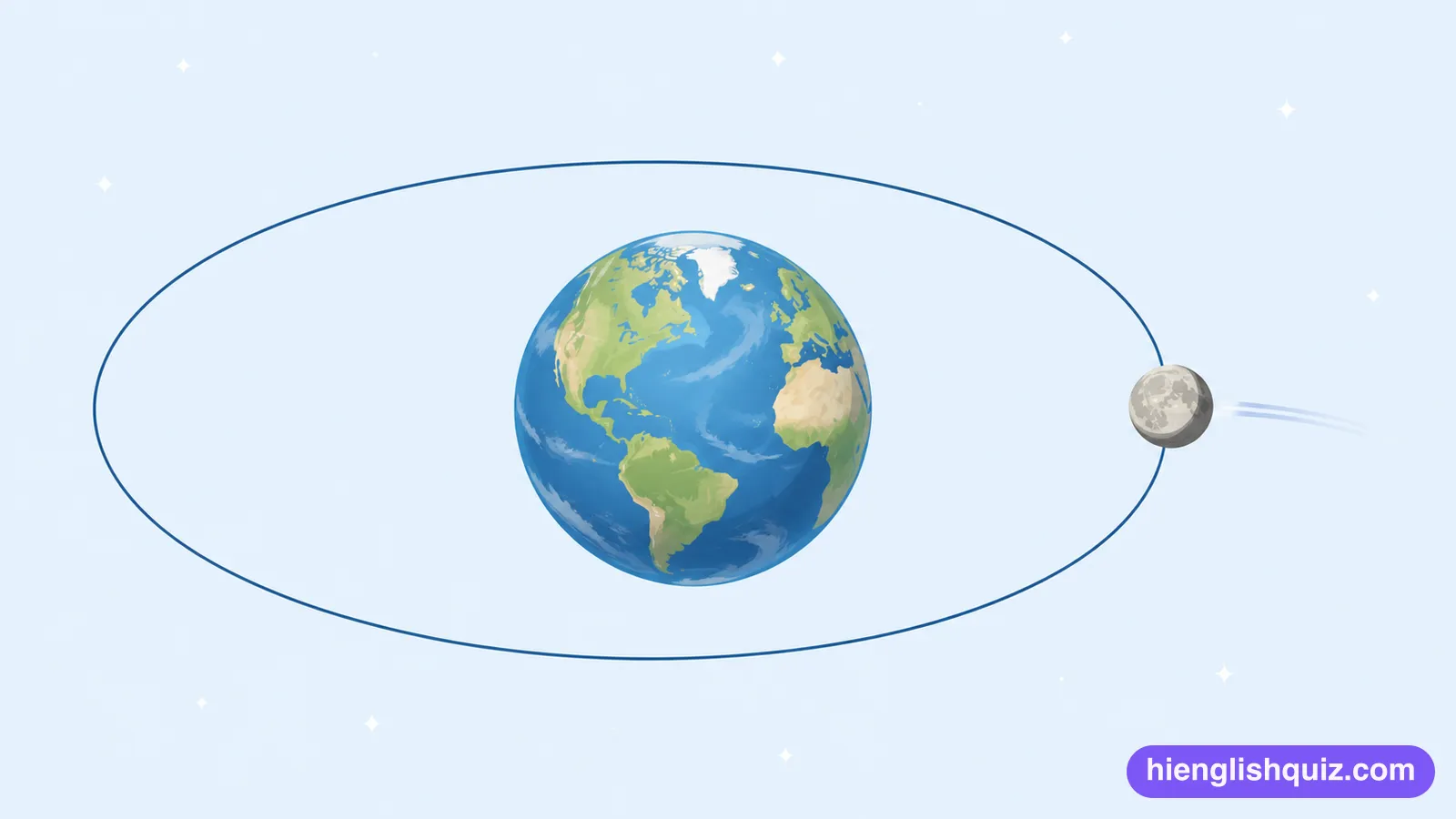
The point in an orbit closest to the Earth.
Example: The moon looks largest at perigee, which the papers call a supermoon.
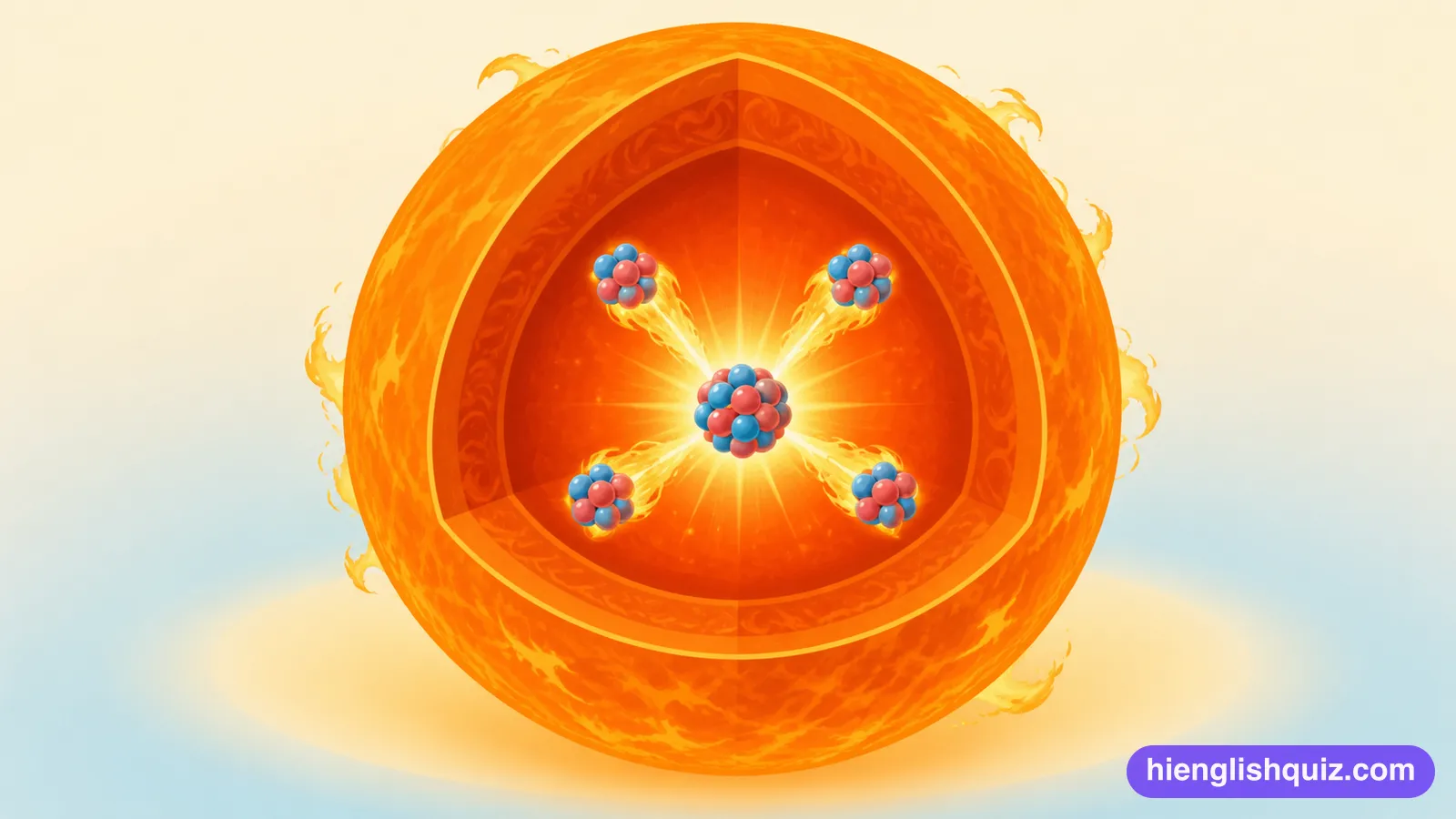
The forming of new chemical elements inside stars.
Example: Every atom heavier than helium comes from nucleosynthesis.
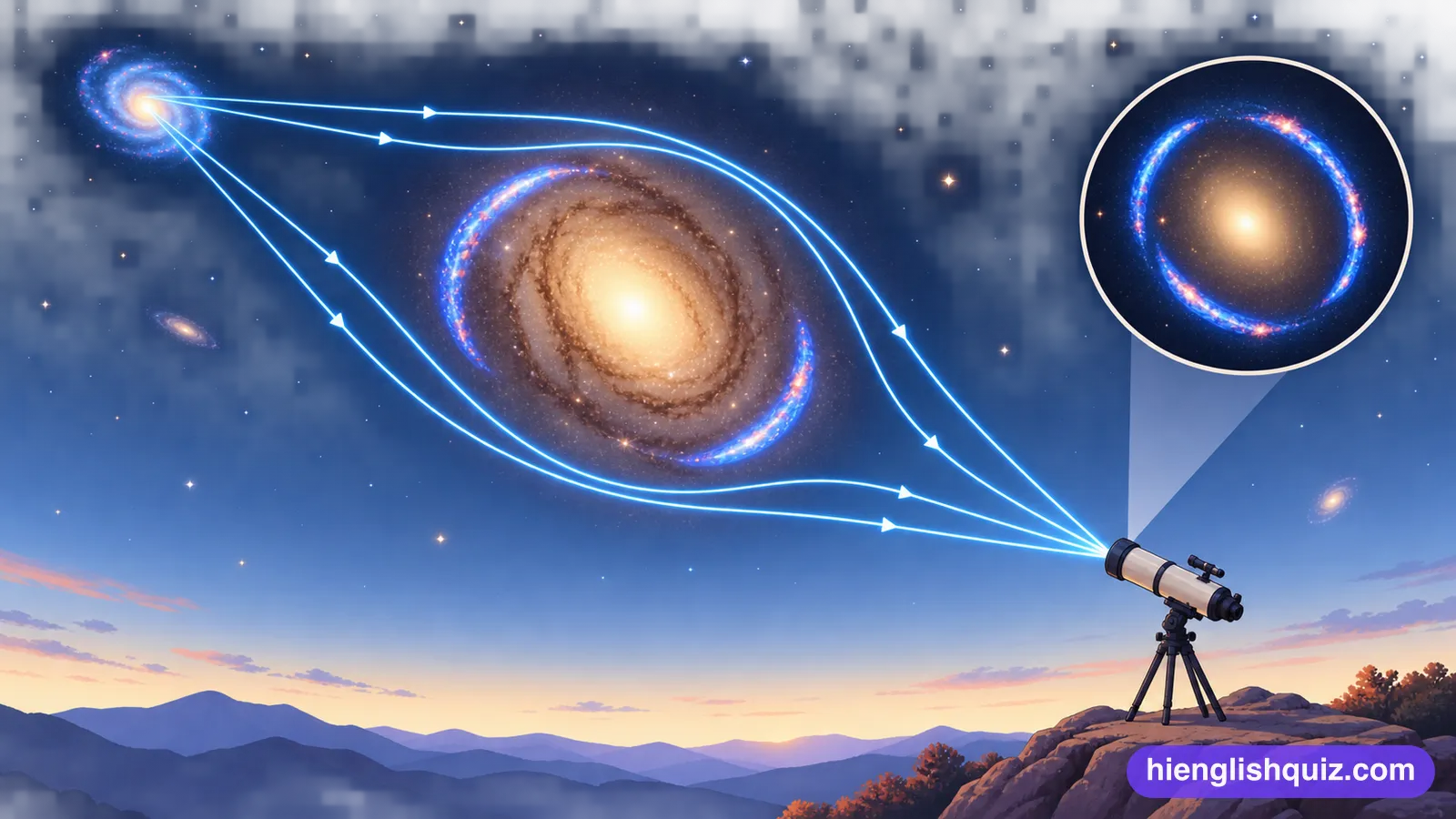
The bending of light by a massive object.
Example: Gravitational lensing lets astronomers see galaxies hidden behind others.
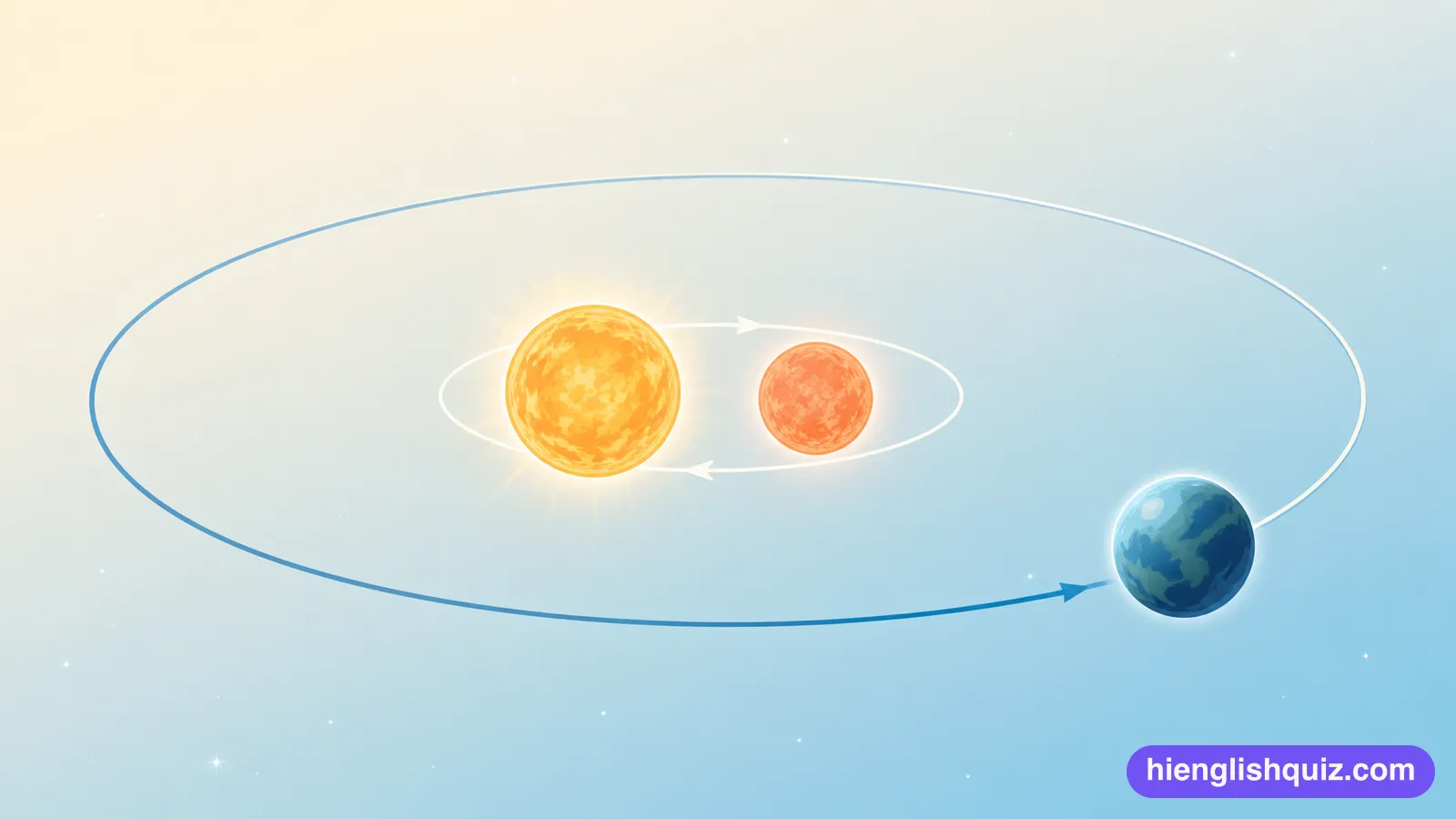
Orbiting two stars at once.
Example: A circumbinary planet has two sunsets and no stable seasons.
The precise measurement of the positions of stars.
Example: Modern astrometry works to a millionth of a degree.
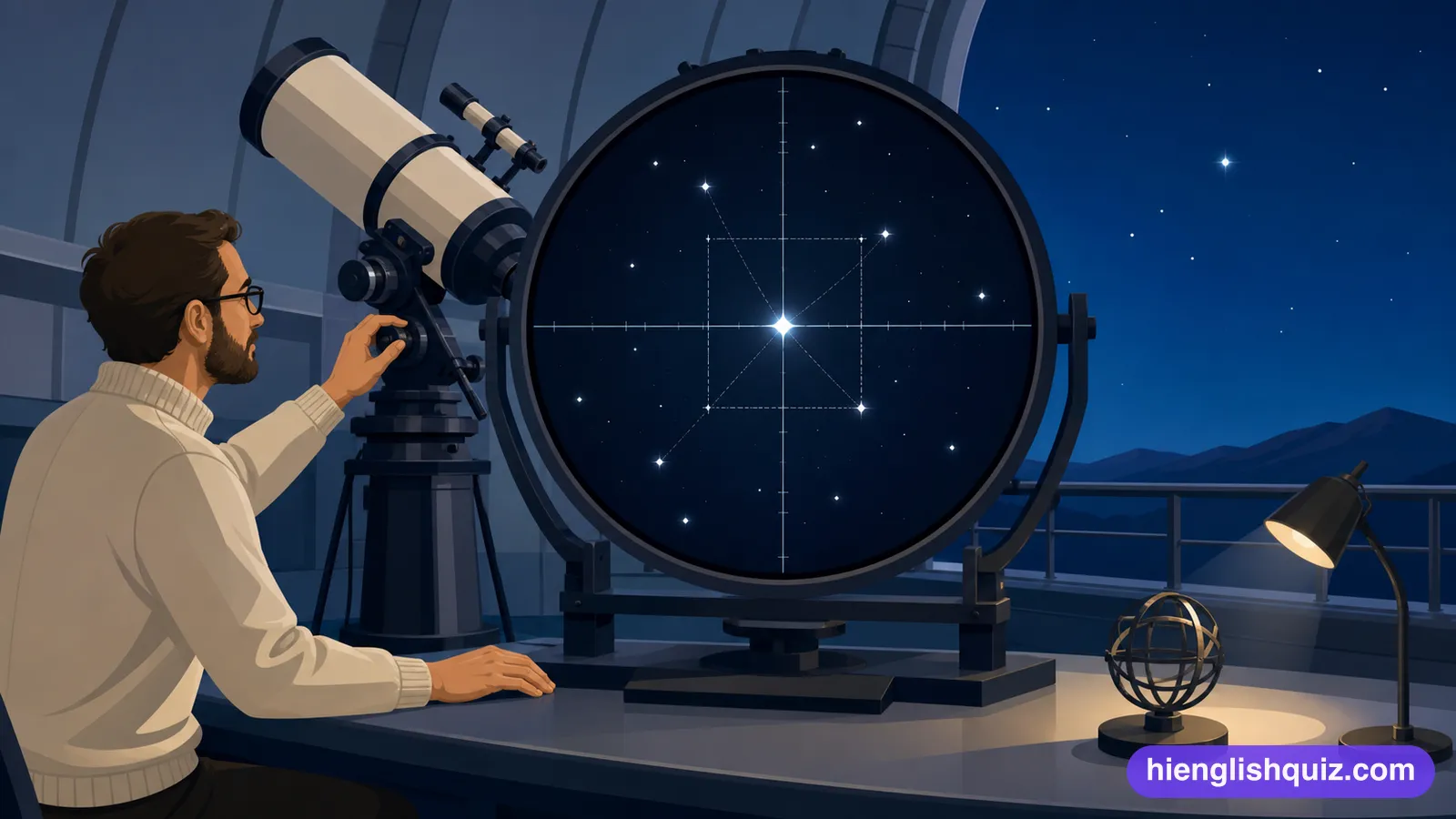
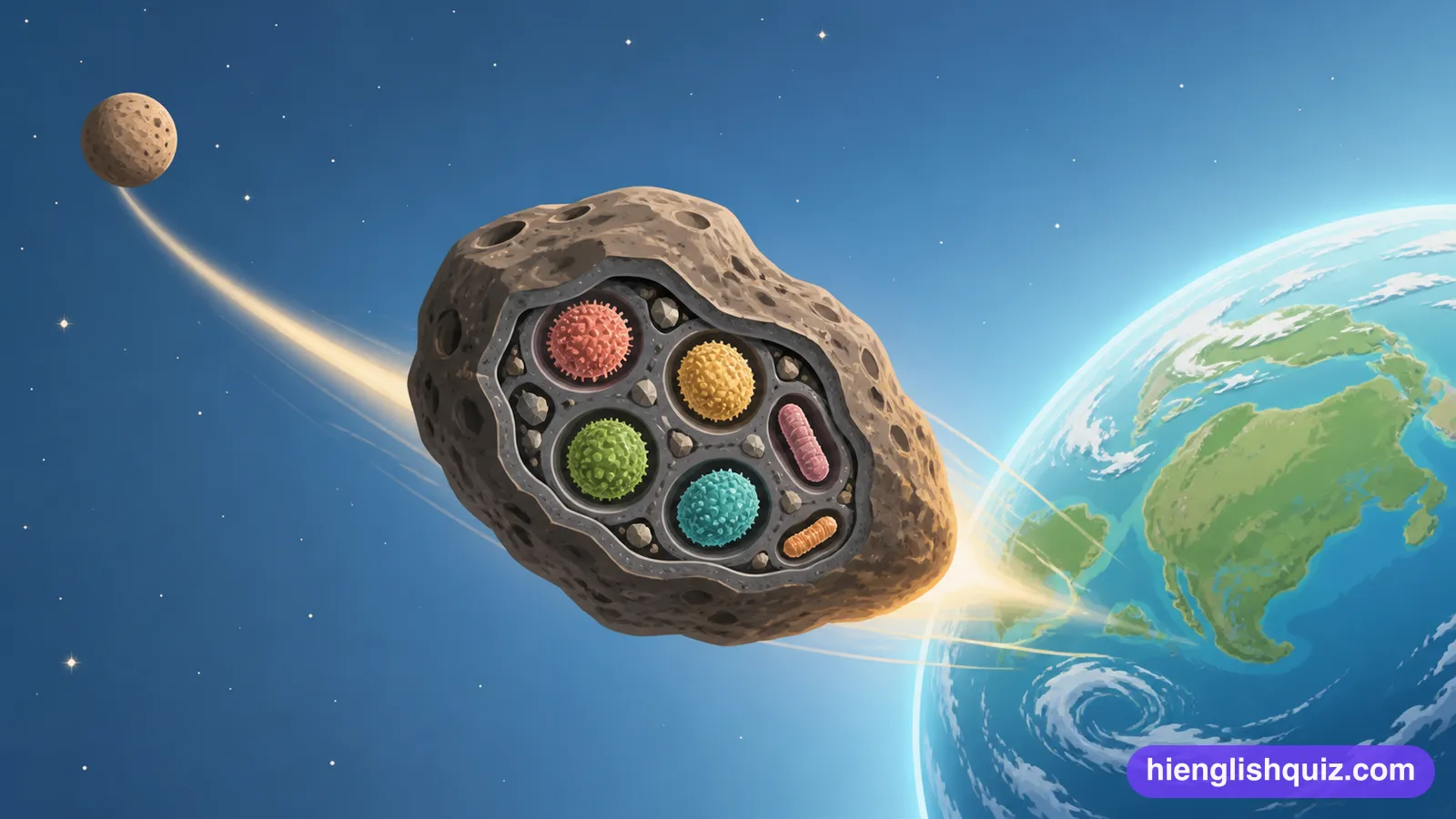
The idea that life spreads between planets on rocks or dust.
Example: Panspermia moves the question rather than answering it.
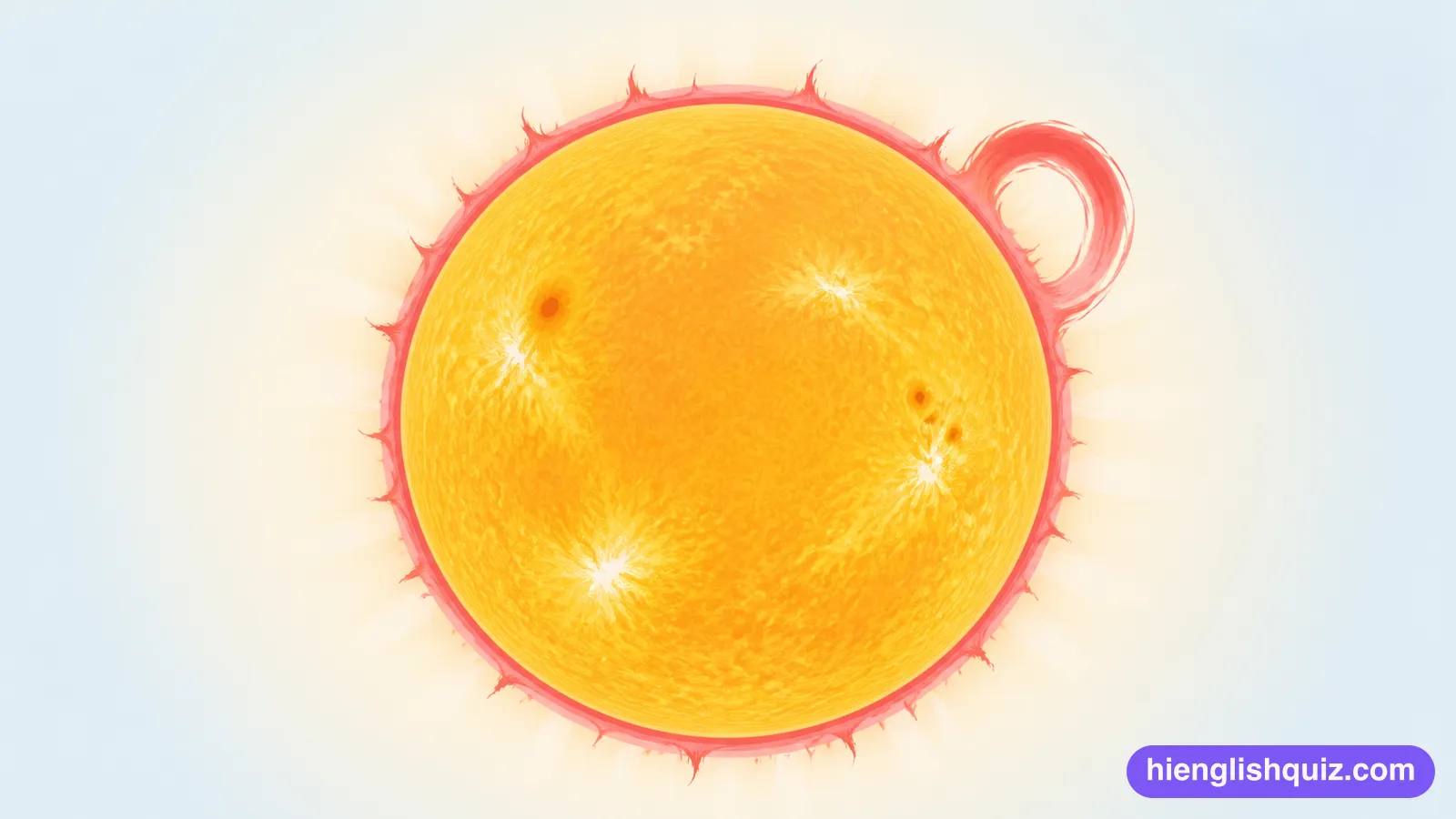
The layer of the sun's atmosphere just above the surface.
Example: The chromosphere is only visible during a total eclipse.
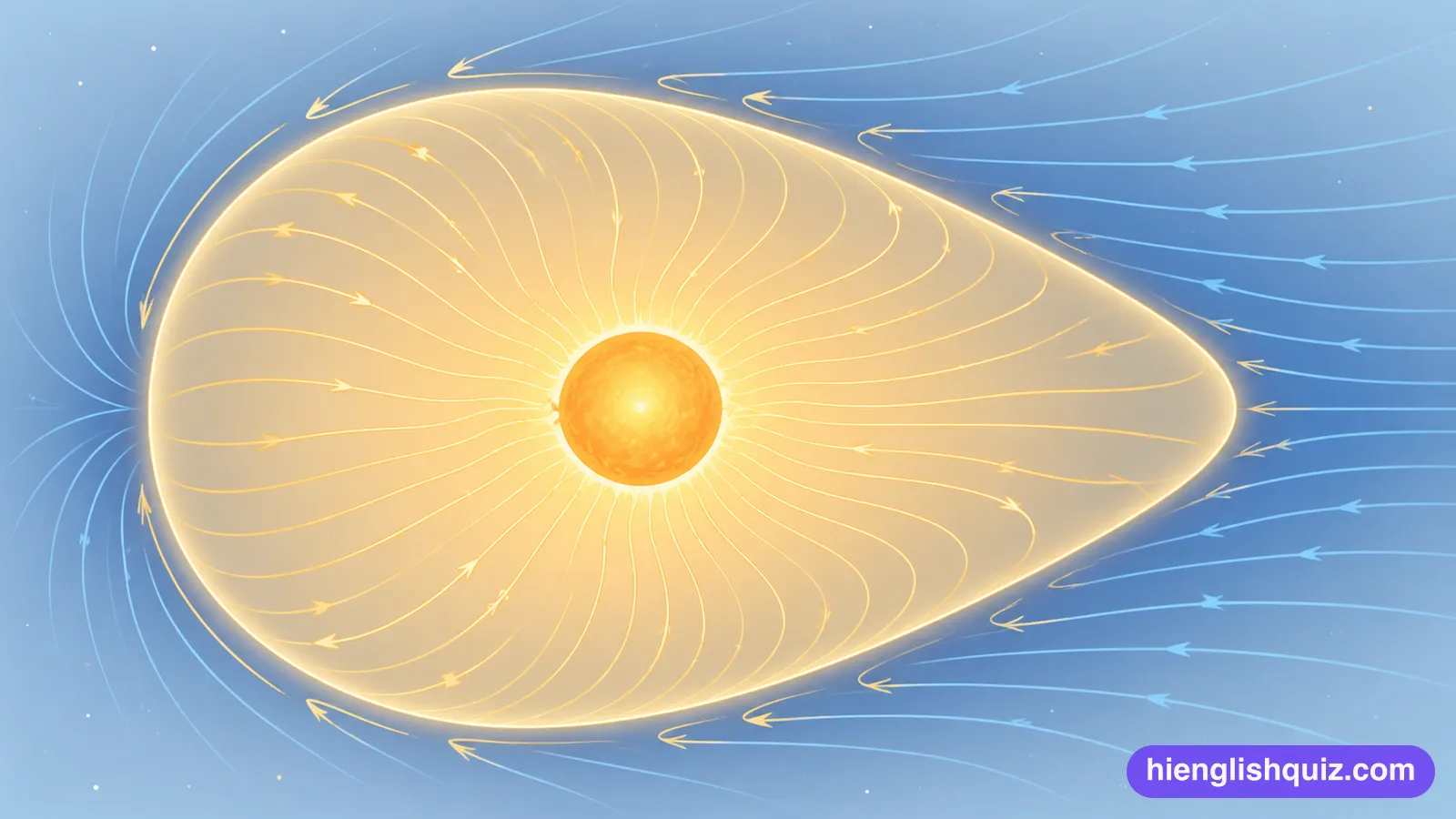
The boundary where the sun's influence ends and interstellar space begins.
Example: Two probes have now crossed the heliopause and kept transmitting.
The slight rocking motion that lets us see a little round the moon's edge.
Example: Libration is why we see fifty-nine per cent of the lunar surface.