
Blog
Short answers to the English grammar questions learners actually ask, each with practice and a matching exercise set.
Common idioms in English: 55 idioms with meanings and examples
55 common English idioms in 11 topics, from "long time no see" to "the ball is in your court". Each has a short meaning, an example and a quiz to practise.
Words to describe a person: 50 words for personality and appearance
50 words to describe a person: personality (kind, honest, stubborn), height and build, hair and face, plus idioms. With meanings, examples and a quiz.

TOEIC vocabulary by topic: 8 topics to learn first
TOEIC vocabulary in 8 topics: the office, hiring, staff, finance, marketing, shipping, airports and hotels. Key words, examples and an 8-question check.
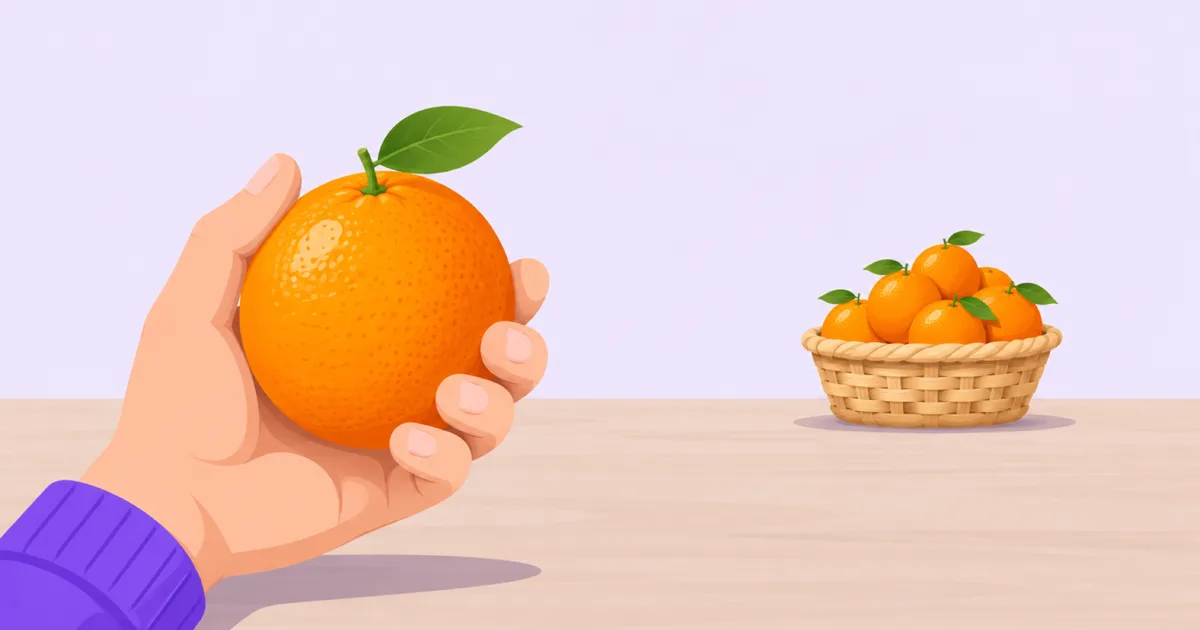
This vs that, these vs those: near or far, singular or plural?
This and these point to things near you, that and those to things far away. This and that are singular; these and those are plural. Examples and practice.
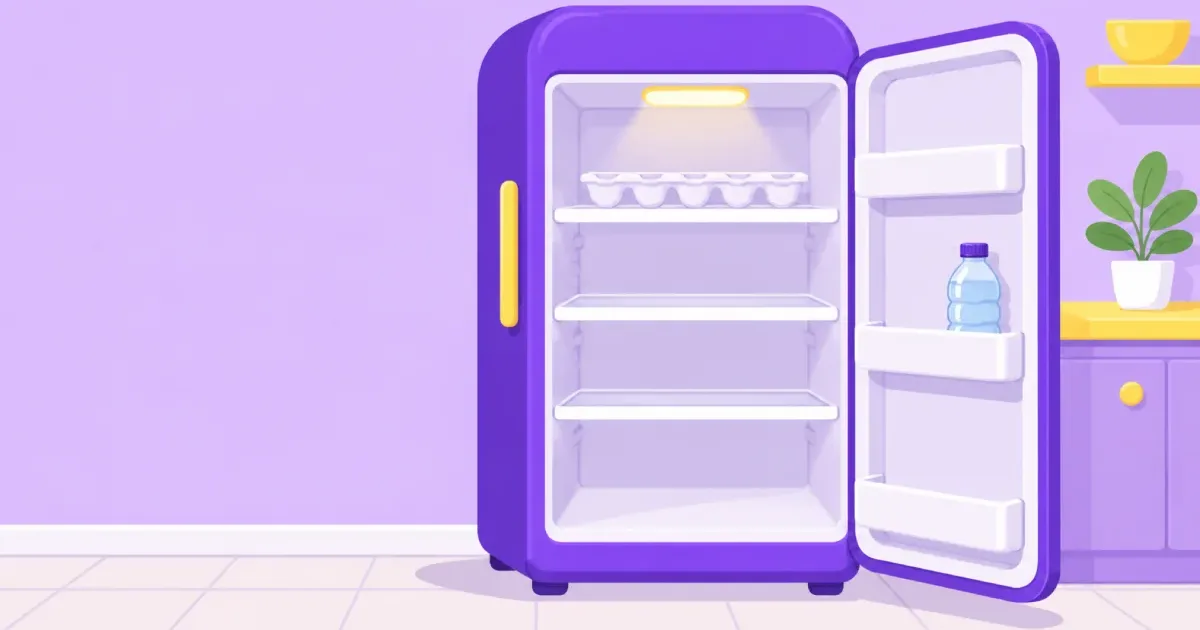
There is / there are: negatives and questions
Negative: there isn't + singular or uncountable noun, there aren't any + plural noun. Plus Is there / Are there questions and short answers.
A or an? Why we say "an hour" but "a university"
Choose a or an by the first sound, not the first letter. Why it is an hour but a university, an MC but a UFO, with examples and practice.

Have and has in the negative: don't have, doesn't have or hasn't?
The negative of have and has is don't have and doesn't have. Which subjects take which, why "doesn't has" is wrong, and when hasn't is correct.

What tense is didn't?
Didn't is the past simple negative: subject + didn't + base verb. Why it's "didn't go", not "didn't went", and why was and were don't take didn't.