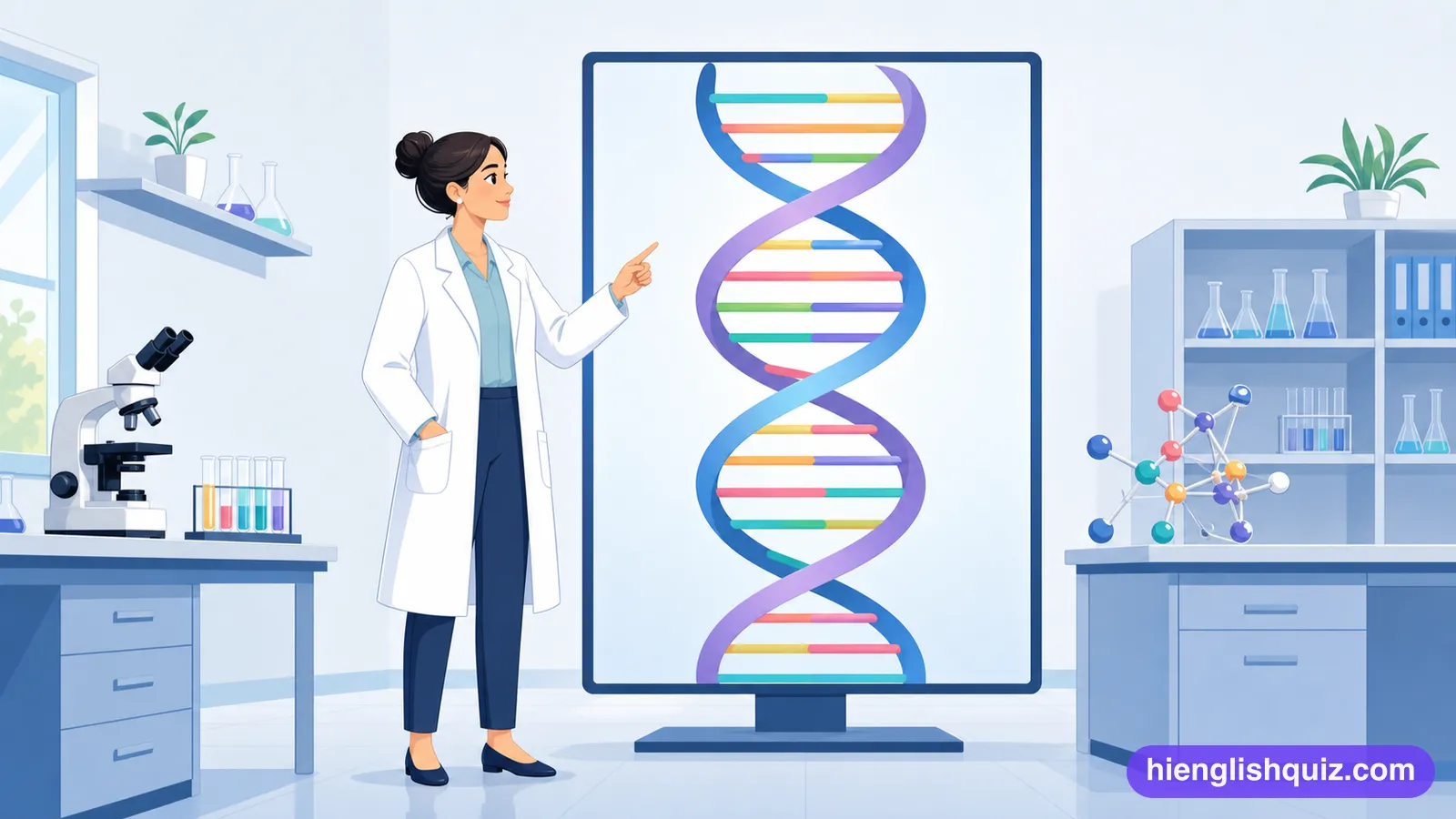
genome
/ˈdʒiˌnoʊm/The complete set of genetic instructions carried by one living thing.
Example: Scientists finished mapping the genome of the coral last spring.
 Hi EnglishQuiz
C225 words · Proficient
Natural science vocabulary such as genome, enzyme and pathogen, plus isotope, combustion and thermodynamics. Words spanning biology and chemistry at an expert level.
The complete set of genetic instructions carried by one living thing.
Example: Scientists finished mapping the genome of the coral last spring.
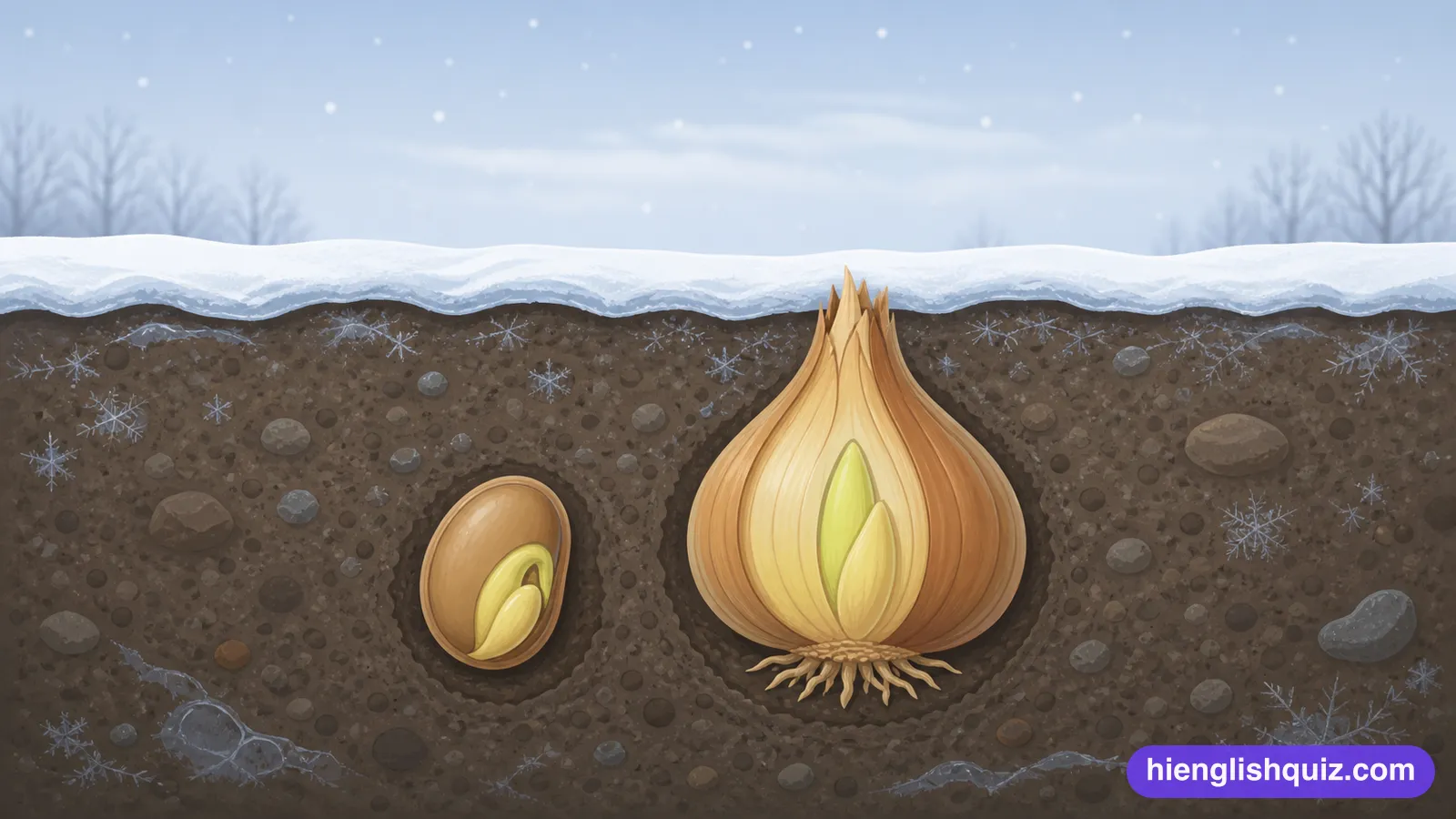
Alive but completely inactive for a period, ready to start growing again when conditions improve.
Example: The seeds stay dormant until the first warm rain arrives.
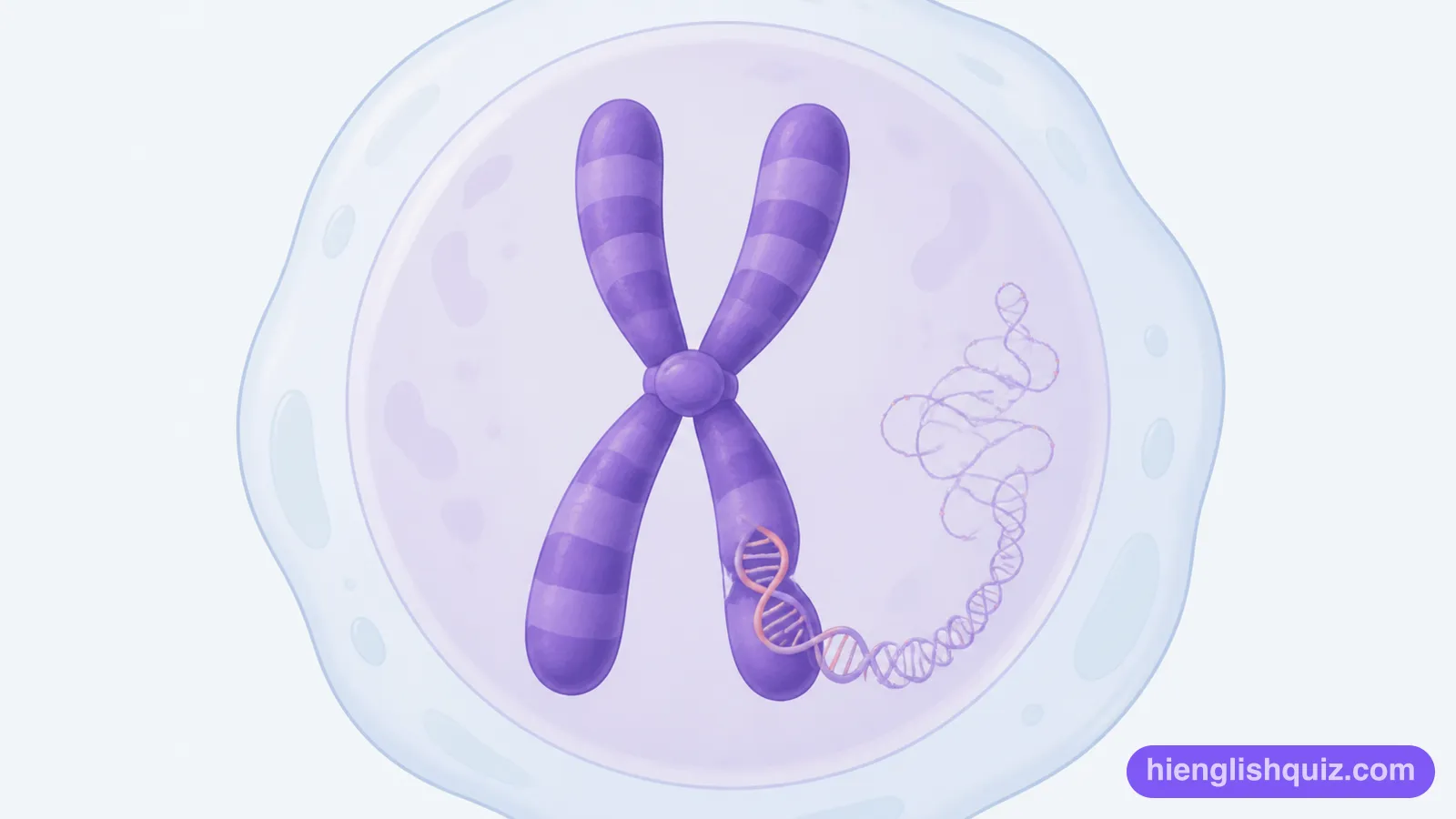
A thread-like structure inside a cell that carries genetic information.
Example: Humans normally have forty-six chromosomes in each cell.
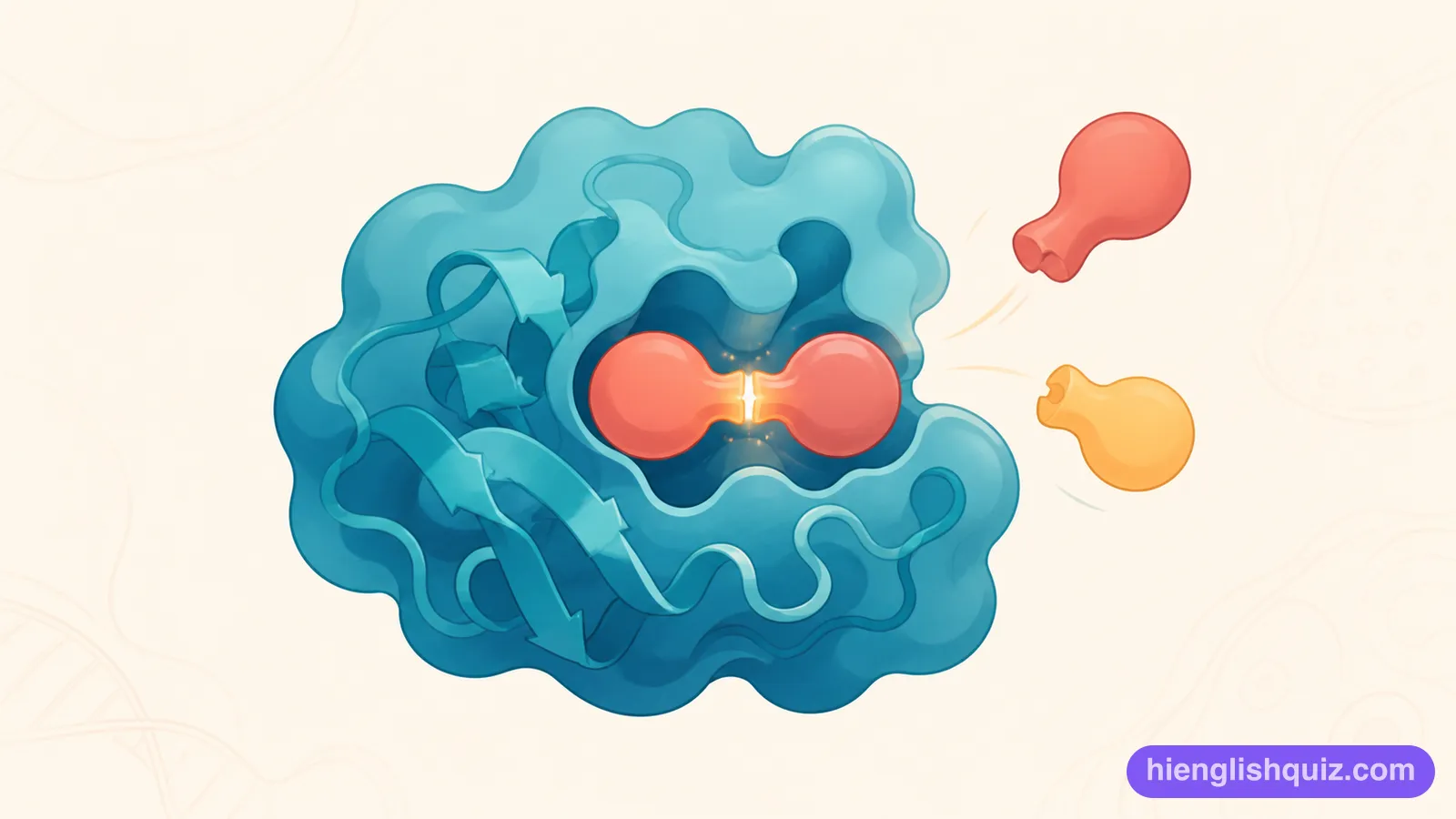
A substance made by living cells that speeds up chemical reactions in the body without being changed itself.
Example: An enzyme in your saliva starts breaking down food as you chew.
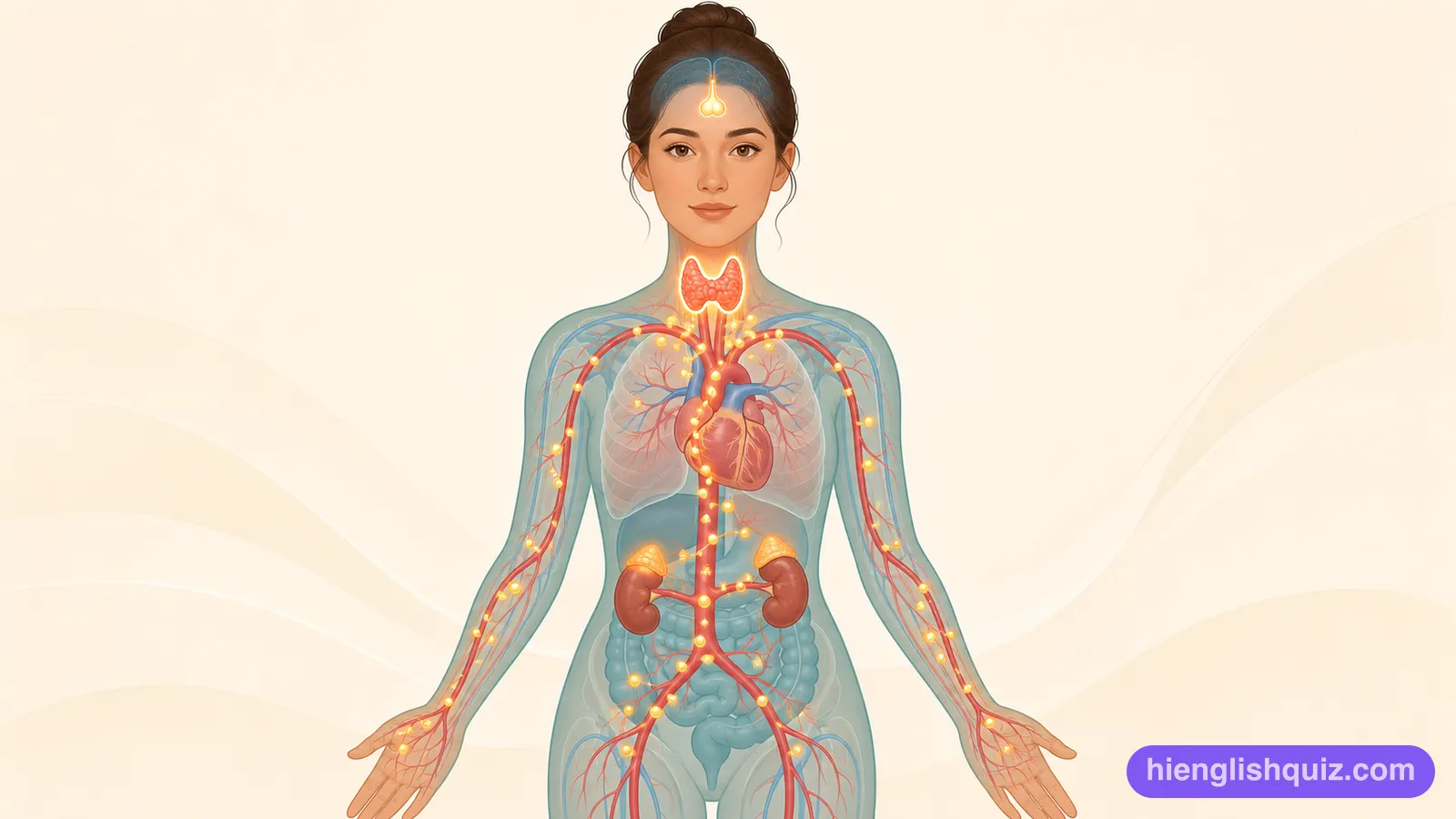
A chemical made by the body that travels in the blood and controls how organs work.
Example: Adrenaline is a hormone released when you feel frightened.
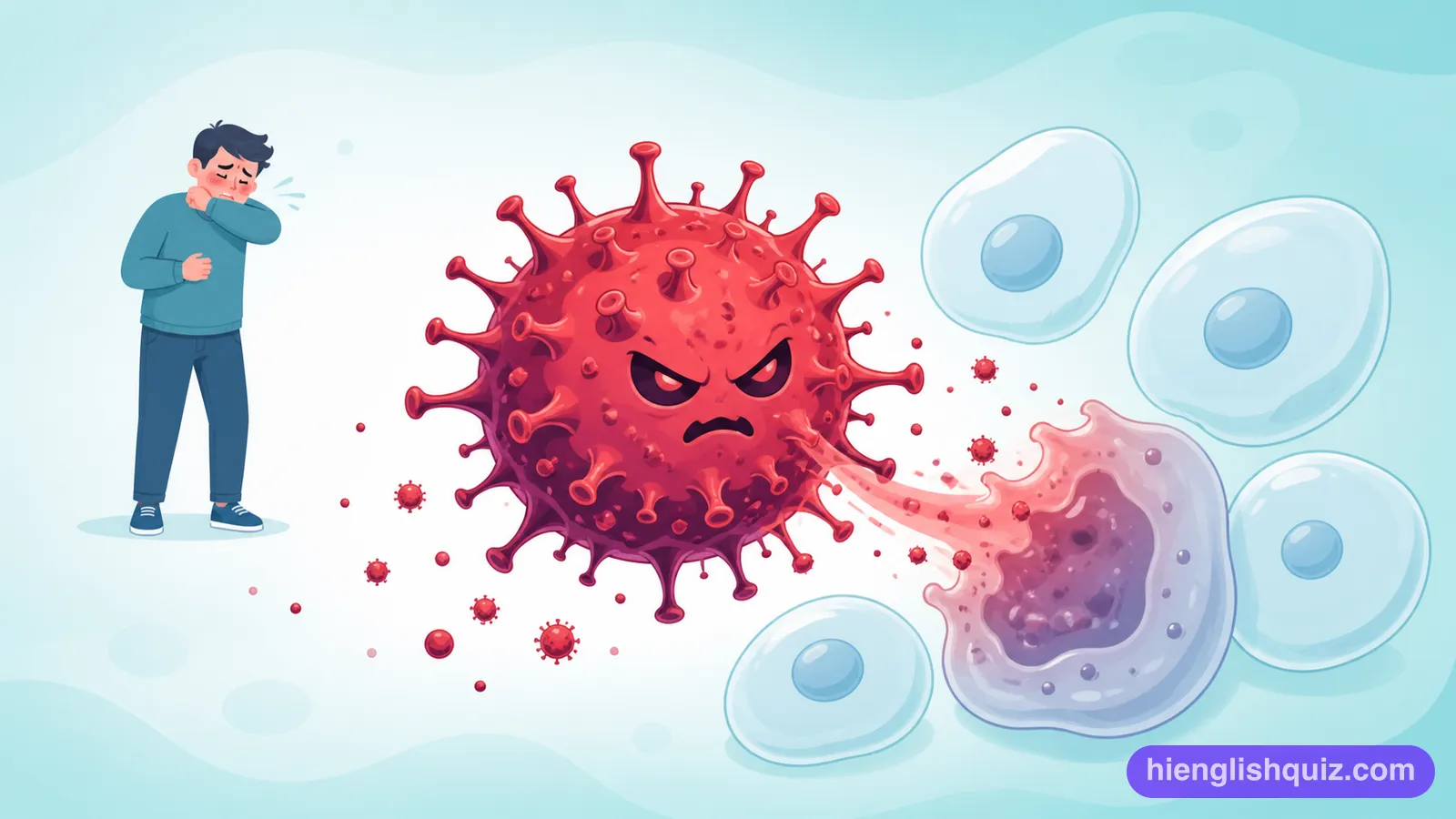
A tiny living thing, such as a bacterium or virus, that causes disease.
Example: Hand washing helps stop a pathogen from spreading.
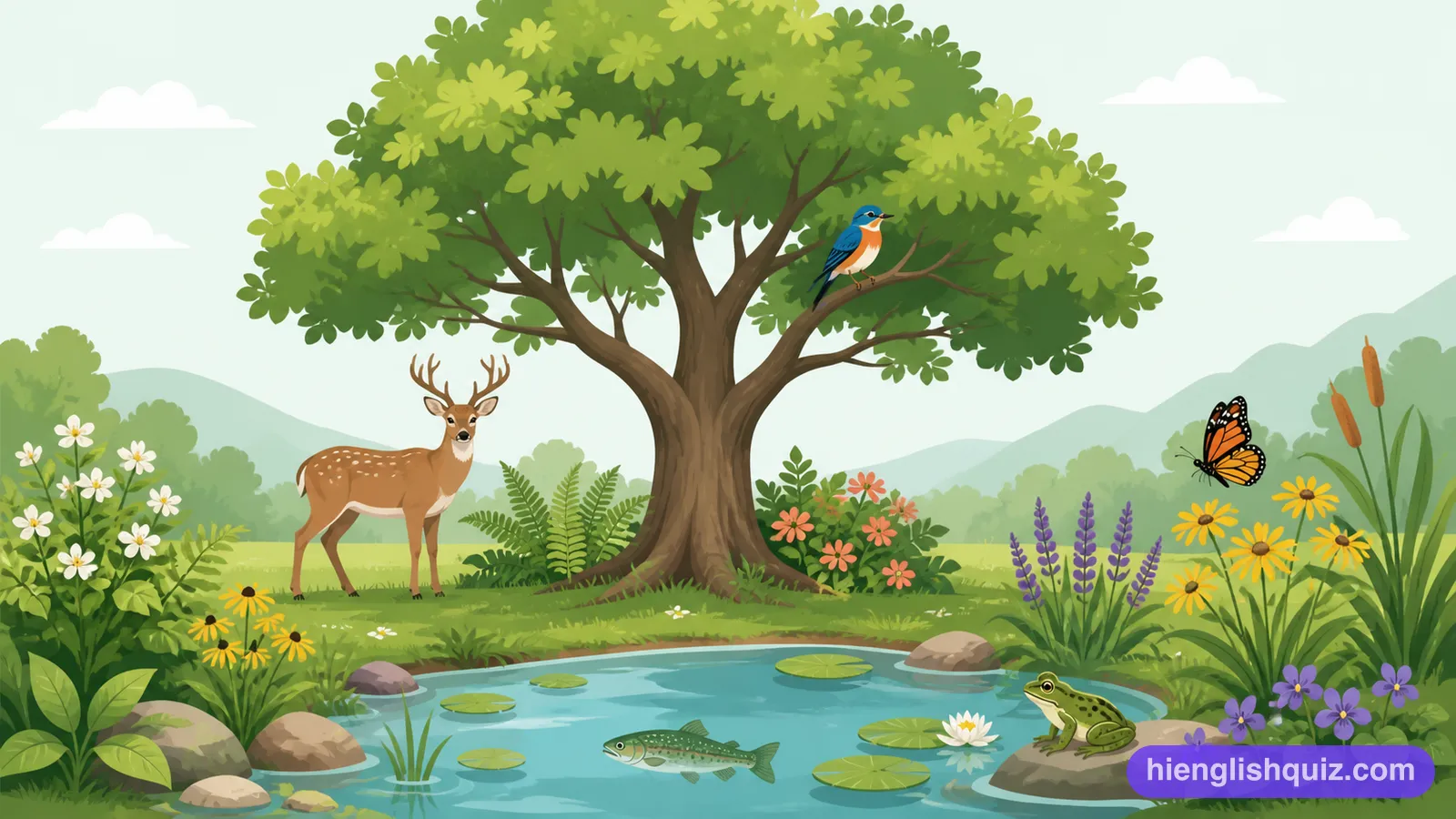
The wide variety of plants, animals, and other living things found in a particular place.
Example: The rainforest has an incredible level of biodiversity.
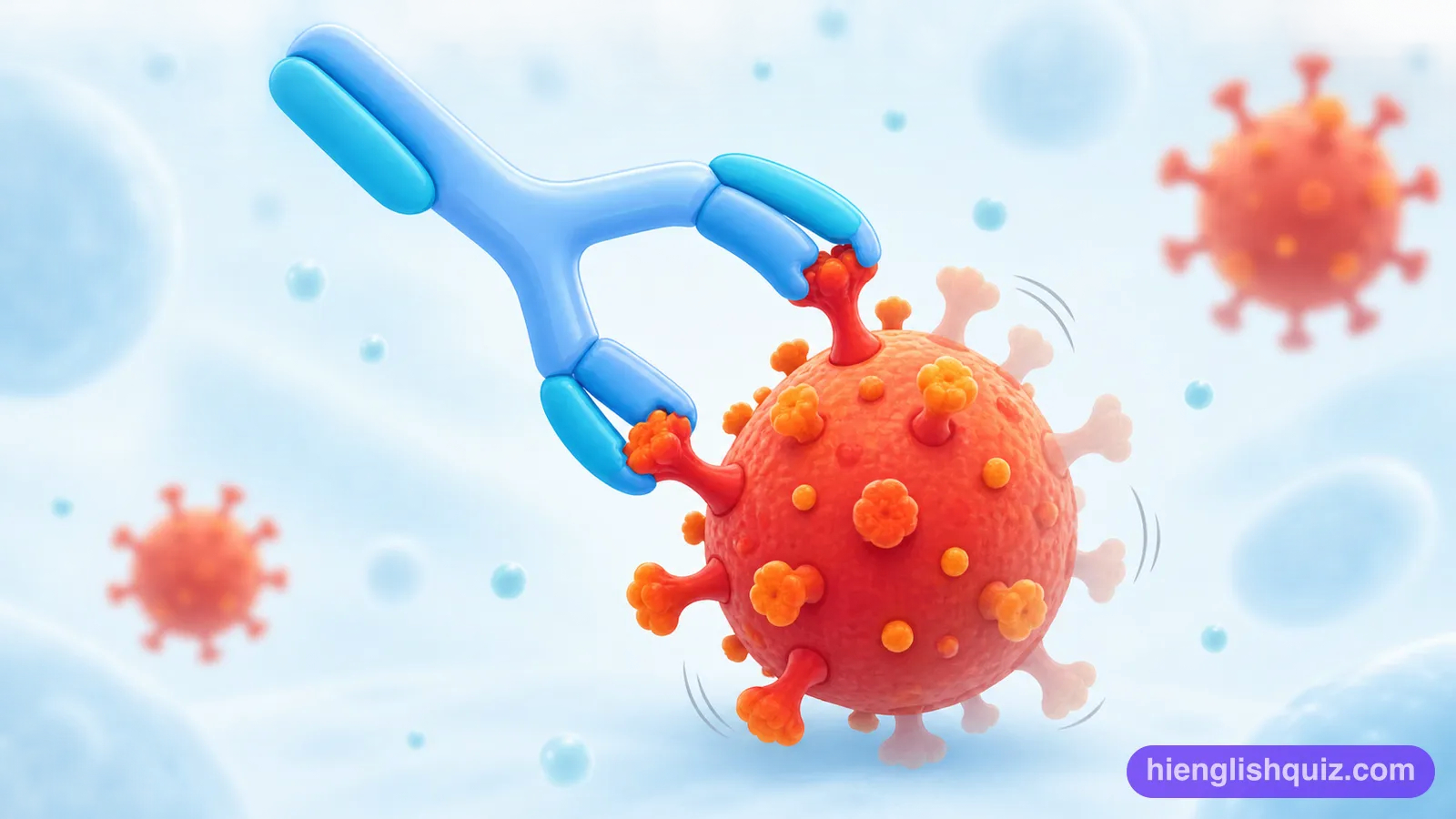
A protein made by the body to fight a particular disease or infection.
Example: The immune system quickly made an antibody against the virus.
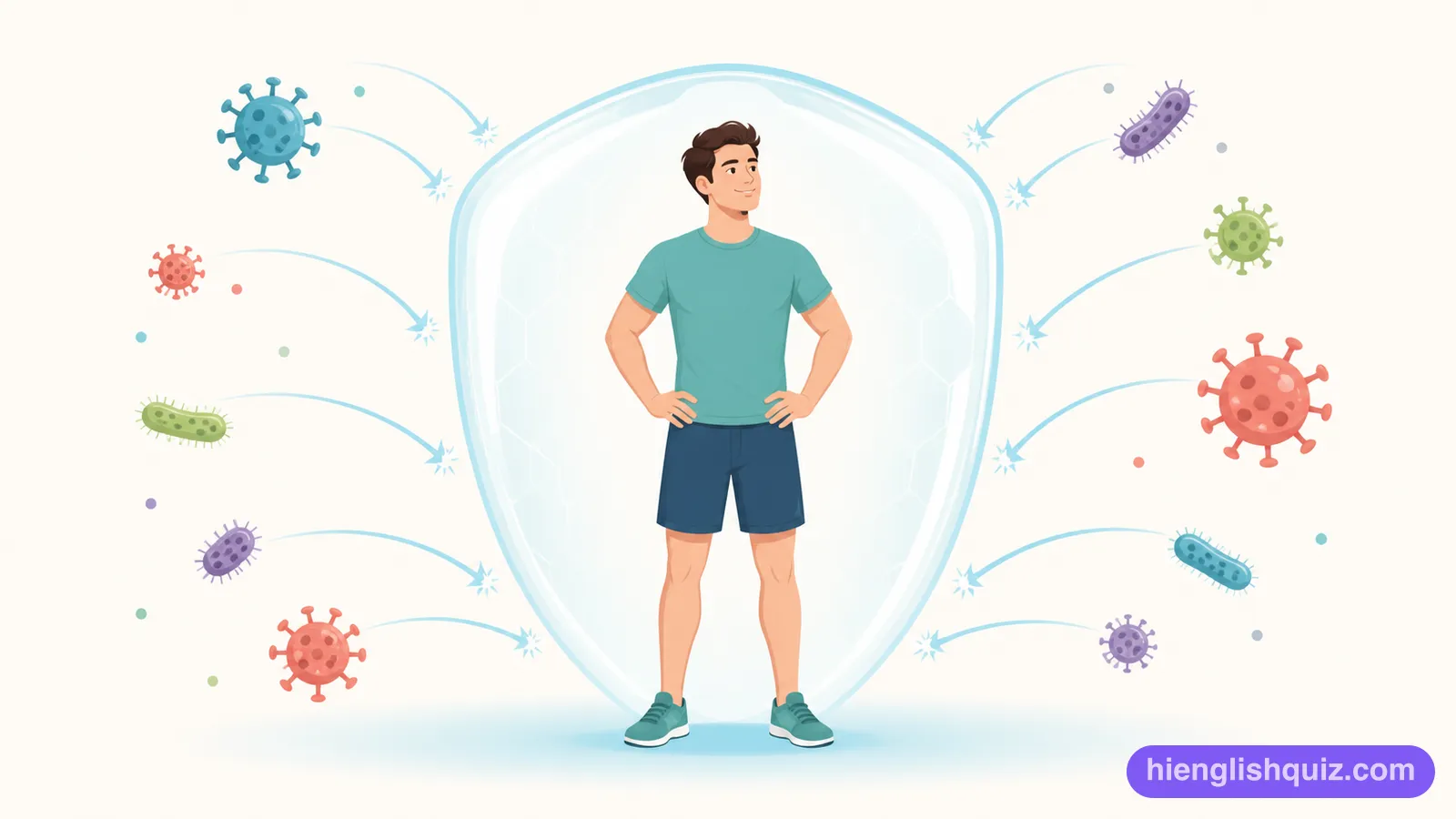
The body's ability to resist a particular disease or infection, usually gained after infection or vaccination.
Example: The vaccine gives strong immunity against the disease.
The jelly-like substance inside a cell, surrounding the nucleus, where most of the cell's activities happen.
Example: Under the microscope, the cytoplasm looked like a thick, clear gel.
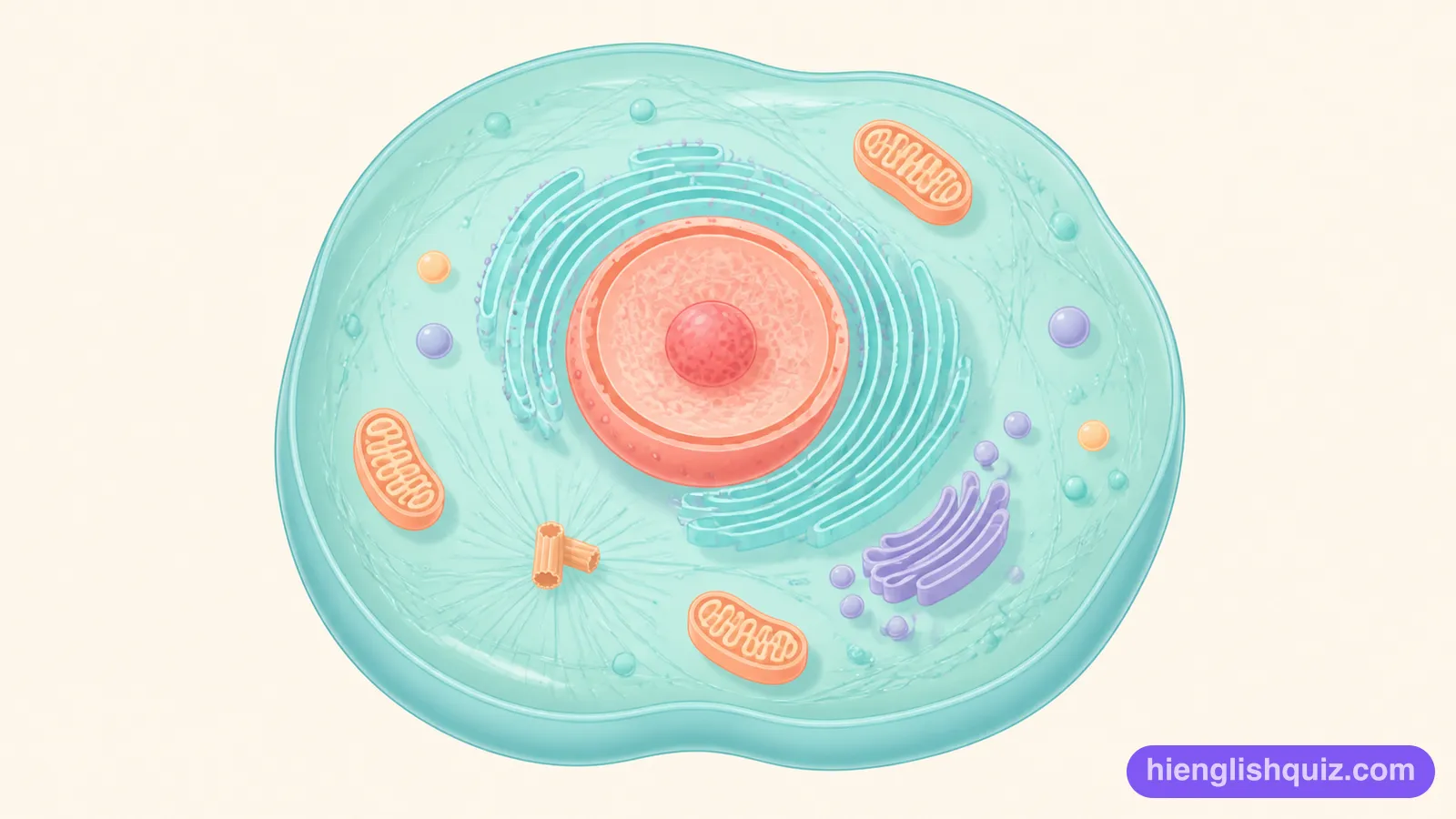
Chemically inactive, refusing to react even when mixed with other substances.
Example: They fill the packaging with an inert gas to prevent spoiling.
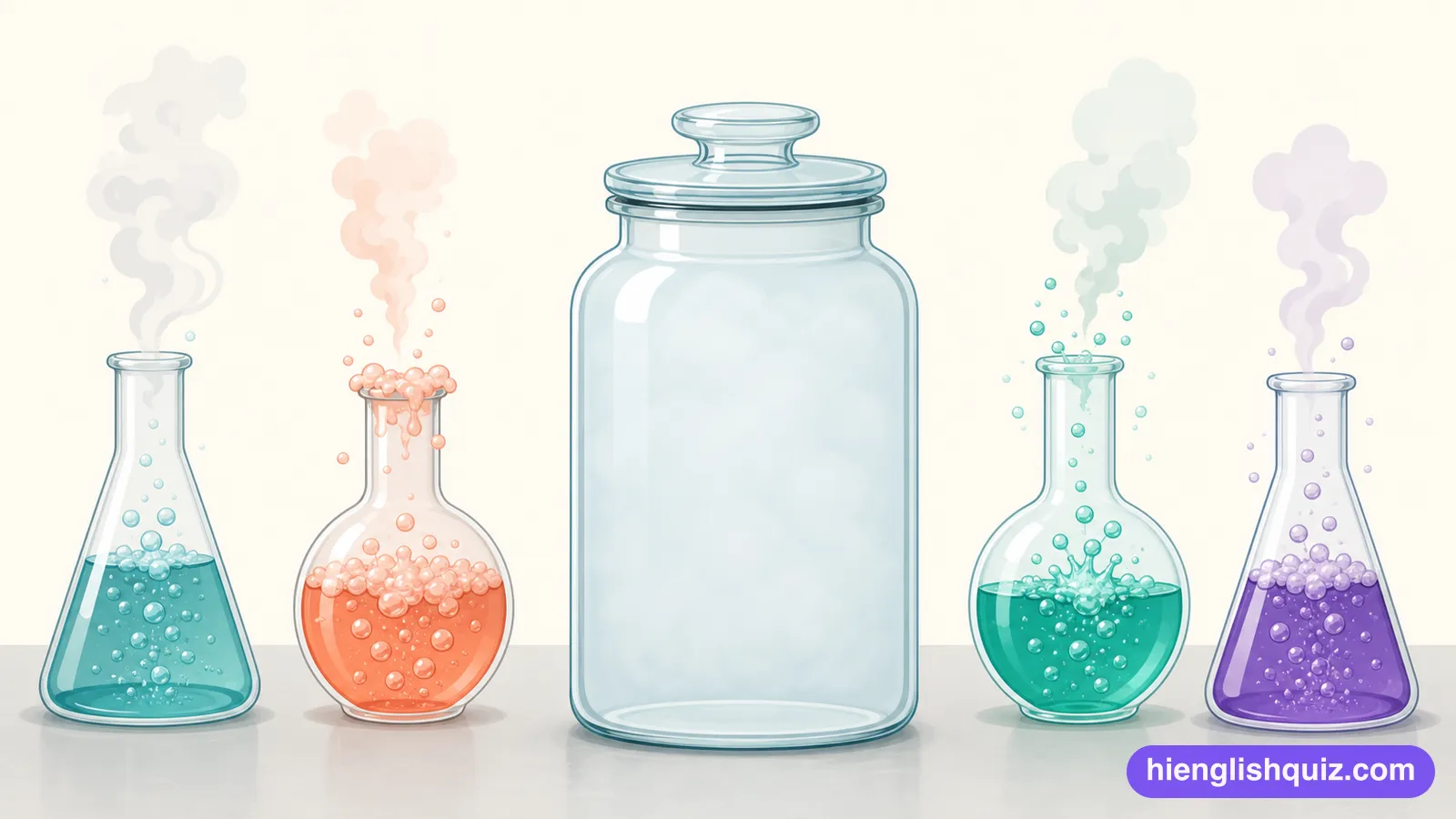
Turning from liquid into gas very easily, even at normal room temperature.
Example: Store the volatile solvent in a sealed bottle, away from heat.
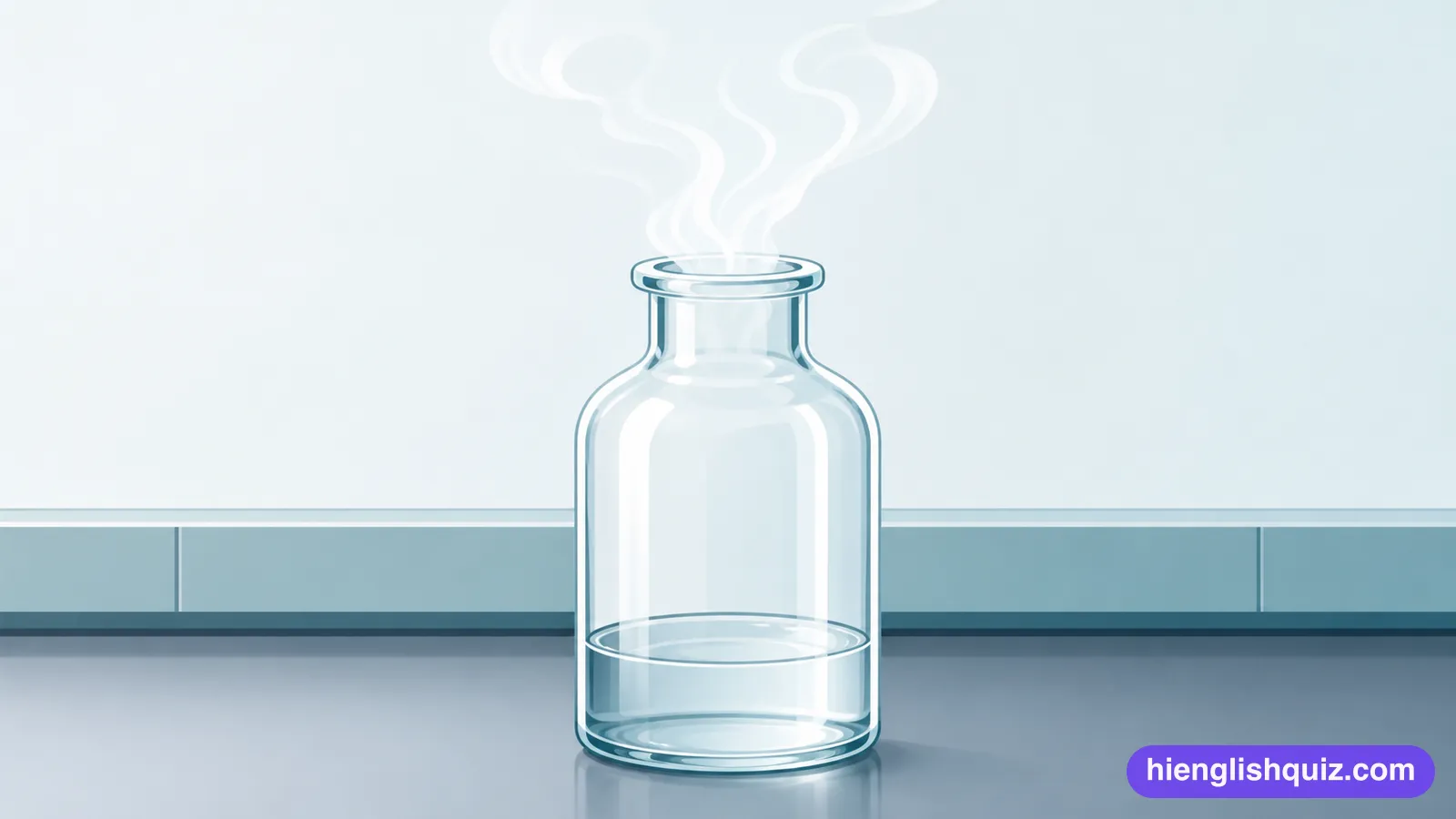
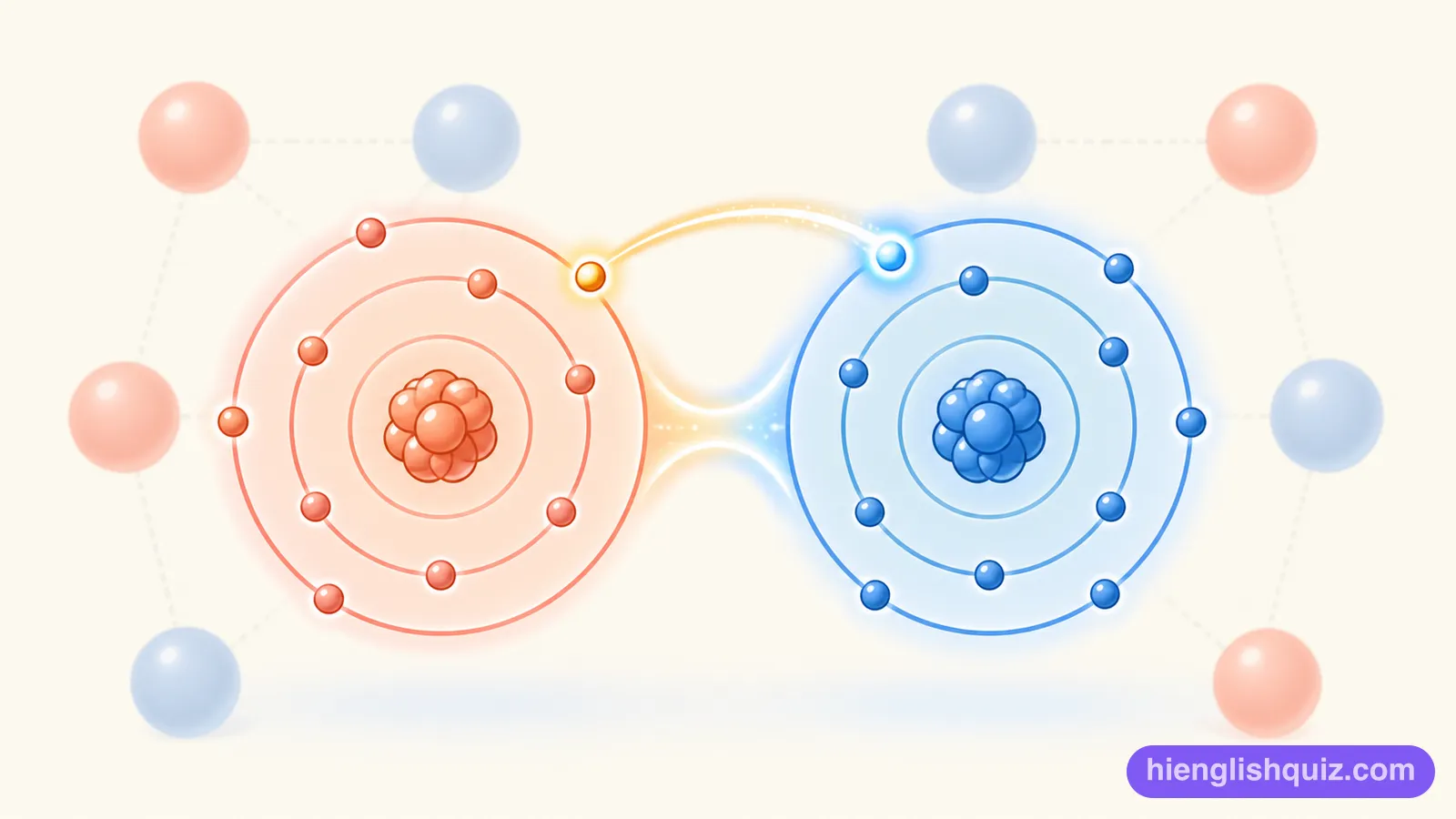
Describes a chemical bond formed when atoms share electrons.
Example: Water molecules are held together by a covalent bond.
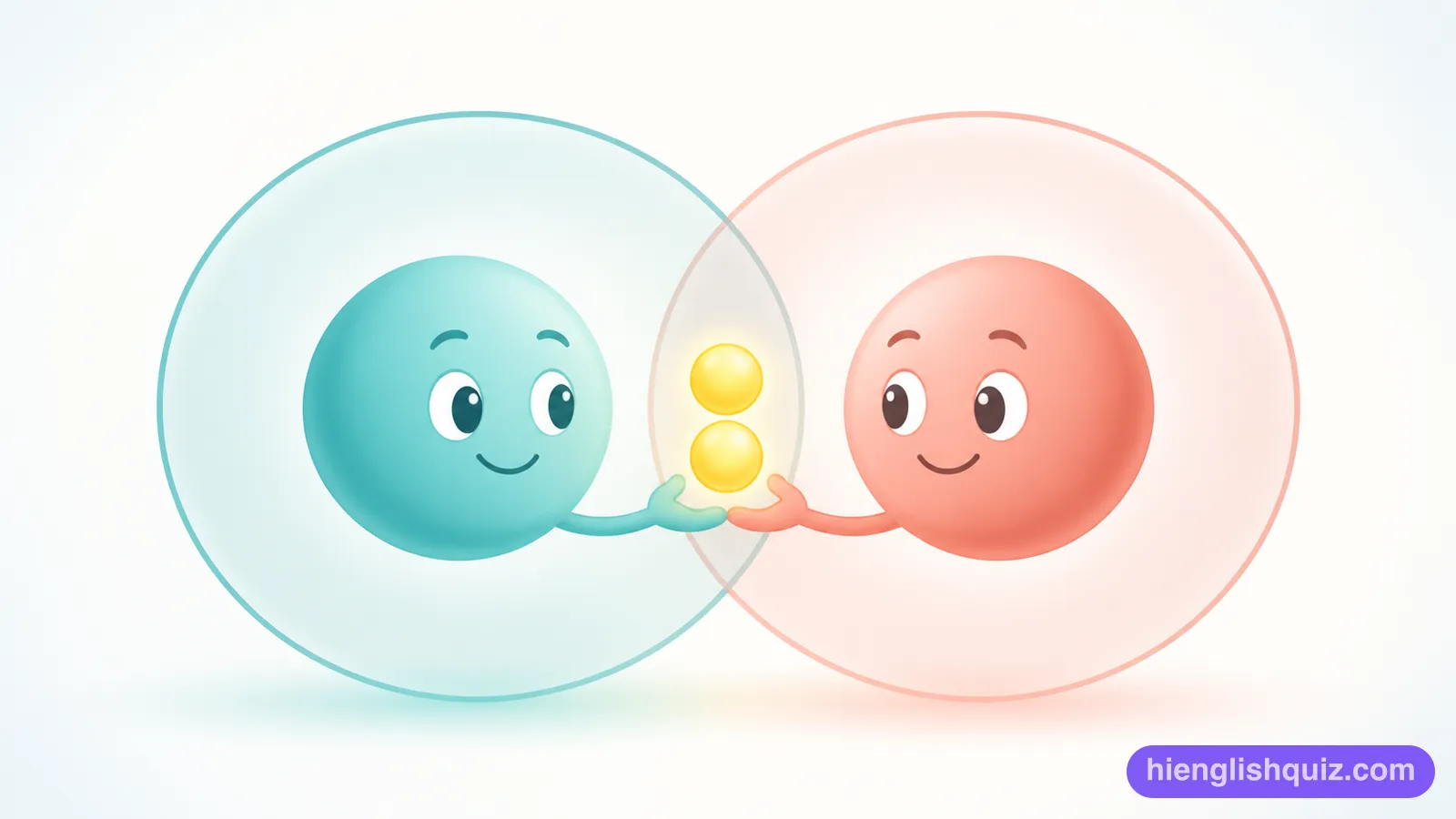
Describes a chemical bond formed when one atom transfers an electron to another, creating charged particles.
Example: Table salt is held together by an ionic bond.
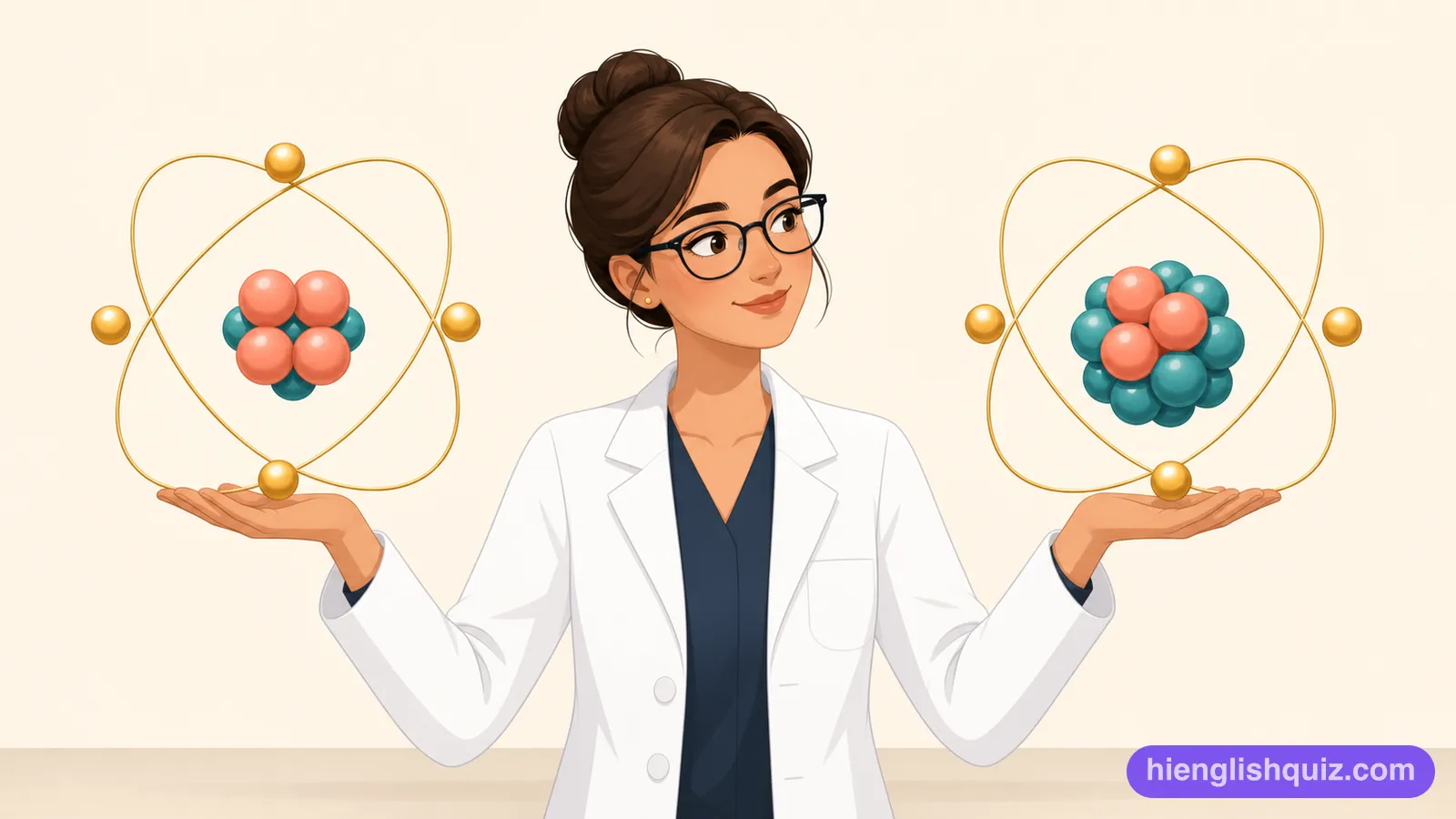
One of two or more forms of the same chemical element that have different numbers of neutrons.
Example: Carbon-14 is a radioactive isotope used to date old objects.
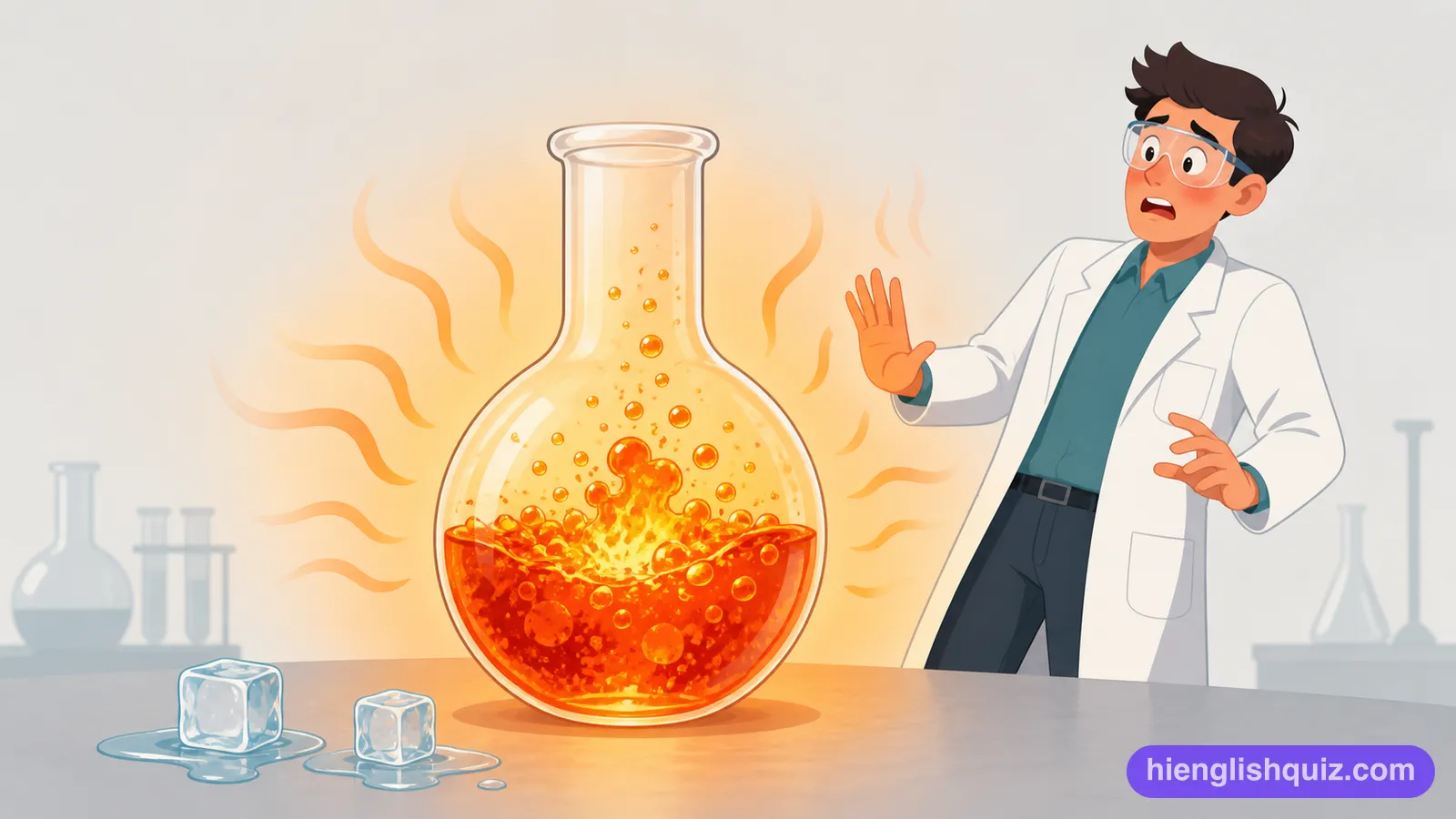
Describes a chemical reaction that releases heat into its surroundings.
Example: Burning fuel is an exothermic reaction that gives off heat.
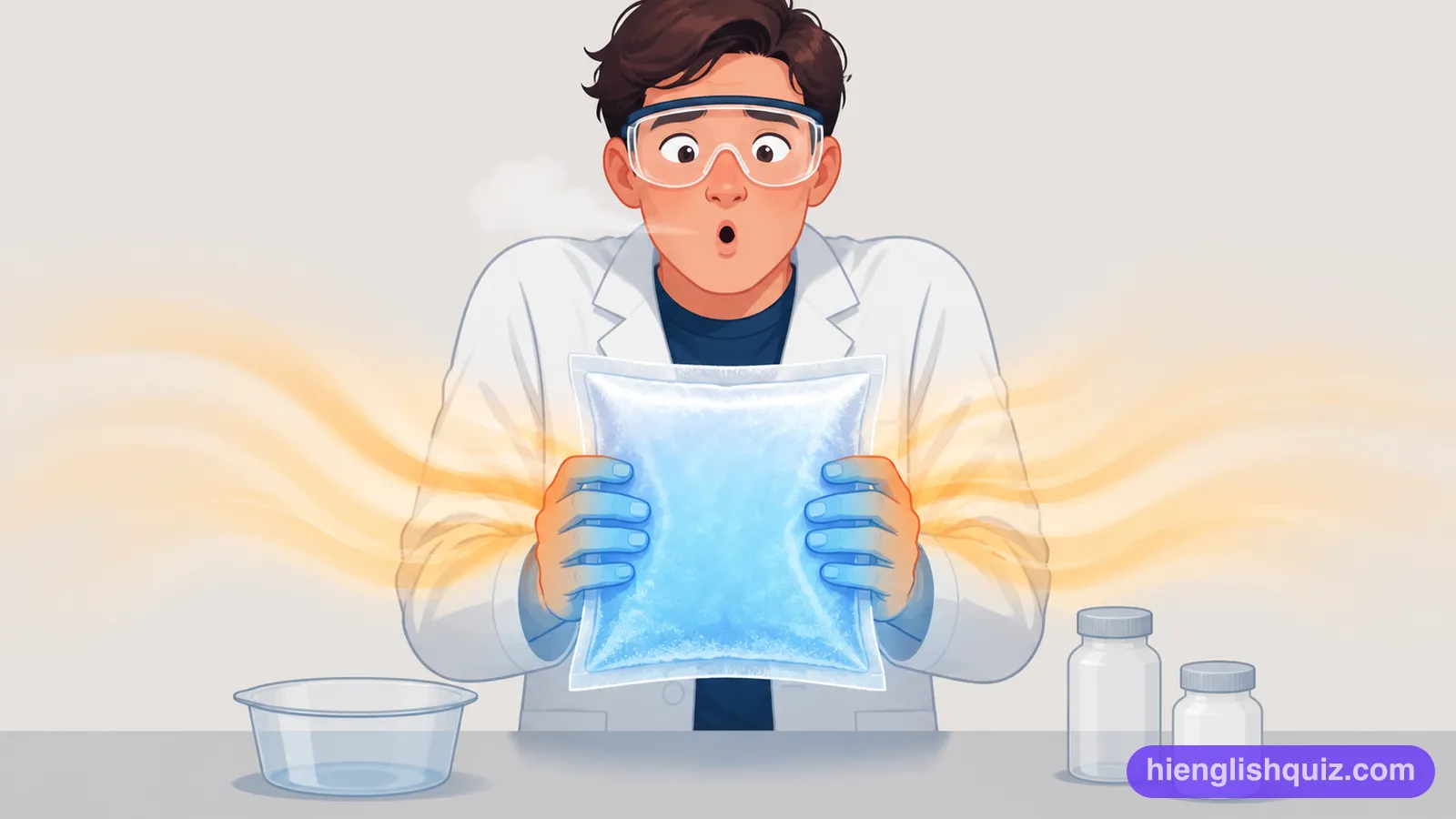
Describes a chemical reaction that absorbs heat from its surroundings.
Example: Some cold packs use an endothermic reaction to feel cold.
A large chemical substance made of many small, repeated molecules joined together, such as plastic.
Example: Plastic bottles are made from a common polymer.
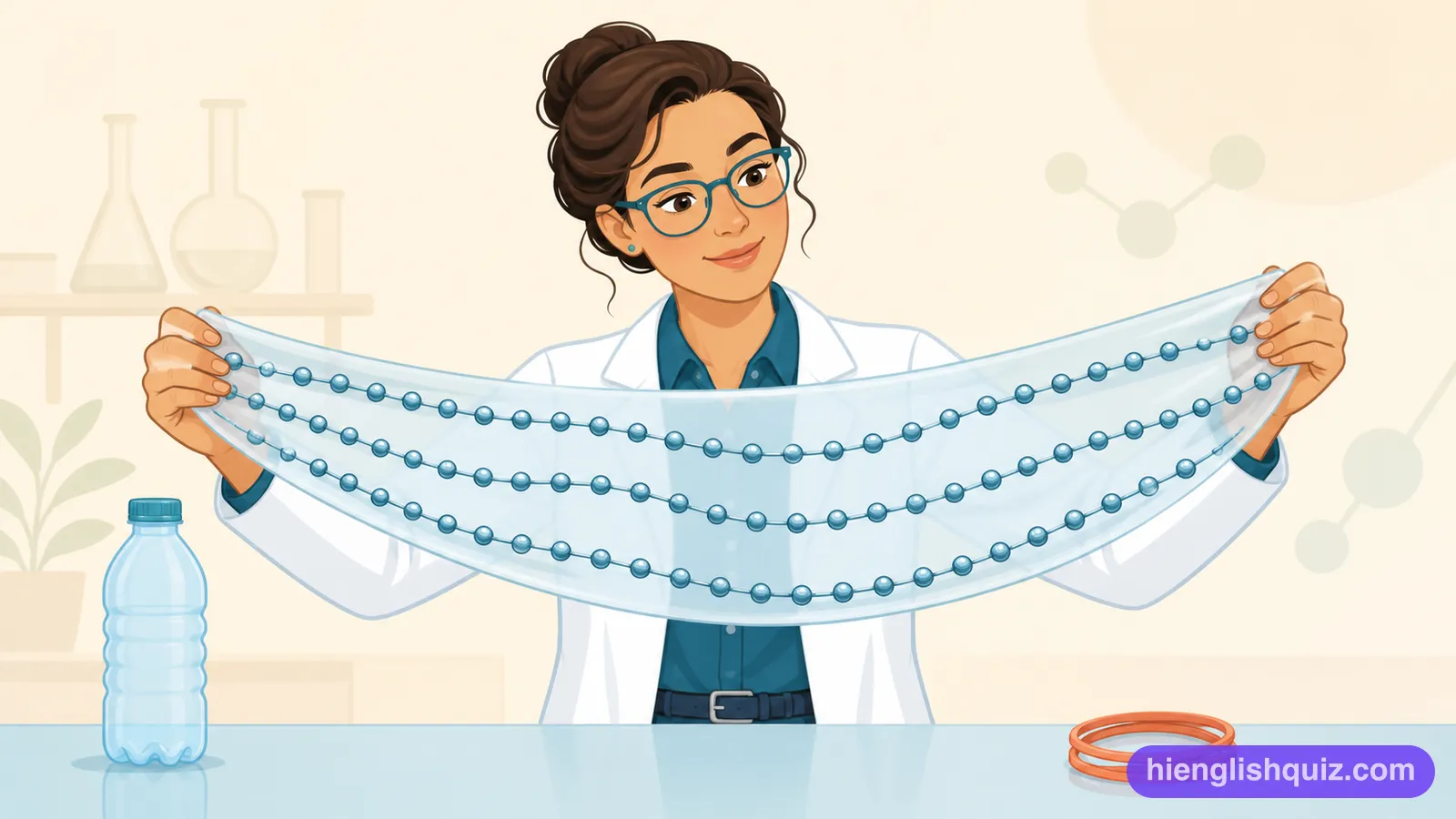
Relating to something that speeds up a chemical reaction without being used up itself.
Example: A catalytic converter reduces harmful gases from a car's exhaust.
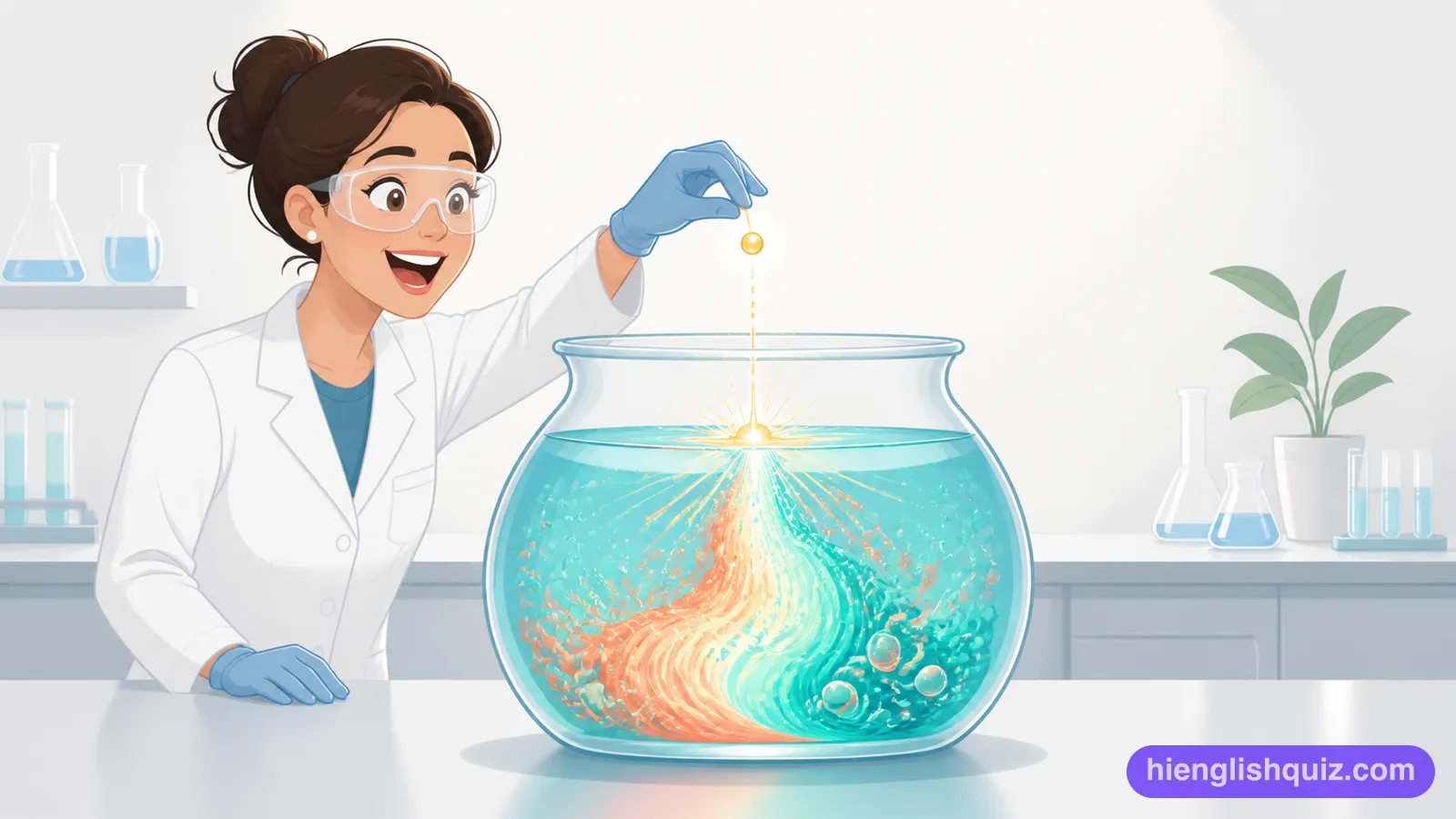
The chemical process of burning, which produces heat and light.
Example: The engine works by the combustion of fuel and air.
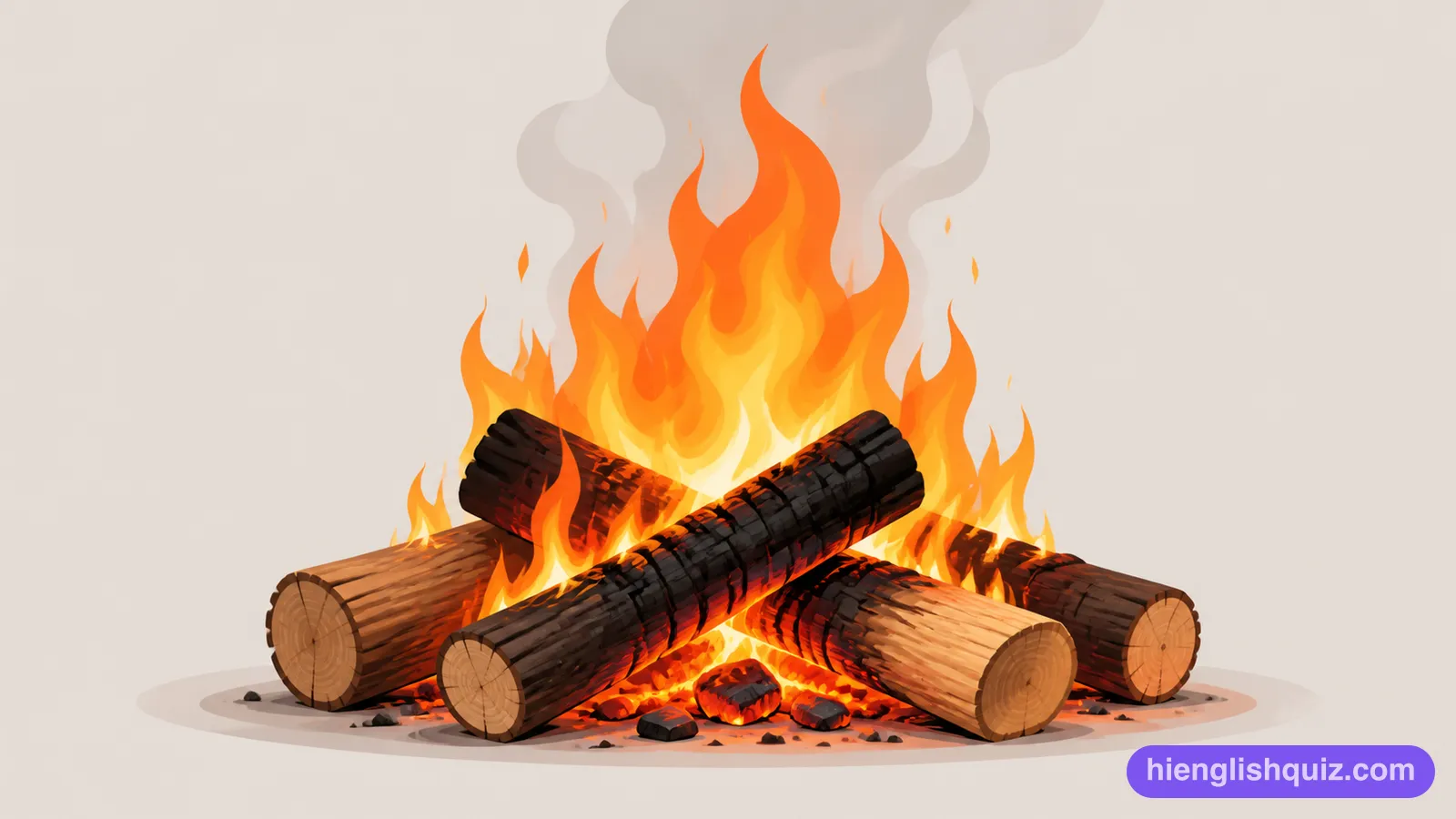
Belonging to movement; describing the energy something has purely because it is moving.
Example: The kinetic energy of the falling weight drives the wheel.
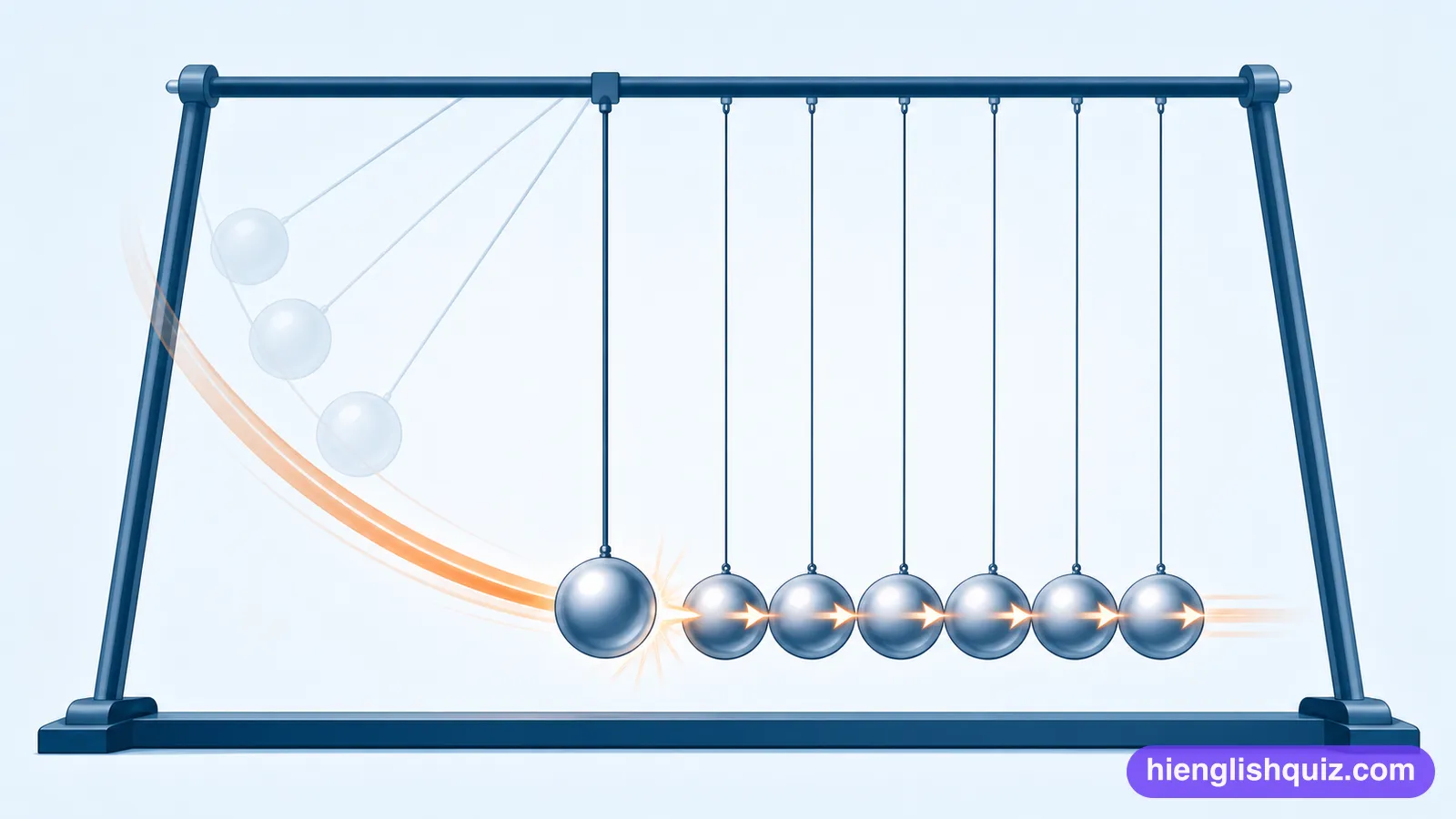
To spread out and slowly fade away until nothing is left of it.
Example: The heat dissipates quickly once you switch the engine off.

Stored energy that an object has because of its position or condition, ready to be released.
Example: A stretched spring holds potential energy until it is released.

The branch of science that studies heat, energy, and how they move and change.
Example: The laws of thermodynamics explain why heat always flows from hot to cold.
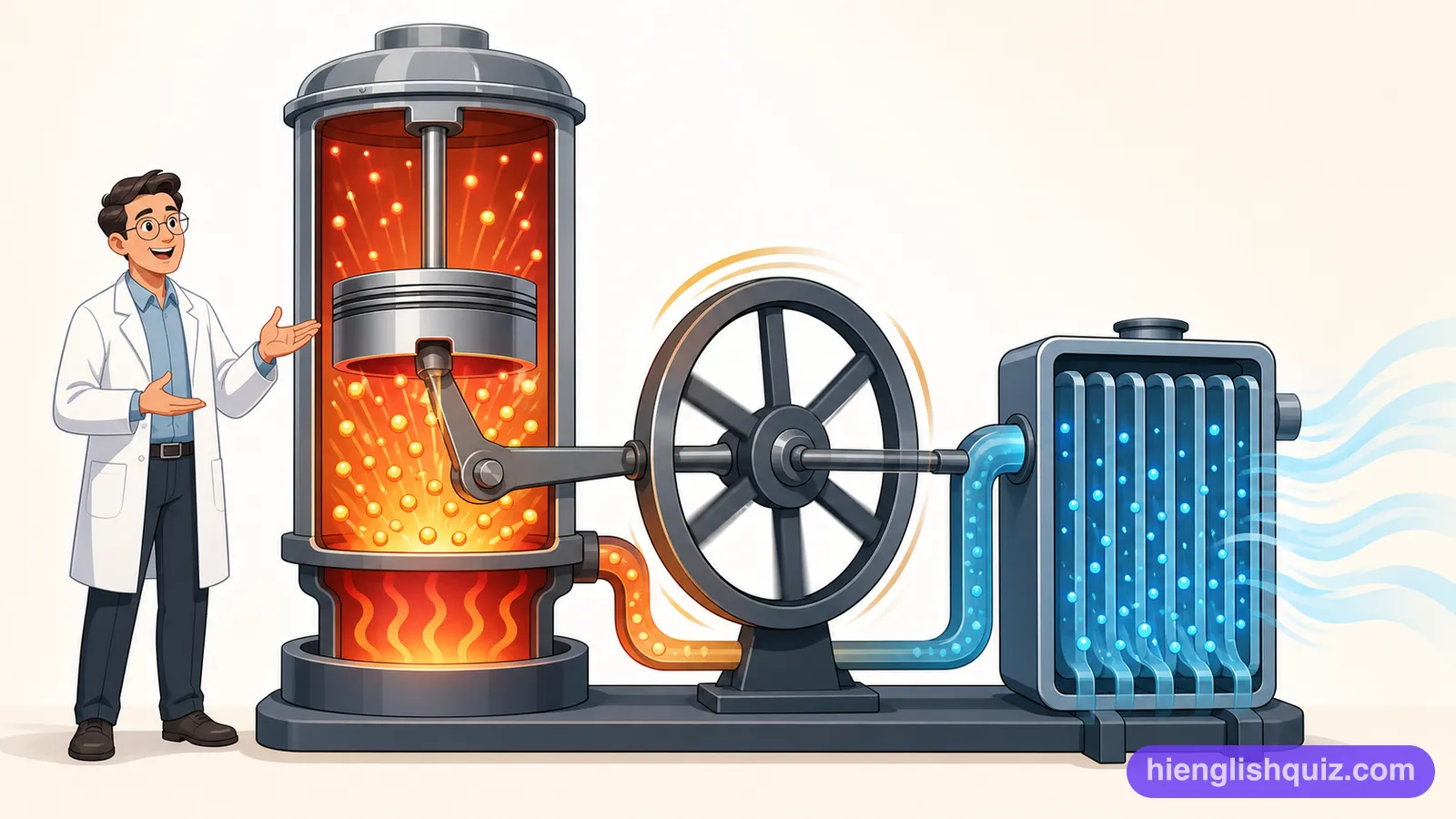
A measure of disorder in a system, which tends to increase naturally over time.
Example: Physicists describe the universe's slow decay in terms of rising entropy.