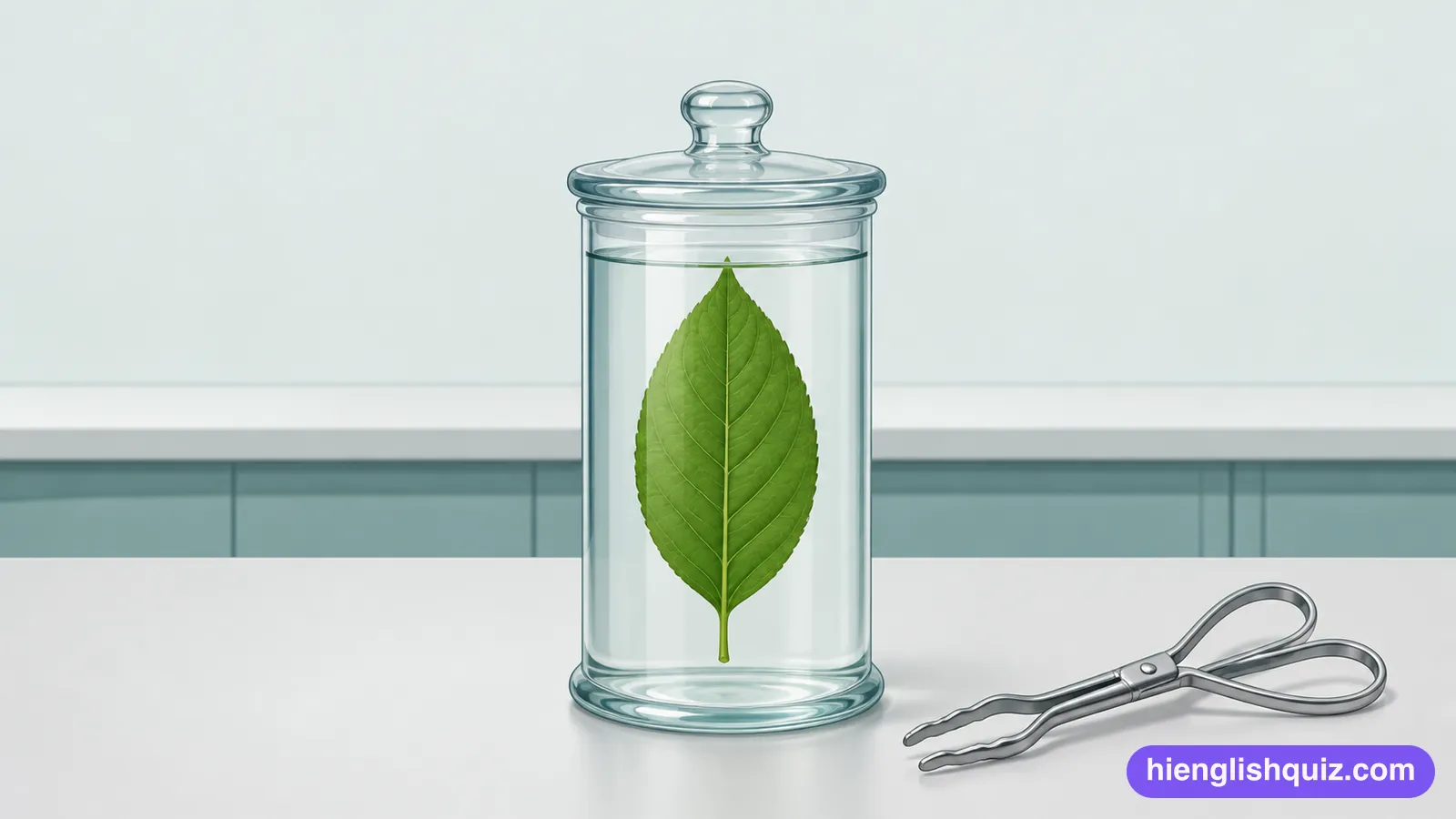
species
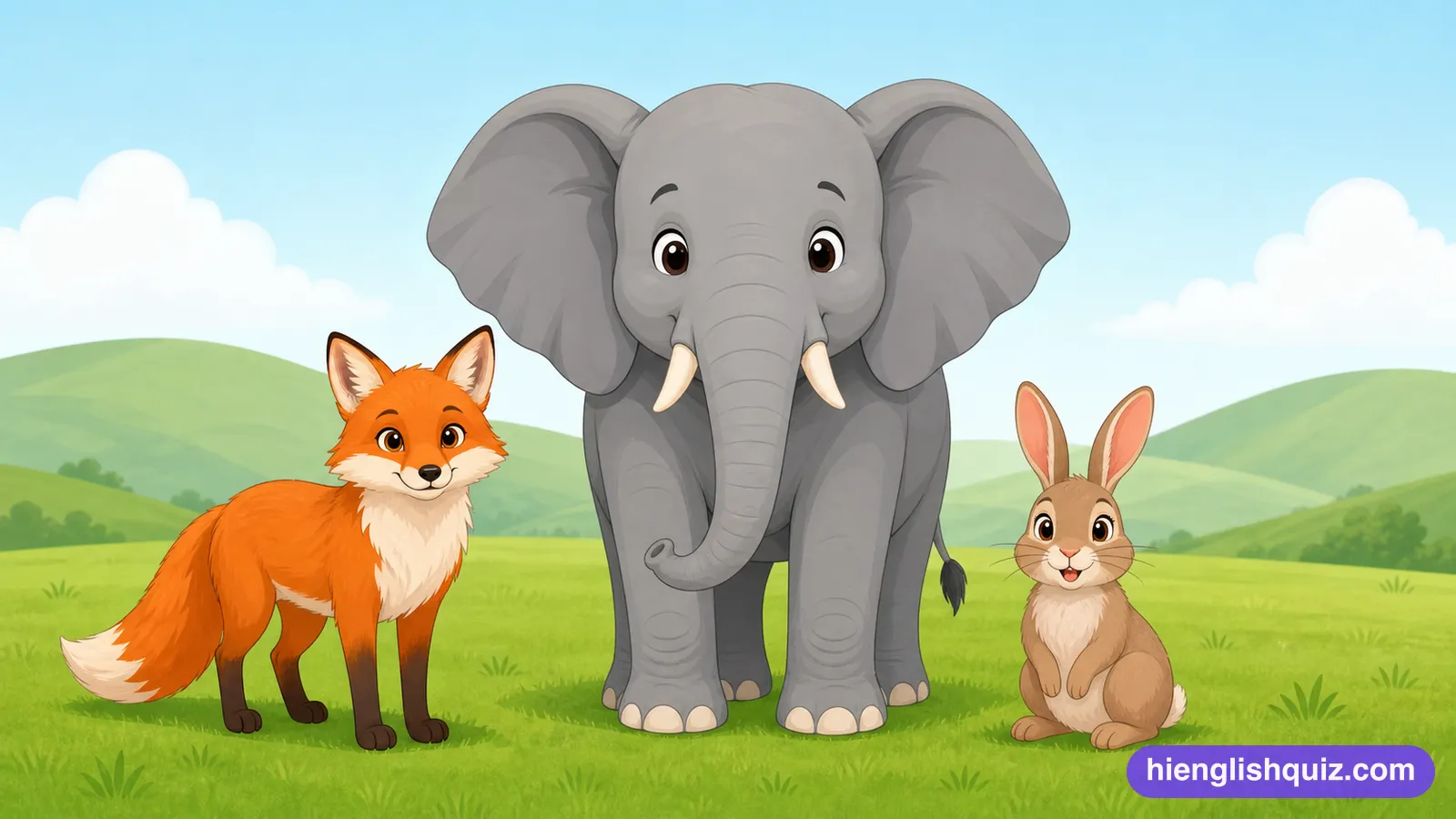
/ˈspiʃiz/A group of animals or plants that are alike and can breed together to produce young.
Example: This frog is a rare species found only on one island.
 Hi EnglishQuiz
B220 words · Upper-intermediate
Natural science vocabulary covering biology and chemistry, such as species, habitat and adaptation, plus compound, molecule and oxygen, the point where the two subjects meet.
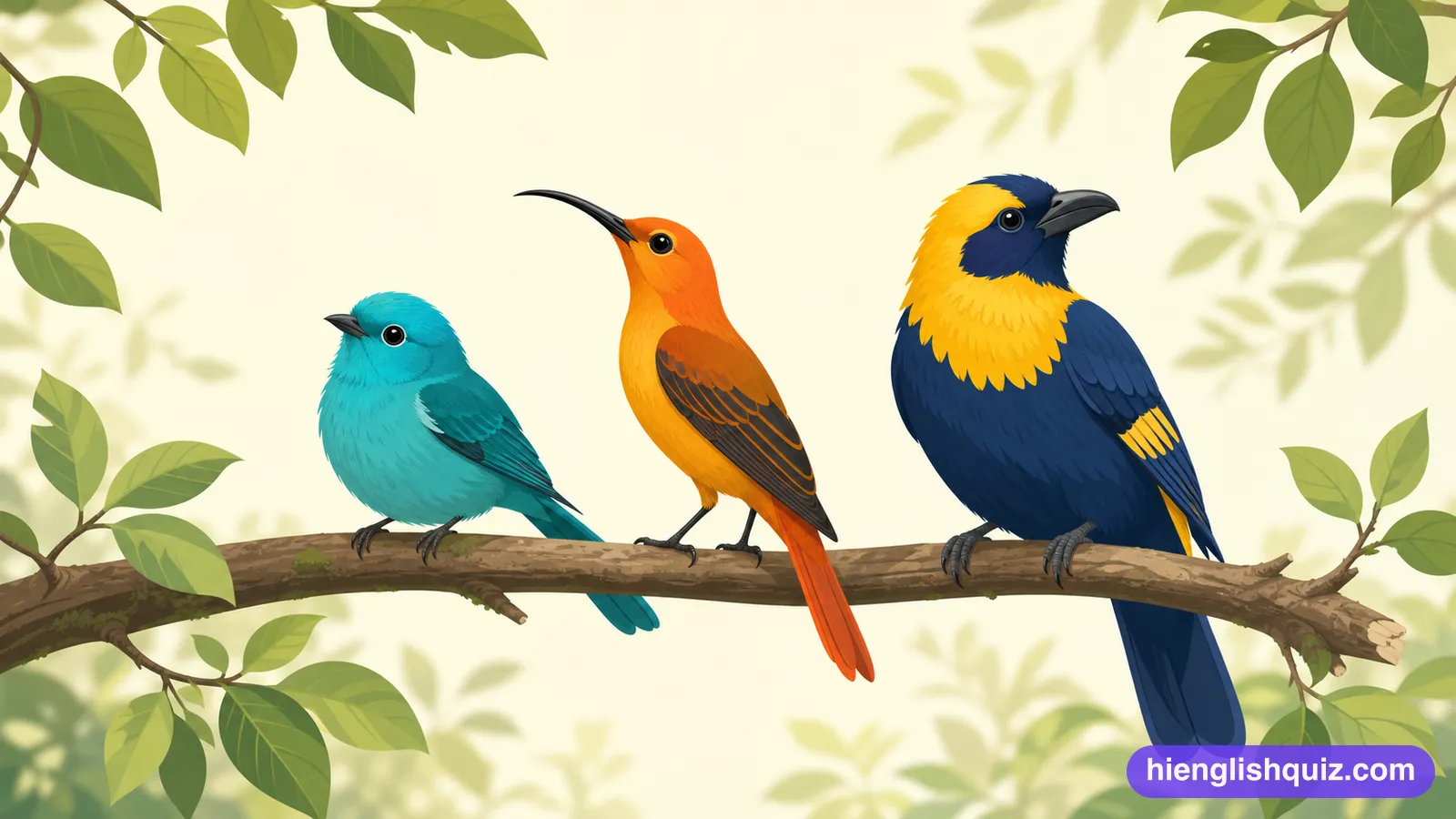
A group of animals or plants that are alike and can breed together to produce young.
Example: This frog is a rare species found only on one island.
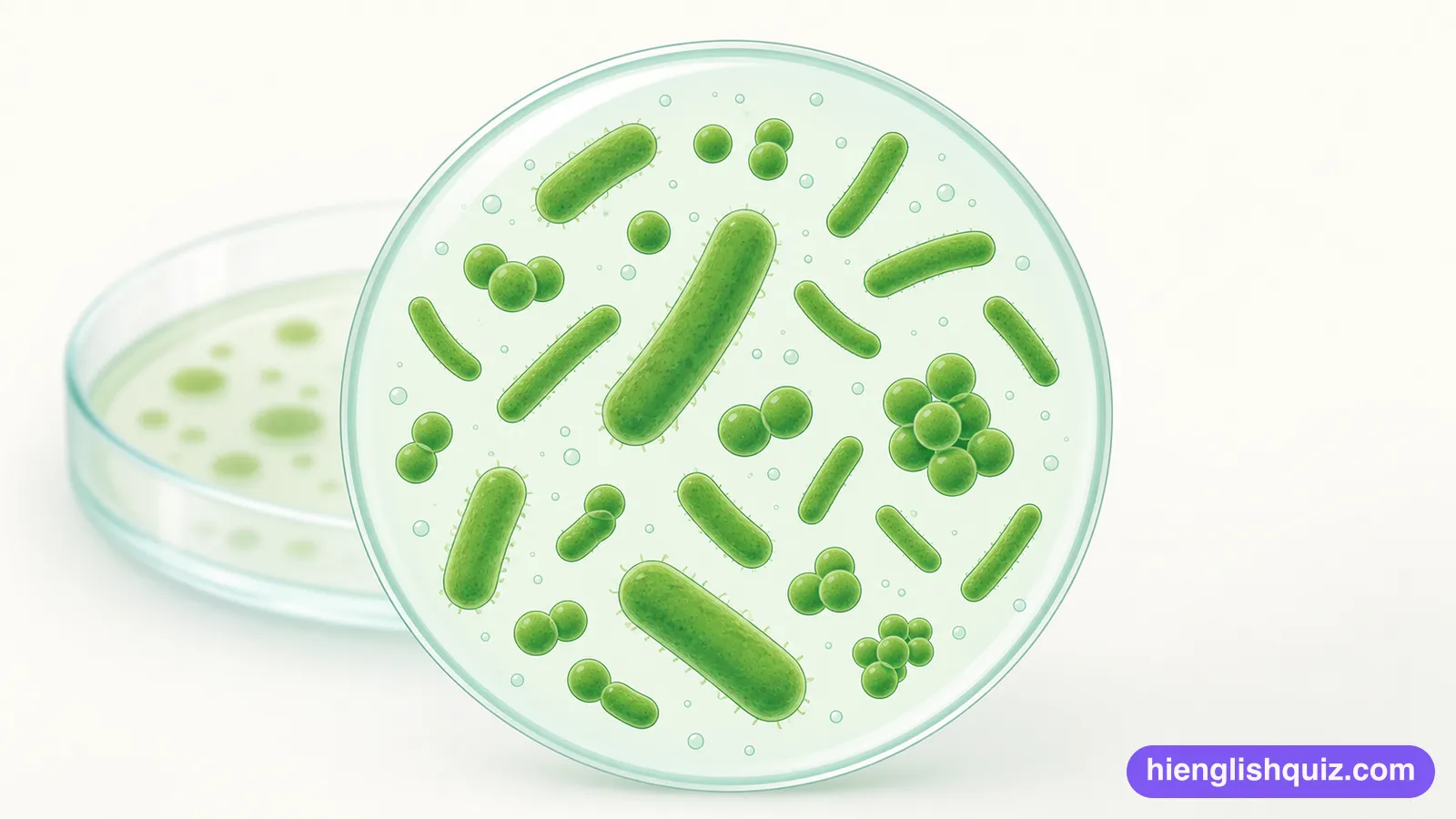
Living things far too small to see, each made of one part, that can cause illness or help digestion.
Example: Cooking the meat properly kills most bacteria.
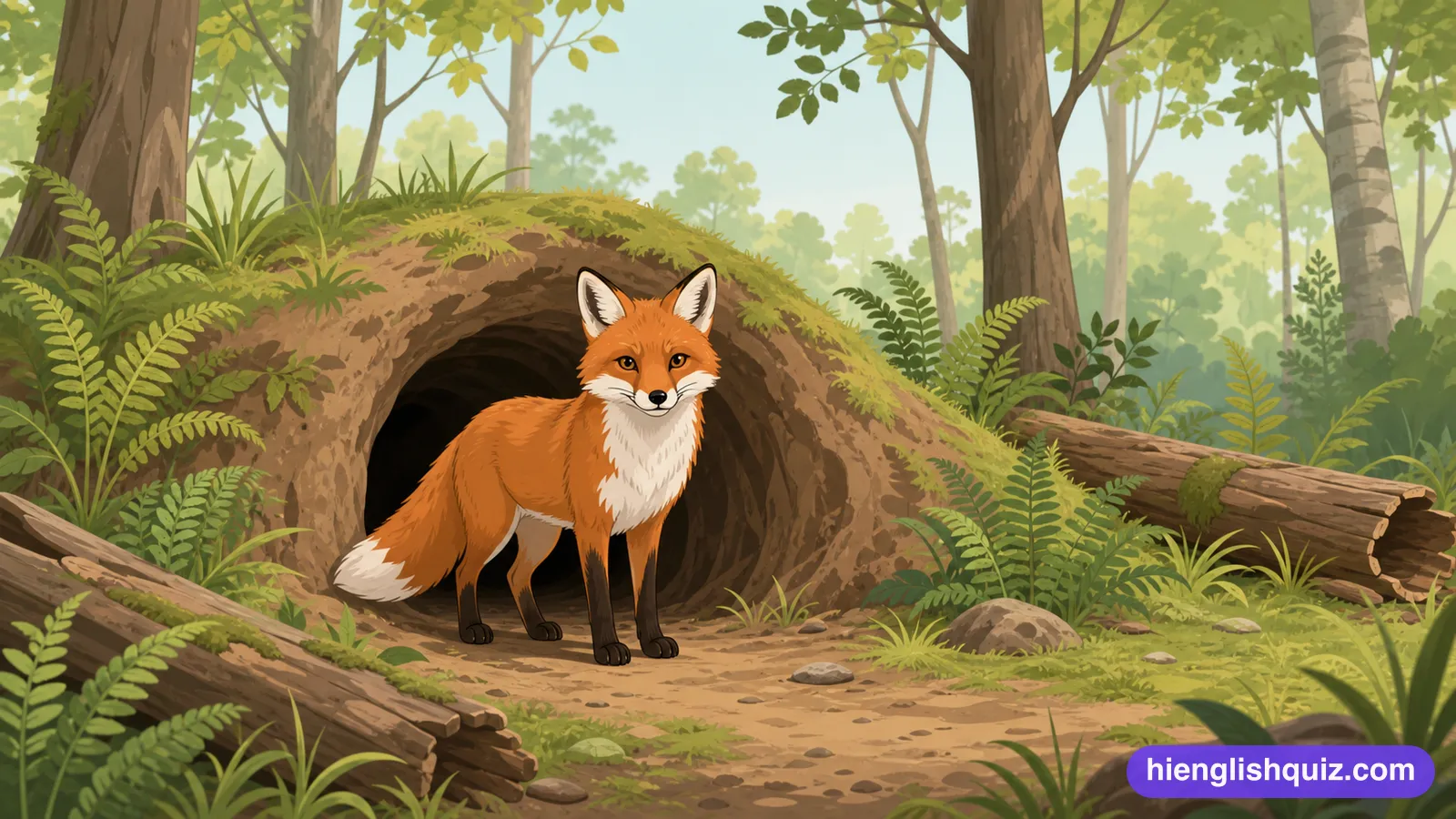
The natural place where a particular animal or plant normally lives and grows.
Example: Cutting down forests destroys the habitat of thousands of birds.
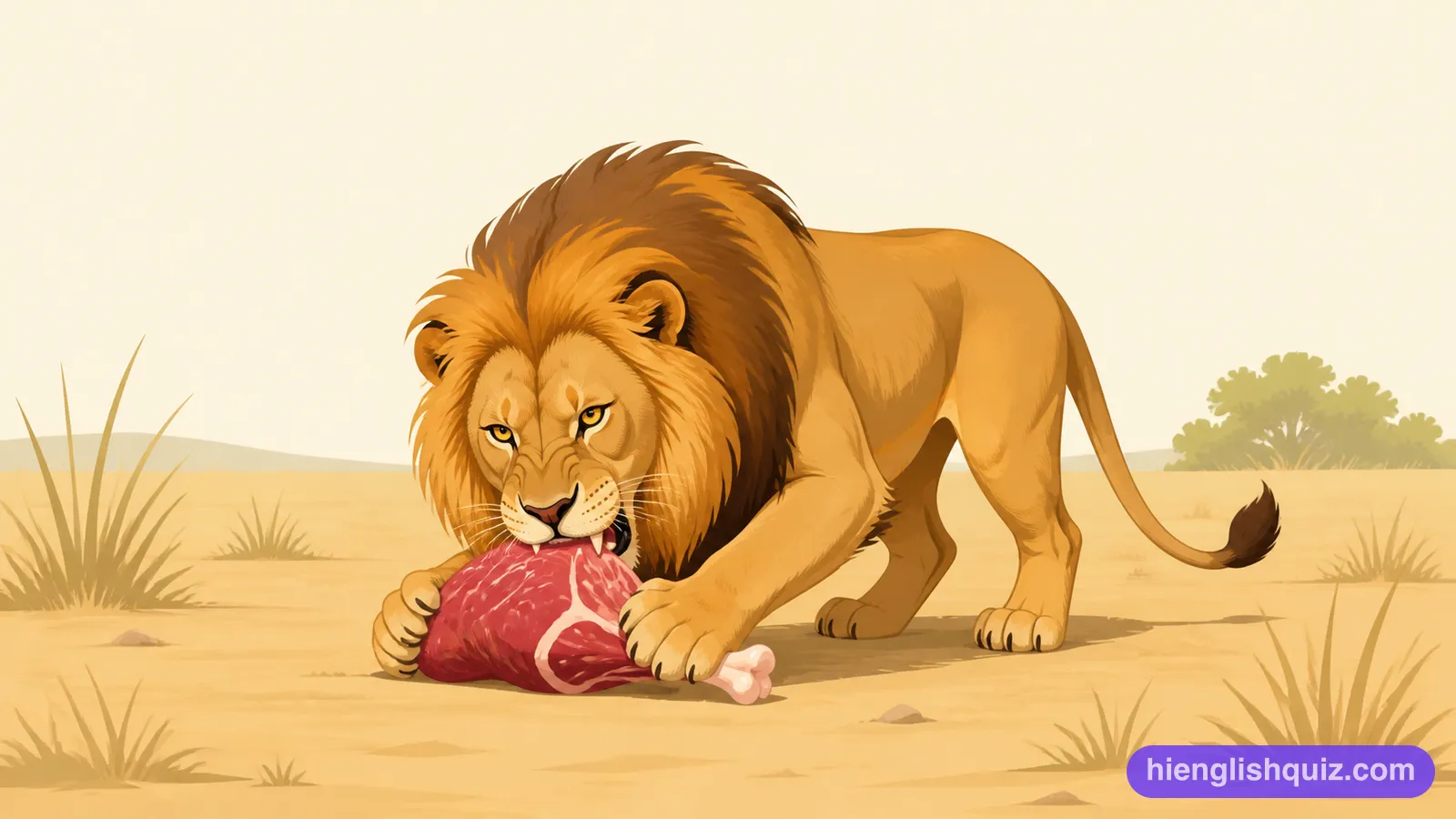
An animal that eats mainly meat.
Example: A tiger is a carnivore that hunts other animals.
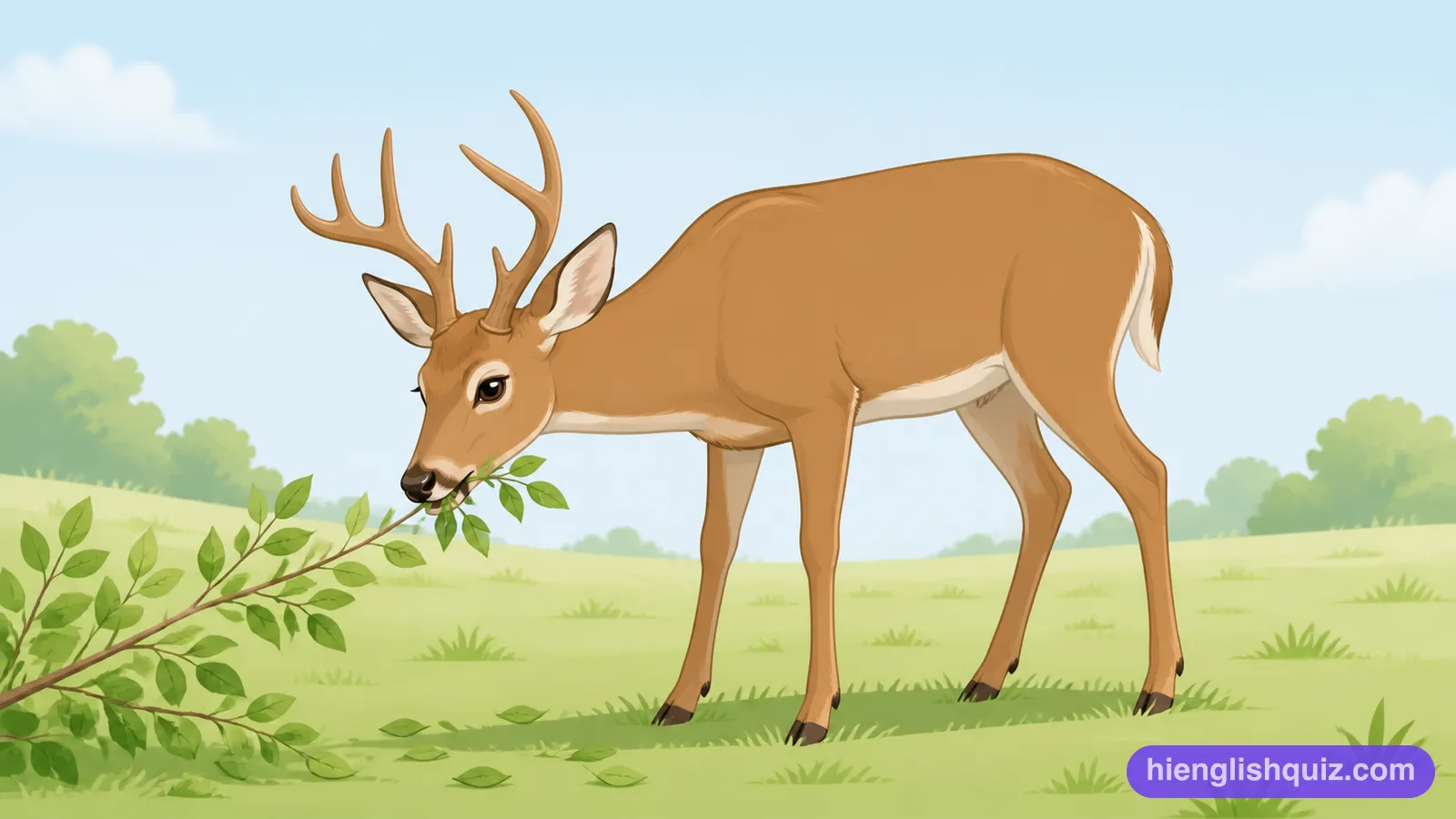
An animal that eats mainly plants.
Example: A cow is a herbivore that grazes on grass all day.
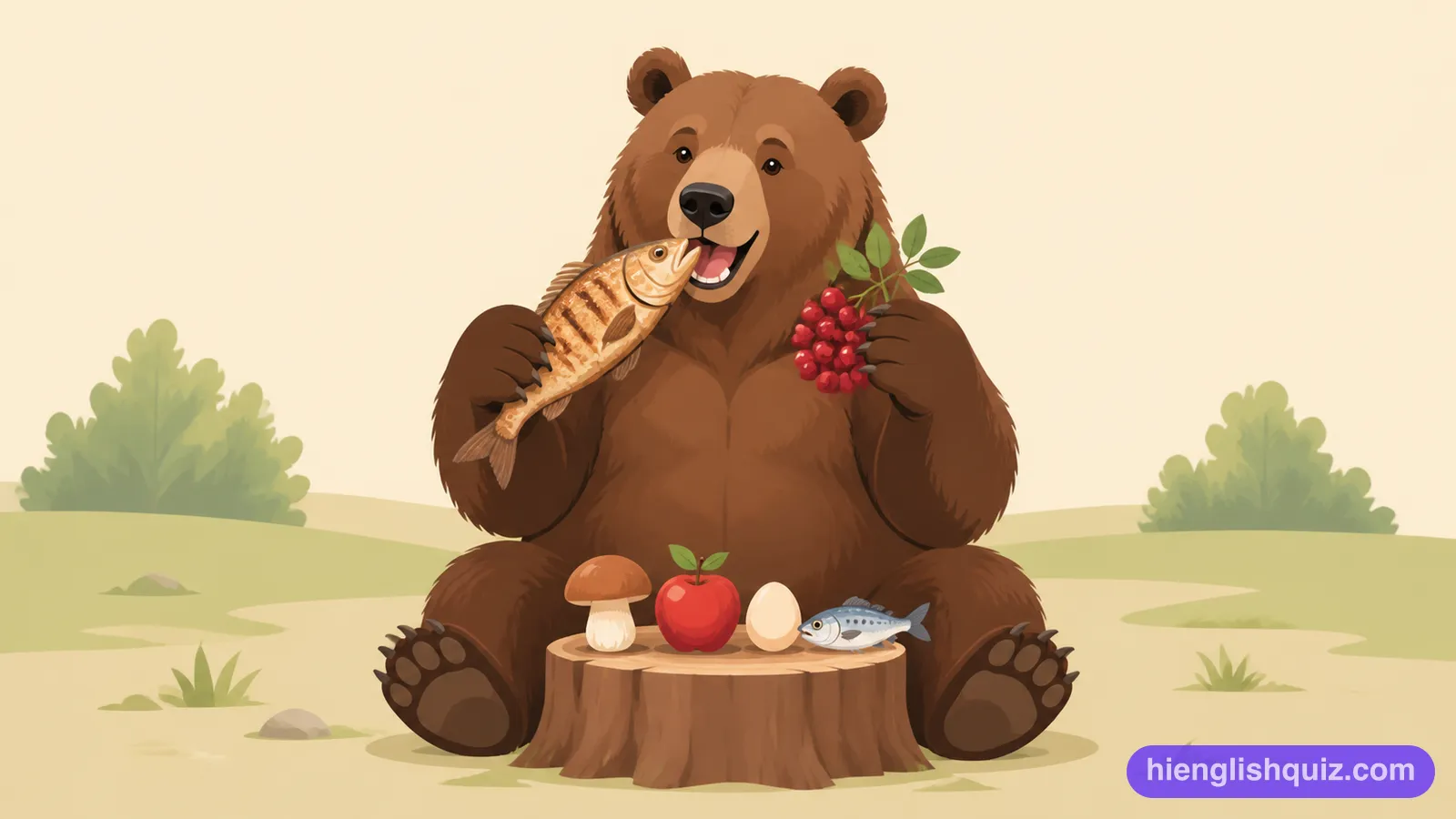
An animal that eats both plants and meat.
Example: A bear is an omnivore, eating berries as well as fish.
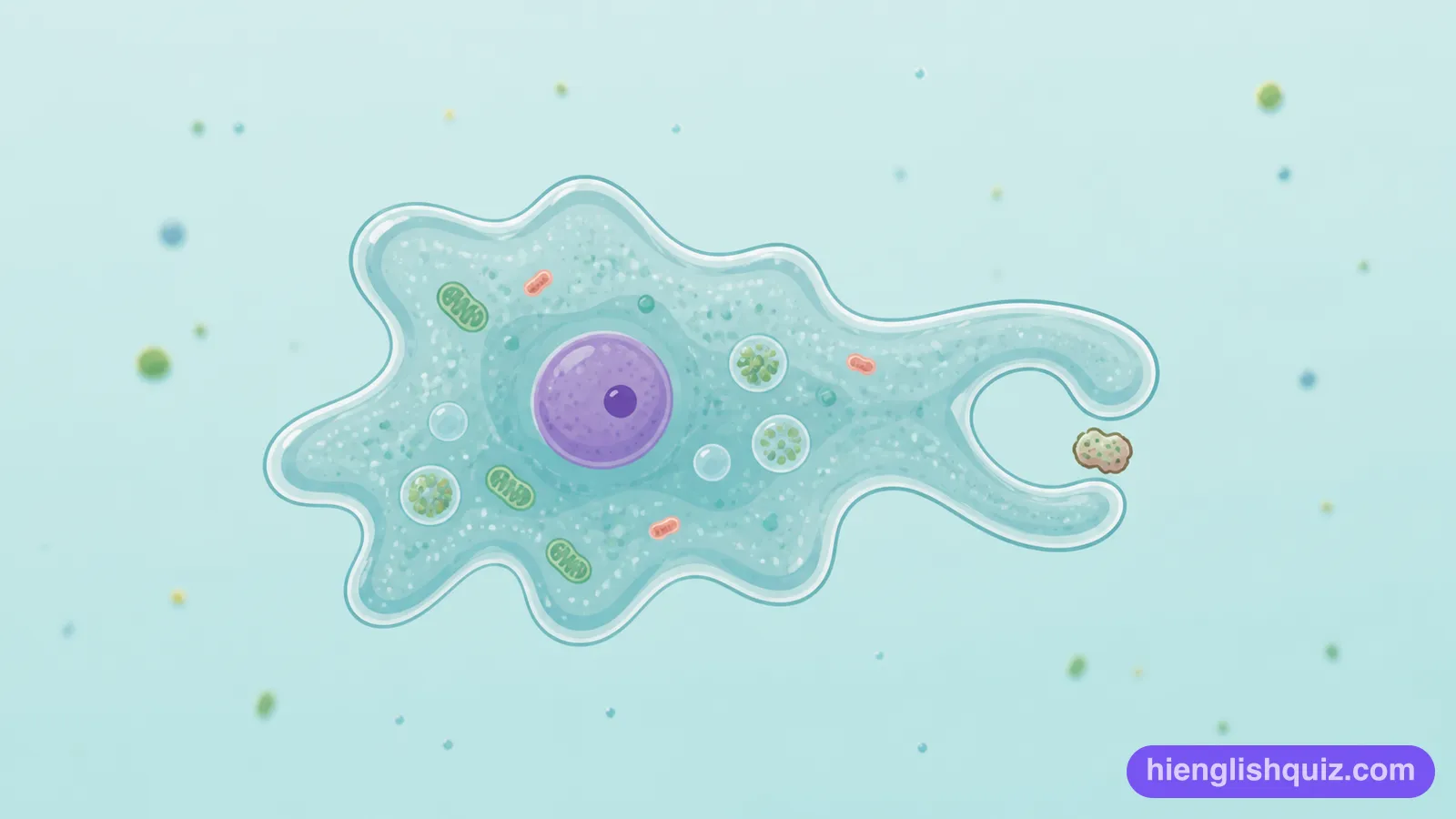
Any living thing, from a tiny bacterium to a large animal or plant.
Example: Every organism on Earth needs energy to survive.
A group of similar cells in the body that work together, such as muscle or skin.
Example: Doctors took a small sample of tissue to test it.
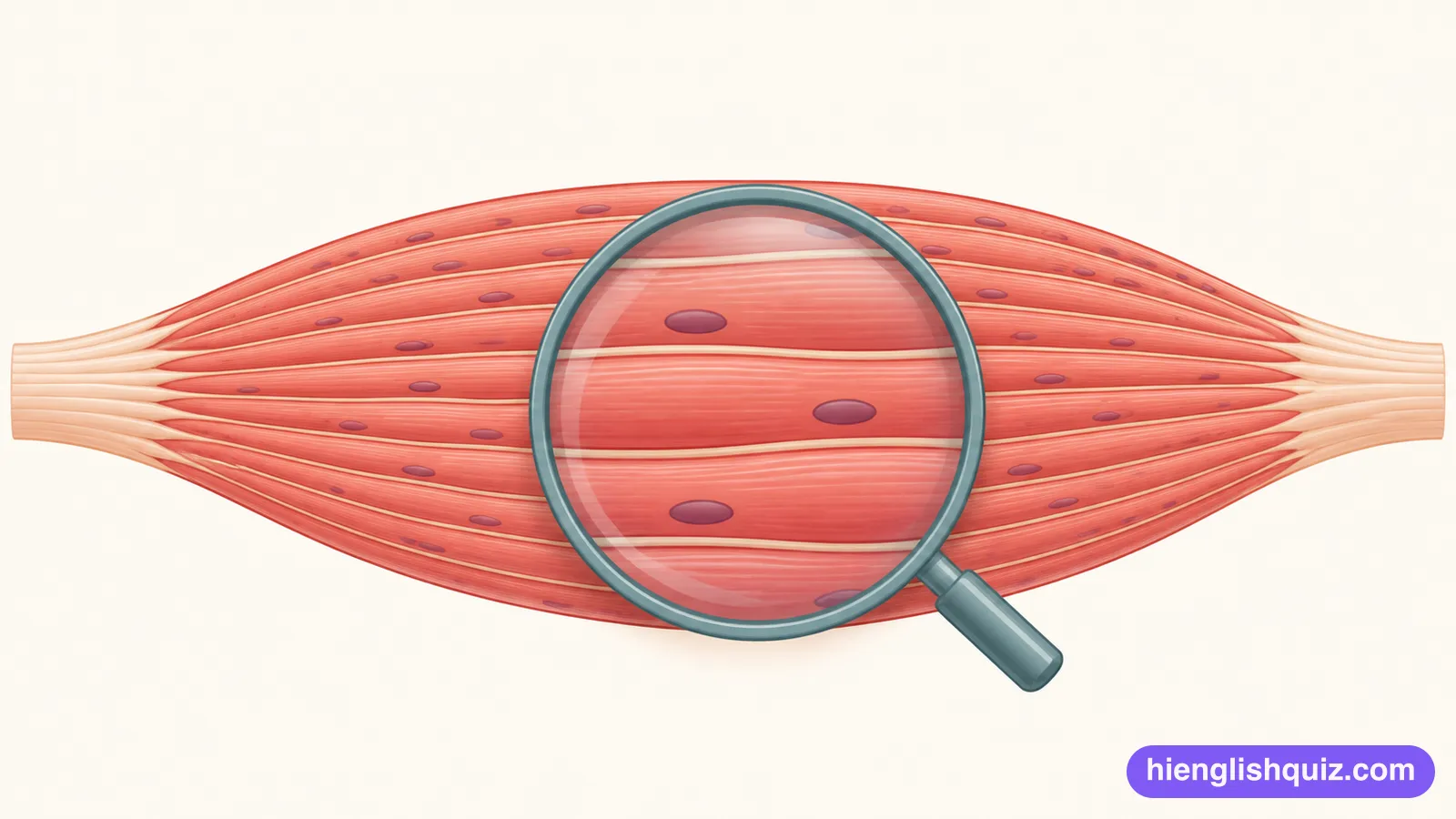
A change in an animal or plant that helps it survive better in its environment.
Example: A long neck is a useful adaptation for reaching high leaves.
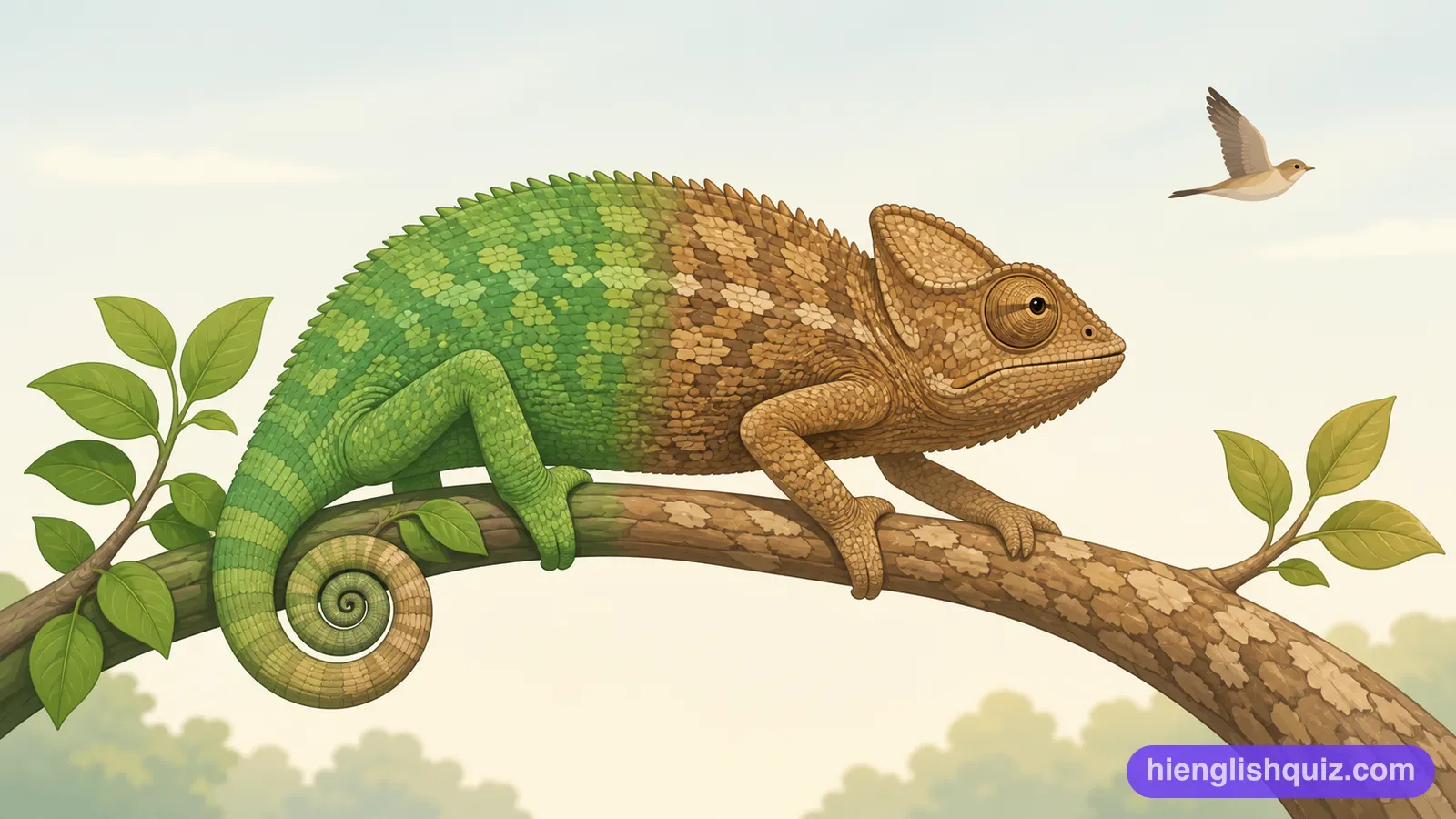
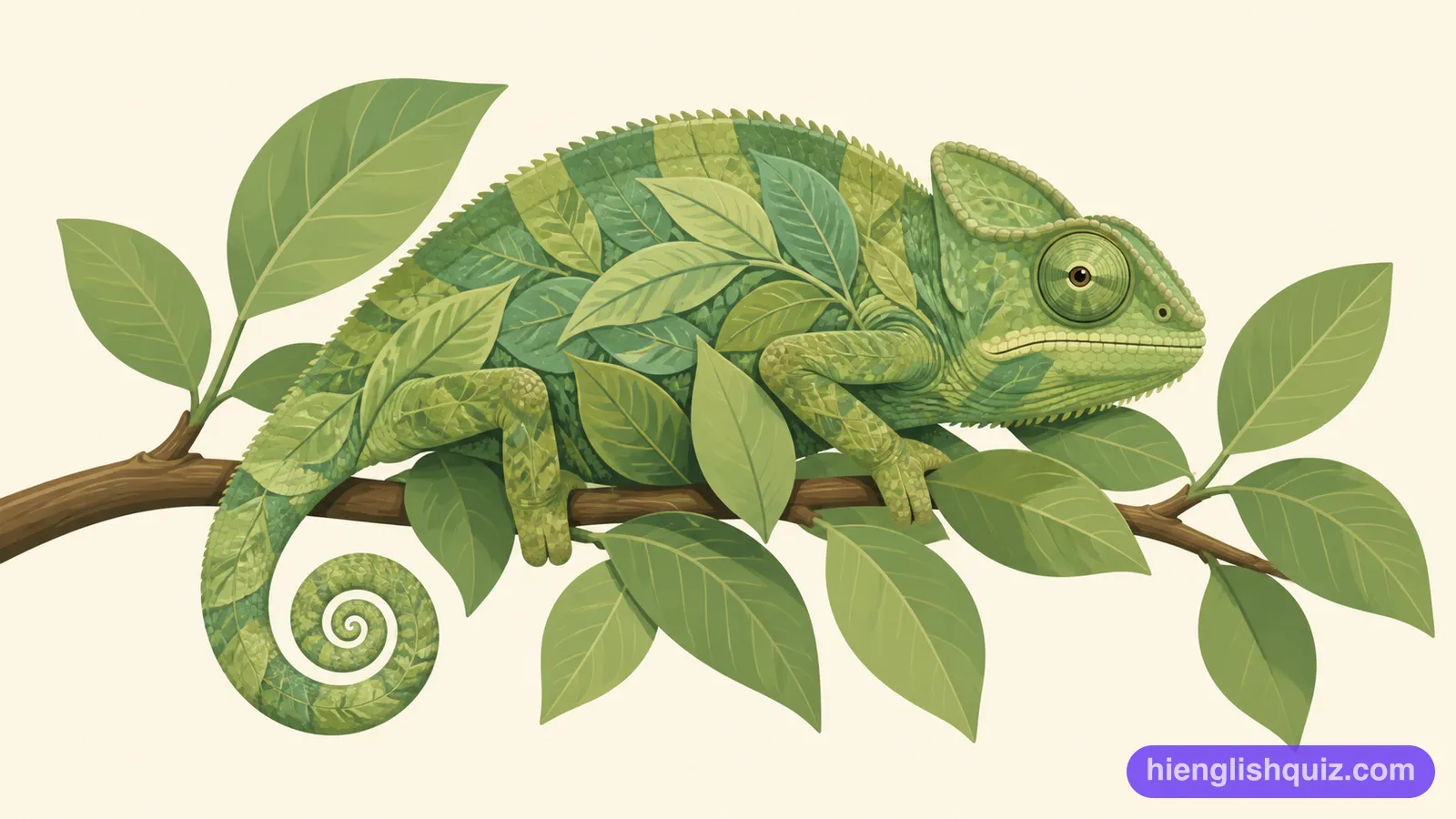
Colours or patterns on an animal's body that help it hide by blending into its surroundings.
Example: The frog's green skin gives it perfect camouflage among the leaves.
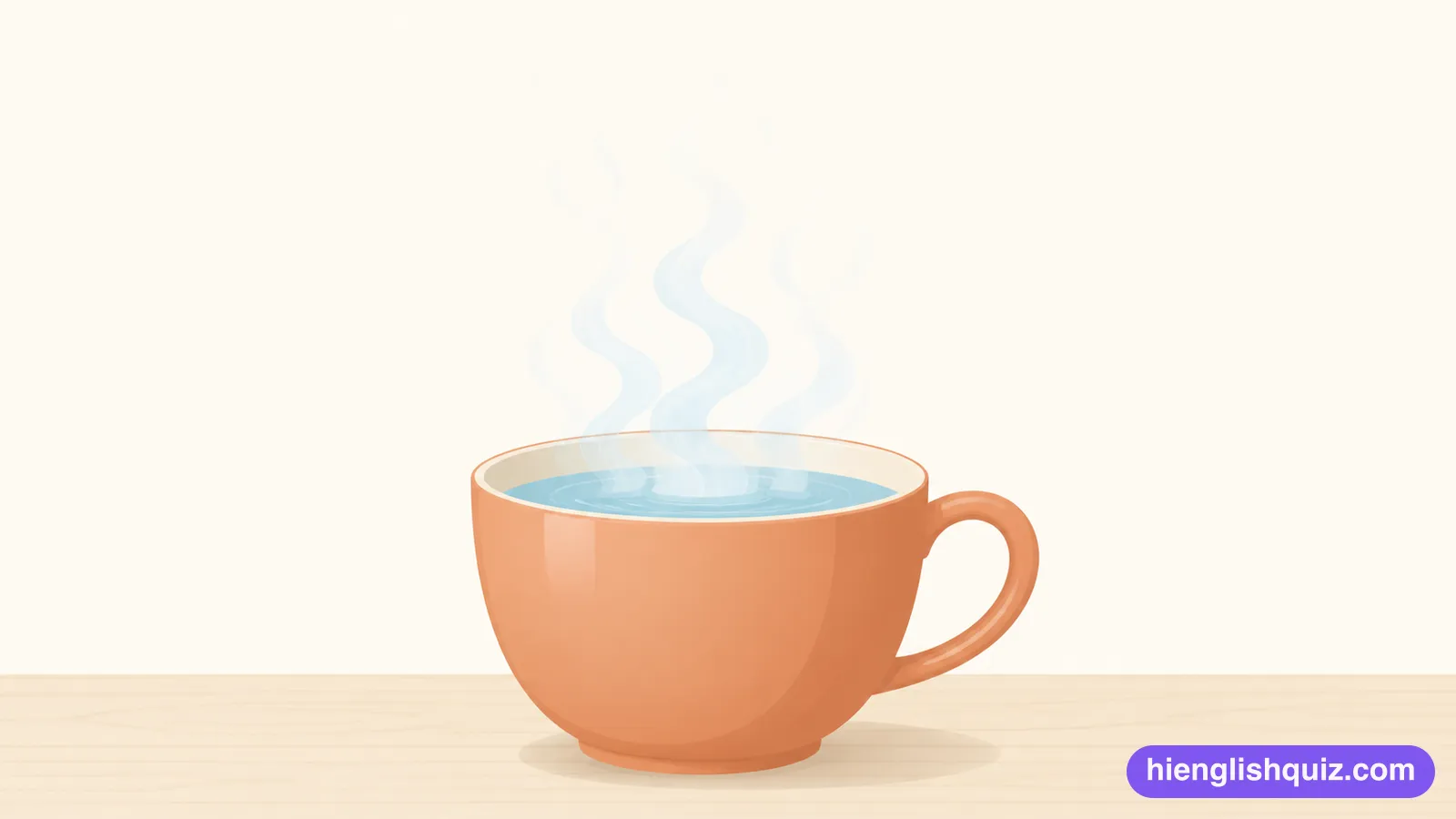
When a liquid slowly turns into gas, usually because of heat.
Example: The puddles evaporated quickly in the hot sun.
A substance made when two or more chemical elements join together.
Example: Water is a compound of hydrogen and oxygen.
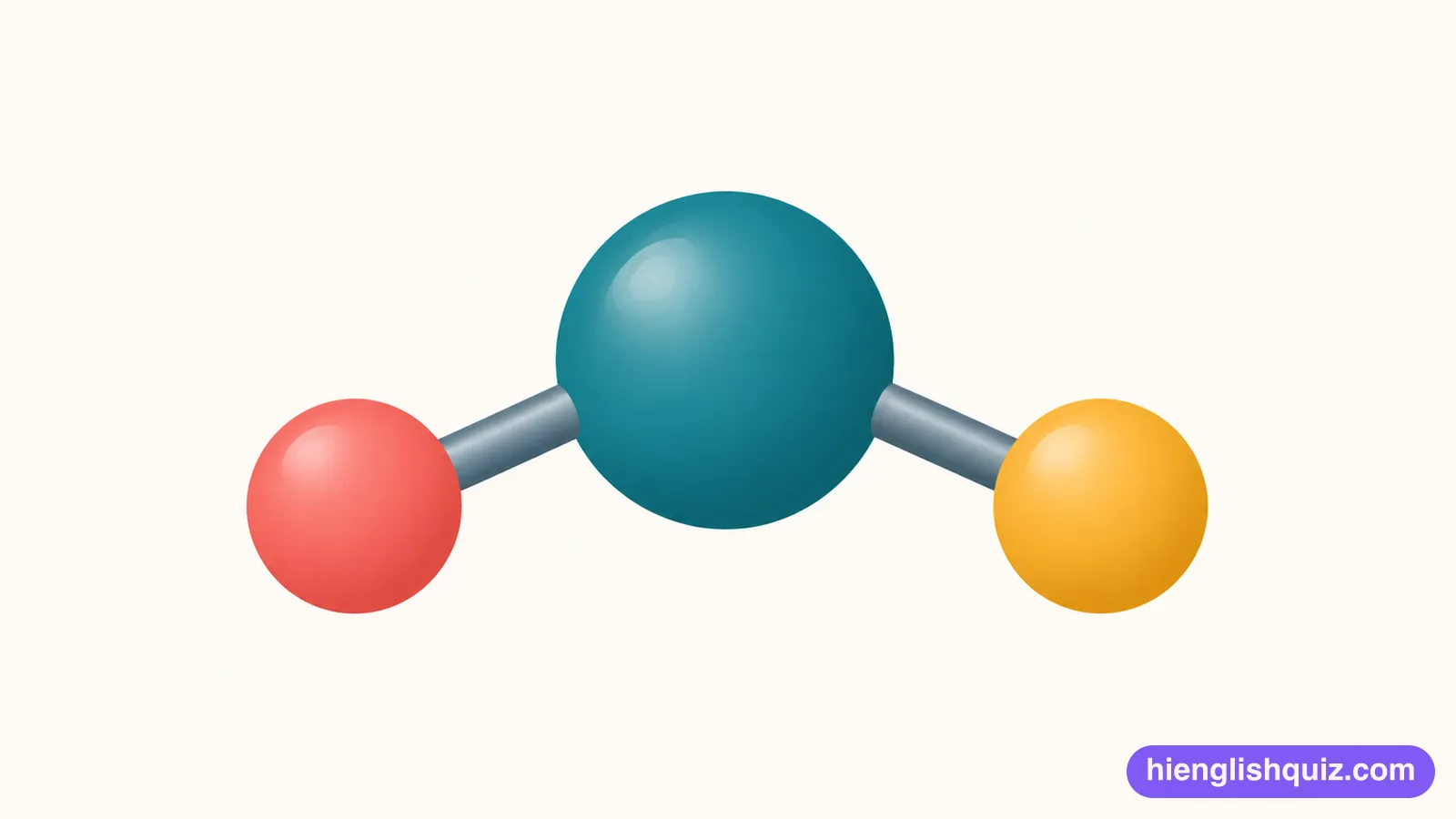
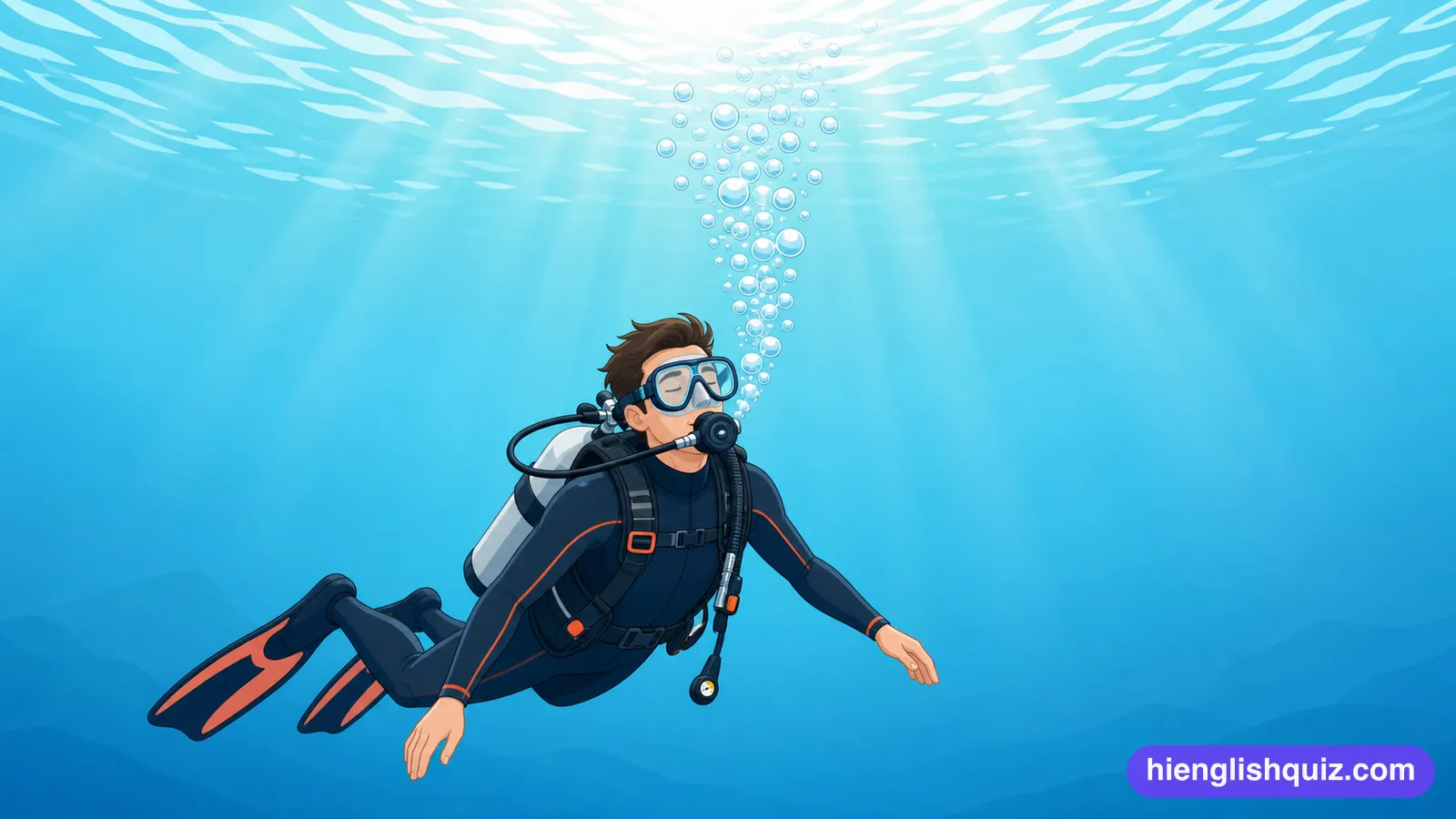
A gas in the air with no colour or smell that living things need to breathe.
Example: Divers carry tanks of oxygen so they can breathe underwater.
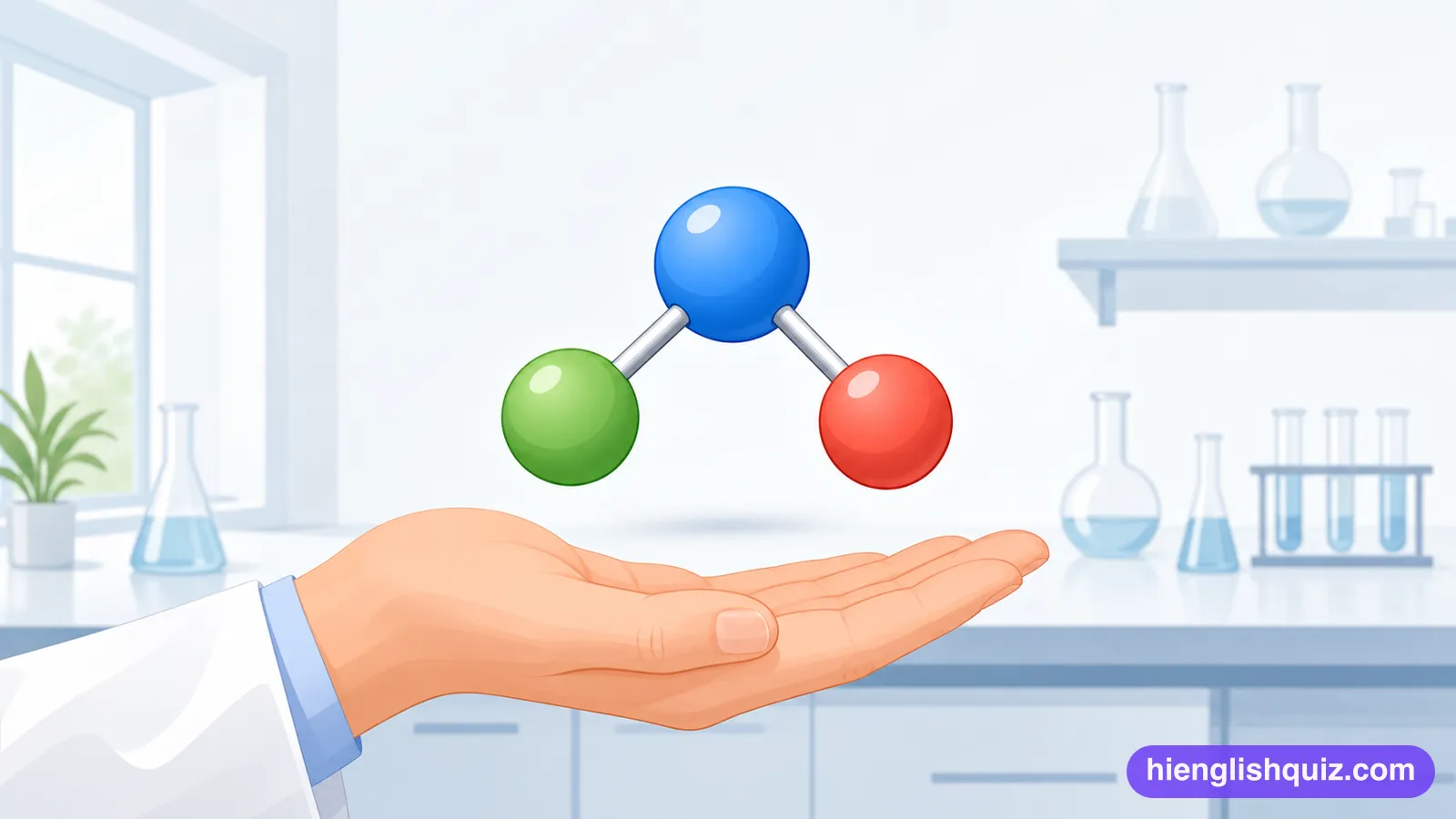
The smallest amount of a substance that can exist while still being that substance.
Example: A water molecule has one oxygen and two hydrogen parts.
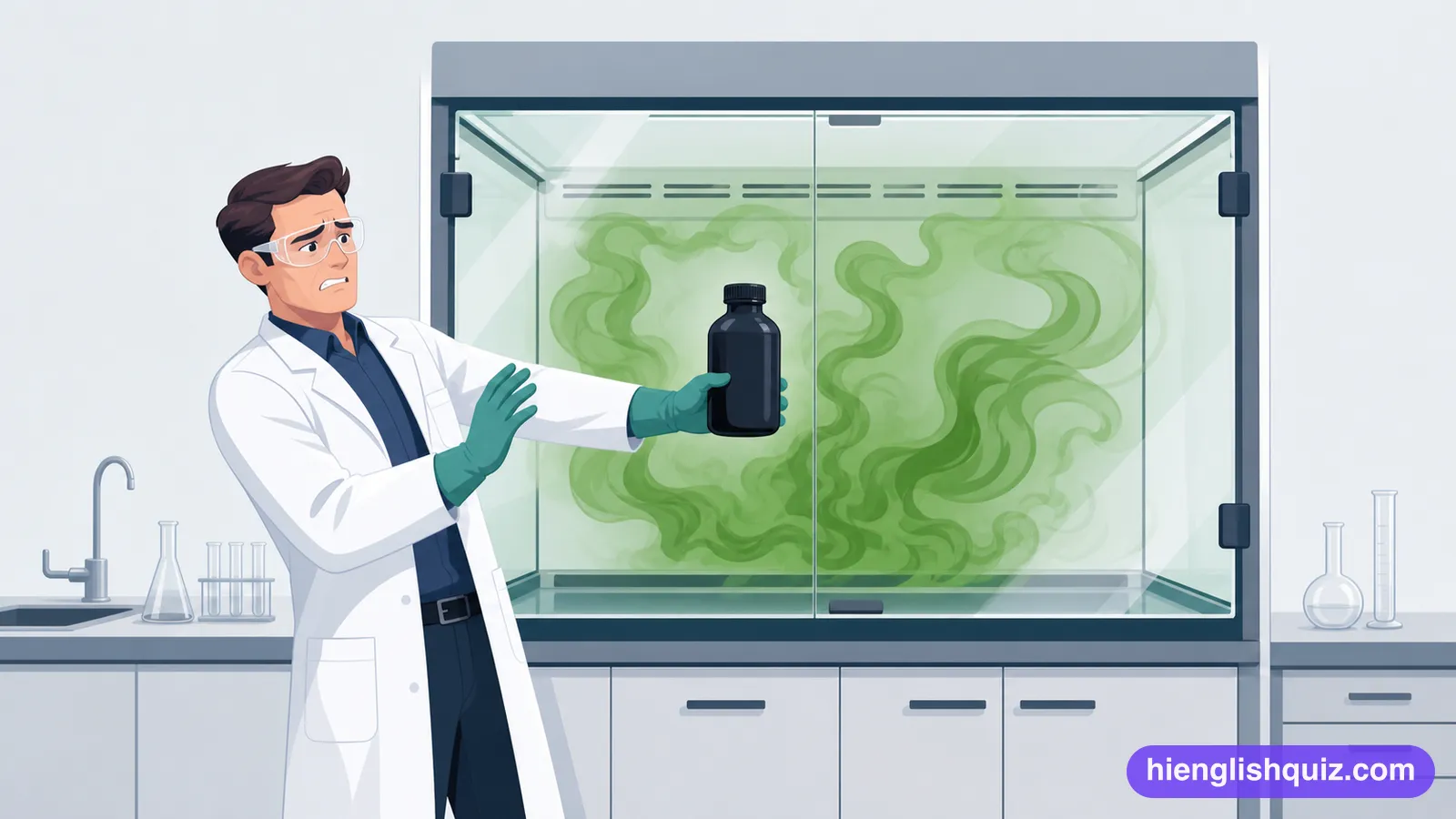
Containing something that can poison you or harm living things.
Example: The fumes from that cleaner are toxic, so open a window.
A colourless gas with no smell that is the lightest and most common element in the universe.
Example: Water is made of hydrogen and oxygen.
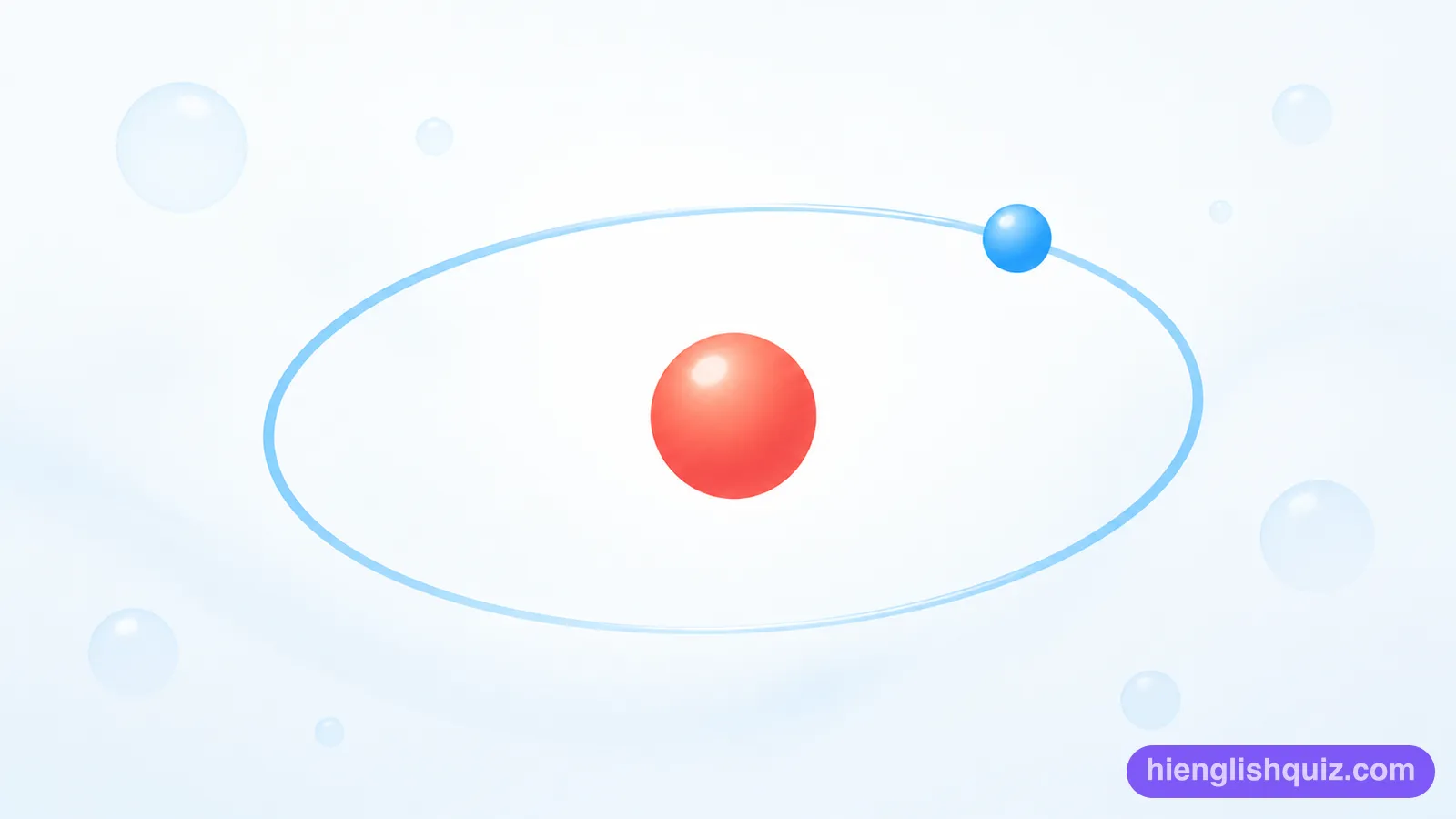
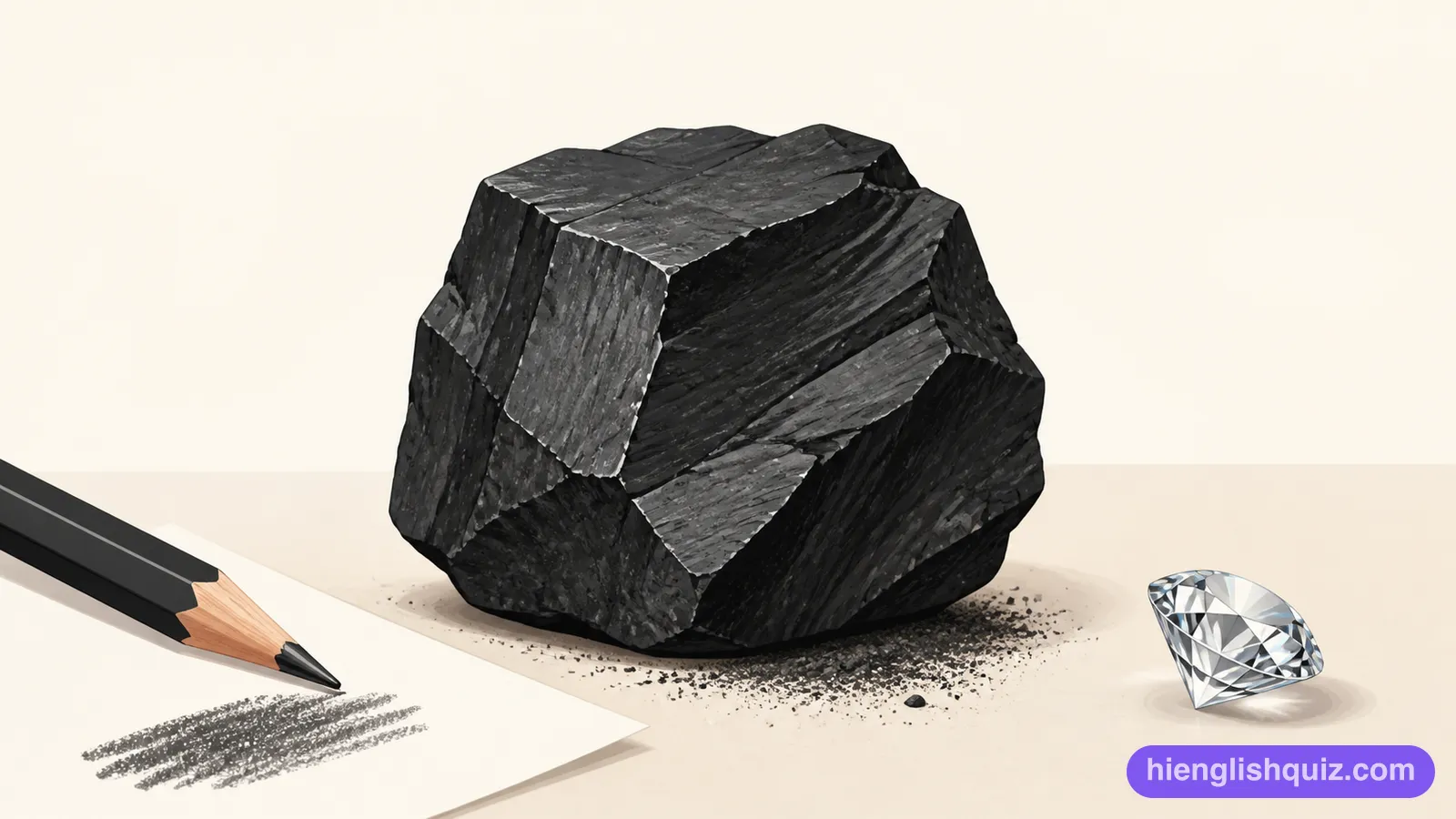
A chemical element found in all living things and in substances such as coal and diamonds.
Example: Diamonds are a pure form of carbon.
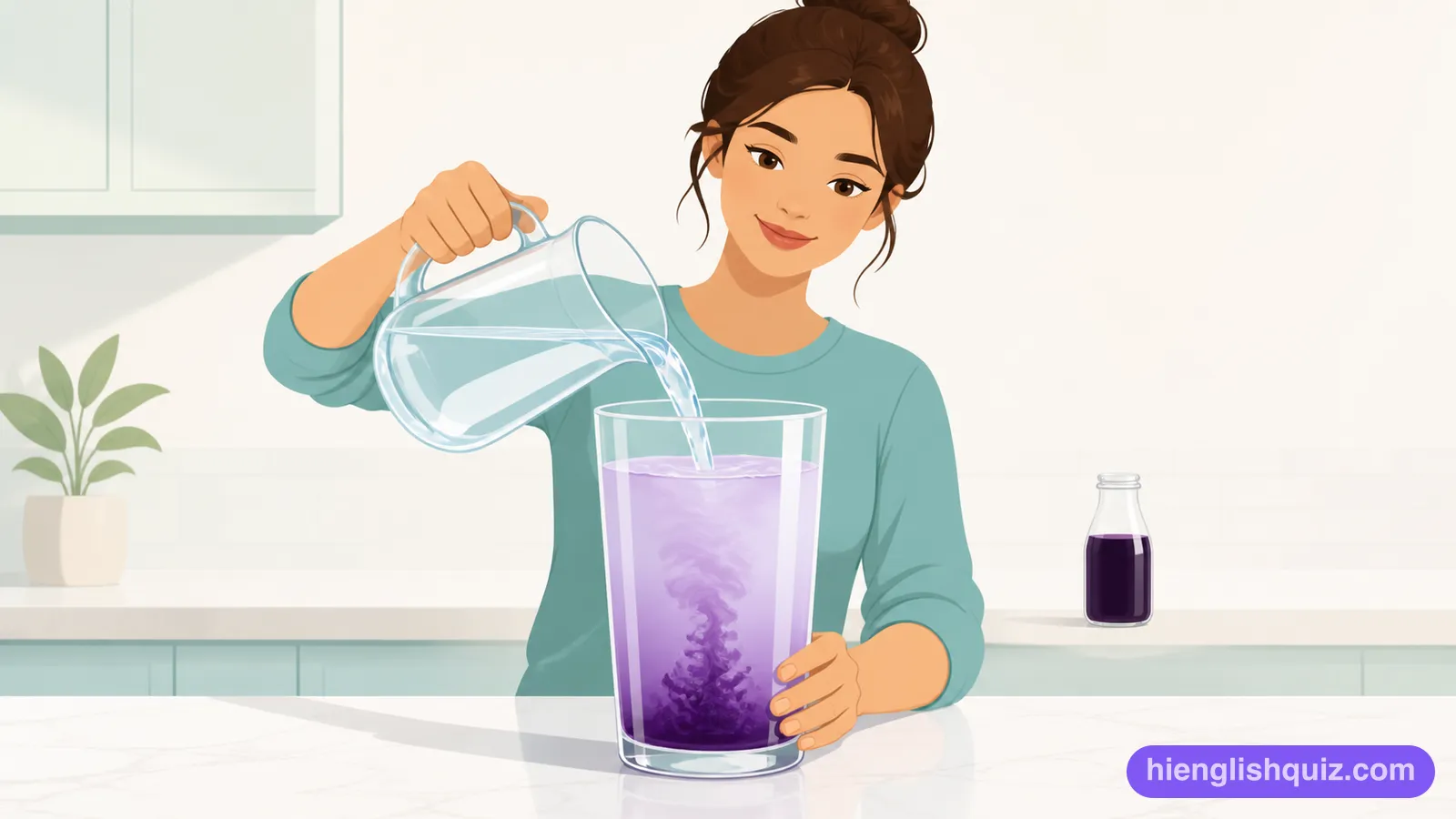
To make a liquid weaker or thinner by adding water or another liquid to it.
Example: You should dilute the juice with water before drinking it.
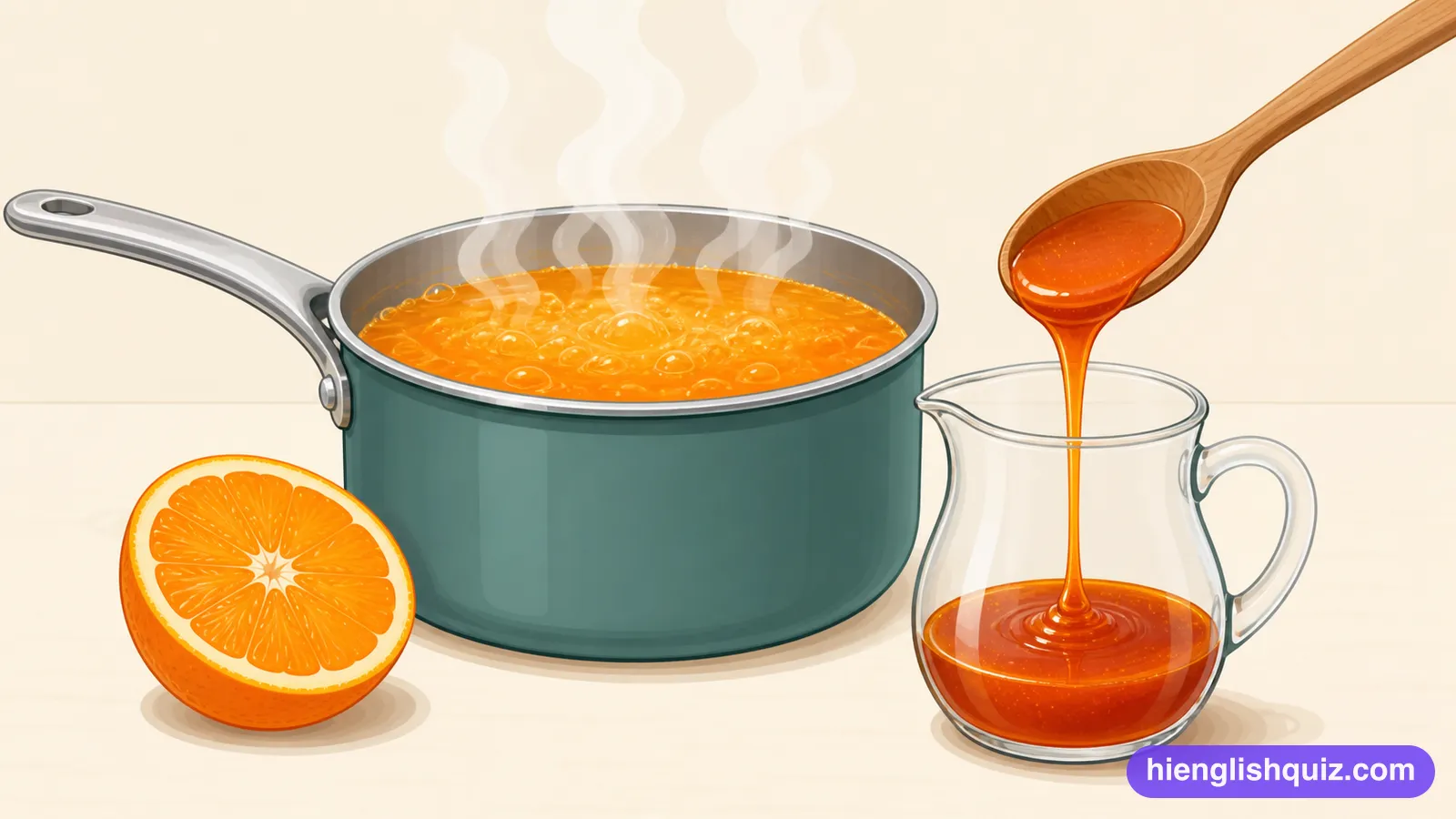
Made stronger by removing water or another liquid, so a substance is less watery.
Example: The cleaning liquid is very concentrated, so use only a little.
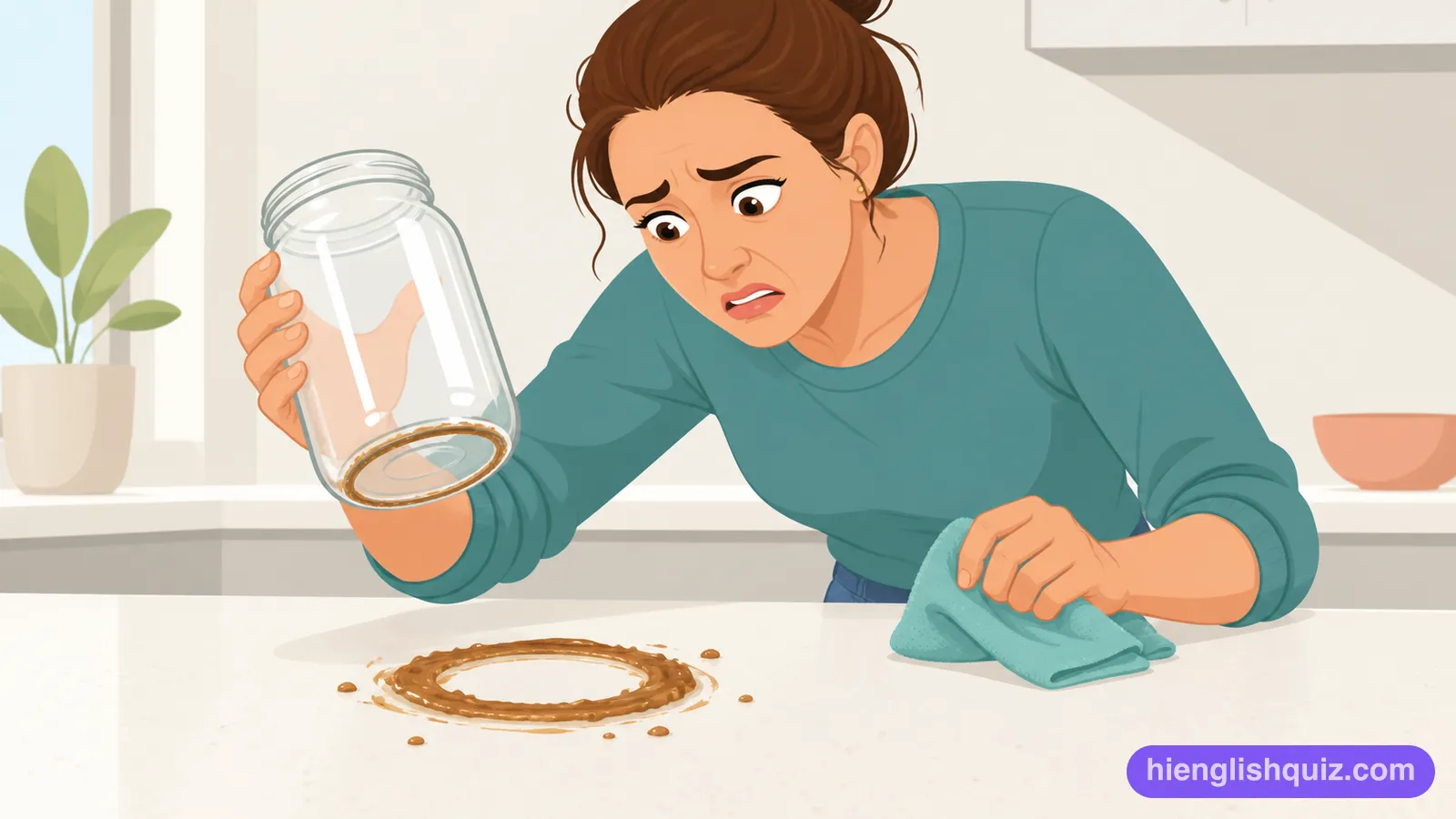
A small amount of a substance that remains after most of it has gone or been used.
Example: A sticky residue was left on the glass after the liquid evaporated.