skeleton
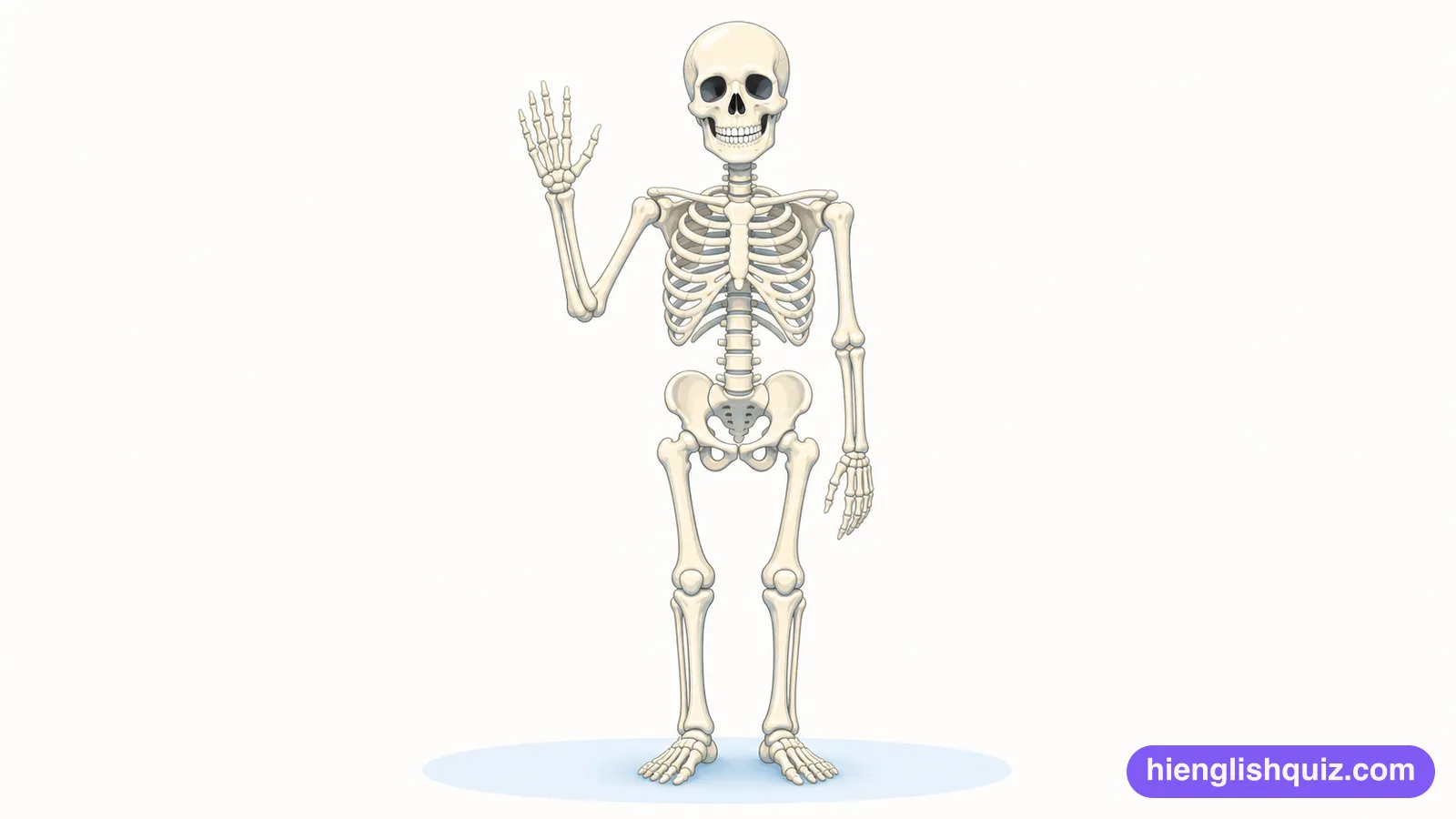
/ˈskɛlətən/All the bones inside a body that give it shape and hold it up.
Example: The museum has a real dinosaur skeleton.
 Hi EnglishQuiz
B116 words · Intermediate
Natural science vocabulary covering the body and simple chemistry — words such as skeleton, muscle and lung sit alongside acid, dissolve and mixture.
All the bones inside a body that give it shape and hold it up.
Example: The museum has a real dinosaur skeleton.
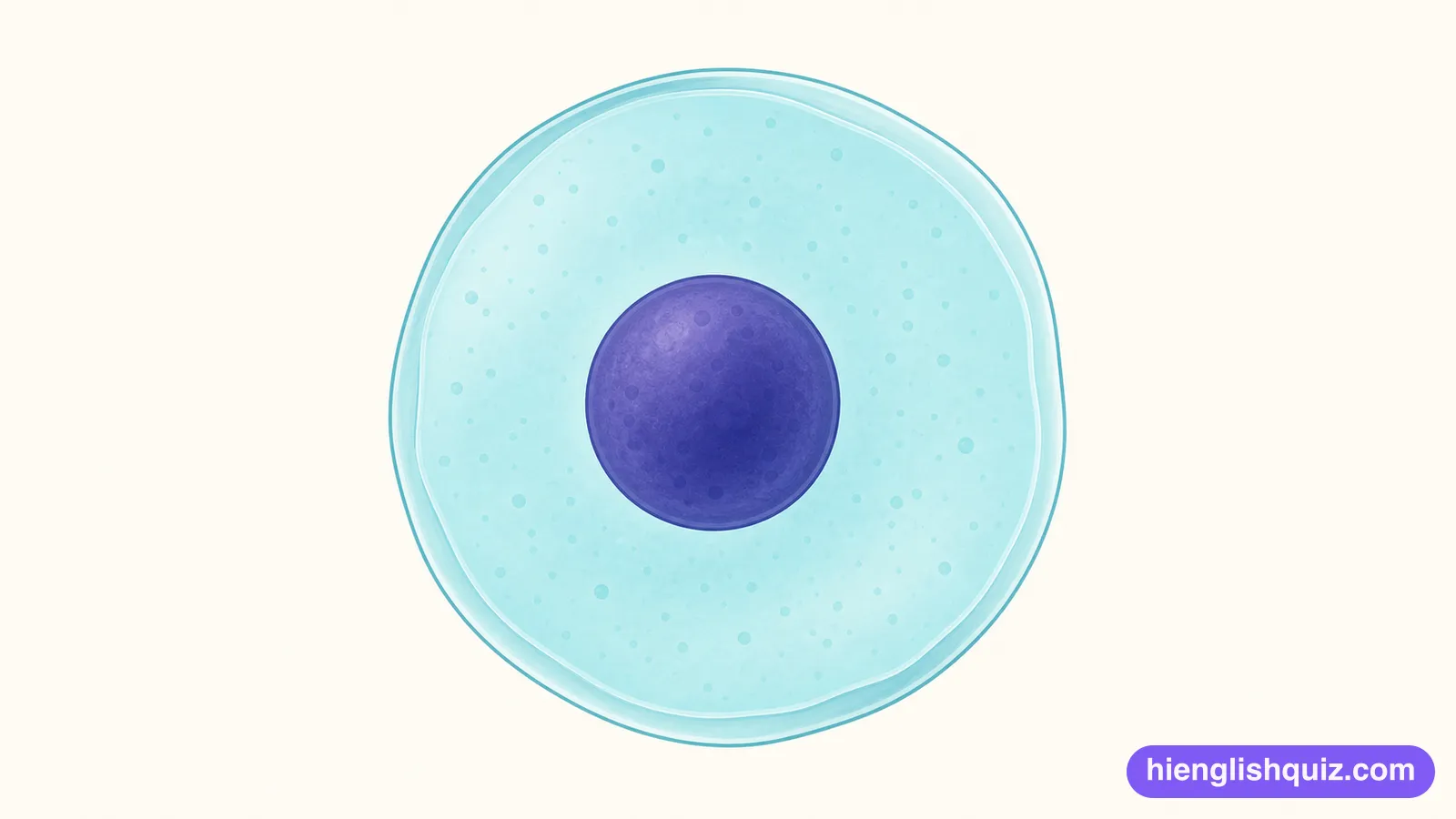
The smallest living unit that makes up plants, animals, and people.
Example: The human body is made of billions of tiny cells.
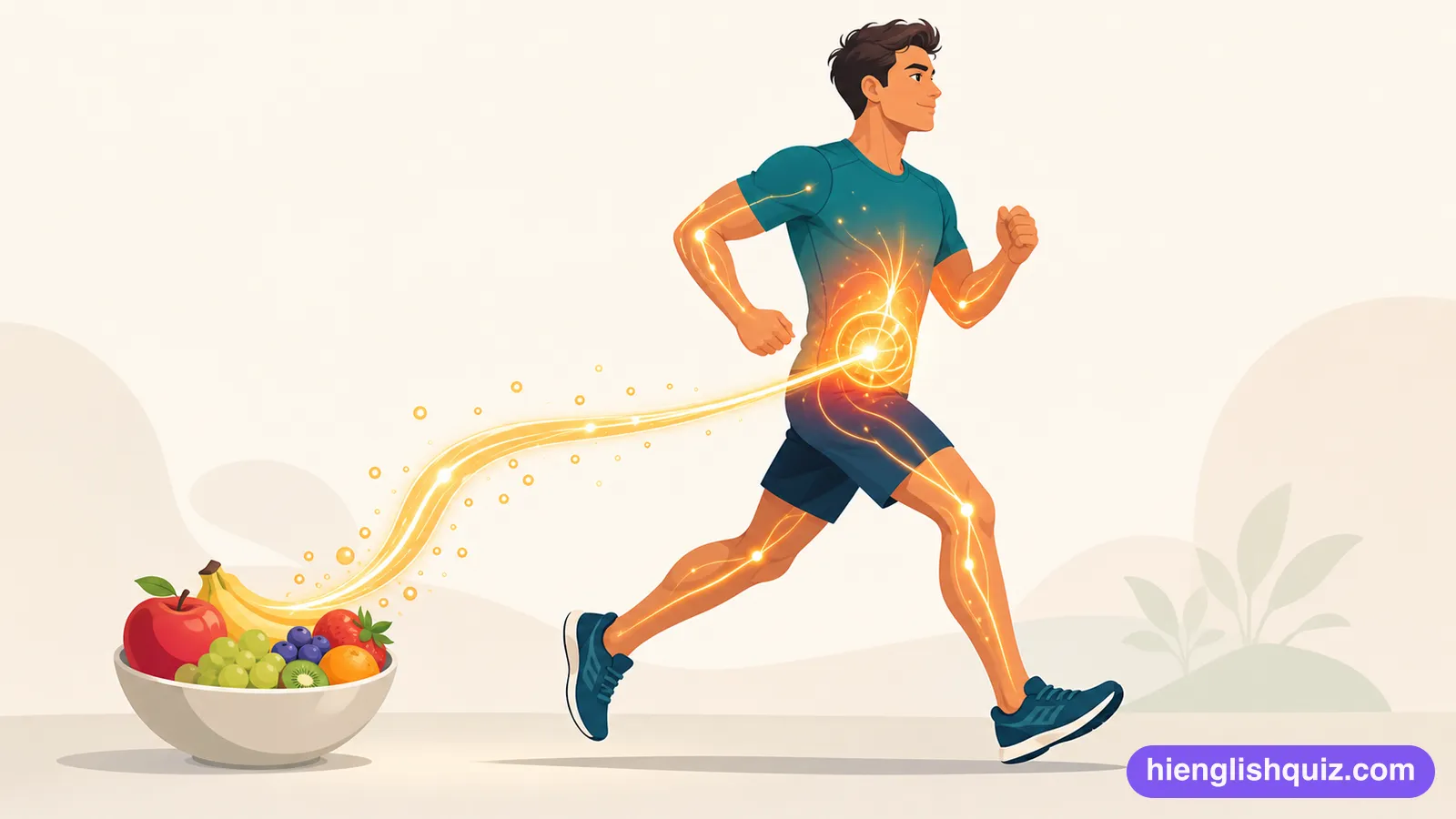
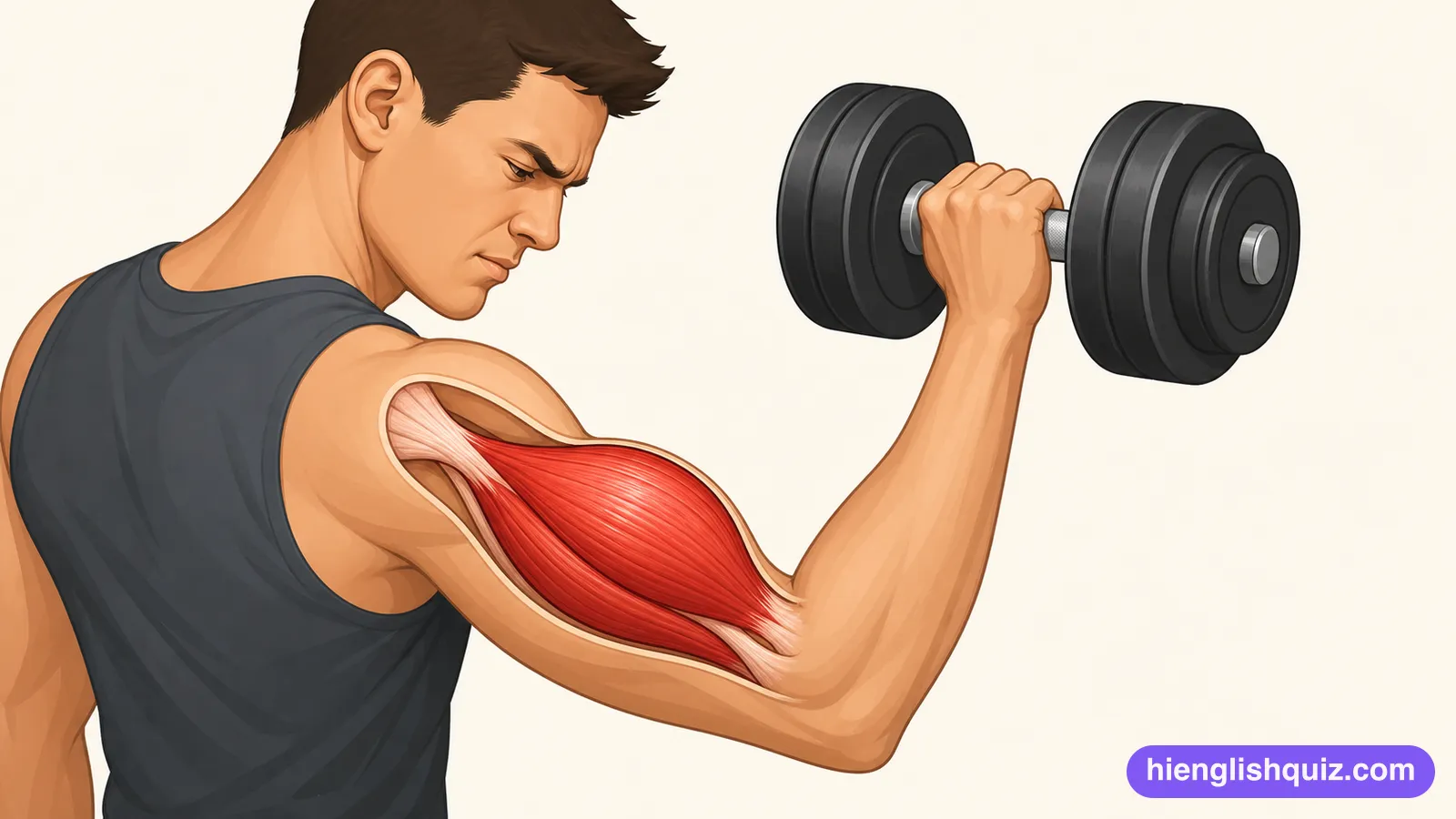
A part of the body that tightens and relaxes so that you can move or lift things.
Example: He pulled a muscle in his leg while running.
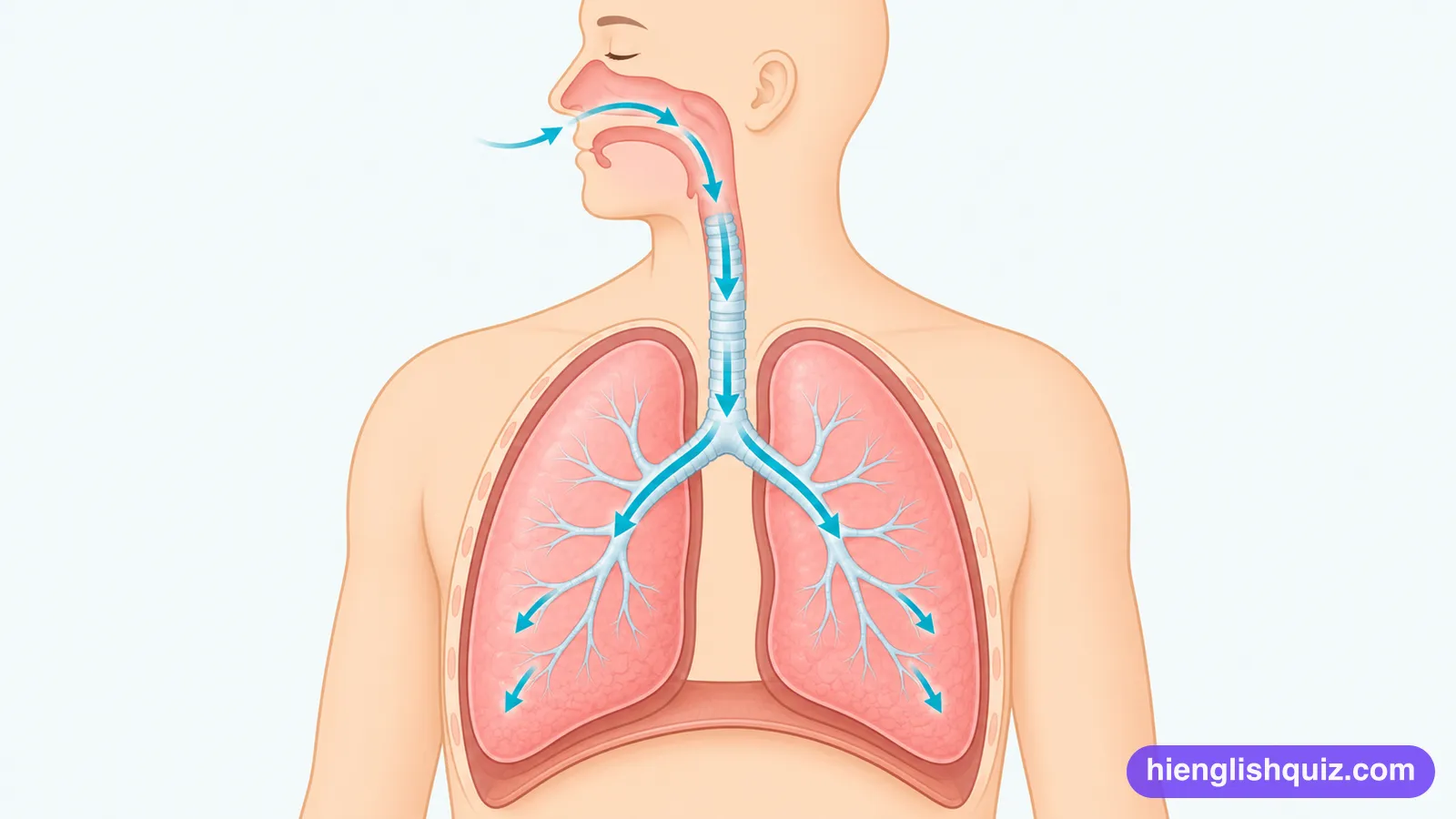
One of the two organs in your chest that fill with air when you breathe in.
Example: Smoking damages your lungs more than people think.
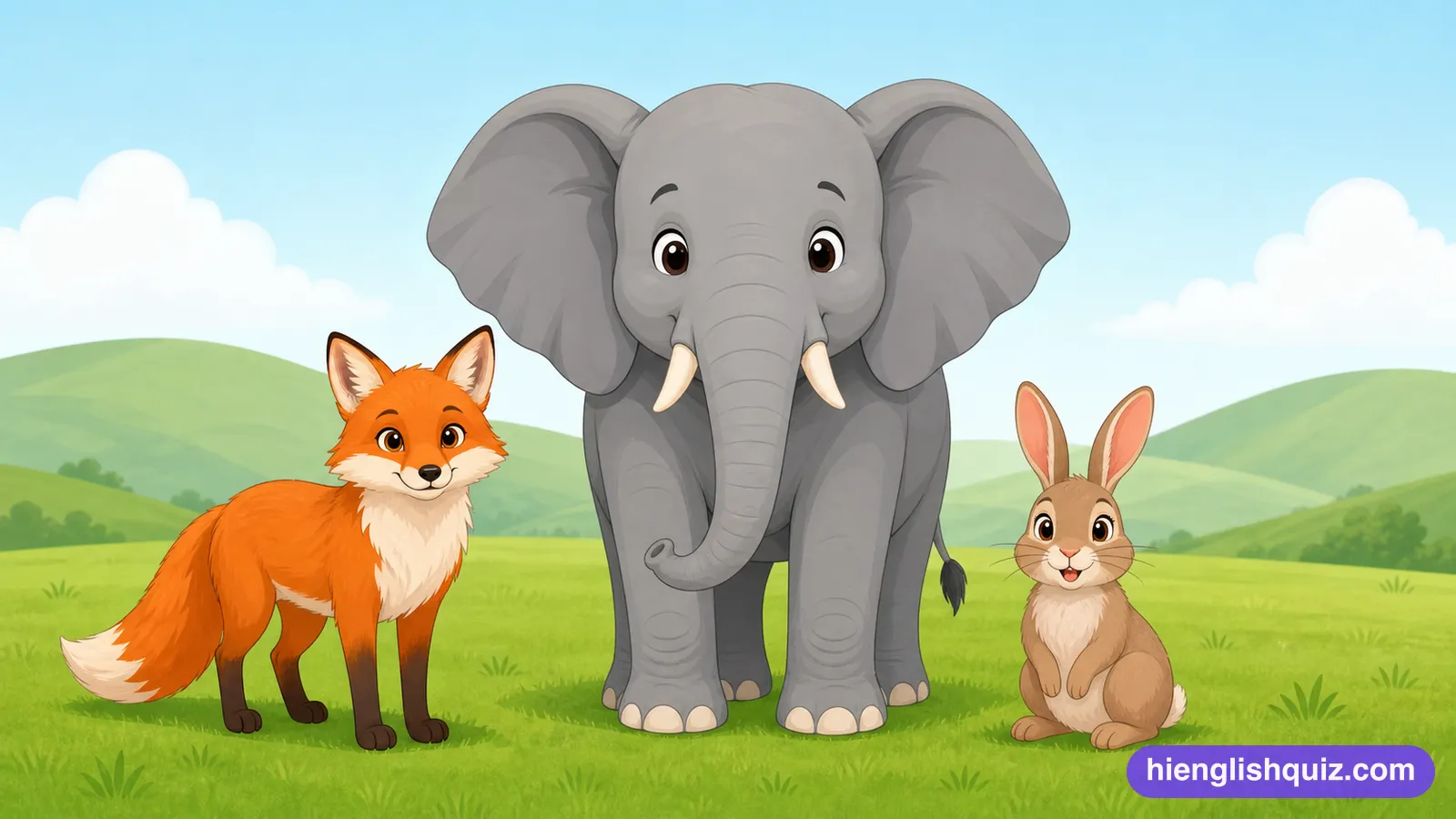
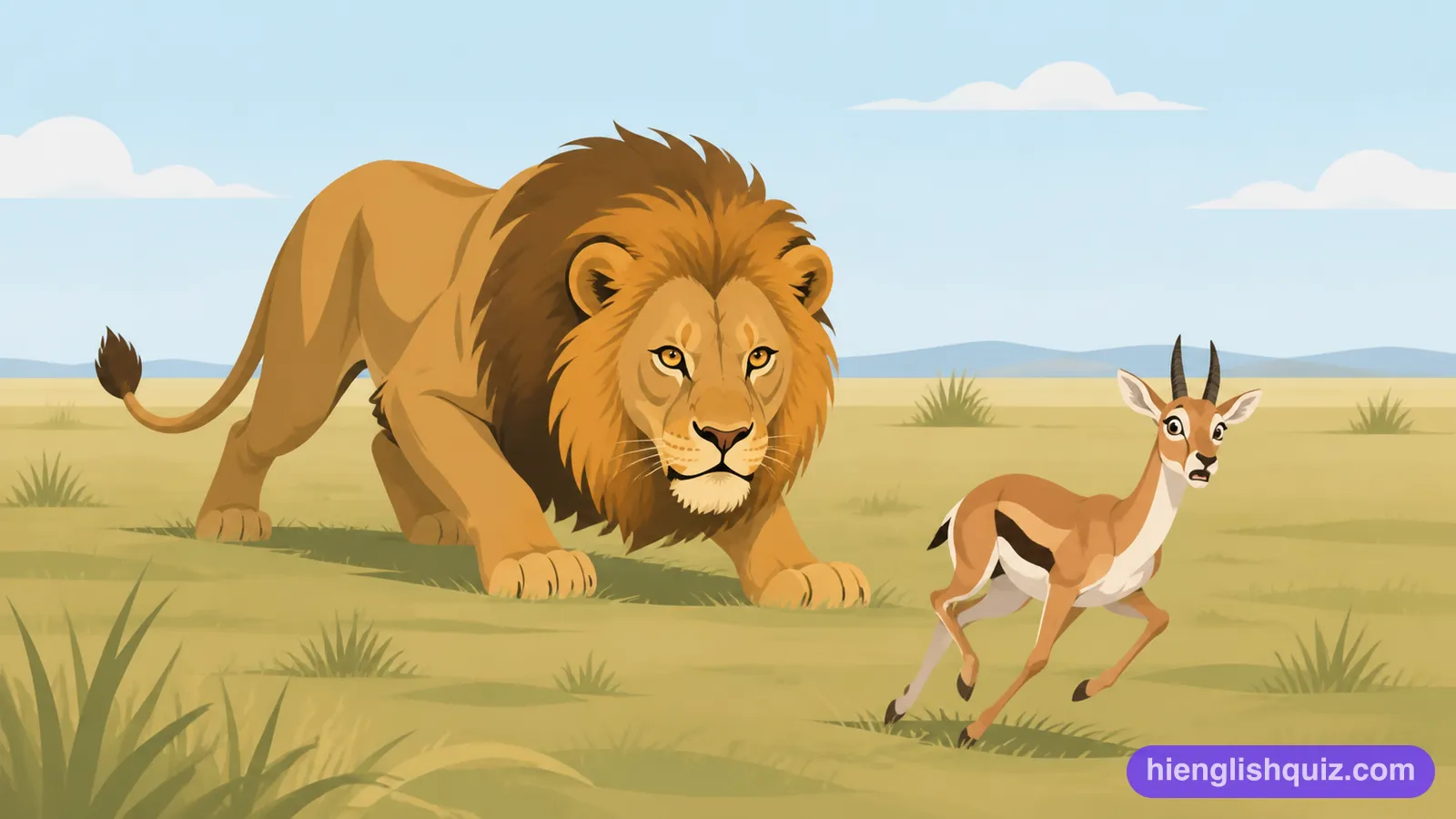
An animal that hunts and eats other animals for food.
Example: The lion is a skilled predator on the open plain.
An animal that is hunted and eaten by another animal.
Example: The rabbit tried to escape before it became prey.

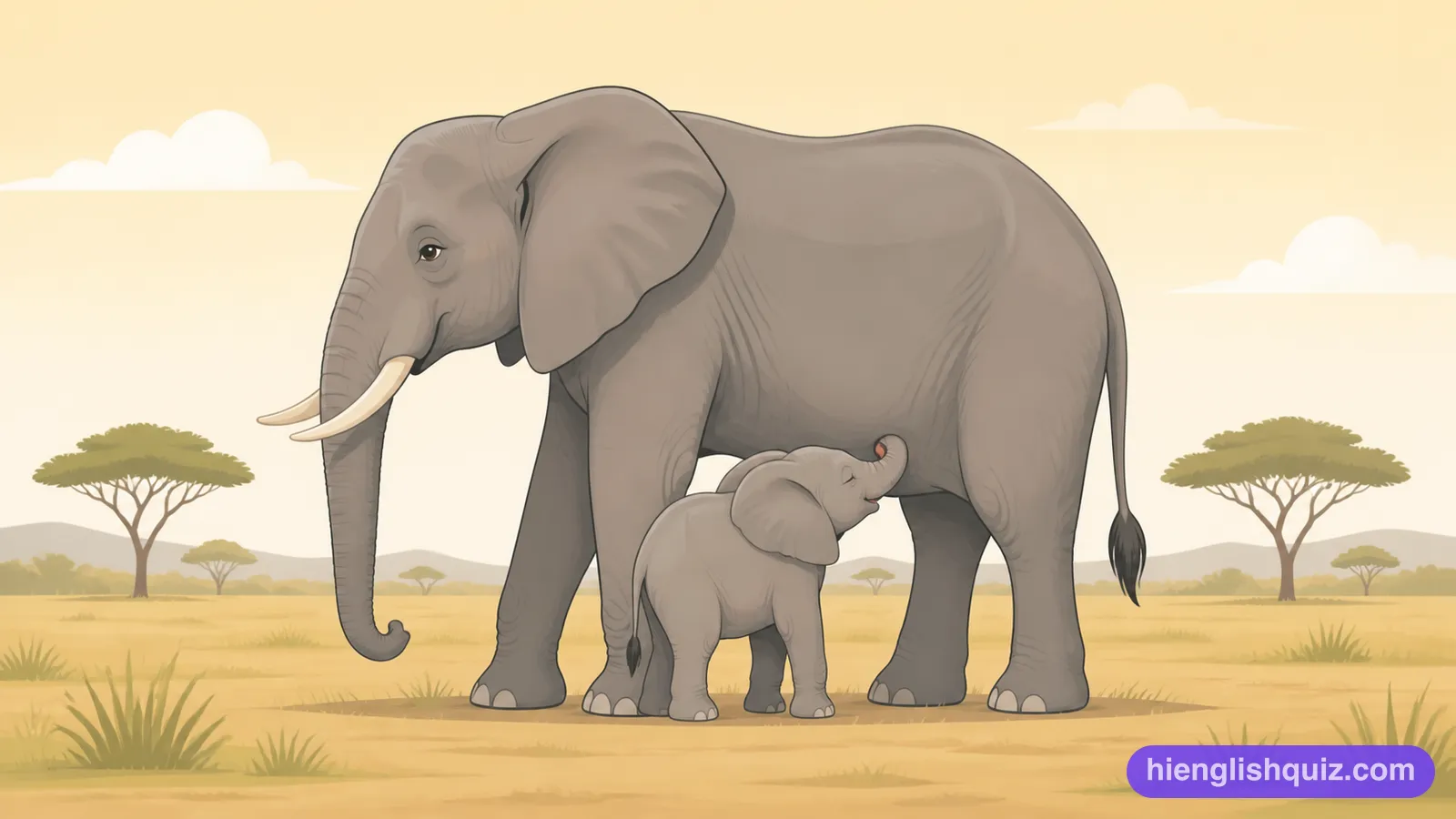
A warm-blooded animal that has fur or hair and feeds its babies with milk.
Example: A whale is a mammal, not a fish.
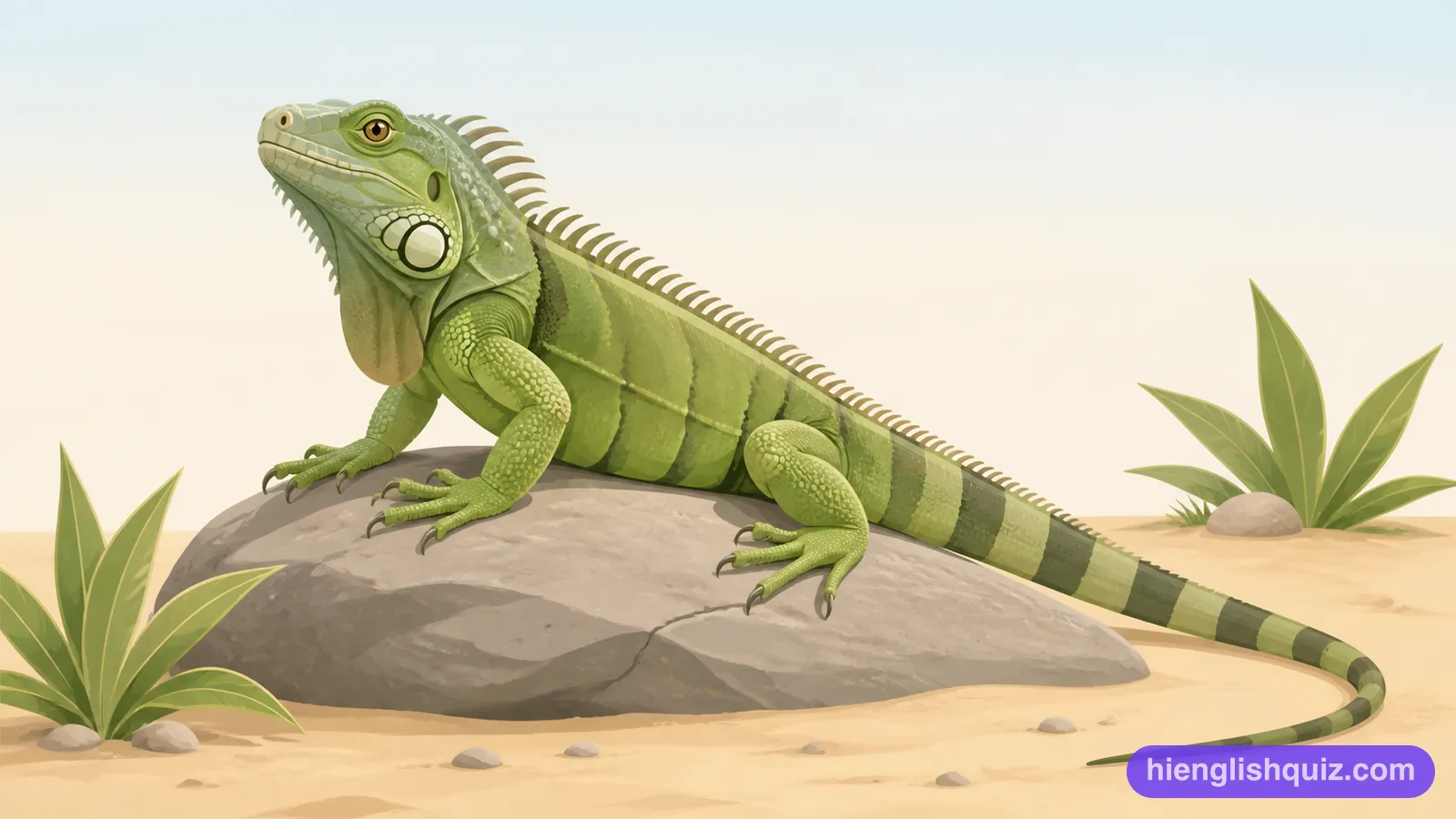
A cold-blooded animal with dry, scaly skin that usually lays eggs.
Example: A crocodile is a large, dangerous reptile.
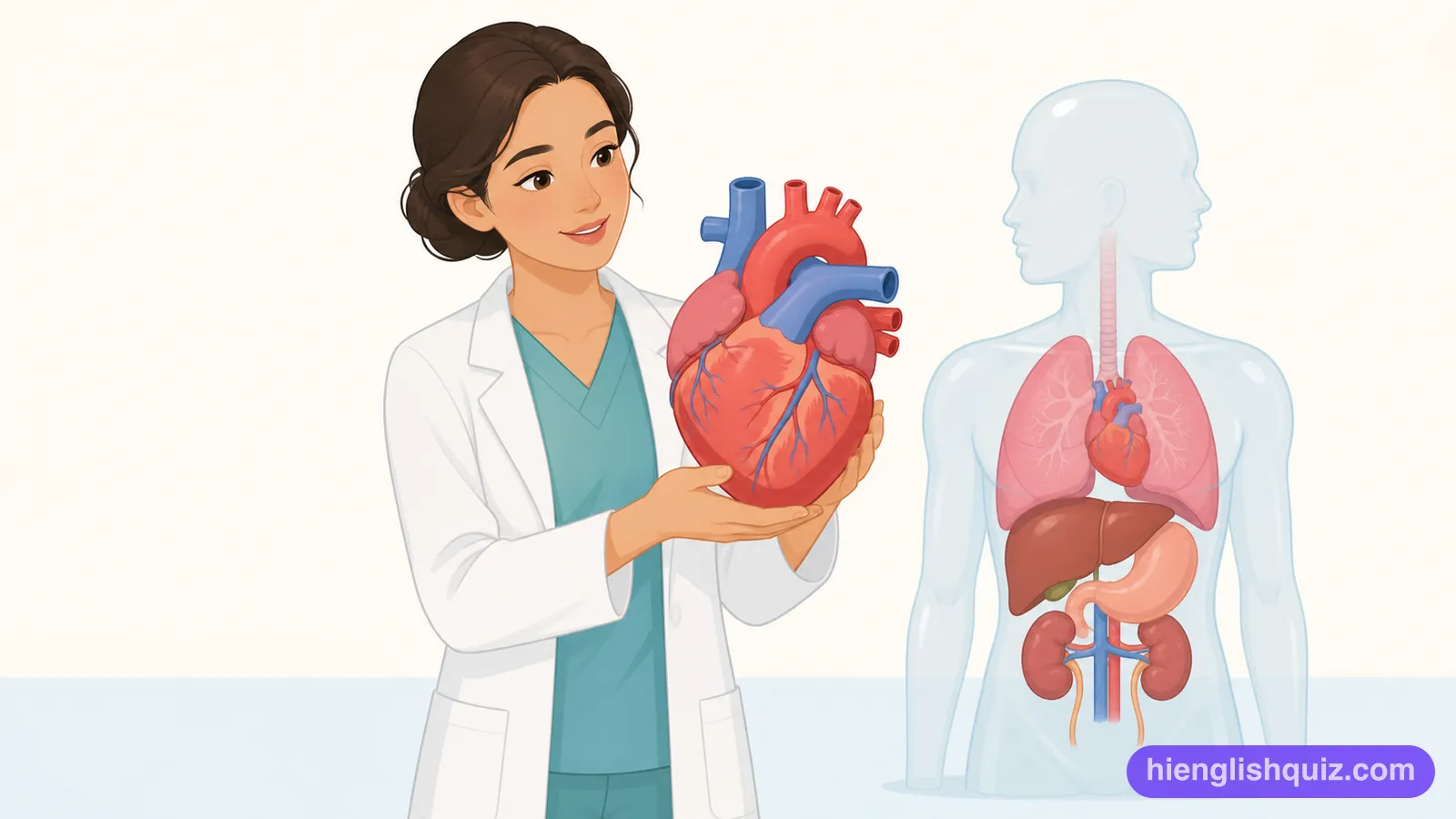
A part of the body, such as the heart or lungs, that does a particular job.
Example: The heart is the organ that pumps blood around the body.
The young of an animal or plant produced by its parents.
Example: The mother bird feeds her offspring several times a day.

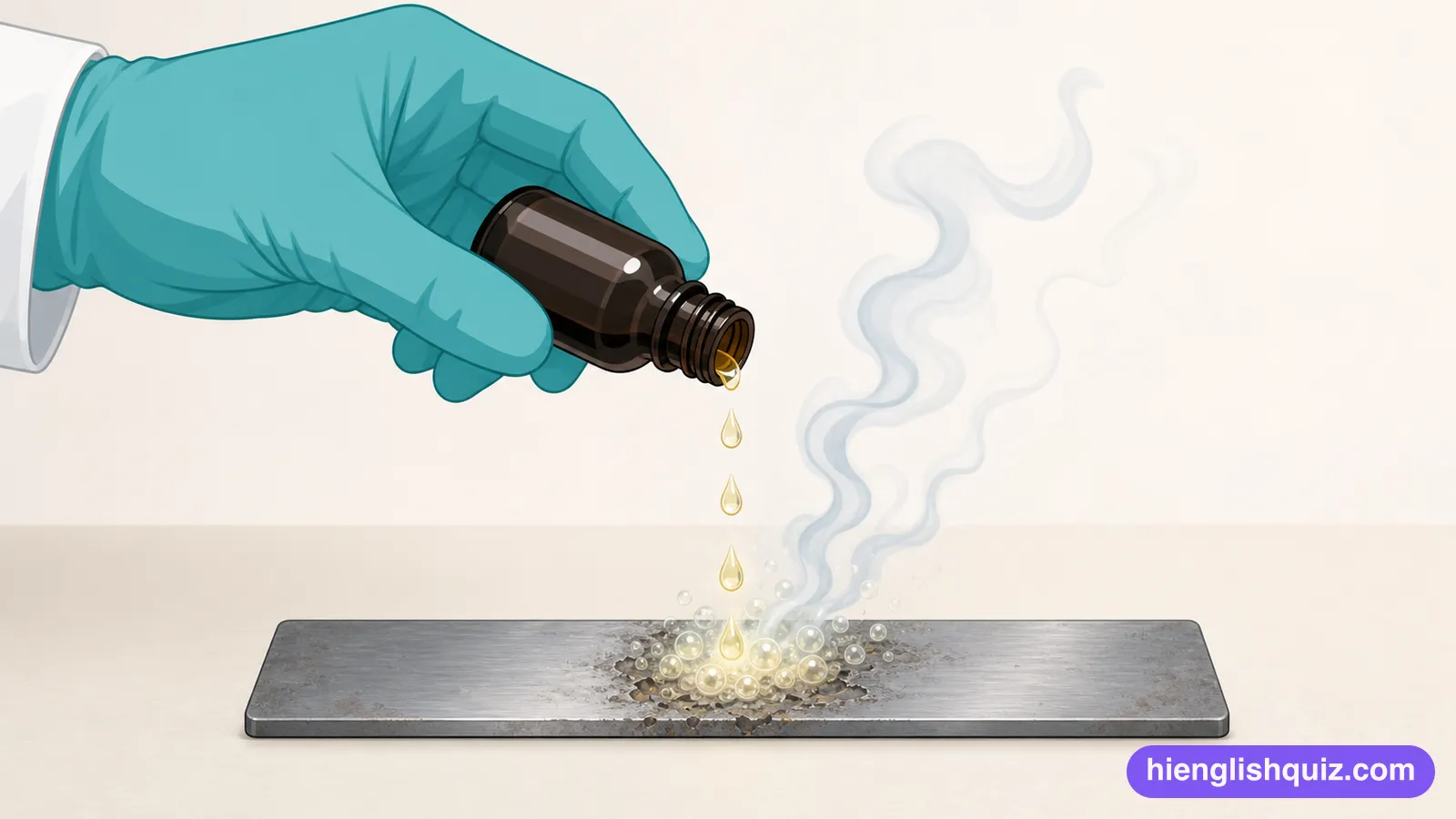
A sour liquid that can burn or eat away metal, skin and other materials.
Example: The acid in lemon juice can damage your teeth.
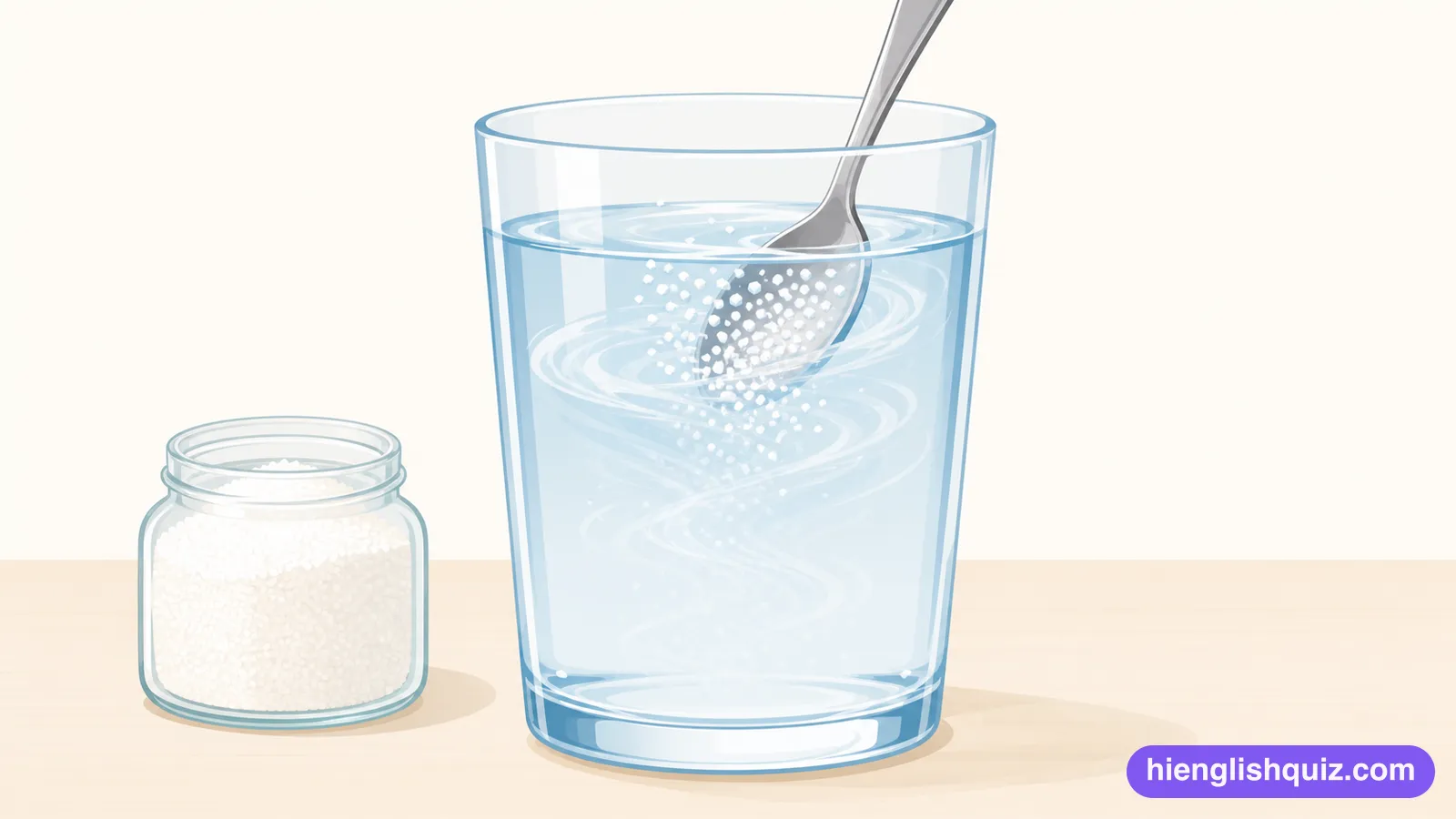
To mix into a liquid until you can no longer see it as a separate thing.
Example: Stir until the sugar dissolves completely in the warm water.
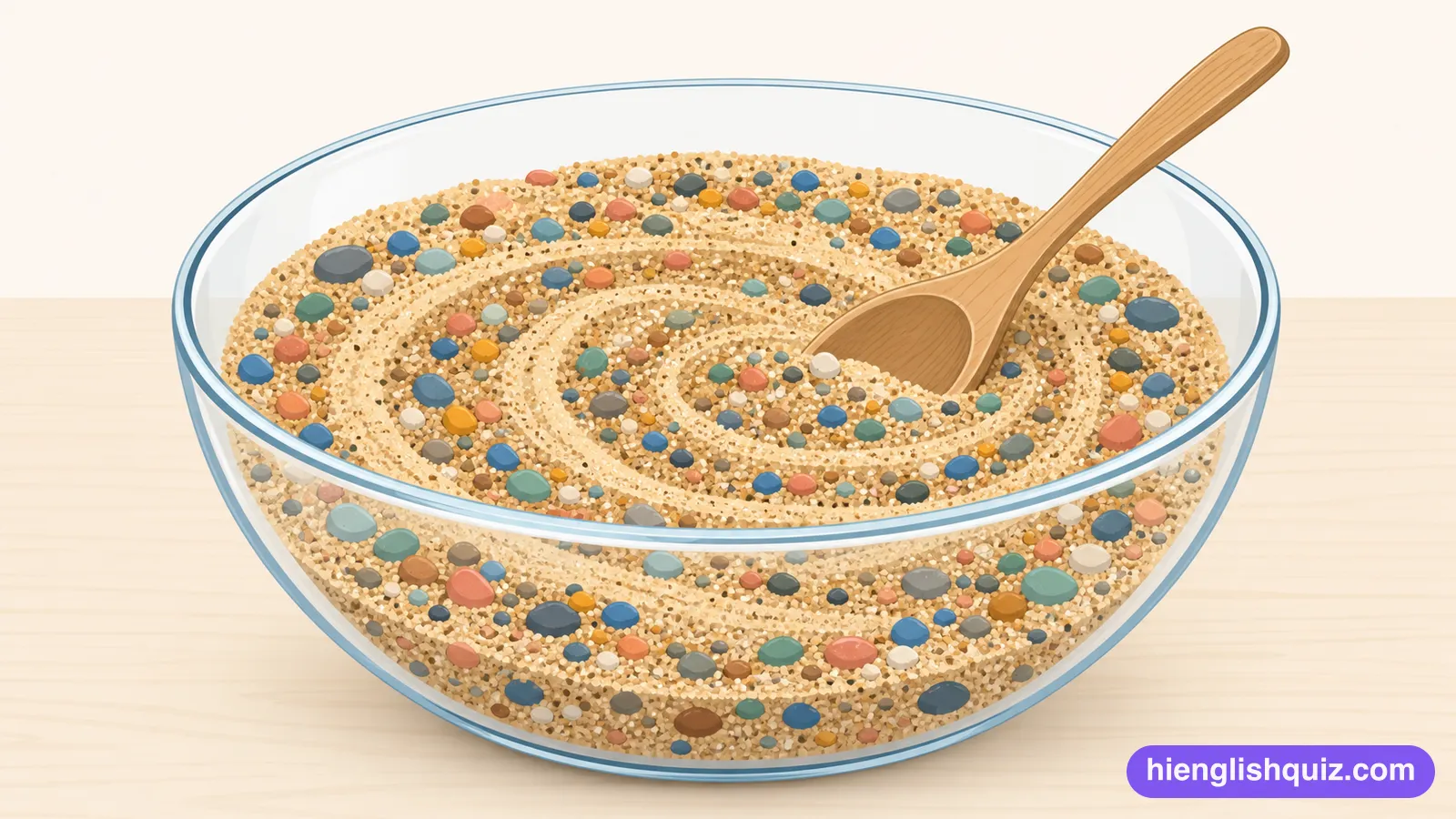
Two or more substances put together, each keeping what it was before.
Example: Pour the mixture into a warm pan and stir.
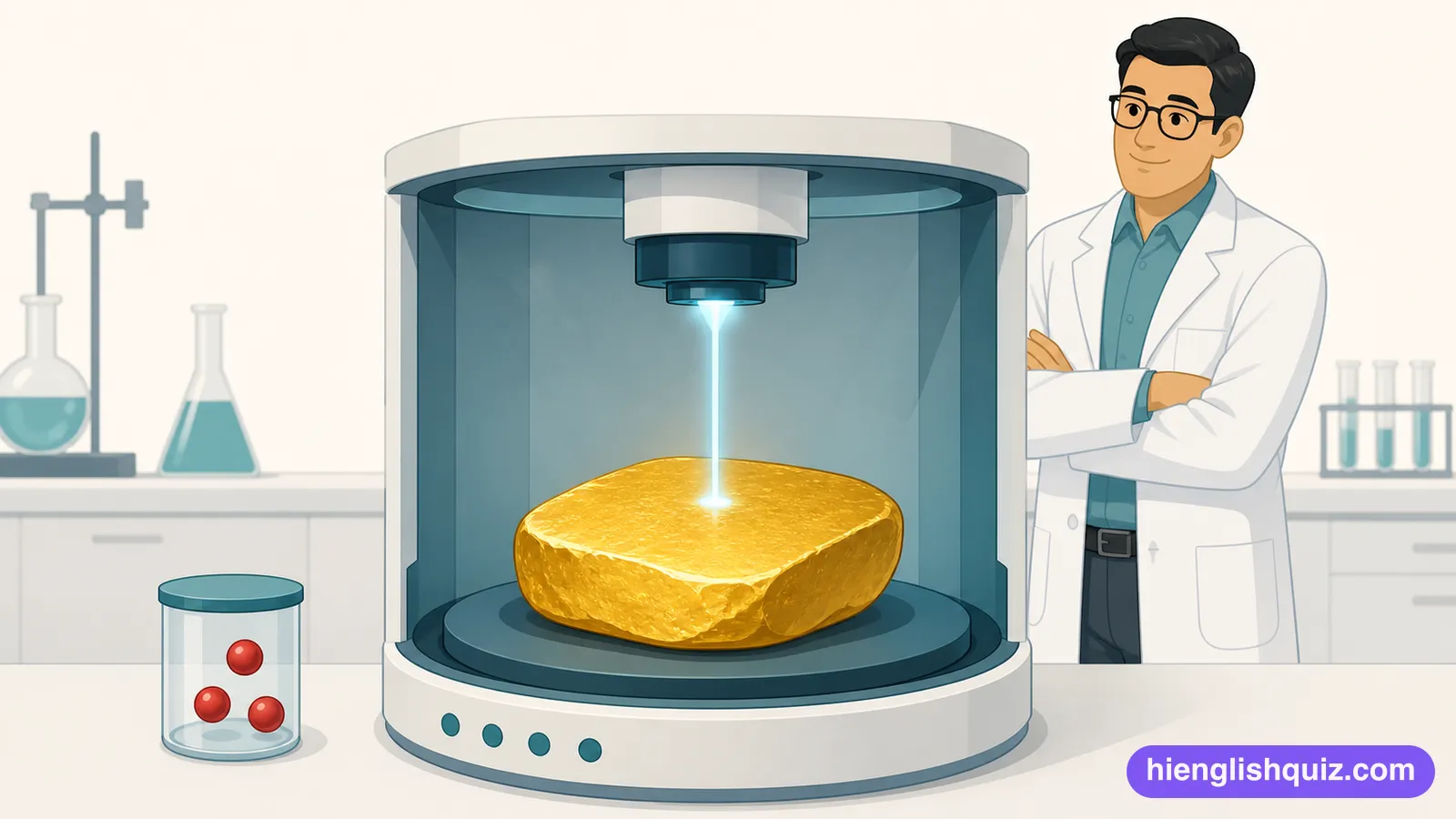
One of the basic substances, such as oxygen or gold, that cannot be broken down into anything simpler.
Example: Hydrogen is the lightest element in the universe.
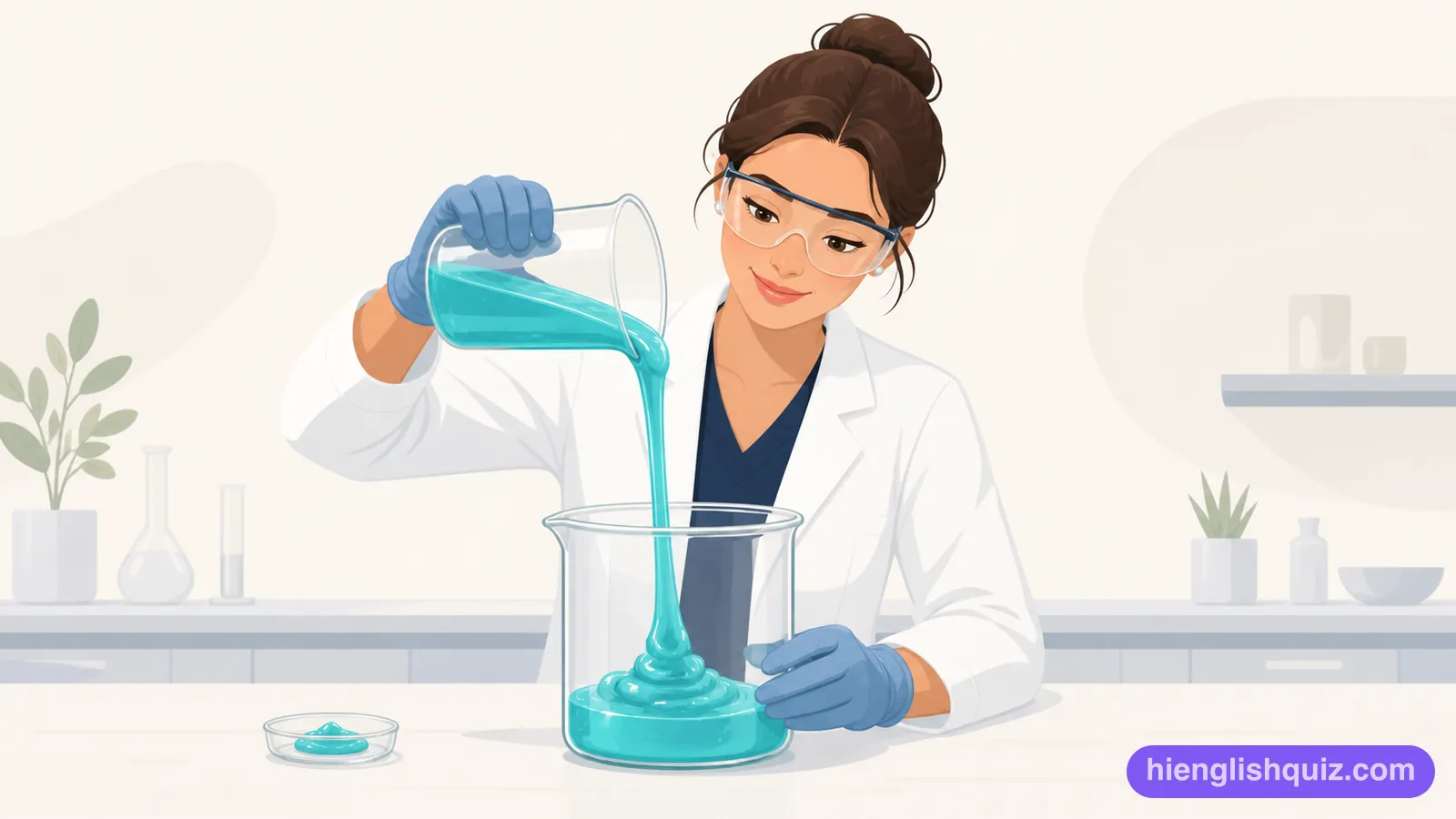
Any material or matter with particular physical properties.
Example: The lab tested an unknown substance found at the scene.
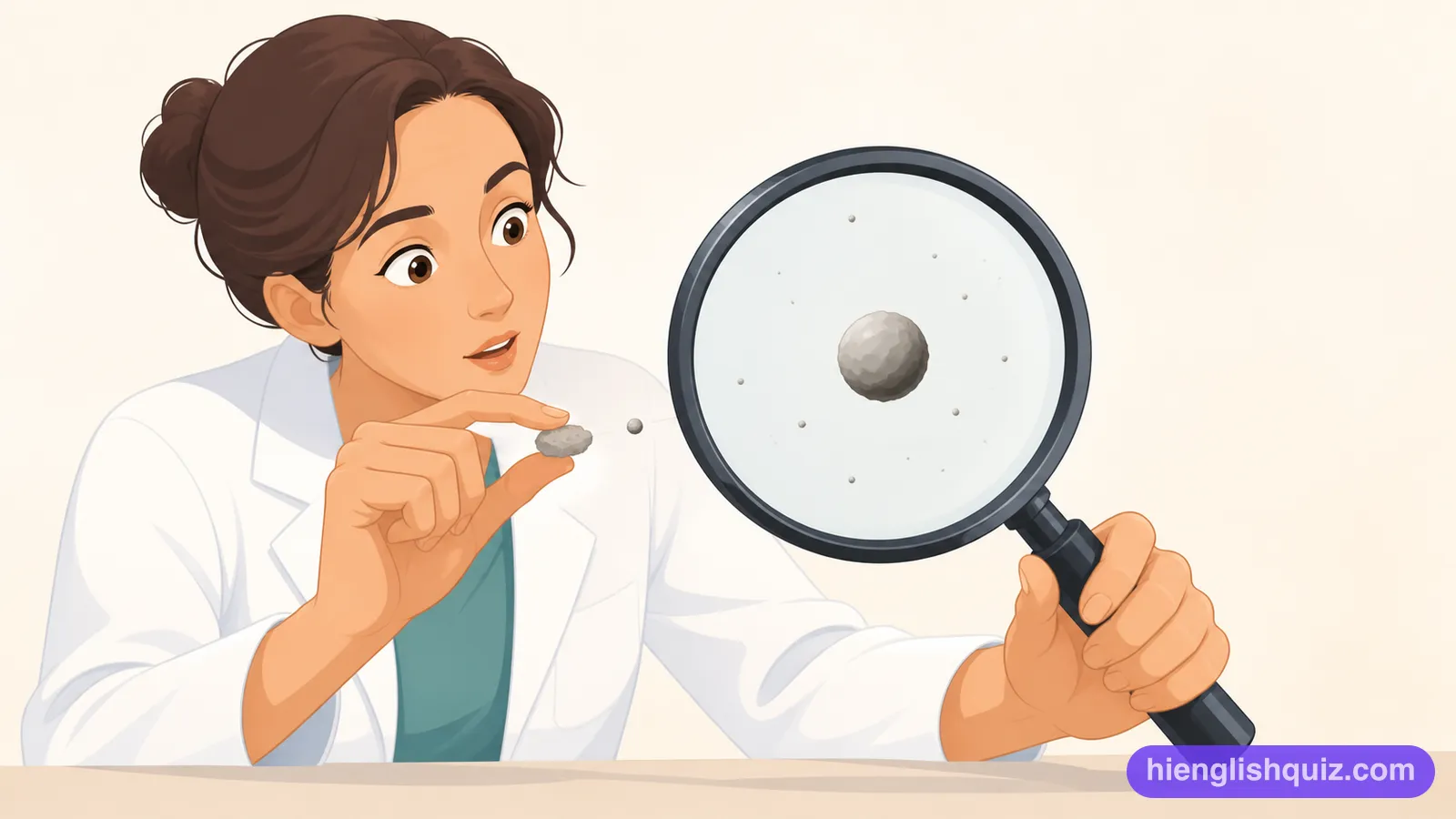
An extremely small piece of matter, such as an atom or a tiny bit of dust.
Example: A particle of dust floated in the beam of light.