metabolism
/məˈtæbəˌlɪzəm/All the chemical activity inside a body that turns food into energy and keeps it alive.
Example: Runners often have a faster metabolism than the rest of us.

 Hi EnglishQuiz
C122 words · Advanced
Natural science vocabulary such as metabolism, ecosystem and photosynthesis, plus catalyst, solvent and oxidize. Words spanning biology and chemistry at an advanced level.
All the chemical activity inside a body that turns food into energy and keeps it alive.
Example: Runners often have a faster metabolism than the rest of us.
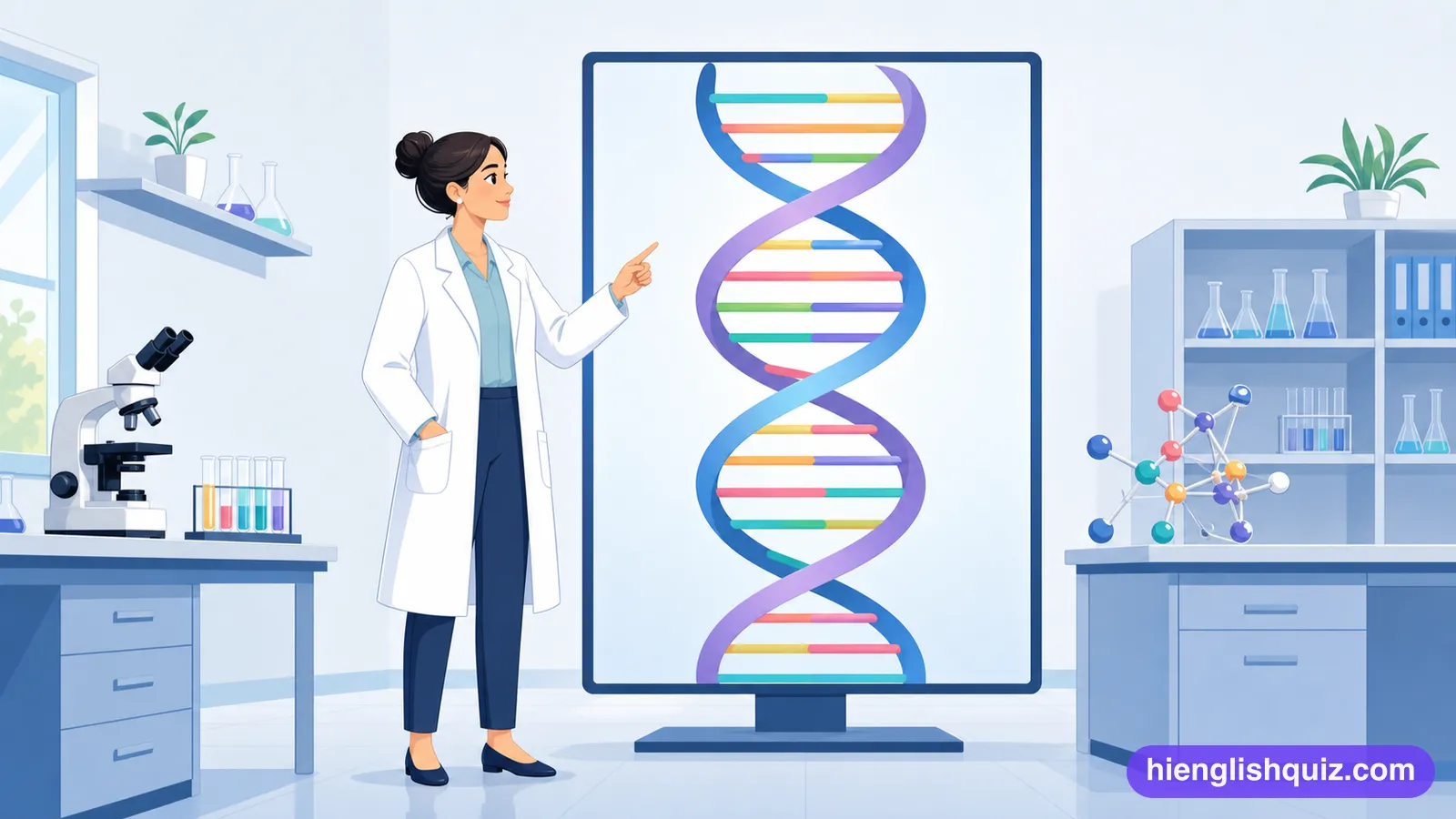
A change in the genetic instructions of a living thing, which can be passed to its young.
Example: A single mutation made the bacteria resistant to the drug.

To grow strongly and stay healthy because the conditions are exactly right.
Example: These orchids thrive in warm, damp air.
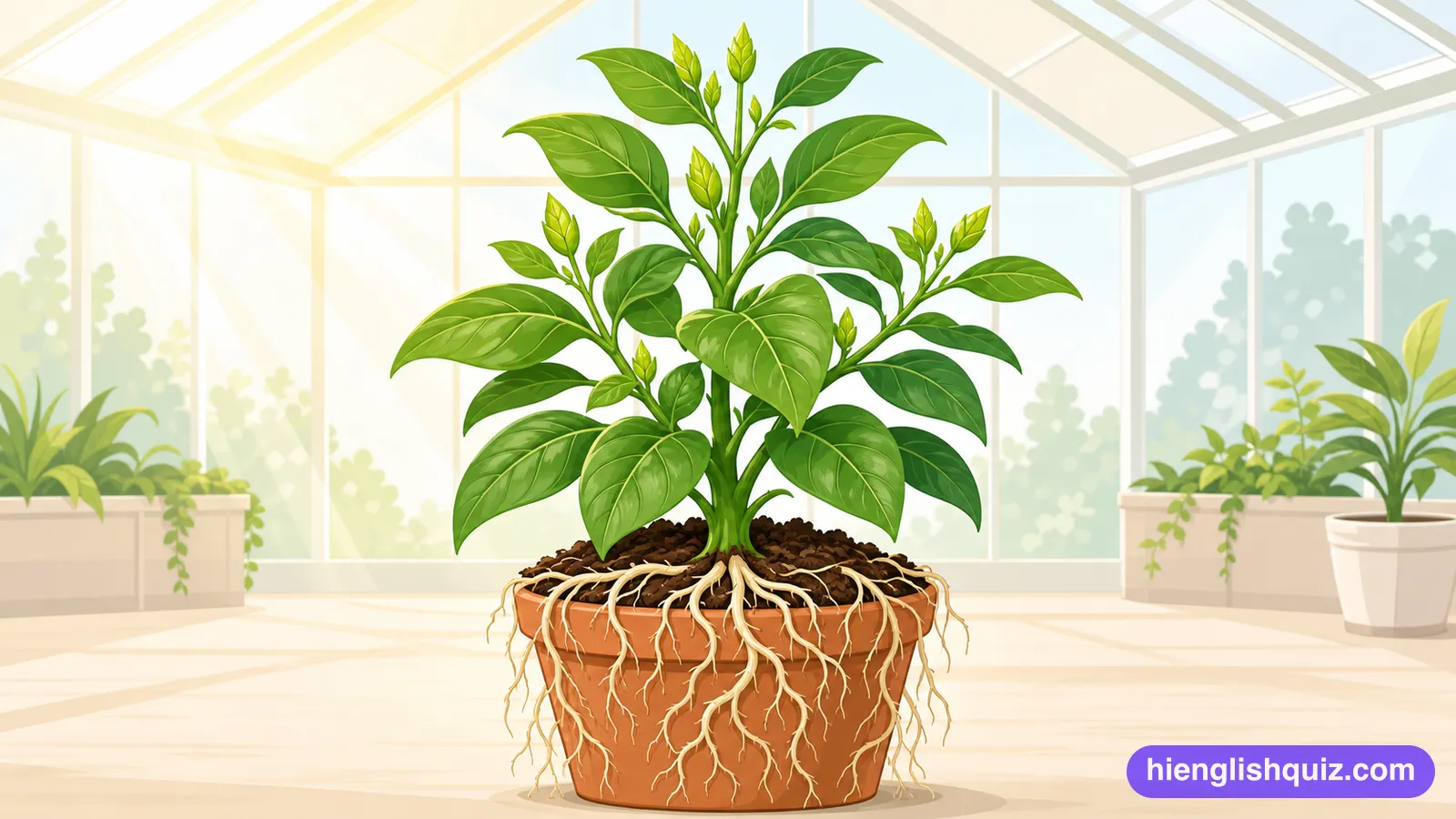
The process by which green plants use sunlight to make their own food from water and carbon dioxide.
Example: Leaves turn sunlight into energy through photosynthesis.
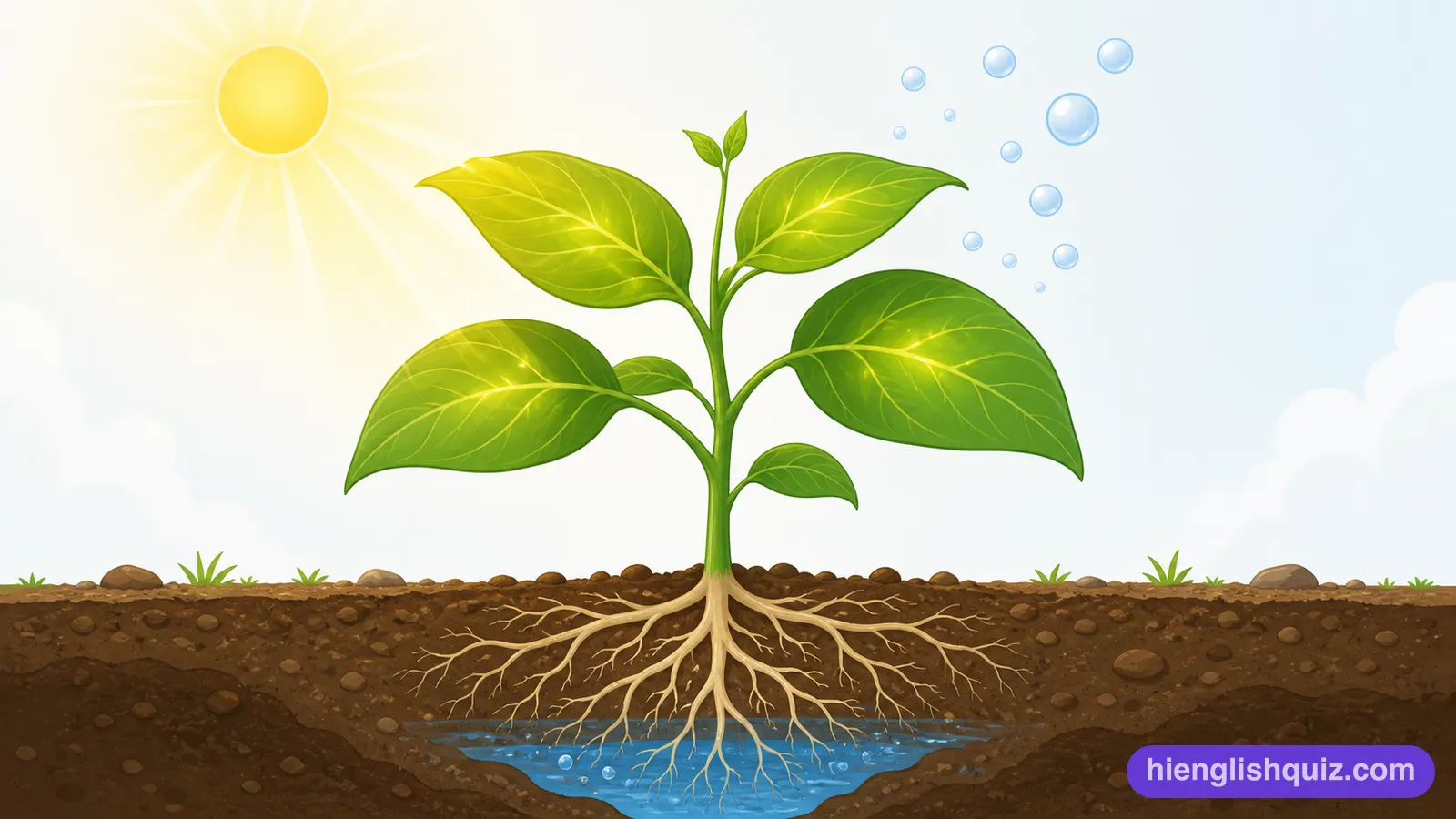
All the living things in an area, together with the environment they live in and depend on.
Example: Cutting down the forest damaged the whole local ecosystem.
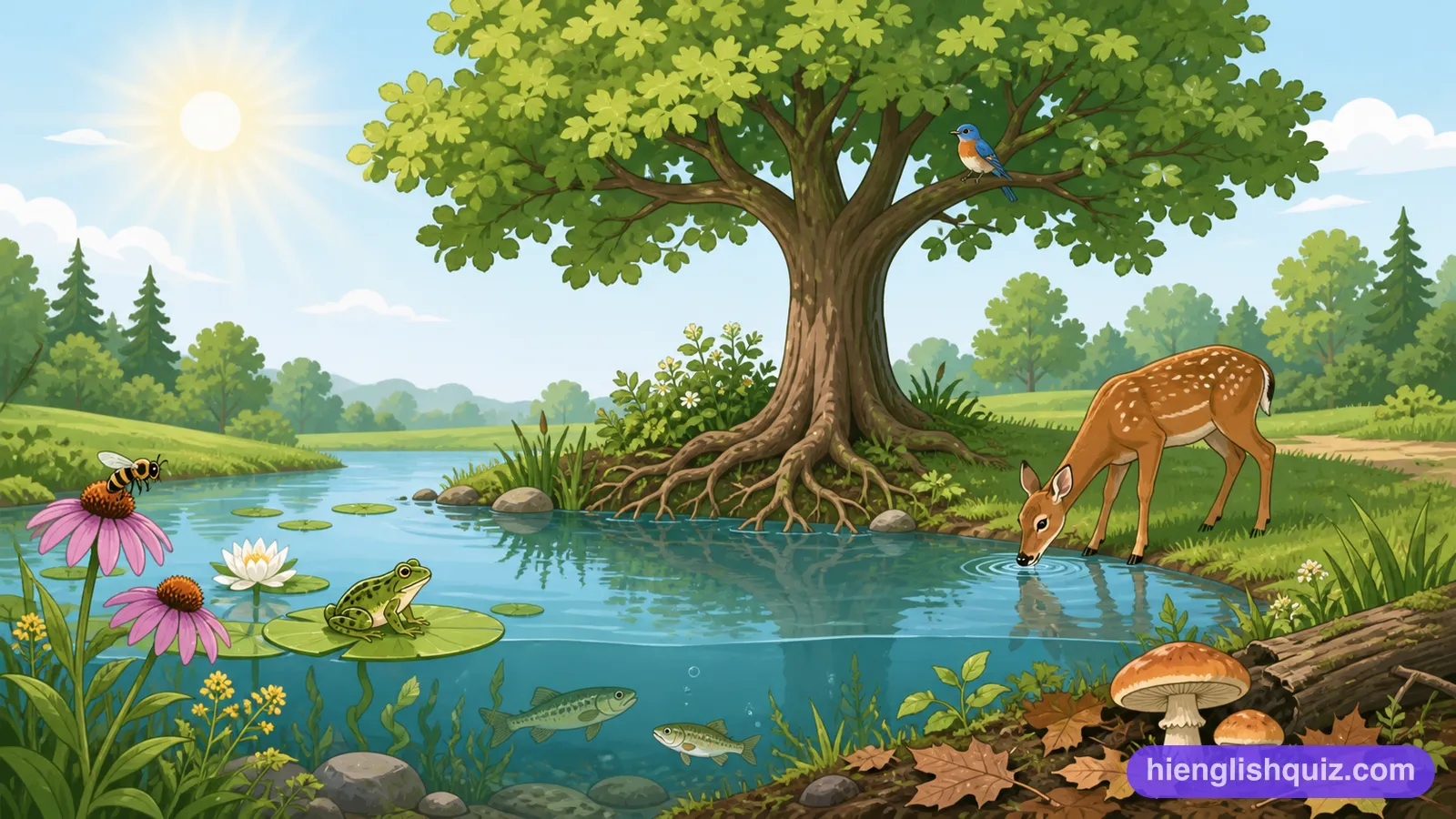
The gradual process by which living things change over many generations to survive better.
Example: Darwin's theory of evolution changed how scientists understood life.

To spend the winter in a deep sleep, so that the body uses very little energy.
Example: Bears hibernate in a den through the coldest months.

To move from one place to another, often at a certain time of year, to find food or a warmer climate.
Example: Thousands of birds migrate south before winter arrives.

To slowly break down and rot after death, returning nutrients to the soil.
Example: Fallen leaves decompose and feed the soil over winter.
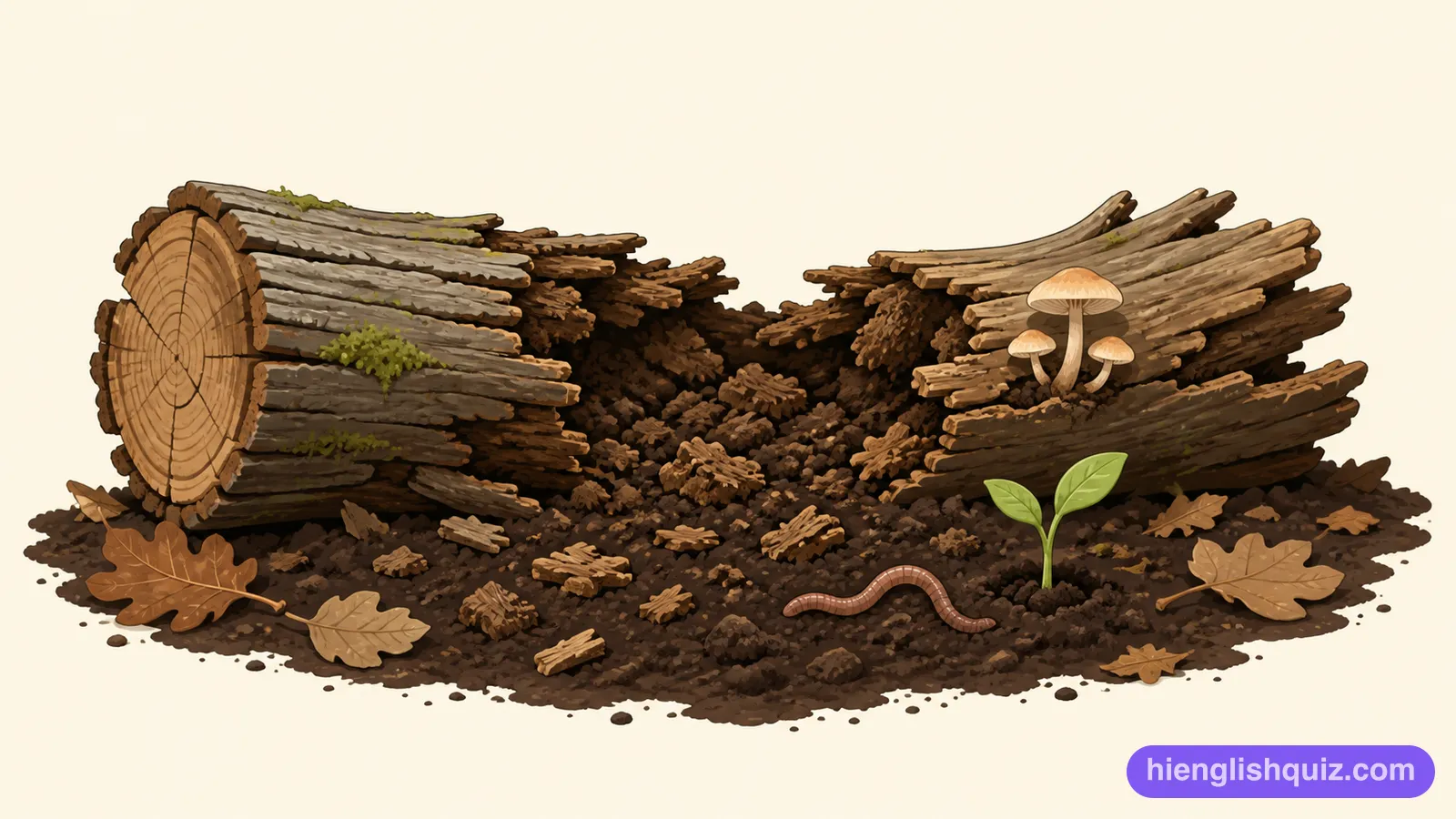
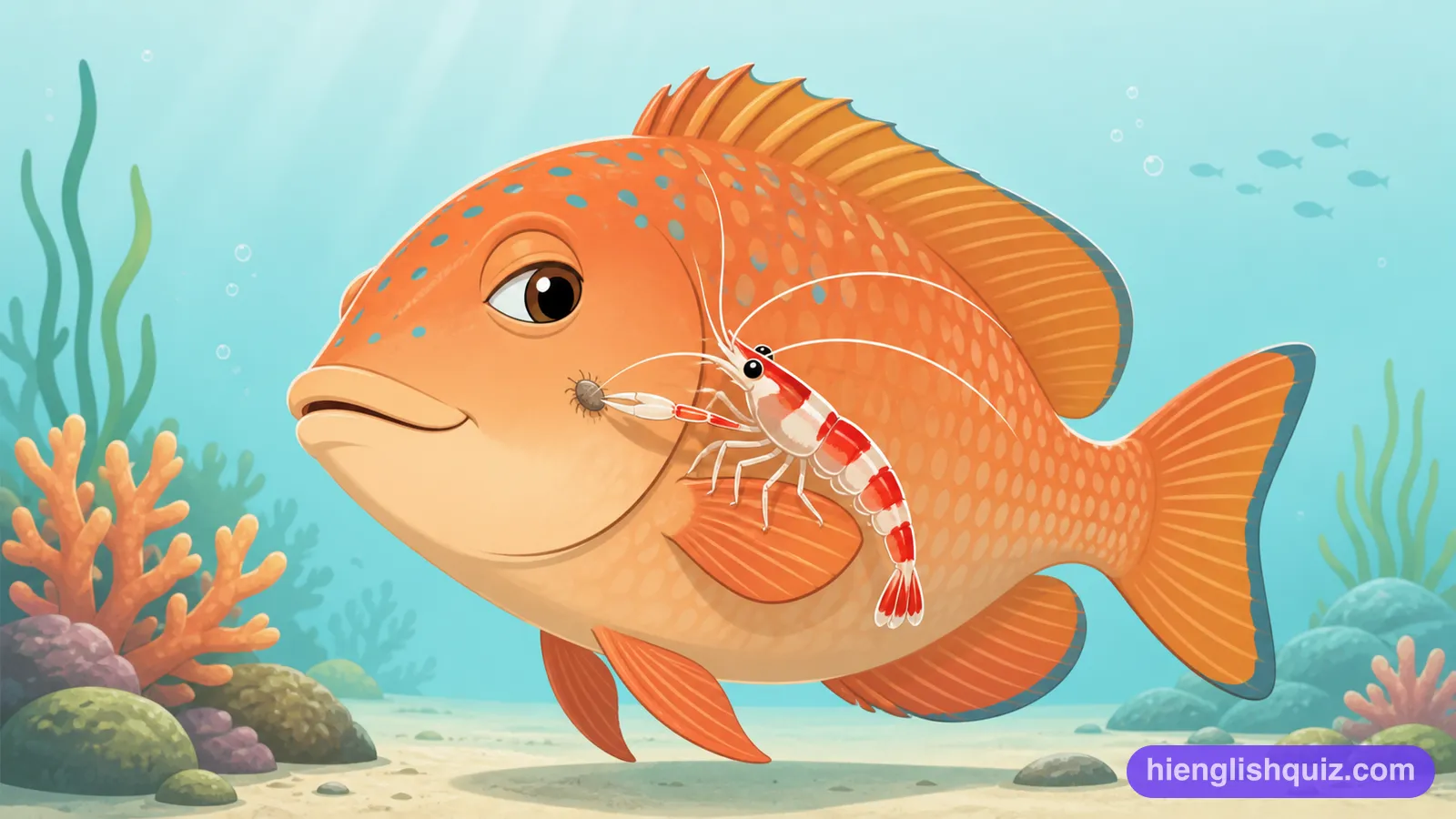
A close relationship between two different living things that live together, often helping each other.
Example: The clownfish and the anemone live together in symbiosis.
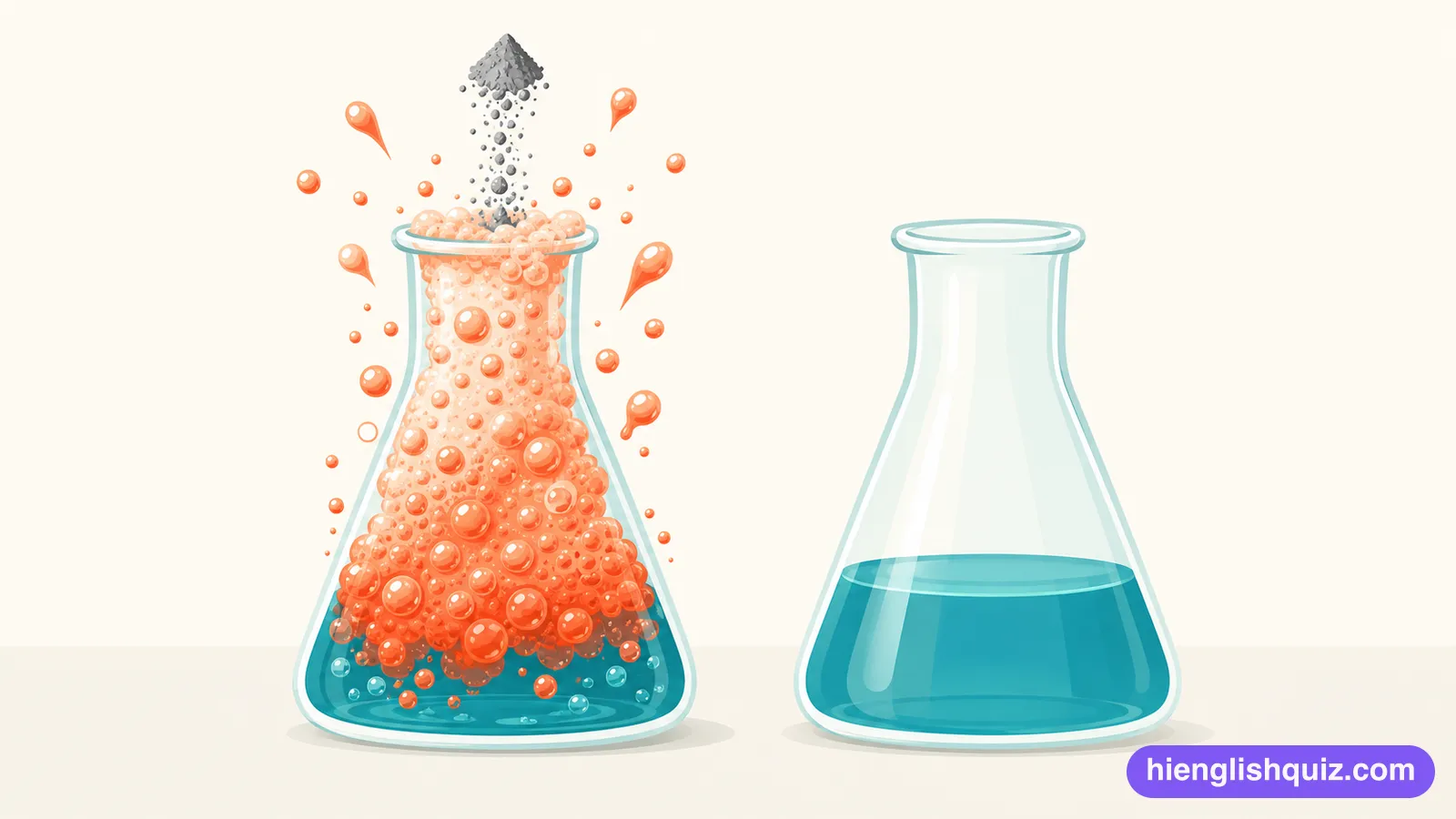
A substance that makes a reaction happen much faster while staying unchanged itself.
Example: A tiny amount of platinum acts as a catalyst here.
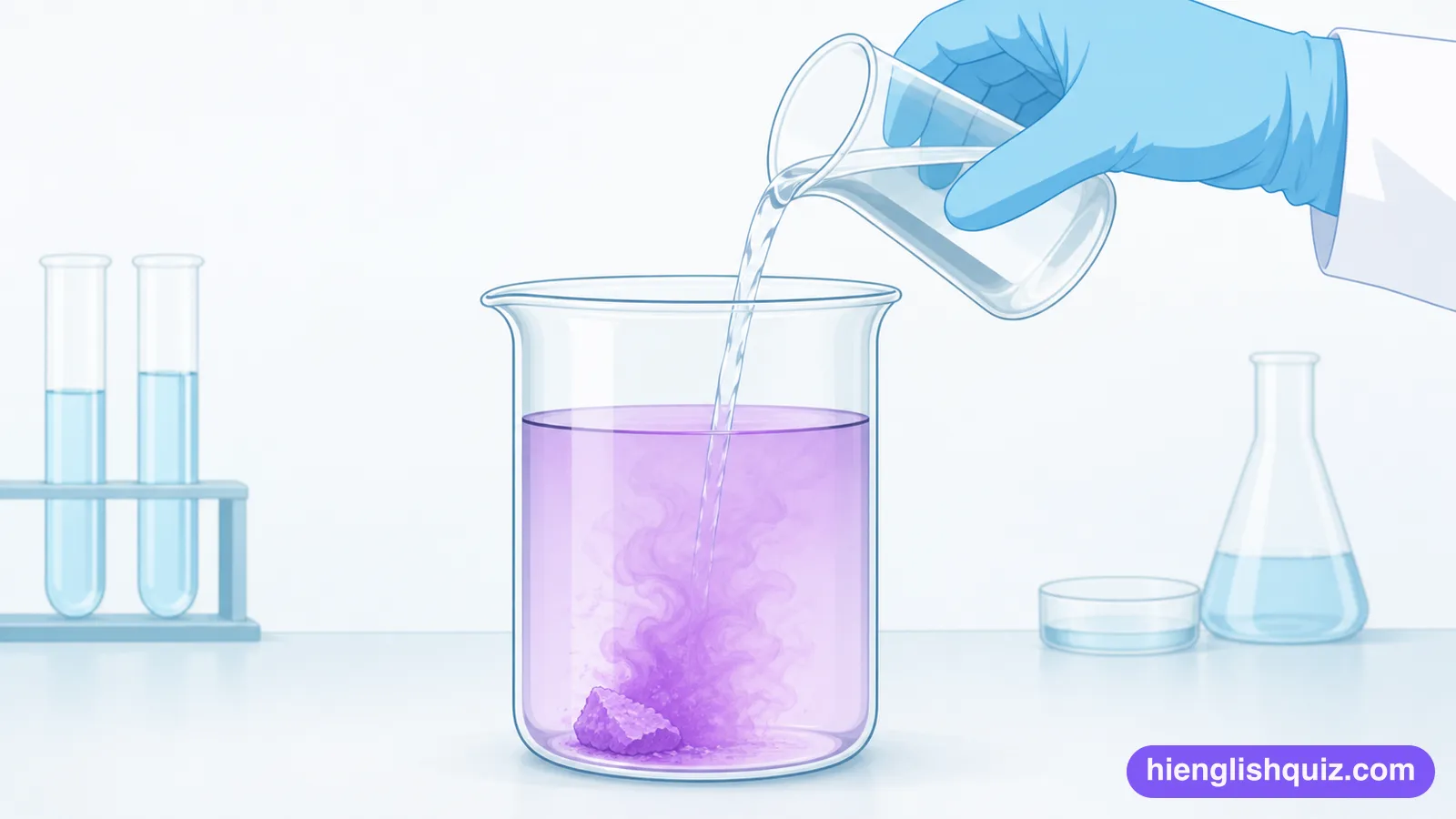
A liquid used to break down another substance and hold it evenly throughout.
Example: Use a mild solvent to lift the paint off the brush.
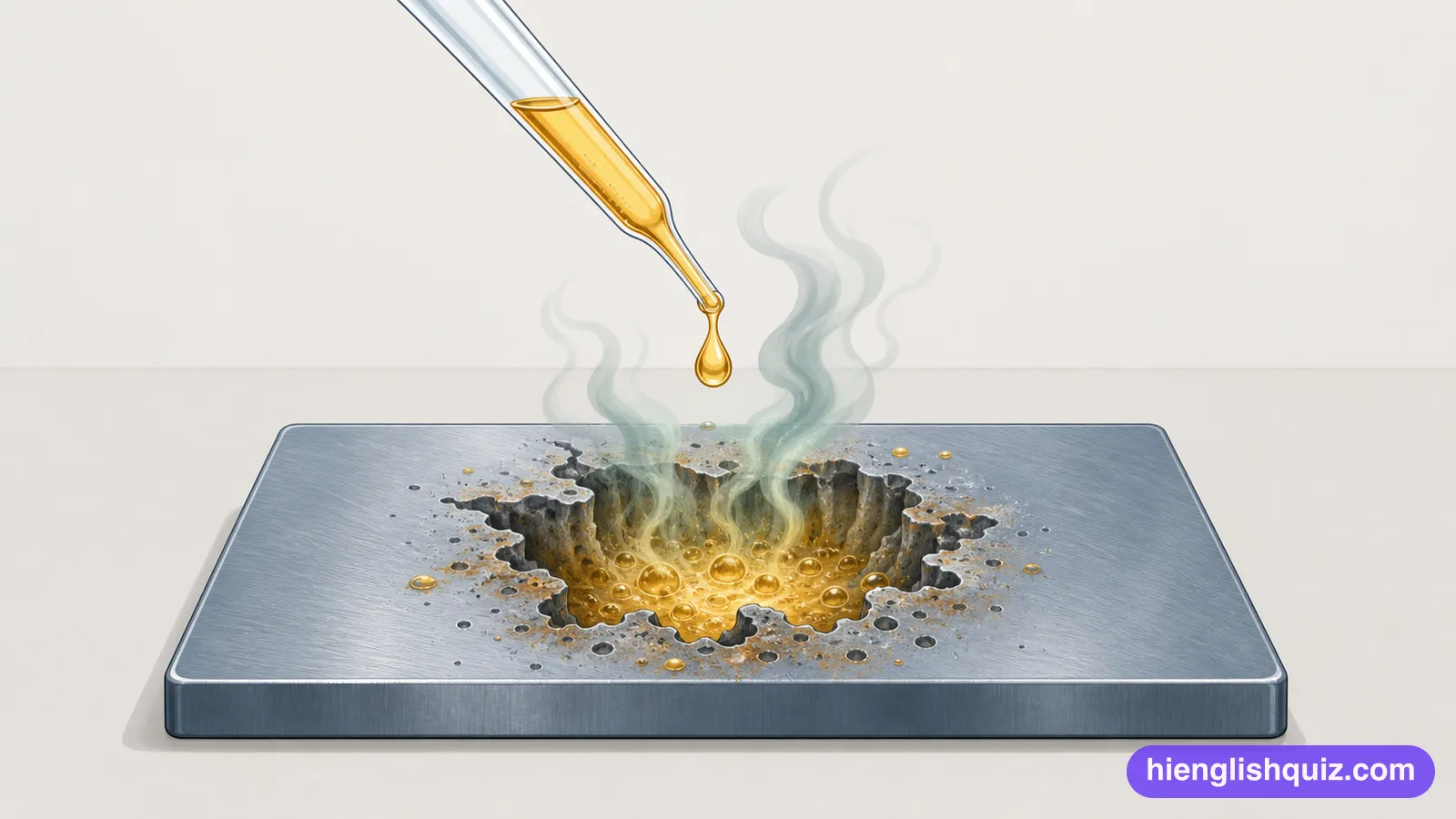
Able to eat away at metal or skin through a chemical attack.
Example: Battery acid is corrosive, so wear gloves and goggles.
Likely to react quickly and strongly with other chemicals.
Example: Sodium is extremely reactive when it touches water.
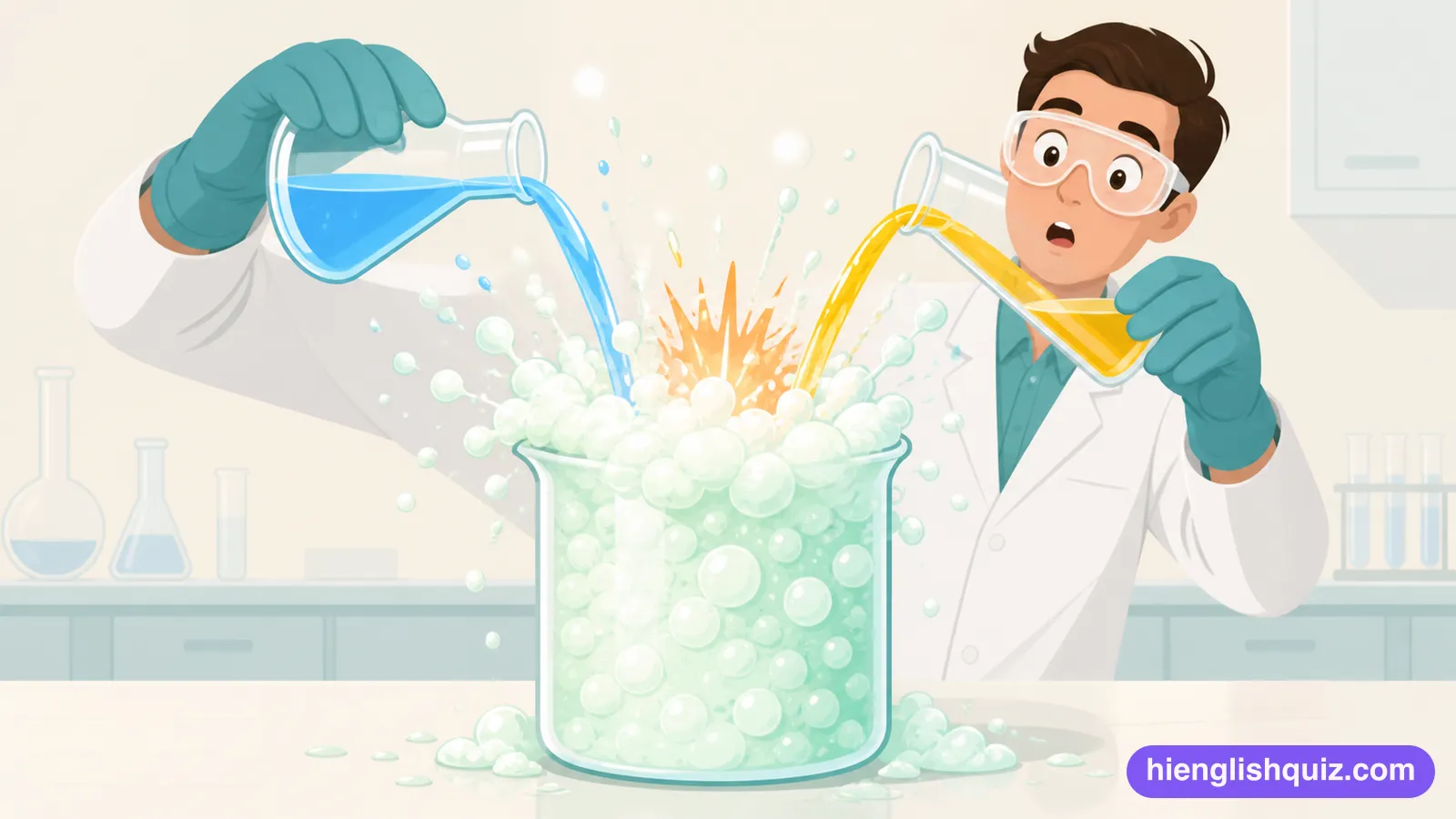
To make a substance by combining simpler chemicals in a laboratory or factory.
Example: Scientists learned to synthesize the drug instead of extracting it from plants.
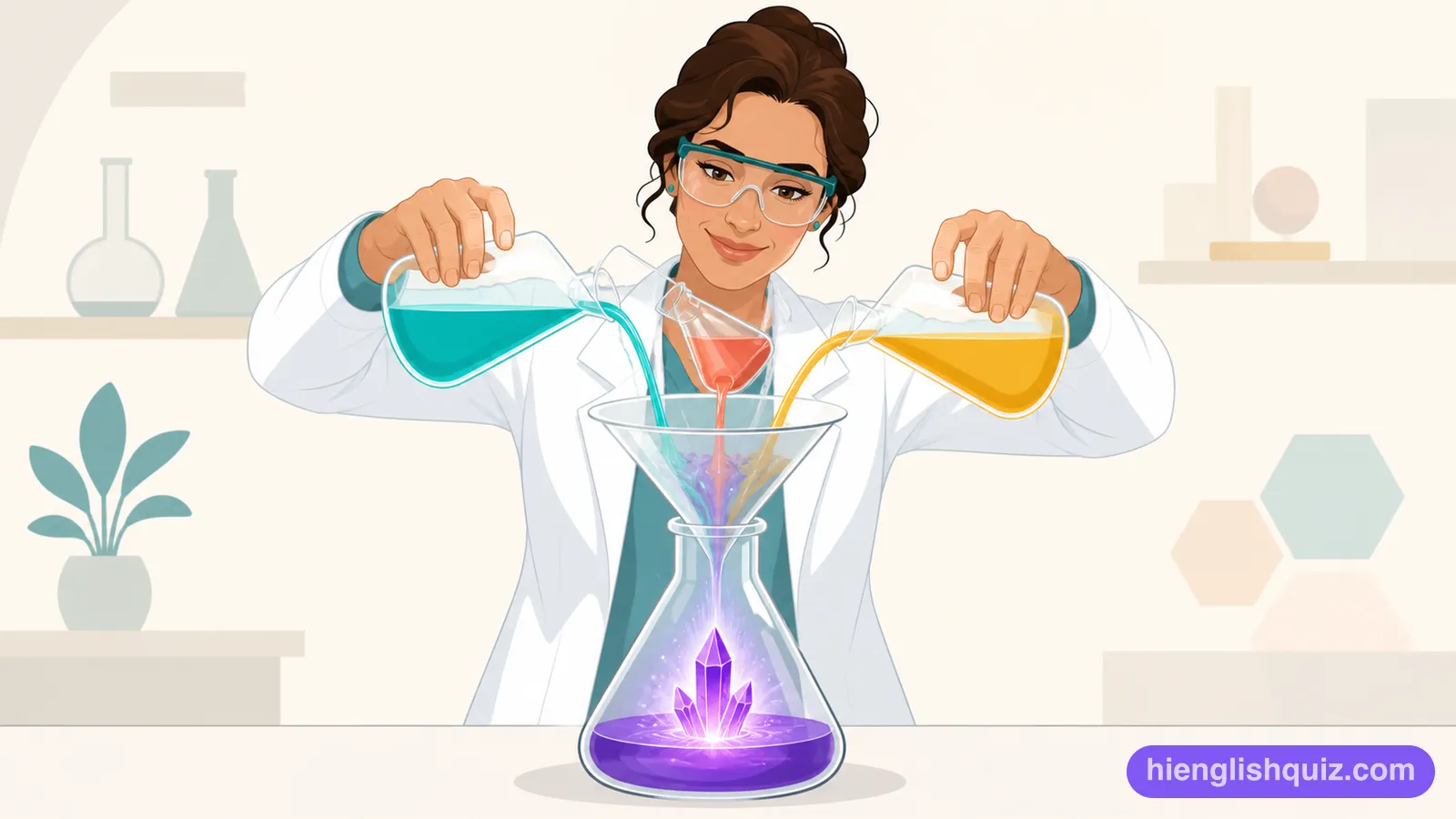
To cause a solid to separate out from a liquid during a chemical reaction.
Example: Adding the second chemical made solid crystals precipitate out of the solution.
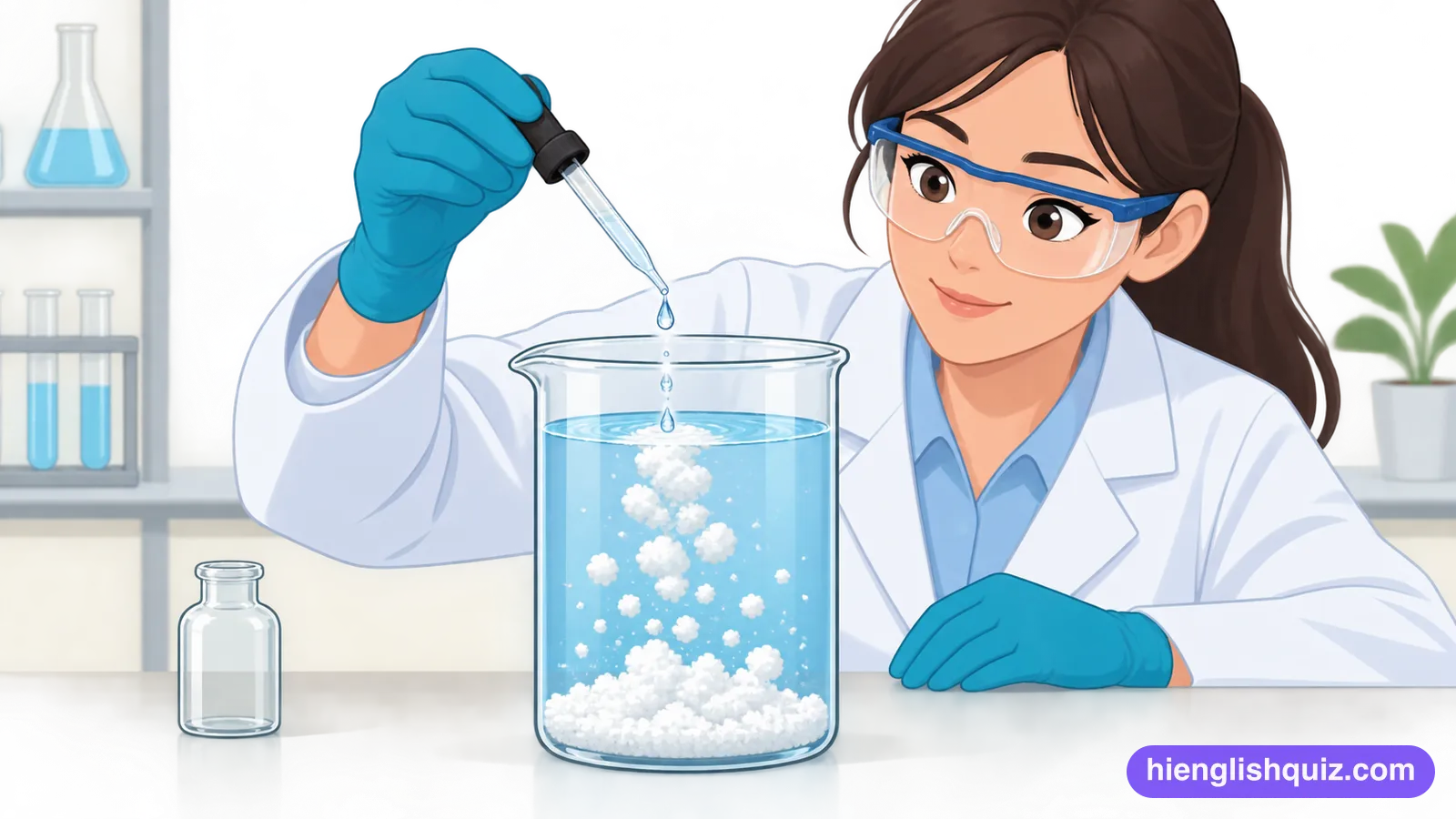
To combine chemically with oxygen, often causing rust or a colour change.
Example: Metal can oxidize quickly when it is left out in the rain.
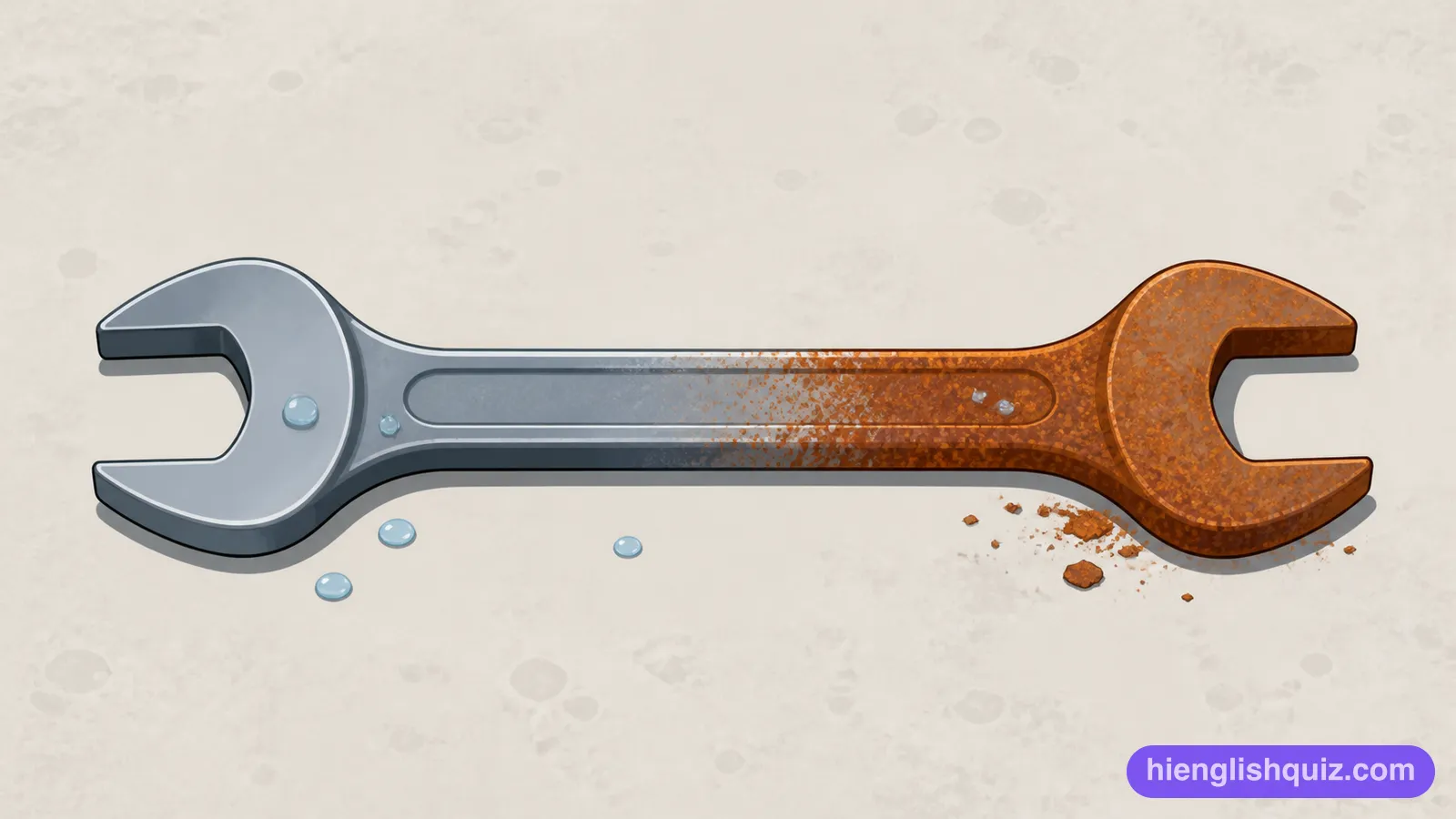
To make an acid or a base chemically harmless by mixing it with the opposite type of substance.
Example: Adding the base helped neutralize the strong acid.
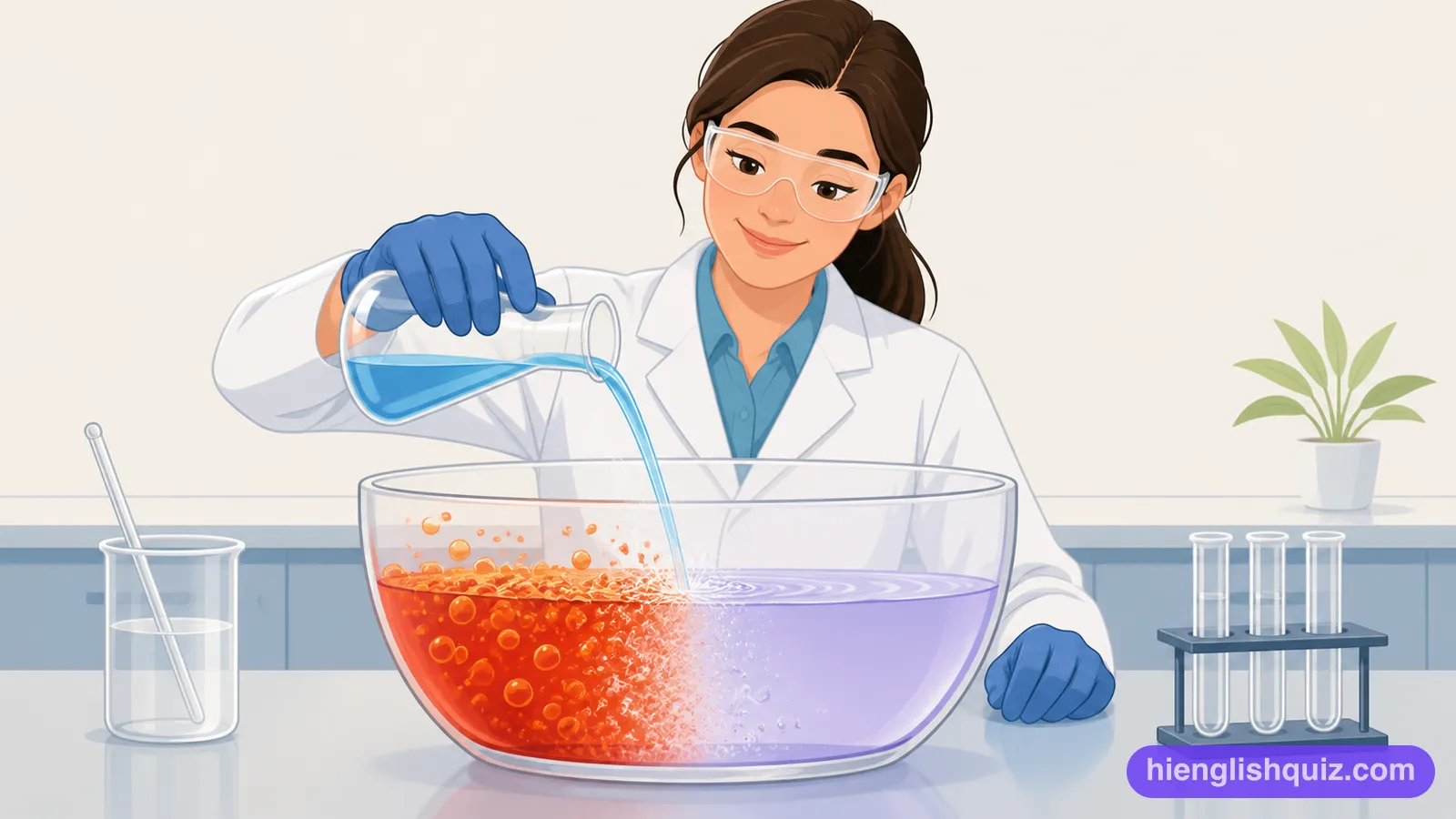
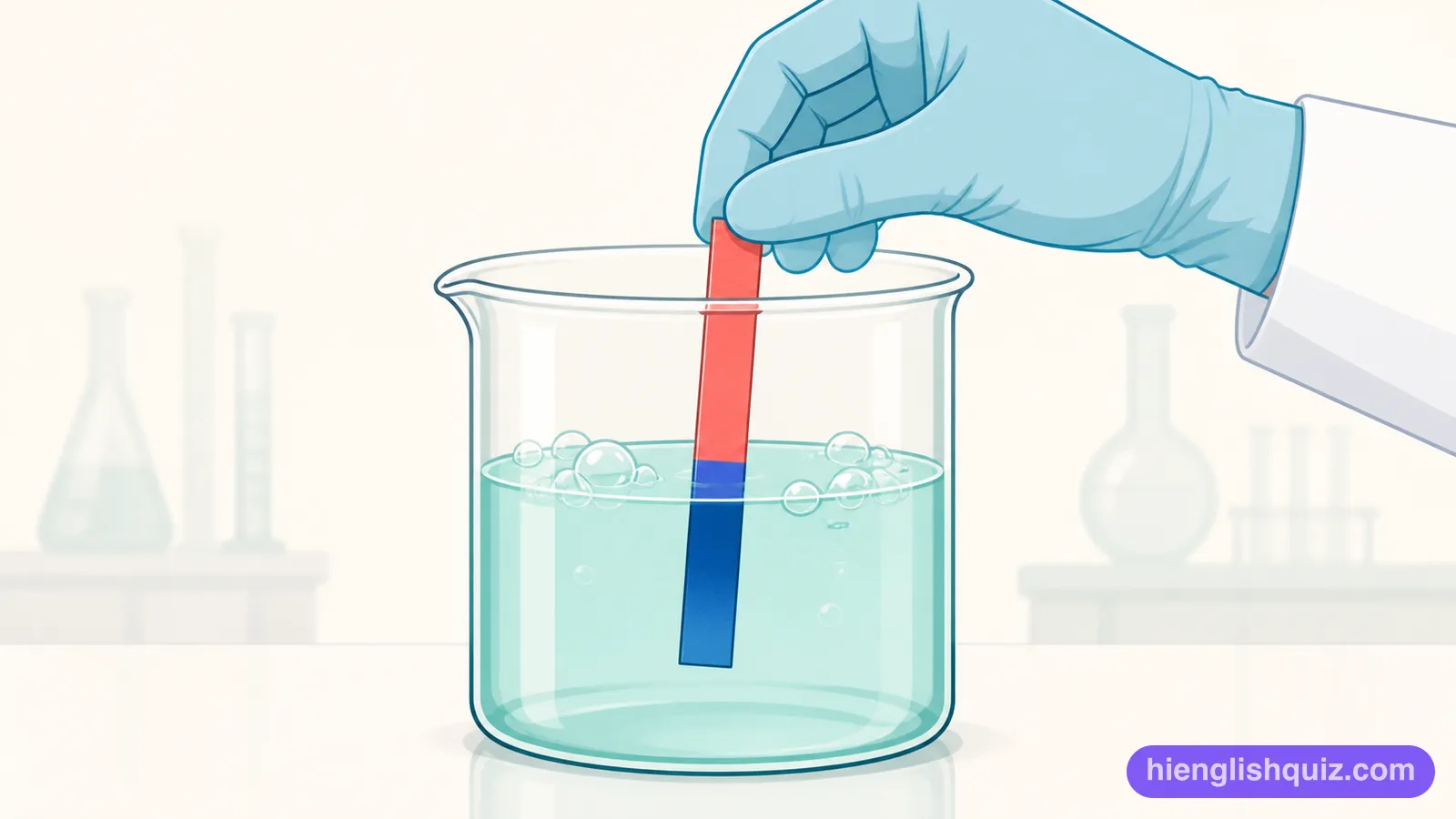
Having a chemical nature that is the opposite of acidic, with a pH value above seven.
Example: Soap is usually mildly alkaline.
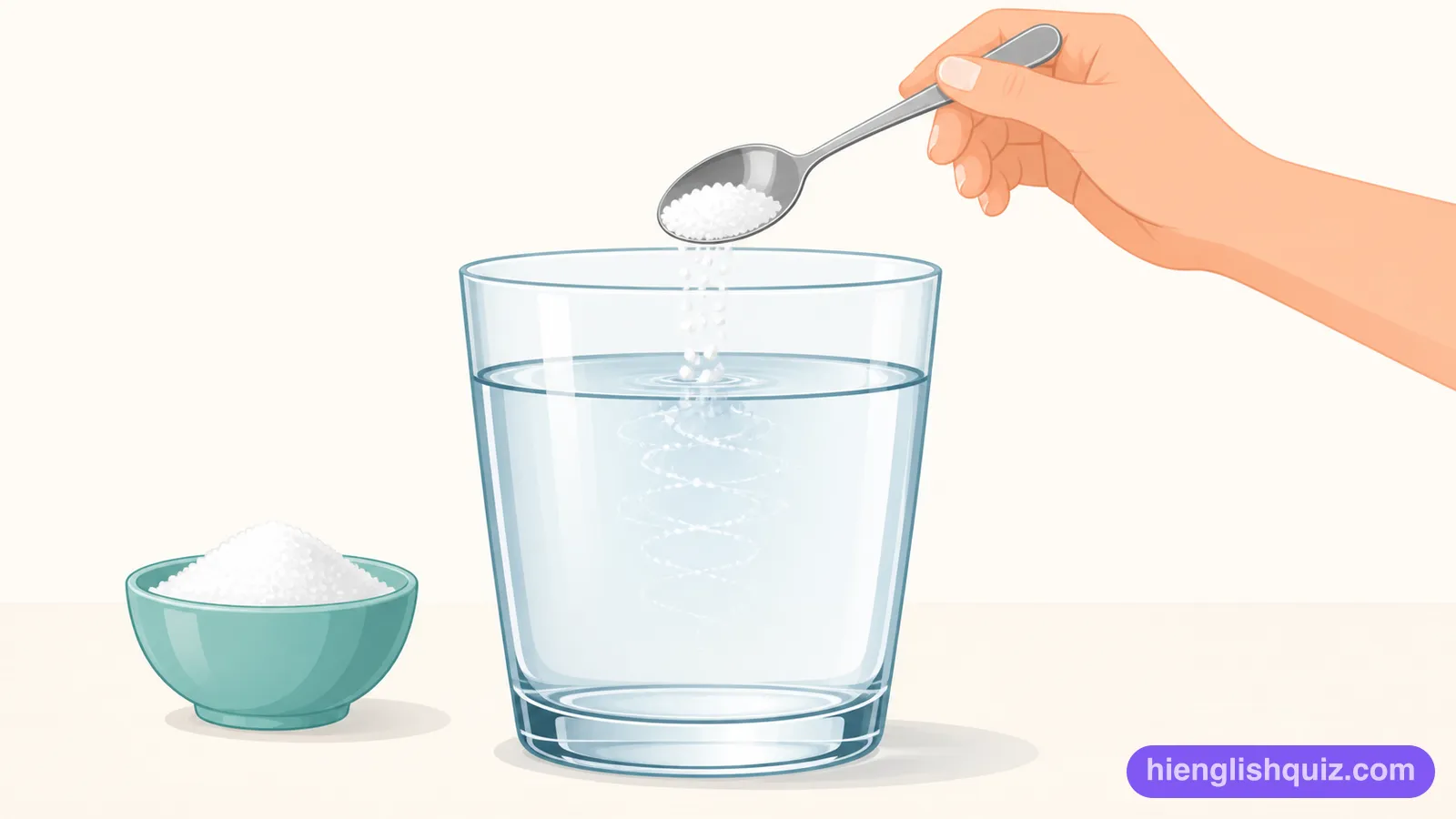
Able to dissolve in a liquid, especially water.
Example: Sugar is highly soluble in warm water.
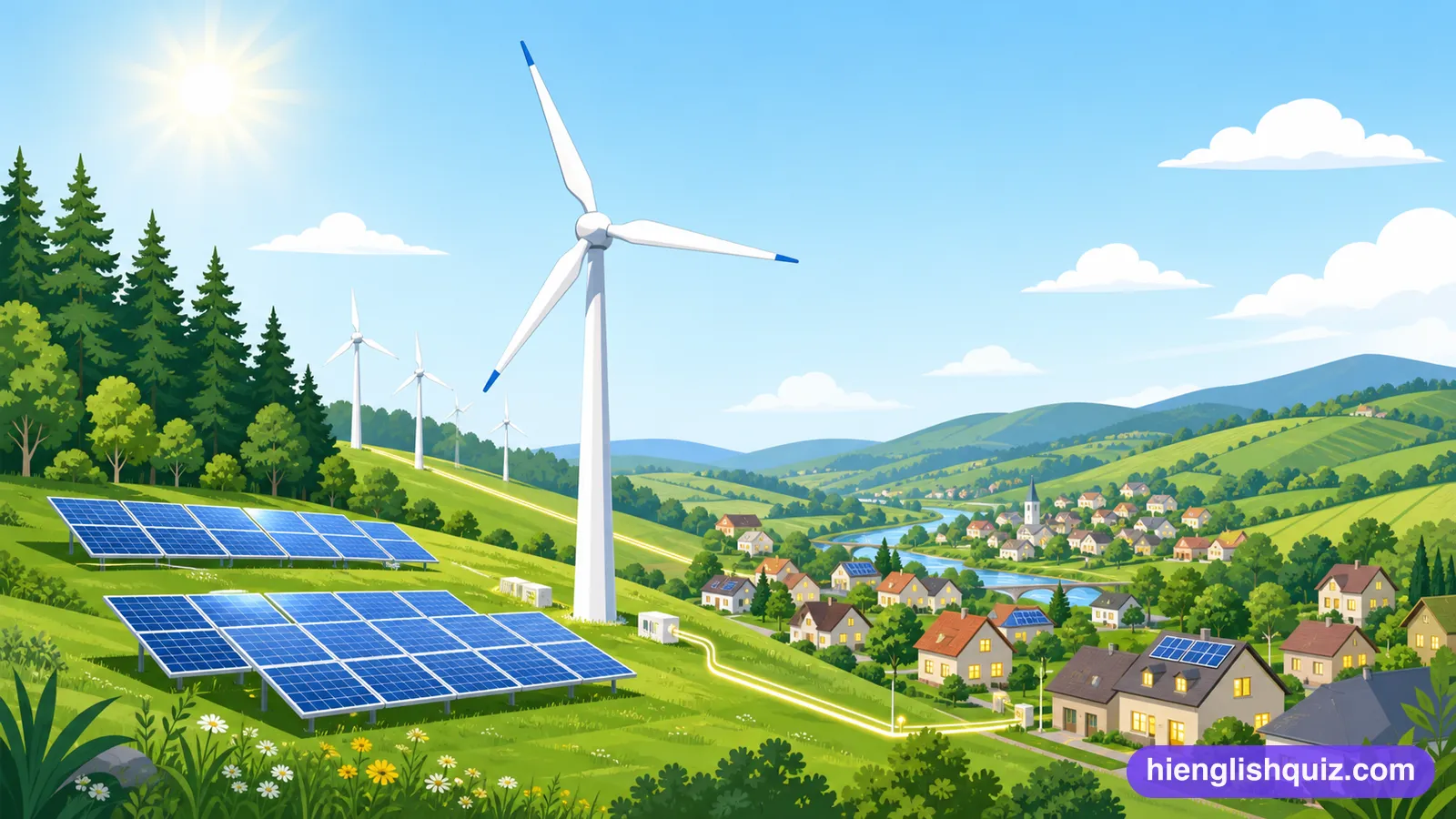
Able to keep going for a long time without using up resources or damaging the planet.
Example: They switched to a more sustainable way of heating the building.
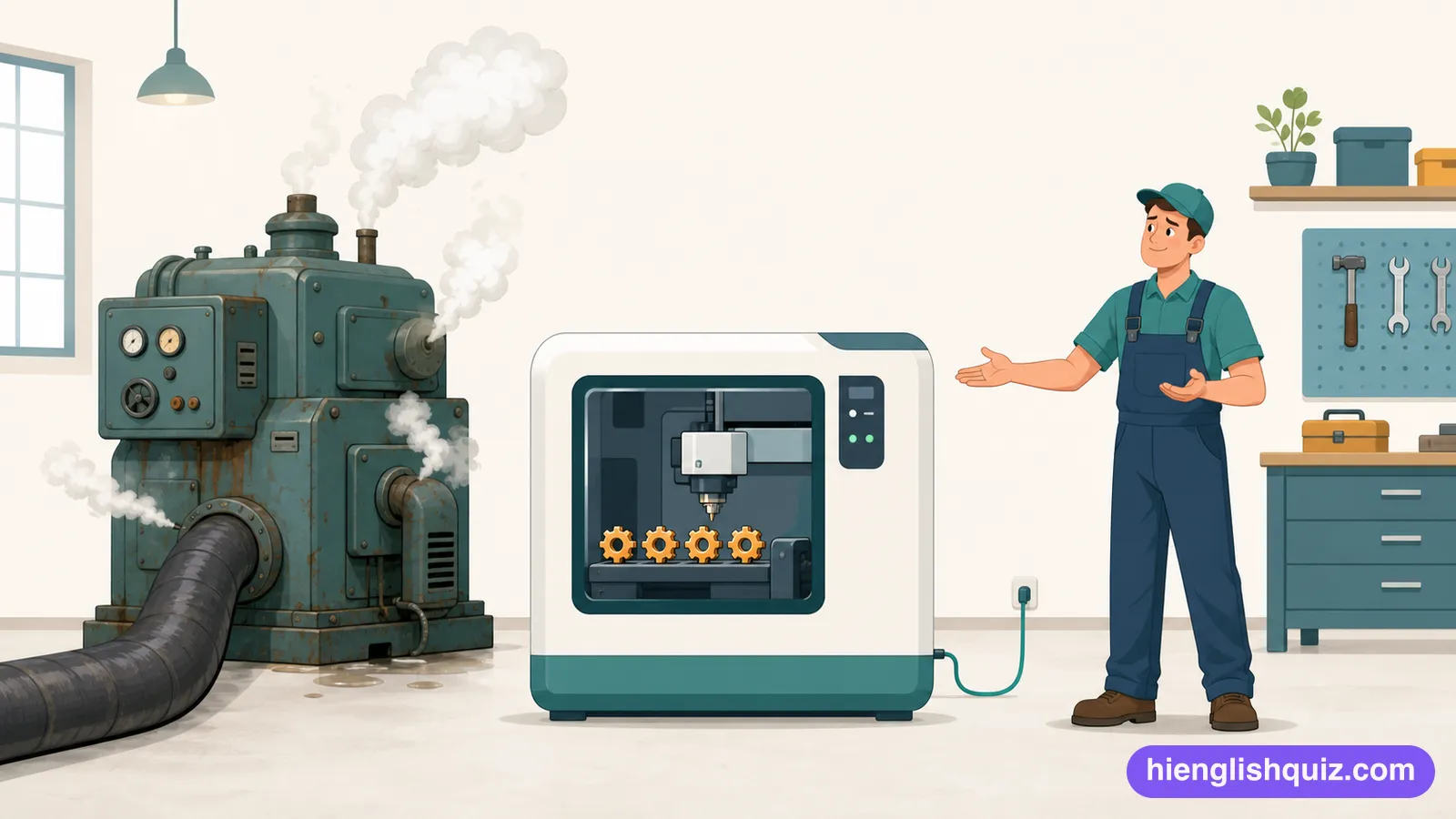
How well a machine or system works without wasting energy, time or money.
Example: Better insulation improved the building's energy efficiency by a third.