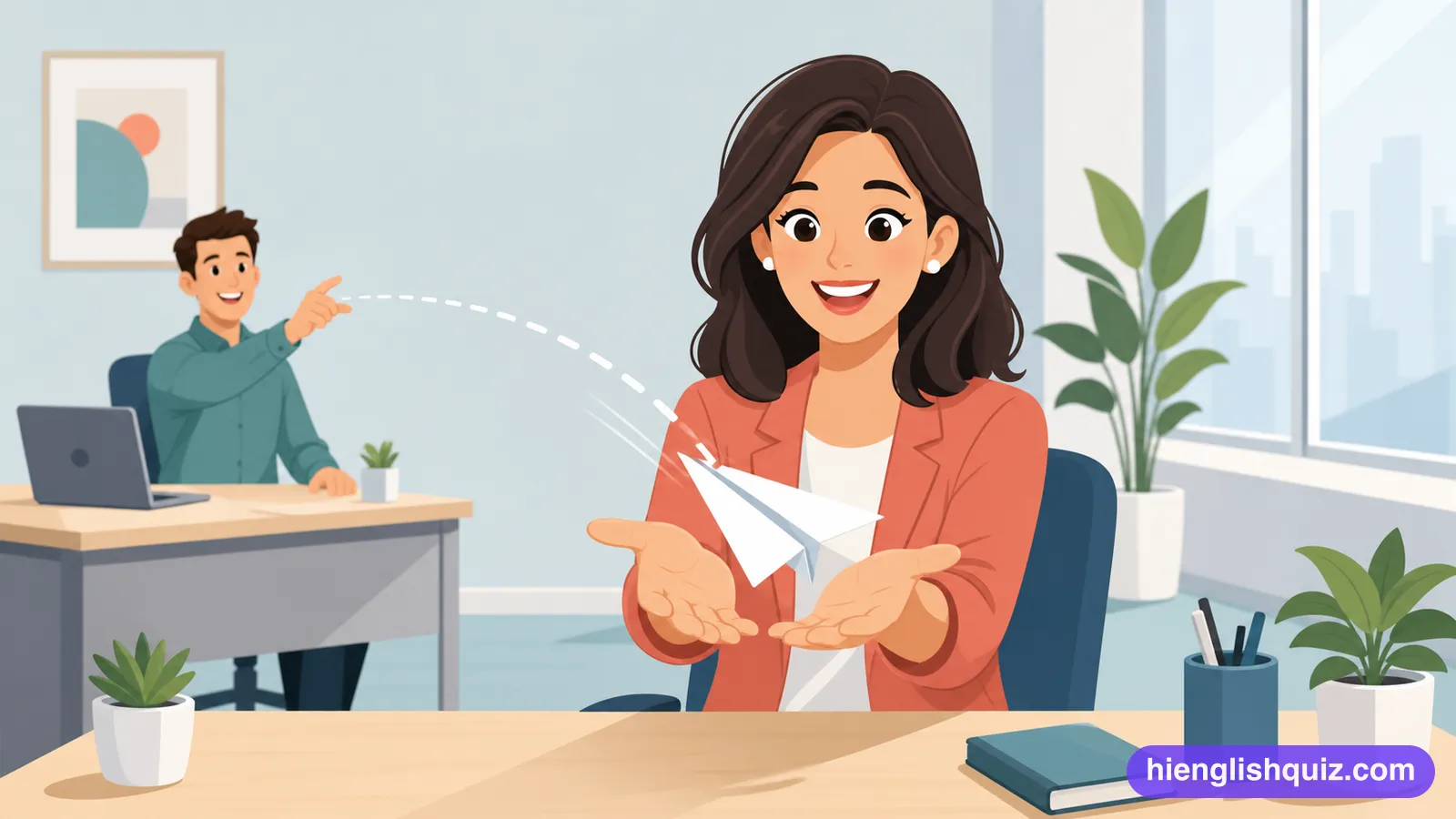
clickbait
/ˈklɪkˌbeɪt/A title written purely to tempt you into opening an article that never lives up to it.
Example: Half of that site is pure clickbait these days.
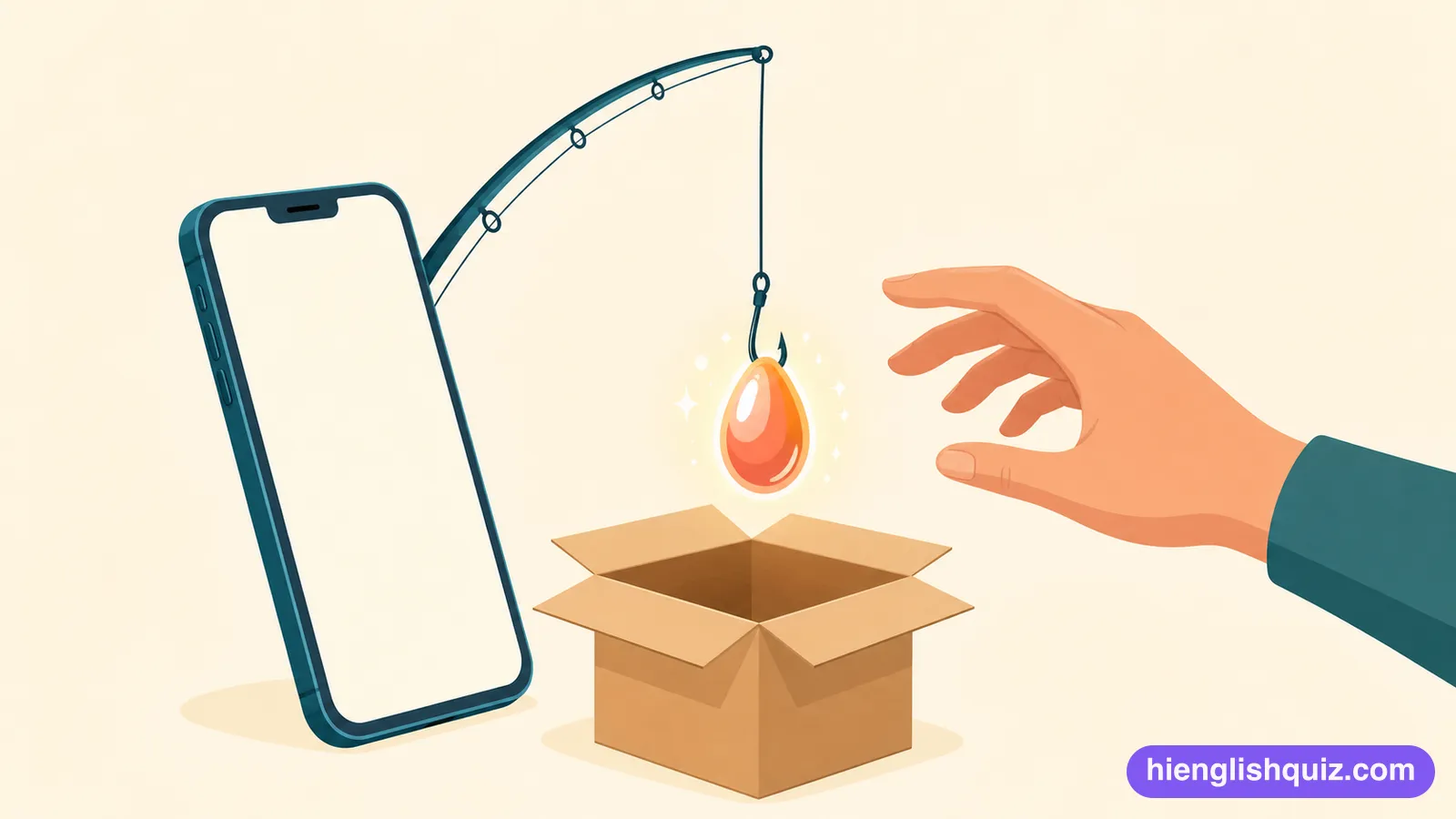
 Hi EnglishQuiz
C120 words · Advanced
News and media vocabulary such as clickbait, misinformation and fact-check, plus whistleblower, embargo and libel. Words for discussing how news can go wrong.
A title written purely to tempt you into opening an article that never lives up to it.
Example: Half of that site is pure clickbait these days.
False claims that spread widely, usually shared by people who genuinely believe them.
Example: A wave of misinformation spread through the group chats.
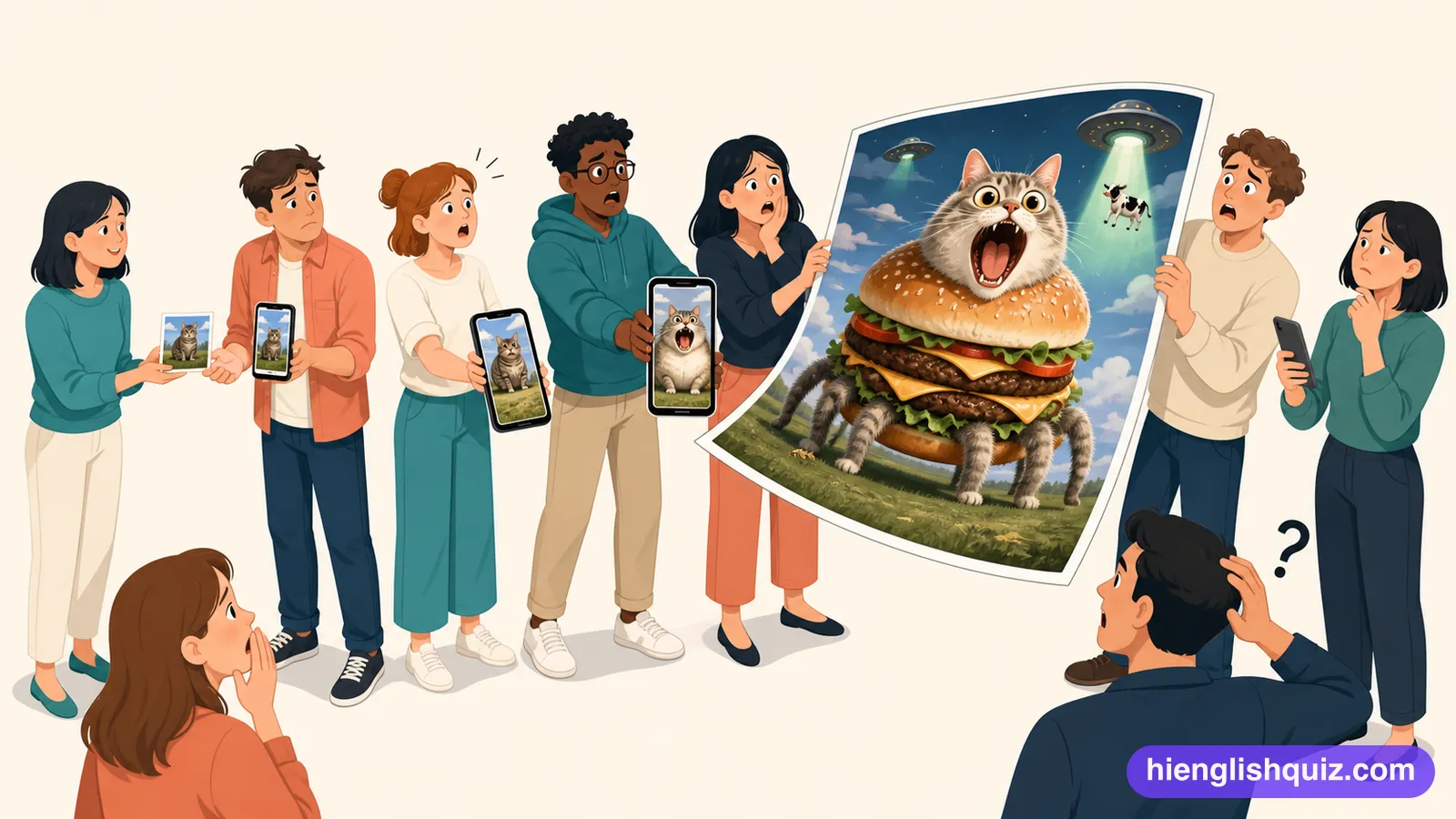
The quality of deserving to be believed and trusted by other people.
Example: Repeating rumours damages the credibility of any news channel.

To check whether a claim or piece of information is actually true before it is published or believed.
Example: Journalists fact-check every quote before printing a story.
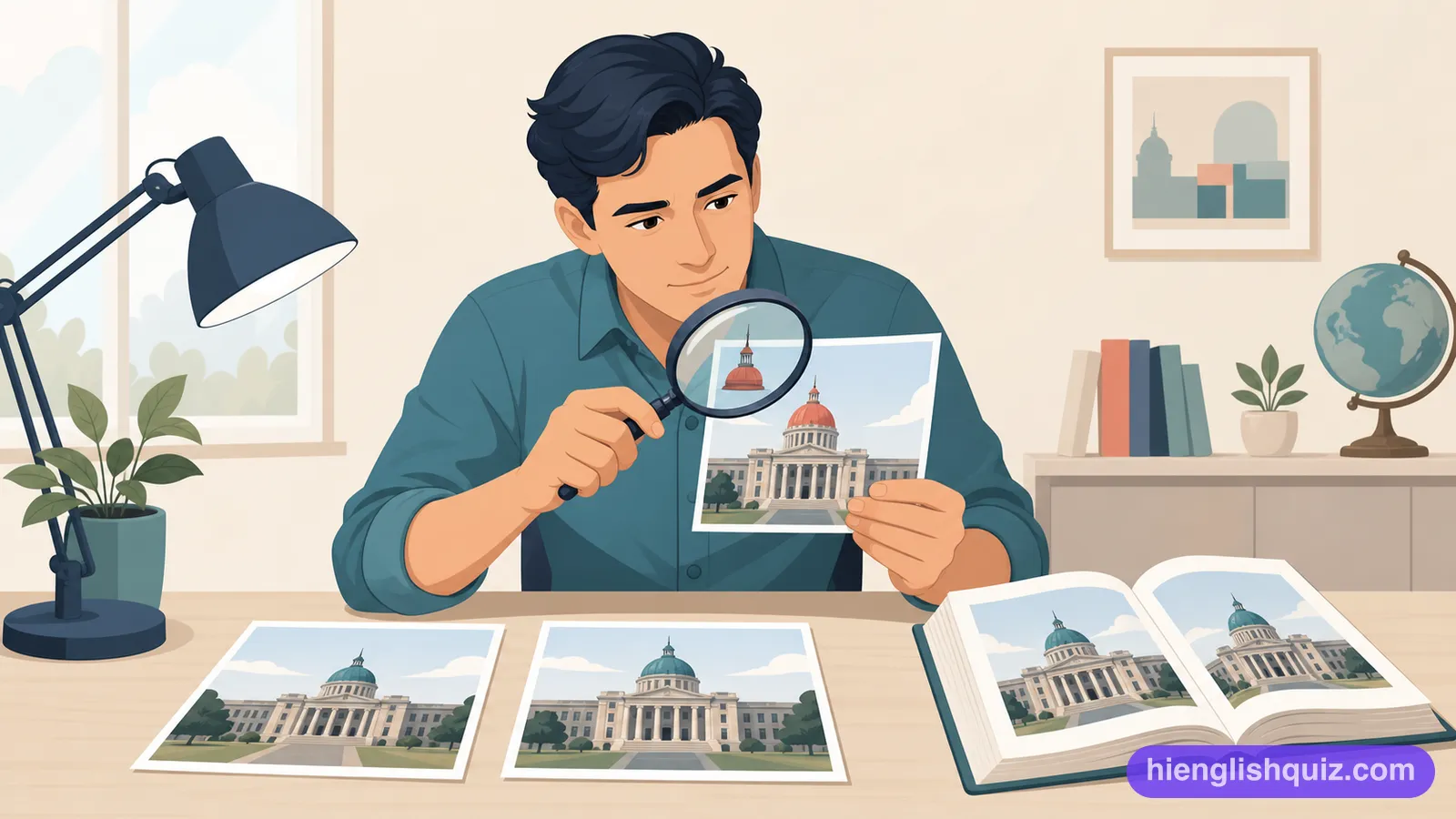
False information spread deliberately, usually to deceive people.
Example: The country accused its rival of spreading online disinformation.
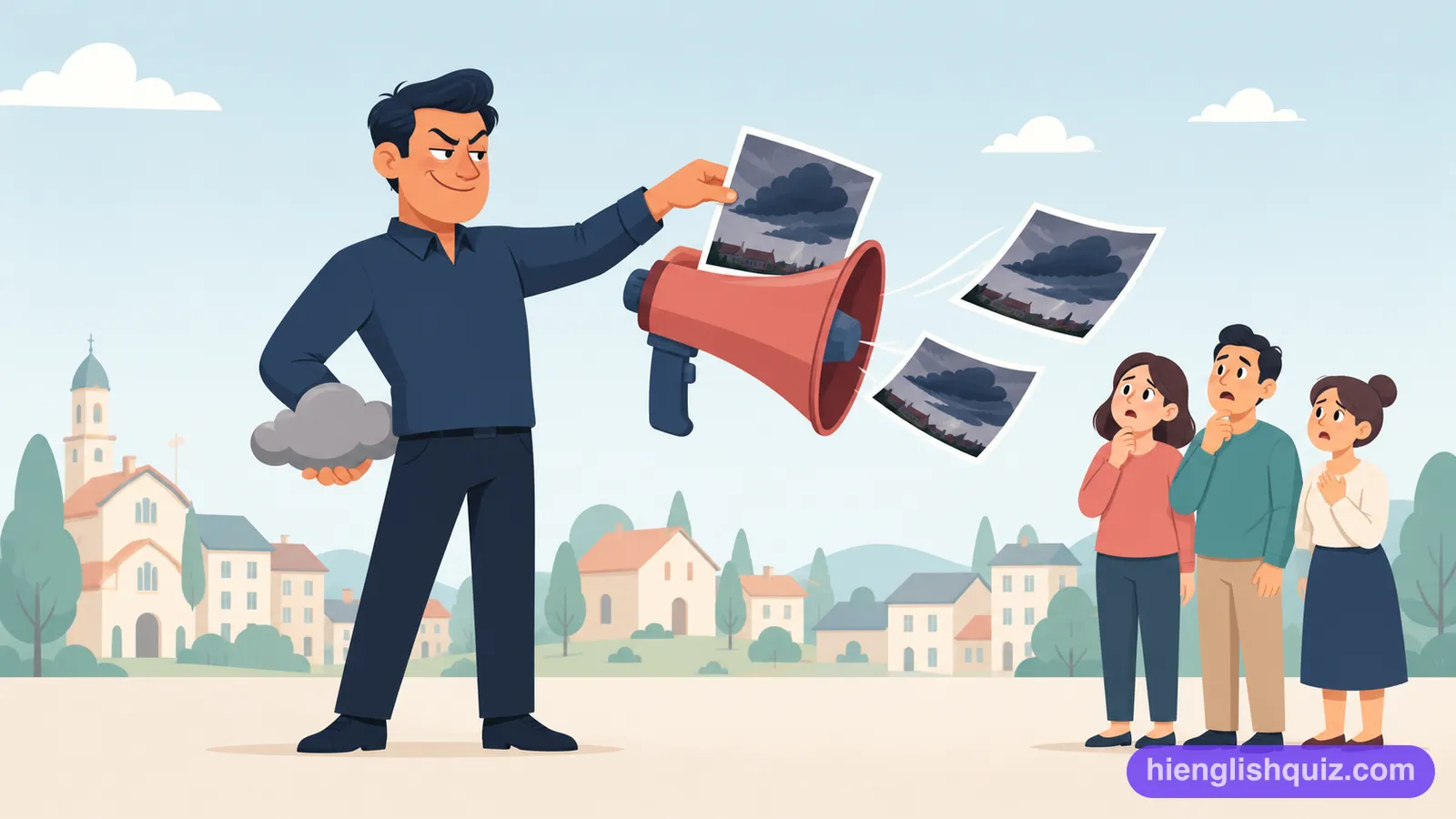
The act of damaging someone's reputation by saying or publishing false things about them.
Example: The celebrity sued the magazine for defamation.
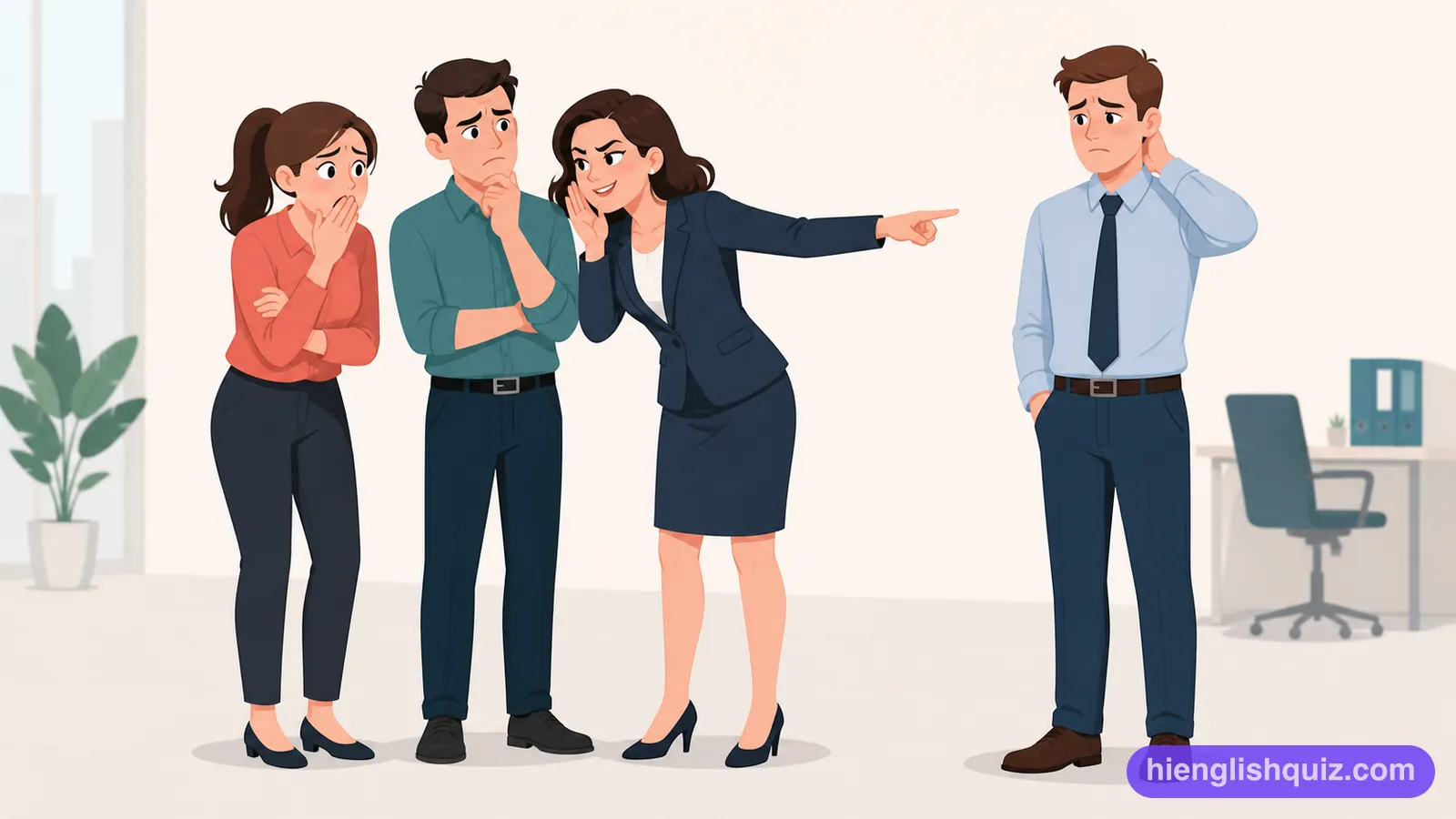
A public statement taking back something that was previously said or published, usually because it was wrong.
Example: The newspaper printed a retraction after getting the facts wrong.
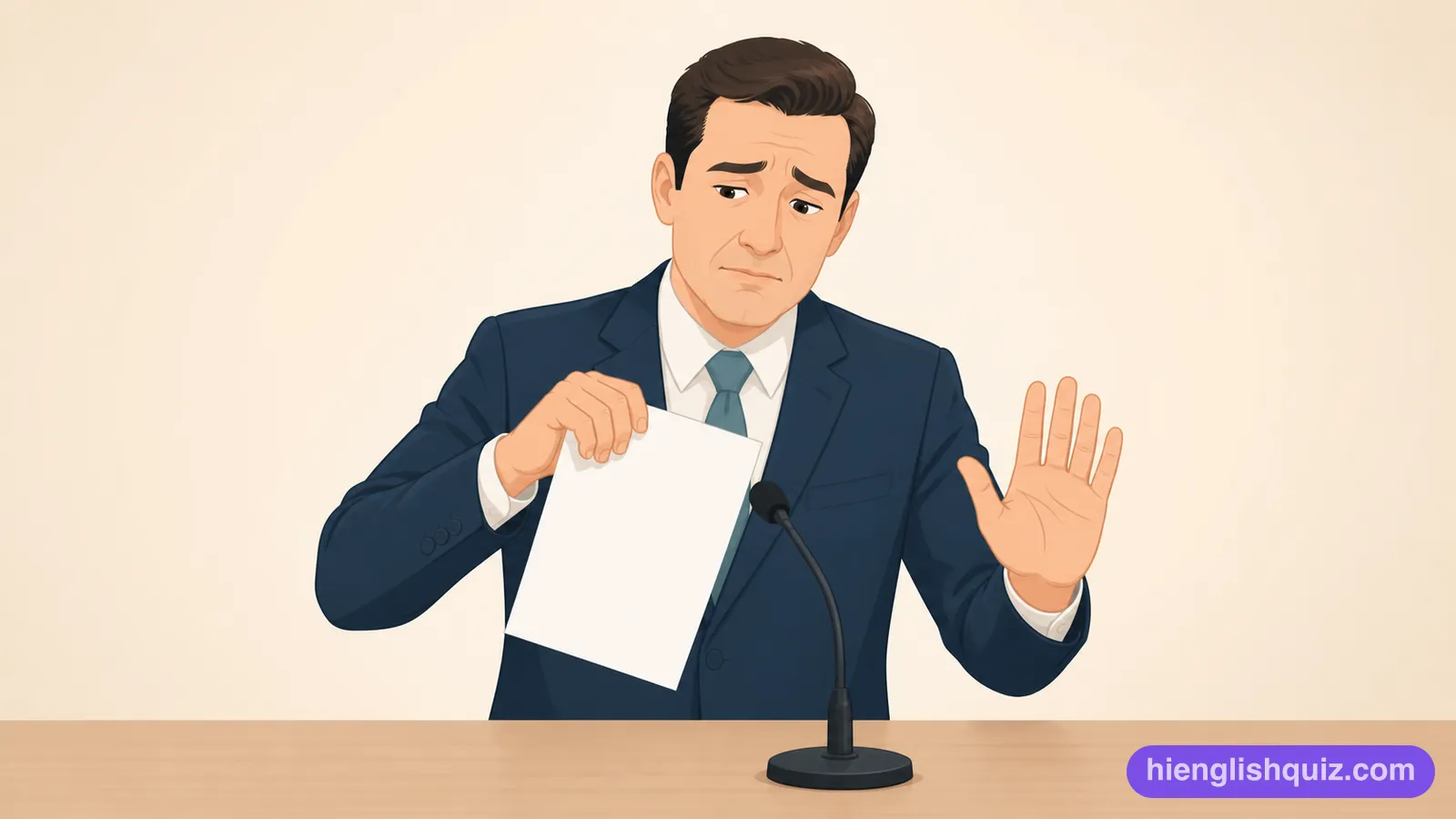
An official agreement that certain news cannot be published until a set date or time.
Example: Reporters agreed to an embargo on the story until Monday.
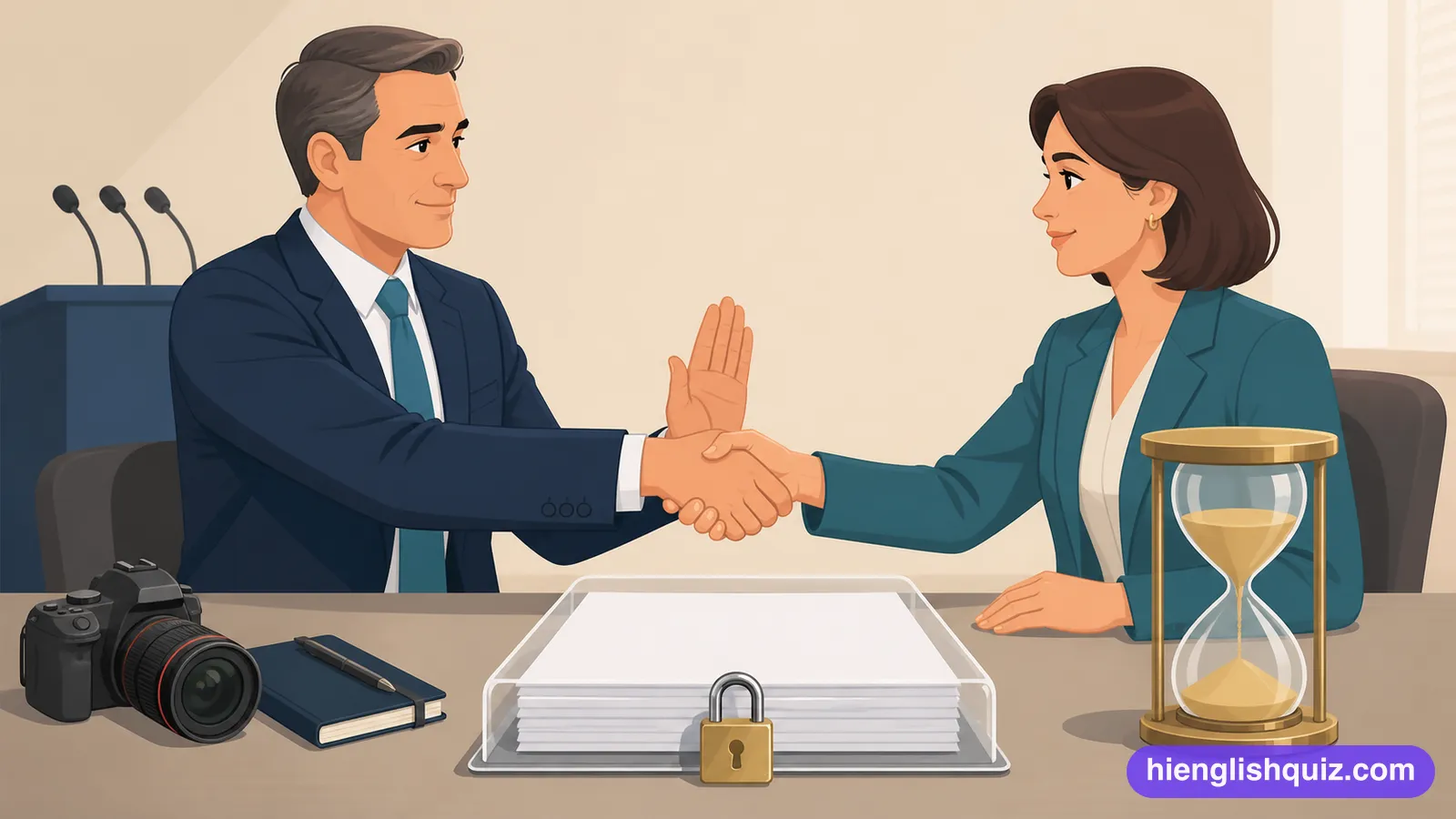
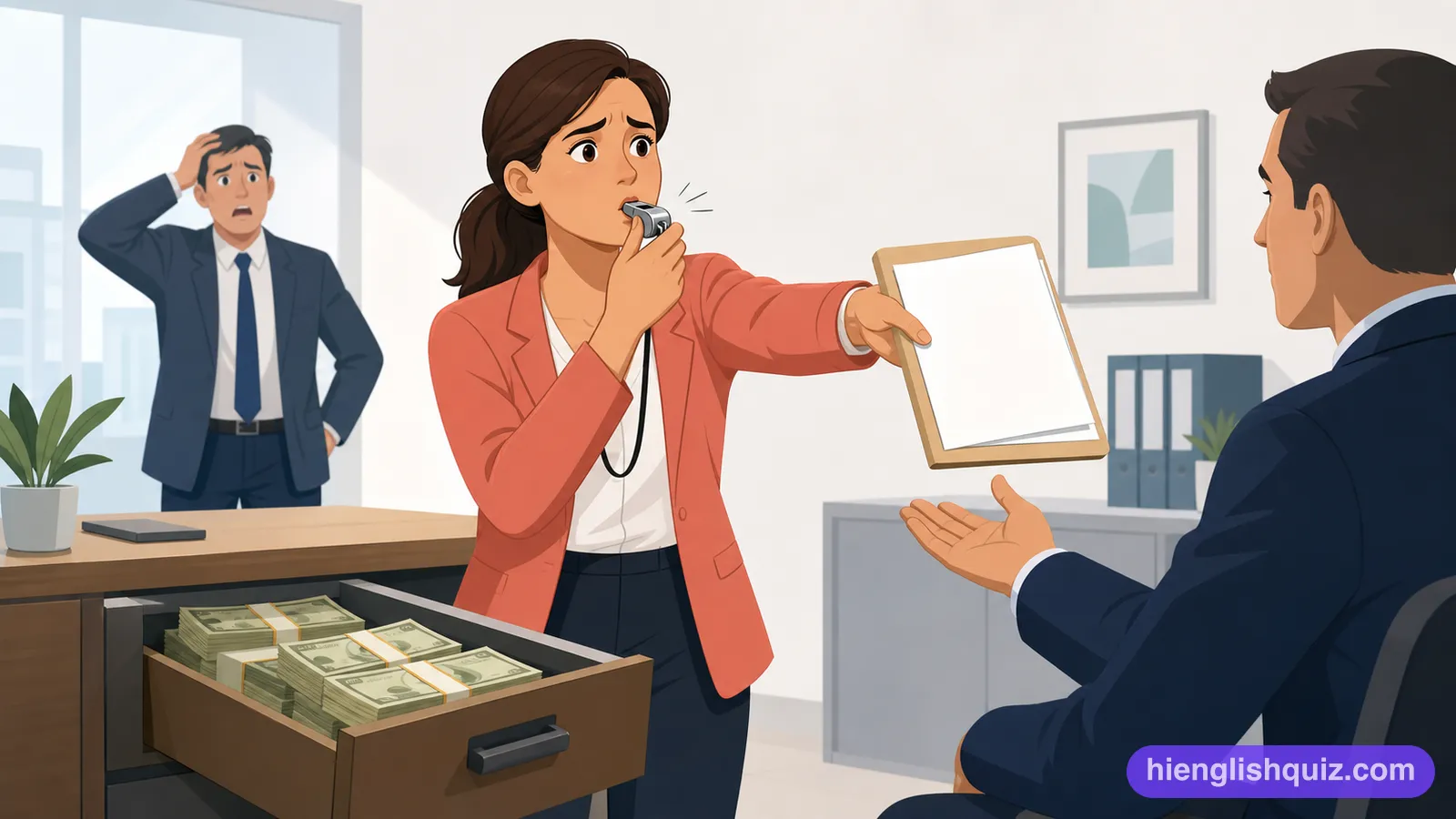
A person who reveals secret or wrongful information about an organisation, usually to the media.
Example: A whistleblower leaked the documents to a national newspaper.
The practice of controlling what information the public gets to see, especially by editors and news organisations.
Example: Critics say social media has reduced traditional media gatekeeping.

The naming of the source of a piece of information.
Example: The story ran with no attribution at all.

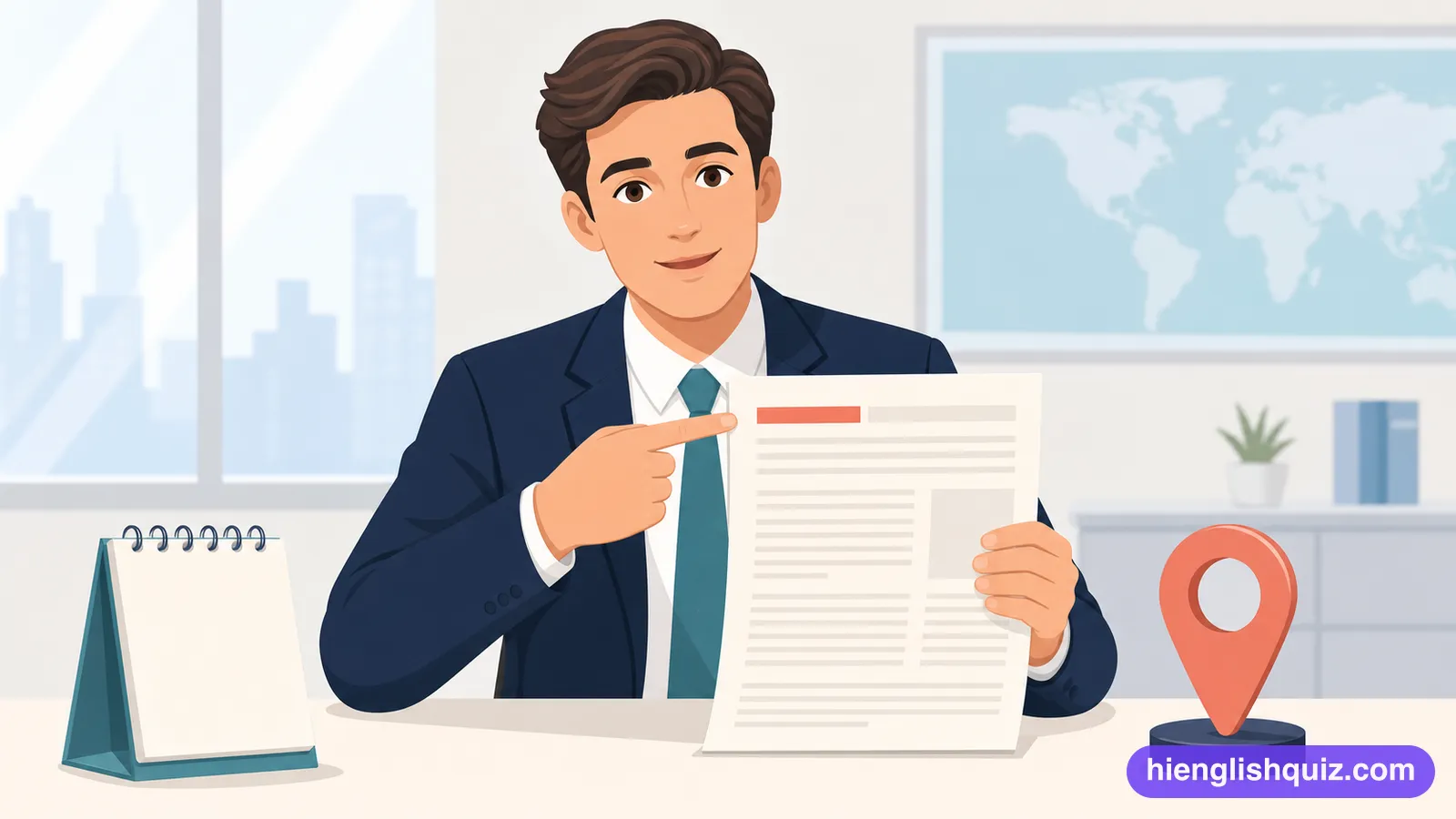
The line at the start of a report giving place and date.
Example: The dateline said Geneva but the reporter was in London.
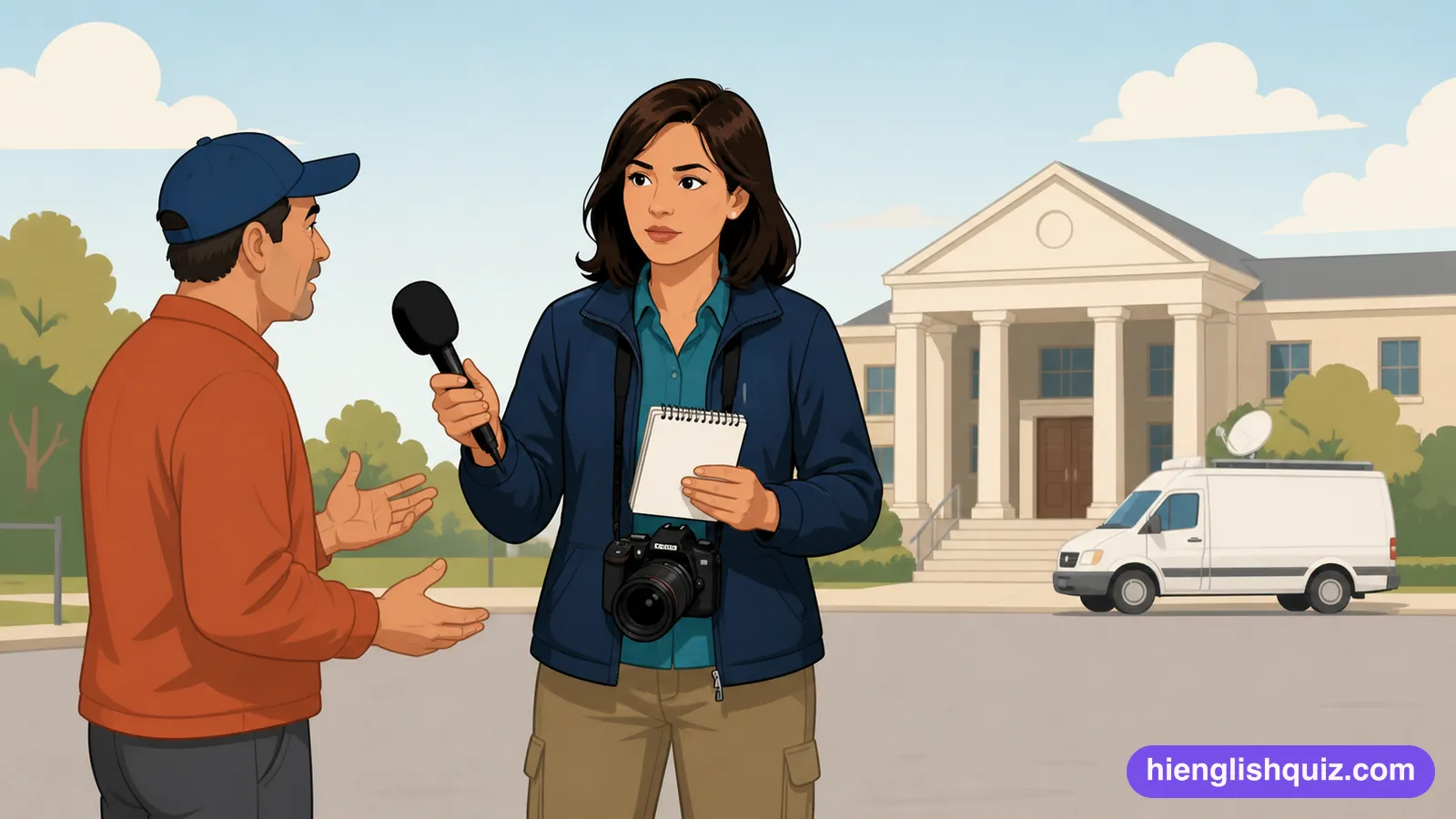
A part-time reporter working in one place for a distant paper.
Example: Their only stringer in the region filed twice a week.
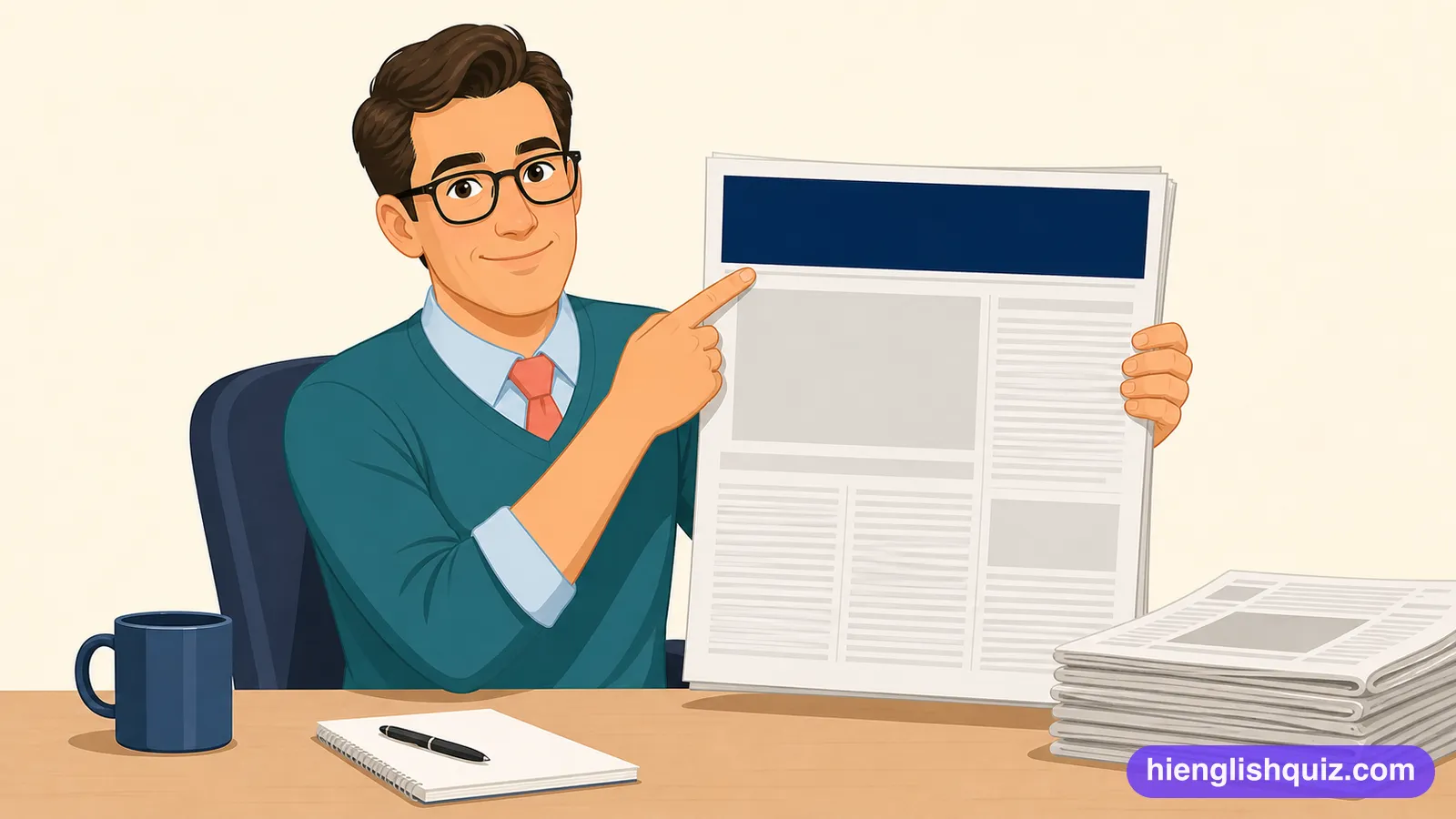
The part of a paper listing its title and senior staff.
Example: Her name reached the masthead at thirty-four.
Interesting or important enough to be reported.
Example: Nothing about the meeting was remotely newsworthy.
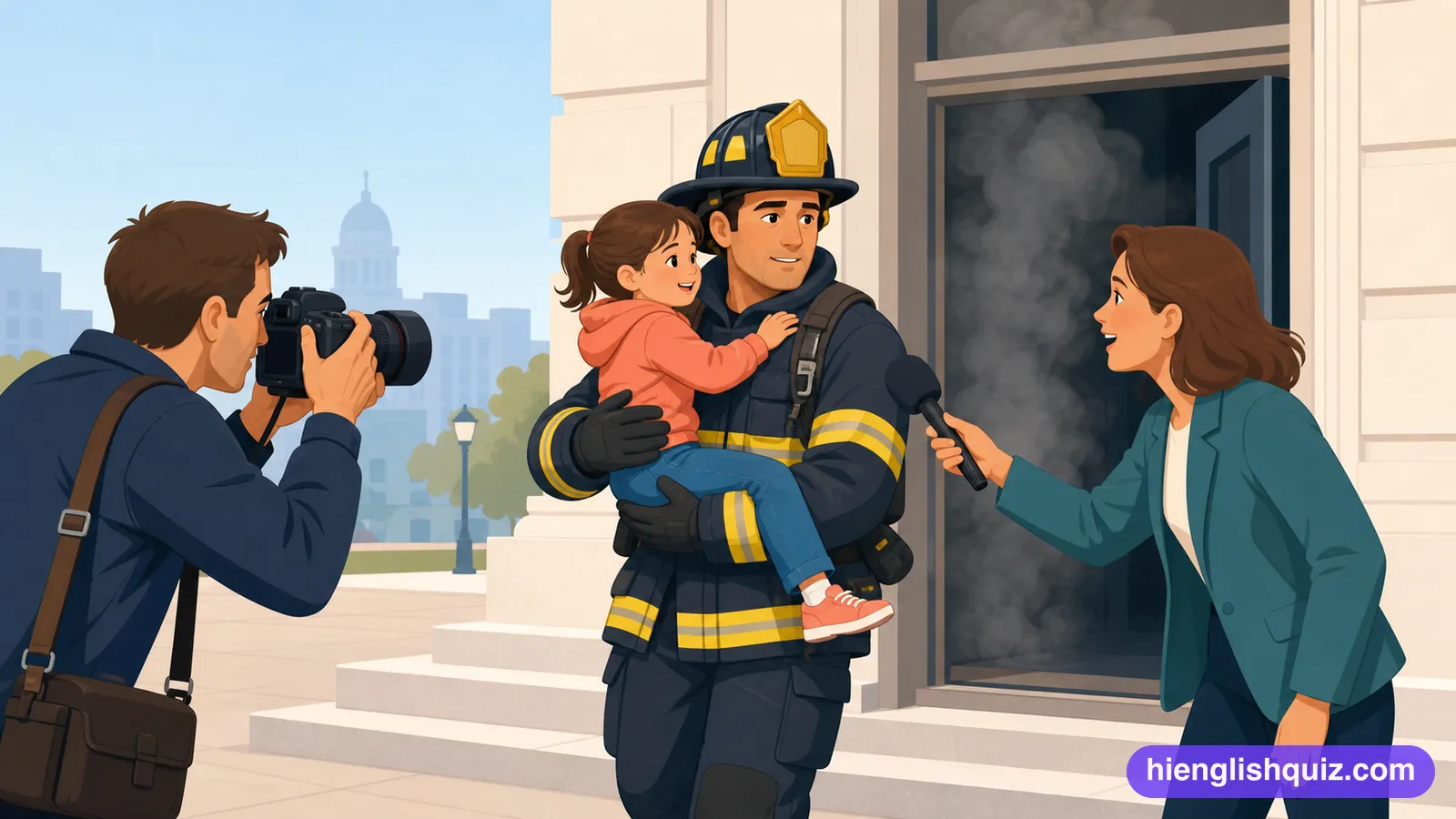
The power of the media to decide what people think about.
Example: The chapter on agenda-setting is the only one anyone quotes.
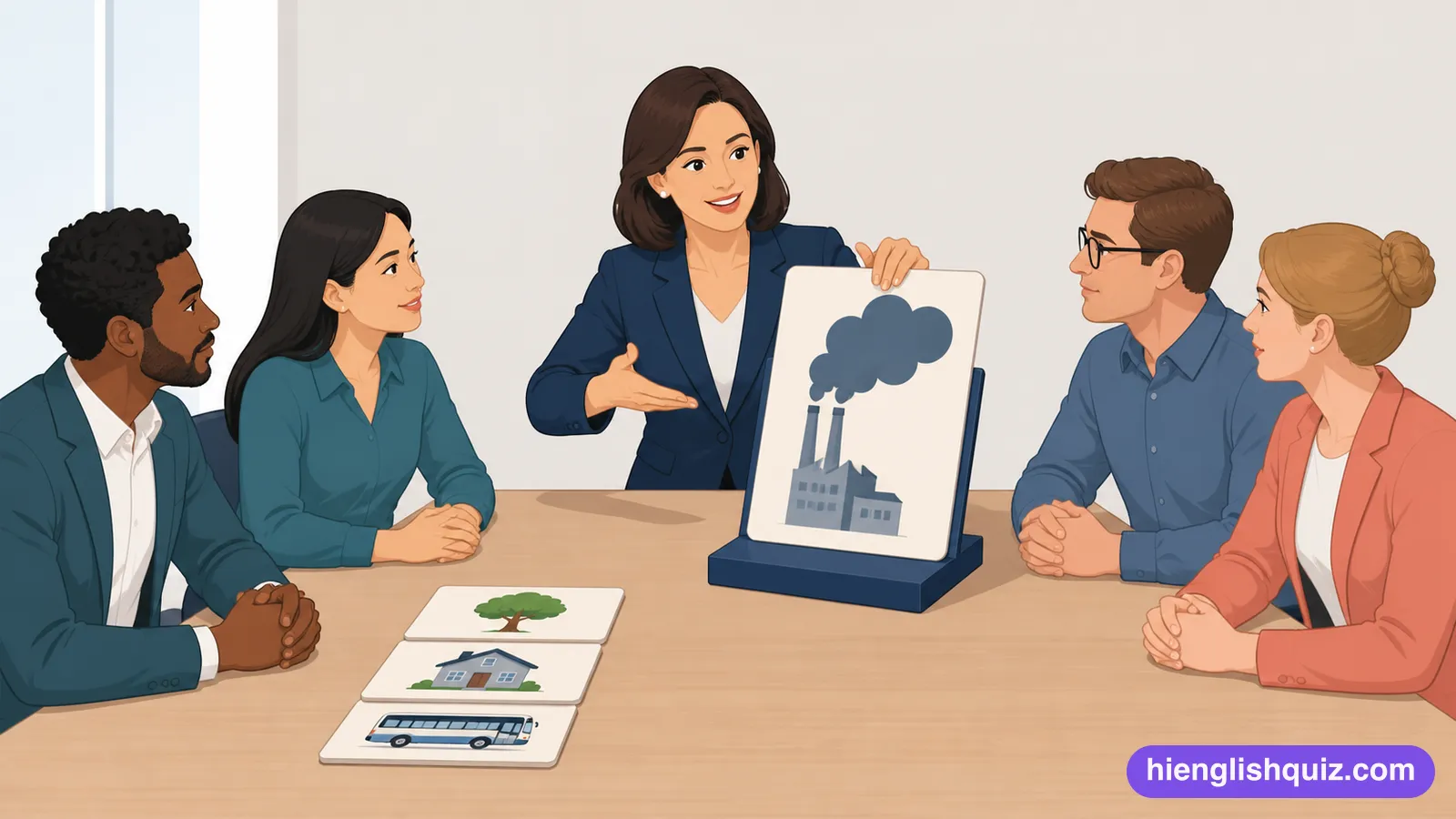
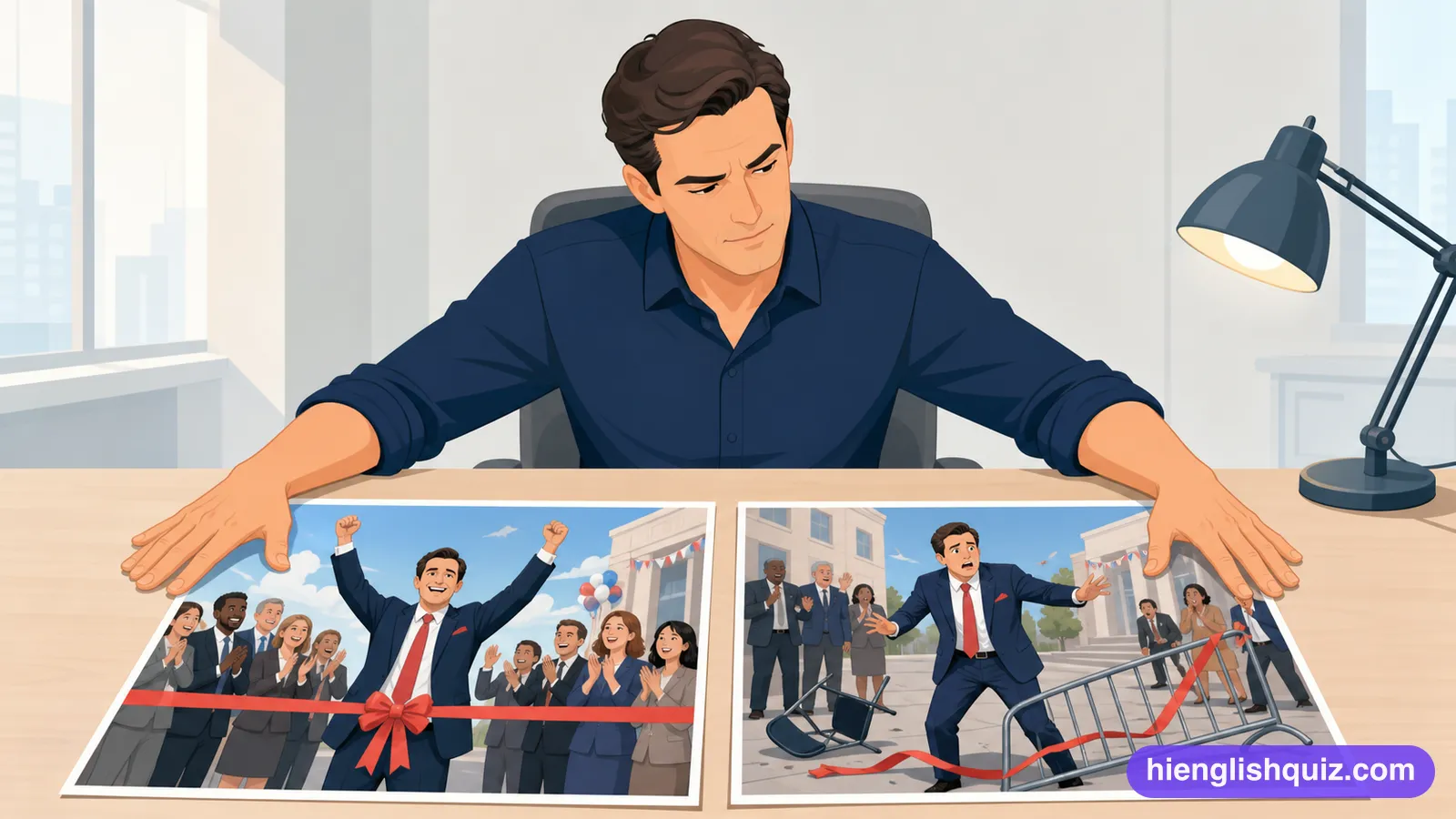
The way a story is presented to suggest one interpretation.
Example: The framing did more work than any single false claim.
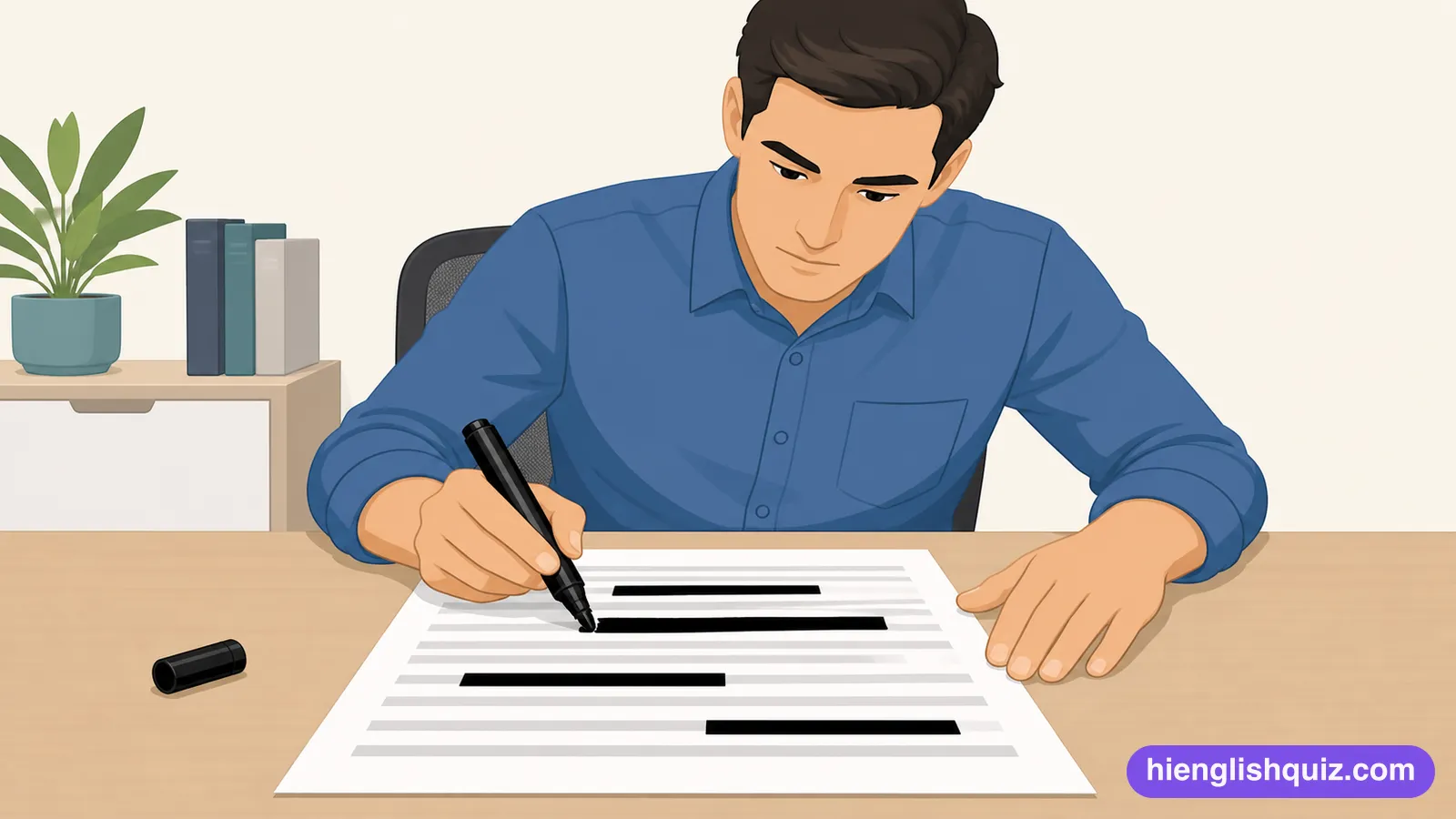
To remove sensitive parts of a document before publishing.
Example: They had to redact two thirds of every page.
A published statement that unfairly damages someone's reputation.
Example: The libel case cost more than the paper earned that year.
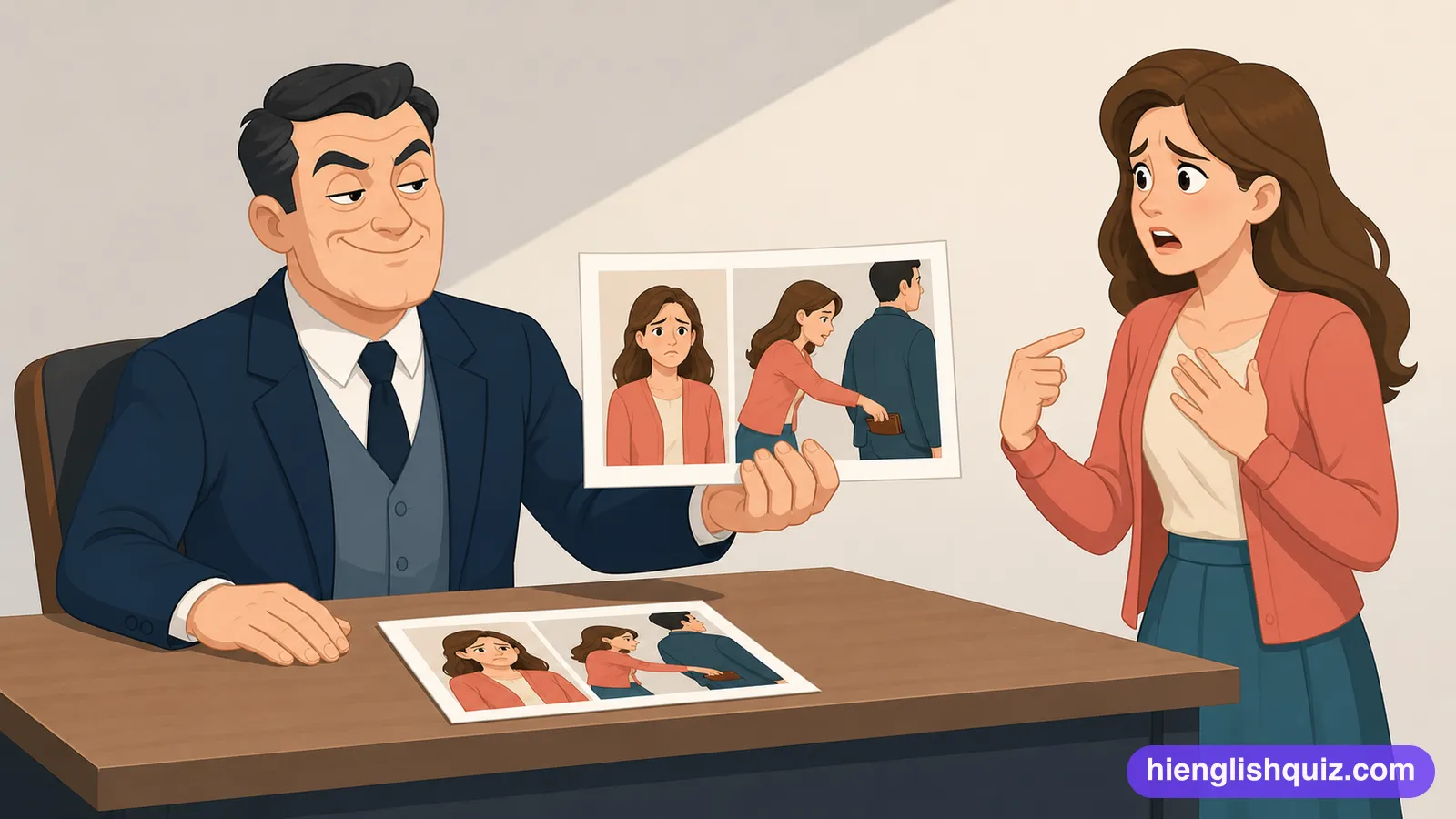
The cheap paper that newspapers are printed on.
Example: The cost of newsprint closed more titles than the internet did.