automate
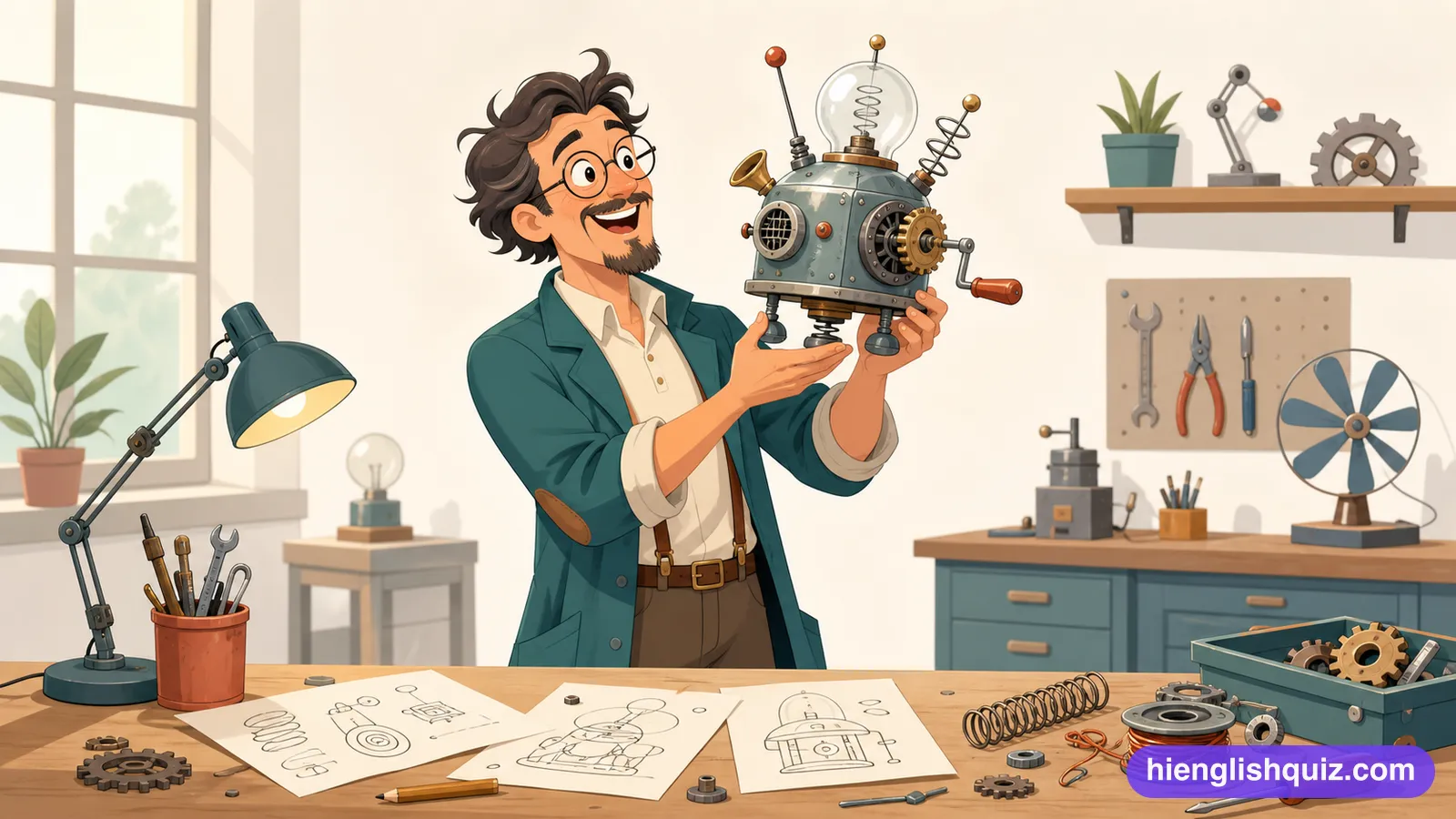
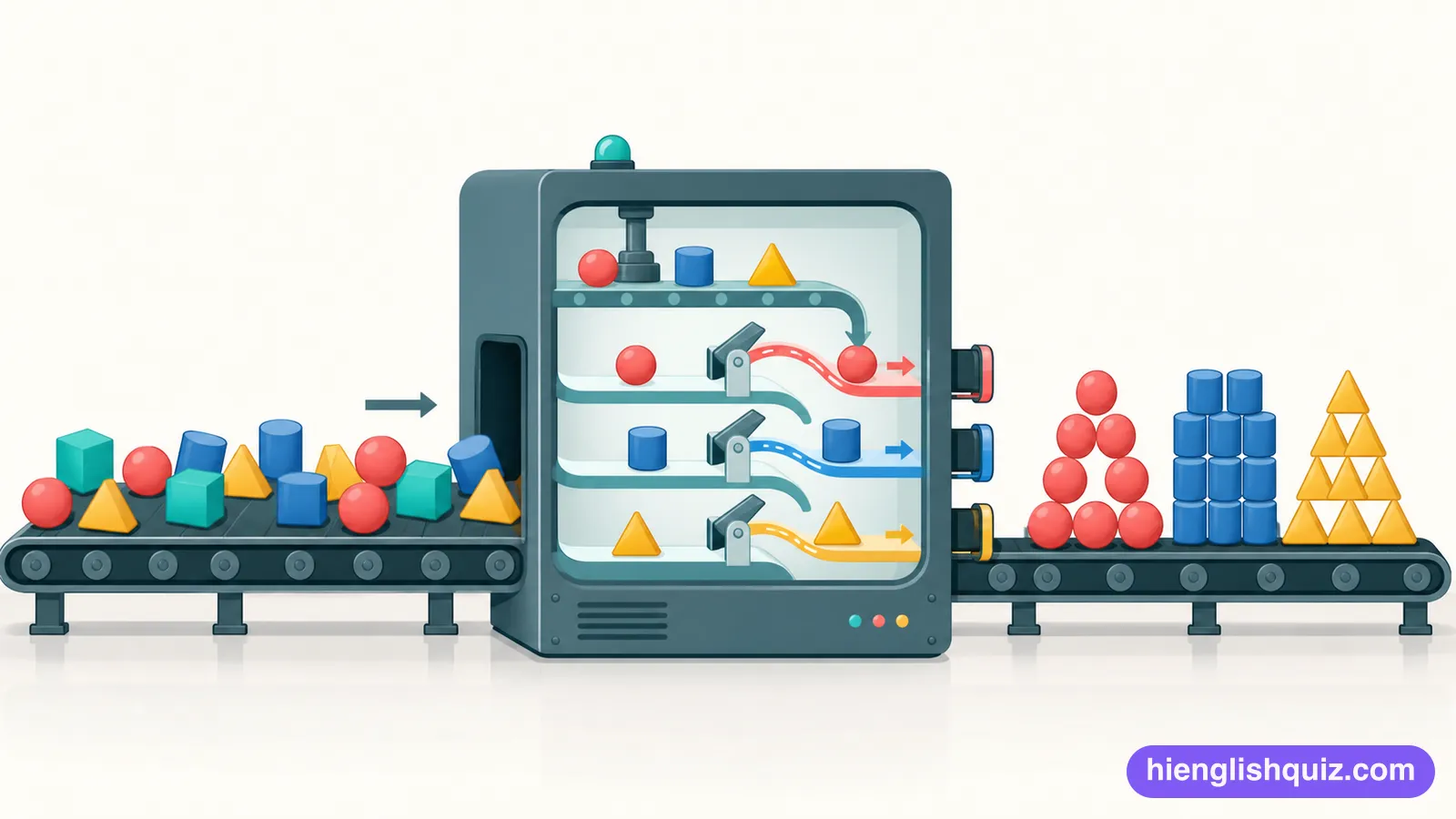
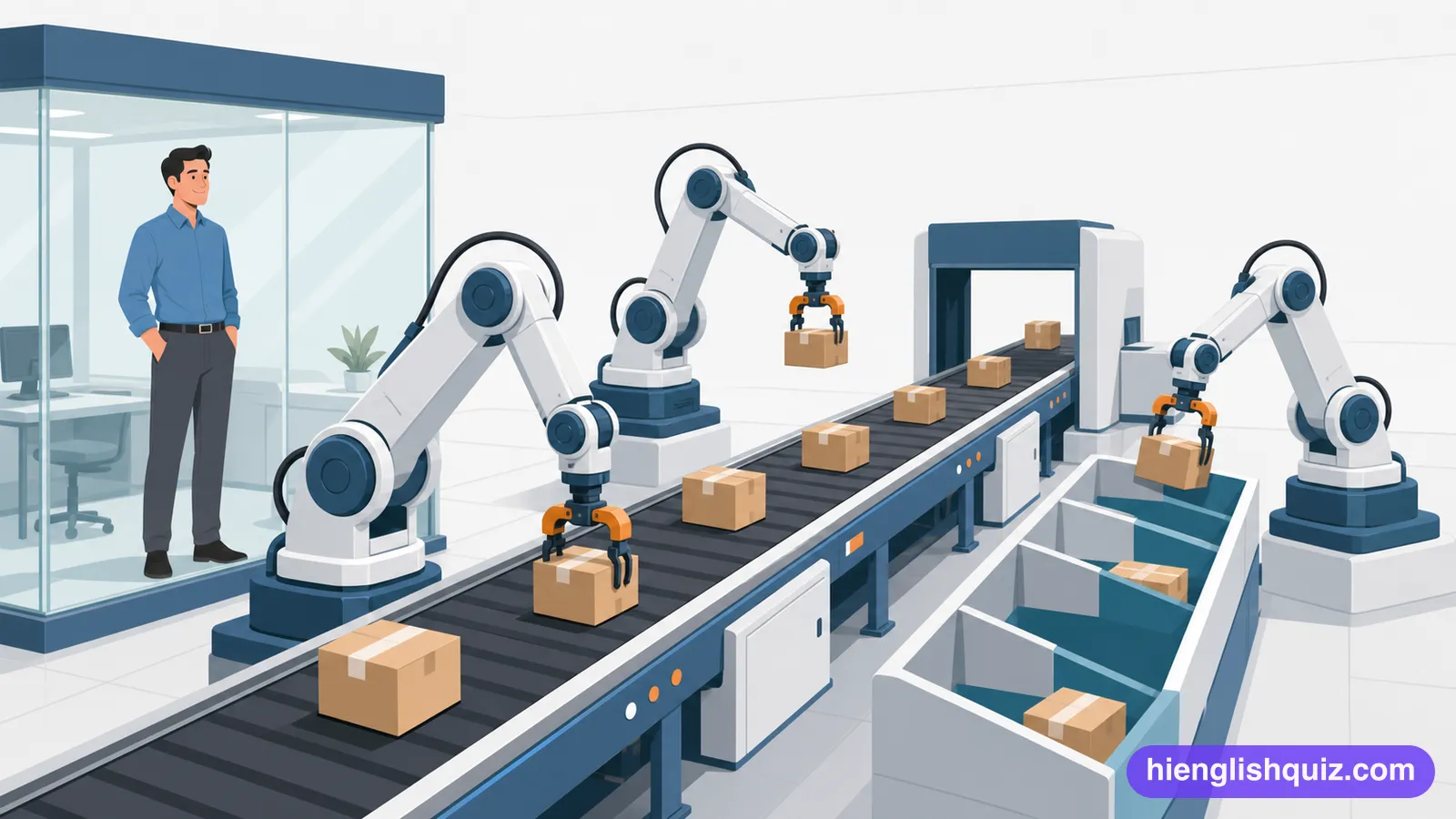
/ˈɔtəˌmeɪt/To set up machines or programs so that a job gets done on its own, without a person repeating it.
Example: We decided to automate the whole invoicing process last year.
 Hi EnglishQuiz
C119 words · Advanced
Invention vocabulary such as prototype, iterate and scale-up, plus tolerance, commissioning and fault tolerance. Words for describing how an invention becomes reliable.
To set up machines or programs so that a job gets done on its own, without a person repeating it.
Example: We decided to automate the whole invoicing process last year.
The first working model of a new design, built to test whether the idea actually works.
Example: The team built a rough prototype out of cardboard and tape.
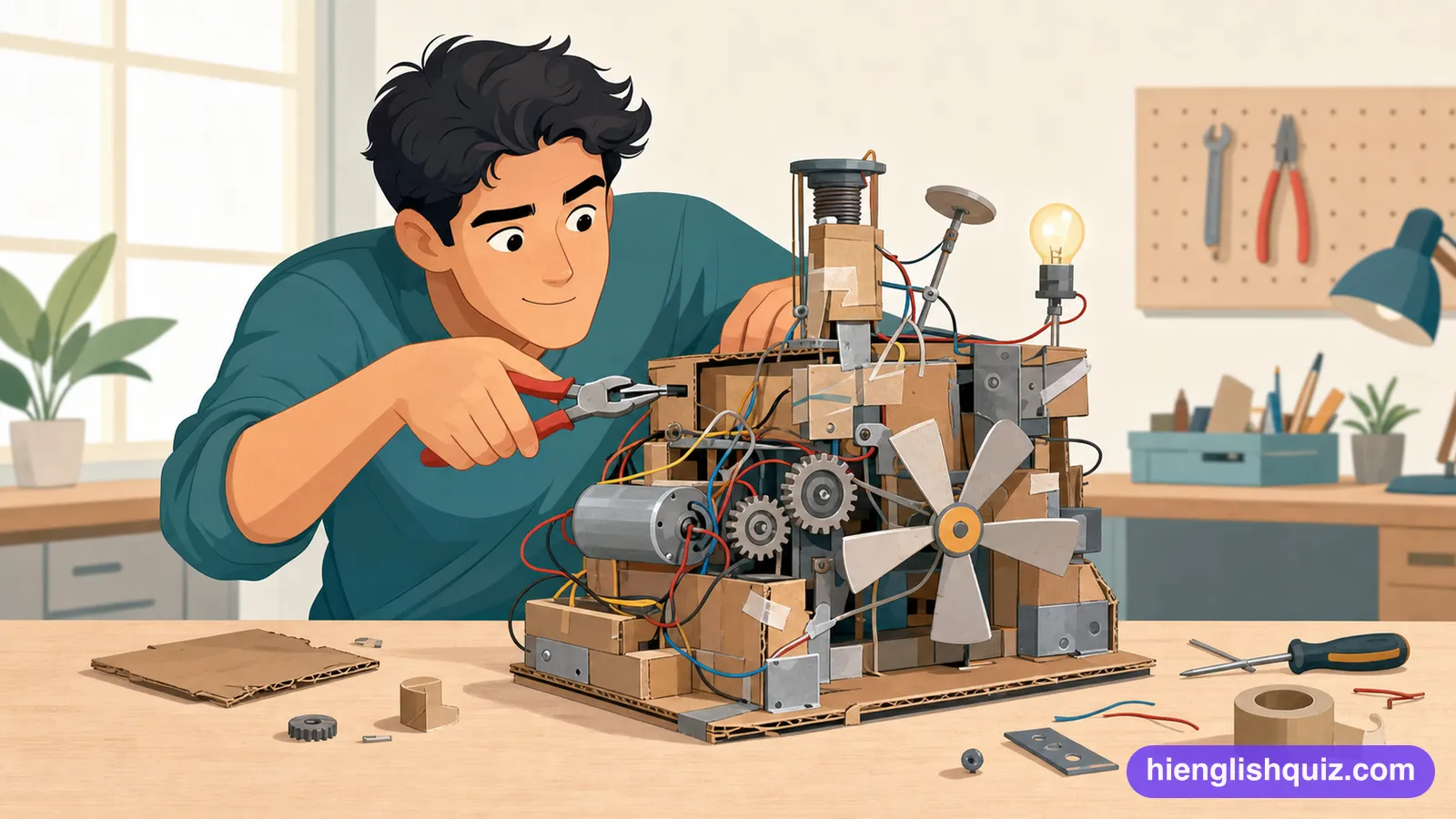
To improve something by making small, careful changes to it over time.
Example: They spent months refining the design before showing it to investors.

To change the way something is done so completely that it becomes far better.
Example: The printing press revolutionised how ideas spread across Europe.
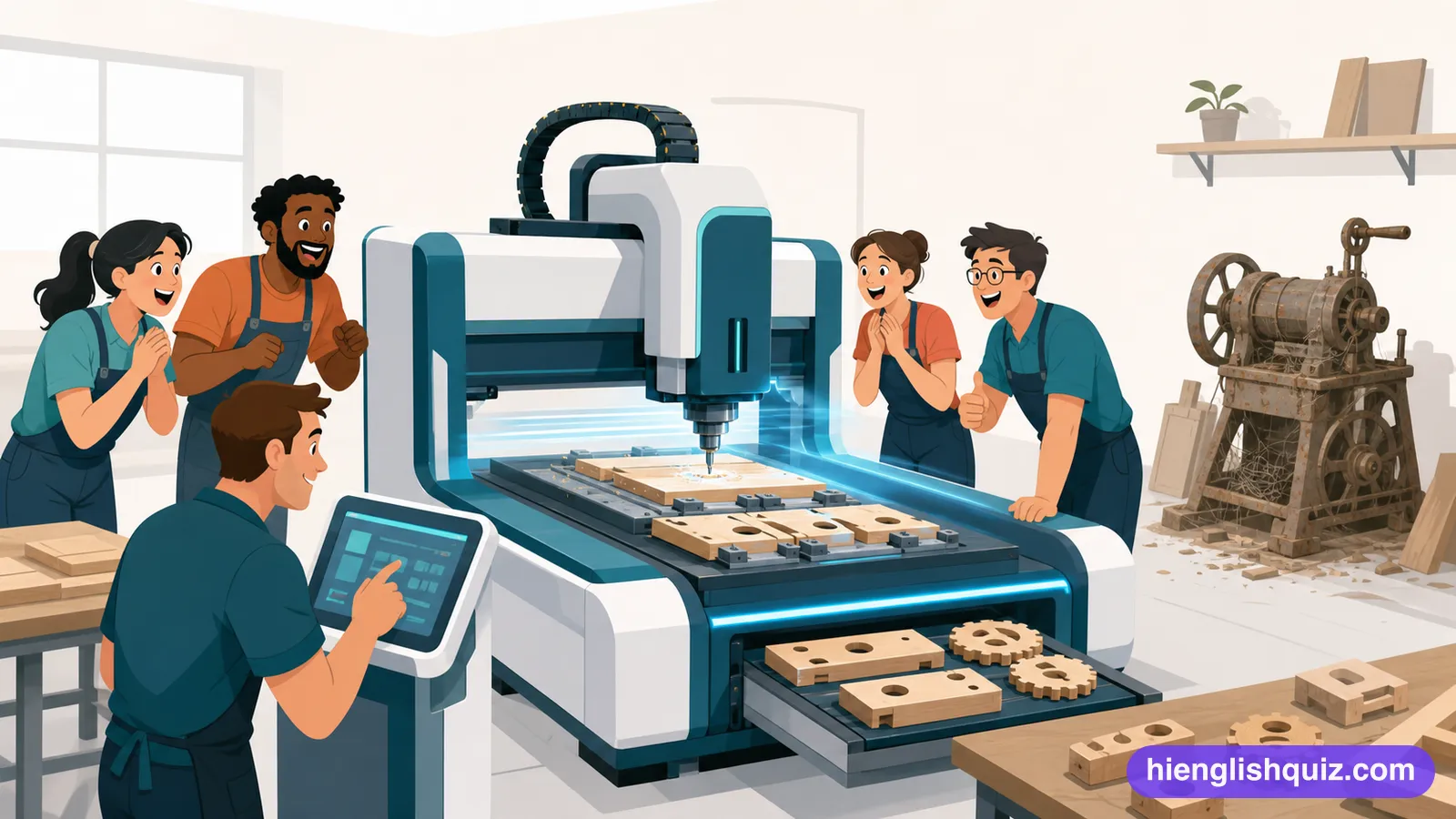
A person who is one of the first to develop or use a new idea, method, or technology.
Example: Marie Curie was a pioneer in the study of radioactivity.

To change an established industry or system completely by introducing a new idea or technology.
Example: Streaming services completely disrupted the music industry.

To repeat a process again and again, improving a design a little more each time.
Example: Designers iterate on the prototype until it works perfectly.

Completely new and original, and having a major influence on later work.
Example: The team published groundbreaking research on gene editing.

Able to work successfully or be put into practice in a practical, real way.
Example: The team is testing whether the idea is commercially viable.

Using the most modern and advanced methods or technology available.
Example: The lab uses cutting-edge equipment to study viruses.
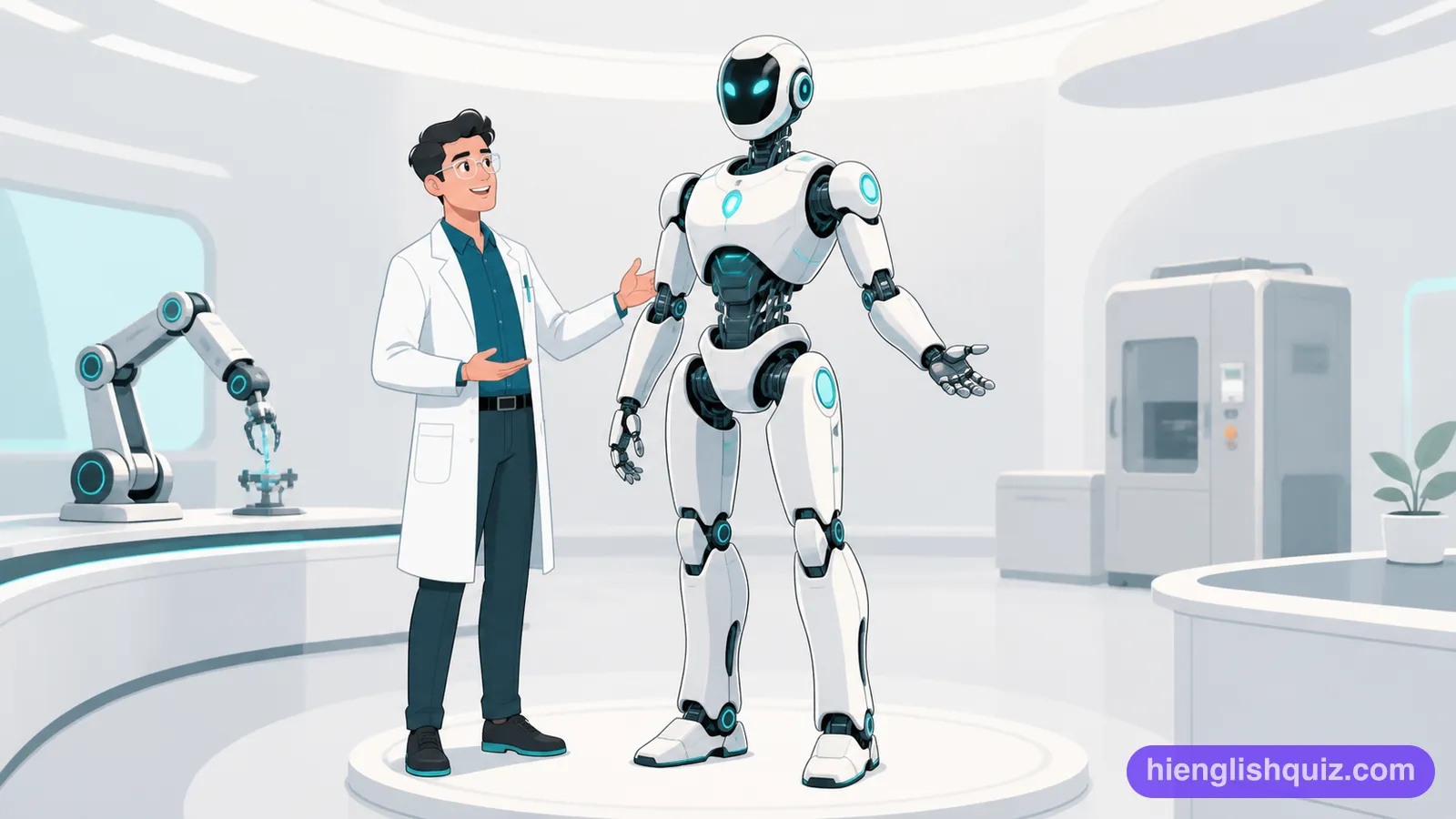
Improved by repeating a cycle of small changes.
Example: The design was iterative rather than planned in one go.

The move from making a few of something to making many.
Example: Scale-up killed a product the laboratory had proved twice over.
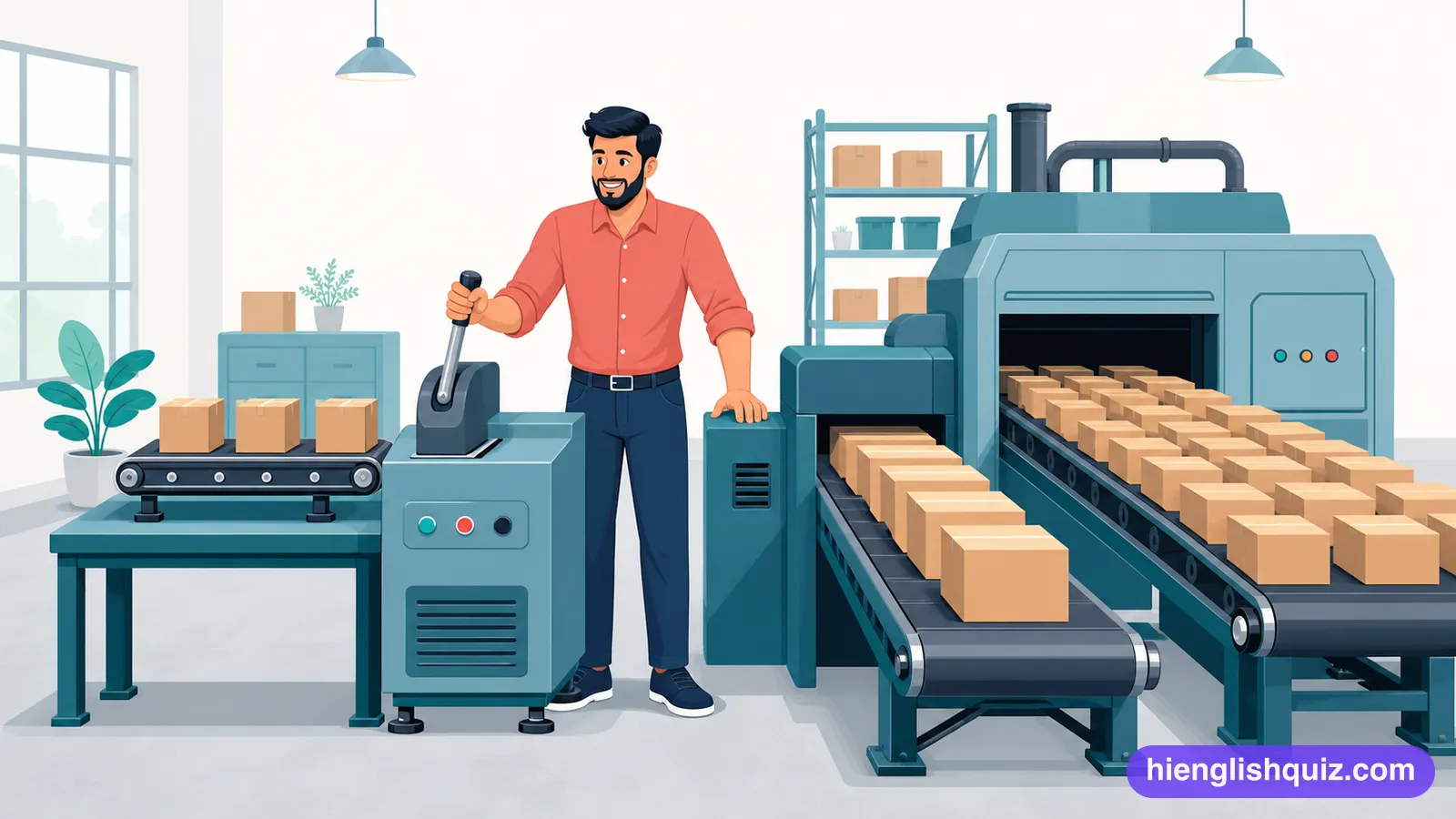
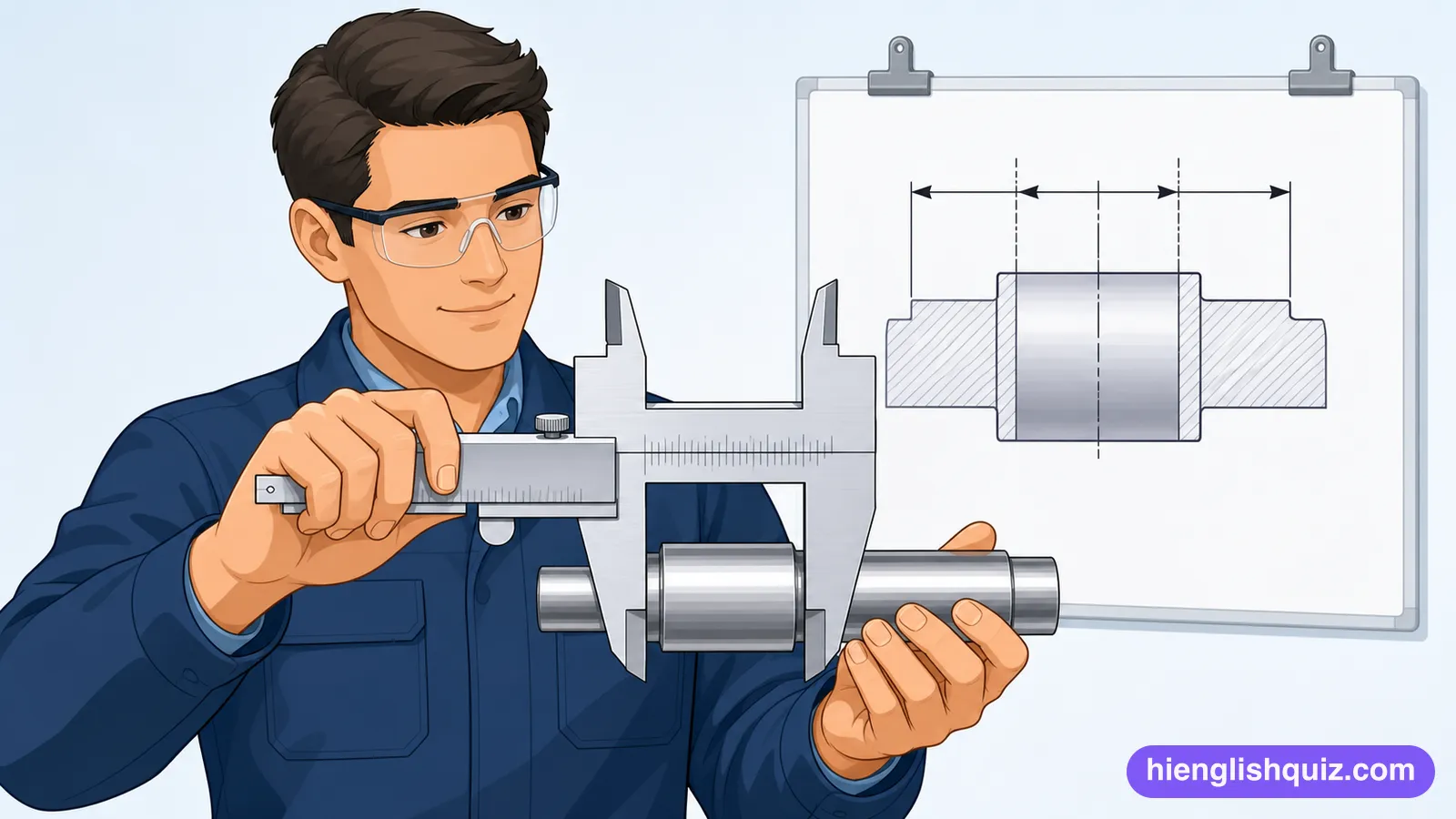
The amount by which a measurement may vary and still work.
Example: The tolerance here is a fiftieth of a millimetre.
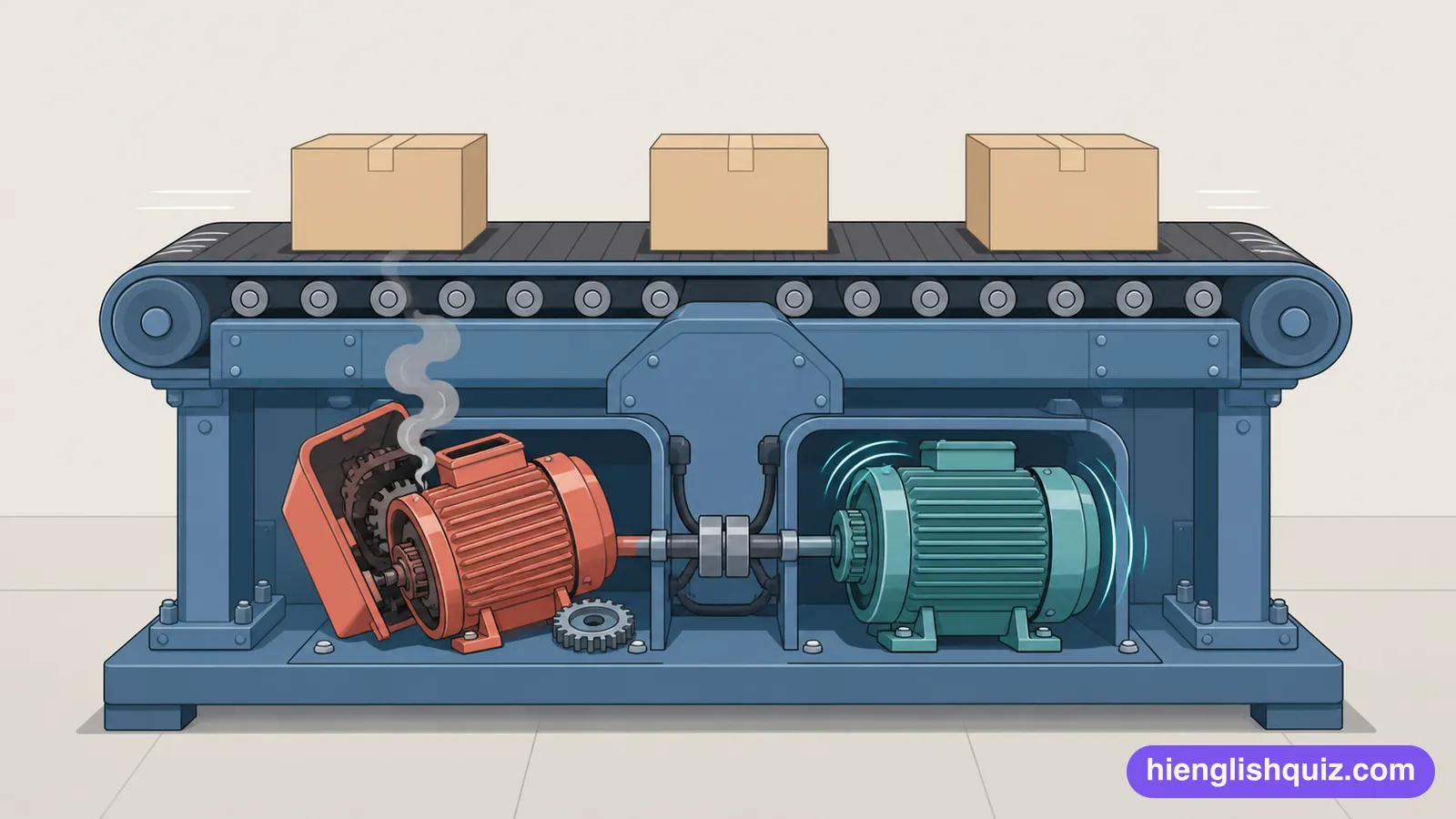
The ability of a system to keep working when part of it fails.
Example: Fault tolerance is what separates a prototype from a product.
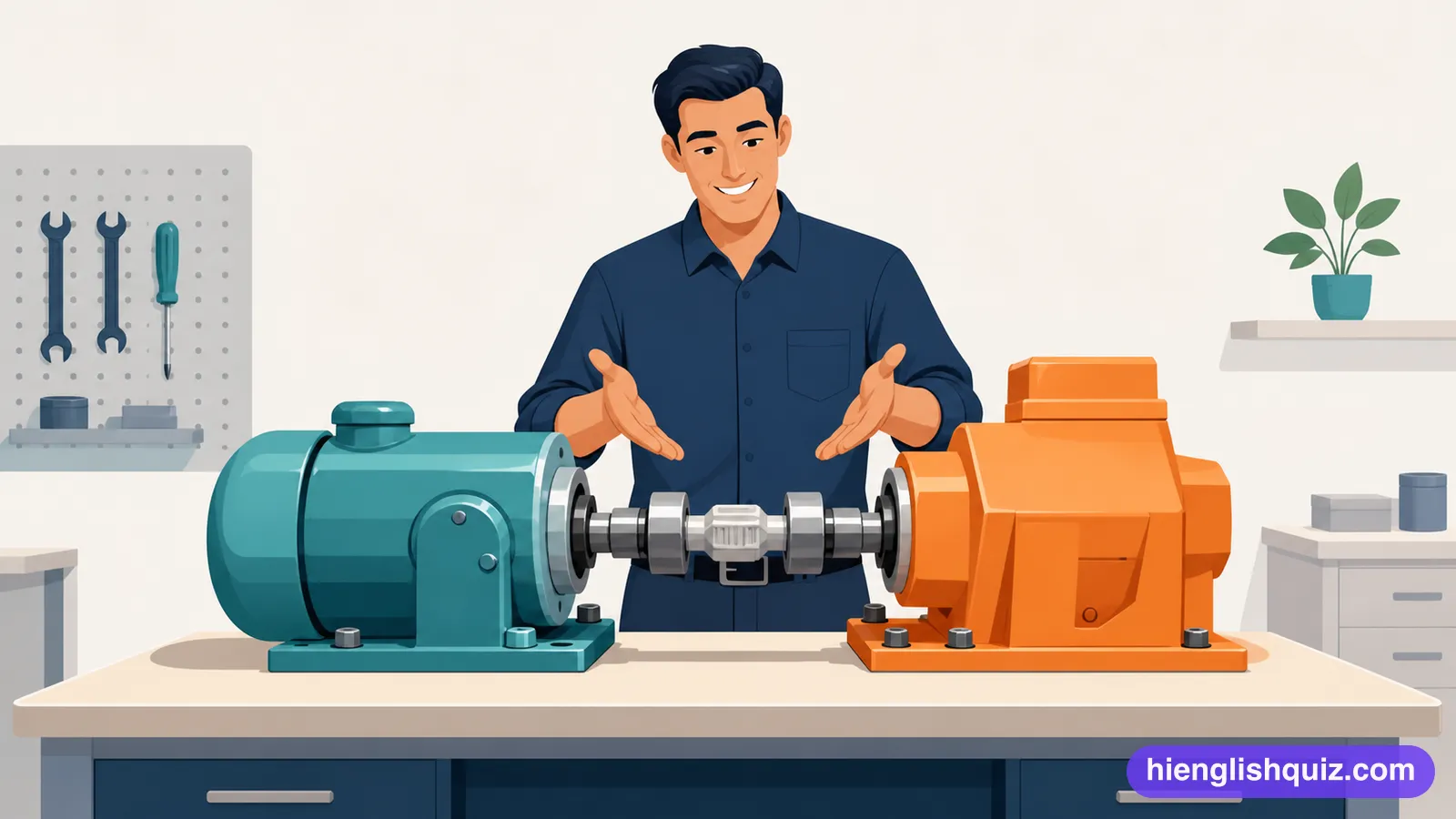
Able to work together with other systems.
Example: Nothing in the building was interoperable with anything else.
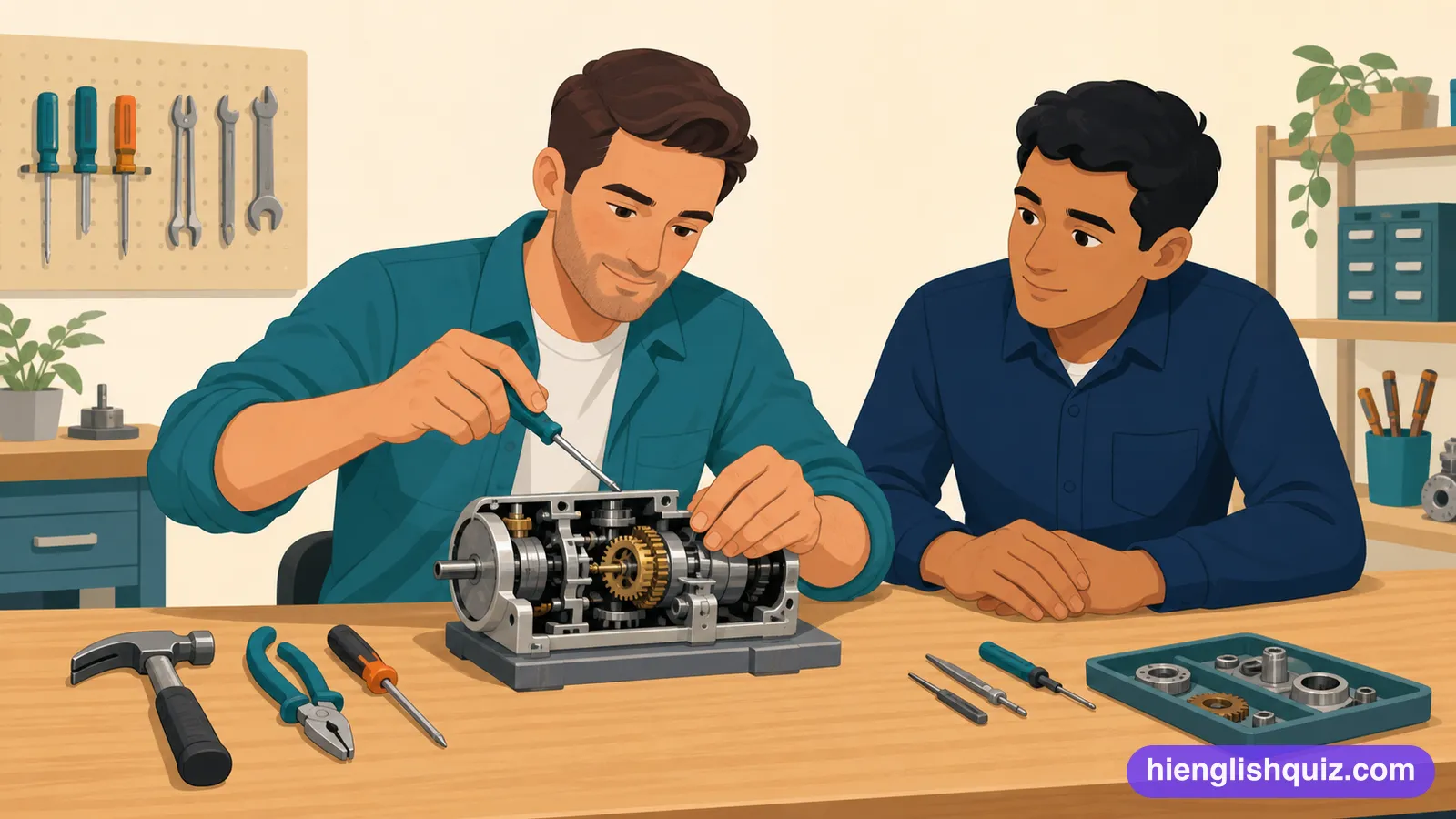
Practical knowledge of how to do something, gained by doing it.
Example: The patent was worthless without the know-how to use it.
How many items a process completes in a given time.
Example: The throughput rate trebled after one small change to the jig.
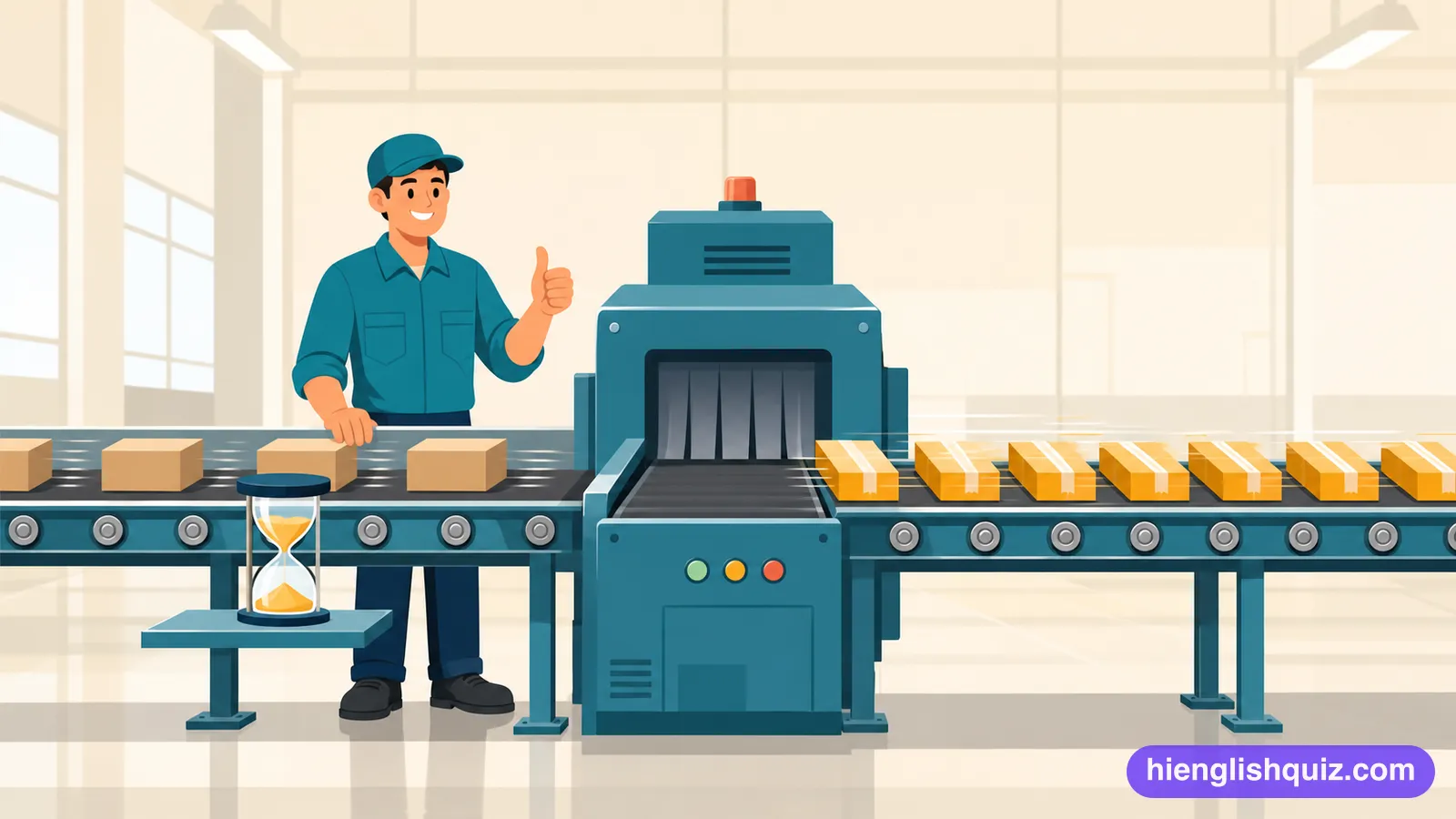
The testing of a new system before it goes into use.
Example: Commissioning took longer than building the thing.
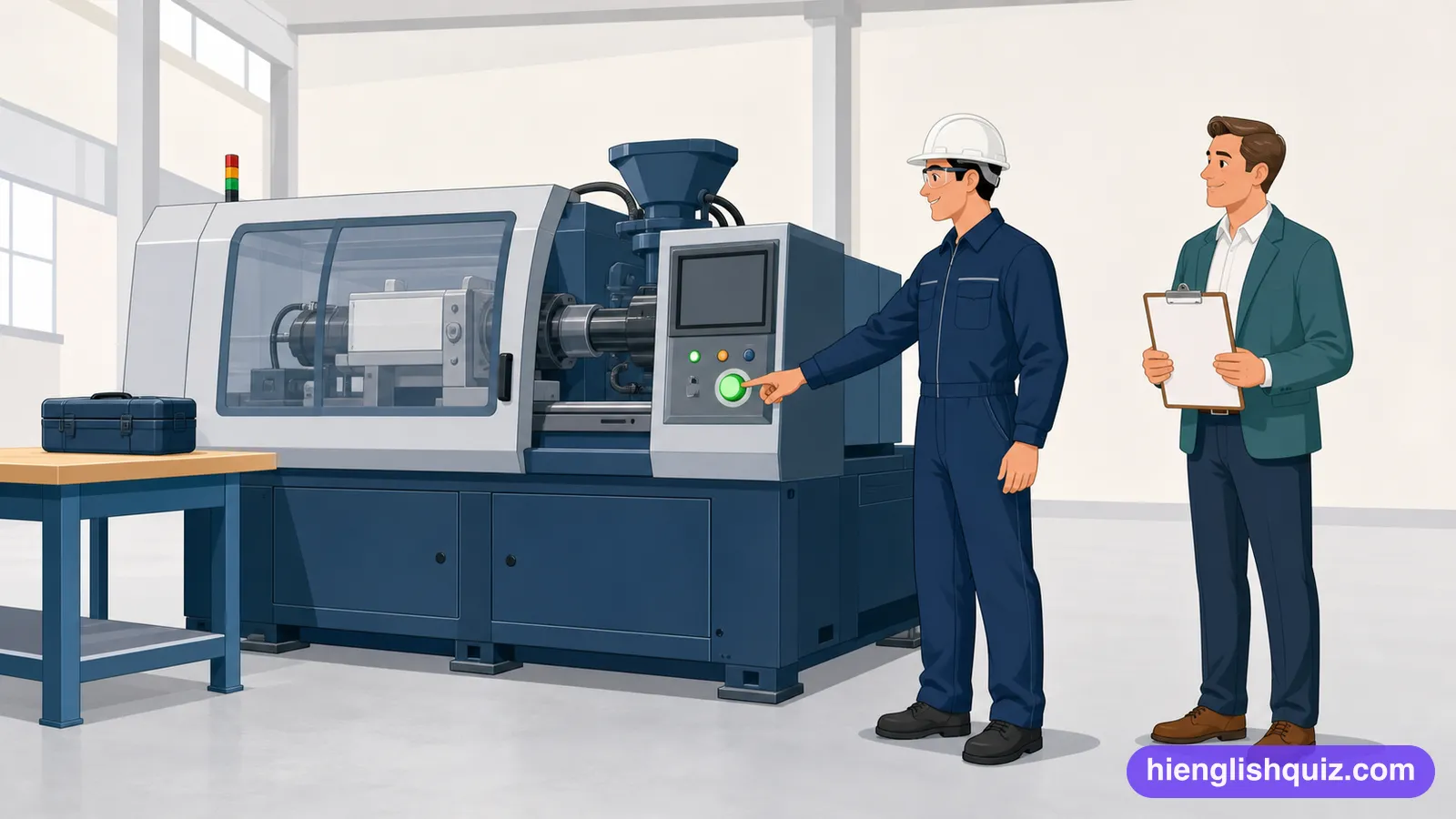
Something made specially rather than bought ready-made.
Example: A bespoke build cost four times as much and lasted thirty years.