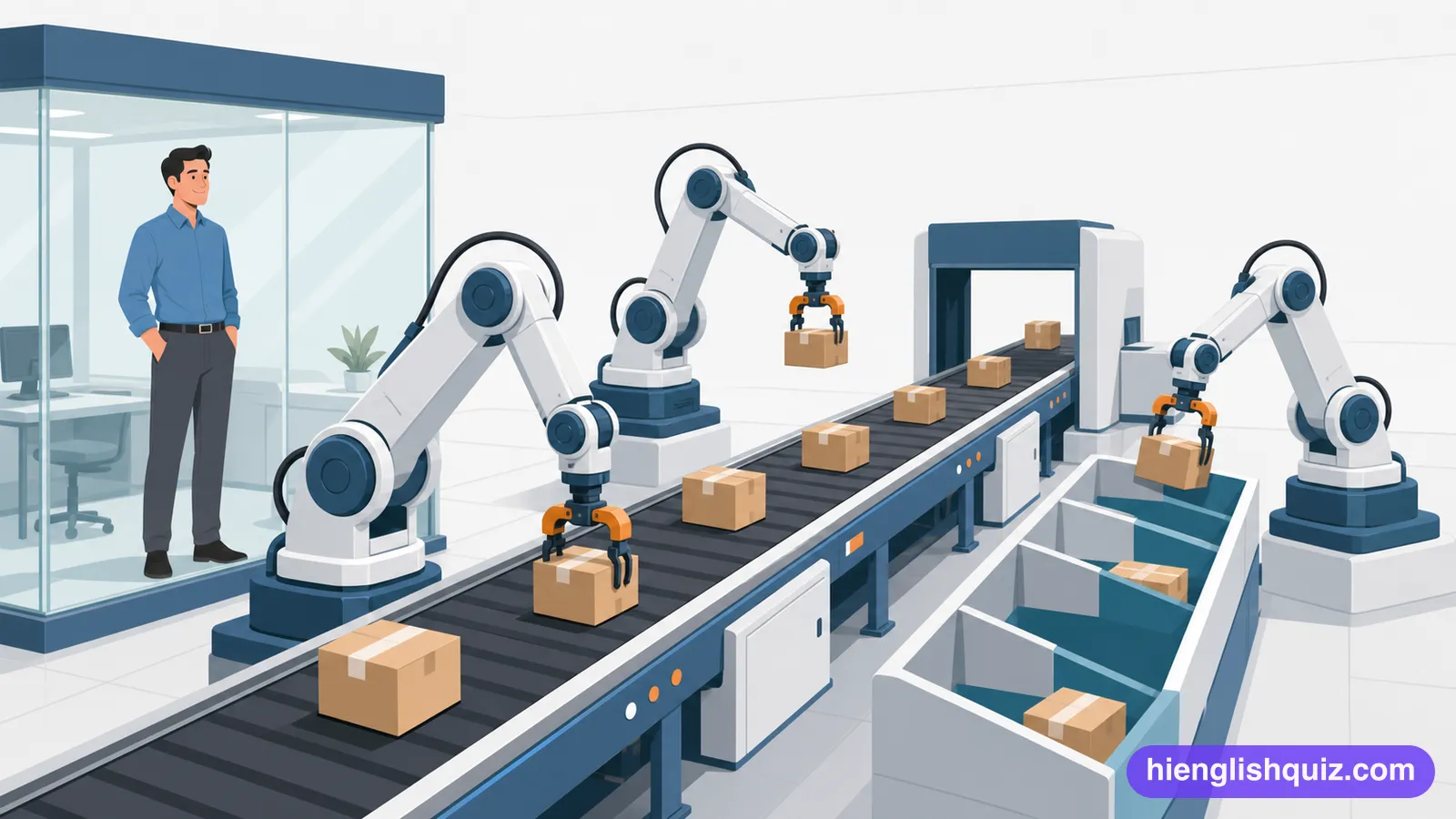
obsolescence
/ˌɑbsəˈlɛsəns/The process by which a product stops being useful because newer, better versions have taken its place.
Example: Planned obsolescence keeps customers buying a new phone every year.

 Hi EnglishQuiz
C222 words · Proficient
Invention vocabulary such as paradigm shift, serendipity and path dependence, plus kludge, lock-in and dual use. Words for discussing invention from a distance.
The process by which a product stops being useful because newer, better versions have taken its place.
Example: Planned obsolescence keeps customers buying a new phone every year.
Being the very first to develop a method, opening a path that others later follow.
Example: Her pioneering work on batteries changed the industry completely.

The luck of finding something valuable by chance while you were looking for something else.
Example: Penicillin came from serendipity, not from a carefully planned experiment.

A fundamental change in the basic ideas or methods used in a particular field.
Example: The internet caused a paradigm shift in how people communicate.

Happening in small steps or stages, rather than in one big change.
Example: The improvements were incremental, but added up over years.
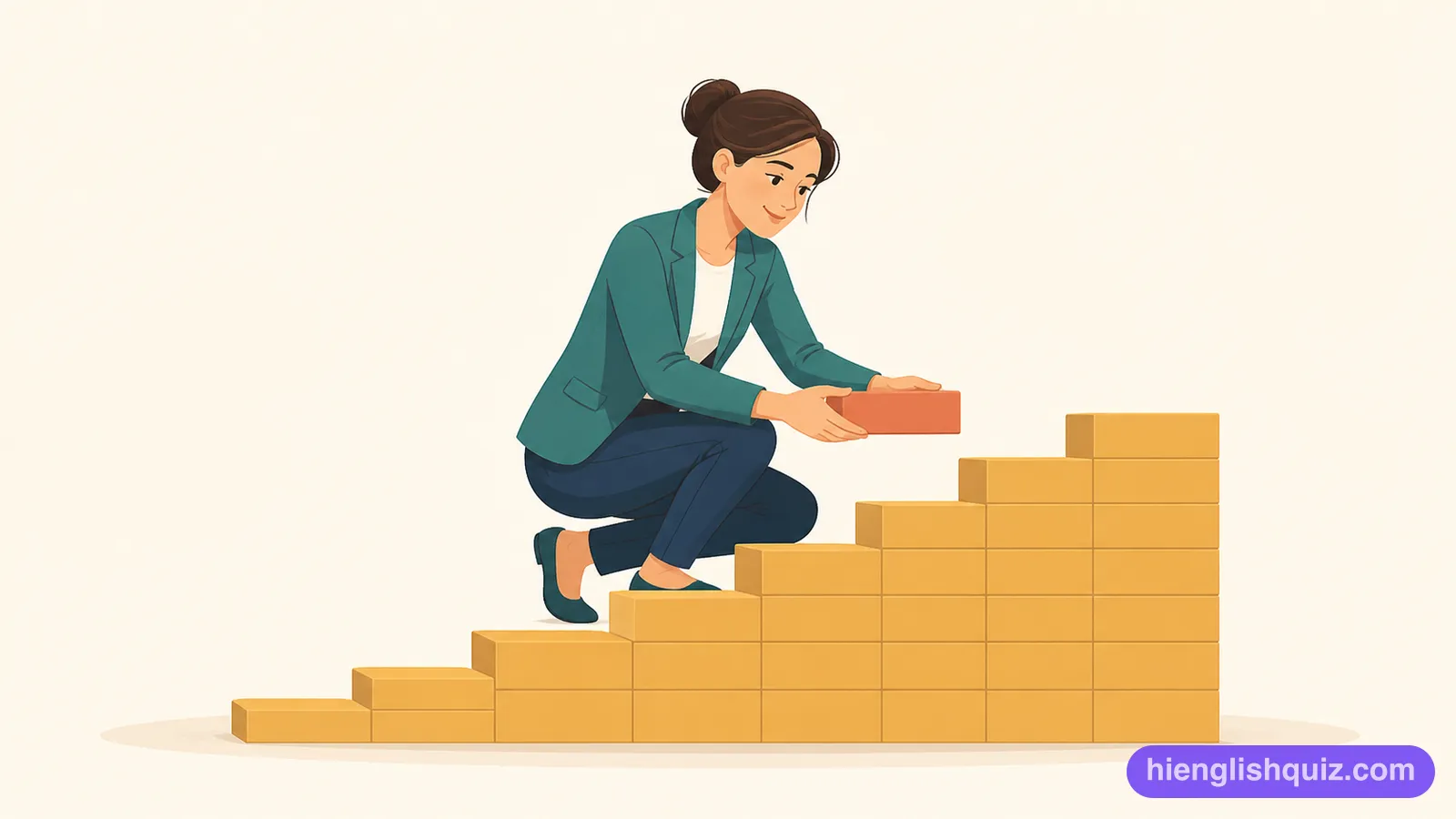
An early demonstration that shows an idea or method is possible before it is fully developed.
Example: The small prototype served as a proof of concept for investors.

Cleverness and originality in solving problems or inventing things.
Example: The rescue plan showed remarkable ingenuity.
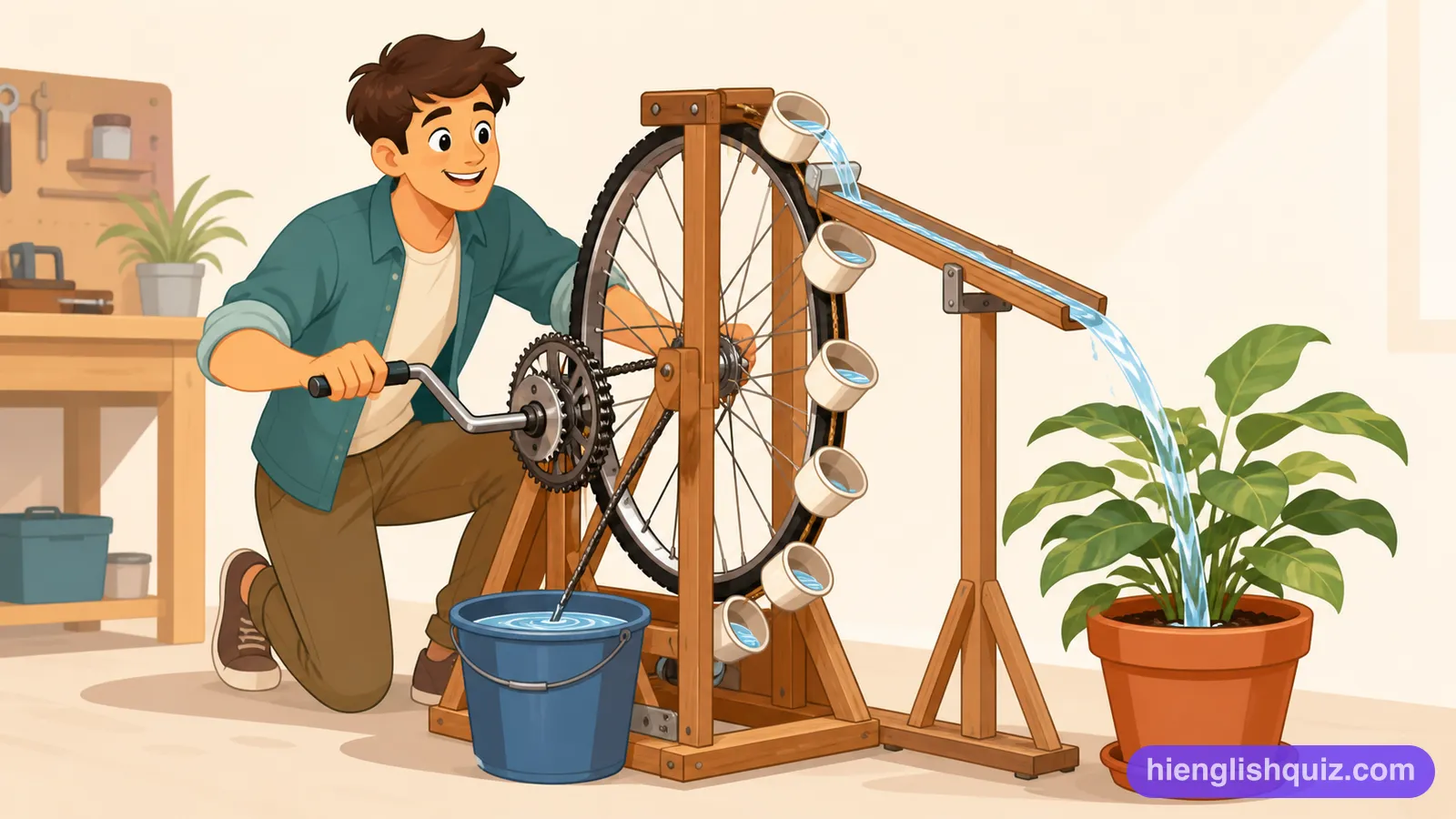
An early form of something that later developed into a more advanced version.
Example: The telegraph was a forerunner of modern instant messaging.
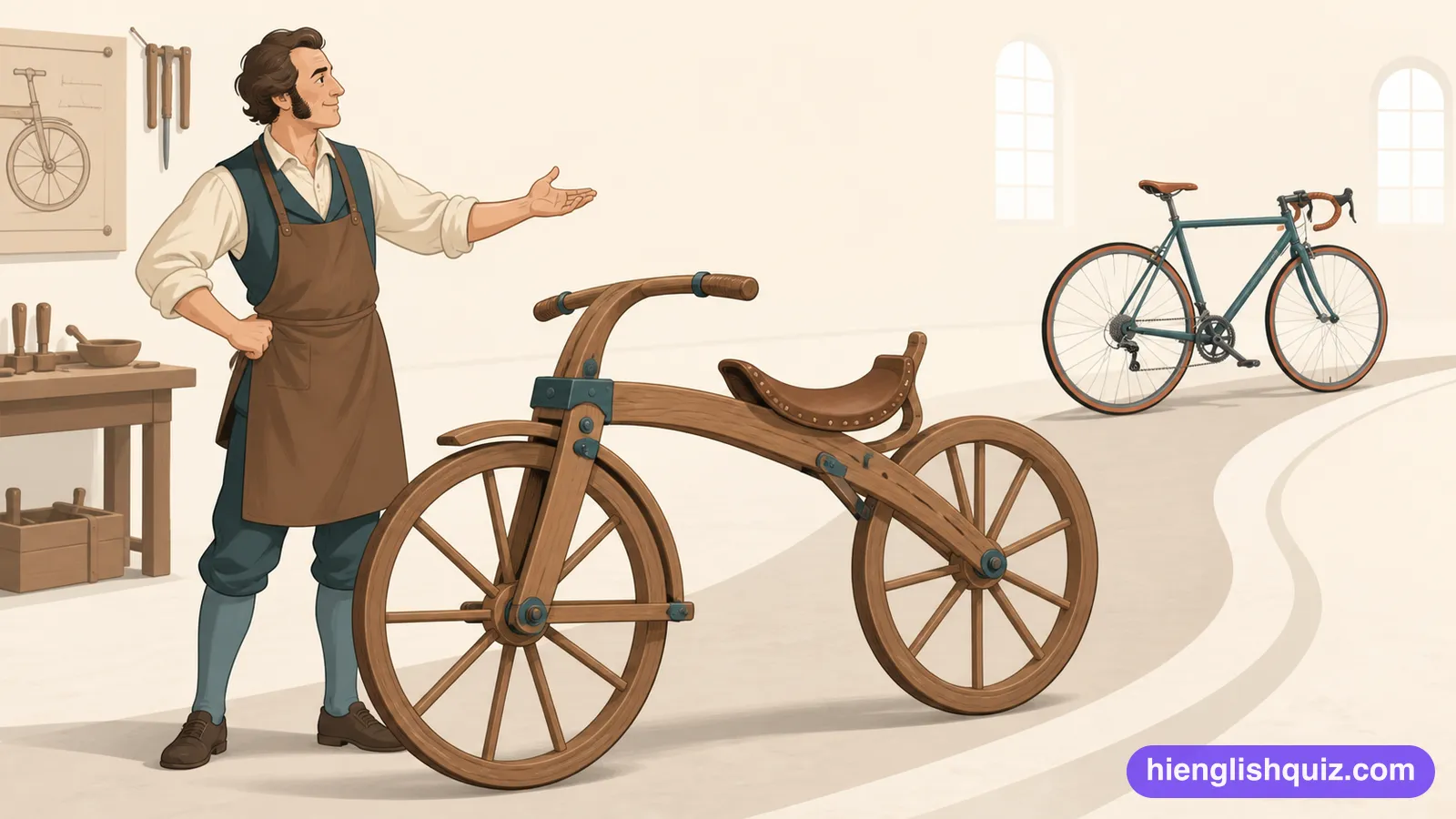
Understanding of a situation only after it has happened, that you did not have at the time.
Example: In hindsight, the invention seems obvious, but nobody had thought of it before.

Doing something completely new that others later follow, especially in a particular field.
Example: Her trailblazing research opened up an entirely new field of medicine.

A small team allowed to work outside the usual rules.
Example: The whole product came out of a skunkworks of four people.
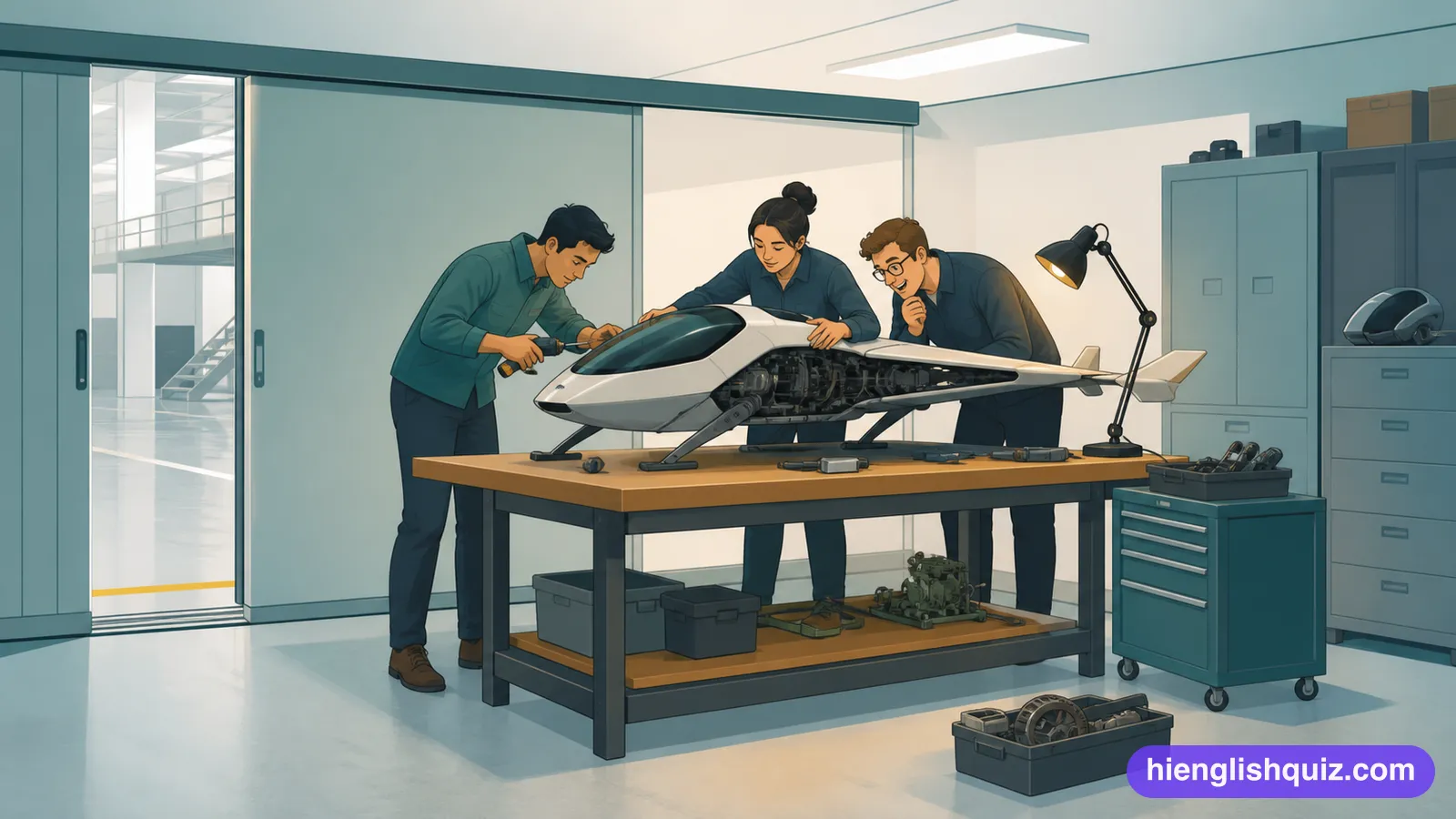
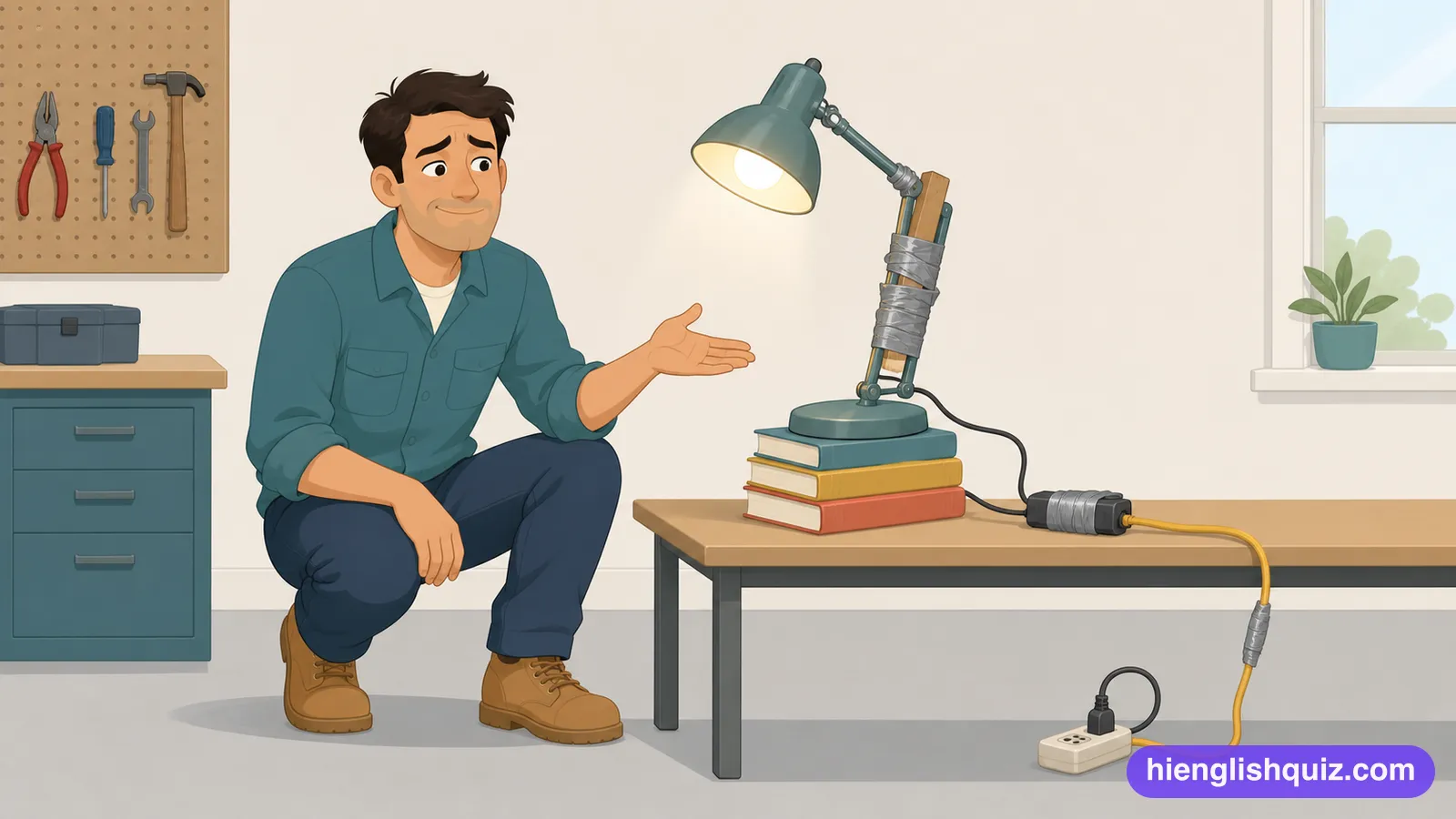
A clumsy solution that works despite being badly made.
Example: The fix was a kludge and it has held for eleven years.
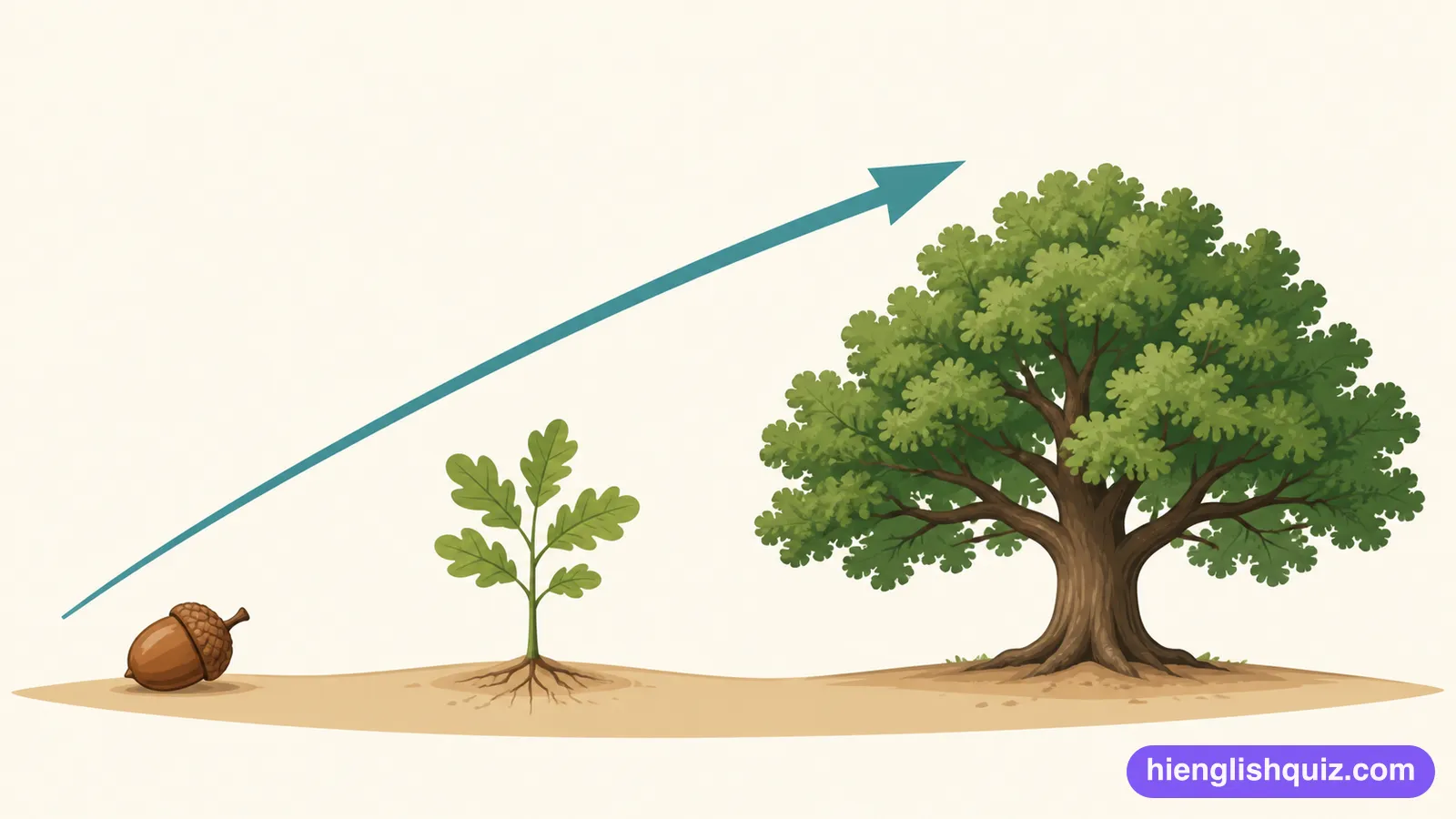
The idea that things develop towards a purpose.
Example: Histories of invention slip into teleology almost by default.
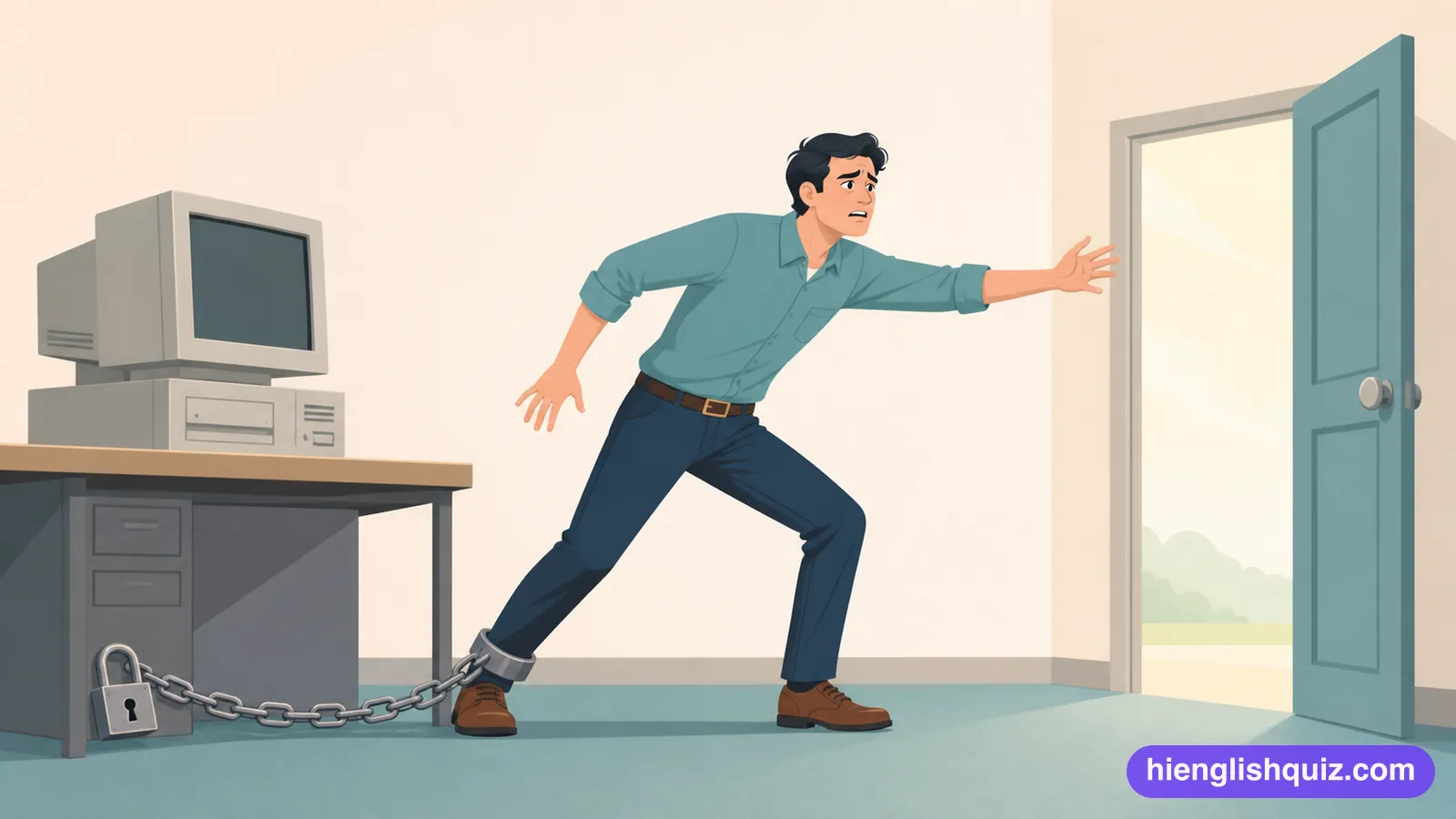
The state of being unable to switch away from a technology.
Example: Format lock-in cost the archive more than the hardware did.
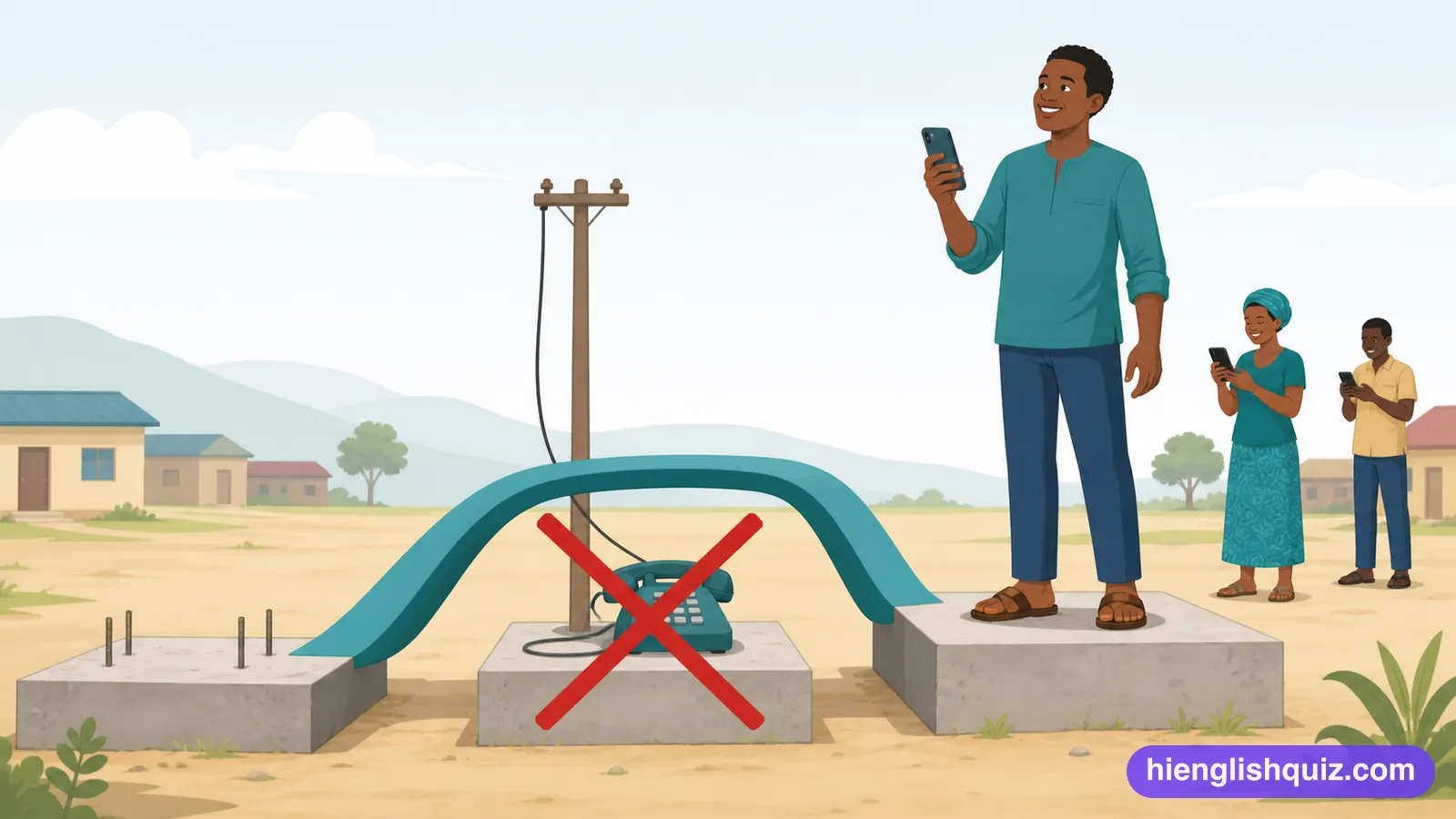
To skip a stage of development entirely.
Example: Some countries leapfrog landlines straight to mobile networks.
The way an early choice constrains everything after it.
Example: Keyboard layout is the standard example of path dependence.
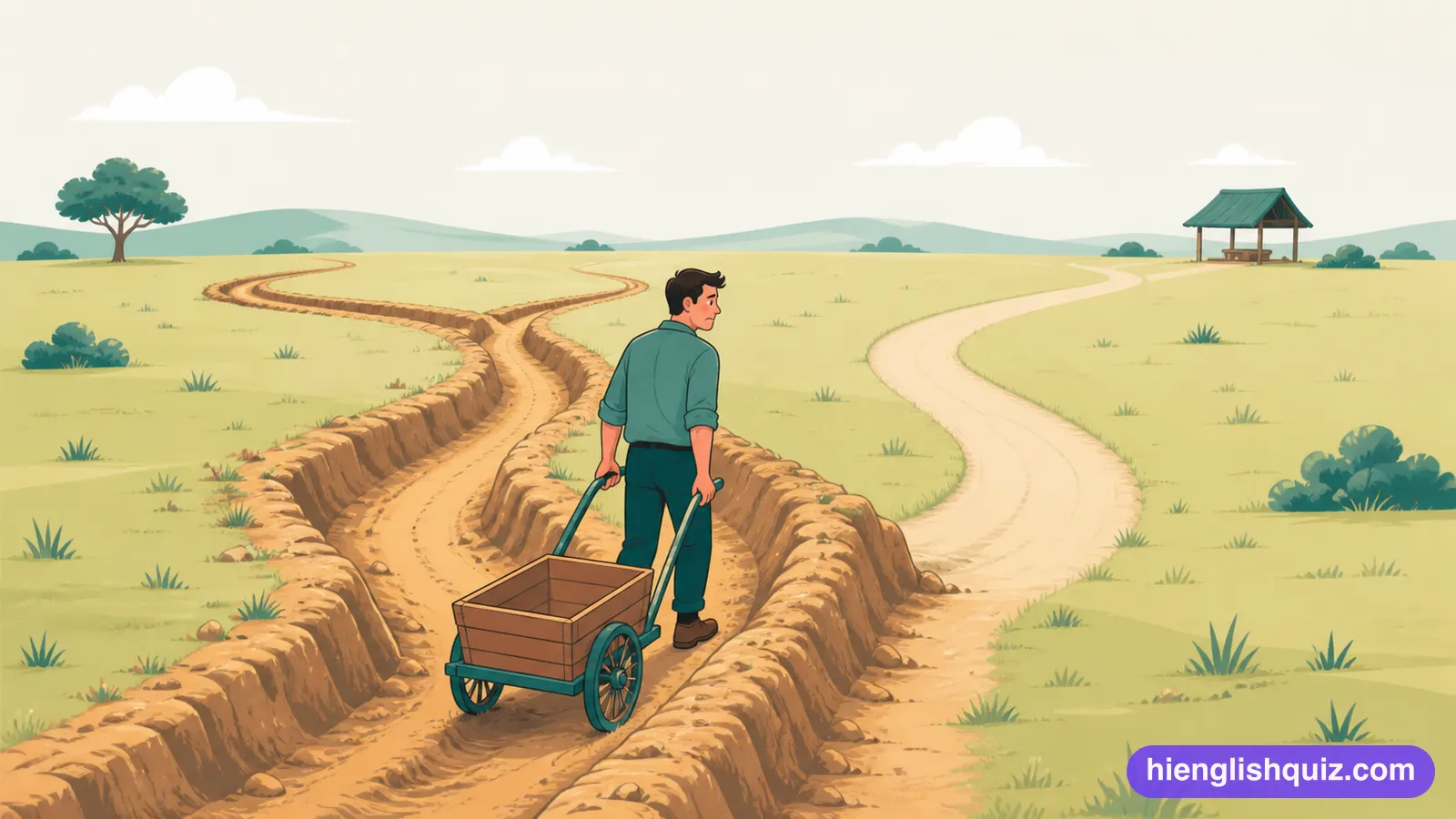
Making small changes to something to try to improve it.
Example: Years of tinkering produced what one redesign would have.
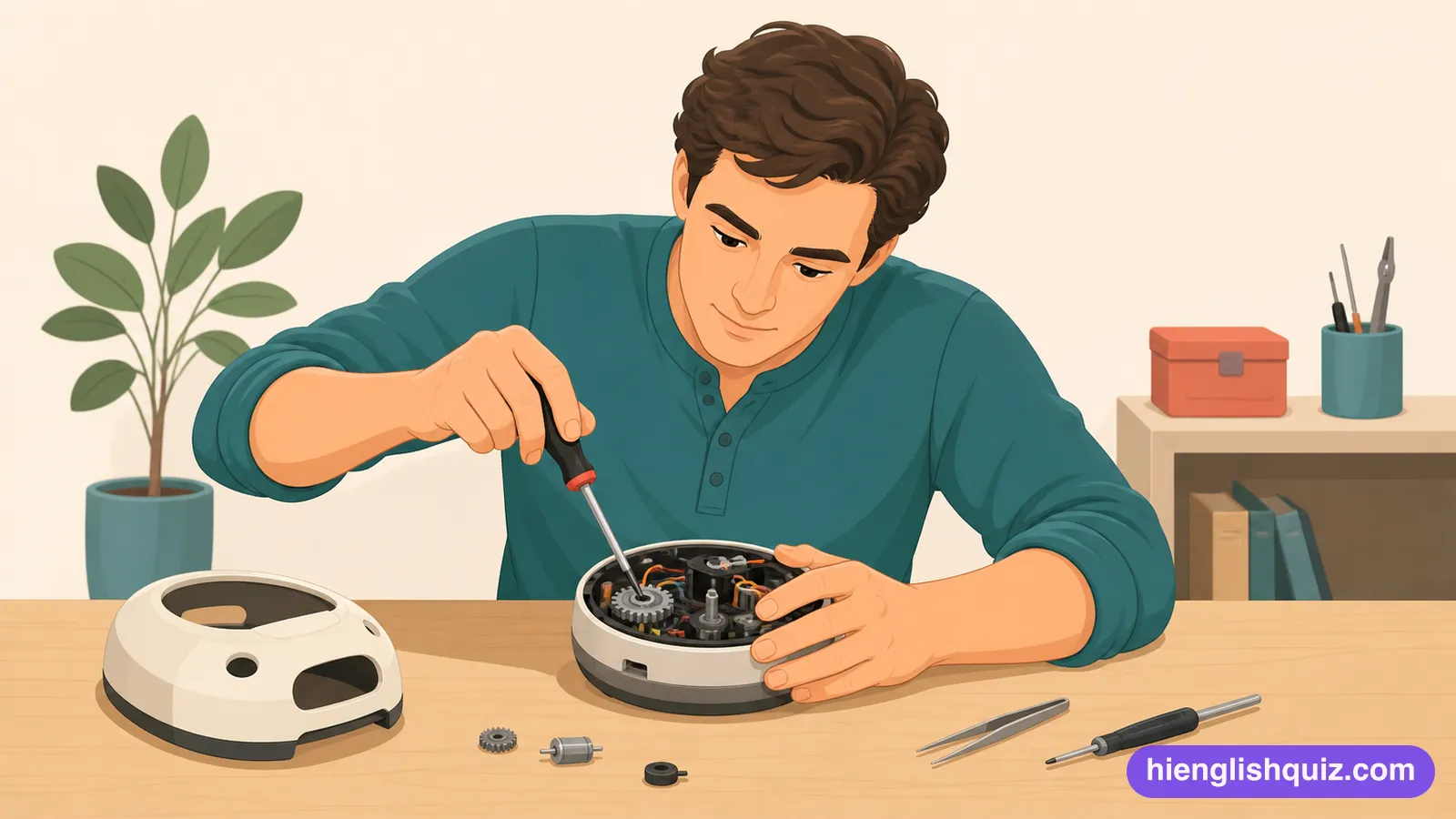
A structure built specially to test a component.
Example: The test rig cost more than the part it was built to break.
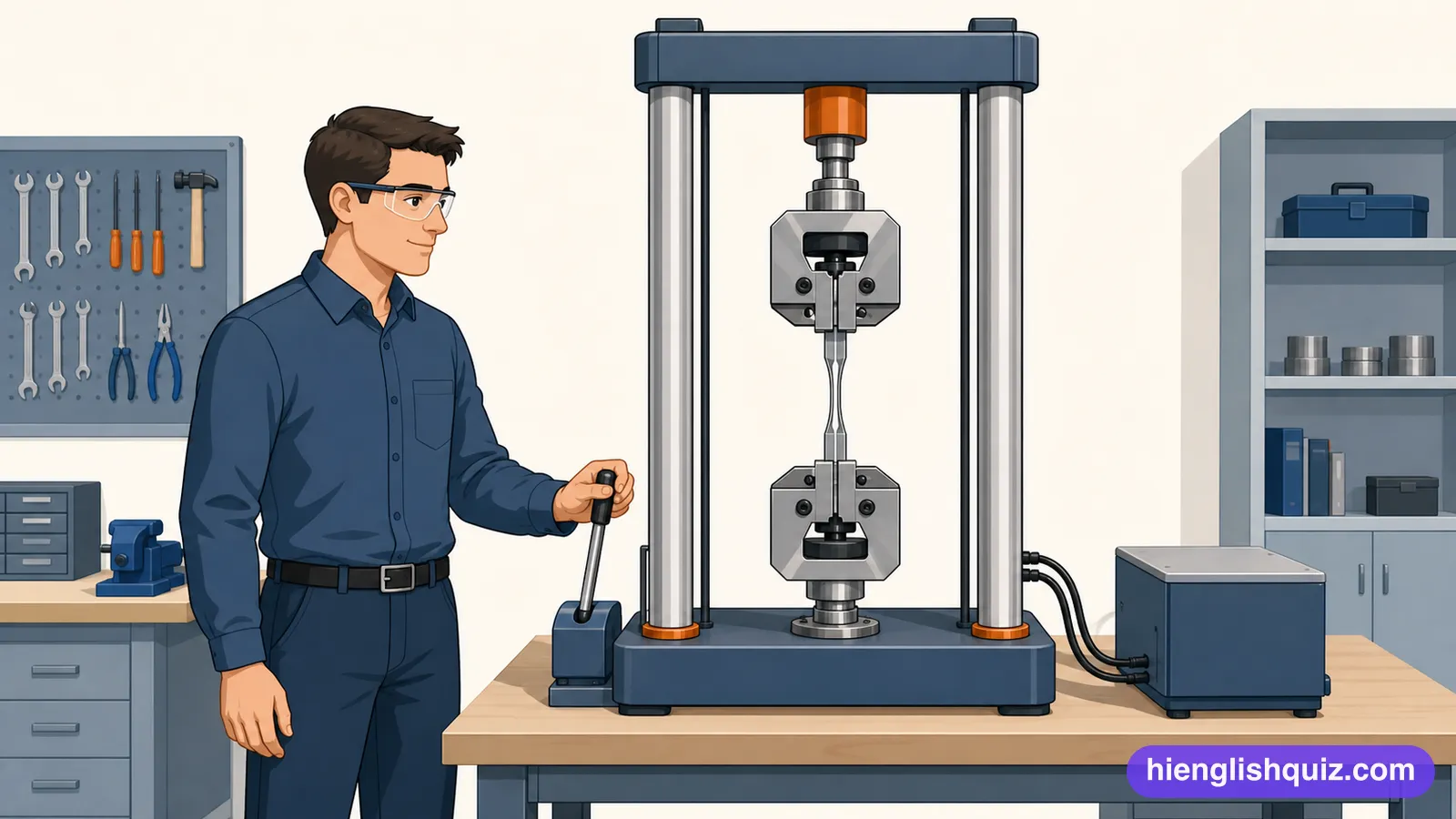
An early filing that reserves a place before the full application.
Example: A provisional patent buys twelve months and very little else.
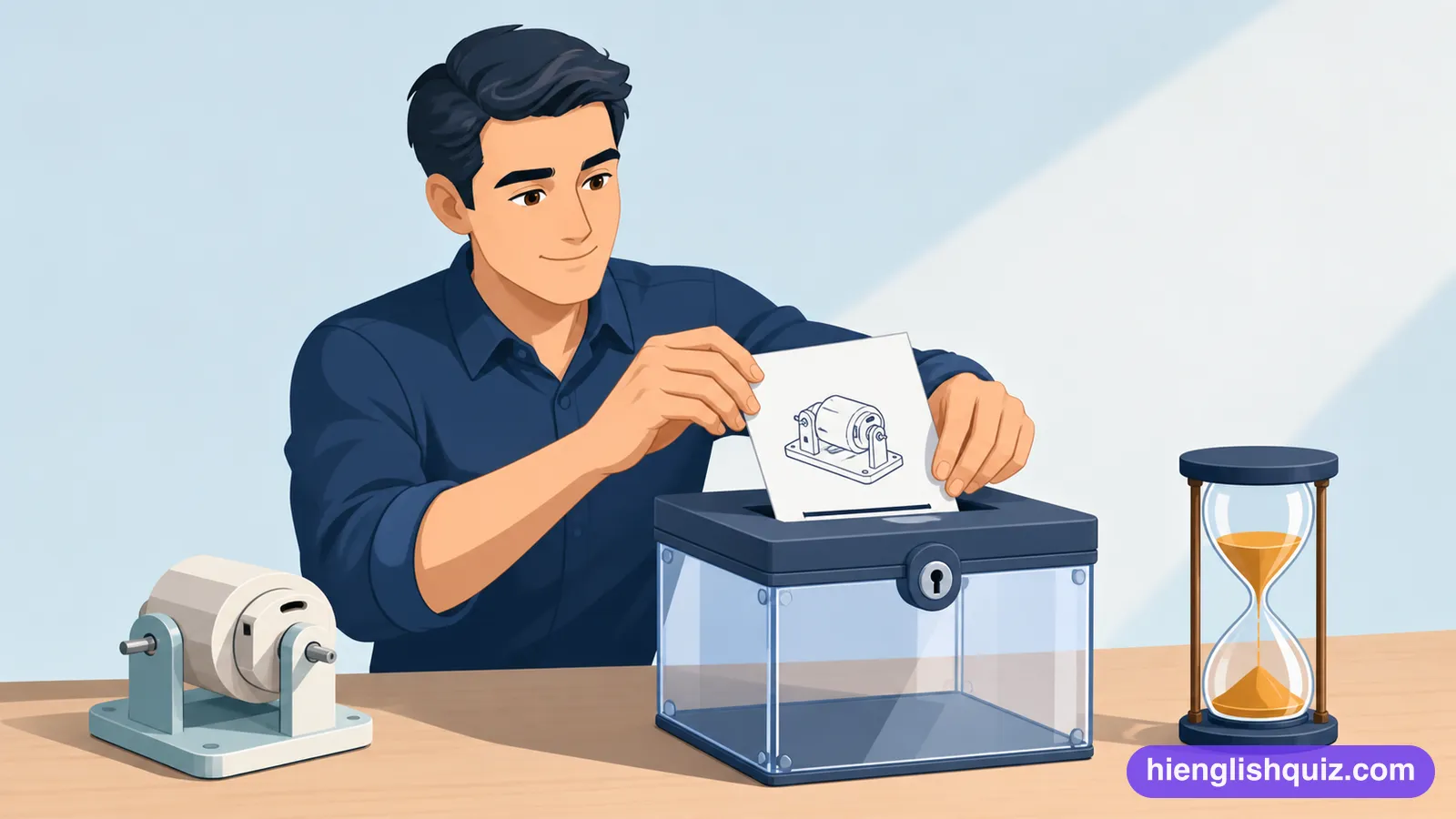
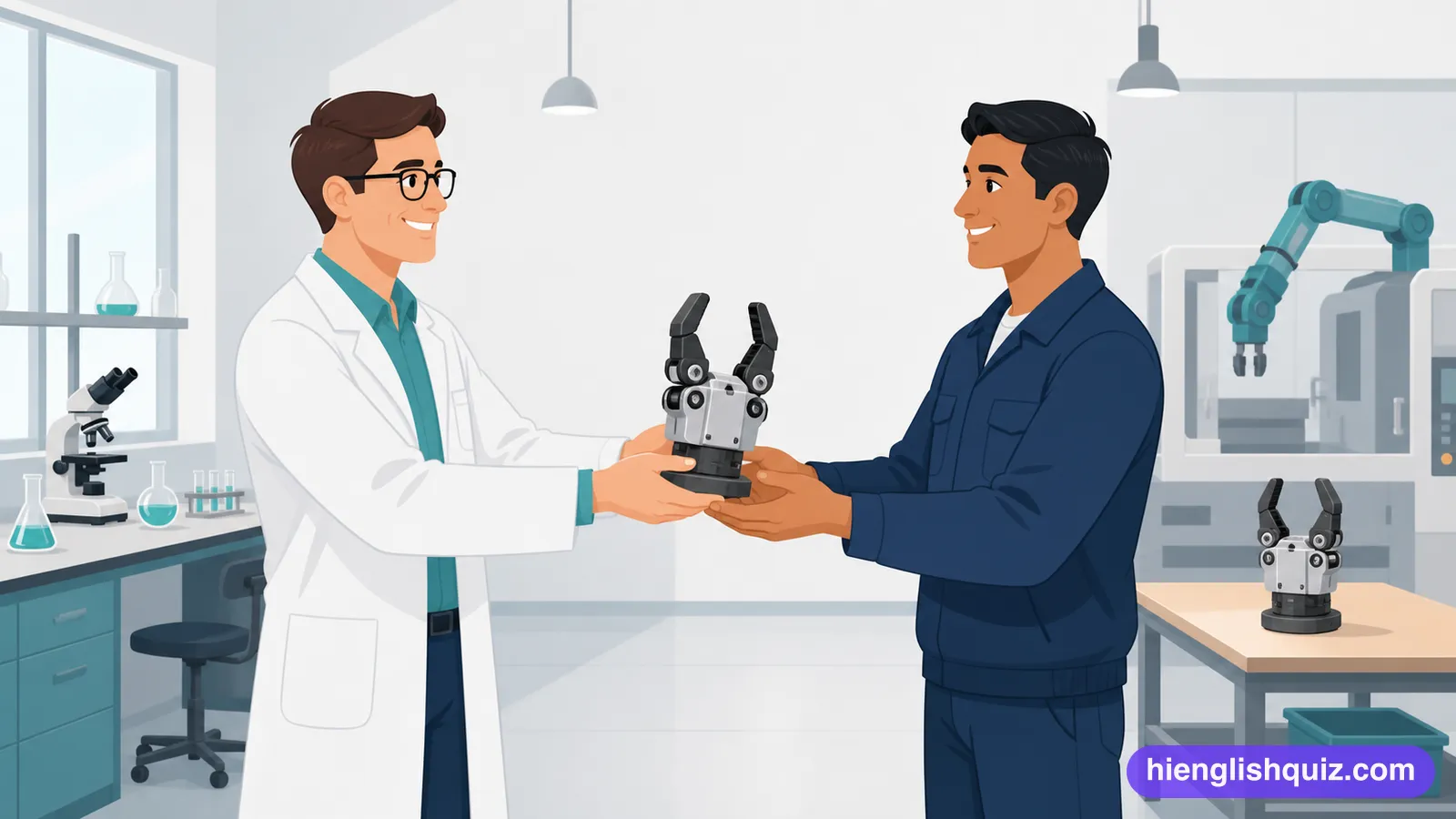
The moving of a discovery from research into industry.
Example: Technology transfer is where most university inventions quietly die.
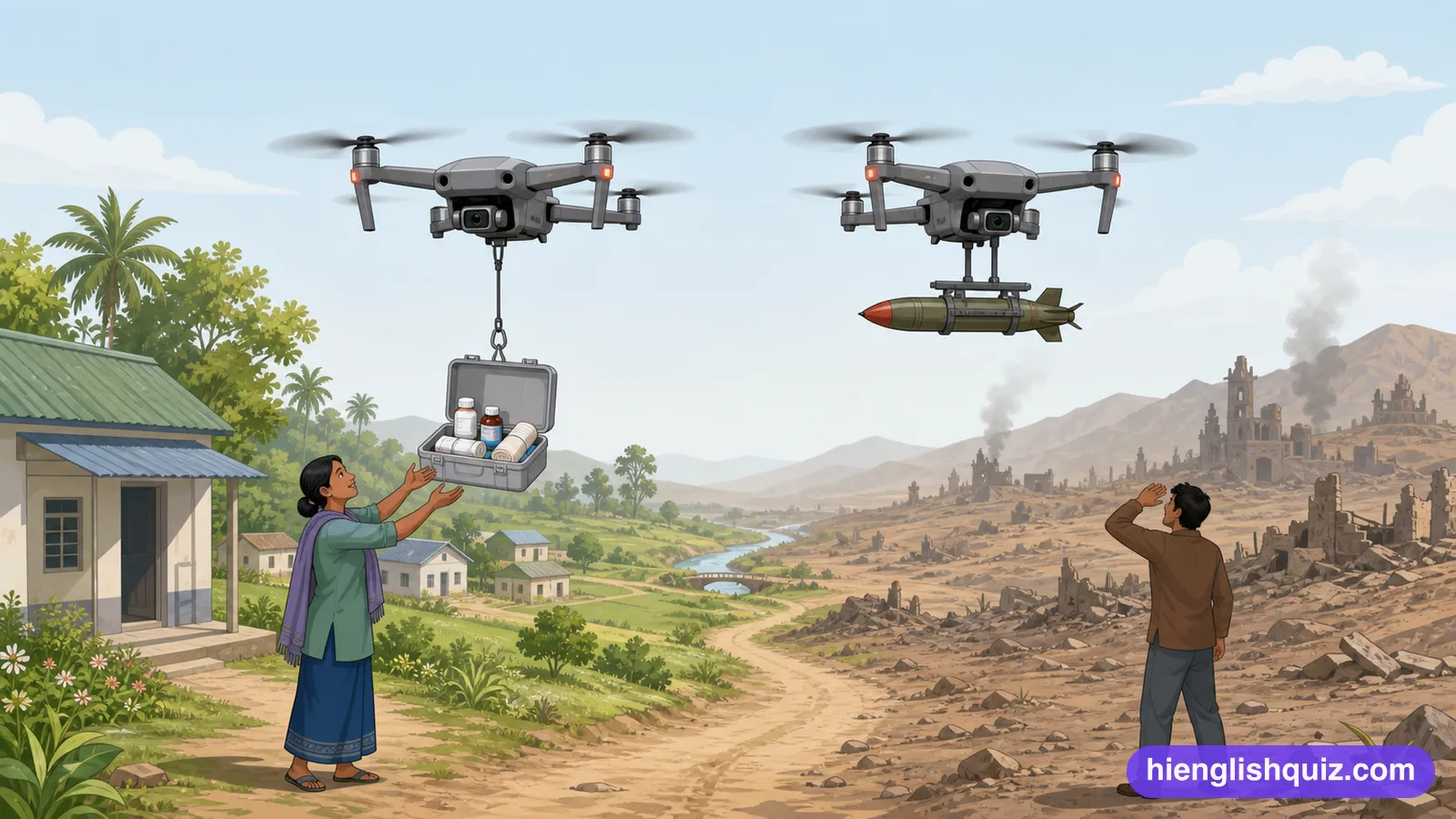
Able to be used for both peaceful and harmful purposes.
Example: Almost every dual use technology was invented for the peaceful half.
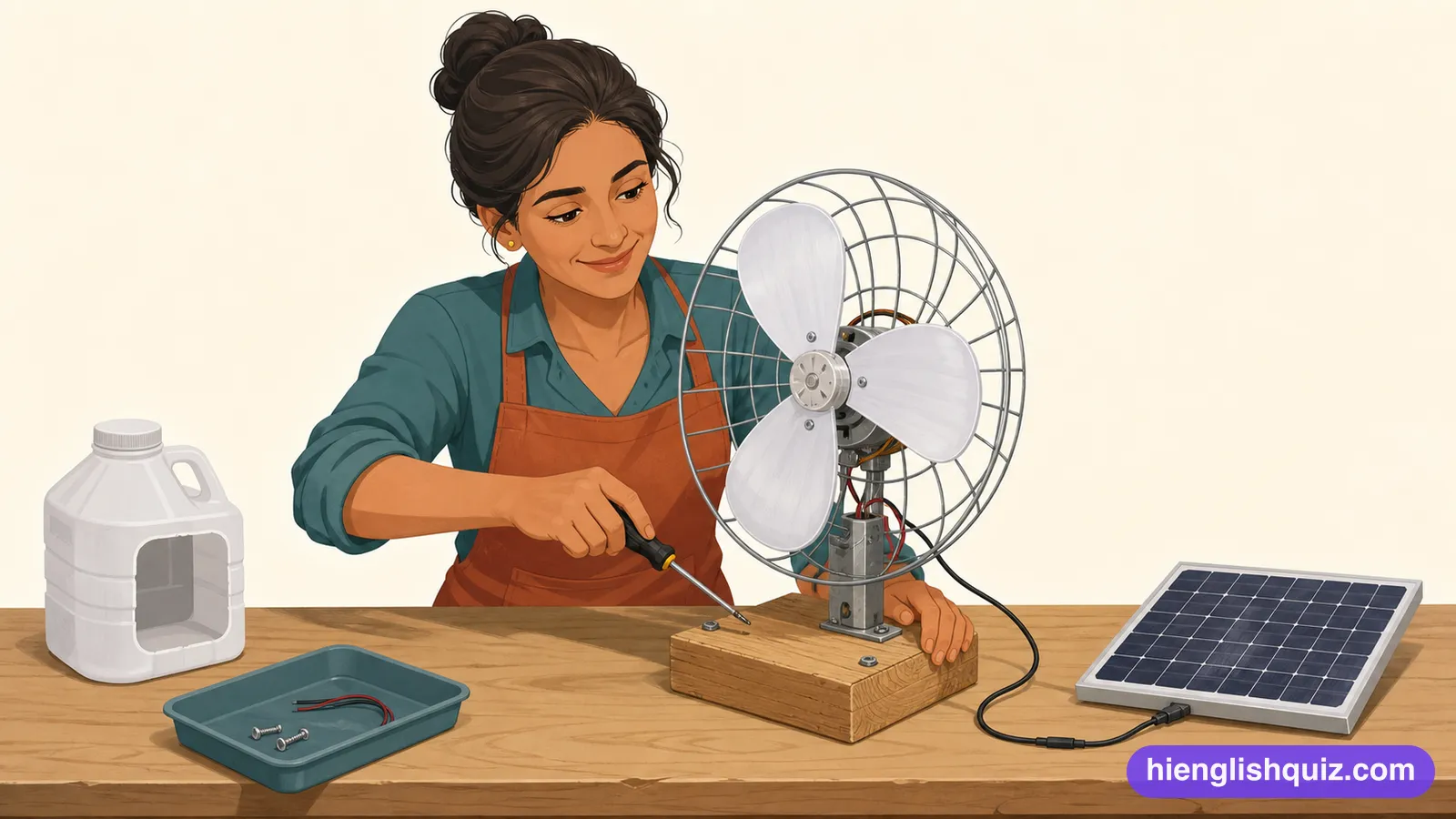
Designing something useful with very few resources.
Example: Frugal innovation produced a incubator built from car parts.