apparatus
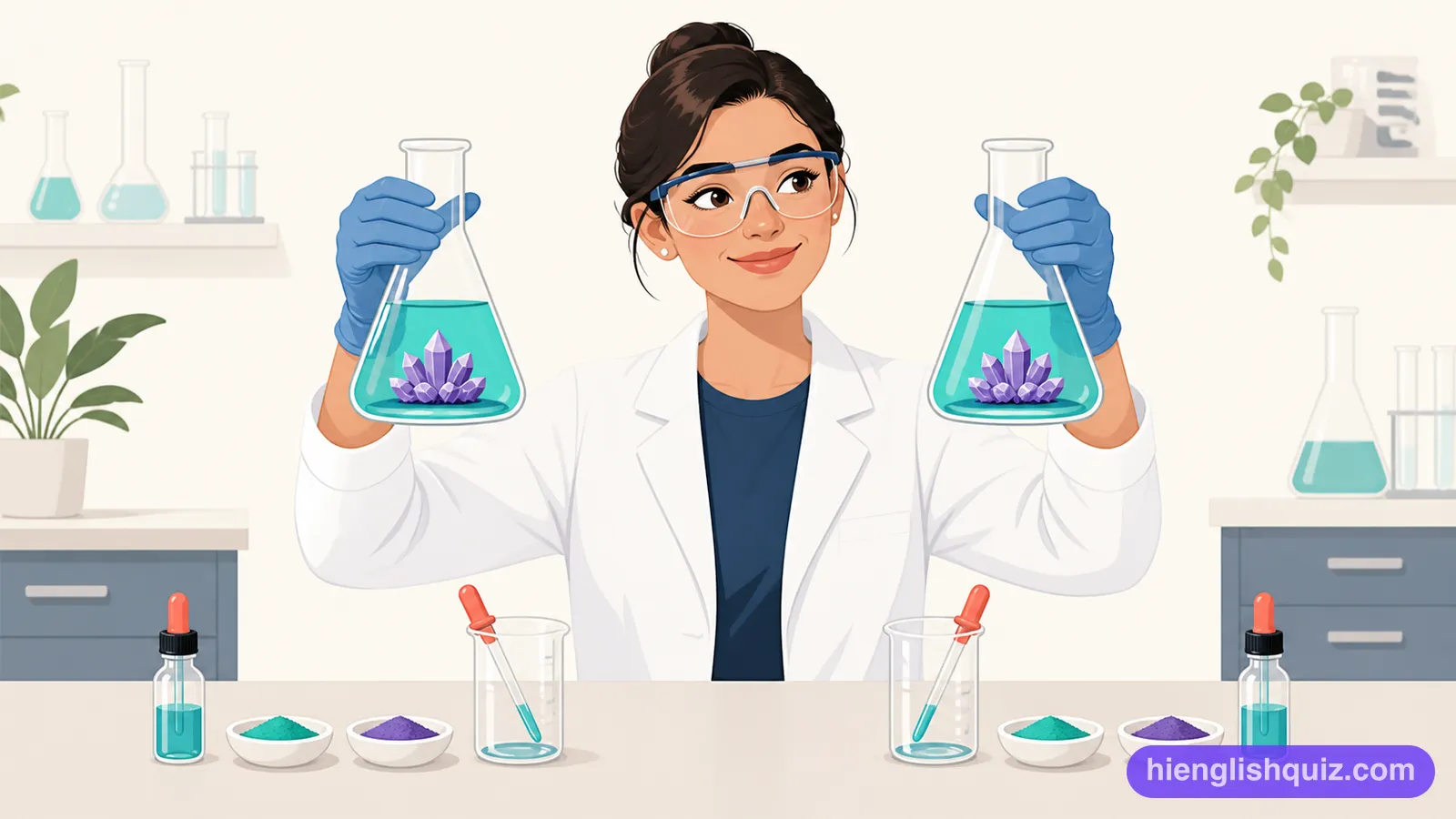
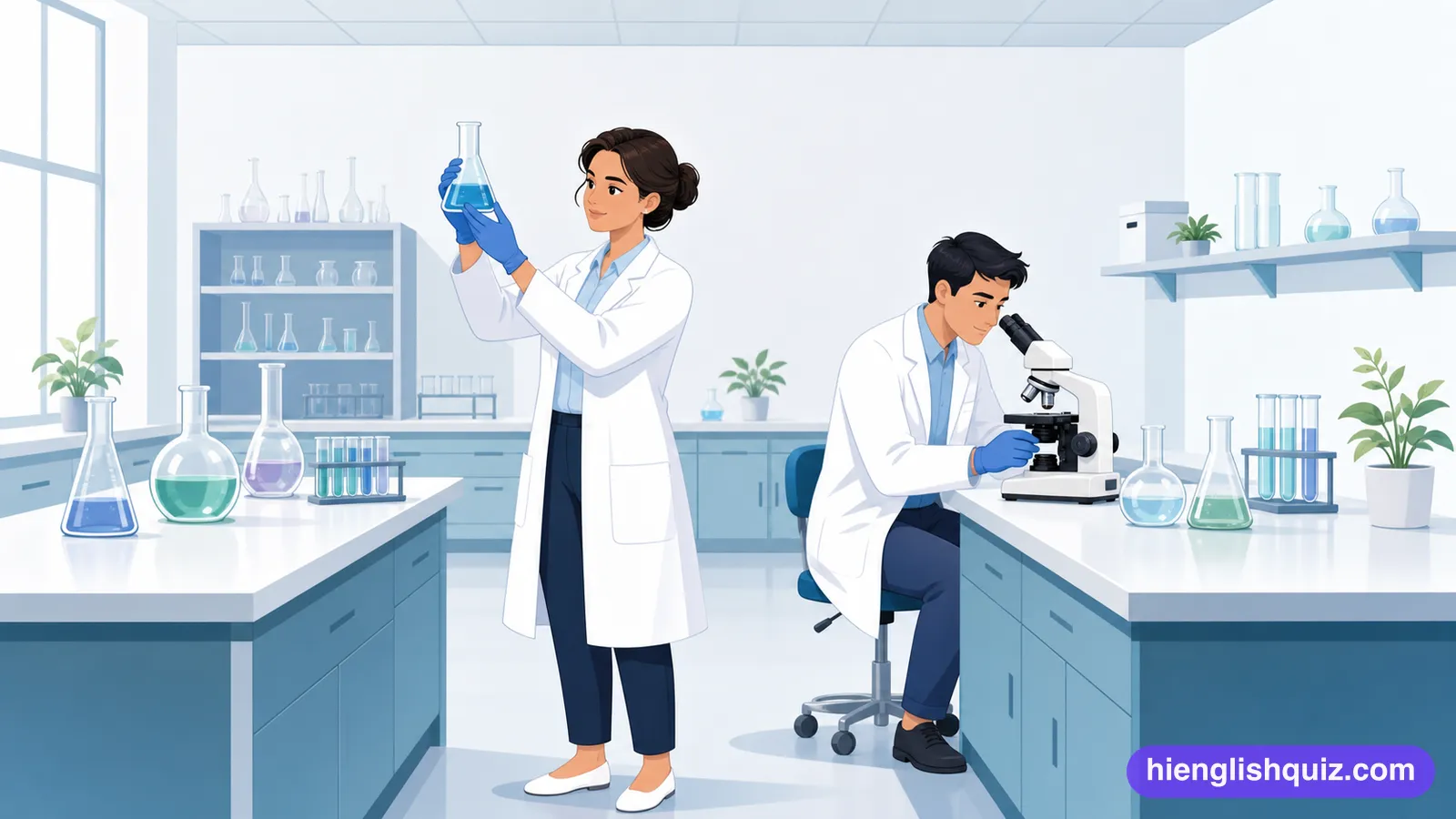
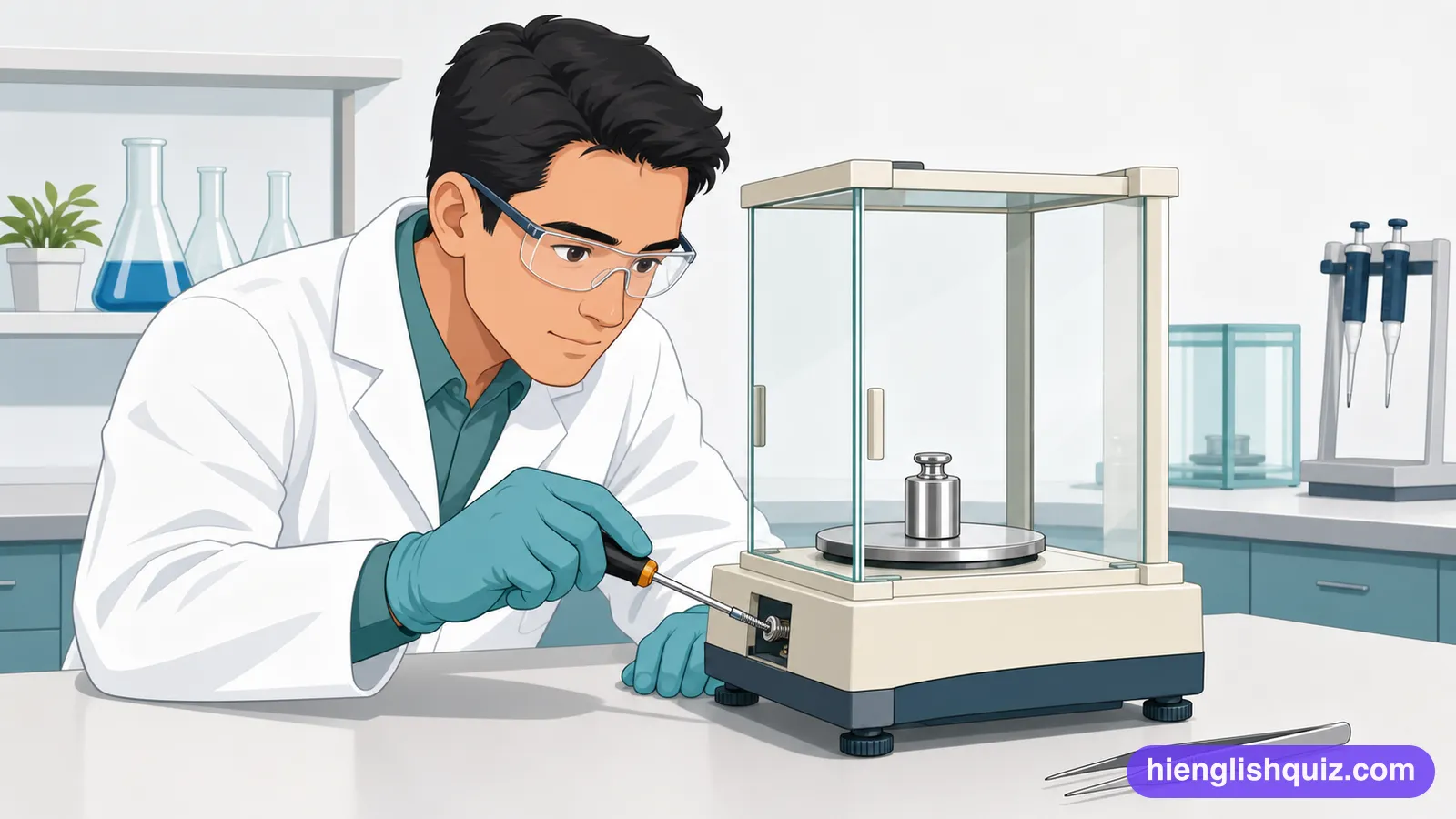
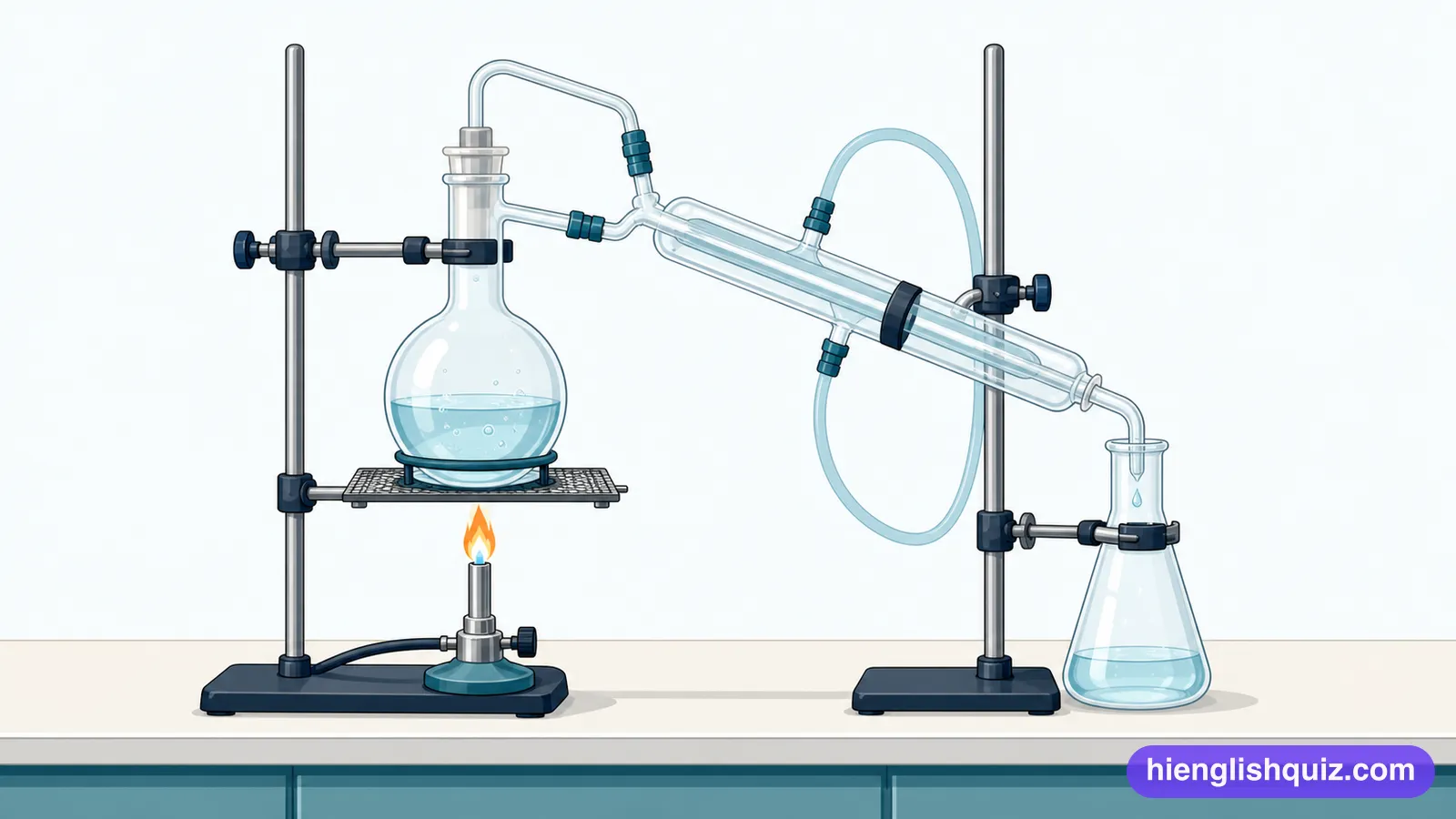
/ˌæpərˈætəs/The whole set of equipment assembled for one particular scientific task.
Example: The apparatus took an hour to set up properly.
 Hi EnglishQuiz
C225 words · Proficient
Science vocabulary such as spectrometer, chromatography and calibration, plus regression, causation and reproducibility. Words for discussing research methods and their limits.
The whole set of equipment assembled for one particular scientific task.
Example: The apparatus took an hour to set up properly.
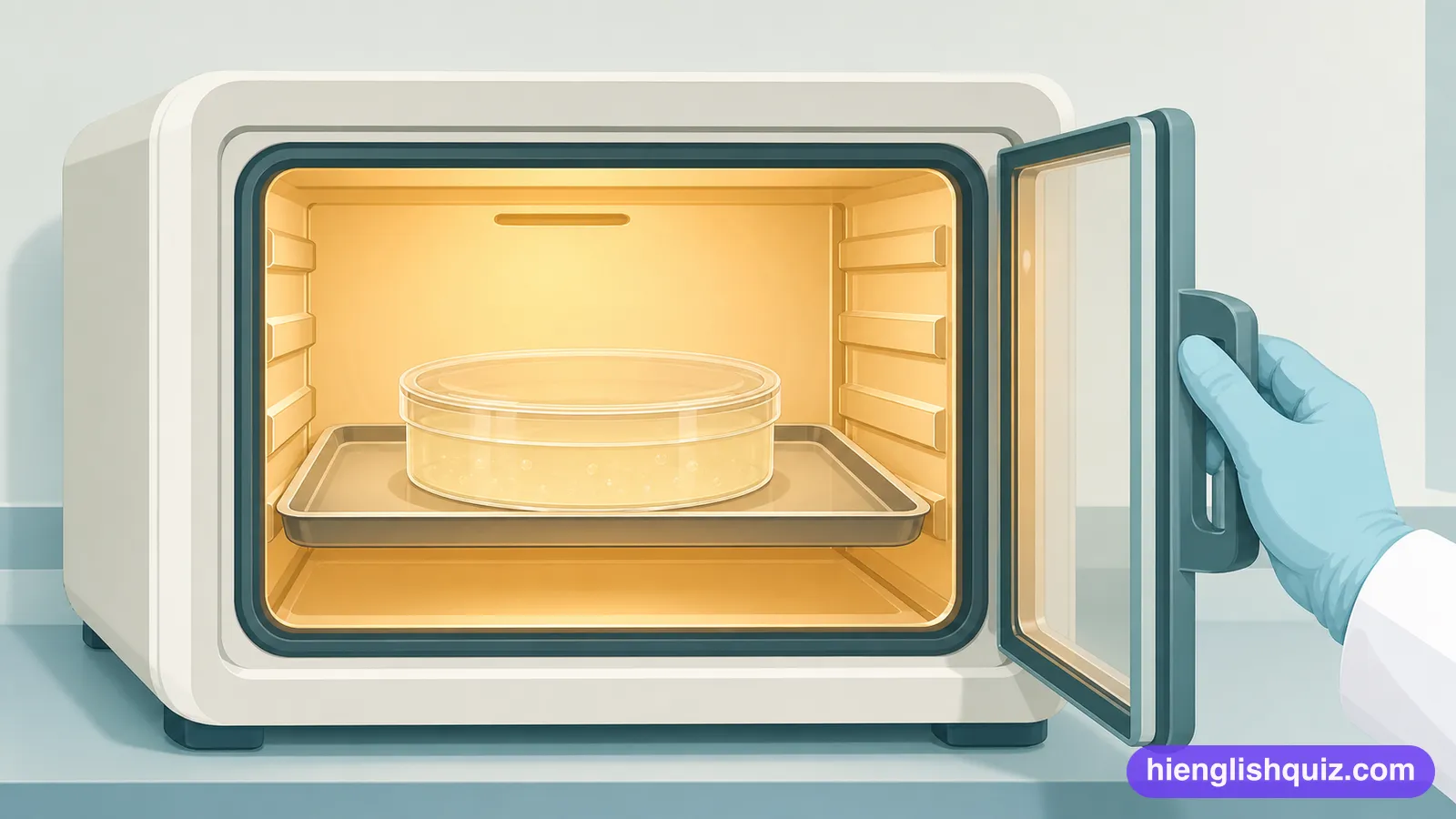
To keep cells or bacteria at a steady warm temperature so that they can grow.
Example: We incubate the samples overnight and check them in the morning.
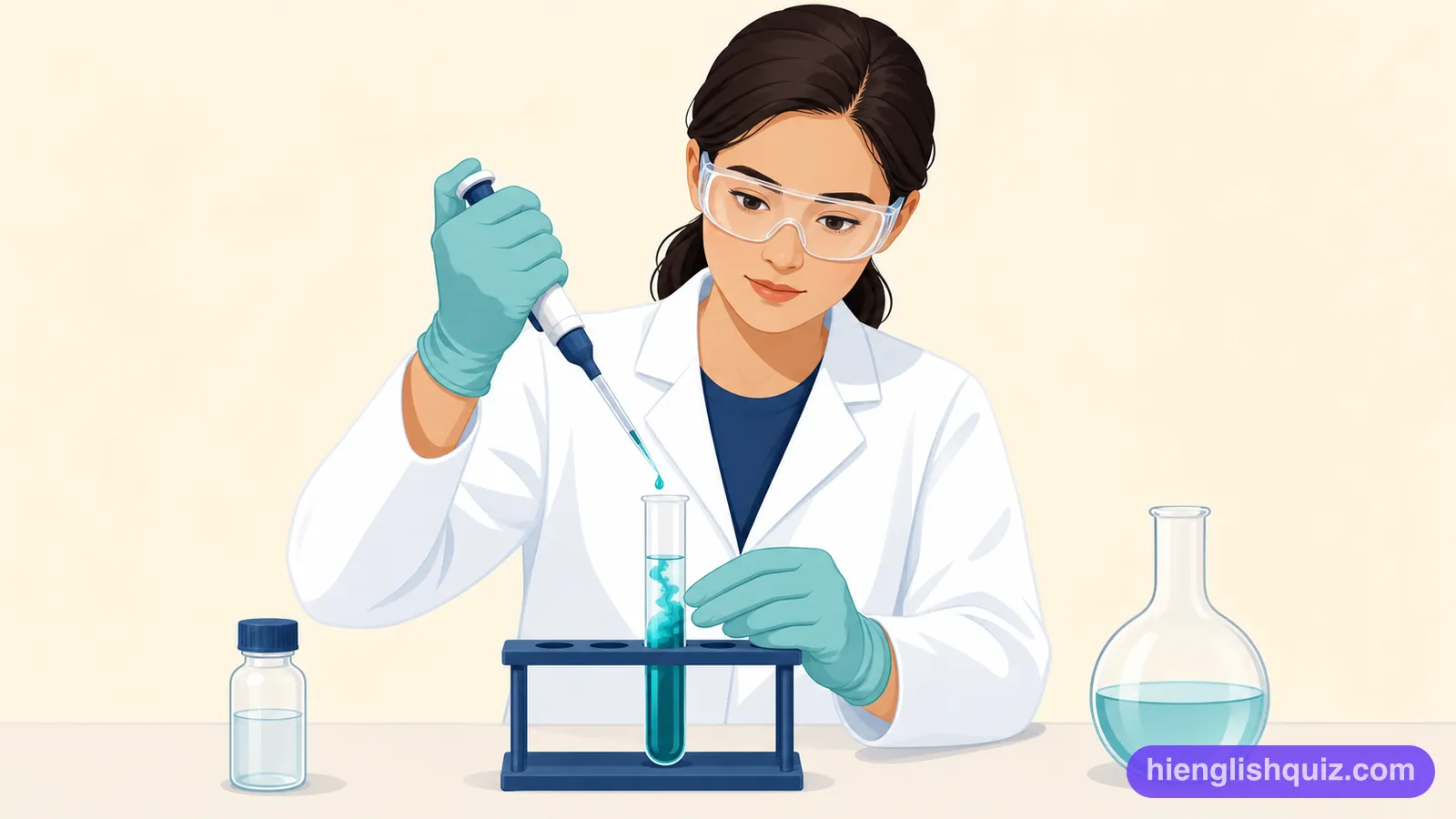
A scientific test done to find out how much of a particular substance is present, or how pure it is.
Example: The lab ran an assay to check the purity of the sample.
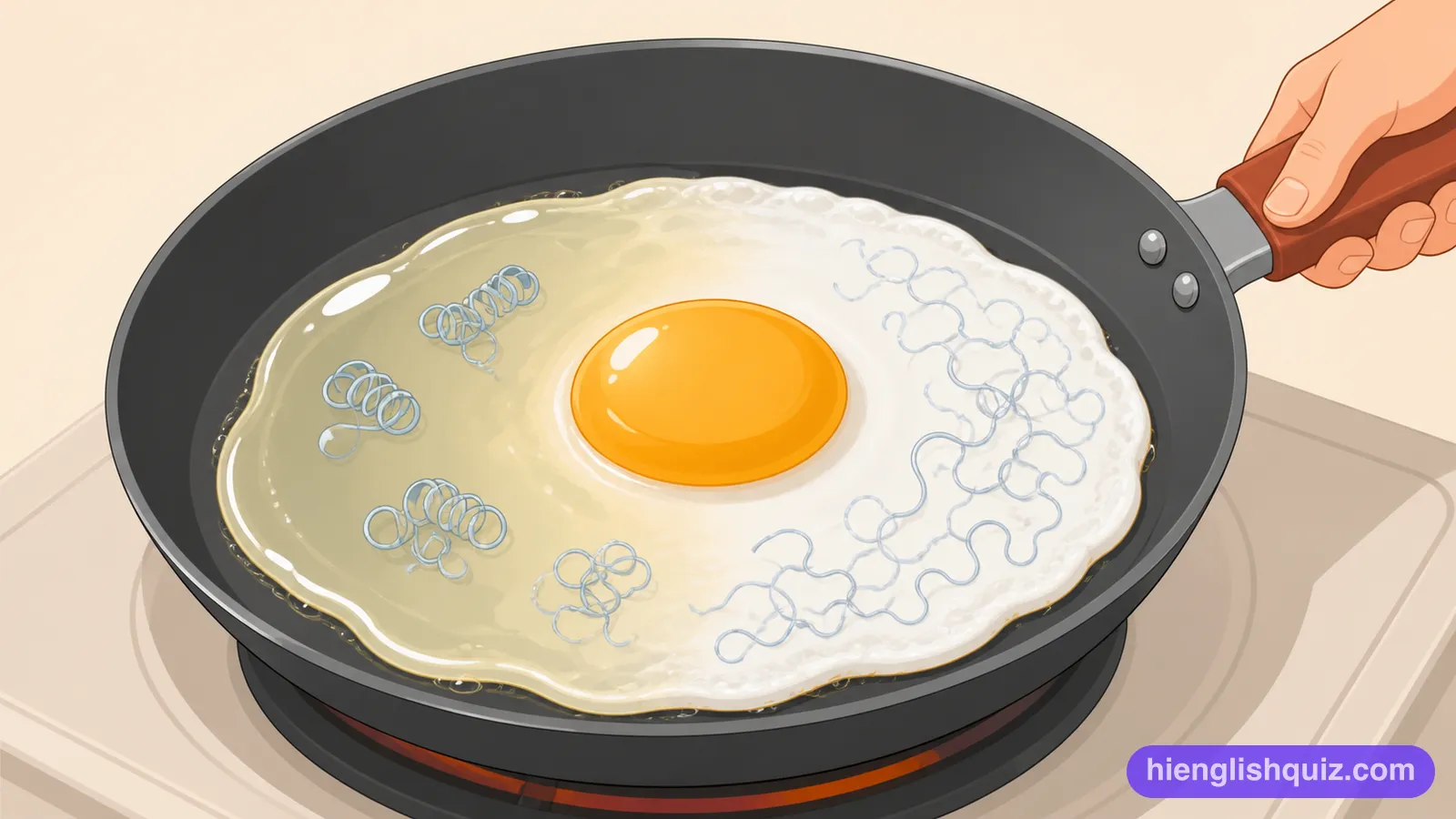
To change the natural structure of a protein, often using heat or a chemical, so it stops working normally.
Example: Heat can denature the proteins in an egg, turning it solid.
Completely free from harmful bacteria, especially through careful cleaning and procedure.
Example: Surgeons work under strict aseptic conditions to prevent infection.

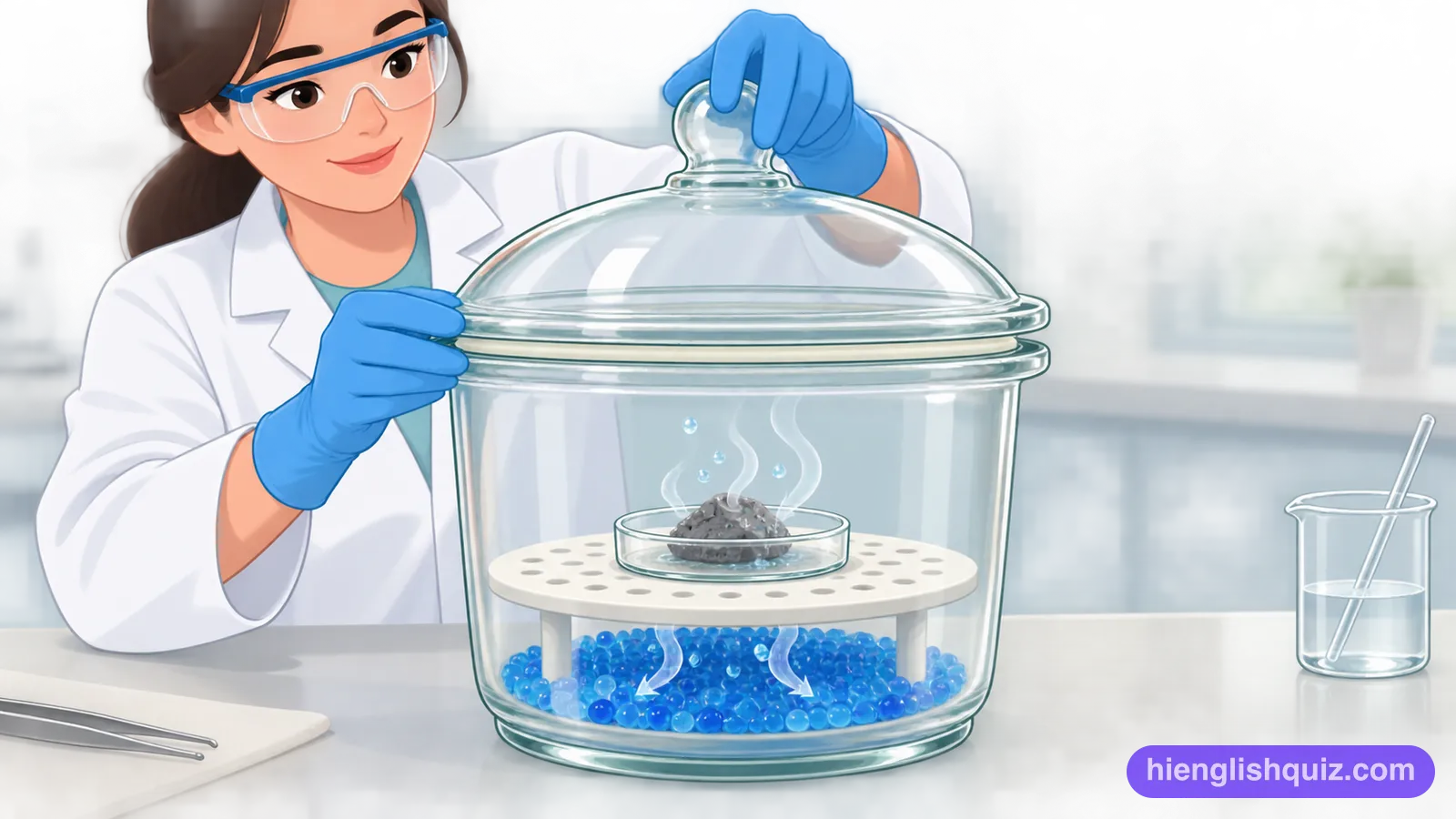
A sealed container used to keep chemicals or samples completely dry by removing moisture.
Example: Keep the powder in a desiccator so it doesn't absorb moisture.
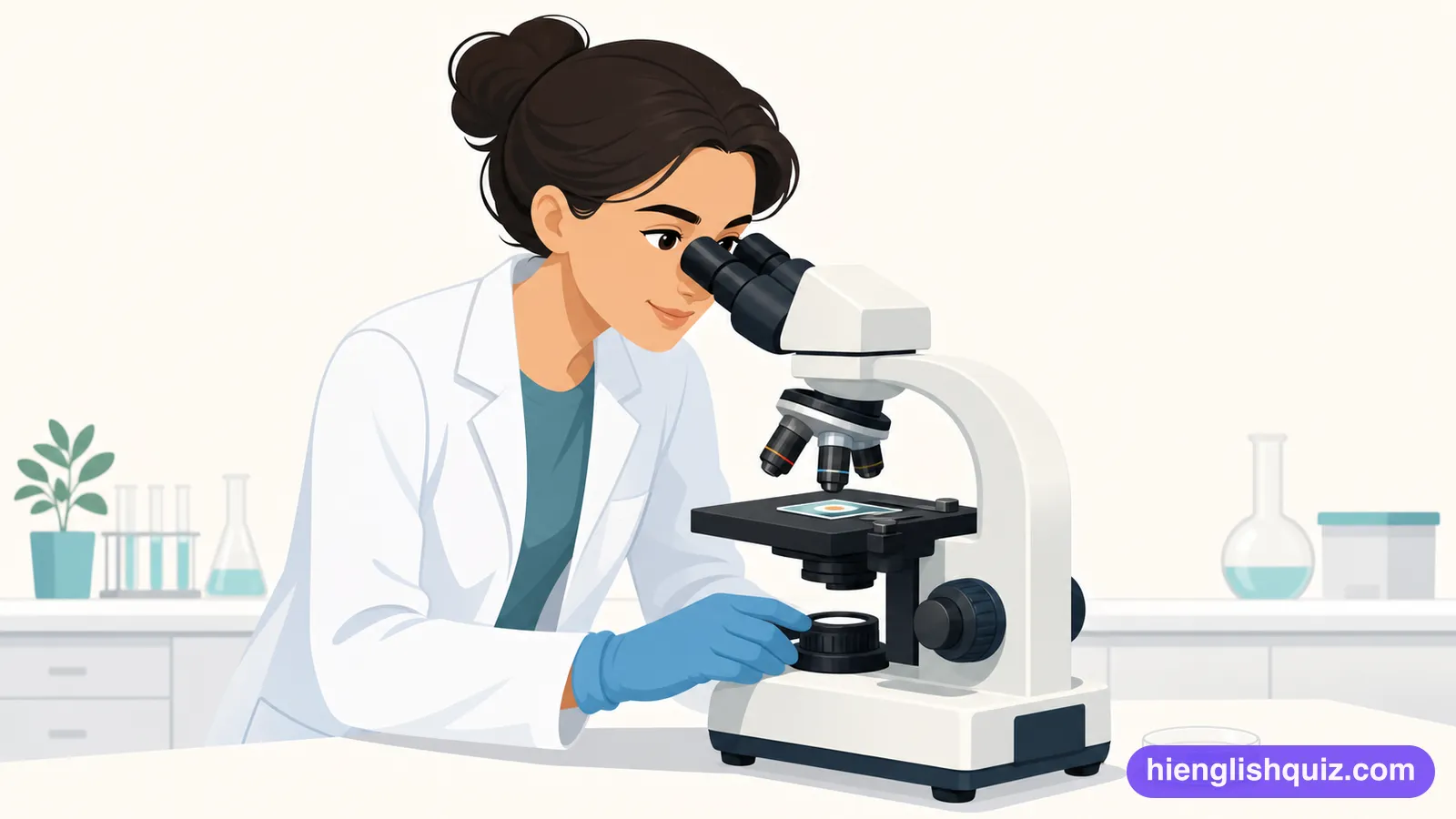
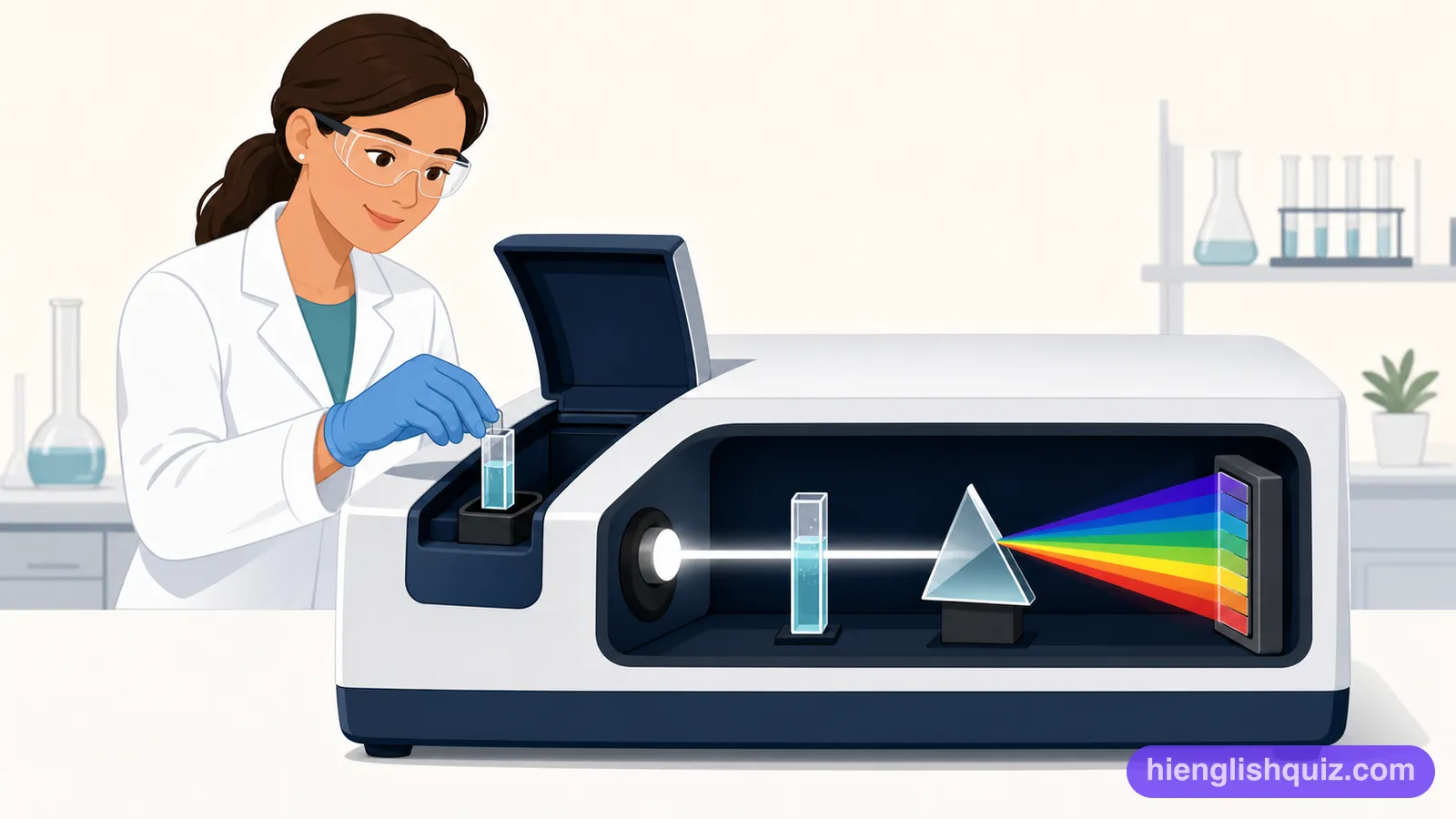
An instrument that measures how light interacts with a substance in order to identify what it is made of.
Example: The spectrometer identified the exact chemical makeup of the rock.
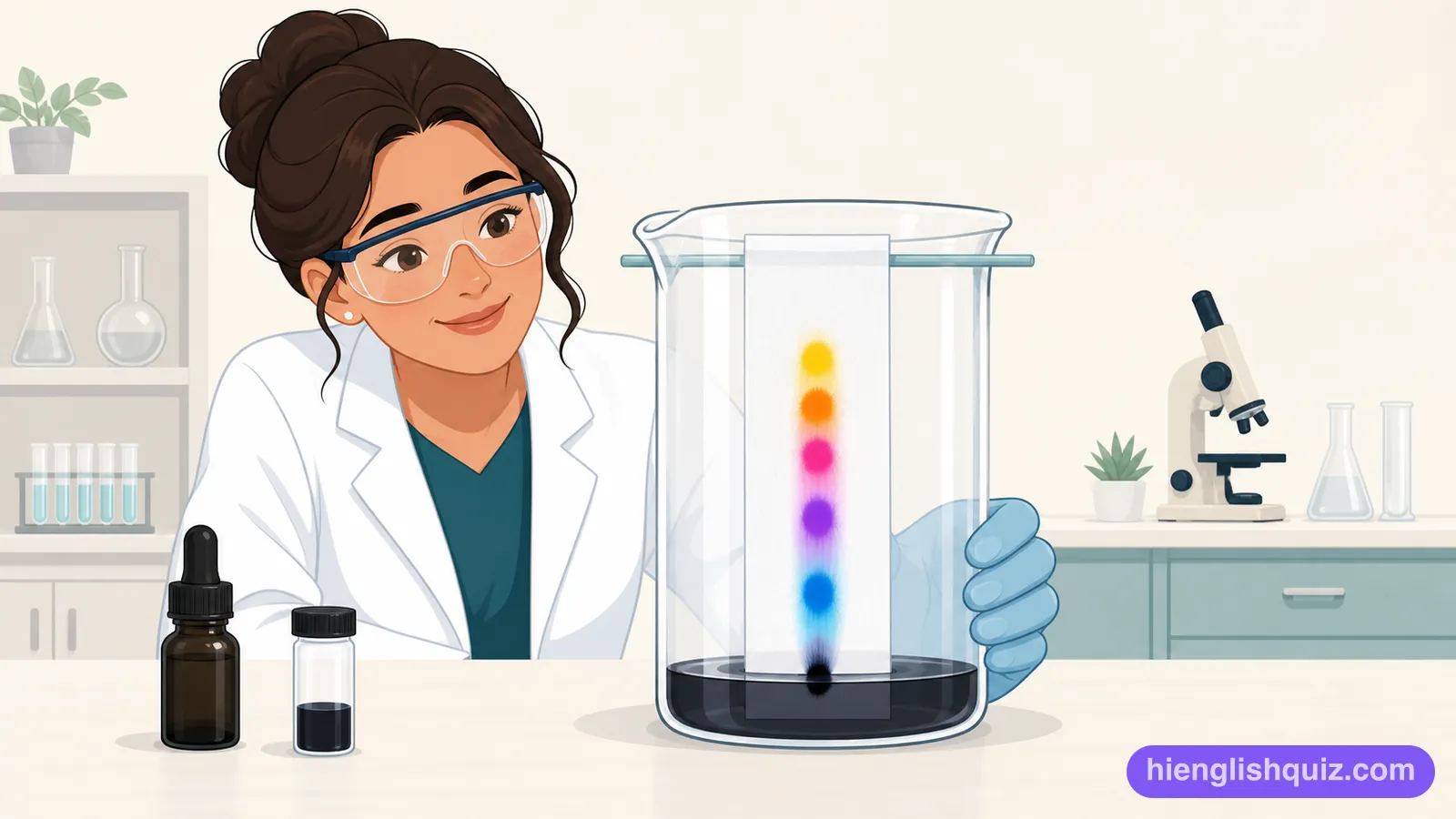
A laboratory method used to separate a mixture into its different parts, often shown as coloured bands.
Example: Chromatography separated the ink into several different colours.
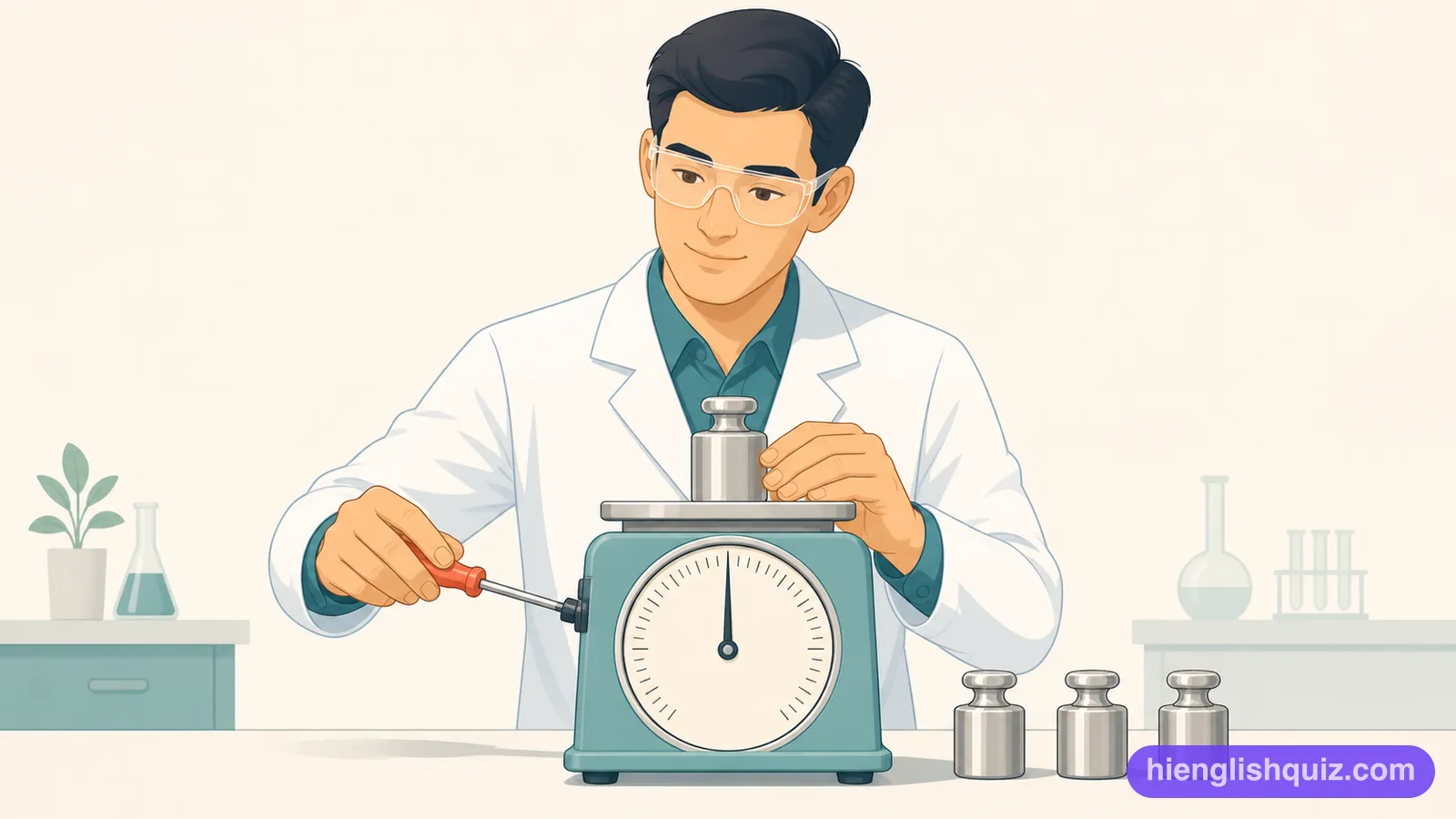
The process of checking and adjusting an instrument so that its measurements are accurate.
Example: Regular calibration keeps the scale's readings accurate.
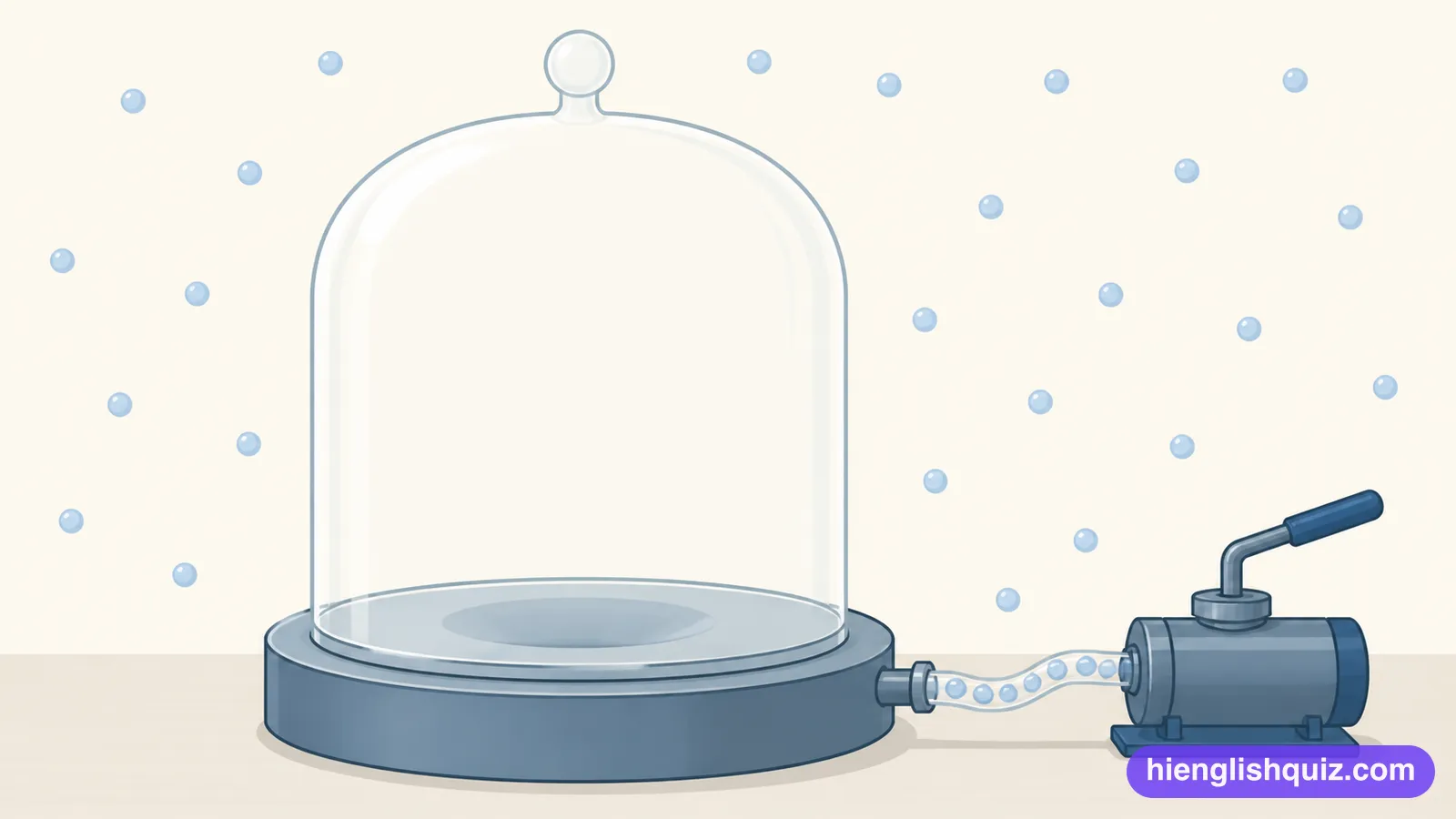
A space that has been completely emptied of air or gas.
Example: The experiment took place inside a sealed vacuum.
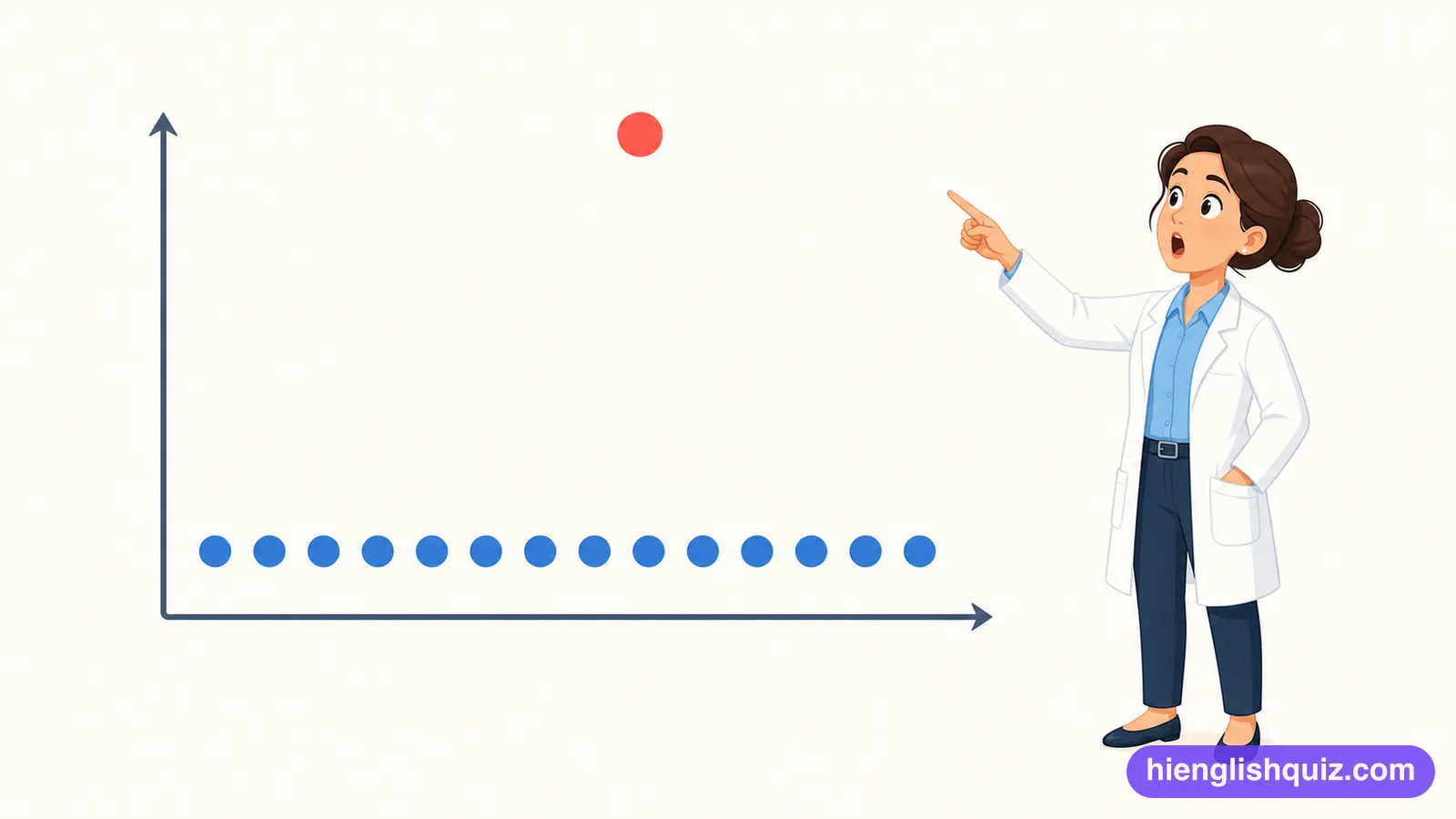
A single result that clearly does not fit the pattern all the others make.
Example: That spike looks like an anomaly rather than a real effect.
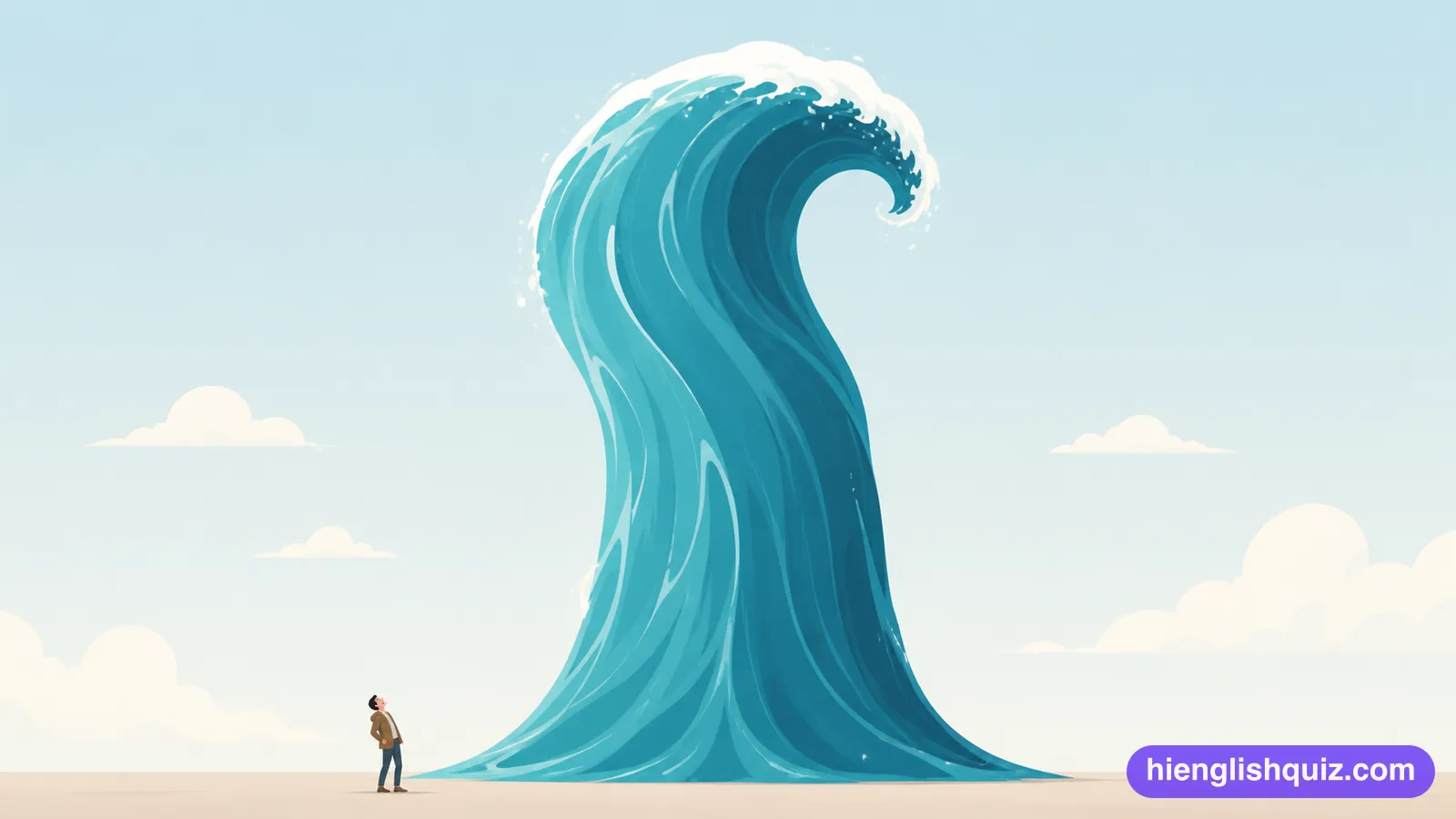
The sheer size or scale of something, especially when it is far greater than expected.
Example: Nobody grasped the magnitude of the problem until later.
To use the pattern in what you already know to work out likely values beyond it.
Example: You cannot extrapolate from three days of data.

Relating to amounts and numbers that can be measured, rather than qualities or opinions.
Example: The study relies on quantitative data collected from thousands of surveys.
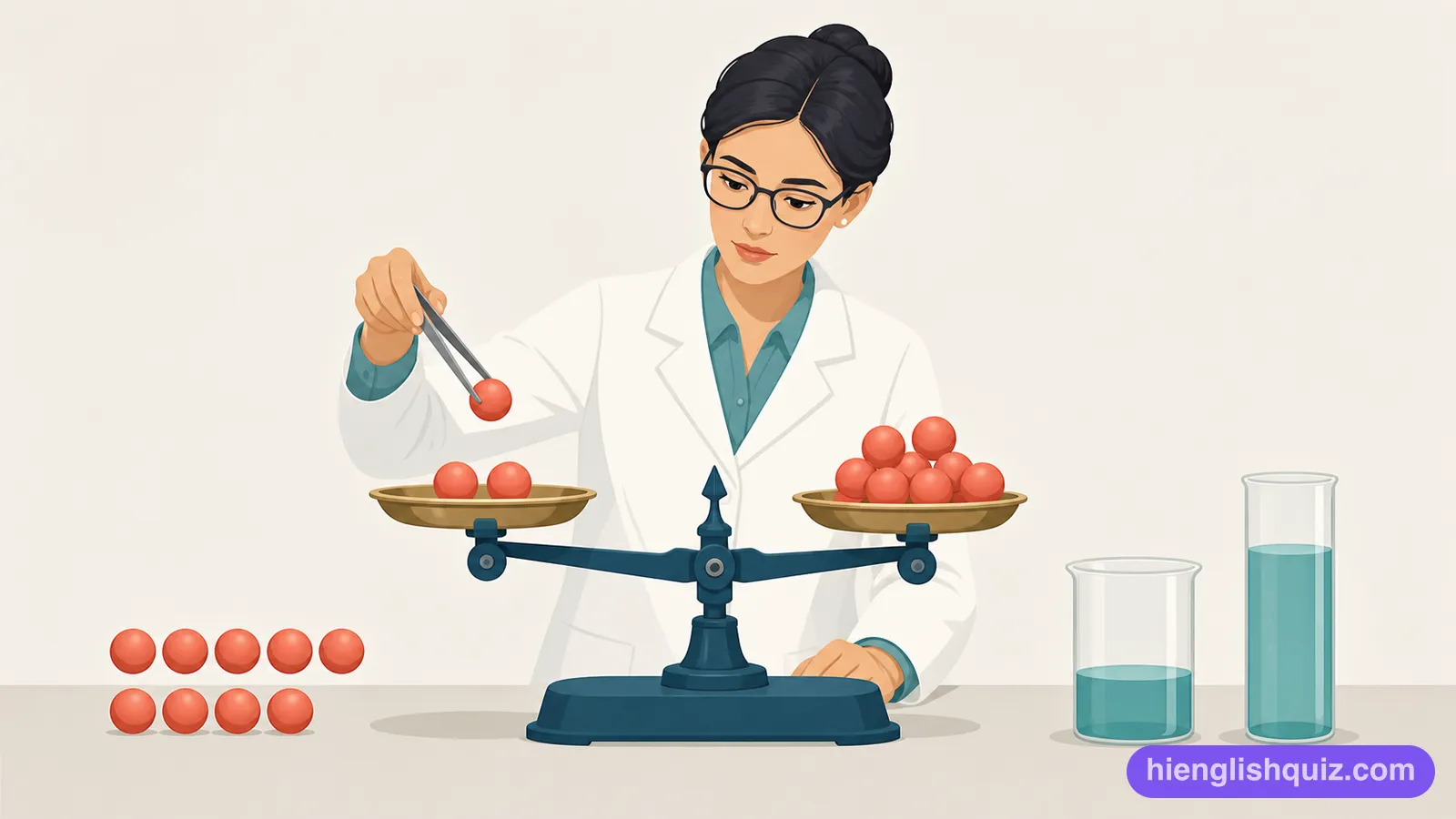
Relating to the quality or nature of something, rather than a measurable amount.
Example: Interviews gave the researchers rich qualitative information about people's feelings.

A statistical method used to study how one variable is related to and predicted by others.
Example: The team used regression to predict future sales from past data.
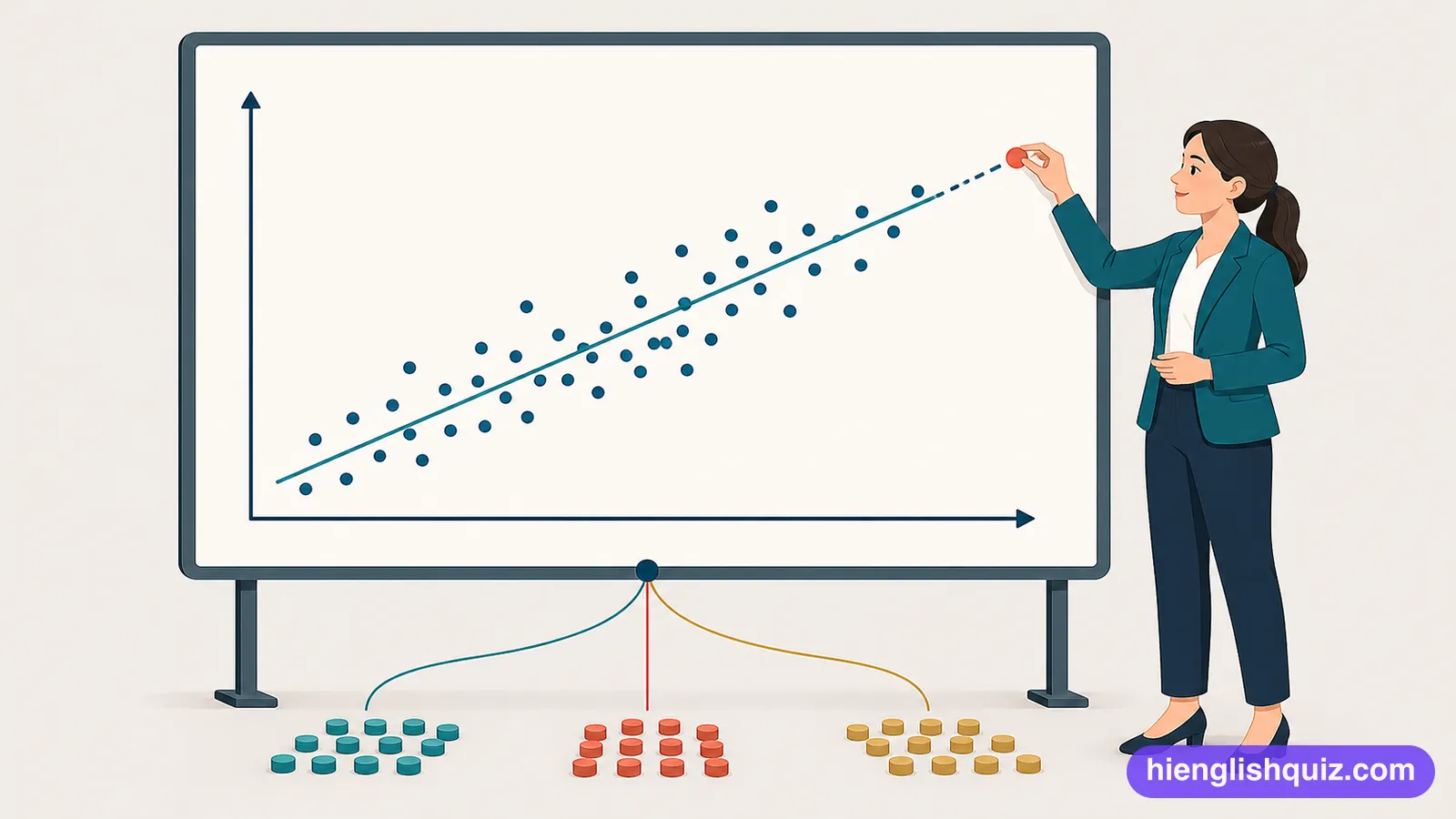
A direct relationship in which one thing actually makes another thing happen.
Example: Just because two things happen together doesn't prove causation.

Describes a study that follows the same people or subjects over a long period of time.
Example: A longitudinal study tracked the same families for twenty years.

To estimate an unknown value that falls between two known values in a set of data.
Example: Scientists interpolate the missing temperature readings between two known points.

To combine many separate pieces of data into a single total or overall figure.
Example: The report will aggregate results from all twelve regions.

Based on what has actually been observed or measured, rather than on theory or belief.
Example: There's little empirical support for that claim so far.
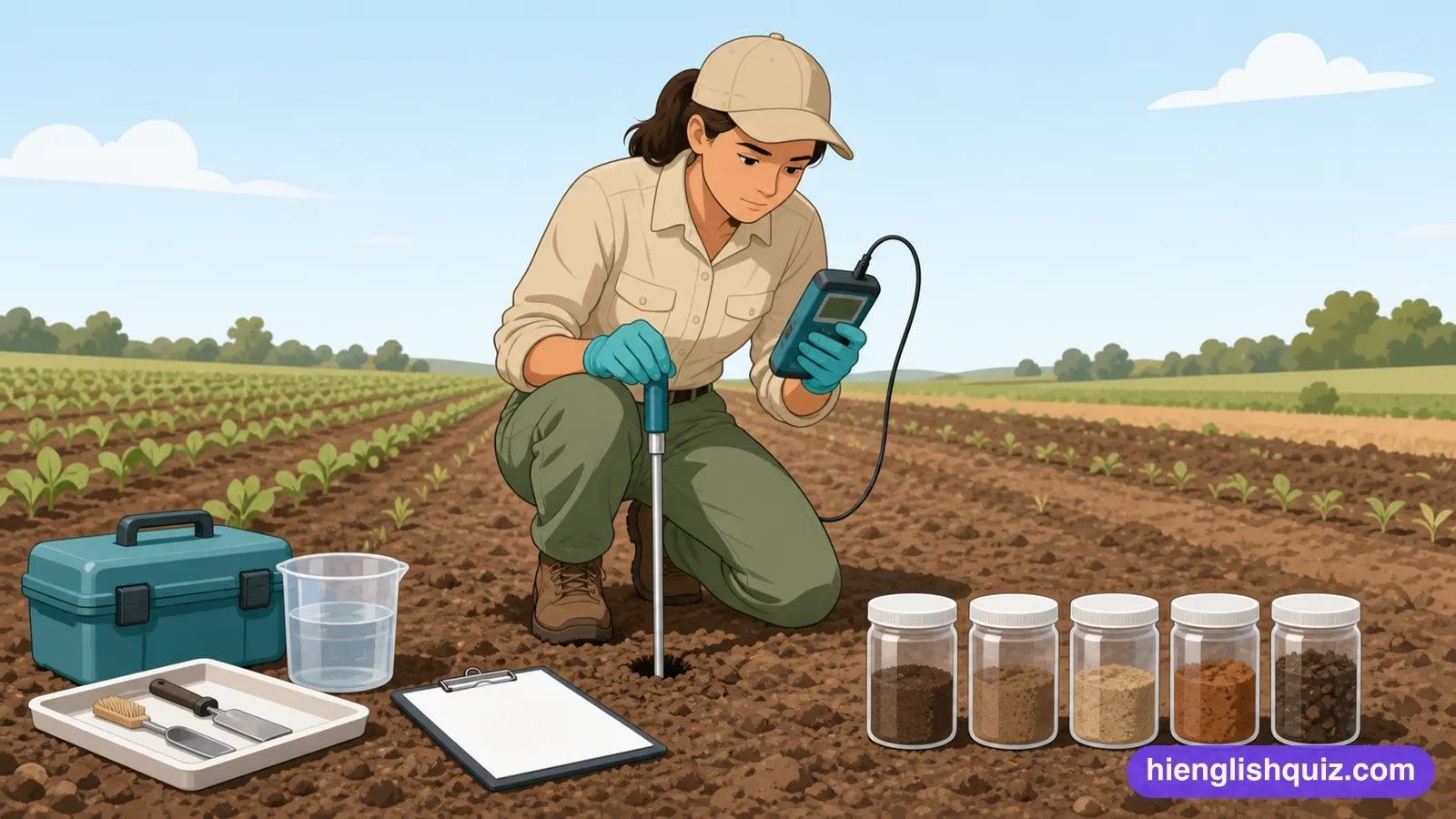
To support a claim by providing further proof from a separate, independent source.
Example: A second team's results corroborate what we found last year.

A typical example or a widely accepted way of thinking about something, especially in science.
Example: The discovery challenged the existing scientific paradigm.

Extreme thoroughness and care, especially in the way research is carried out.
Example: The study was praised for its scientific rigor.

The ability of an experiment to be repeated by other scientists and get the same results.
Example: Poor reproducibility is a serious problem in some areas of science.