calibrate
/ˈkæləˌbreɪt/To adjust an instrument carefully so that its readings are exactly right.
Example: We calibrate the scales every morning before any testing.

 Hi EnglishQuiz
C122 words · Advanced
Science vocabulary such as calibrate, reagent and centrifuge, plus hypothesis, correlation and standard deviation. Words for describing rigorous scientific method.
To adjust an instrument carefully so that its readings are exactly right.
Example: We calibrate the scales every morning before any testing.
Completely free of germs, because everything has been cleaned or heated to kill them.
Example: Surgeons work in a sterile room with filtered air.
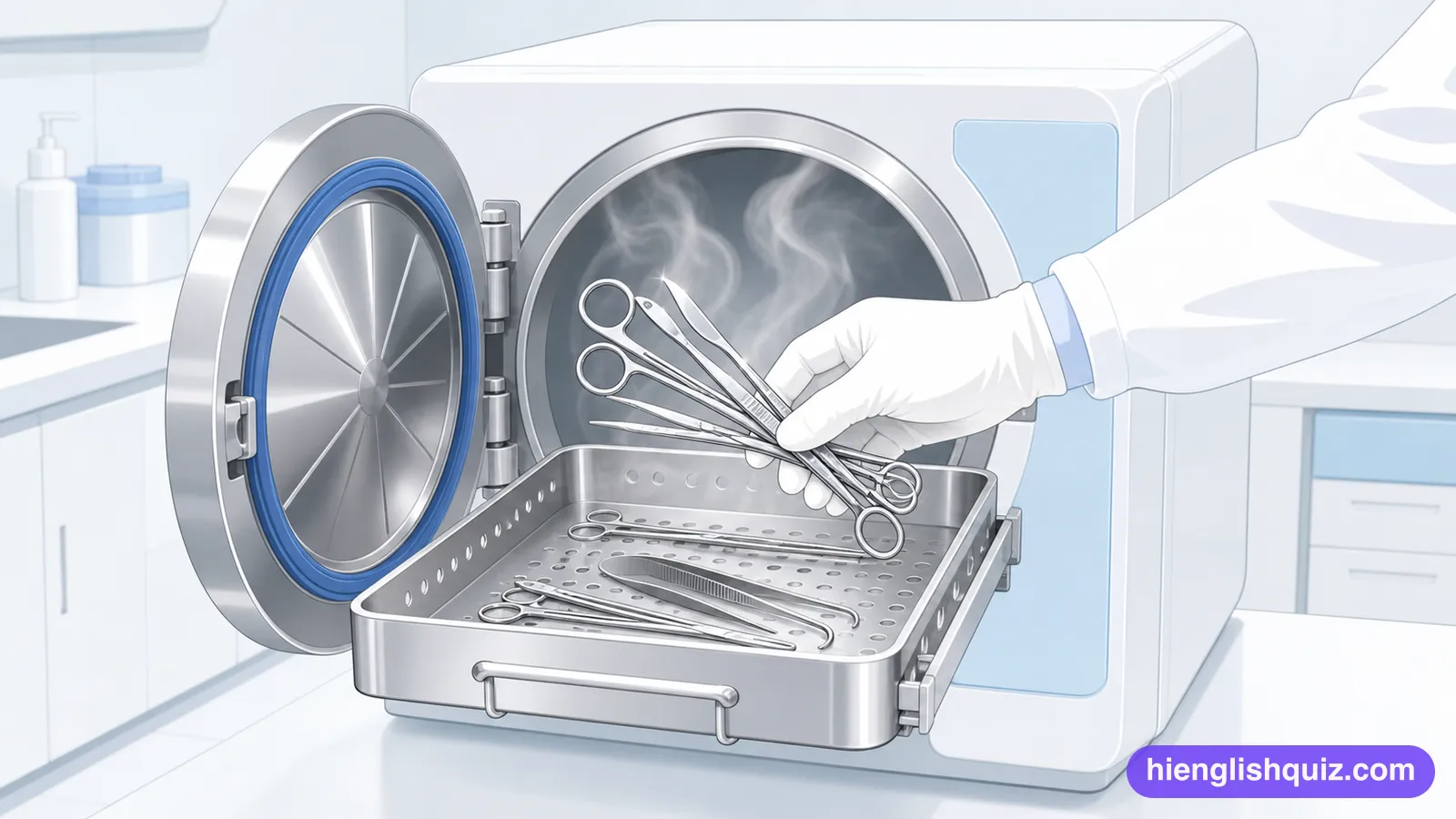
To make something dirty or unsafe by letting a harmful substance get into it.
Example: One dirty pipette can contaminate the whole sample.
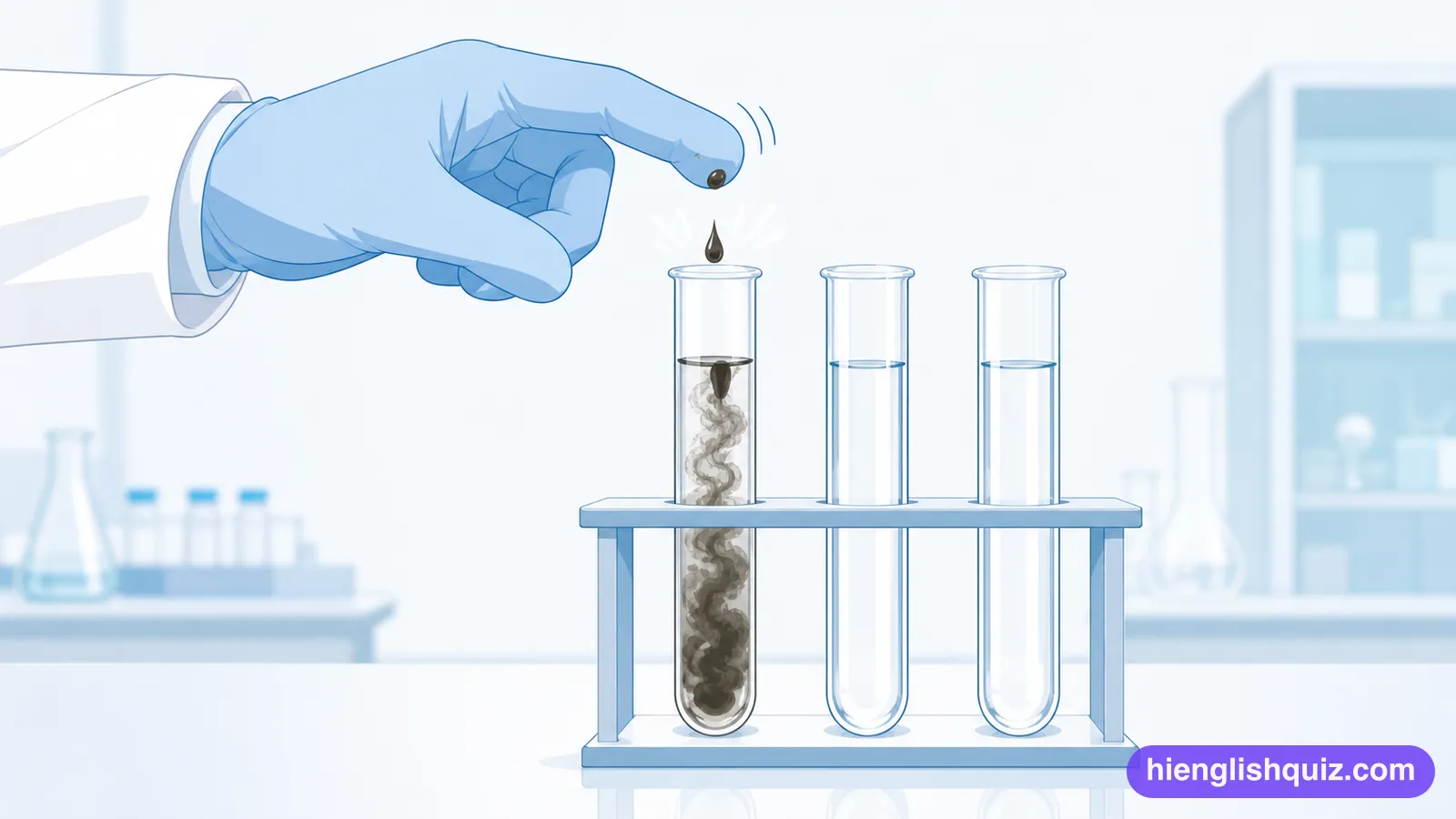
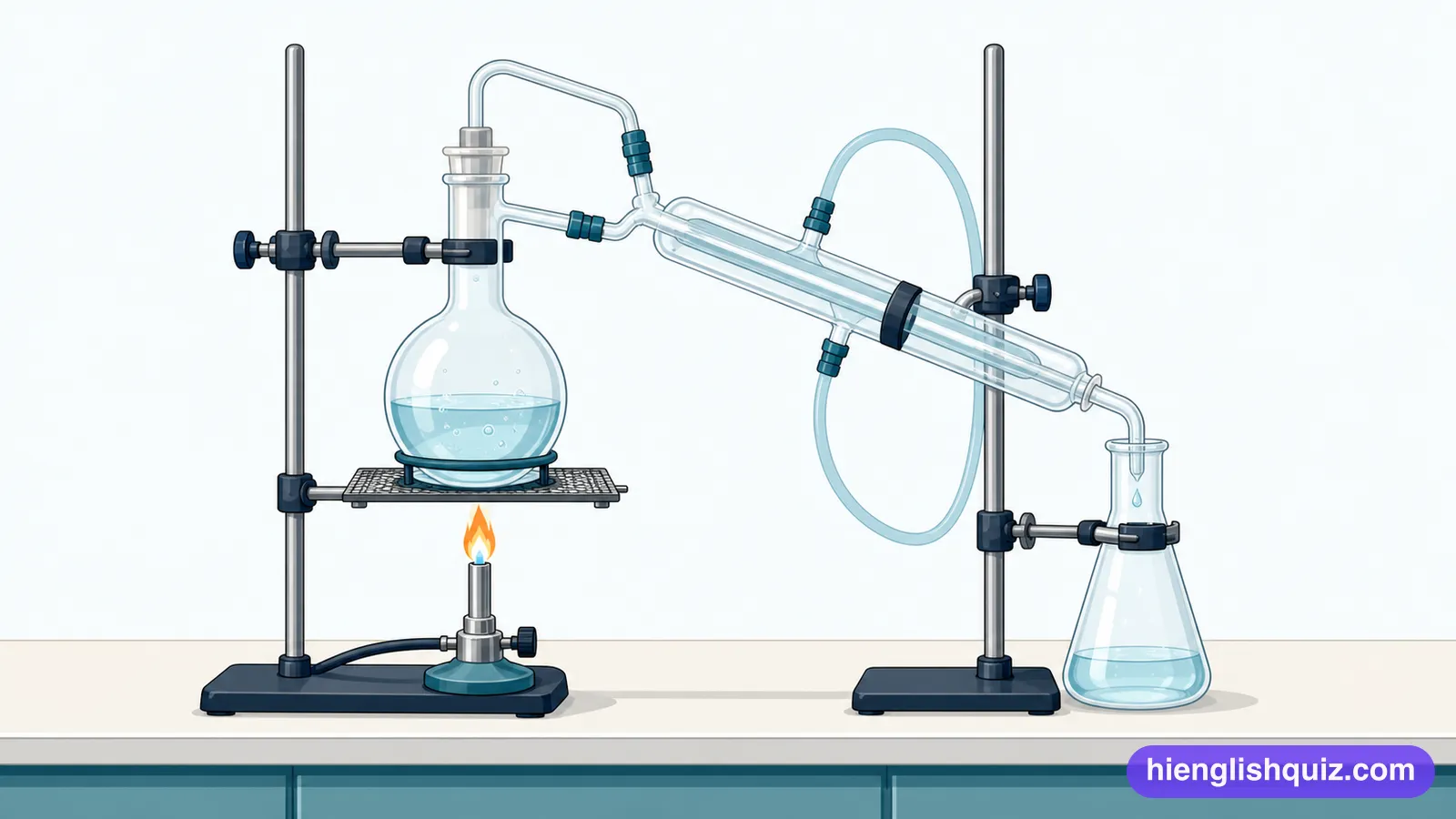
To make equipment completely clean and free from bacteria or germs, often using heat.
Example: Nurses sterilize the equipment before every use.
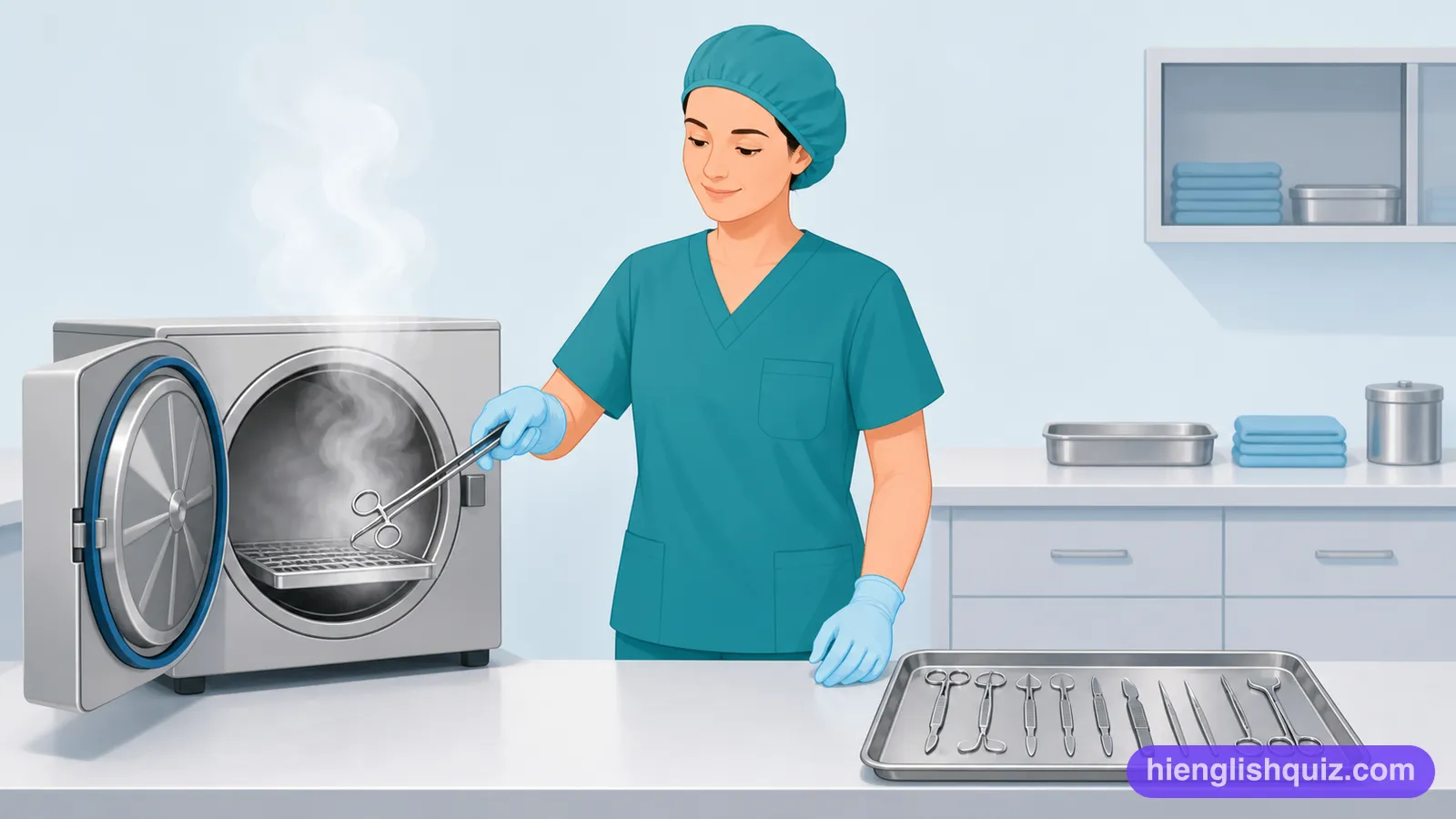
A chemical substance used in a lab test because of the reaction it causes with other substances.
Example: Adding the reagent made the solution turn bright blue.

A lab method used to find the exact amount of a substance in a liquid by slowly adding another liquid to it.
Example: Titration showed exactly how much acid was in the sample.
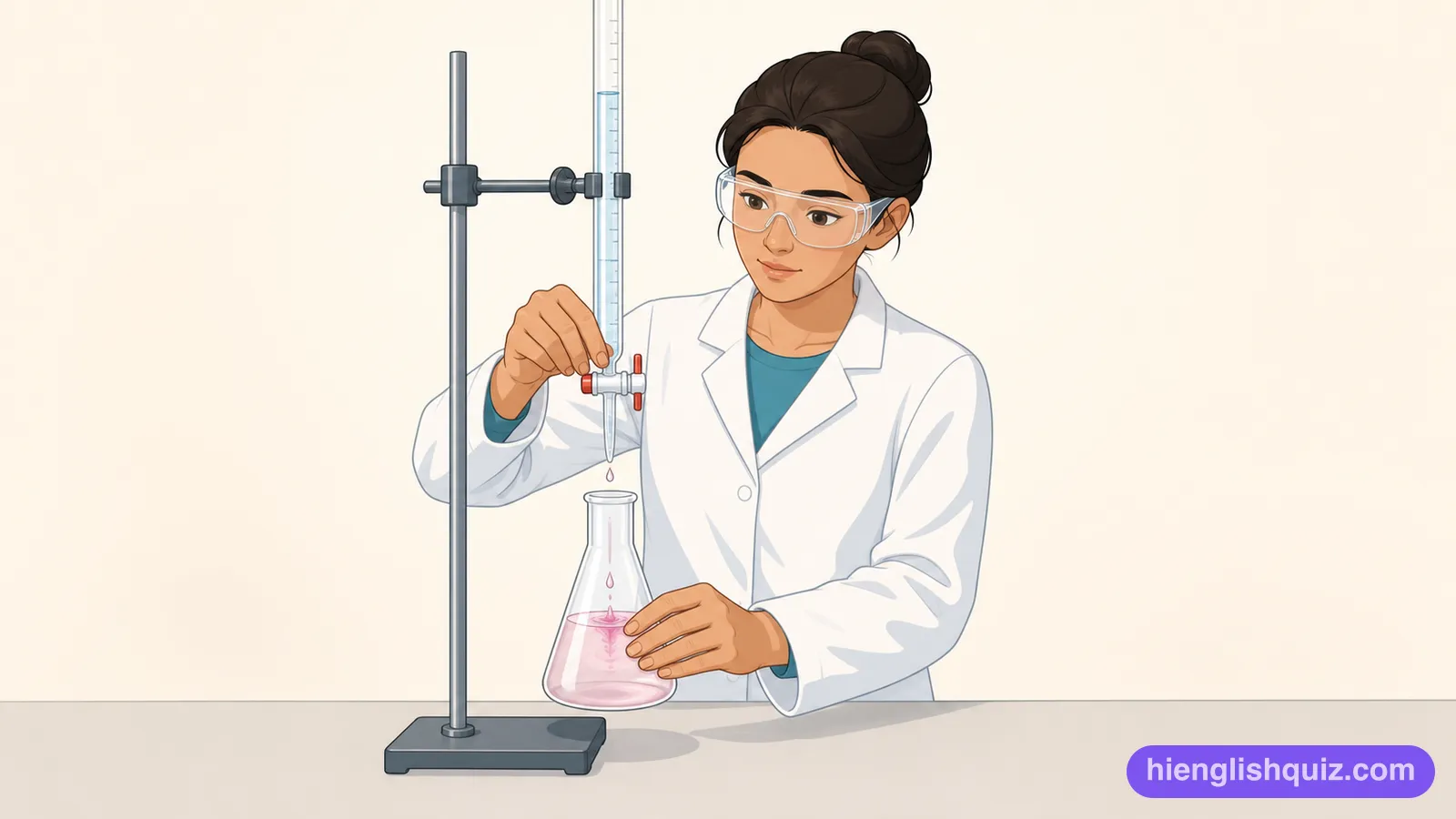
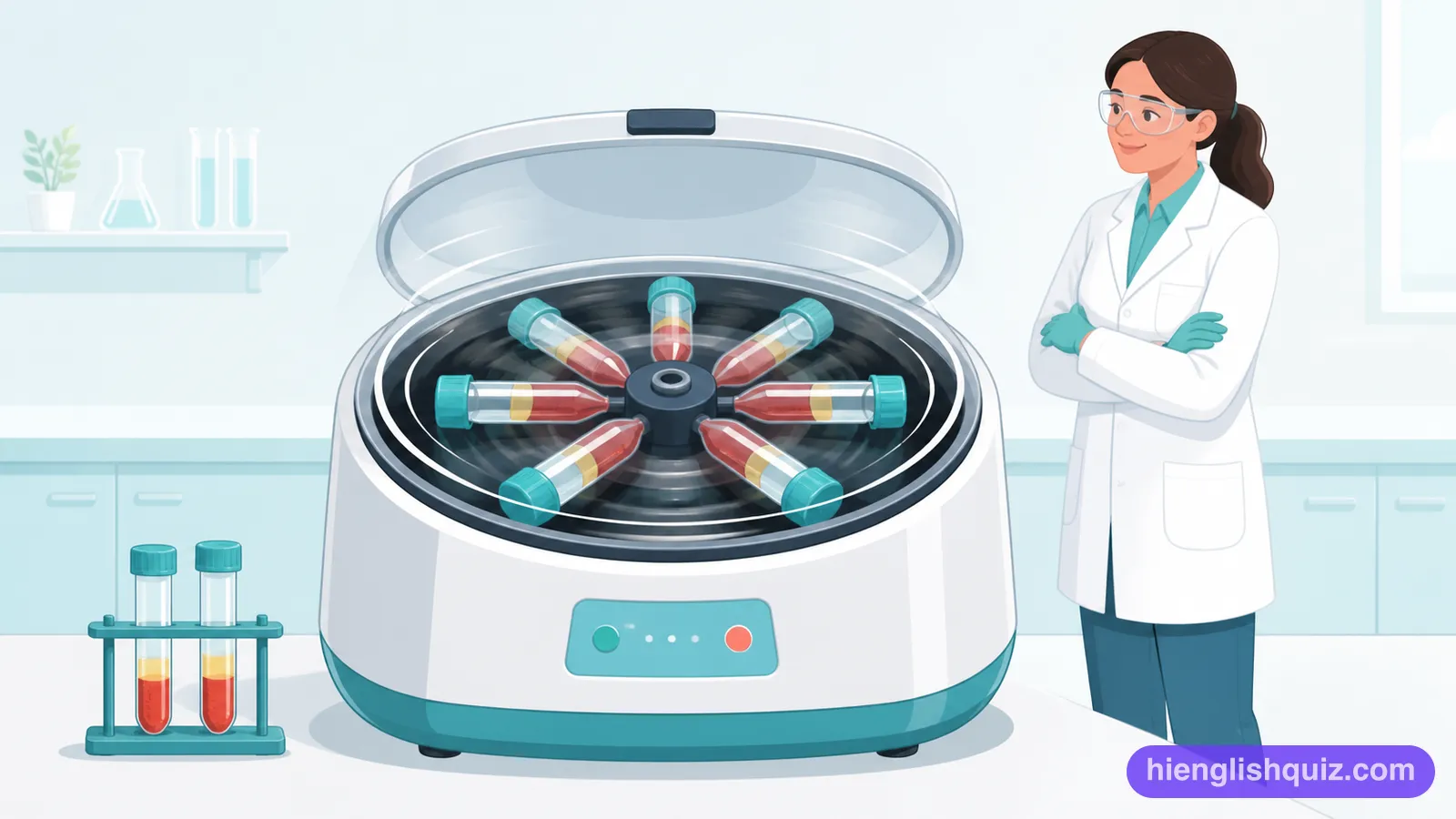
A machine that spins samples at high speed to separate substances of different densities.
Example: The blood sample was spun in a centrifuge to separate its parts.
To cut open a plant, animal, or organ carefully in order to study it.
Example: Students learned to dissect a frog in biology class.

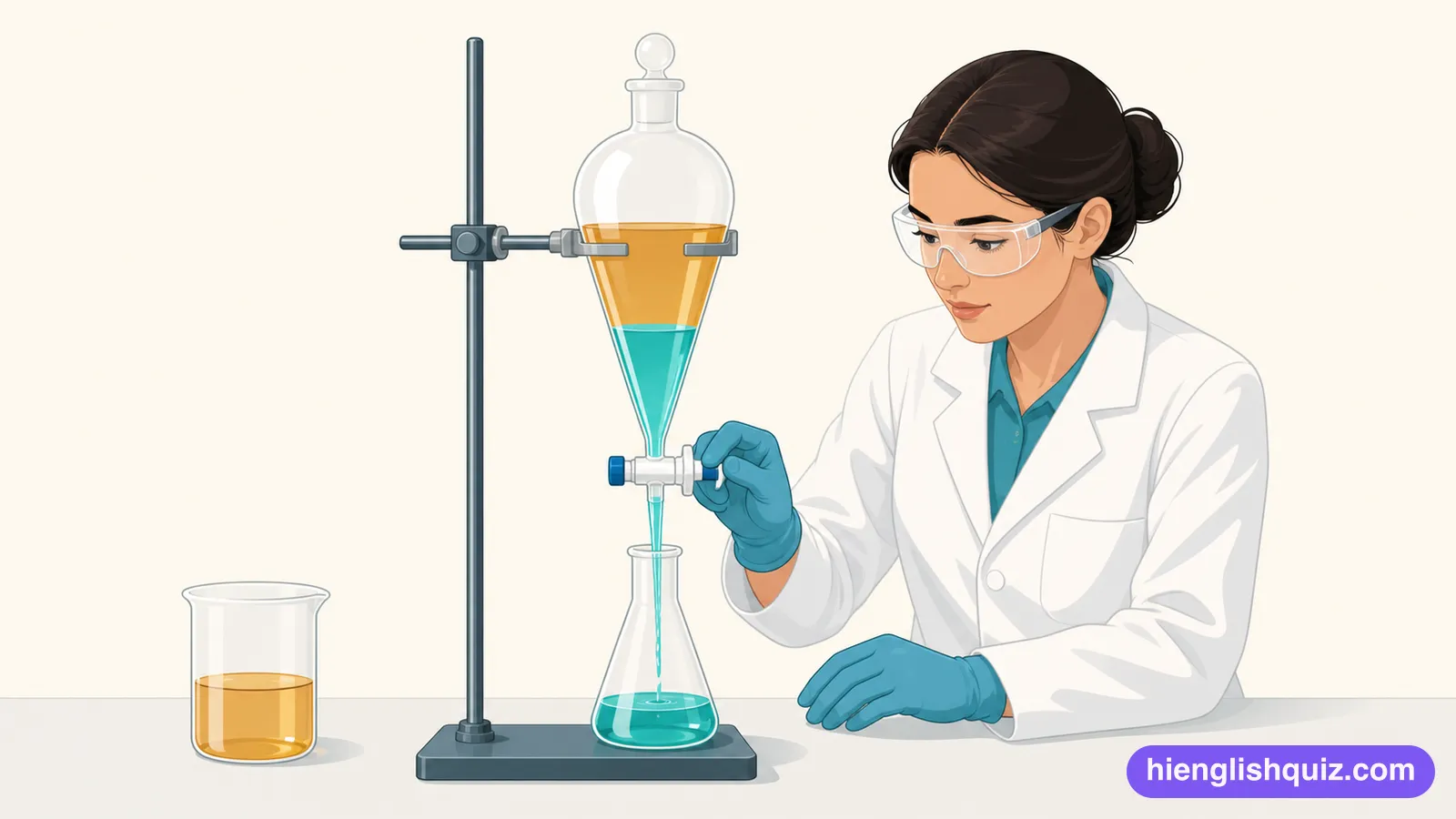
To carefully remove or take out a substance from something else, often using a chemical process.
Example: Scientists extract the oil from the plant's seeds.
Exact and accurate, with no errors, especially in a measurement.
Example: The scale gives a precise reading, down to a tenth of a gram.

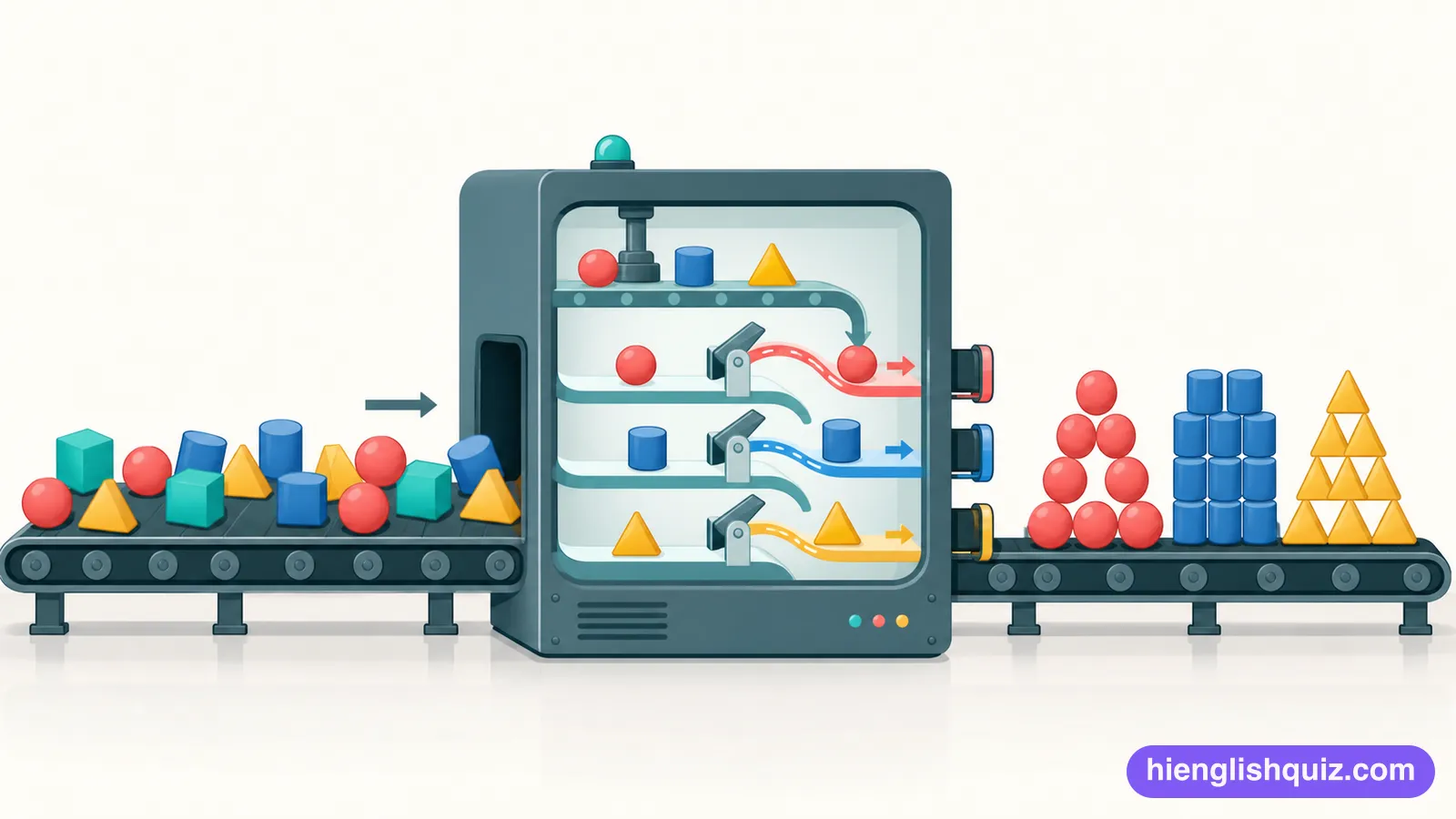
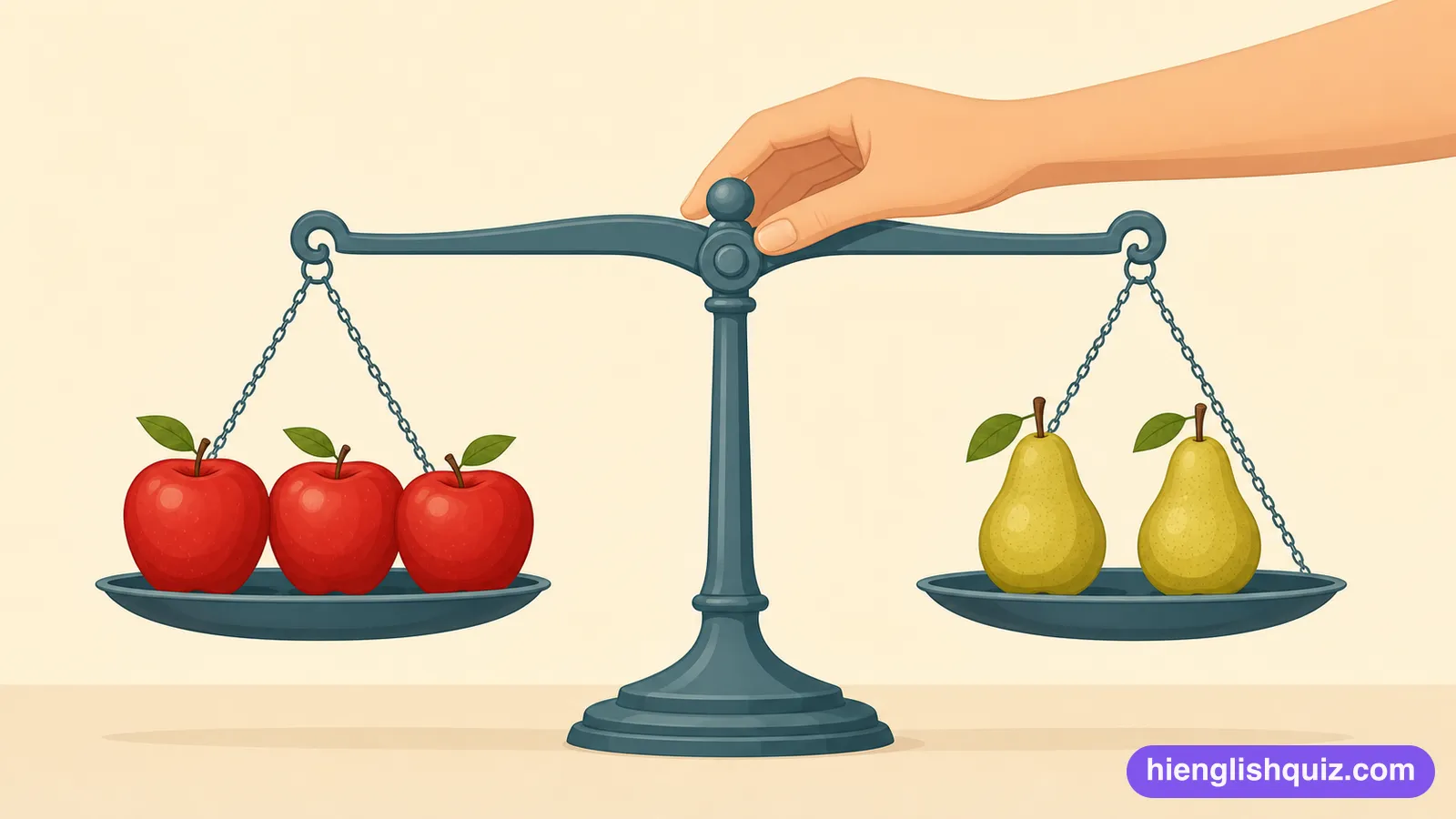
A way of showing how two amounts compare, such as three of one for every two of the other.
Example: The ratio of staff to students has improved this term.
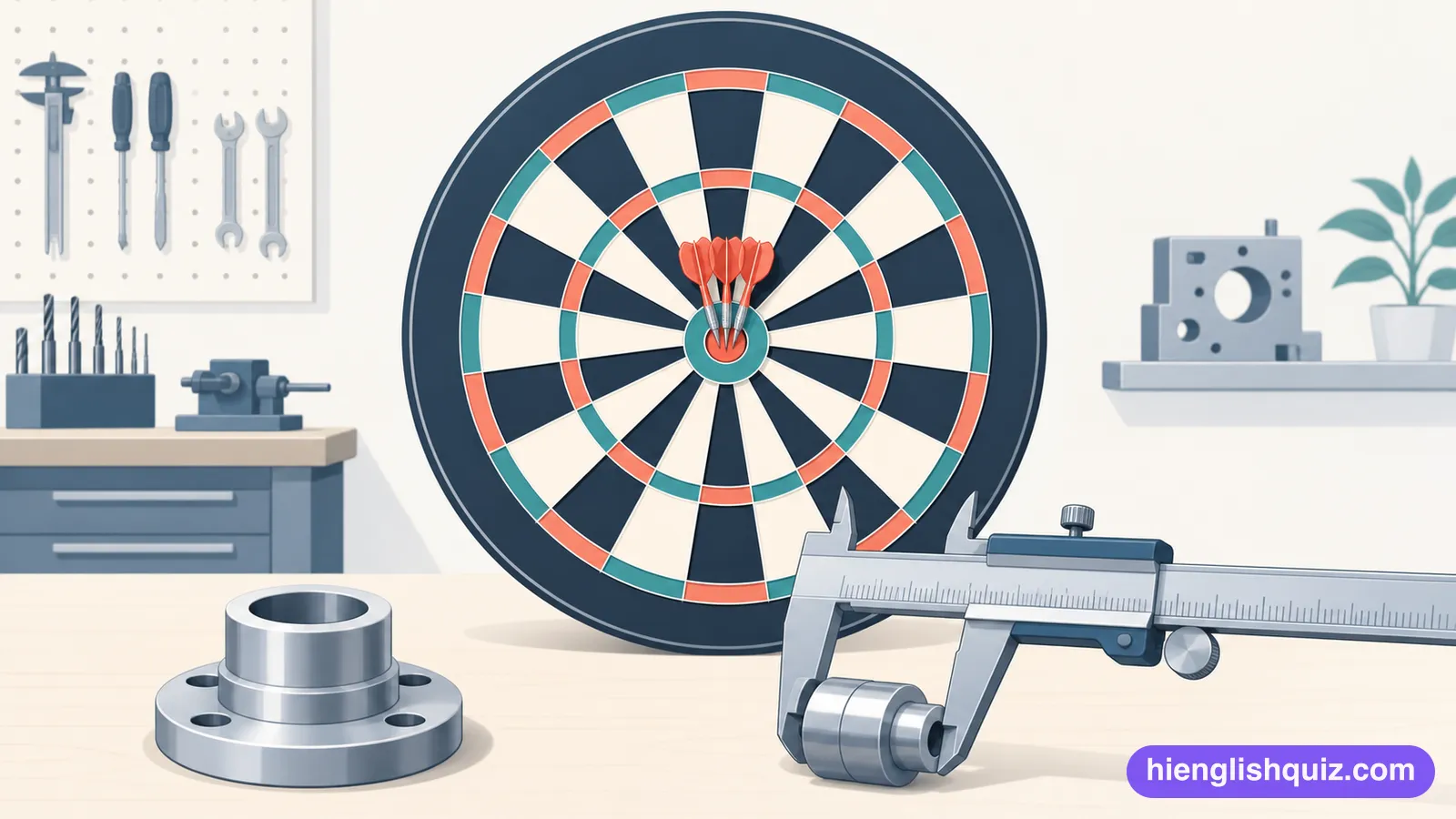
The quality of being exact, giving very nearly the same result every single time.
Example: These sensors measure temperature with remarkable precision.
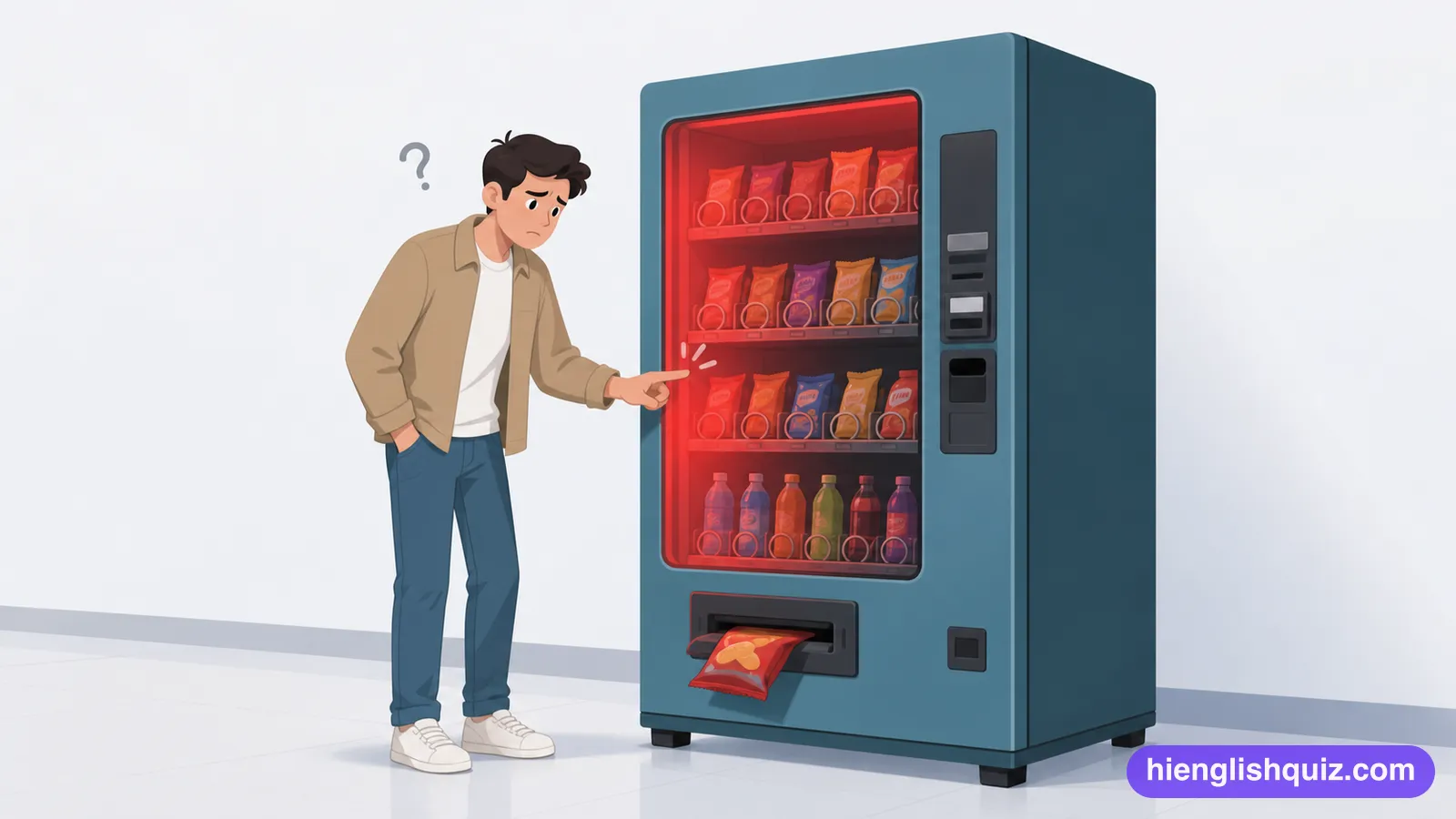
To affect results in a way that makes them give a false picture.
Example: A few unusual answers can skew the whole survey.

A measure of how spread out a set of numbers is from the average.
Example: The high variance in the results suggests the test was unreliable.

A number used to measure a particular property or relationship in a calculation or formula.
Example: The coefficient in the equation shows how strongly the two factors are linked.

To measure or express something as an exact amount or number.
Example: It's hard to quantify exactly how happy people feel.
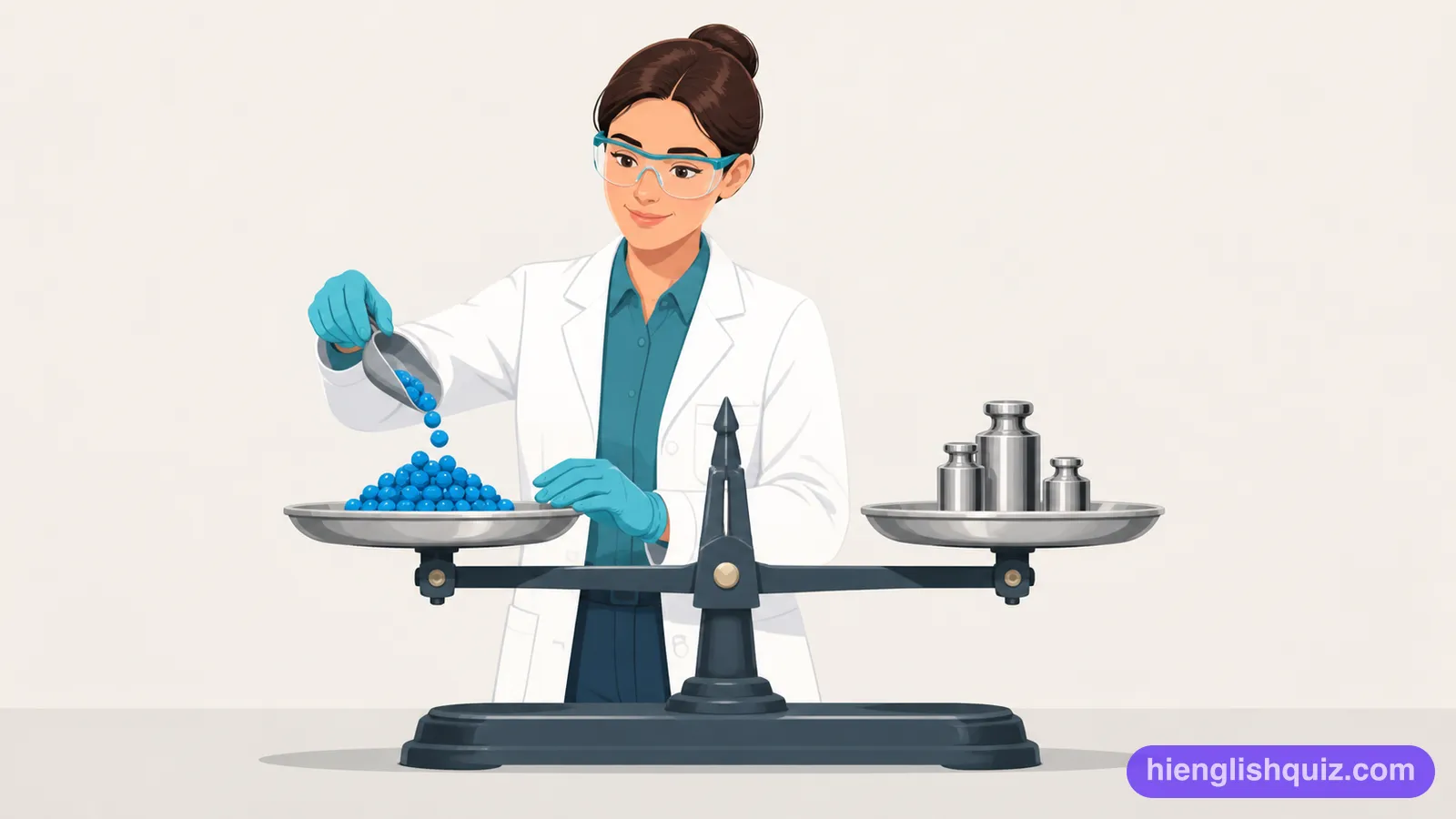
A standard or point of reference used to compare and judge the quality of something.
Example: The new results were compared against last year's benchmark.

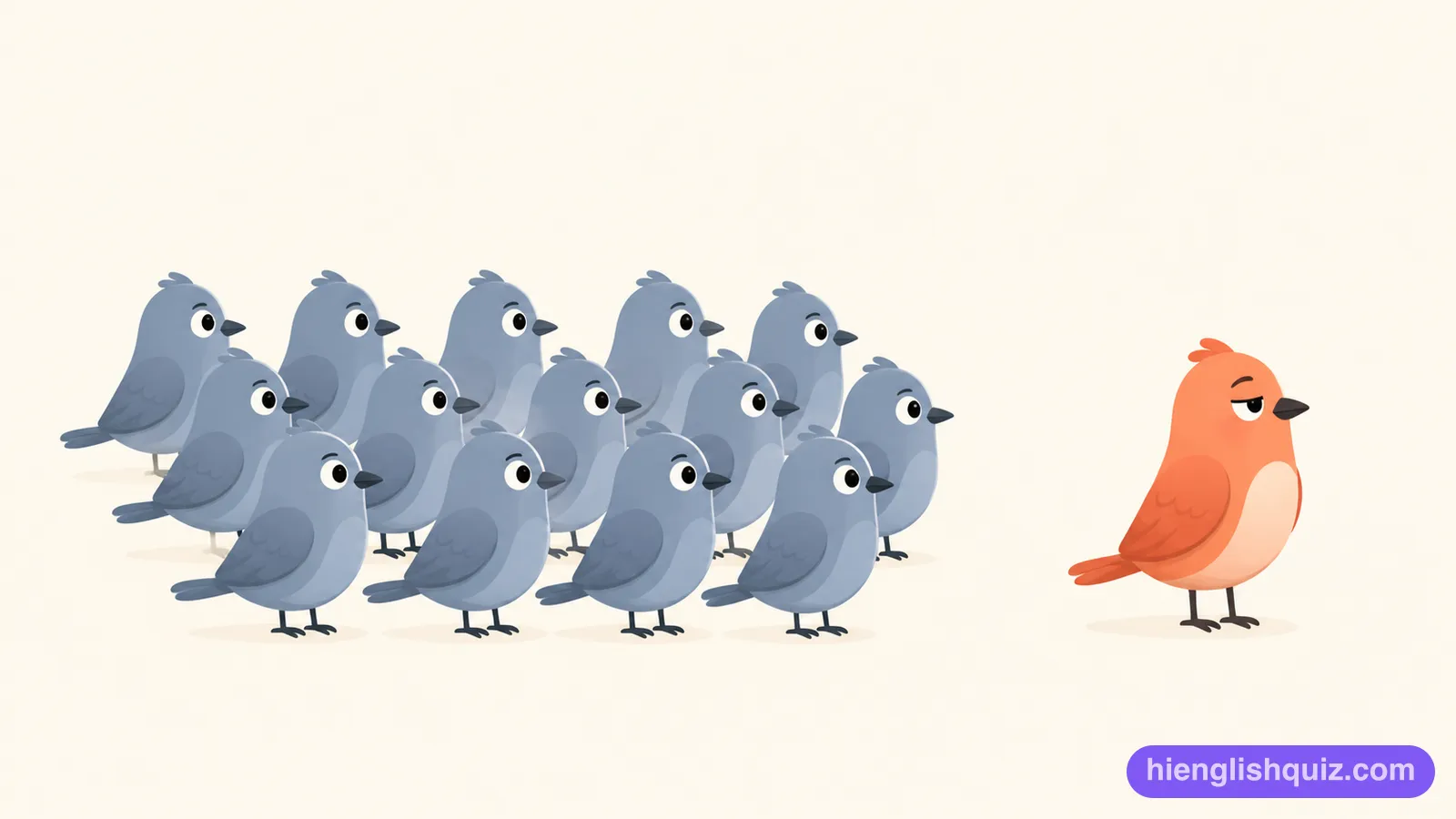
A value in a set of data that is very different from all the others.
Example: One extremely high score was clearly an outlier.
A measure of how much the values in a set of data vary from the average.
Example: A low standard deviation means the results were very consistent.

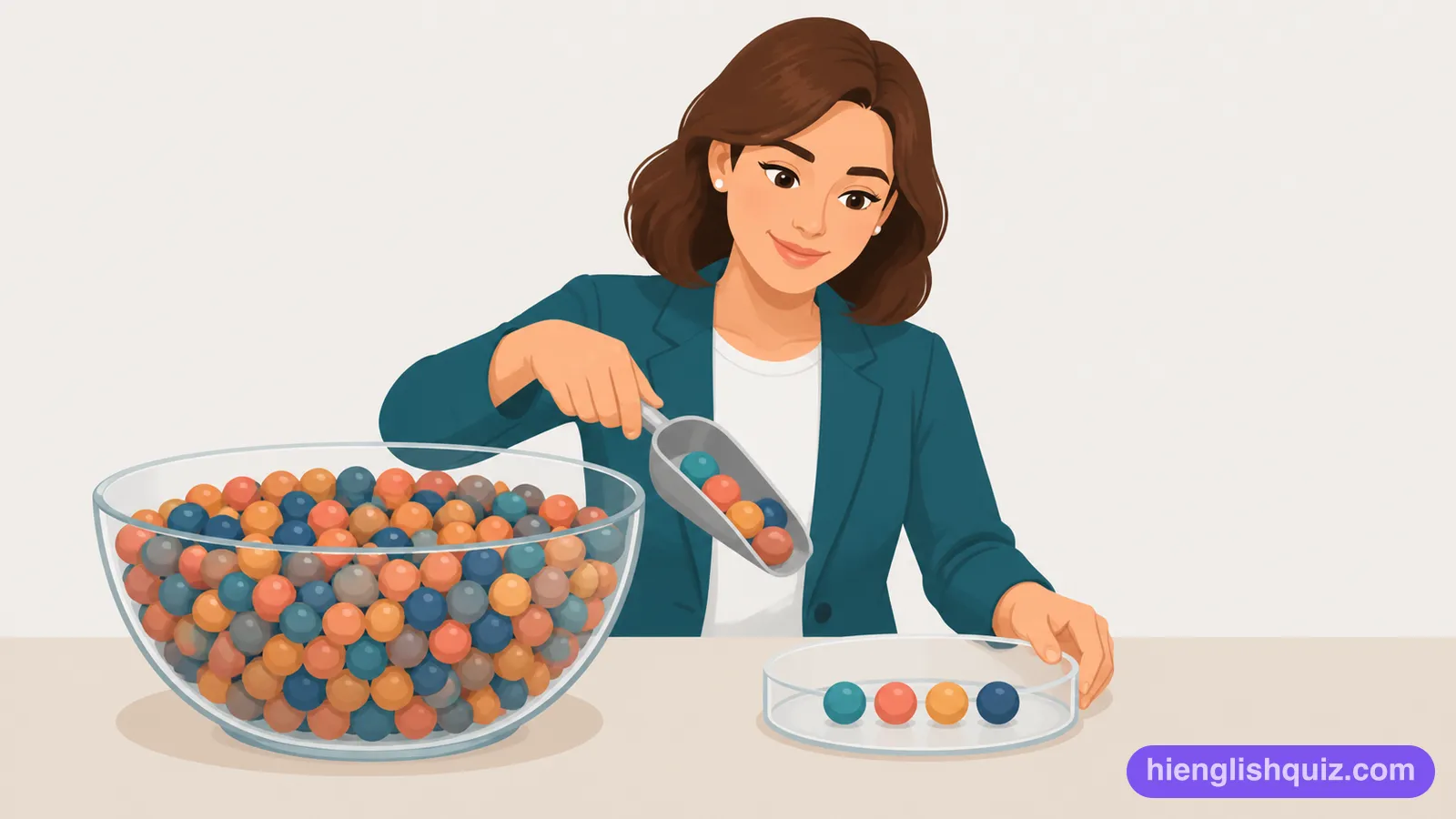
The number of people or items included in a survey, test, or study.
Example: A bigger sample size makes a survey result more reliable.
An idea suggested as a possible explanation, which you then test to see if it is true.
Example: Their hypothesis was that the plants grow faster with more light.

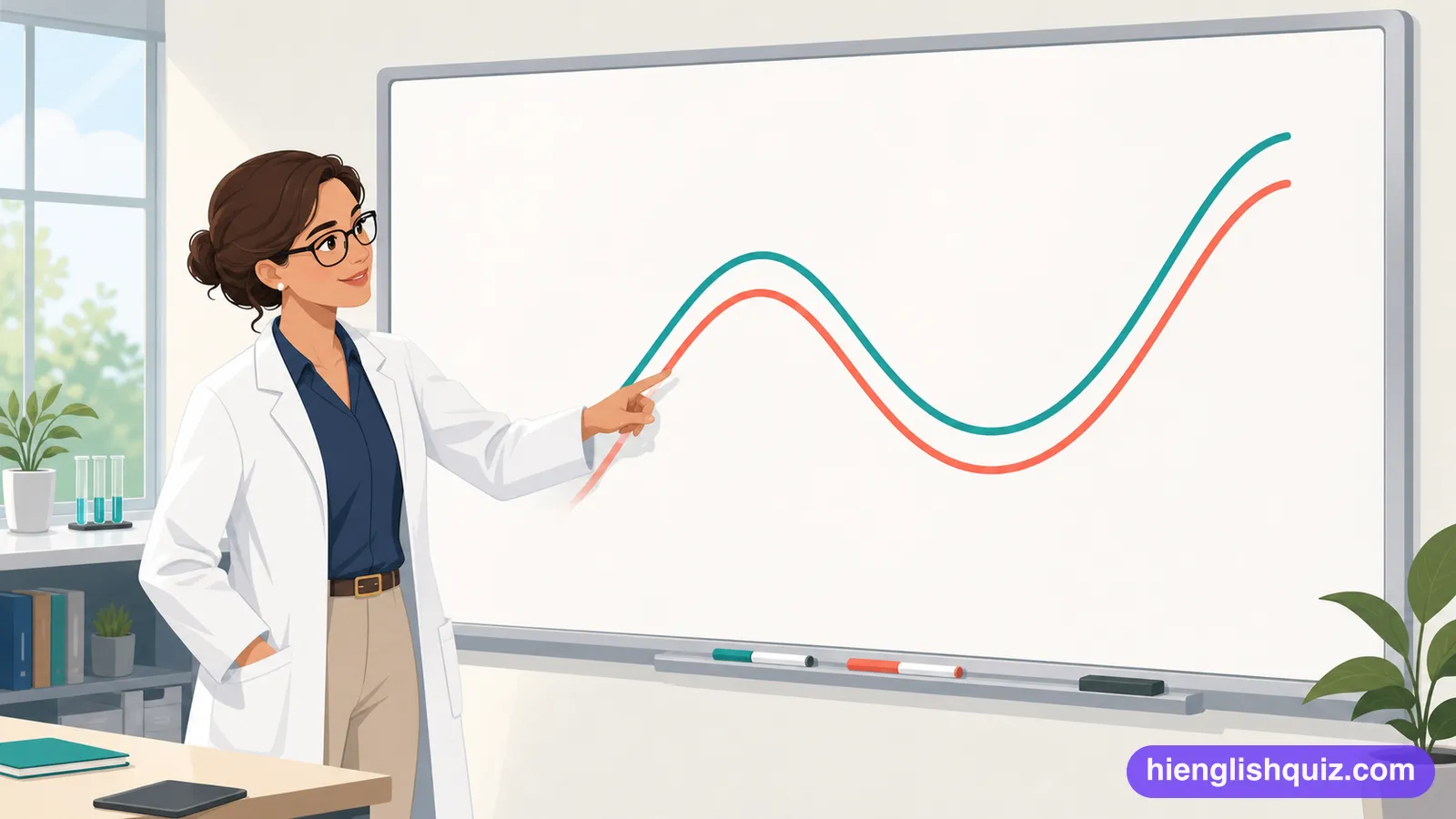
A link between two things that tend to rise and fall together, though one may not cause the other.
Example: There's a strong correlation between sleep and exam results.