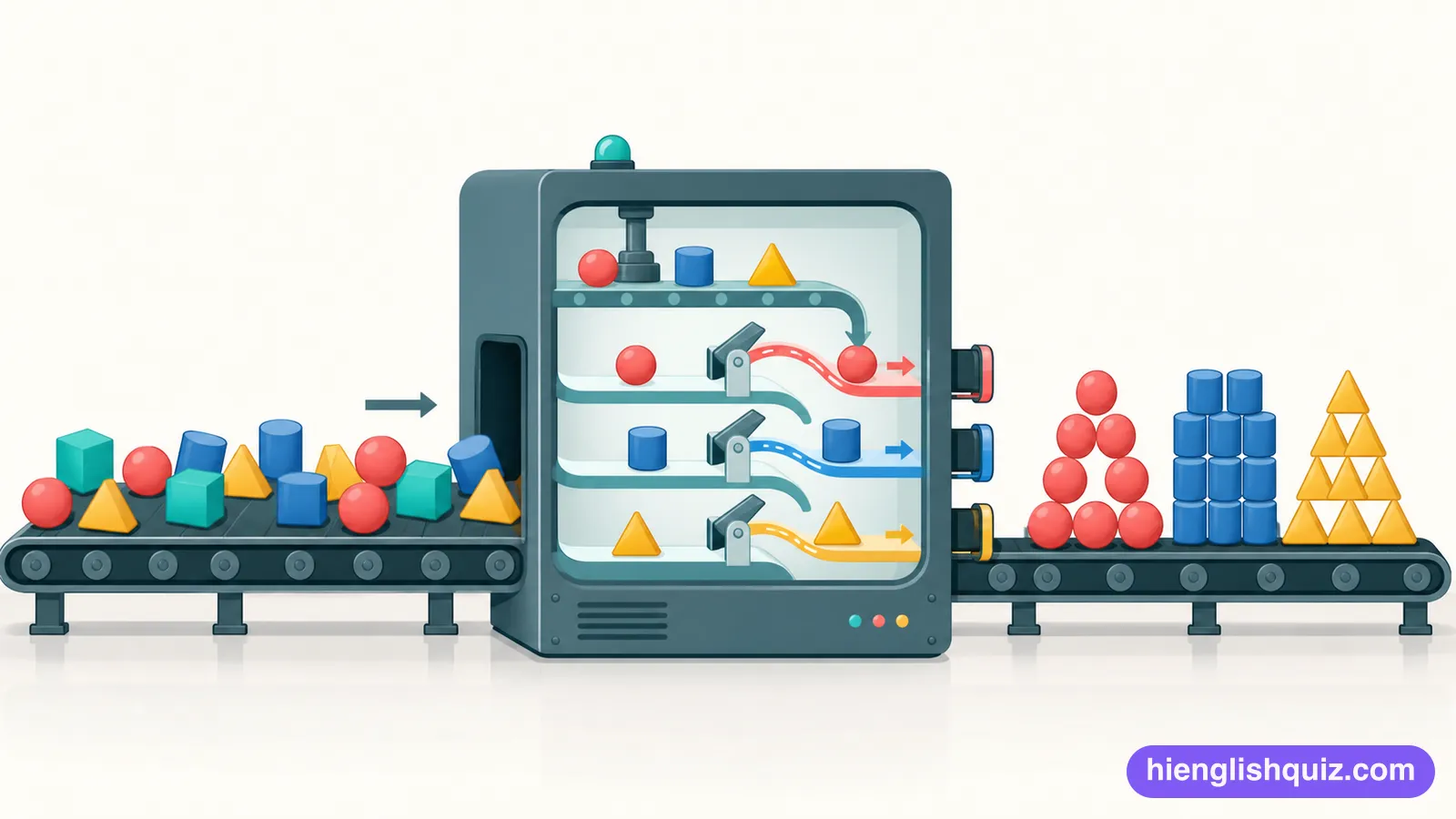
algorithm
/ˈælɡərˌɪðəm/A set of steps or rules a computer follows to solve a problem or complete a task.
Example: The app uses a clever algorithm to suggest songs you might like.
 Hi EnglishQuiz
C120 words · Advanced
Artificial intelligence vocabulary such as algorithm, bias and deepfake, plus interpretability, robustness and red team. Words for discussing AI systems and their limits.
A set of steps or rules a computer follows to solve a problem or complete a task.
Example: The app uses a clever algorithm to suggest songs you might like.
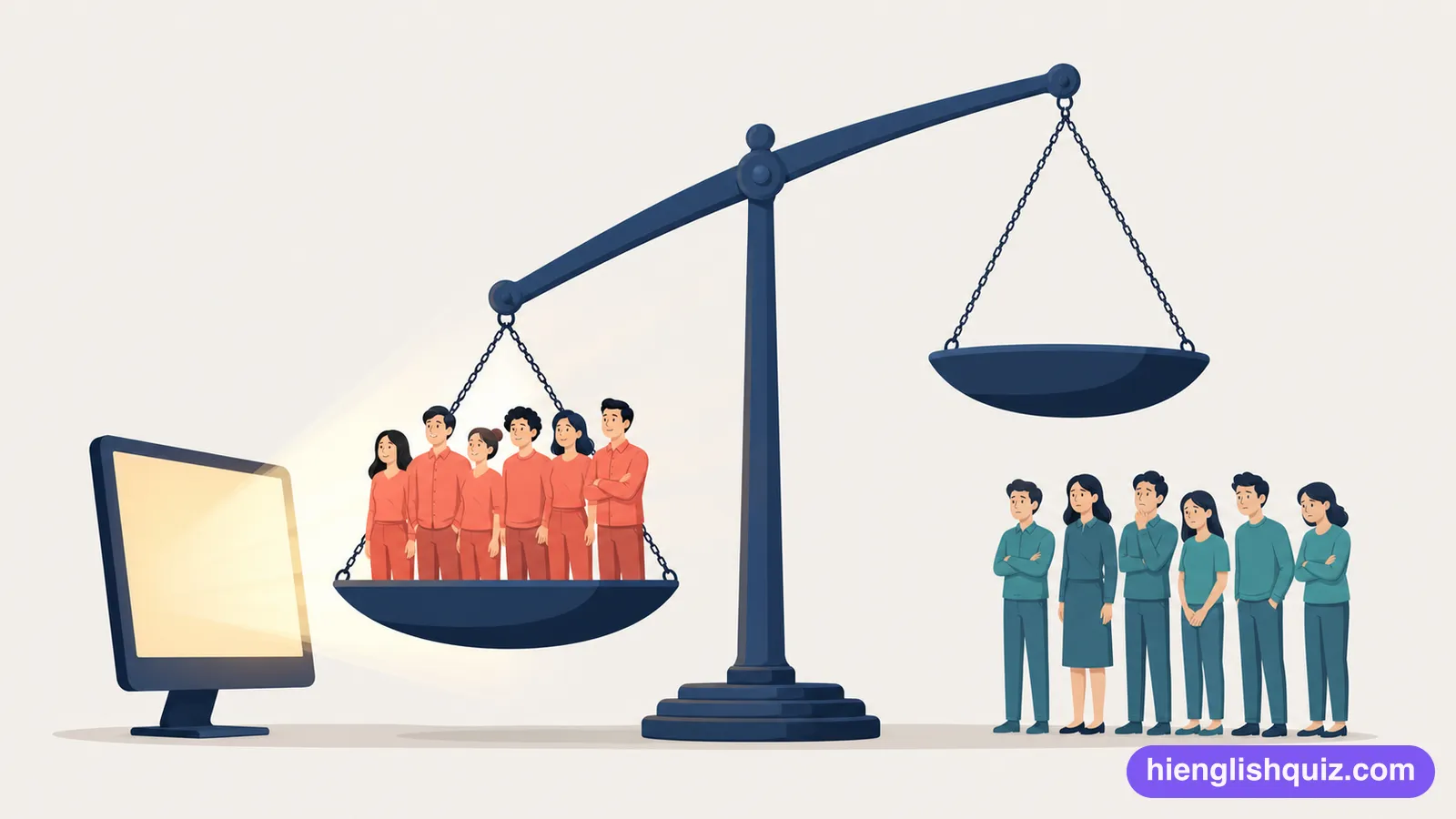
An unfairness built into a system that quietly favours one group over another.
Example: The hiring model showed clear bias against older applicants.
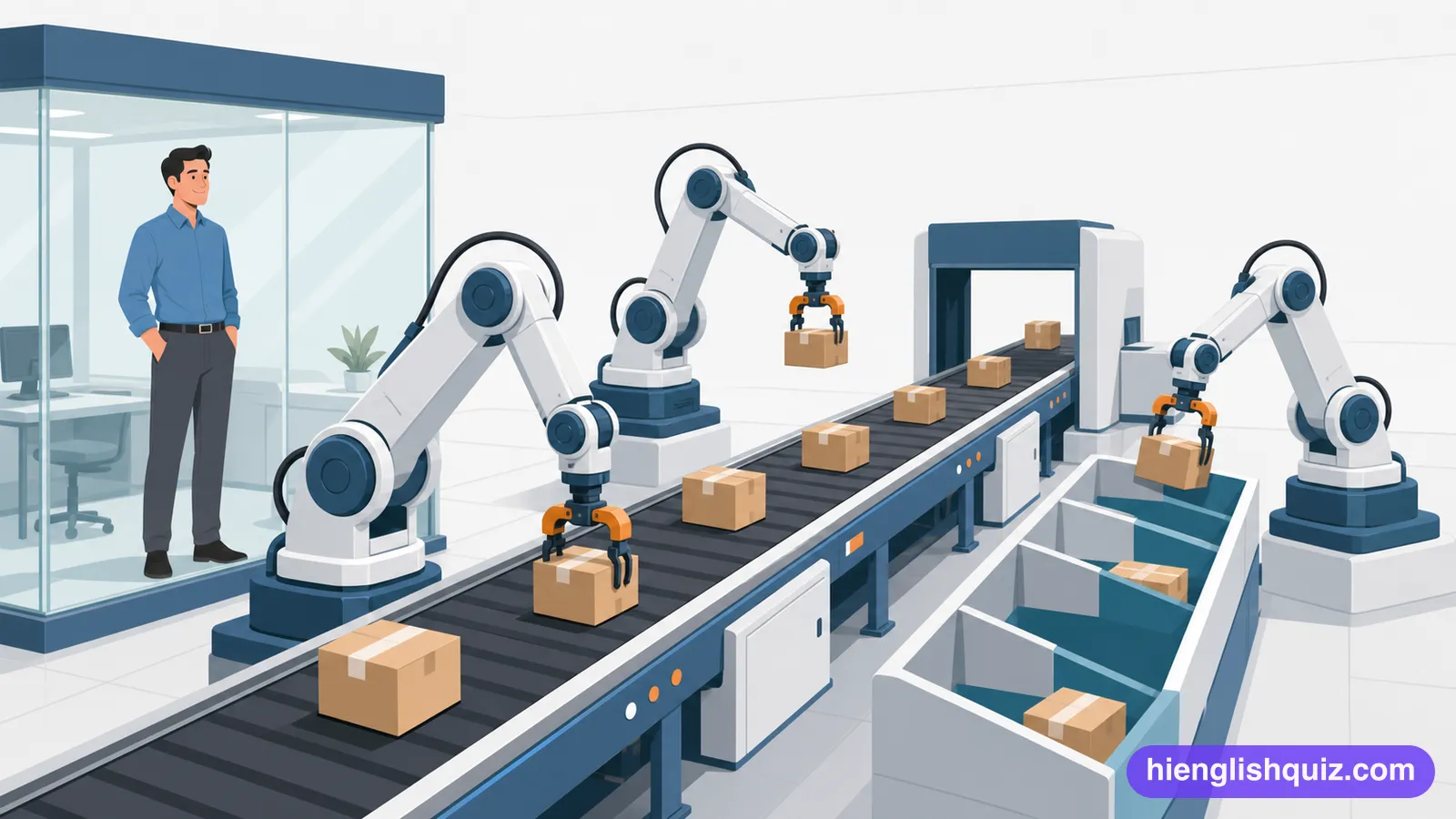
Able to operate and make decisions alone, with nobody controlling it.
Example: The warehouse uses autonomous trolleys to move the stock.
To create a computer model of a real situation so it can be studied safely.
Example: Engineers simulate a crash before they build the real car.

Able to produce new text, images, or sound by itself, rather than only sorting existing information.
Example: A generative program wrote the short story in seconds.
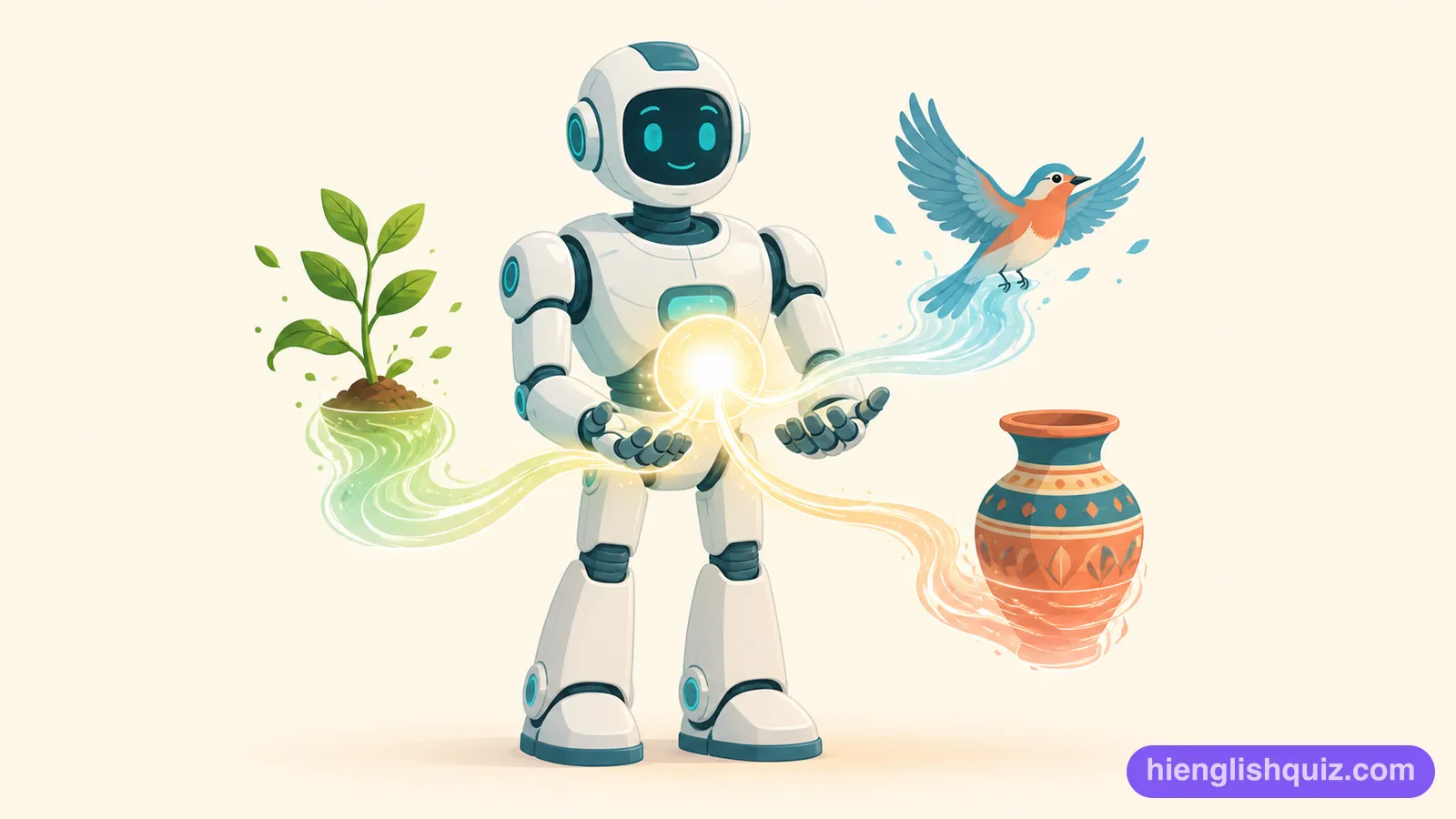
A fake video or photo, made by a computer, that shows someone doing or saying something they never actually did.
Example: The deepfake looked so real that many people believed it.

Technology that identifies a person by studying the shape and features of their face.
Example: The airport now uses facial recognition instead of checking passports by hand.

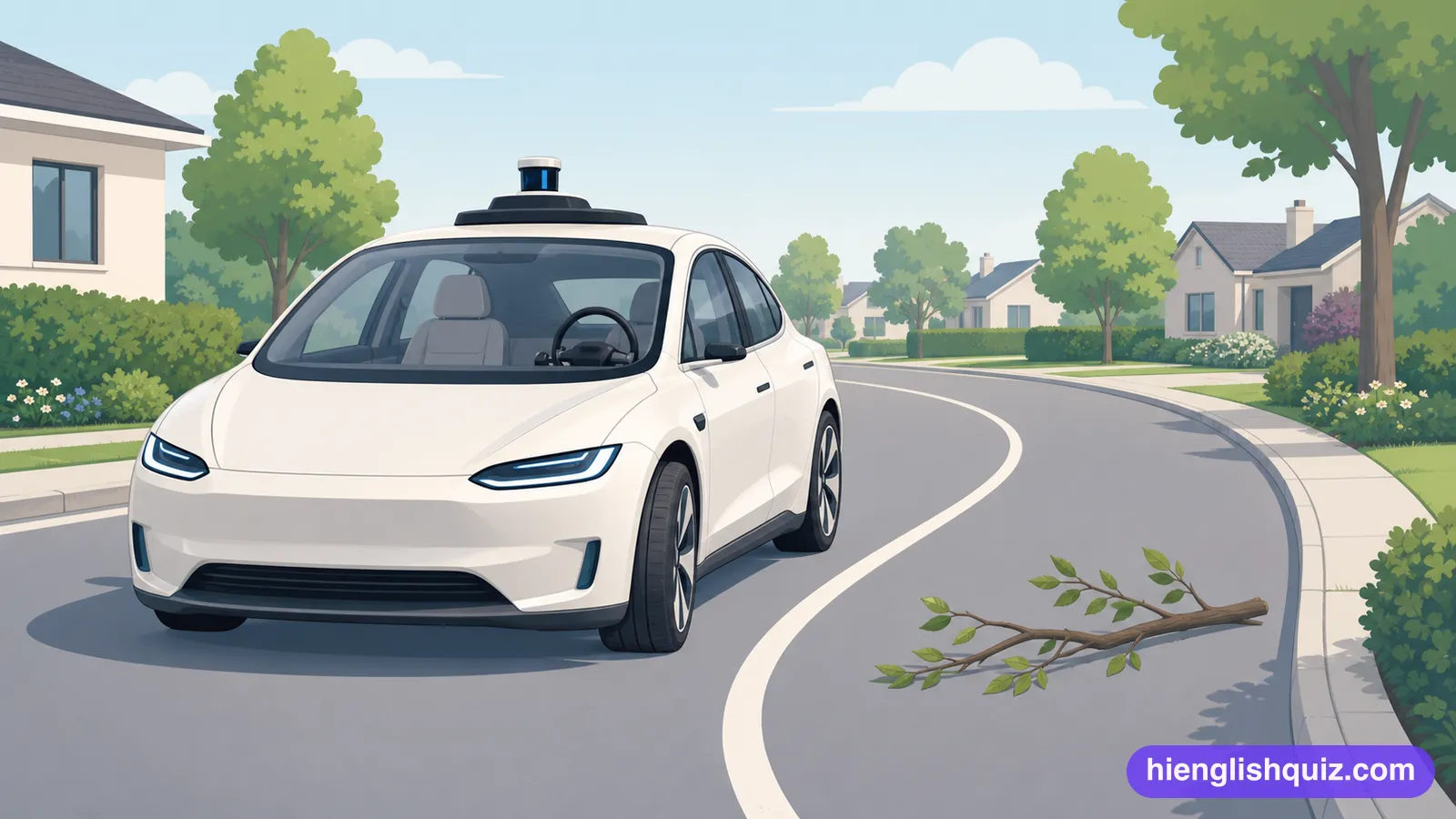
Able to drive without a person controlling the steering wheel or pedals.
Example: The company is testing a self-driving car on quiet roads.
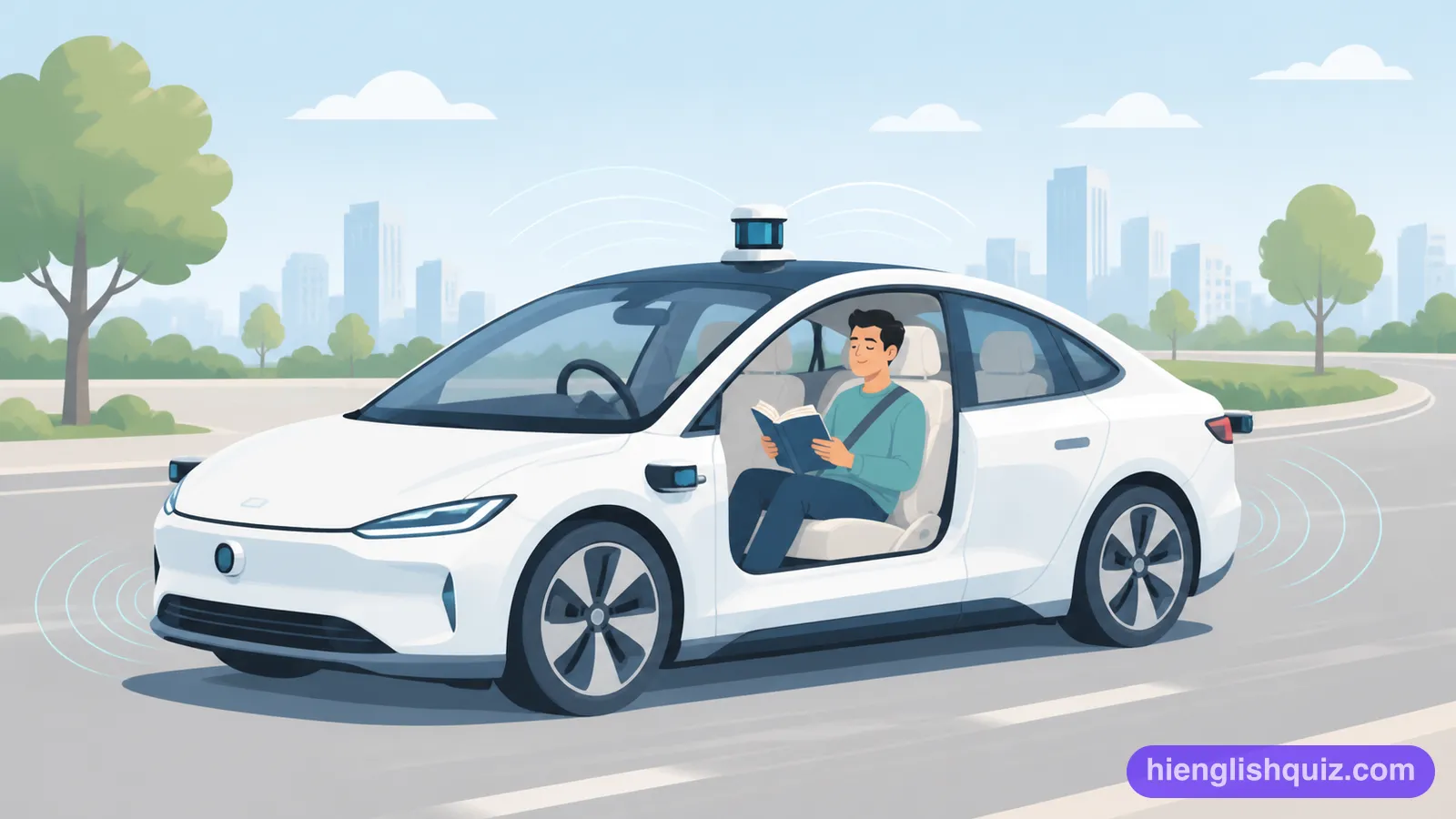
How close a system's answers or predictions are to what is actually true or correct.
Example: Engineers keep testing the model to improve its accuracy.

To change something, especially a computer system, so that it works as well as possible.
Example: Developers keep working to optimize the app's speed.
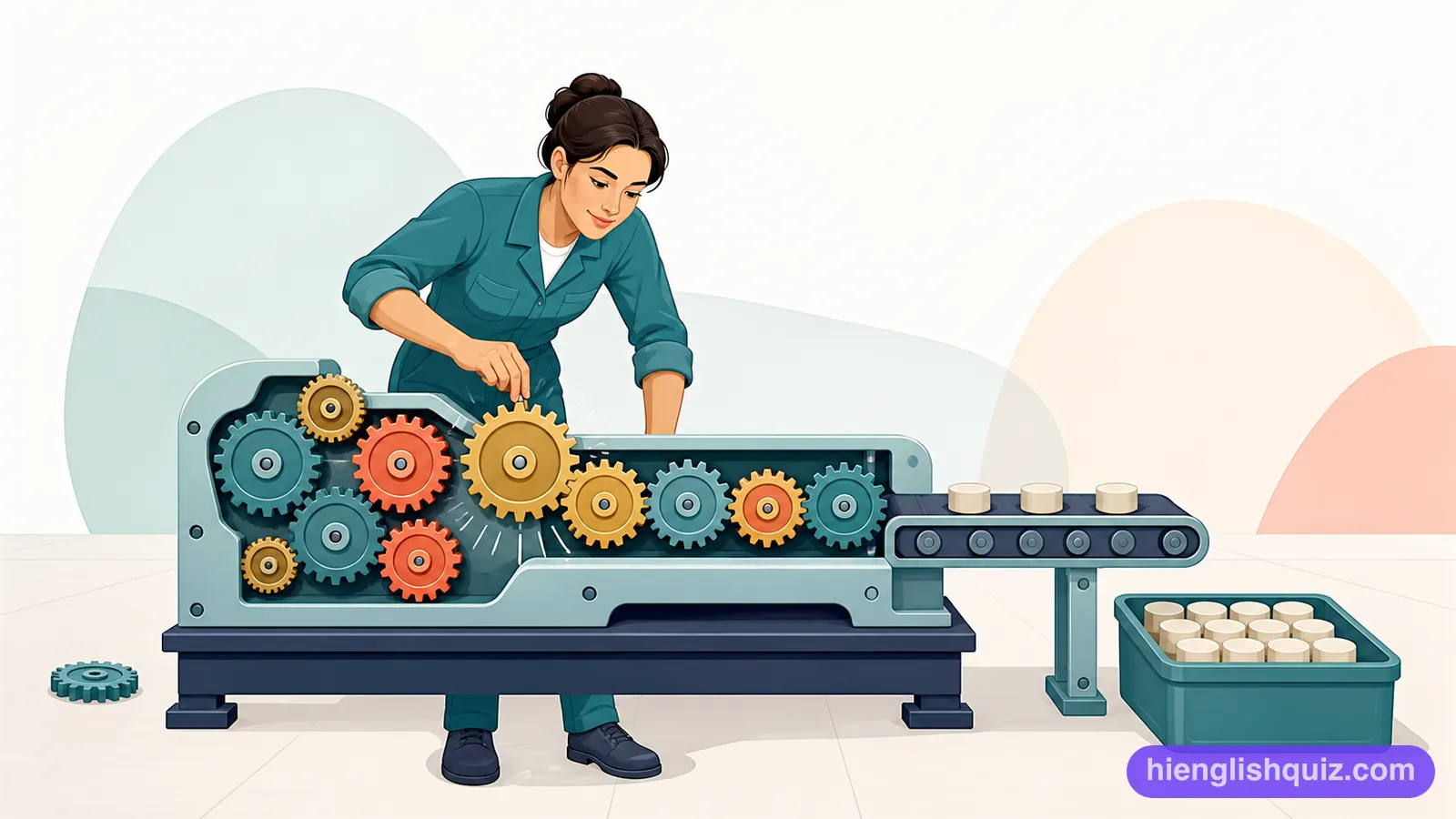
A group whose job is to attack a system to find its weaknesses.
Example: The red team broke it in four hours on the first afternoon.

A trick that gets a system to ignore its own rules.
Example: One jailbreak circulated for a fortnight before it was closed.
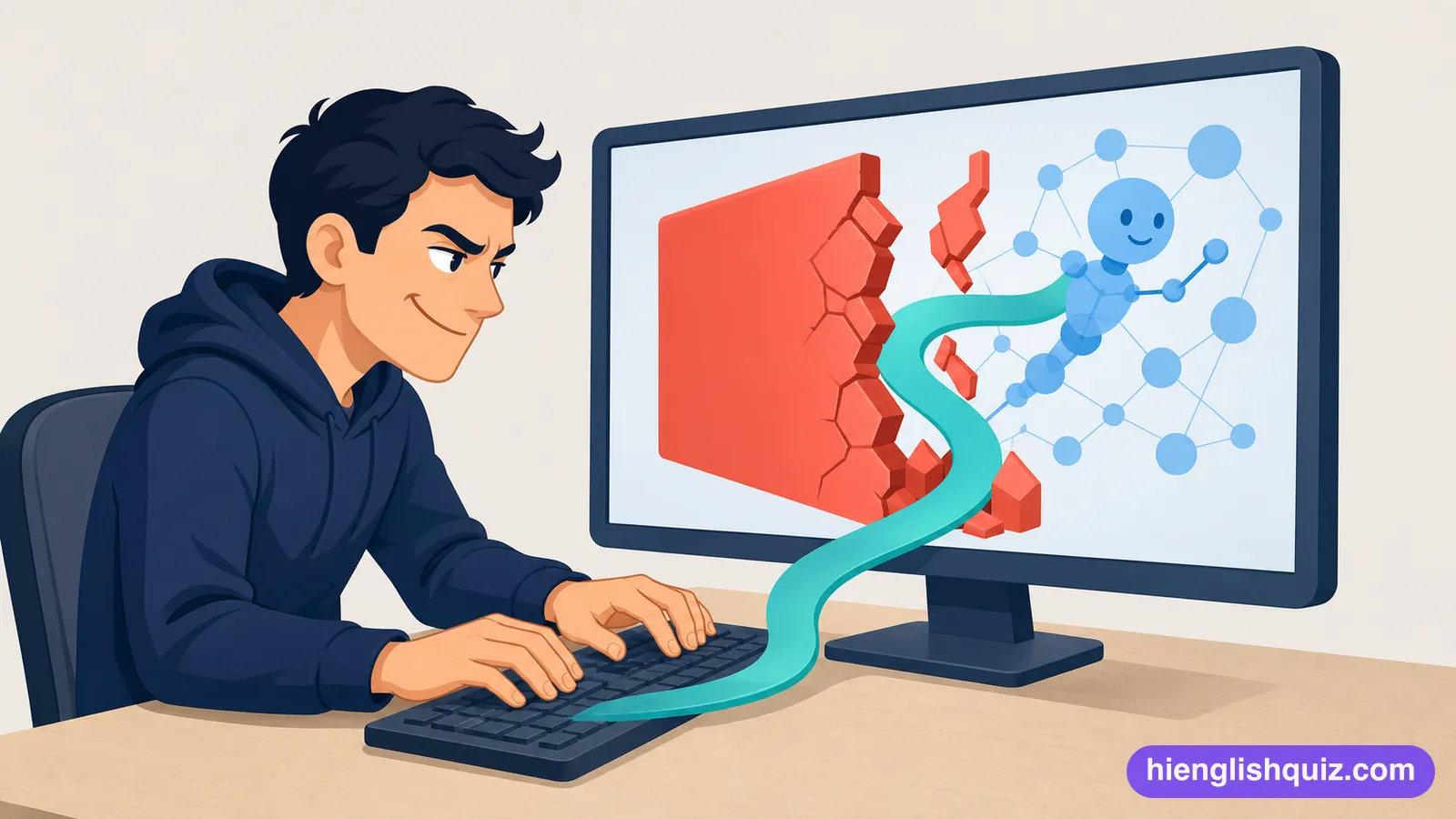
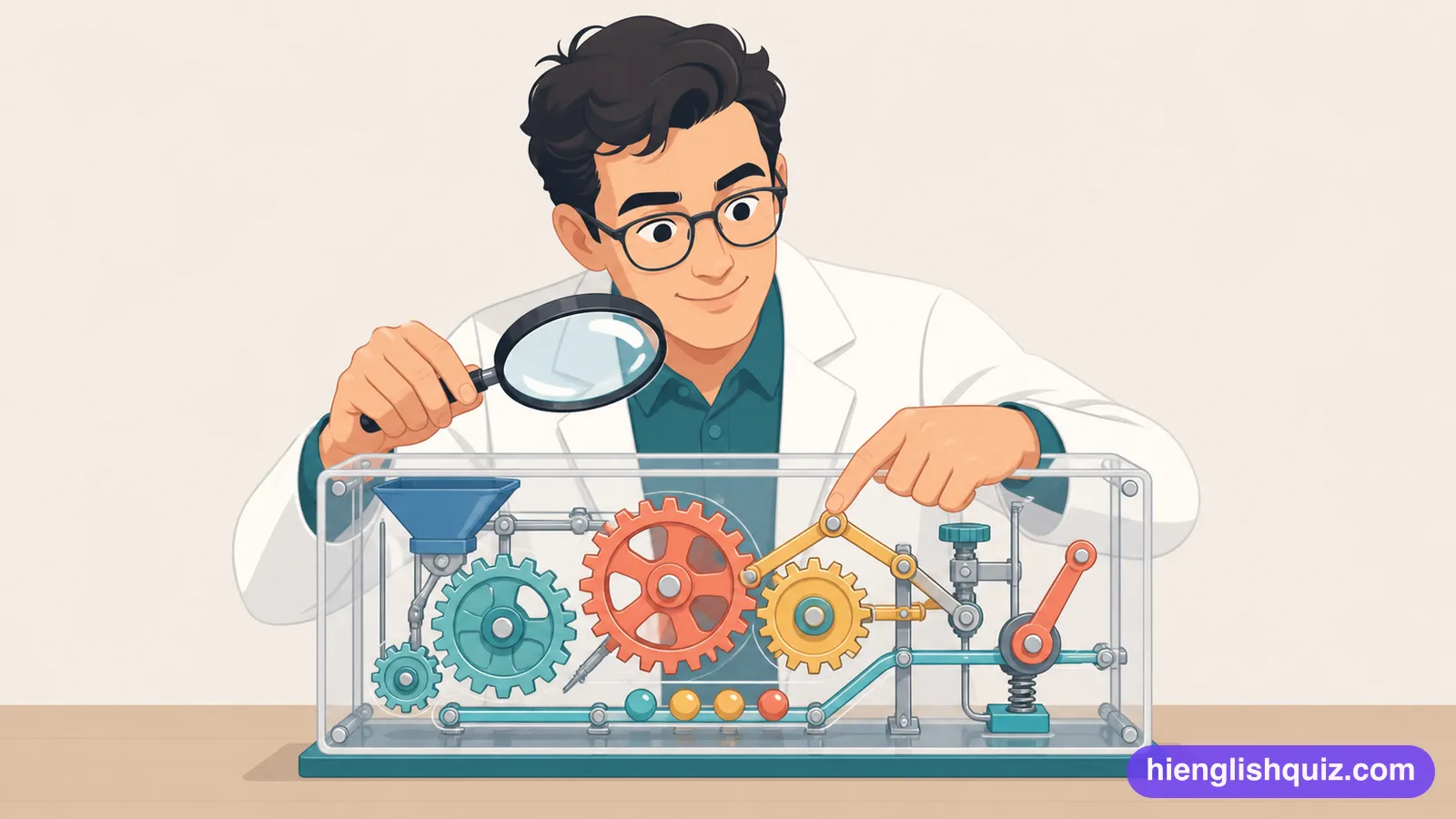
How far a person can understand why a system decided something.
Example: Interpretability is what regulators ask about first.
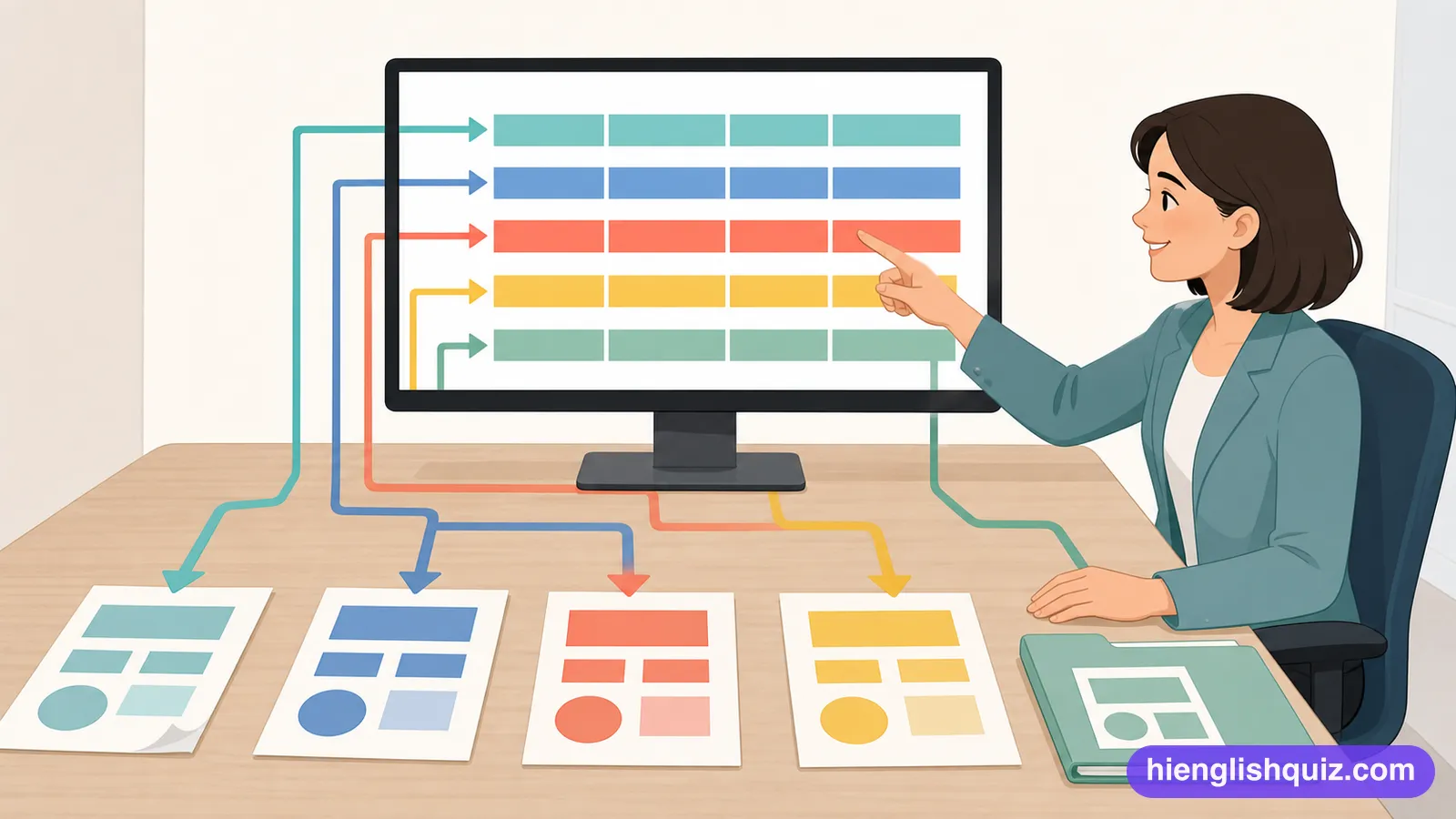
The labelling of data so a system can learn from it.
Example: The annotation work was outsourced and nobody checked it.

How well a system copes with unexpected input.
Example: The demo was flawless; the robustness was not.

A large collection of text used for study or training.
Example: The corpus was scraped without anyone asking.

A rough rule that usually works well enough.
Example: The whole system runs on one heuristic and a lookup table.
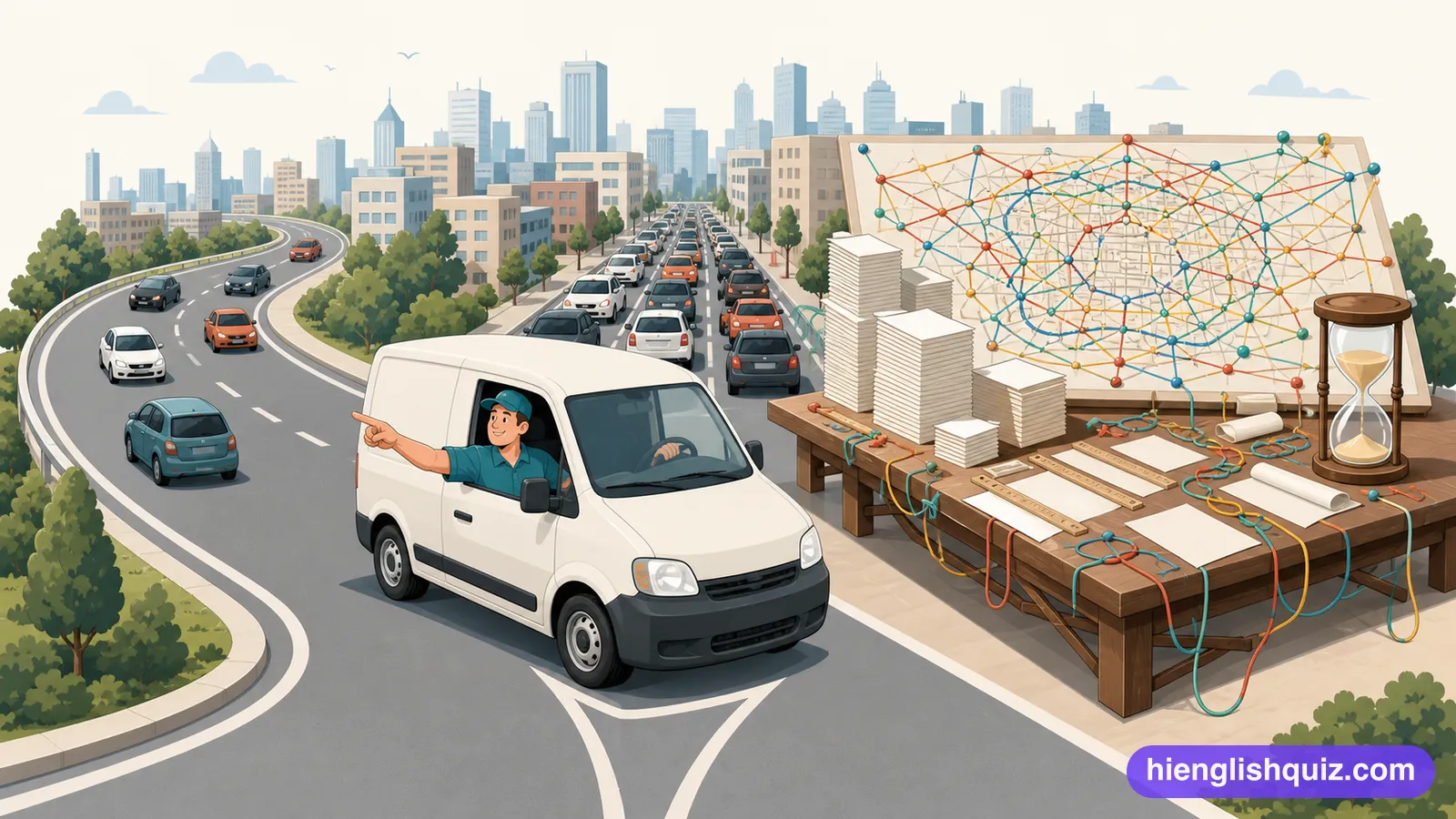
How much text a system can consider at one time.
Example: The whole document exceeded the context window by a factor of three.

The record of where a piece of data came from.
Example: Nobody could establish the provenance of half the images.
Designed to make a system fail.
Example: One adversarial example was enough to fool the classifier.