robot
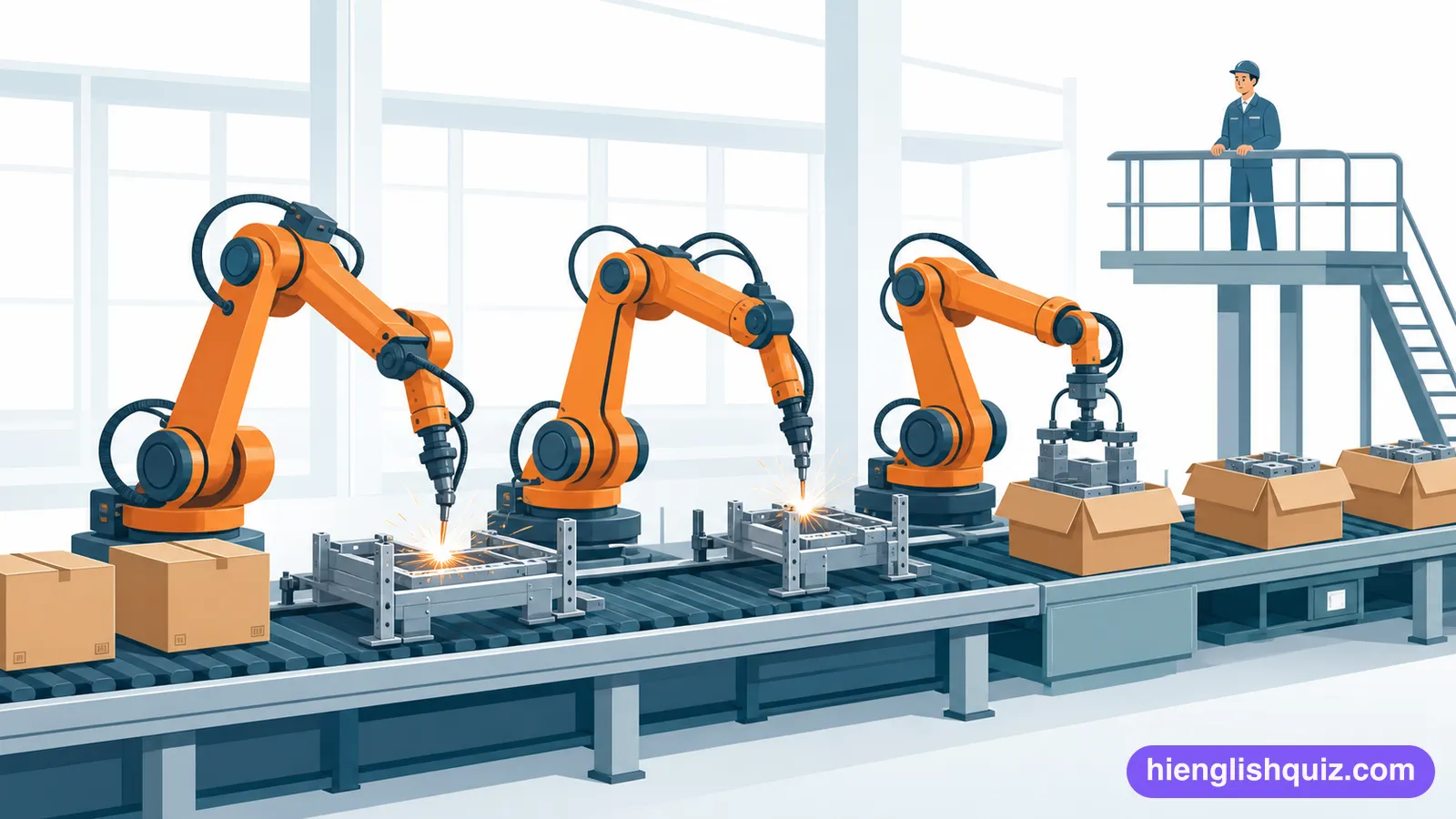
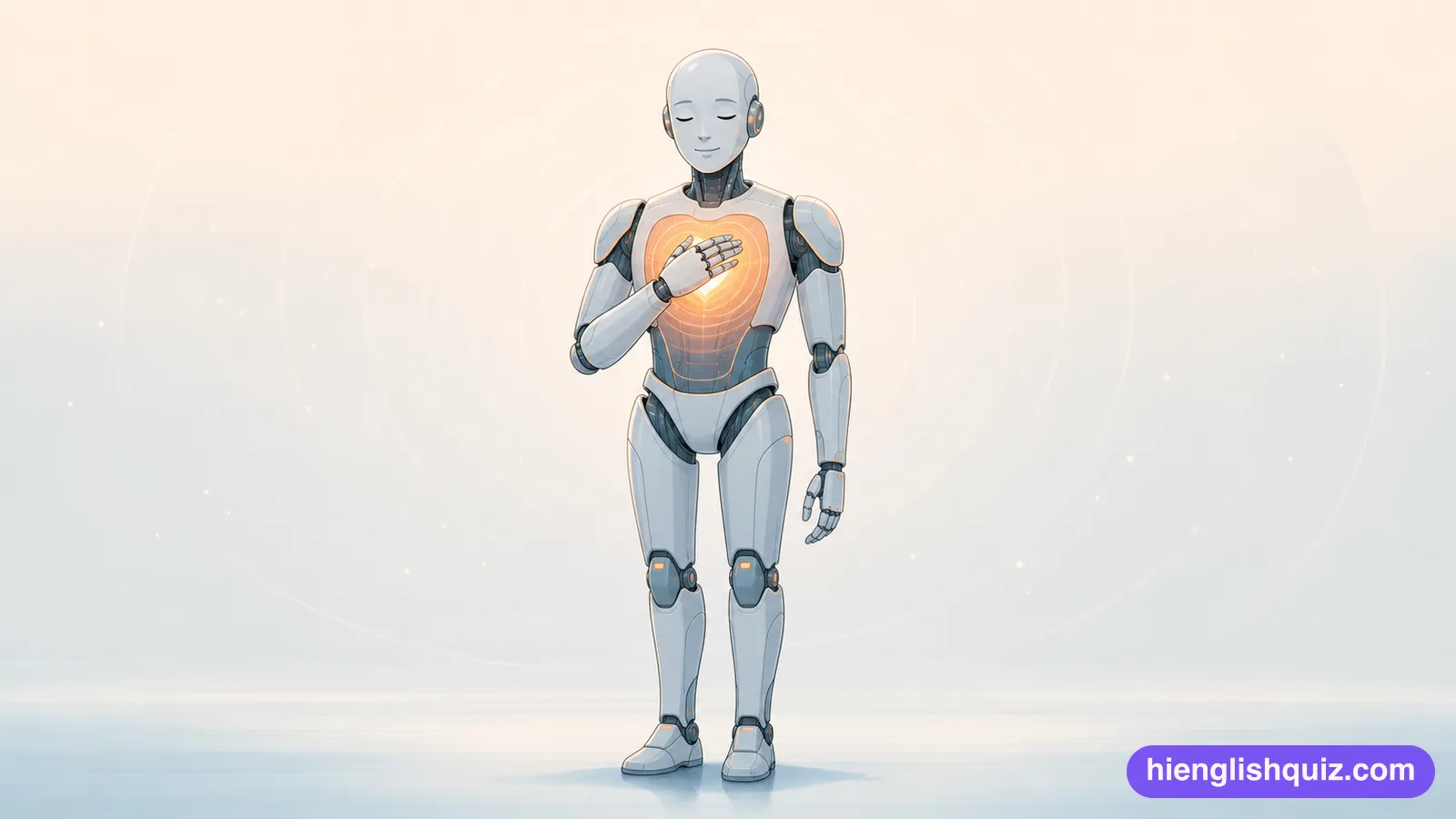
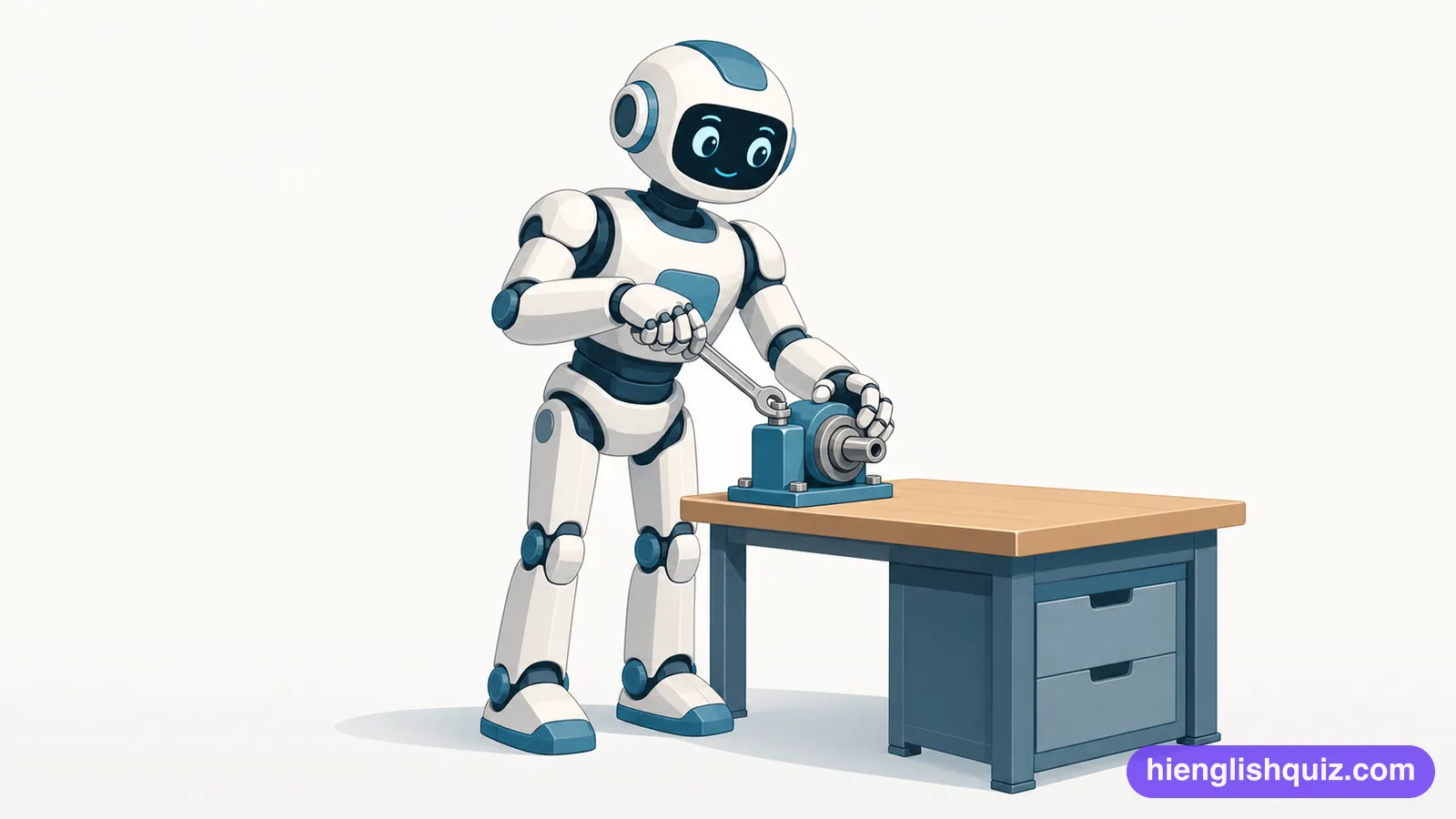
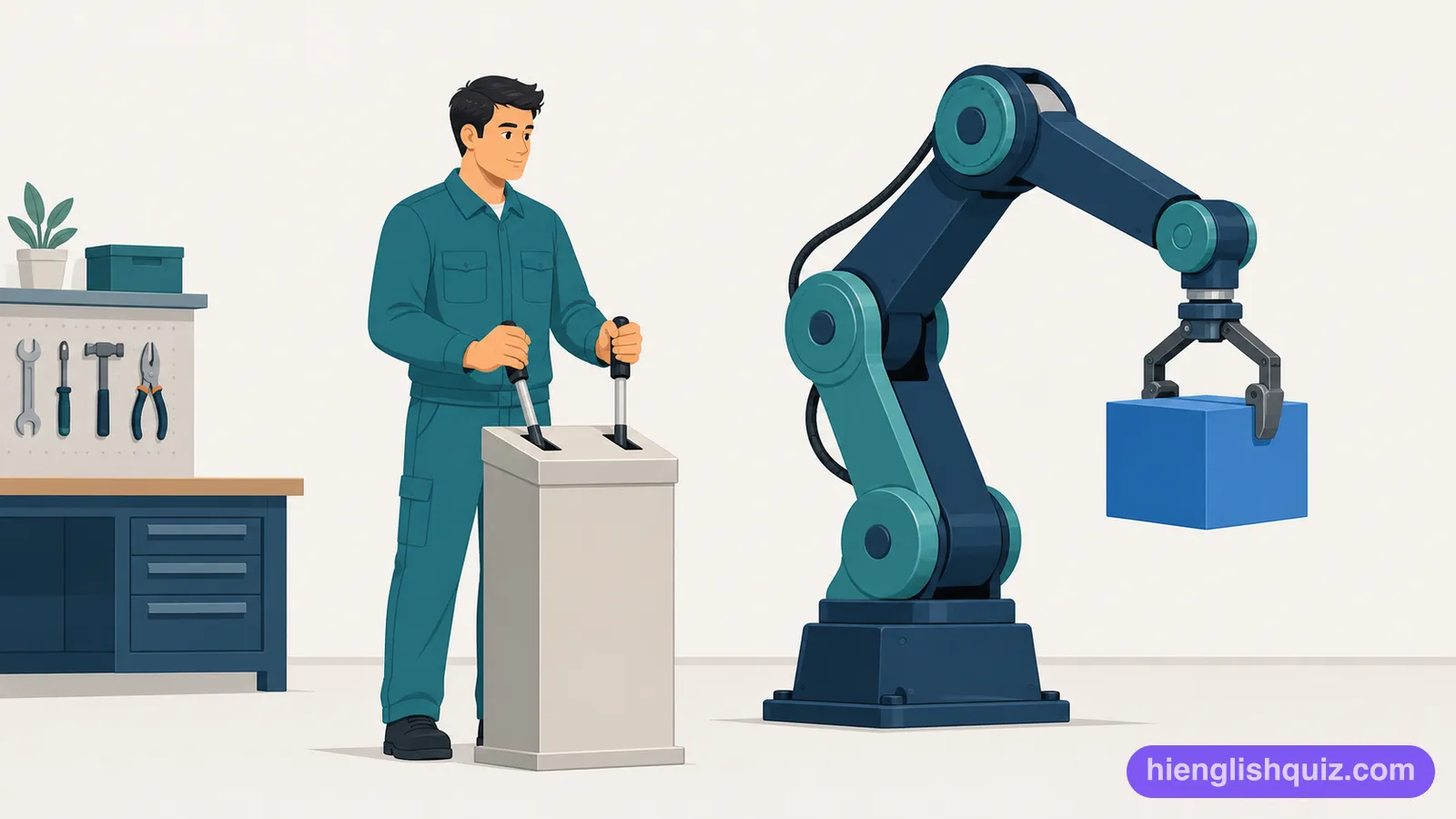
/ˈroʊˌbɑt/A machine that can move and do jobs by itself, sometimes looking like a person.
Example: The factory uses a robot to lift heavy boxes.
 Hi EnglishQuiz
A212 words · Elementary
Artificial intelligence vocabulary such as robot, chatbot and smart speaker, plus sensor, voice command and automatic. Everyday words for talking about smart devices.
A machine that can move and do jobs by itself, sometimes looking like a person.
Example: The factory uses a robot to lift heavy boxes.
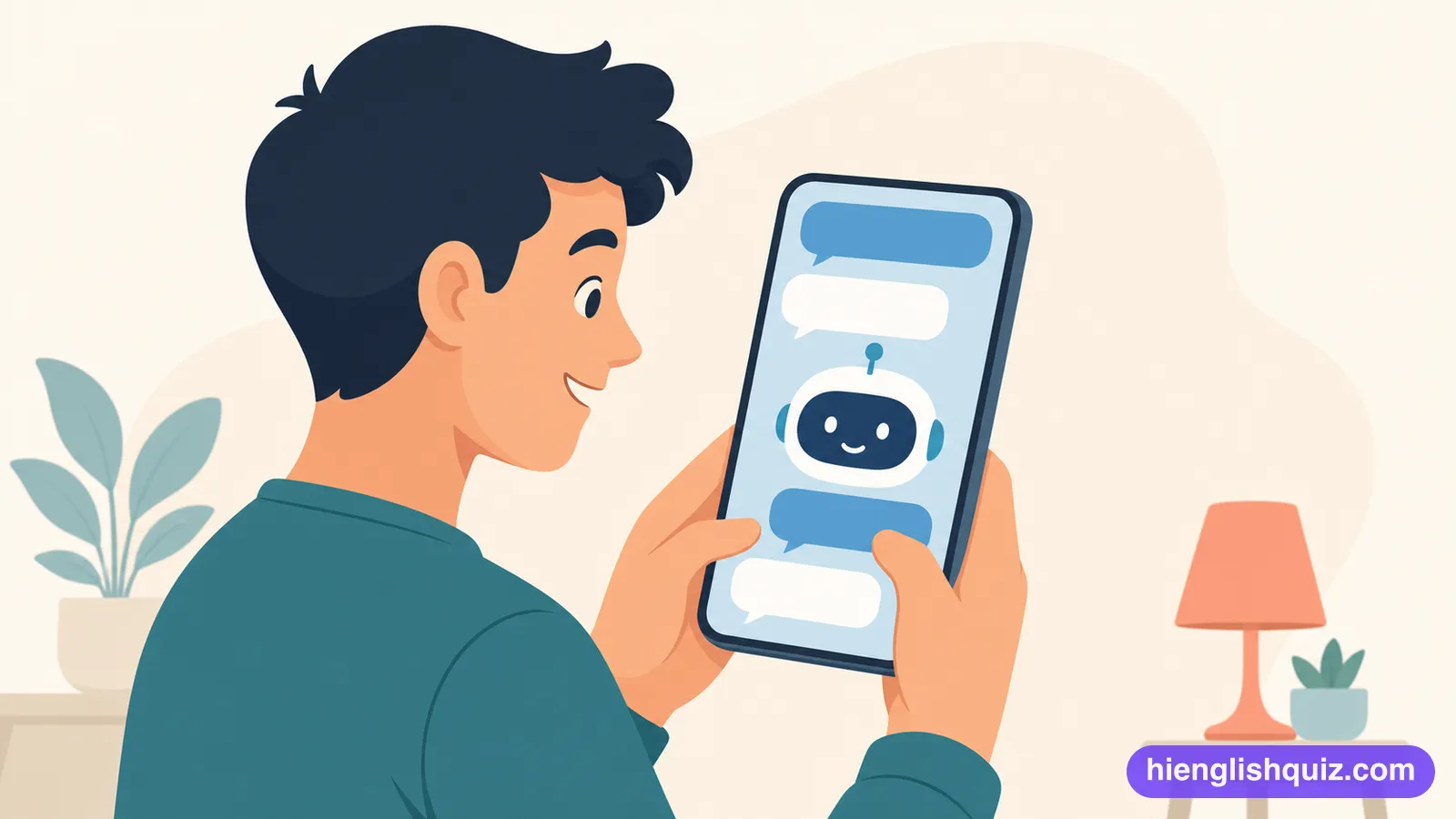
A computer helper you type to that answers like a person.
Example: I asked the chatbot for a train timetable.
The sound you make when you speak, which a phone can now understand.
Example: Just use your voice to turn the lights off.
Describes a device with a small computer inside it, so it can think and make simple choices on its own.
Example: Our new TV is smart and can suggest shows to watch.
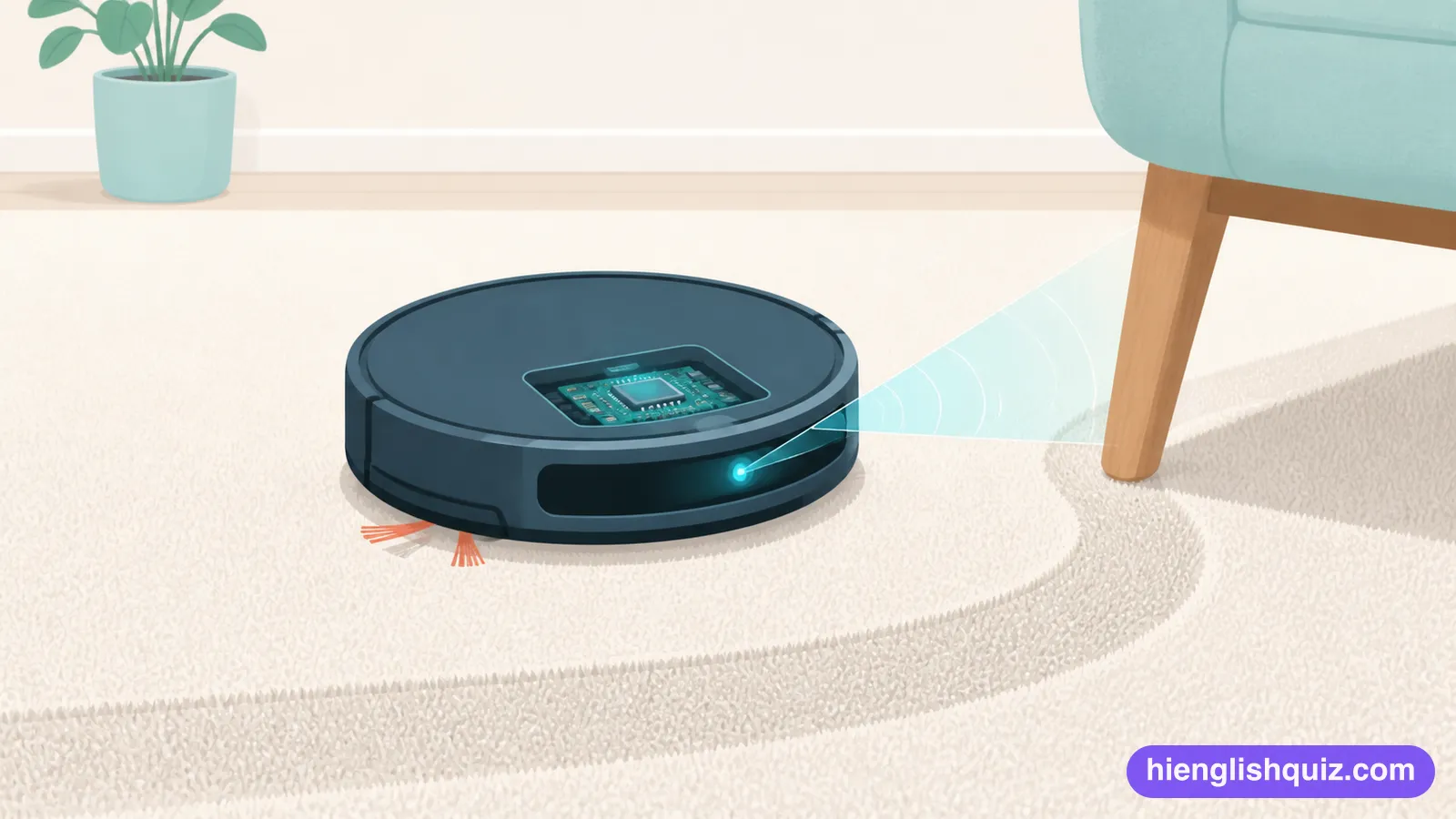
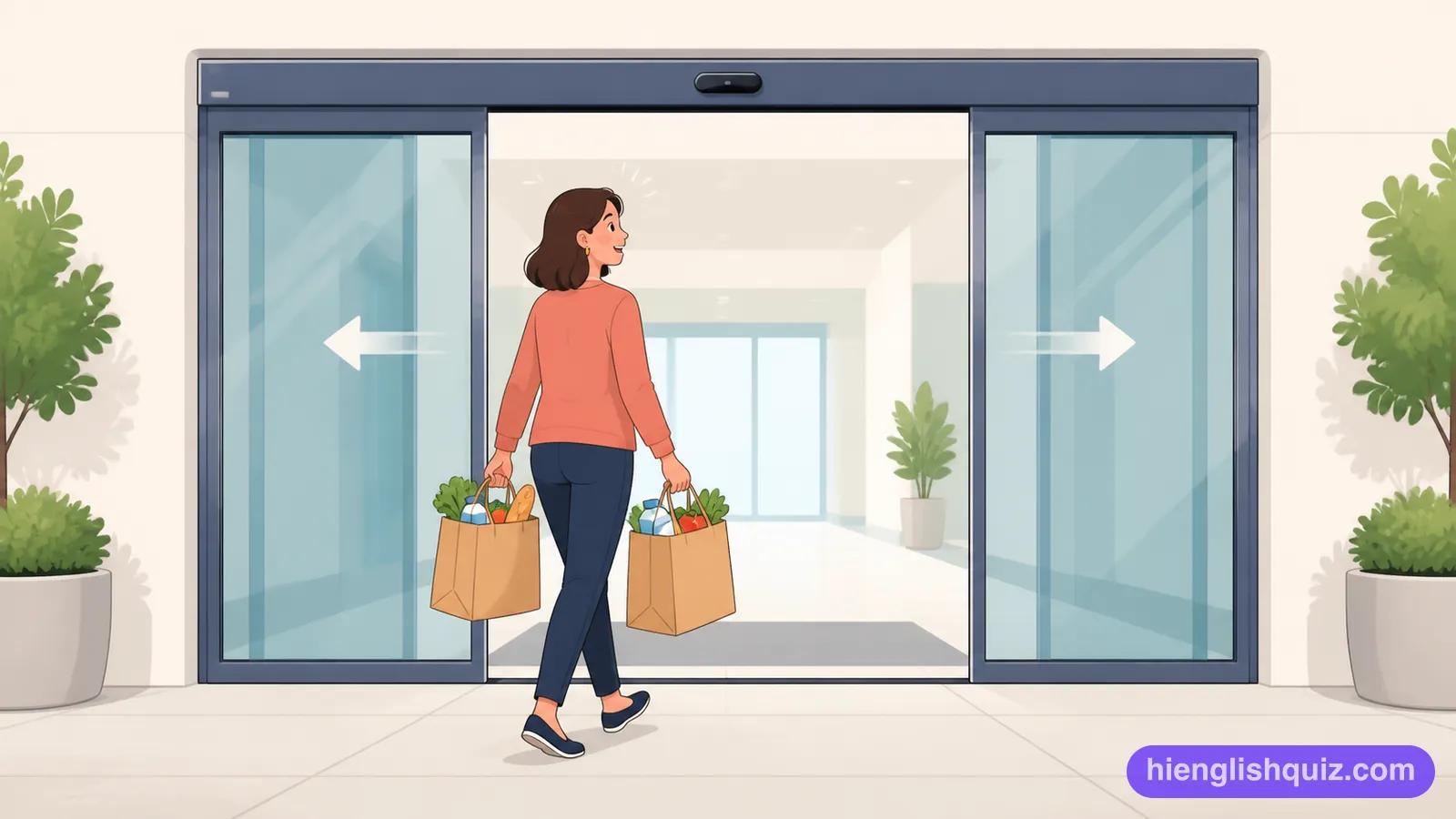
Working by itself, without a person controlling it each time.
Example: The vacuum cleaner is automatic, so it cleans the floor by itself.
Using computer technology to store, send, or show information, instead of older mechanical ways.
Example: We keep all our old photos in a digital album now.

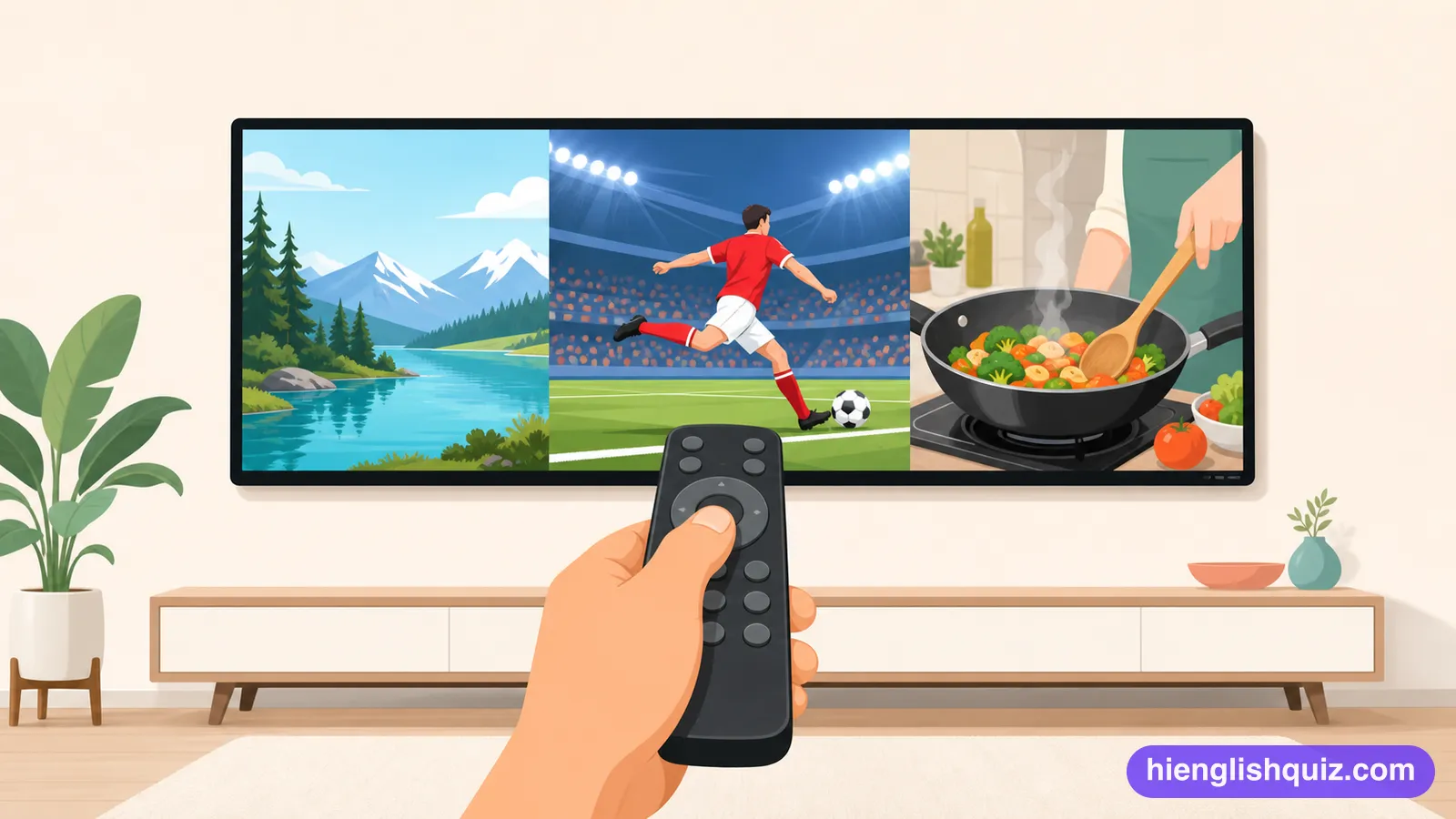
The power to make a machine do what you want, for example by pressing a button or speaking.
Example: You can use your voice to control the speaker.
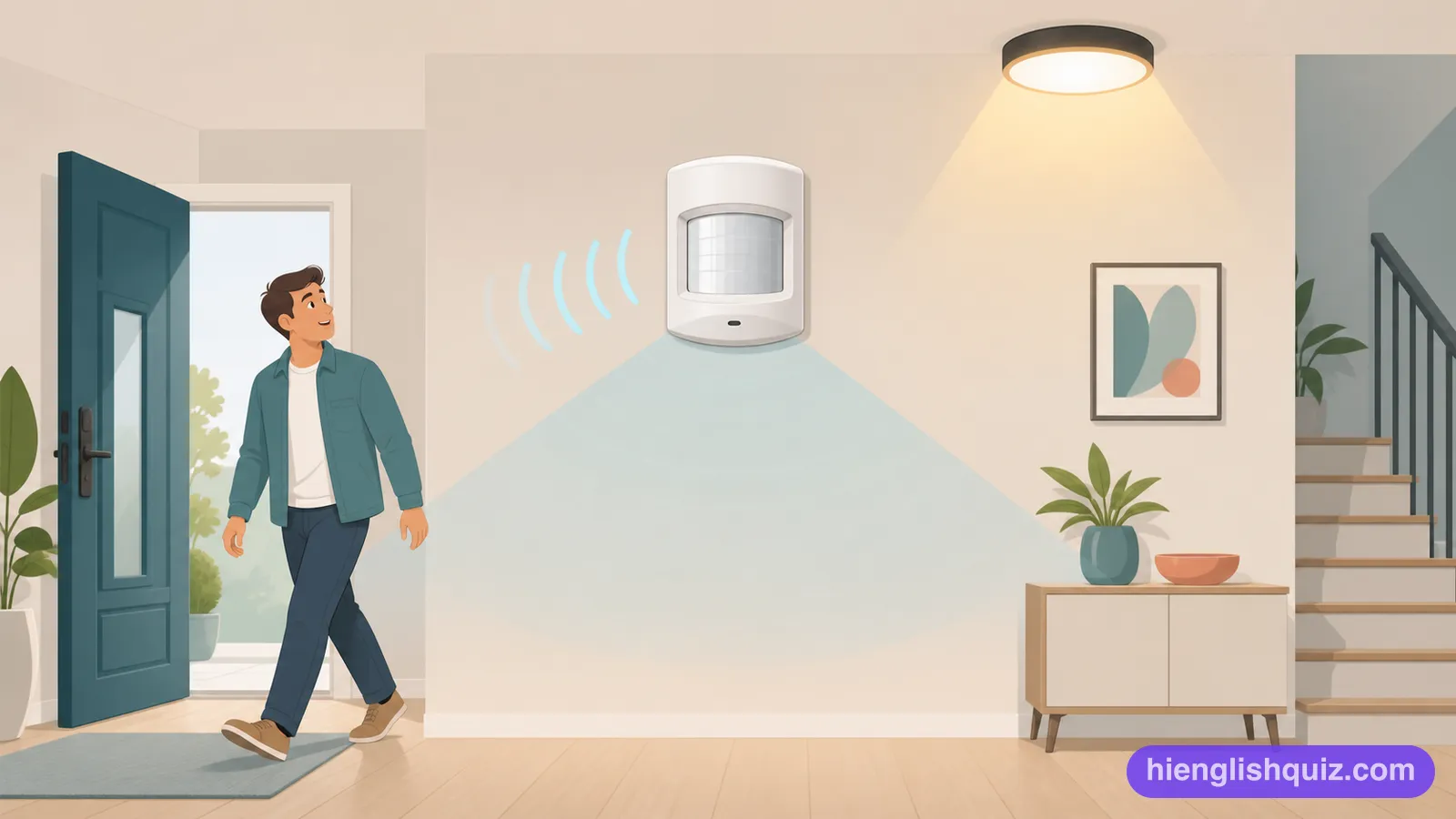
A small device that can detect light, movement, sound, or heat.
Example: A sensor turns the light on when it notices movement.
A device that picks up sound so it can be recorded or sent to another device.
Example: Speak clearly into the microphone so the assistant can hear you.

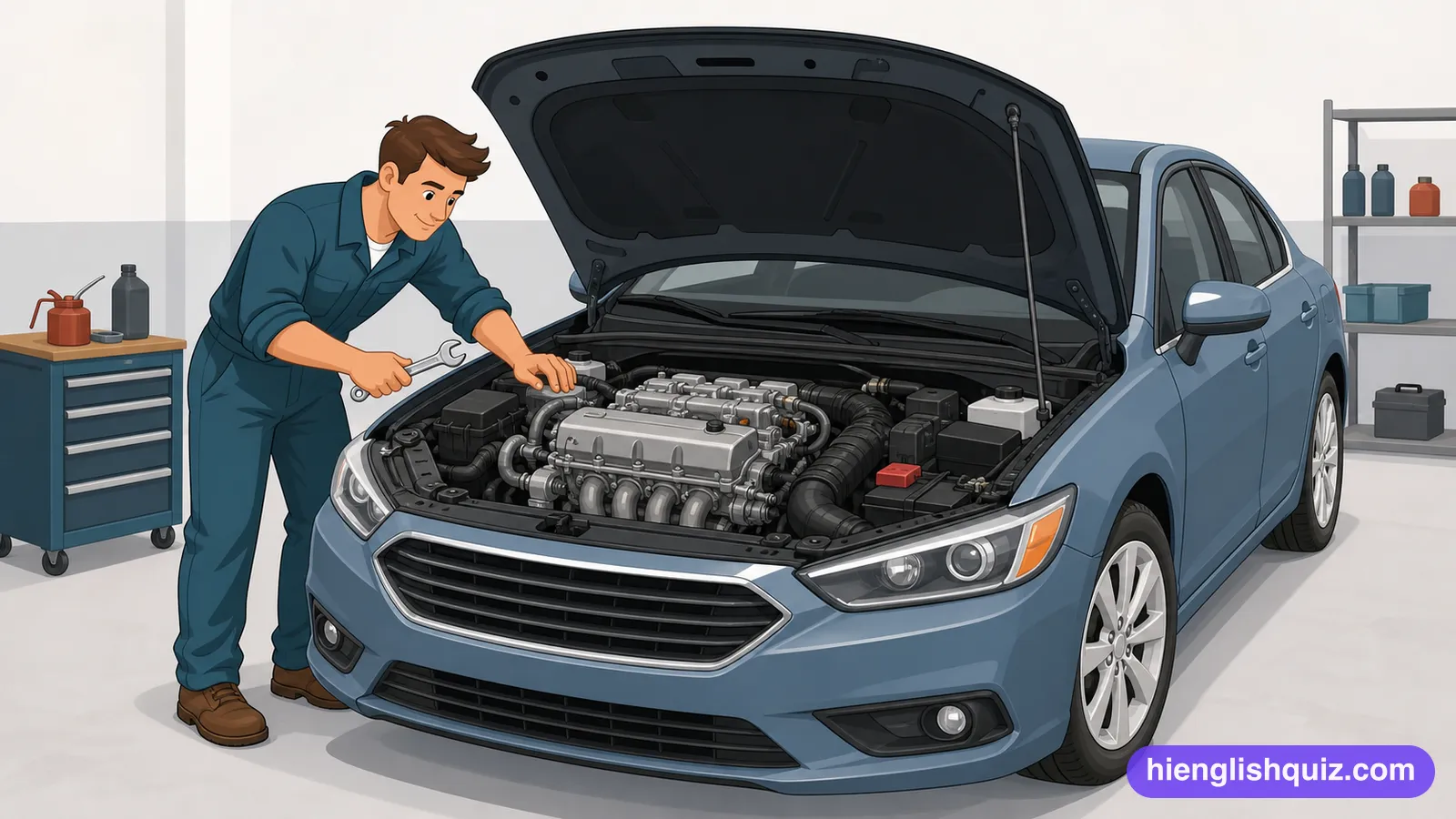
A piece of work that a person gives a computer or program to carry out.
Example: Ask the assistant to complete a simple task for you.

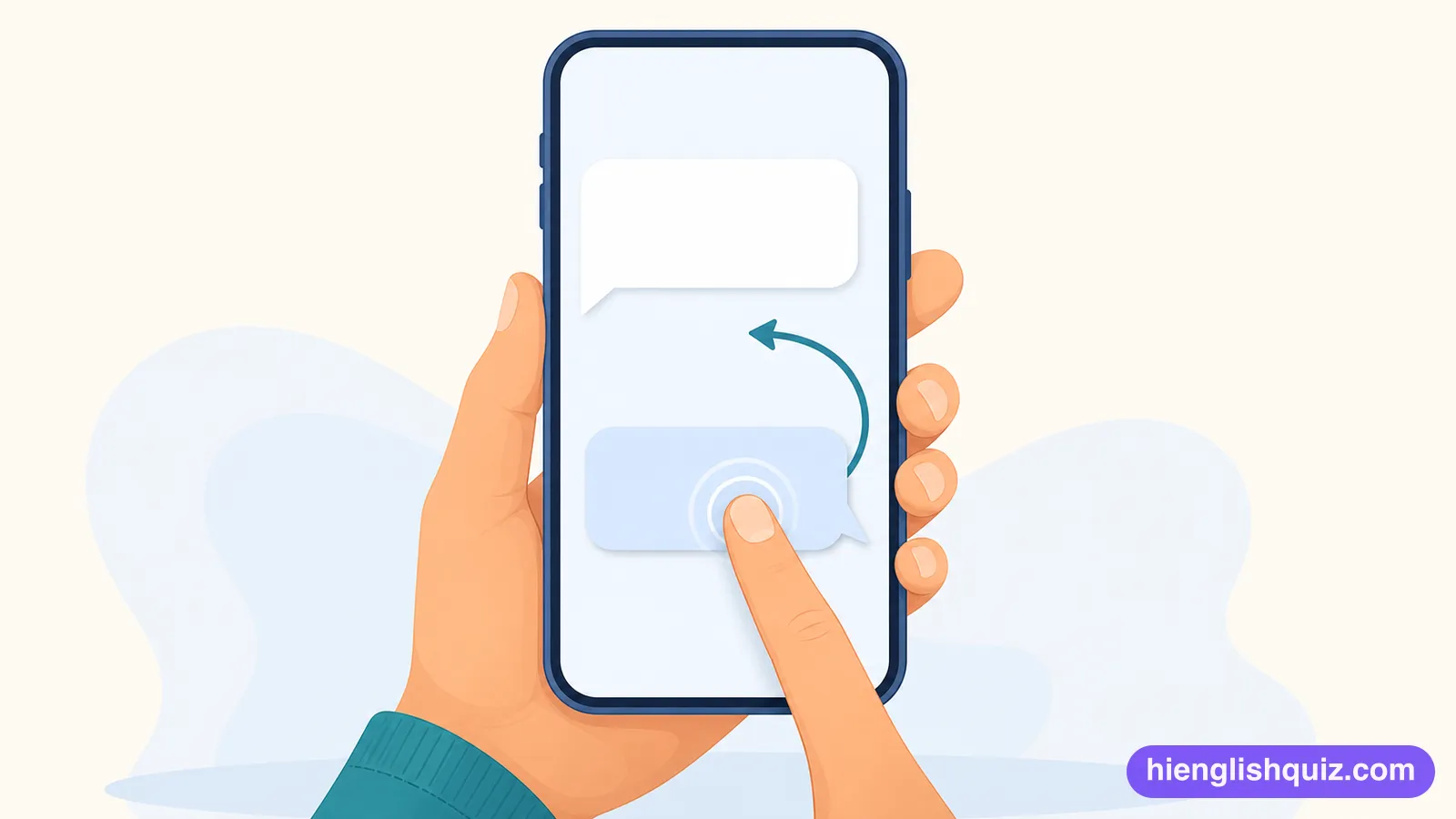
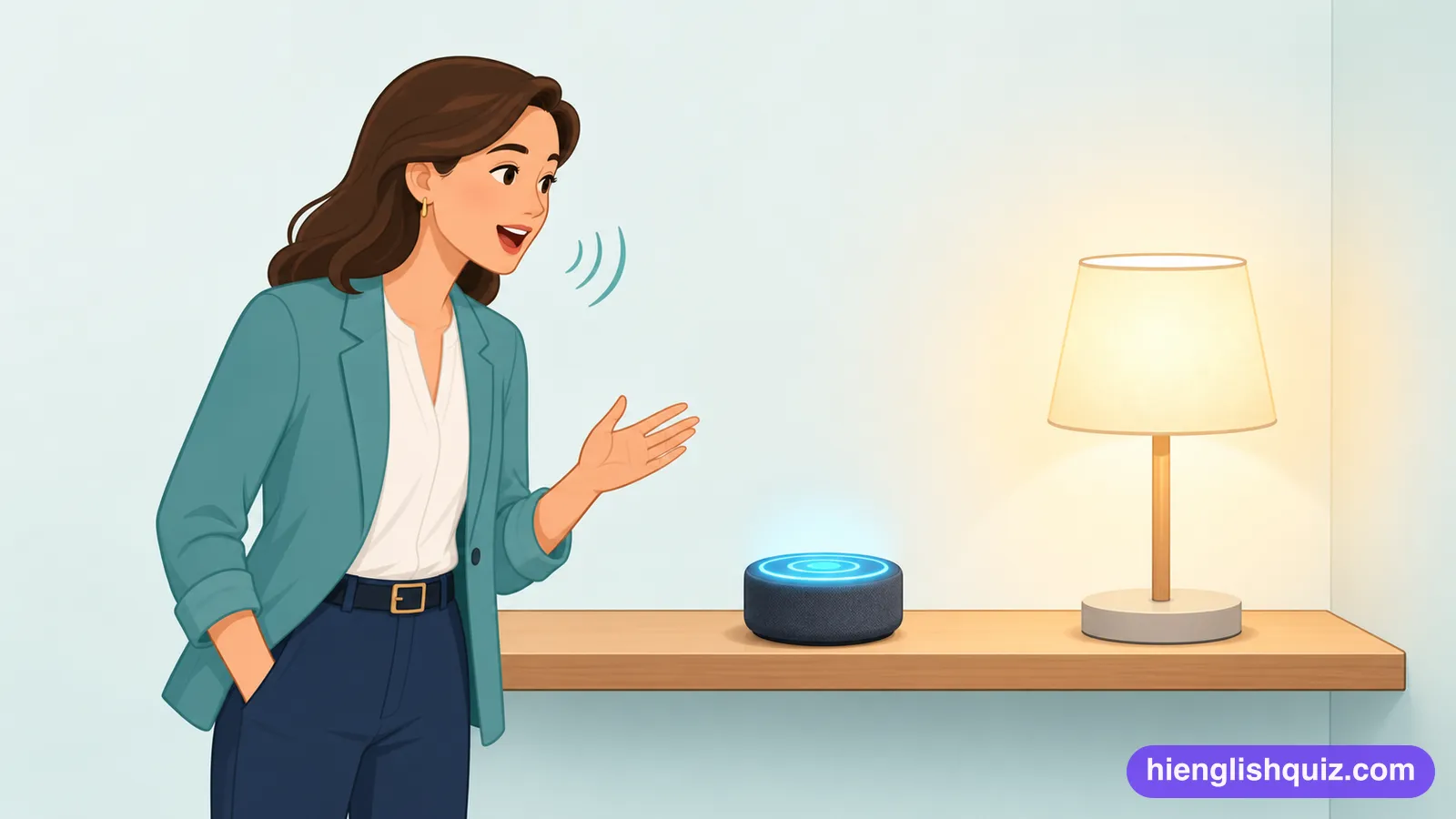
A spoken instruction given to a device.
Example: One voice command turns every light in the house off.
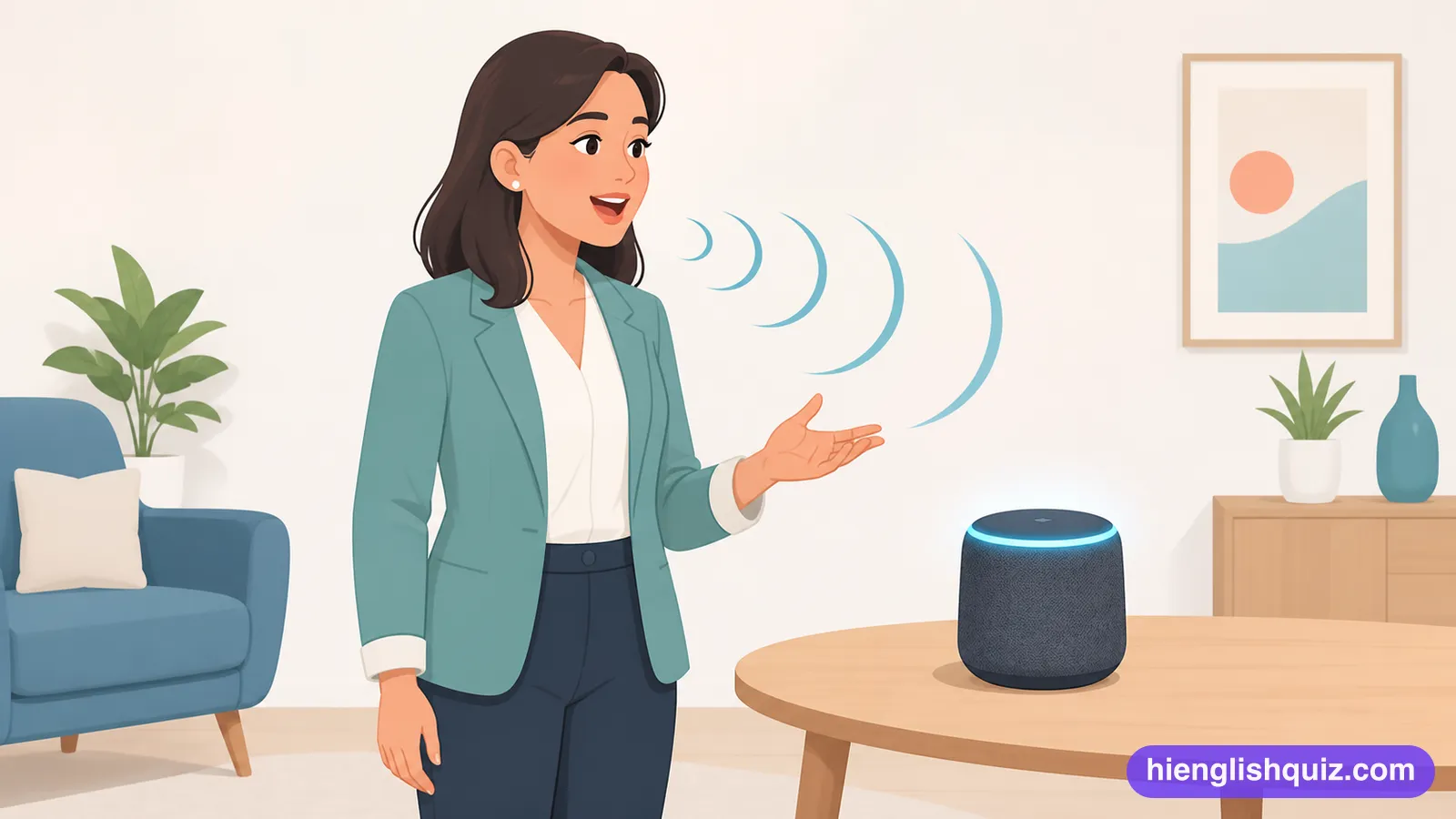
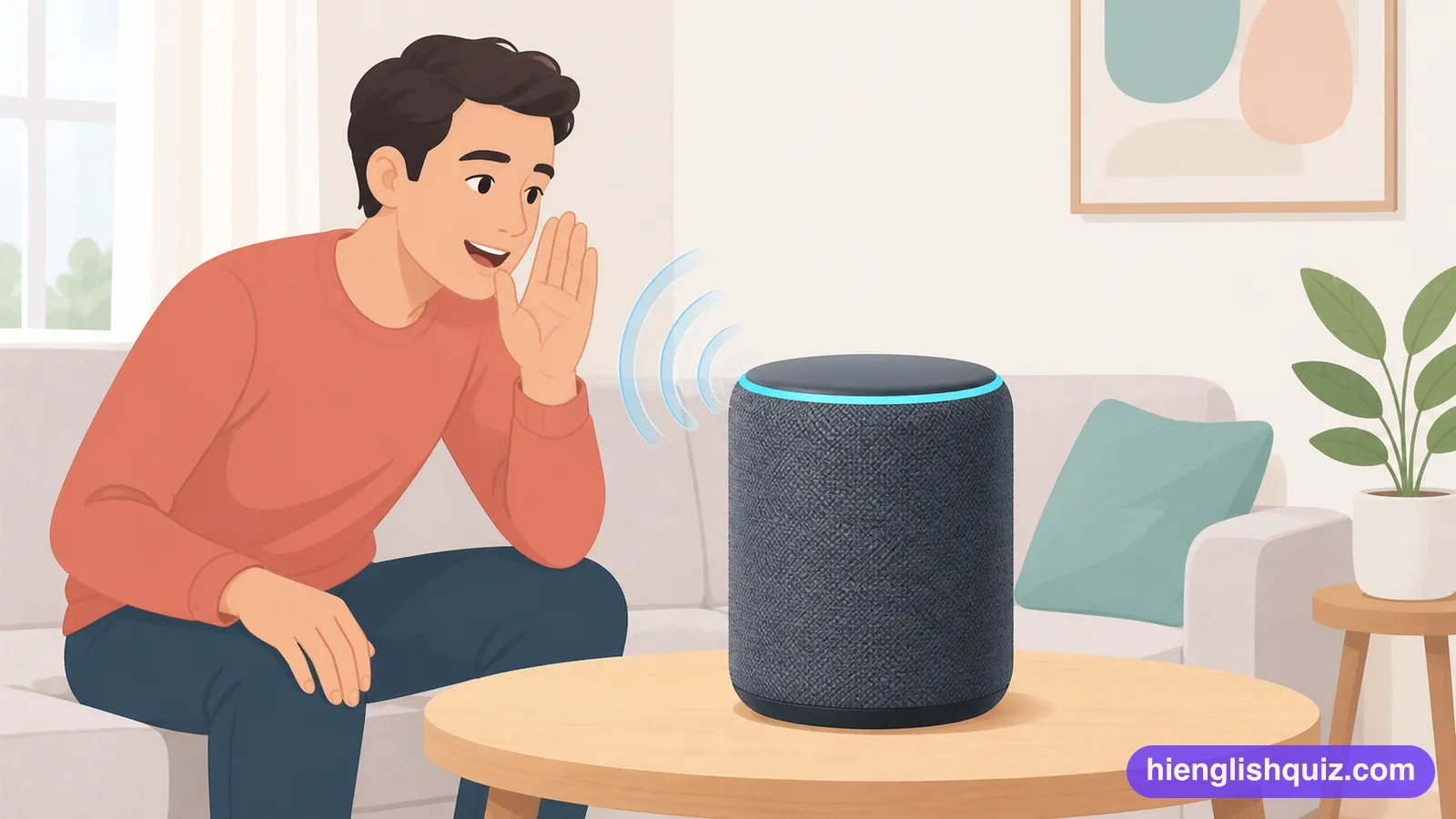
A device that listens for instructions and answers out loud.
Example: The smart speaker in the kitchen mishears the radio constantly.