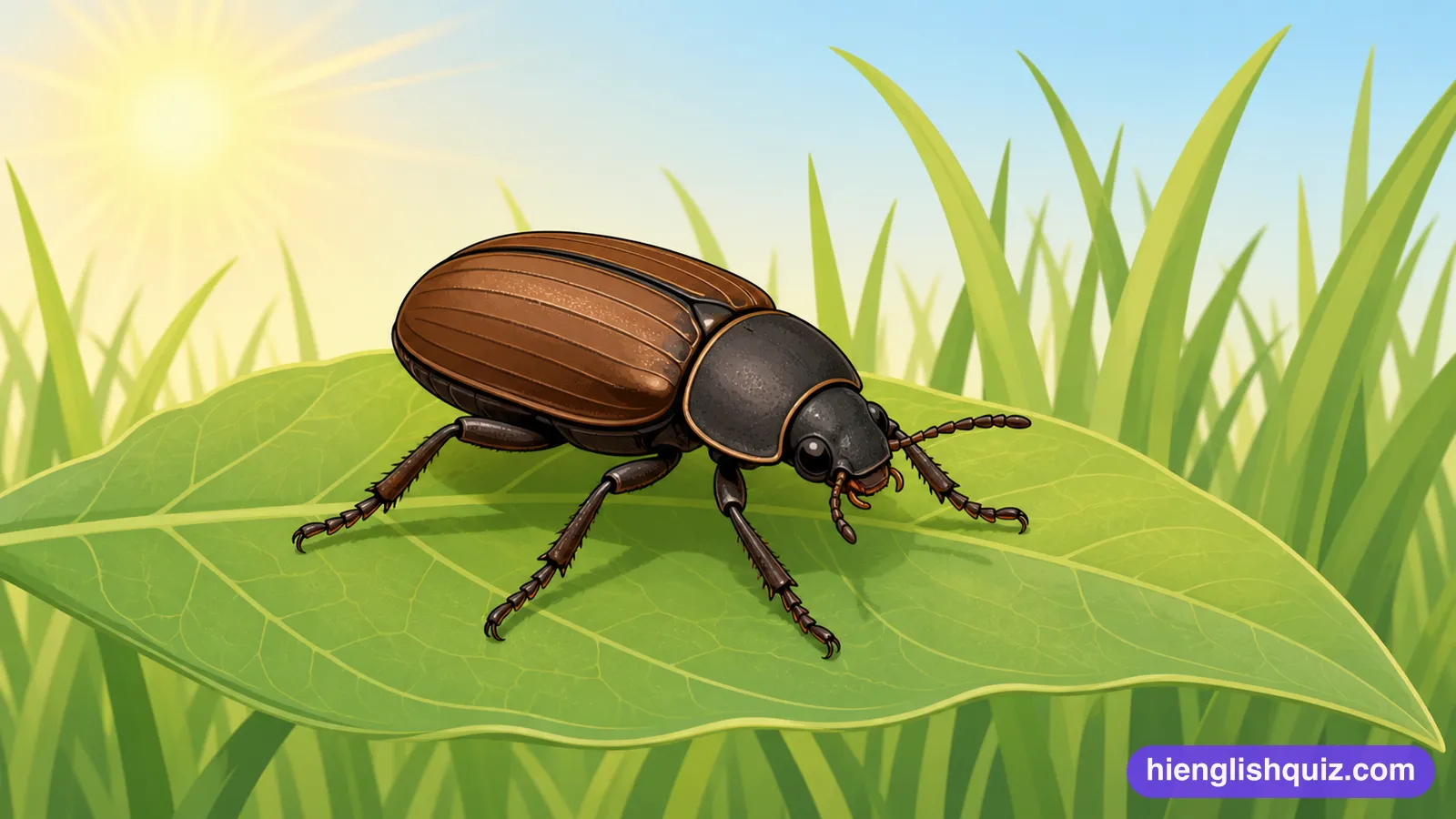
insect
/ˈɪnˌsɛkt/A very small animal with six legs, like an ant or a bee.
Example: An insect bit me on the ankle.
 Hi EnglishQuiz
A214 words · Elementary
Natural science vocabulary covering living things and simple chemistry — words such as insect, branch and wing sit alongside gas, steam and melt, the two subjects a beginner meets first.
A very small animal with six legs, like an ant or a bee.
Example: An insect bit me on the ankle.
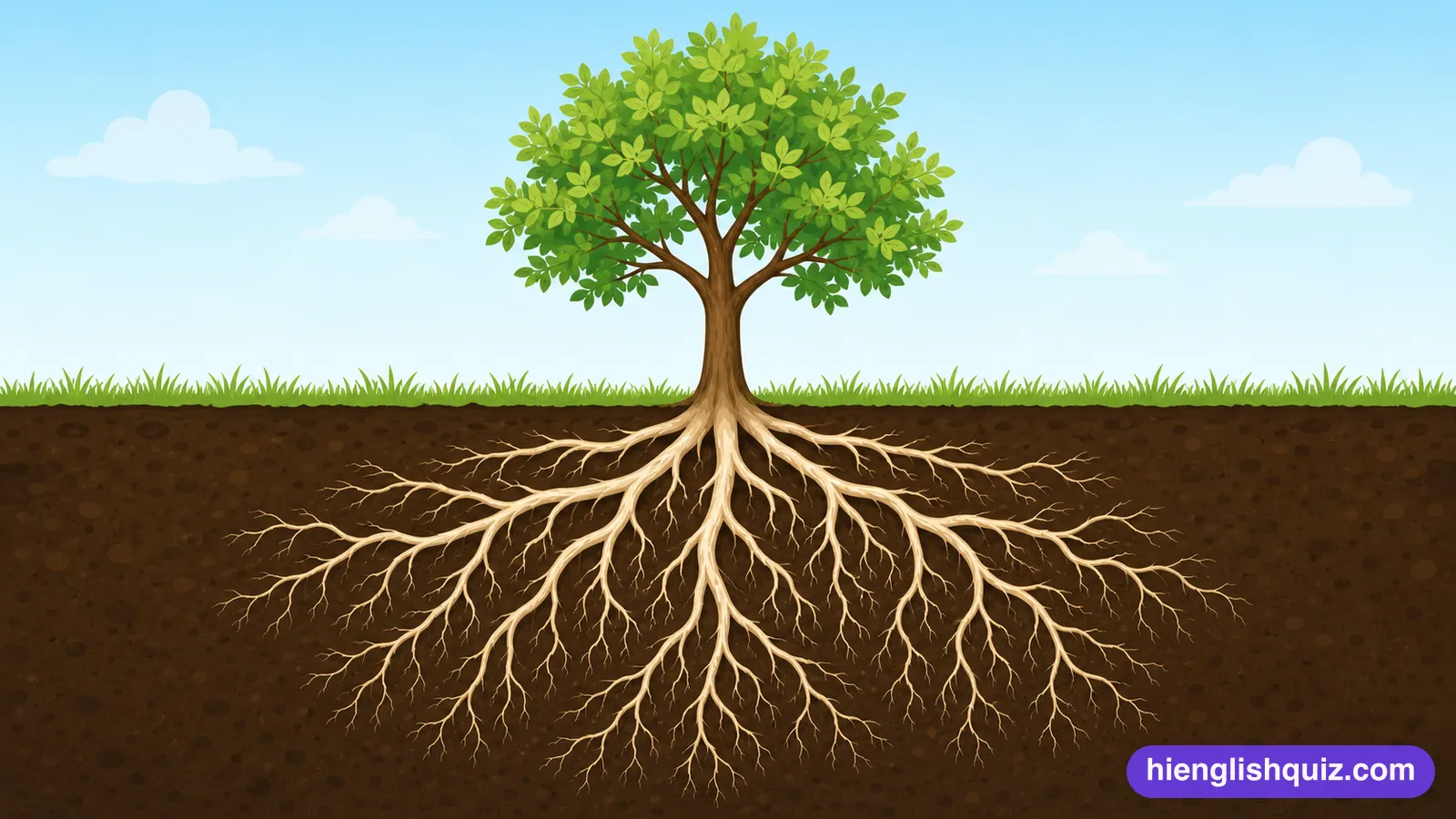
The part of a plant that grows down under the ground.
Example: The roots of that tree lifted the path.
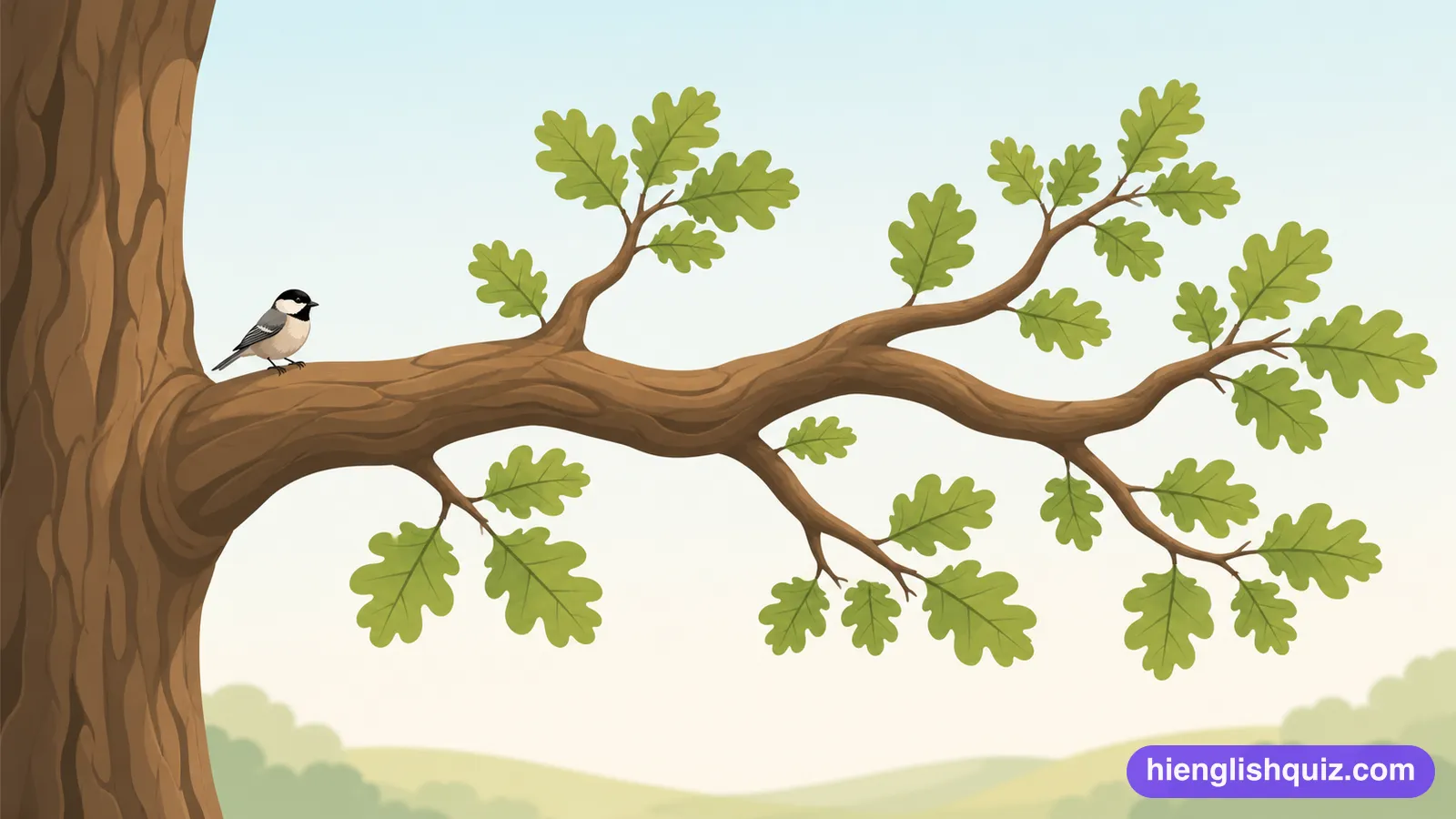
One of the long parts that grow out from the side of a tree.
Example: A heavy branch fell across the road last night.
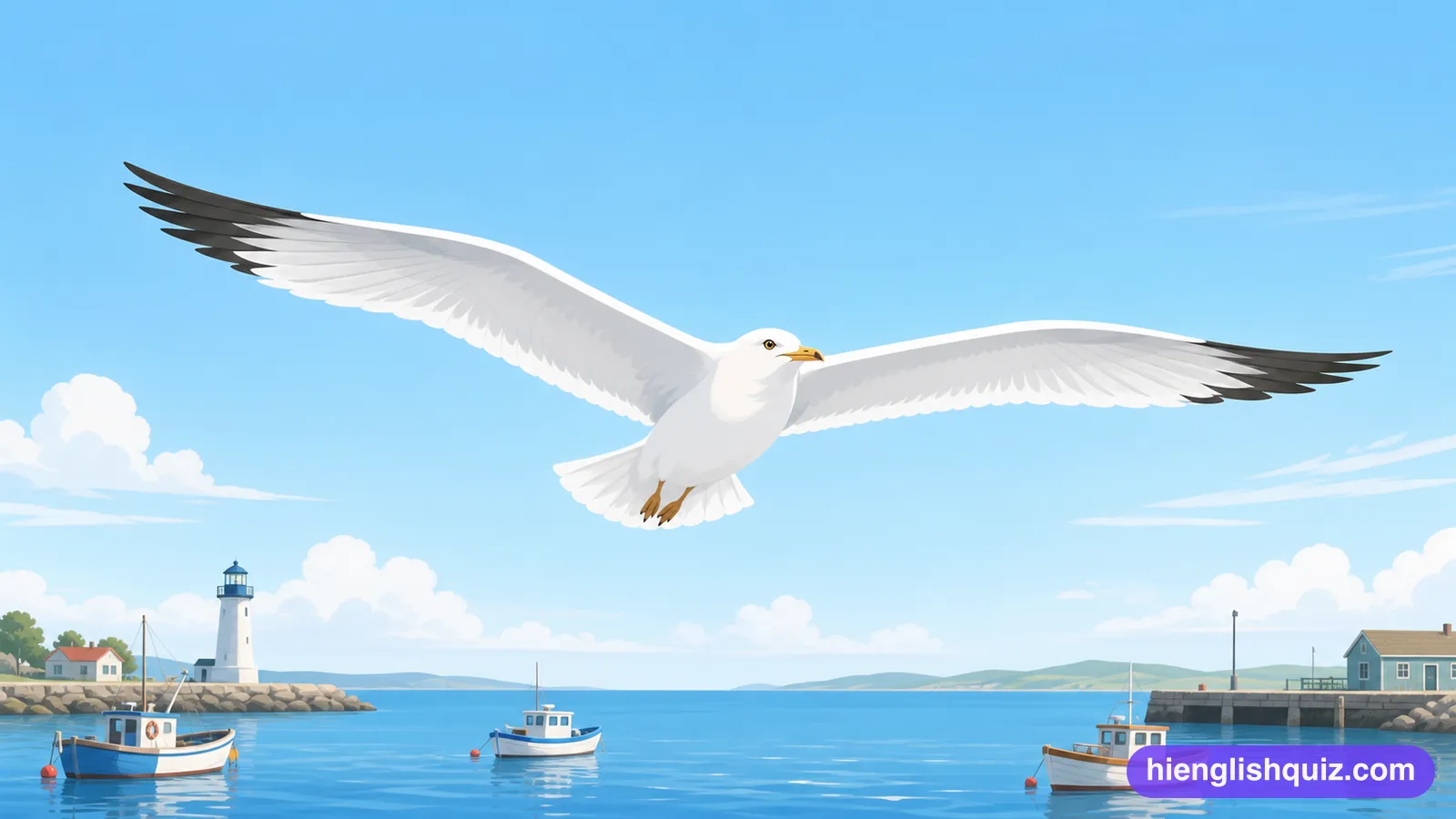
The part of a bird or plane that it uses to fly.
Example: The seagull spread one wing in the sun.
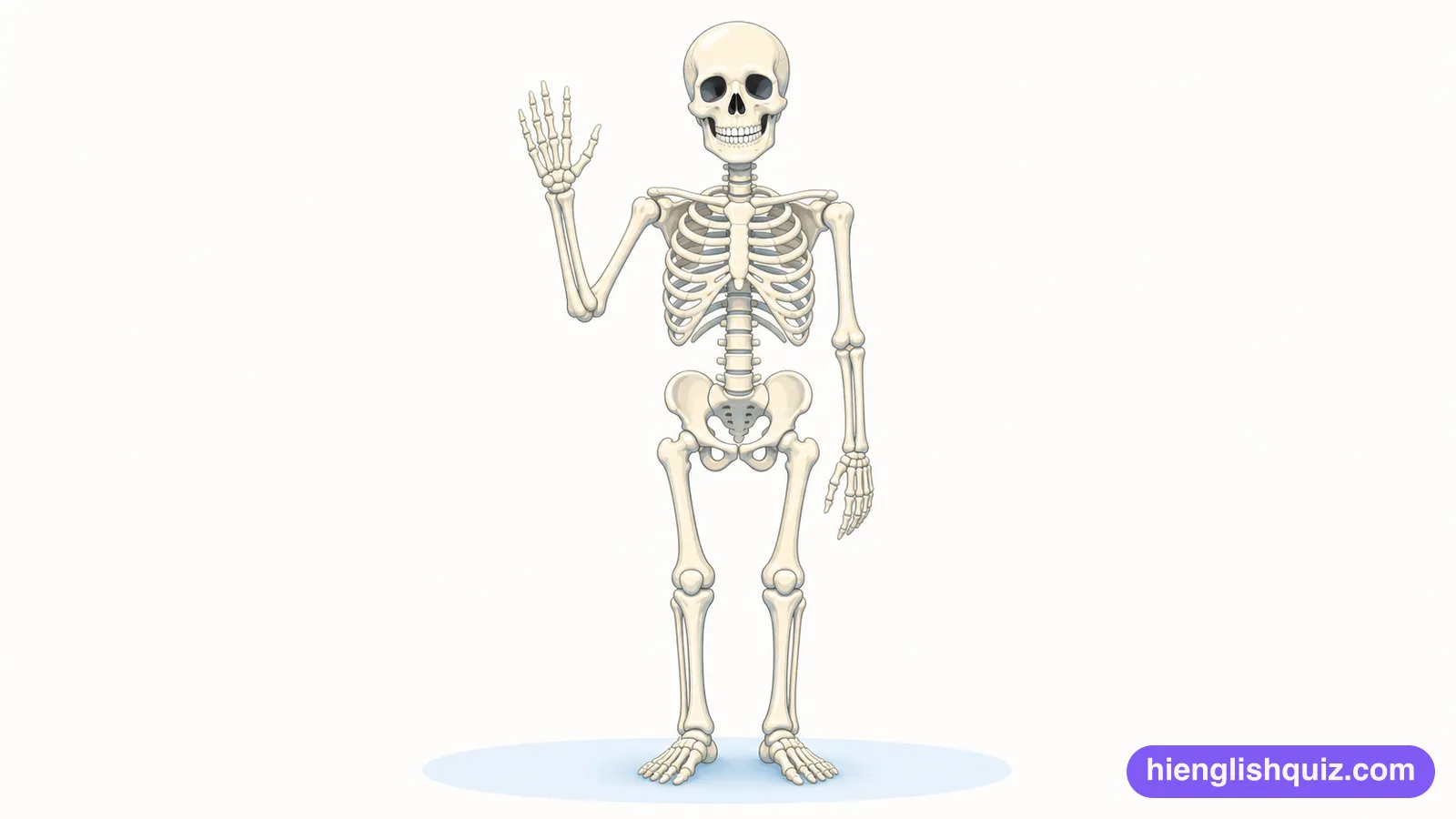
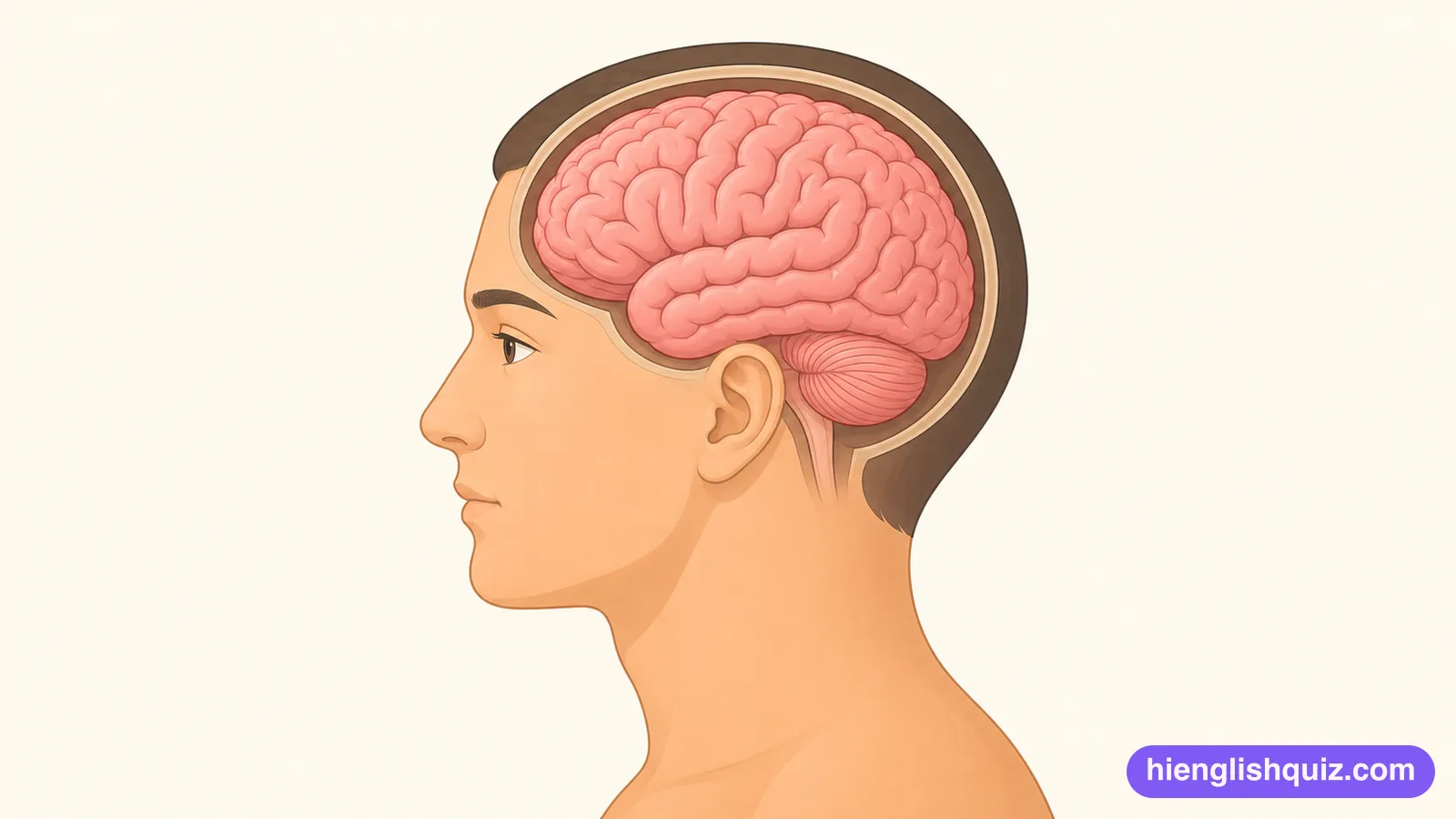
The part inside your head that you use to think and remember.
Example: Sleep gives your brain time to rest and recover.
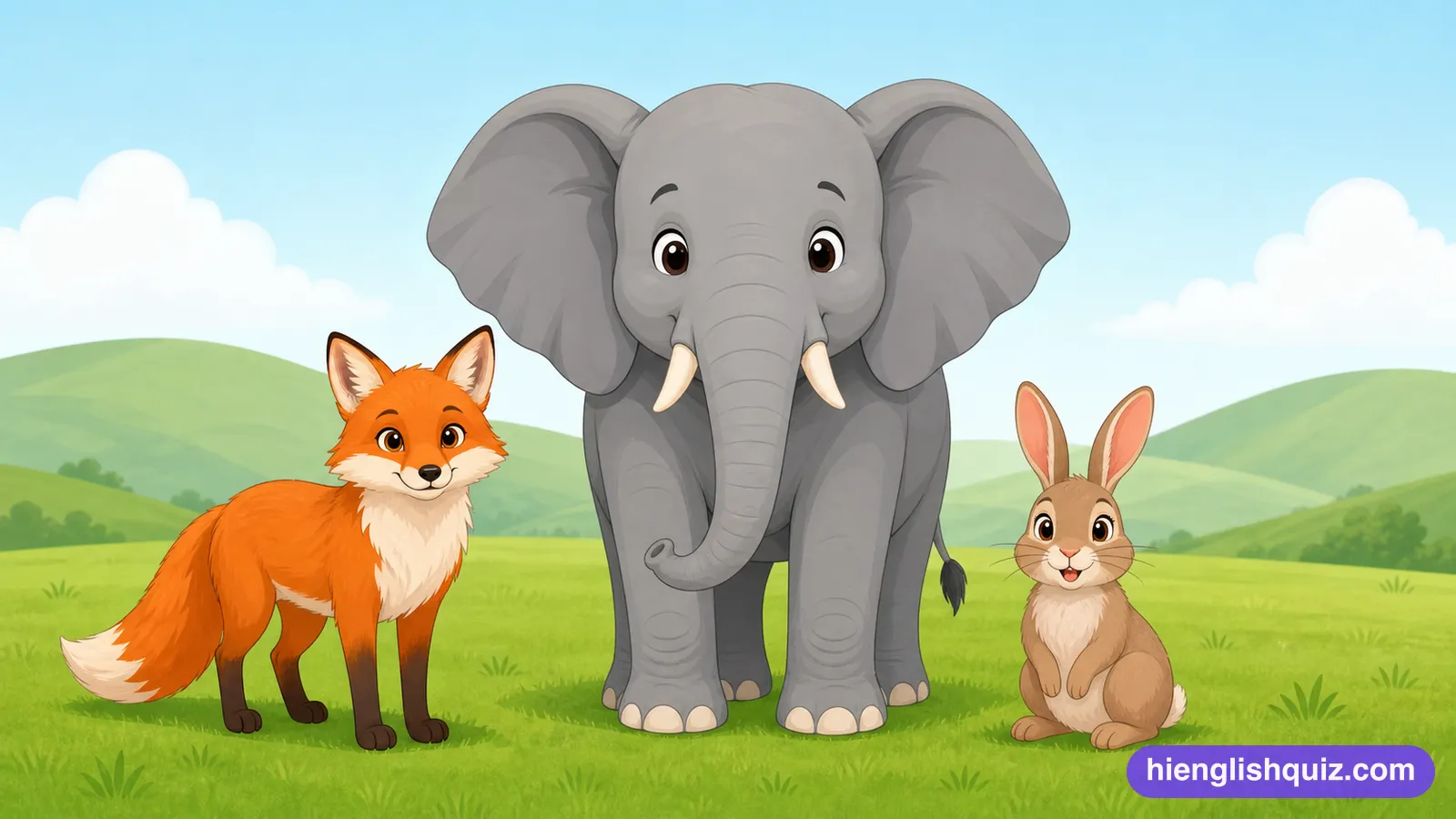
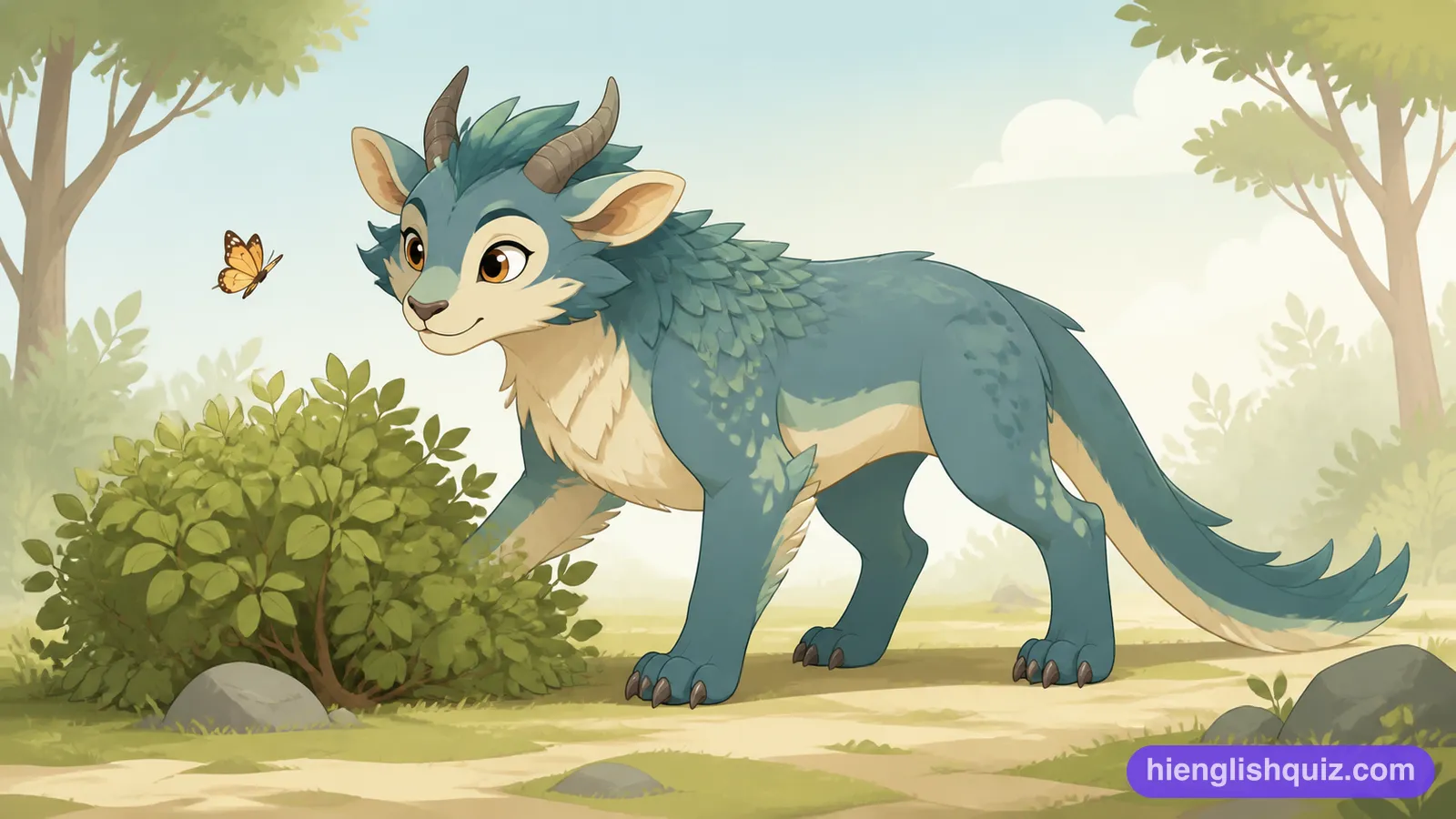
A living animal, especially one that seems strange, wild, or interesting.
Example: A strange creature crawled out from under the rock.
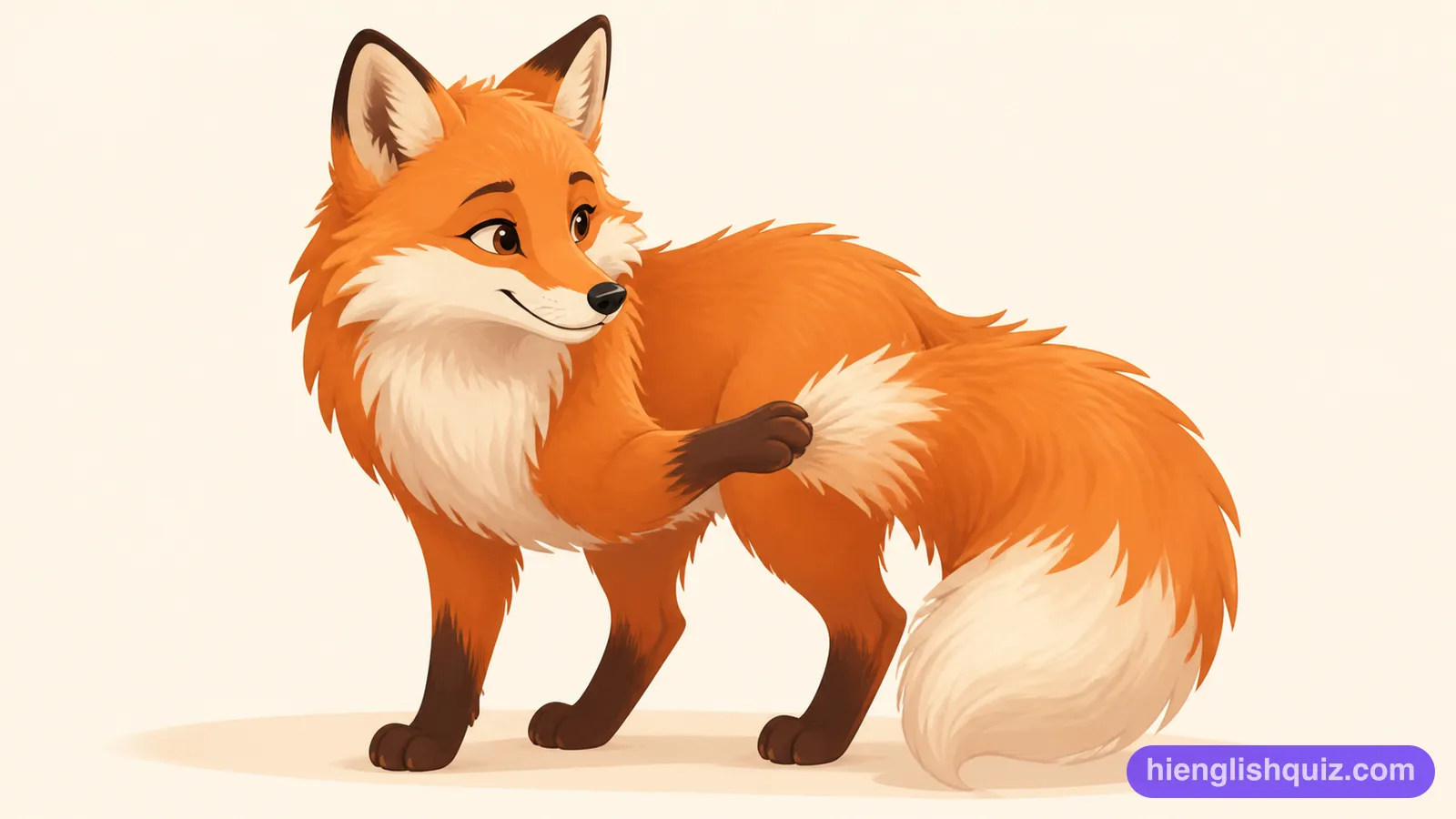
The soft, thick hair that covers the body of some animals.
Example: The cat's fur felt soft and warm.
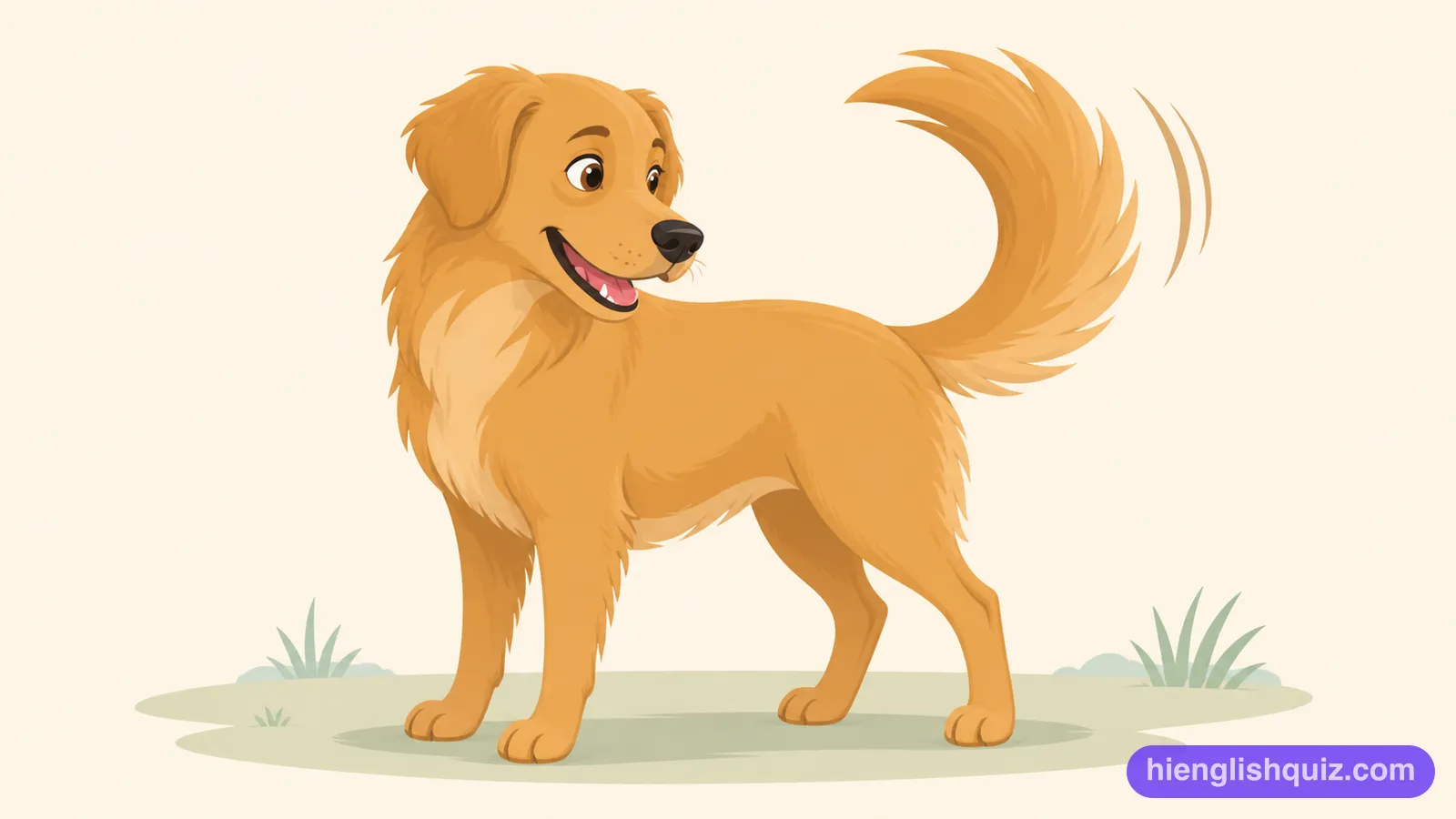
The long, thin part at the back of an animal's body that can move.
Example: The dog wagged its tail when it saw its owner.
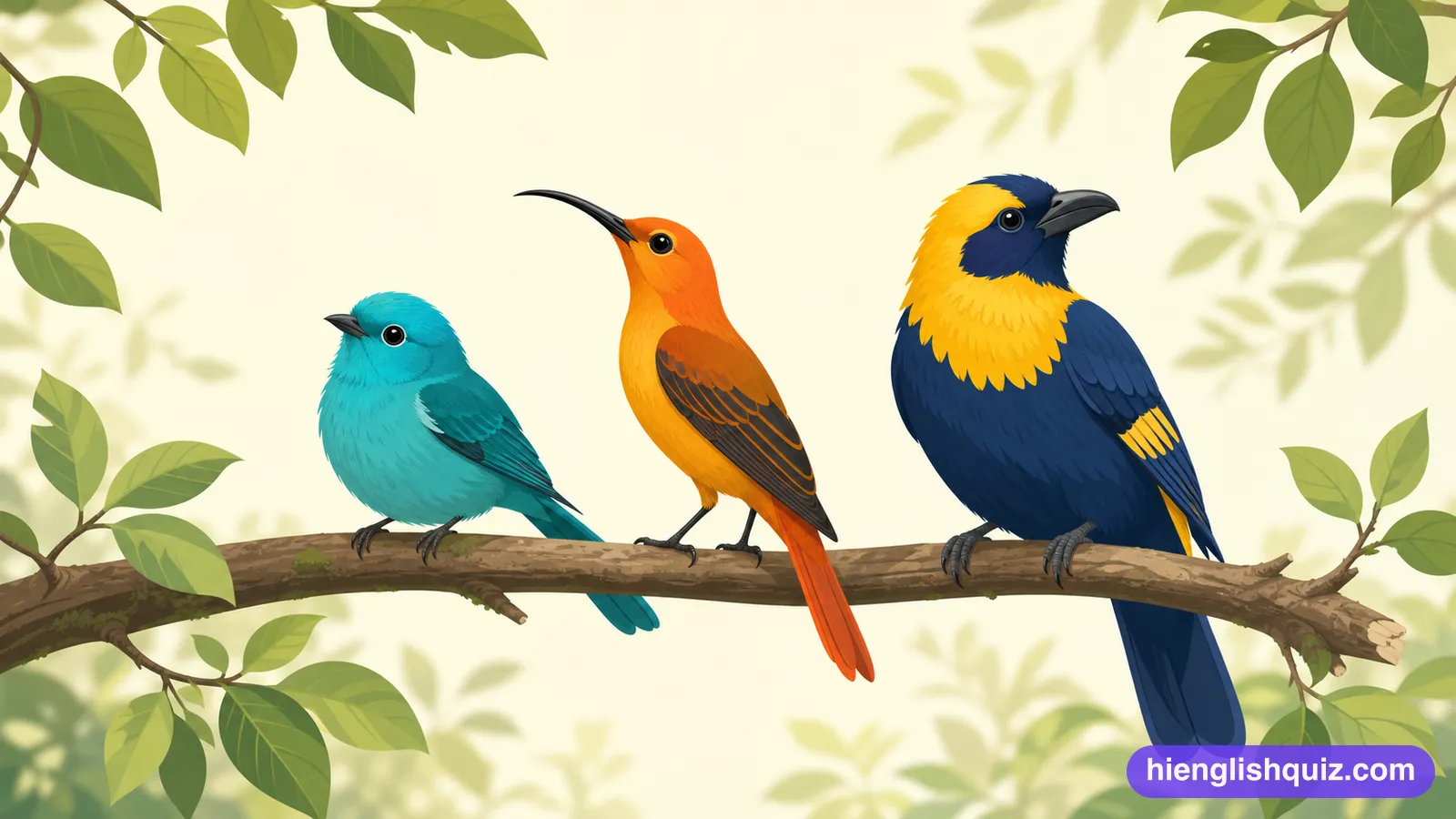
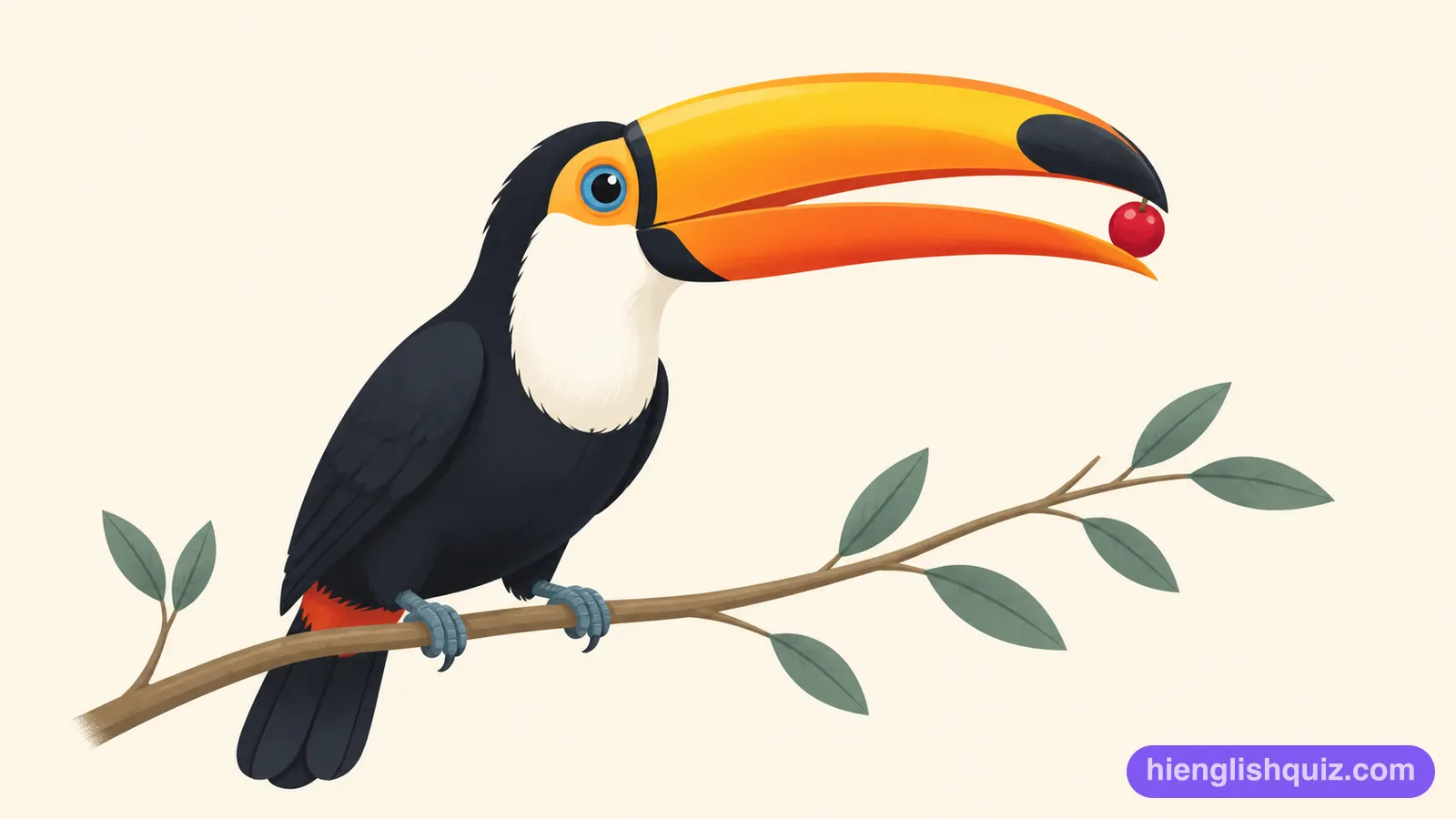
The hard, pointed part of a bird's mouth, used for eating.
Example: The bird cracked the seed open with its beak.
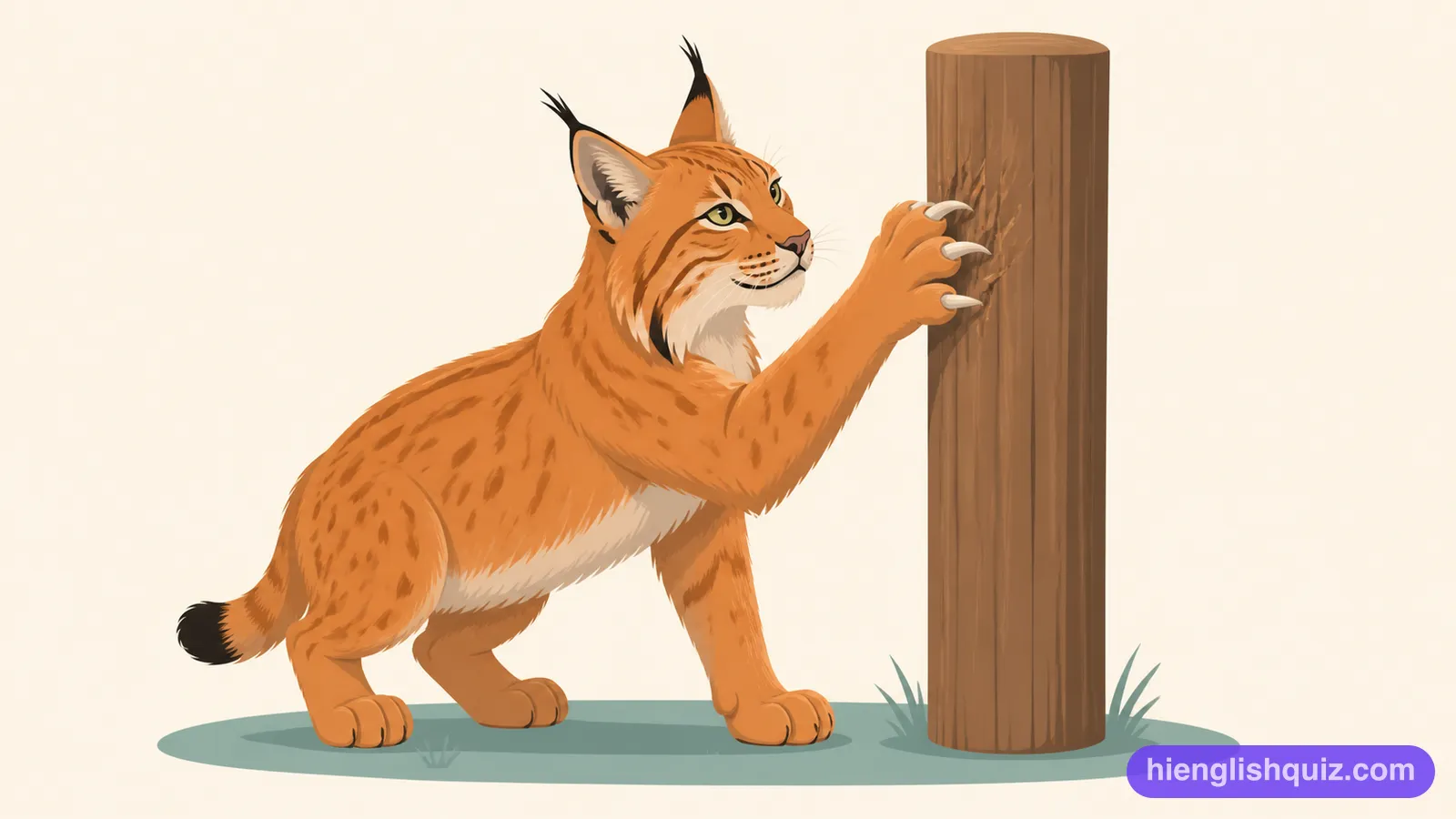
A hard, curved nail on the foot of an animal or bird, used for holding or attacking.
Example: The eagle gripped the fish with its sharp claw.
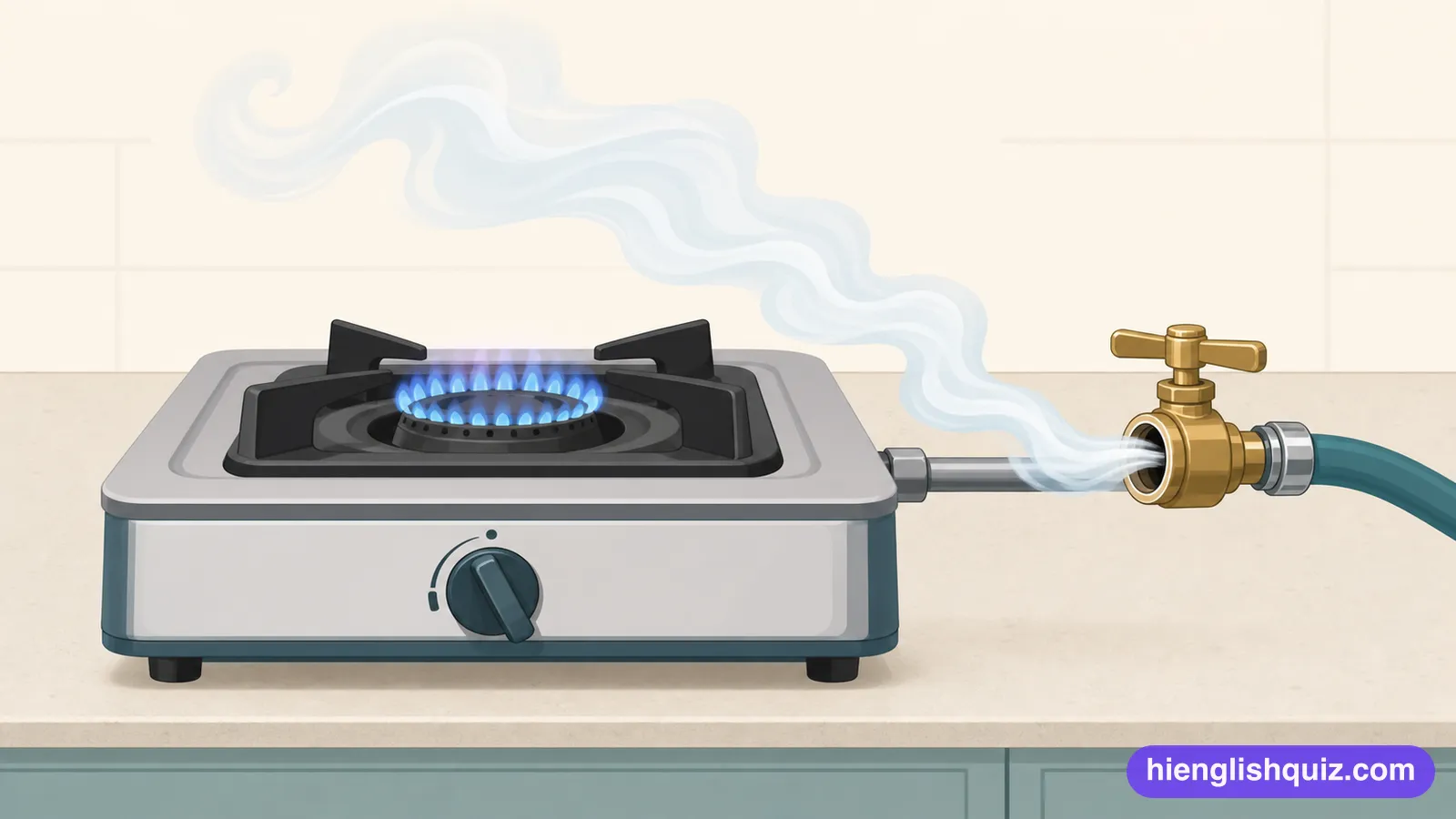
A substance like air that has no shape and spreads to fill a room.
Example: There's a smell of gas in the kitchen.
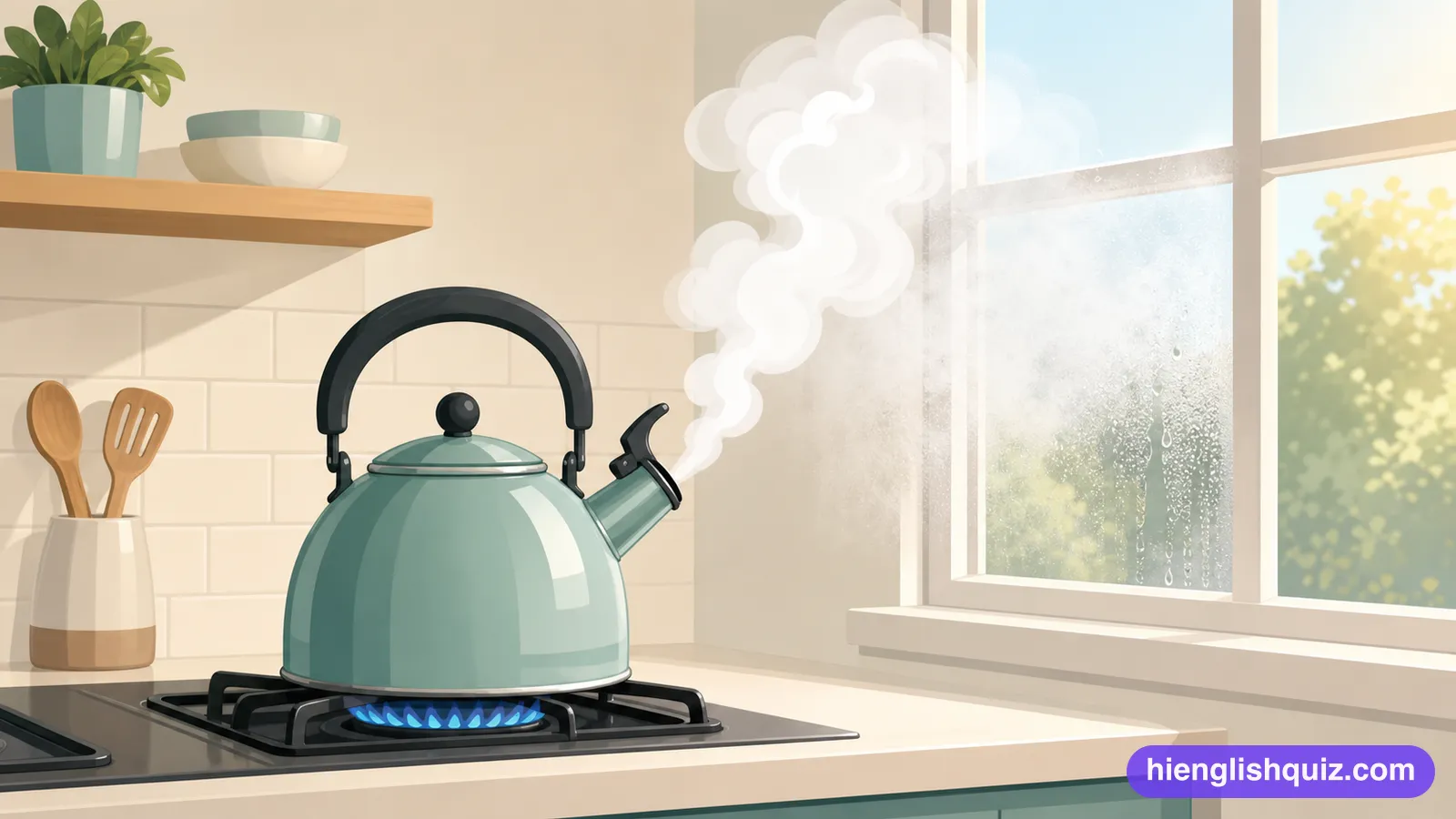
The hot white cloud that comes off boiling water.
Example: Steam filled the bathroom after my shower.
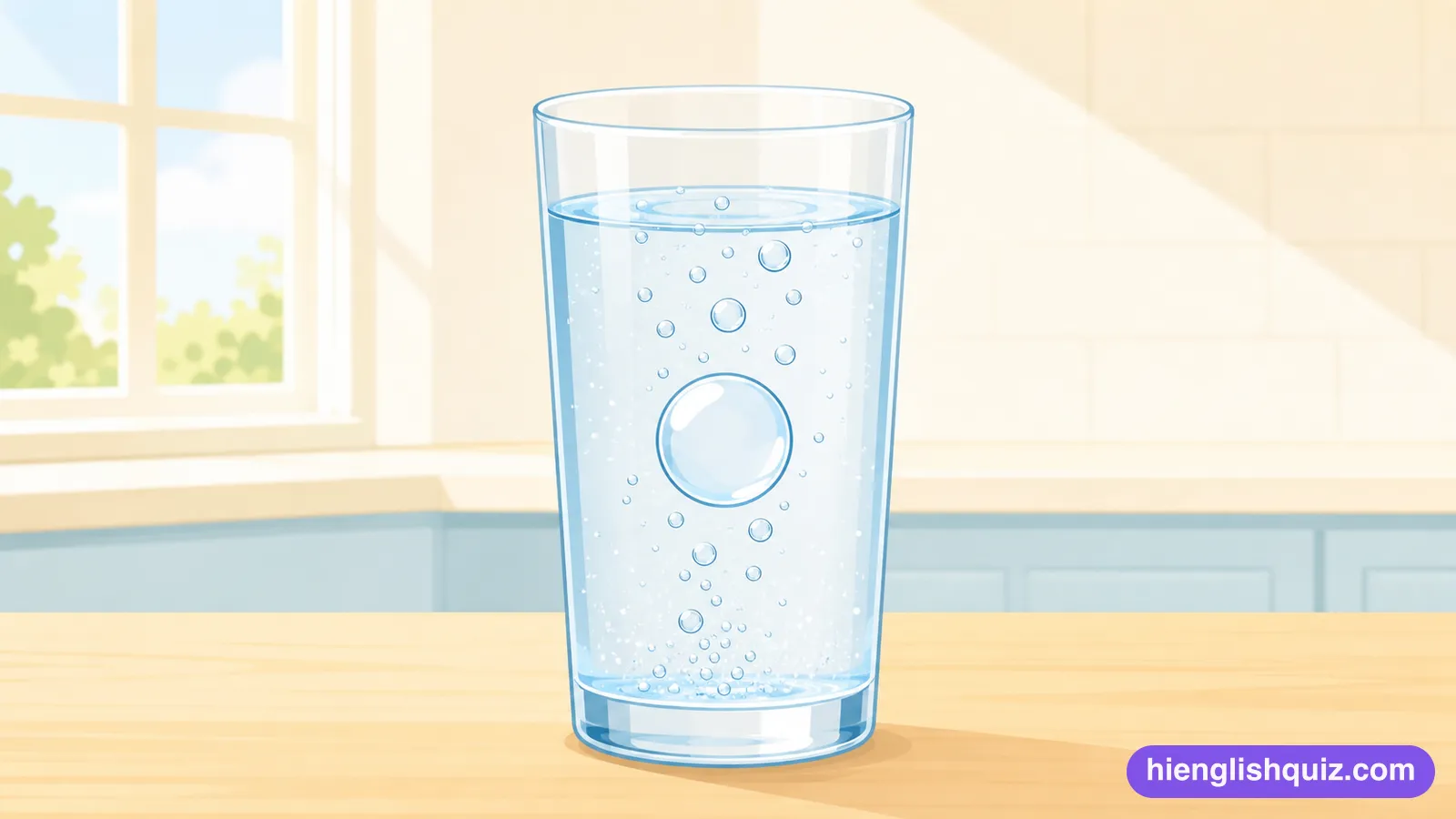
A ball of air inside a liquid or made from soap.
Example: Little bubbles rose to the top of the glass.
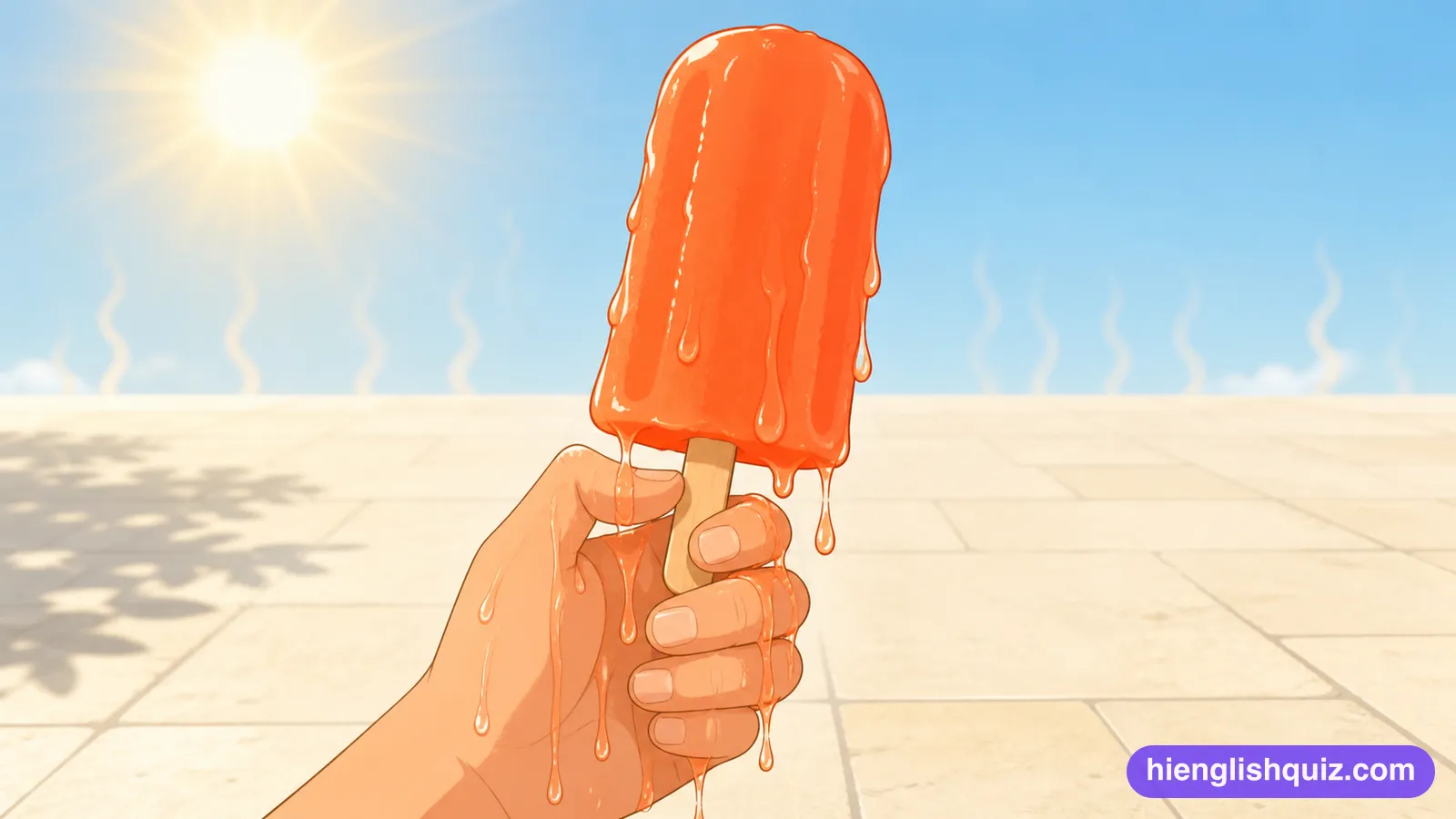
To change from something hard into a liquid when it gets warm.
Example: The snow melts quickly in the afternoon sun.