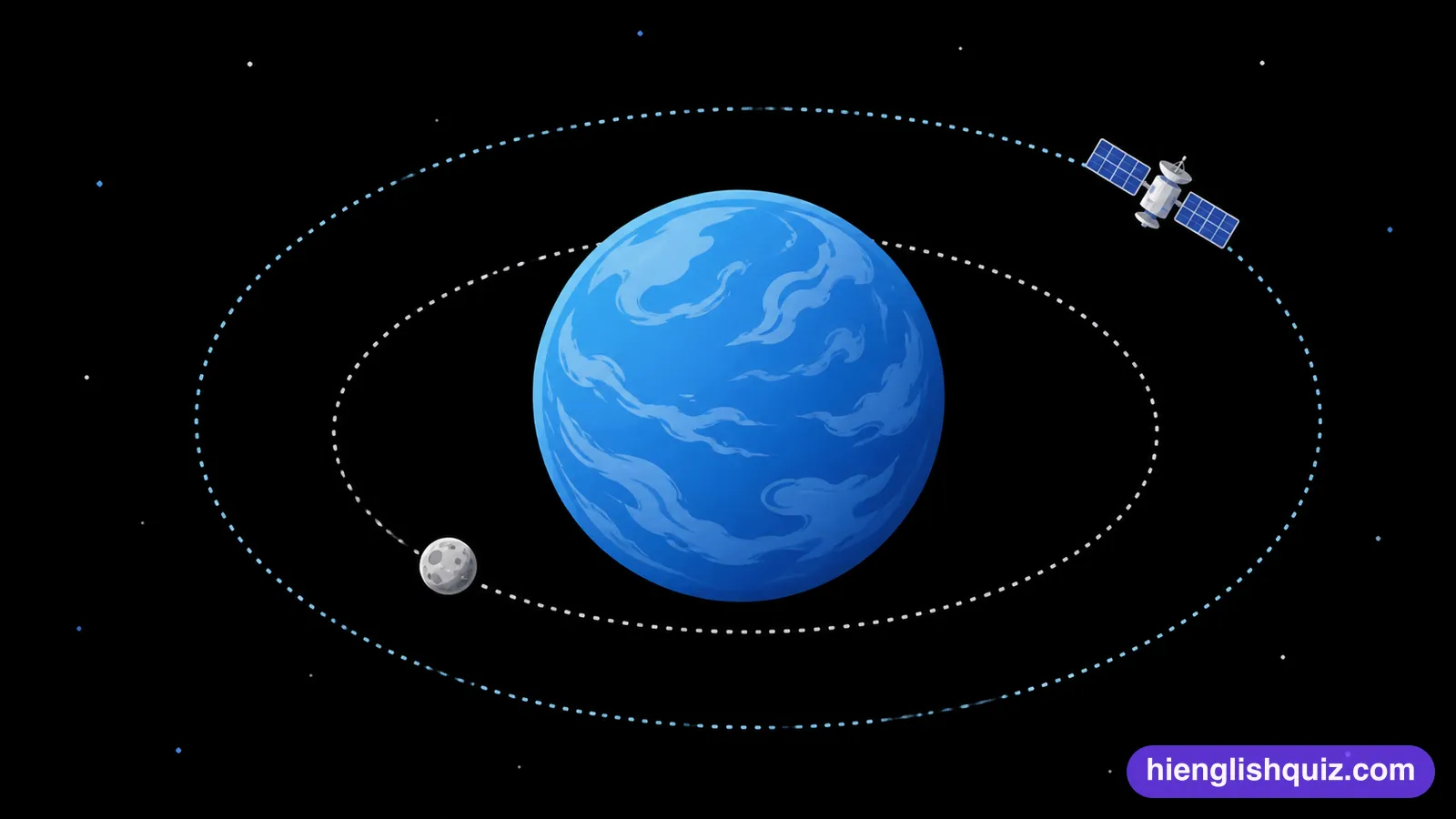
planet
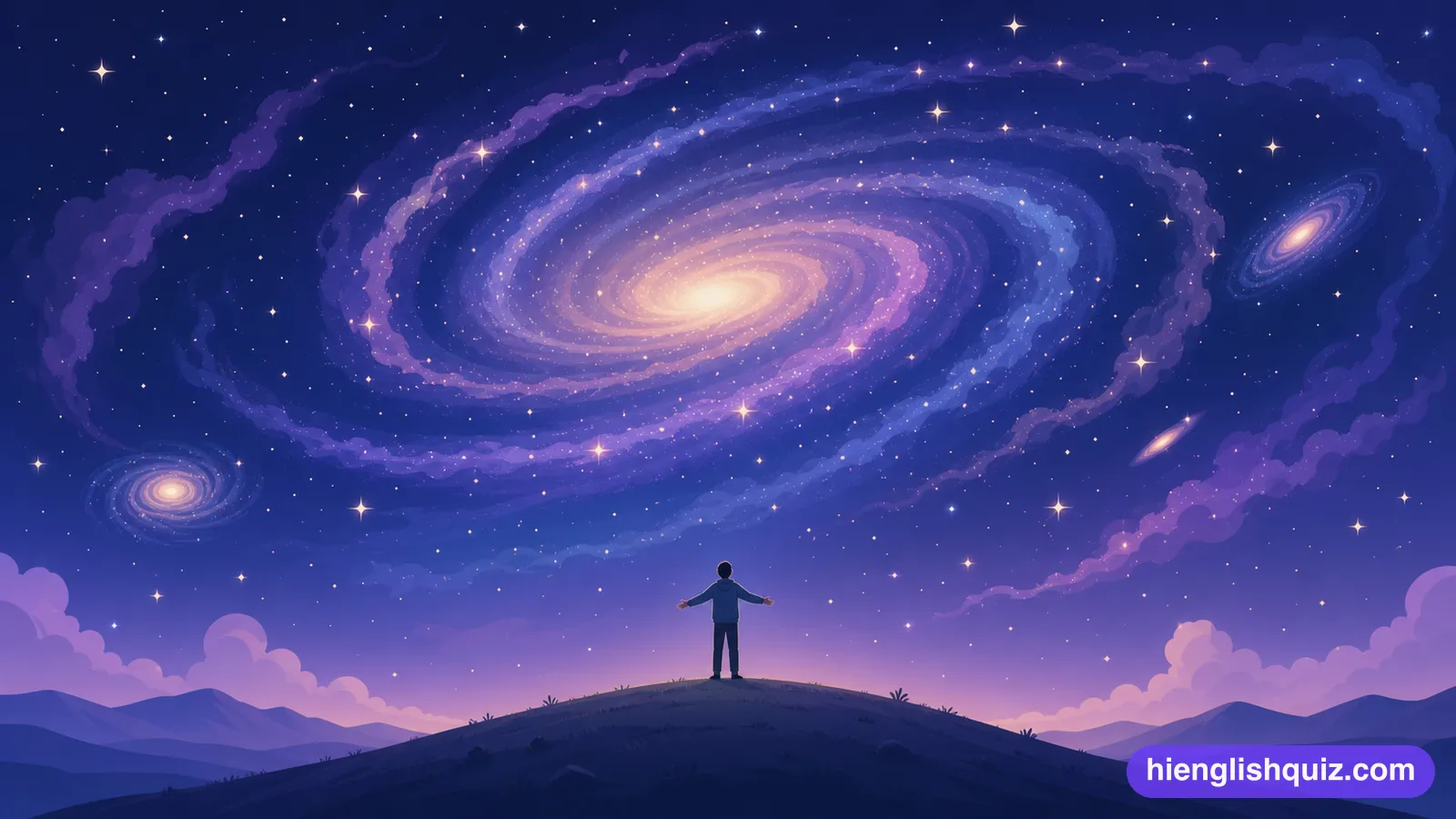
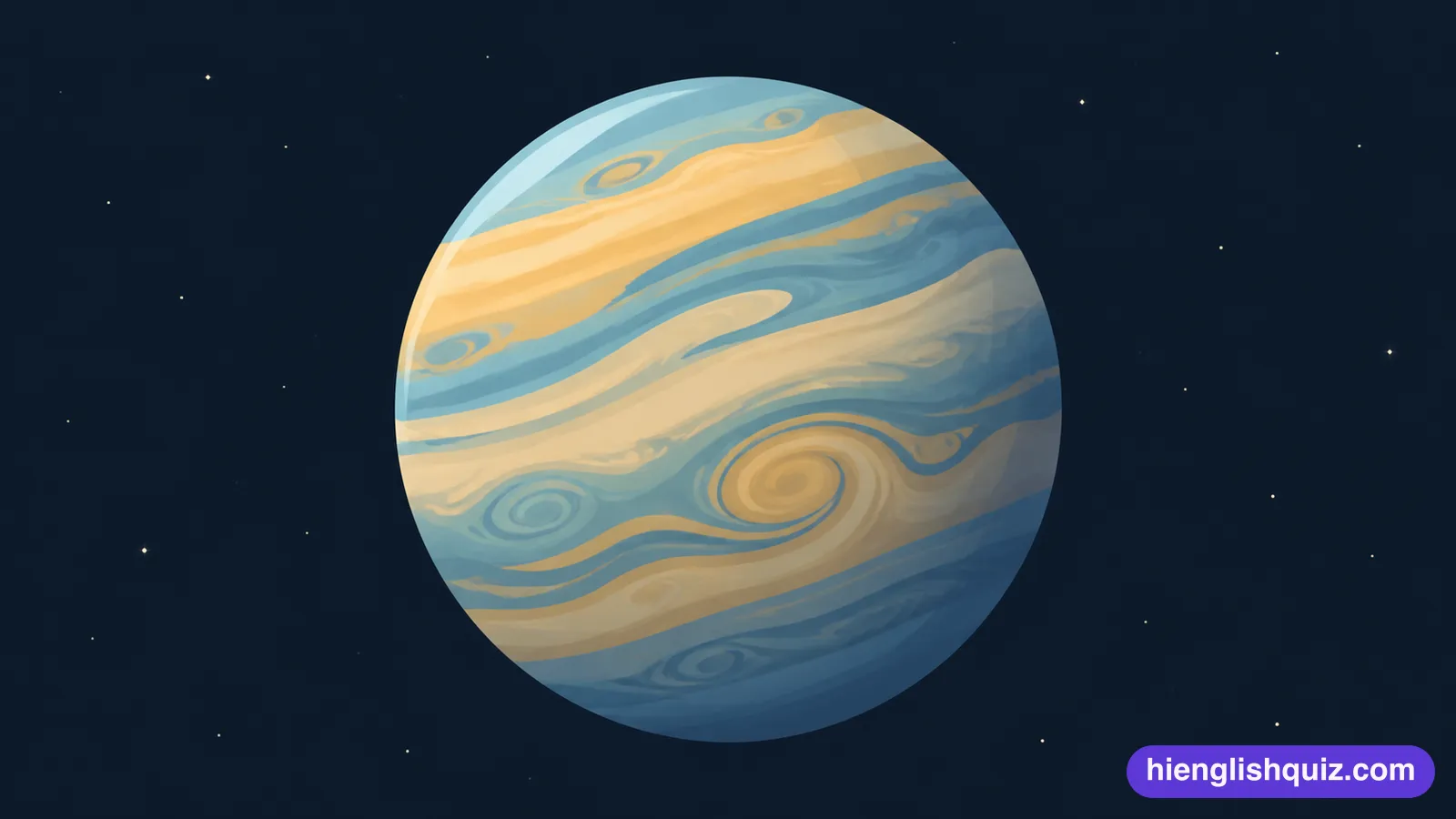
/ˈplænət/A large round object in space that moves around a star such as the Sun.
Example: Mars is the fourth planet from the Sun.
 Hi EnglishQuiz
A212 words · Elementary
Space vocabulary for planets, rockets and astronauts, plus comets, craters and spacesuits. Everyday words for talking about space travel and what is out there.
A large round object in space that moves around a star such as the Sun.
Example: Mars is the fourth planet from the Sun.
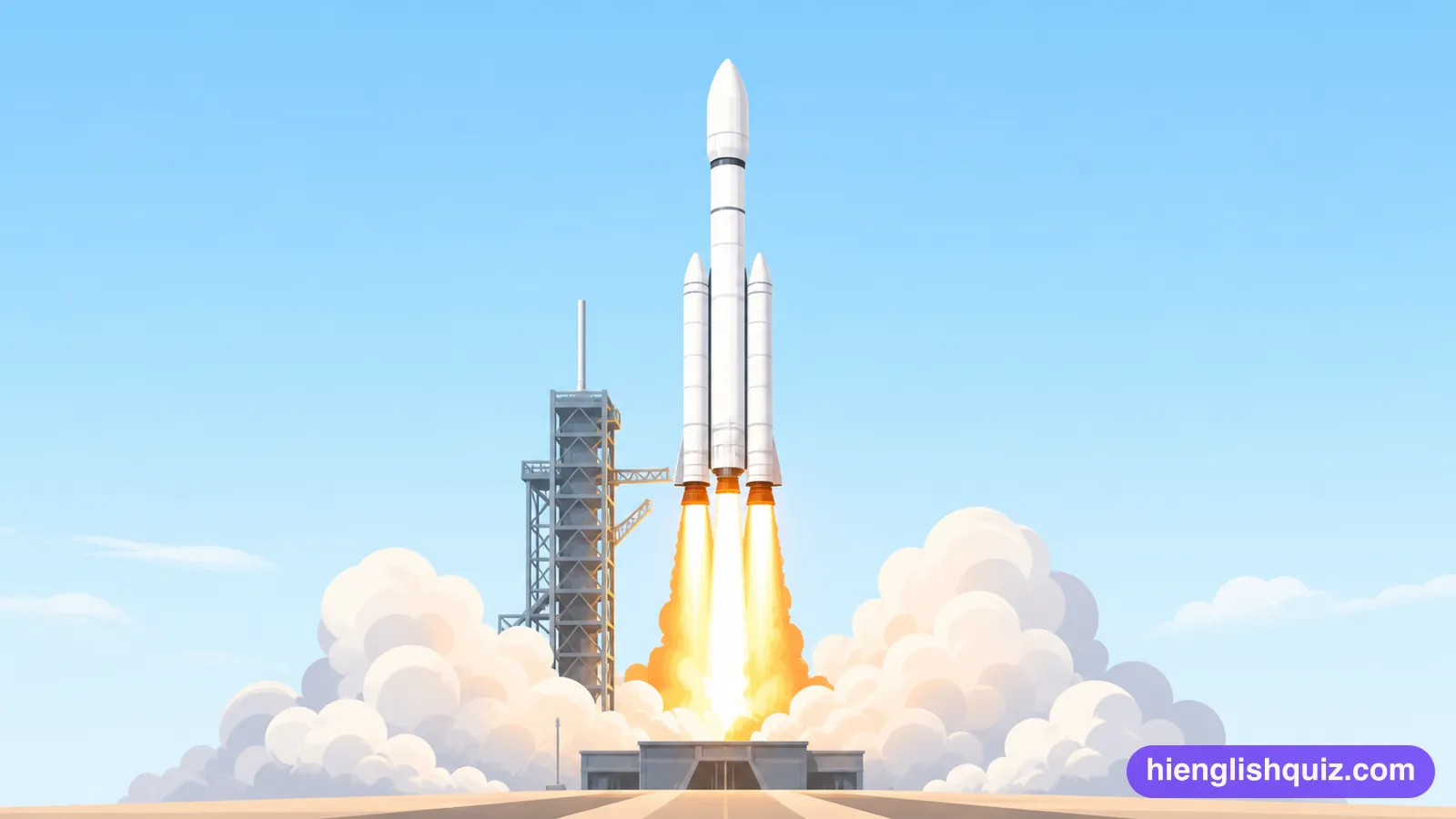
A tall machine that burns fuel to fly up into space.
Example: The rocket lifted off in a cloud of smoke.
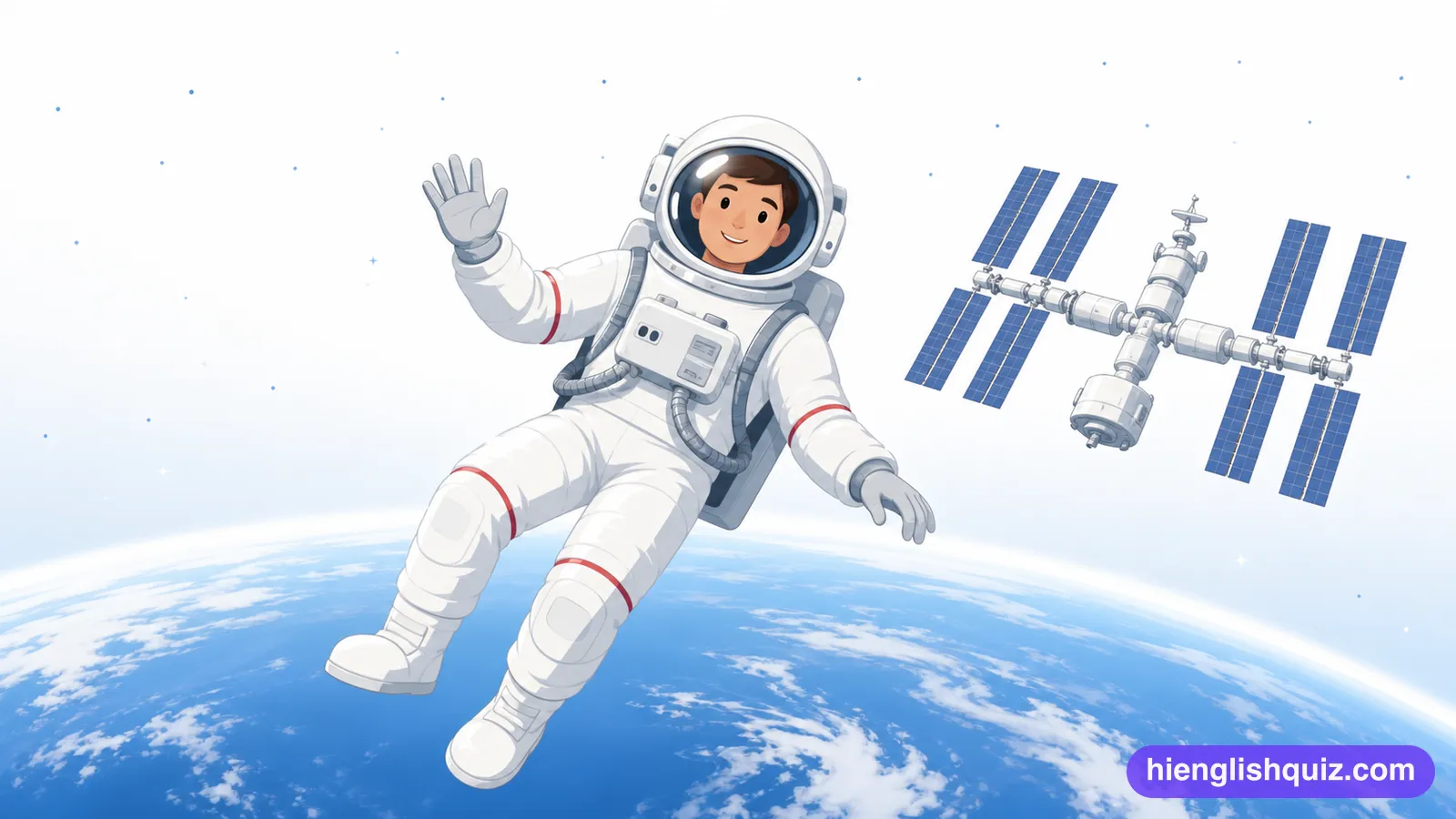
A person trained to travel and work out in space.
Example: The astronaut waved before climbing into the capsule.
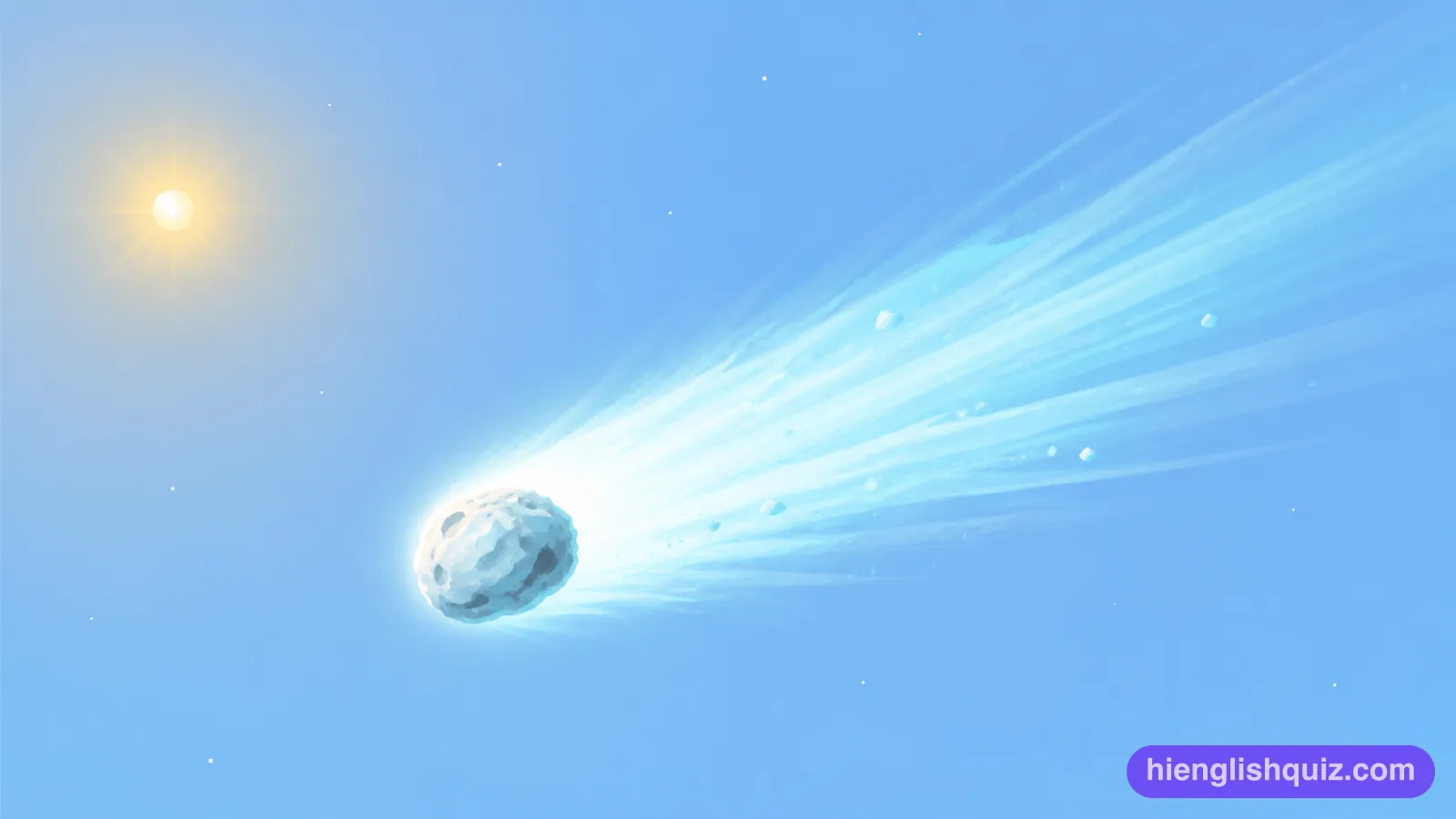
A bright object in space made of ice and dust that moves around the Sun and has a long tail.
Example: The comet was visible in the night sky for weeks.
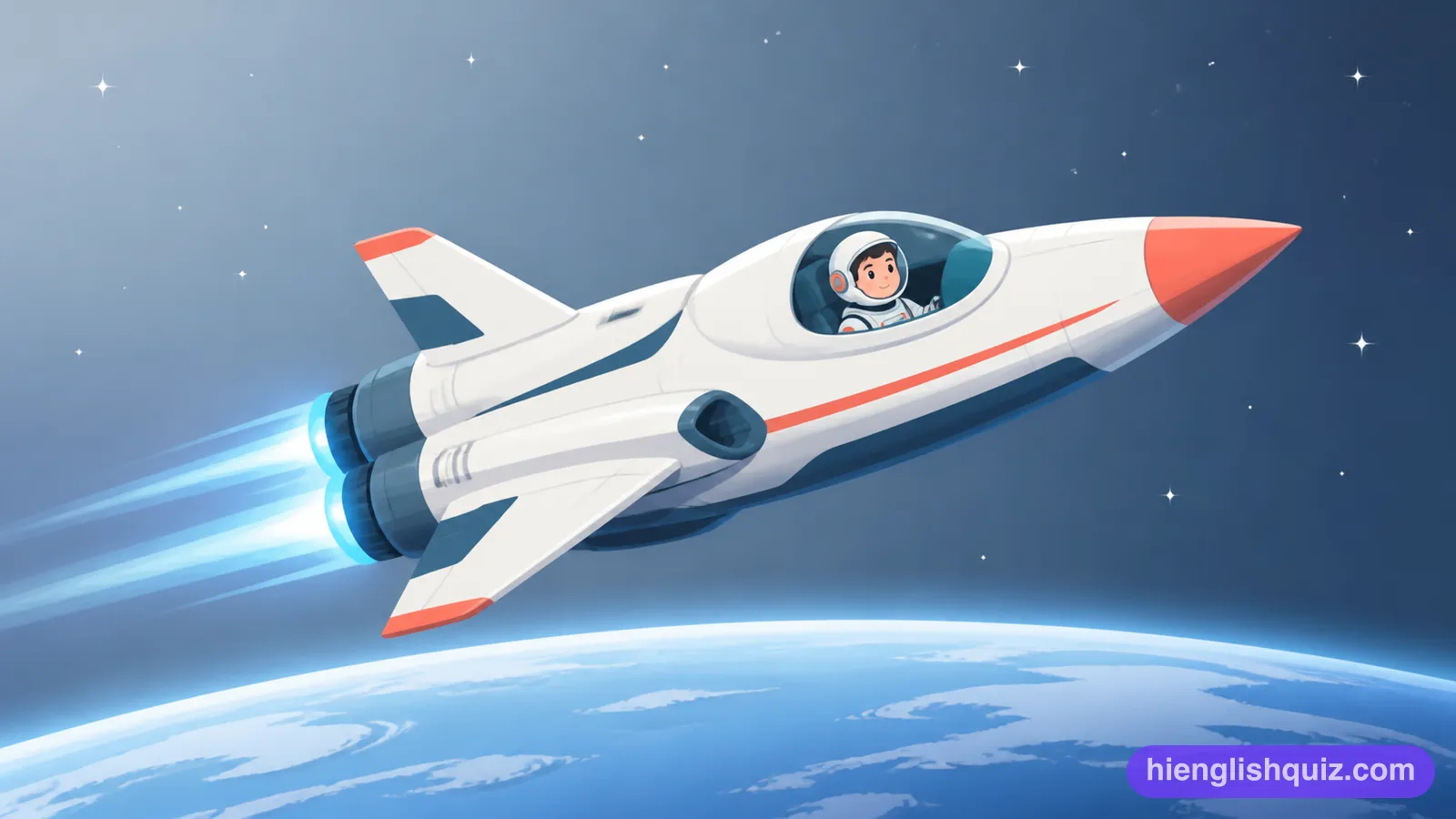
A vehicle used to travel in space.
Example: The spaceship landed safely back on Earth.
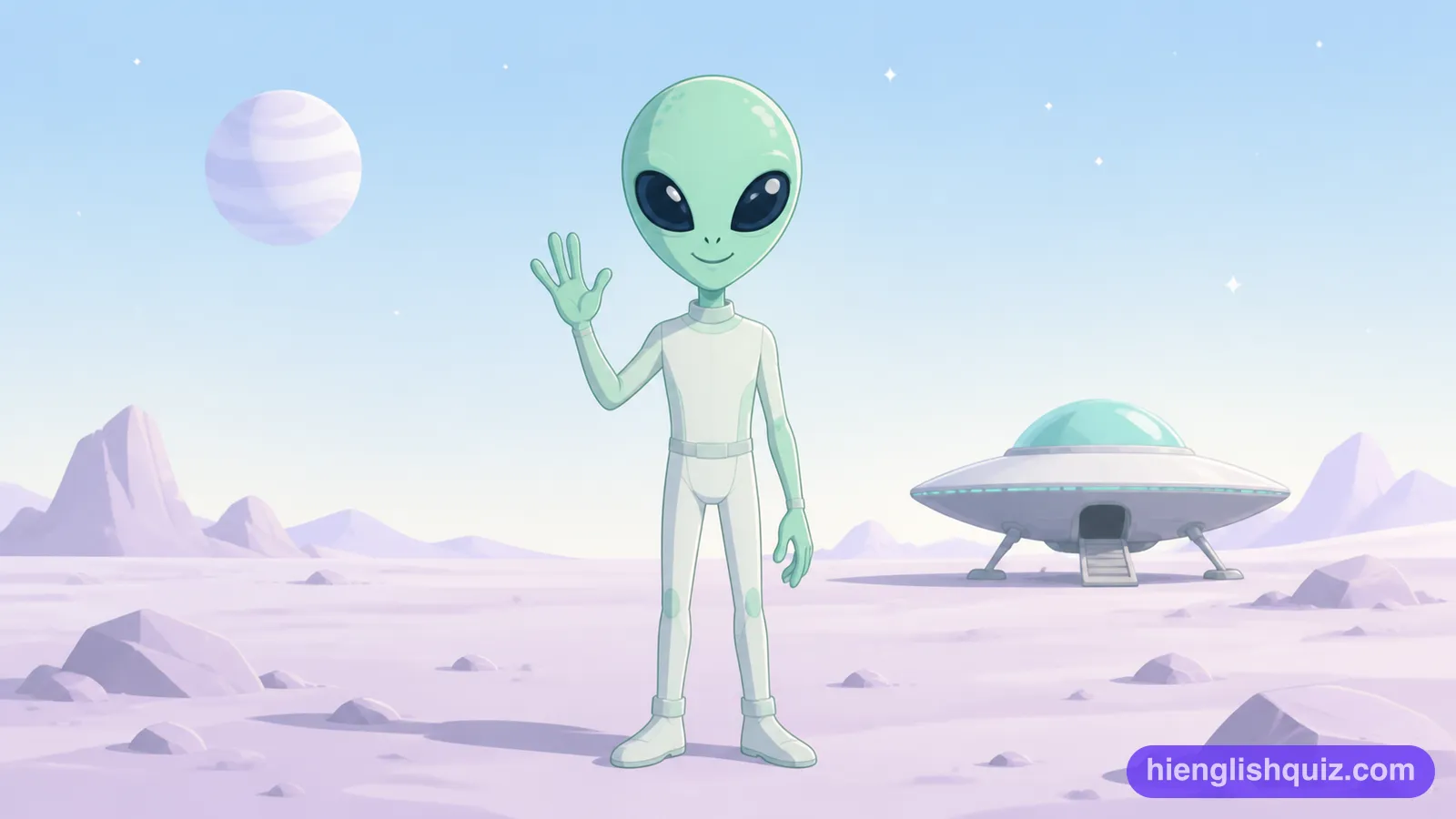
A living creature that comes from another planet, especially in stories and films.
Example: The film was about an alien who visited Earth.
An important journey or task, especially one carried out in space.
Example: The space mission lasted six months.
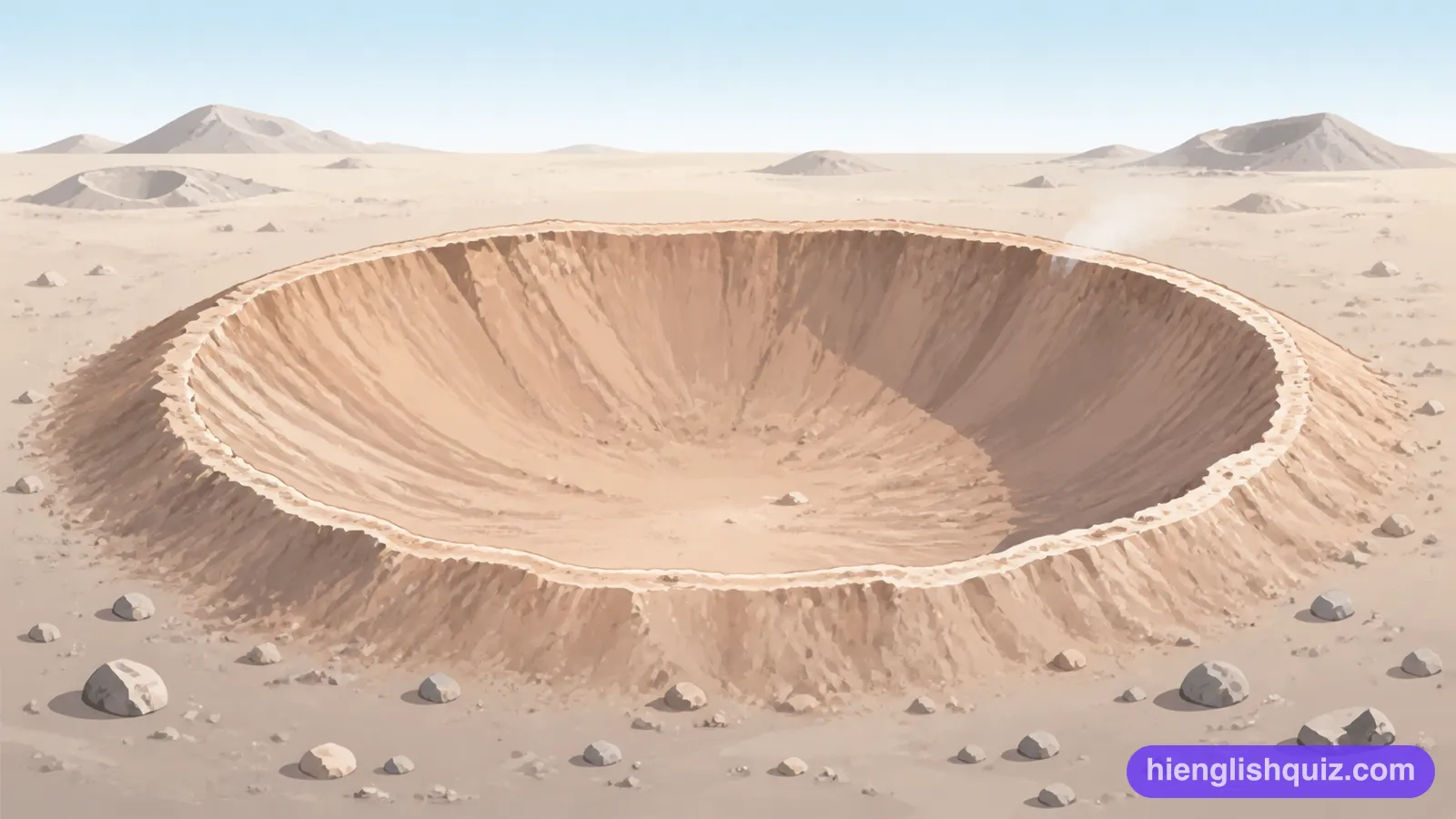
A large, round hole in the ground, often caused by something crashing into it.
Example: The moon is covered in craters from old impacts.
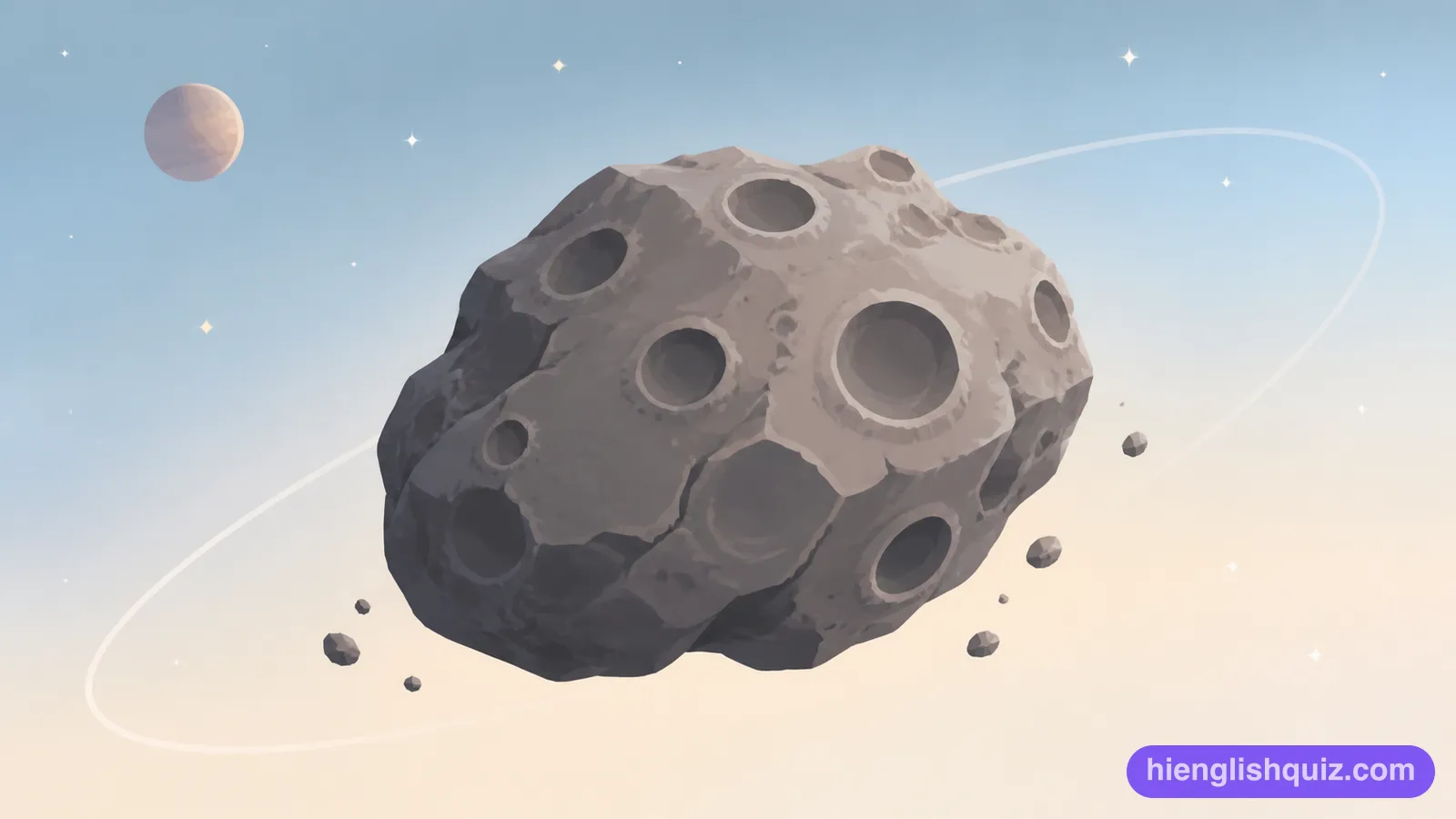
A small rocky object that moves around the Sun, smaller than a planet.
Example: A huge asteroid once crashed into Earth.
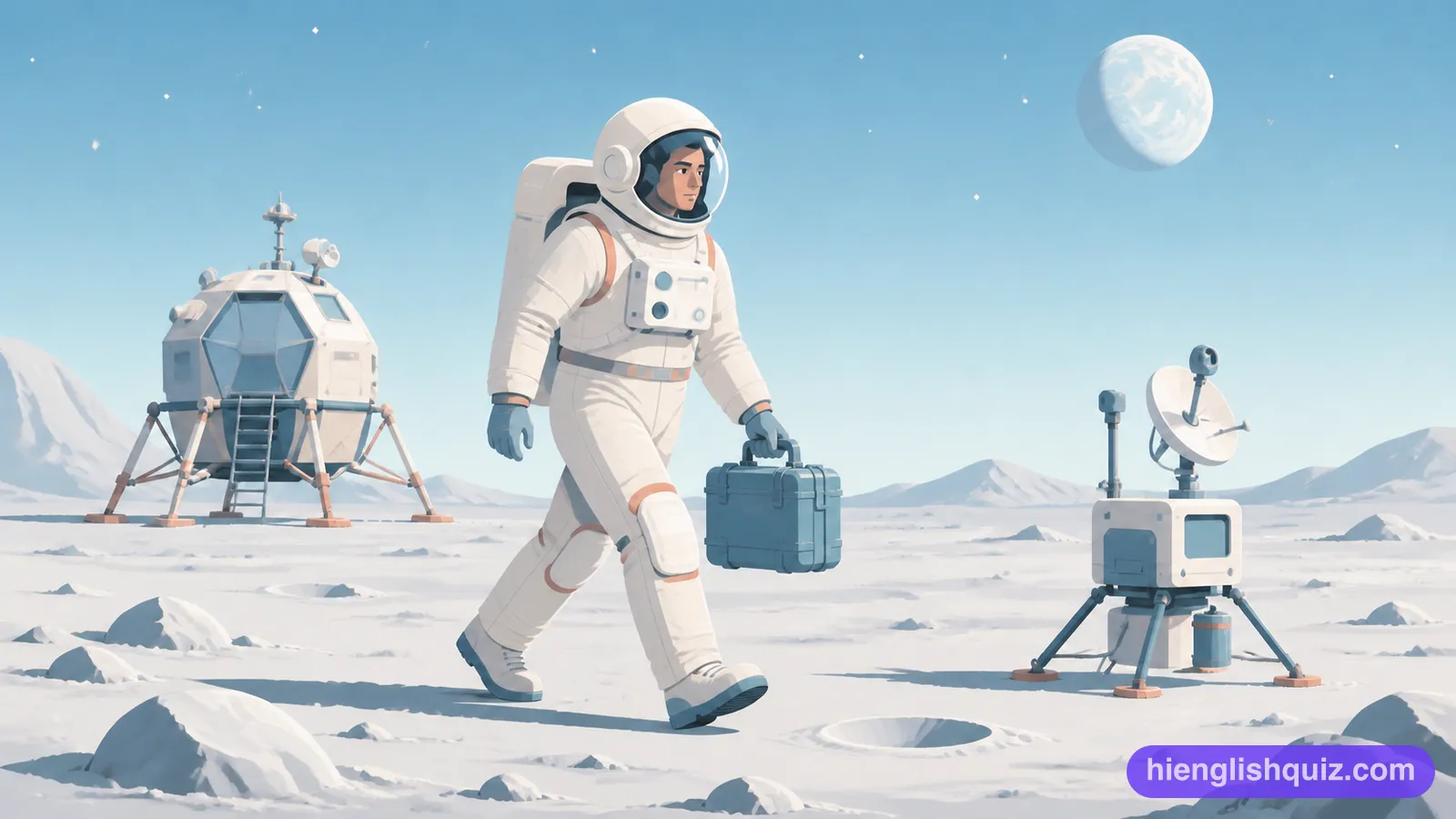
Special clothing that protects an astronaut and lets them breathe in space.
Example: Astronauts must wear a spacesuit outside the spacecraft.
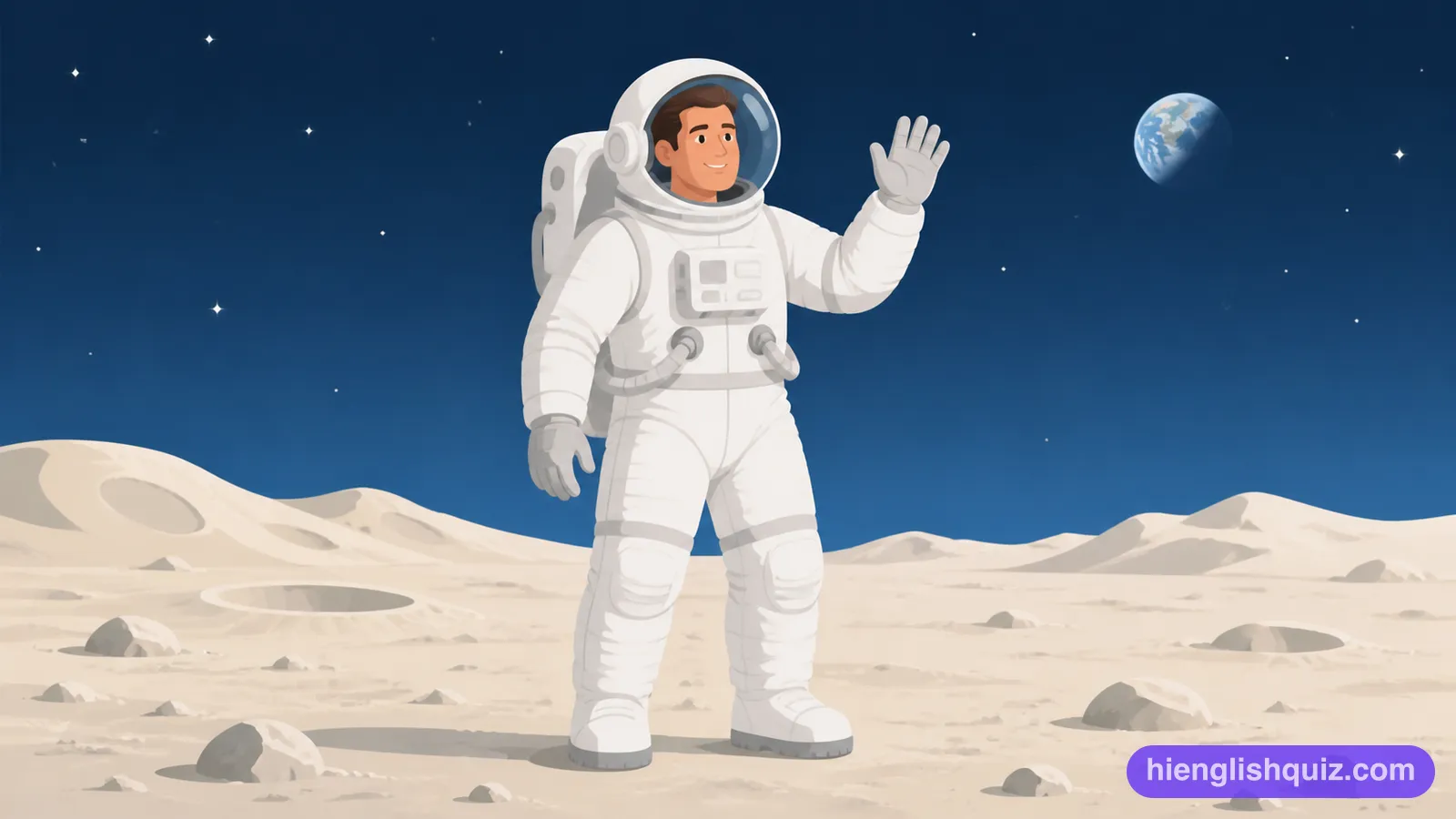
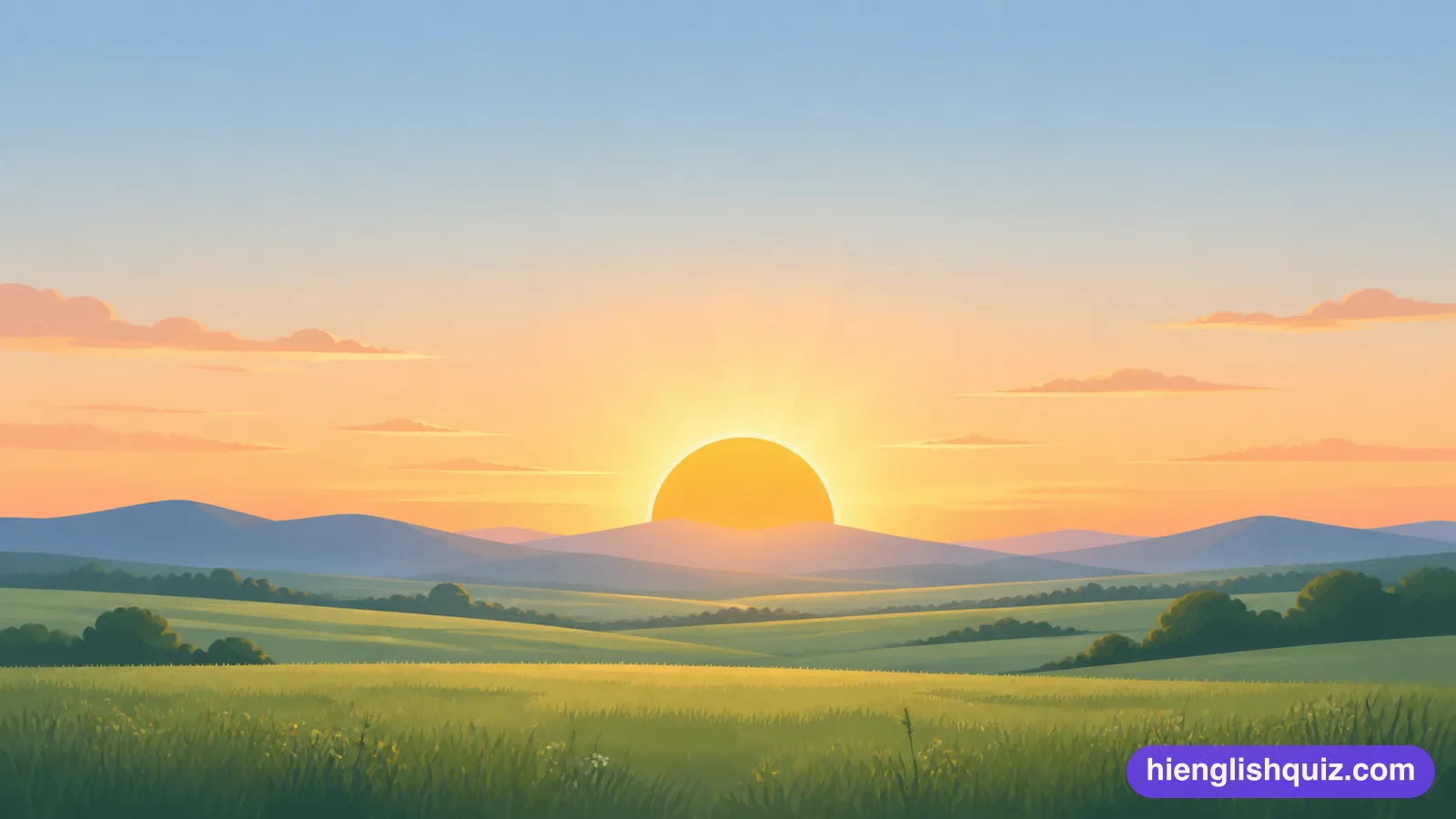
The moment the sun first appears in the morning.
Example: Sunrise in June is before four o'clock up there.
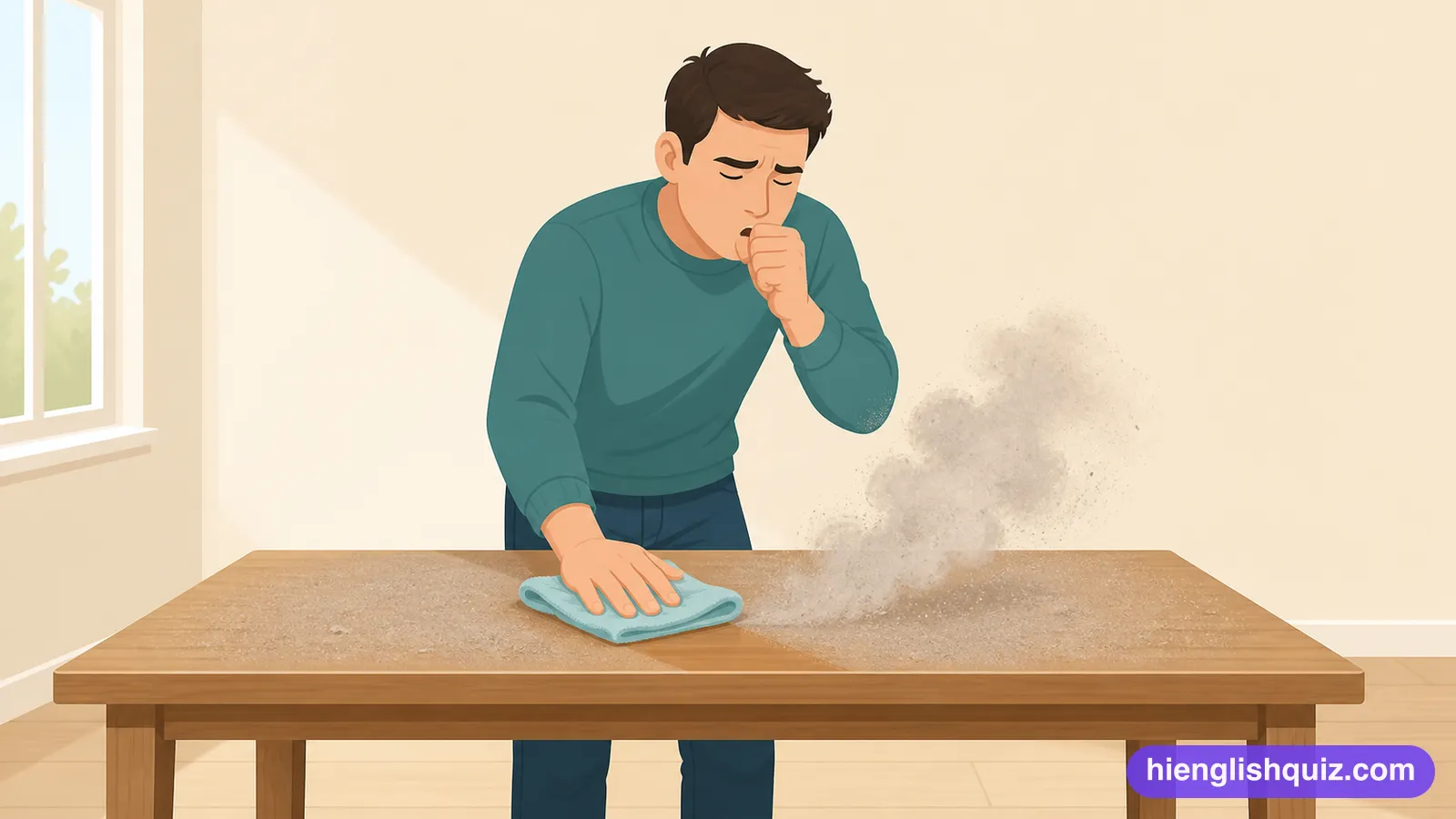
Very small dry pieces of matter floating in space or lying on a surface.
Example: A cloud of dust hides most of the centre of the galaxy.