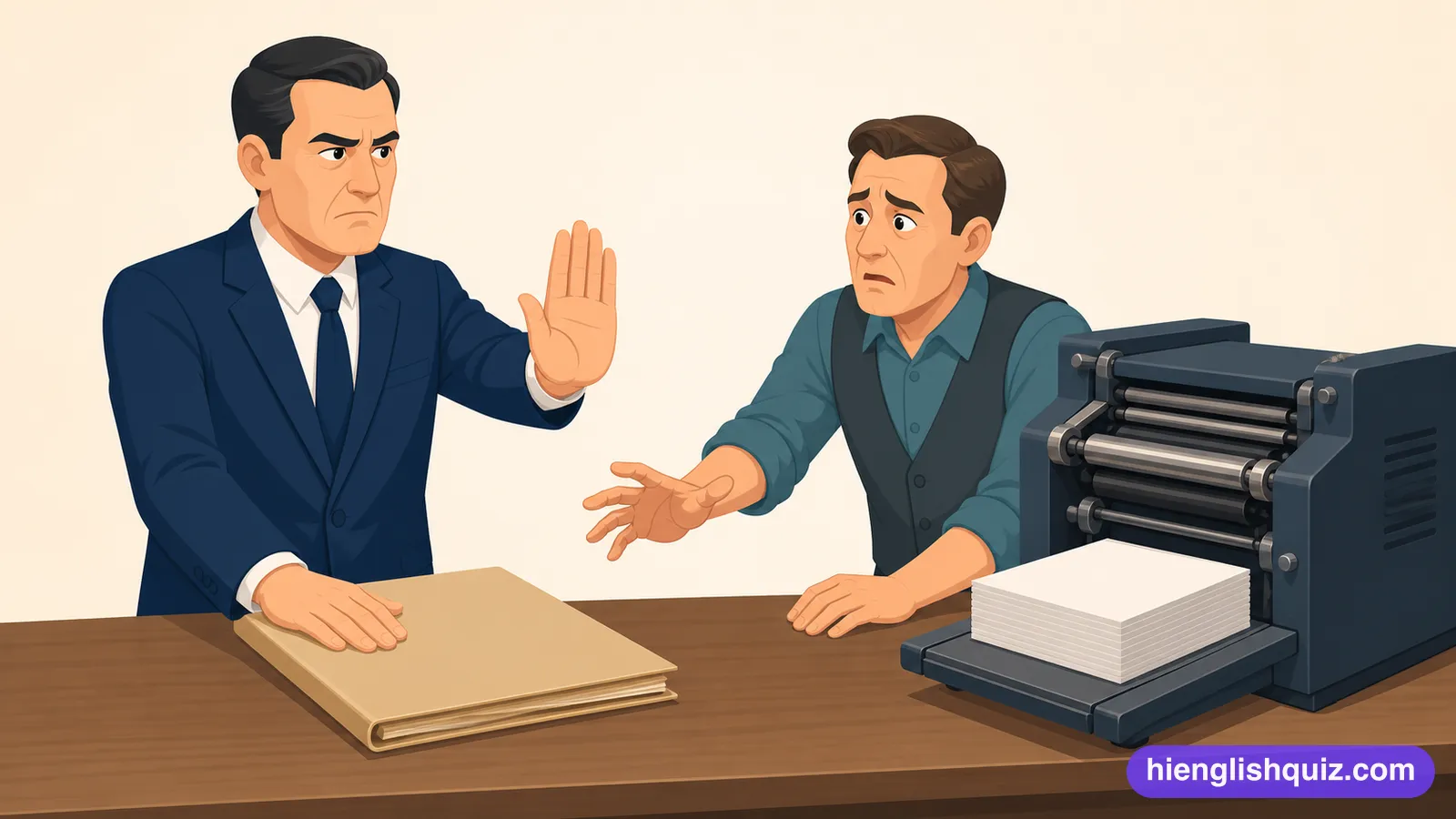
impartial
/ˌɪmˈpɑrʃəl/Not favouring either side, and judging only on the facts you are given.
Example: A good reporter stays impartial even under real pressure.

 Hi EnglishQuiz
C222 words · Proficient
News and media vocabulary such as fourth estate, astroturfing and chilling effect, plus sensationalism, pundit and muckraking. Words for discussing journalism and its ethics.
Not favouring either side, and judging only on the facts you are given.
Example: A good reporter stays impartial even under real pressure.
Very careful, critical examination of what someone does, aimed at finding faults.
Example: Ministers face intense scrutiny from reporters after every budget.

The practice of presenting news in a shocking or exaggerated way to attract attention.
Example: Critics accused the channel of sensationalism rather than serious reporting.

Strongly supporting one particular political party or side, rather than being neutral.
Example: The channel is known for its partisan coverage of politics.

A person who is often asked to give their opinion on the news, especially on TV or radio.
Example: A political pundit analysed the election results on air.

An article in a newspaper that gives a writer's personal opinion, printed opposite the editorial page.
Example: She wrote an op-ed arguing for stronger climate policies.

A way of presenting information, especially by politicians, that makes it seem more favourable than it really is.
Example: Voters grew tired of the government's constant spin.
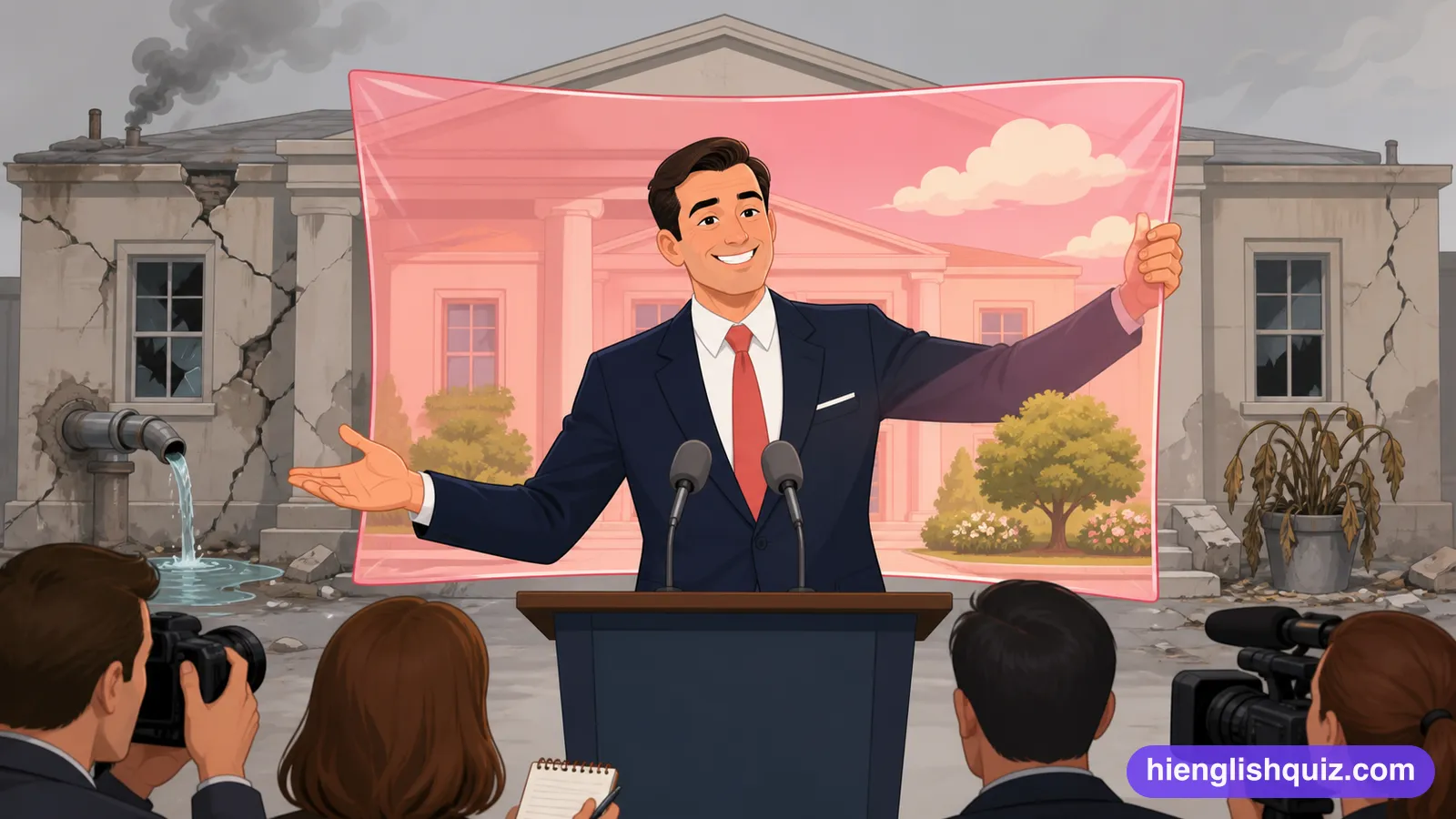
The quality of reporting facts fairly, without being influenced by personal feelings or opinions.
Example: Good journalism depends on objectivity and fair reporting.
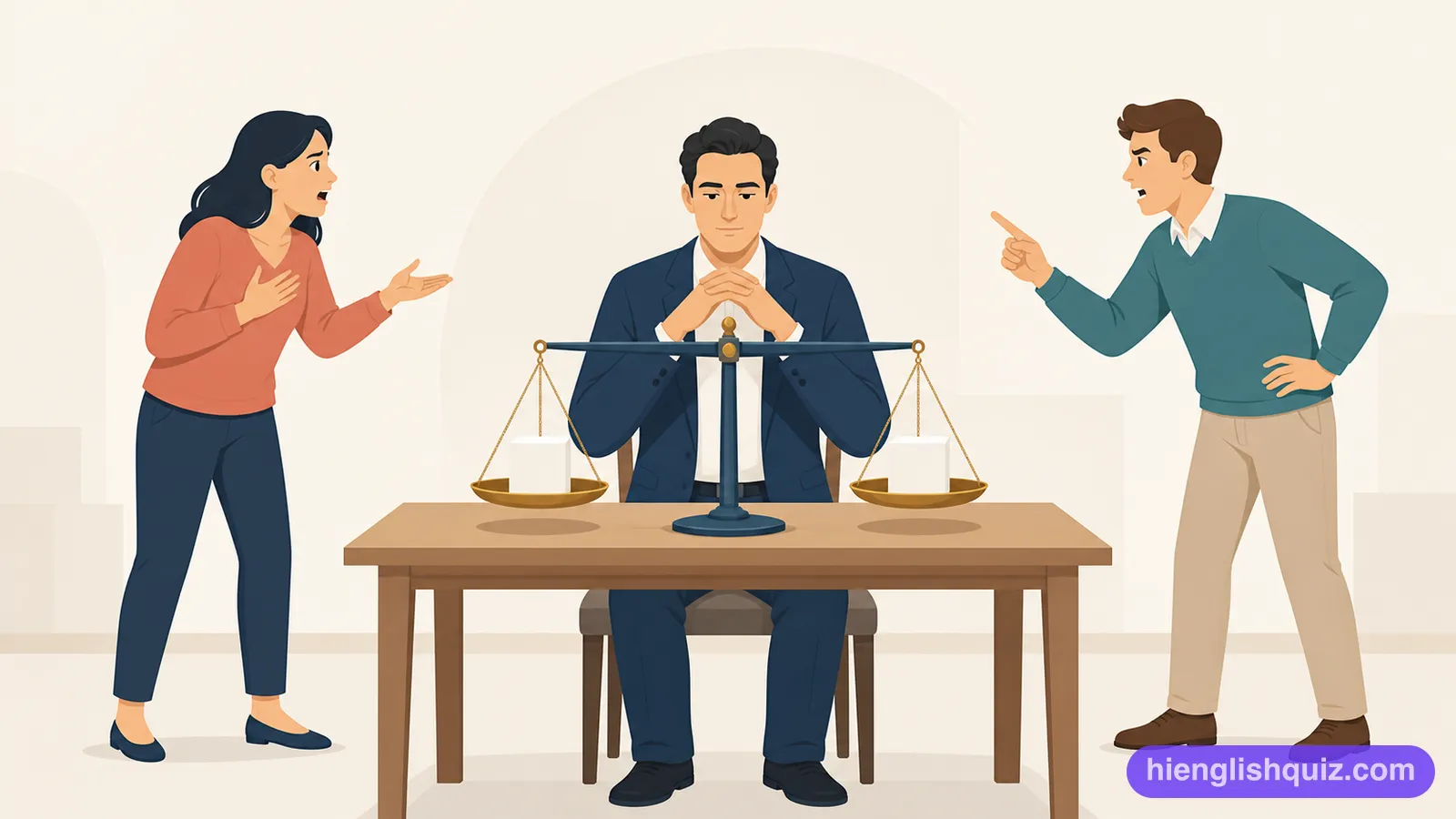
The quality of being influenced by personal opinions or feelings, rather than facts alone.
Example: Some critics feel the review showed too much subjectivity.

A personal reason, especially a financial one, for wanting a particular result or outcome.
Example: The company had a clear vested interest in the story's outcome.

The press considered as a force in public life.
Example: The phrase fourth estate flatters the press more than it deserves.

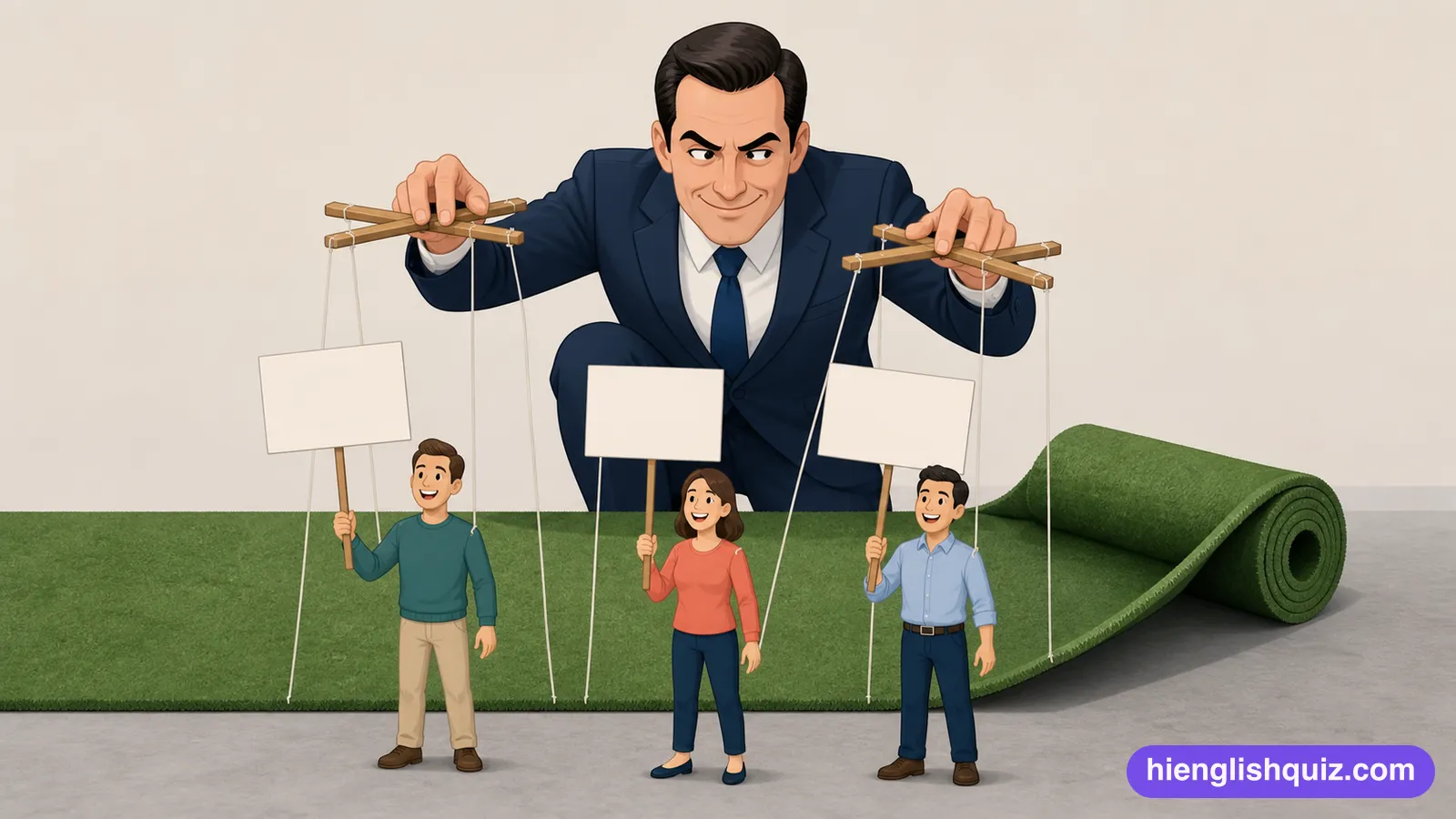
Faking public support to look like a grassroots movement.
Example: The campaign turned out to be astroturfing paid for by one firm.
Journalism that simply reprints press releases.
Example: Half the science pages are pure churnalism.

Waiting outside someone's home to question them.
Example: Doorstepping a grieving family is where the code draws a line.

The way the threat of legal action stops people publishing.
Example: One case created a chilling effect across the whole sector.

A style of reporting in which the writer is part of the story.
Example: Gonzo journalism made a virtue of the reporter getting involved.

A large-format newspaper, traditionally the serious kind.
Example: The last broadsheet in the country went tabloid in 2004.

The publisher's name and details printed in a publication.
Example: The imprint at the back names a company dissolved in 1998.

A hidden purpose behind what someone says or publishes.
Example: Readers assume an agenda whether or not there is one.

Searching out and exposing wrongdoing by the powerful.
Example: A century of muckraking produced most of the reforms anyone remembers.

The set of part-time reporters a publication relies on in distant places.
Example: The whole stringer network was cut in one budget round.

A legal order stopping something being published at all.
Example: Prior restraint is rarer than the threat of it.