memory
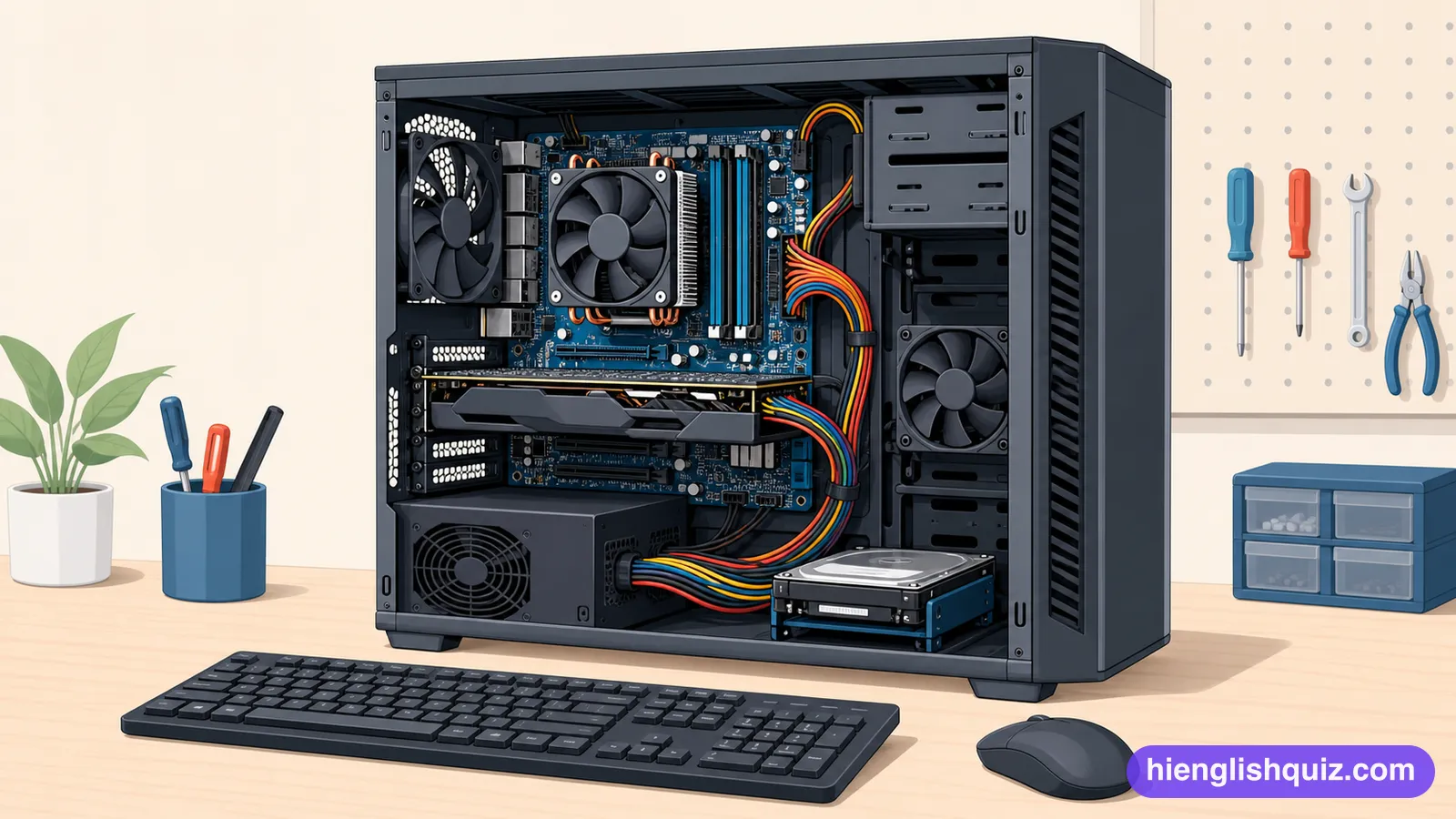
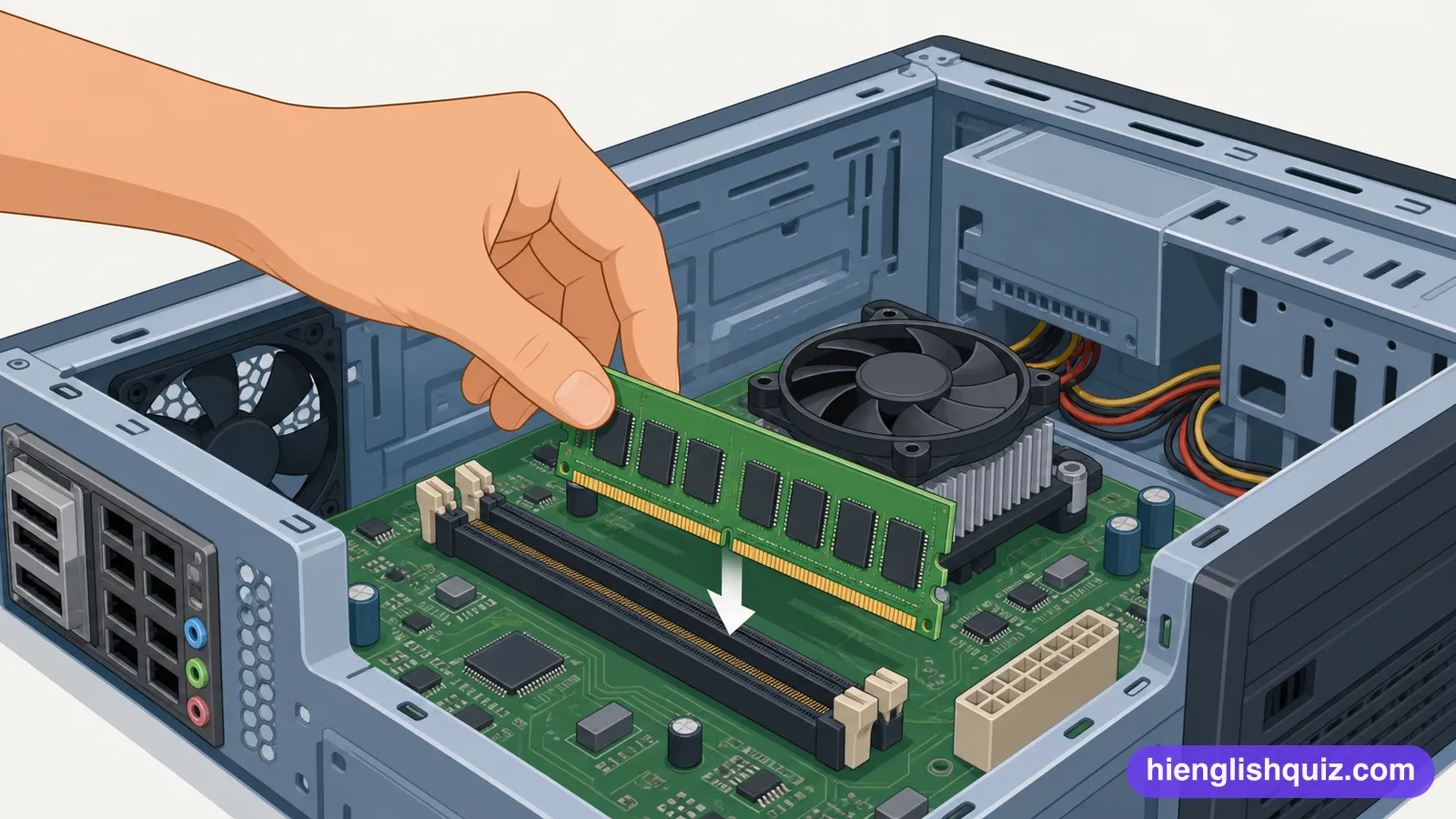
/ˈmɛməri/The part of a computer that keeps information and programs while it is being used.
Example: My laptop is slow because it doesn't have much memory.
 Hi EnglishQuiz
B116 words · Intermediate
Computer and device vocabulary such as memory, storage and shortcut, plus restart, crash and lag. Words for describing how a device works and what goes wrong.
The part of a computer that keeps information and programs while it is being used.
Example: My laptop is slow because it doesn't have much memory.
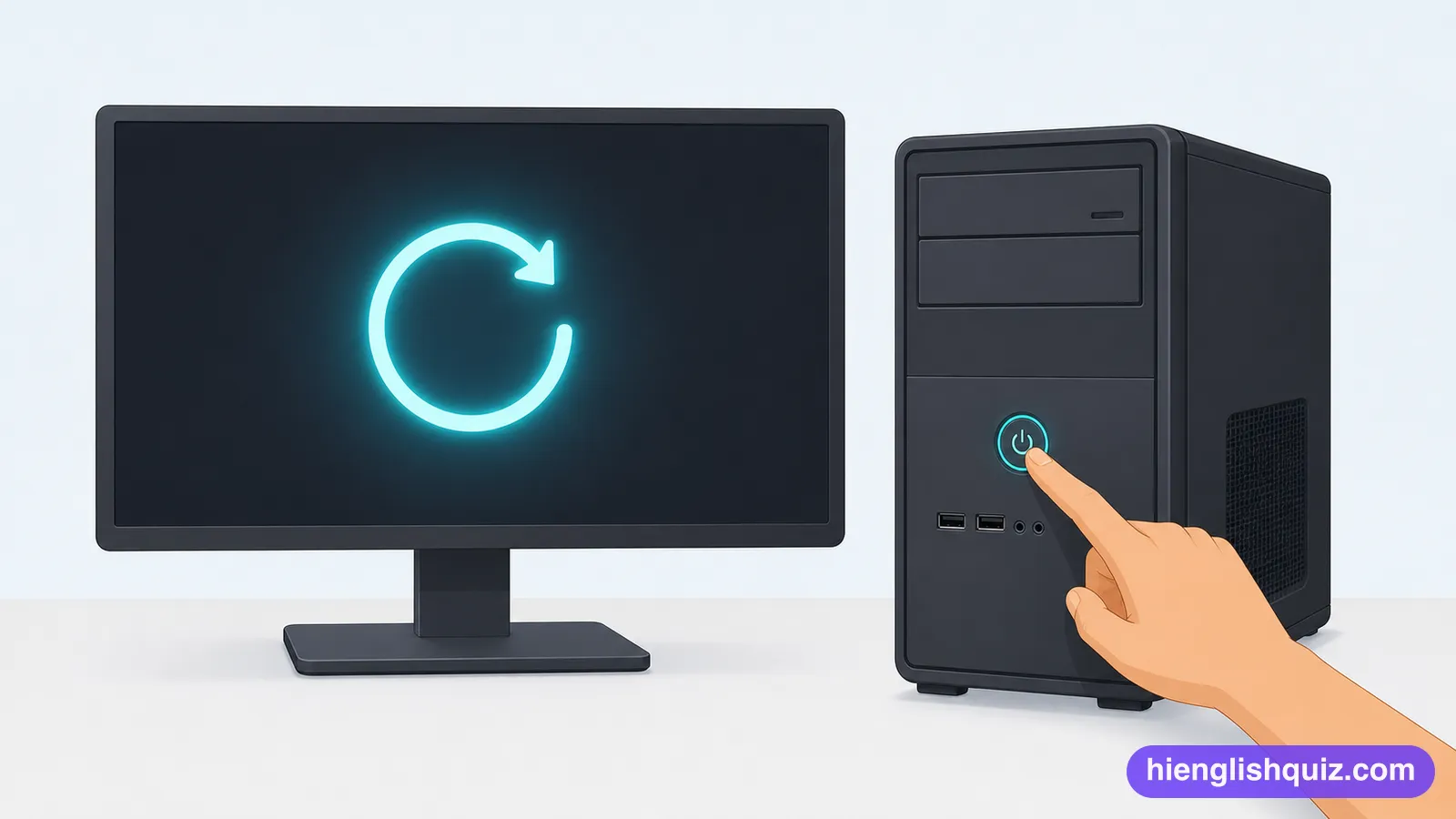
To turn a computer or machine off and then on again so that it works properly.
Example: Have you tried restarting your laptop?
When a computer or program suddenly stops working and closes what you were doing.
Example: The program crashed and I lost an hour of work.
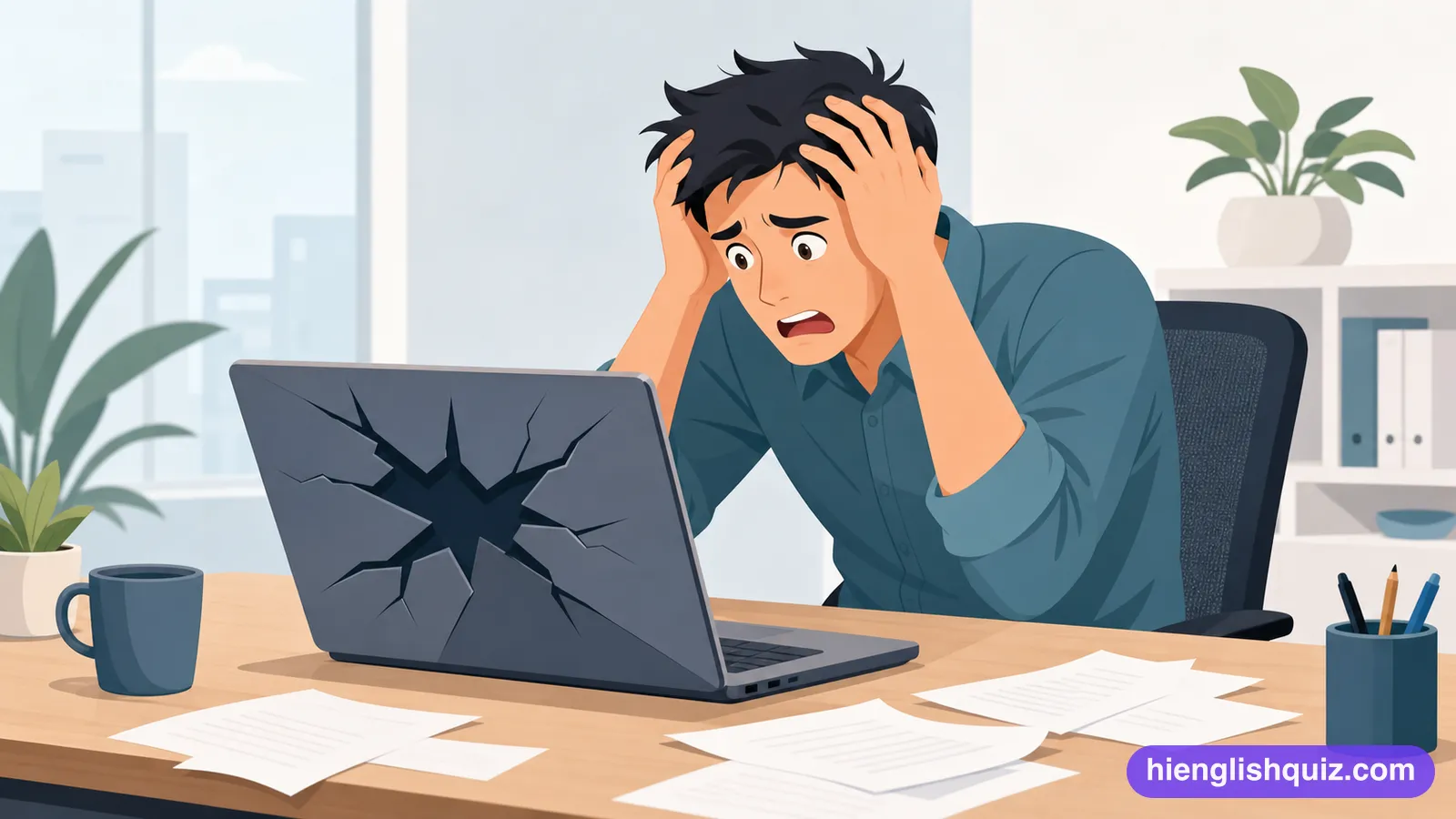
To fix something that is broken so that it works again.
Example: It's cheaper to repair the washing machine than buy a new one.
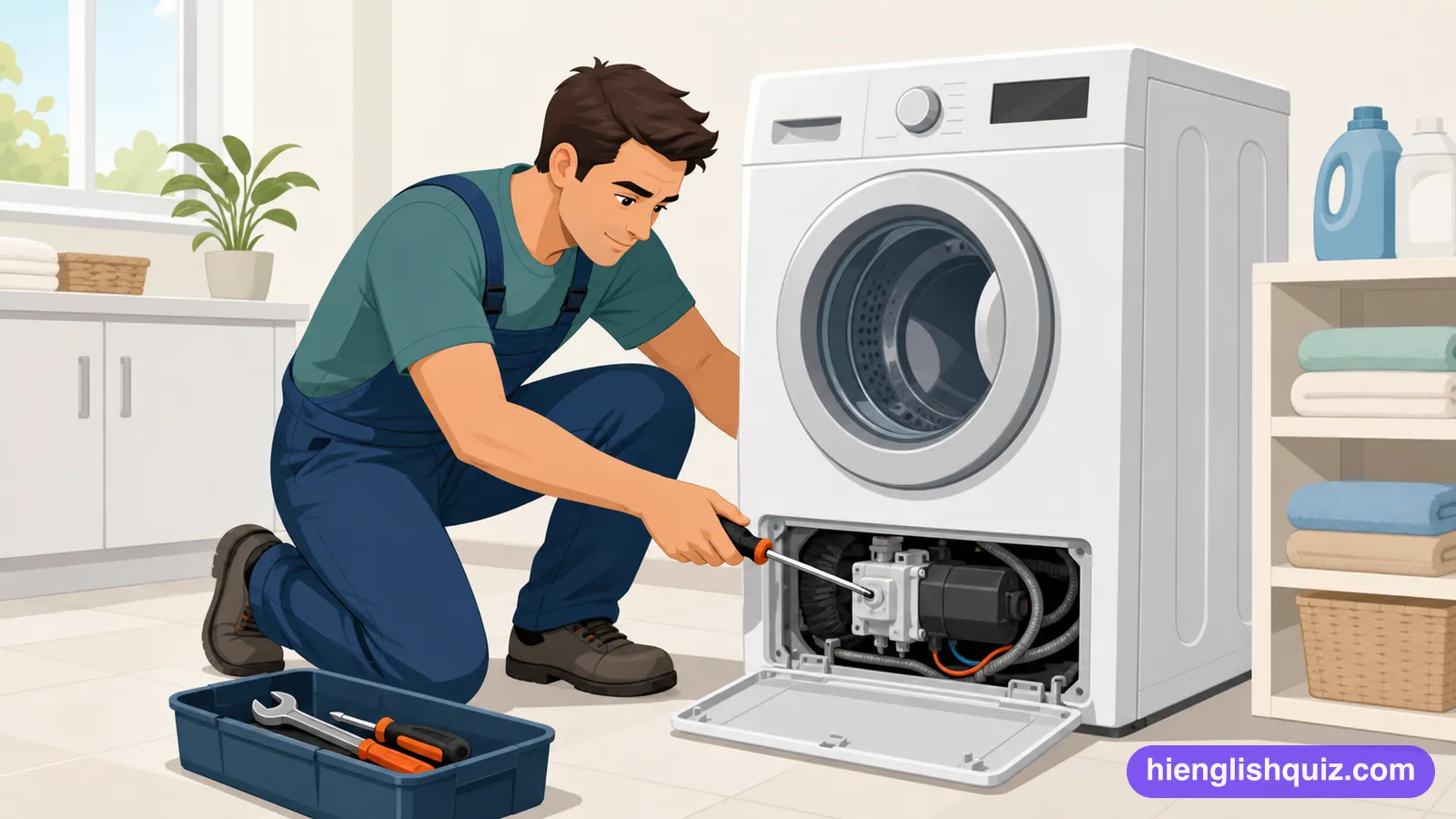
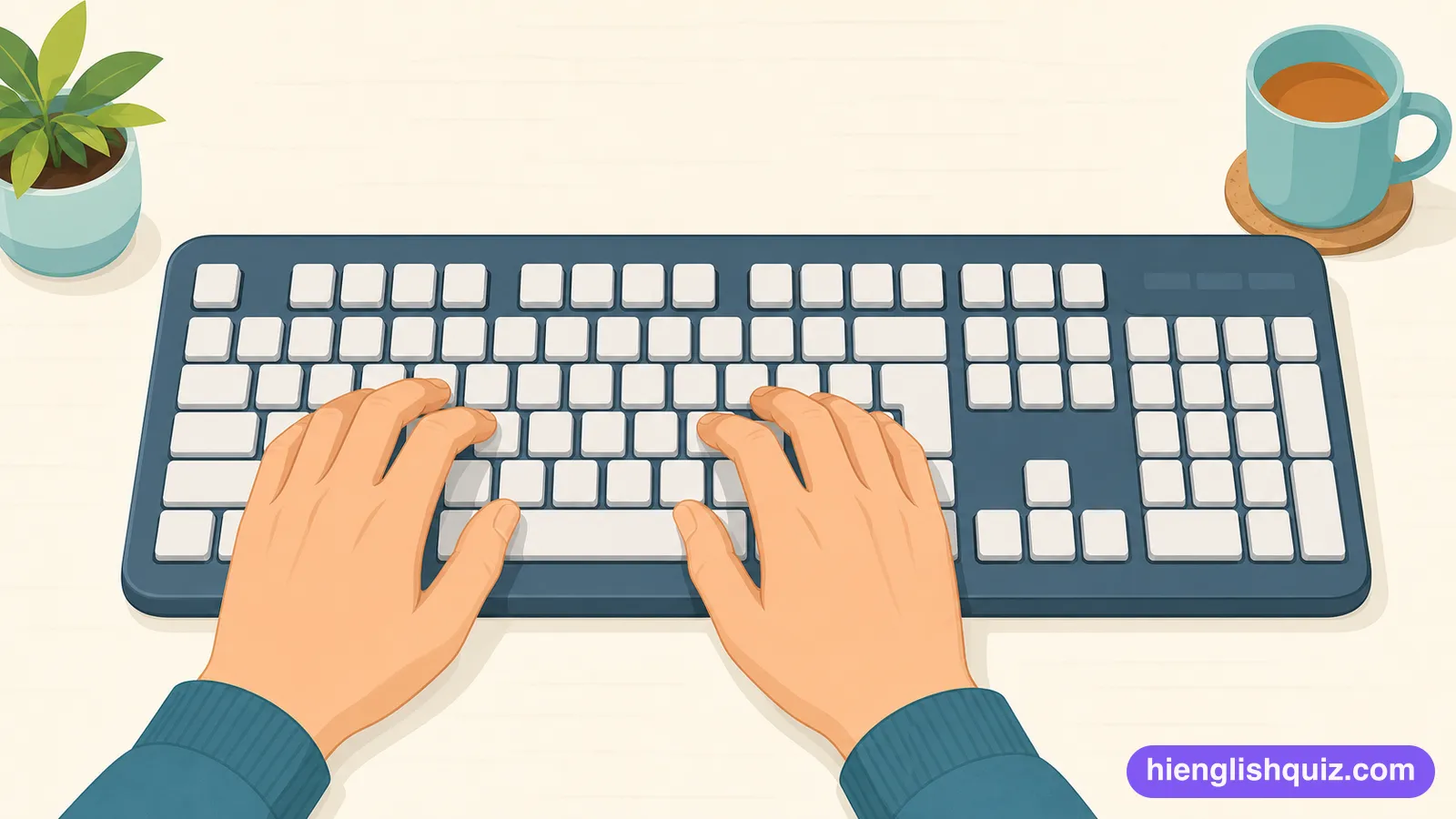
A quick way of doing something on a computer, often using a key combination instead of a menu.
Example: Ctrl+C is a keyboard shortcut for copying text.
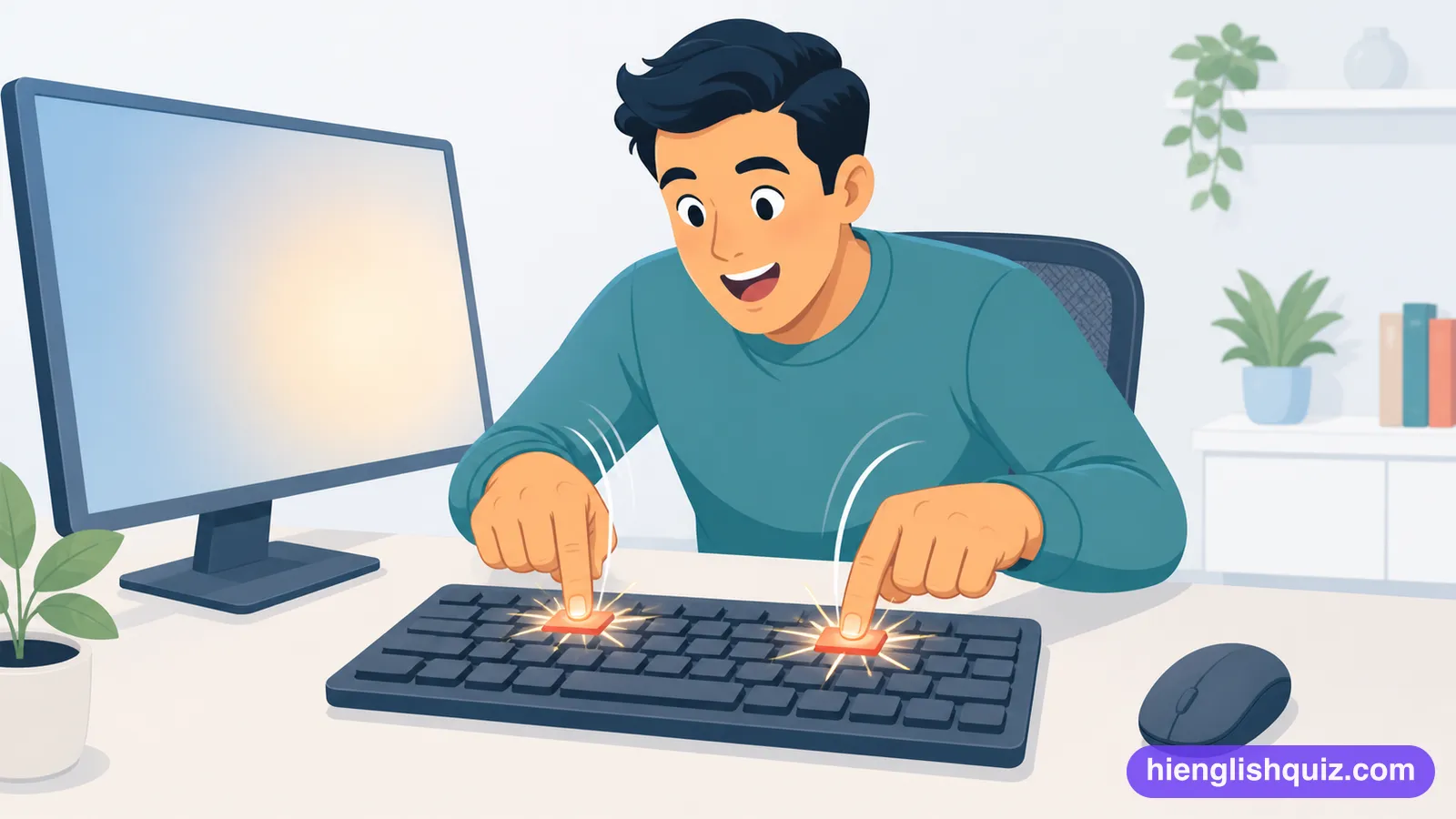
To prepare a disk or device by erasing everything on it and setting it up to store new files.
Example: You need to format the old drive before using it again.
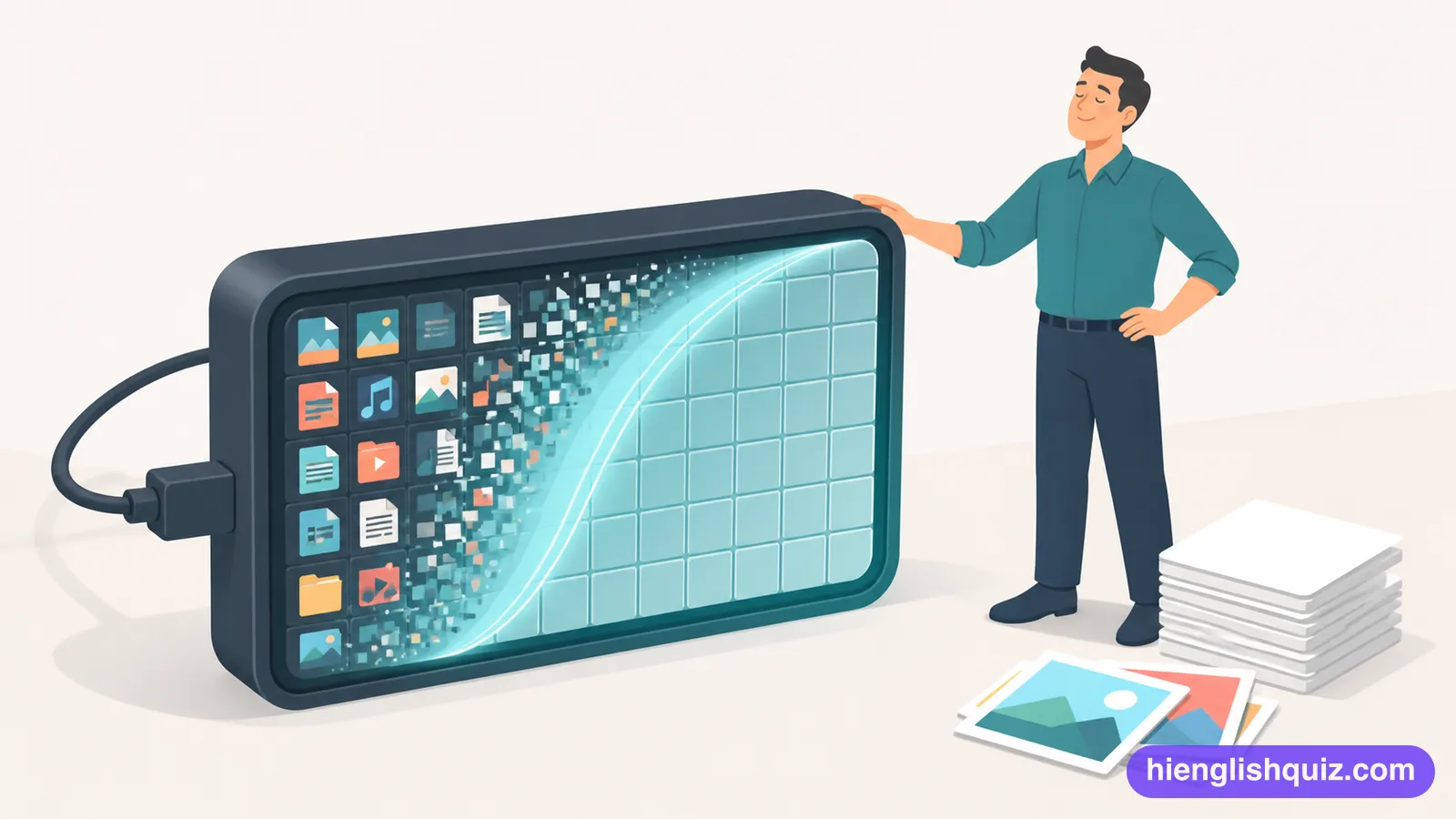
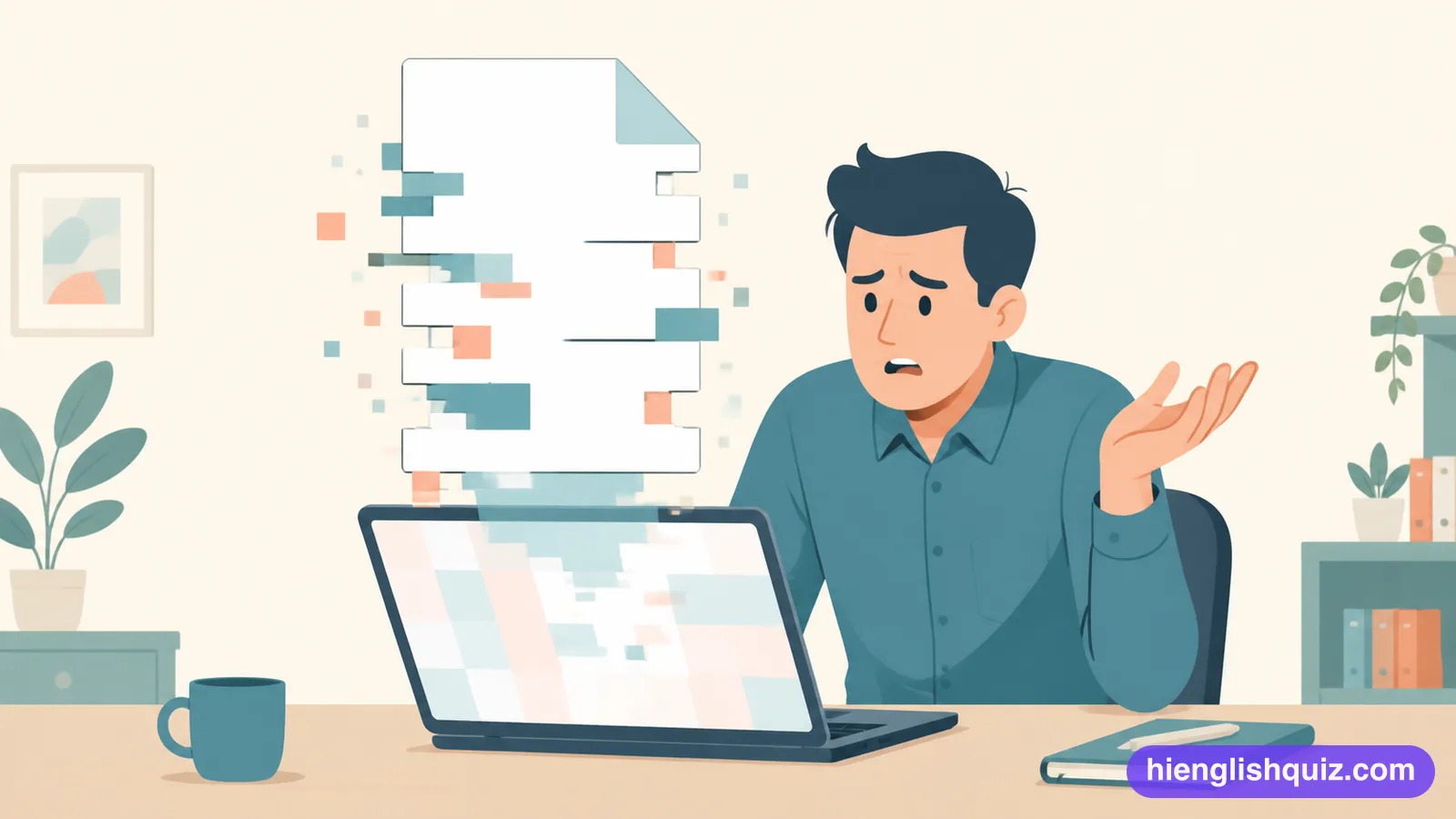
Containing an error, so that a file cannot open or work correctly.
Example: The photo file was corrupt and would not open.
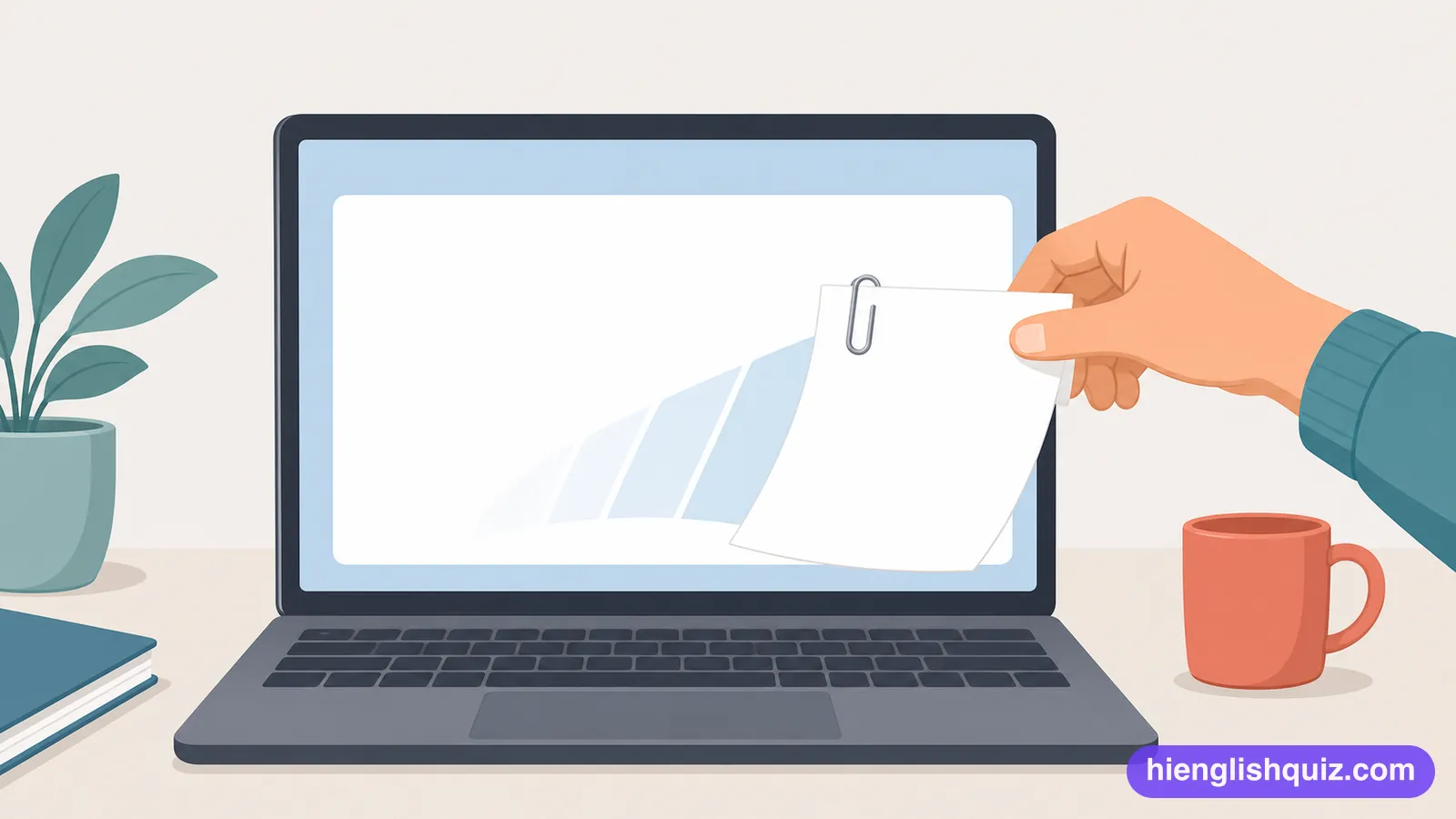
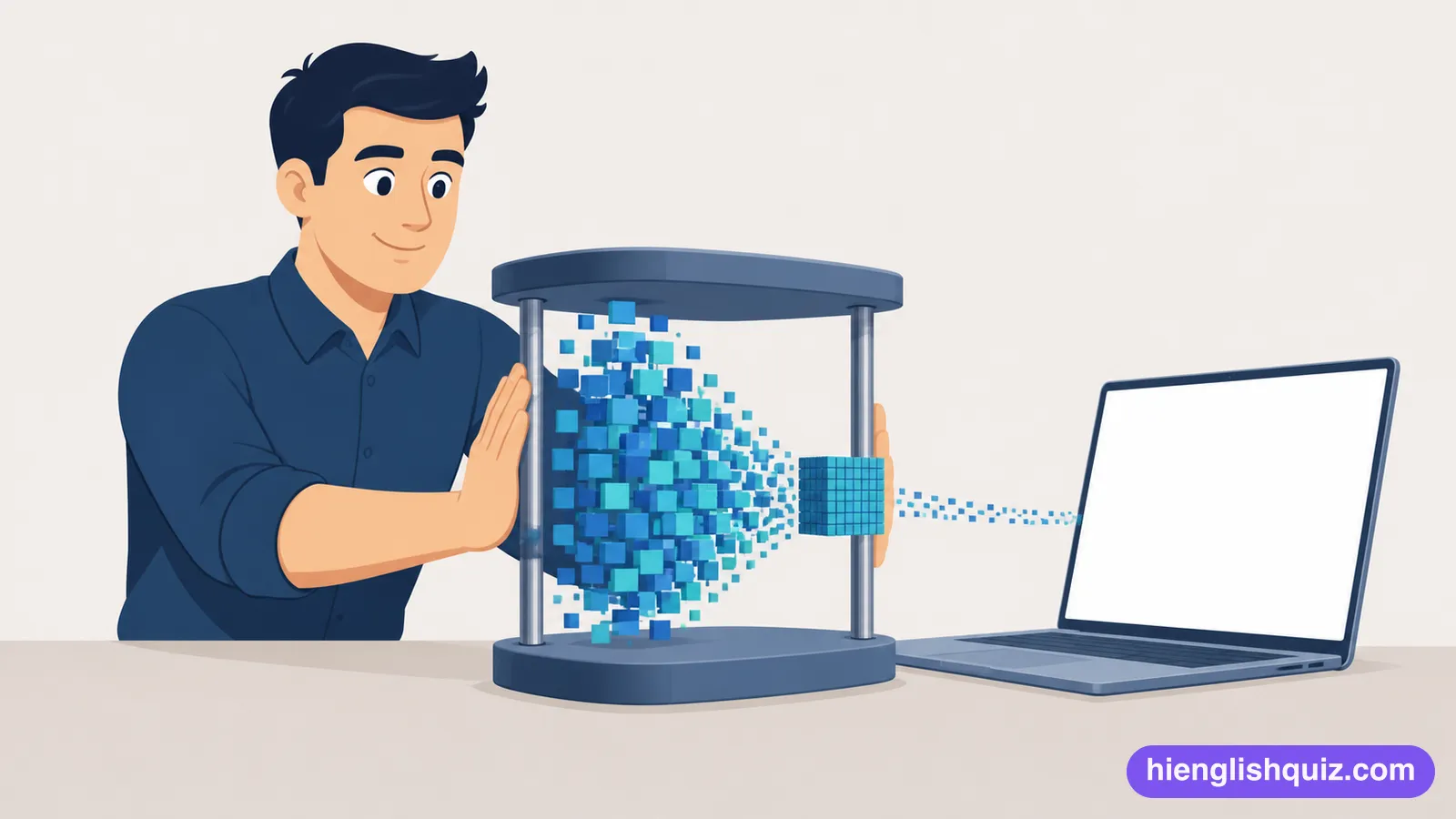
To make a computer file smaller so that it takes up less space or sends faster.
Example: You can compress the folder into a single zip file.
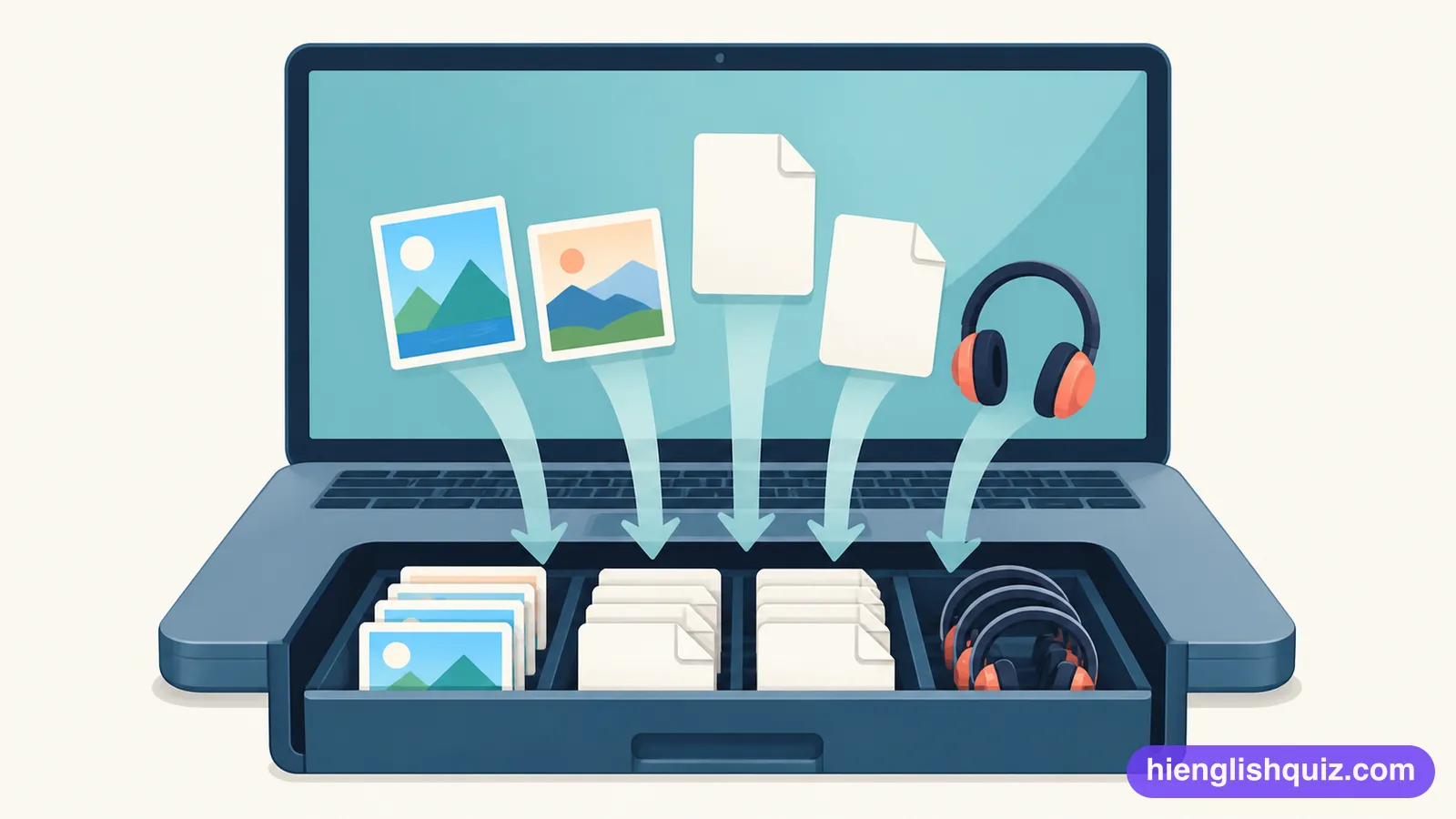
The space on a computer or device where files and data are kept.
Example: This laptop has plenty of storage for photos and videos.
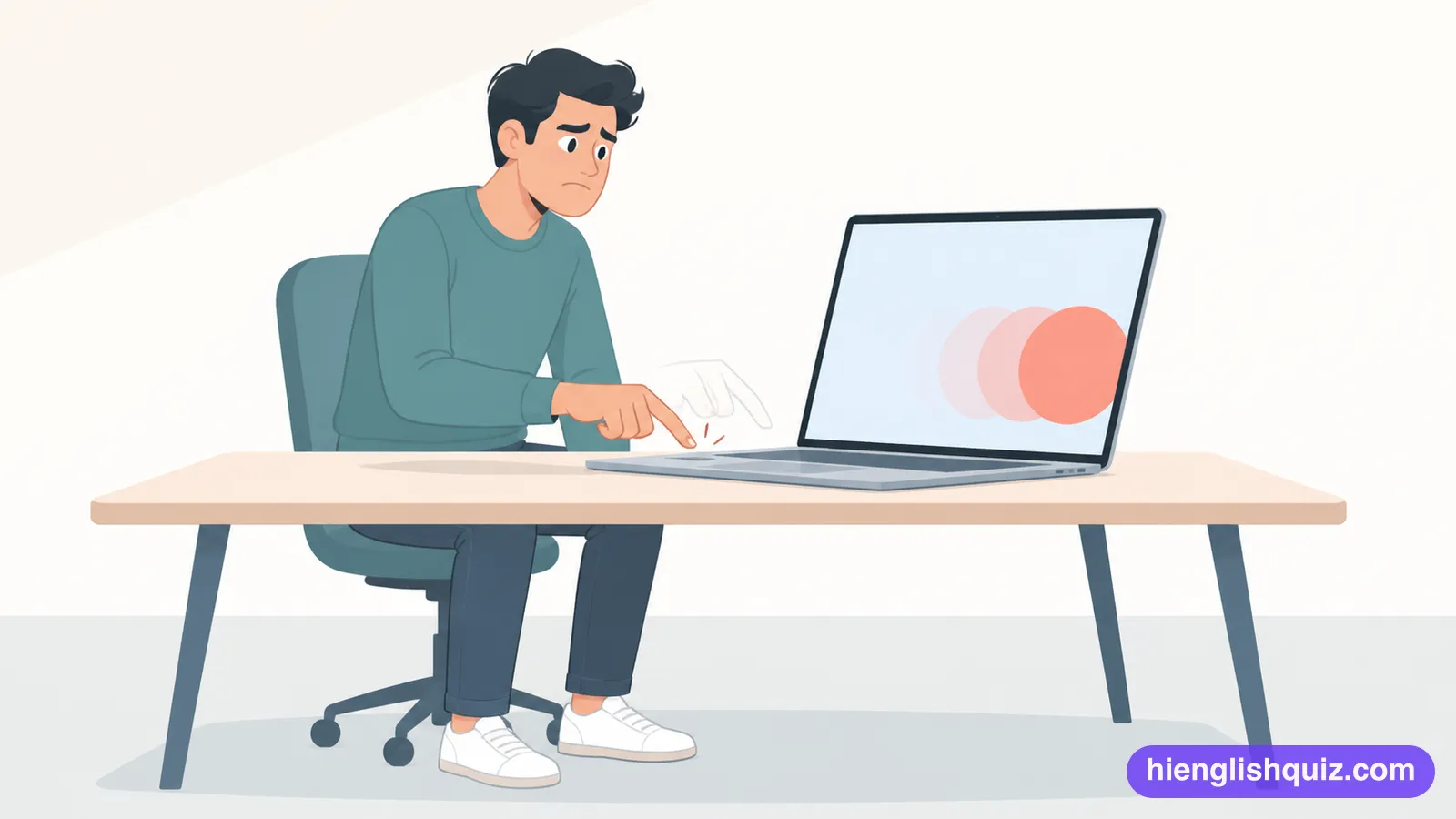
A short delay between doing something on a device and seeing the result.
Example: The video call had annoying lag during the meeting.
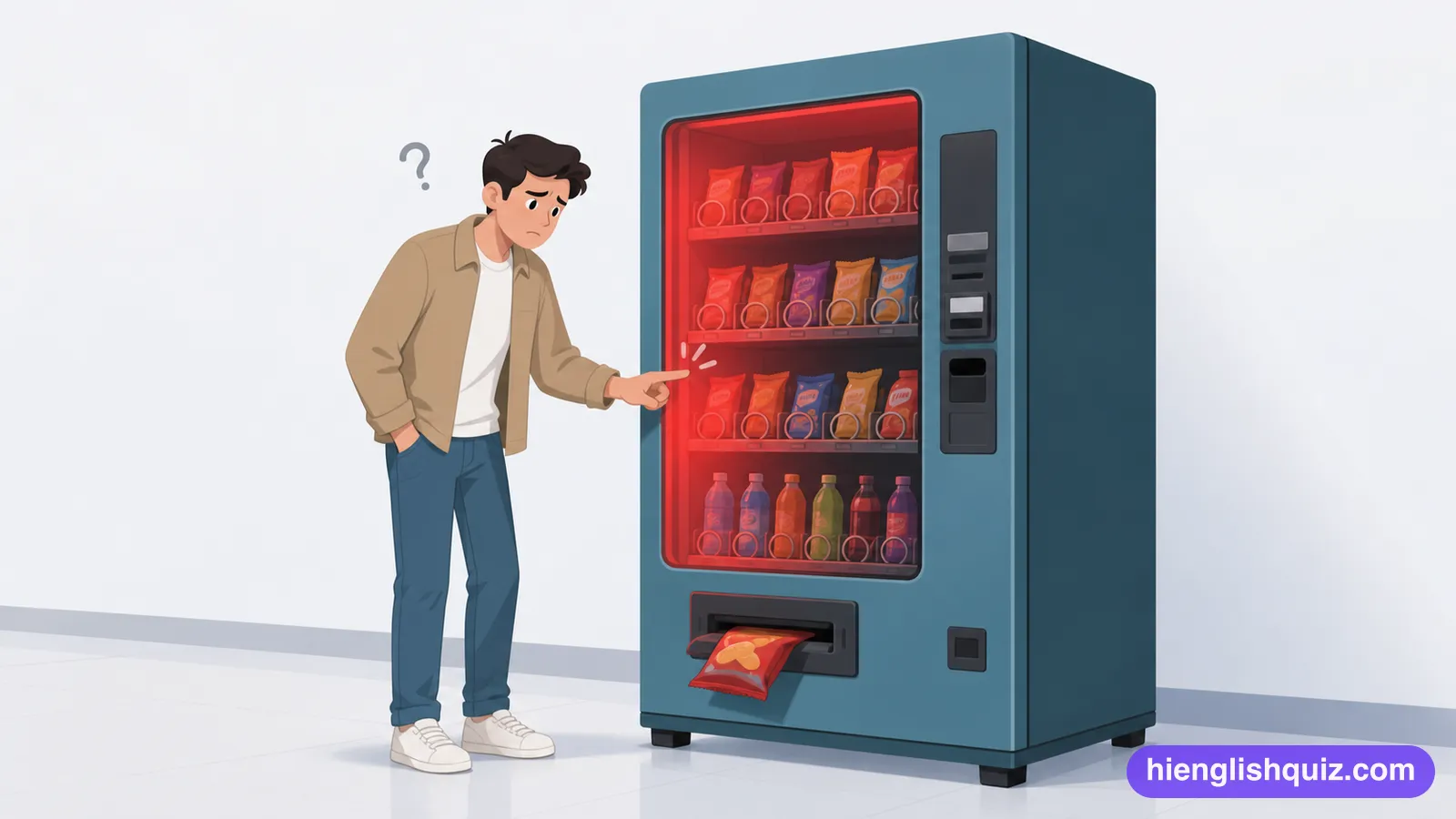
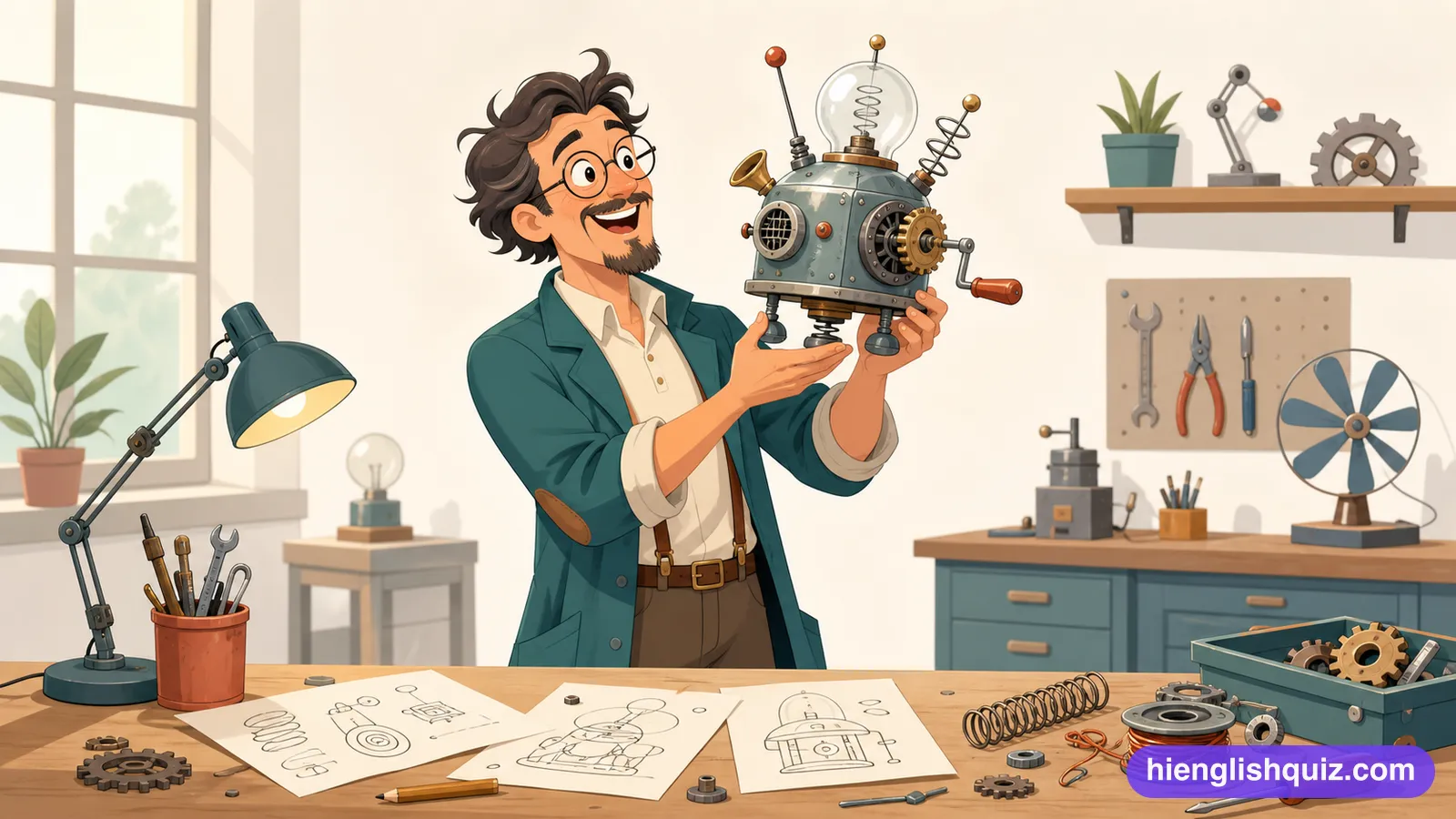
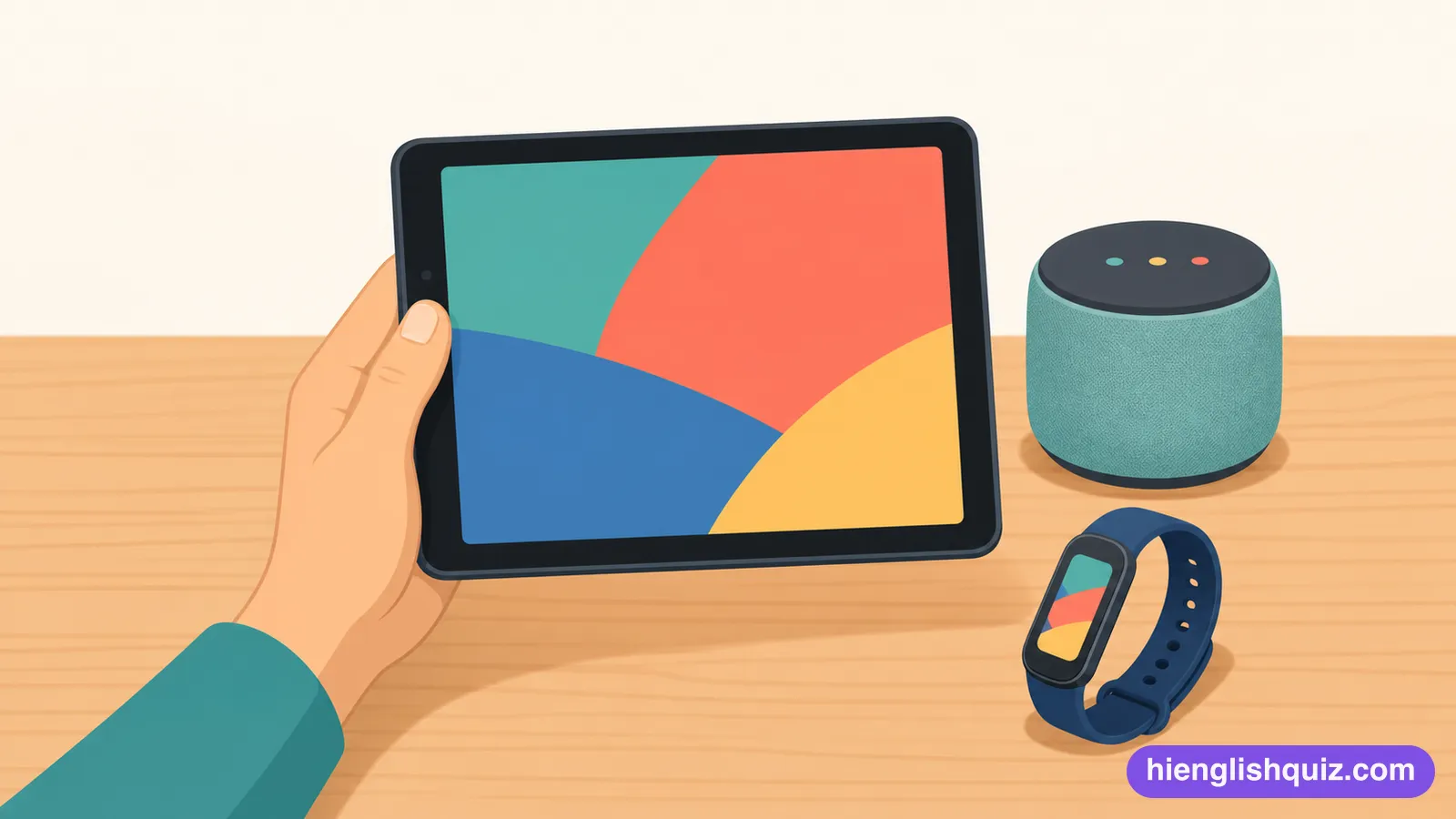
A machine or piece of equipment made for a particular job, often small enough to carry.
Example: I keep all my photos on one small device.
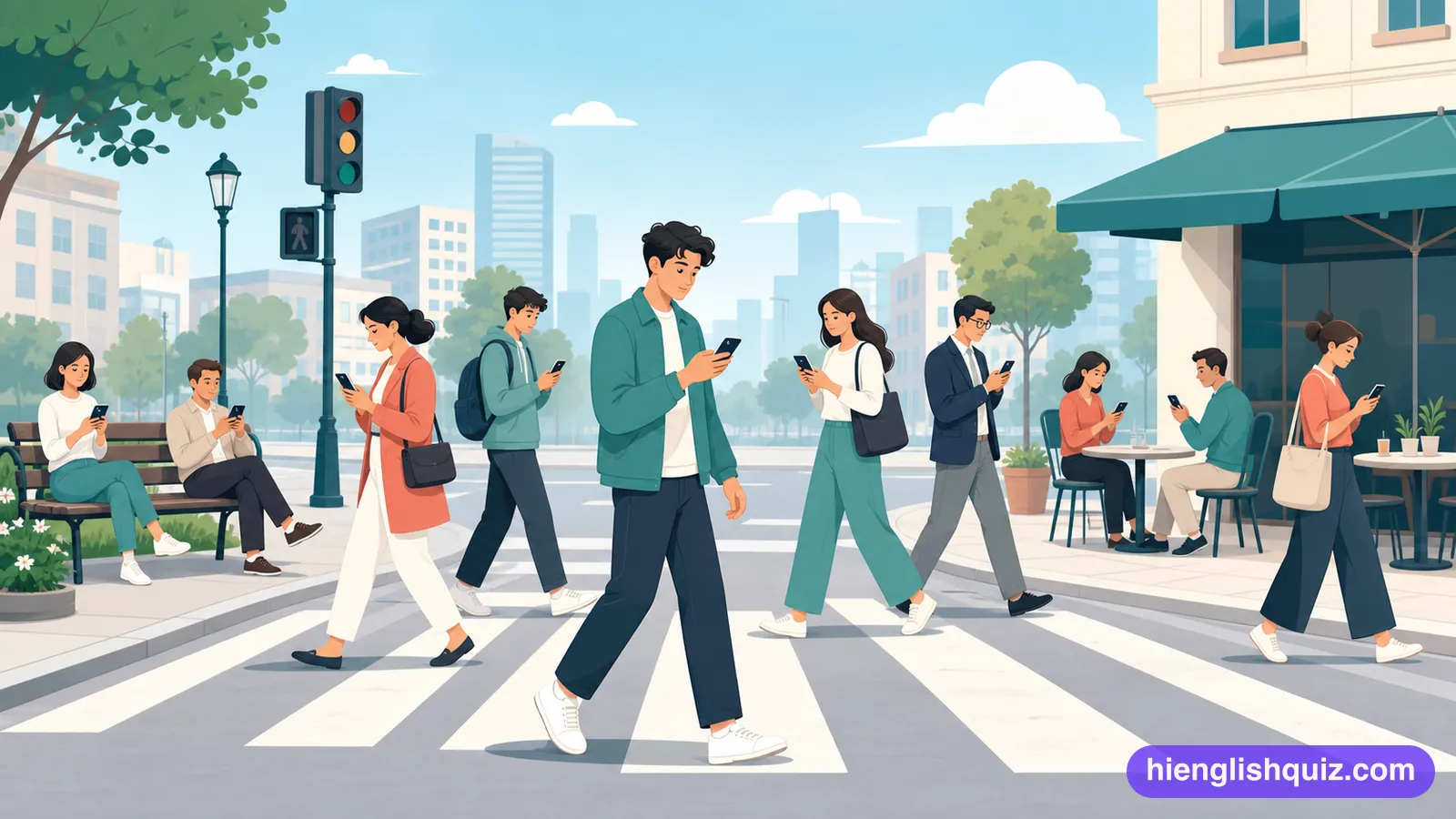
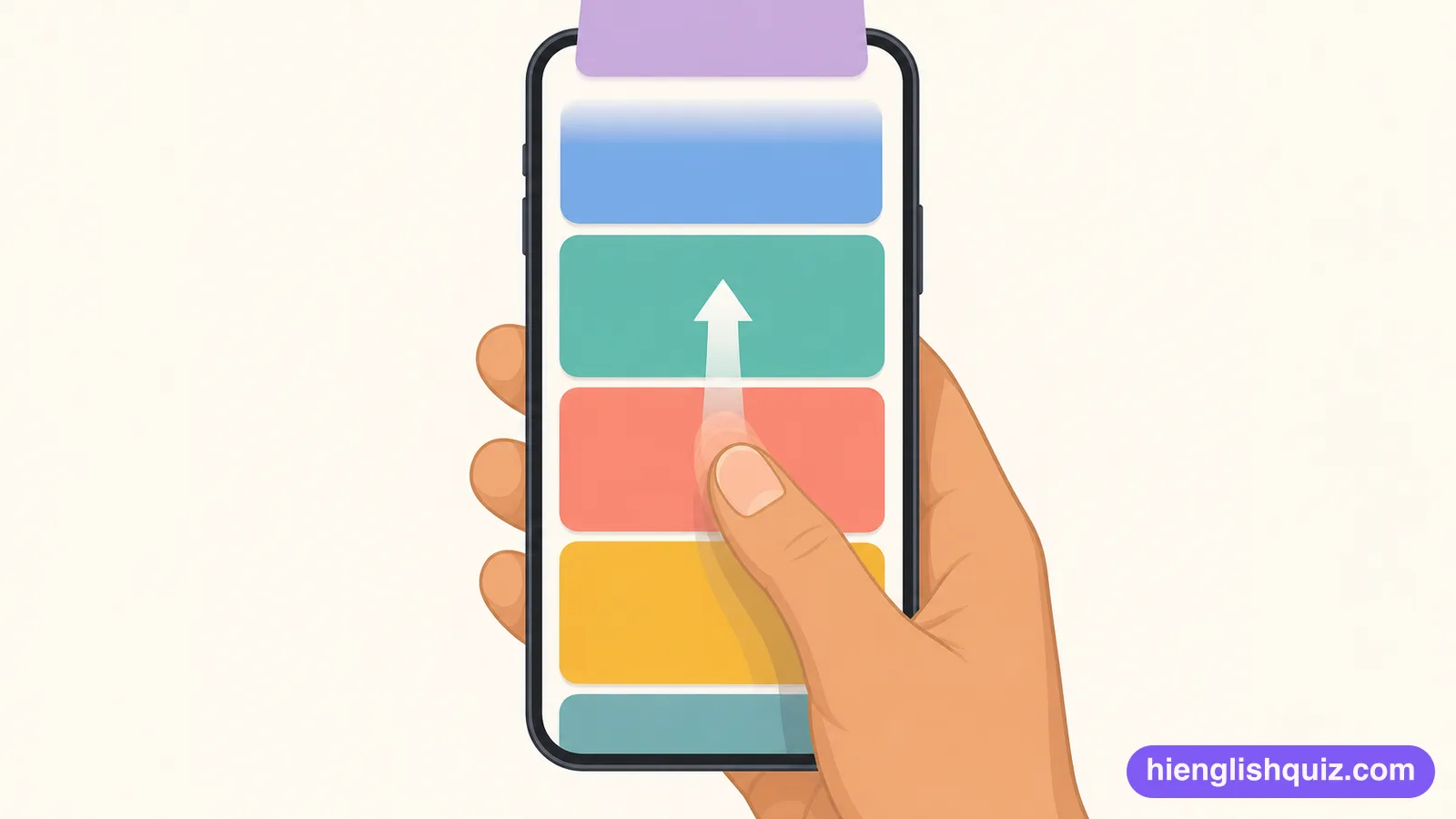
To move the content on a screen up or down so you can see more of it.
Example: I scroll through my phone for hours before bed.
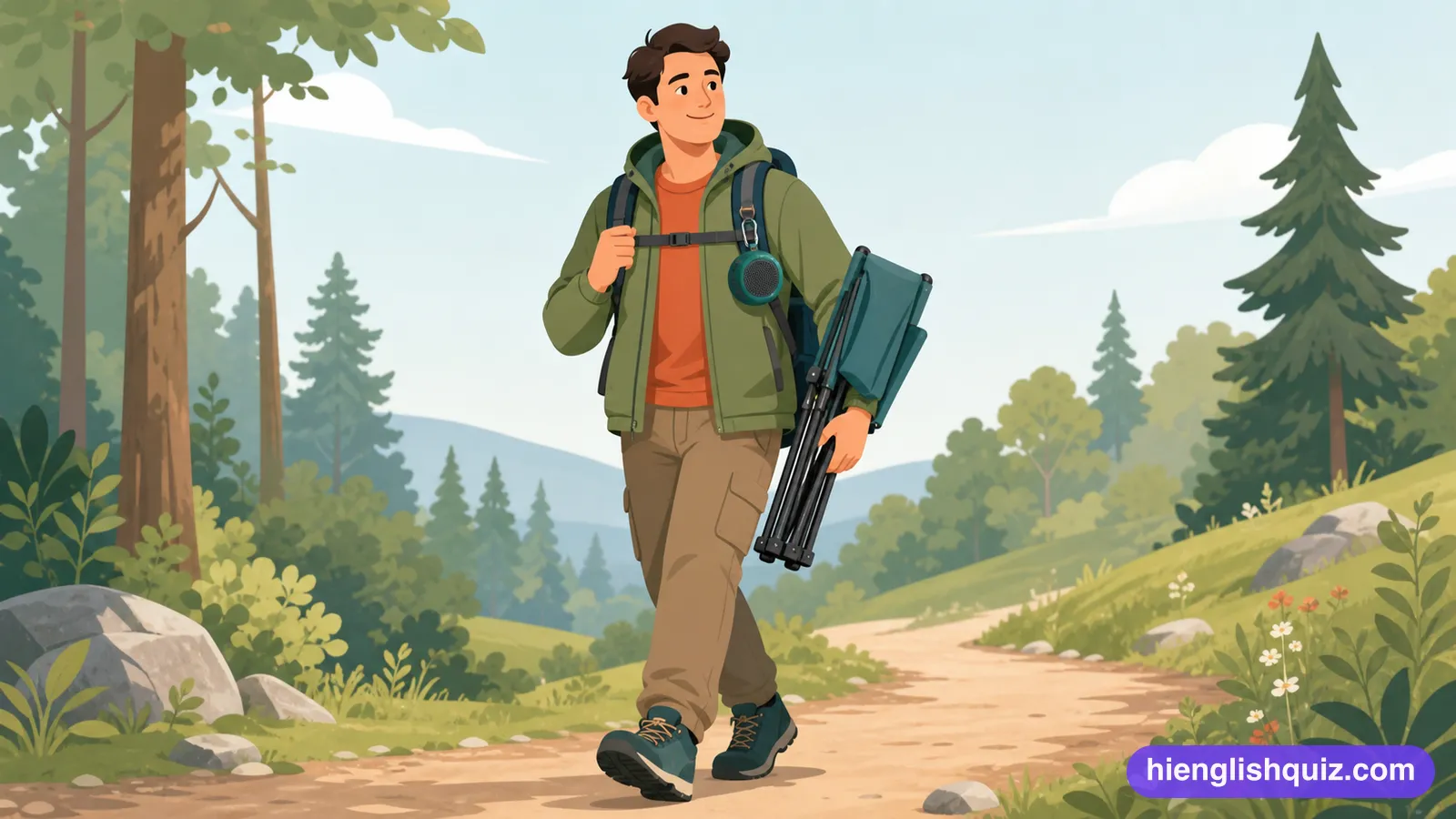
Light and small enough to carry around and use in different places.
Example: We took a portable speaker down to the beach.
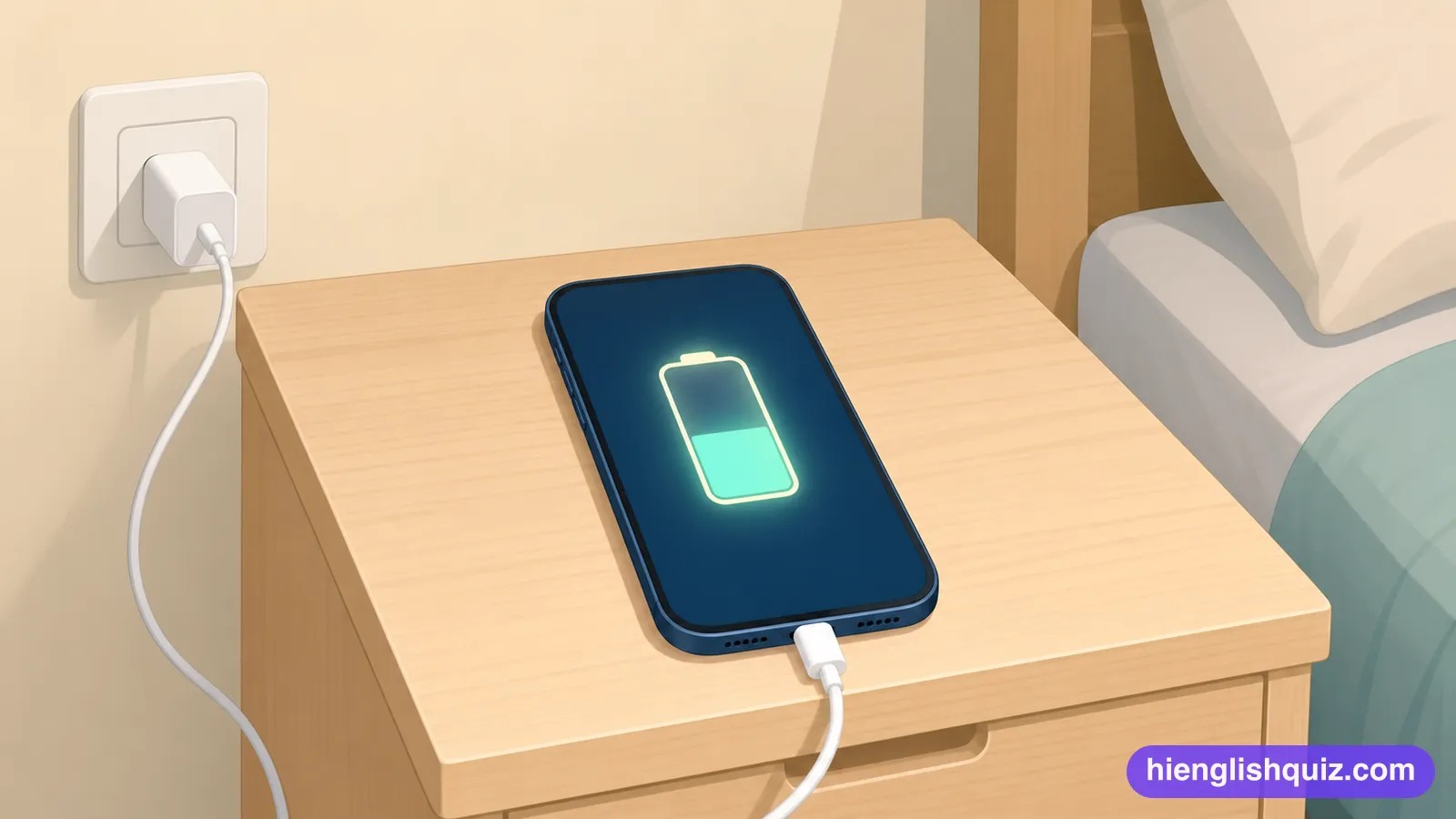
To put electricity into a battery so that a phone or laptop can work again.
Example: I need to charge my phone before we go out.
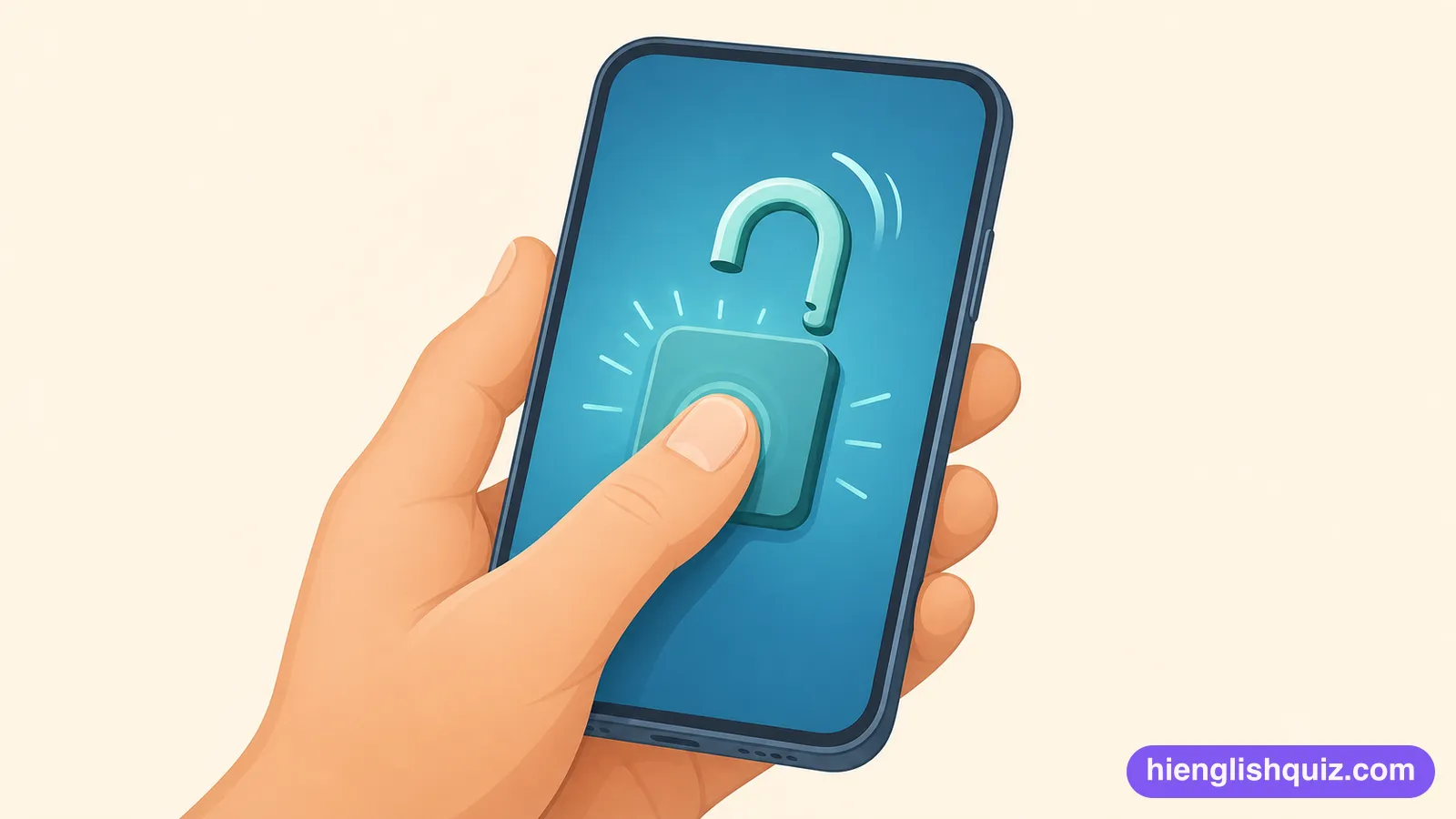
To open a phone or a door so it can be used, usually with a code or a fingerprint.
Example: I unlock my phone with my face now.
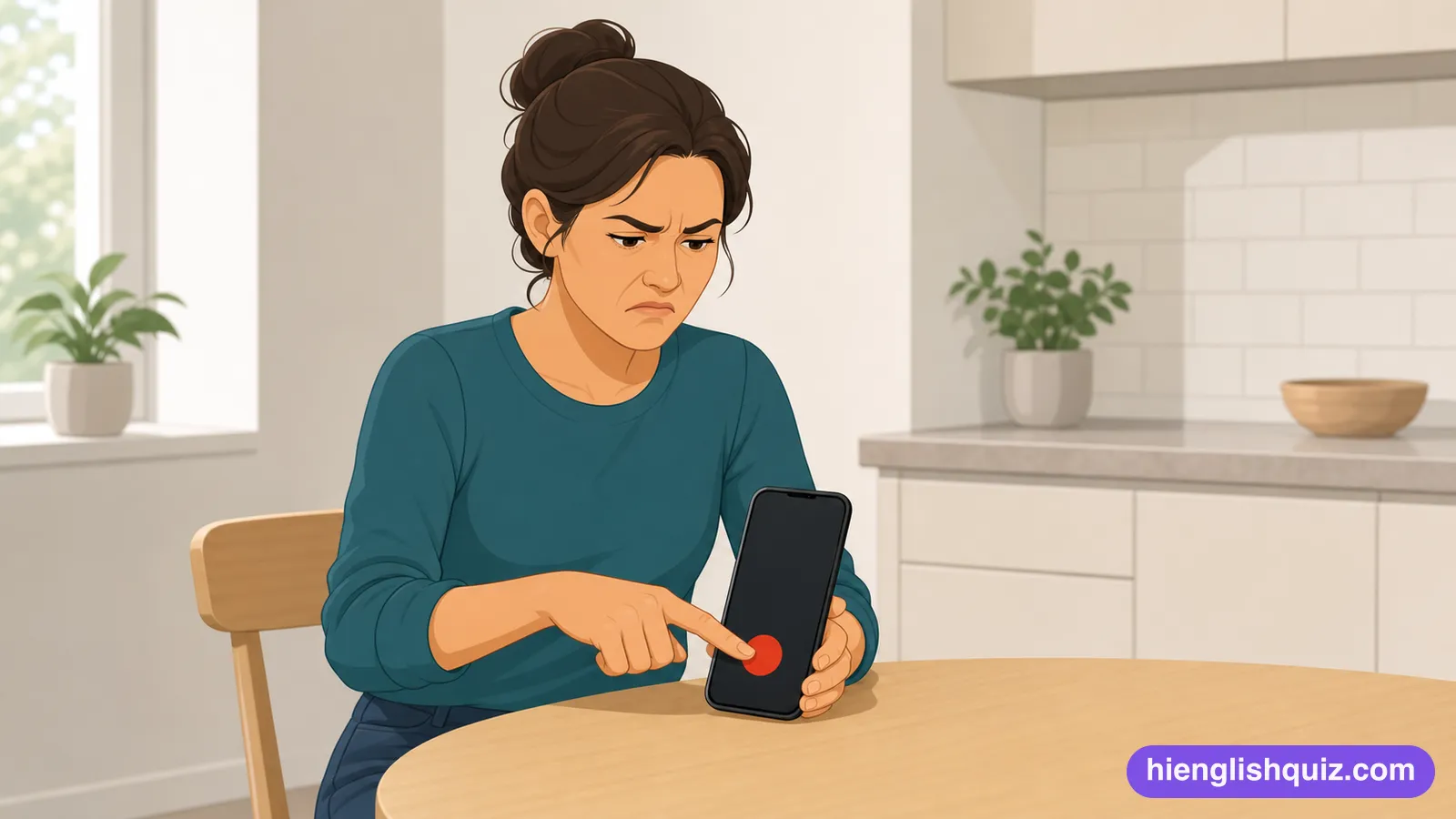
To end a phone call by pressing the red button or putting the phone down.
Example: Please don't hang up, I'll only be a minute.