mute
/mjut/To switch off the sound coming from a call or a device.
Example: Please mute your microphone when you are not speaking.

 Hi EnglishQuiz
B220 words · Upper-intermediate
Digital communication vocabulary such as spam, phishing and firewall, plus two-factor authentication, VPN and credential. Words for describing online security.
To switch off the sound coming from a call or a device.
Example: Please mute your microphone when you are not speaking.
A spoken message left for somebody who did not answer their phone.
Example: He left me a long voicemail about the meeting.

Unwanted messages sent to huge numbers of people, usually to advertise something.
Example: Most of these emails are just spam trying to sell things.
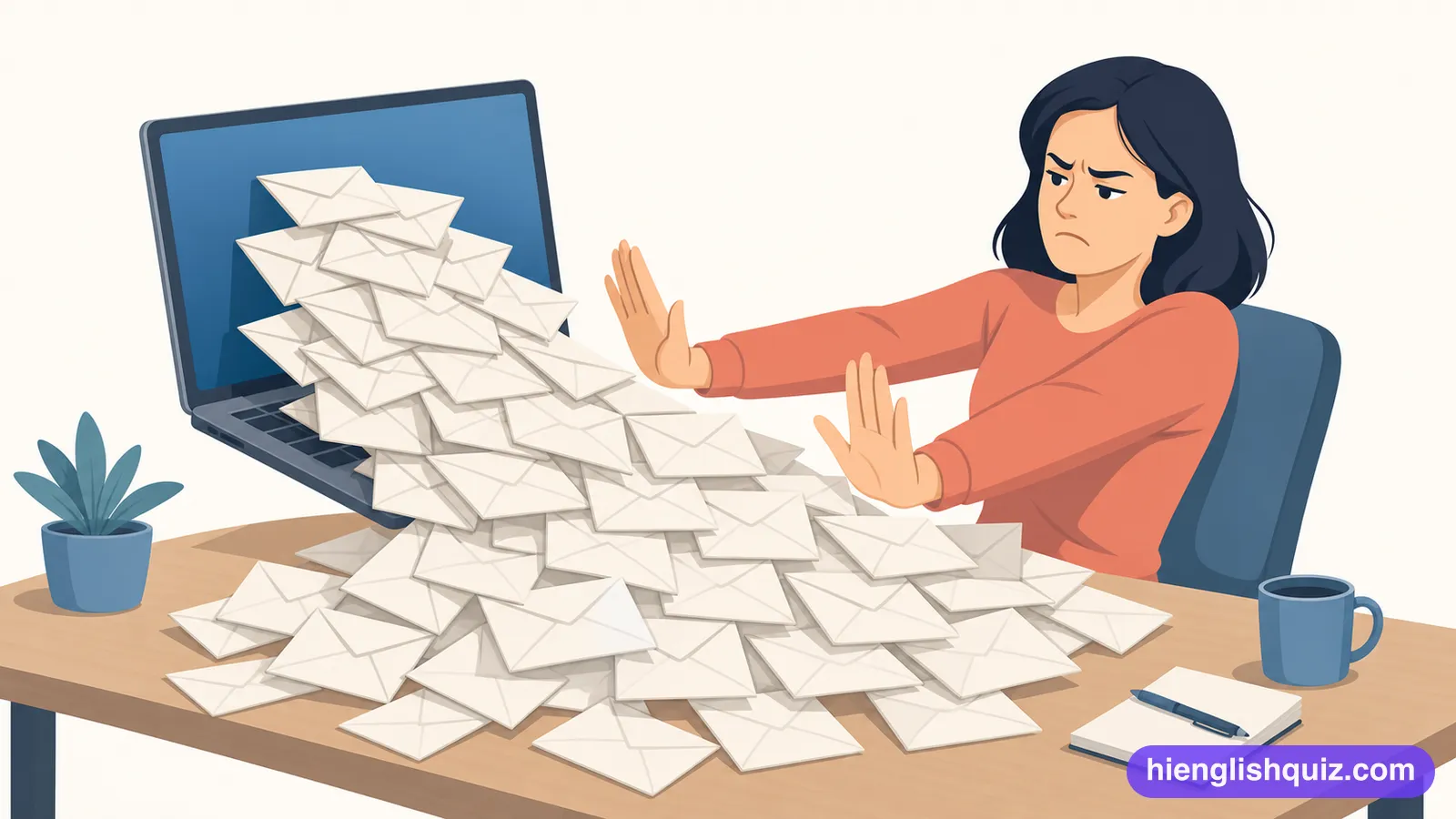
To stop receiving regular emails or messages from a company or service.
Example: Click here to unsubscribe from this newsletter.

A feature on phones and computers that automatically fixes spelling mistakes as you type.
Example: Autocorrect changed my message into something completely different.
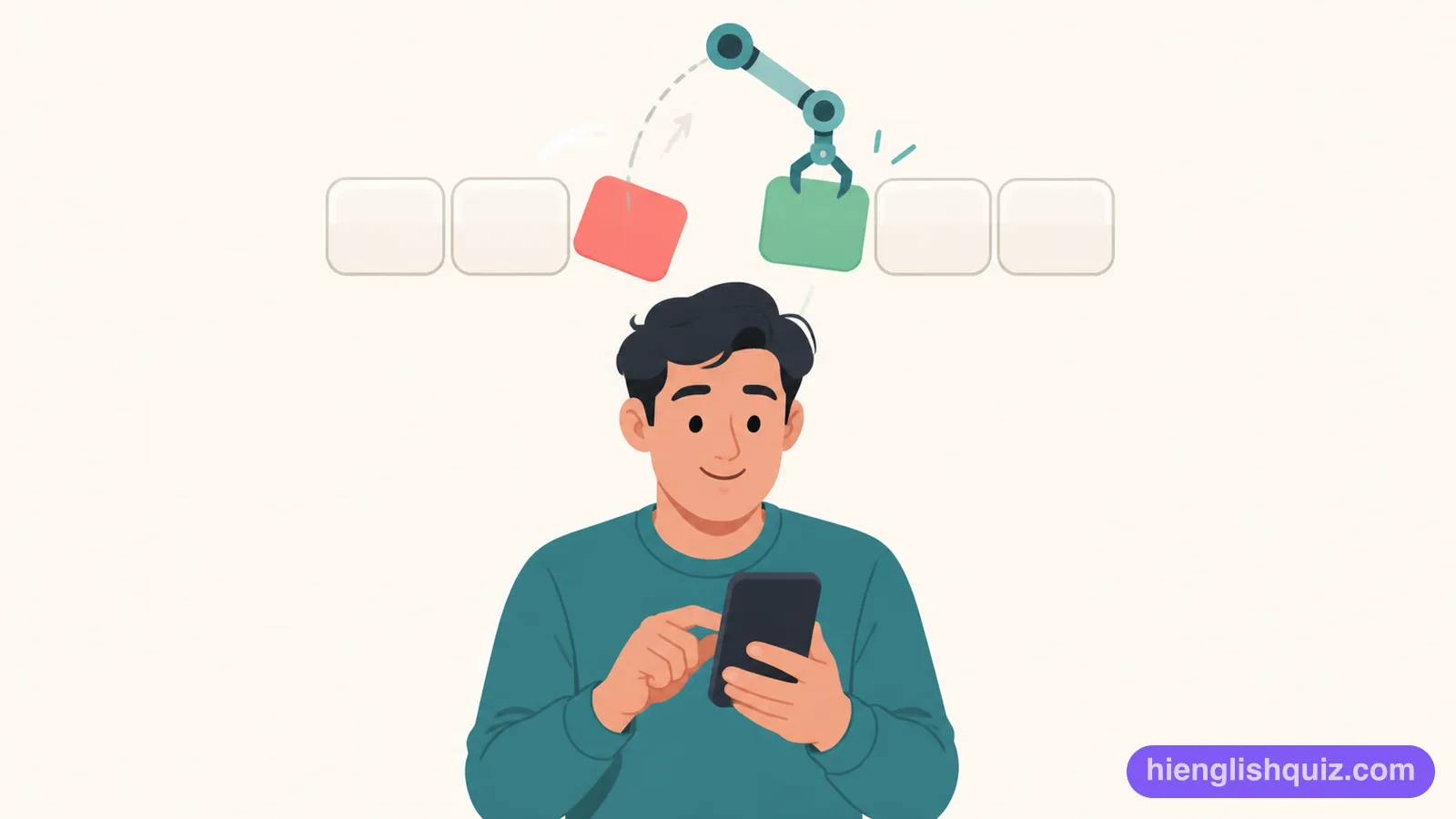
The exact date and time recorded next to a message, showing when it was sent or received.
Example: The timestamp showed the message was sent at midnight.

A small mistake in typing, such as a wrong or missing letter.
Example: Sorry for the typo in my last message.

A signal that tells the sender their message has been opened and read.
Example: I turned off read receipts so no one knows when I've seen a message.

To choose not to answer an incoming call or invitation.
Example: She had to decline the video call because she was busy.

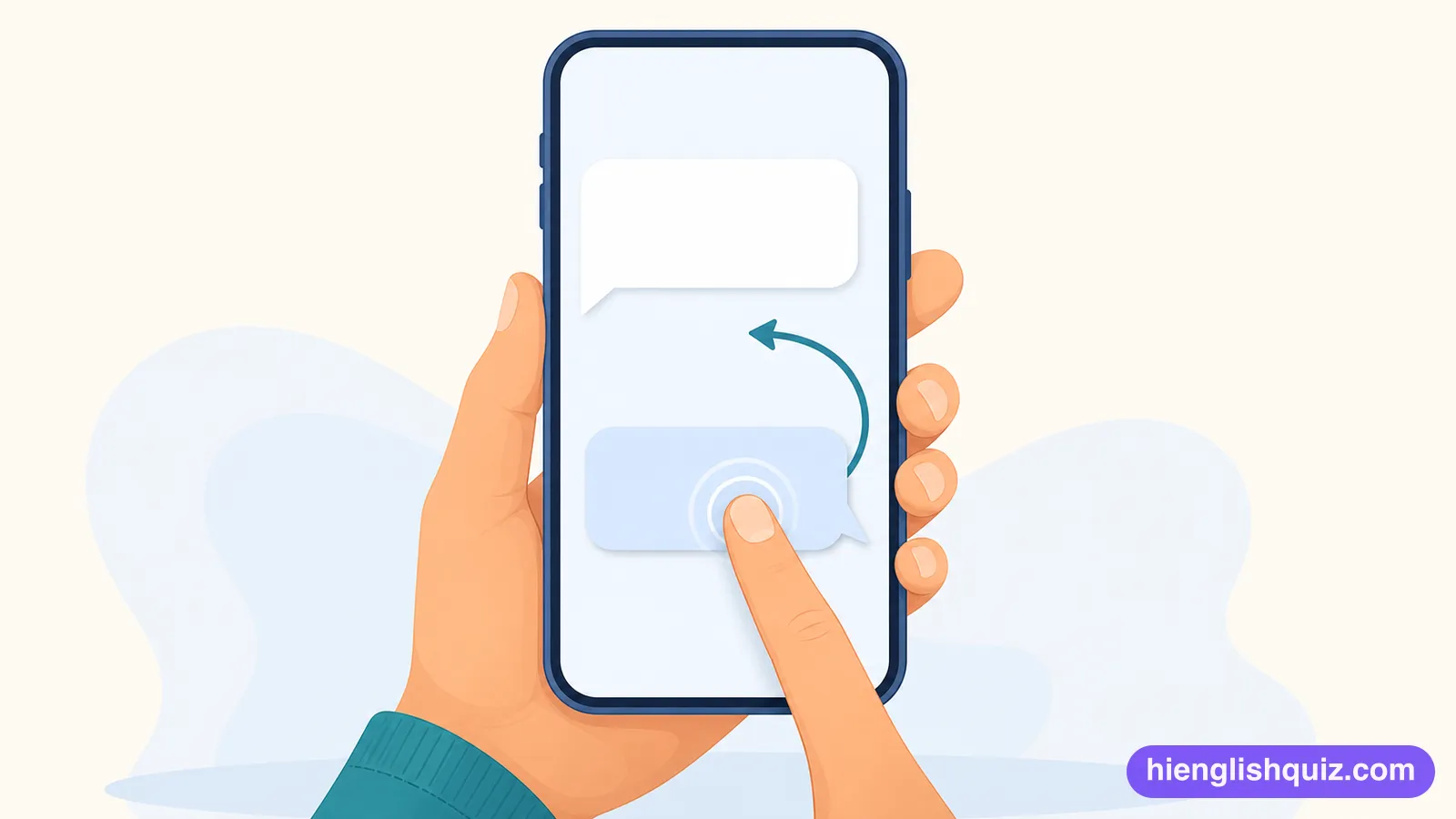
To send an incoming call or message automatically to a different number or address.
Example: You can redirect calls to your new phone number.
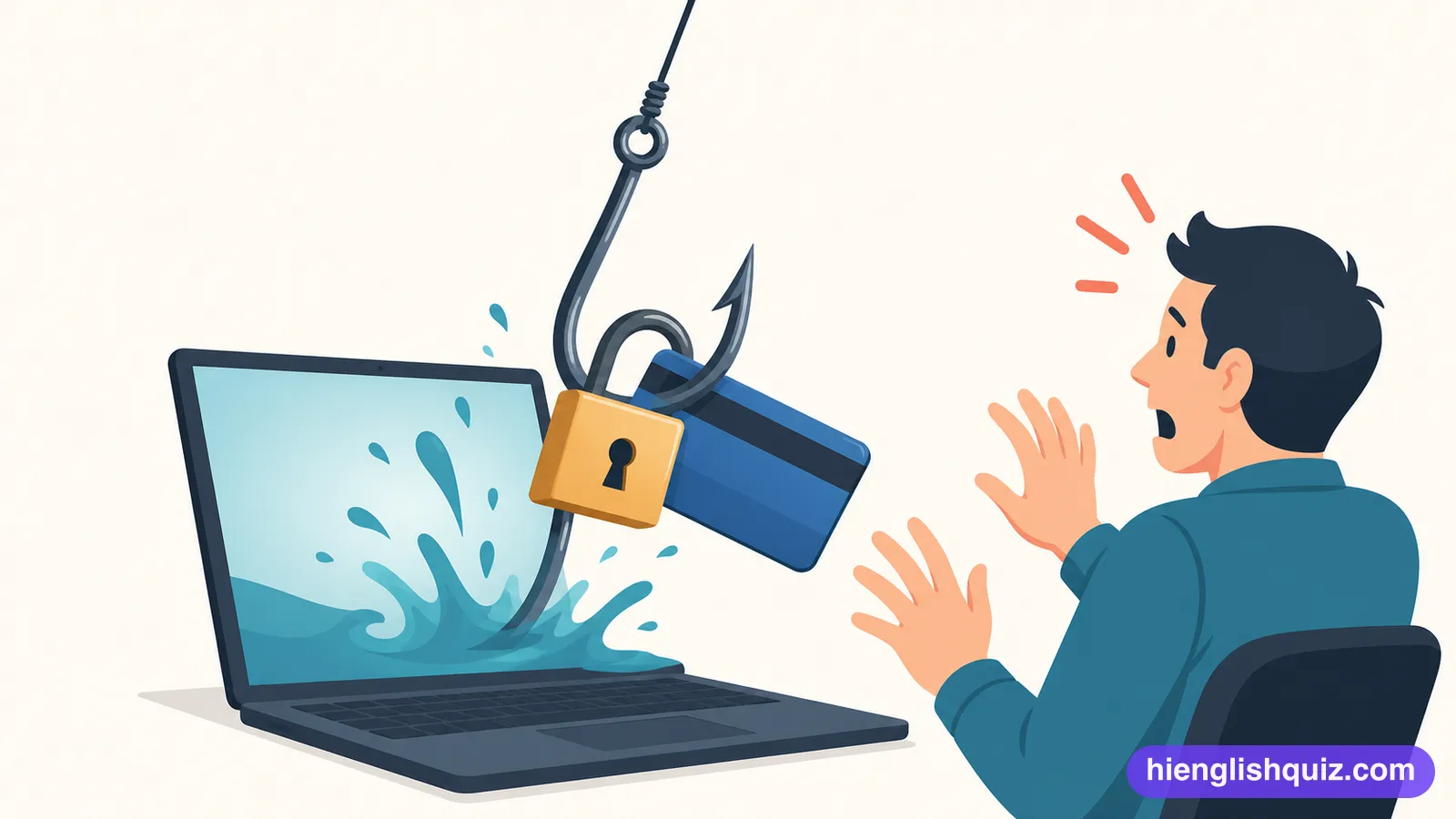
Fake emails or messages that trick you into giving away your private details.
Example: That email was phishing, so I deleted it straight away.
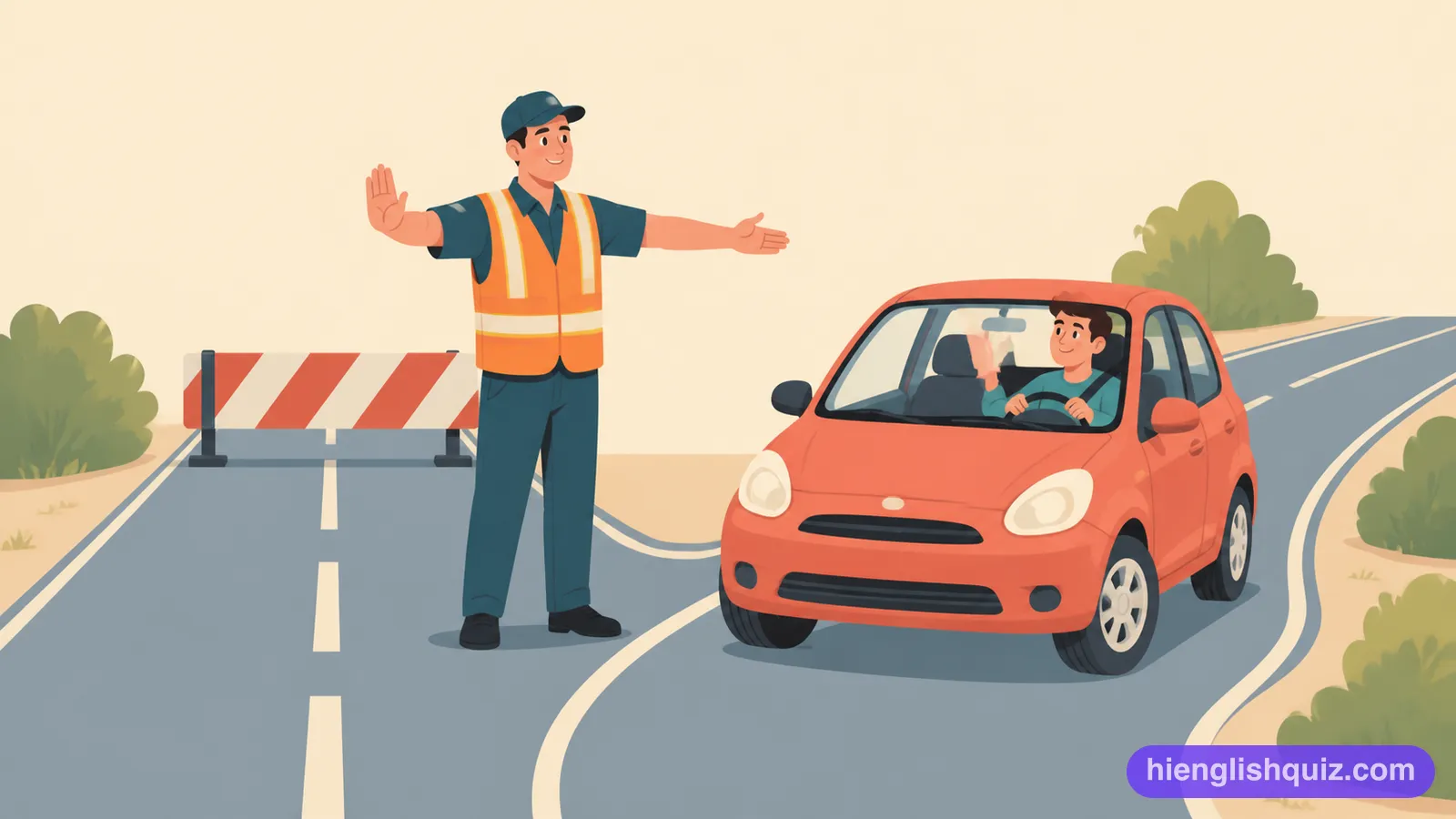
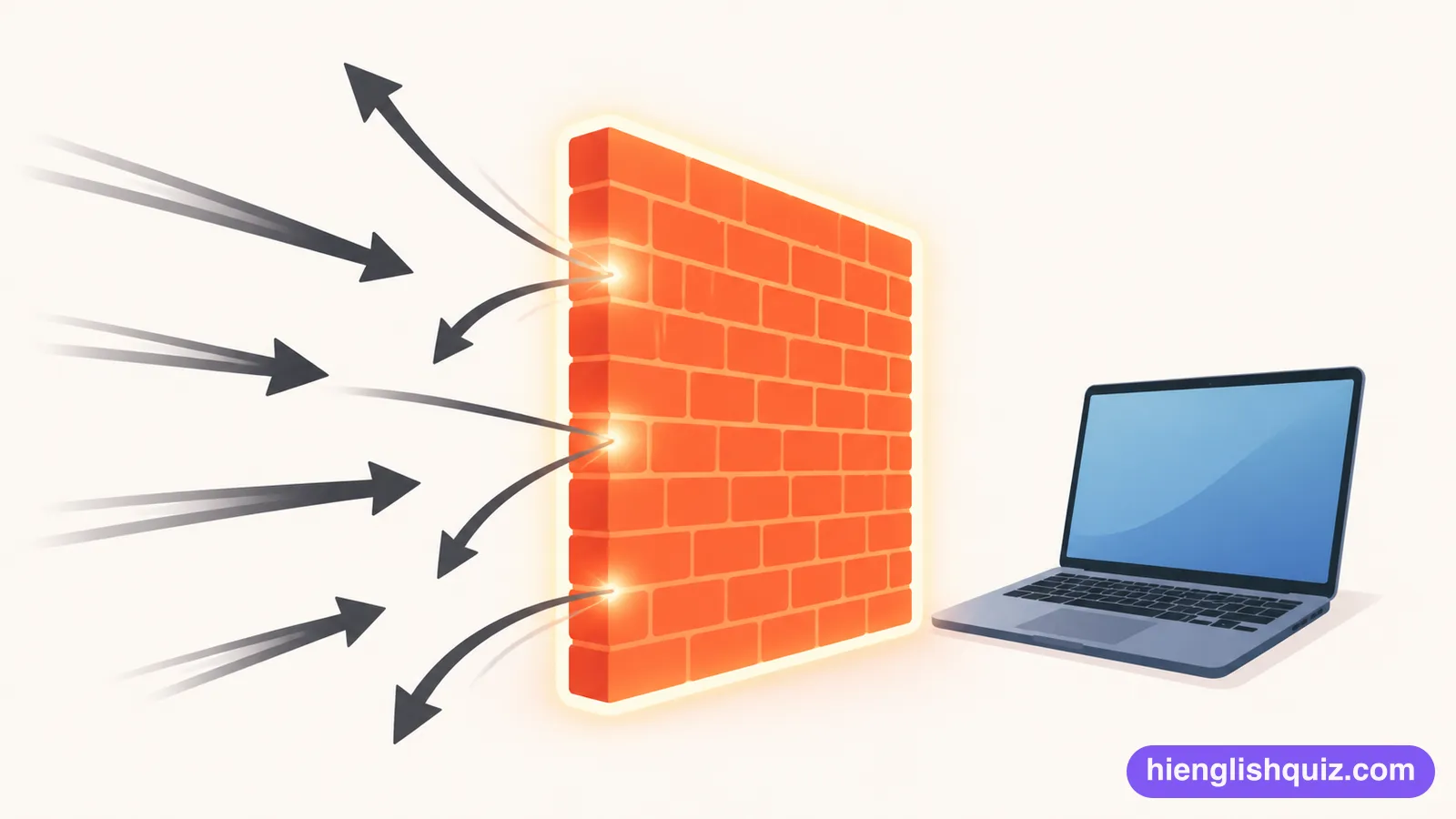
A system that blocks unwanted traffic from reaching a computer or network.
Example: The company firewall blocks most streaming sites.
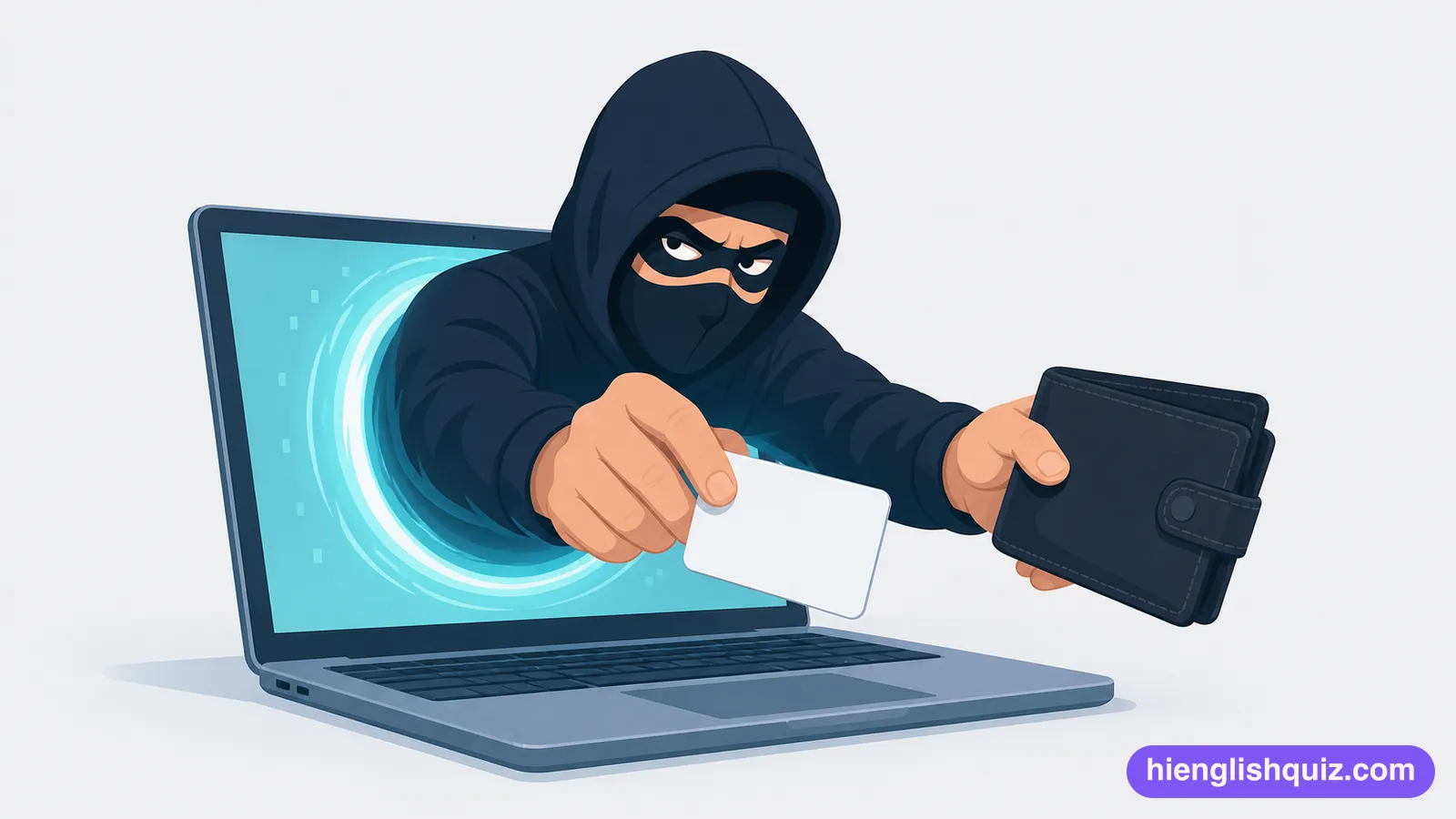
The crime of using somebody else's personal details to take money or open accounts in their name.
Example: He lost thousands of pounds to identity theft last year.
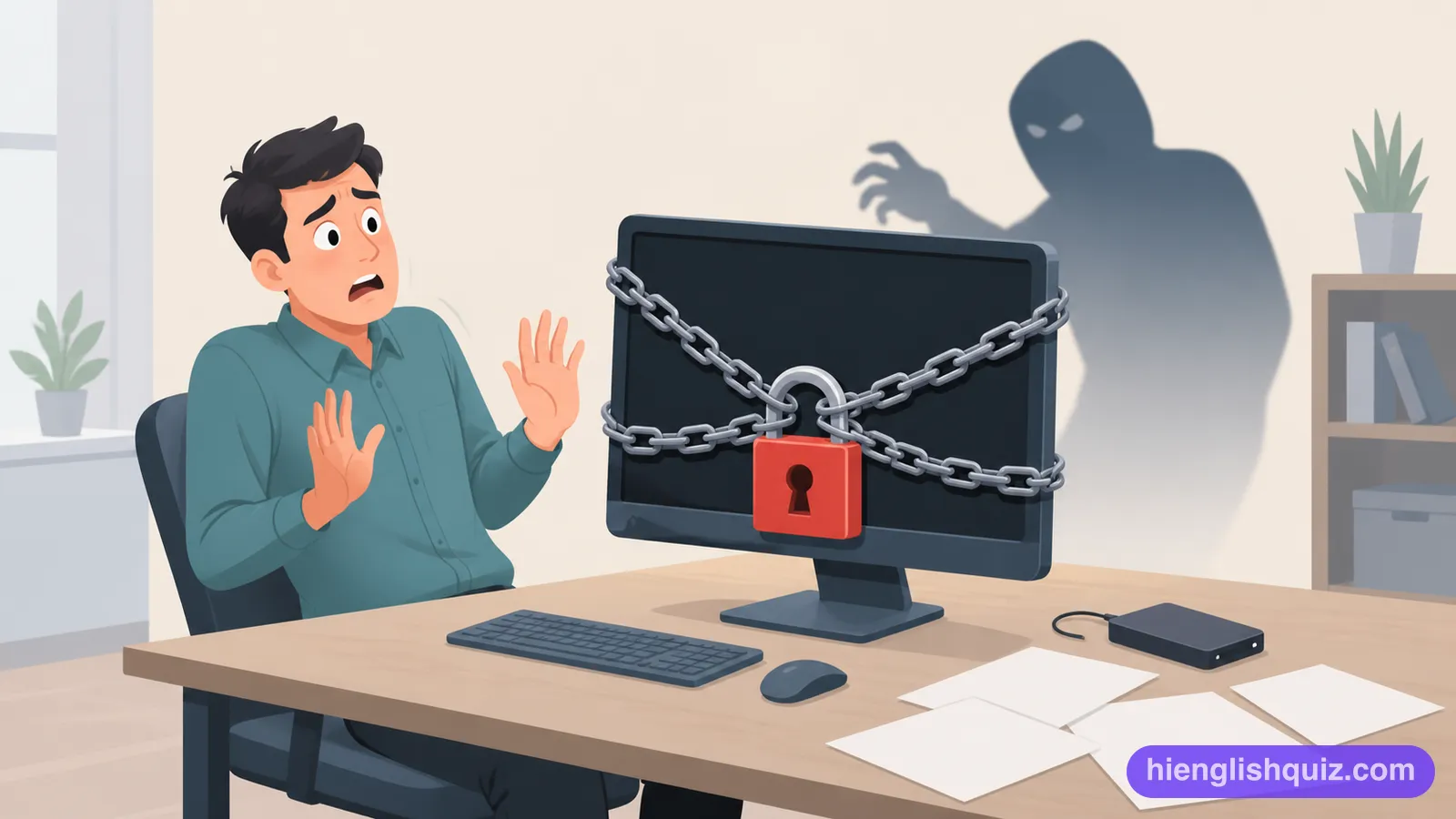
A type of malware that blocks access to a computer's files until money is paid.
Example: The hospital's computers were locked by ransomware last week.
The accidental or deliberate release of private or secret information.
Example: The company faced criticism after a huge data leak.

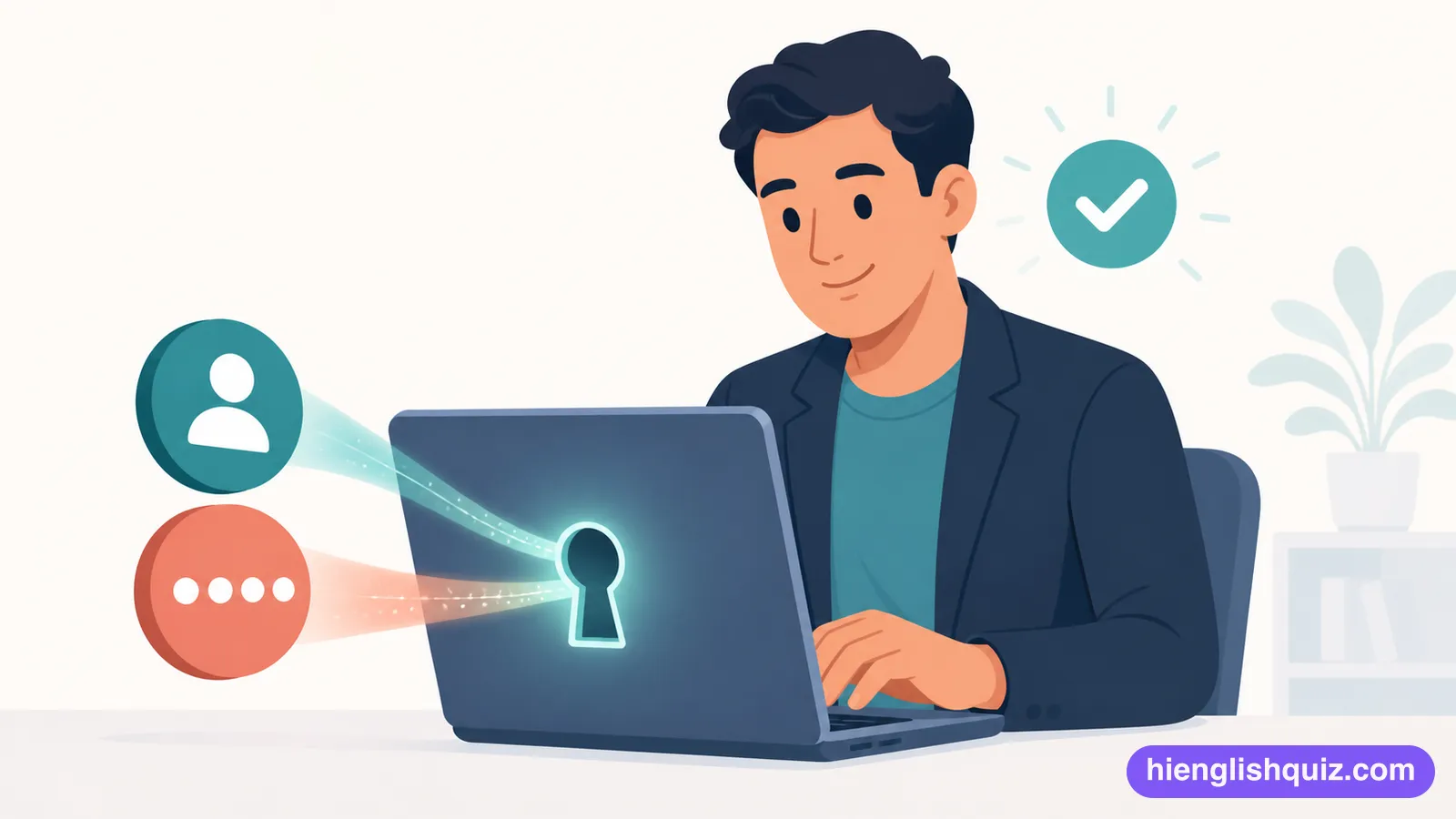
A security process that requires two separate steps, such as a password and a code, to prove your identity.
Example: Two-factor authentication adds an extra layer of protection to your account.

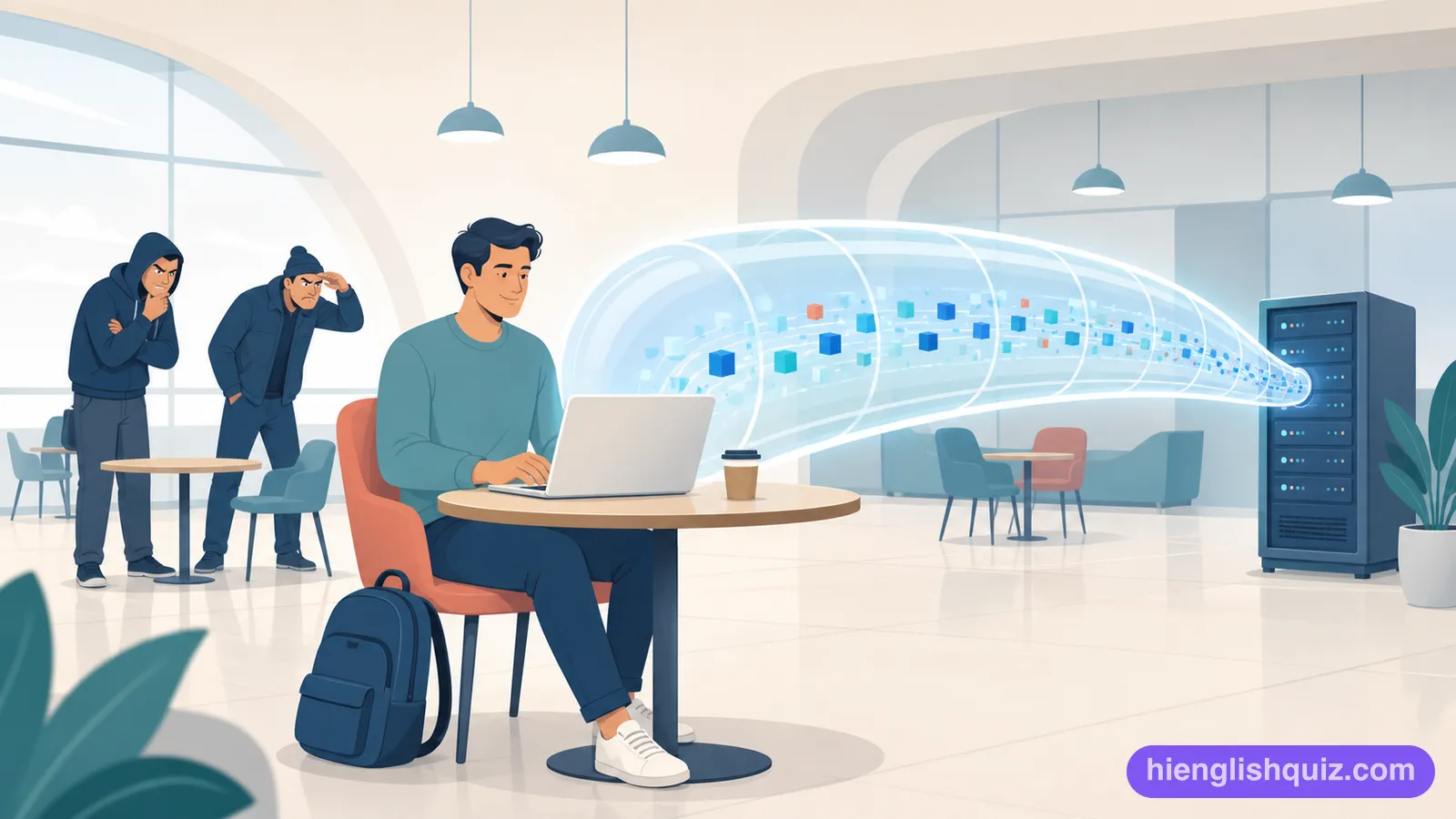
A service that hides your location and protects your internet connection by sending it through a private network.
Example: She used a VPN to browse safely on public wifi.
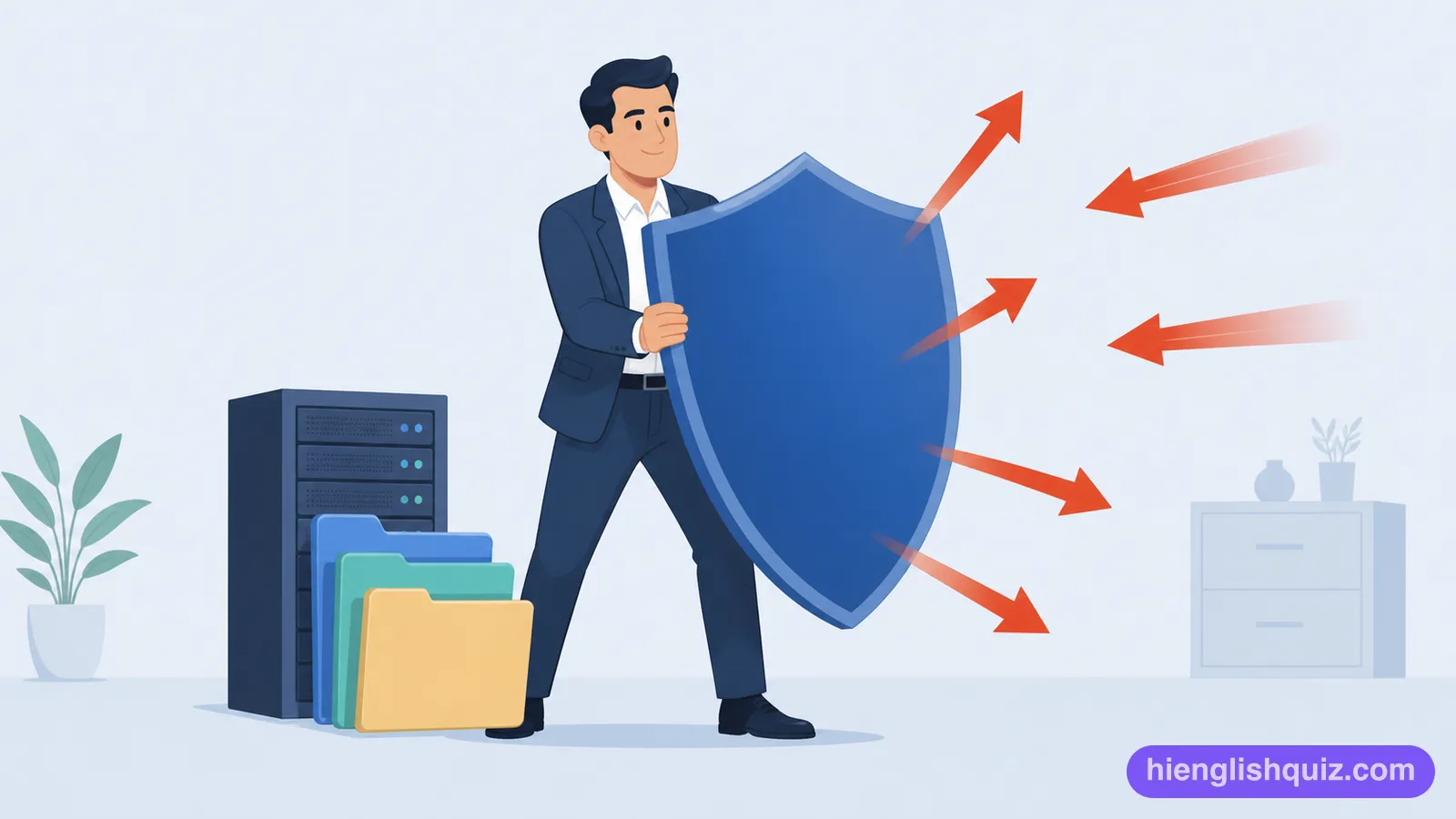
Laws and practices that control how companies collect, store, and use people's personal information.
Example: Data protection rules require companies to keep customer information secure.
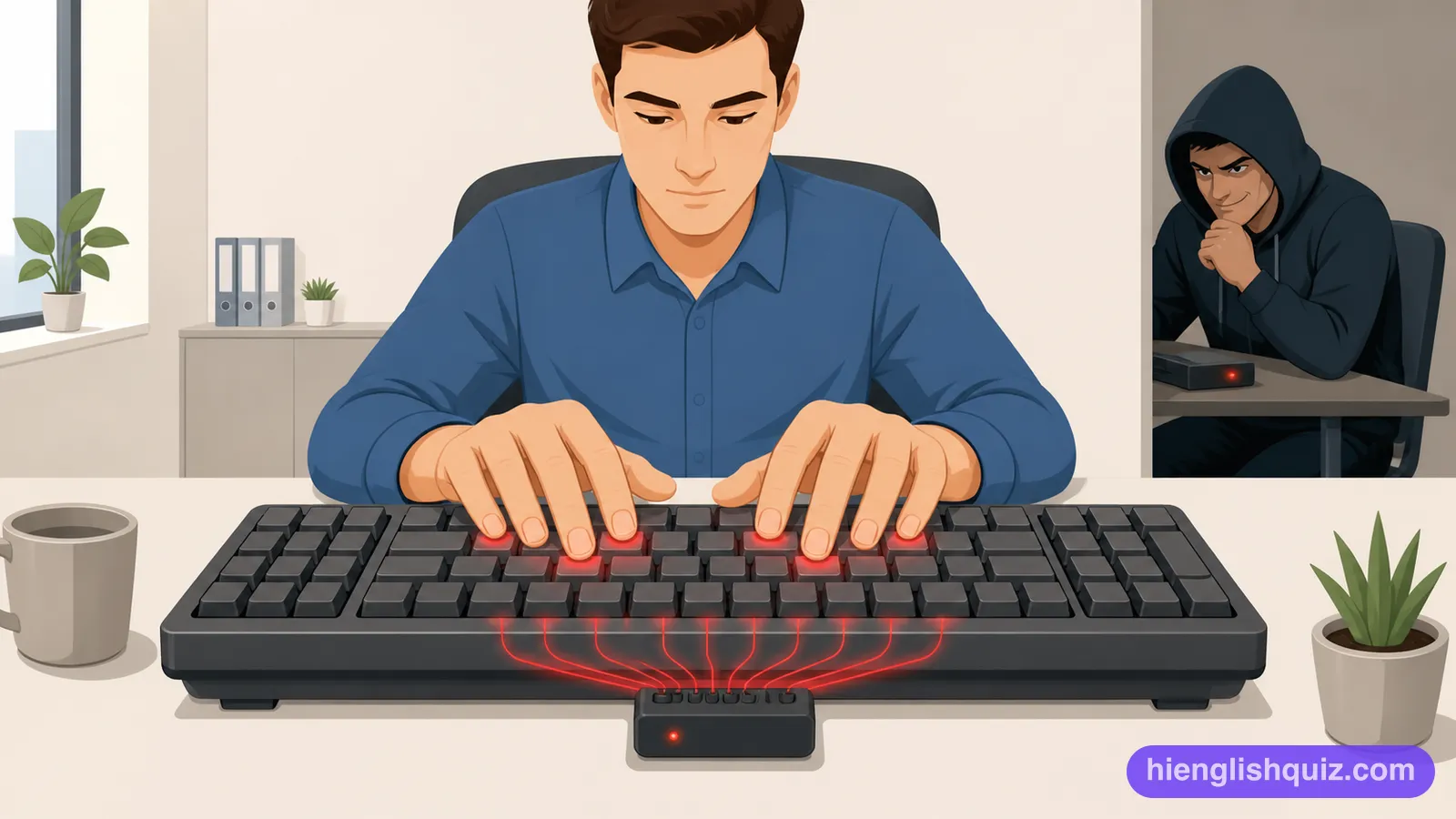
A hidden program that secretly records everything a person types, including passwords.
Example: A keylogger on the shared computer stole her password.
Information, such as a username and password, used to prove someone's identity and allow access to a system.
Example: Hackers stole thousands of login credentials in the attack.