escrow
/ɛˈskroʊ/Money or documents held by a third party until the conditions of a deal are met.
Example: The deposit is held in escrow until the house sale completes.

 Hi EnglishQuiz
C120 words · Advanced
Advanced finance vocabulary for lending and investment, including escrow, collateral, underwriting and the hedging and gearing that shape a company's risk.
Money or documents held by a third party until the conditions of a deal are met.
Example: The deposit is held in escrow until the house sale completes.
Property or another asset that a borrower offers to guarantee a loan.
Example: The bank accepted the warehouse as collateral for the loan.

The process of assessing and accepting financial risk, often for a loan or insurance policy.
Example: The bank's underwriting team reviewed the loan application.

The process of checking that two sets of financial records match each other.
Example: The reconciliation revealed a small error in last month's accounts.

The practice of selling unpaid invoices to a third party at a discount, in exchange for immediate cash.
Example: The small business used factoring to cover costs while waiting for customers to pay.

A promise to compensate someone for a loss or damage they might suffer.
Example: The contract included an indemnity clause in case of delays.

A payment made from a fund, especially for a specific purpose.
Example: The final disbursement of the loan was released last week.

A condition in a loan agreement that the borrower must follow.
Example: Breaking the loan covenant allowed the bank to demand repayment.

The profit made from selling an asset for more than it originally cost.
Example: She paid tax on the capital gains from selling her shares.

The extra value of a business beyond its physical assets, based on its reputation.
Example: The buyer paid a premium for the company's strong goodwill.

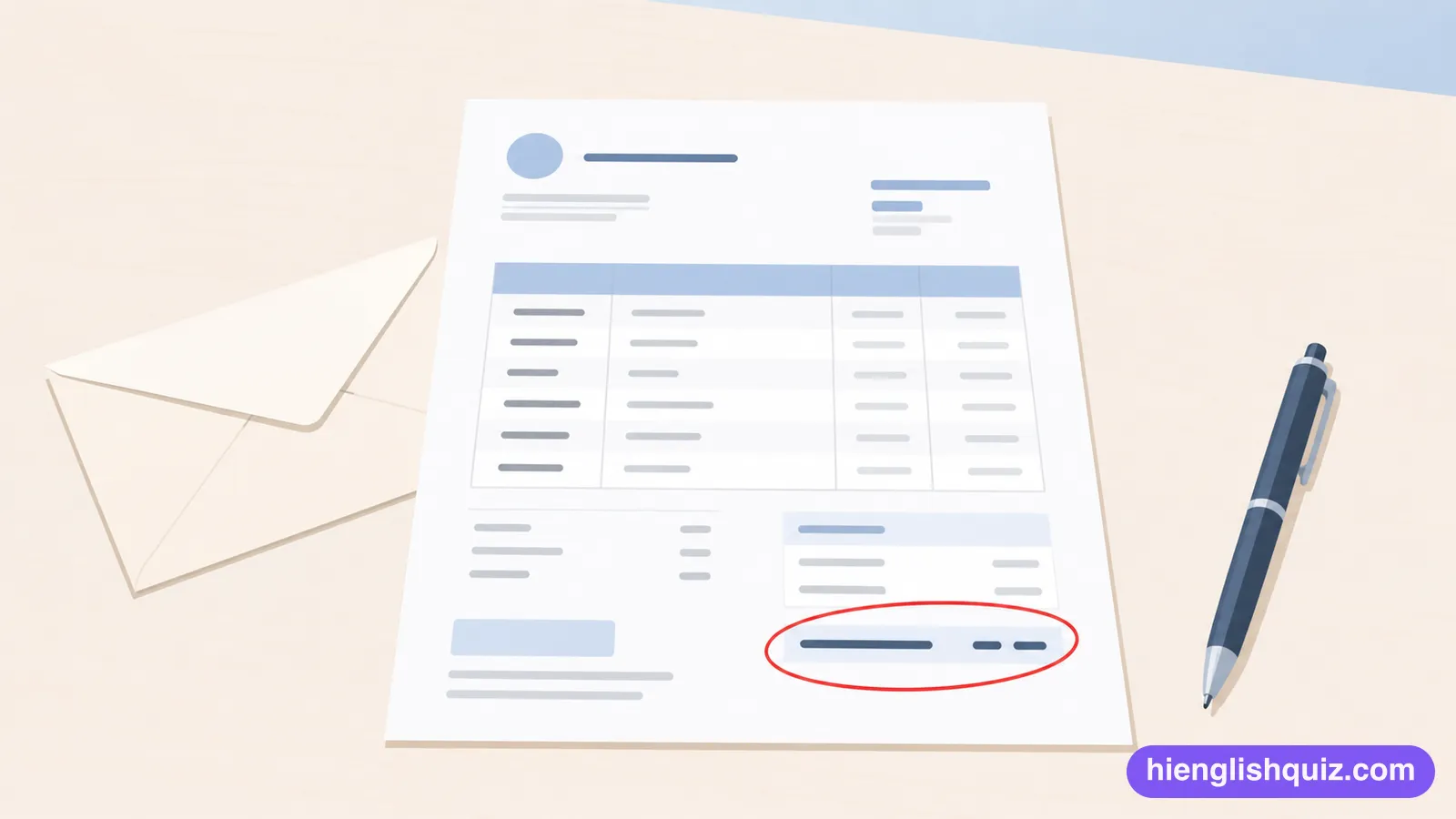
Money received for something not yet delivered.
Example: Deferred revenue made the quarter look far better than it was.

A possible debt that depends on a future event.
Example: The contingent liability was disclosed in a footnote.
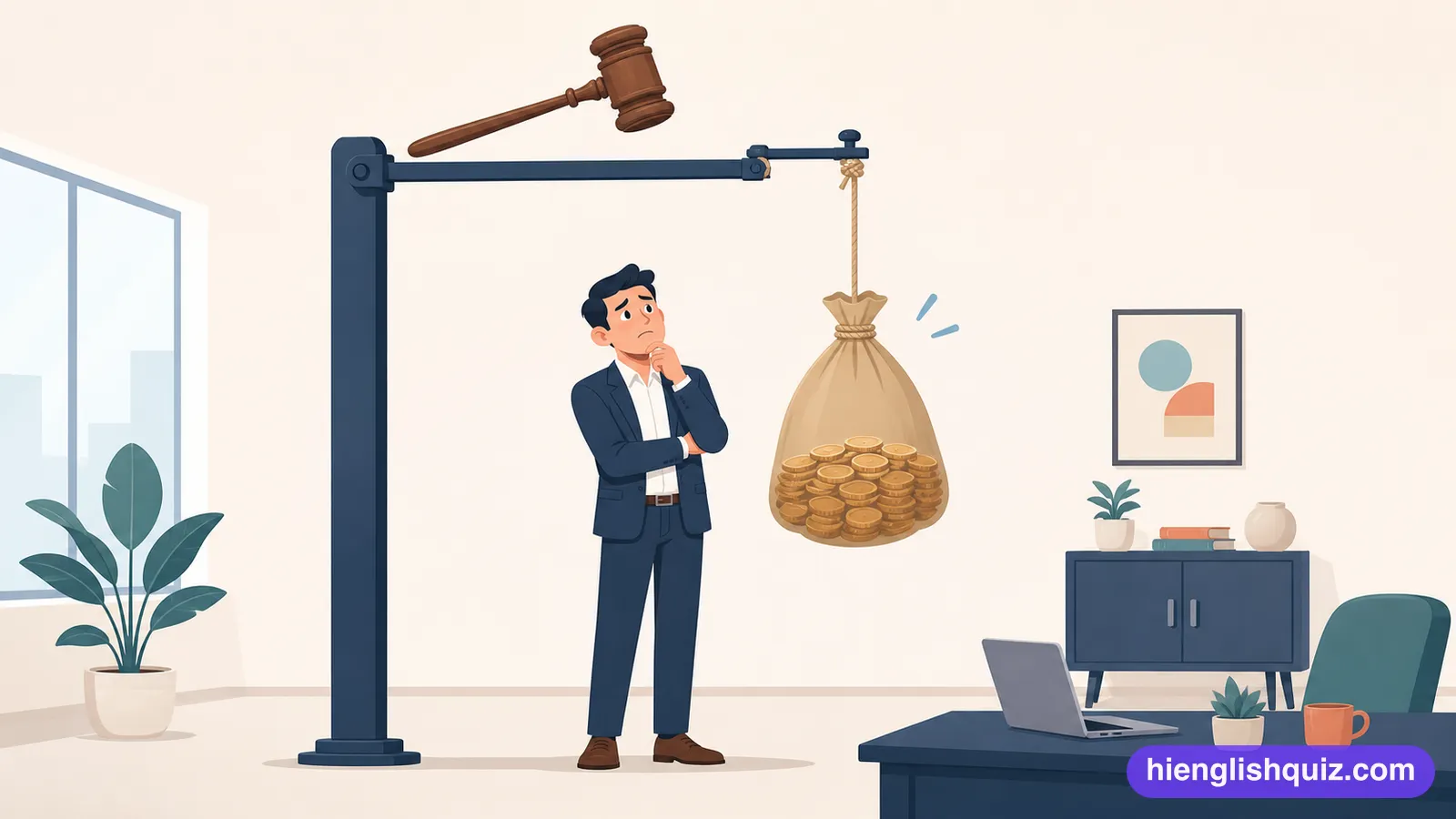
What it costs a company to raise the money it uses.
Example: Nothing clears the cost of capital at that interest rate.
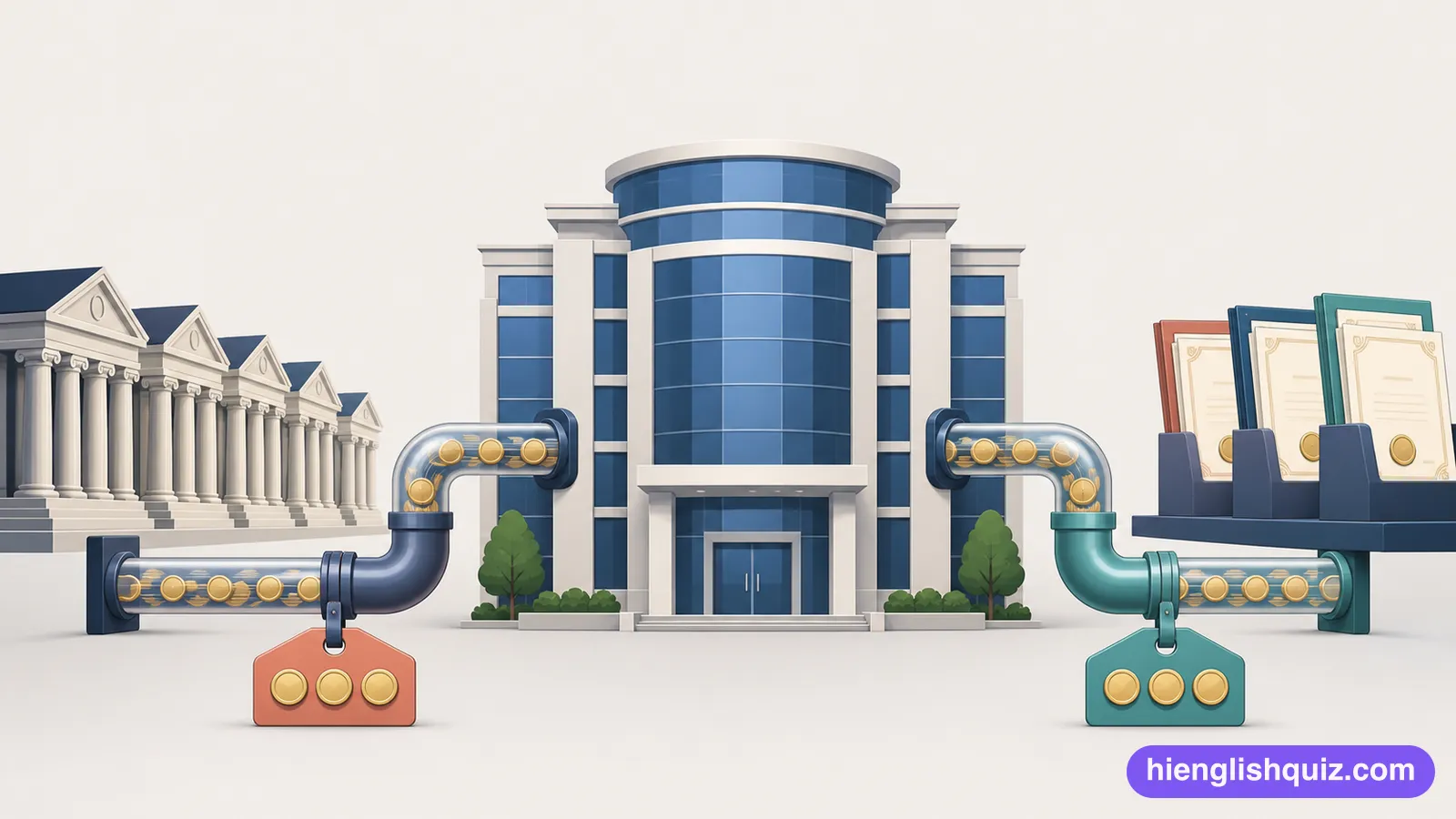
The ratio of borrowed money to a company's own funds.
Example: Gearing of four to one made the bank nervous.
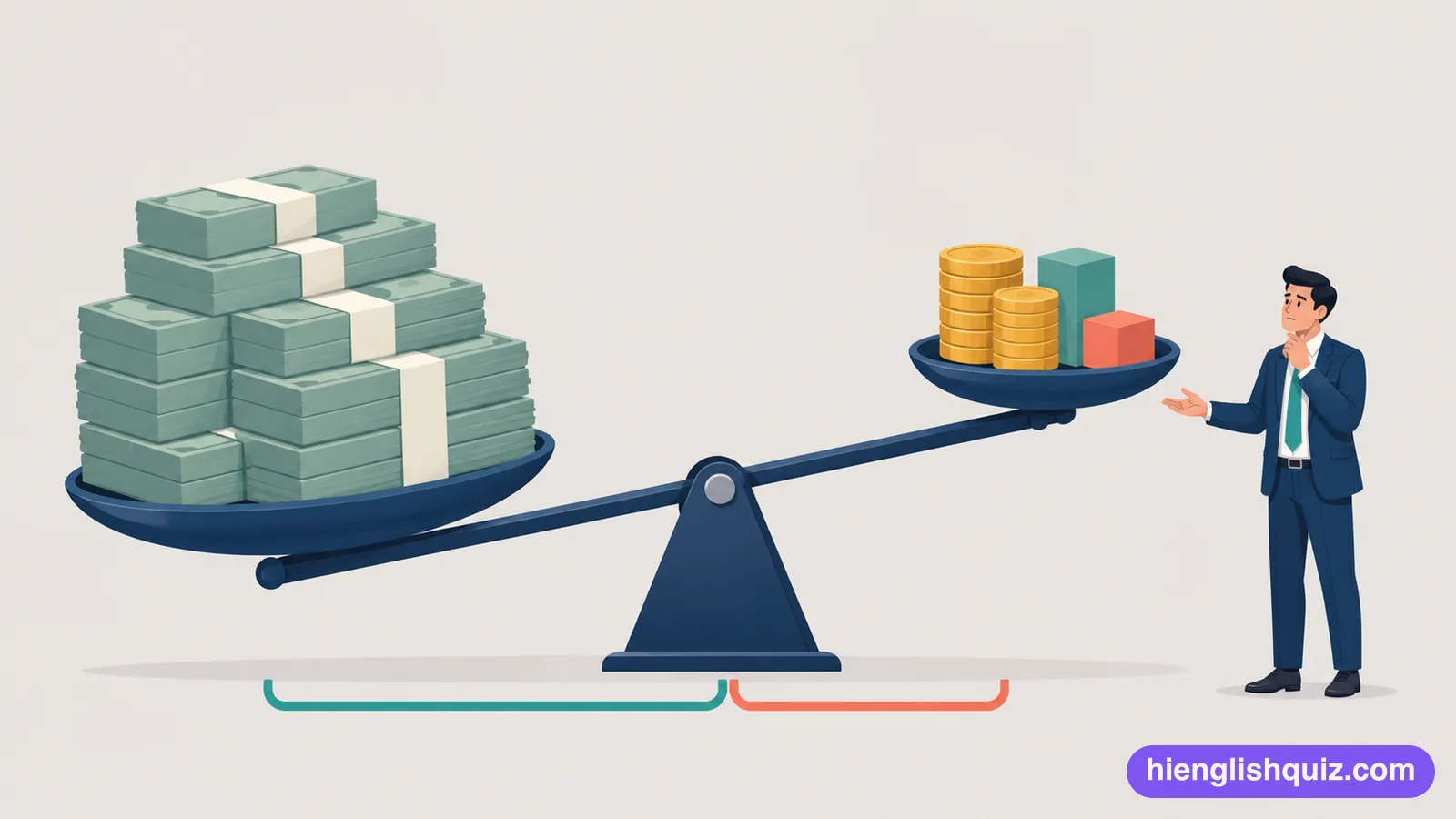
The cash left after paying for operations and equipment.
Example: Free cash flow turned negative for the first time in a decade.

Whether an amount is large enough to affect a decision.
Example: Materiality was set at one per cent of turnover.
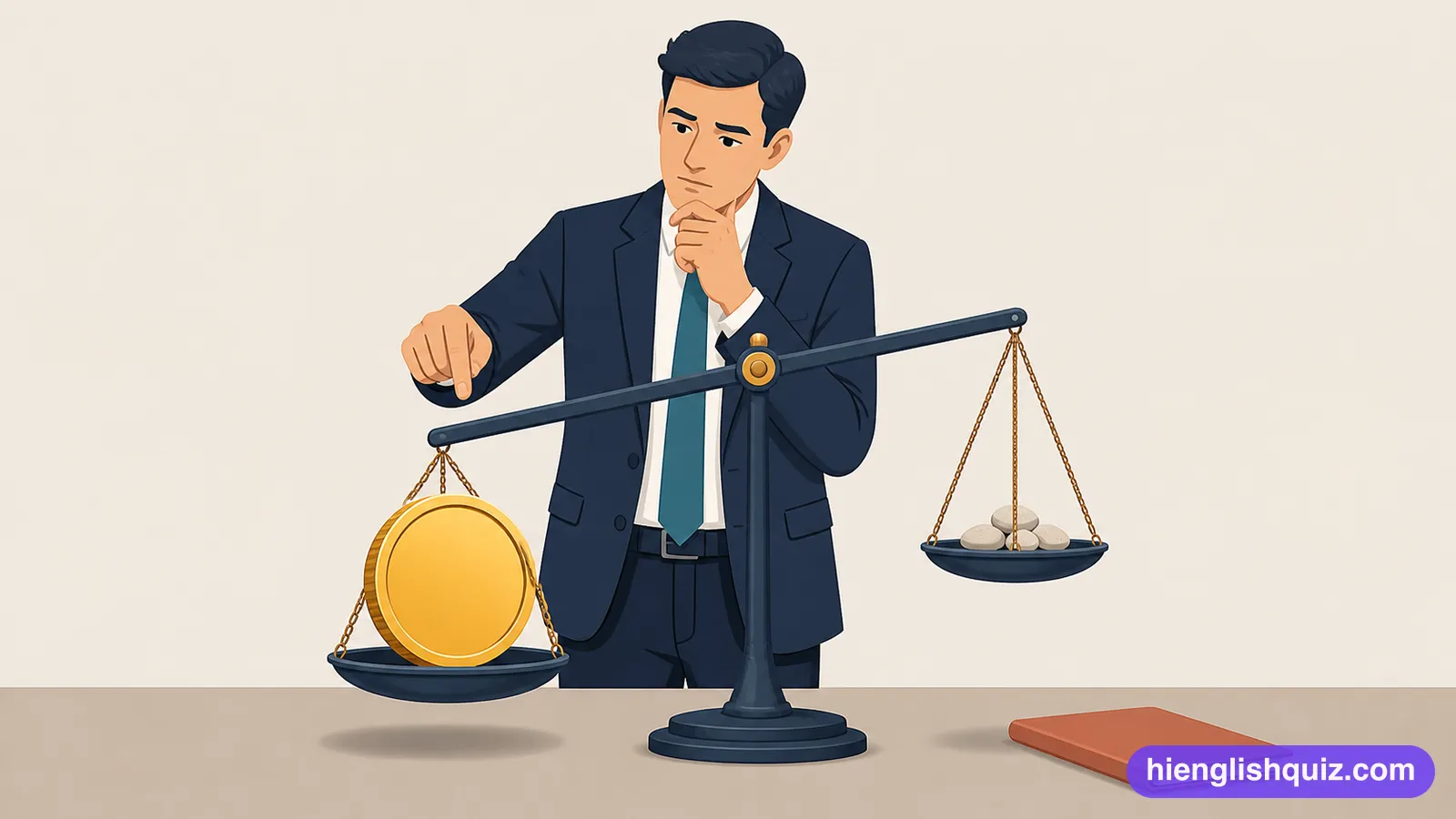
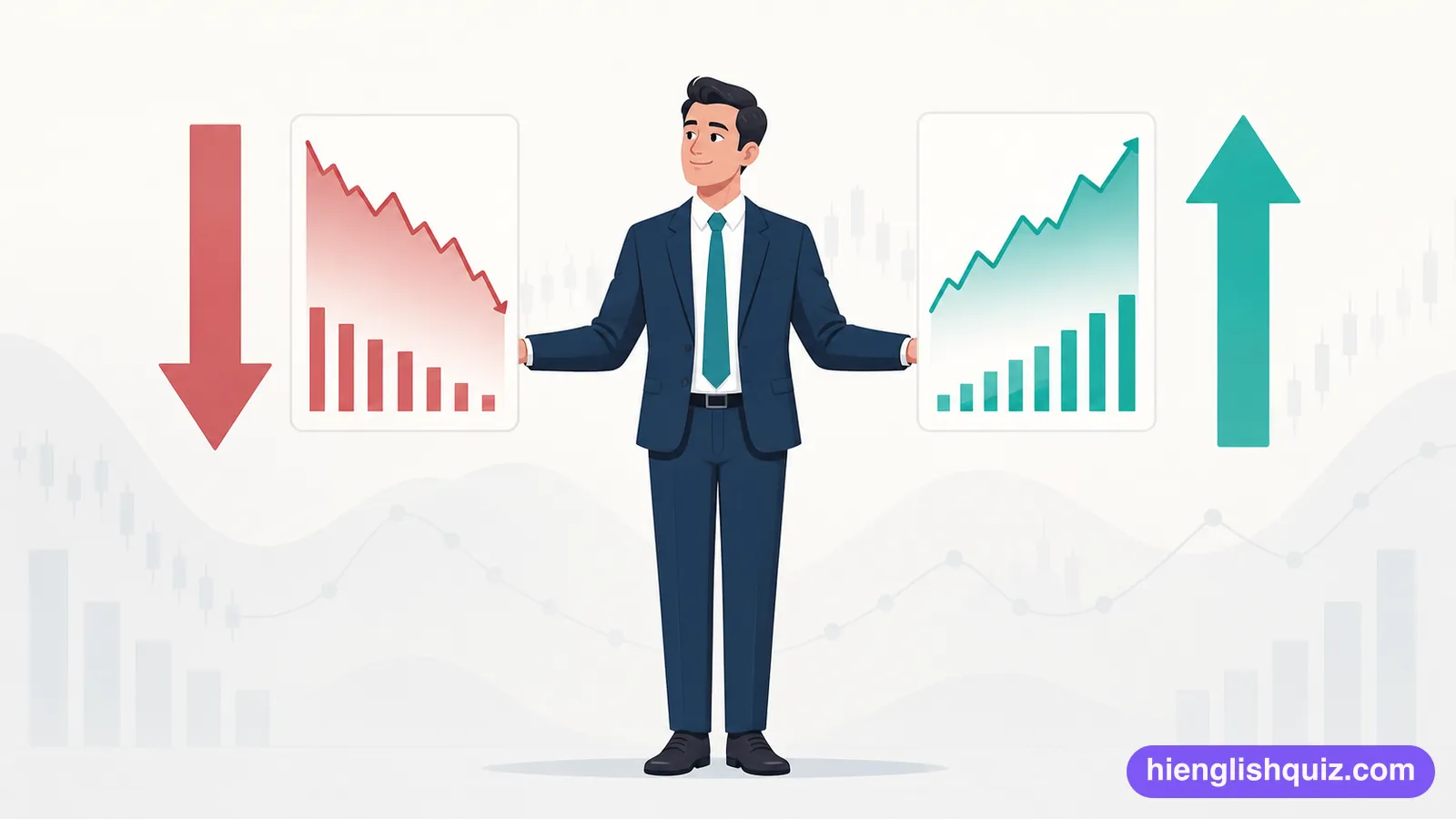
Reducing risk by taking an offsetting position.
Example: Hedging the currency cost them the gain and saved the year.
Something valuable that has no physical form.
Example: Most of the price was for one intangible asset.

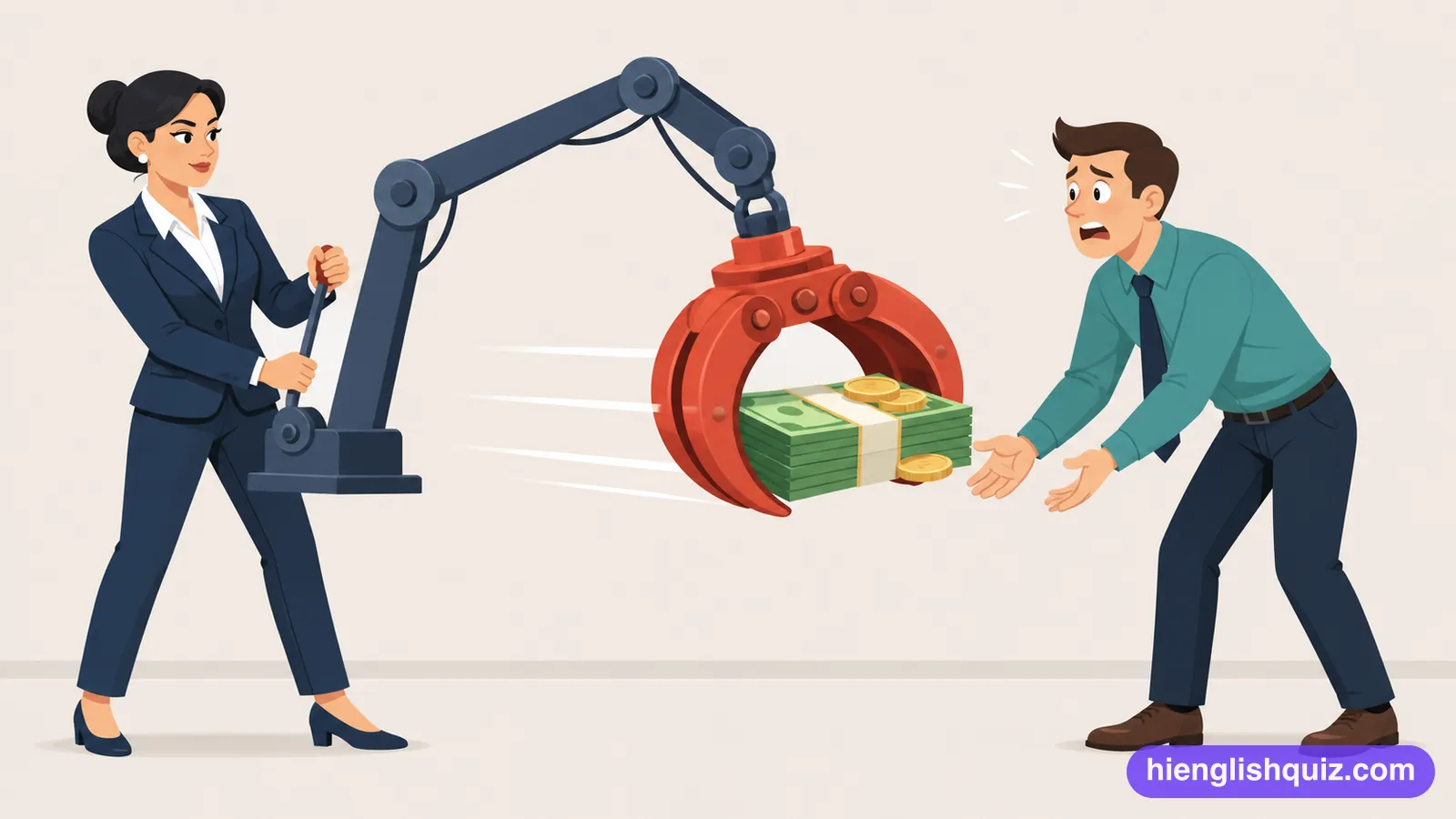
The right to take back money already paid.
Example: The clawback clause was invoked for the first time that year.
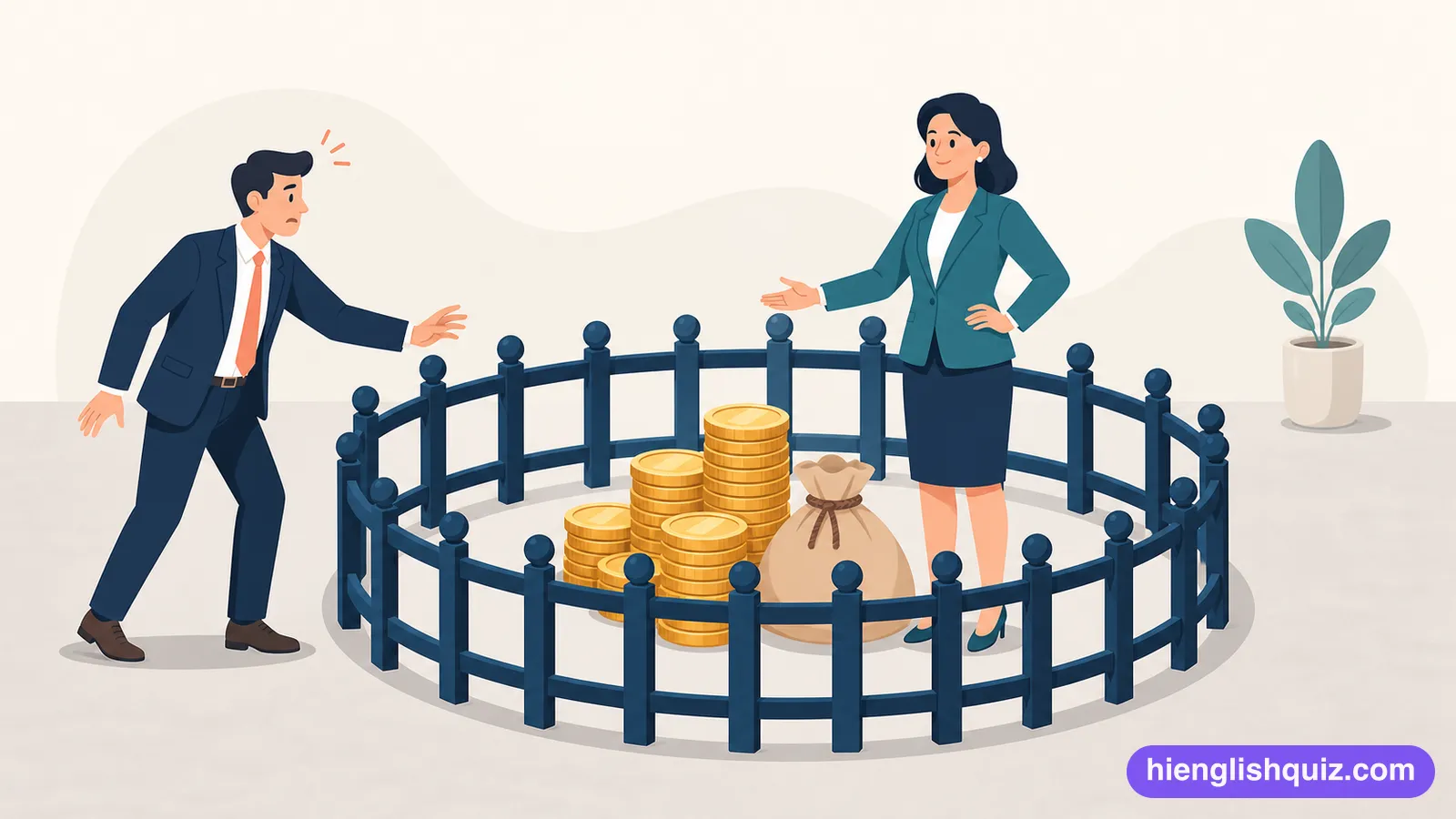
To set money aside so it cannot be spent on anything else.
Example: They agreed to ring-fence the maintenance budget entirely.