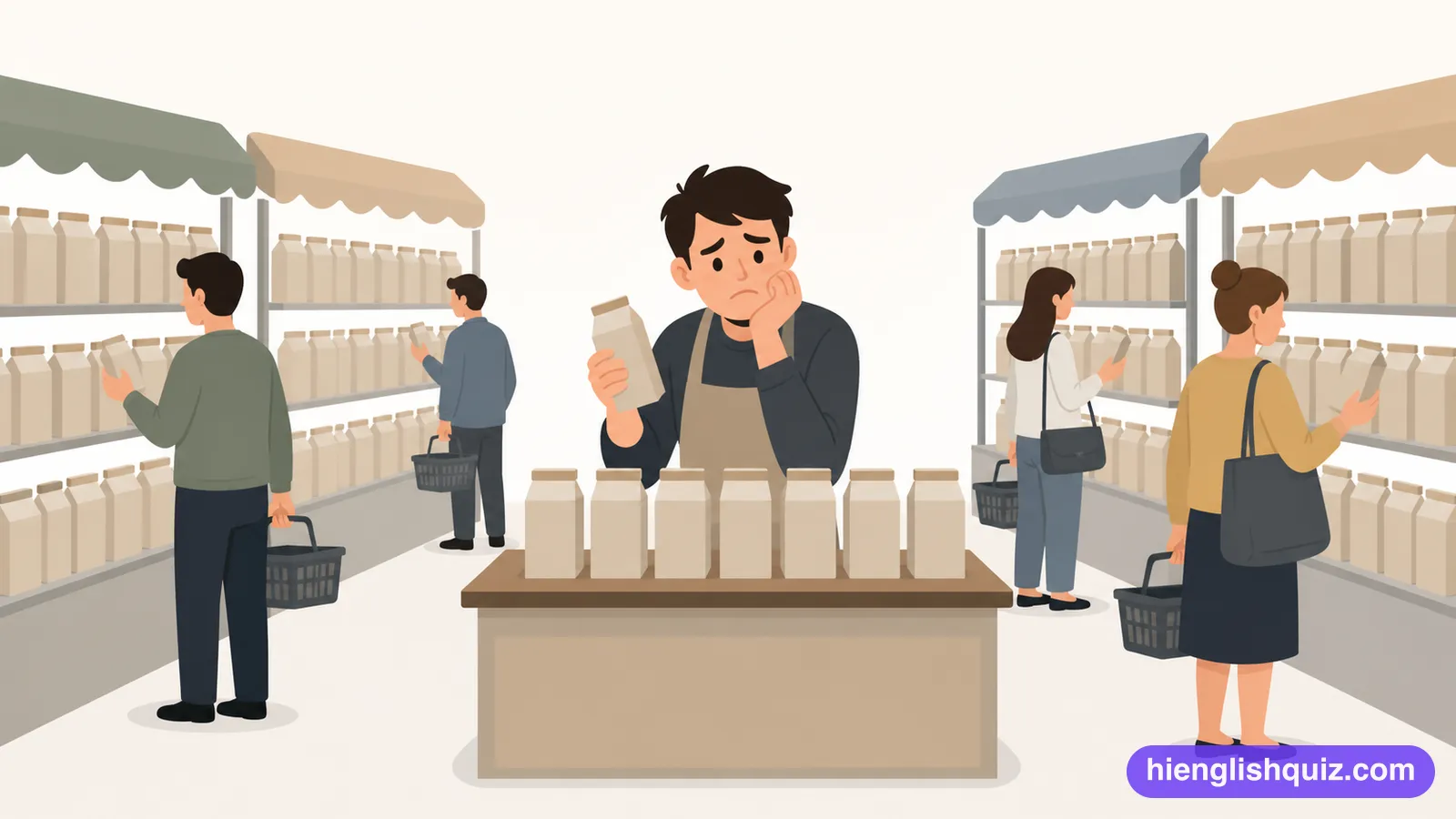
proposition
/ˌprɑpəˈzɪʃən/A clear statement of the benefit a product offers that makes customers choose it.
Example: The company's value proposition is speed and reliability.

 Hi EnglishQuiz
C120 words · Advanced
Advanced marketing vocabulary for strategy, including product positioning, the sales funnel, brand equity and the value proposition behind a customer's journey.
A clear statement of the benefit a product offers that makes customers choose it.
Example: The company's value proposition is speed and reliability.
The way a brand is presented so customers see it differently from its competitors.
Example: The brand's positioning focuses on luxury, not price.

The process of identifying which marketing activity led to a sale or action.
Example: Attribution data showed most sales came from email, not ads.

The stages a customer moves through, from first hearing about a product to buying it.
Example: Fewer visitors reached the bottom of the sales funnel.

Showing adverts again to people who have already visited a website or shown interest.
Example: Retargeting ads reminded shoppers about items left in their basket.

When a new product takes sales away from a company's own existing product, rather than from rivals.
Example: The cheaper model caused cannibalization of the flagship phone's sales.

A person or company that earns a commission by promoting another business's products.
Example: Bloggers can earn money as an affiliate for the shop.

The extra value a brand has because customers know and trust its name.
Example: Years of good service built the company's strong brand equity.

The percentage of all advertising or attention in an industry that belongs to one brand.
Example: The new campaign boosted the brand's share of voice during the holidays.

The total profit a business expects to earn from one customer over their whole relationship.
Example: Loyalty programmes aim to increase each shopper's customer lifetime value.

Dividing customers into groups with different needs.
Example: Market segmentation found four groups where they had assumed one.

The reason a customer should choose you over anyone else.
Example: Their value proposition was price, and somebody was always cheaper.

How a company's brands relate to one another.
Example: The brand architecture had eleven names for four products.

The whole sequence of a customer's dealings with a company.
Example: The customer journey had nine steps and four of them were forms.

Coverage a brand gets without paying for it.
Example: One video produced more earned media than the whole campaign.

Setting a low price to win market share quickly.
Example: Penetration pricing bought the customers and never let go of them.

How much demand changes when the price changes.
Example: Price elasticity on that line turned out to be almost zero.
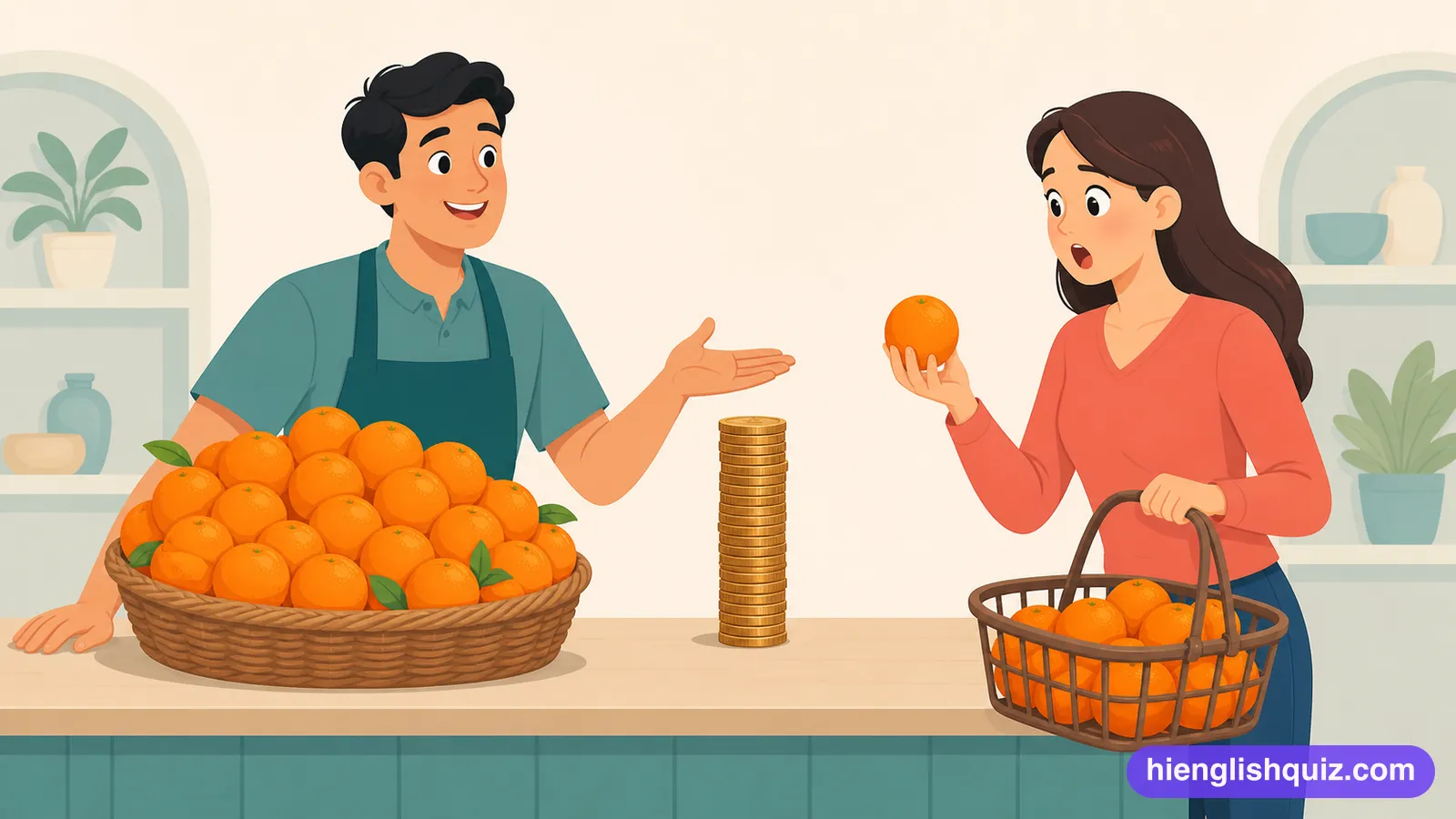
A customer who actively recommends a brand to others.
Example: Every brand advocate was worth about nine ordinary customers.

Advertising aimed at a mass audience rather than individuals.
Example: Above the line spending was cut and nobody noticed.

The proportion of a customer's spending that goes to you.
Example: Share of wallet matters more than the number of customers.