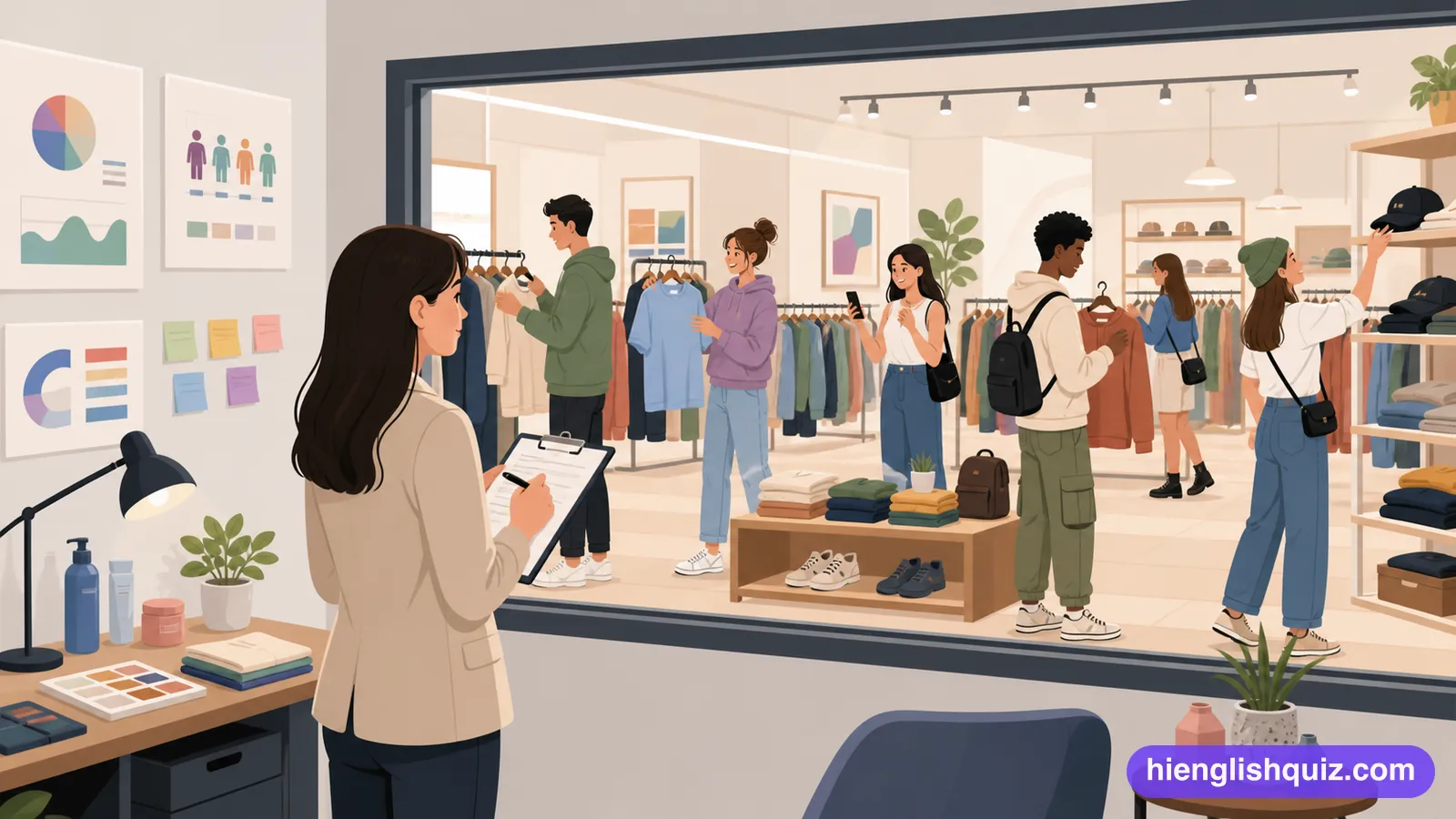
demographic
/ˌdɛməˈɡræfɪk/A section of the population grouped by features like age, income or location, used to target advertising.
Example: The ad was designed to appeal to a younger demographic.
 Hi EnglishQuiz
B216 words · Upper-intermediate
Marketing and sales vocabulary for planning a campaign, including audience segmentation, the conversion rate, customer churn and building brand awareness in a target market.
A section of the population grouped by features like age, income or location, used to target advertising.
Example: The ad was designed to appeal to a younger demographic.
The practice of dividing customers into groups with similar needs or characteristics.
Example: Better segmentation let the team send more relevant emails.

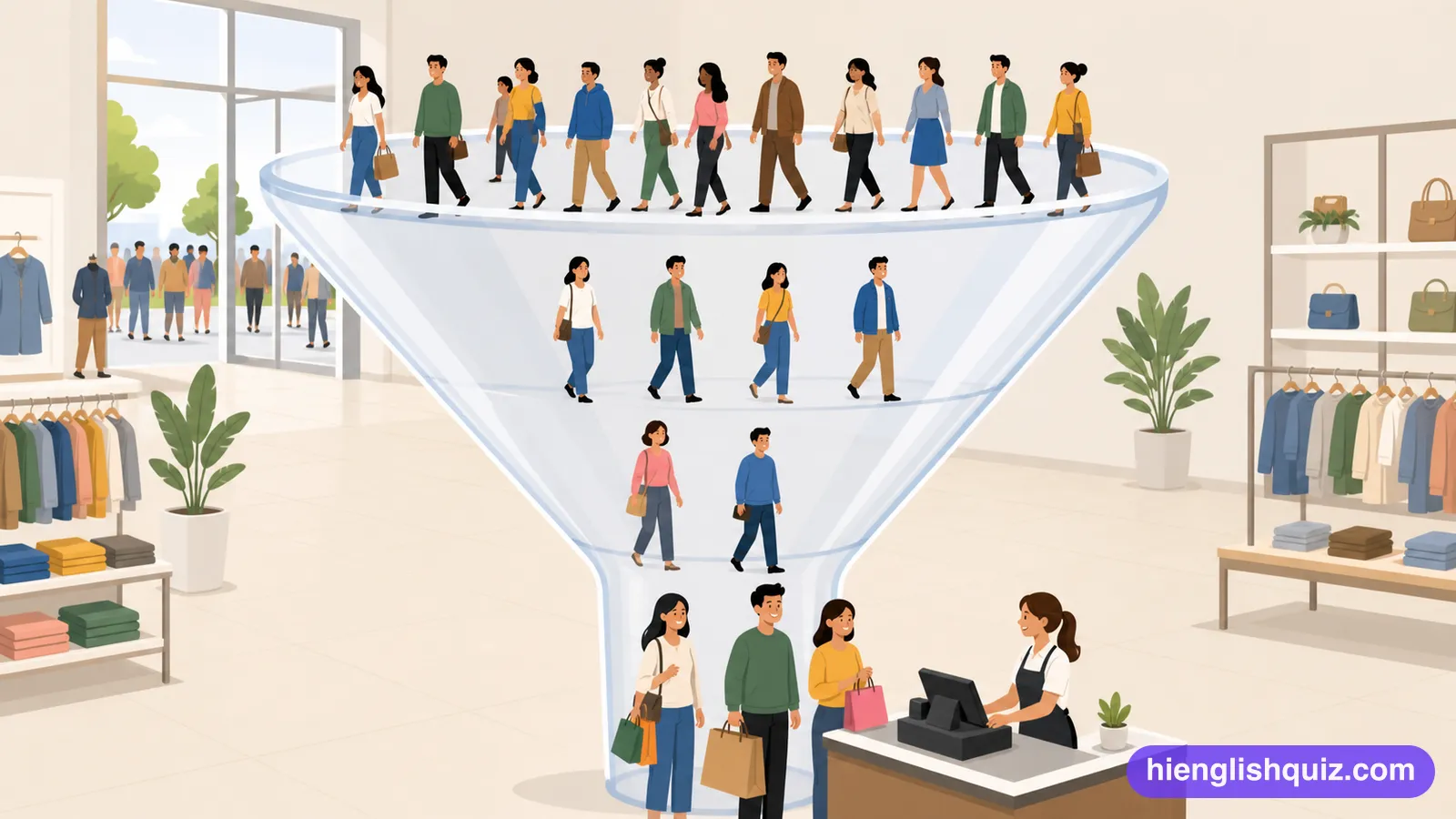
The percentage of people who take a desired action, such as buying, after seeing an advert.
Example: A clearer button on the website raised the conversion rate.
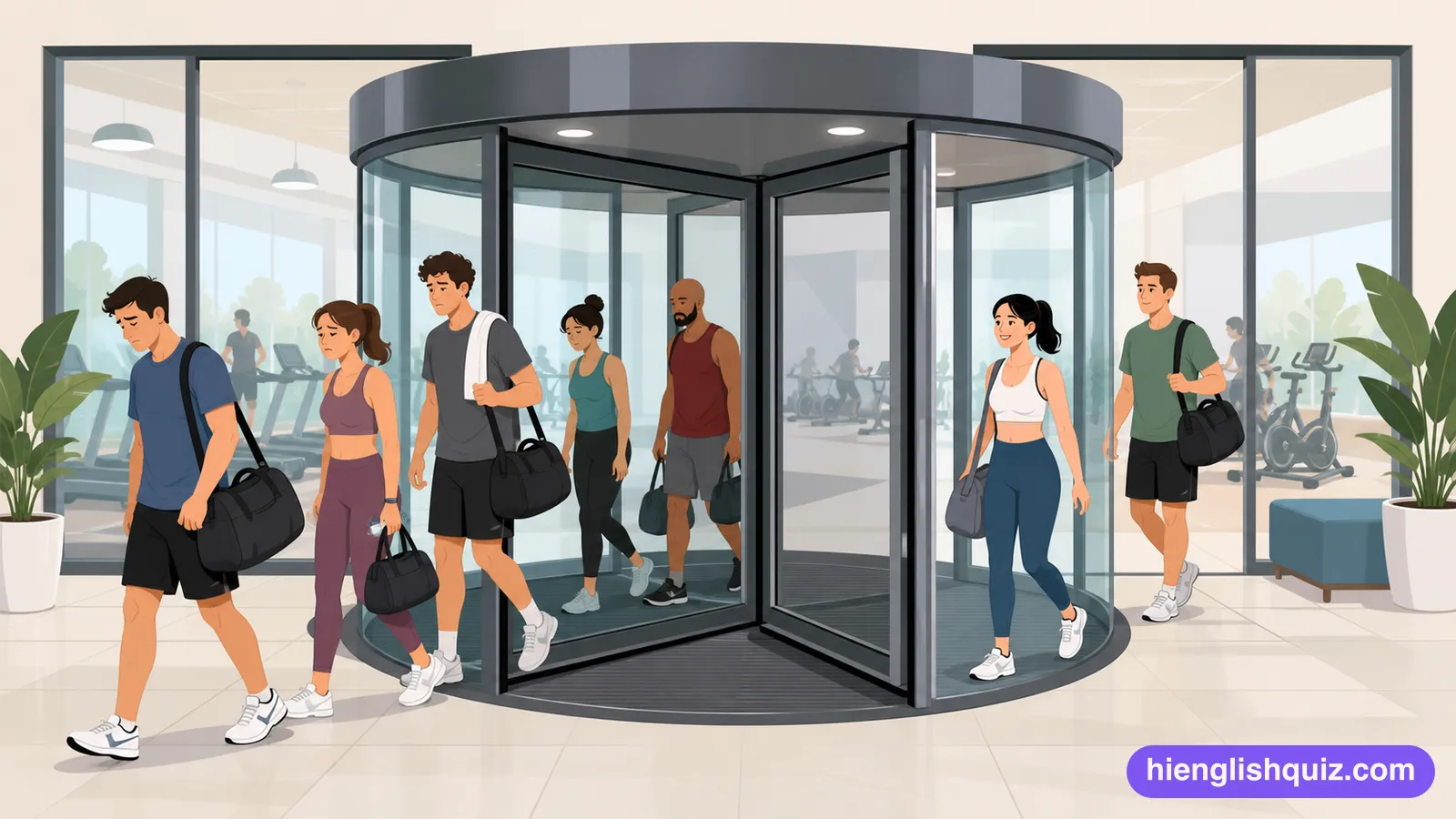
The rate at which customers stop using a company's product or service.
Example: The gym cut churn by offering flexible memberships.
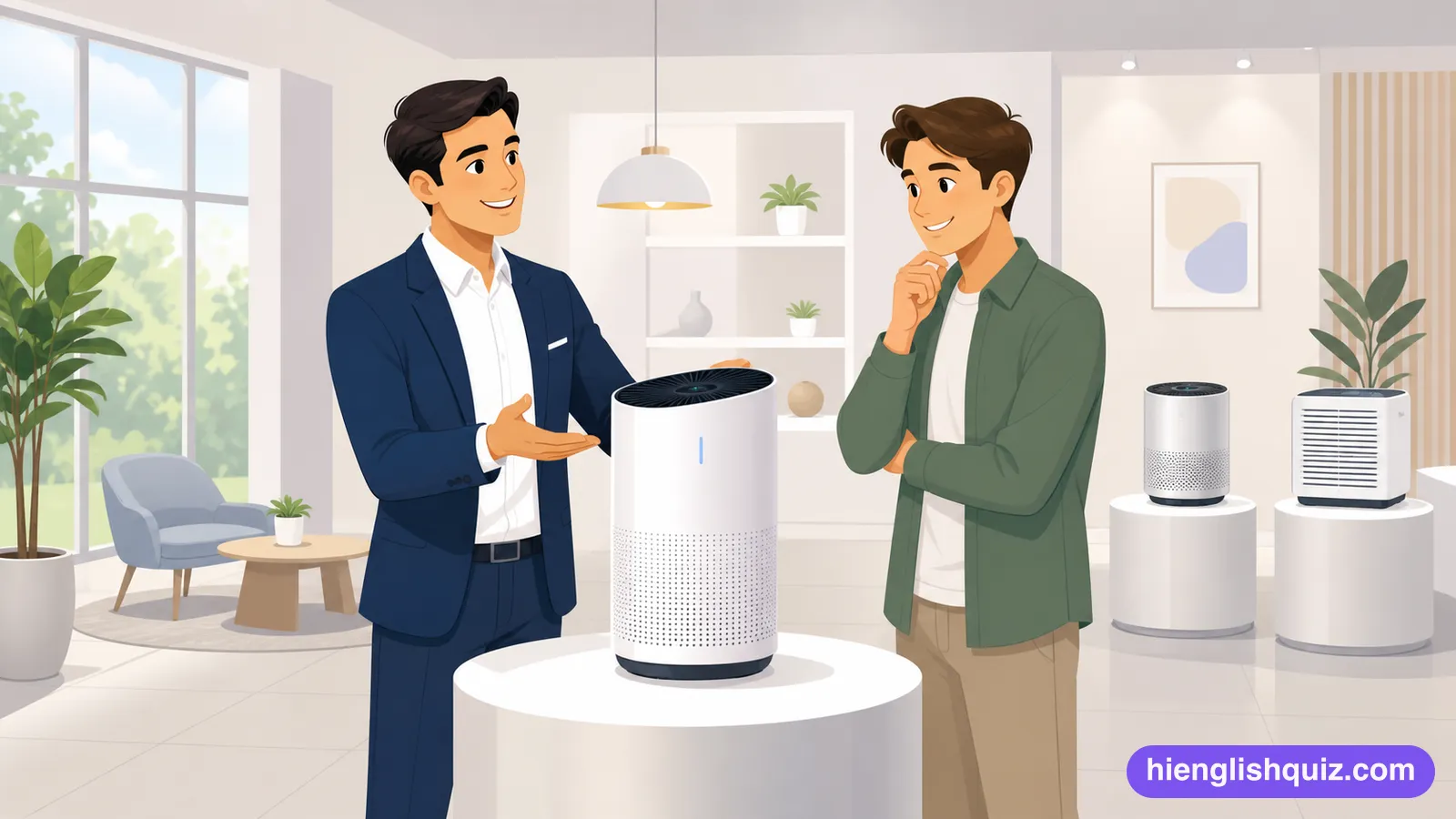
To persuade a customer to buy a more expensive or additional item.
Example: The waiter tried to upsell us a bigger dessert.

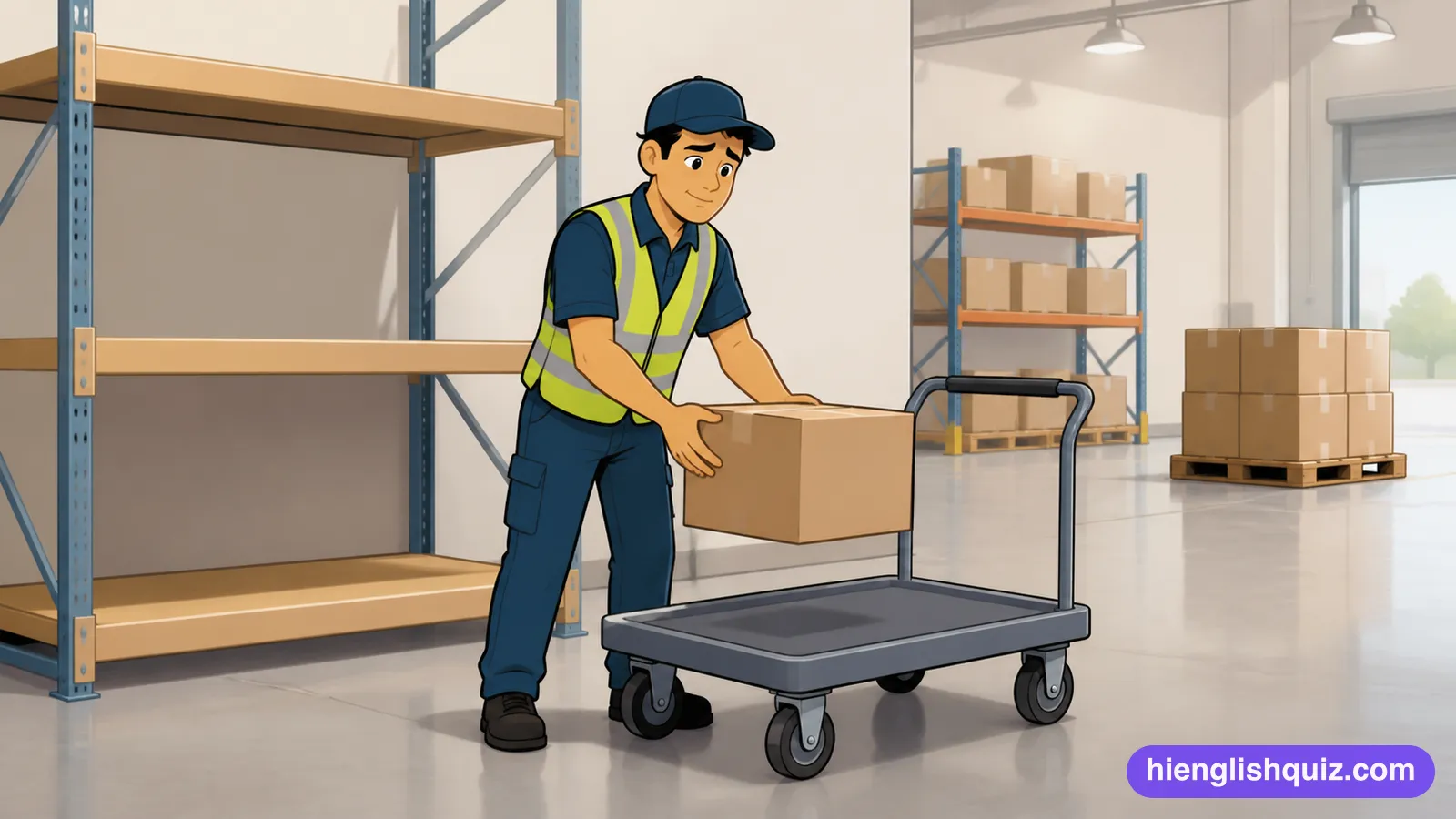
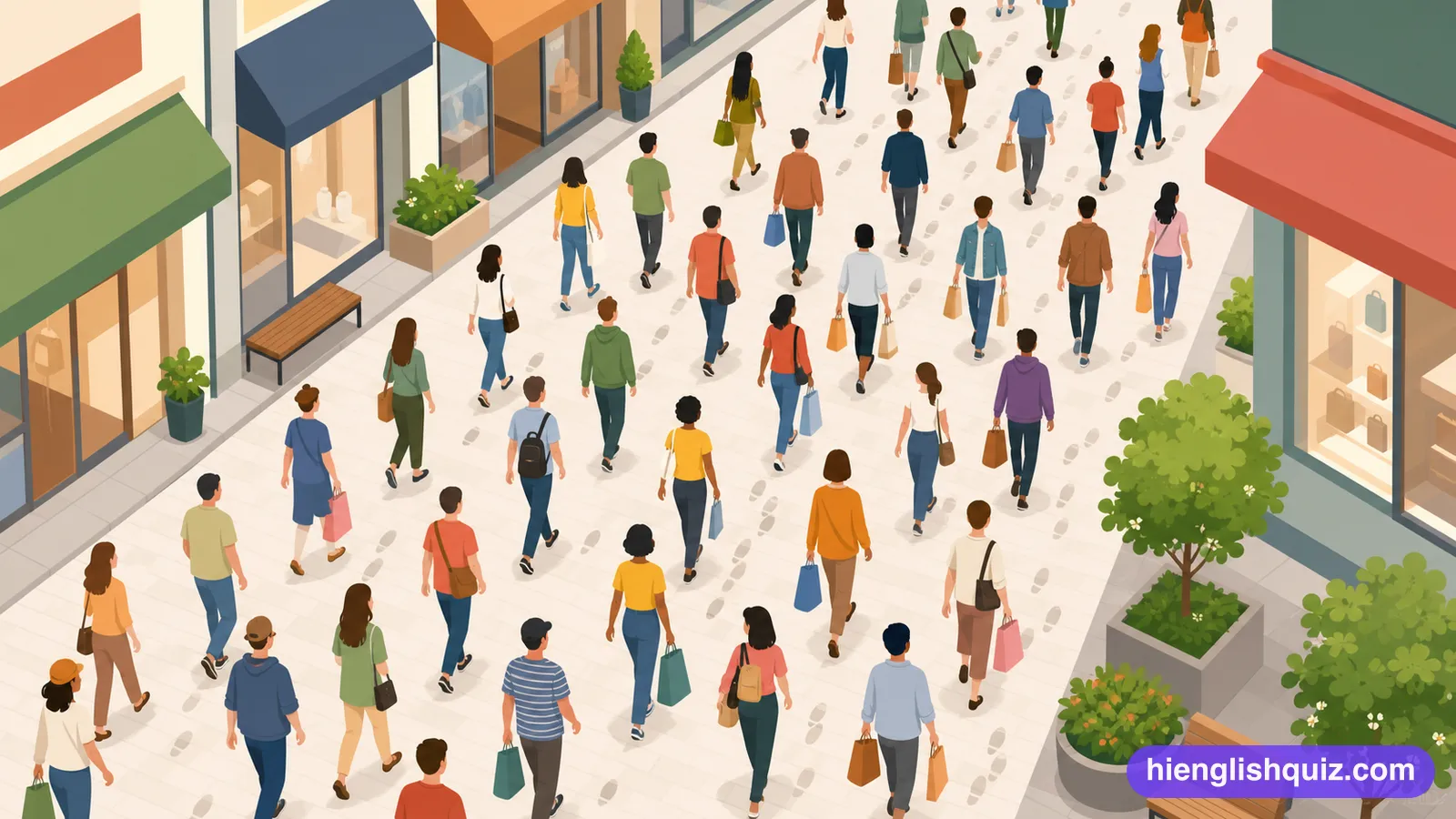
The number of people who visit a shop or area in a given time.
Example: Rainy weekends usually mean lower footfall.
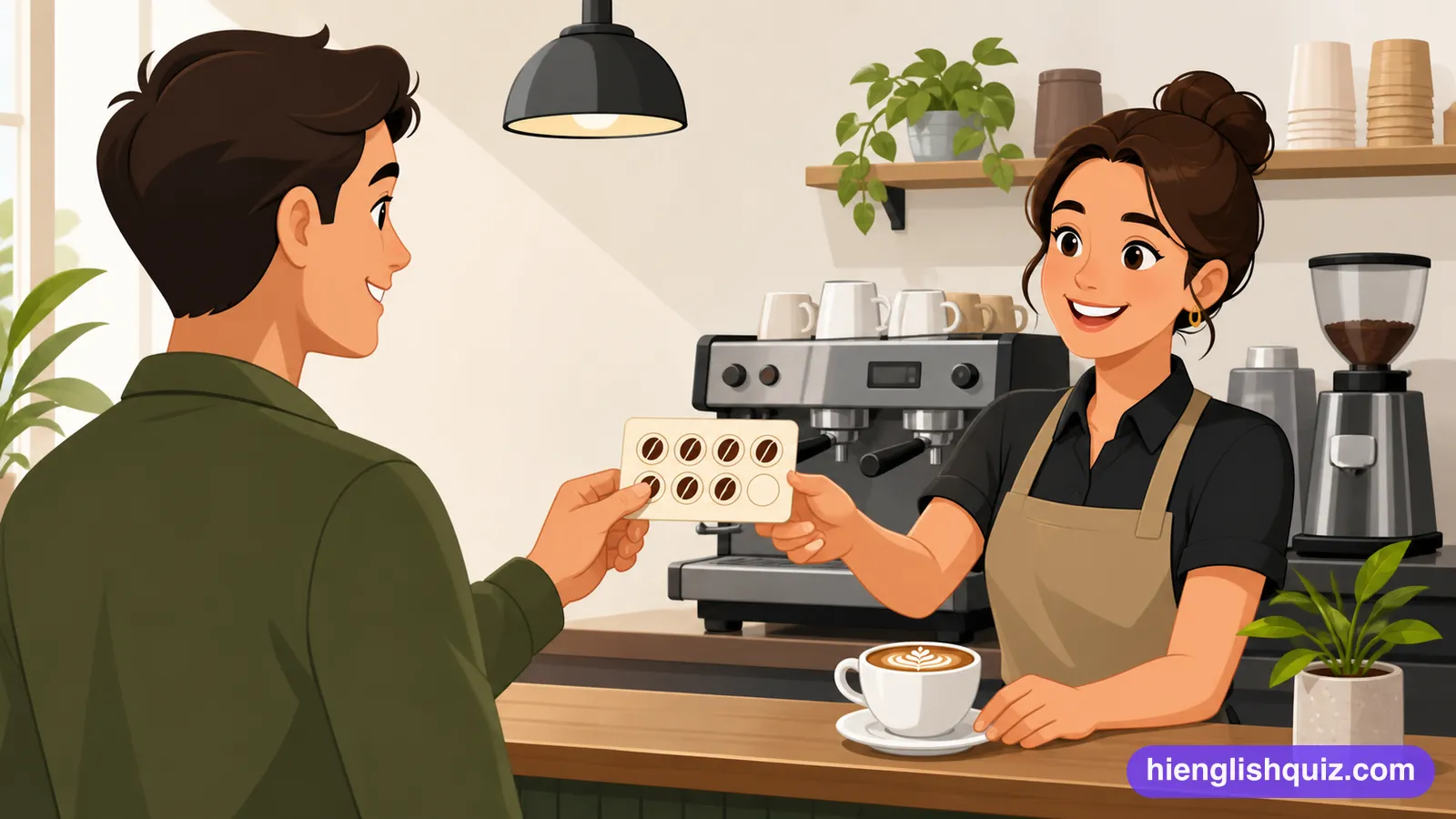
A scheme that rewards customers for repeat purchases, often with points or discounts.
Example: She joined the coffee shop's loyalty programme for free drinks.
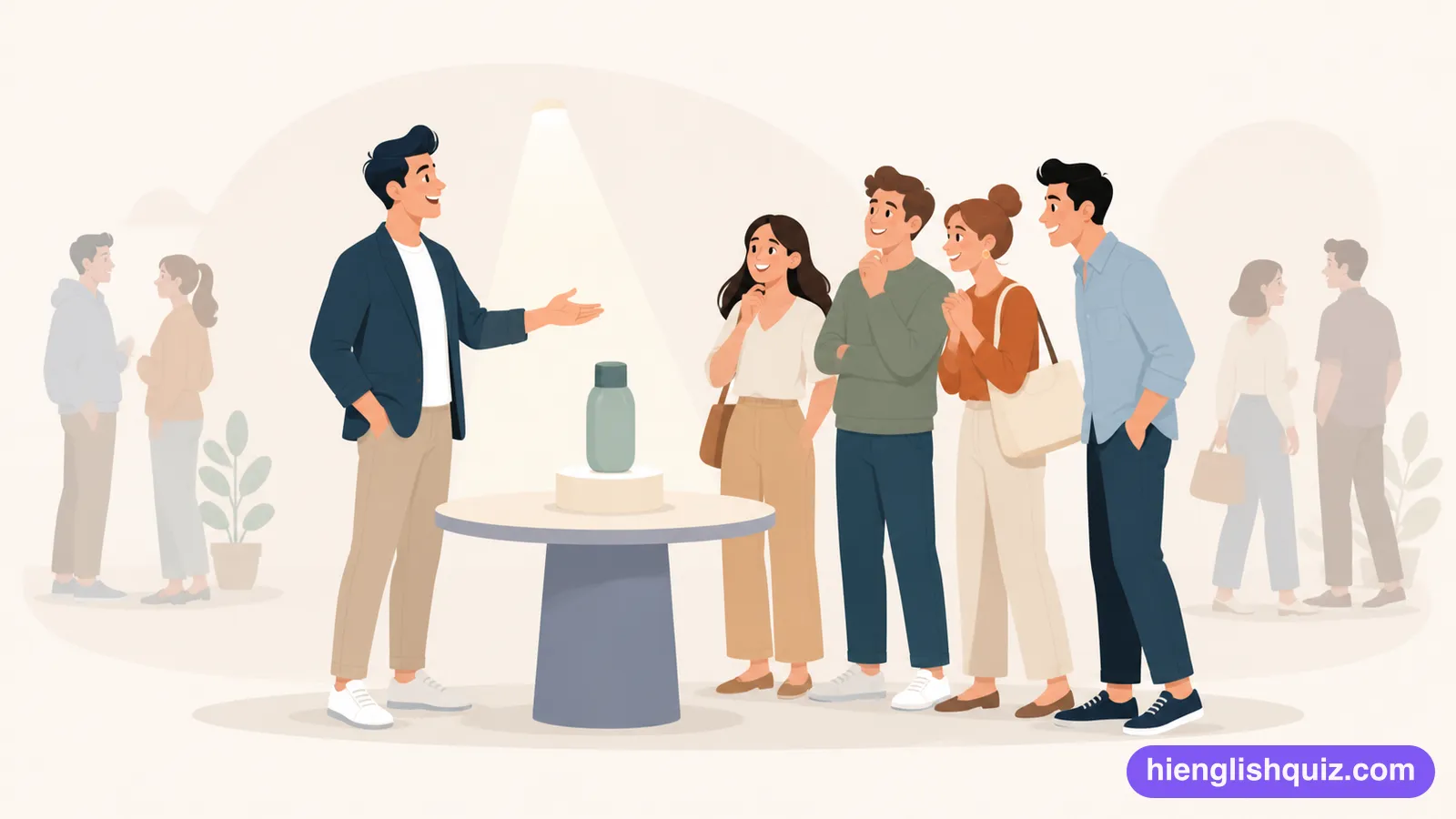
The specific group of customers a business aims its products or marketing at.
Example: Parents of young children are the brand's target market.
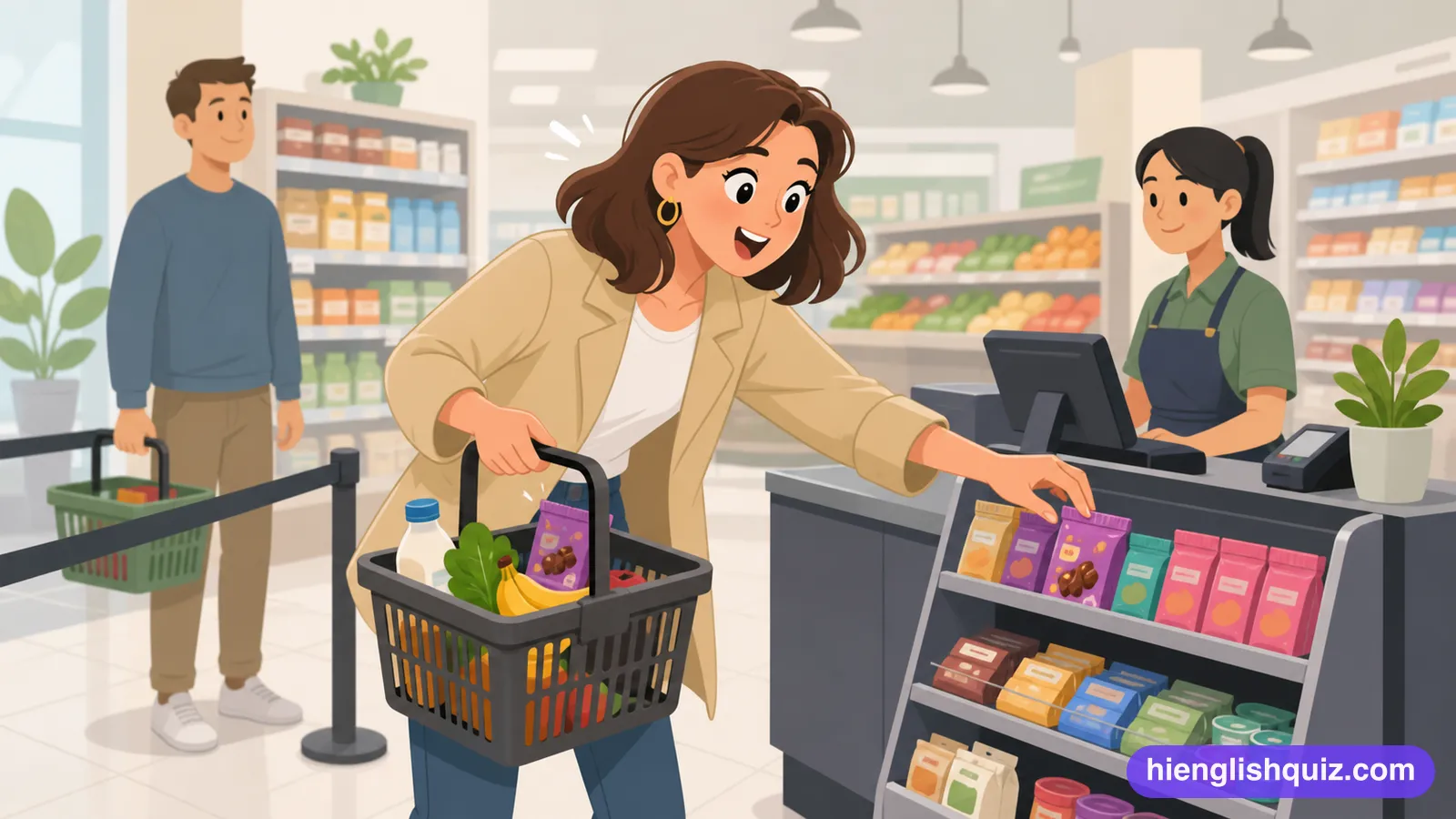
A purchase made suddenly, without planning it in advance.
Example: The chocolate bars by the till are a classic impulse buy.
A phrase in an advert that urges the audience to do something right away.
Example: The email ended with a clear call to action: 'Buy now.'

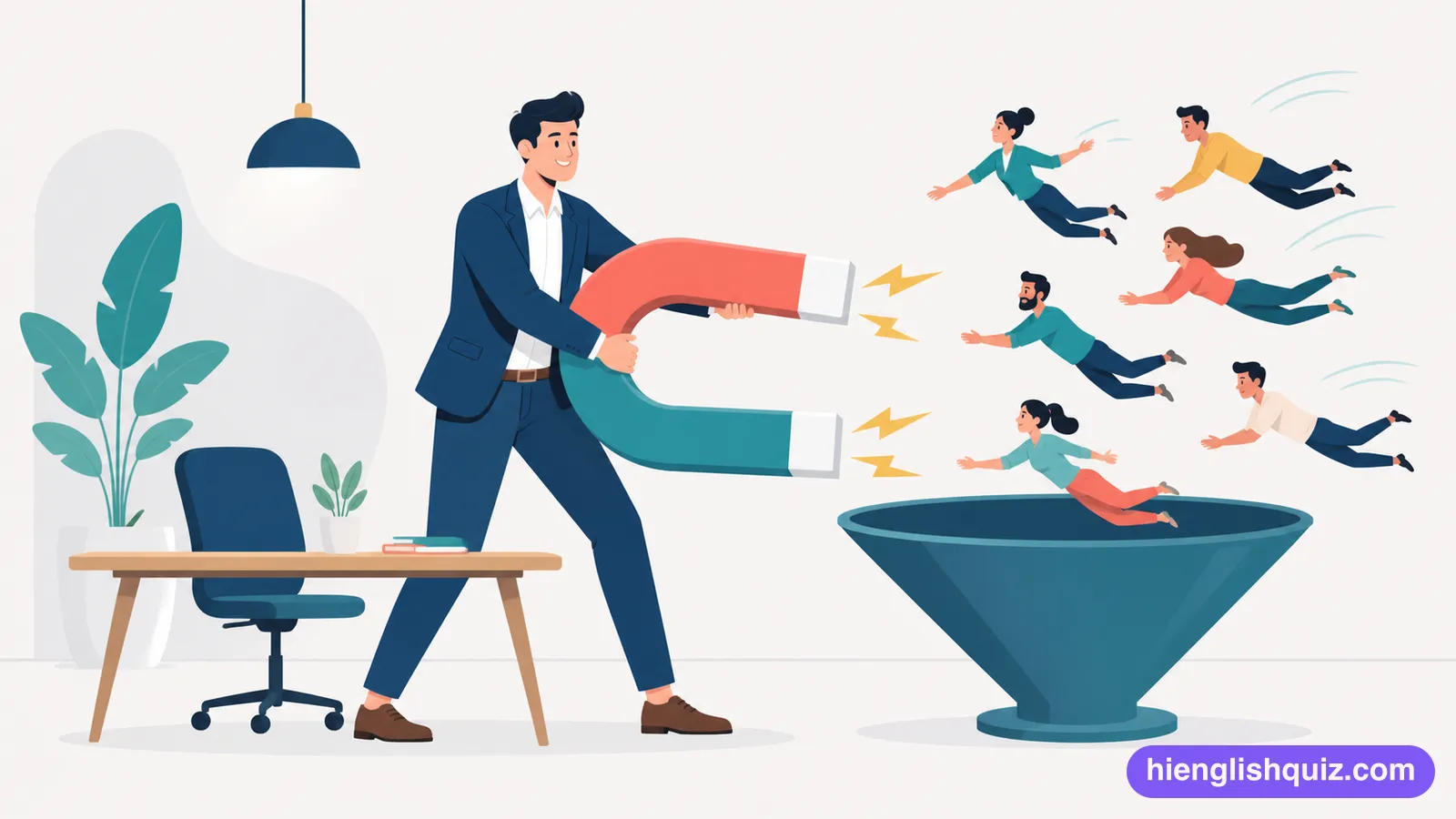
The work of finding people who might become customers.
Example: Half the budget went on lead generation and none on following up.
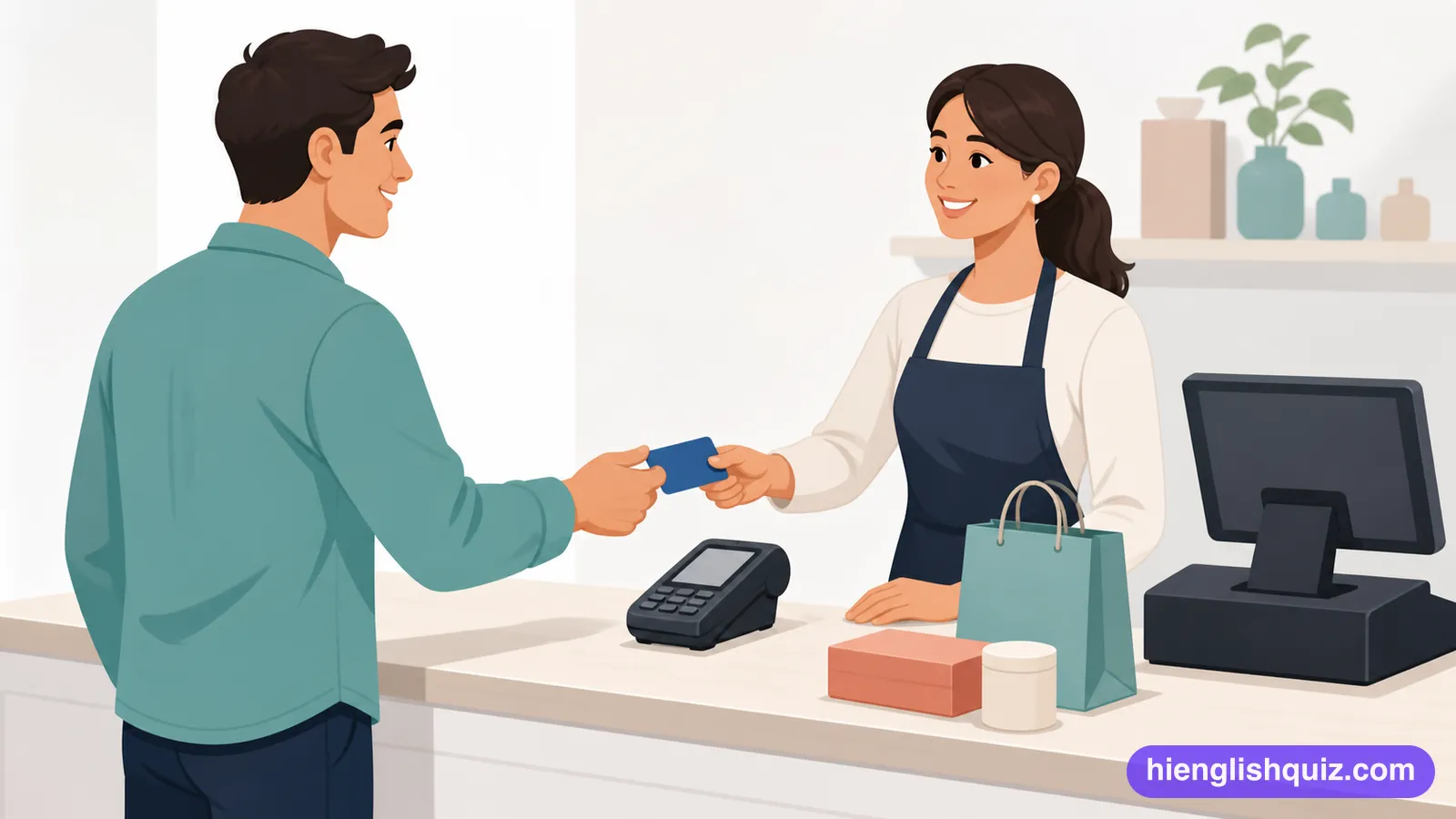
The place and moment where a purchase is completed.
Example: The offer only appears at point of sale and nobody expects it.
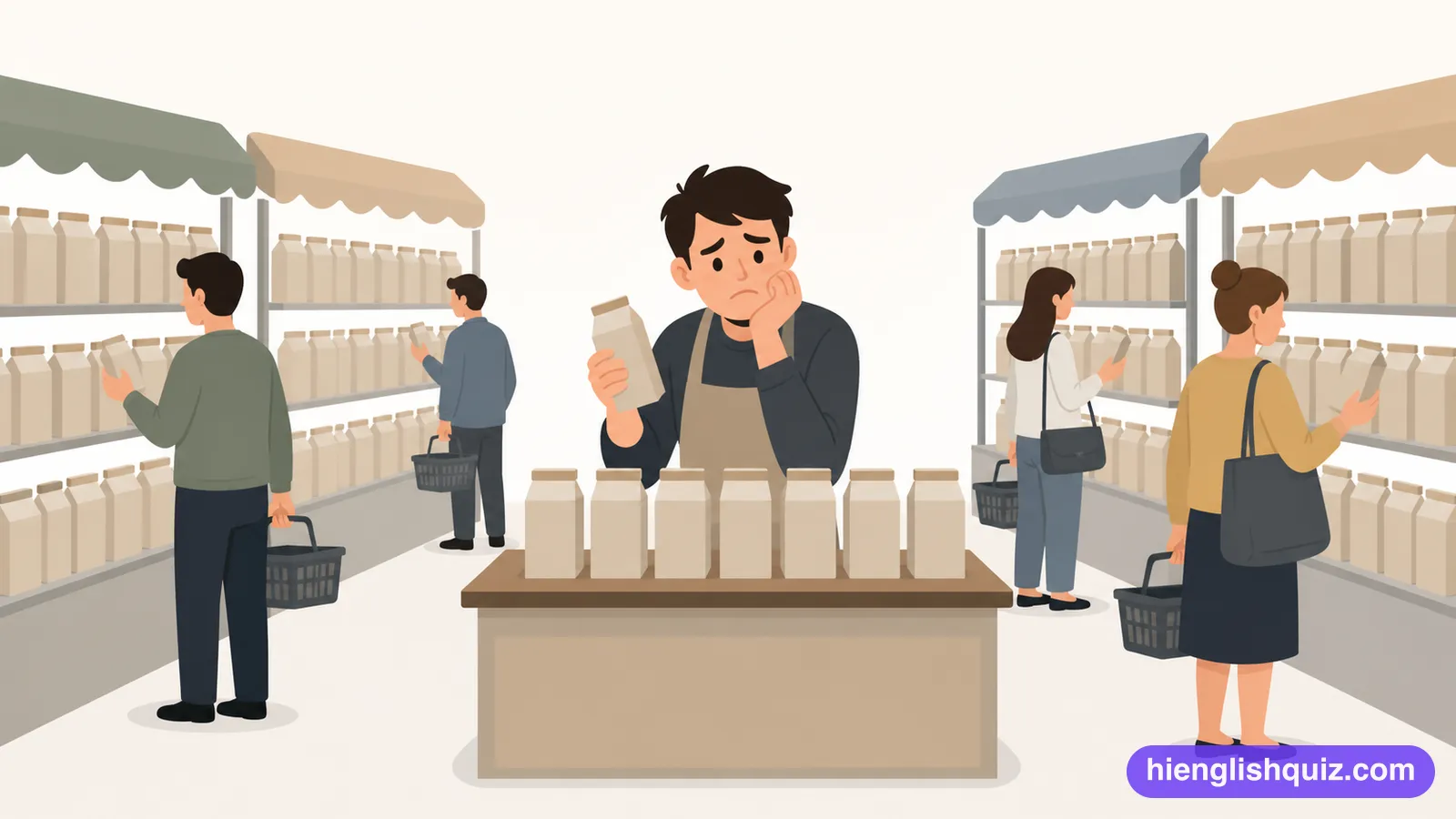
How widely people recognise a particular brand.
Example: Brand awareness doubled and sales did not move at all.

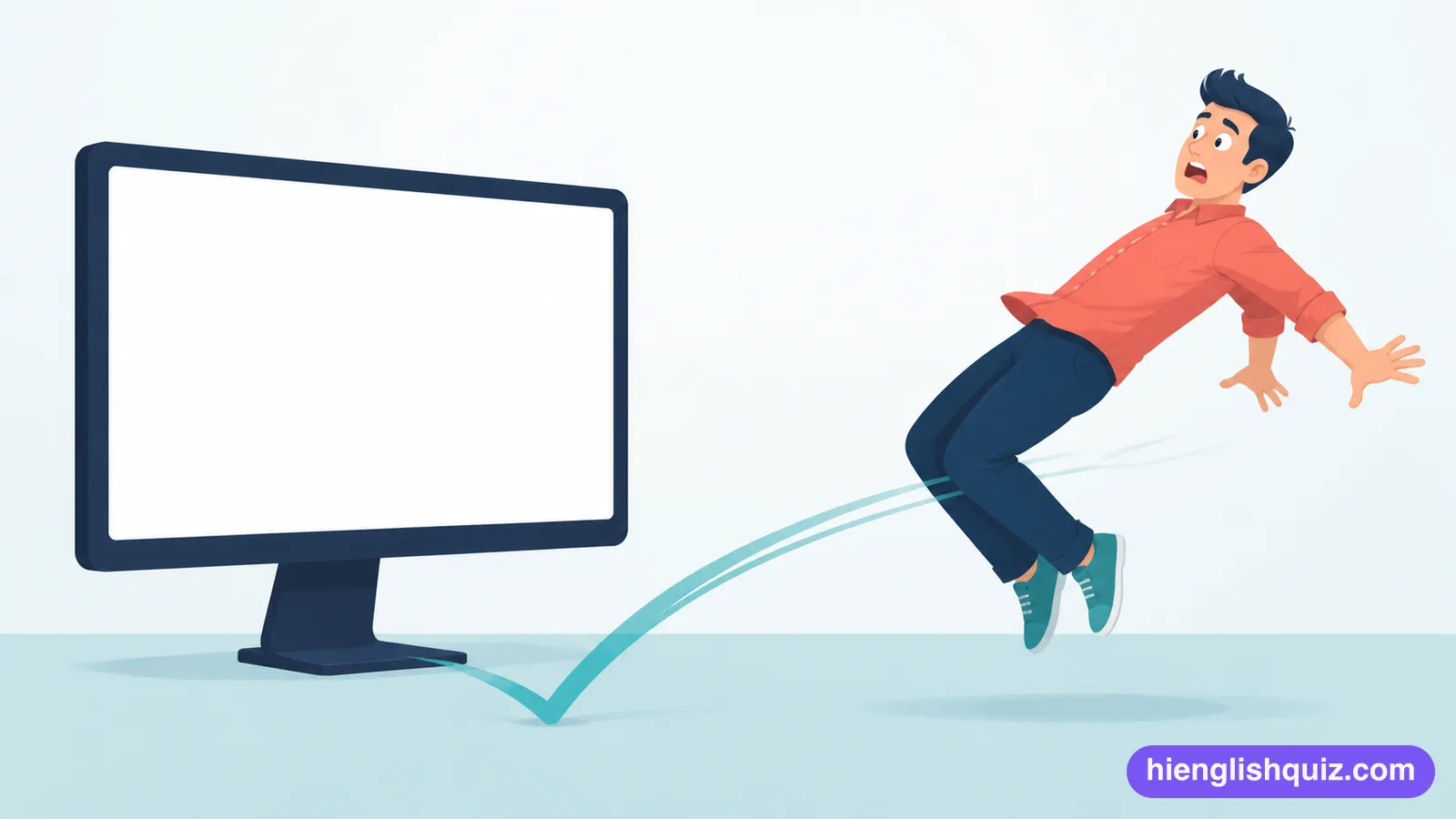
The proportion of visitors who leave after one page.
Example: A bounce rate of eighty per cent told them everything.
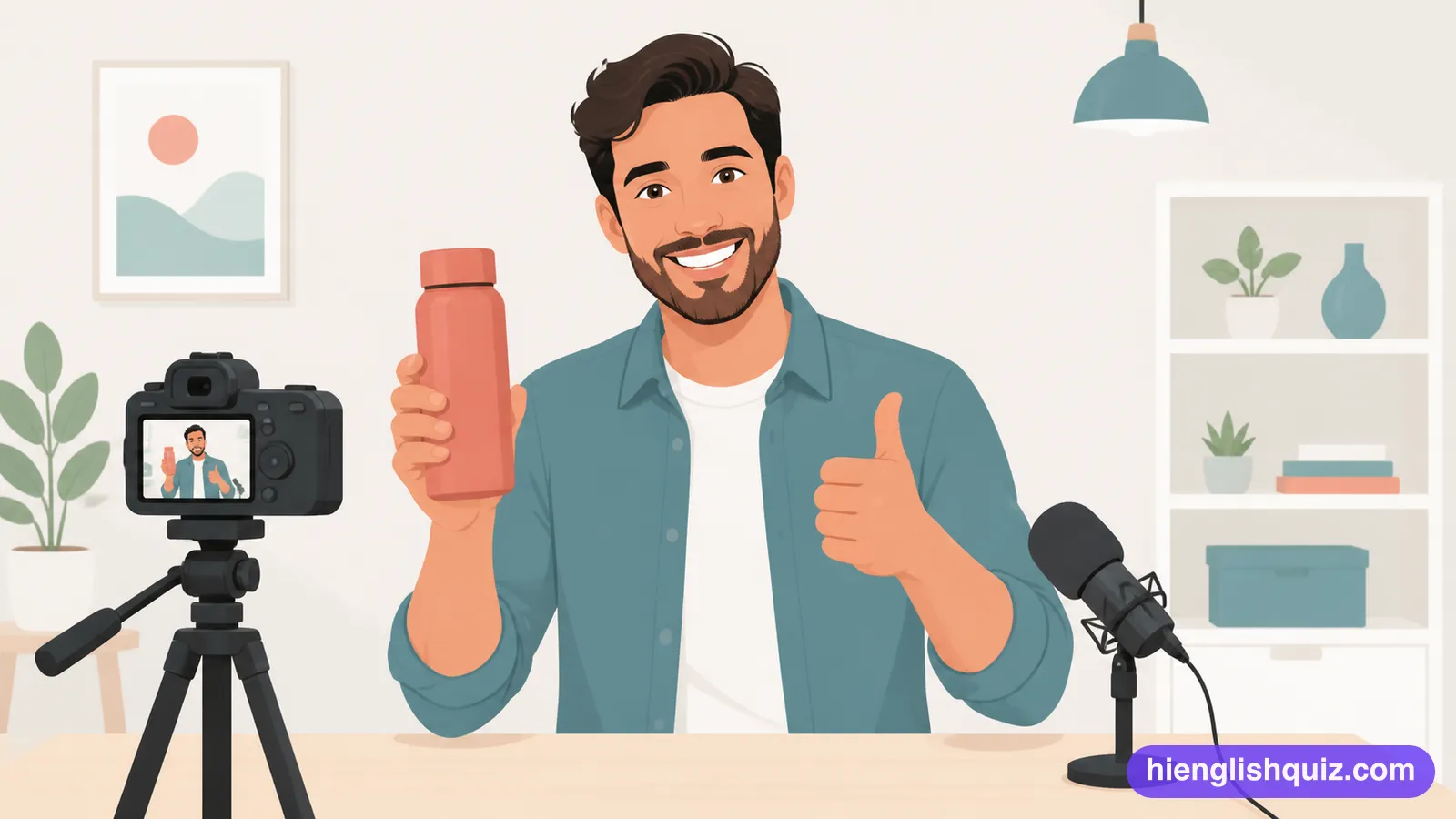
A customer's written statement recommending something.
Example: One testimonial was used for nine years without permission.
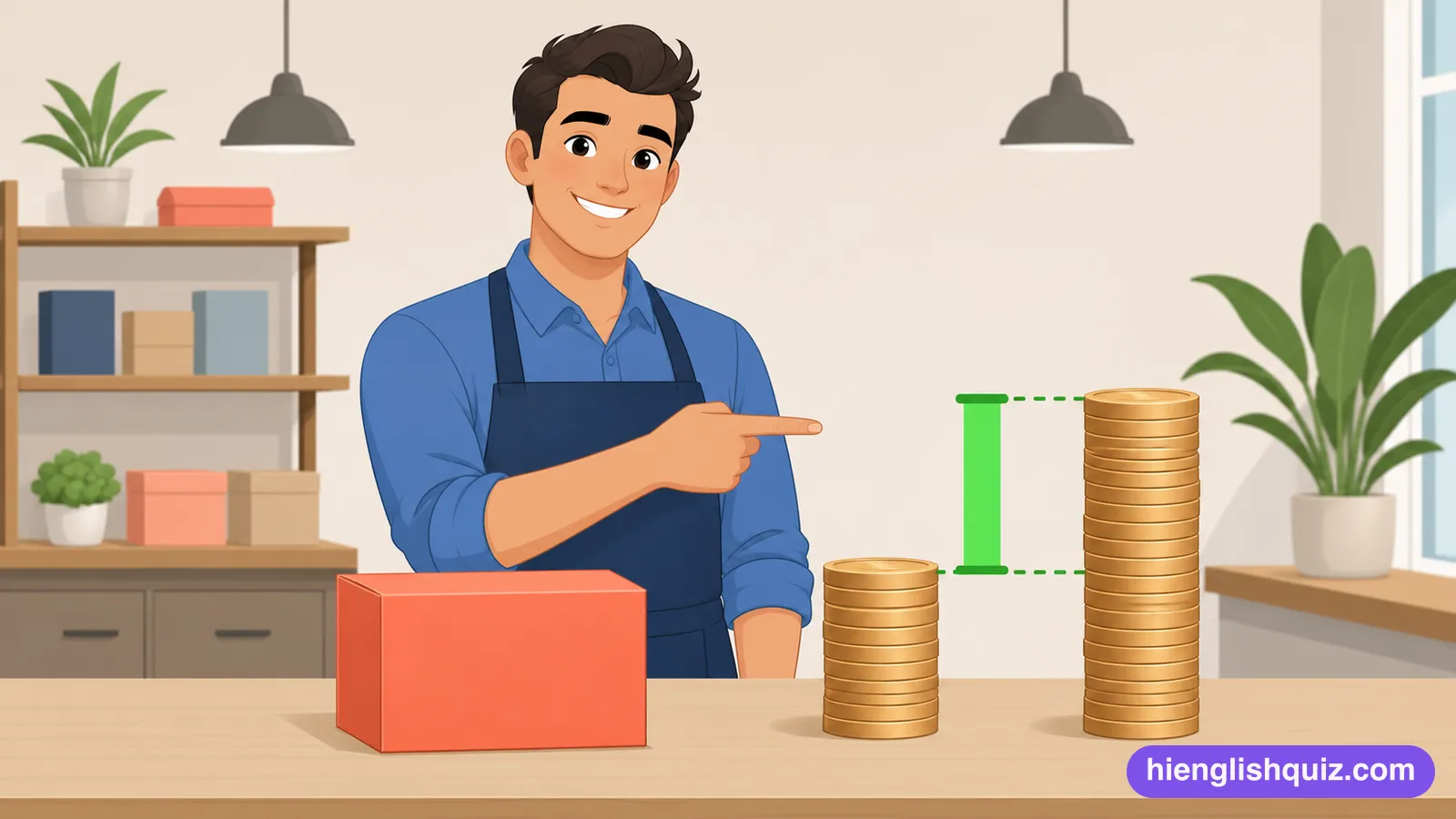
The difference between what something costs and what it sells for.
Example: The margin on accessories pays for the whole shop.