embargo
/ɛmˈbɑrɡoʊ/An agreed date and time before which journalists may not publish information they have been given early.
Example: The report was under embargo until Monday morning.

 Hi EnglishQuiz
B216 words · Upper-intermediate
Media and communications vocabulary for reporting and publishing, including an embargo, speaking off the record, an op-ed and the soundbite, clickbait or leak that shapes a story.
An agreed date and time before which journalists may not publish information they have been given early.
Example: The report was under embargo until Monday morning.
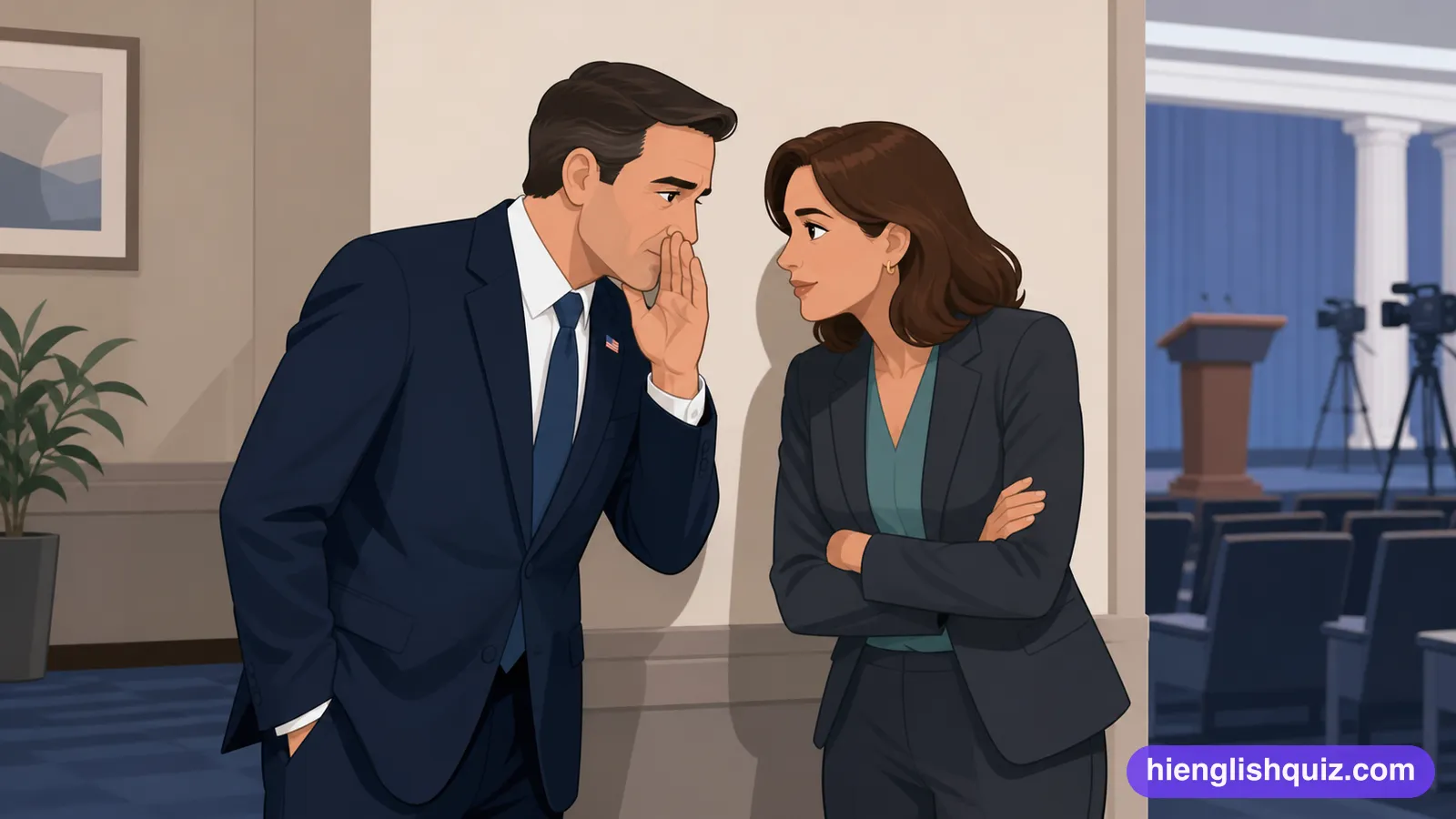
Describes information given to a journalist that must not be published or attributed to the source.
Example: The minister spoke off the record about the negotiations.
An opinion article written by someone outside the publication's own staff, printed opposite the editorial page.
Example: A scientist wrote an op-ed about the vaccine rollout.

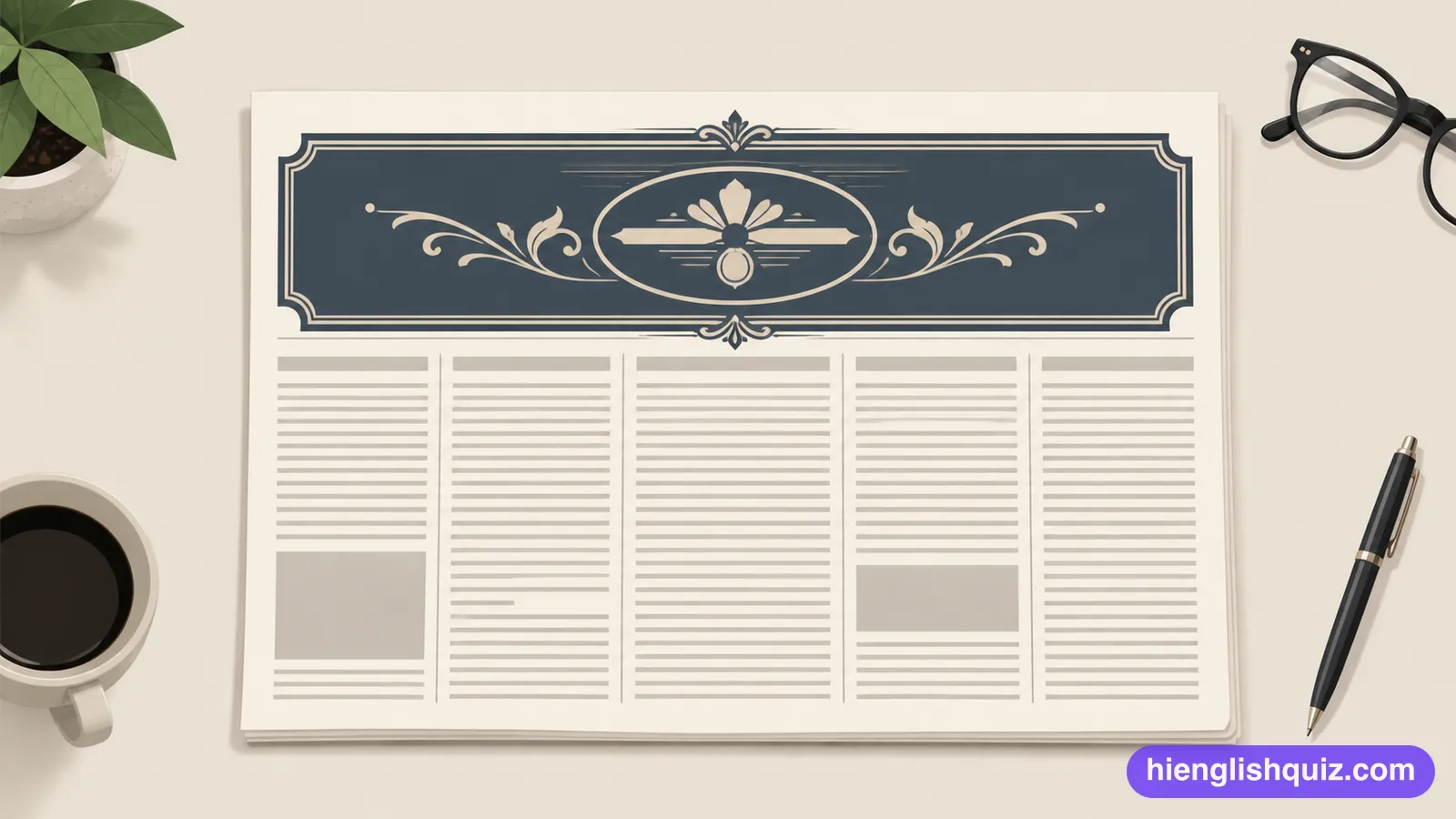
The section of a newspaper, usually at the top, that gives its name, logo and publishing details.
Example: The paper's masthead has barely changed in fifty years.
The line at the start of a news story showing the place and date it was written.
Example: The story carried a dateline from a small town near the border.

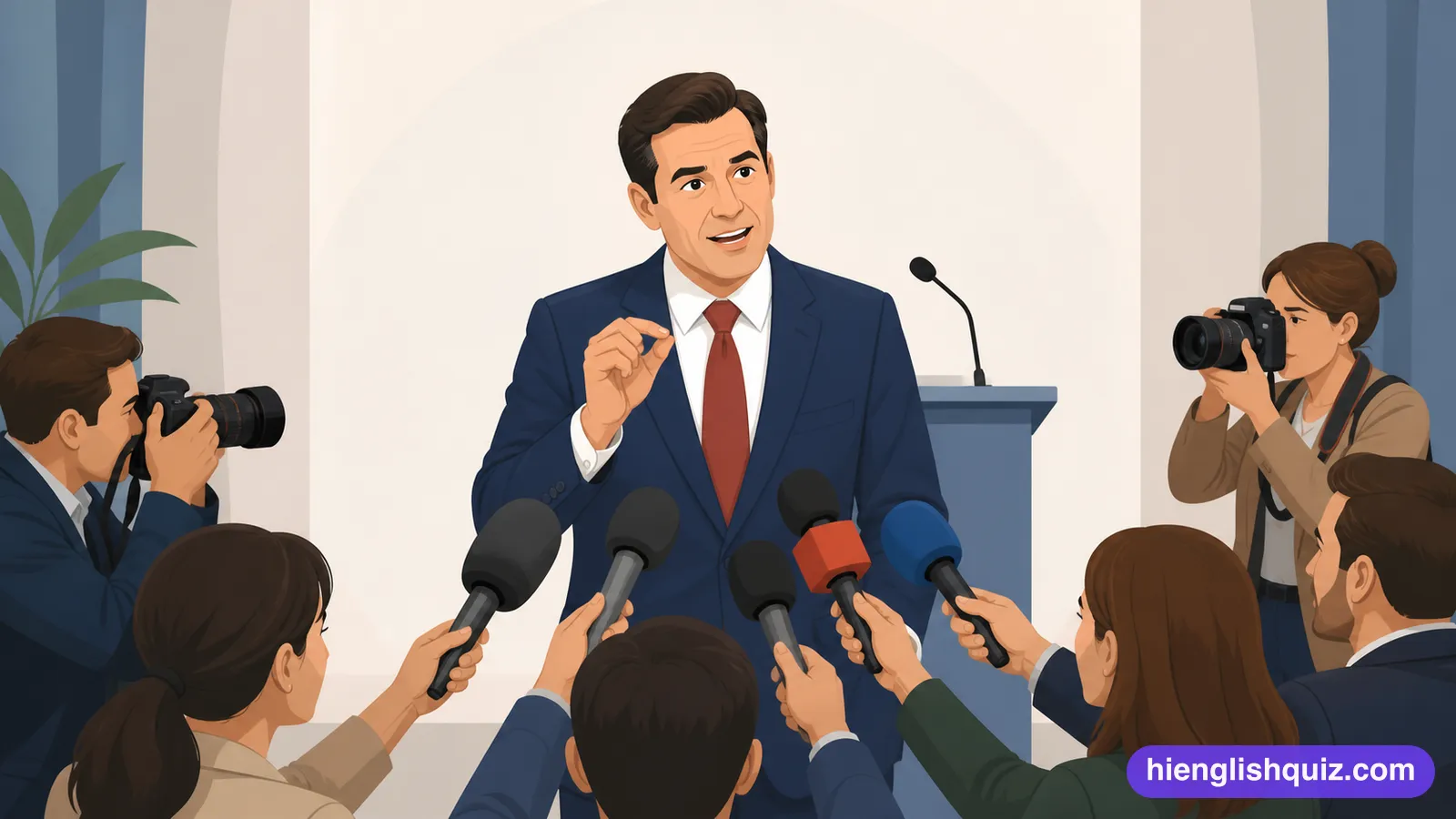
A short, memorable quote from a speech or interview, often used in news broadcasts.
Example: The politician's soundbite was replayed on every news channel.
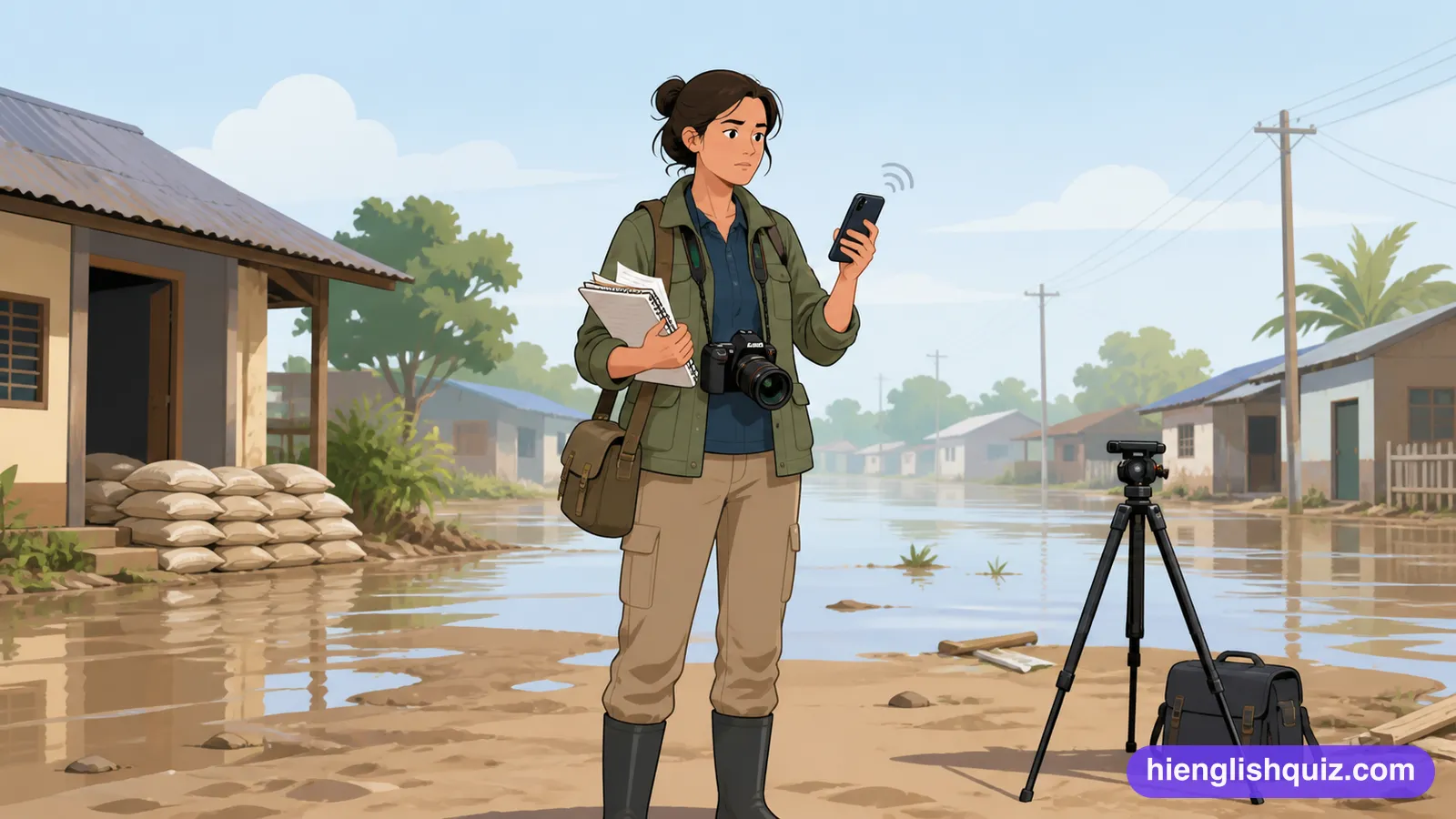
A freelance journalist paid to report from a particular place, usually without a permanent staff job.
Example: A local stringer filed the first reports from the flooded town.
Online text written mainly to trick people into clicking a link, even if it's misleading.
Example: The article was pure clickbait — the story never matched what was promised.

A person often asked to give expert opinions on TV, radio or in print.
Example: A political pundit predicted a close result on election night.

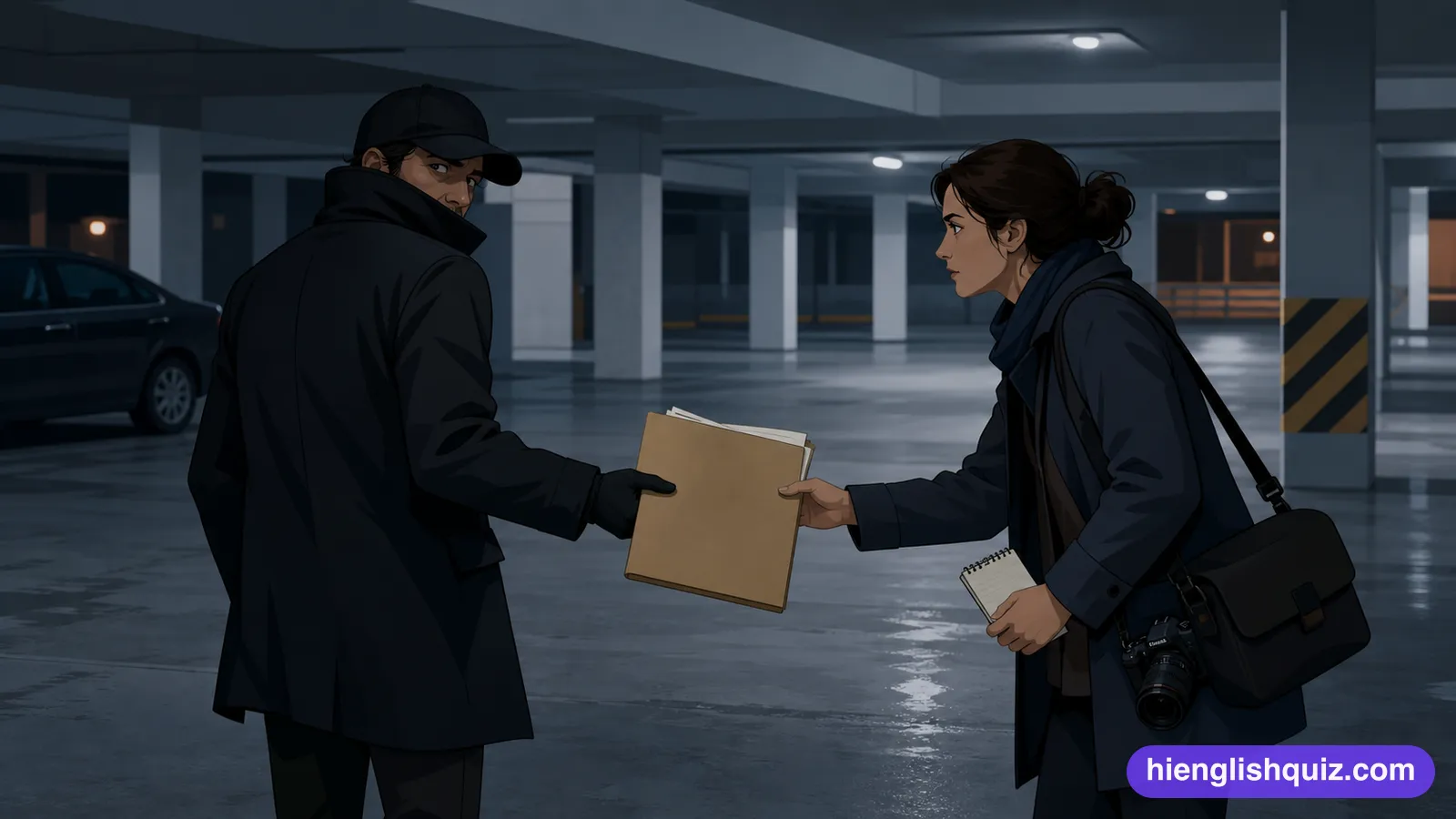
To secretly give private or confidential information to a journalist.
Example: Someone inside the company leaked the merger plans to the press.
The planned sequence of items in a programme.
Example: The running order changed four times before transmission.

Short interviews with members of the public.
Example: Two hours of vox pop produced eleven usable seconds.

A short edited report prepared for a news programme.
Example: The package overran and the weather was cut.

The band of text at the bottom of the screen naming someone.
Example: The lower third spelled her name two different ways.

Information given early on condition it is not published yet.
Example: Somebody broke the embargoed release by ninety minutes.

A shot of something else, used to hide an edit.
Example: One cutaway of a notepad saves the whole interview.