B216 words · Upper-intermediate

Education & Training vocabulary — B2

Education and training vocabulary for assessing learners, including formative and summative assessment, learning outcomes, blended learning and tracking a cohort's progress.

16 questions

Words in this set

16
  1. tiered instruction

    Grouping or adjusting classroom tasks into different levels of difficulty so every student can work at a level that challenges them appropriately.

    Example: The worksheet used tiered instruction, offering three levels of difficulty on the same topic.
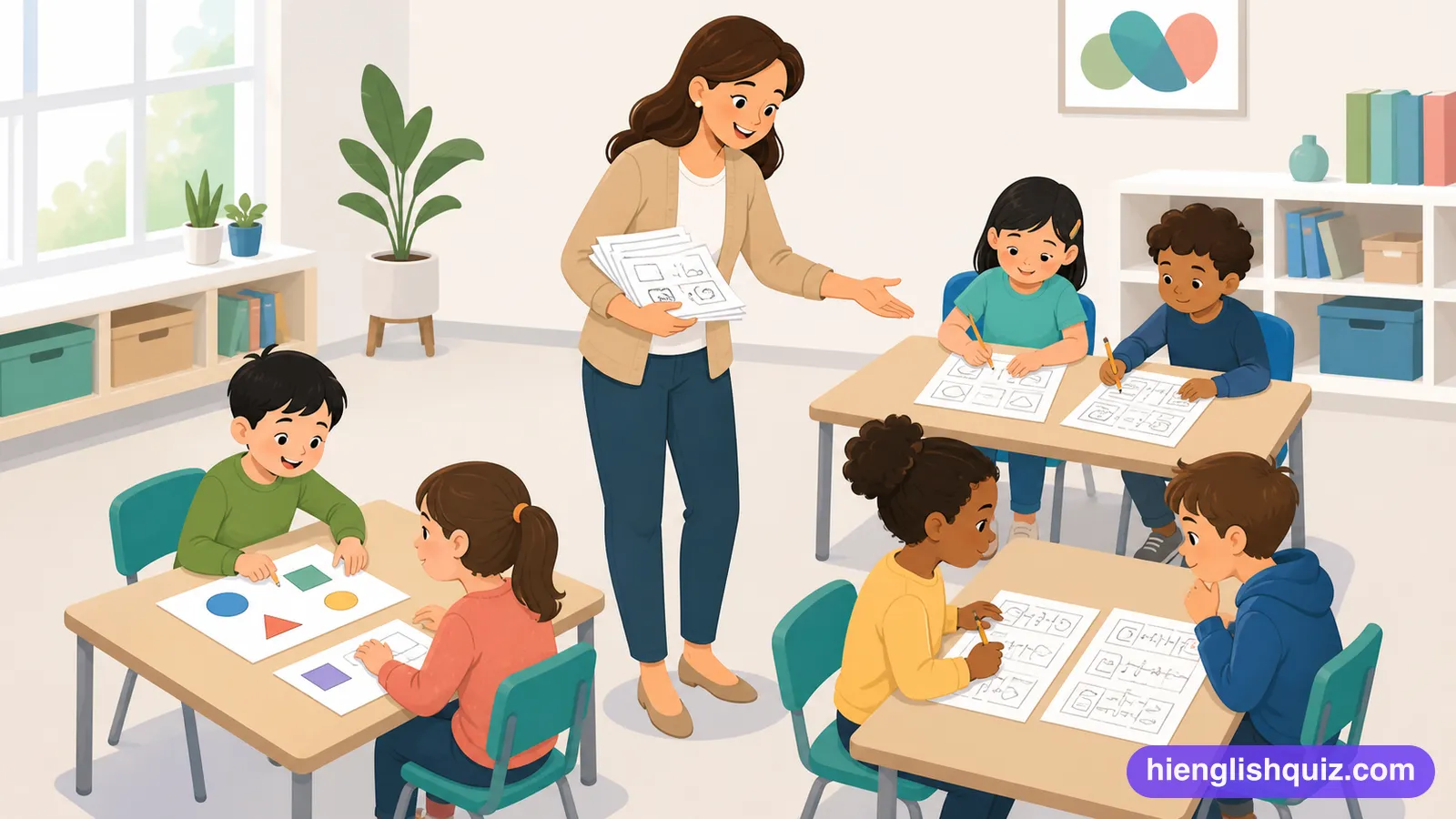

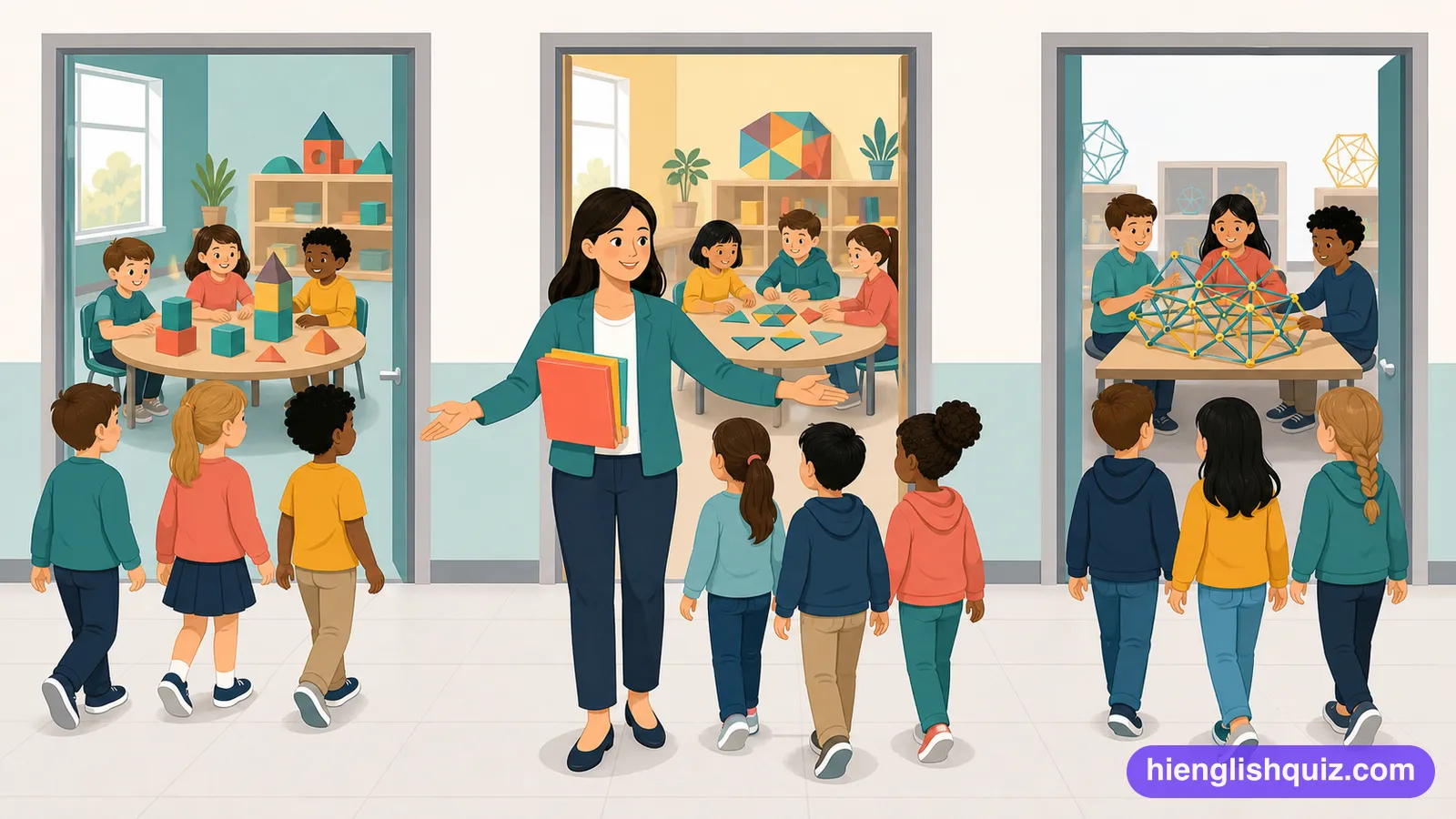
    Illustration of tiered instruction
  2. formative assessment

    Informal checks on students' progress during a course, used to guide teaching rather than give a final grade.

    Example: Weekly quizzes acted as formative assessment for the class.

    Illustration of formative assessment
  3. summative assessment

    A final test or task used to judge what a student has learned at the end of a course.

    Example: The exam is the module's only summative assessment.

    Illustration of summative assessment
  4. learning outcomes

    The specific skills or knowledge a course is designed to leave students with.

    Example: The course was redesigned around clearer learning outcomes.

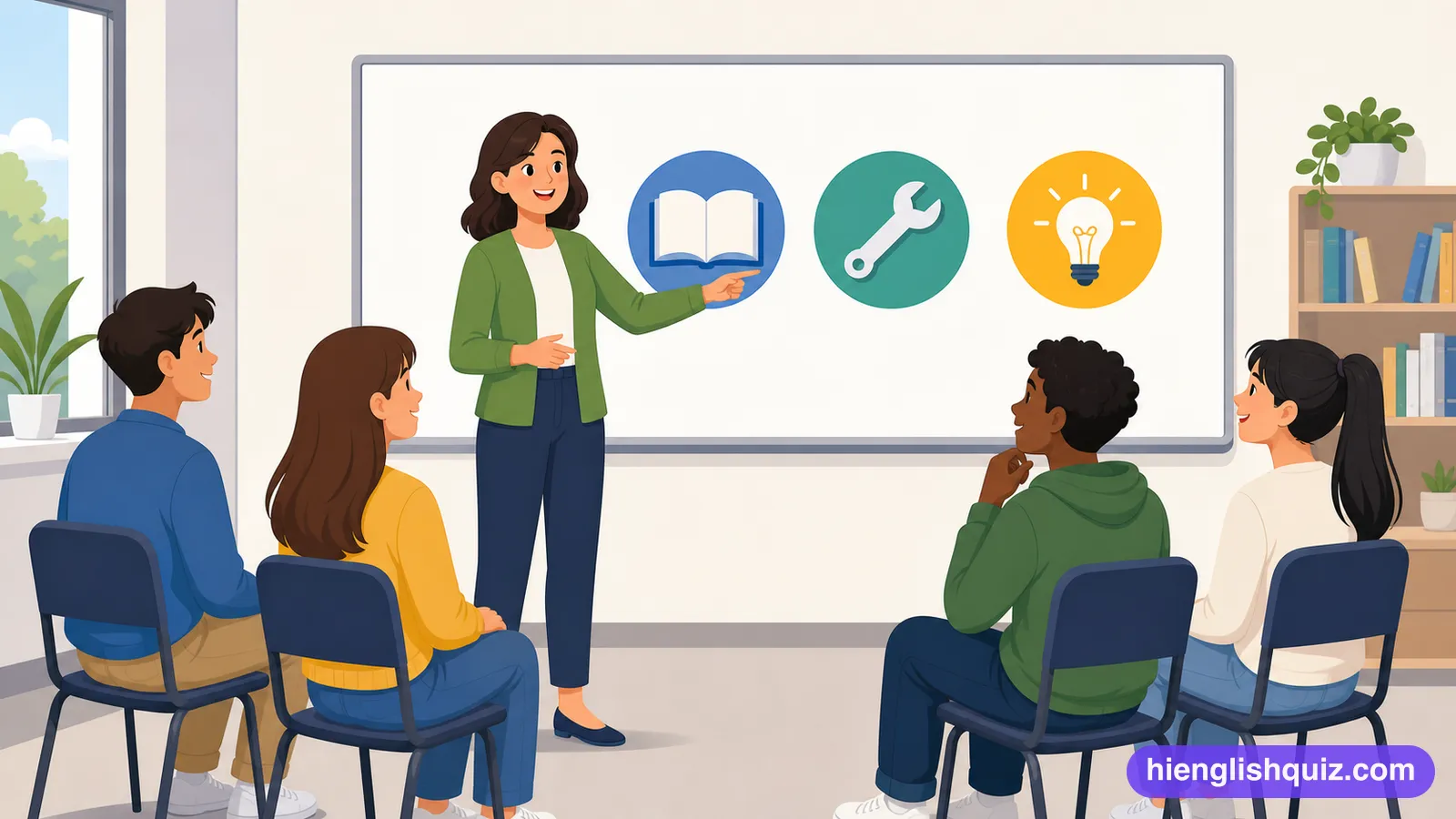
    Illustration of learning outcomes
  5. blended learning

    A teaching approach that combines classroom lessons with online study.

    Example: The college moved to blended learning after the pandemic.

    Illustration of blended learning
  6. instructional design

    The practice of planning and structuring lessons or courses to help people learn effectively.

    Example: She works in instructional design, building online courses for companies.

    Illustration of instructional design
  7. competency framework

    A structured list of the skills and standards expected at each level of a job or course.

    Example: The company built a competency framework for every role.

    Illustration of competency framework
  8. peer review

    When students check and comment on each other's work.

    Example: Students used peer review to improve their essays before submitting.

    Illustration of peer review
  9. remediation

    /rɪˌmidiˈeɪʃən/

    Extra teaching given to help students who are behind catch up.

    Example: The school added a remediation programme for struggling readers.

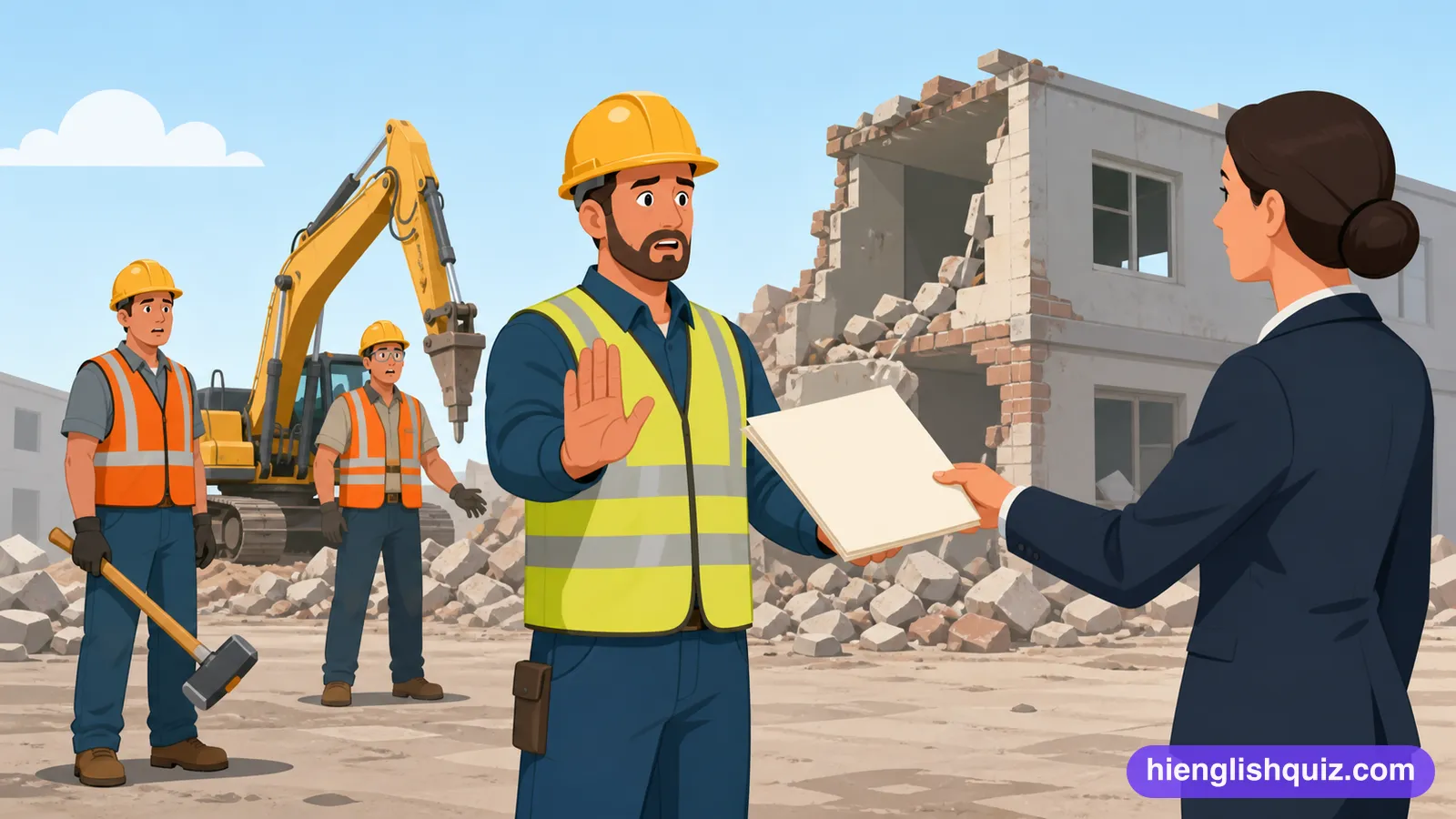
    Illustration of remediation
  10. rote learning

    Learning something by repeating it many times until you remember it.

    Example: Multiplication tables are often taught through rote learning.

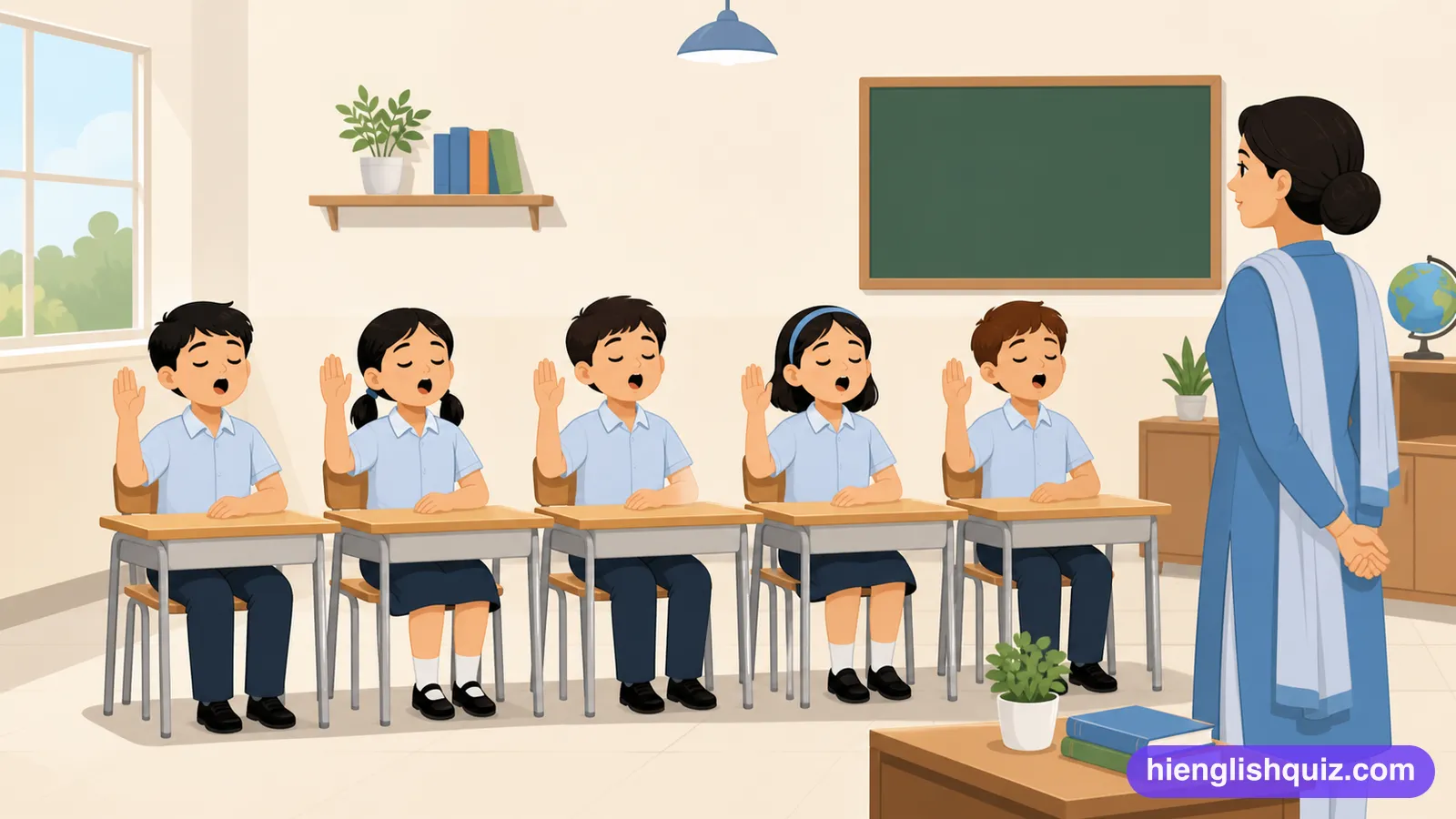
    Illustration of rote learning
  11. scaffolded learning

    Teaching that gives support and removes it gradually.

    Example: Scaffolded learning works if somebody remembers to remove the scaffold.

    Illustration of scaffolded learning
  12. learner autonomy

    How far learners can direct their own study.

    Example: Learner autonomy is easier to write into a policy than to build.

    Illustration of learner autonomy
  13. streaming

    /ˈstrimɪŋ/

    Grouping learners by ability into separate classes.

    Example: Streaming was abandoned and quietly reintroduced under another name.

    Illustration of streaming
  14. moderation

    /ˌmɑdərˈeɪʃən/

    Checking that different markers apply the same standard.

    Example: Moderation moved four grades and confirmed the rest.

    Illustration of moderation
  15. cohort

    /ˈkoʊhɔrt/

    A group of learners who start and progress together.

    Example: That cohort finished with the highest results the college had seen.

    Illustration of cohort
  16. retention rate

    The proportion of learners who stay to the end of a course.

    Example: Retention rate is the figure funders actually look at.

    Illustration of retention rate

This topic at other levels

More Professional & Specialized vocabulary

All Professional & Specialized sets

Education & Training Vocabulary (B2): 16 English Words with Meanings & Quiz | Hi English Quiz