injunction
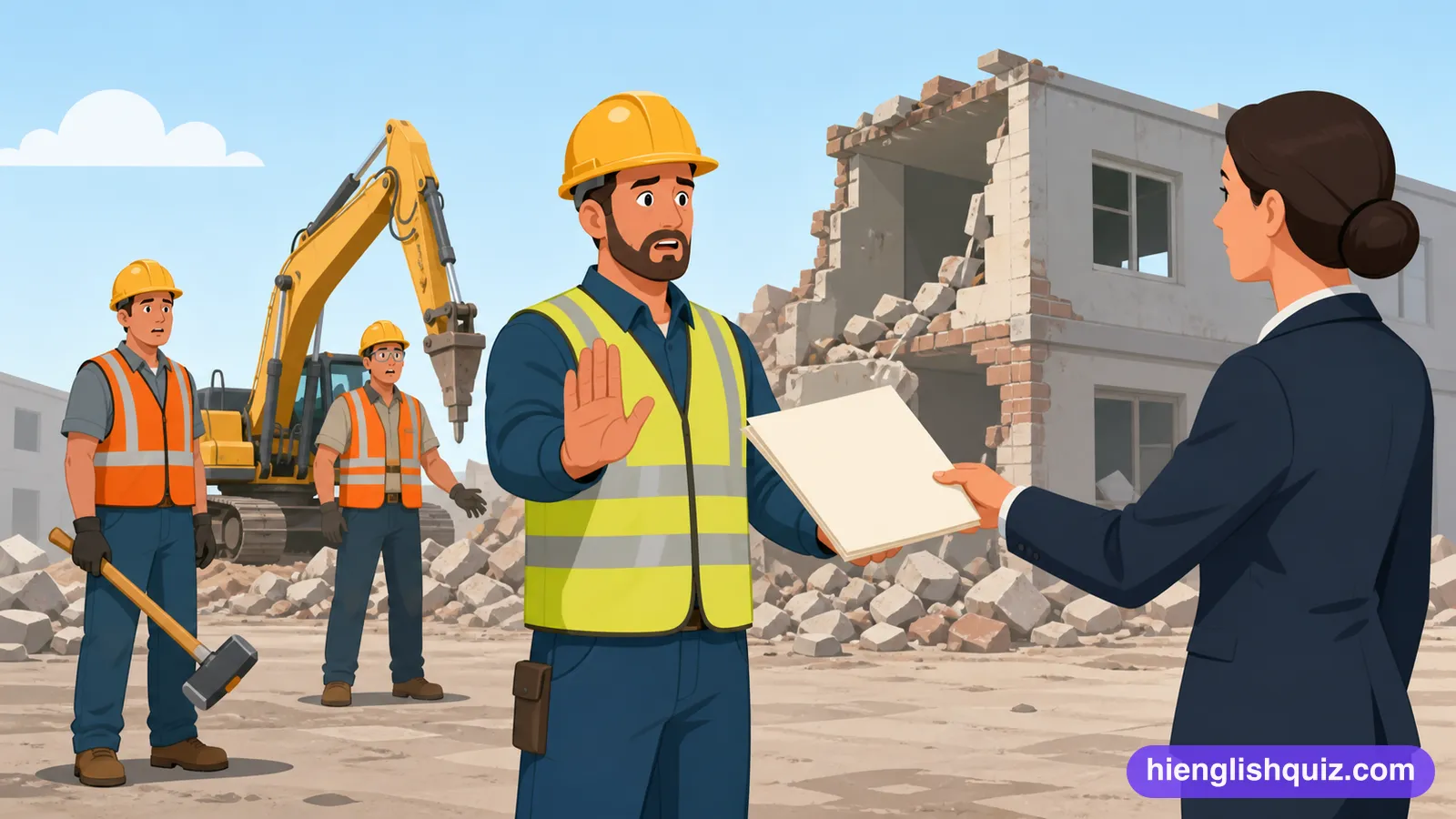
/ˌɪnˈdʒʌŋkʃən/A court order that stops someone from doing a particular action.
Example: The court granted an injunction to stop the demolition.
 Hi EnglishQuiz
B216 words · Upper-intermediate
Legal English vocabulary for disputes and procedure, including an injunction, a subpoena, a deposition and the negligence or breach that leads to a settlement.
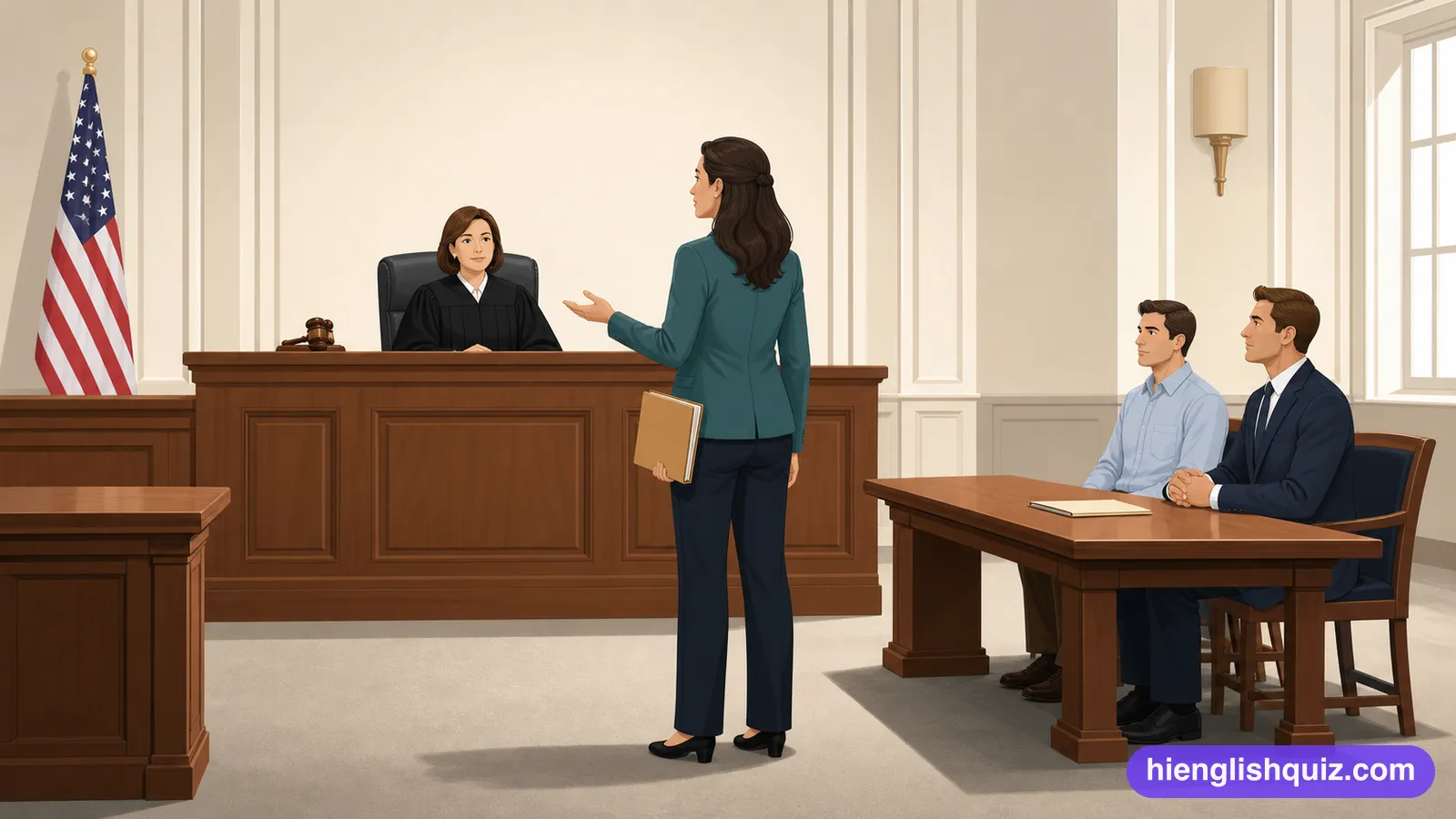
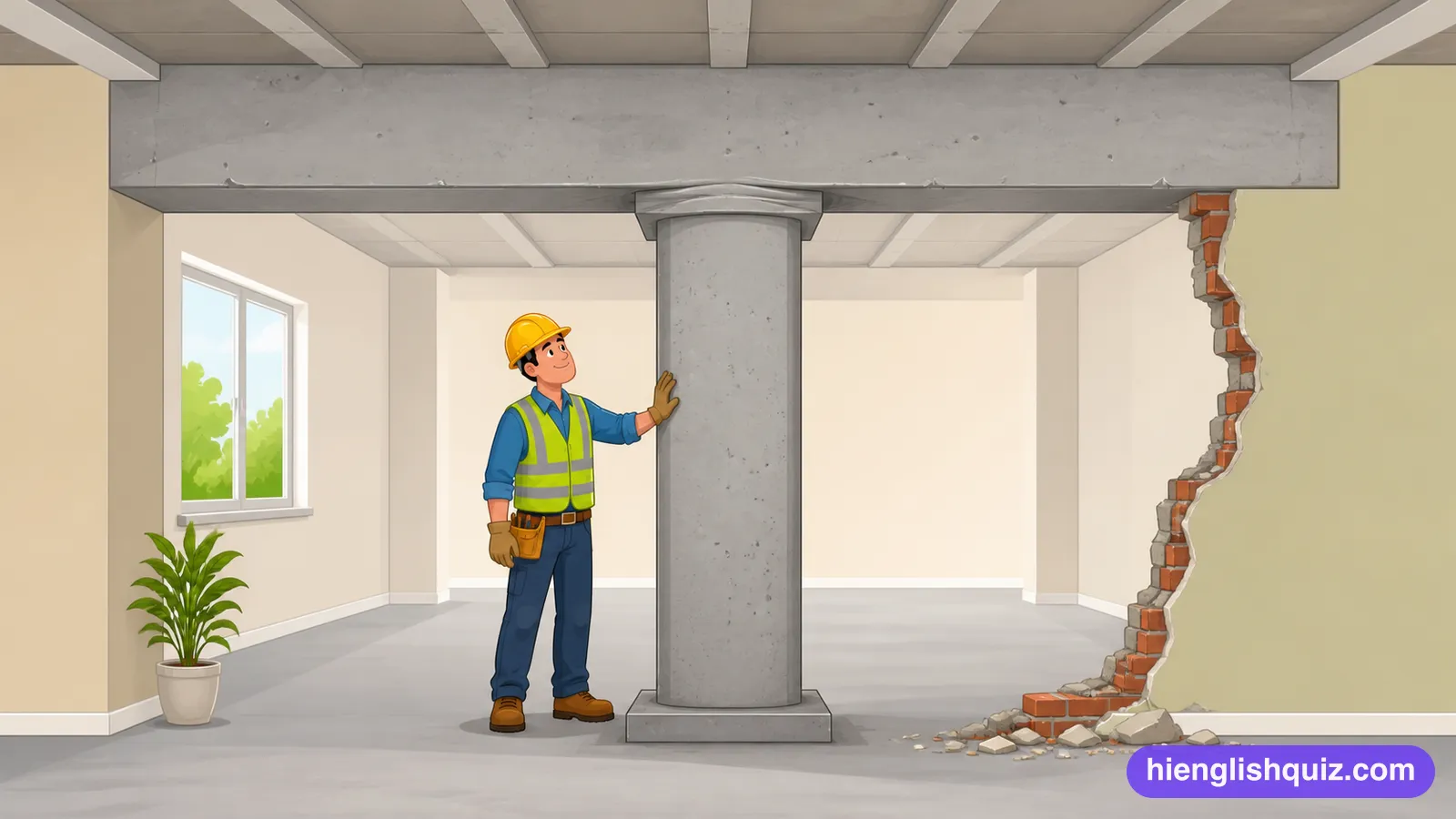
A court order that stops someone from doing a particular action.
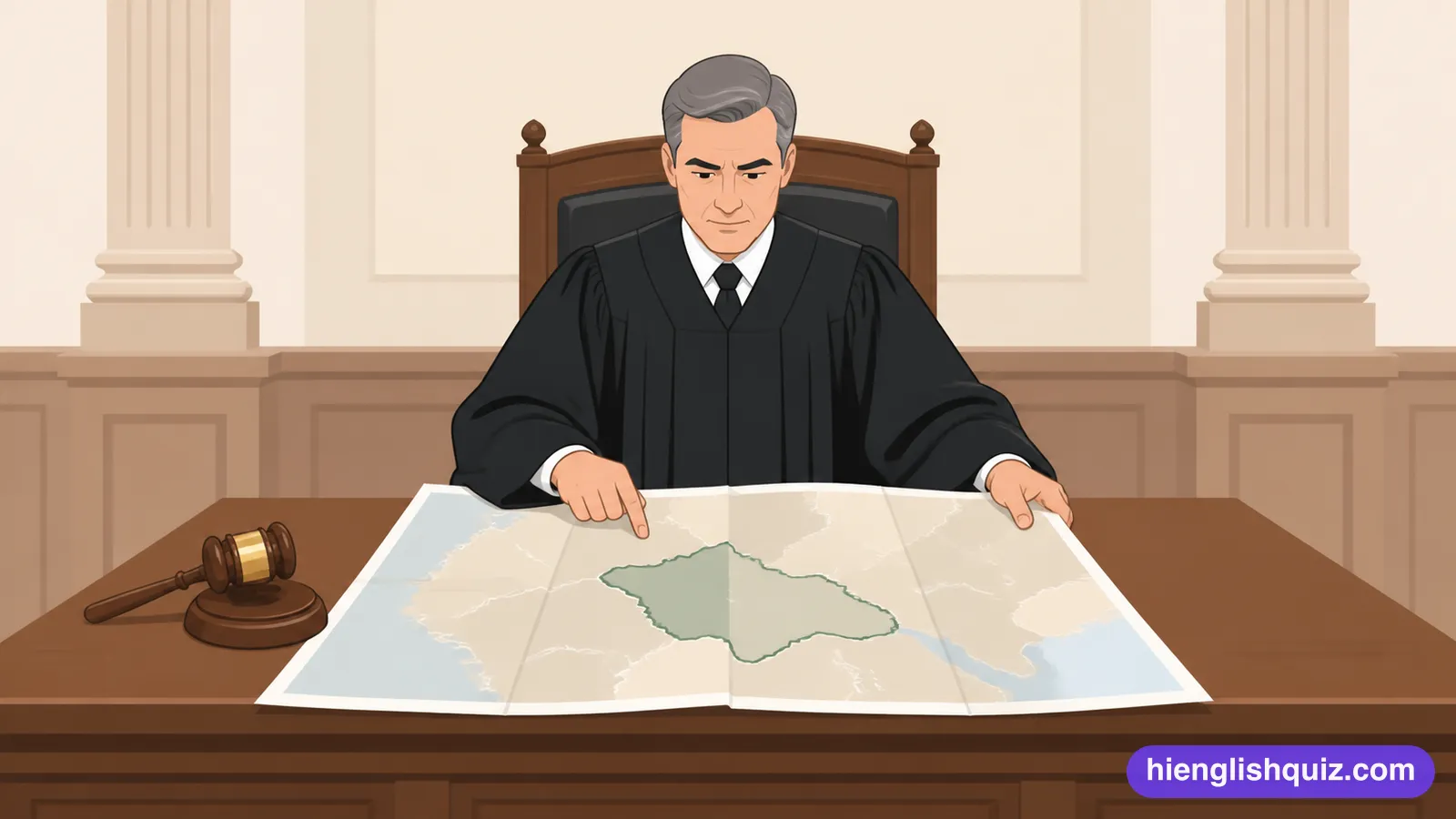
Example: The court granted an injunction to stop the demolition.
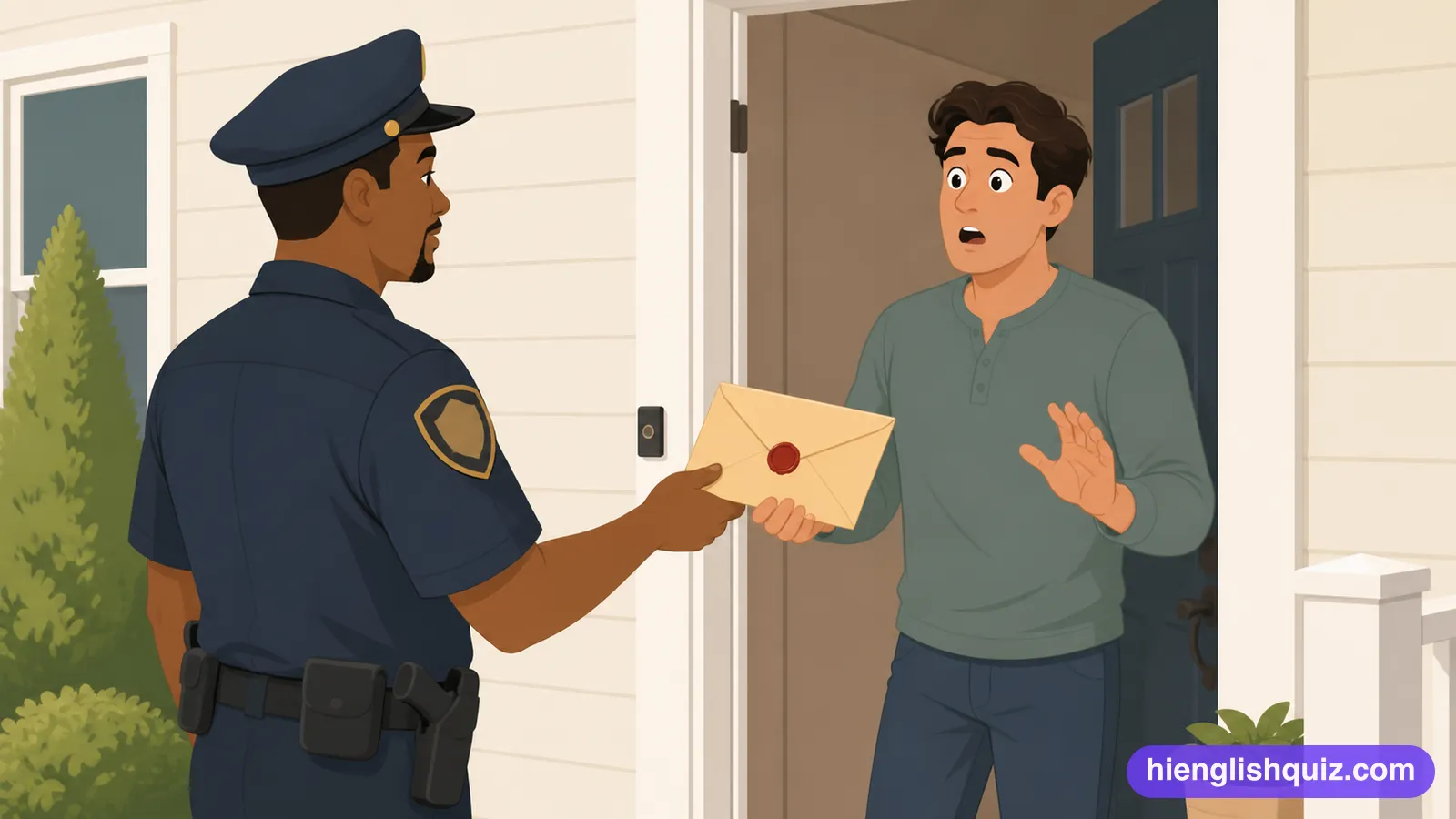
A legal document ordering someone to appear in court or provide evidence.
Example: He received a subpoena to testify next week.
A witness's sworn statement taken outside court, usually recorded for later use as evidence.
Example: Lawyers questioned her during a three-hour deposition.

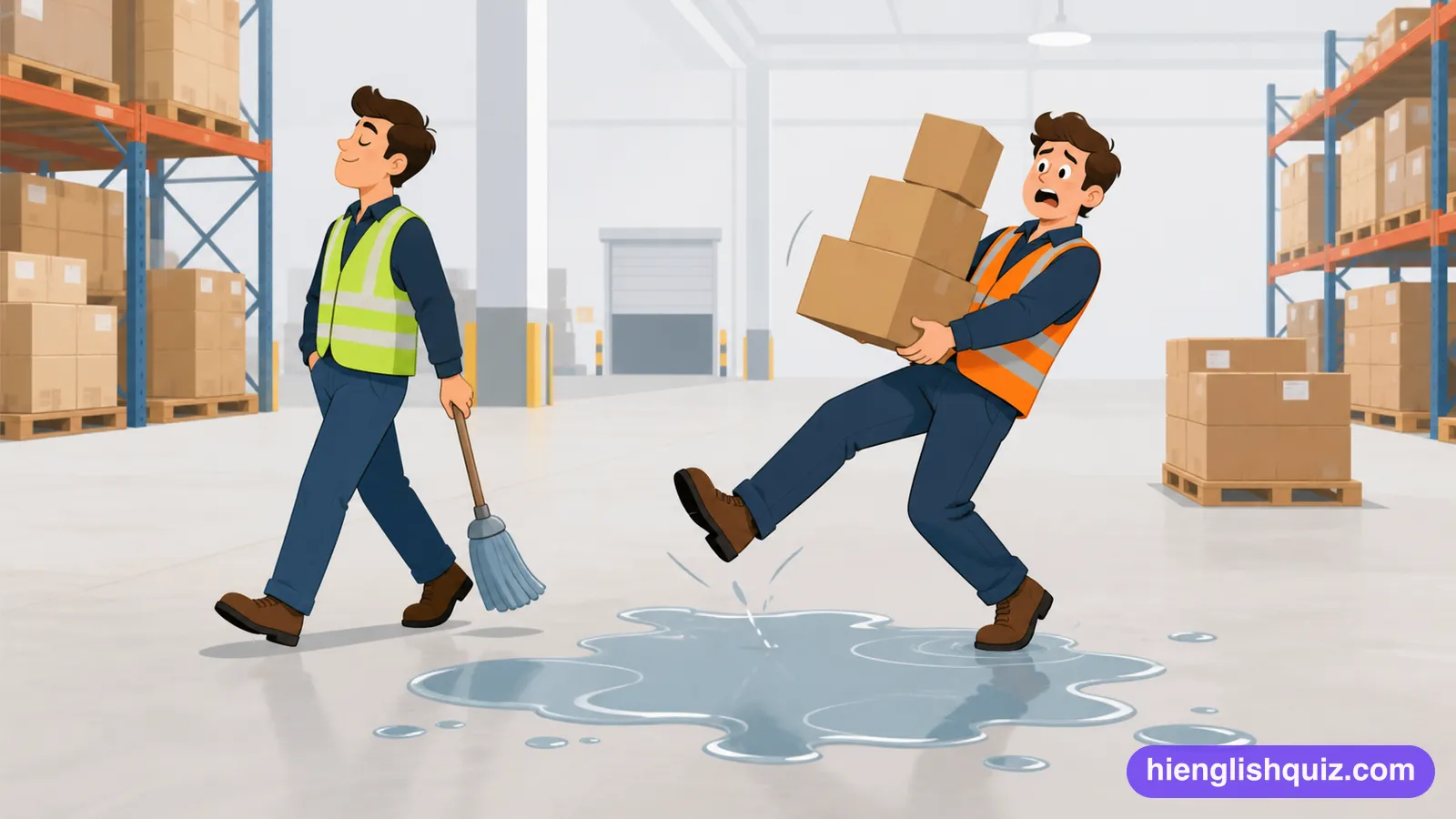
Failure to take reasonable care, causing harm or damage to someone else.
Example: The court found the company guilty of negligence.
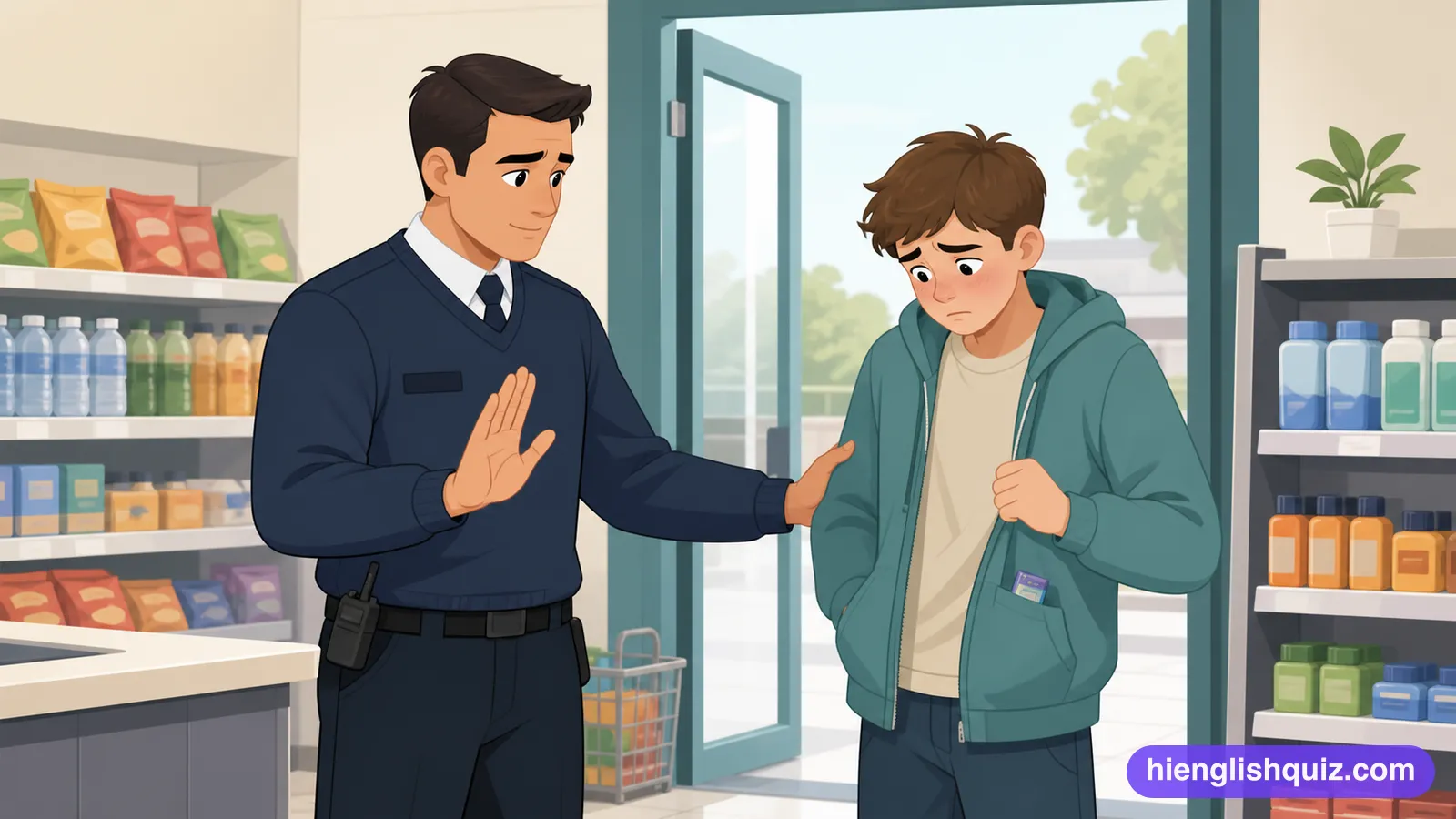
A criminal offence that is less serious than a felony.
Example: Shoplifting a small item was treated as a misdemeanour.
A wrongful act, other than a crime, that causes harm and can lead to a civil lawsuit.
Example: Her lawyer argued the case as a tort, not a crime.

Behaviour by a professional that breaks accepted rules or standards.
Example: The doctor was suspended for professional misconduct.

The act of breaking a law, rule or agreement.
Example: The court ruled it was a clear breach of contract.

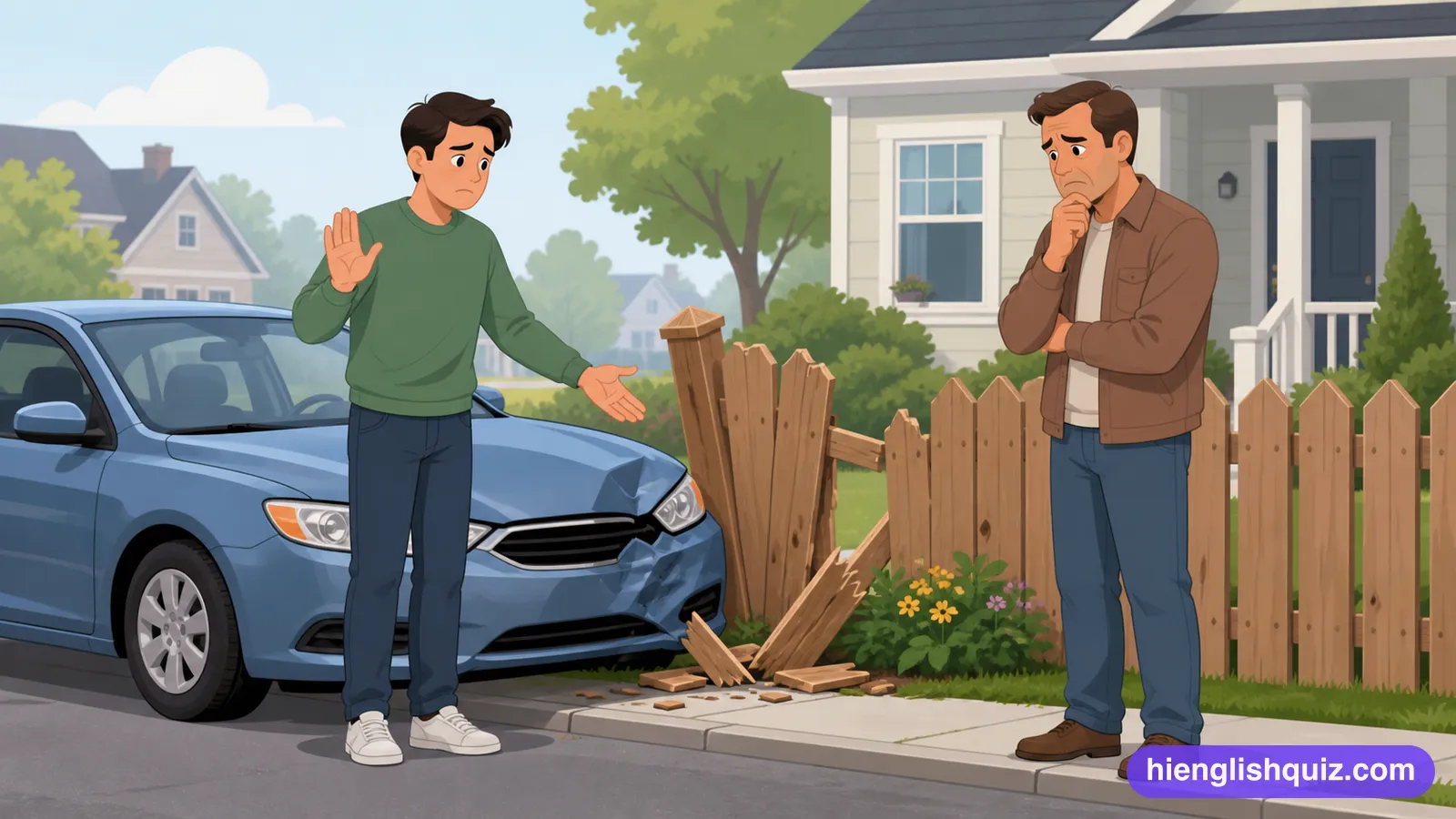
Legally responsible for a loss, debt or harm caused to someone else.
Example: The driver was found liable for the damage to the fence.
An agreement that ends a legal dispute, often involving a payment.
Example: The two companies reached a settlement just before the trial began.

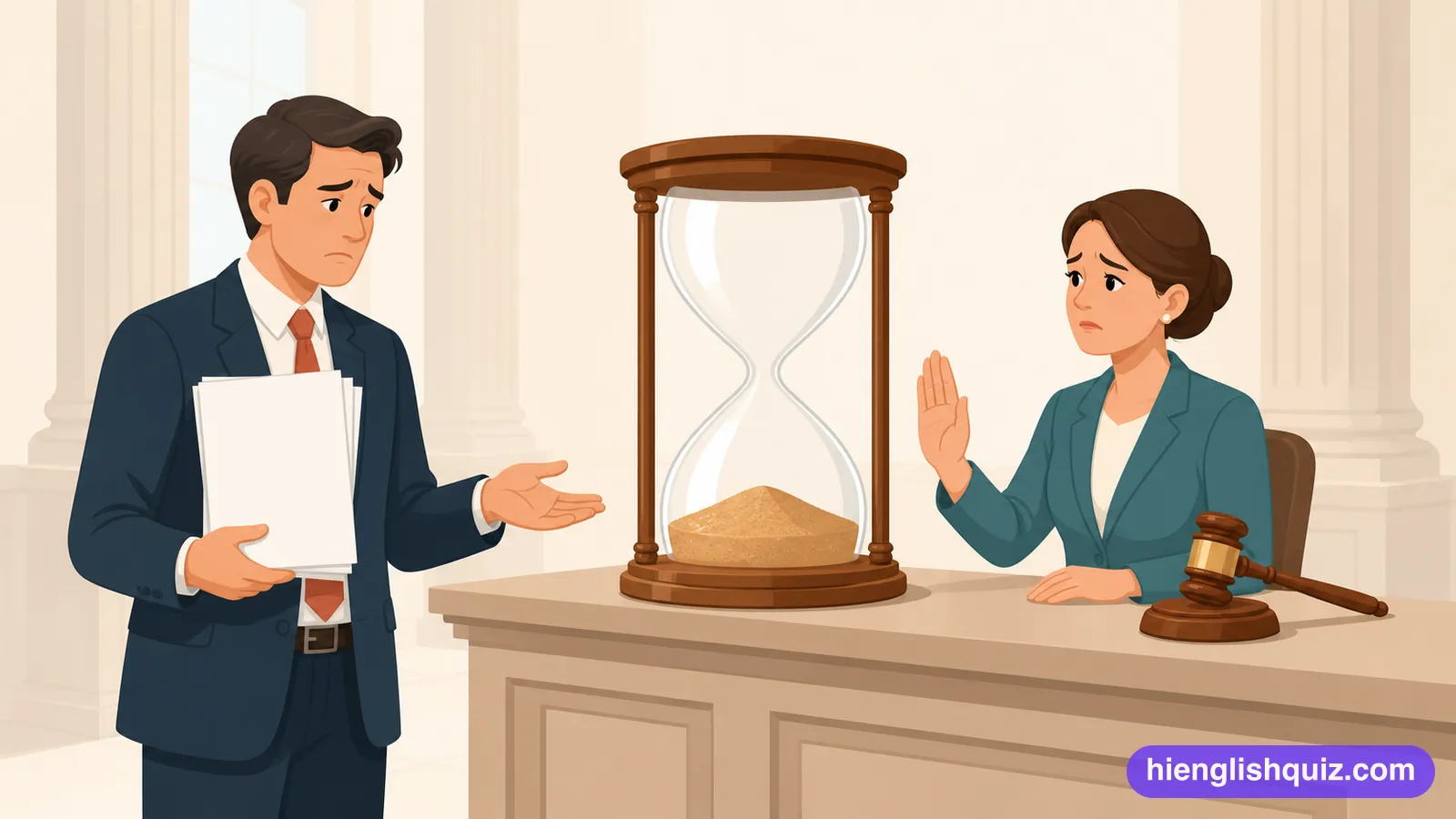
The time limit within which a legal claim must be brought.
Example: The statute of limitations had run out by eleven days.
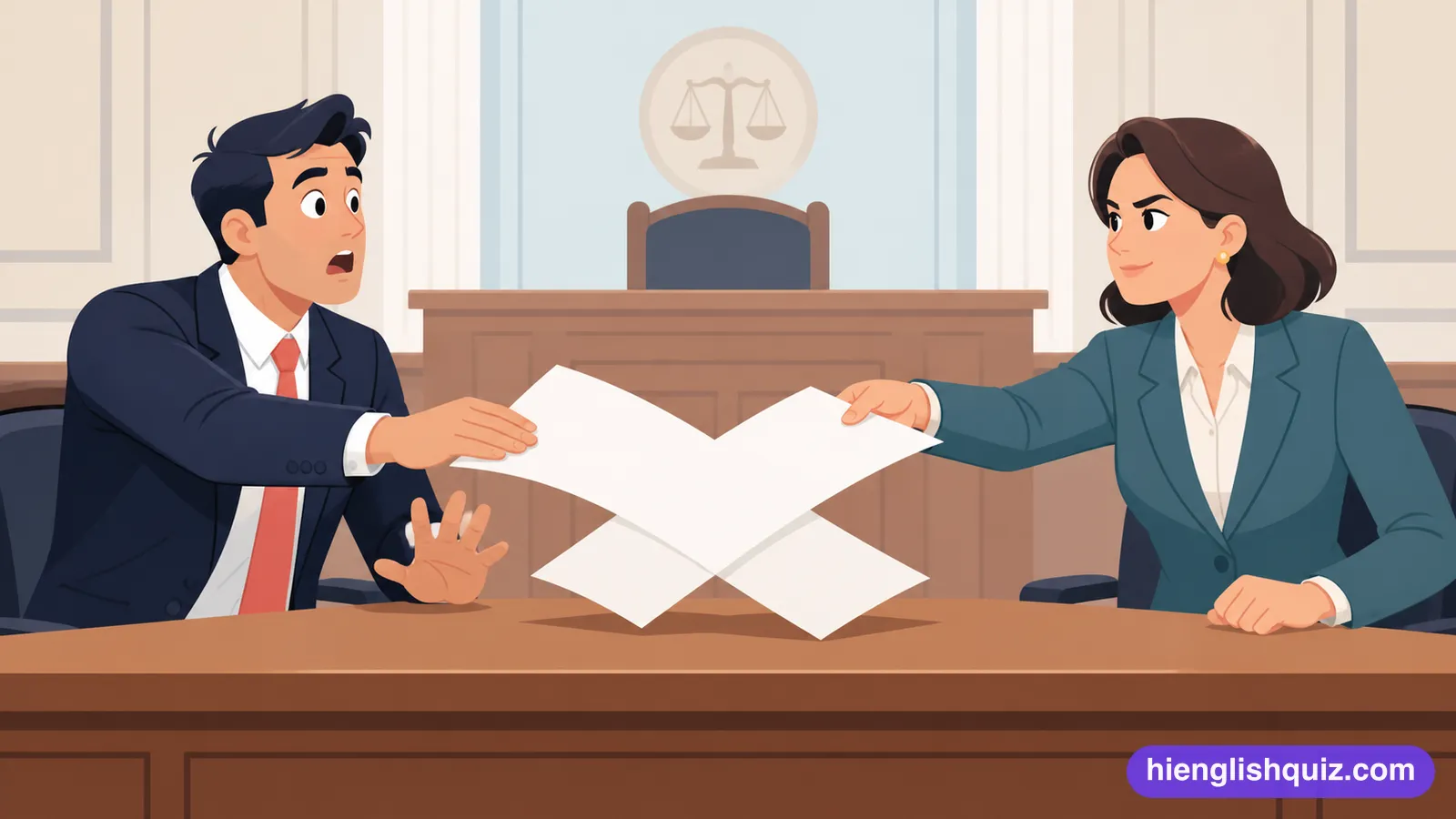
A claim made by a defendant against the person suing them.
Example: The counterclaim was larger than the original action.
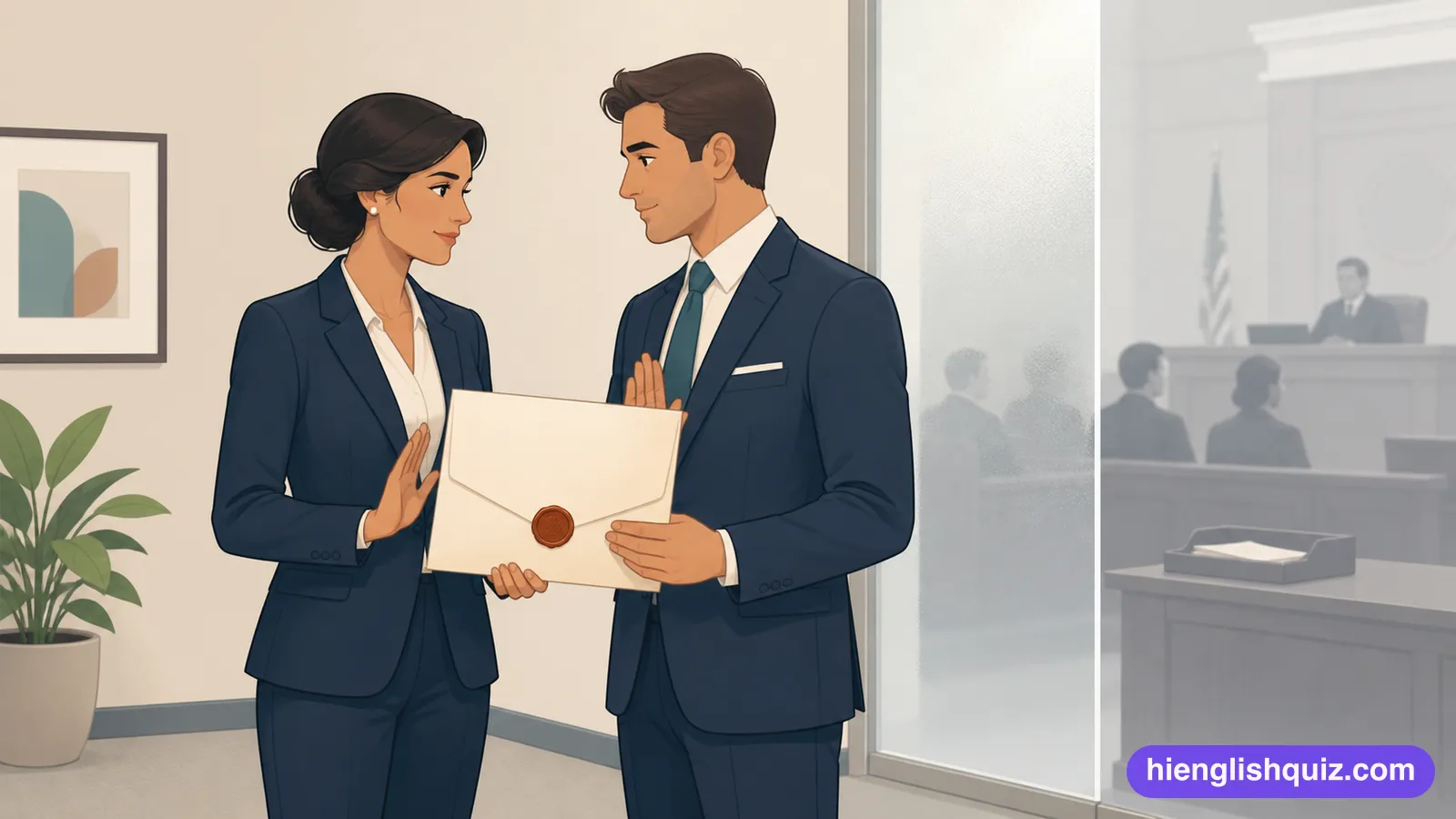
Said of a communication that cannot be used as evidence later.
Example: The letter was marked without prejudice and quoted anyway.
To agree to pay for another party's losses.
Example: The contract asks the supplier to indemnify the buyer entirely.

Legal authority to act on someone else's behalf.
Example: Power of attorney was granted three weeks before it was needed.

The handing over of documents to the other side in a case.
Example: Disclosure produced eleven boxes and one useful email.