estoppel
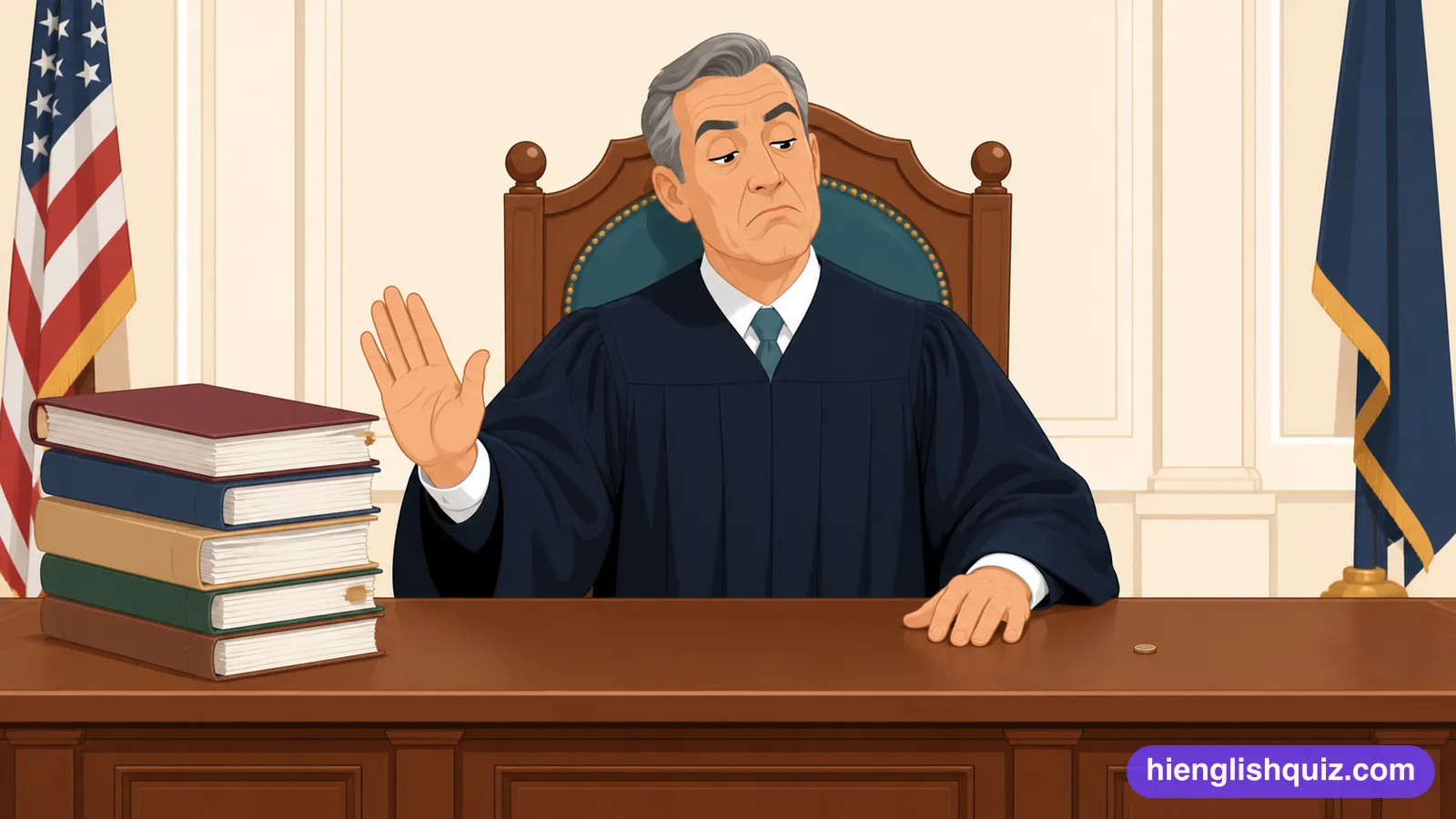
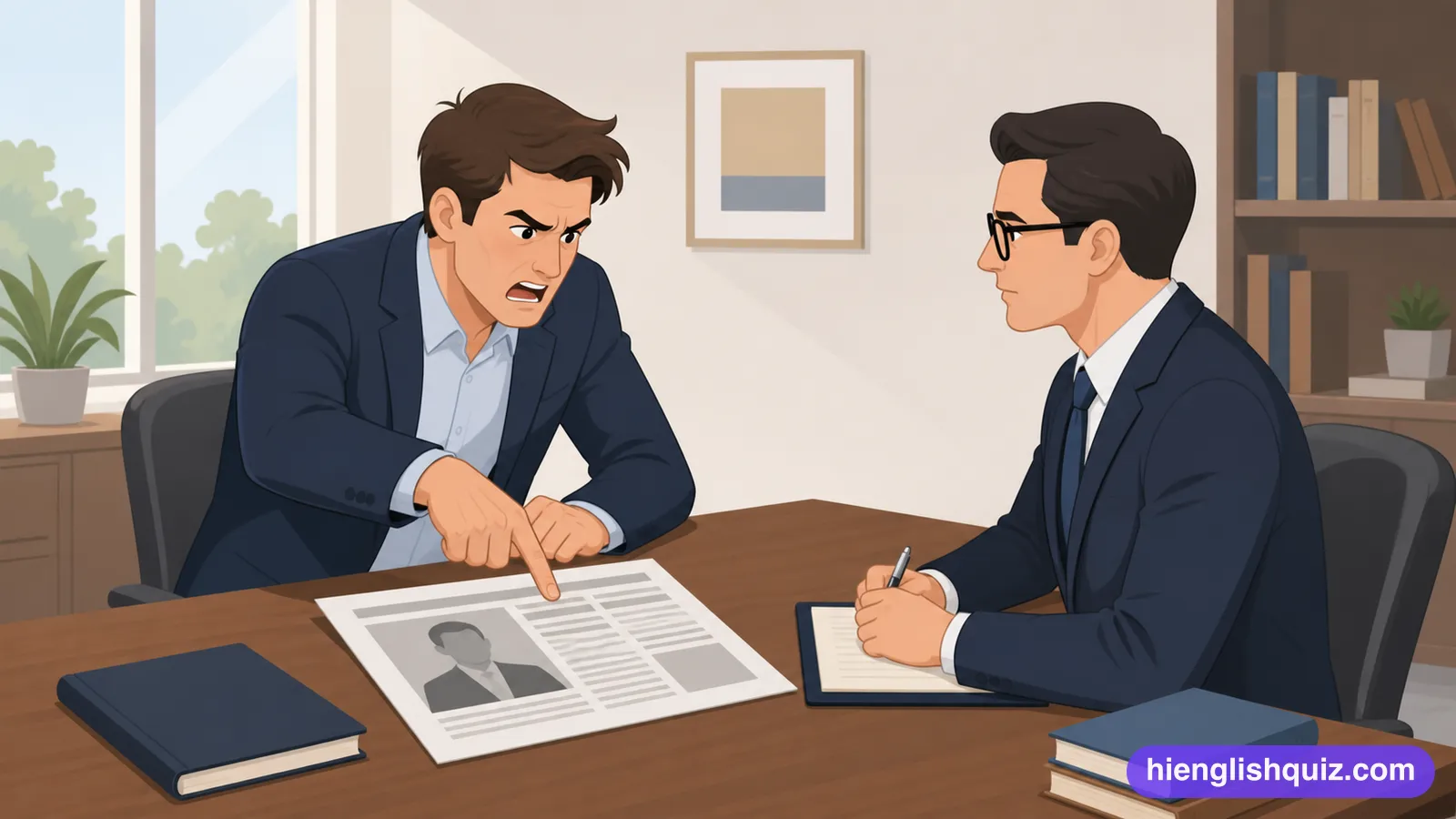
A legal rule that stops someone from arguing something that contradicts what they previously said or did.
Example: The doctrine of estoppel stopped him from denying the earlier agreement.
 Hi EnglishQuiz
C222 words · Proficient
Expert legal English for case law and liability, including estoppel, a prima facie case, mens rea and the vicarious liability at the centre of modern jurisprudence.
A legal rule that stops someone from arguing something that contradicts what they previously said or did.
Example: The doctrine of estoppel stopped him from denying the earlier agreement.
The degree to which someone is responsible or to blame for a wrongful act.
Example: The report assessed each driver's culpability for the crash.
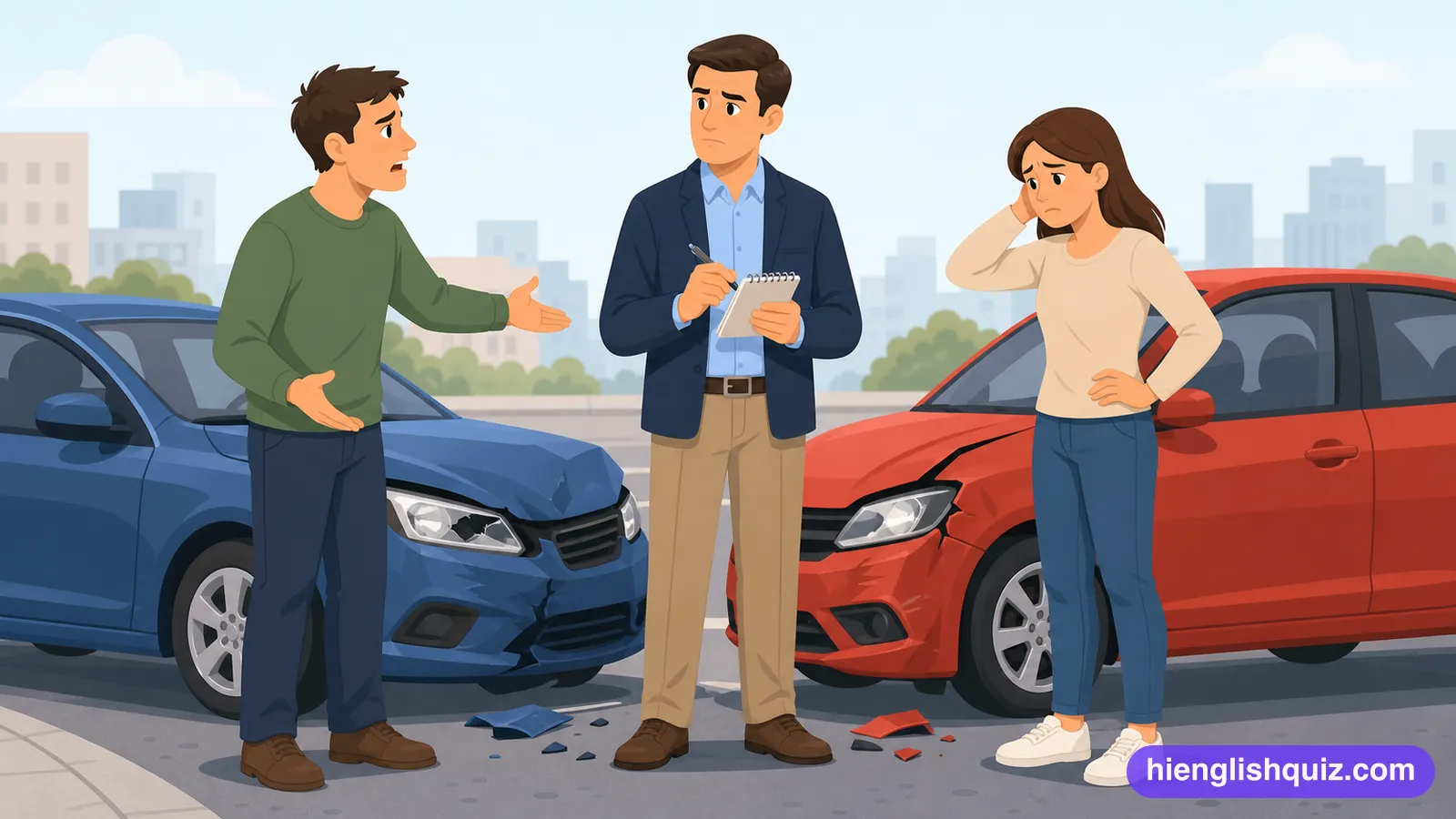
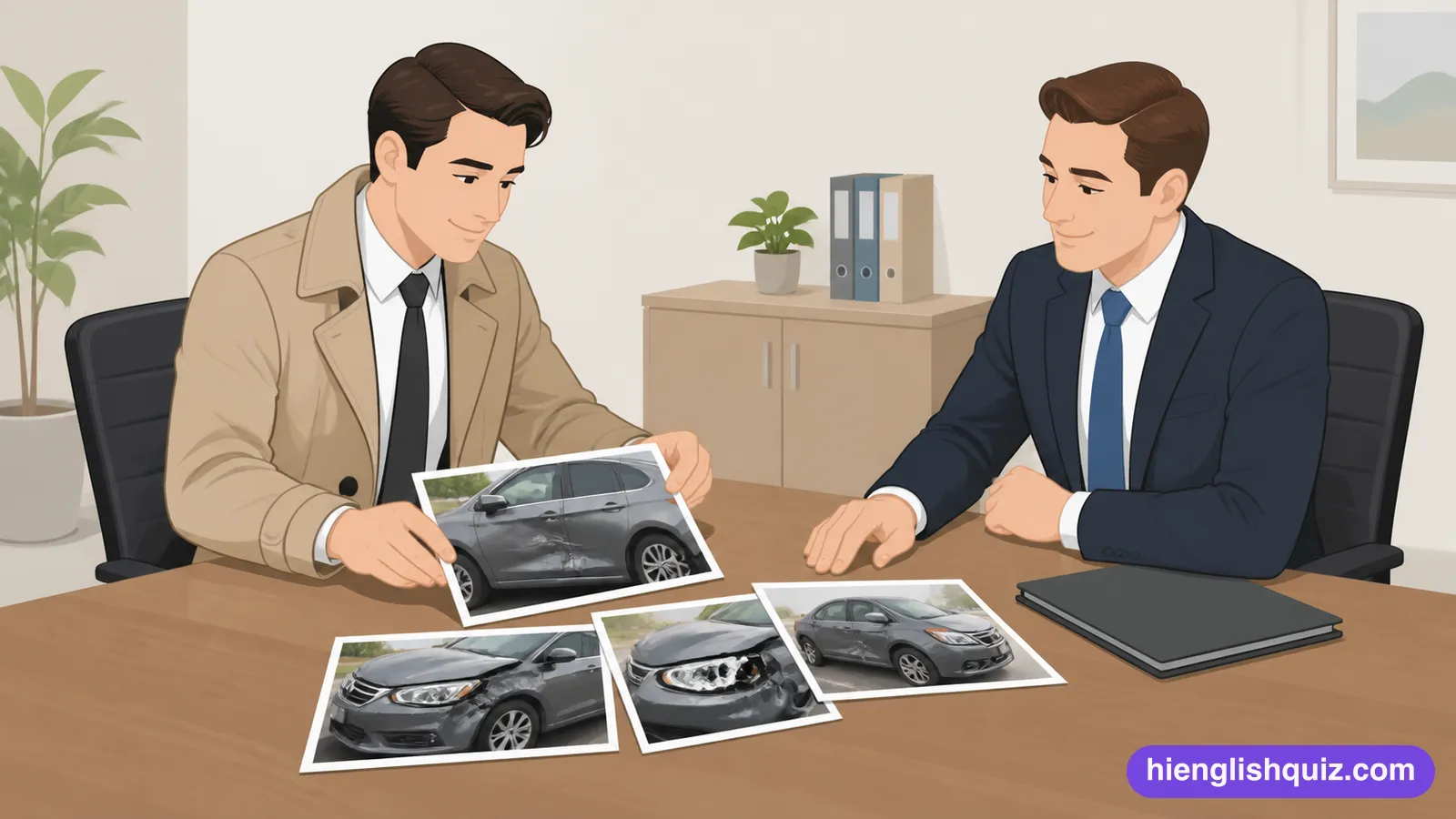
Describes evidence that is strong enough to prove a case unless it is later disproved.
Example: The photographs gave prima facie evidence of the damage.
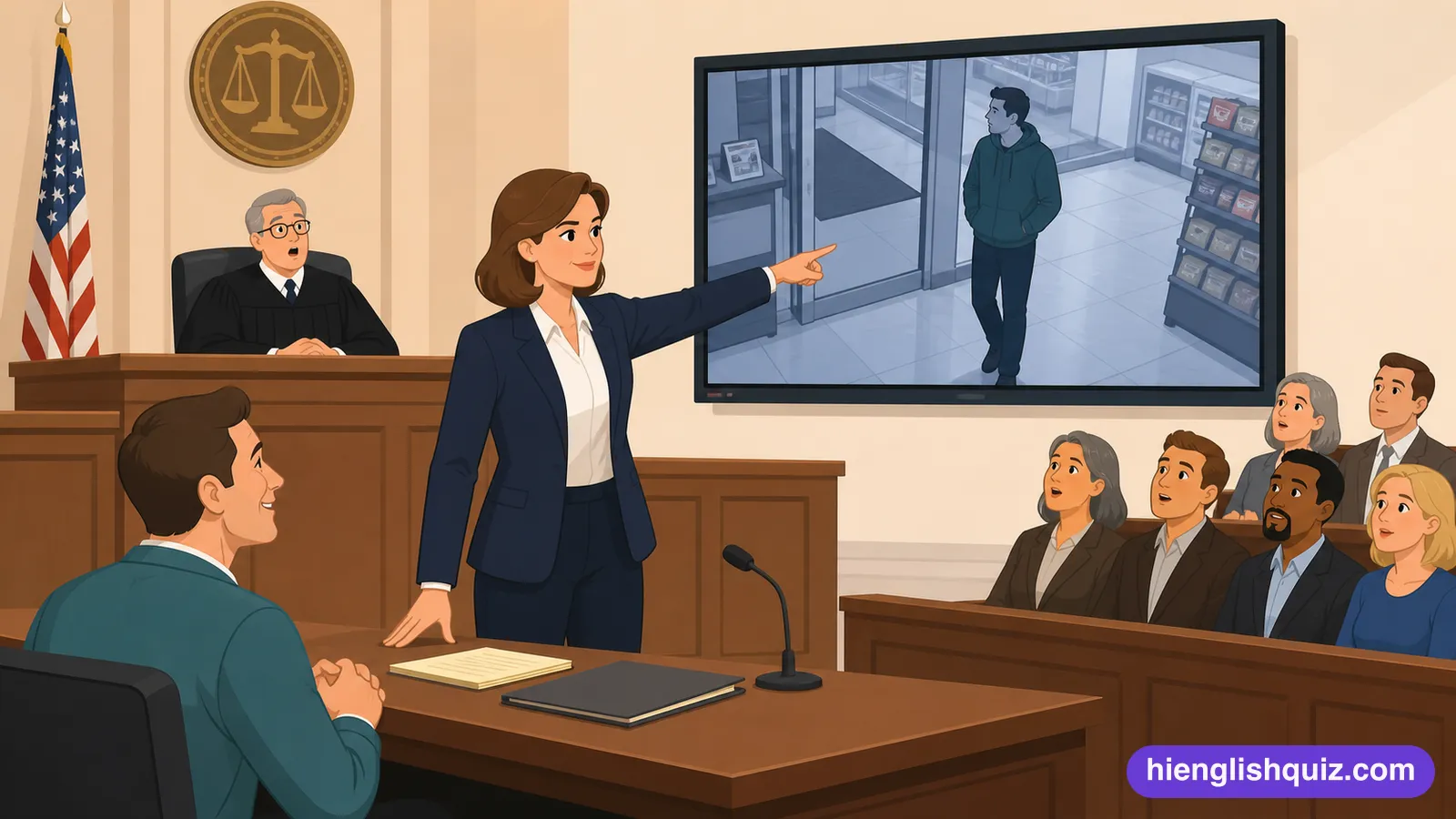
Describes evidence that tends to show someone is not guilty.
Example: The lawyer presented exculpatory evidence in his client's defence.
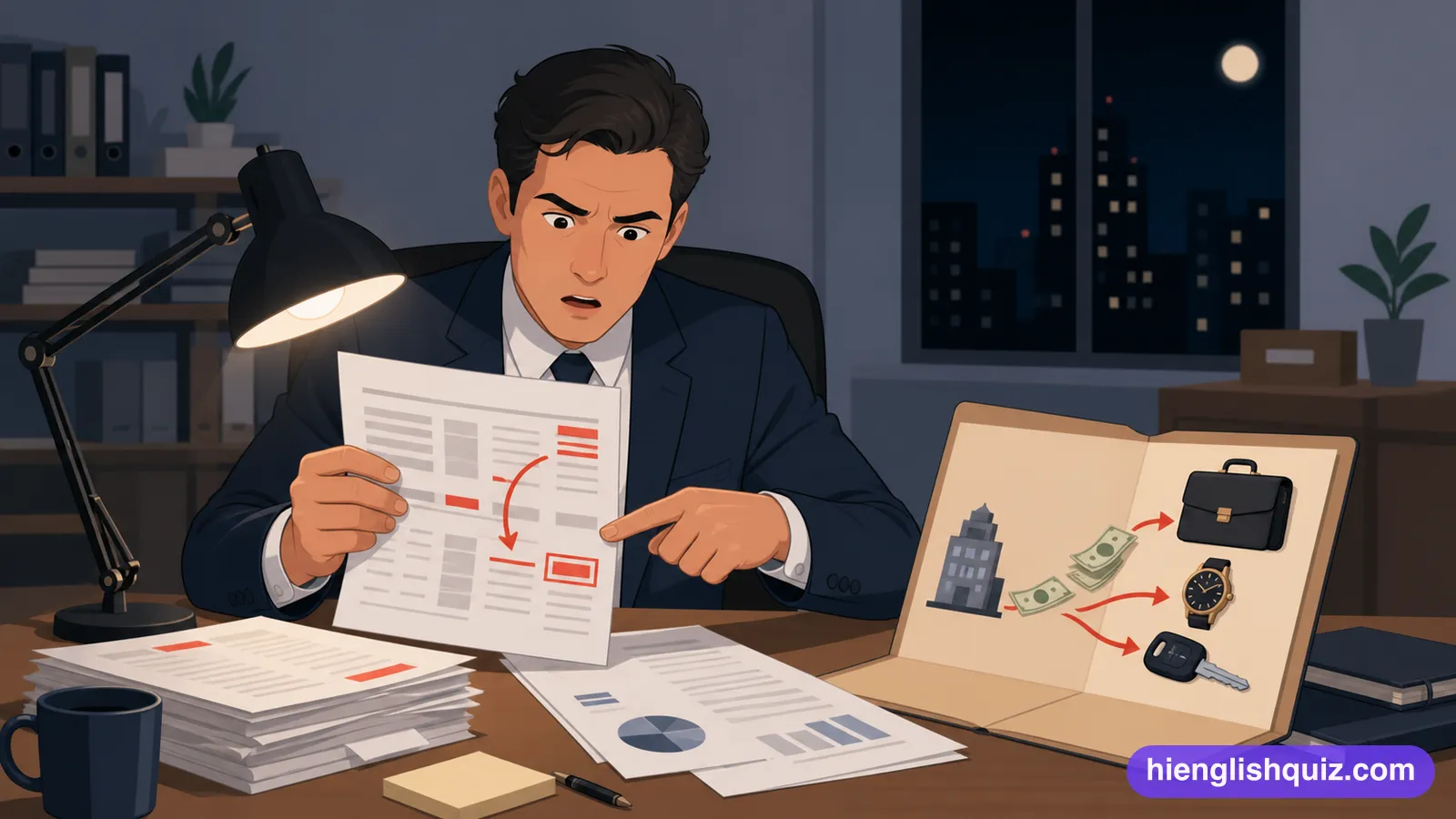
Wrongdoing, especially by a public official or a person in a position of trust.
Example: The audit uncovered evidence of financial malfeasance.
Describes someone who is quick to take legal action, or an environment where lawsuits are common.
Example: The industry has become increasingly litigious in recent years.
The theory and philosophy of law, or a body of legal decisions on a subject.
Example: The professor specialises in constitutional jurisprudence.
A legal rule that a case already finally decided cannot be tried again.
Example: The judge dismissed the second lawsuit under res judicata.
When a judge steps aside from a case because of a conflict of interest.
Example: The judge's recusal meant a new judge had to be assigned.
A brief filed by someone not part of a case, offering the court relevant expertise.
Example: Several universities filed an amicus curiae brief supporting the appeal.
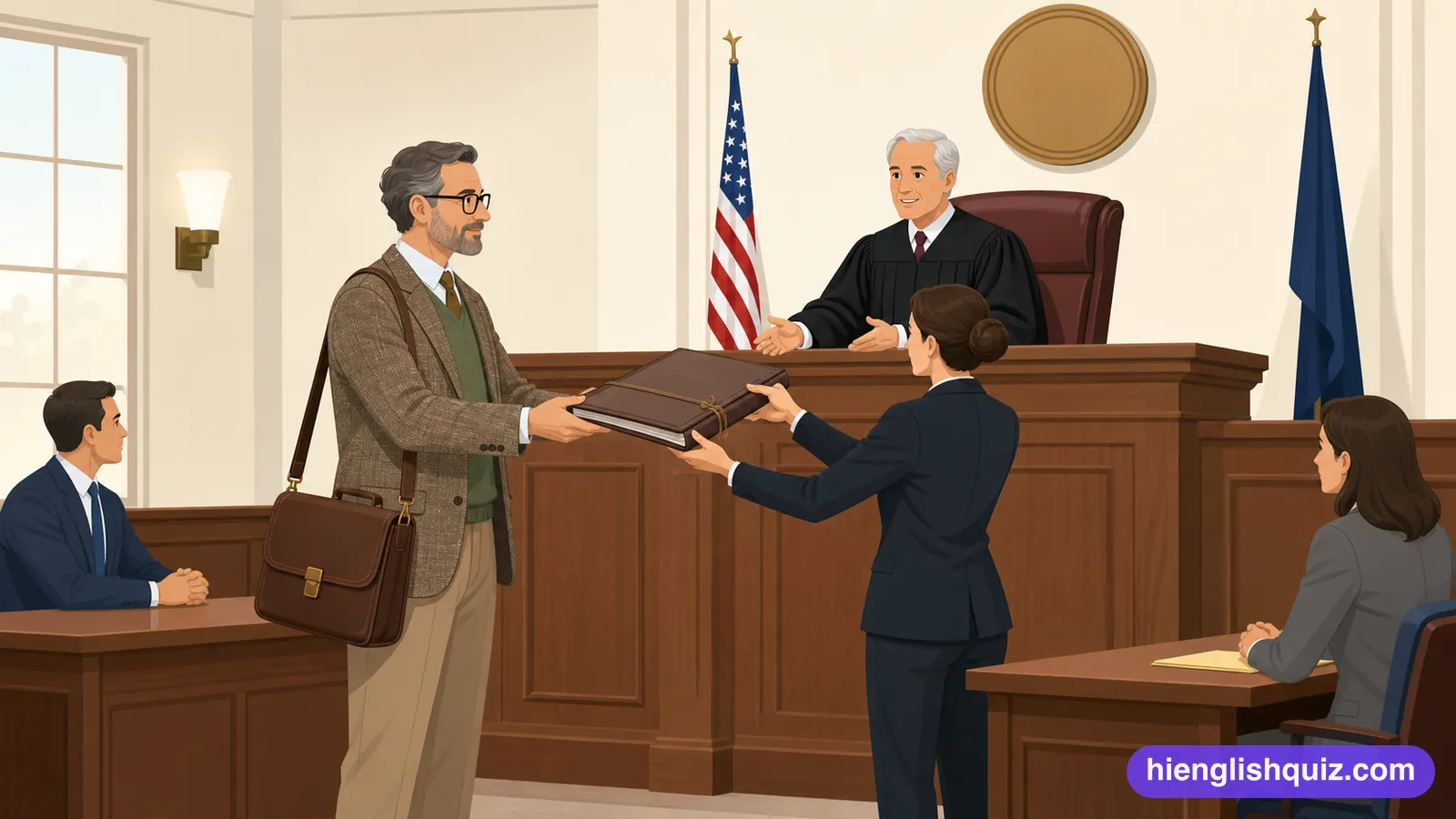
Beyond the legal power of the person or body acting.
Example: The decision was ultra vires and had to be taken again properly.
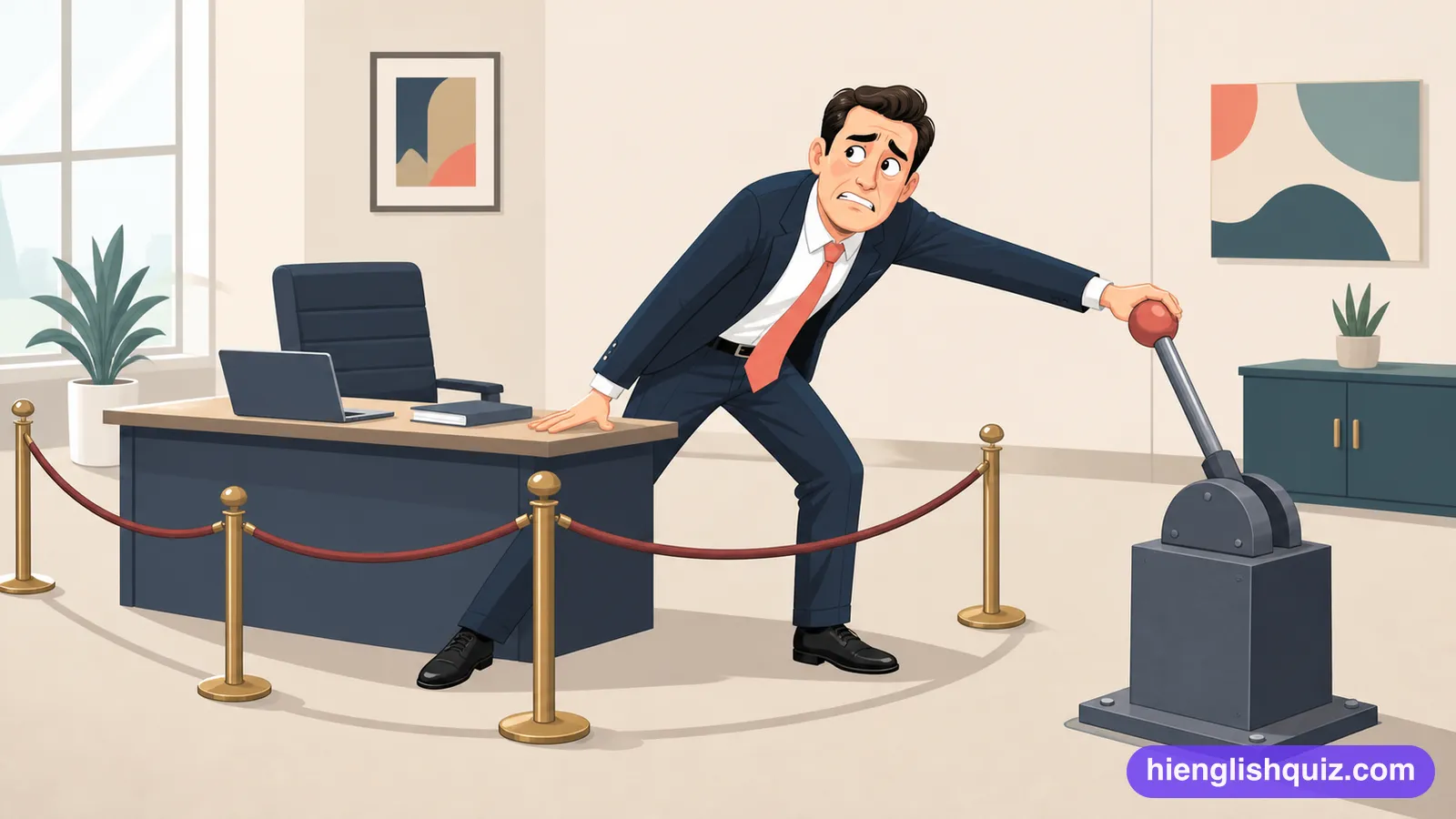
The guilty state of mind needed for a criminal offence.
Example: Without mens rea the prosecution had nothing.
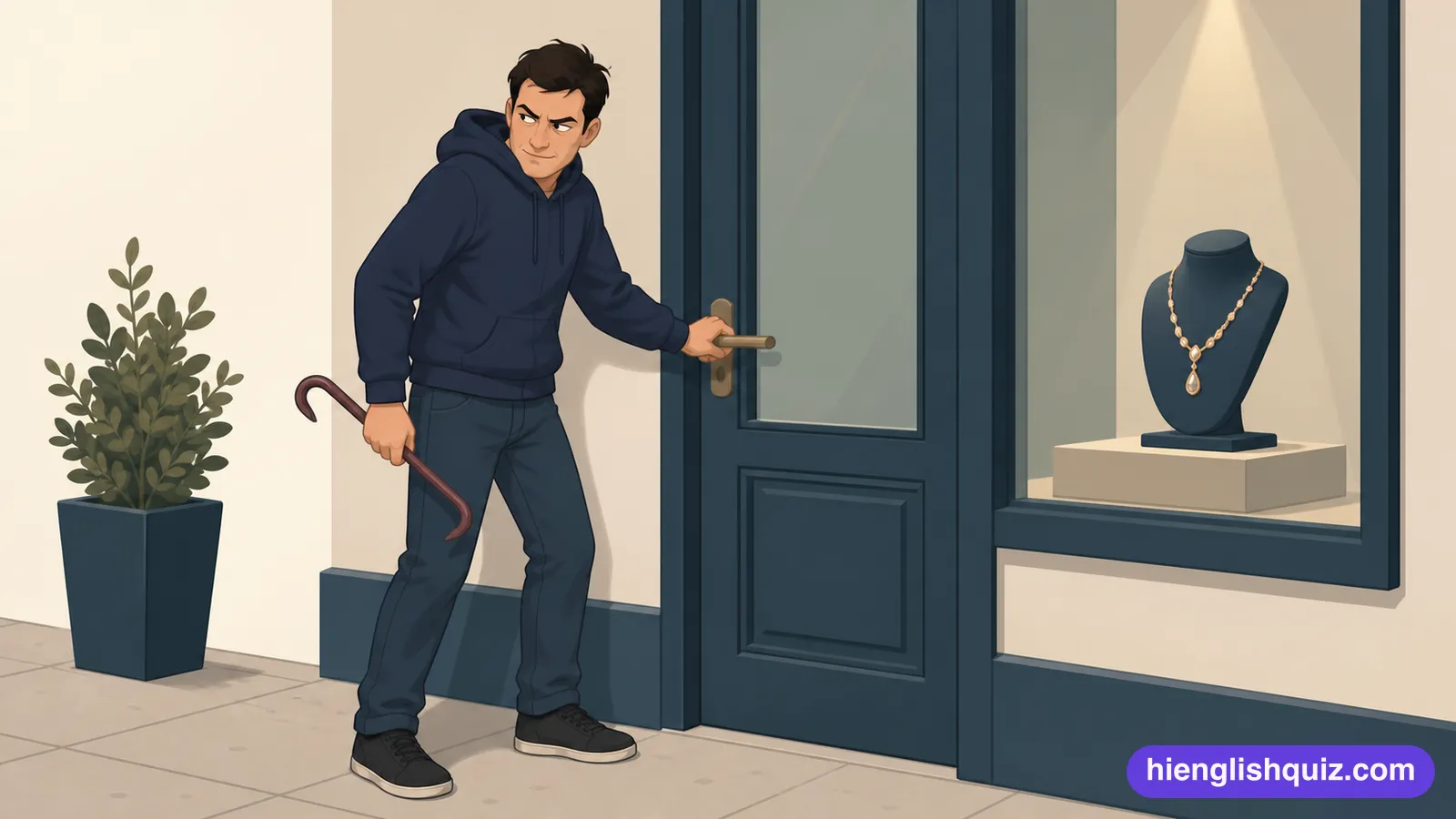
The physical act that makes up a criminal offence.
Example: Both the actus reus and the intention had to be proved.
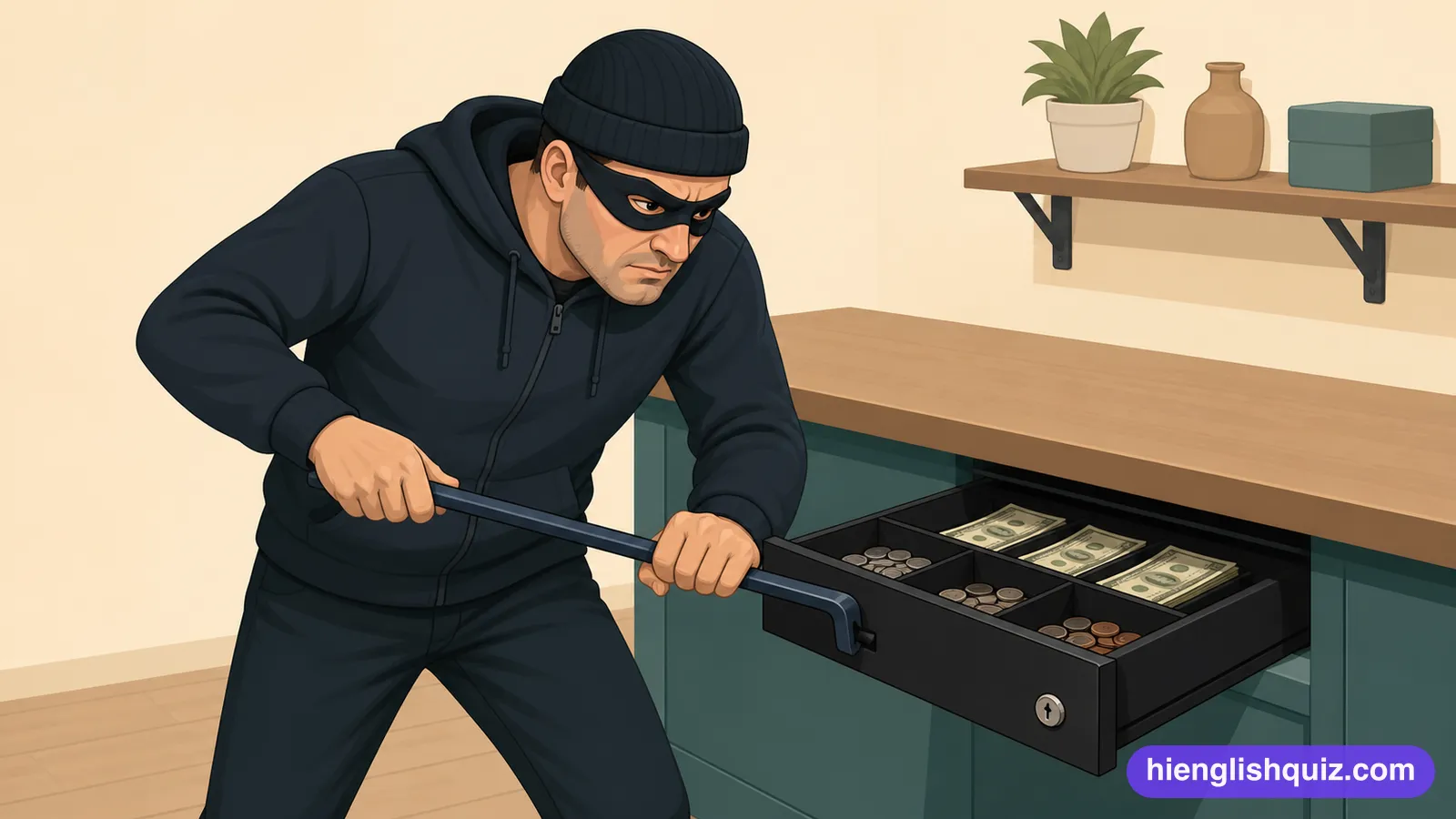
Responsibility that applies whether or not there was fault.
Example: Under strict liability the intention makes no difference at all.
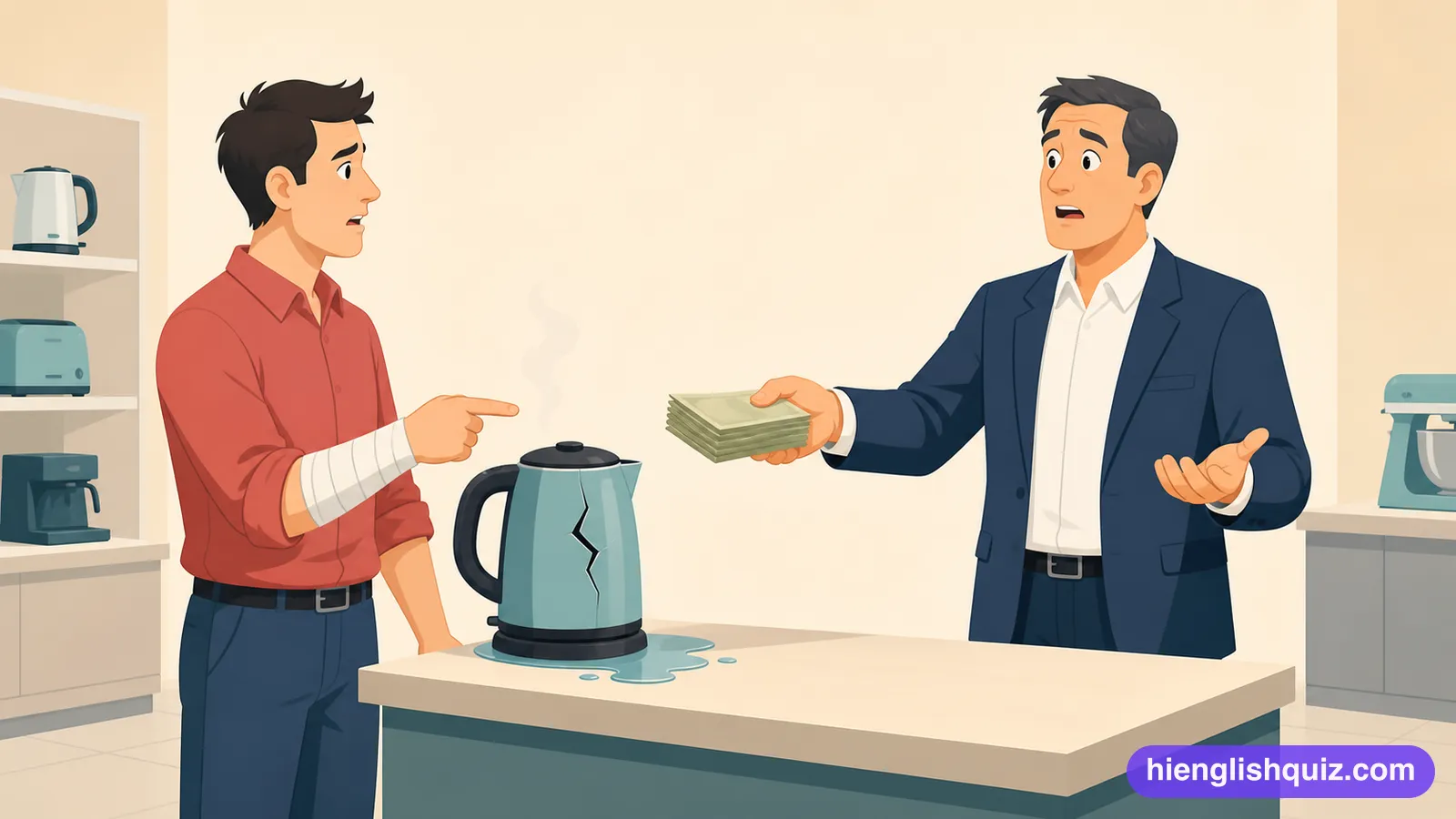
Responsibility for what an employee did in the course of work.
Example: Vicarious liability put the whole claim onto the company.
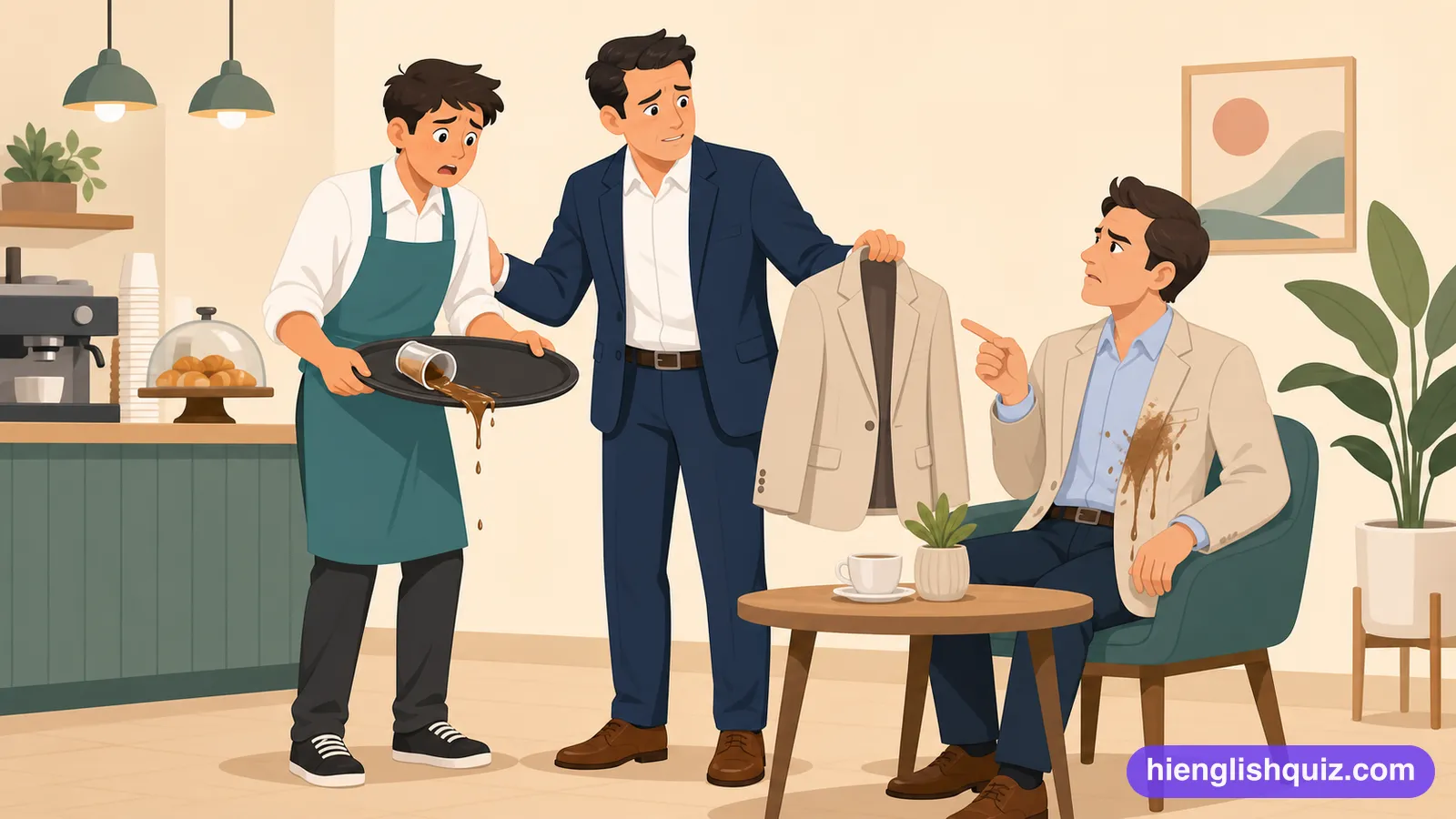
The loss of a legal right through unreasonable delay in claiming.
Example: The defence of laches succeeded after eleven years of silence.
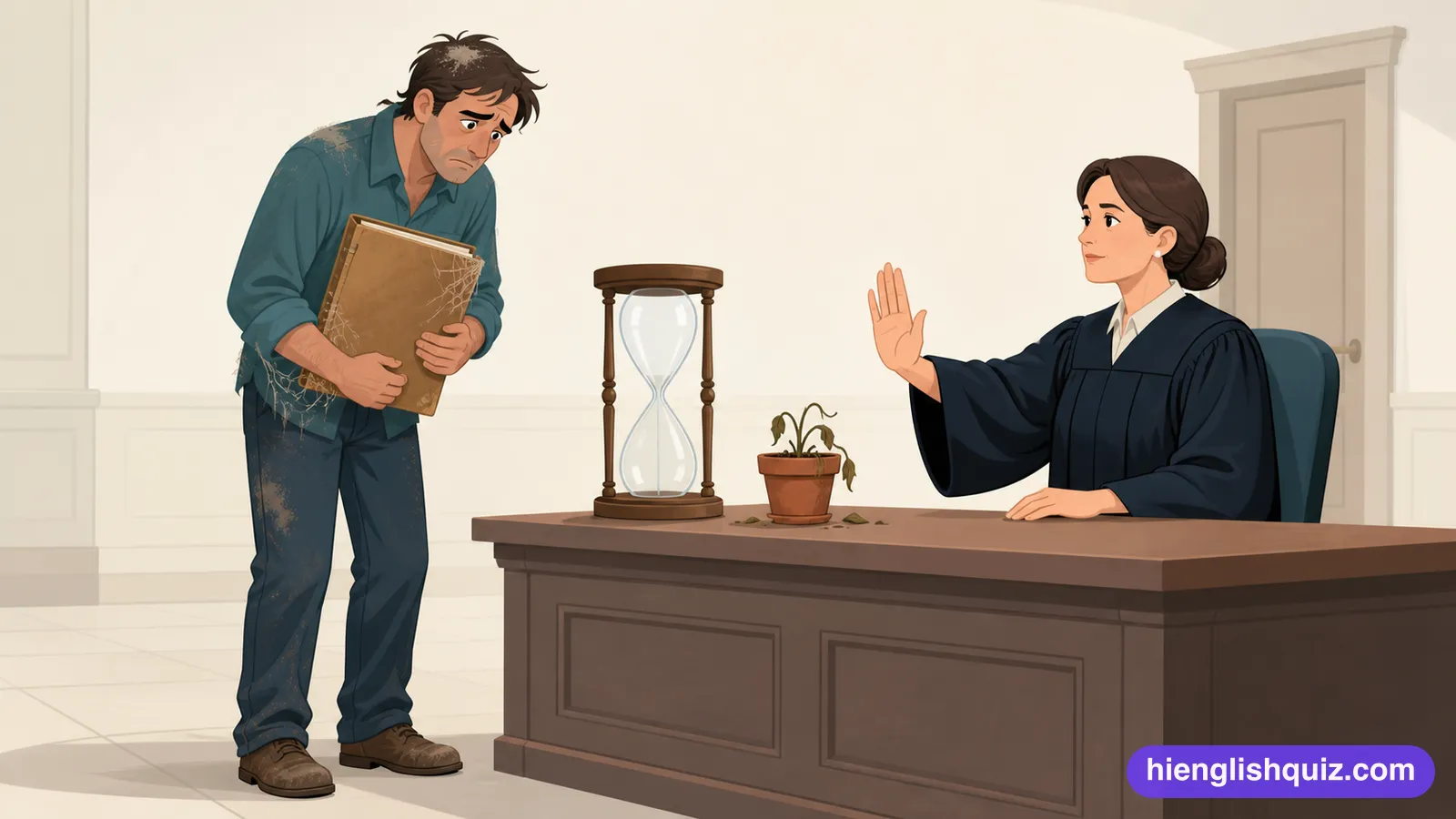
An insurer's right to pursue whoever caused the loss.
Example: Subrogation meant the insurer sued in the customer's name.
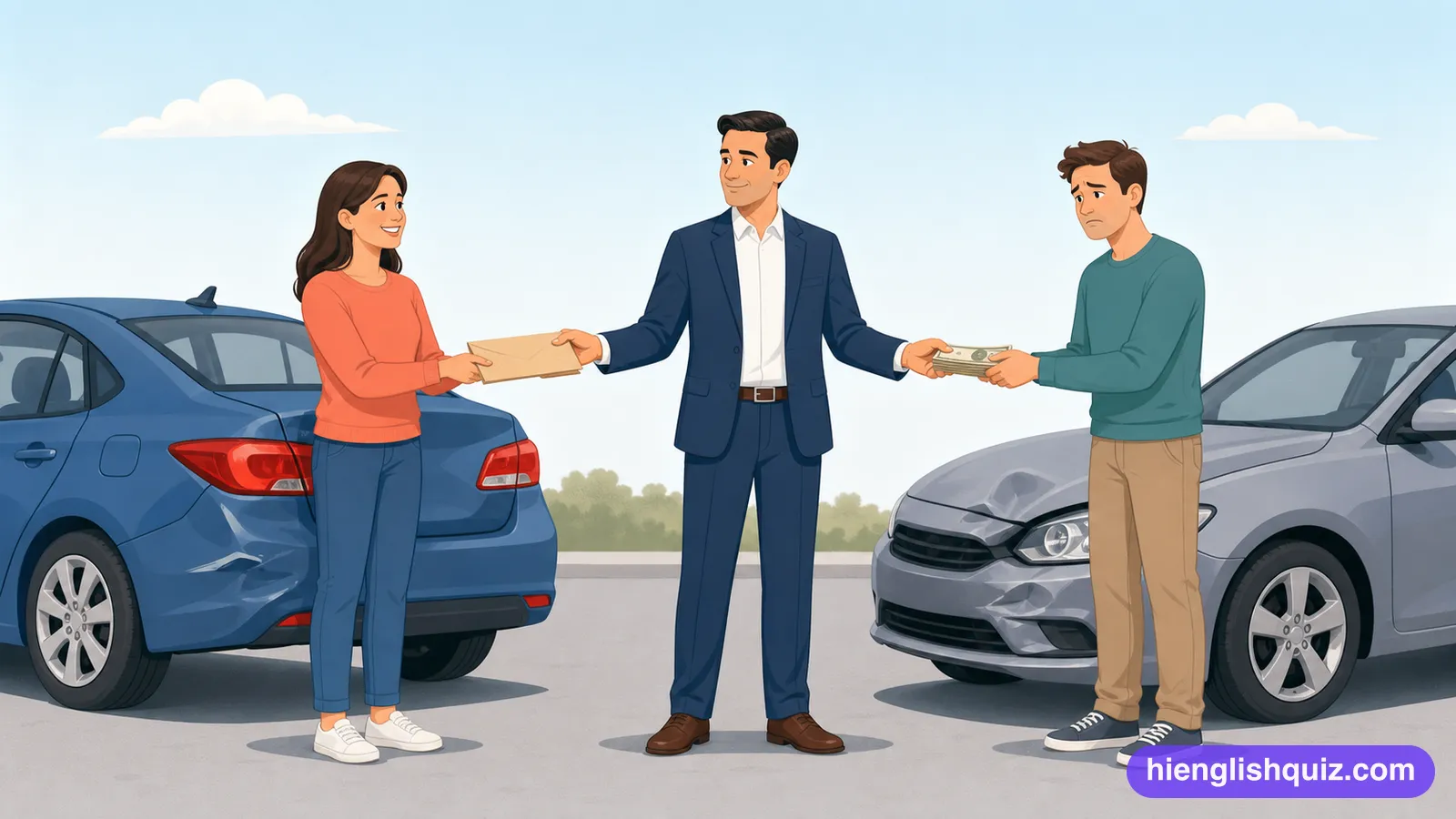
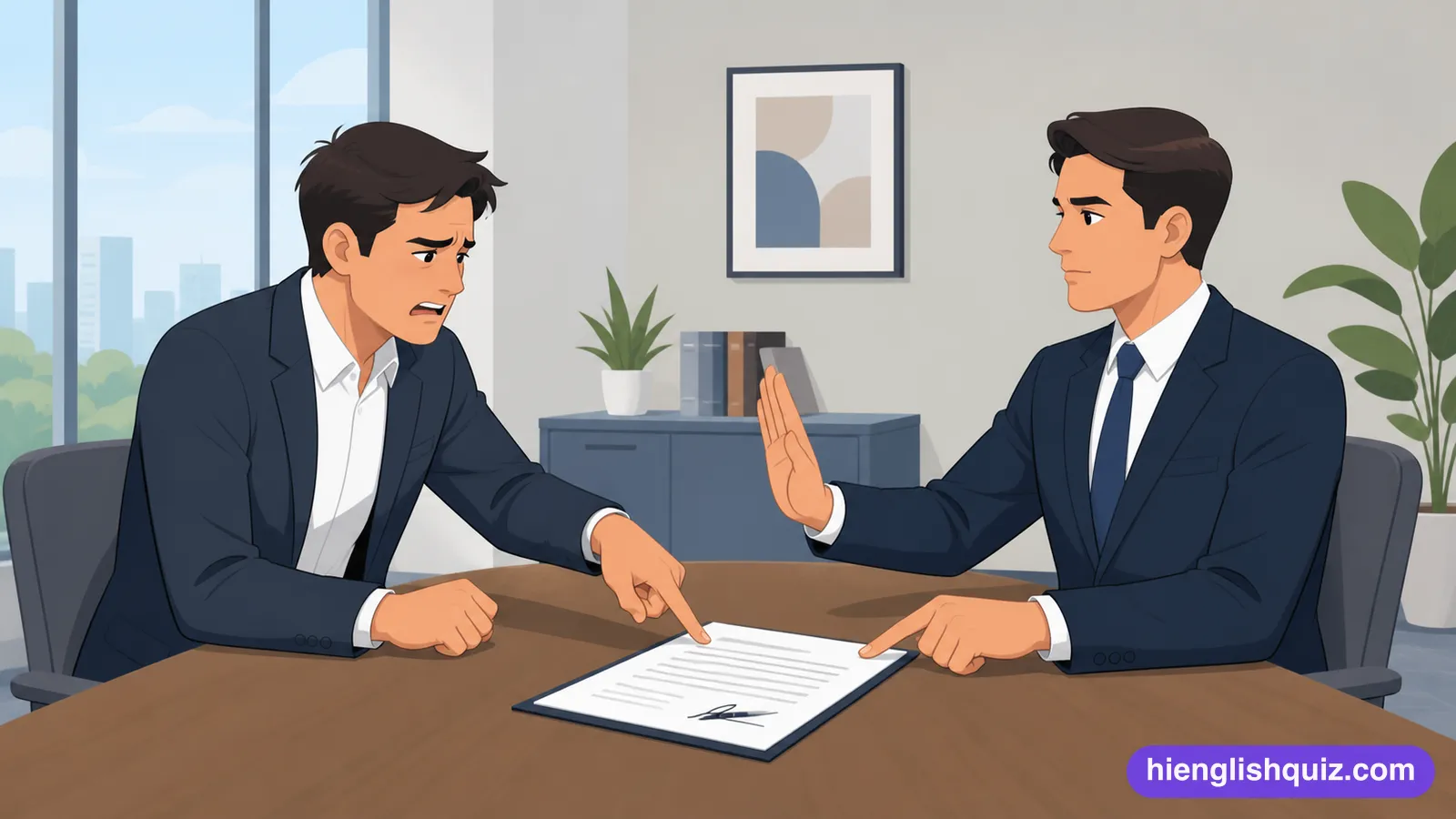
The rule that only the parties to a contract can enforce it.
Example: Privity of contract stopped the tenant suing the builder directly.

Transferred with no right to claim back if it goes wrong.
Example: The debt was sold without recourse and the discount showed it.
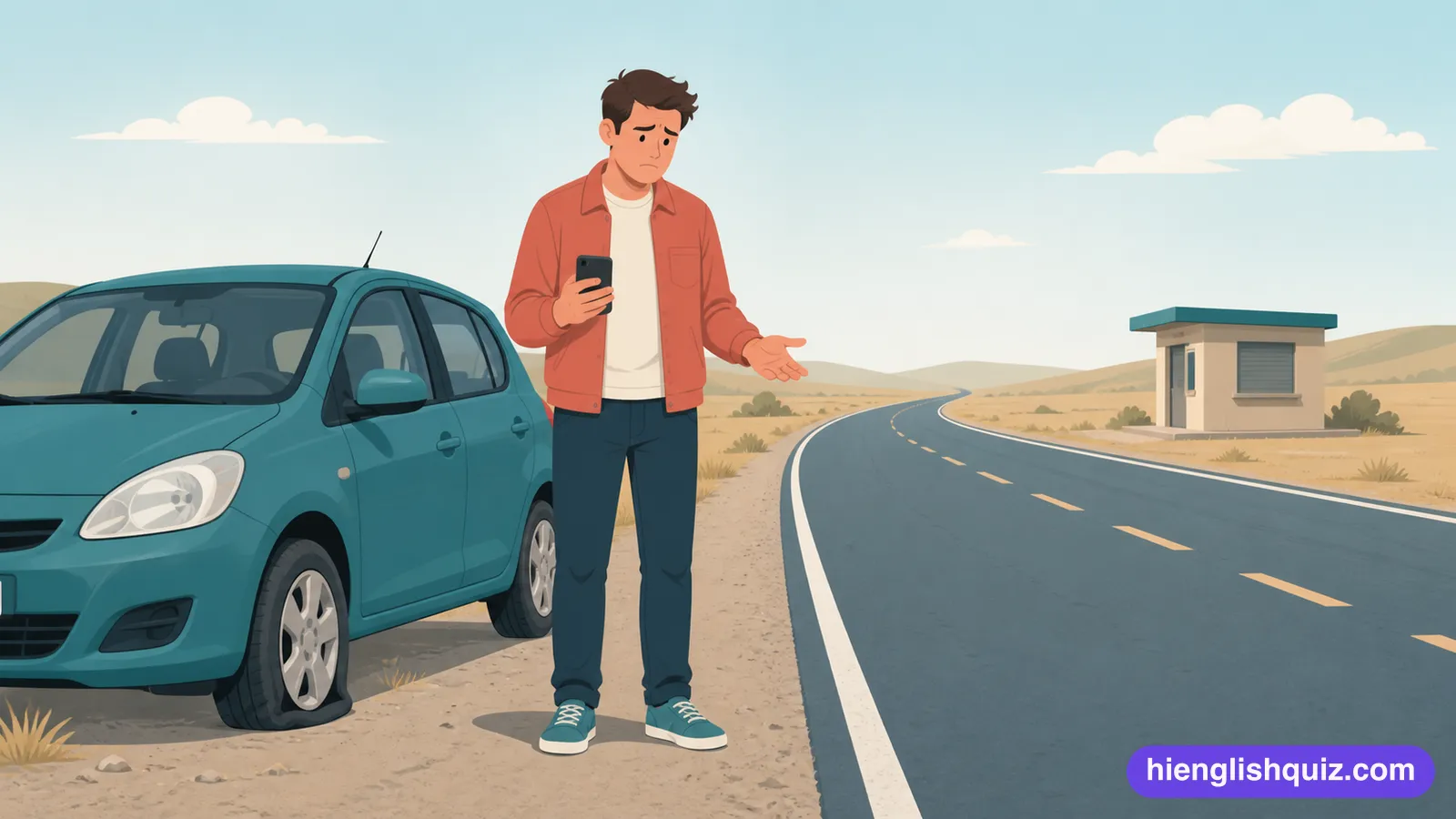
Something that must happen before an obligation begins.
Example: Planning consent was a condition precedent to the whole purchase.
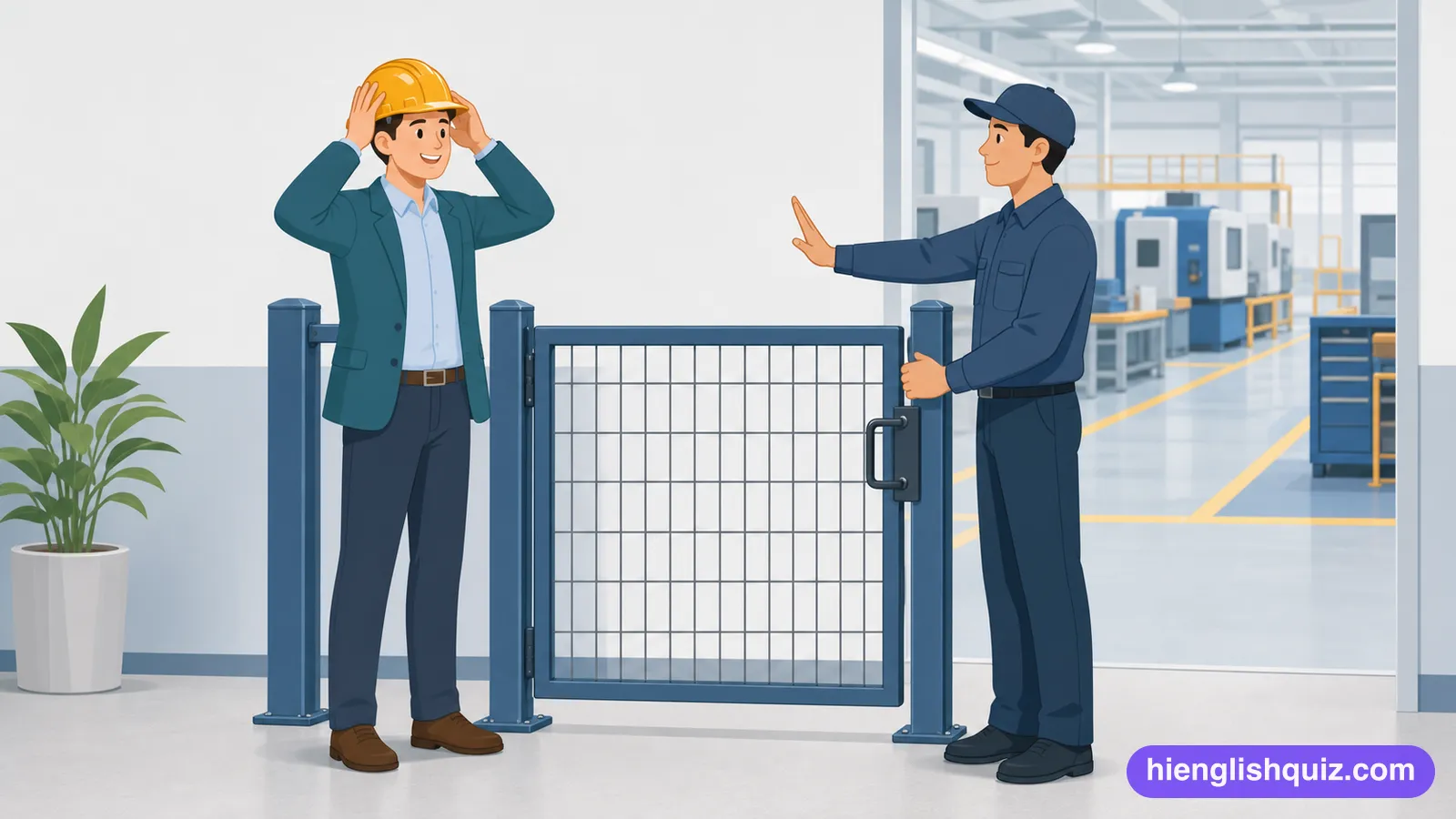
An amount agreed in advance as compensation for a breach.
Example: Liquidated damages were fifteen hundred pounds a week and enforceable.

Too small for the law to concern itself with.
Example: The overpayment was de minimis and the argument was not.