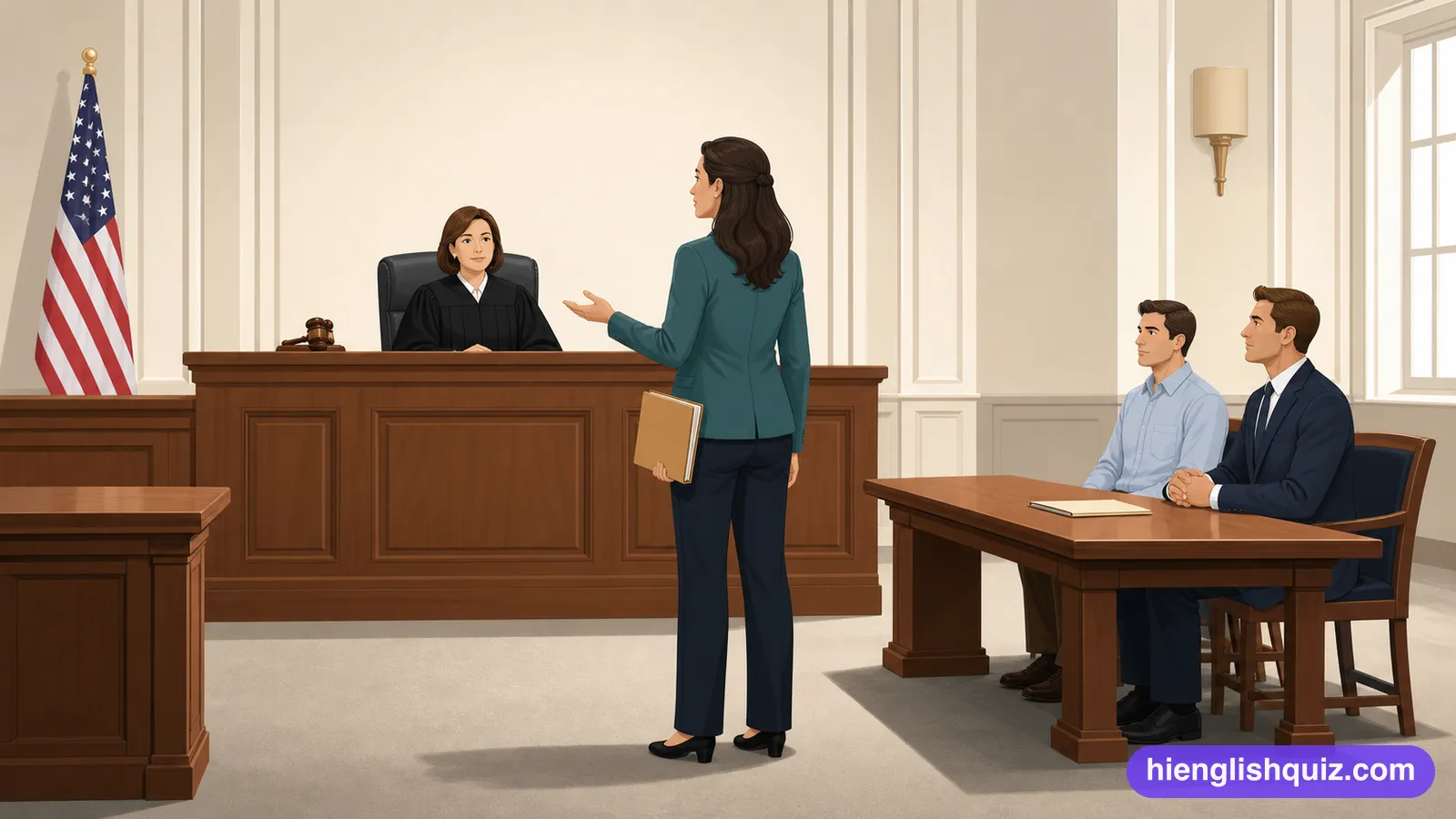
jurisdiction
/ˌdʒʊrəsˈdɪkʃən/The official power of a court or authority to make legal decisions over a certain area or matter.
Example: The case fell outside the court's jurisdiction.
 Hi EnglishQuiz
C120 words · Advanced
Advanced legal English for how a case is argued and decided, including jurisdiction, legal precedent, arbitration and the burden of proof behind an indictment or acquittal.
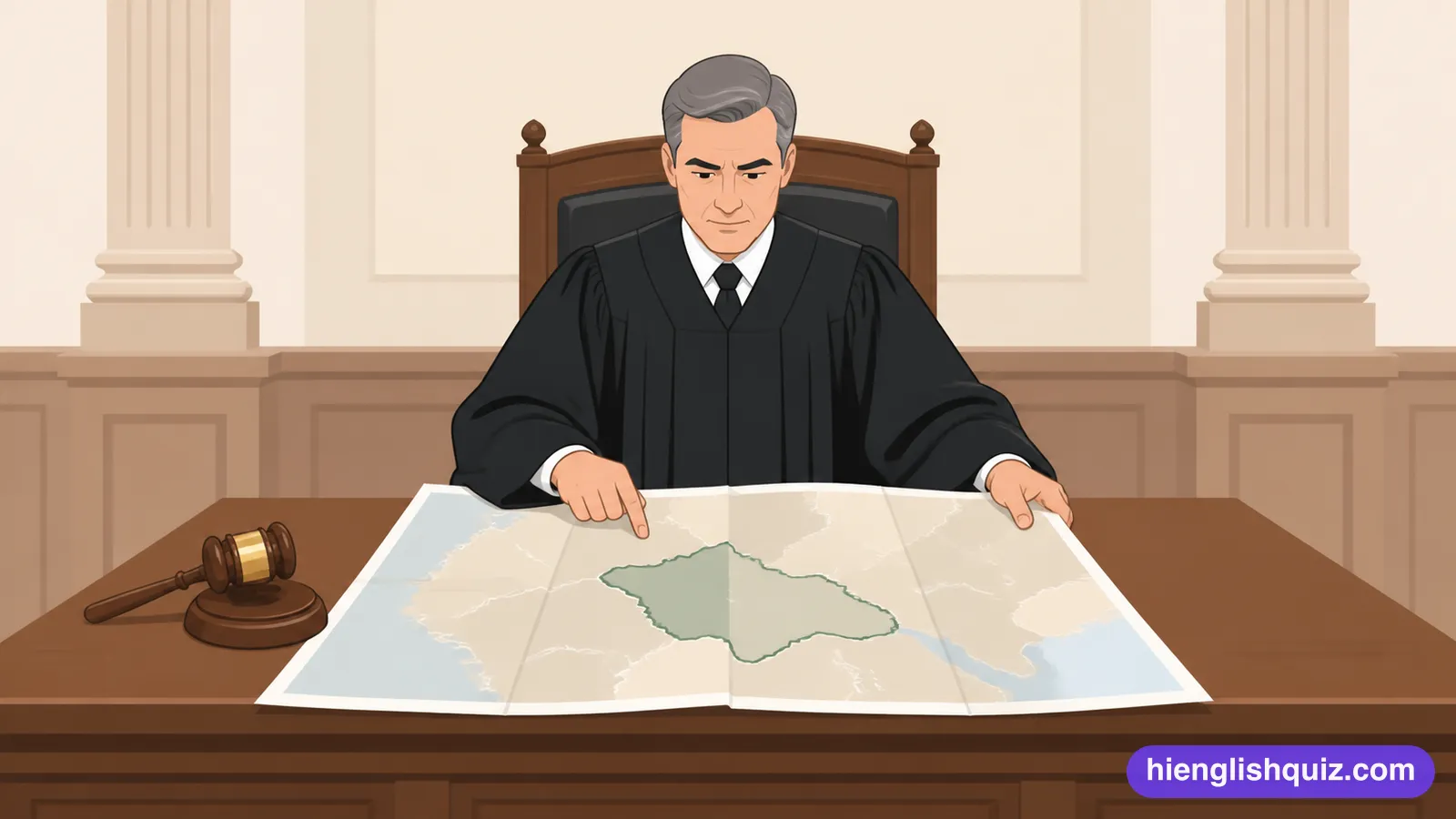
The official power of a court or authority to make legal decisions over a certain area or matter.
Example: The case fell outside the court's jurisdiction.
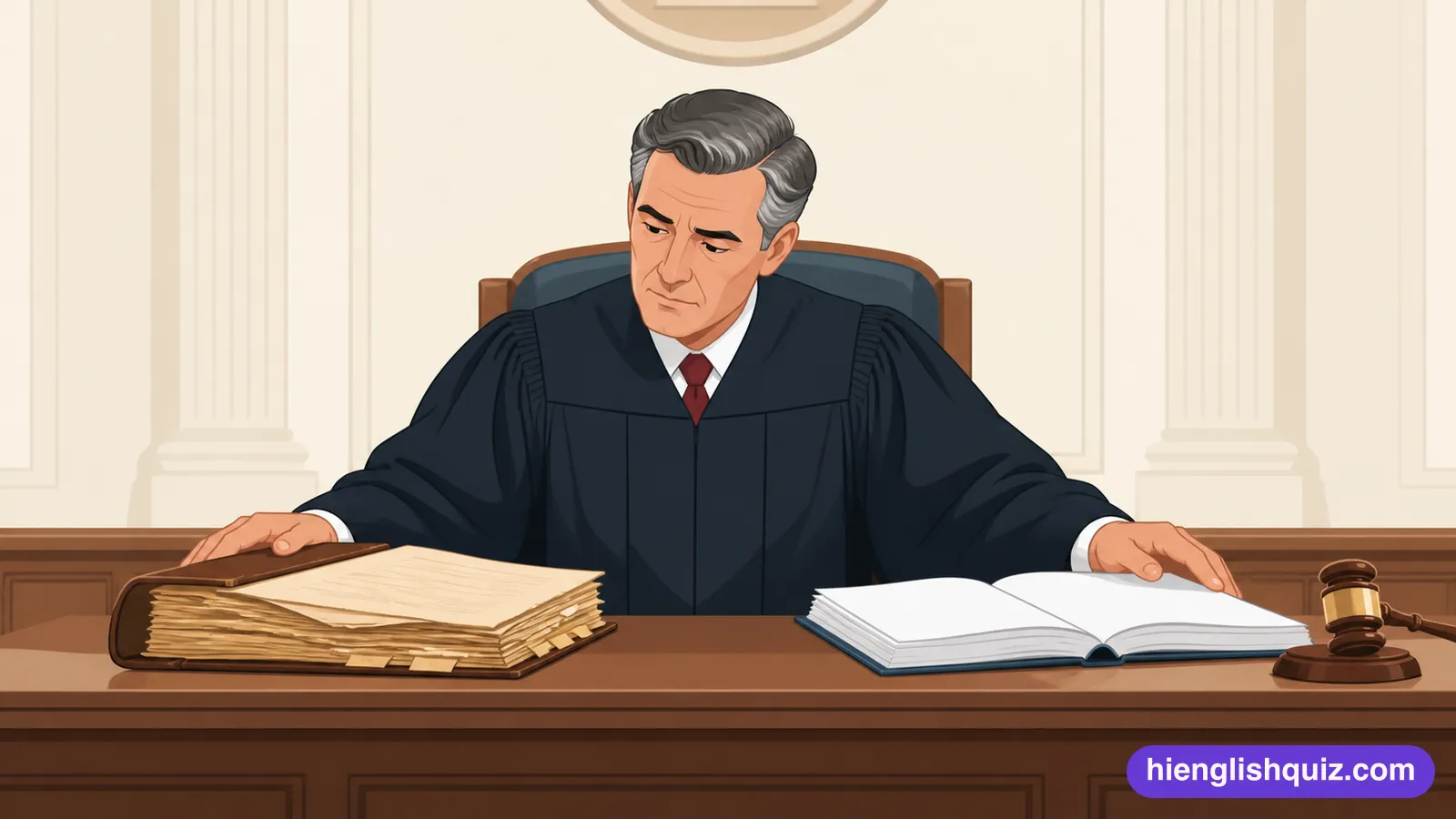
A previous court decision used as a guide for deciding similar future cases.
Example: The judge cited an earlier precedent in her ruling.
A law formally passed by a government or legislature.
Example: The new statute raised the minimum wage.
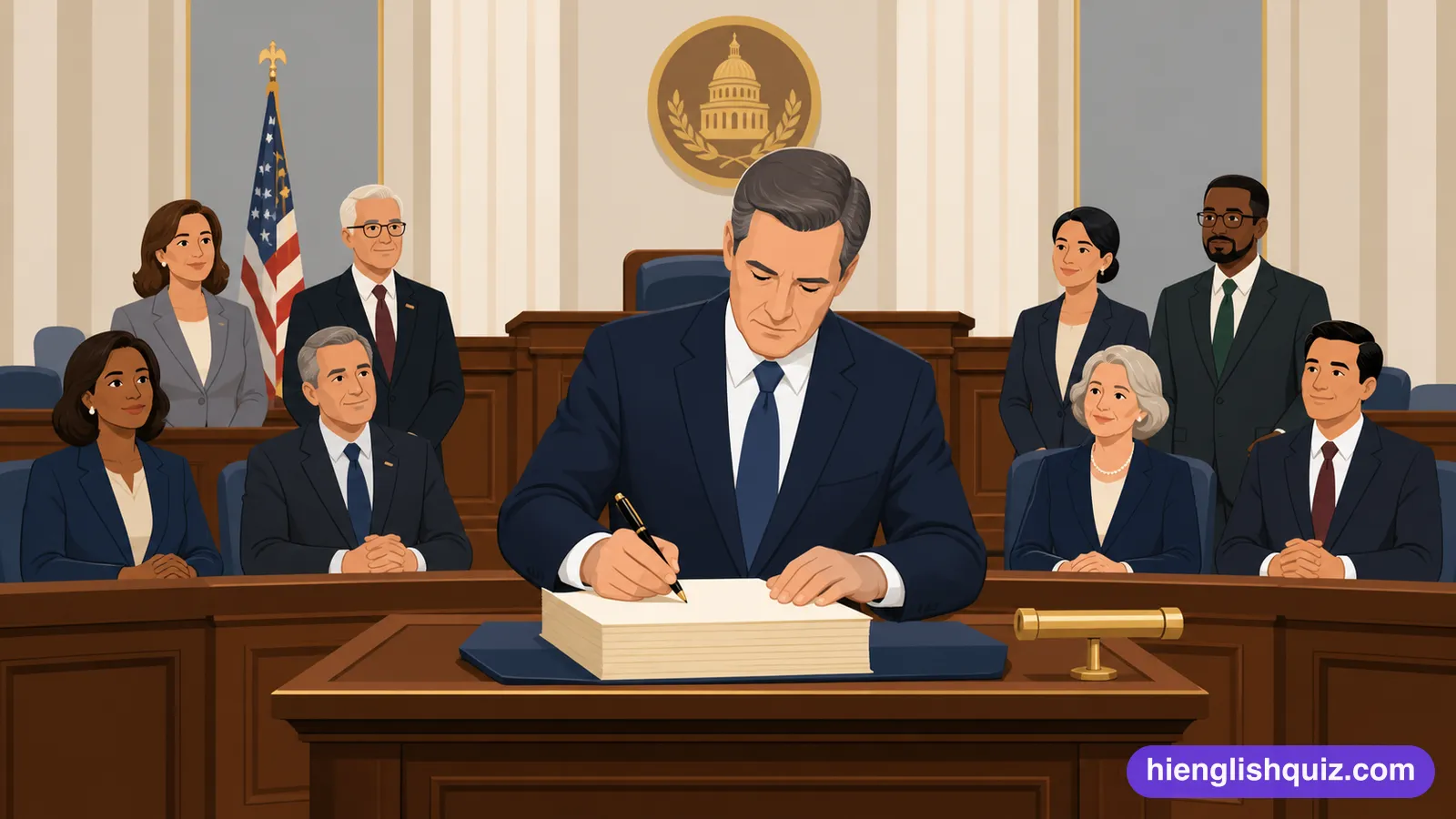
A way of settling a dispute outside court, using an independent person to decide the outcome.
Example: The contract required disputes to go to arbitration.

A process in which a neutral person helps two sides reach an agreement, without deciding the outcome for them.
Example: The couple settled their business dispute through mediation.

A formal, written accusation charging someone with a serious crime.
Example: A grand jury issued an indictment against the former director.
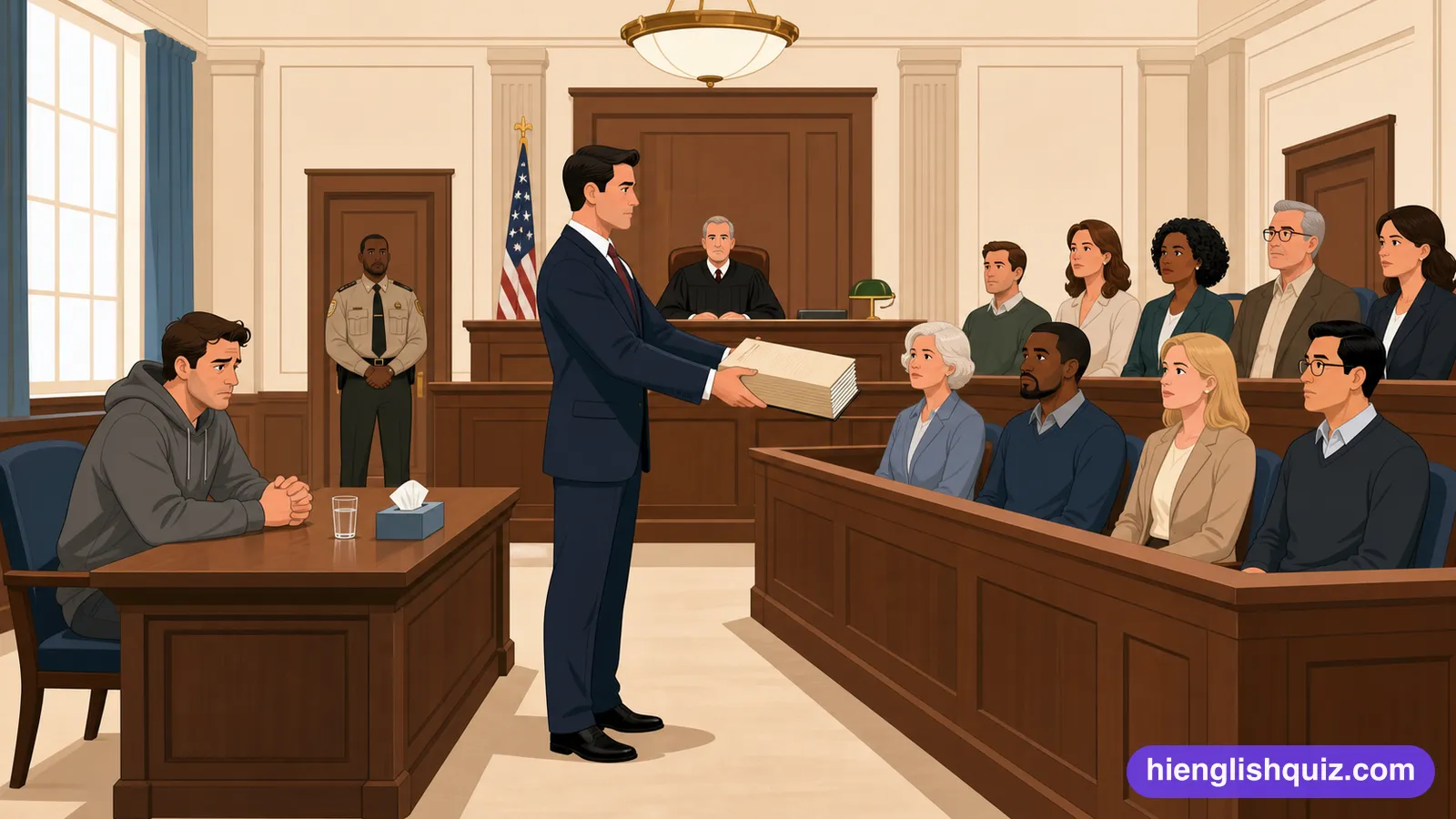
A court's decision that a person is not guilty of the crime they were charged with.
Example: The jury's acquittal ended a two-year legal battle.
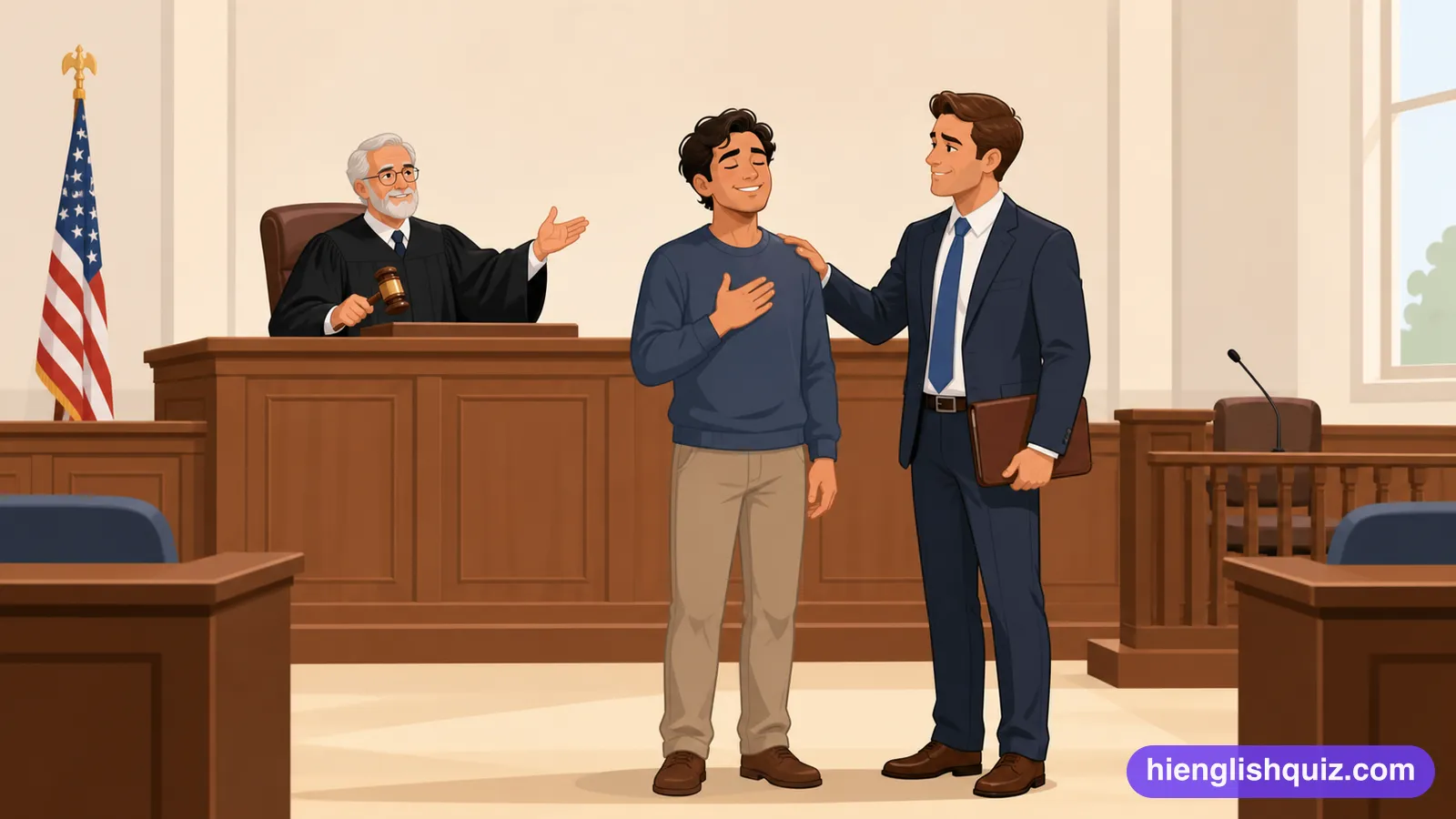
Relating to appeals, or a court that reviews decisions made by a lower court.
Example: She took her case to the appellate court.
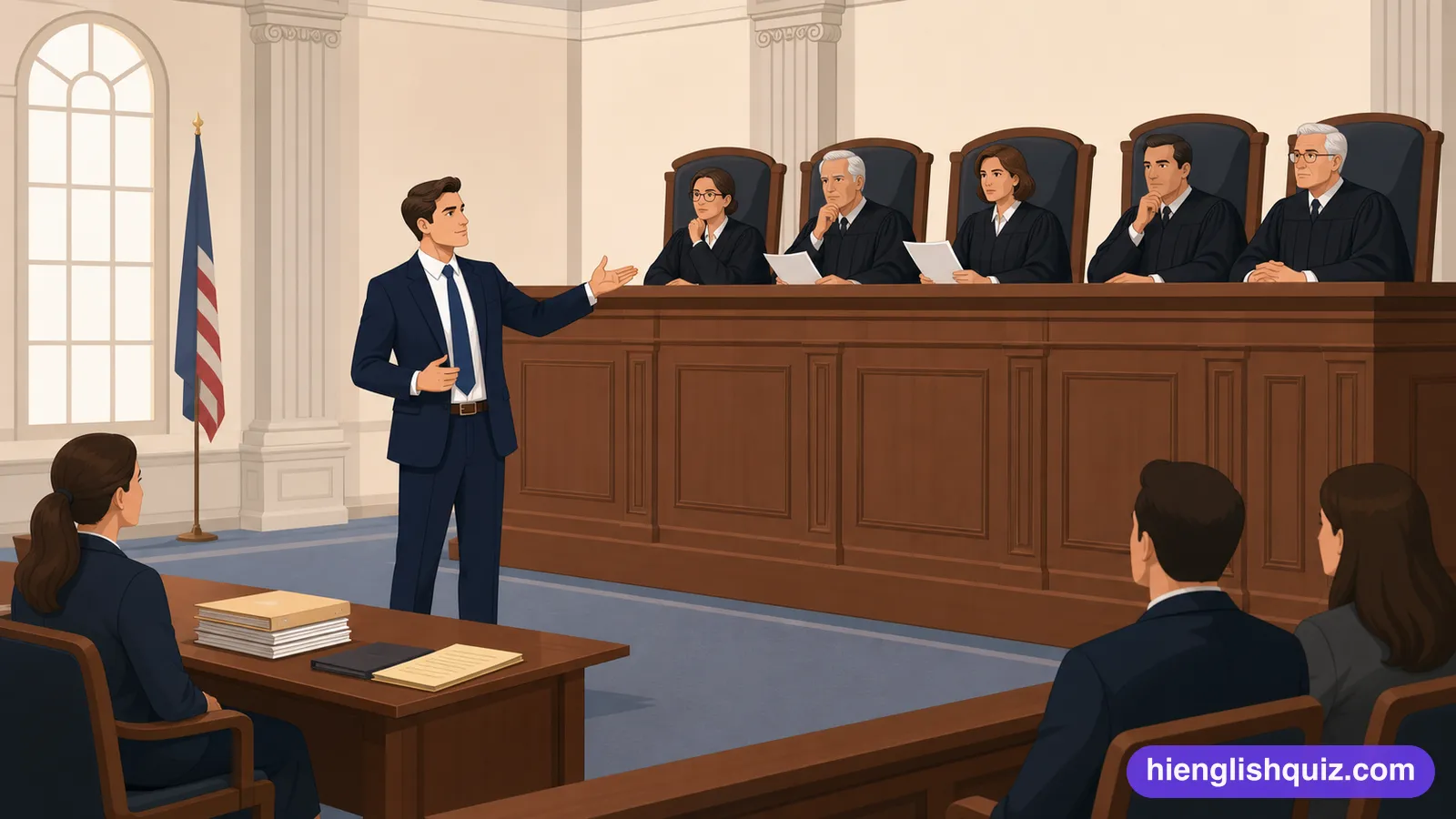
A written statement giving up a legal right or claim.
Example: Every skydiver must sign a waiver before jumping.

A lawsuit brought by one group of people who share the same complaint against another party.
Example: Thousands joined the class action against the car manufacturer.

The duty to prove what you are claiming.
Example: The burden of proof sat with the claimant throughout.

Facts that make an offence seem less serious.
Example: Mitigating circumstances reduced the sentence by a third.
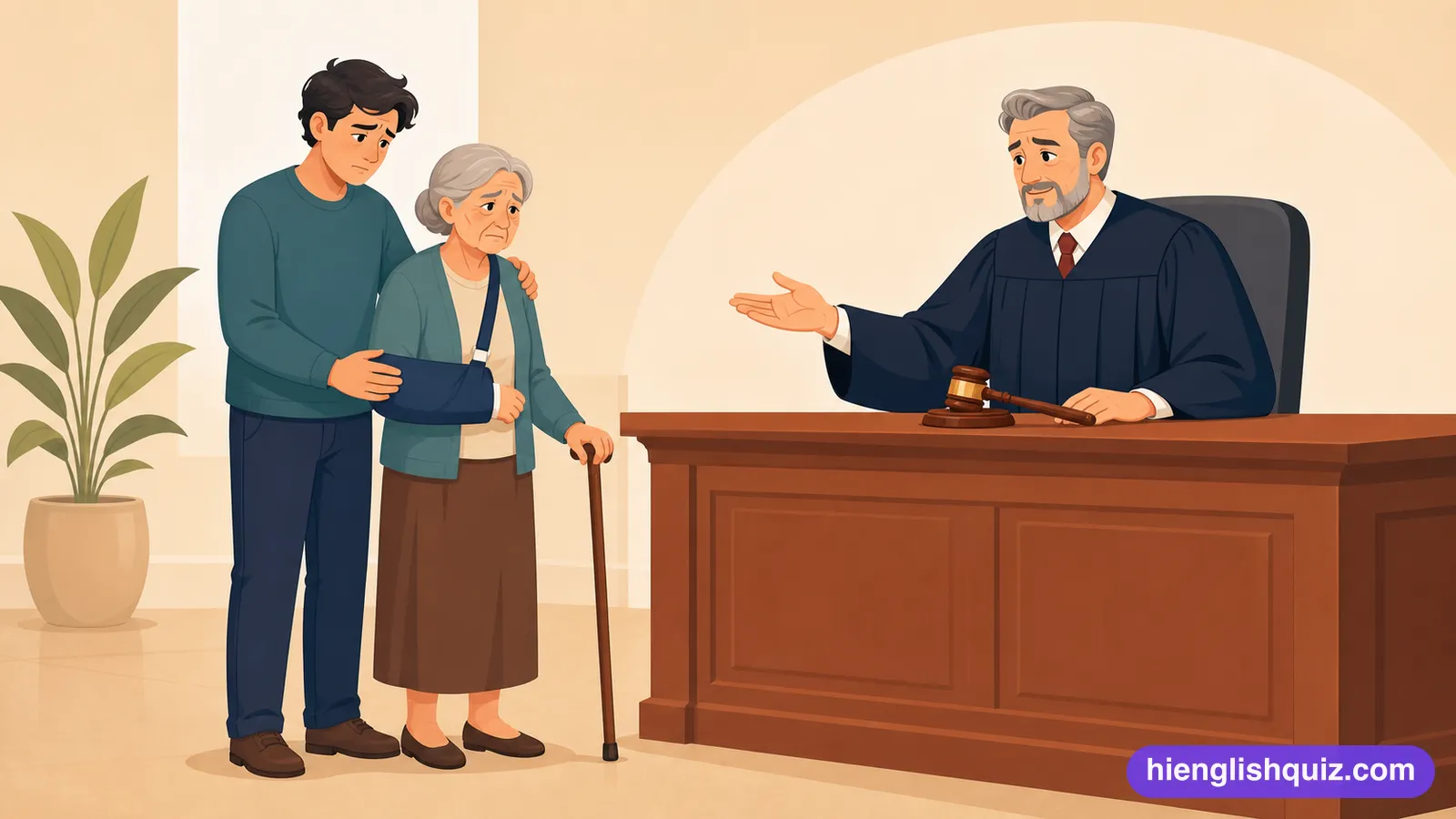
Having no legal effect at all.
Example: The clause was void from the day it was written.
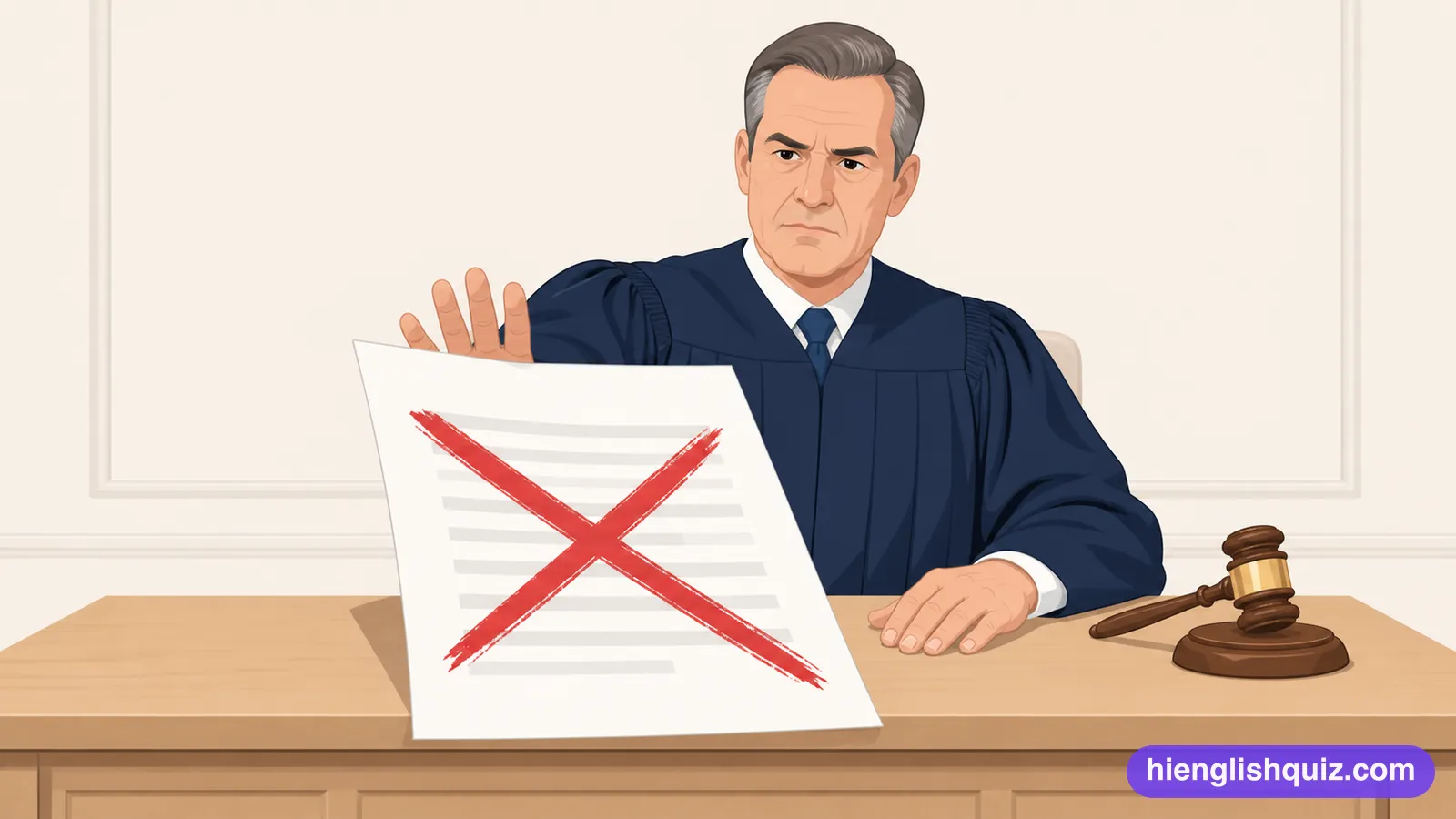
An unforeseeable event that excuses a party from a contract.
Example: They invoked force majeure and the argument lasted two years.
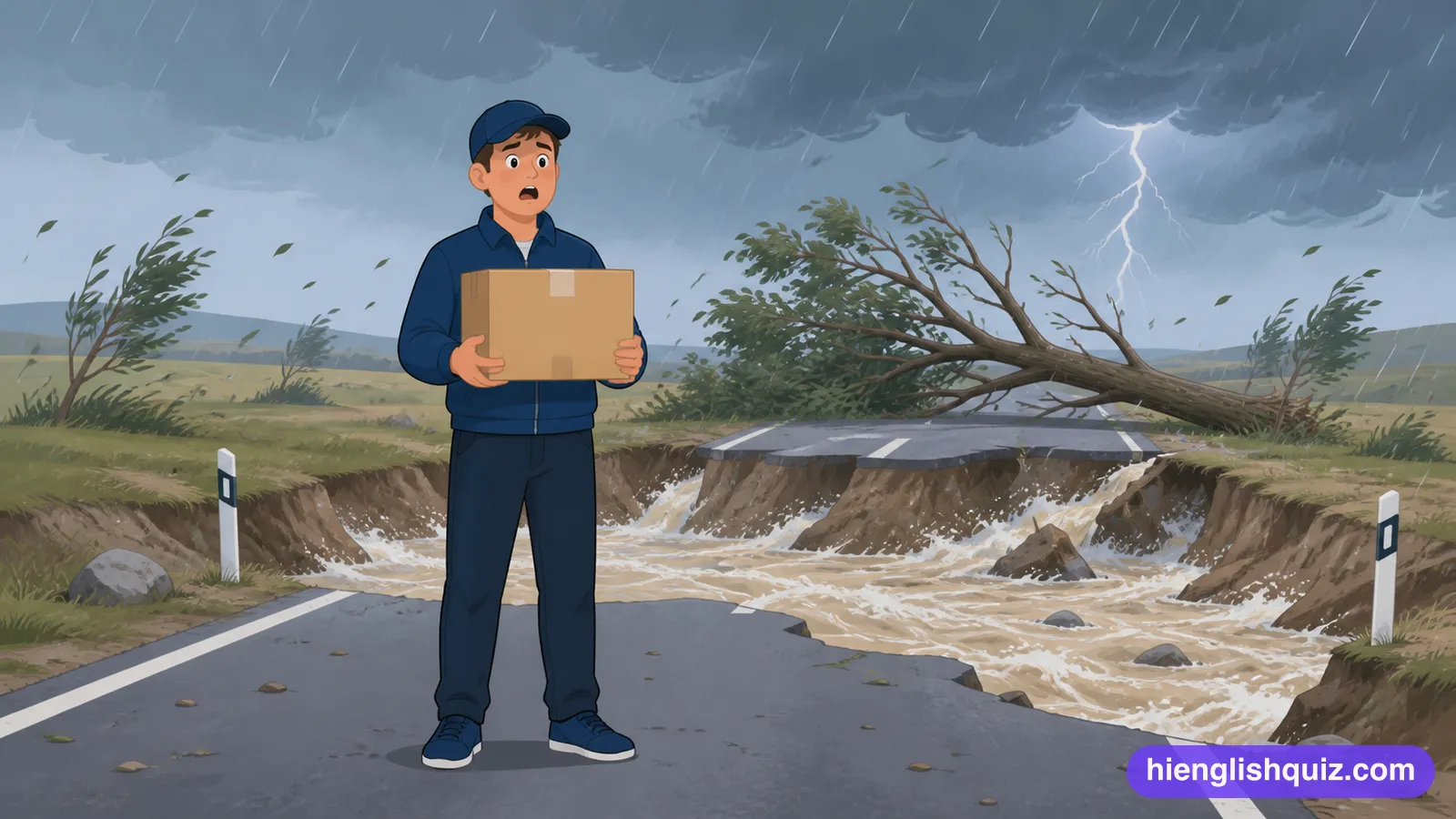
The status of being able to sue and be sued.
Example: A partnership has no separate legal personality.

The person who receives something under a will or trust.
Example: Each beneficiary received a letter and a set of accounts.

The principle that the buyer is responsible for checking.
Example: At auction it is caveat emptor and nothing else.

The amount of money to be awarded in a case.
Example: Liability was admitted and only quantum remained in dispute.
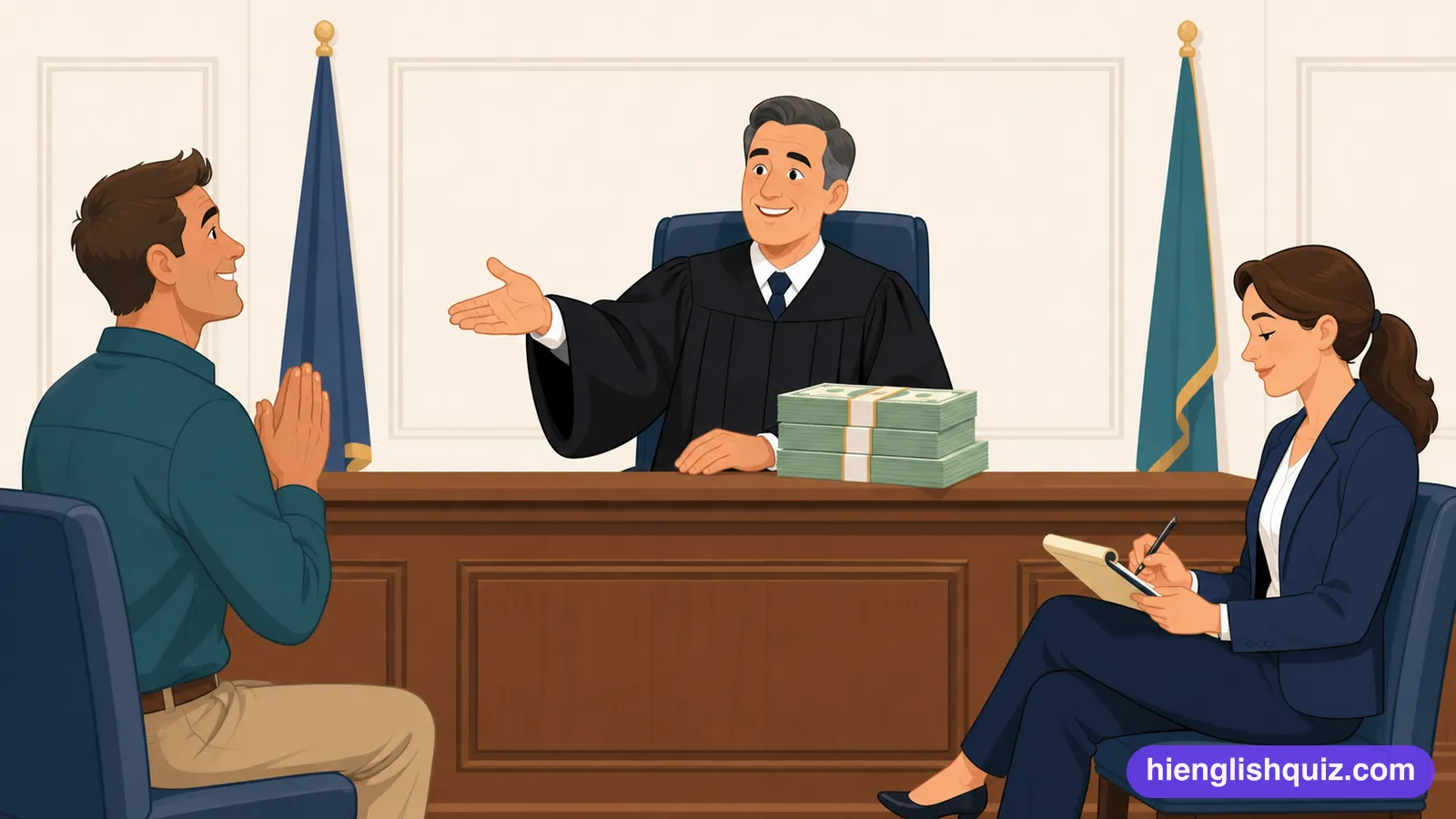
A formal promise given to a court or another party.
Example: The undertaking was breached within a fortnight.
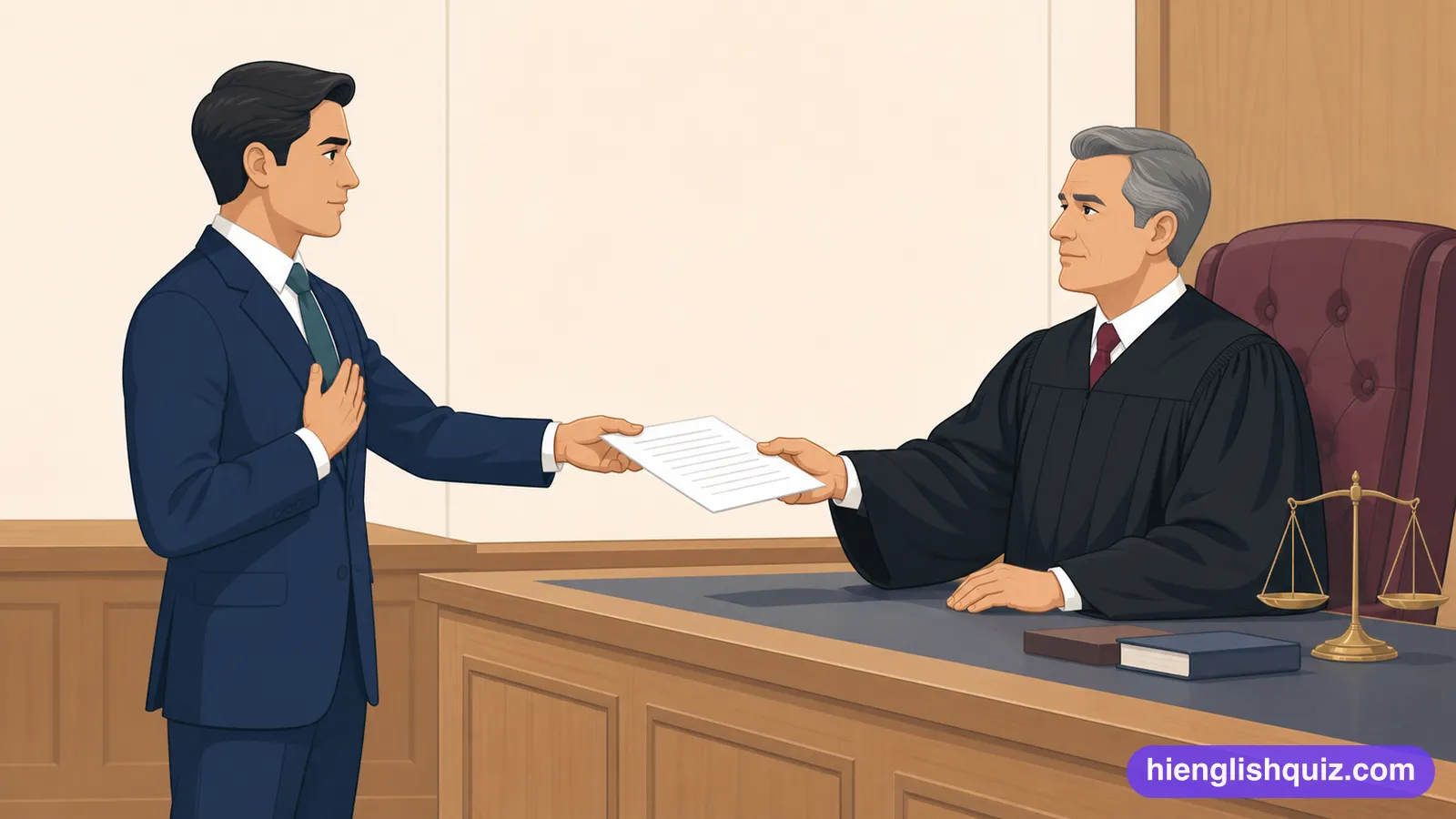
The rule that one invalid clause does not void the whole contract.
Example: Severability saved the agreement when the penalty clause failed.