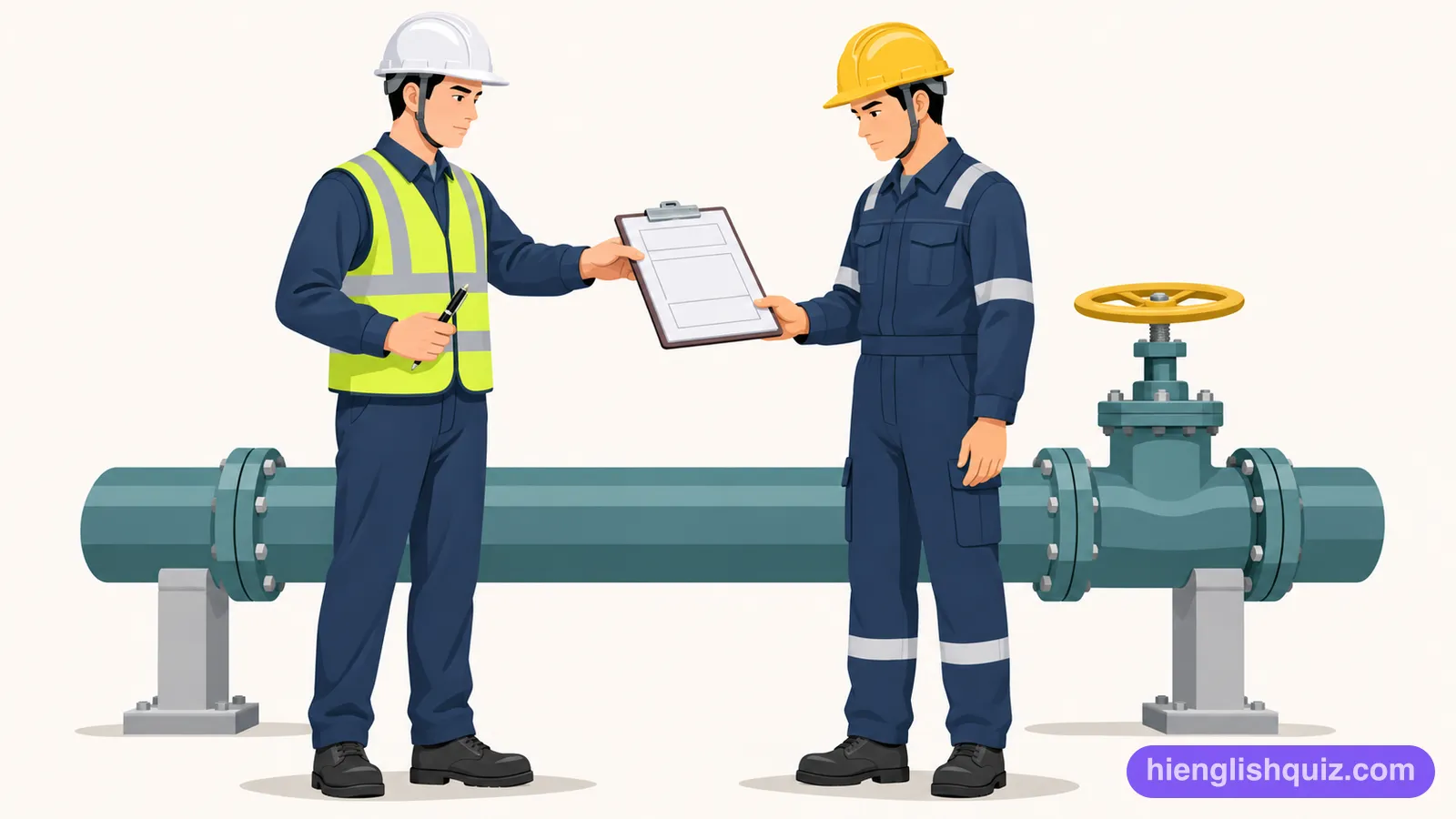
method statement
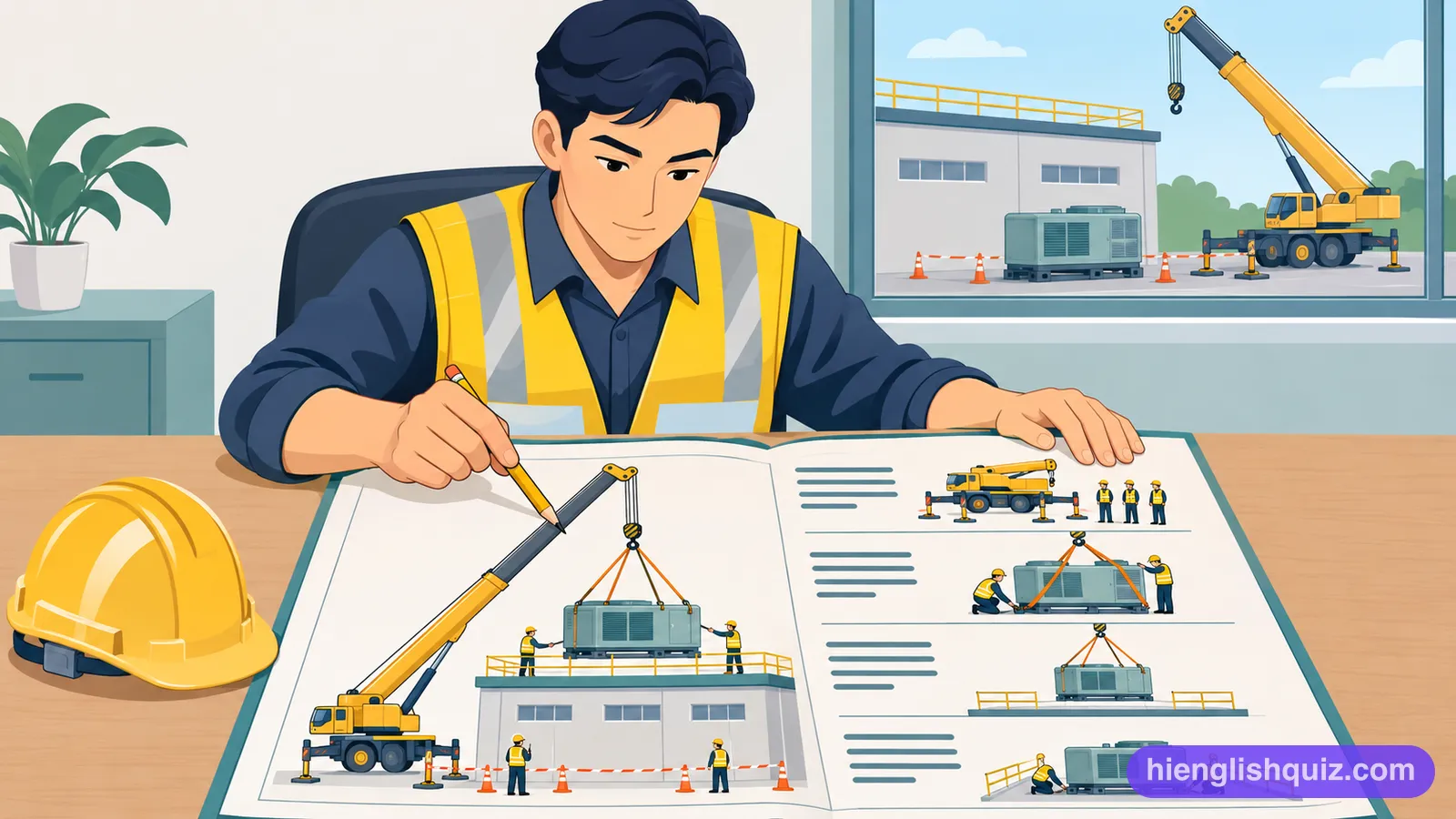
A written plan that explains step by step how a particular job will be done safely, including equipment and people needed.
Example: The client rejected our method statement for the roof lift.
 Hi EnglishQuiz
C120 words · Advanced
The paperwork and controls behind dangerous work on site: a method statement and permit to work before the job starts, lockout-tagout on machinery, and a fire watch kept after welding or cutting.
A written plan that explains step by step how a particular job will be done safely, including equipment and people needed.
Example: The client rejected our method statement for the roof lift.
A formal paper approval, signed before a dangerous job starts, that says exactly what tasks are allowed, where and for how long.
Example: No one starts cutting until the permit to work is signed.
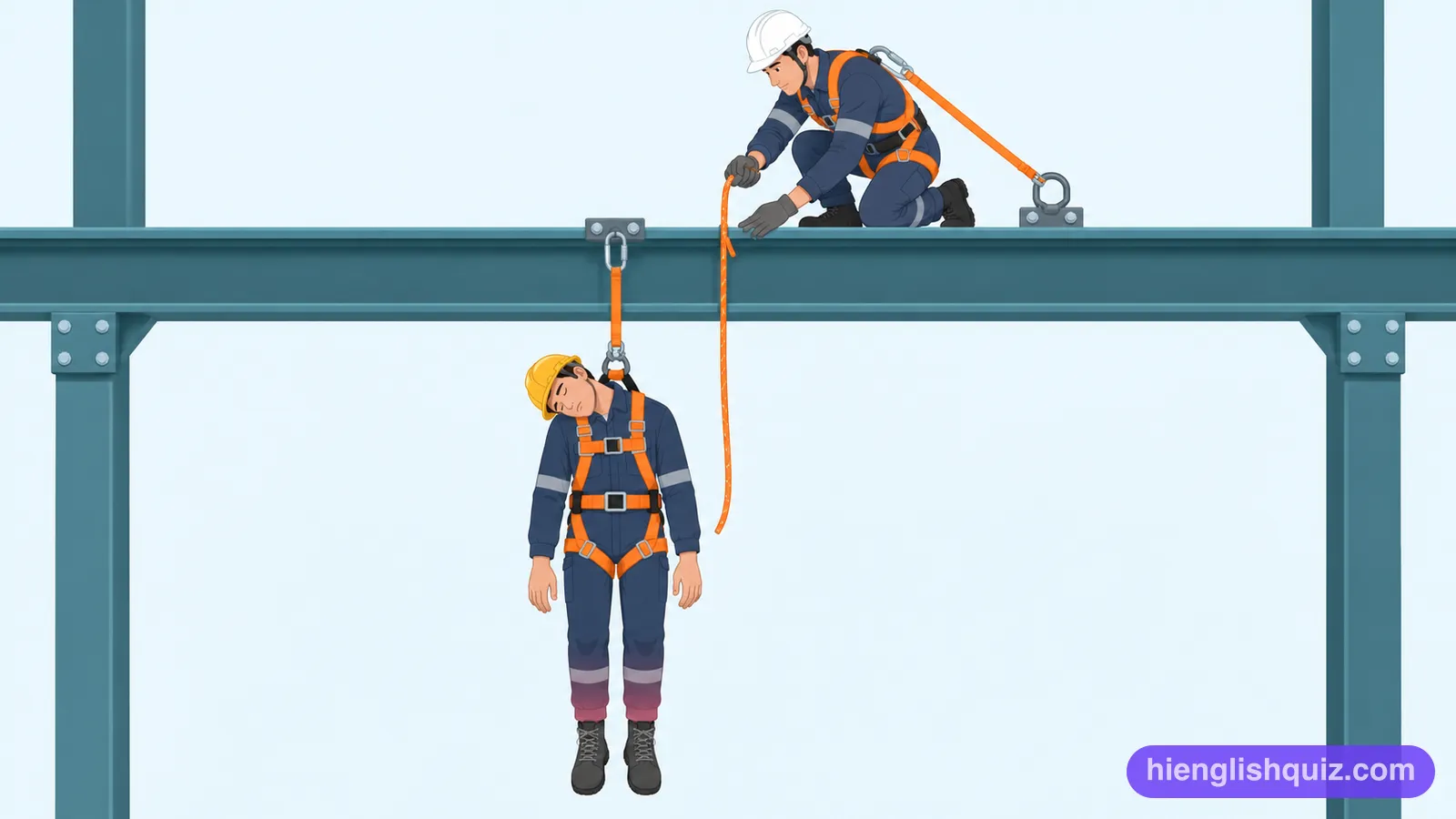
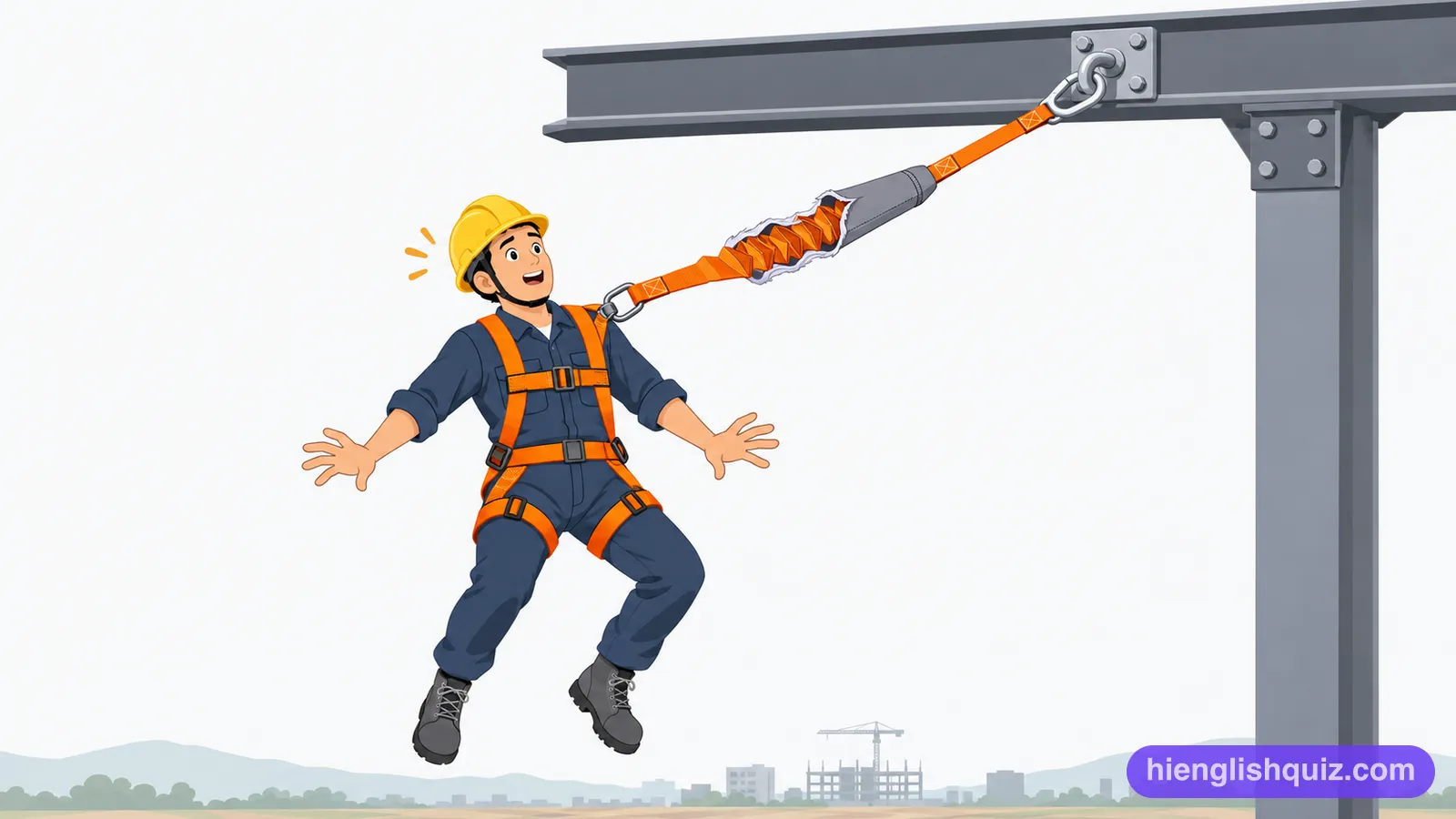
A system, usually a harness, strap and fixed point, that stops a person who drops from a height before they hit the ground.
Example: The fall arrest system stopped him after a one-metre drop.
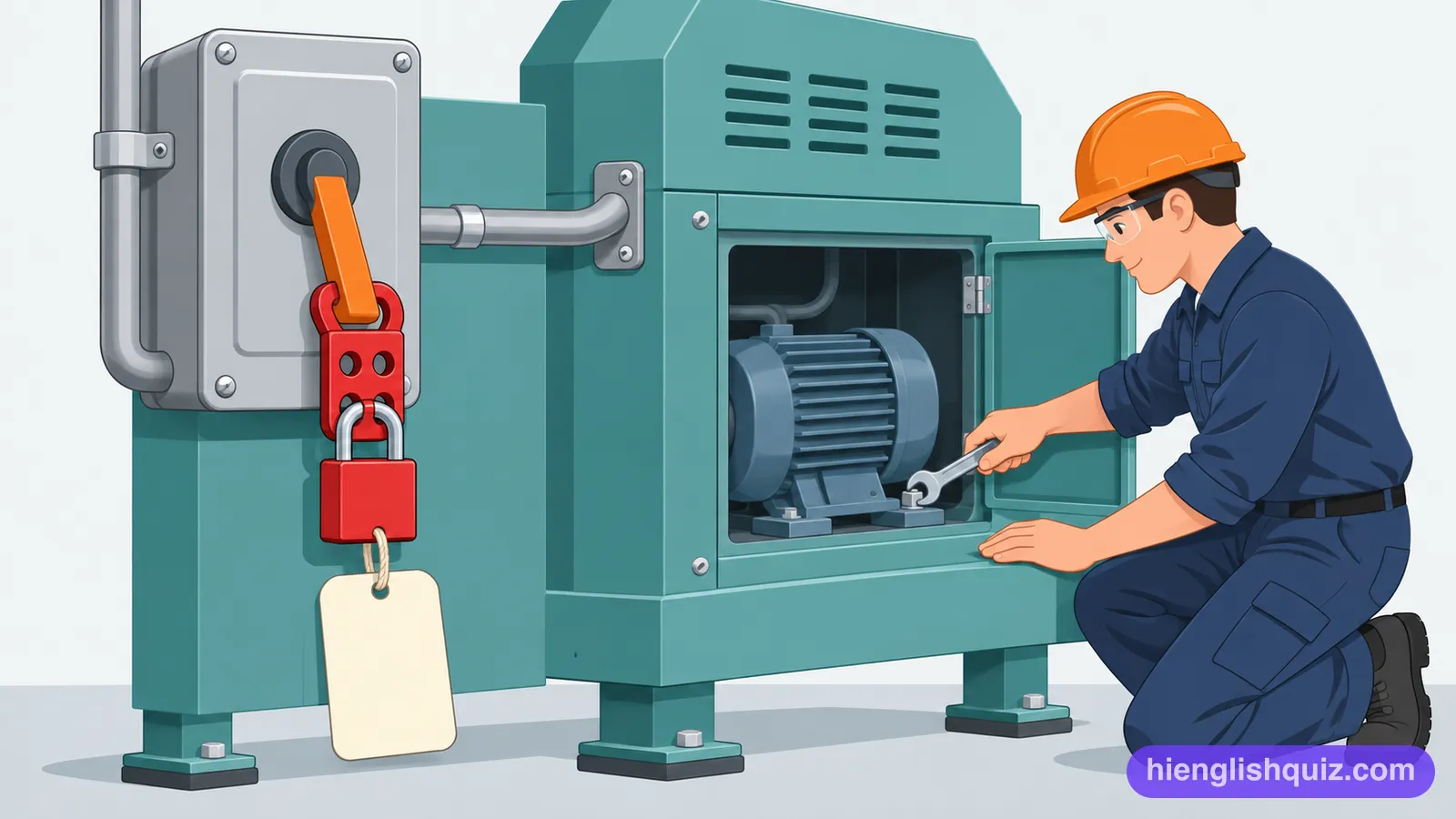
A procedure of locking a machine's power switch and hanging a label on it, so nobody can start it while it is being repaired.
Example: Apply lockout-tagout before you open the conveyor housing.
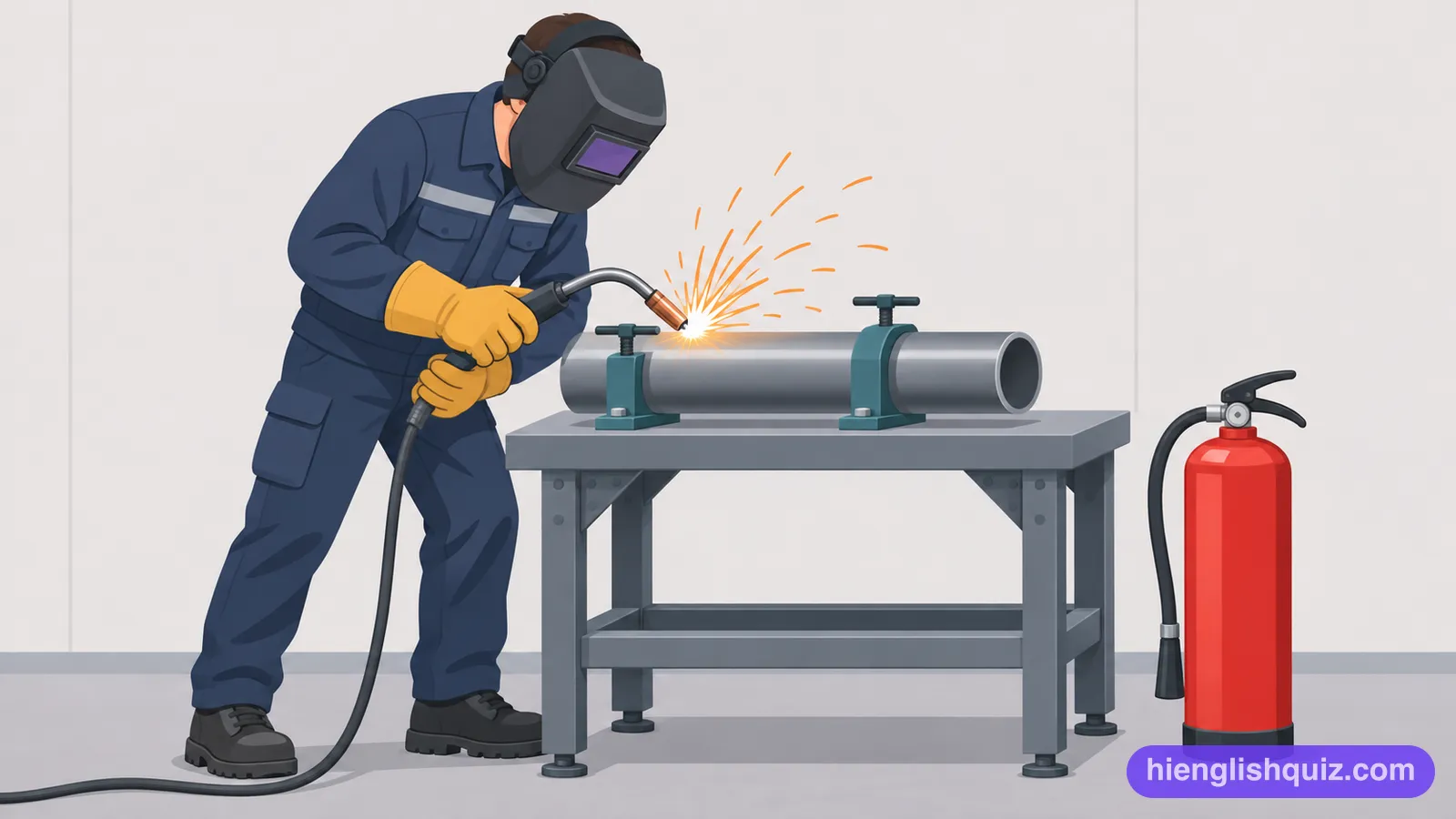
Any job, such as welding or cutting metal with a flame, that makes sparks or heat and could start a fire.
Example: We need a separate permit for any hot work near the fuel store.
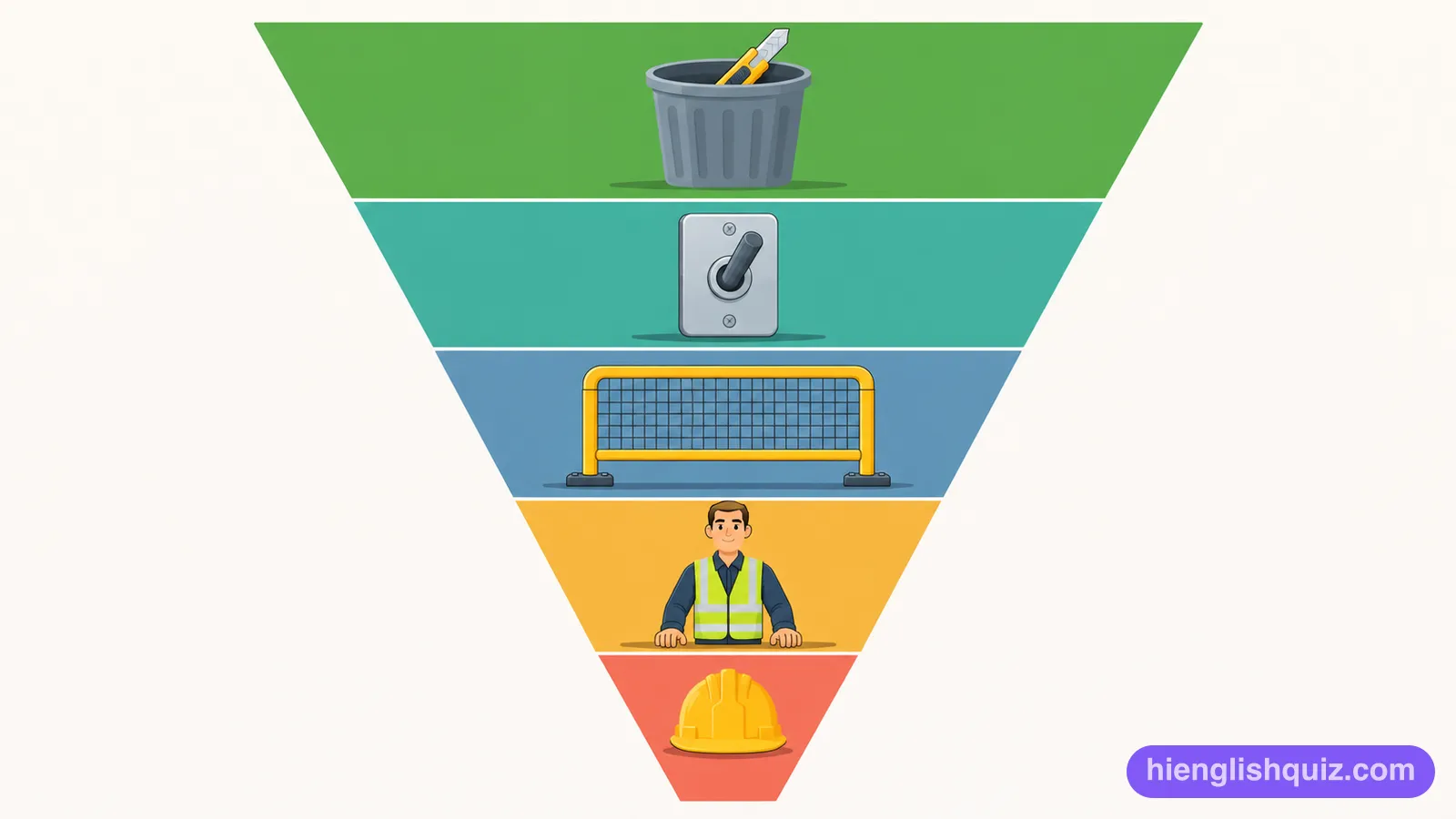
A ranked list of ways to deal with a danger, from removing it completely to just giving people protective gear.
Example: Under the hierarchy of controls, PPE should be our last choice.
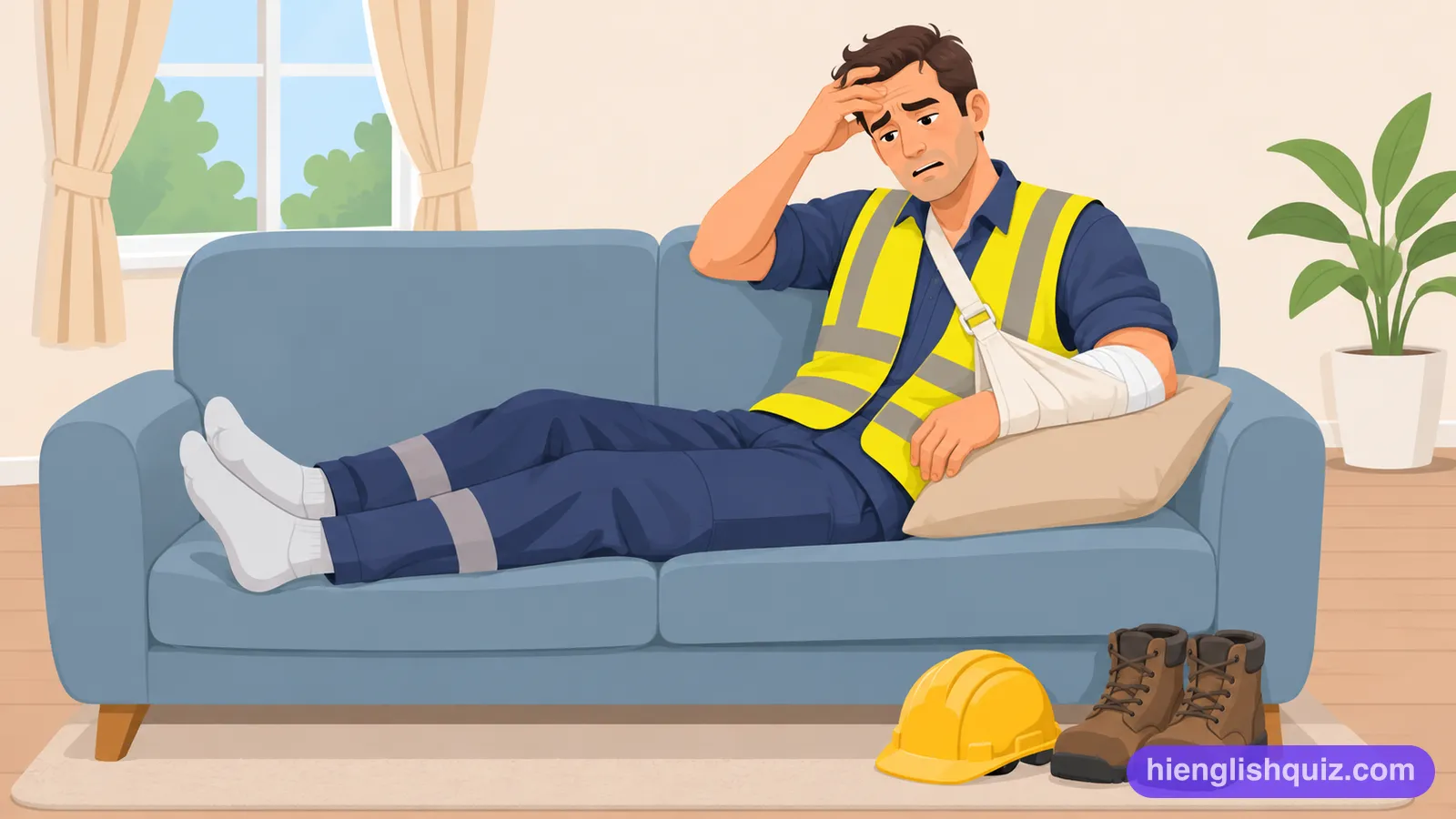
An accident on the job that is serious enough that the hurt person cannot come back the next day or shift.
Example: Our site has had no lost-time injury for 200 days.
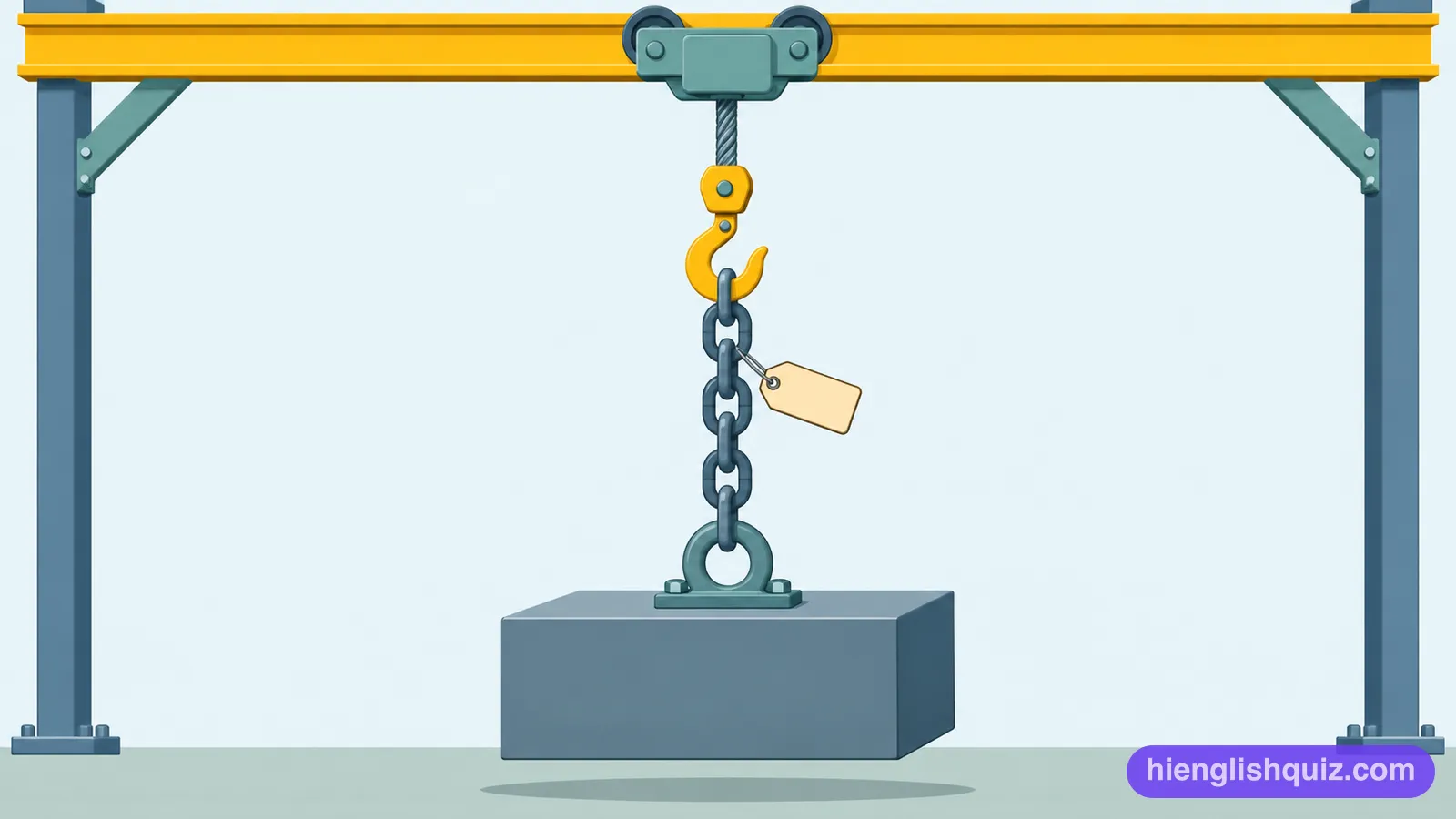
The greatest weight that a crane, rope or chain is allowed to carry in normal use.
Example: Never lift more than the safe working load marked on the sling.
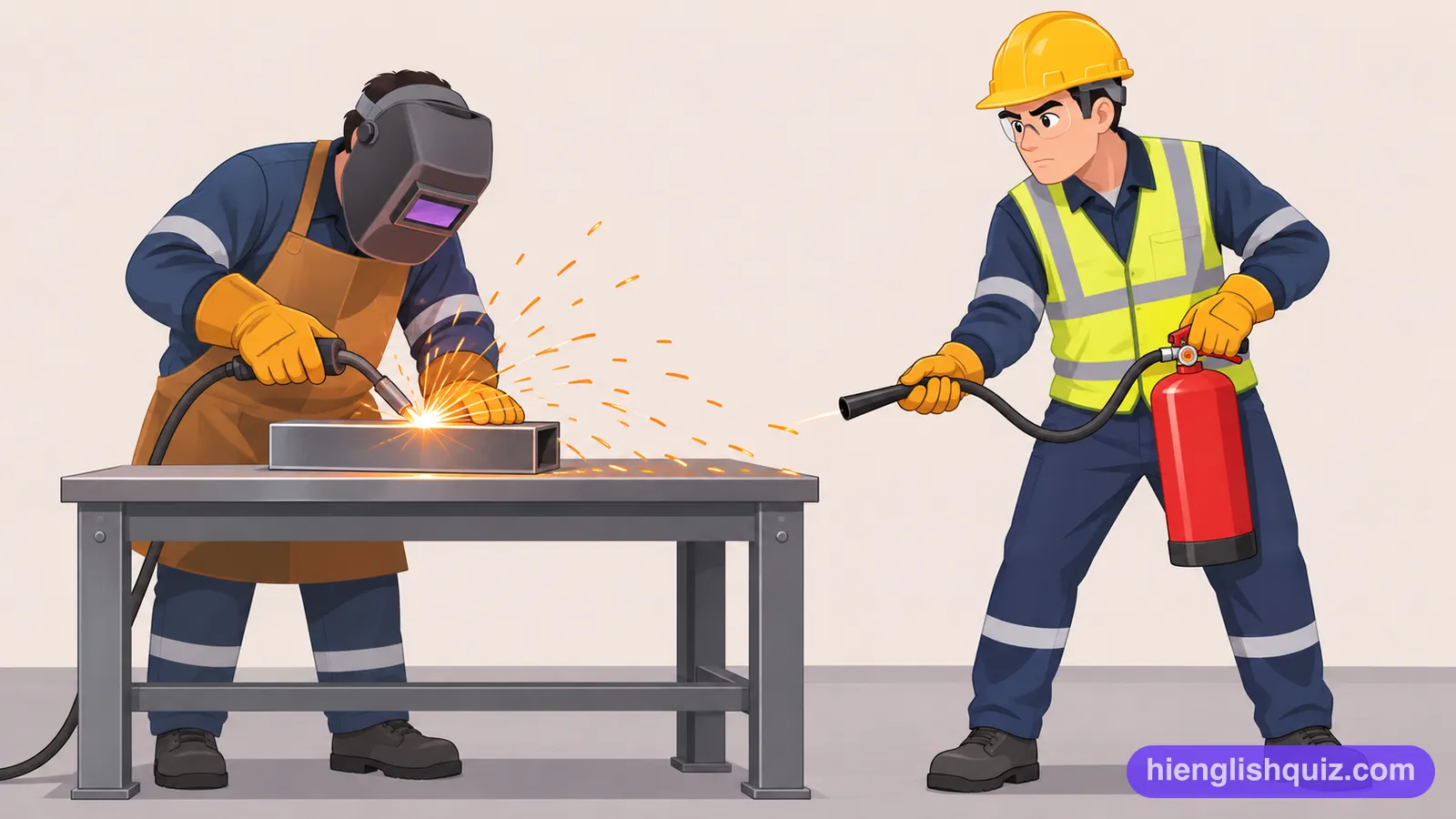
A trained person who stays near hot work, and for a time afterward, to look for sparks and put out any small blaze.
Example: The fire watch stayed an hour after the welding stopped.
Lifting, carrying or moving things with the body rather than a machine, which can cause back injuries if done badly.
Example: Good manual handling means bending your knees, not your back.
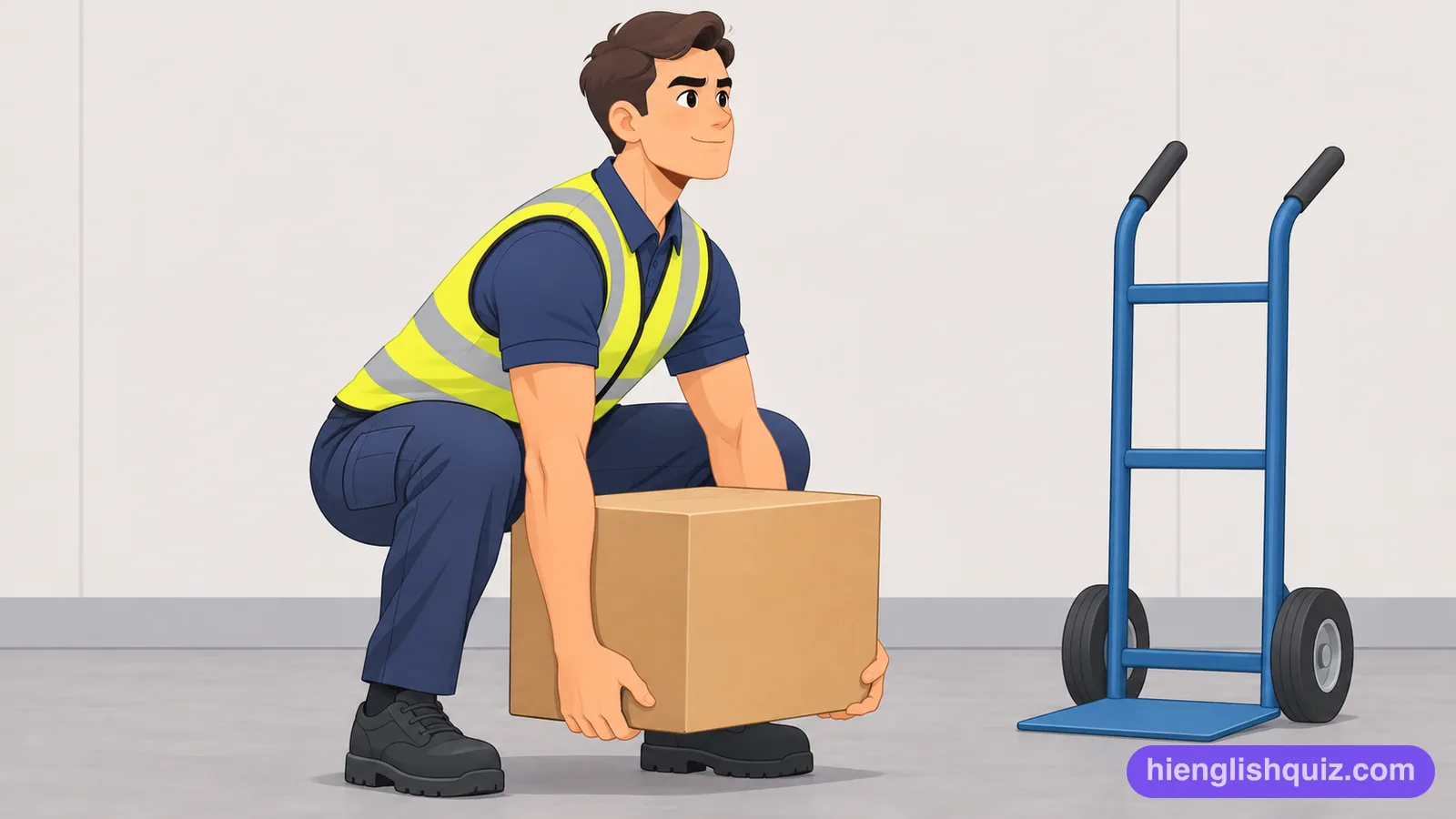
The right of any worker to halt a job at once when they think it is unsafe, without fear of punishment.
Example: Under stop-work authority, even a new labourer can halt the crane.
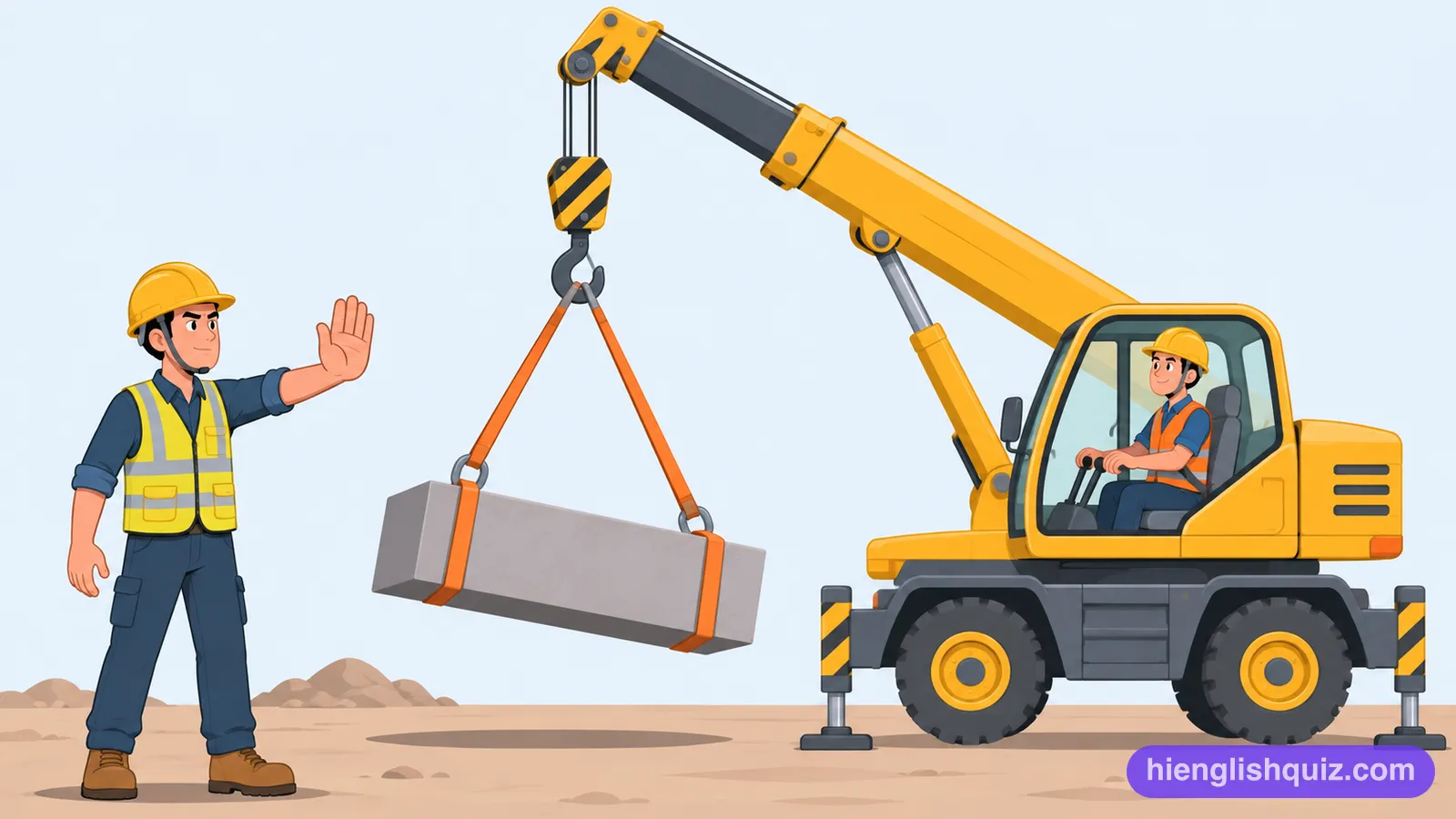
A rope held by a worker on the ground to steady a crane load and stop it from swinging.
Example: Two men guided the beam with a tag line as it rose.
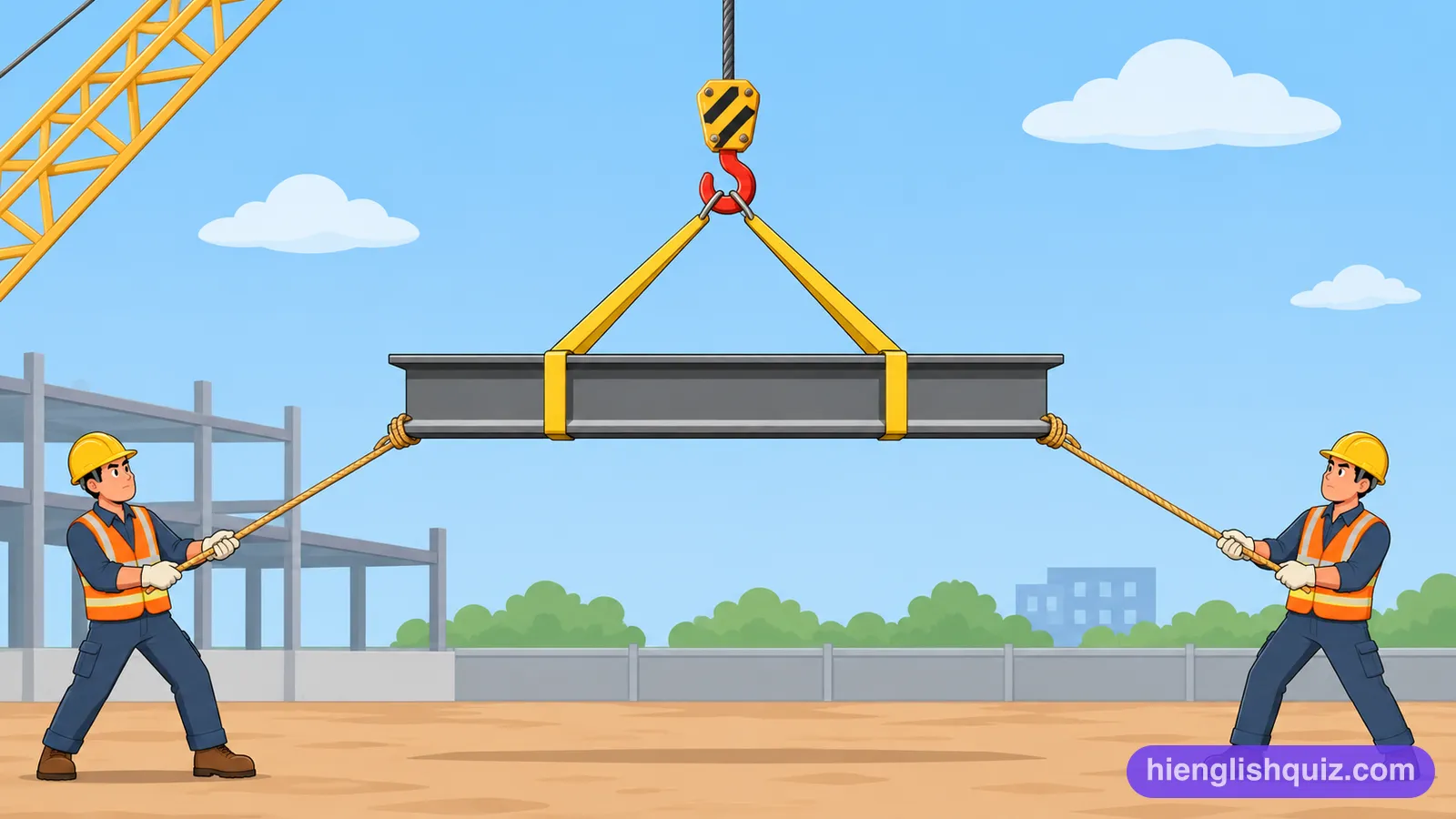
The danger that is still left after all the planned safety measures have been put in place.
Example: After the new guards, the residual risk was judged acceptable.
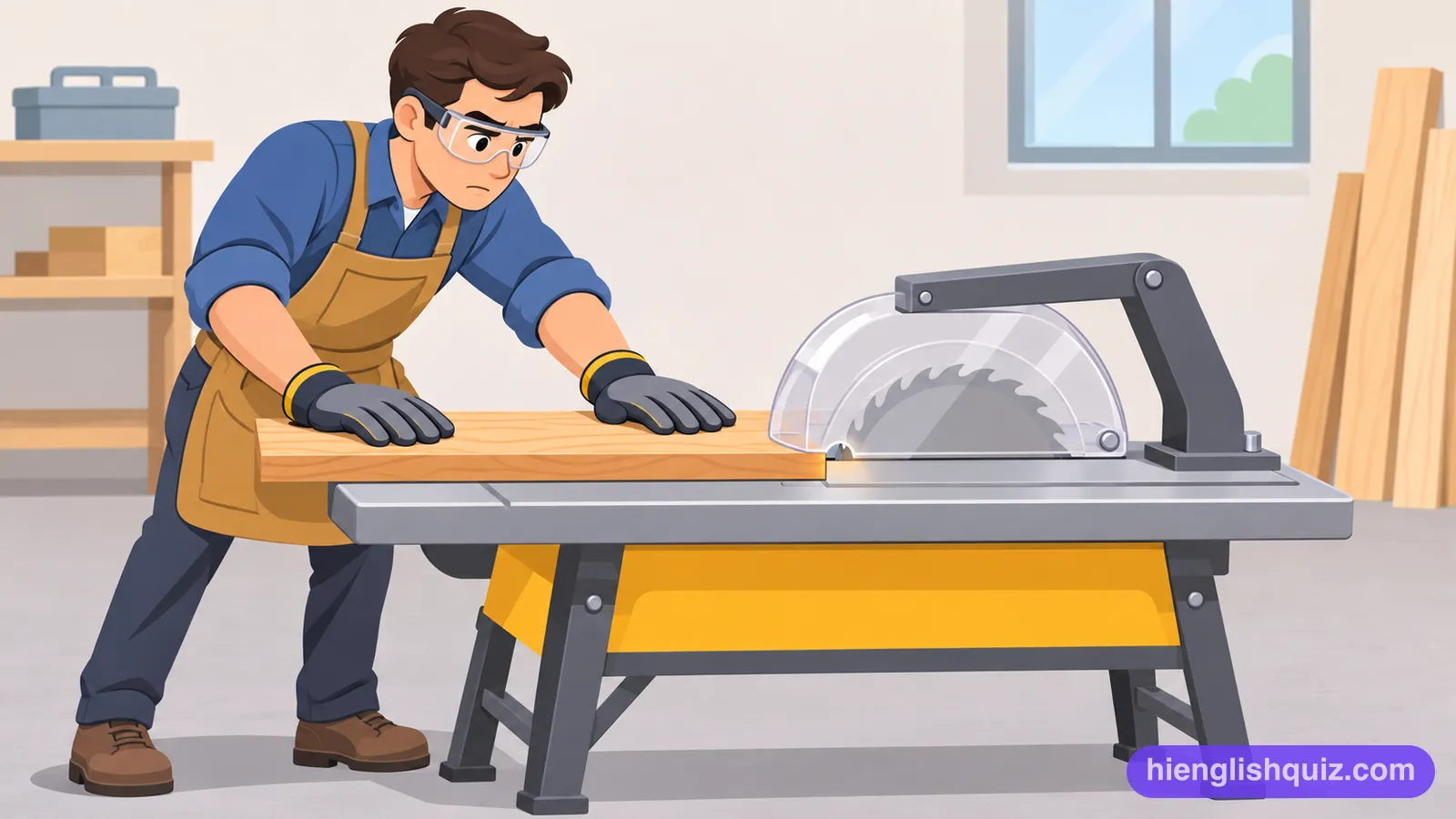
A formal inquiry after an accident that collects facts and questions witnesses to find out why it happened.
Example: The incident investigation showed the guard had never been fitted.
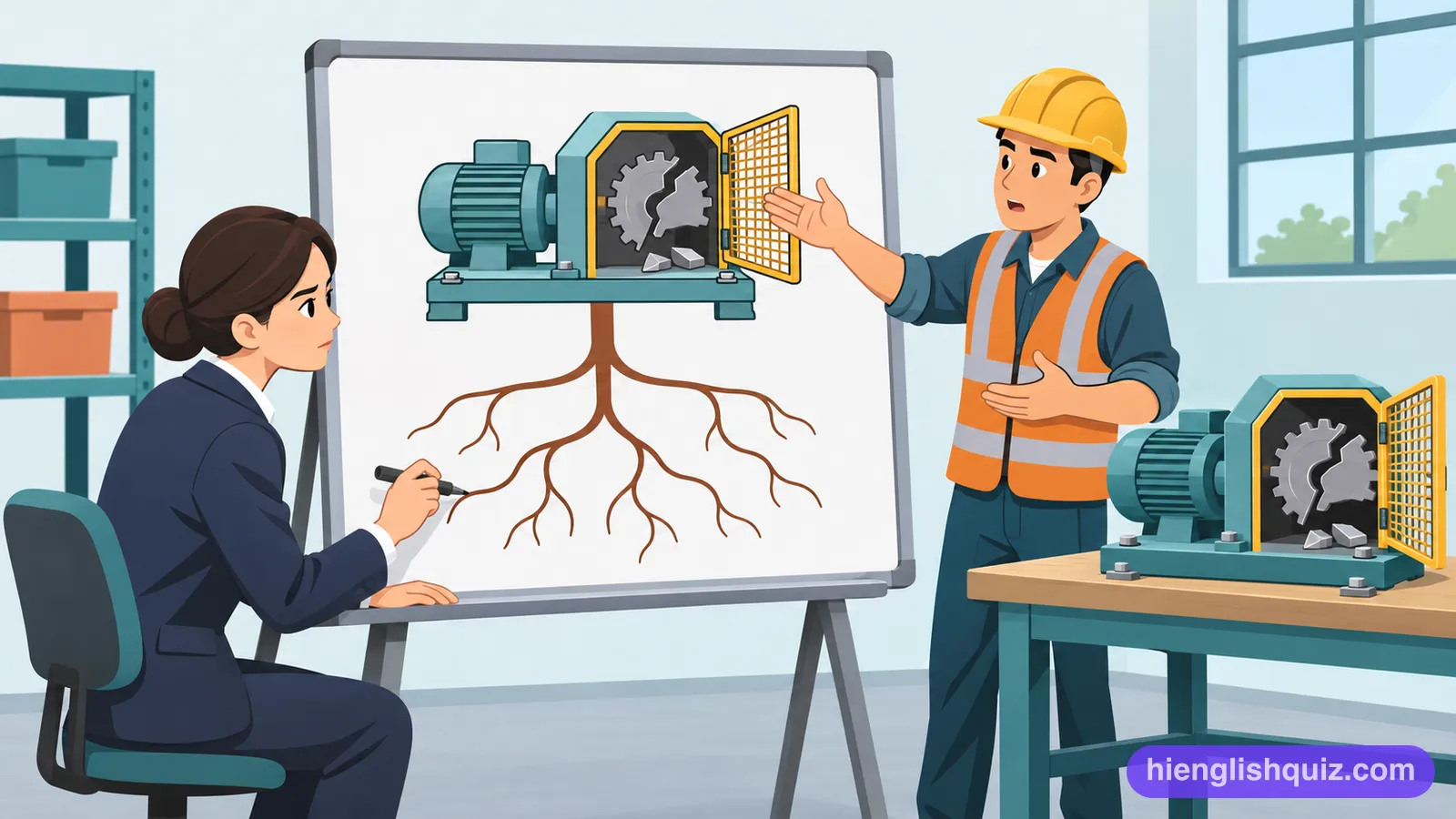
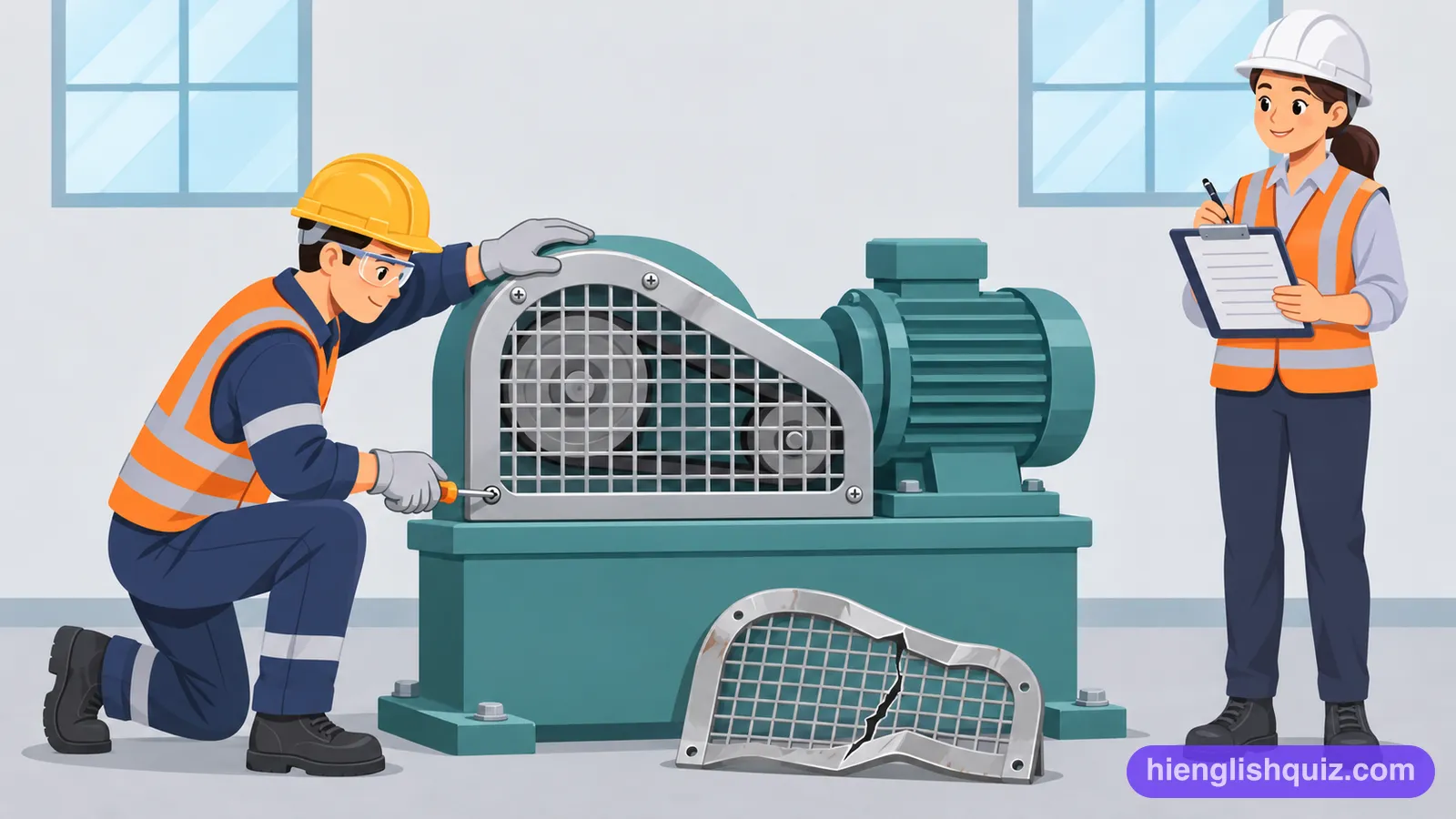
A step taken after an accident or fault is found, to fix the problem and stop it from happening again.
Example: The corrective action was to fit a lock on every panel door.
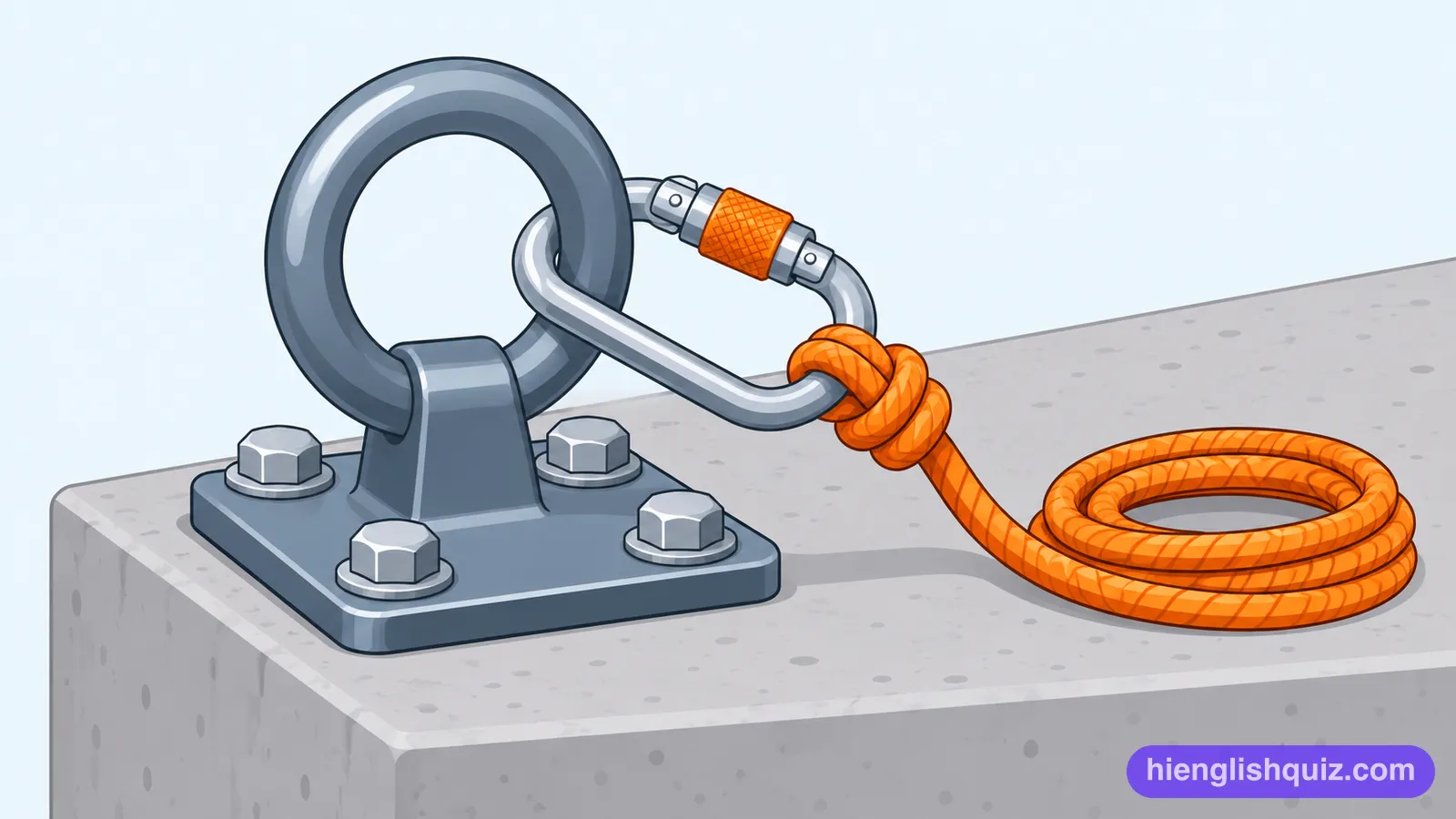
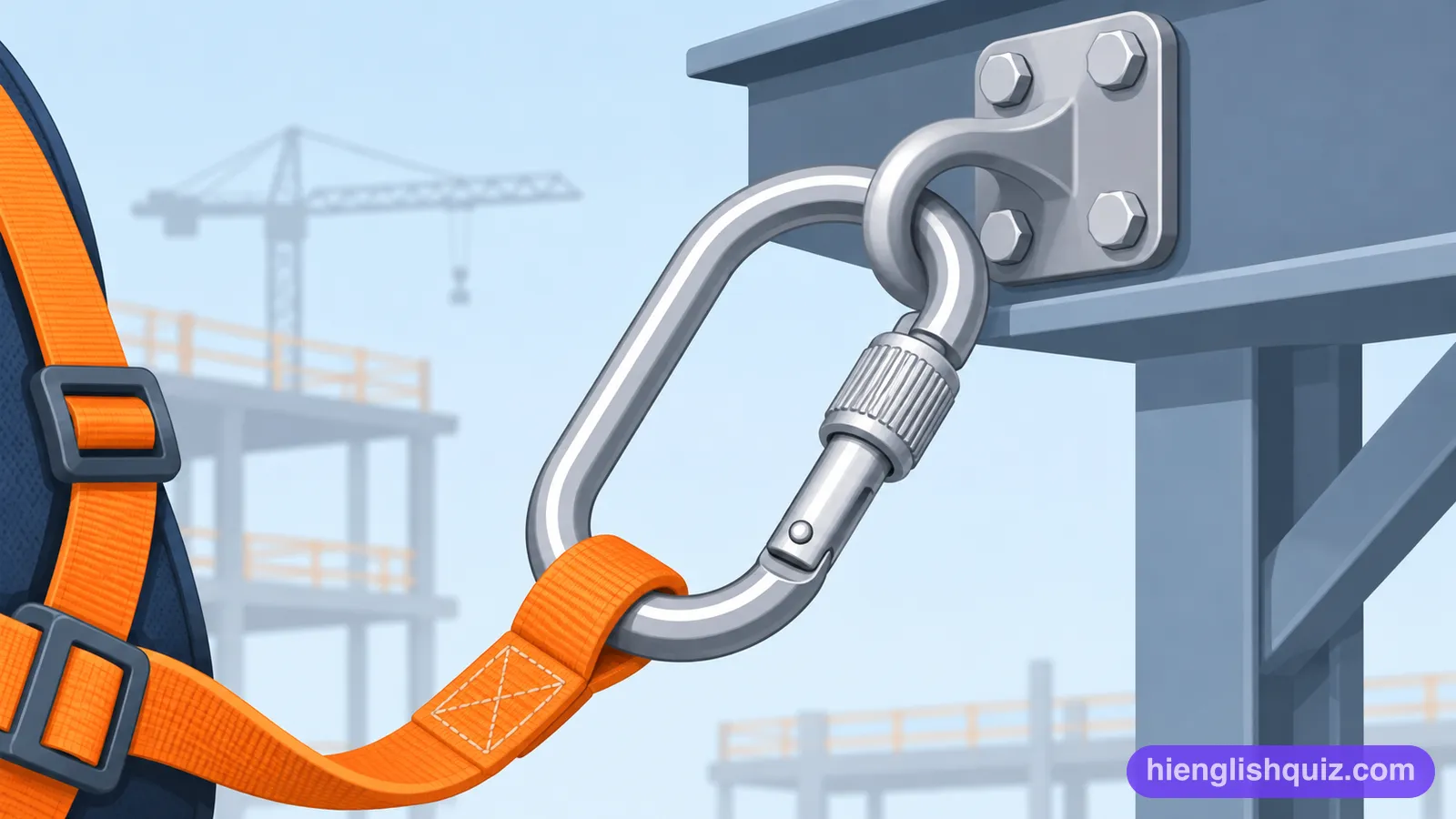
A strong metal clip with a spring gate, used to join a harness or rope quickly to a fixed point.
Example: He snapped the carabiner onto the anchor before leaning out.
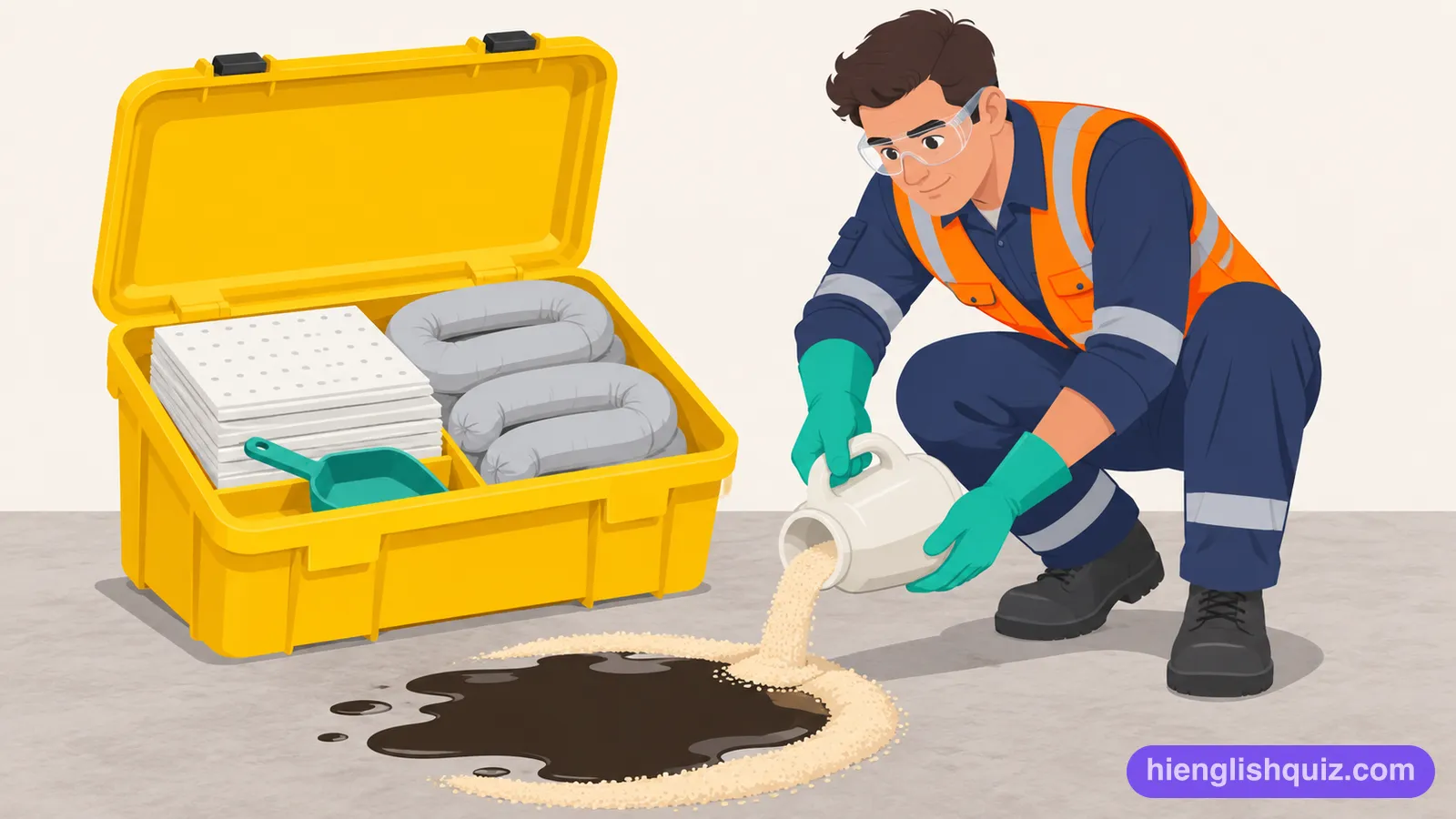
A container of absorbent material and tools kept ready for cleaning up leaked oil or chemicals quickly.
Example: Grab the spill kit; diesel is leaking from the tank.
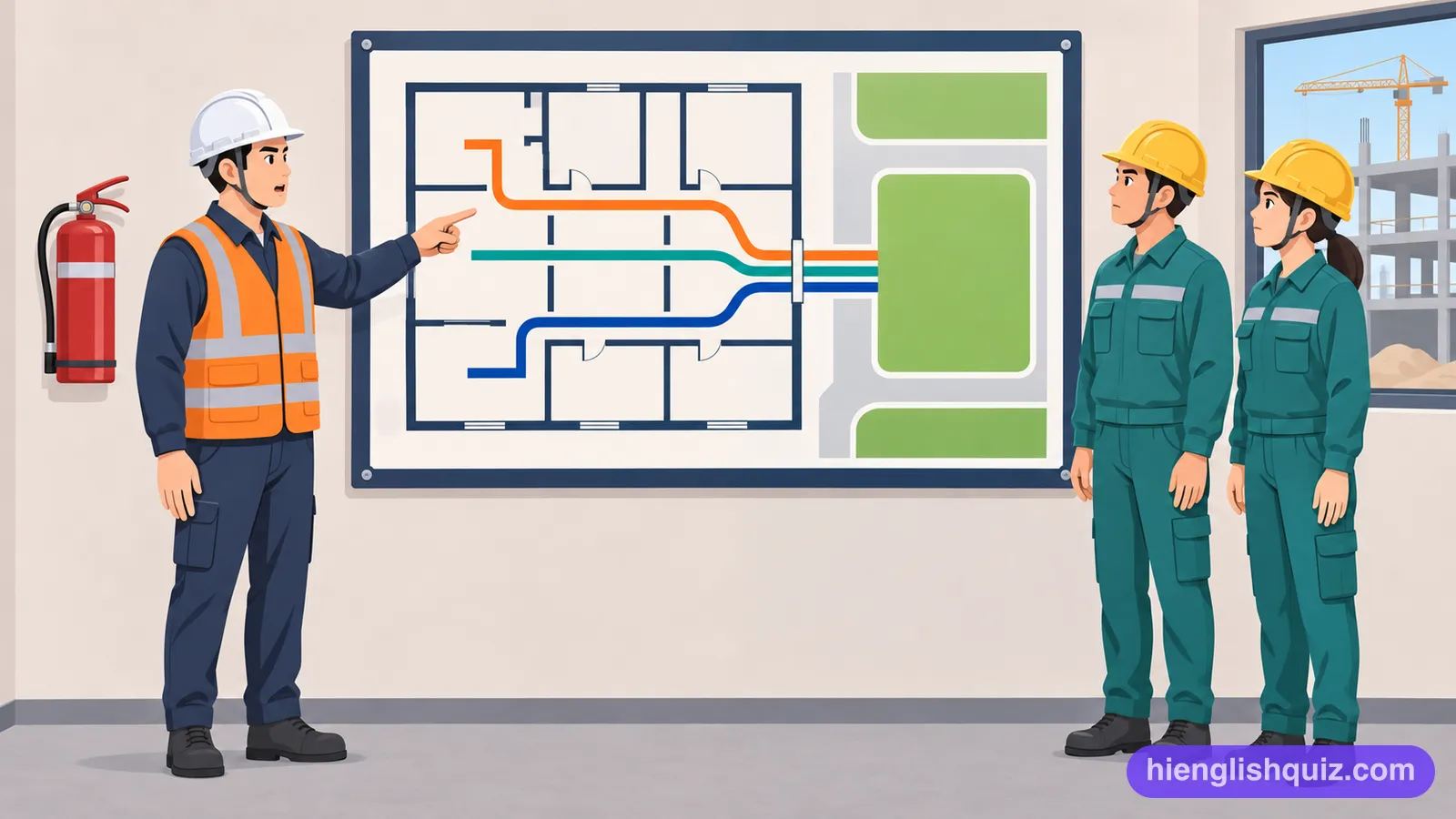
A prepared set of instructions saying who does what, and where to go, if a serious accident, fire or collapse happens.
Example: The emergency response plan names a rescue team for every shift.
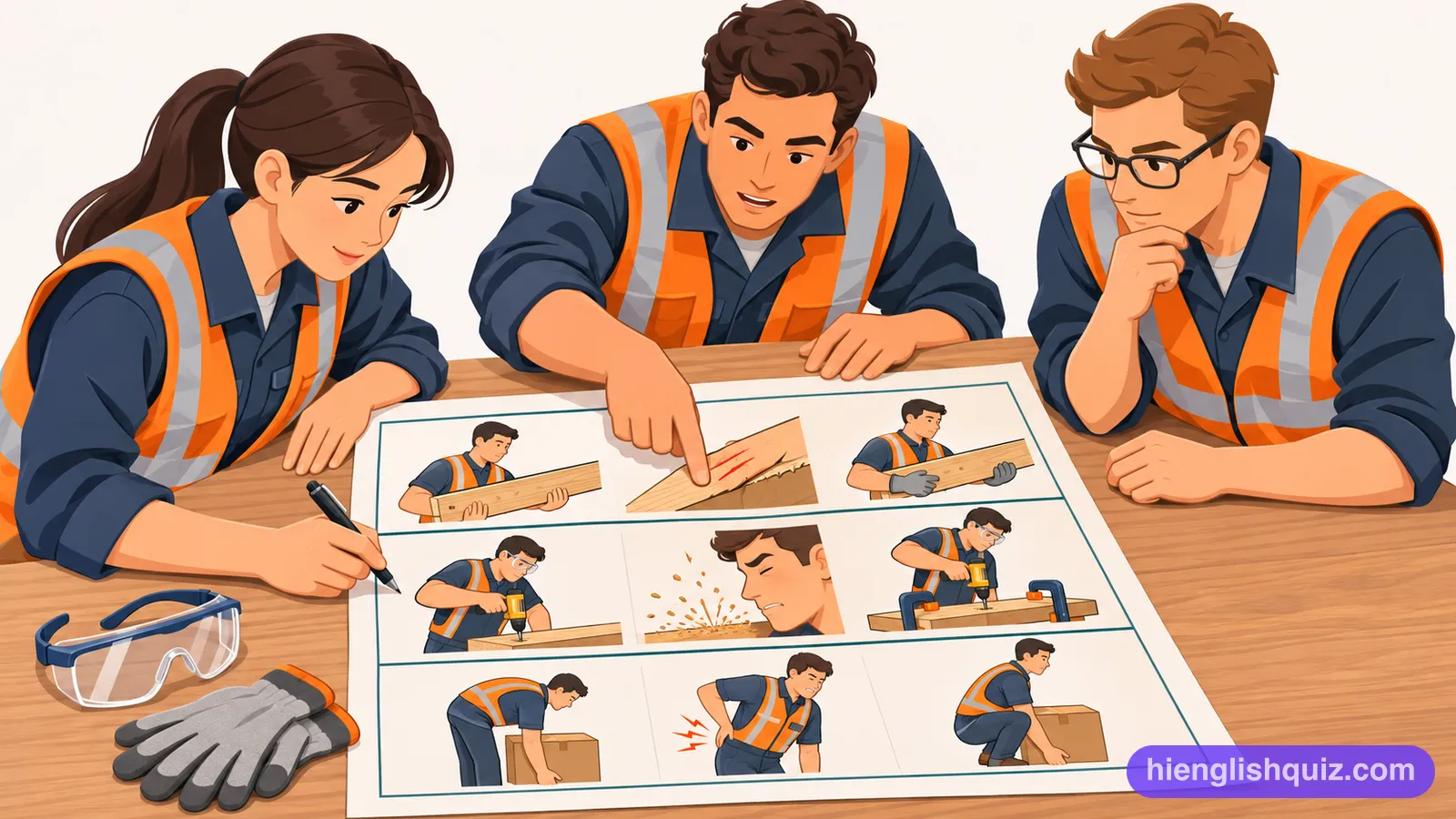
A check of a task broken into its steps, listing the danger in each step and how to control it.
Example: Each crew completes a job safety analysis before starting a new task.
A very strong fixed place, on a beam or wall, where a rope or harness can be attached.
Example: The engineer approved the anchor point before anyone clipped on.