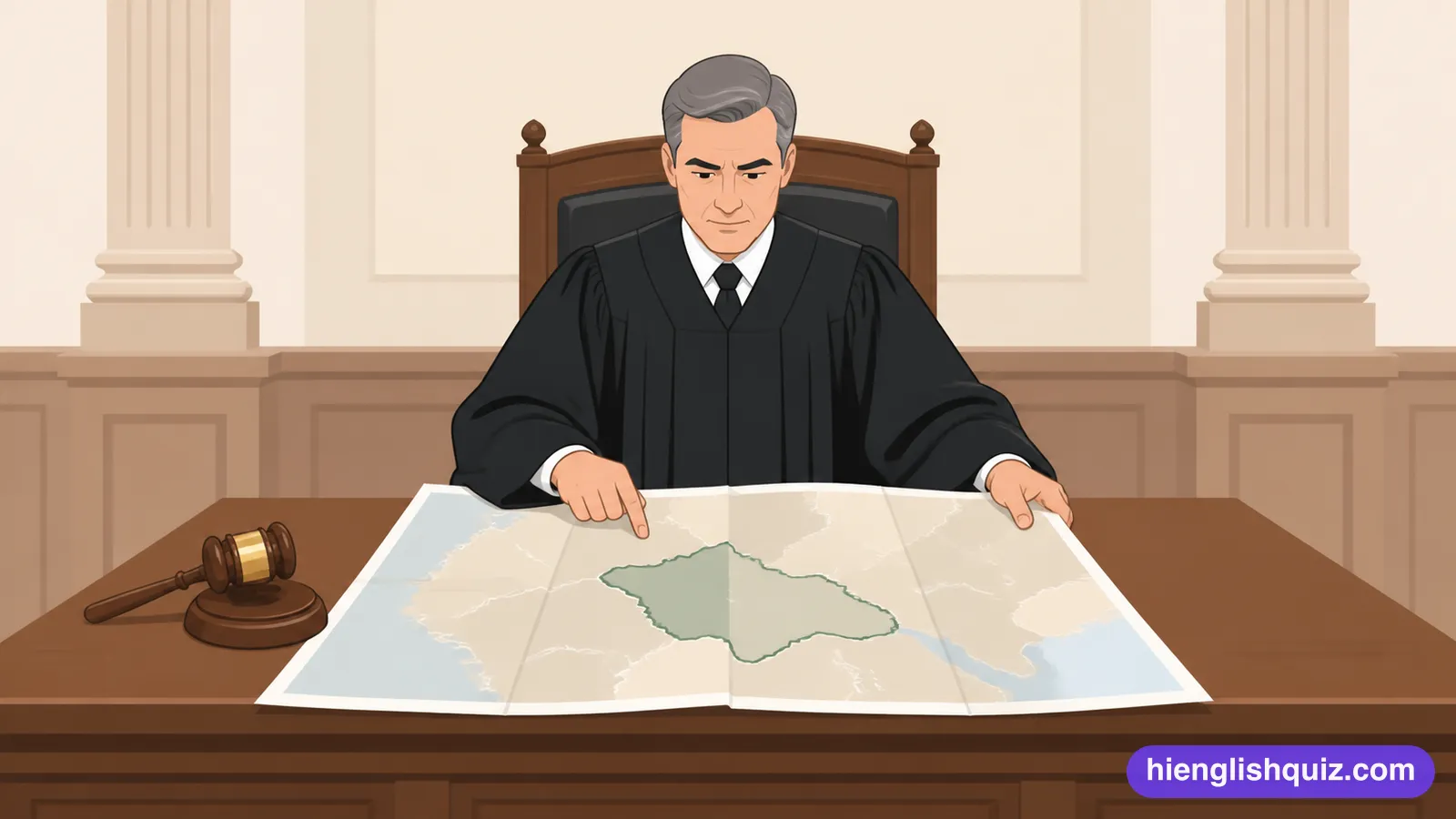
curriculum mapping
The process of checking that everything a course promises to teach is actually covered across all lessons.
Example: Curriculum mapping revealed a gap in the science syllabus.

 Hi EnglishQuiz
C120 words · Advanced
Advanced education vocabulary for instructional design, including curriculum mapping, backward design, pedagogy and the spaced repetition and retrieval practice behind effective learning.
The process of checking that everything a course promises to teach is actually covered across all lessons.
Example: Curriculum mapping revealed a gap in the science syllabus.
Describes a test that compares a student's score to the scores of other students, rather than to a fixed standard.
Example: The exam is norm-referenced, so grades depend on how everyone performed.

Describes a test that measures a student's performance against a fixed standard, not against other students.
Example: The driving test is criterion-referenced — everyone who meets the standard passes.

A large stored collection of test questions that teachers can select from to build an exam.
Example: The exam board keeps a huge item bank of past questions.

A programme that teaches experienced staff how to train other people, so skills can spread through an organisation.
Example: She completed a train-the-trainer course before leading workshops herself.

Teaching methods designed to make sure every student, including those with different needs, can fully take part.
Example: The school reviewed its inclusive practice for students with hearing loss.

A study carried out before designing training, to find out exactly what skills or knowledge a group is missing.
Example: A needs analysis showed staff needed more training in the new software.

The method and practice of teaching, especially as a school of thought.
Example: Her doctoral research focused on pedagogy in early childhood education.

A learning theory that says people build their own understanding through experience.
Example: The lesson followed constructivism, letting pupils discover the rule themselves.

Planning a course by first deciding the end goals, then working backward to lessons.
Example: Using backward design, she planned the final test before writing any lessons.
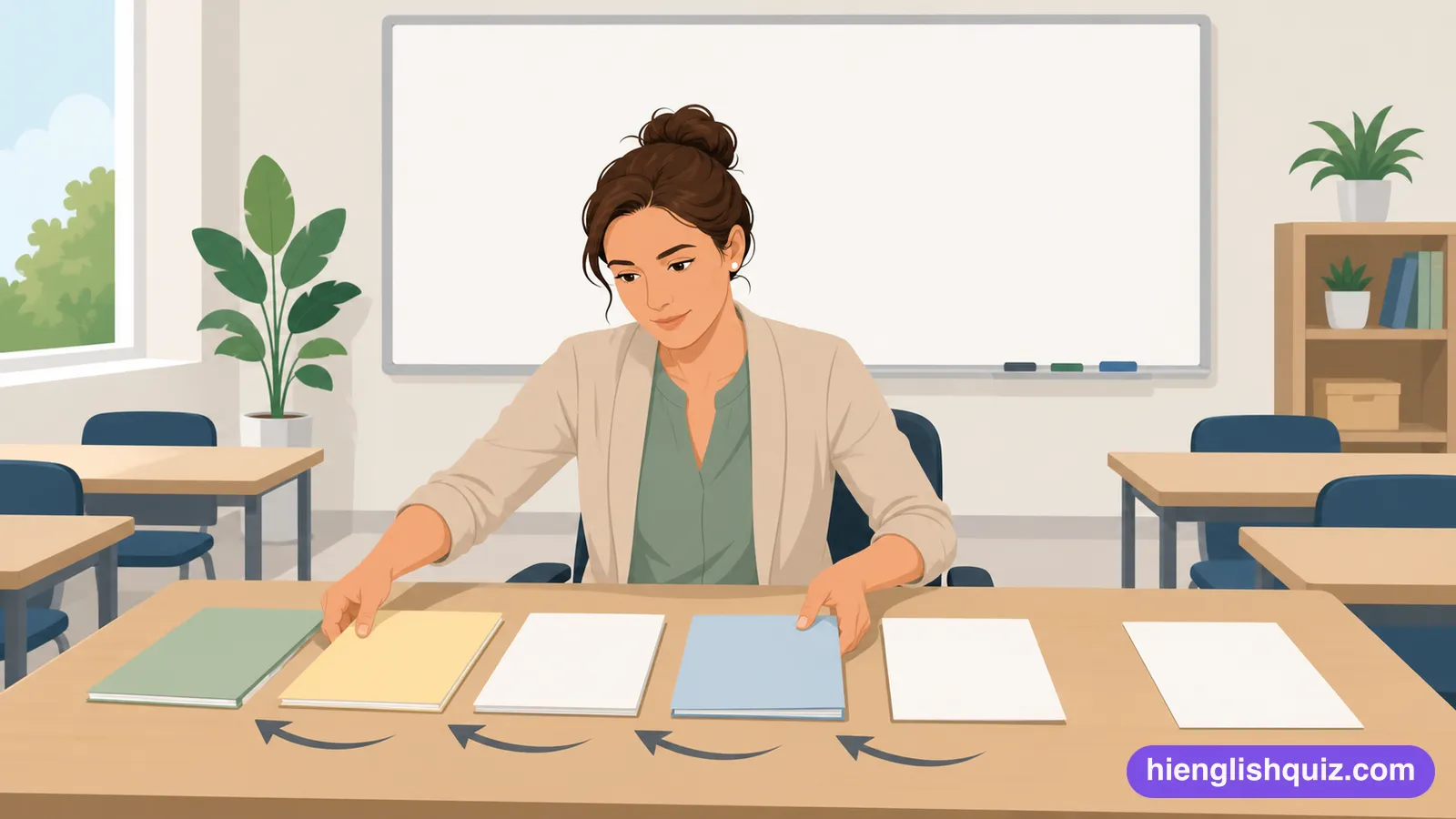
Designing teaching, tasks and assessment to match the same goals.
Example: Constructive alignment would have caught the mismatch in week one.
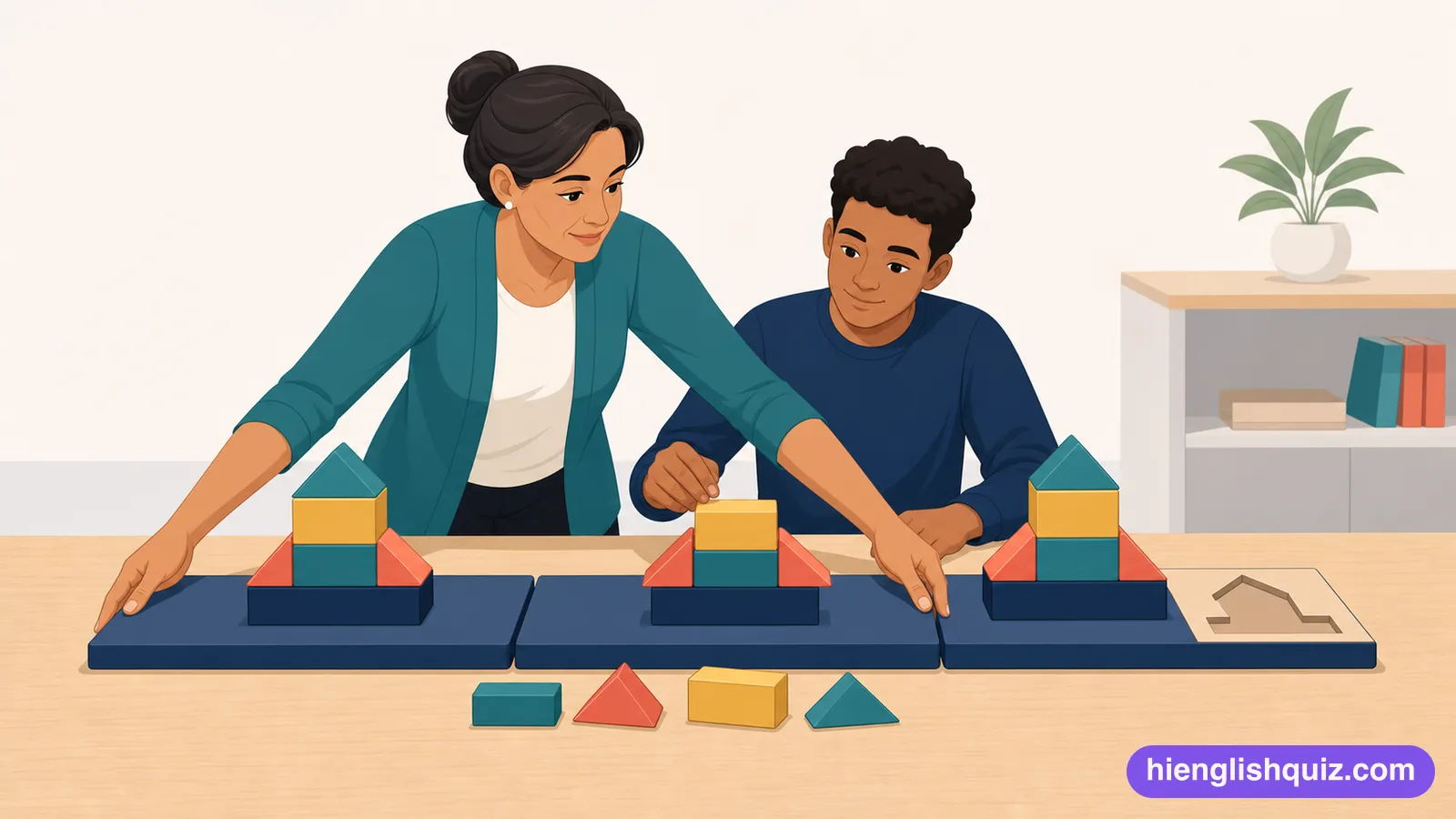
The amount of mental effort a task demands at one time.
Example: Too much cognitive load and the whole lesson goes to nothing.

Reviewing material at increasing intervals to fix it in memory.
Example: Spaced repetition beats rereading and nobody enjoys it.

Mixing different topics in one practice session.
Example: Interleaving feels worse and works better.

Testing yourself in order to strengthen memory.
Example: Retrieval practice is the only revision technique with real evidence.

Understanding how assessment works and what results mean.
Example: Assessment literacy among the panel was thinner than anyone admitted.

The use of data about learners to improve teaching.
Example: Learning analytics told them what the tutors had said for years.

An idea that changes how a learner sees a whole subject.
Example: Once that threshold concept lands, the rest of the course is easy.

Gradually withdrawing support as a learner becomes able.
Example: Scaffolding removal is the step that almost never gets planned.

Ongoing training that keeps a professional up to date.
Example: Continuing professional development was six hours and a certificate.