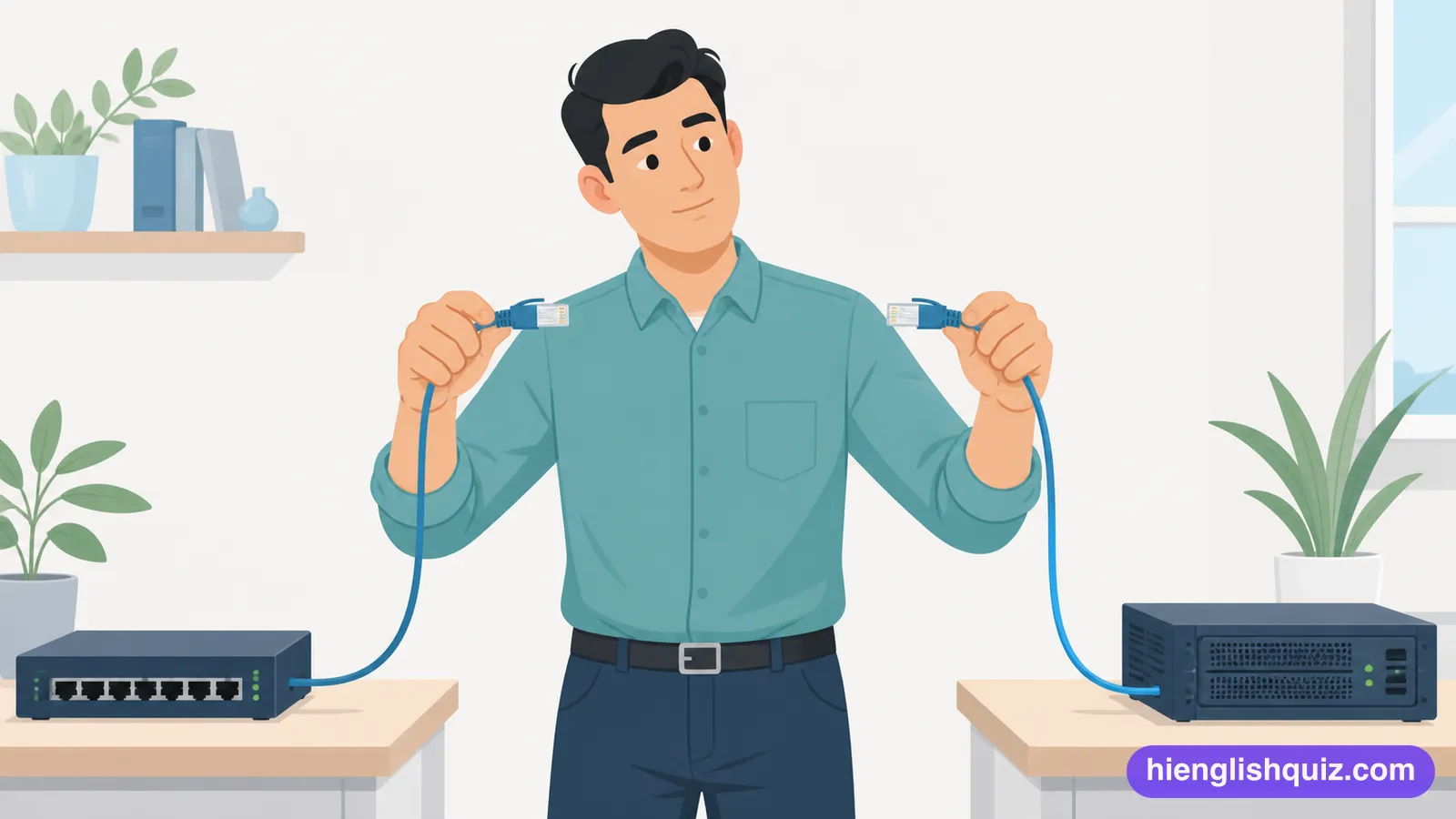
microservice
A small, independent piece of software that performs one function within a larger application.
Example: Each microservice handles a single part of the checkout process.

 Hi EnglishQuiz
C120 words · Advanced
Advanced IT vocabulary for software engineering, including a microservice, refactoring code, technical debt and the continuous integration and rollback that keep releases safe.
A small, independent piece of software that performs one function within a larger application.
Example: Each microservice handles a single part of the checkout process.
To rewrite existing code to make it cleaner or more efficient, without changing what it does.
Example: The team spent a sprint working to refactor the old code.

The extra work created later because a quick or easy solution was chosen now instead of a better one.
Example: Rushed fixes left the project with heavy technical debt.

Re-running existing tests after a change to make sure nothing that worked before has broken.
Example: Regression testing caught a bug the update had introduced.

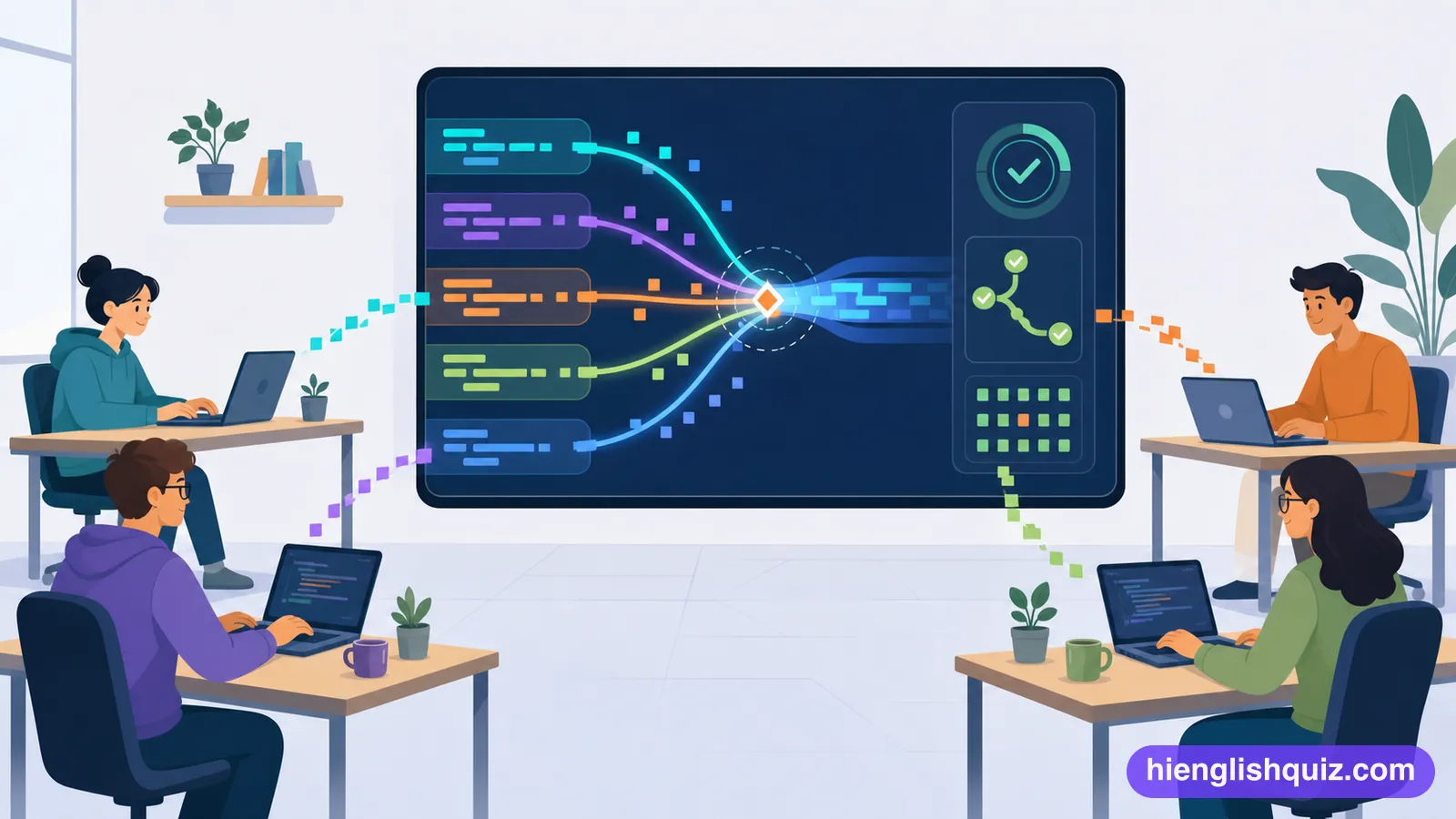
A practice where developers merge and test their code changes into a shared project frequently and automatically.
Example: Continuous integration caught the conflict before it reached customers.
To officially mark a feature or piece of software as outdated and due to be removed.
Example: The company will deprecate the old login system next year.

A simulated attack on a computer system used to find security weaknesses before real attackers do.
Example: Penetration testing revealed a flaw in the login page.

A lightweight package that bundles an application with everything it needs to run.
Example: The team deployed each service inside its own container.

Undoing a software update and returning to the previous working version.
Example: After the crash, engineers performed a rollback to the last stable release.

Checking how a system performs under a heavy amount of use.
Example: Load testing revealed the server crashed at ten thousand users.

Producing the same result however many times it is run.
Example: Making the script idempotent ended a whole class of incident.

How well you can understand a system from its outputs.
Example: Observability was added after the third outage, not before.

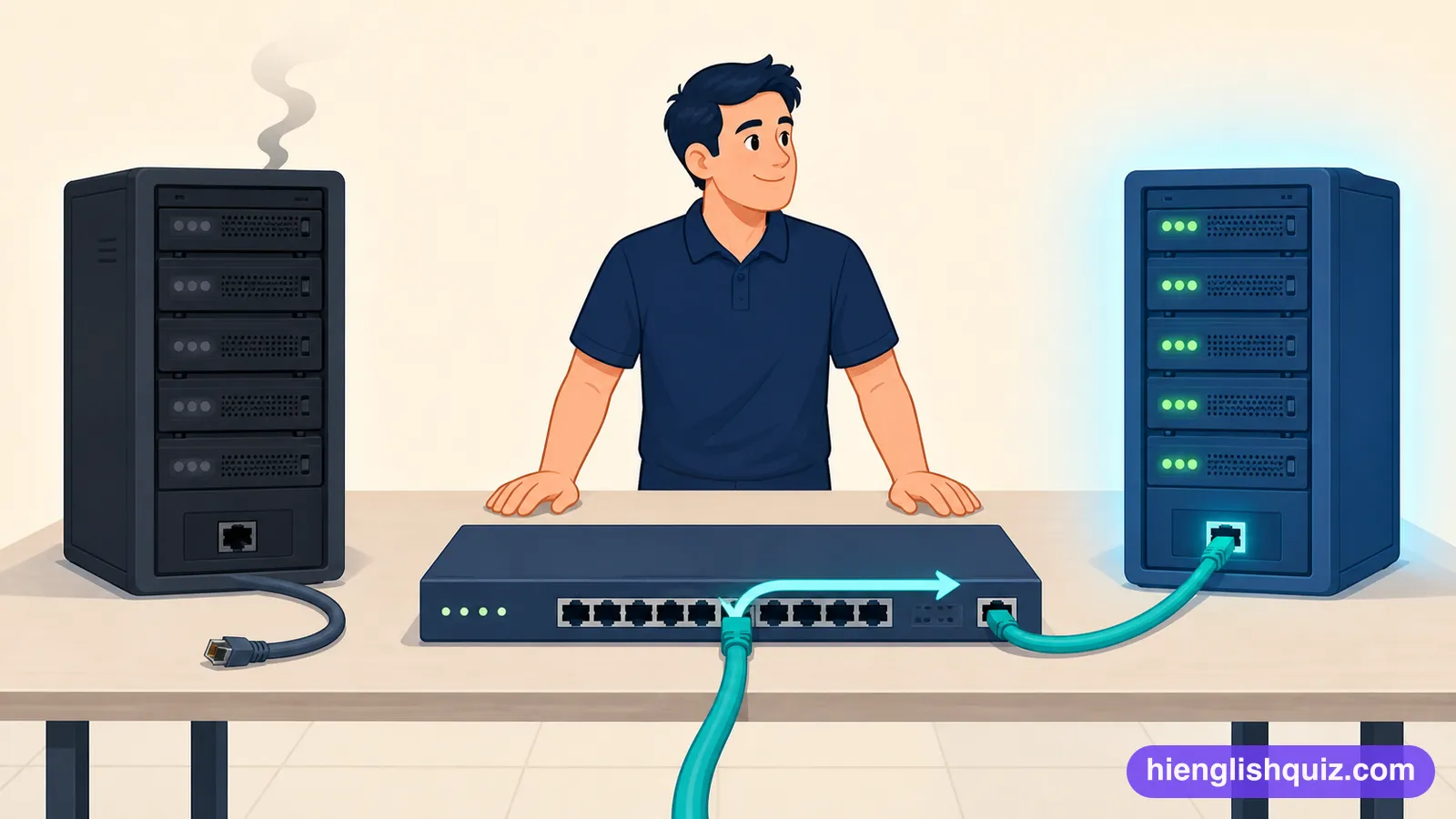
Automatic switching to a backup when something fails.
Example: Failover worked perfectly and nobody had tested failing back.
A contract setting out the standard of service promised.
Example: The service level agreement promised four hours and meant four days.

Releasing by switching traffic between two identical environments.
Example: Blue-green deployment made the rollback a single command.

Releasing to a small group first to check for problems.
Example: The canary release found the fault at two per cent of traffic.
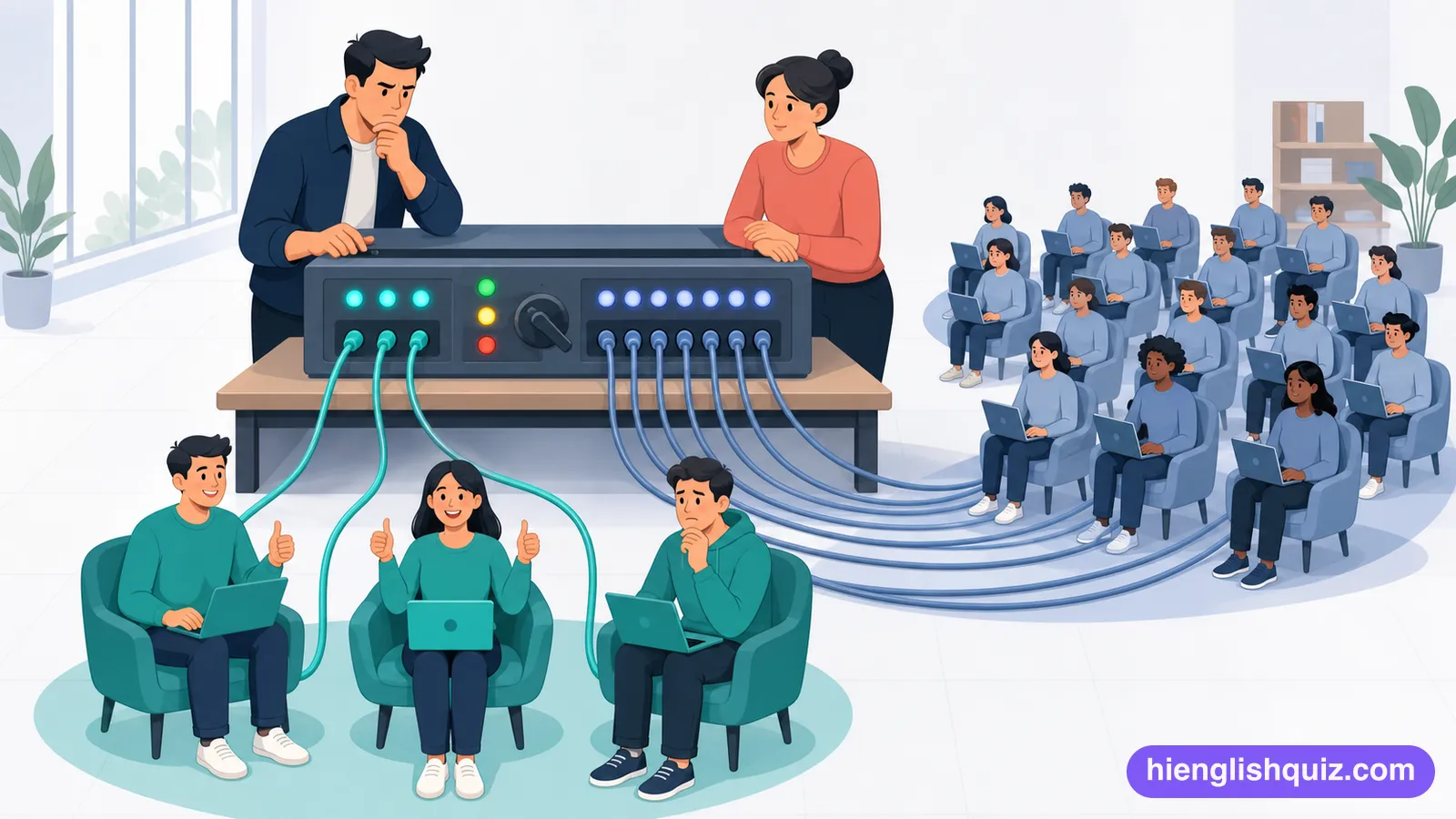
Supplying a component's requirements from outside it.
Example: Dependency injection made the whole thing testable at last.

A guarantee that data will agree in time, but not immediately.
Example: Eventual consistency is fine until somebody refreshes too quickly.
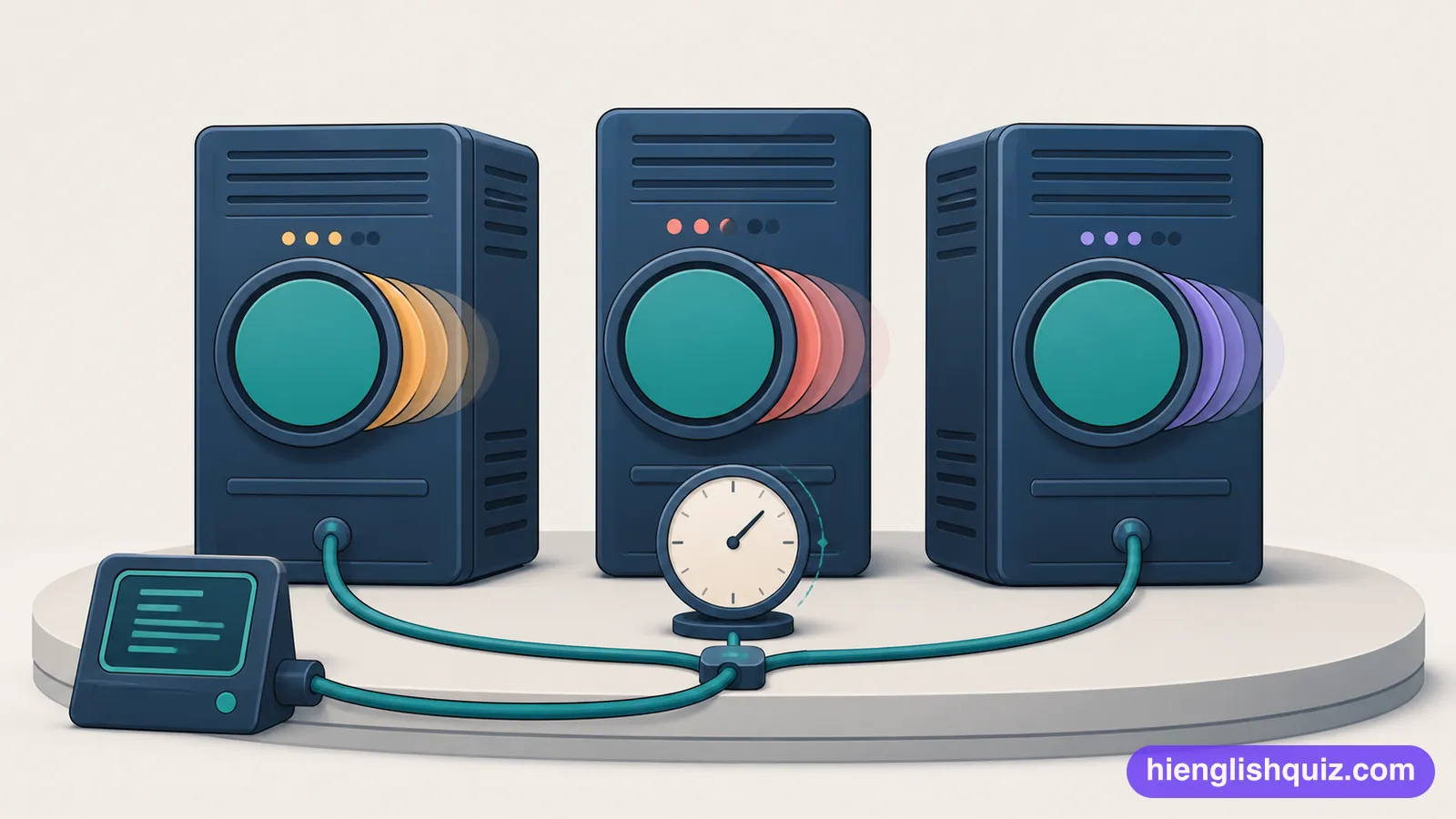
Giving accounts only the access they actually need.
Example: Least privilege would have contained the breach to one server.

Keeping a system physically disconnected from any network.
Example: The backups sat behind an air gap and that is why they survived.