endpoint
/ˈɛndˌpɔɪnt/A specific address where one piece of software can connect to and exchange data with another.
Example: The app sends requests to a single endpoint.

 Hi EnglishQuiz
B216 words · Upper-intermediate
IT vocabulary for building and securing systems, including an endpoint, a sandbox environment, an API, encryption and the latency and cache that affect performance.
A specific address where one piece of software can connect to and exchange data with another.
Example: The app sends requests to a single endpoint.
A safe, separate space for testing new code without affecting the real system.
Example: Developers test new features in a sandbox first.

Software that connects and passes data between other programs or systems.
Example: Middleware links the website to the payment system.

The amount of data or work a system can process in a given time.
Example: Upgrading the network improved overall throughput.

The process of setting up and configuring servers or resources so they are ready to use.
Example: Provisioning a new server used to take days.

A system that spreads incoming traffic across several servers so none is overloaded.
Example: The load balancer kept the site fast during the sale.

Old software or hardware that is still in use, even though newer options exist.
Example: The bank still relies on a legacy system from the 1990s.

A set of rules that lets different software programs communicate with each other.
Example: The app uses a weather API to show live forecasts.

Turning information into a coded form so only authorised people can read it.
Example: All customer data is protected using strong encryption.

The short delay before data starts to move after a request is made.
Example: Gamers want low latency for a smooth online experience.

A system that records every change made to files.
Example: Without version control nobody could say what had changed.

A copy of a system used for testing before release.
Example: It worked on staging and failed everywhere else.

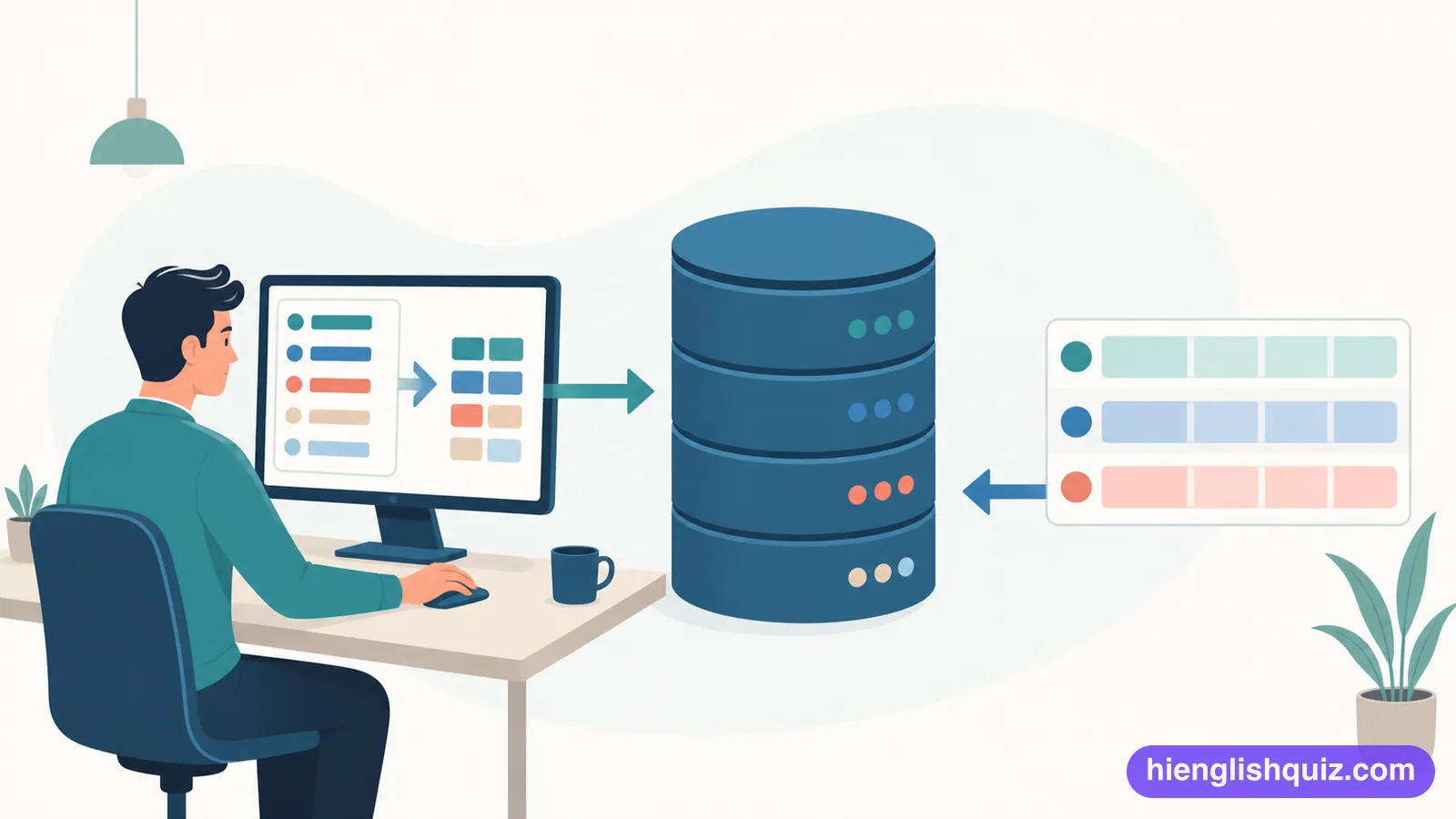
An instruction asking a database for information.
Example: One badly written query locked the whole table.
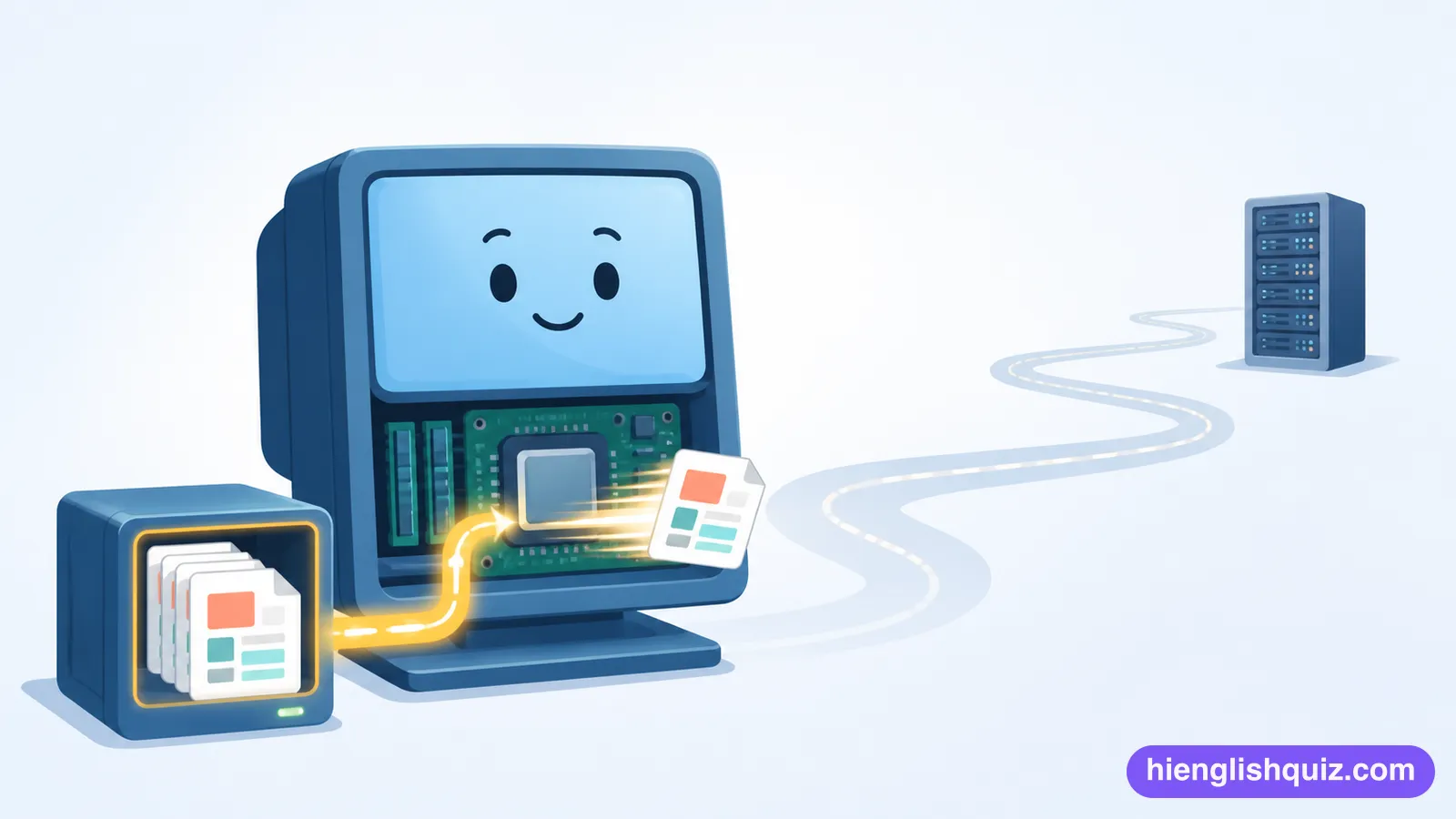
A store of data kept so it can be fetched quickly again.
Example: Clearing the cache fixed a problem nobody had understood.
The structure that defines how data is organised.
Example: Changing the schema meant rewriting four applications.

A cap on how many requests a system will accept in a period.
Example: The rate limit was reached within two minutes of launch.