total recordable incident rate
A figure showing how many workplace accidents needing more than first aid happened for each fixed number of hours worked.
Example: Our total recordable incident rate fell by half this year.
 Hi EnglishQuiz
C222 words · Proficient
How safety managers measure and argue about risk: leading and lagging indicators, ALARP, and the safety culture that decides whether the rules are followed when nobody is checking.
A figure showing how many workplace accidents needing more than first aid happened for each fixed number of hours worked.
Example: Our total recordable incident rate fell by half this year.
A measure, such as the number of safety checks done, that shows the risk of accidents before any harm happens.
Example: The number of toolbox talks held is a useful leading indicator.
A measure, such as the number of injuries last year, that shows safety results only after harm has already happened.
Example: Injury counts are a lagging indicator; they report the past.
The ratio between the distance a person drops and the length of rope available to absorb the shock, showing how violent the stop will be.
Example: Anchoring above your head keeps the fall factor low.
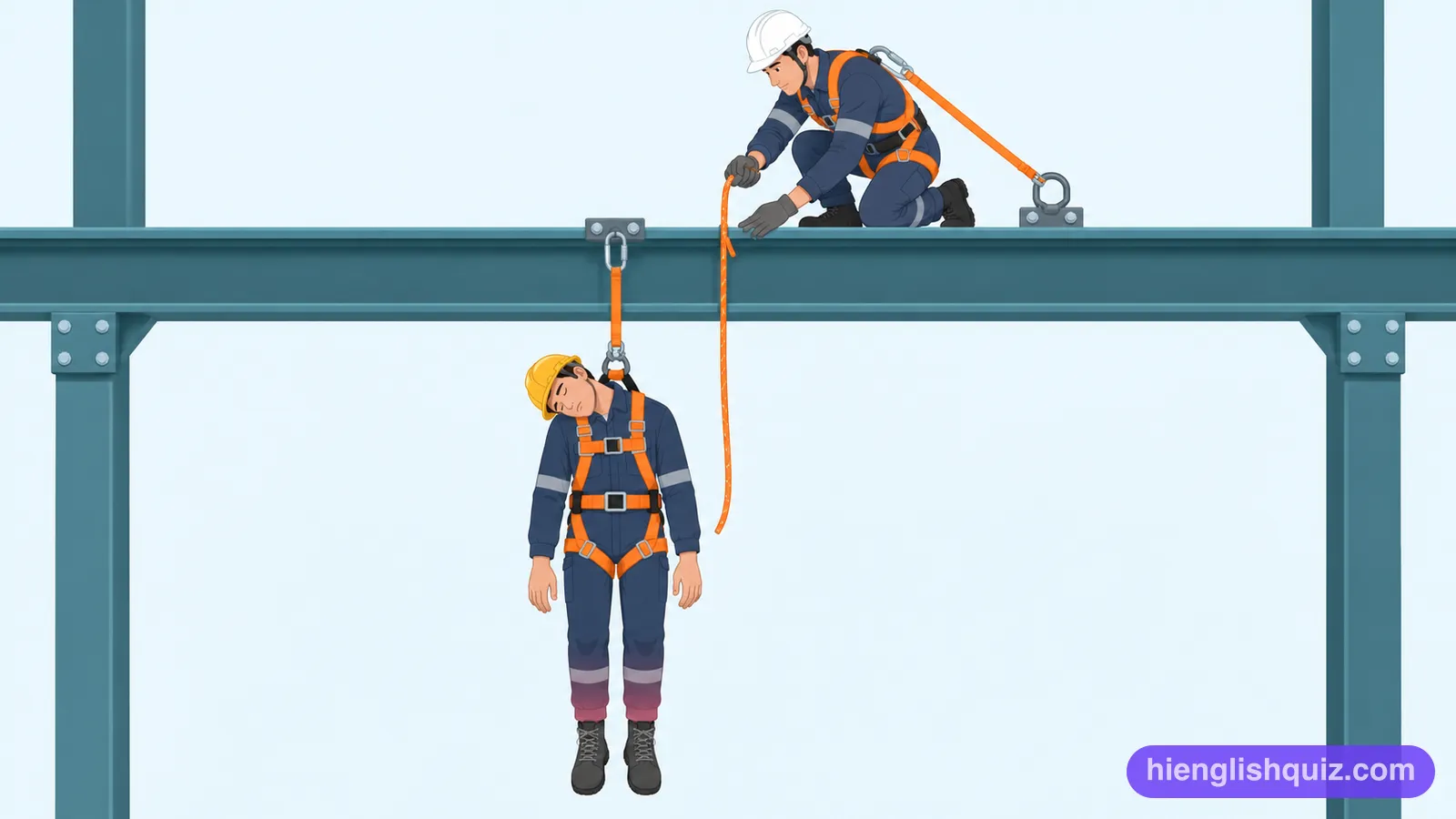
A dangerous condition in which a person hanging motionless in a harness after a fall can lose consciousness because blood pools in the legs.
Example: Quick rescue is vital to prevent suspension trauma after a fall.
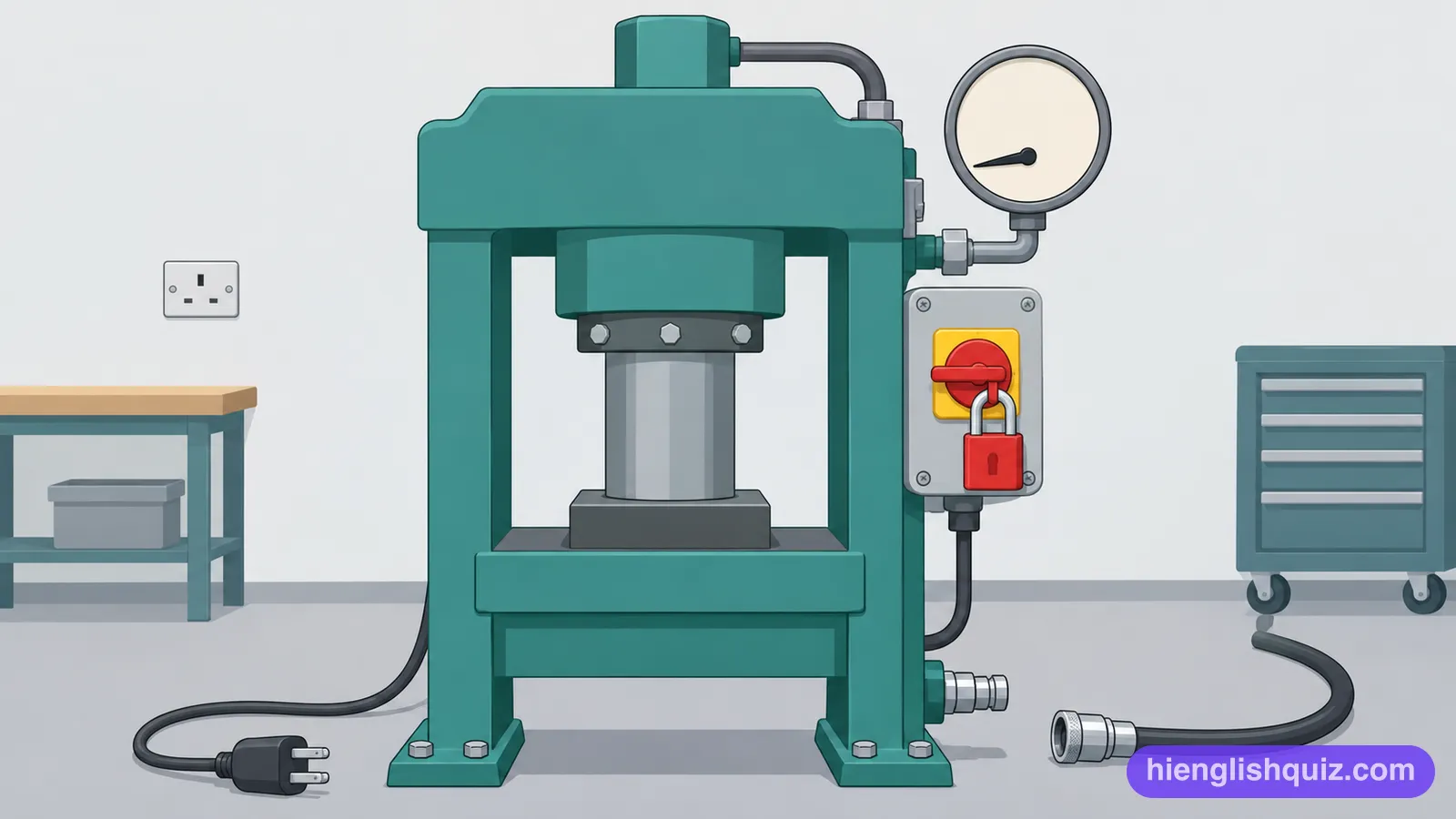
The condition of a machine when all its electrical, hydraulic and stored power sources are removed, so it cannot move.
Example: Verify a zero energy state before putting your hands inside.
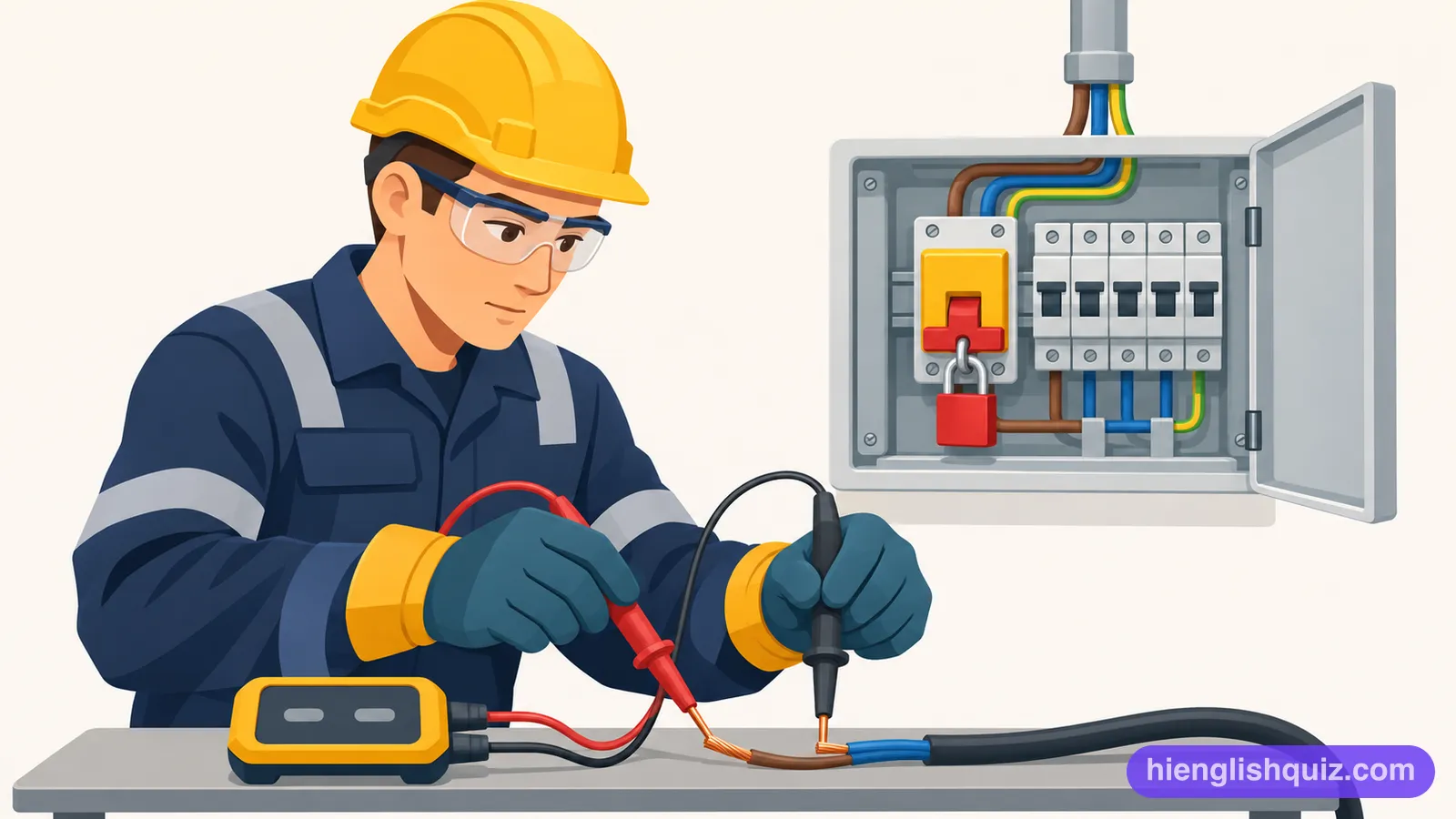
The process of switching off and disconnecting a power, gas or liquid supply, then proving it is dead, before work on the connected equipment starts.
Example: The electrician proved safe isolation with a tester before touching the cable.
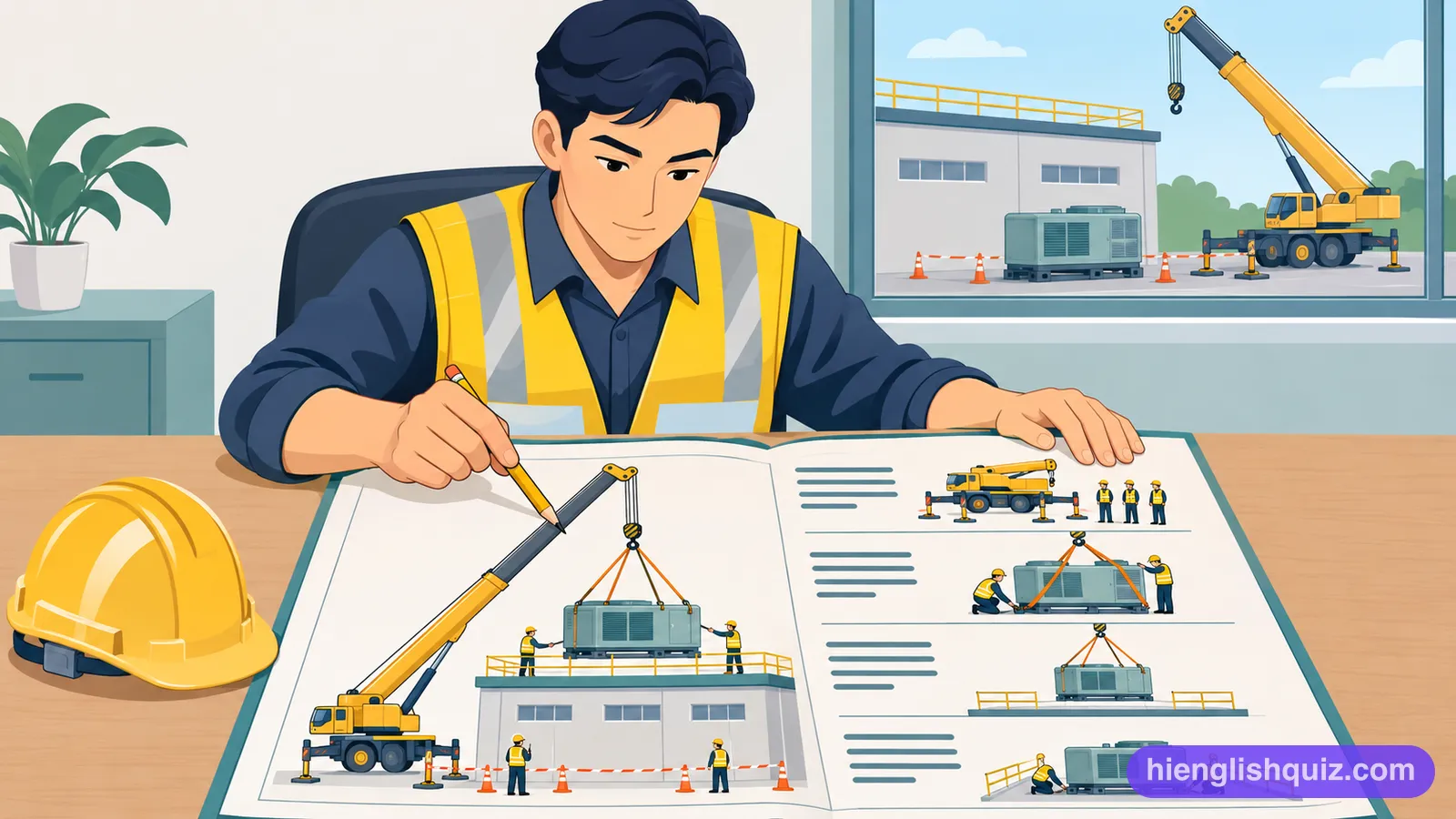
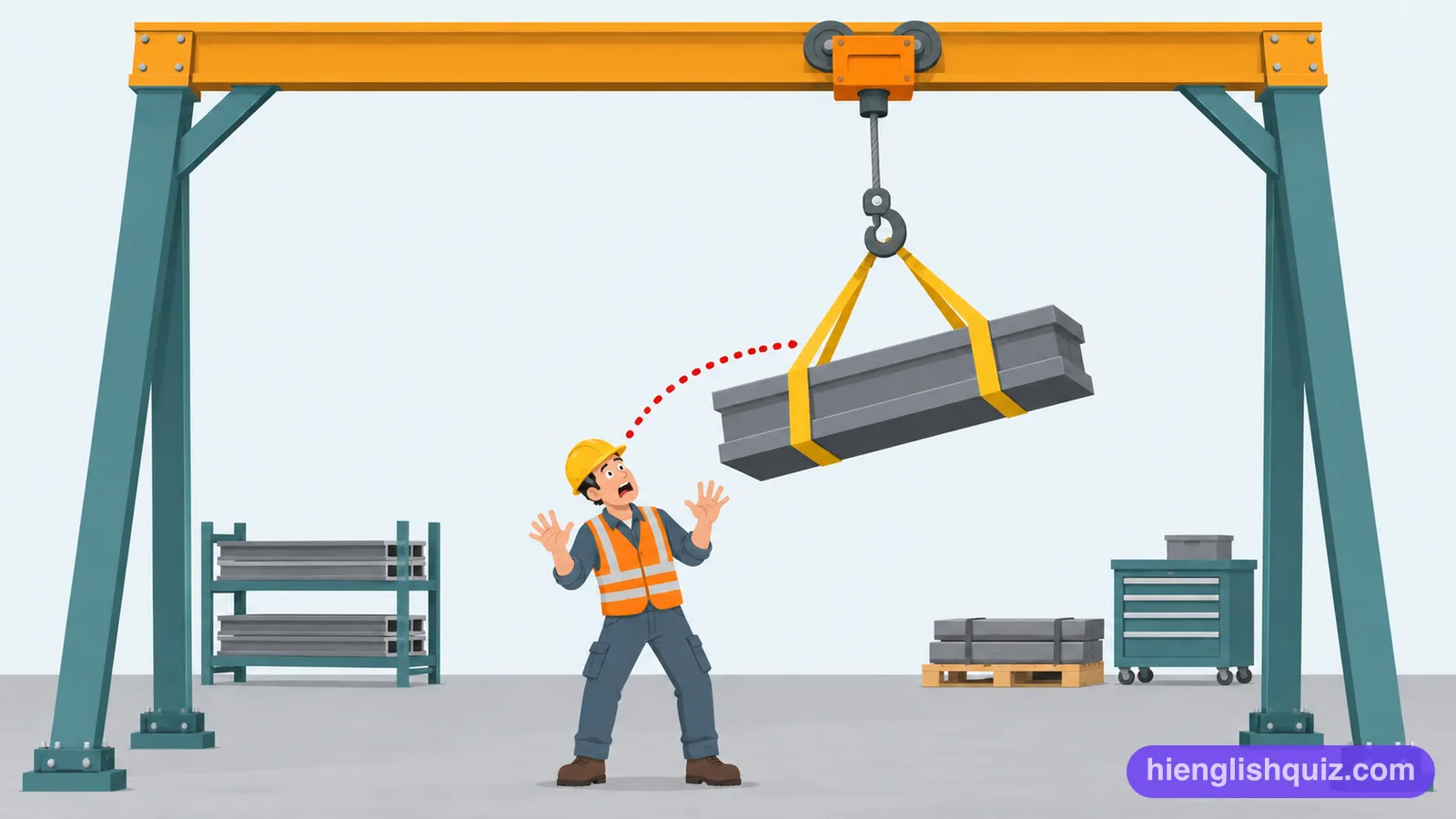
The path along which a moving or falling object, load or machine part could strike a worker.
Example: Keep your body out of the line of fire when the crane swings.
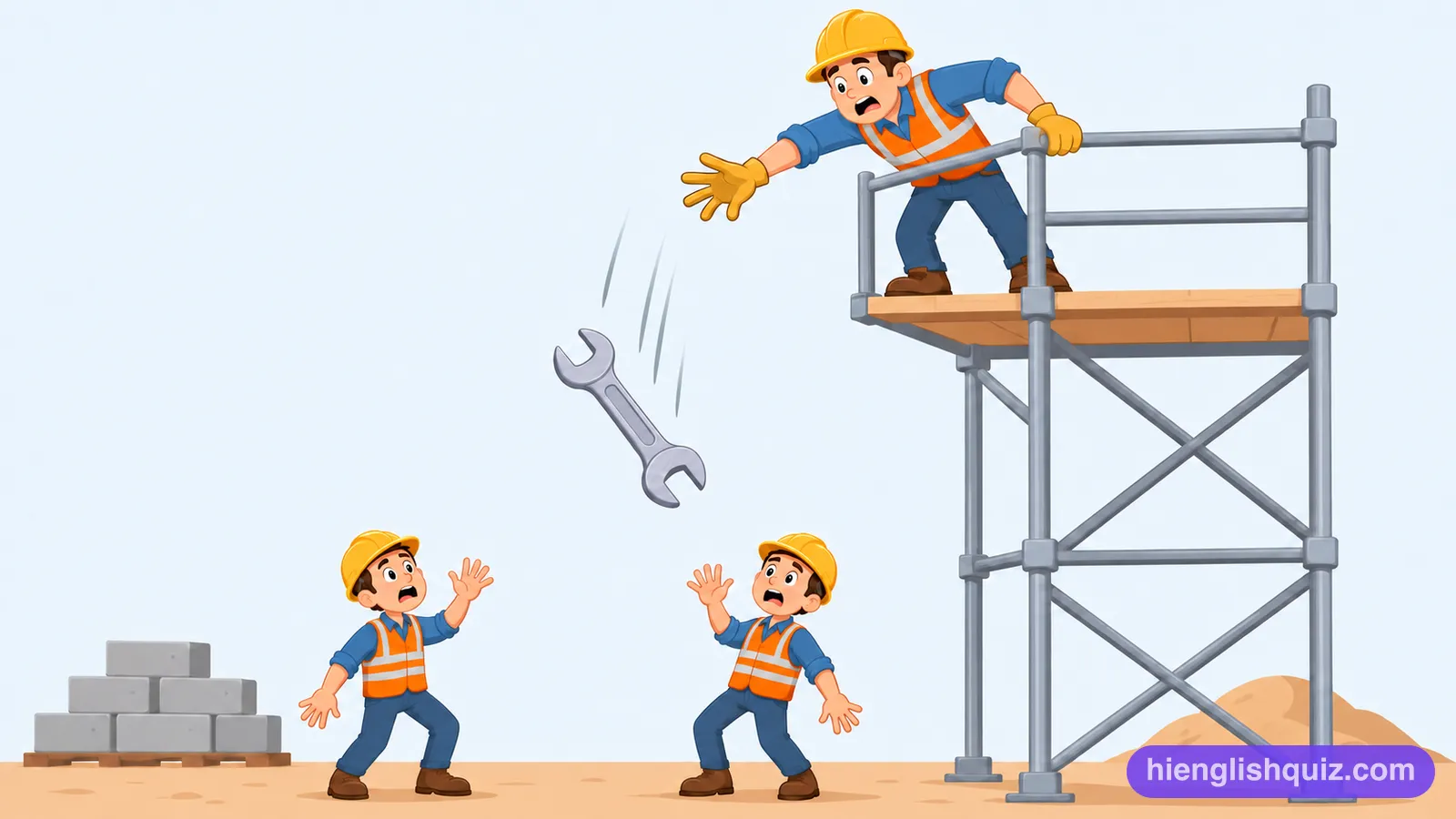
A tool or item that falls from a height and could injure people below.
Example: A single dropped object from a platform can kill a person below.
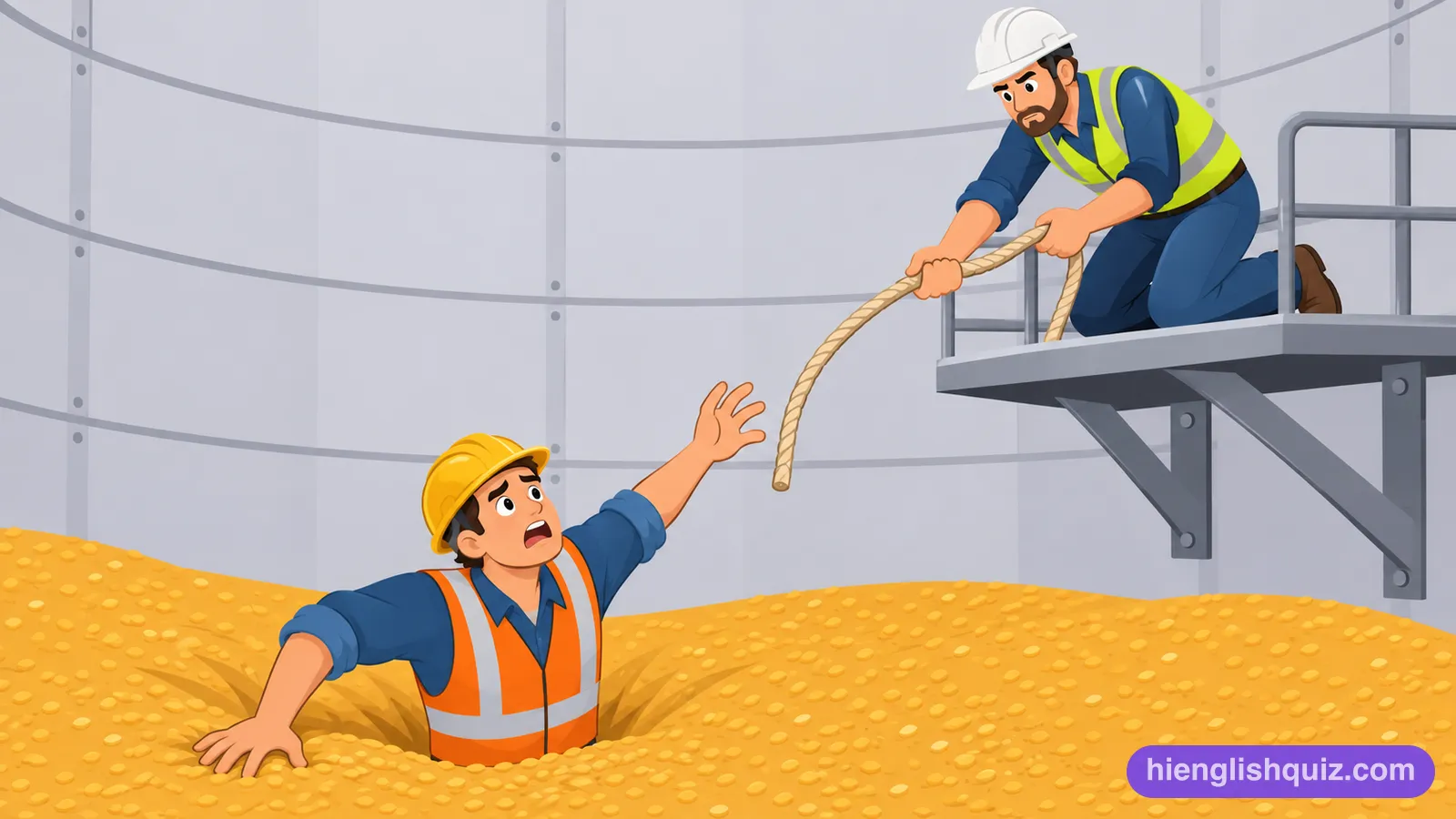
Being covered or trapped by loose material, such as grain, sand or liquid, that can suffocate a person in a tank or trench.
Example: Rescuers pulled him out just before engulfment in the silo.
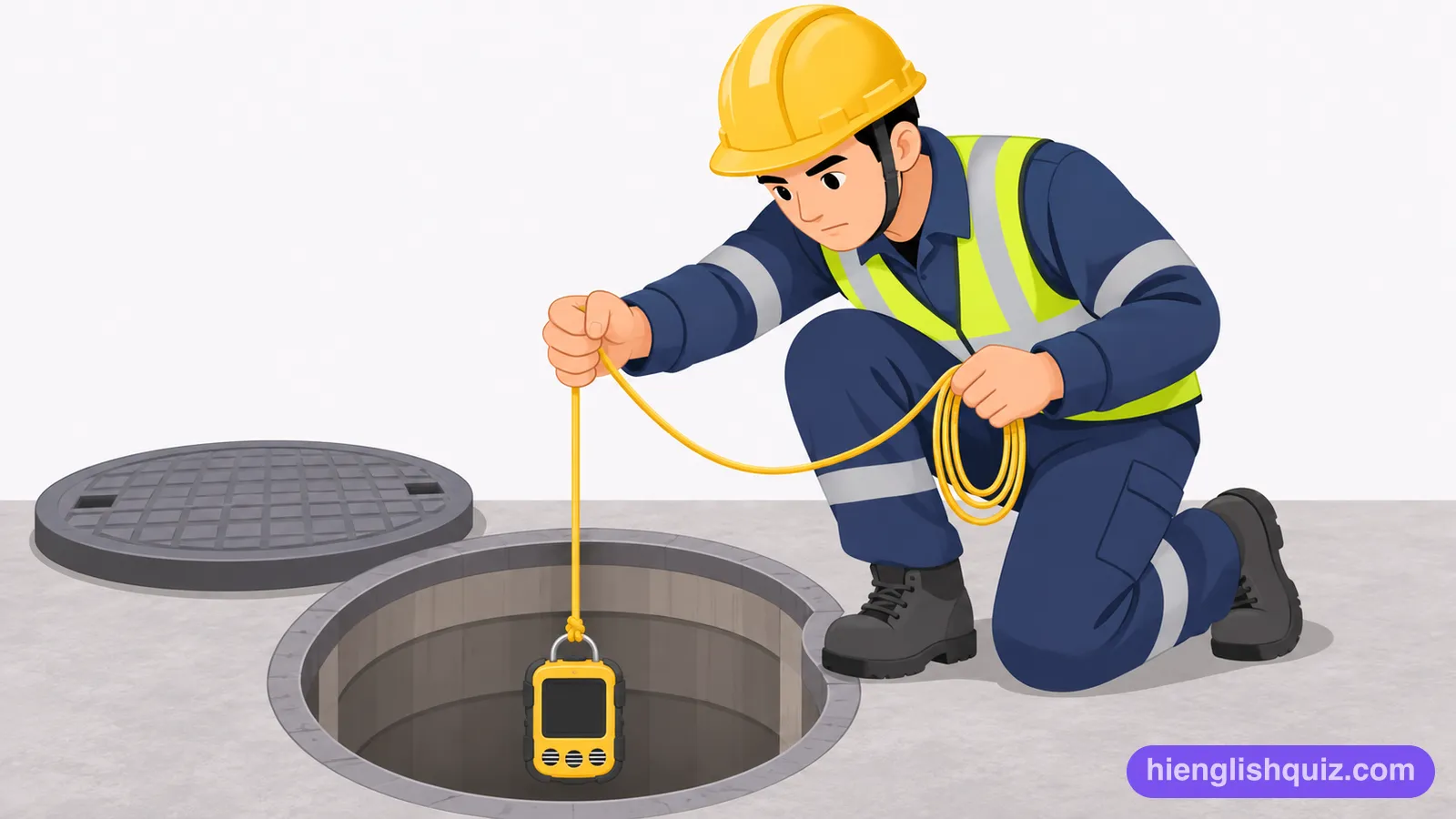
Measuring the air in a tank or similar space for oxygen, harmful gas and fire risk before anyone enters.
Example: Entry is forbidden until atmospheric testing shows the air is safe.
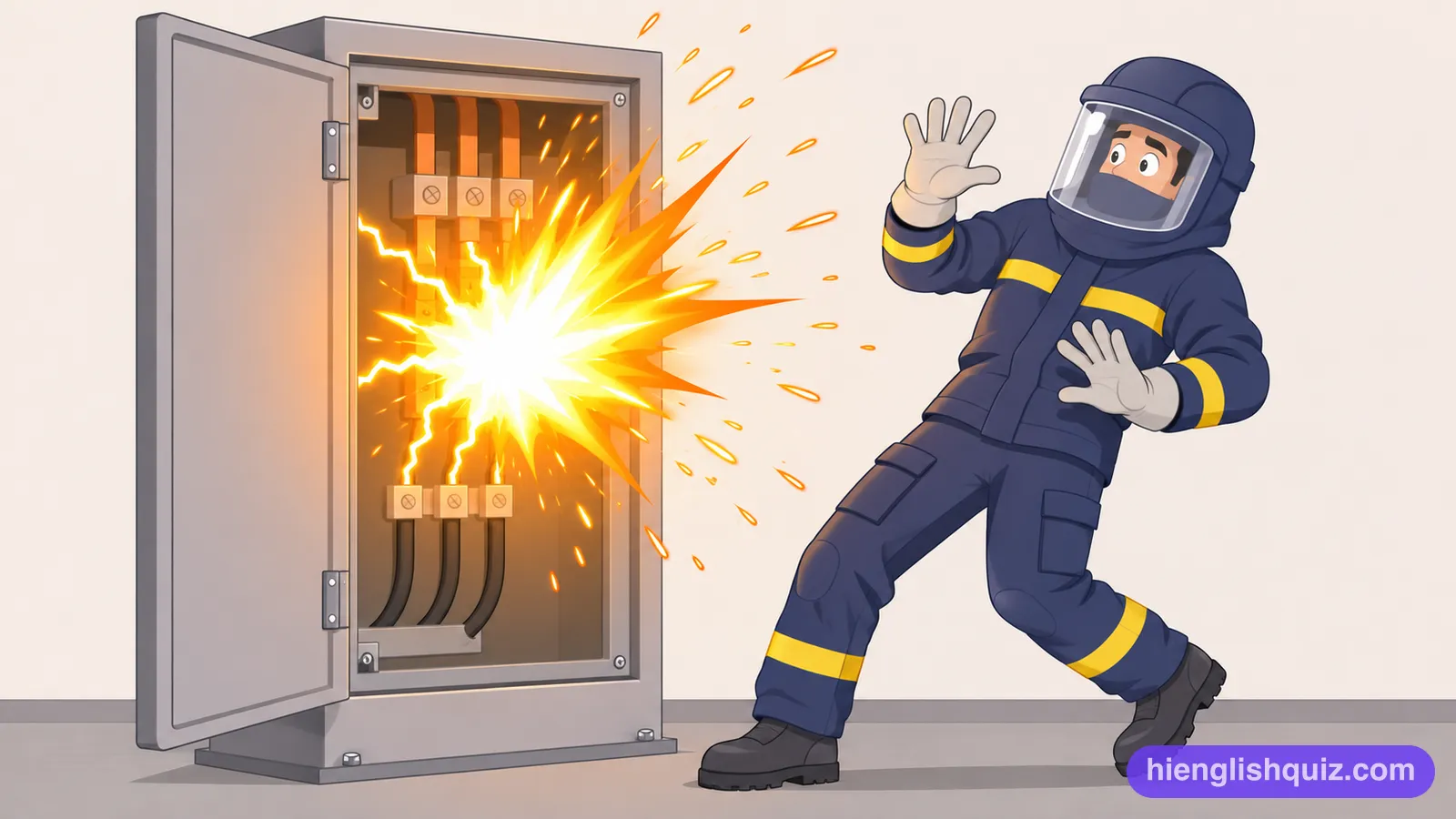
A sudden, violent burst of heat and light from an electrical fault that can seriously burn anyone close by.
Example: Special clothing protects electricians from arc flash burns.
The standard that a risk must be cut as far as is sensible, considering what the cost and effort would be.
Example: The design team had to show the remaining risk was ALARP.
The highest amount of a harmful substance or noise that a worker may be around during a work shift without likely harm.
Example: Dust levels on site were well below the occupational exposure limit.
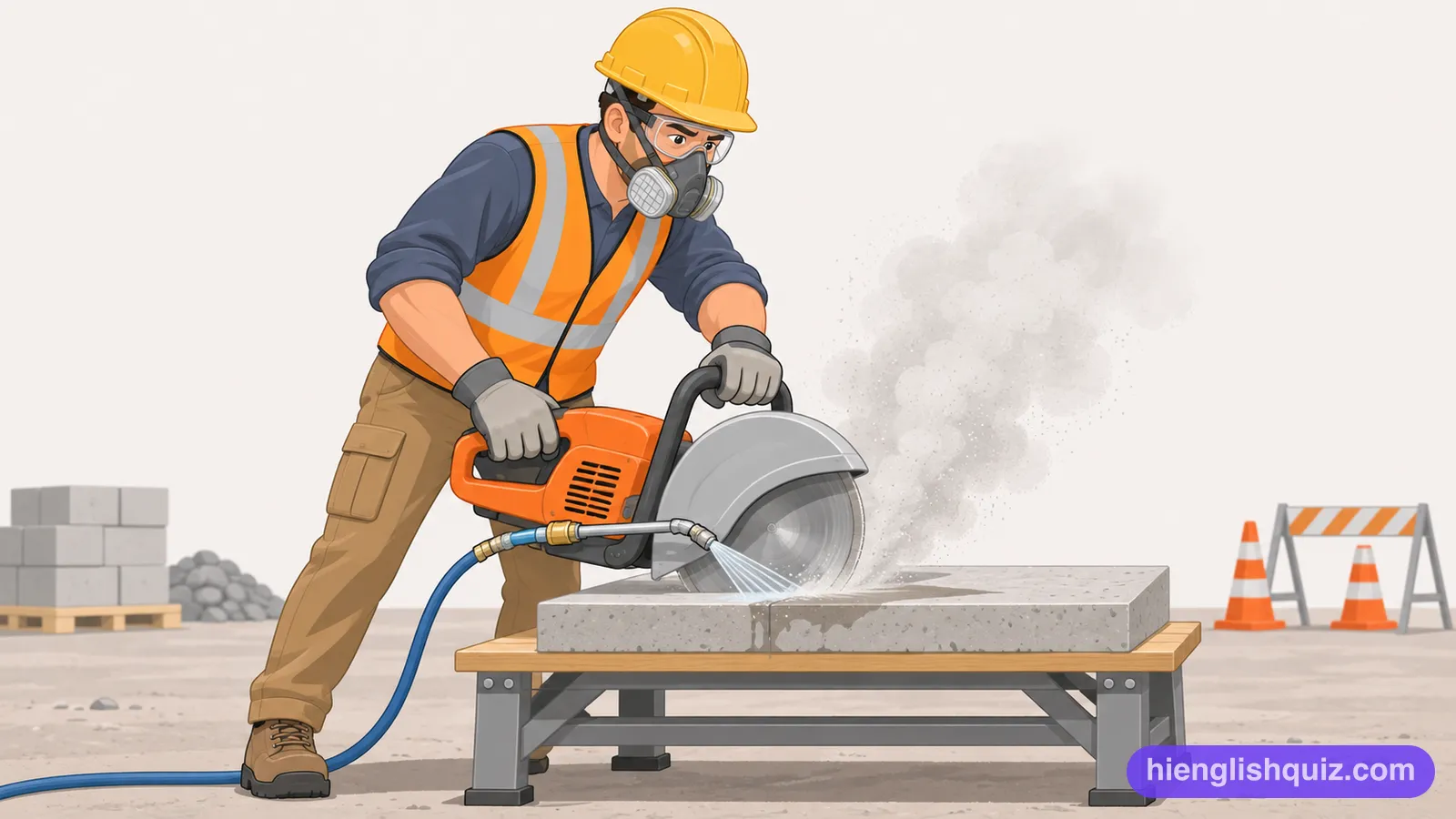
Very fine dust from cutting concrete or stone that goes deep into the lungs and can cause serious, lasting disease.
Example: Wet-cutting reduces the respirable silica in the air.
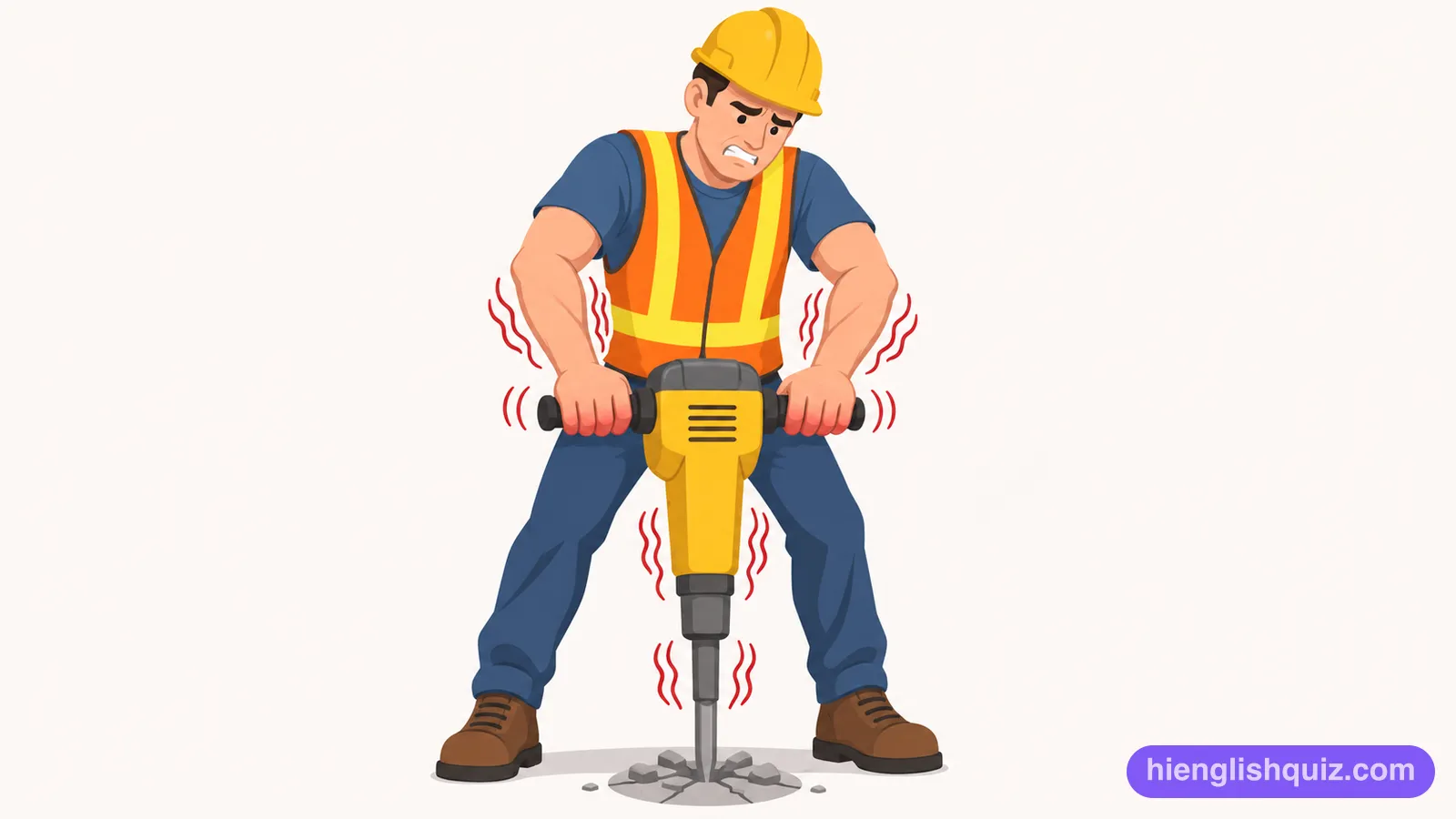
Shaking from tools such as jackhammers that, after long use, can damage nerves and blood vessels in the fingers.
Example: Rotating drillers between tasks reduces the risk of hand-arm vibration.
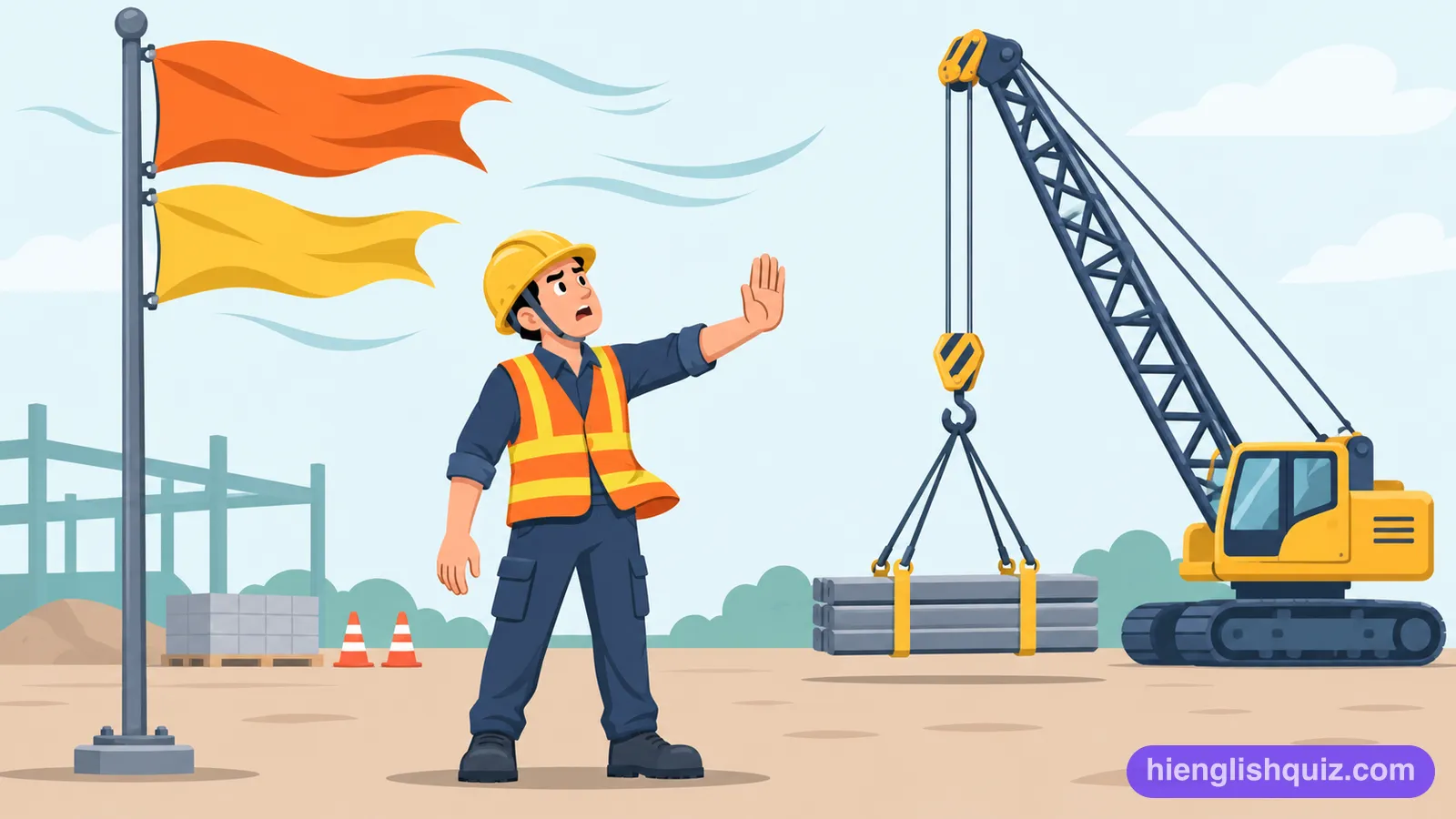
A quick, on-the-spot judgment of dangers made during the job, when conditions change in ways nobody planned.
Example: When the wind rose, the crew made a dynamic risk assessment and paused the lift.
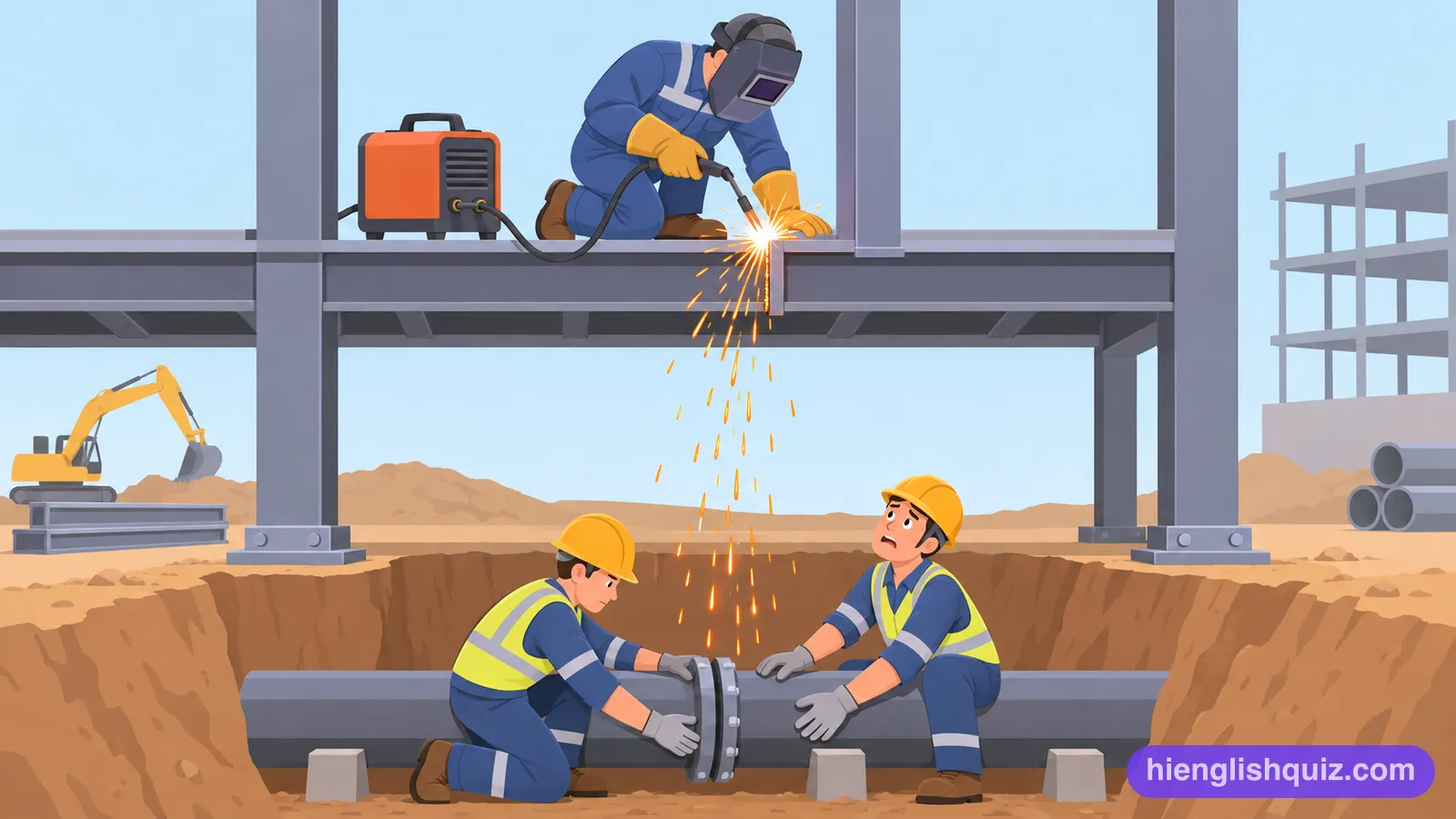
Different jobs happening close together on one site, where one crew's work could endanger another's.
Example: Welding above a pipe-laying crew is a classic simultaneous operations risk.
Someone with enough training, skill and experience to spot dangers and decide the safe way of doing a specific job.
Example: Only a competent person may inspect and approve the scaffold.
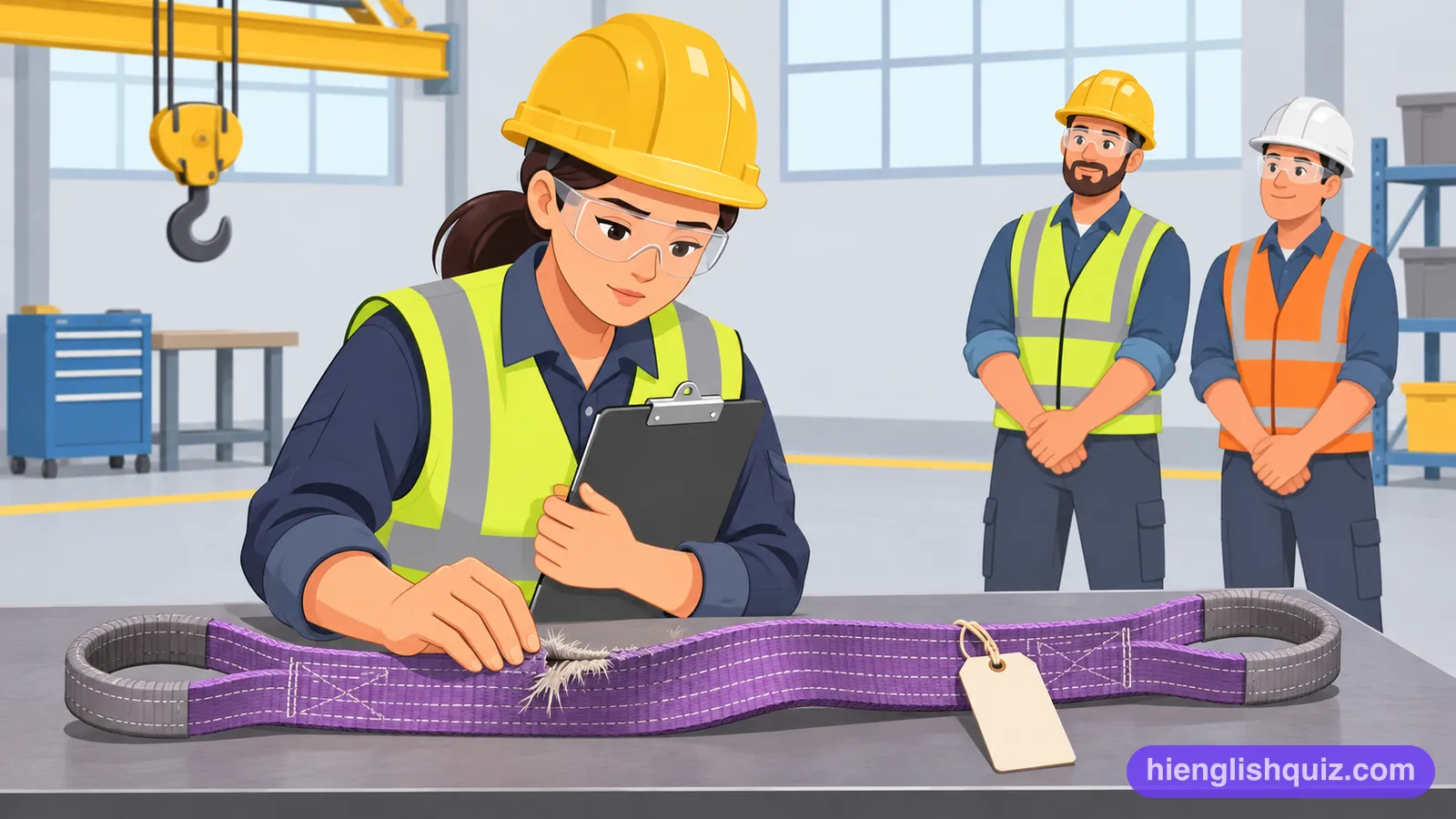
A job in which a mistake or failure could directly lead to death or serious injury.
Example: Working while tired is banned for any safety-critical task, such as signalling a crane.
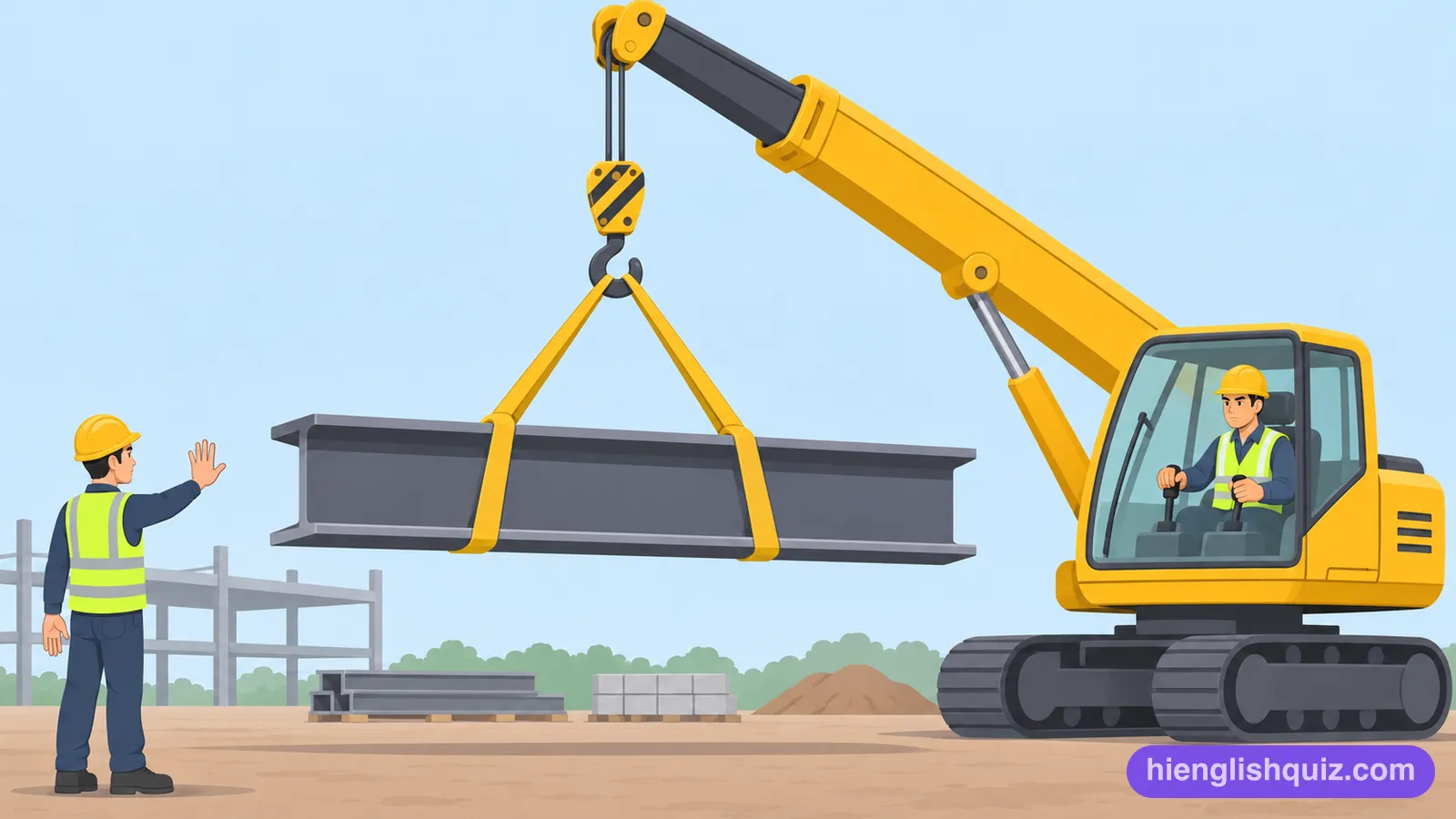
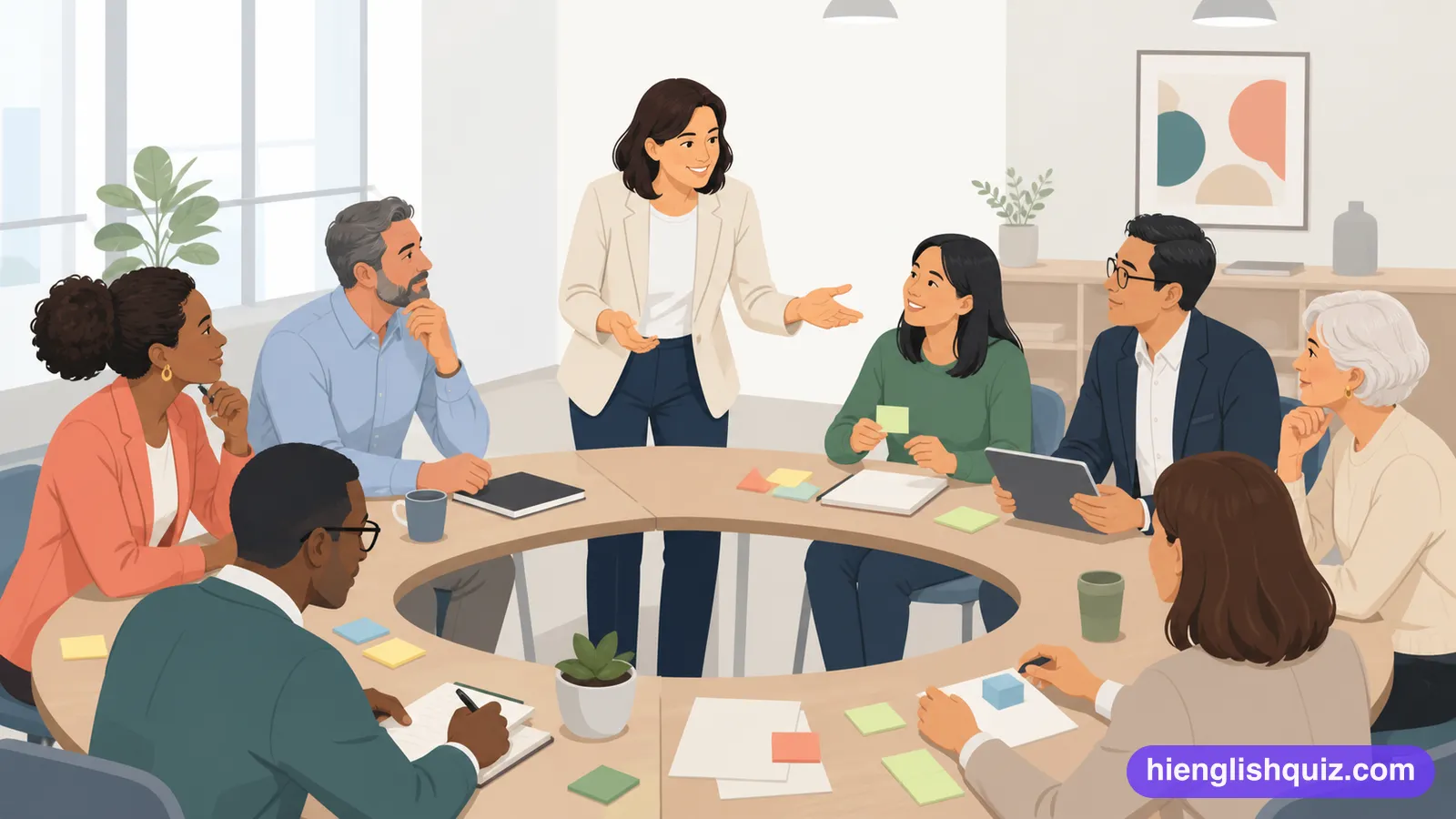
The shared attitudes and habits of everyone in a workplace toward danger and care, seen in what people do when nobody is watching.
Example: A strong safety culture means people speak up when something looks wrong.
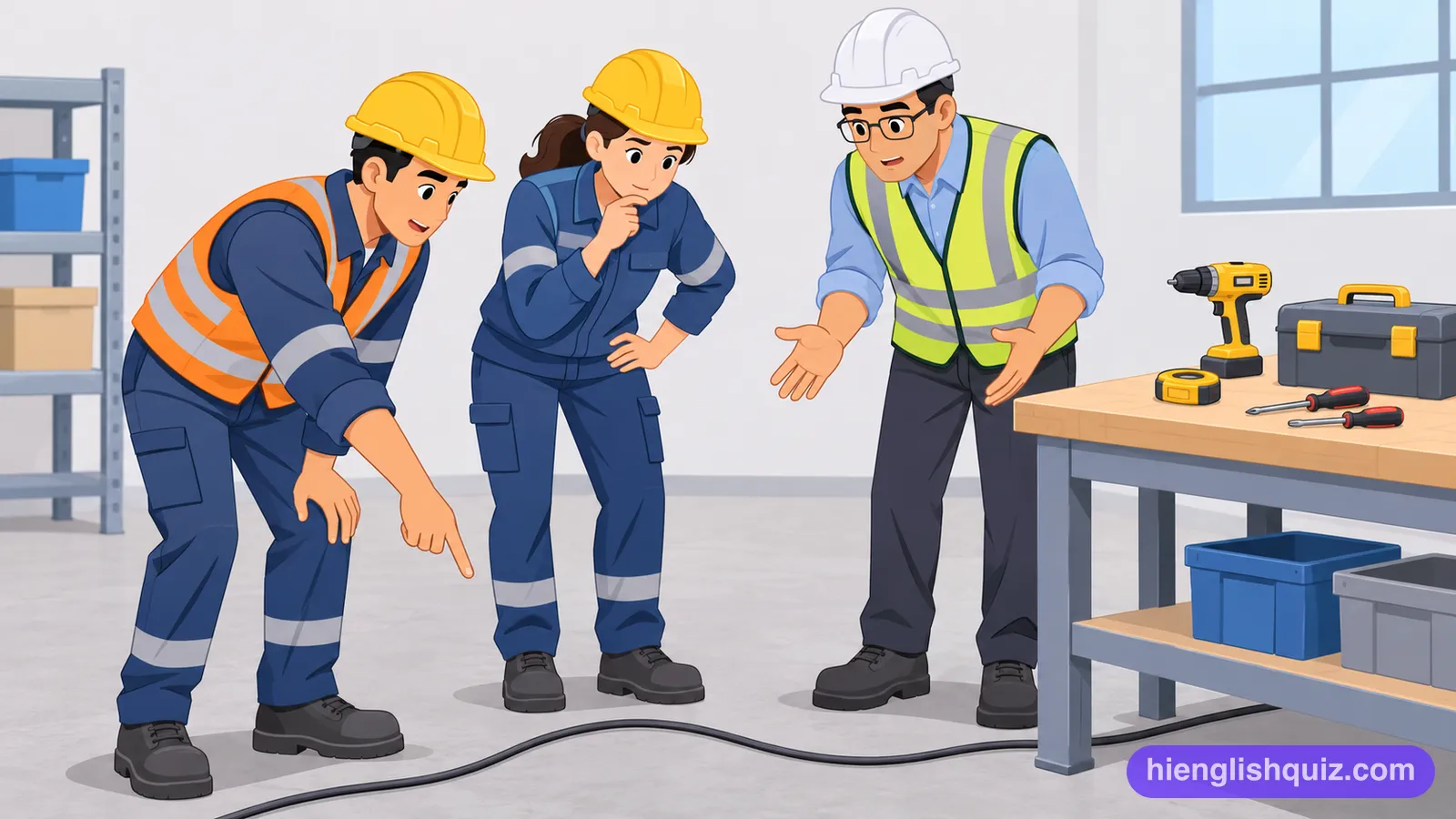
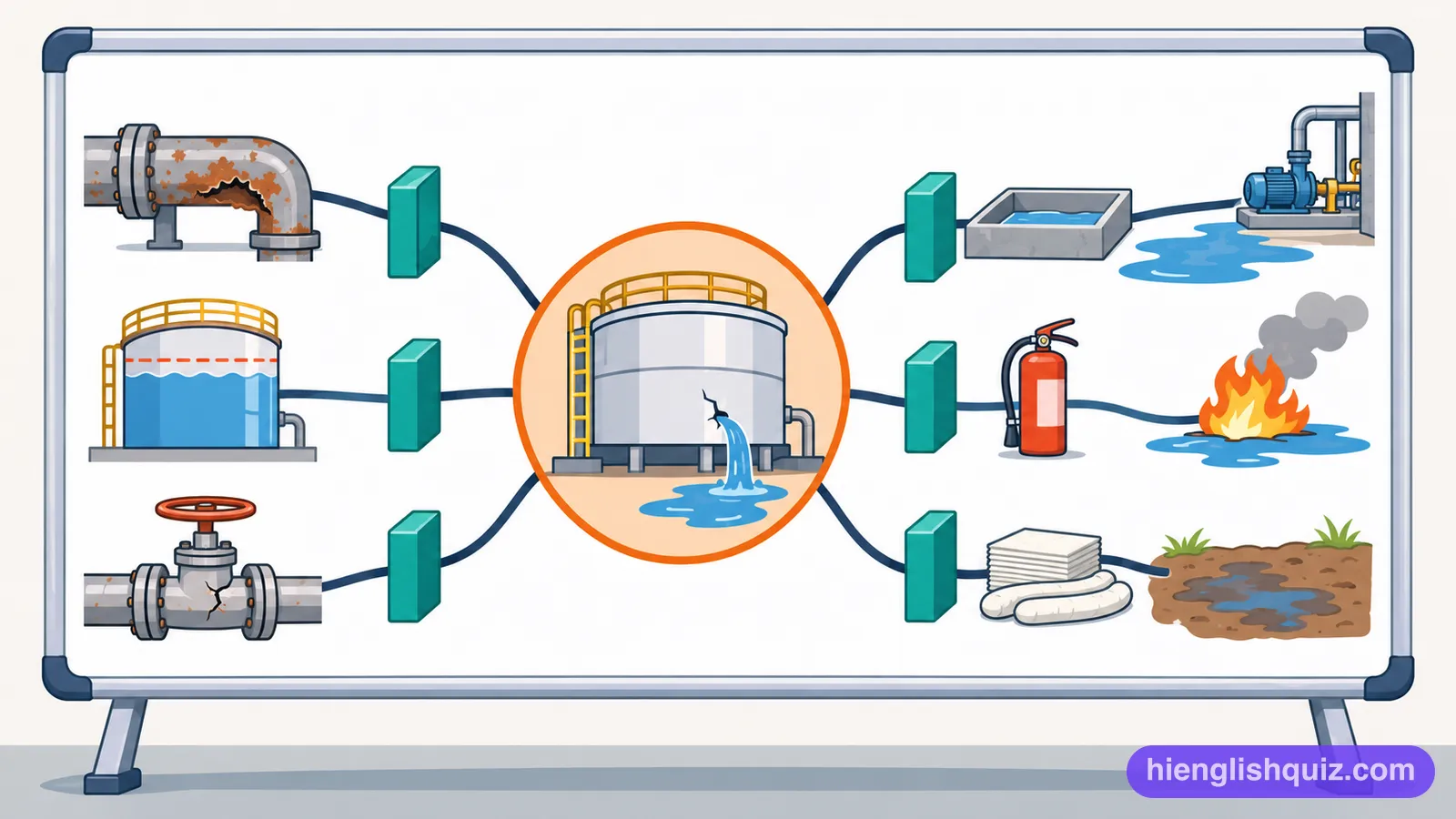
A diagram method that shows a danger in the centre, the causes and their preventive barriers on one side, and the results and recovery measures on the other.
Example: The team drew a bow-tie analysis for the crane lift.