defamation
/ˌdɛfəˈmeɪʃən/The act of damaging someone's reputation through a false statement, whether spoken or written.
Example: The company faced a defamation lawsuit over the claims.

 Hi EnglishQuiz
C222 words · Proficient
Expert media vocabulary for law and influence in journalism, including defamation, redaction, prior restraint and the filter bubble and echo chamber behind manufactured consent.
The act of damaging someone's reputation through a false statement, whether spoken or written.
Example: The company faced a defamation lawsuit over the claims.
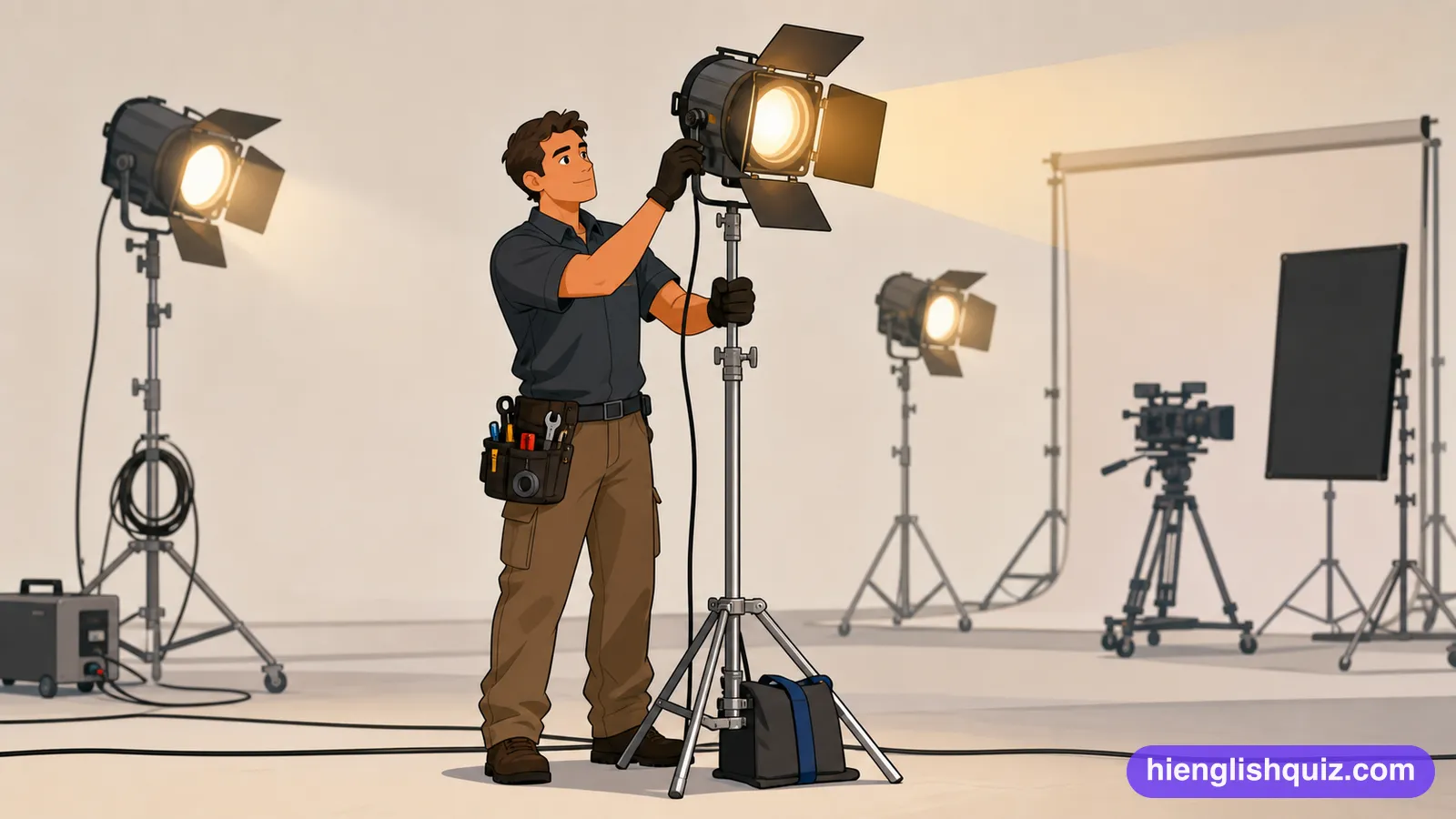
The chief lighting technician on a film or television production.
Example: The gaffer adjusted the lights before the next scene.
To join separate pieces of film, audio or video together during editing.
Example: The editor had to splice two takes together seamlessly.

All the editing, sound and visual effects work done on a film or programme after filming has finished.
Example: The special effects were added during post-production.

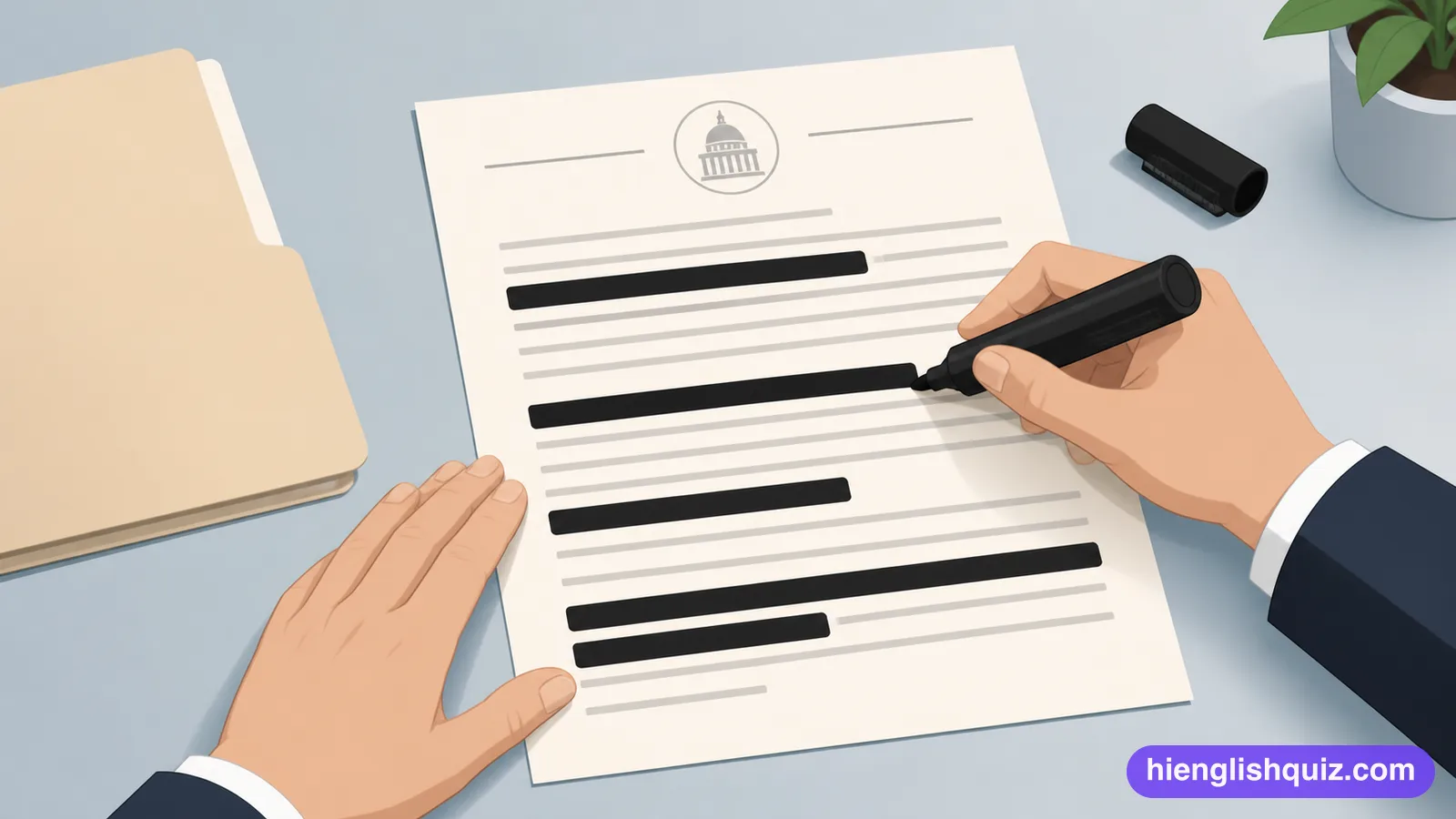
The removal or blacking out of sensitive information from a document before it is released or published.
Example: Large sections of the report disappeared under redaction.
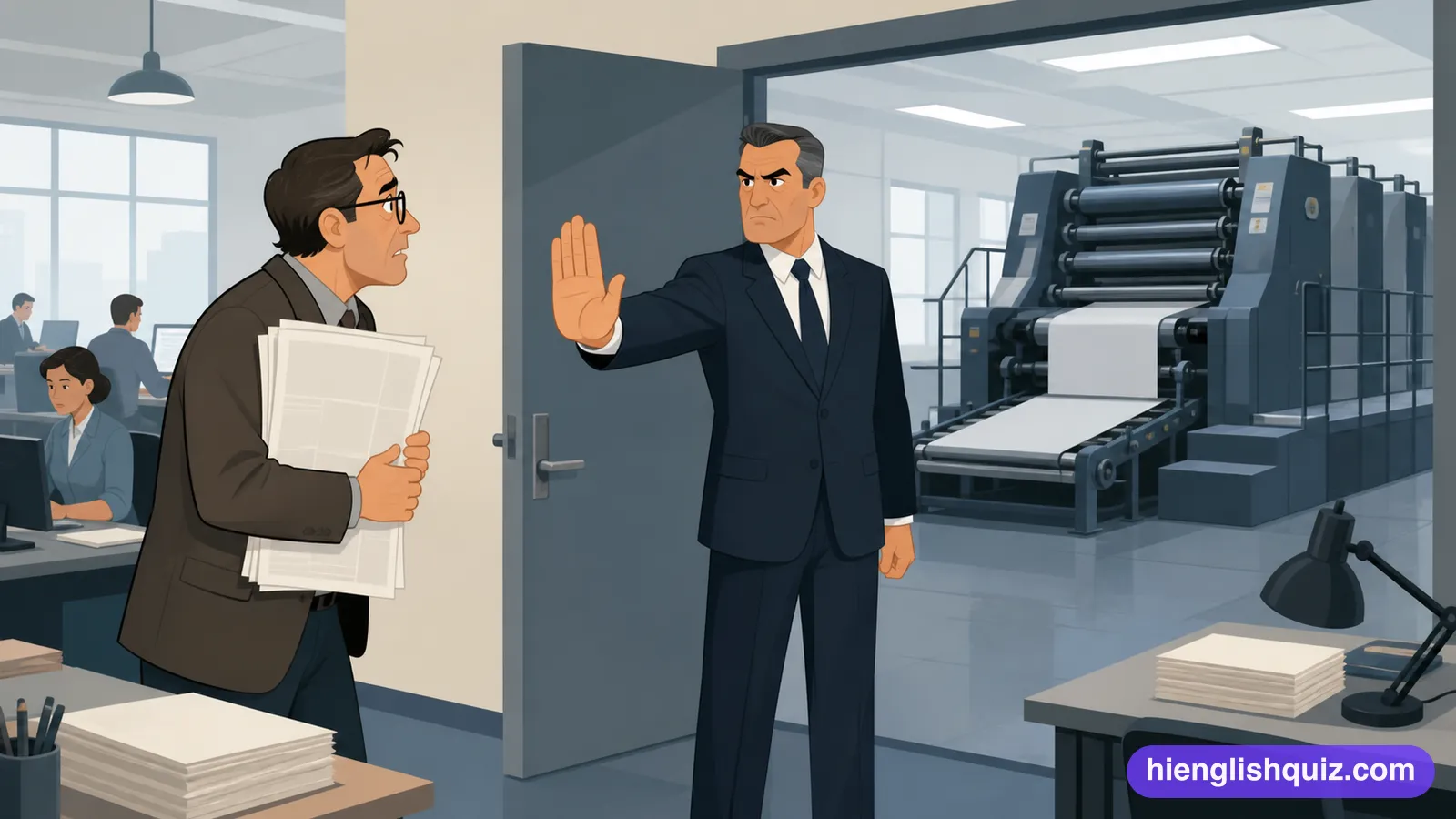
A government action that stops information from being published before it even appears, rather than punishing it afterwards.
Example: The court refused the government's request for prior restraint.
A news story received from a news agency, often used with little or no editing.
Example: The small paper filled its foreign pages with wire copy.

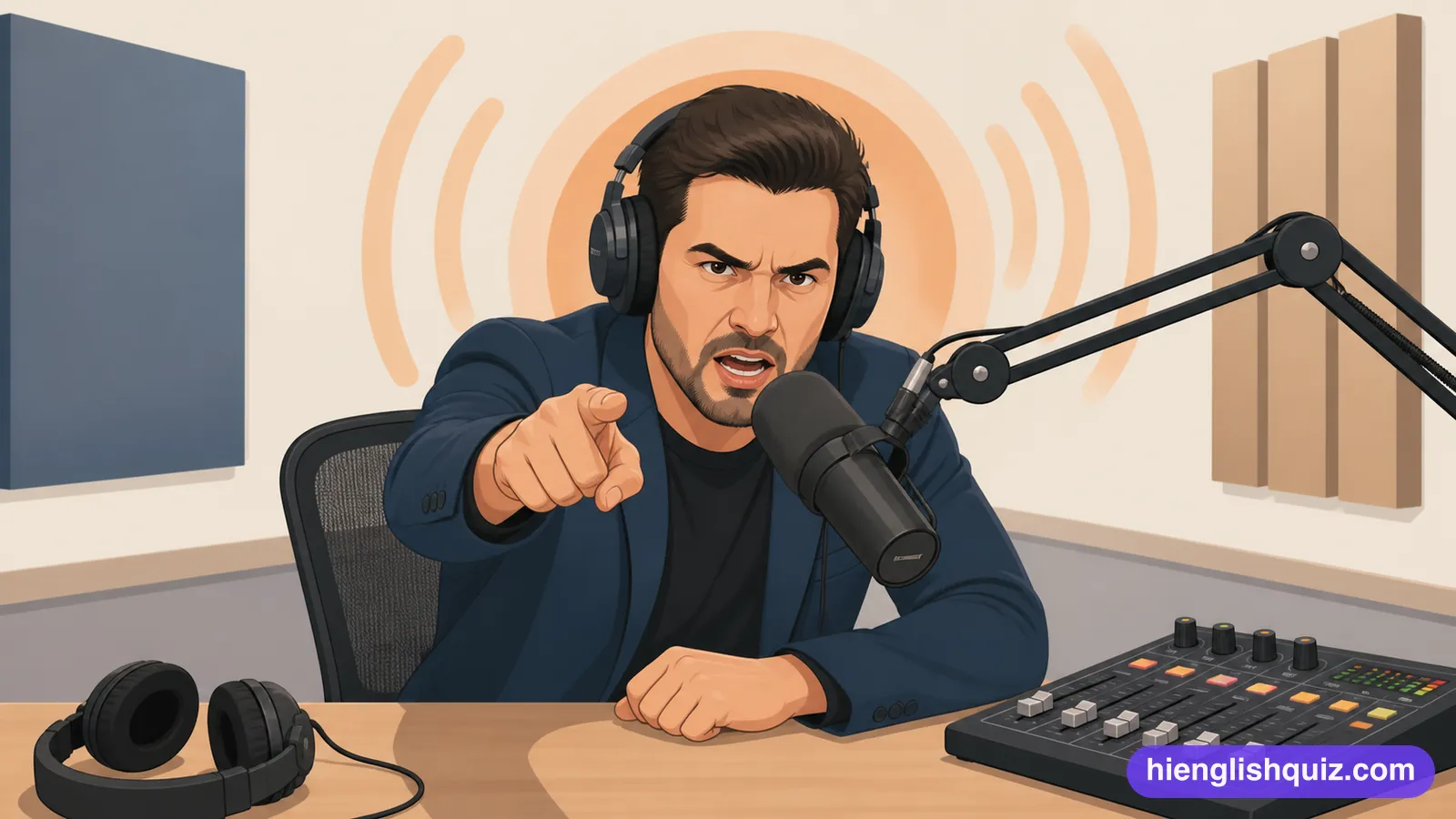
A false spoken statement that damages someone's reputation.
Example: The politician sued the radio host for slander.
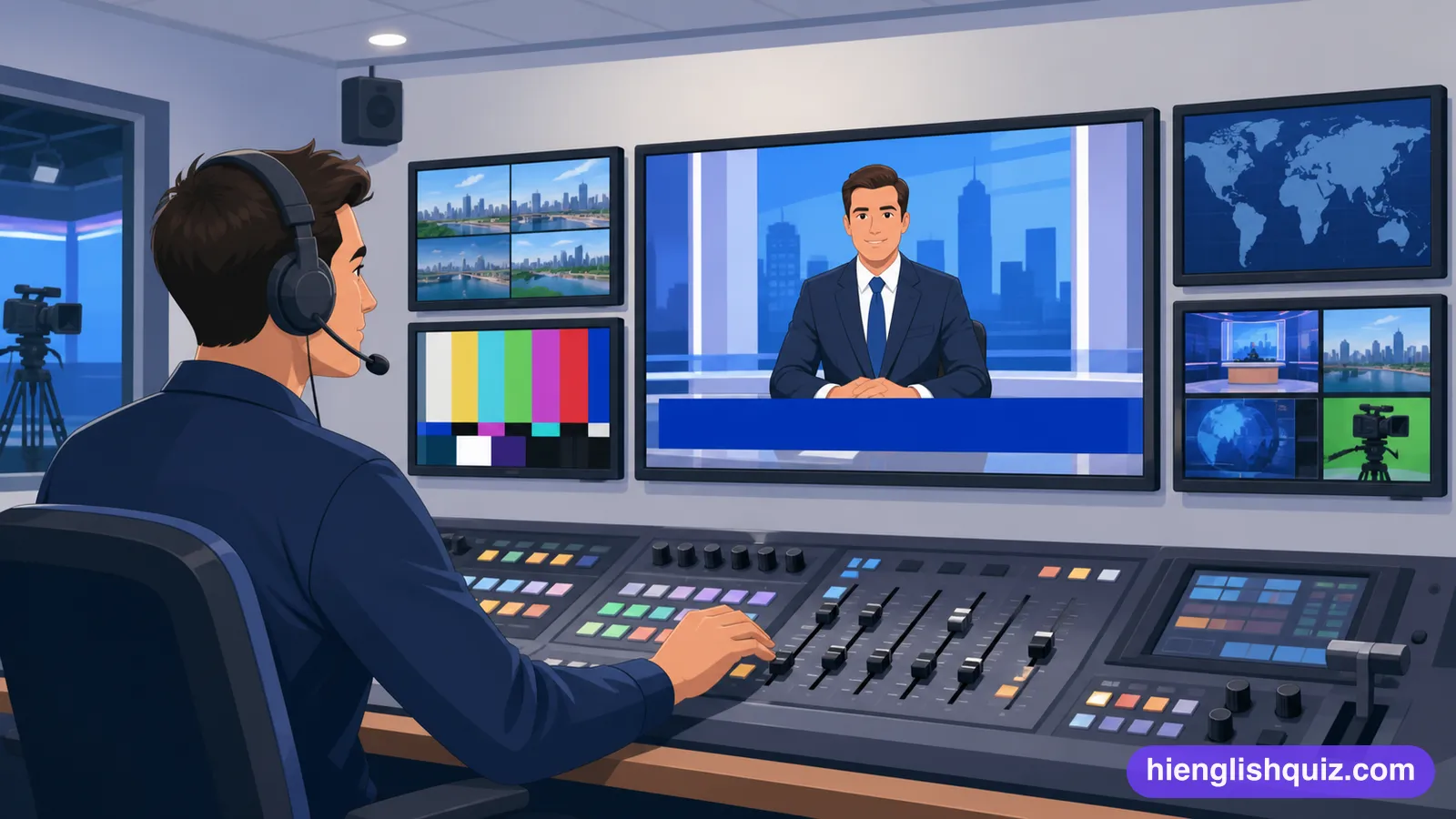
The text banner shown at the bottom of a television screen during a broadcast.
Example: The chyron displayed the latest stock prices during the interview.
Extra filmed footage used alongside the main shots to illustrate a news story.
Example: Editors added B-roll of the factory floor over the reporter's narration.
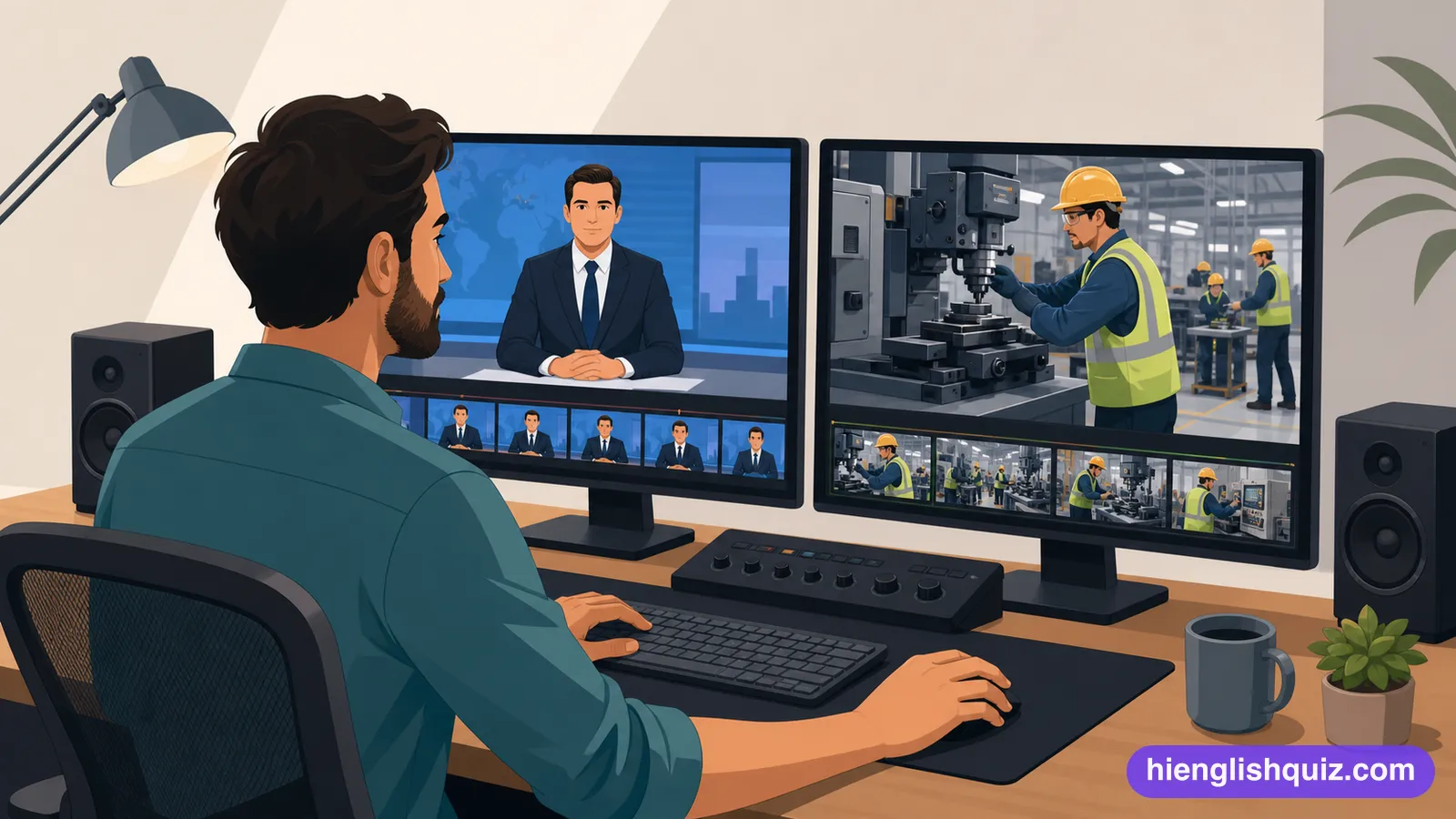
The way fear of consequences stops people publishing.
Example: One injunction created a chilling effect on speech across the sector.
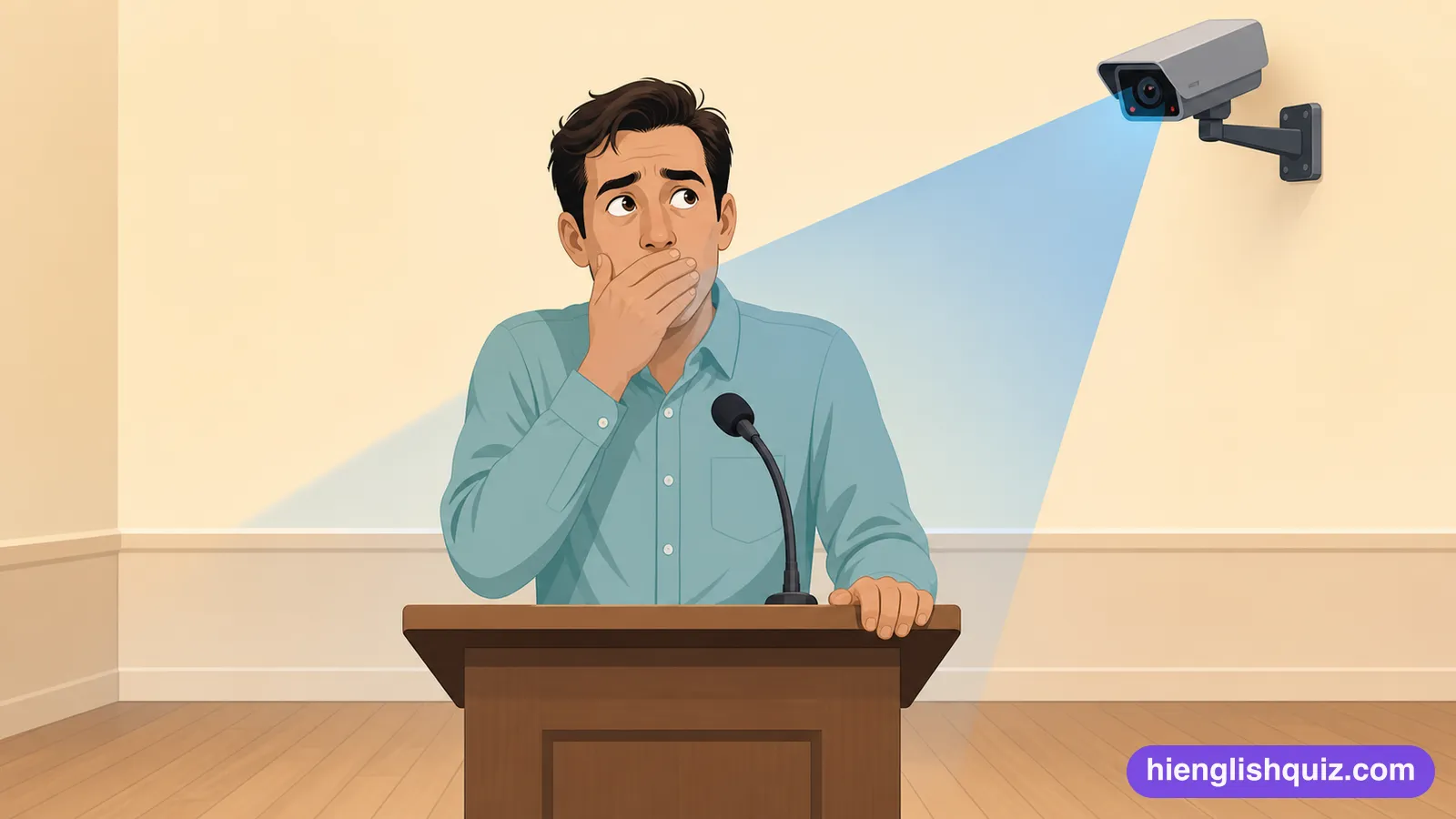
A court order stopping something being published in advance.
Example: A prior restraint order is rare and it was granted that Friday.
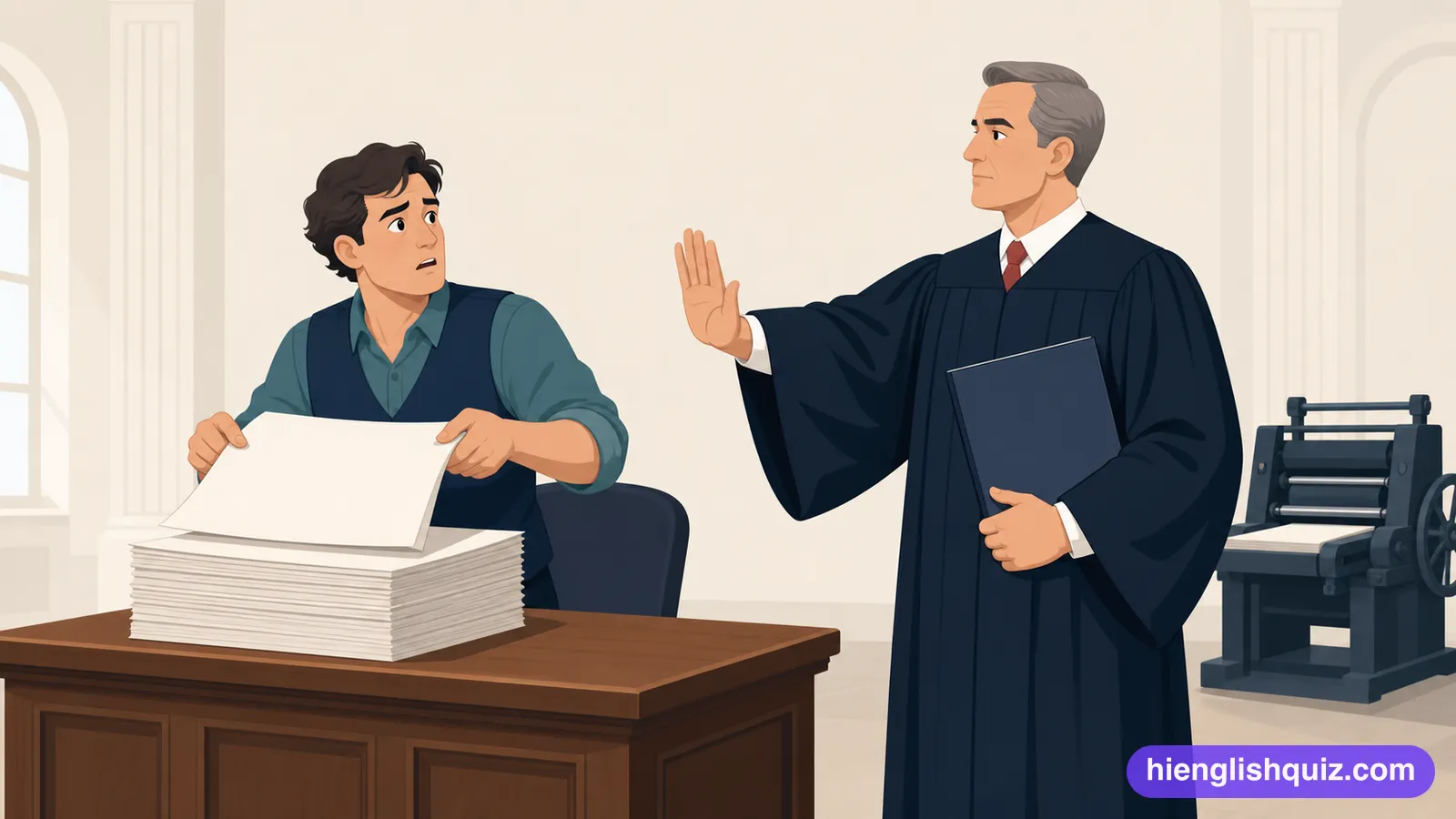
Legal protection for reporting certain proceedings fairly.
Example: Qualified privilege covered the report of the council meeting.
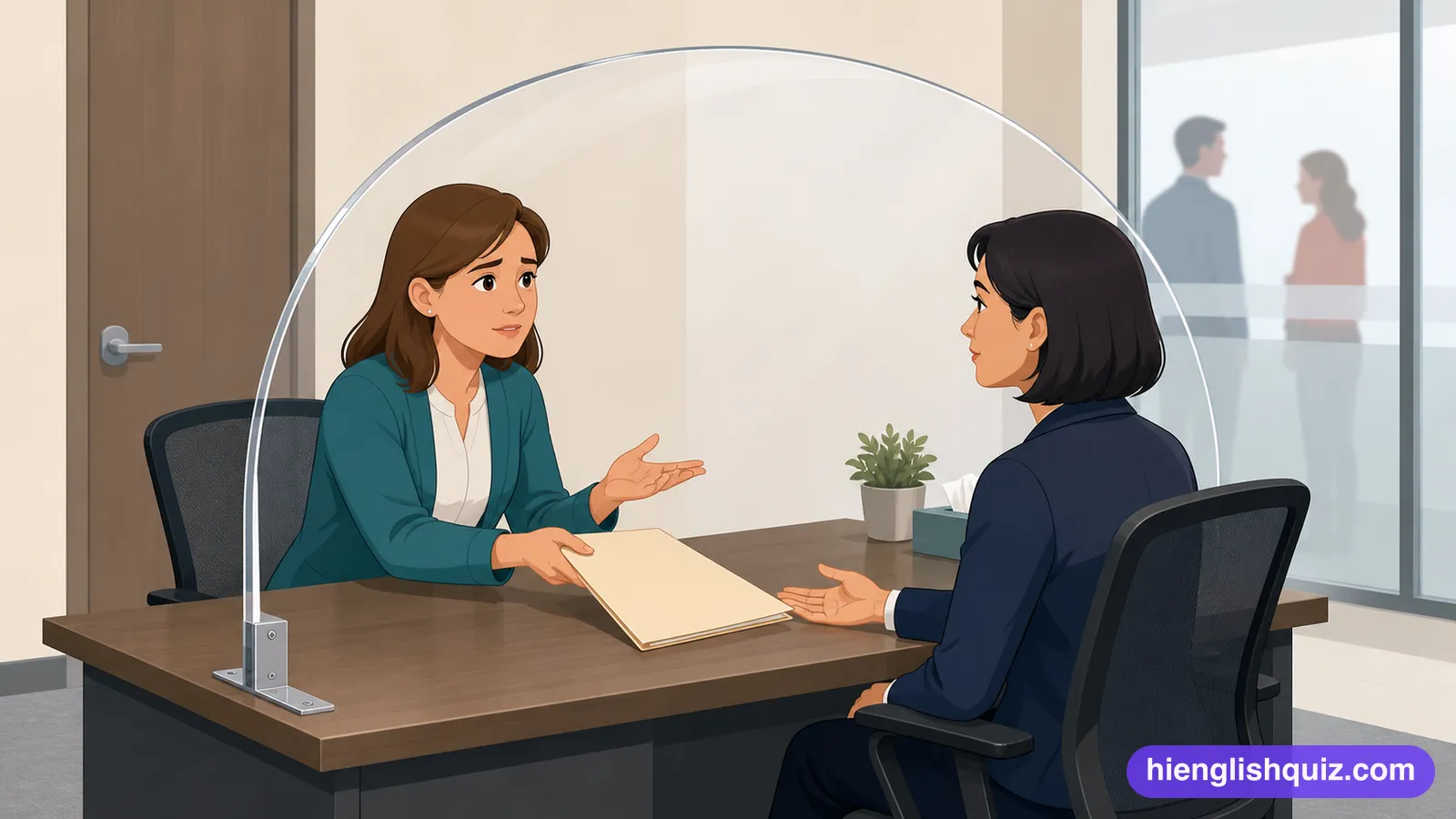
A defence based on having reported carefully and in the public interest.
Example: The responsible journalism defence succeeded on the evidence of the notebooks.
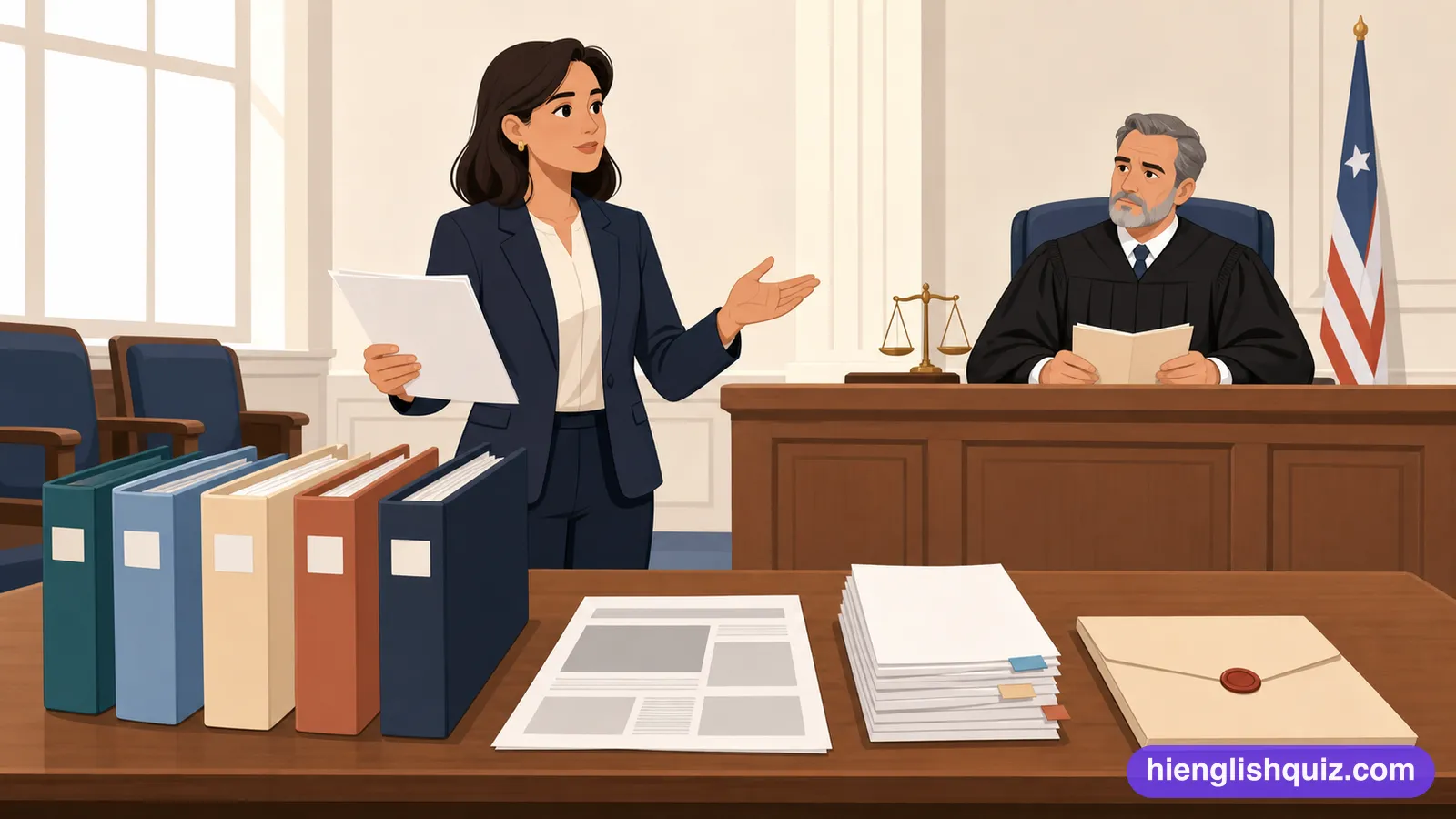
The narrowed view created when systems show you only what you like.
Example: The filter bubble was measured and turned out smaller than feared.

A space where the same views are repeated and reinforced.
Example: The comment section became an echo chamber within a fortnight.
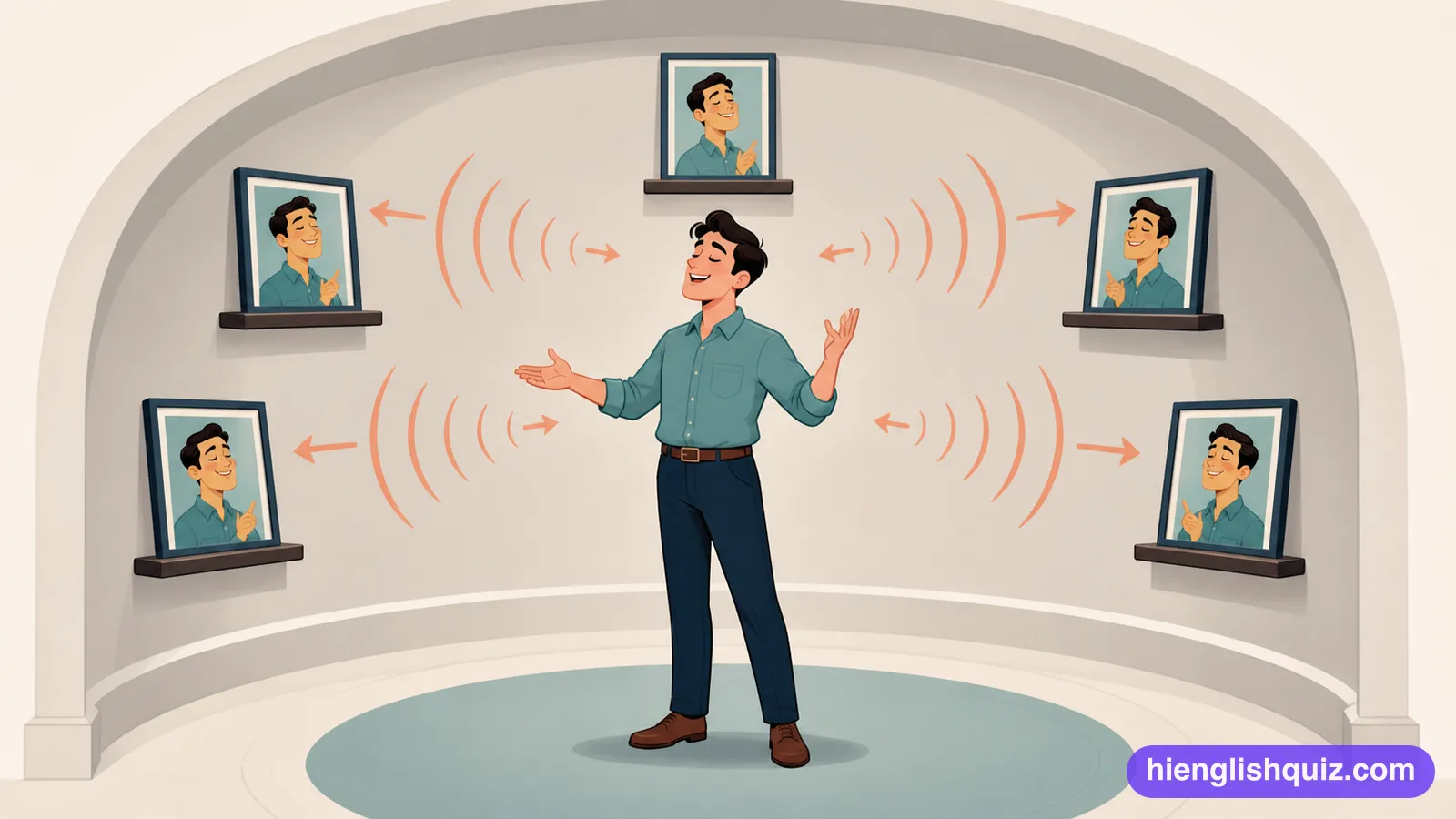
The theory that media decide what people think about, not what they think.
Example: Agenda-setting theory is fifty years old and still the best explanation.
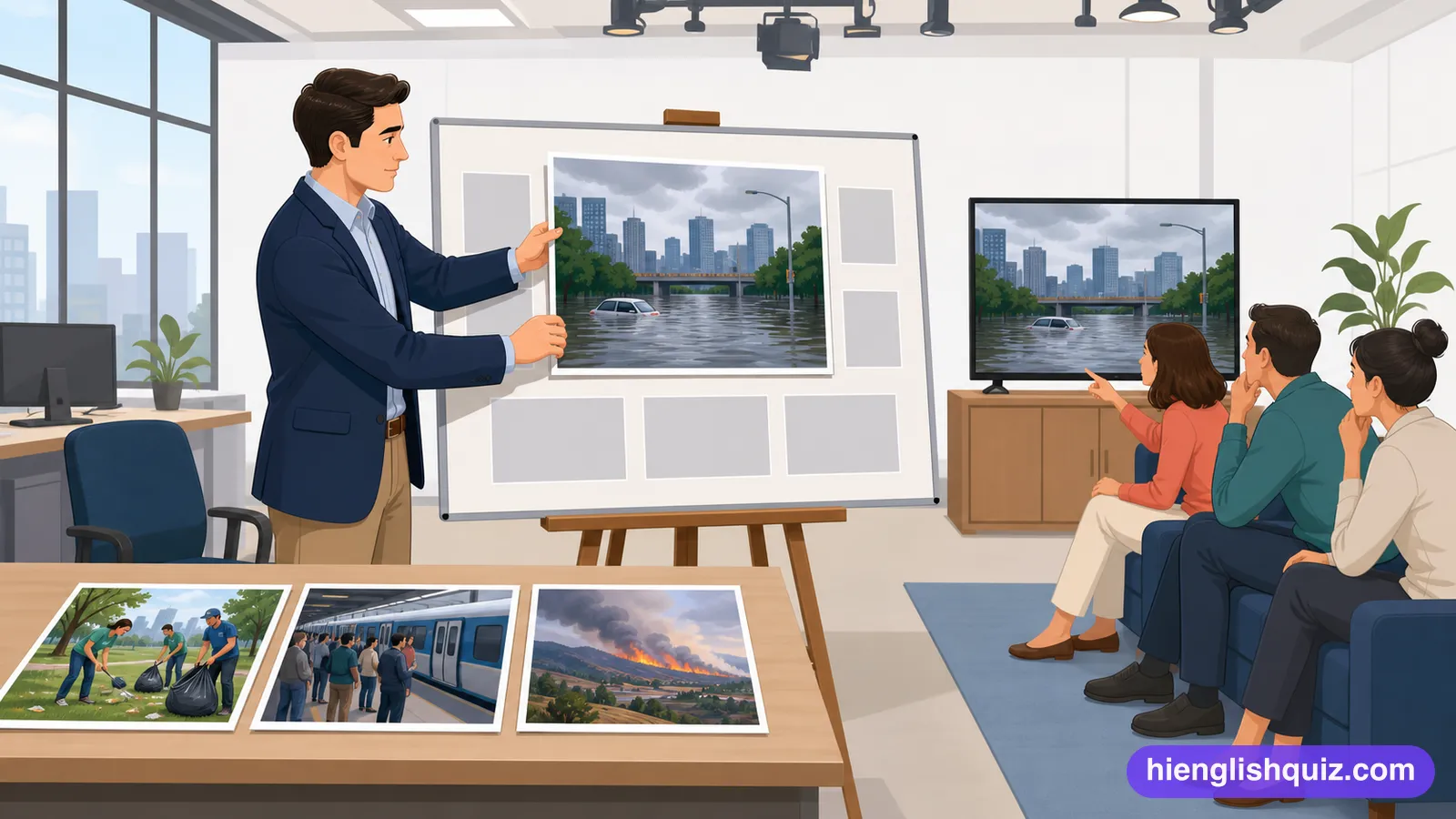
The way presentation changes how the same facts are understood.
Example: The framing effect in those two headlines is worth a seminar.

The idea that media shape public agreement to serve powerful interests.
Example: Manufactured consent is a thesis, not a description, and it is still useful.
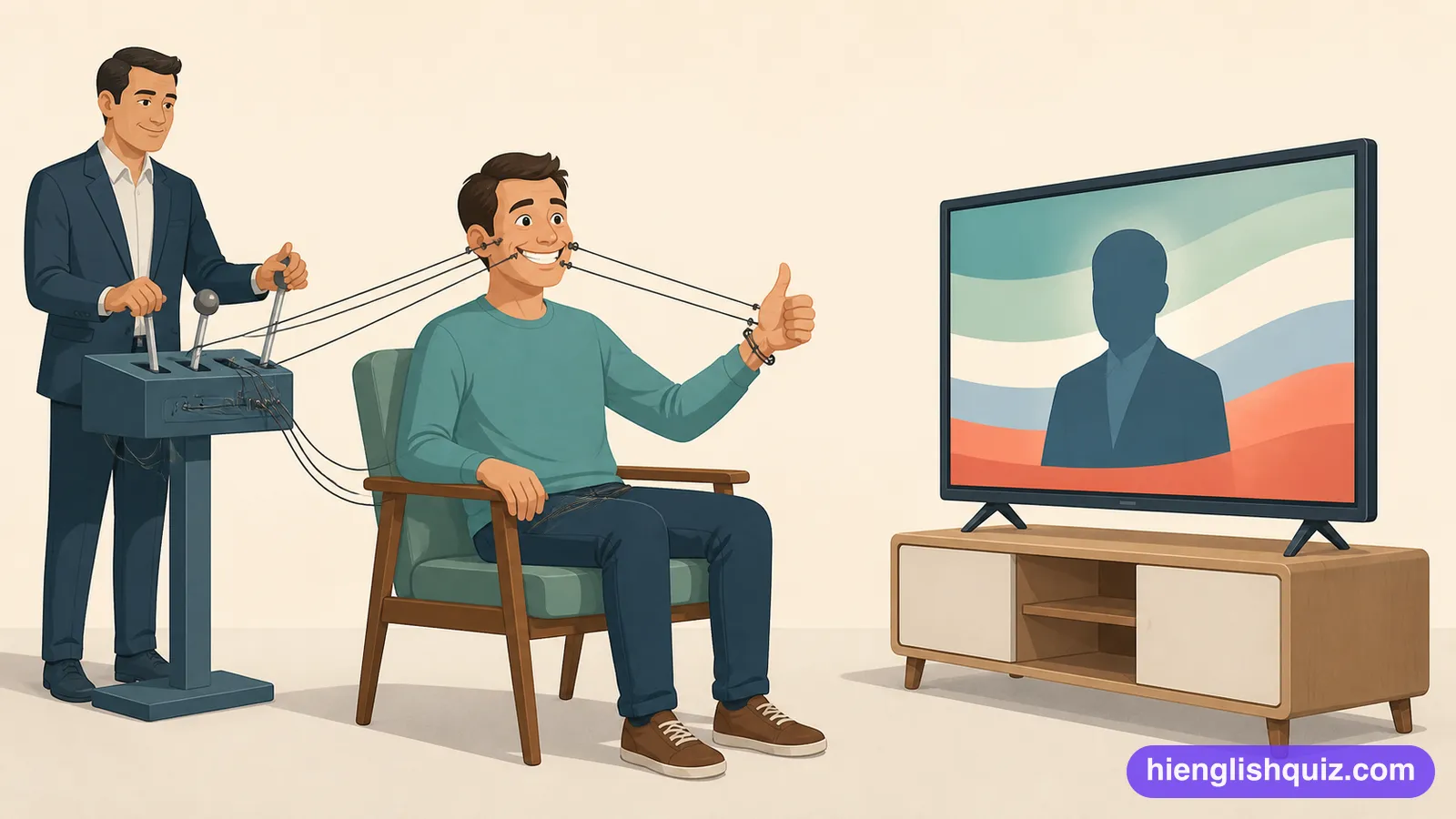
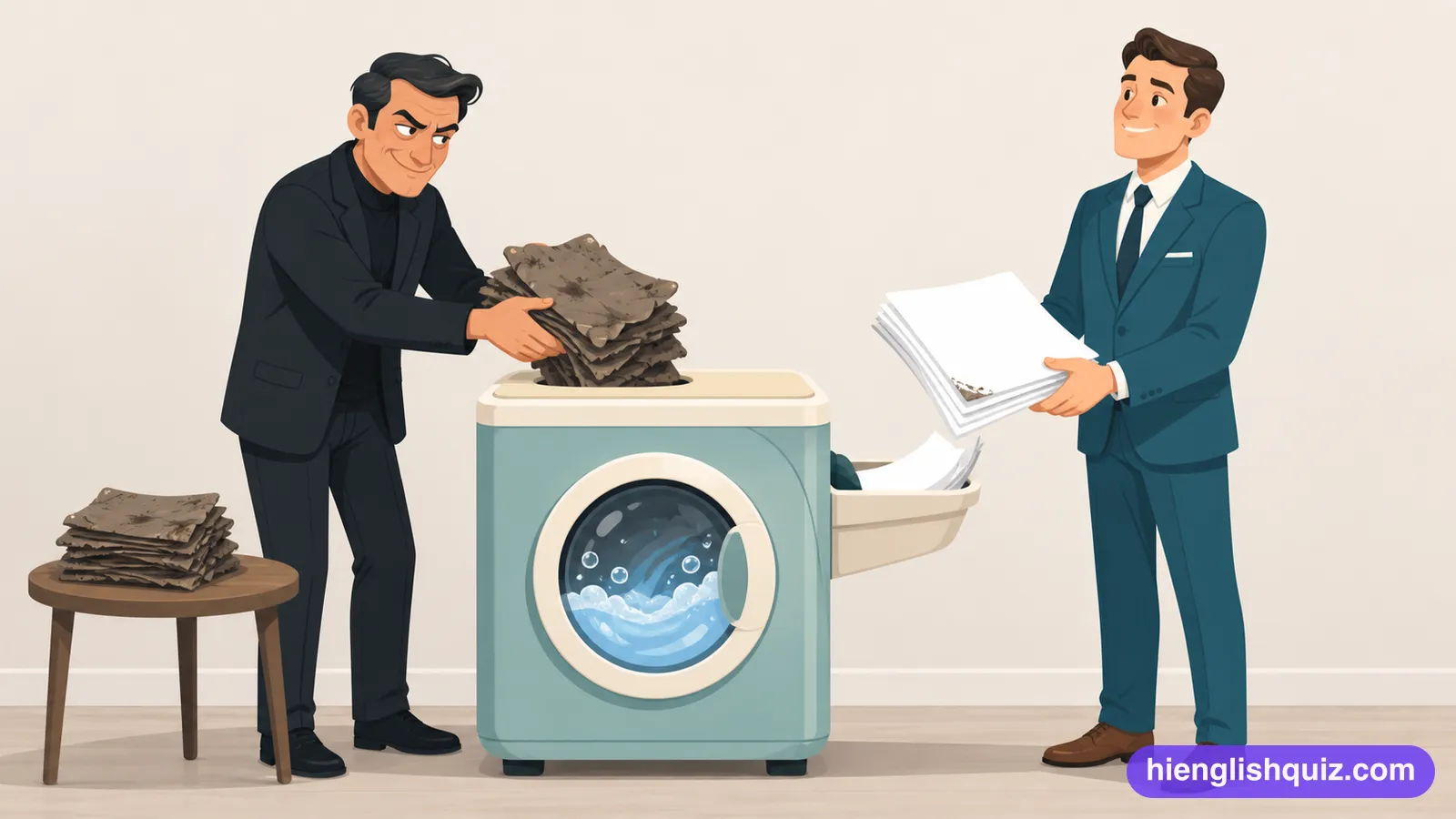
Making a dubious claim respectable by passing it through outlets.
Example: Information laundering takes a forum post to a front page in four steps.
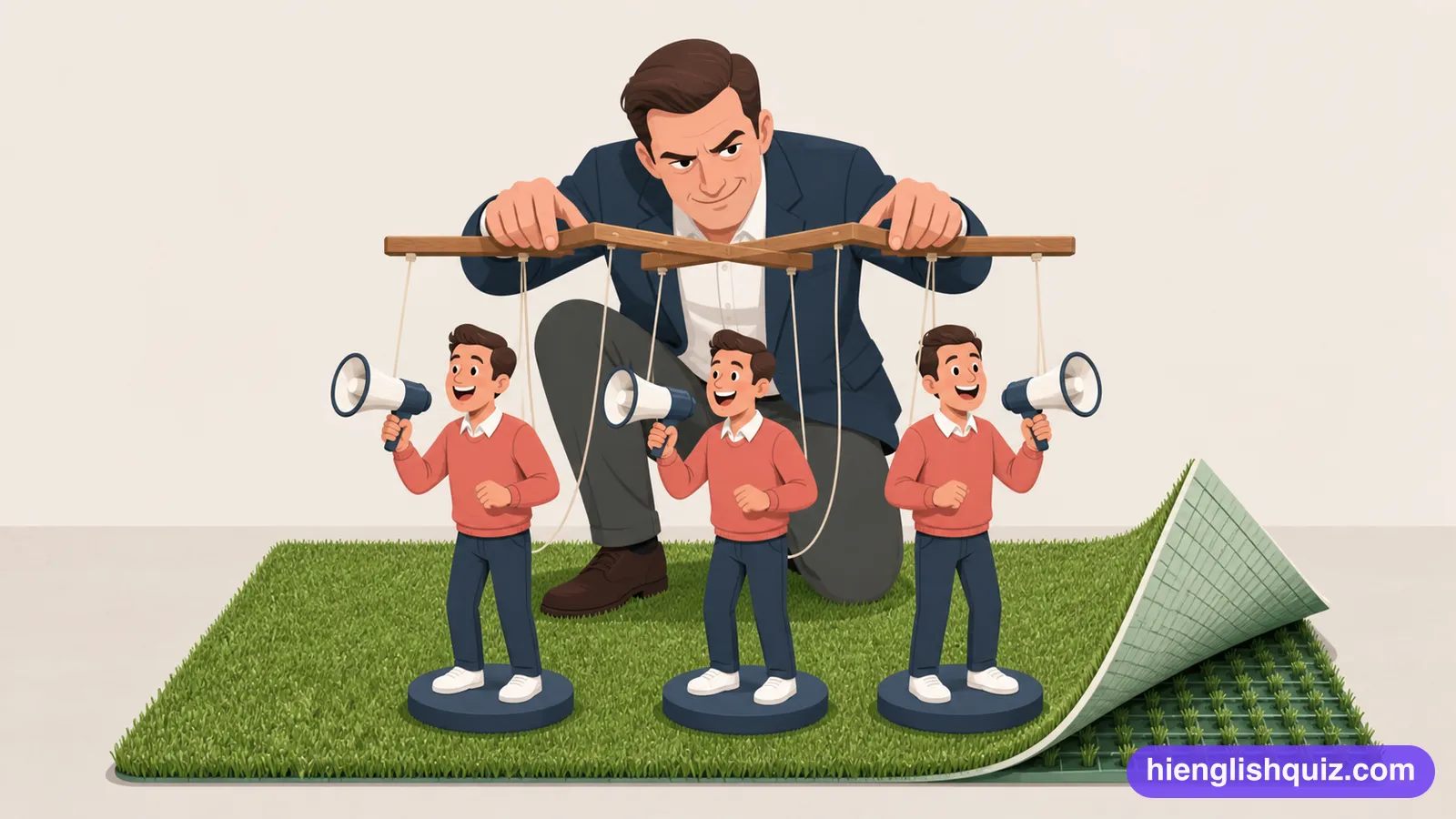
Fake accounts spreading something to make it look popular.
Example: Astroturfed amplification put the hashtag in the trending list by six.
Confirming a fact from several independent sources.
Example: Source triangulation is why that story took eleven months.