cash flow
The movement of money into and out of a business over time.
Example: Late-paying customers hurt the shop's cash flow.

 Hi EnglishQuiz
B216 words · Upper-intermediate
Finance and accounting vocabulary for managing a business's books, including cash flow, working capital, depreciation and the audit that checks them.
The movement of money into and out of a business over time.
Example: Late-paying customers hurt the shop's cash flow.
The money a business has available for its day-to-day running costs, found by subtracting short-term debts from short-term assets.
Example: Slow-paying clients squeezed the company's working capital.

The value of a business that belongs to its owners once all debts are subtracted.
Example: She sold part of her equity in the company to raise cash.

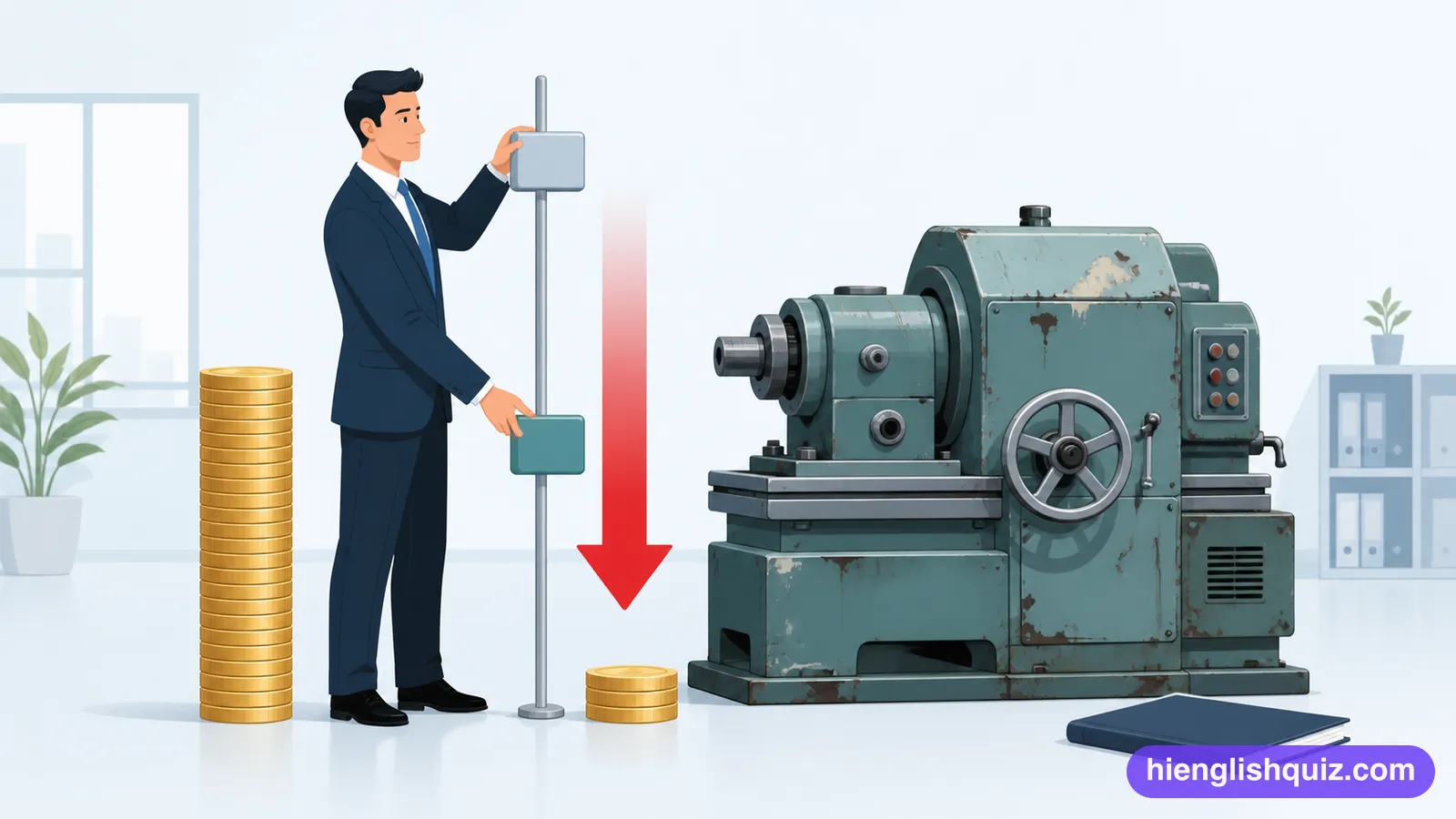
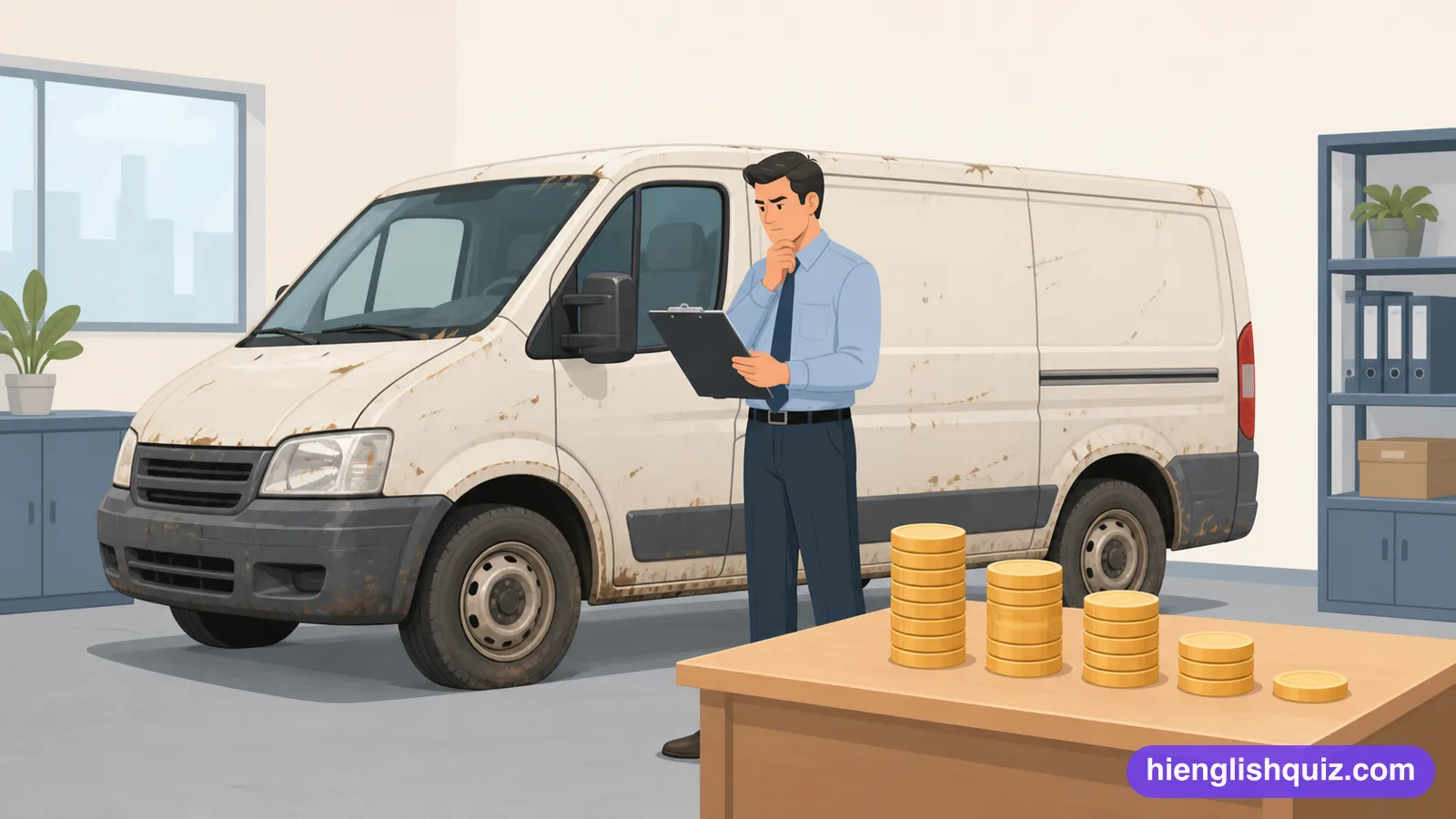
The gradual fall in the value of equipment or property over time.
Example: The accountant calculated depreciation on the company's vehicles.
The process of gradually paying off a debt, or spreading the cost of something, over a set period.
Example: The loan's amortization is spread over ten years.

Money that has been earned or owed but not yet paid or received.
Example: The accountant recorded the unpaid interest as an accrual.

An official check of a company's financial records to make sure they are correct.
Example: An outside firm carried out the annual audit.

How easily a company's assets can be turned into cash.
Example: The bank keeps enough liquidity to cover sudden withdrawals.

An arrangement letting you take out more money than is in your account.
Example: She went into an overdraft after paying rent early this month.

Removing a debt or asset from the accounts because it cannot be recovered.
Example: The unpaid invoice was recorded as a write-off at year end.

What is left from sales after the direct costs are taken off.
Example: Gross margin held up while everything else fell.

Money set aside in accounts for an expected cost.
Example: A provision was made for the legal costs in the same quarter.

A payment sent to settle an invoice.
Example: The remittance arrived without any reference number attached.

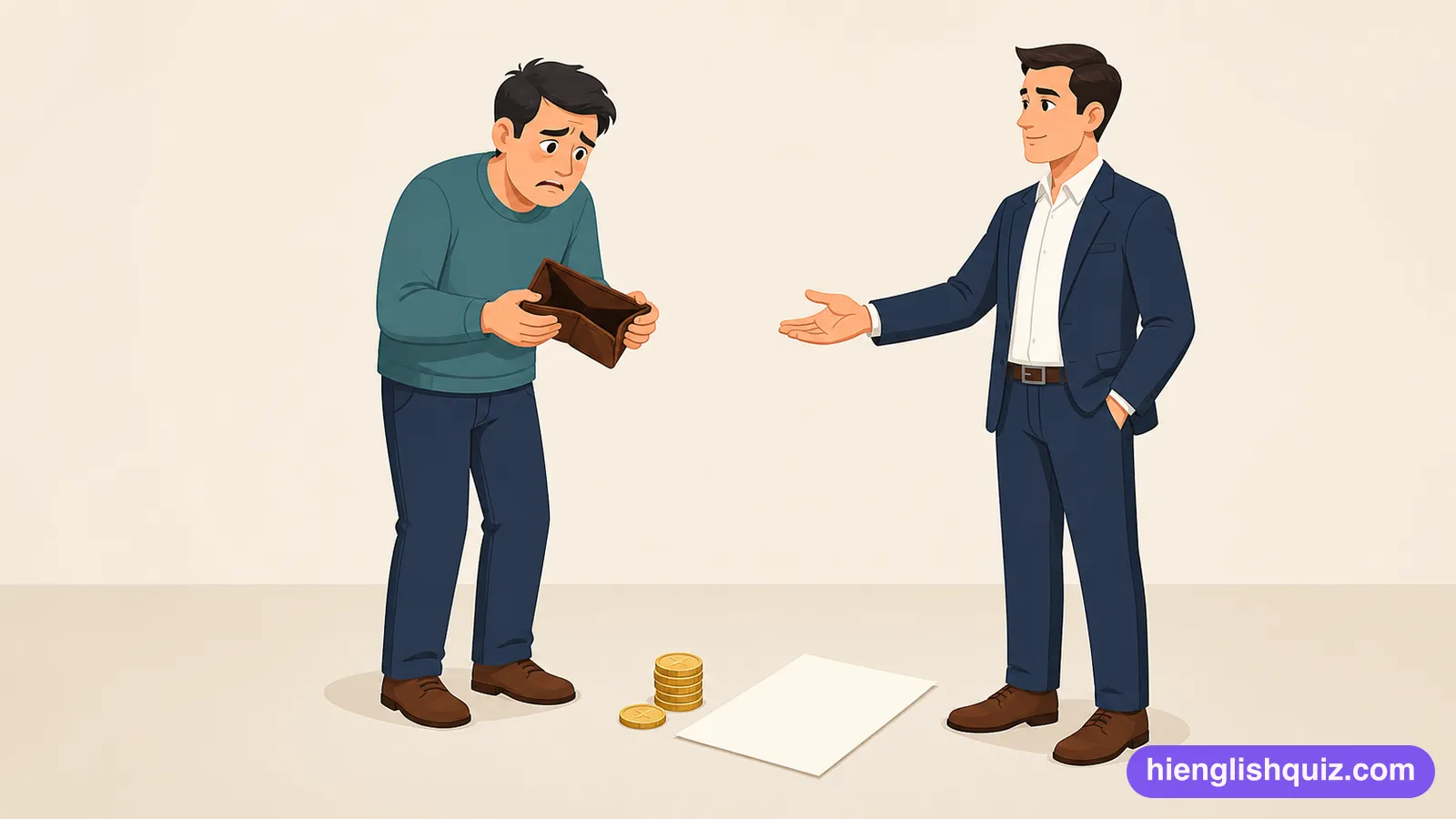
A person or company that is owed money.
Example: Every creditor was contacted on the same afternoon.

A person or company that owes money.
Example: One debtor accounted for most of the outstanding balance.
A reduction in the recorded value of an asset.
Example: A write-down of the stock turned a small profit into a loss.