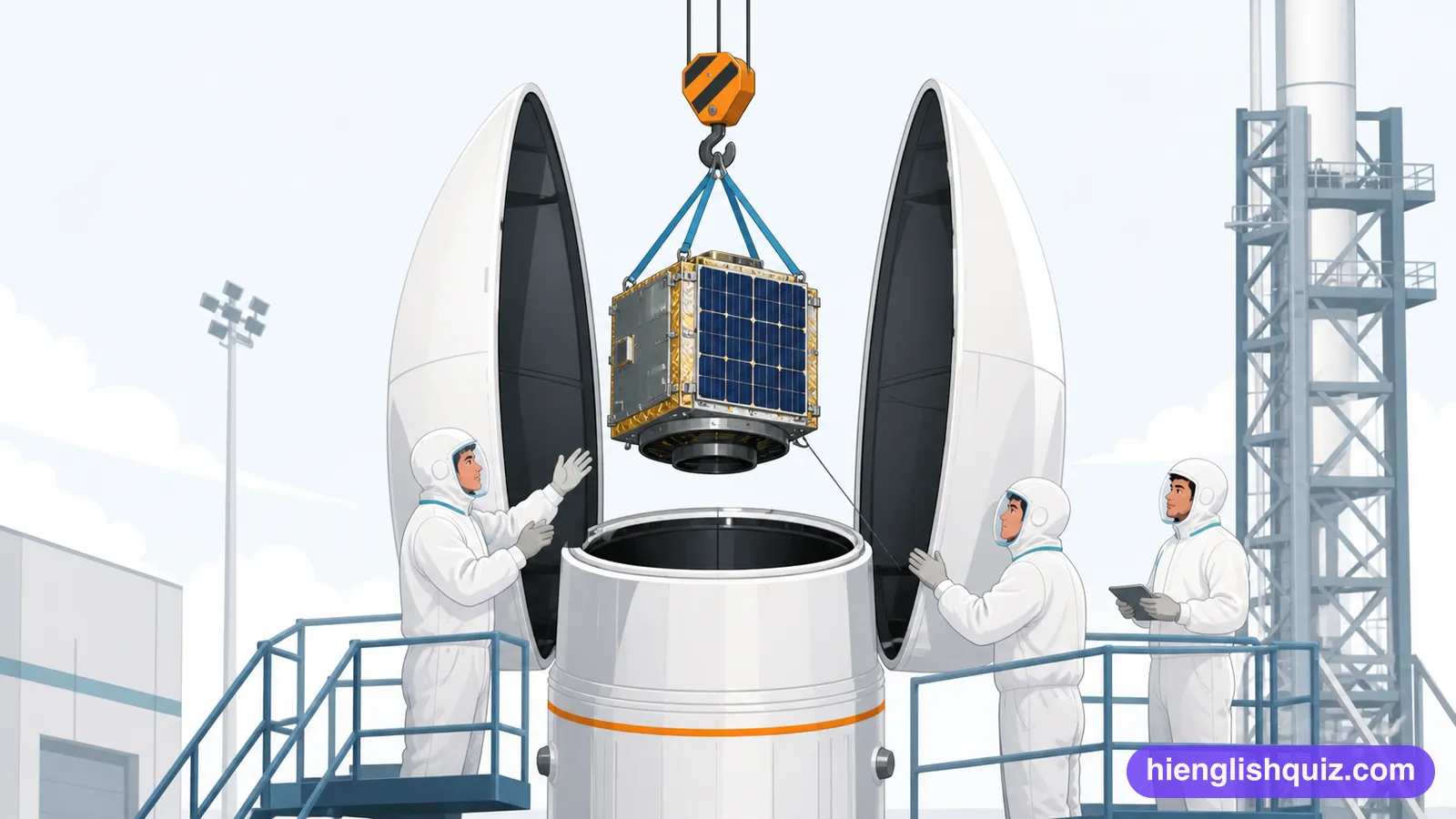
payload
/ˈpeɪˌloʊd/The cargo or equipment that a vehicle or machine is designed to carry.
Example: The rocket's payload included two satellites.
 Hi EnglishQuiz
C222 words · Proficient
Expert engineering vocabulary for materials science and production systems, including metallurgy, torsion, ductility and the hysteresis, sintering and digital twin models engineers rely on.
The cargo or equipment that a vehicle or machine is designed to carry.
Example: The rocket's payload included two satellites.
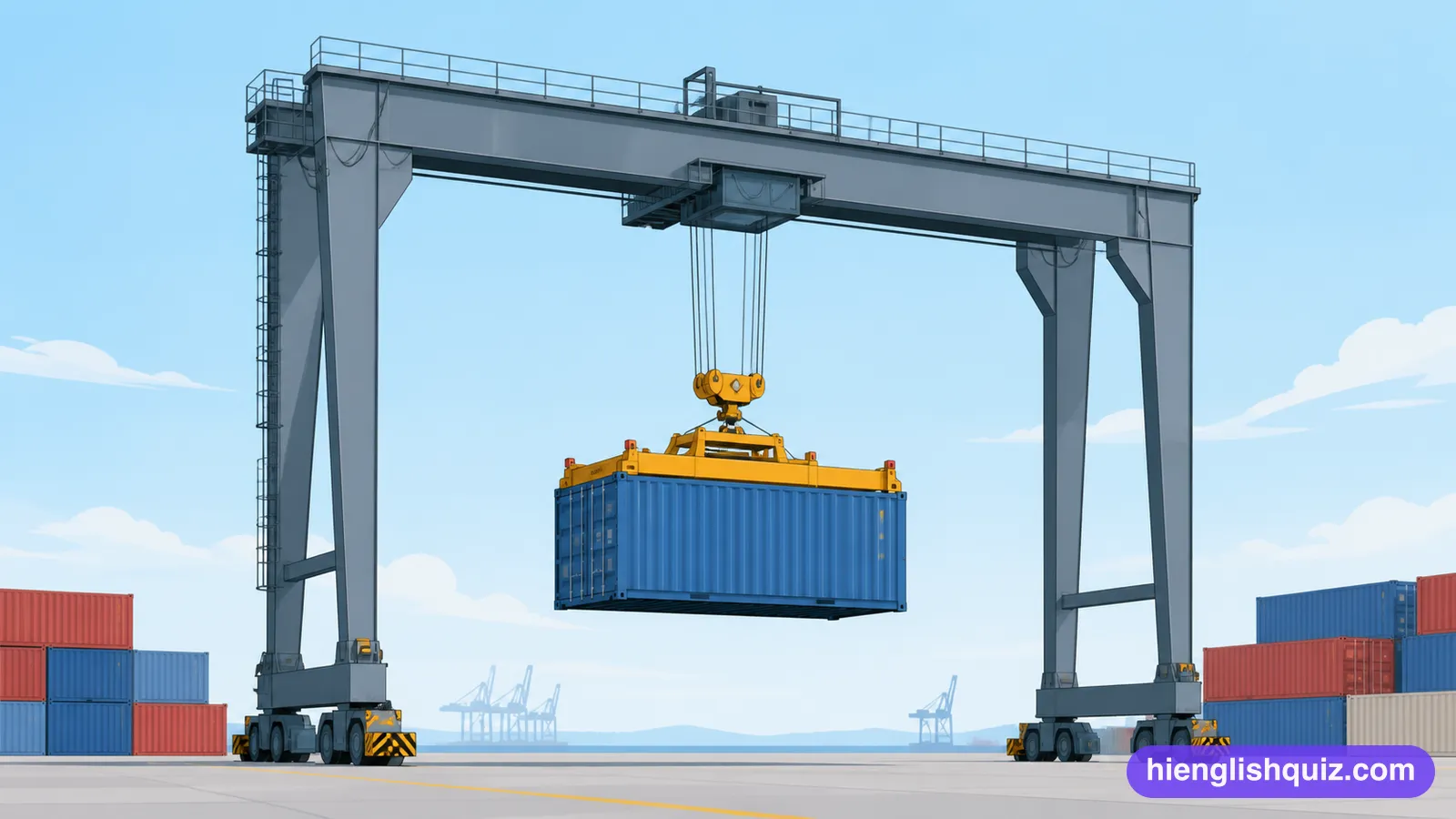
A raised framework used to support equipment, signs or a travelling crane above a work area.
Example: A gantry crane moved the shipping containers into place.
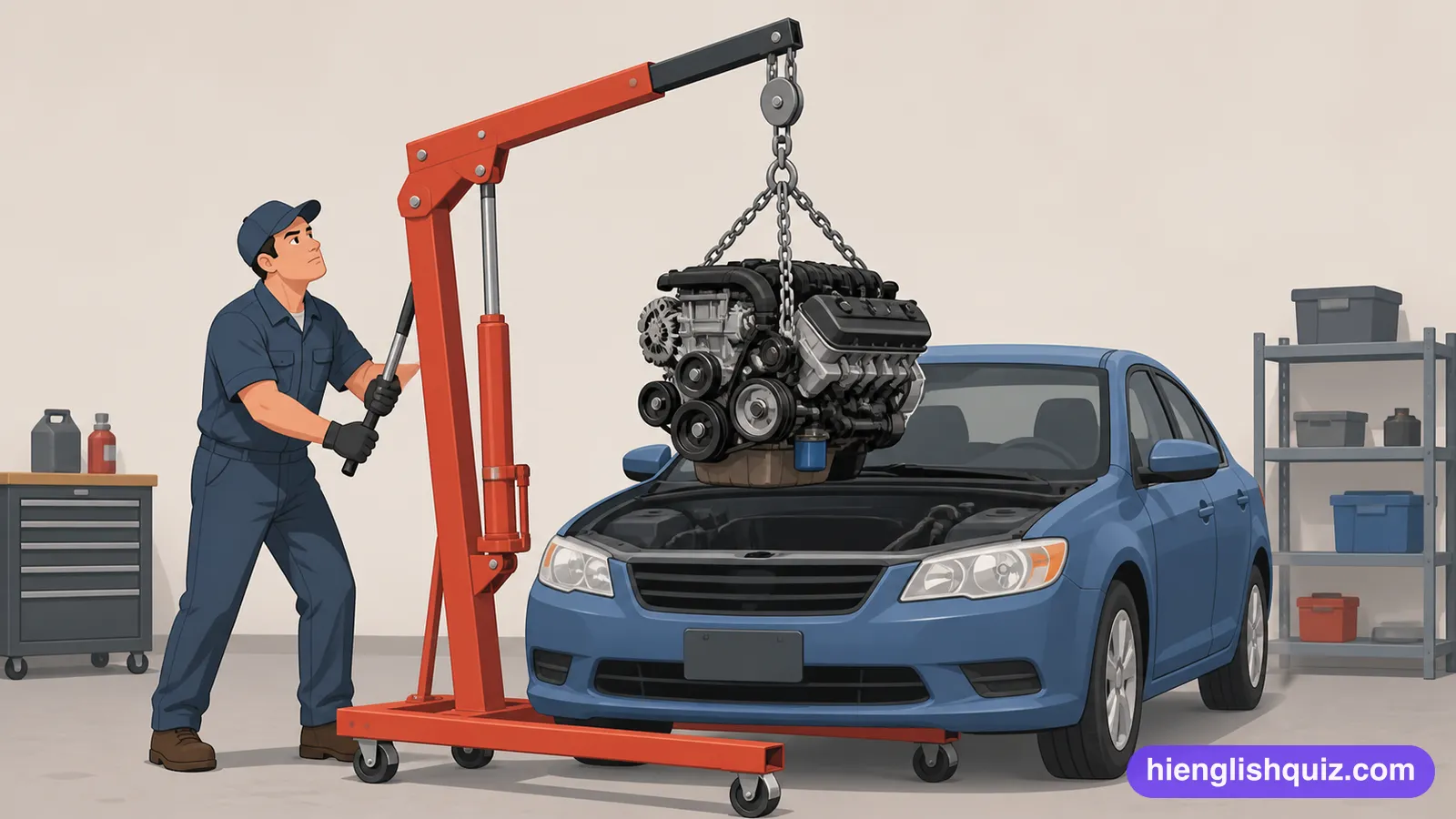
A device used to lift heavy objects using a rope, chain or cable.
Example: Workers used a hoist to raise the engine out of the car.
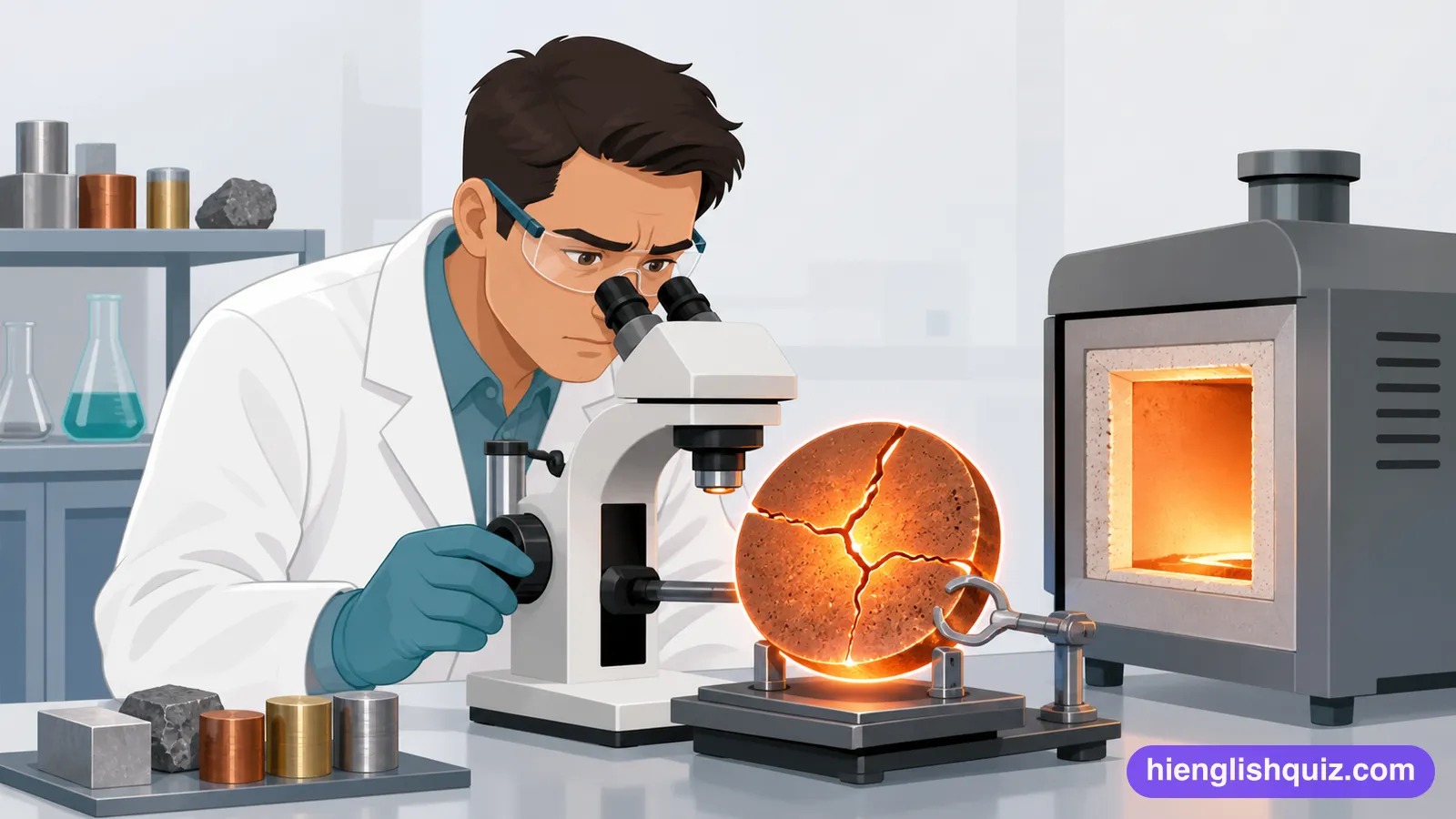
The science of the properties and production of metals.
Example: She studied metallurgy to understand why the alloy cracked.
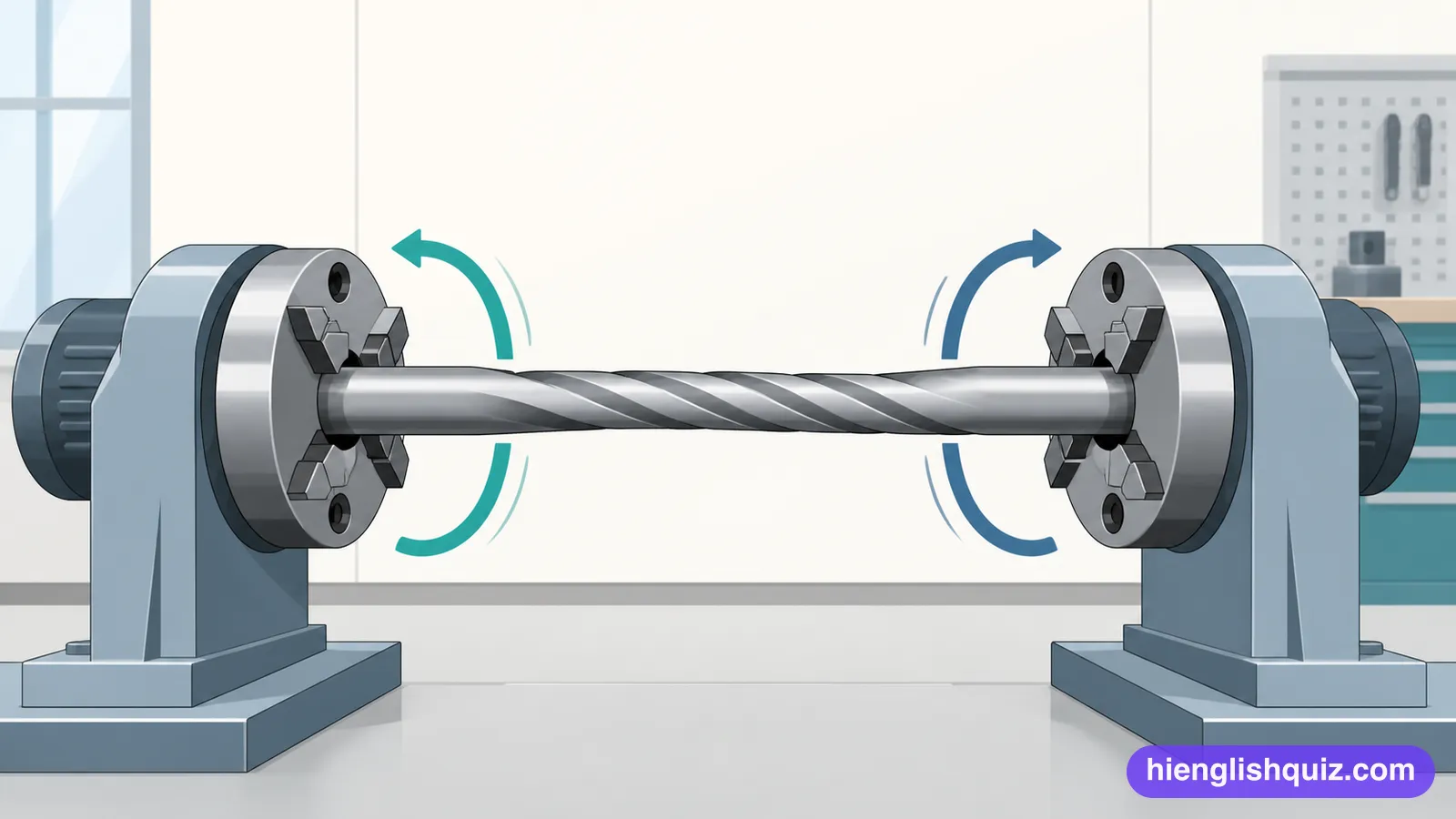
A twisting force applied to an object, especially a rod or shaft.
Example: The shaft failed under repeated torsion.
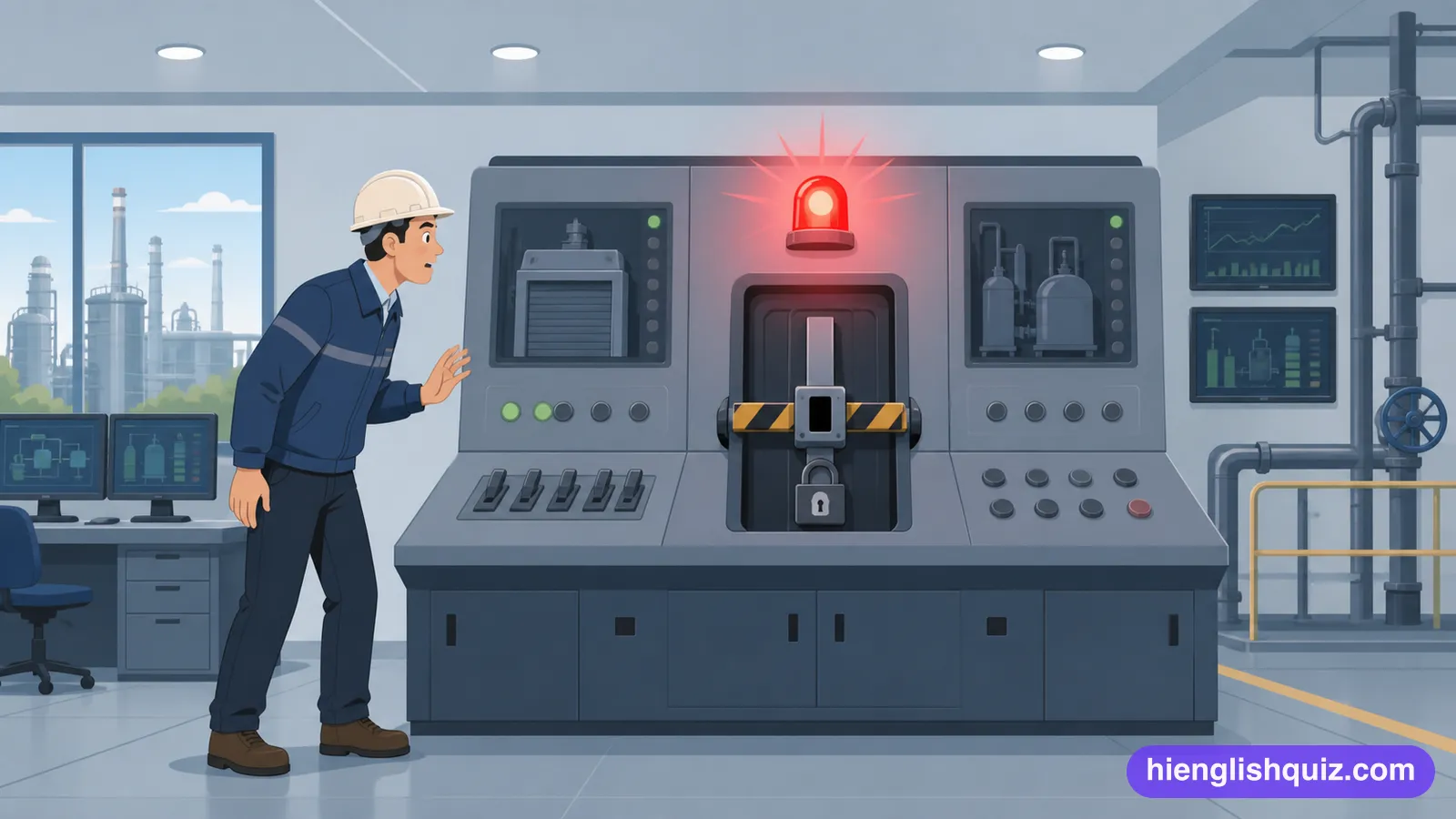
Designed to default to a safe condition automatically if a part of the system fails.
Example: The reactor has a failsafe system that shuts it down instantly.
The slow, permanent deformation of a material under constant stress, especially at high temperature.
Example: Engineers monitor creep in turbine blades over years of use.
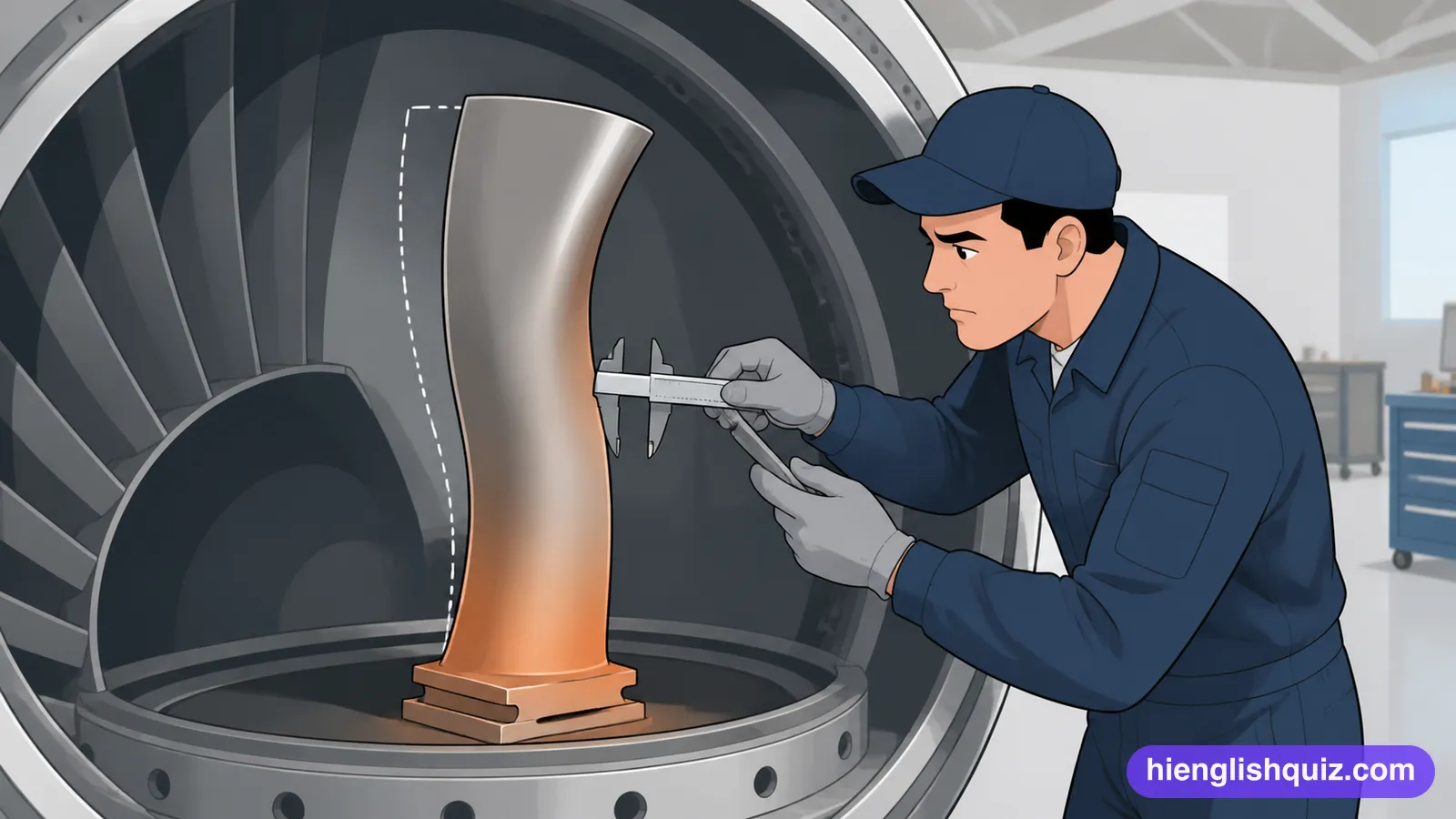
A product or process that fails to meet a required specification or standard.
Example: The batch was flagged for non-conformance during inspection.
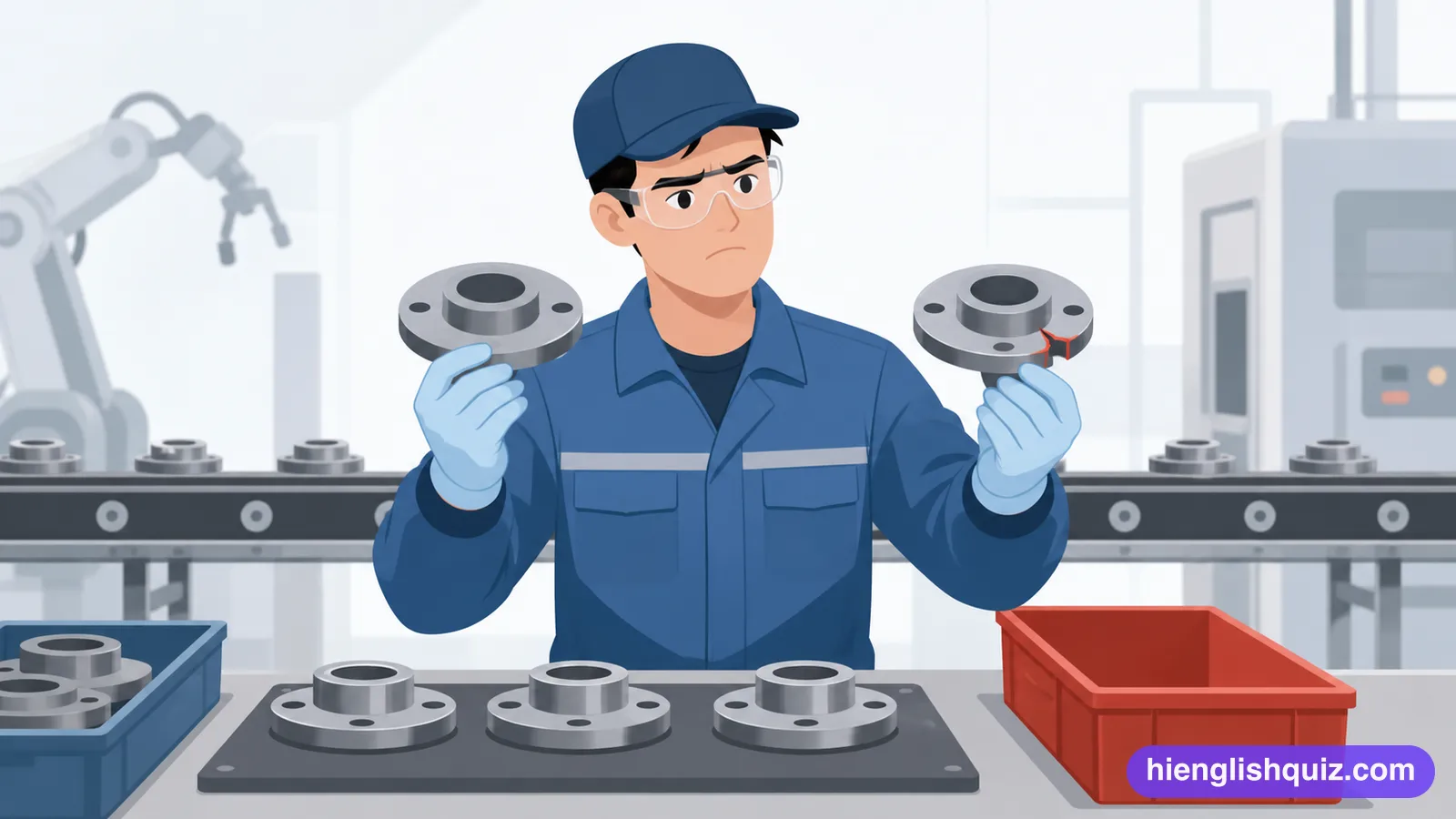
A material's ability to be stretched or pulled into wire without breaking.
Example: Copper's high ductility makes it easy to draw into thin wire.
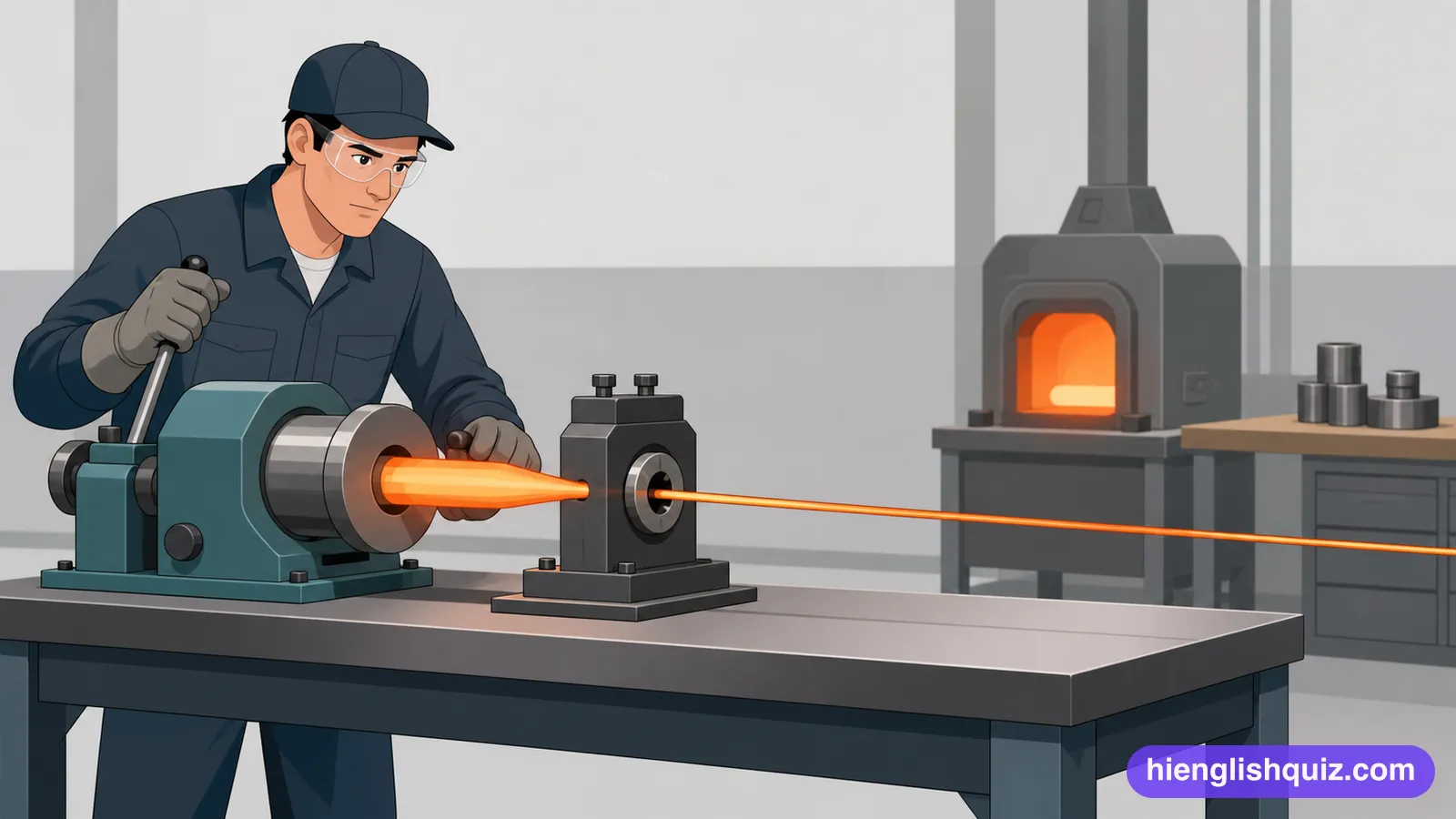
When a metal becomes harder and less flexible after being repeatedly bent or shaped.
Example: Repeated bending caused work hardening in the copper wire before it cracked.

Designing something so it is easy and cheap to produce.
Example: Design for manufacture removed nine parts from the assembly.

A systematic look at every way something could fail.
Example: Failure mode and effects analysis found the fault before the tooling was cut.
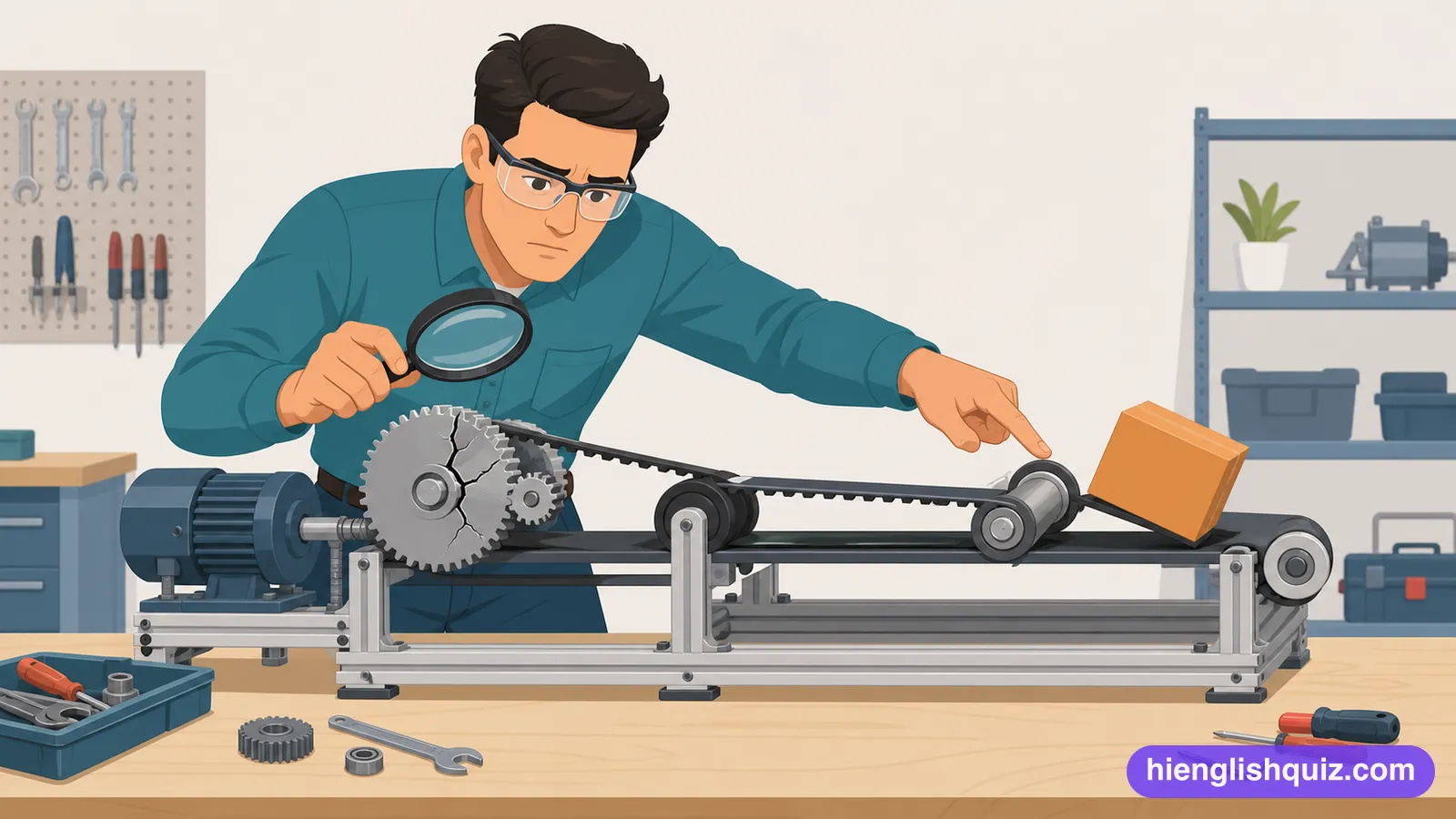
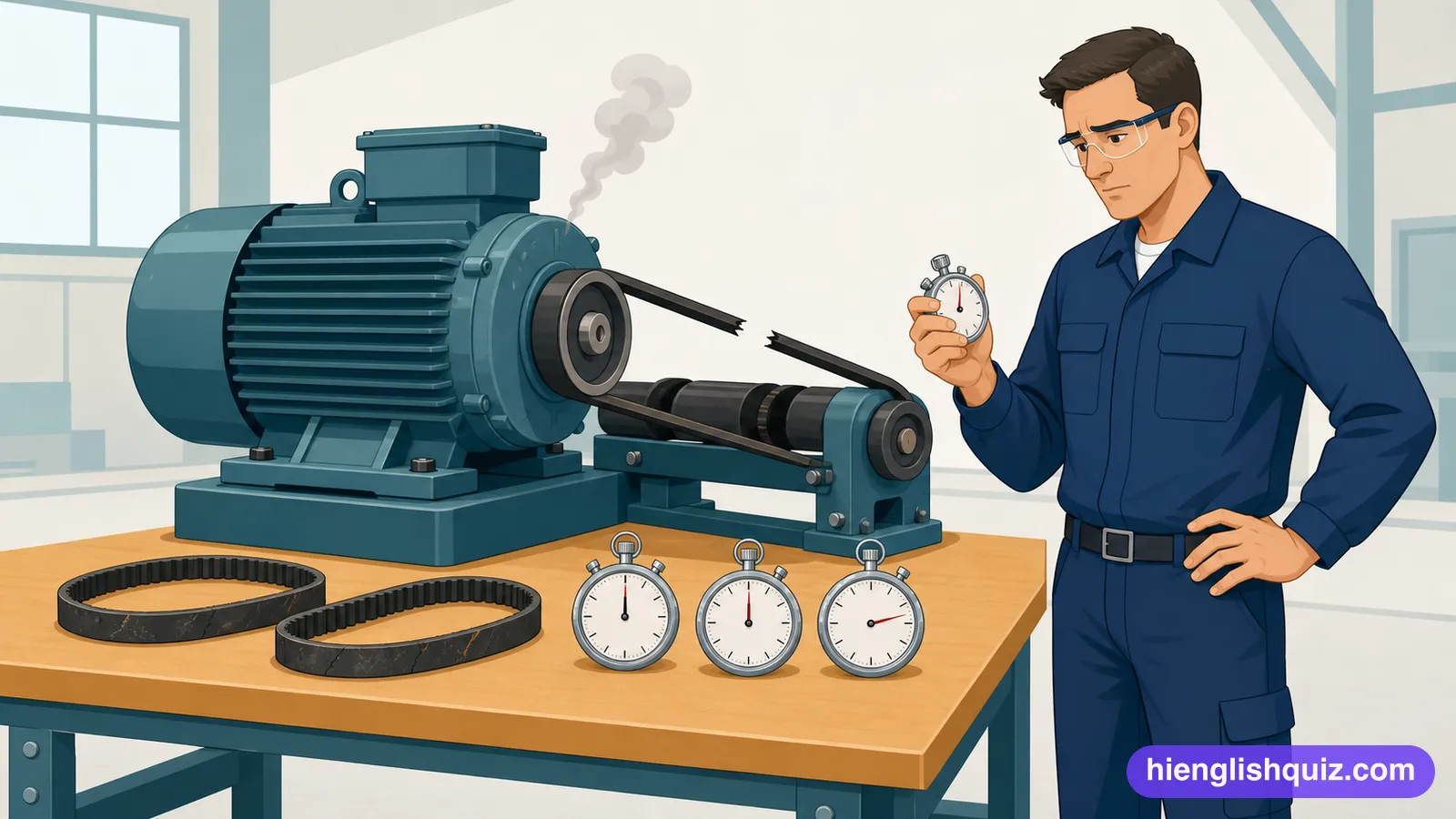
The average working life between one breakdown and the next.
Example: A mean time between failures of nine hundred hours is not good enough.
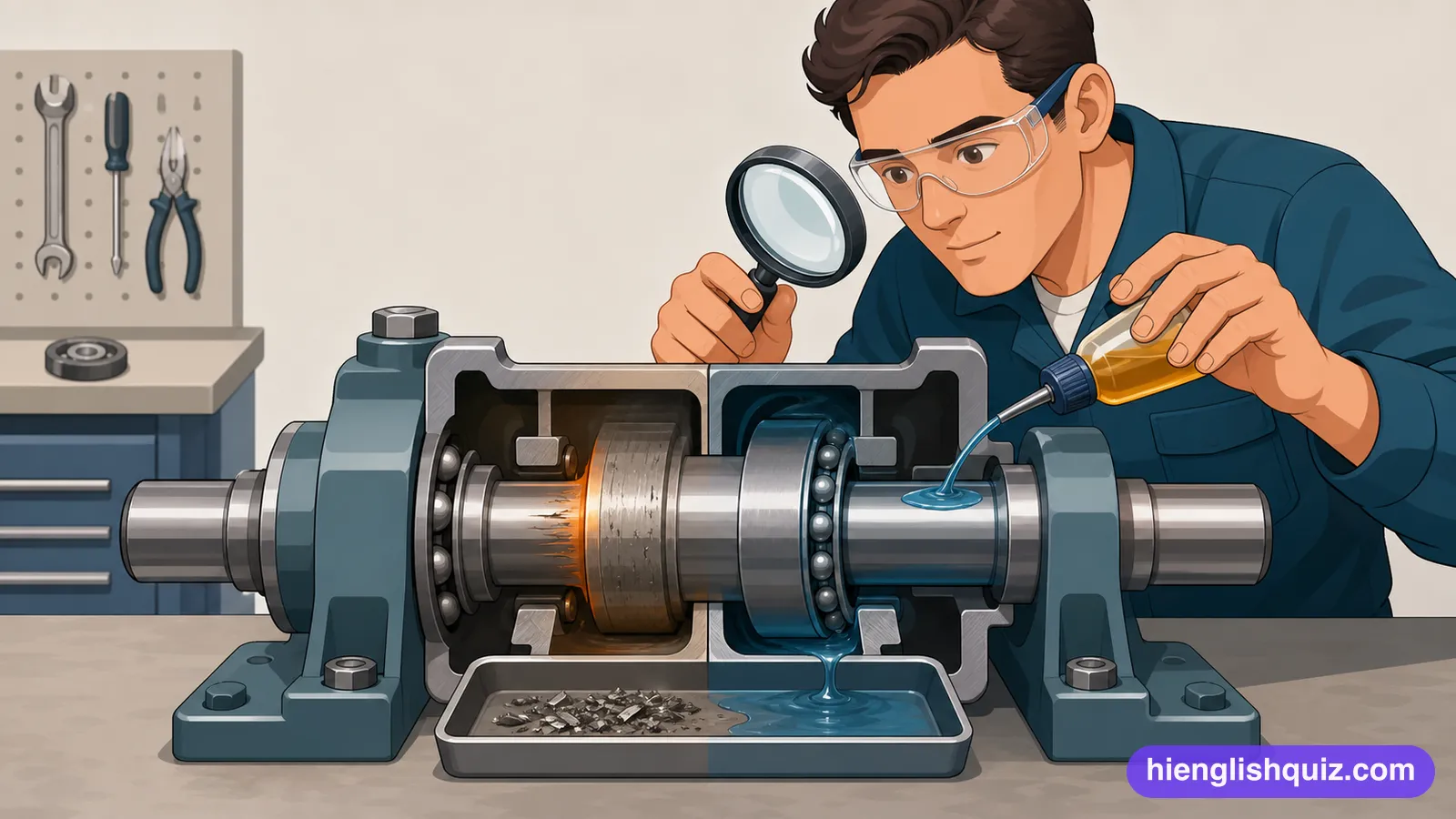
The study of friction, wear and lubrication.
Example: A little tribology would have saved the entire bearing programme.
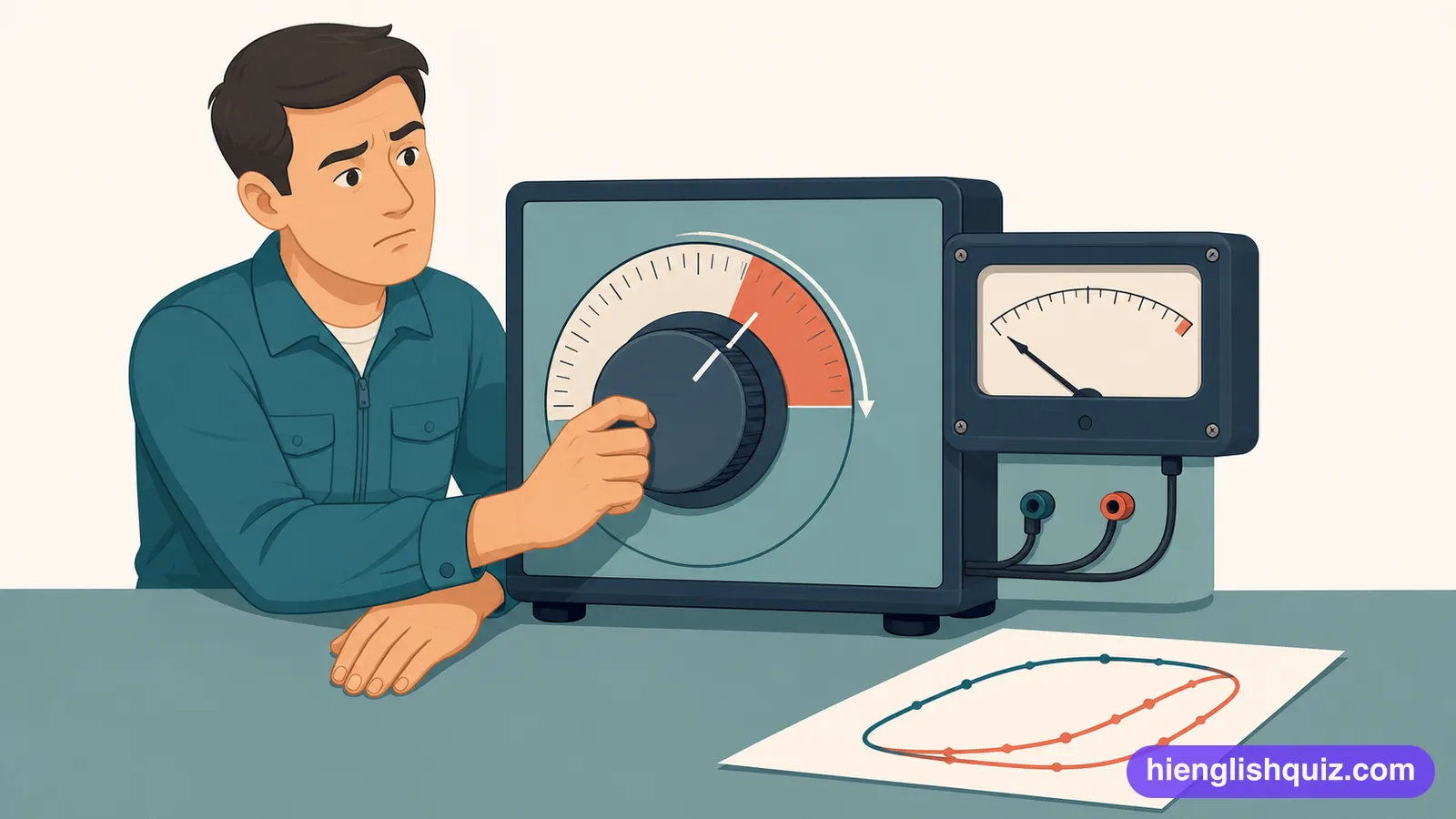
The lag between a cause and the effect it produces.
Example: Hysteresis in the sensor made the control loop oscillate.
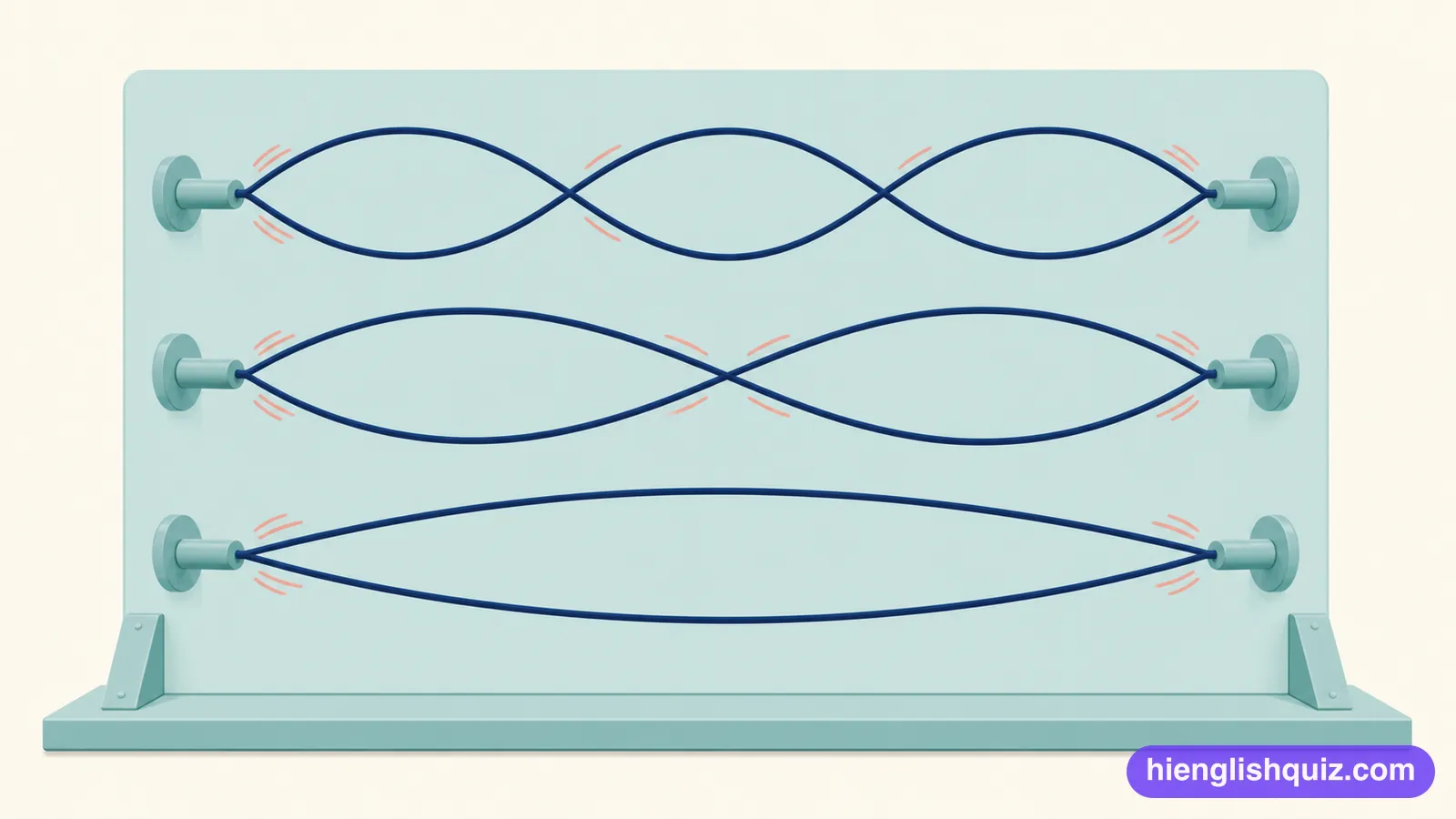
A vibration at a multiple of the main frequency.
Example: One harmonic shook the whole gantry apart over eleven months.
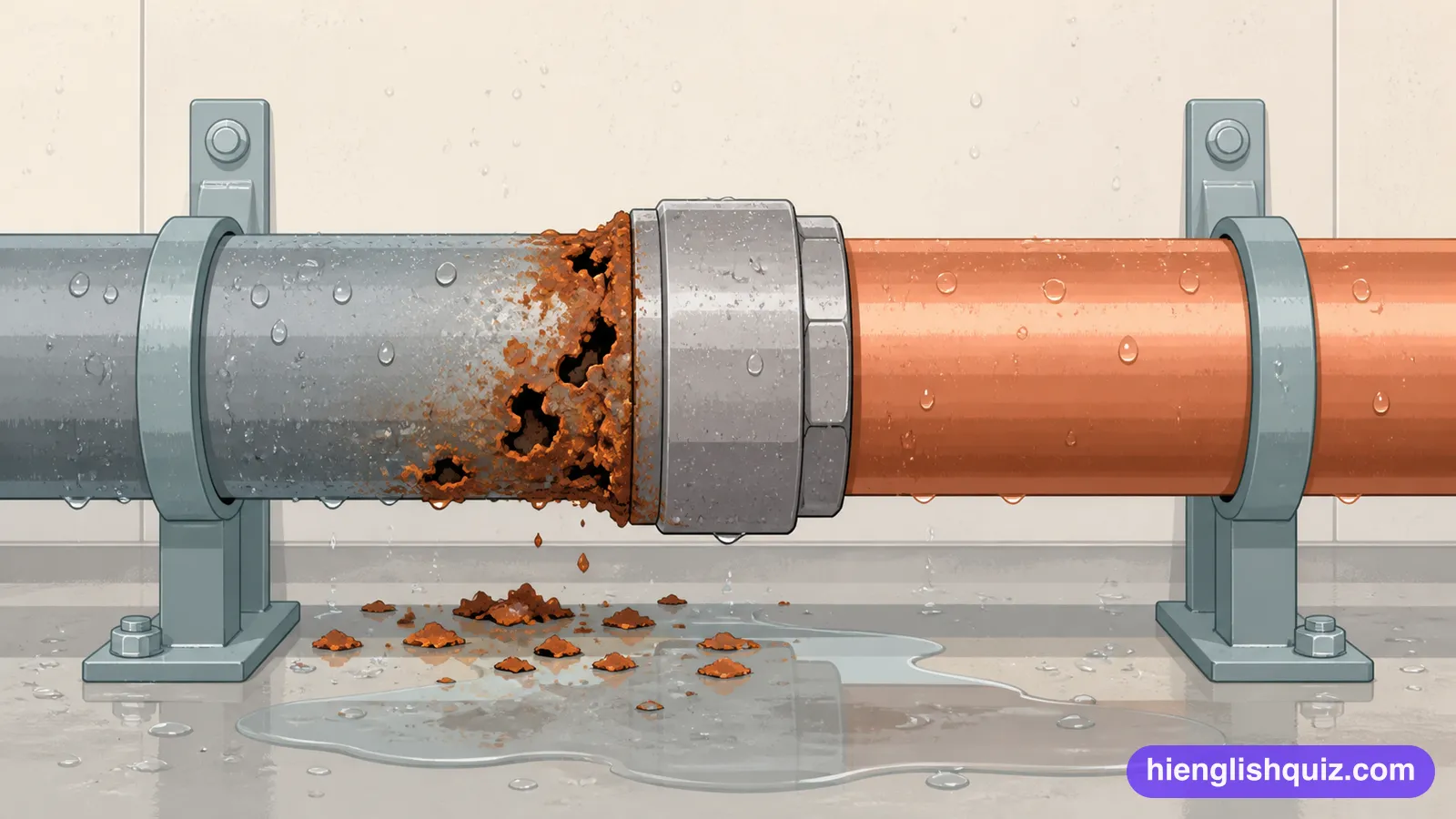
Corrosion caused by two different metals touching in damp.
Example: Galvanic corrosion ate the fixings and left the panel untouched.
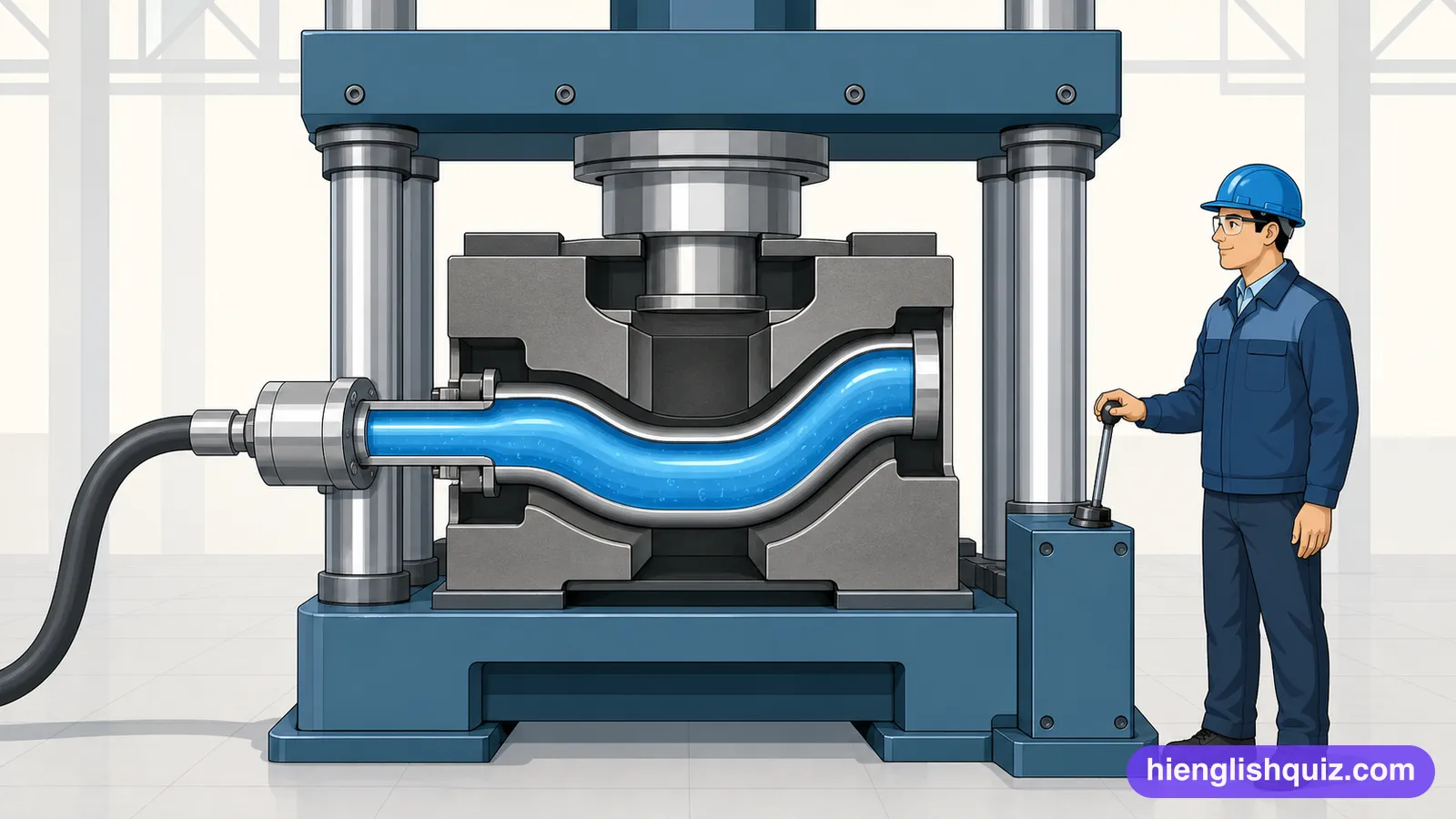
Shaping metal using high-pressure fluid.
Example: Hydroforming produced one part where there had been five.
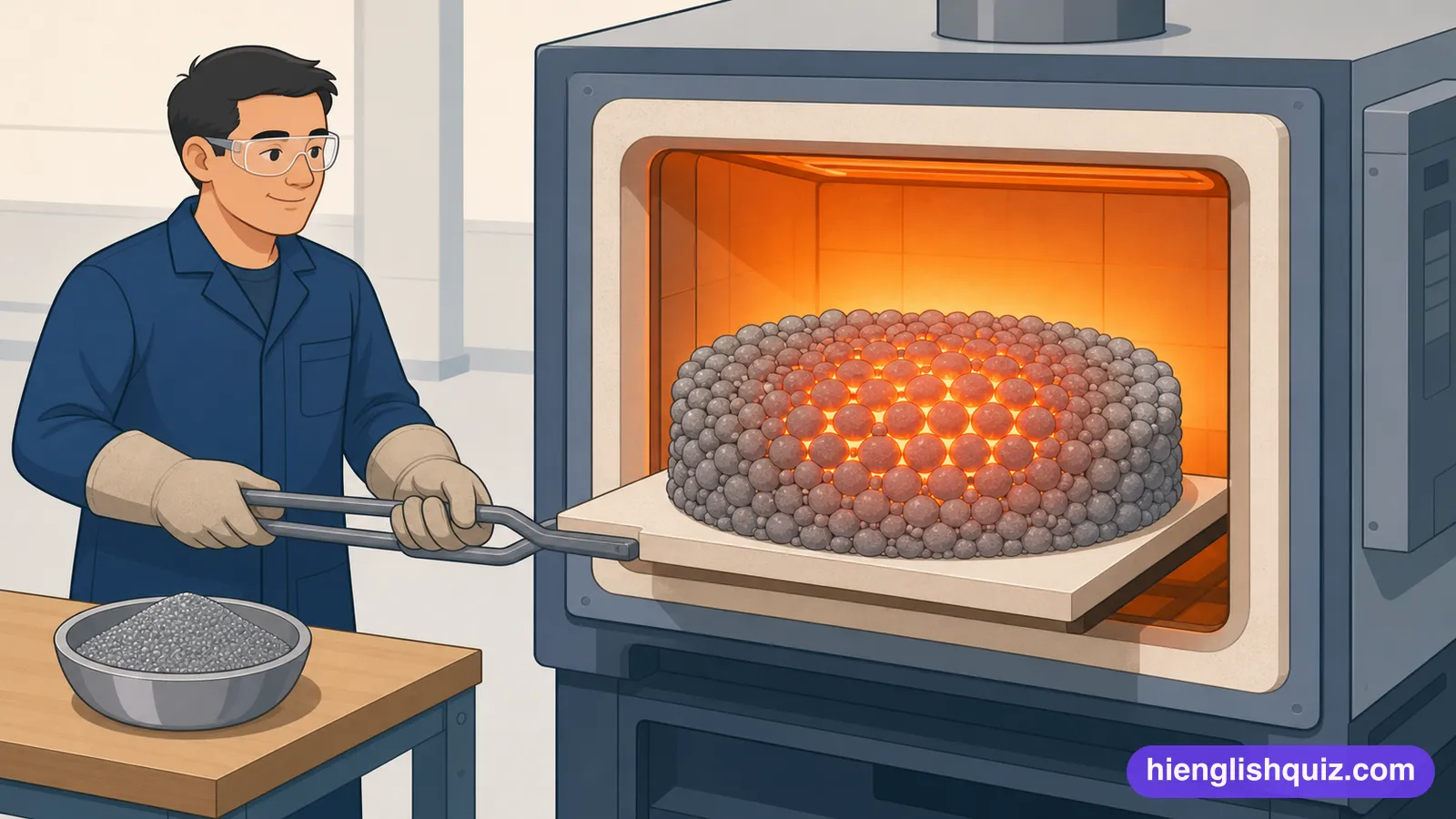
Forming a solid mass by heating powder without melting it.
Example: Sintering gives a porosity that machining never could.
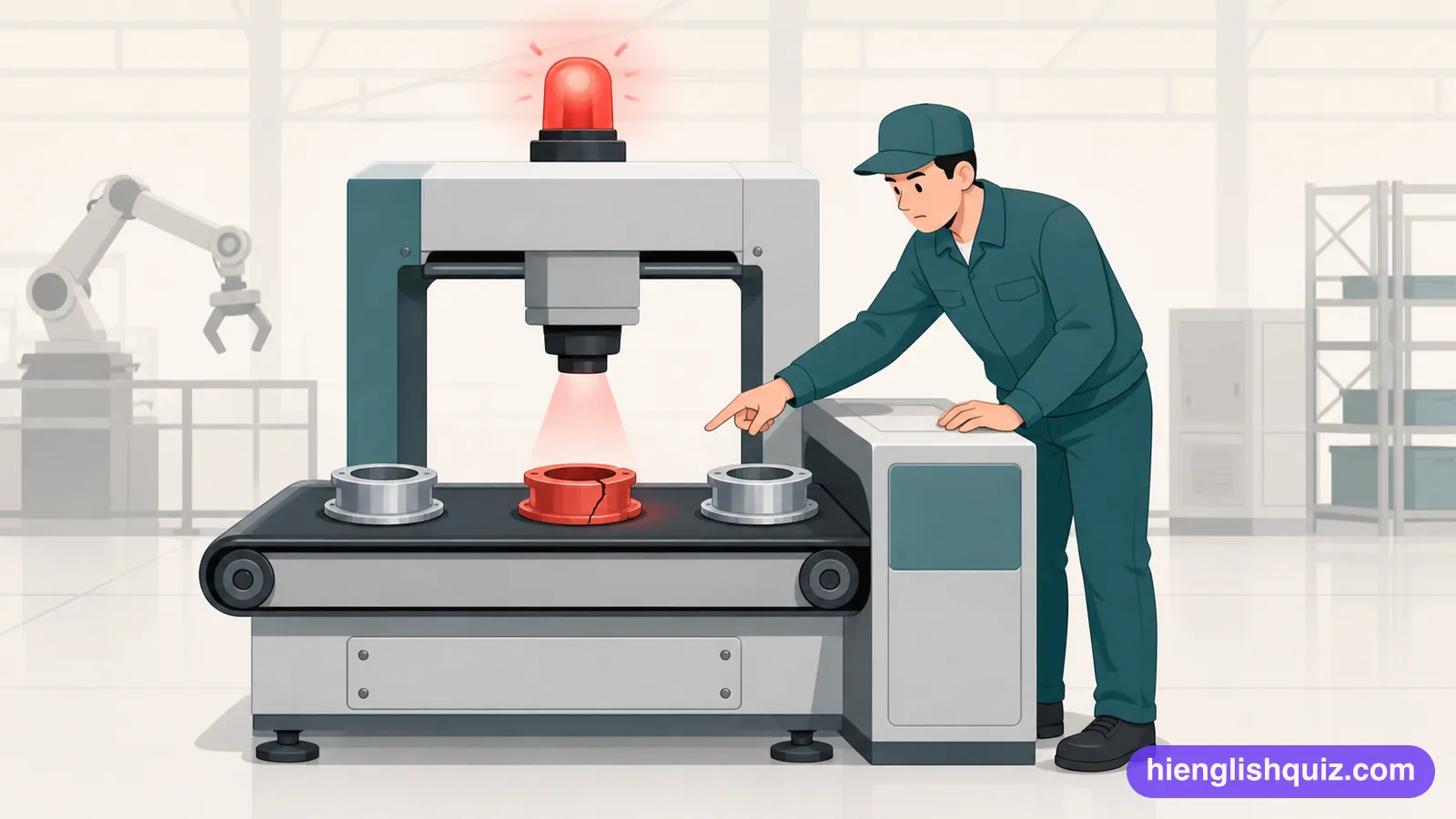
Stopping a line automatically the moment a fault appears.
Example: Jidoka stops the line and stopping the line is the point.
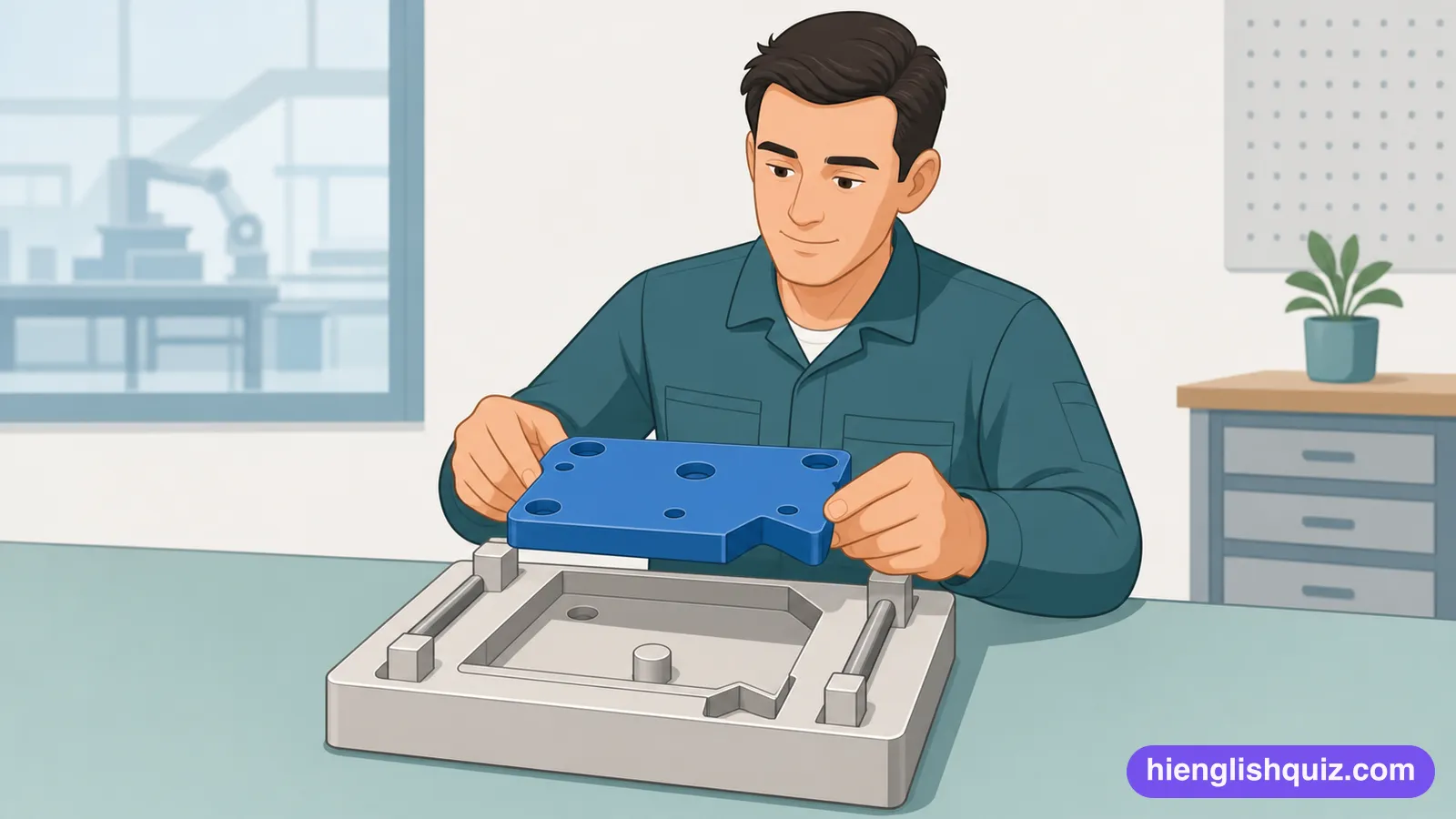
A design that makes a mistake physically impossible.
Example: One poka-yoke on the jig ended the reversed-part problem for good.
A working computer model kept in step with a real machine.
Example: The digital twin predicted the bearing failure eleven days out.