malpractice
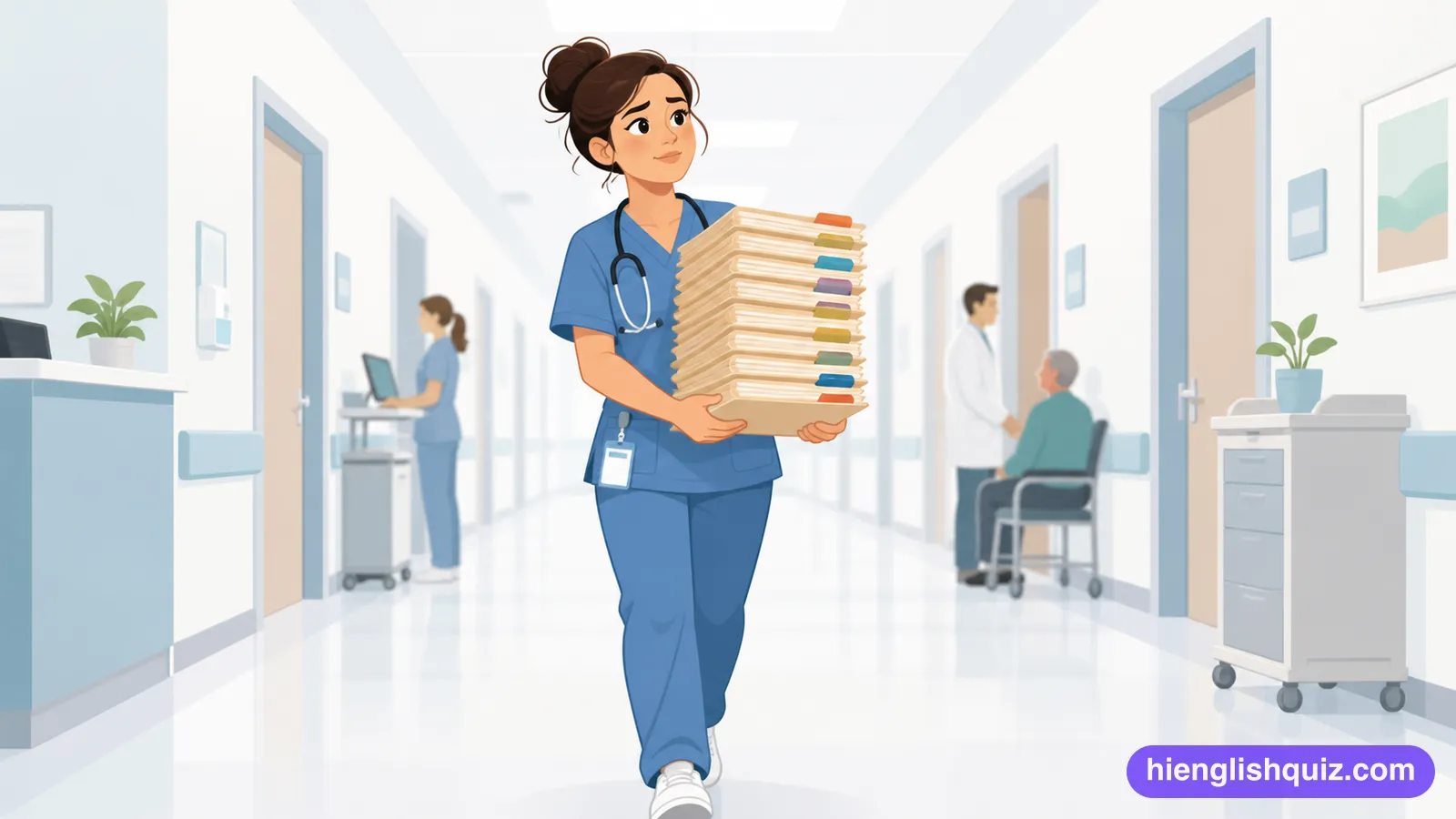
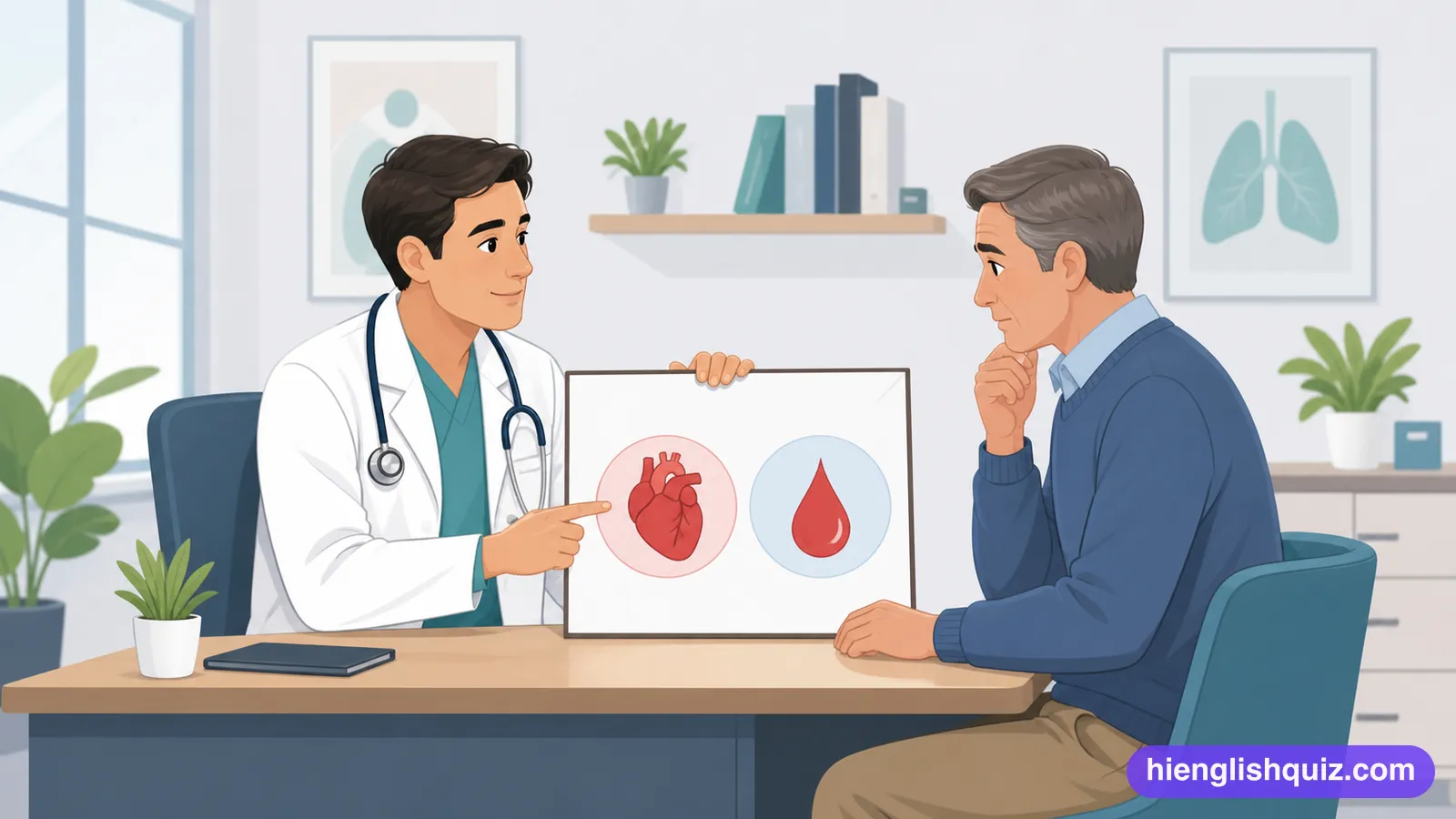
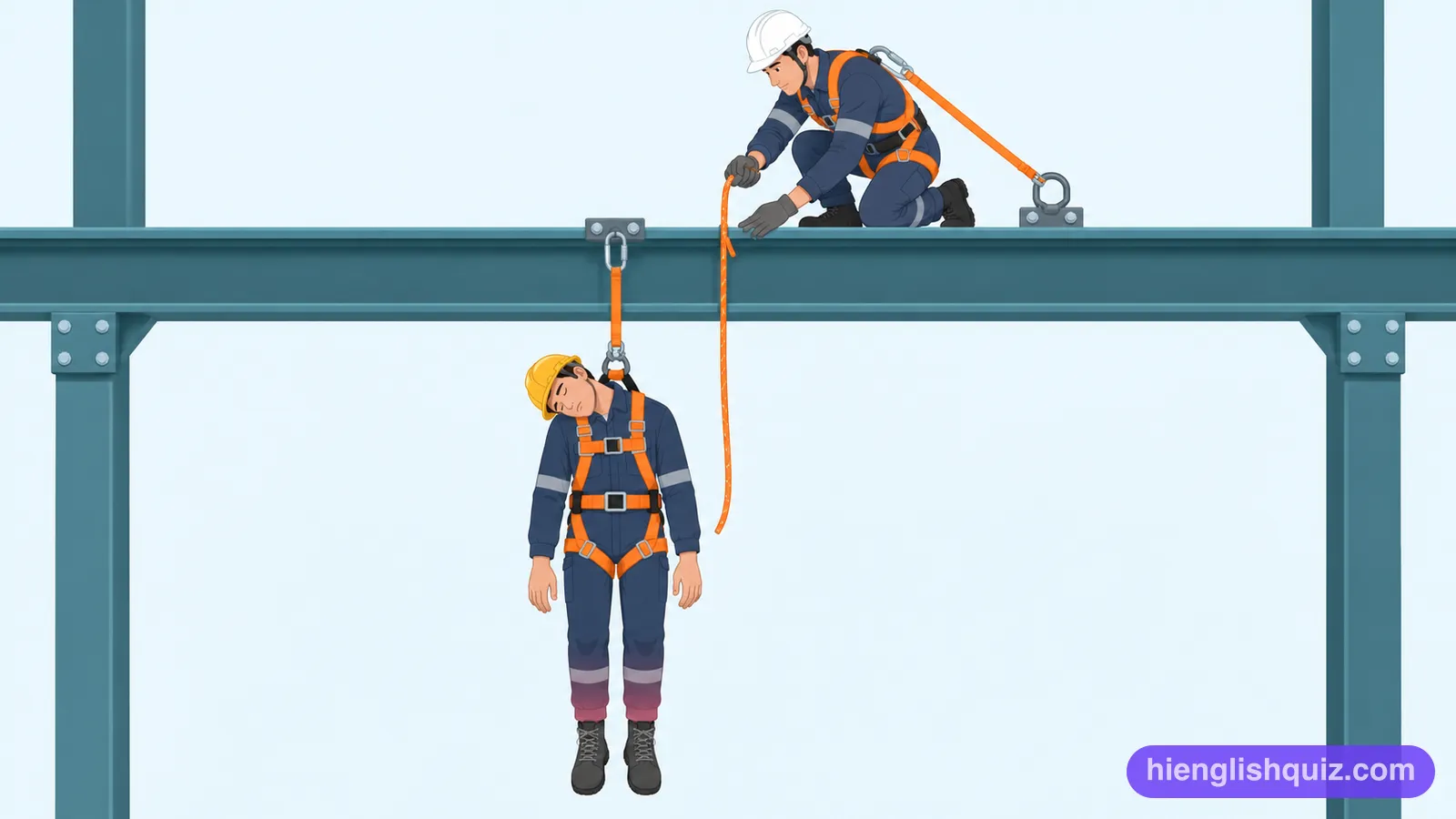
/mælˈpræktəs/Careless or improper treatment by a medical professional that causes harm to a patient.
Example: The family sued the hospital for malpractice.

 Hi EnglishQuiz
C222 words · Proficient
Expert healthcare vocabulary for research and patient safety, including malpractice, a nosocomial infection, the mortality rate in a cohort study and herd immunity.
Careless or improper treatment by a medical professional that causes harm to a patient.
Example: The family sued the hospital for malpractice.
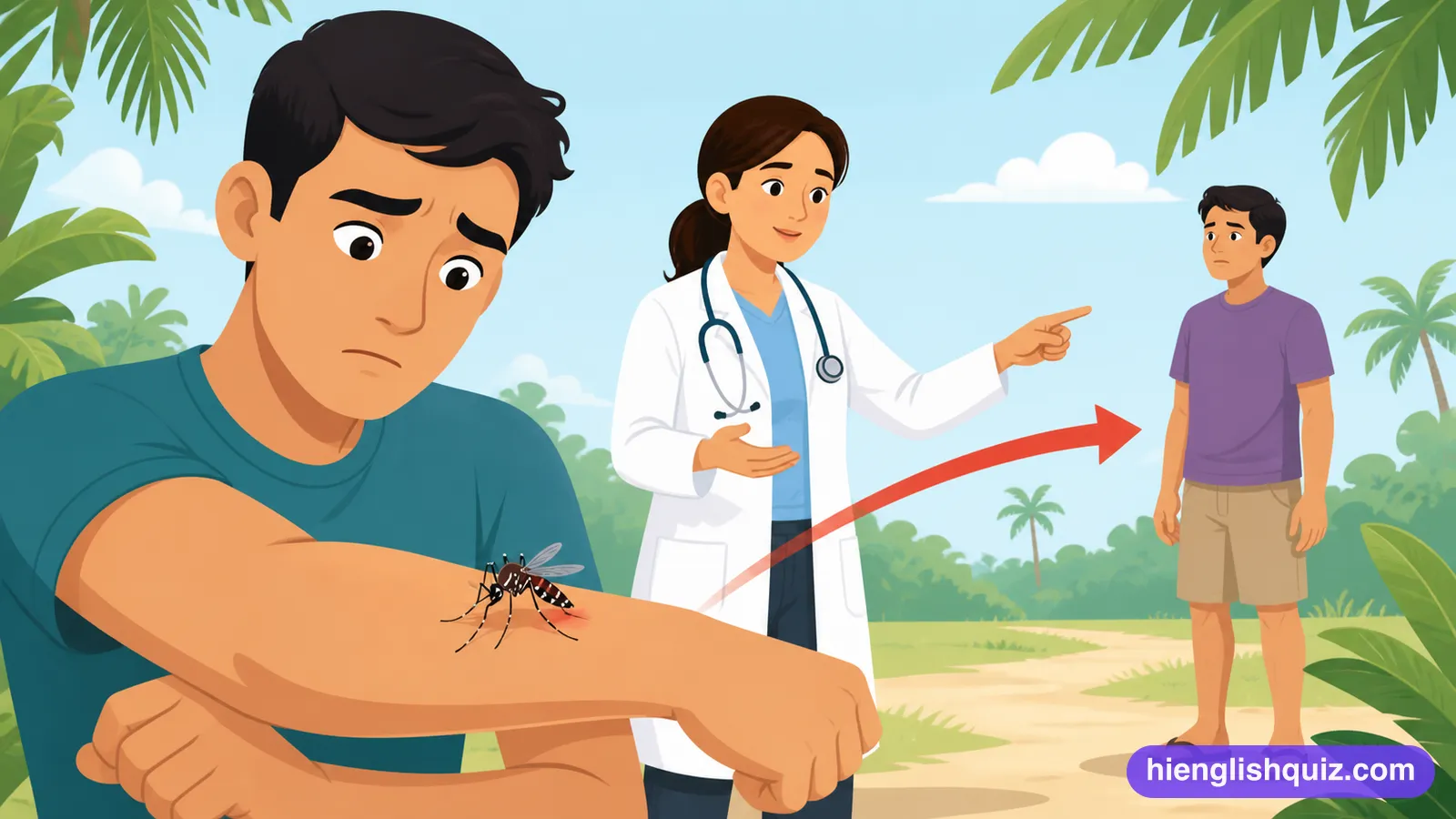
Describes a disease spread to humans through a carrier, such as a mosquito or tick.
Example: Malaria is a vector-borne disease common in tropical regions.
Describes an infection caught while a patient is being treated in hospital.
Example: Strict hygiene rules reduce nosocomial infections.
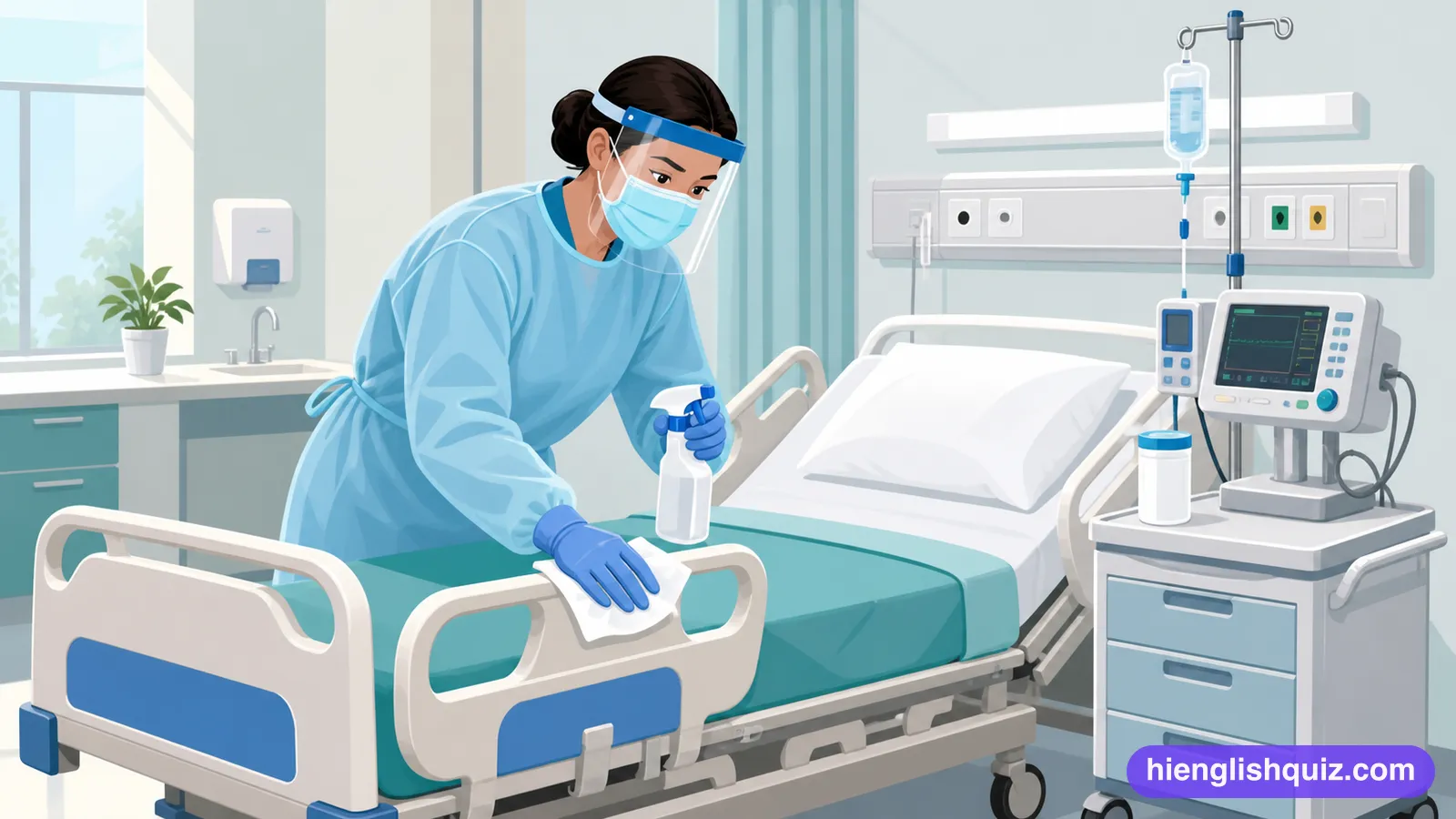
An unexpected and harmful reaction caused by a medical treatment or drug.
Example: The trial was paused after a serious adverse event.
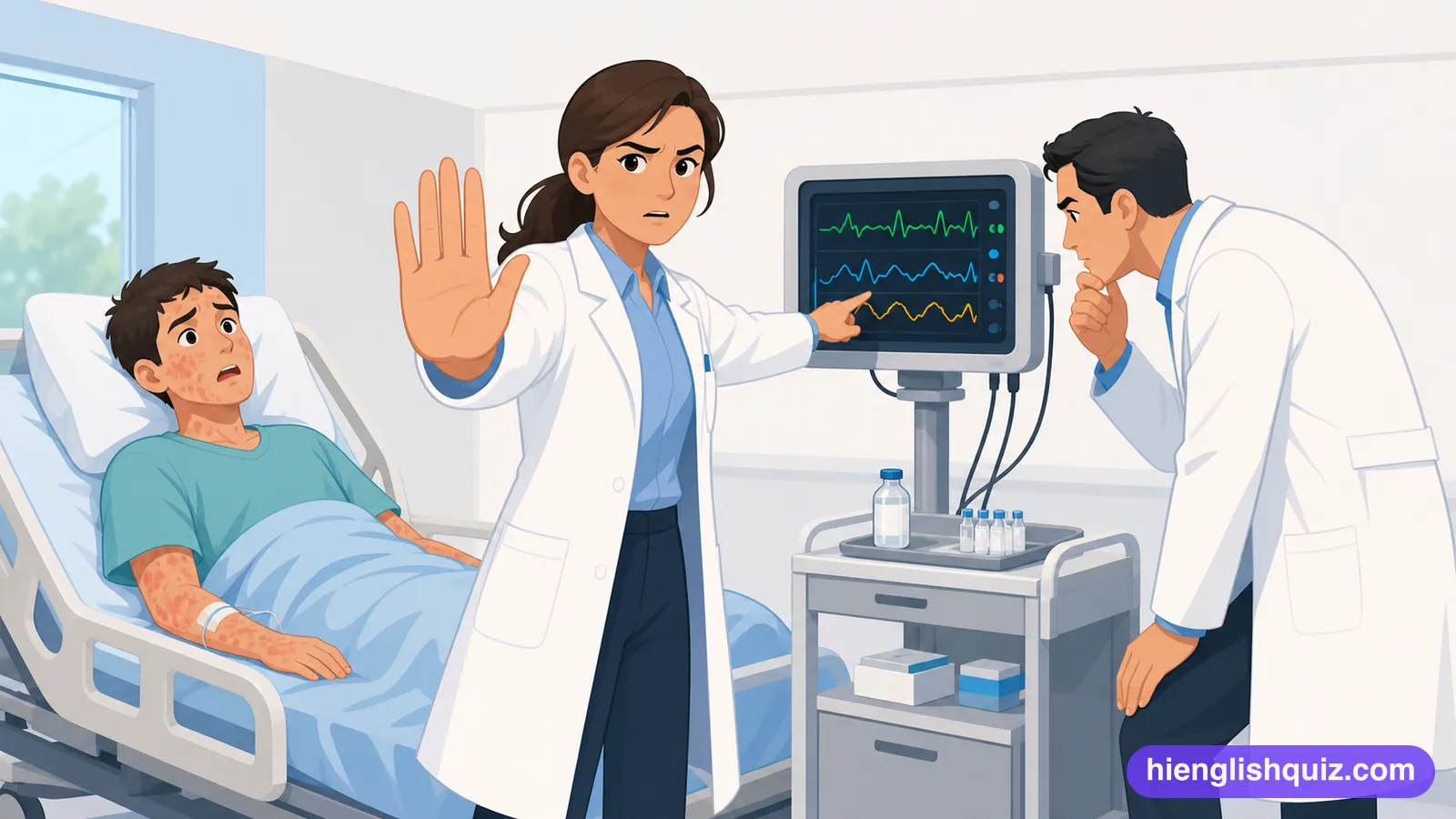
A patient's documented decision to decline a recommended treatment after understanding the risks.
Example: He signed an informed refusal after rejecting the surgery.

Medical research that follows a group of people over time to see how a disease or outcome develops.
Example: The cohort study tracked ten thousand patients for a decade.

The number of deaths from a disease or in a population within a given time.
Example: The new treatment lowered the mortality rate significantly.

A health condition that results from an earlier disease or injury.
Example: Chronic fatigue was a lasting sequela of the infection.
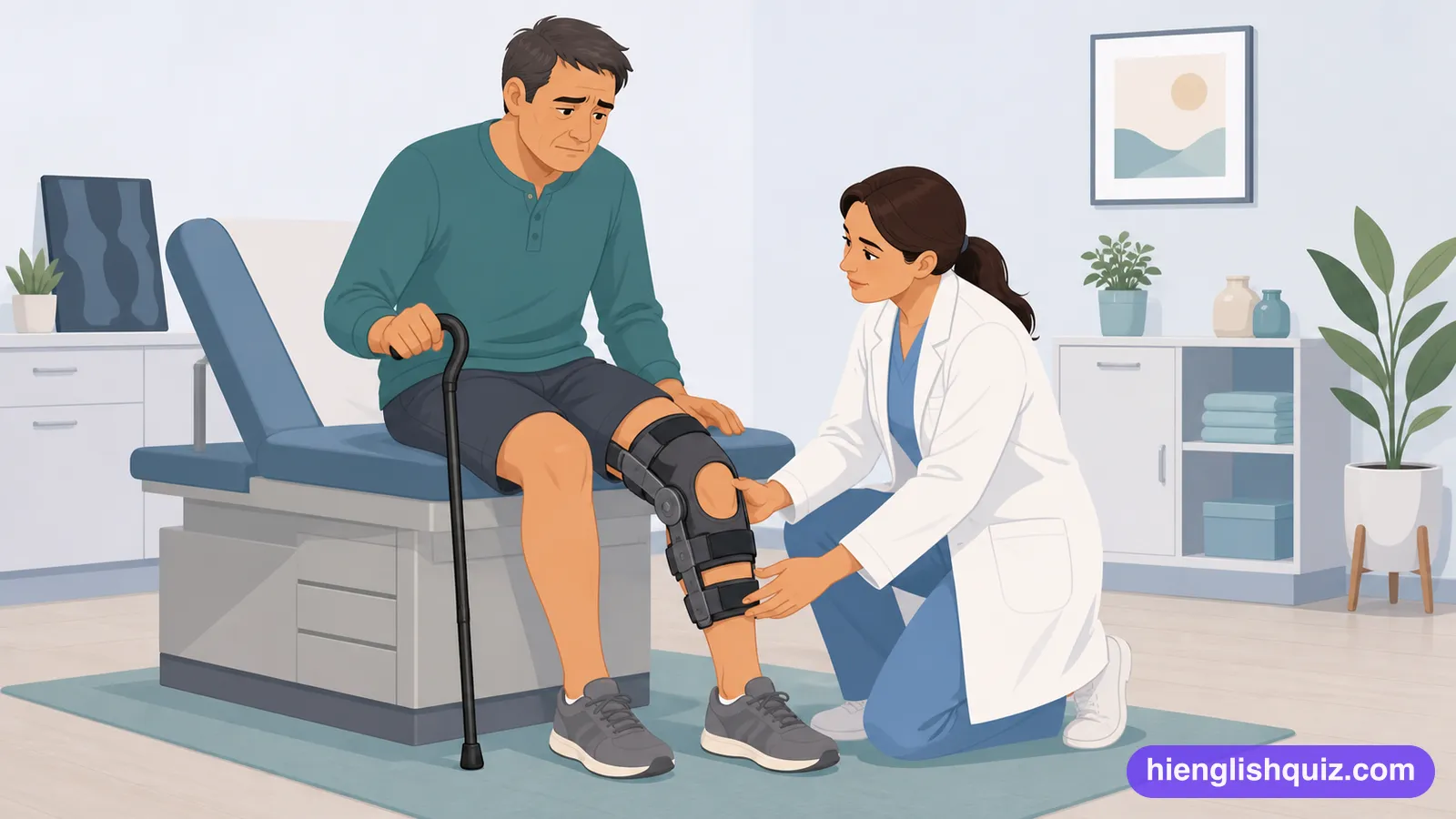
Early symptoms that appear before the main signs of an illness develop.
Example: A slight headache was the prodrome before her migraine began.

The percentage of people with a certain disease who die from it.
Example: The new strain had a lower case fatality rate than the original virus.
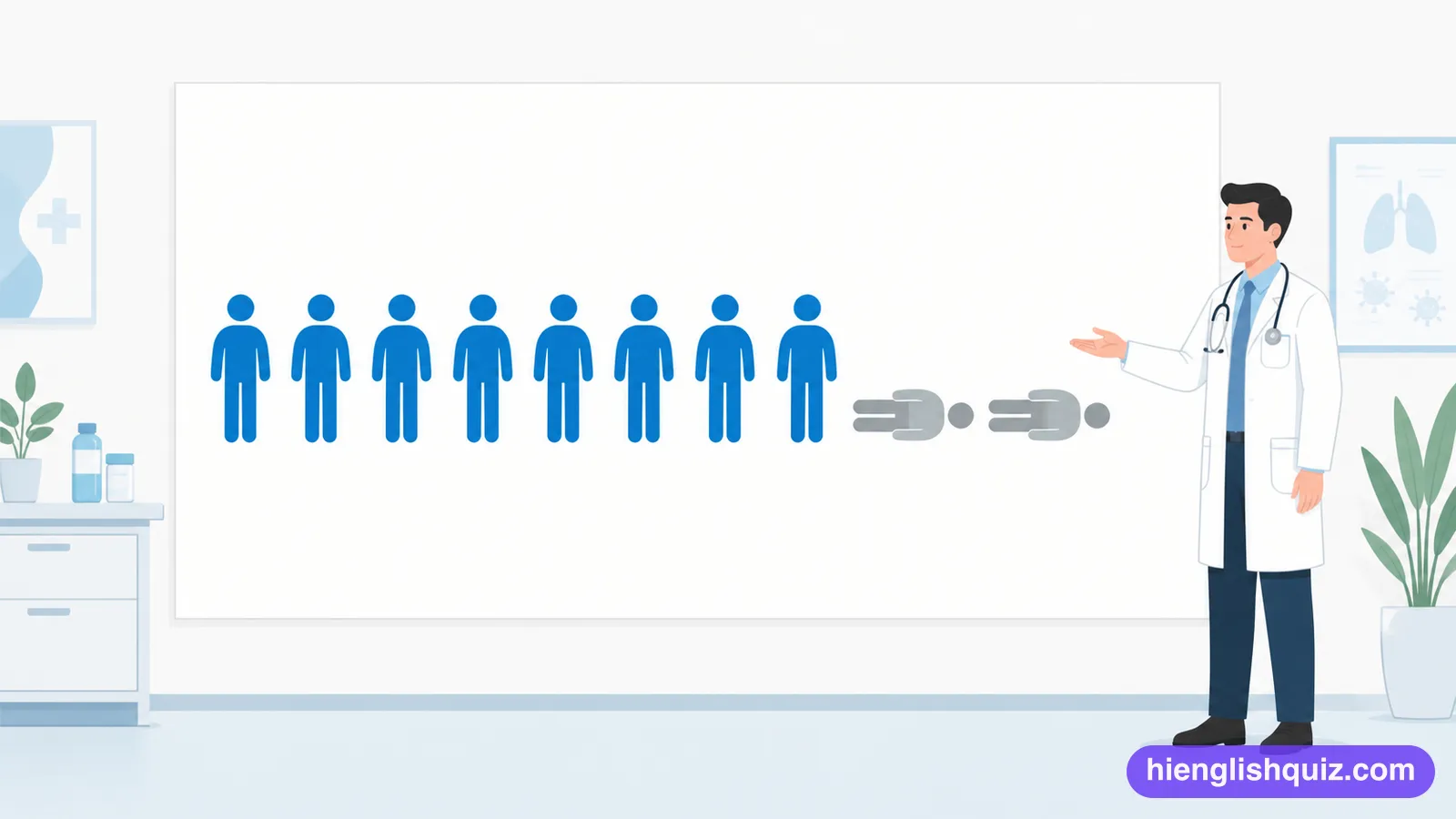
How many patients must be treated for one to benefit.
Example: A number needed to treat of ninety changes the conversation entirely.
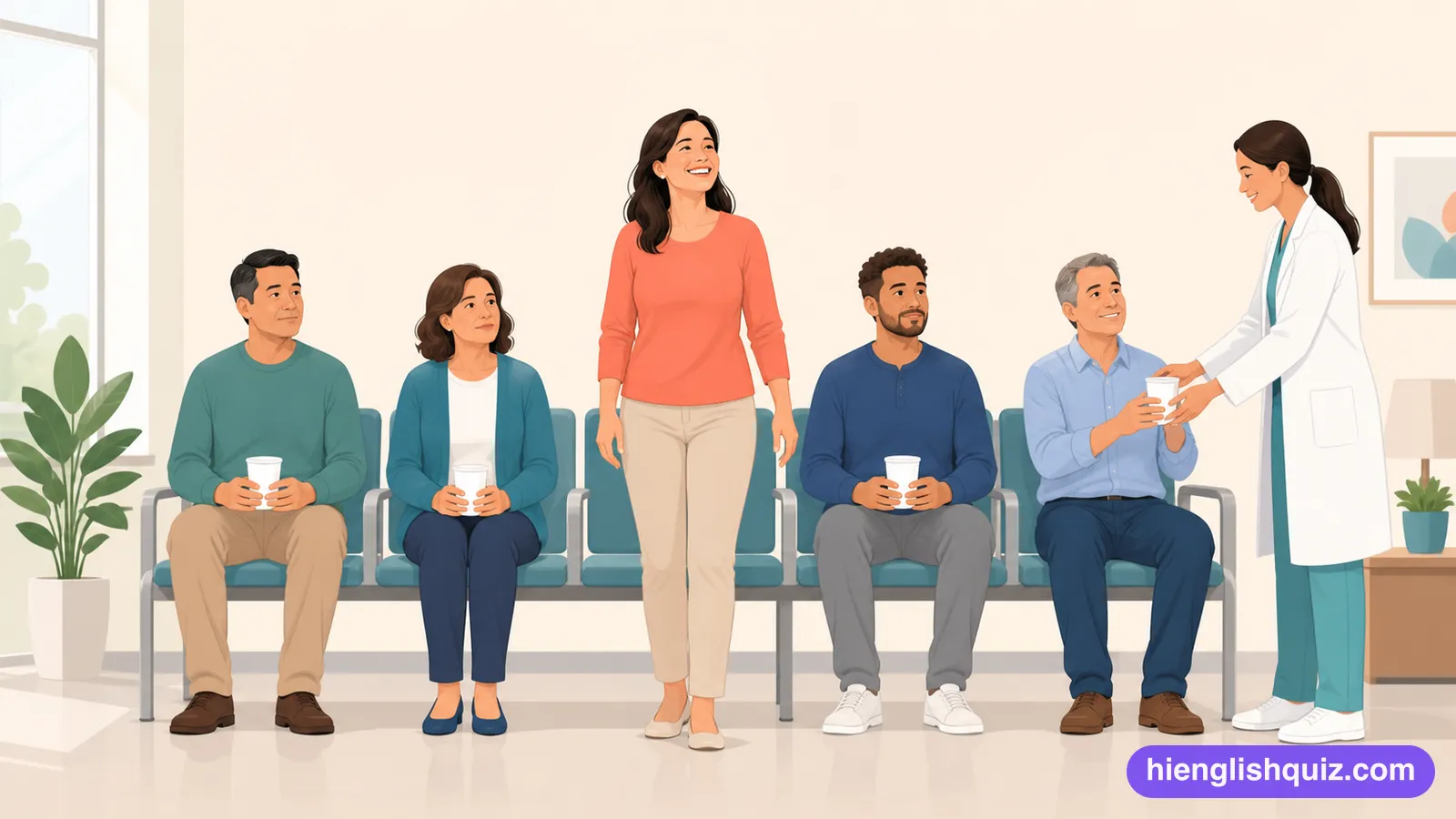
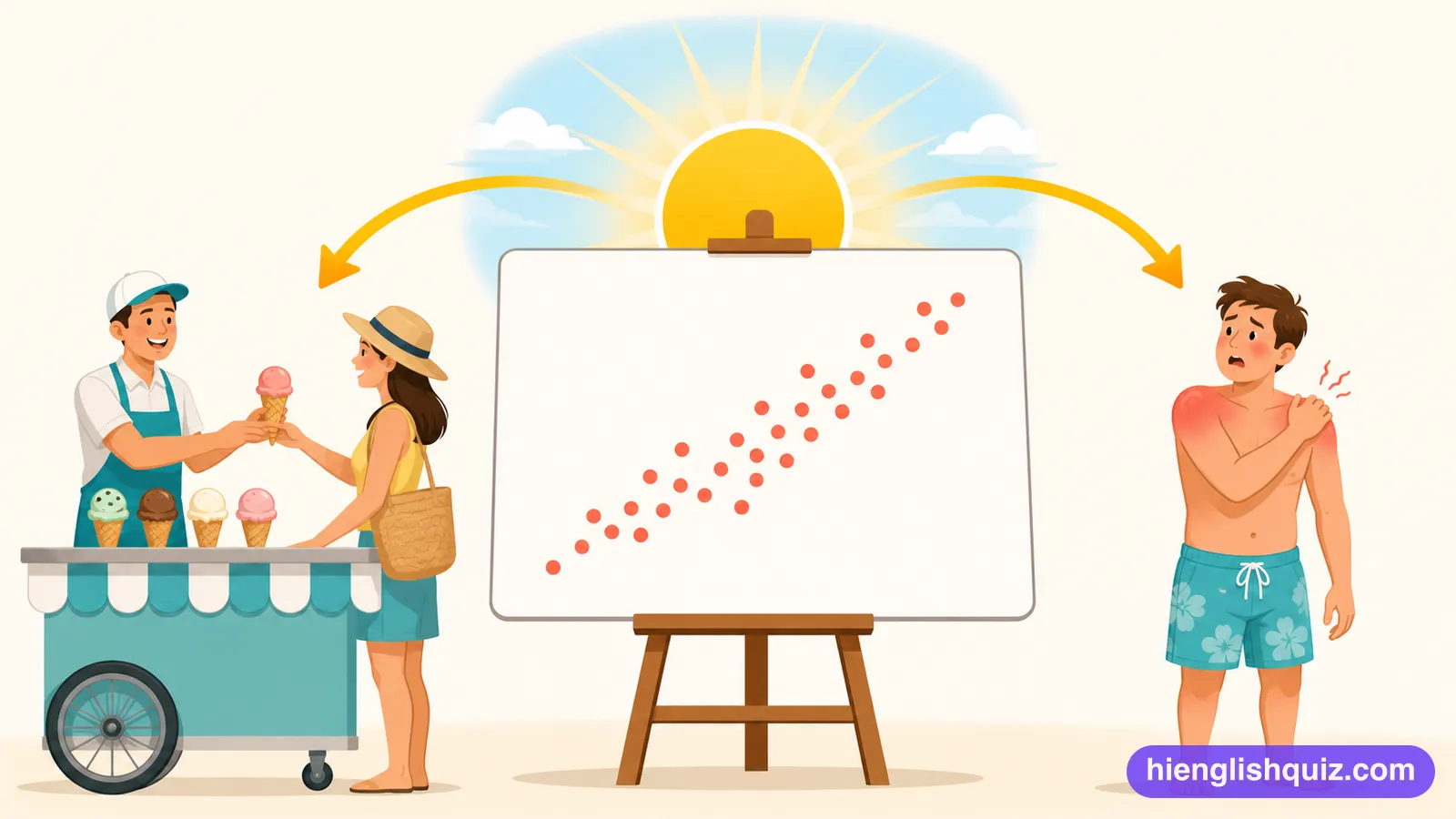
A hidden factor that distorts an apparent relationship.
Example: Confounding by age explained the whole effect.
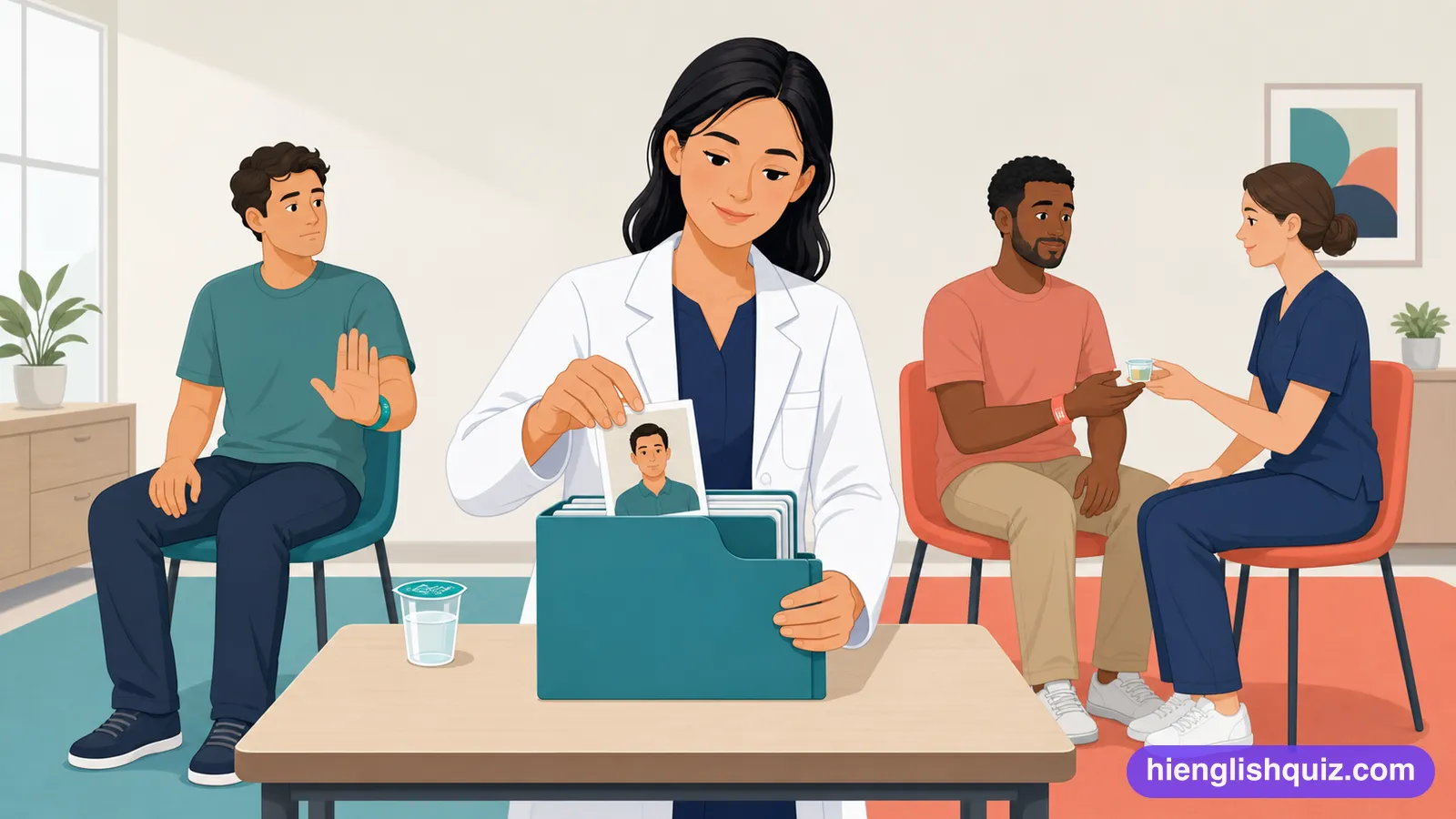
Analysing trial results by original group, whatever happened after.
Example: Intention to treat analysis is less flattering and more honest.
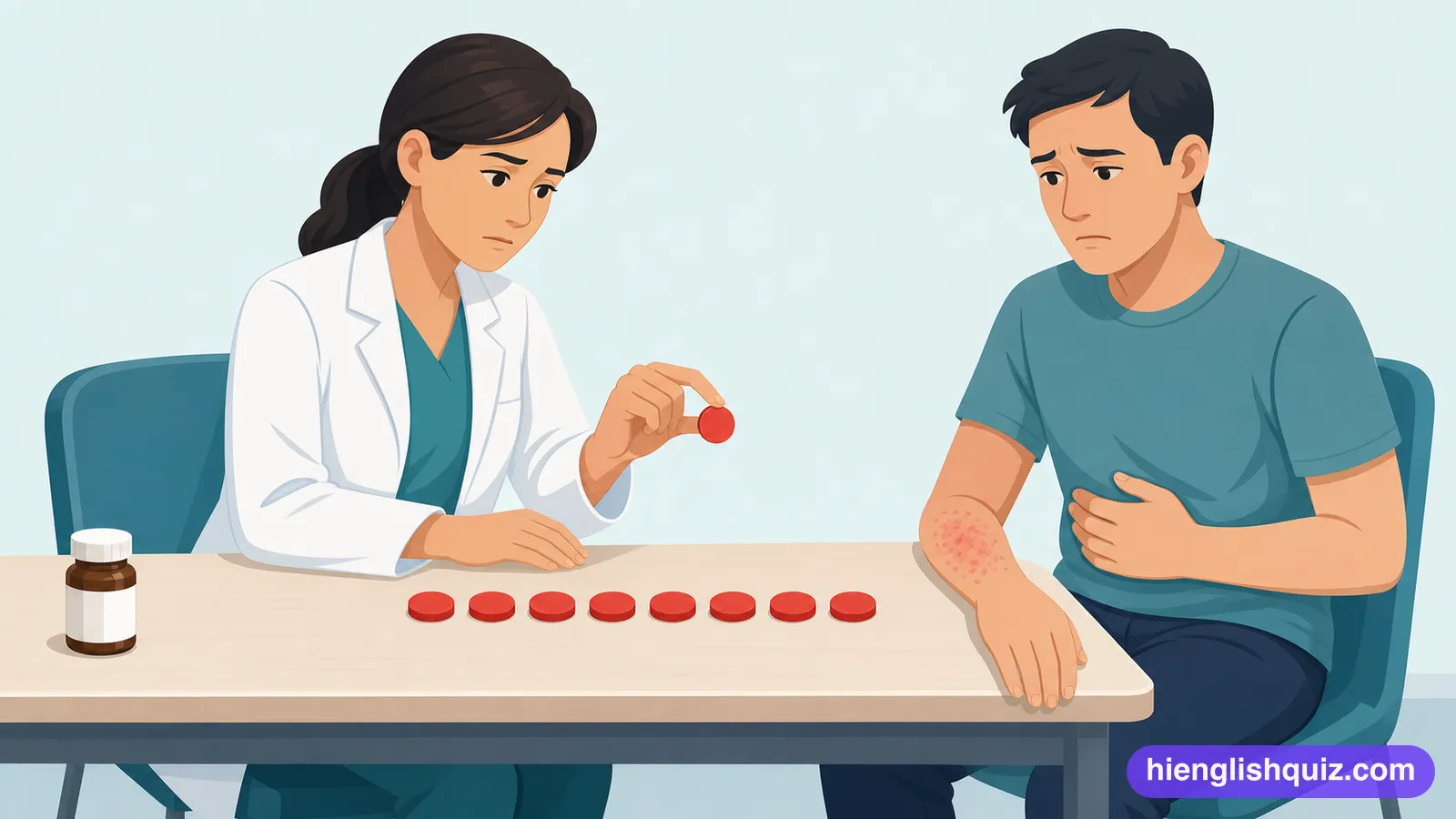
How many harmful incidents were recorded in a study or service.
Example: The number of adverse events was buried in an appendix.
Choosing treatment together with the patient rather than for them.
Example: Shared decision making takes longer and produces fewer complaints.

Genuine uncertainty about which treatment is better.
Example: Clinical equipoise is what makes a randomised trial ethical.
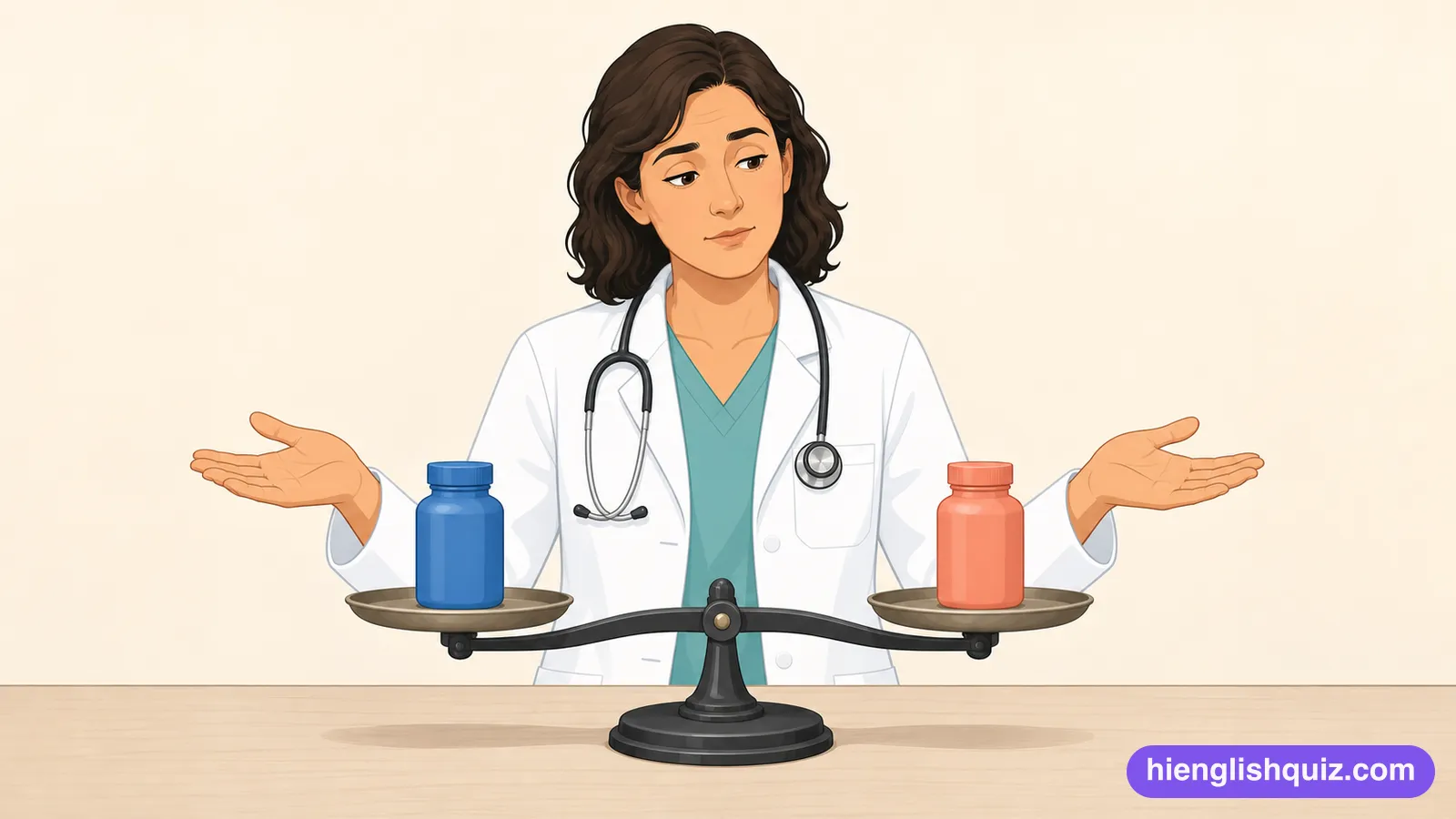
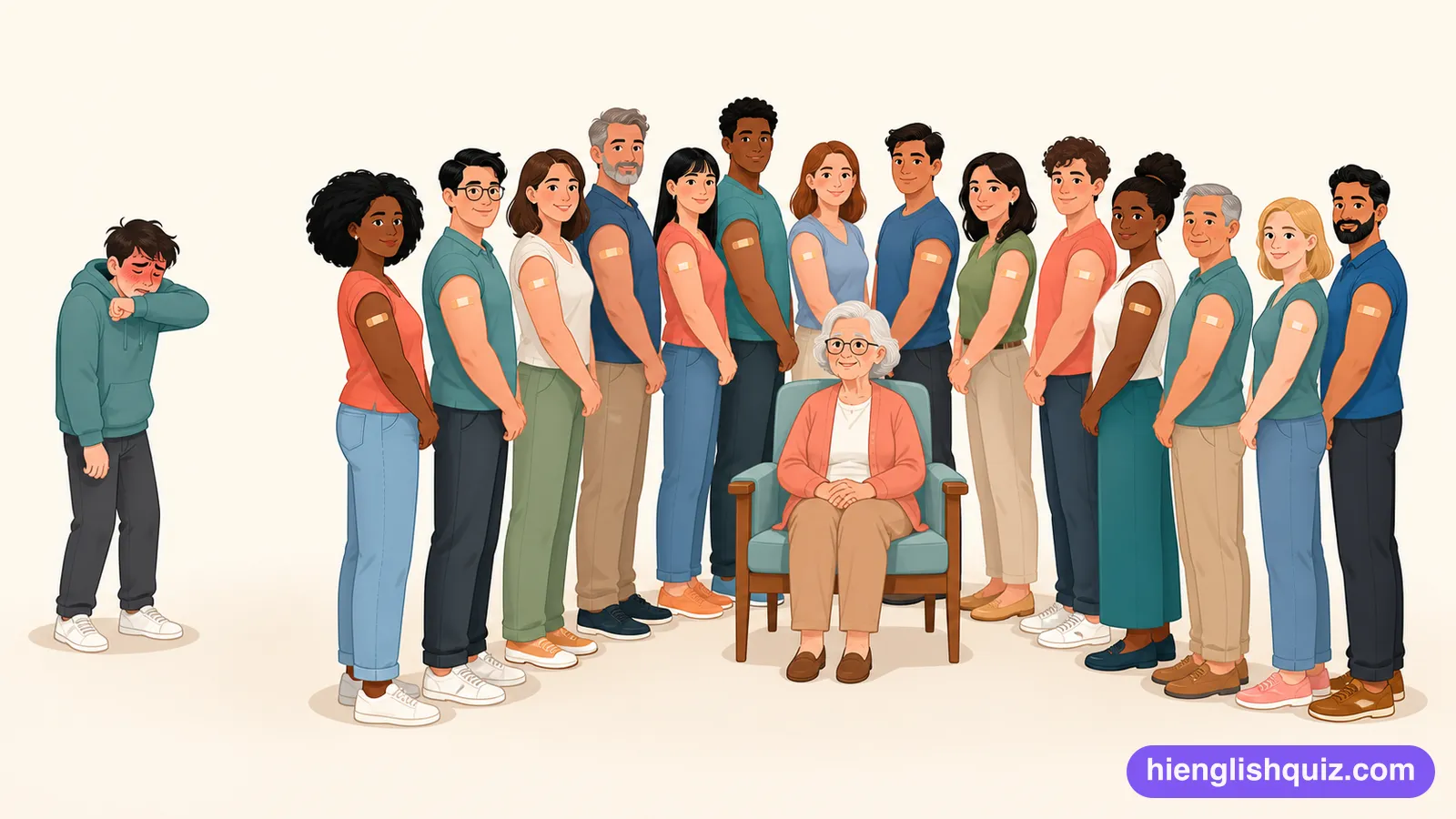
Protection of a whole population once enough people are immune.
Example: Herd immunity thresholds depend on how infectious the disease is.
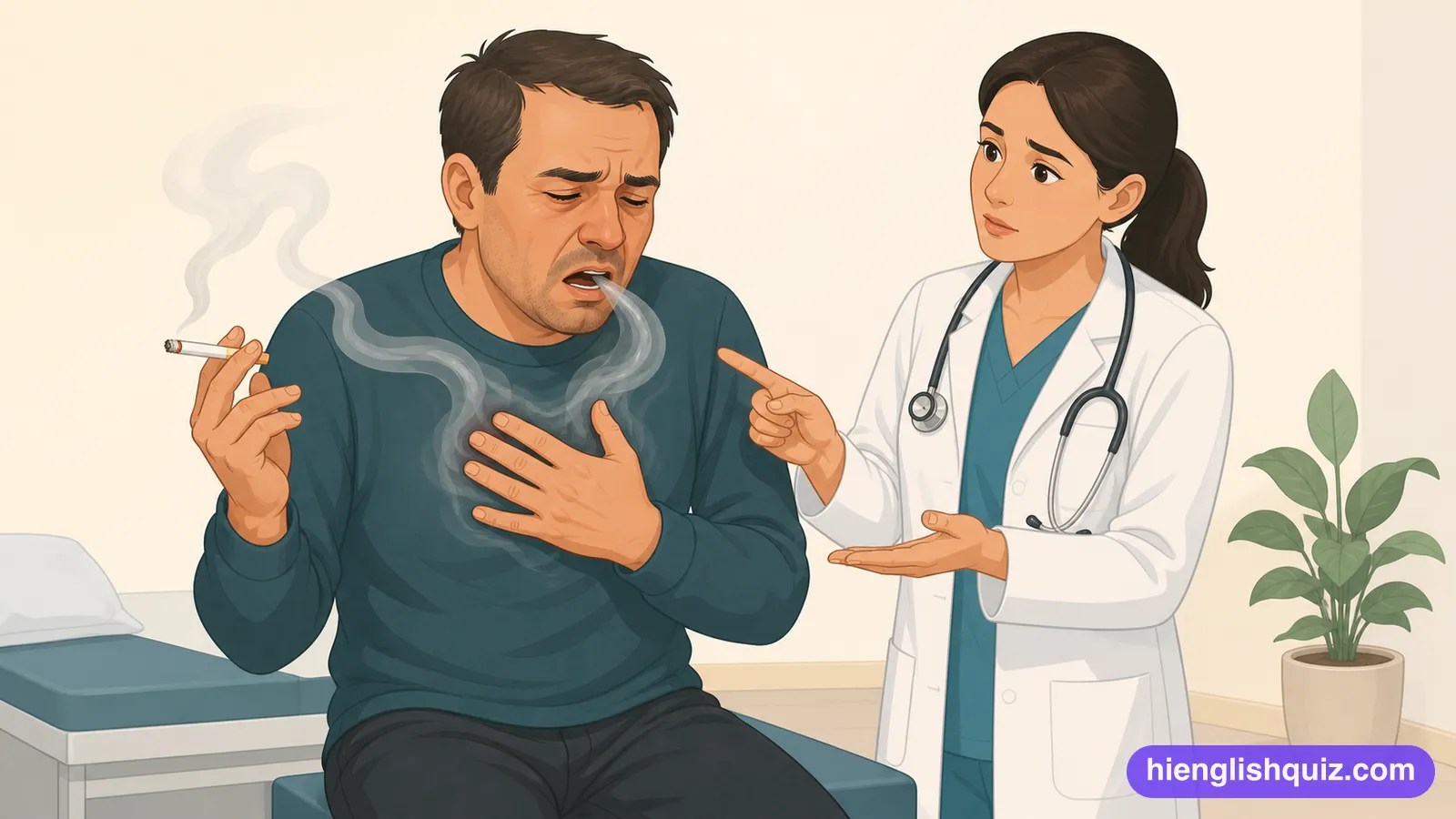
The share of cases that can be blamed on one exposure.
Example: The attributable risk for that exposure was under two per cent.
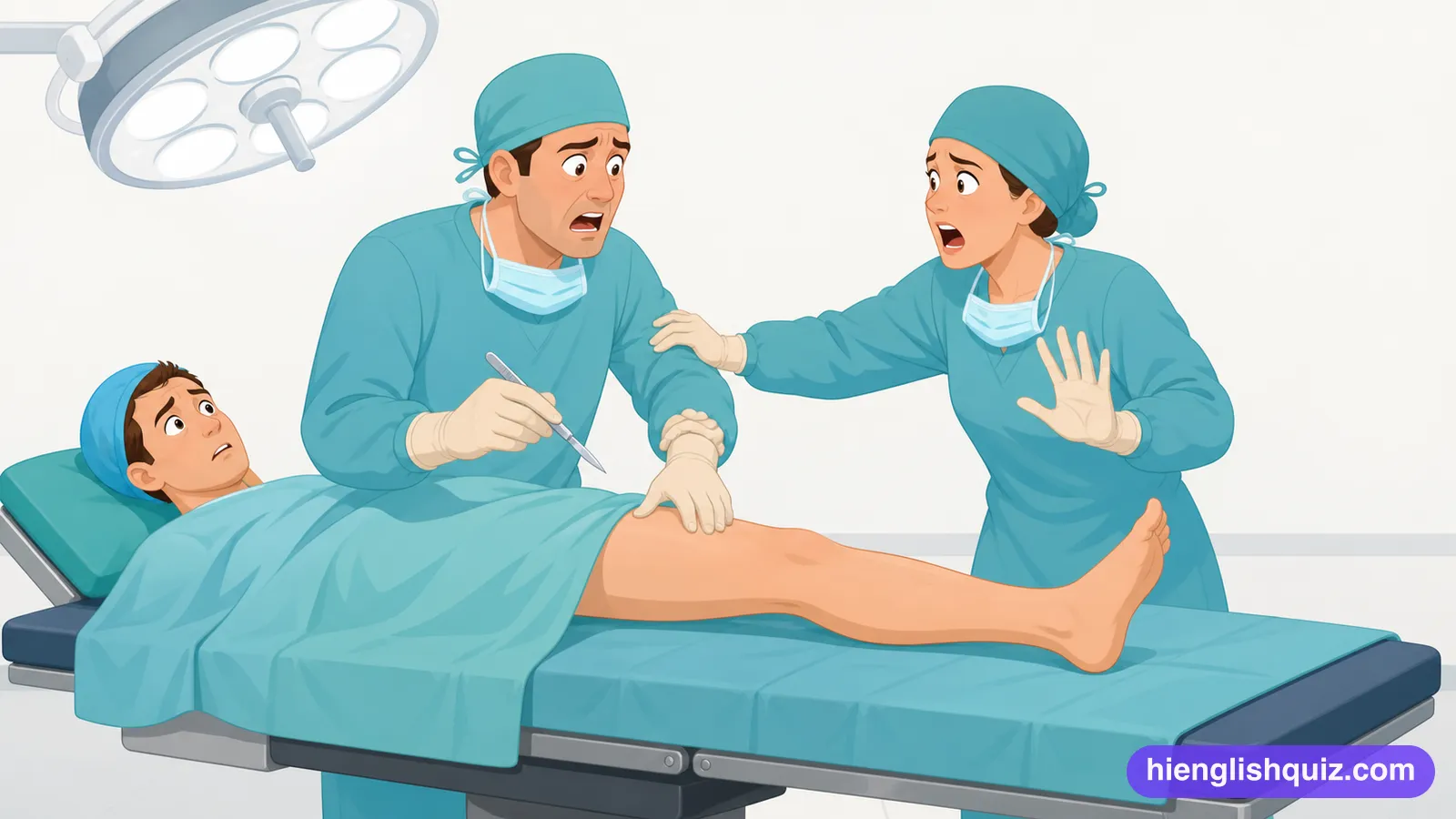
A serious mistake that should be entirely preventable.
Example: One never event triggers an inquiry whatever the outcome.
A formal report that someone may be at risk of harm.
Example: The safeguarding referral was made and then lost between two systems.

A check on whether a patient is taking too many medicines.
Example: A polypharmacy review removed four of the eleven prescriptions.
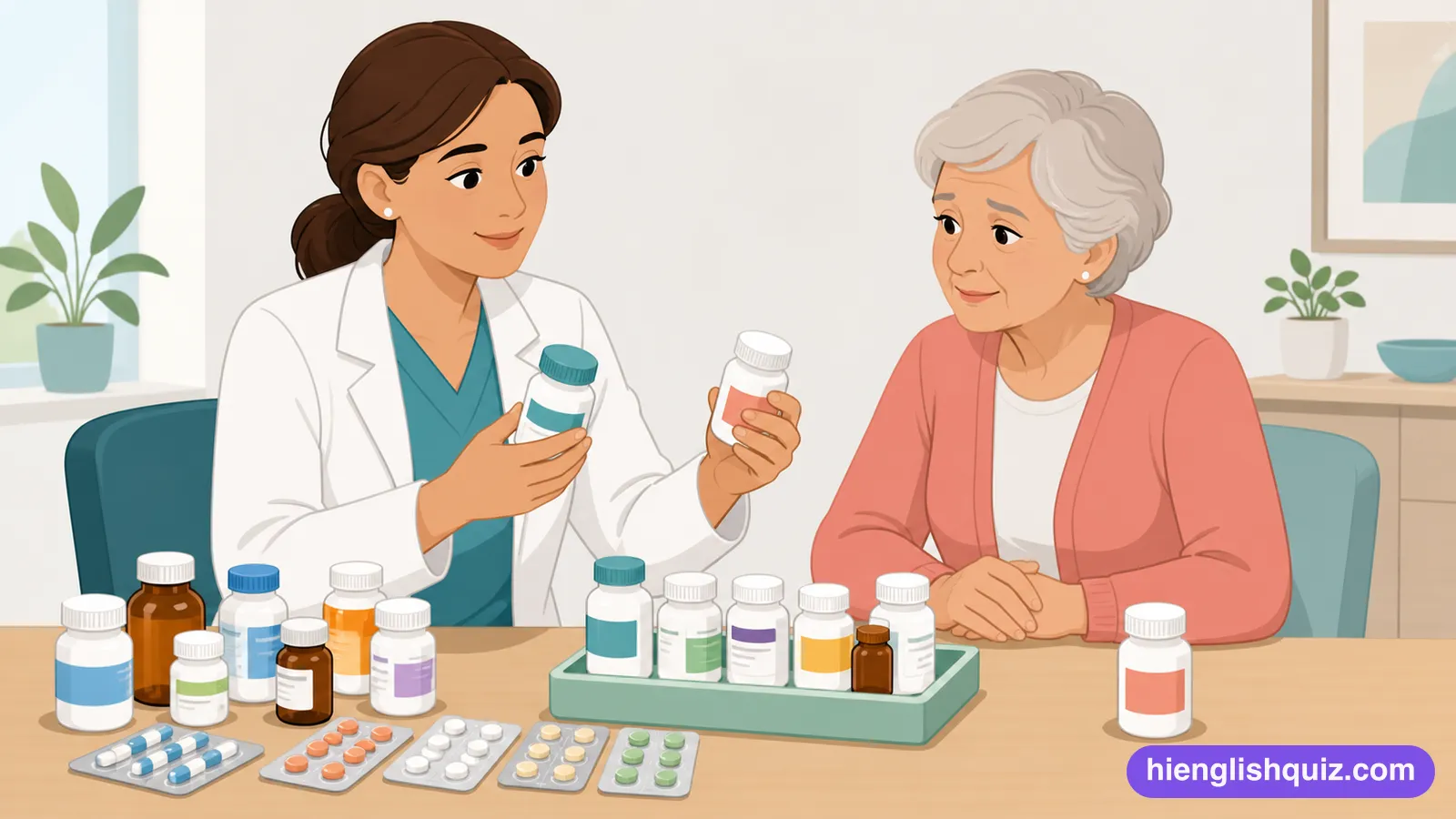
Checking real practice against an agreed standard.
Example: The clinical audit was completed and the loop was never closed.