tensile
/ˈtɛnsəl/- Nghĩa tiếng Việt
- Độ bền kéo
- Định nghĩa tiếng Anh
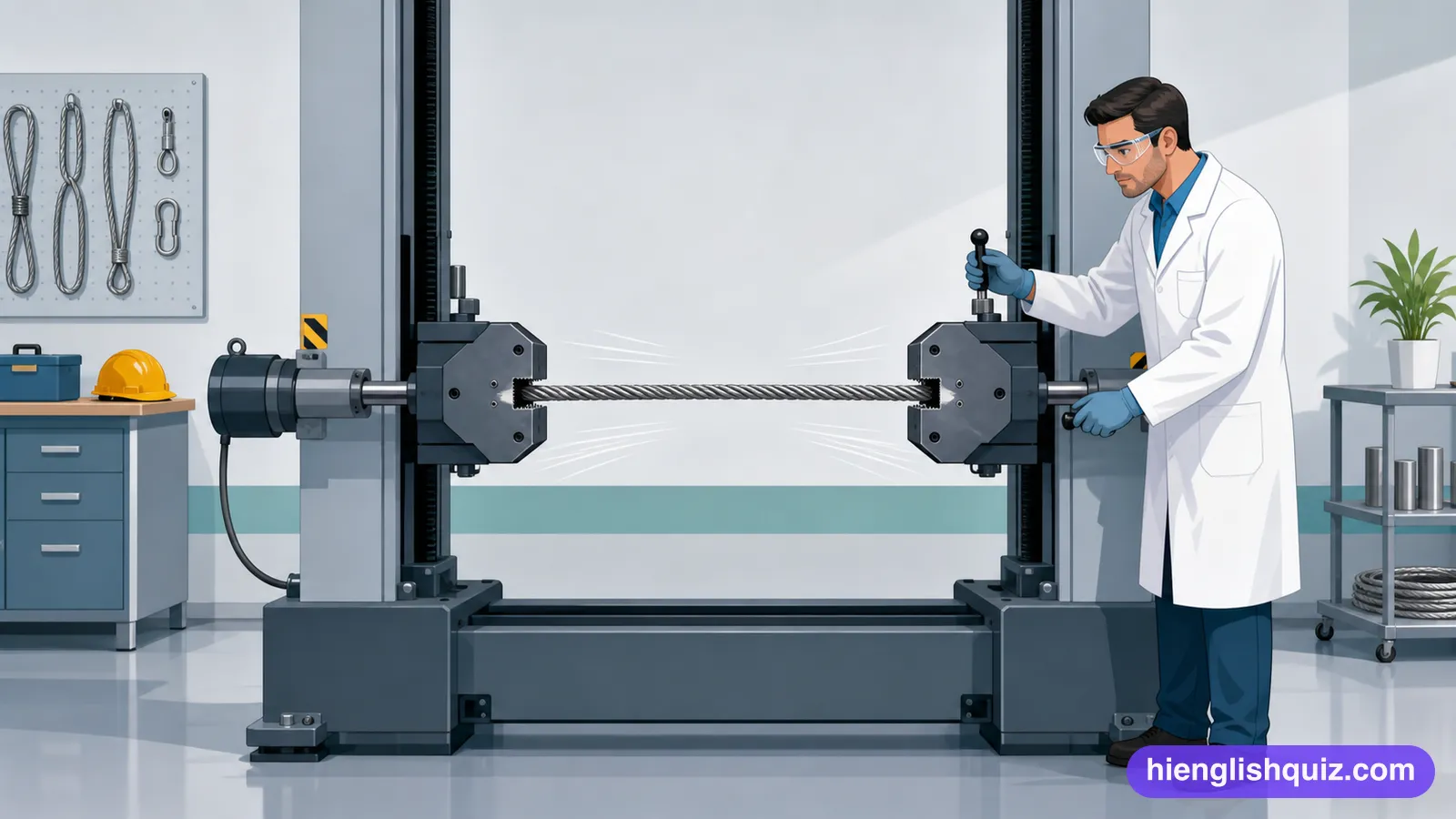
- Relating to the ability of a material to withstand being stretched without breaking.
Ví dụ: Steel cable has a very high tensile strength.
 Hi EnglishQuiz
C120 từ · Cao cấp
Từ vựng tiếng Anh kỹ thuật nâng cao về thiết kế và sản xuất, gồm tensile strength, corrosion, actuator và fatigue testing cùng kaizen trong lean manufacturing.
Ví dụ: Steel cable has a very high tensile strength.
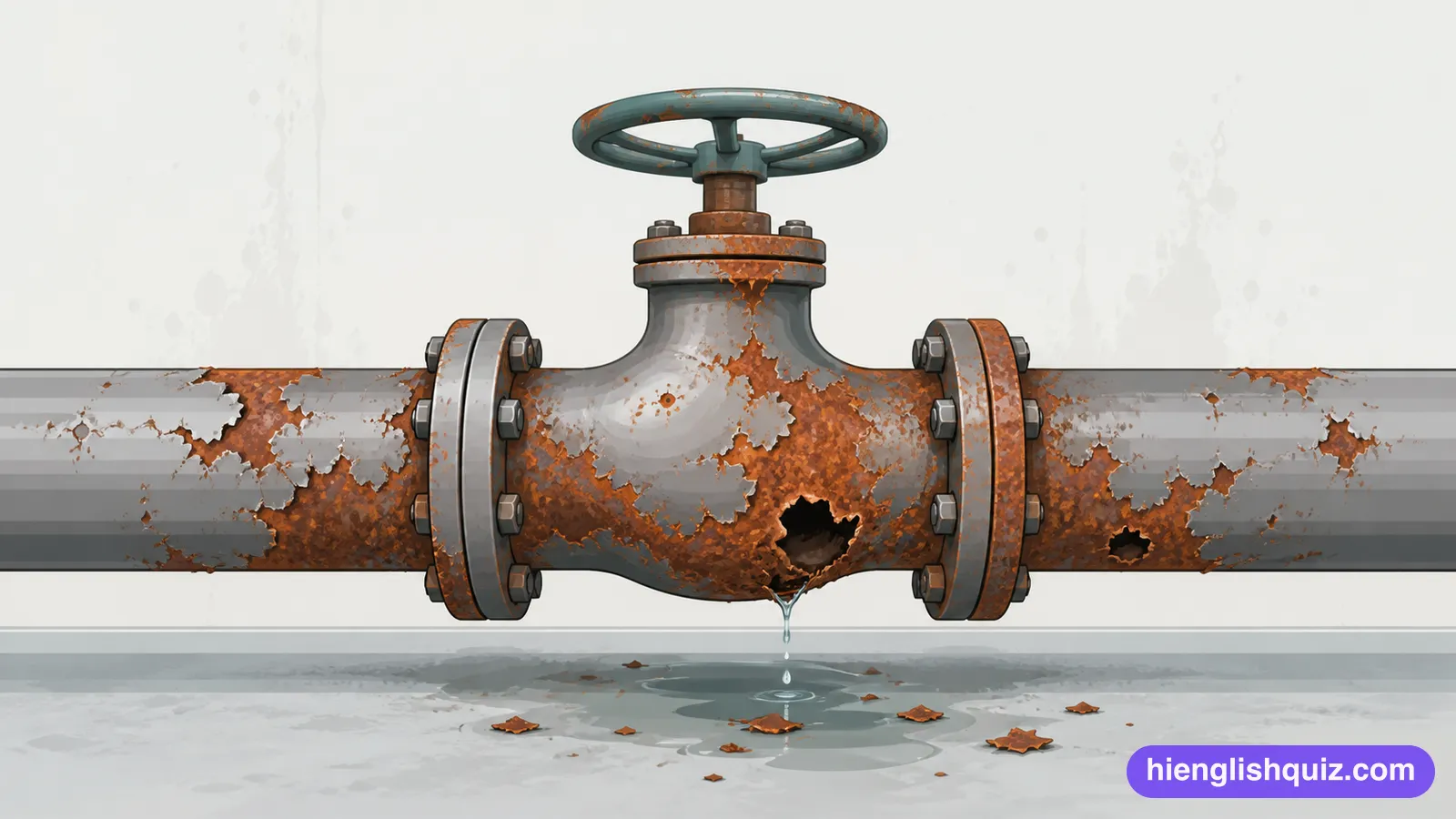
Ví dụ: Salt water speeds up corrosion on ship hulls.
Ví dụ: An electric actuator opens the valve automatically.
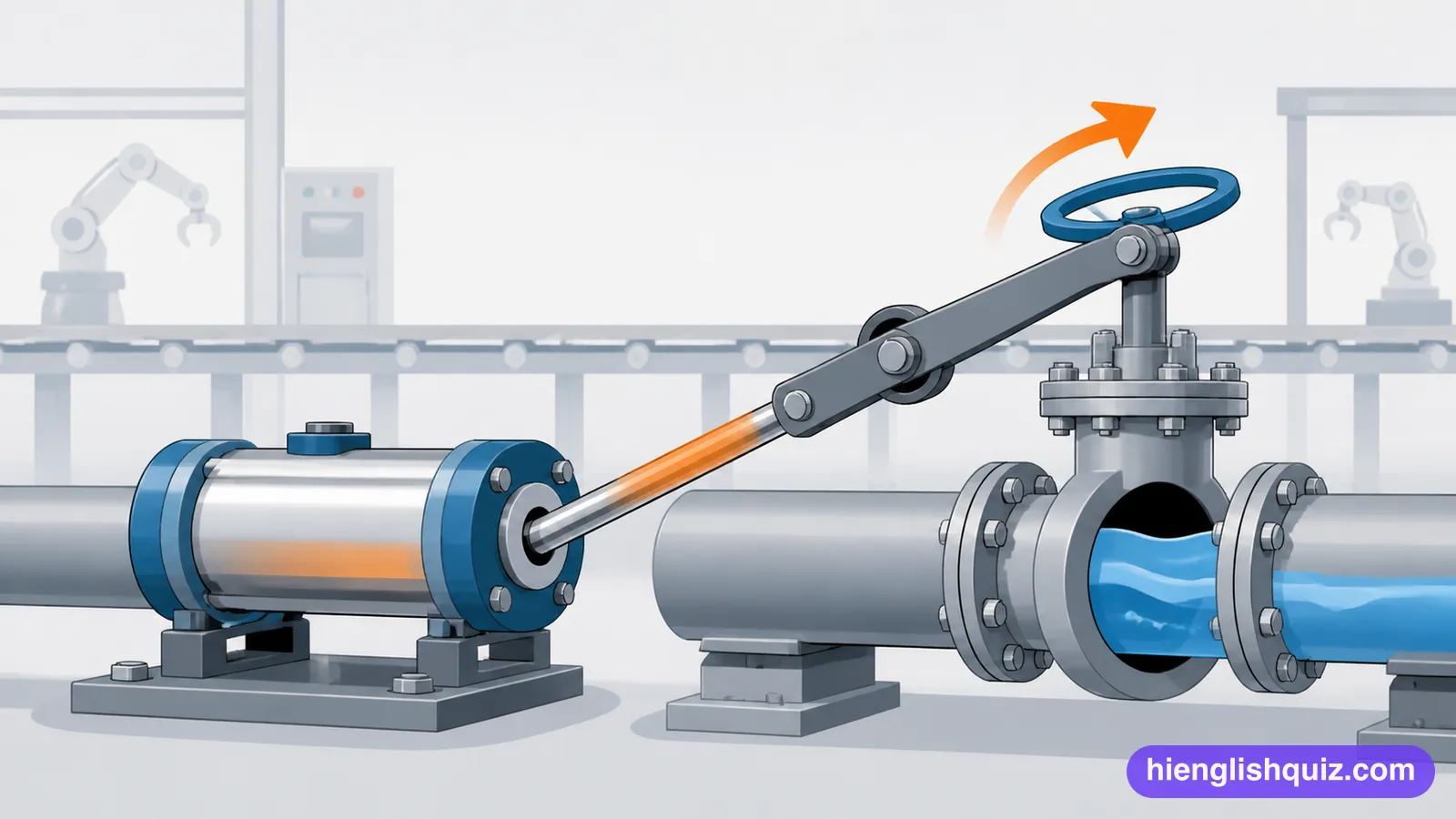
Ví dụ: The technician followed the schematic to rewire the panel.

Ví dụ: Commissioning the new plant took several weeks.
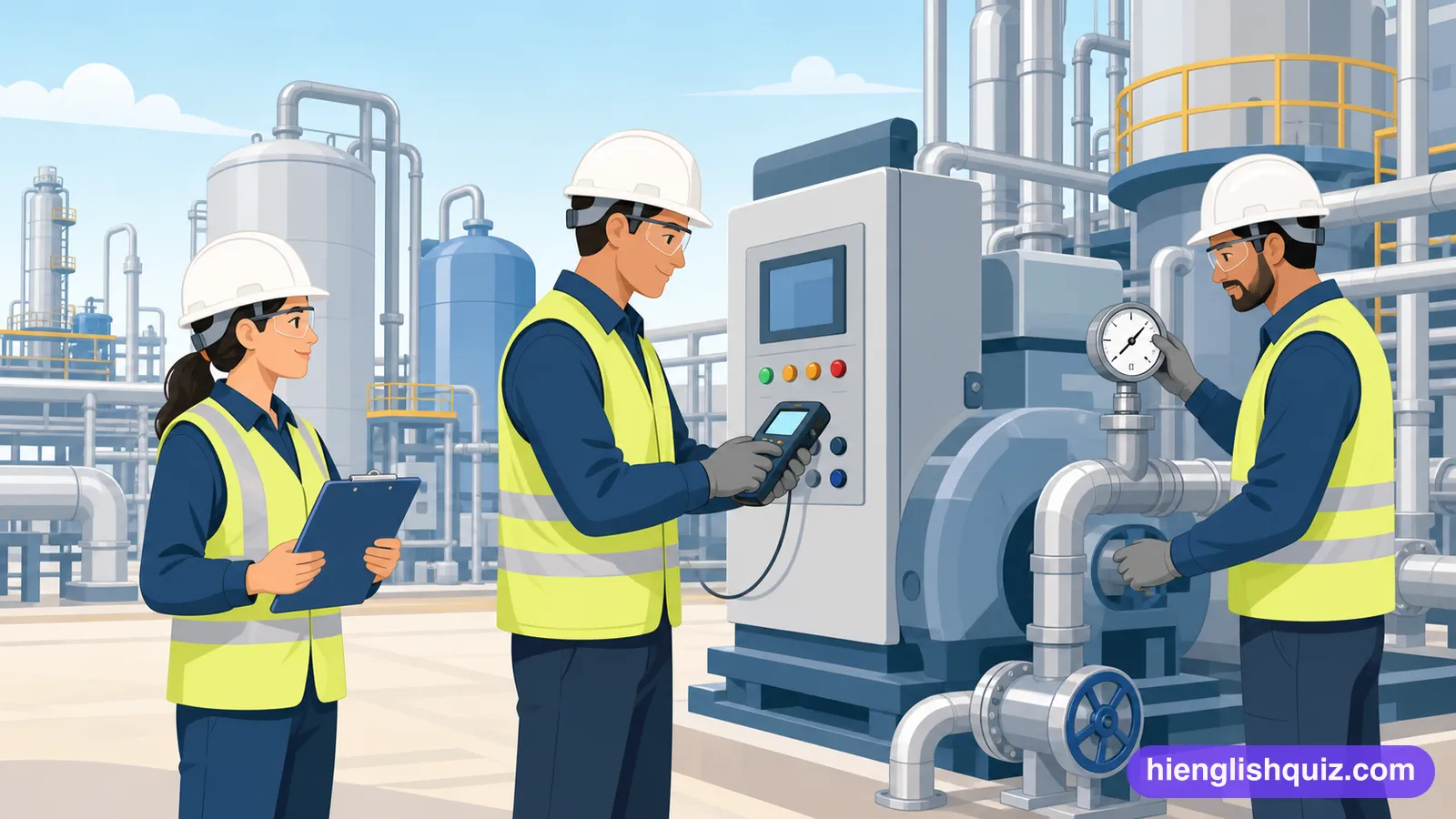
Ví dụ: Decommissioning the old power station will take years.
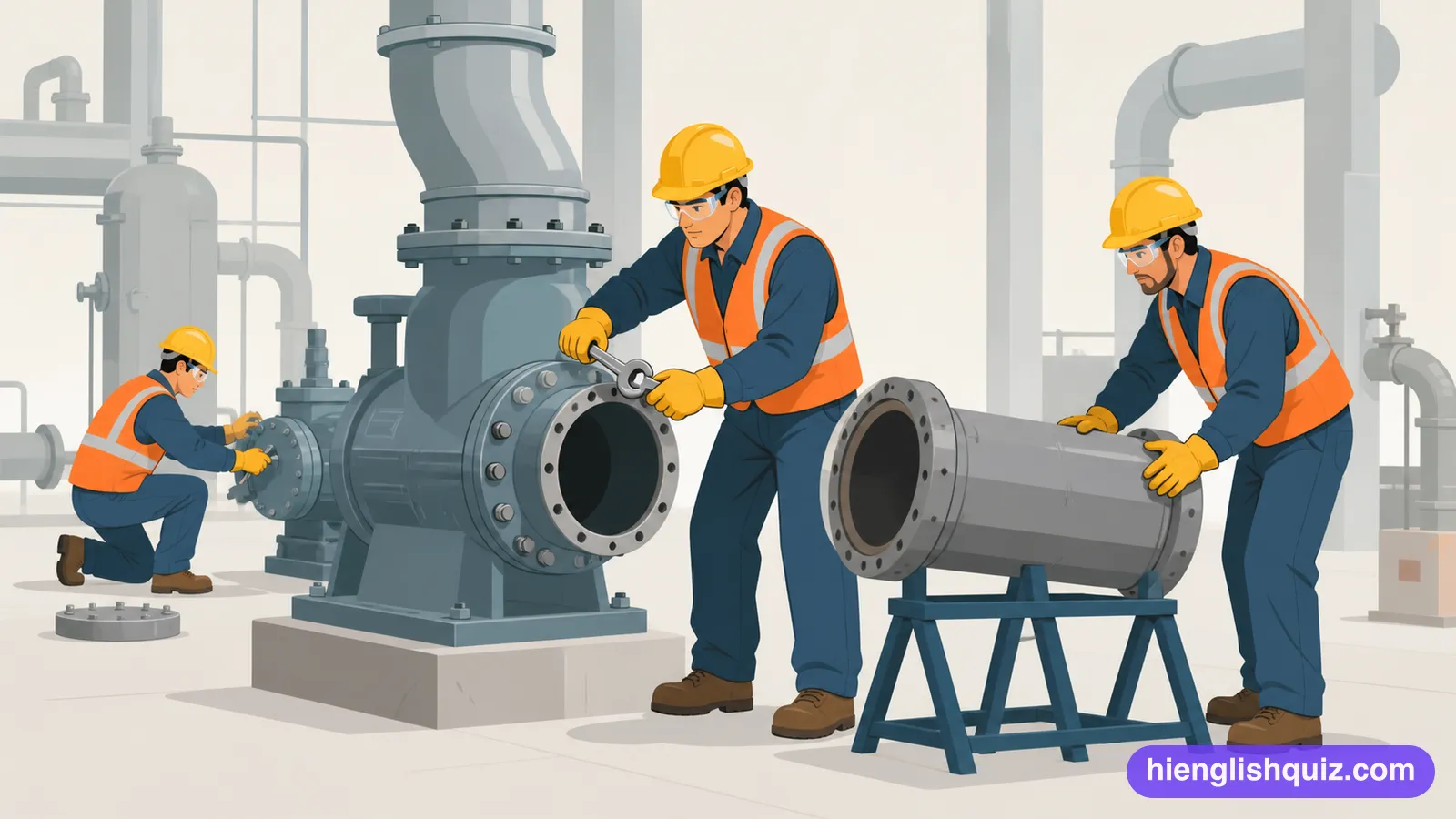
Ví dụ: The workshop handles the fabrication of custom steel frames.
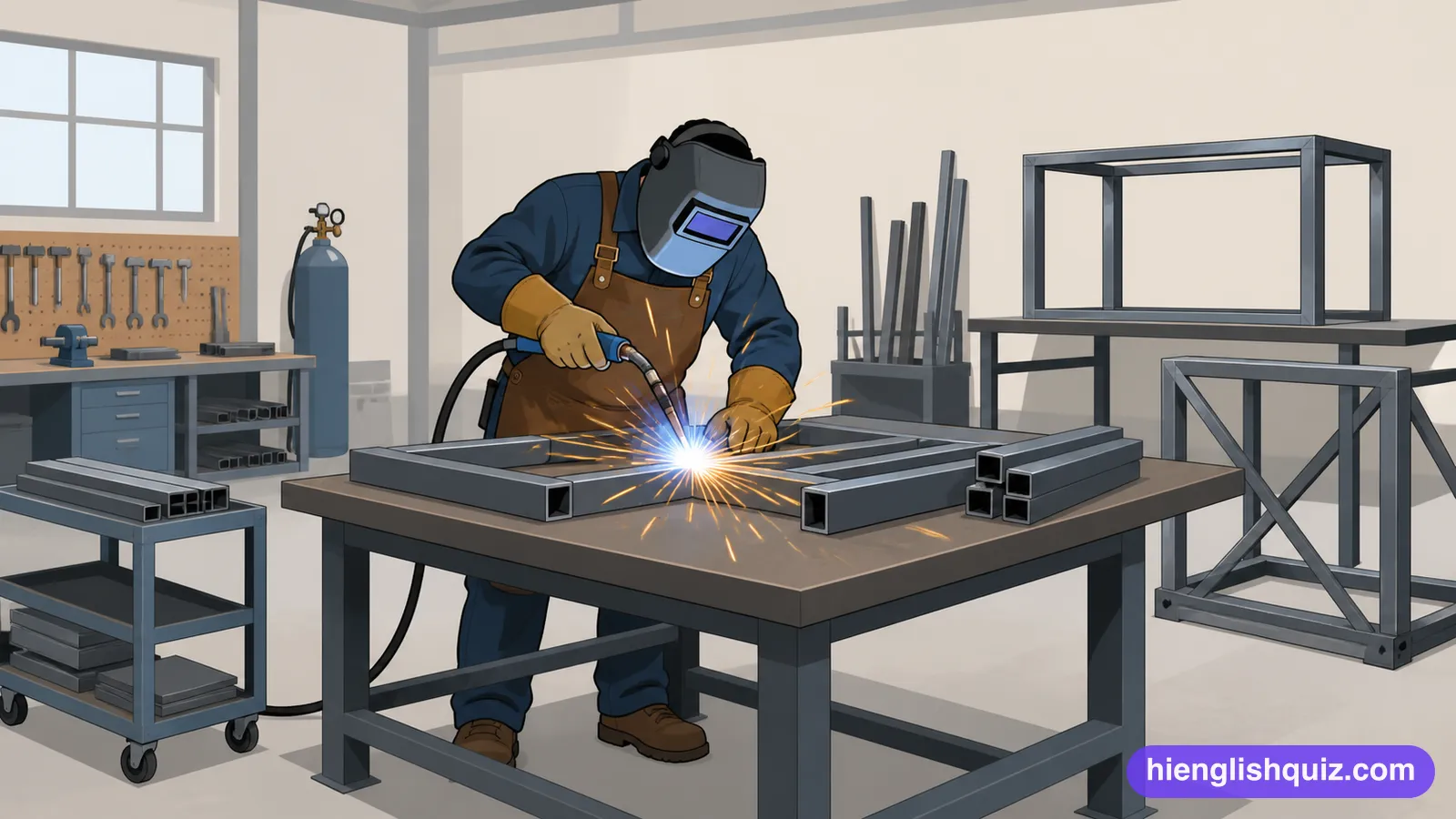
Ví dụ: Aluminium window frames are made through extrusion.
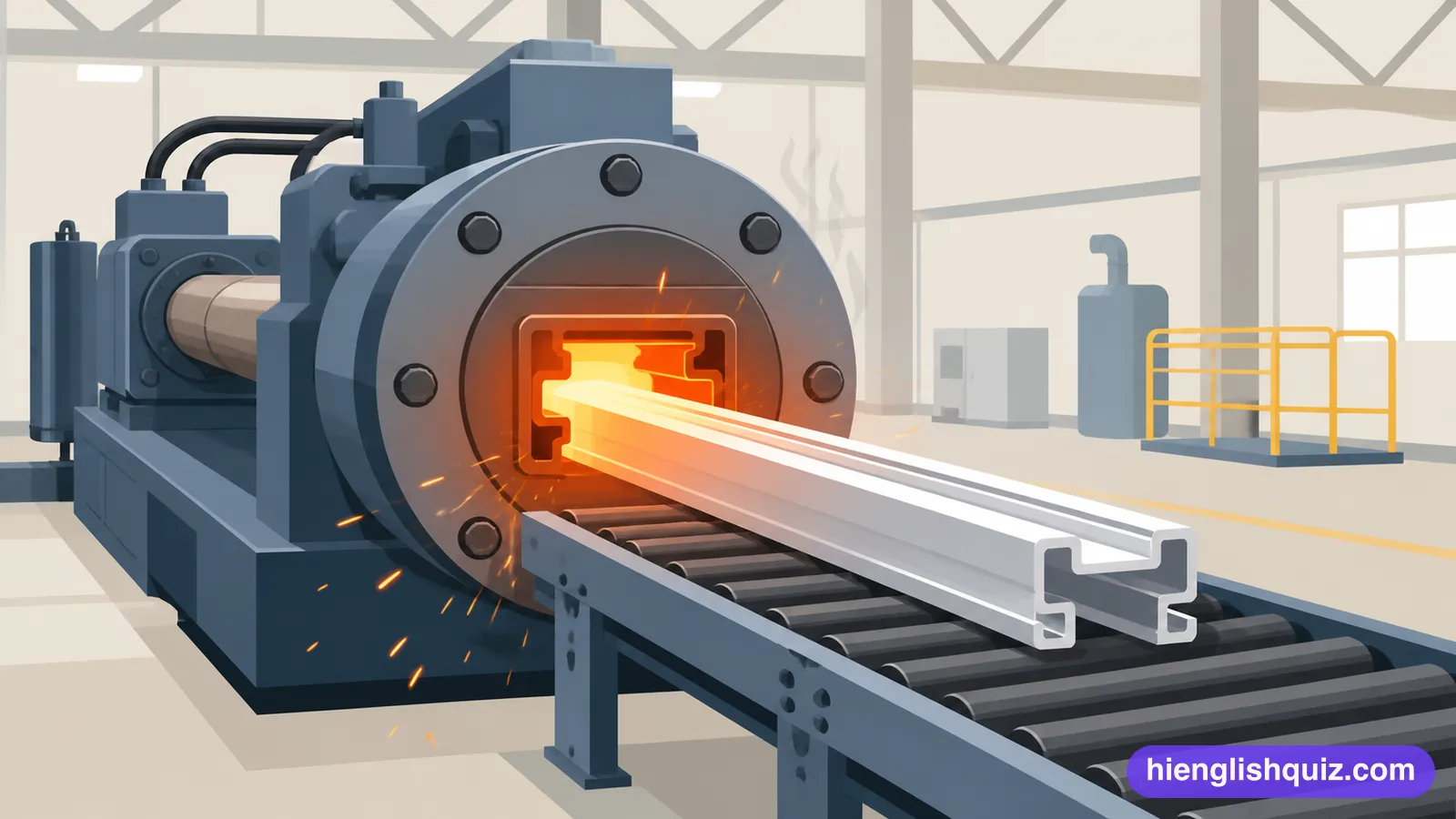
Ví dụ: The blades undergo heat treatment to make them harder and sharper.

Ví dụ: Metal fatigue eventually caused a crack in the wing spar.
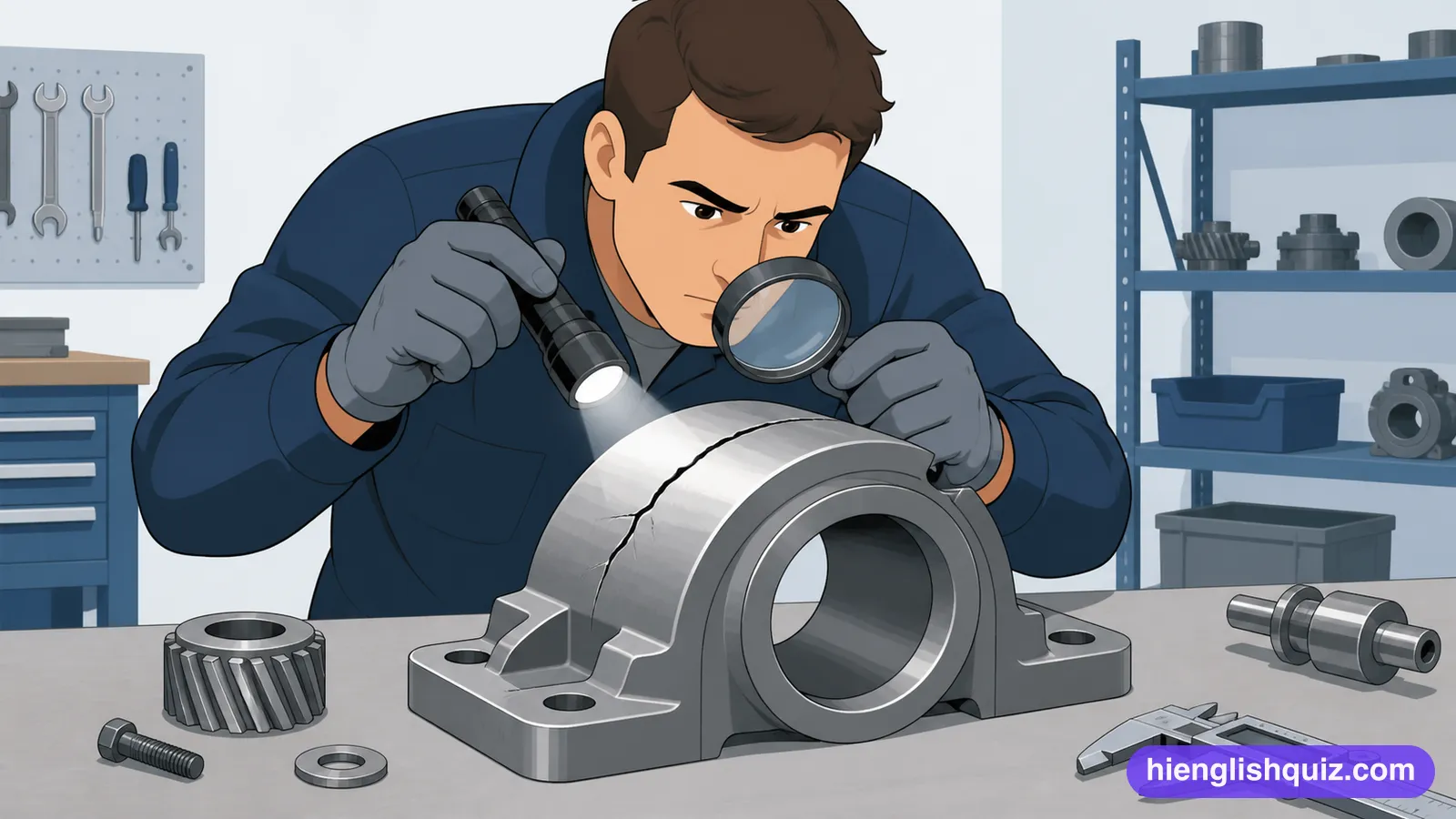
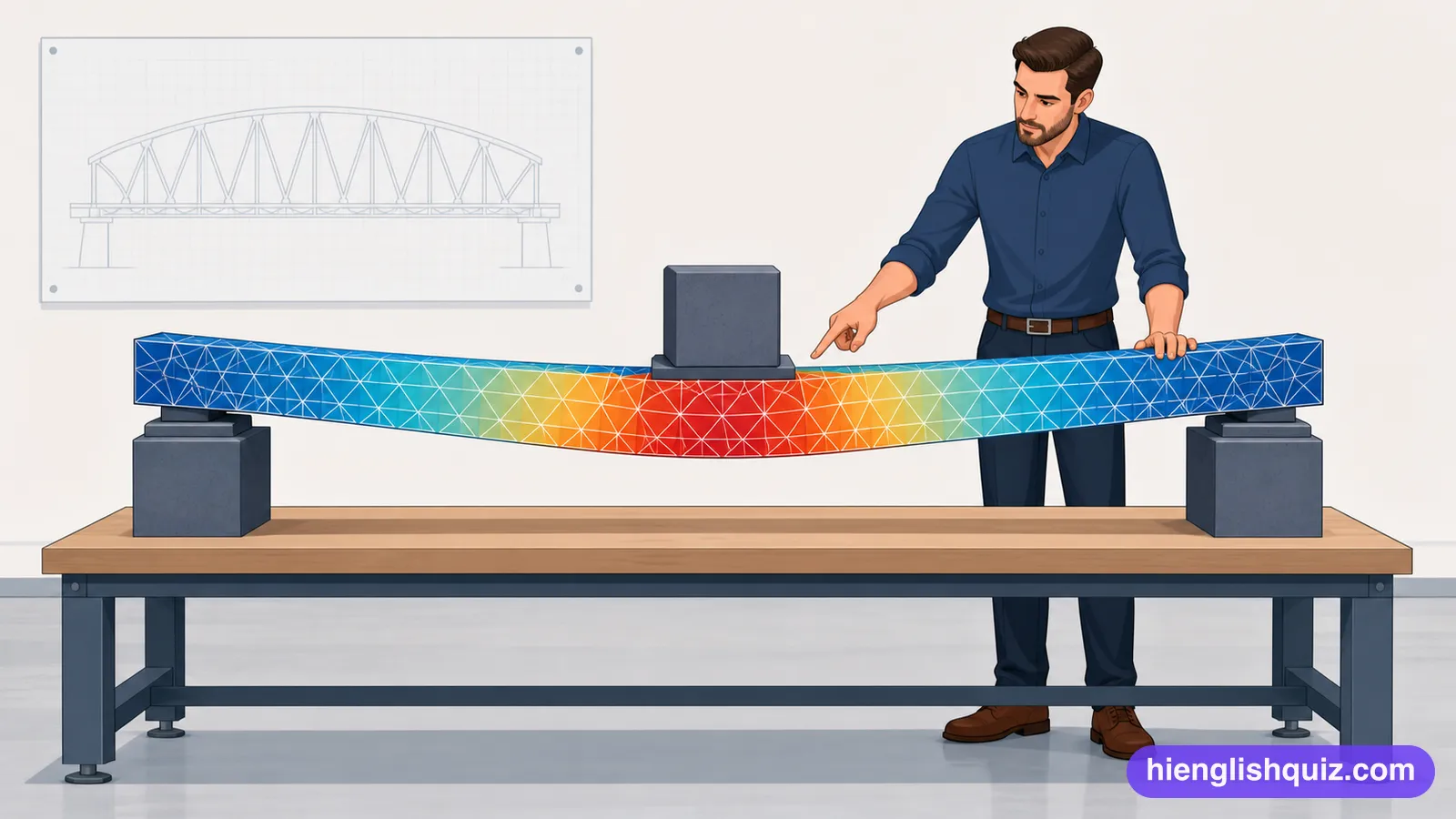
Ví dụ: Finite element analysis showed the failure before the rig did.
Ví dụ: Root cause analysis took three weeks and named a washer.

Ví dụ: Statistical process control caught the drift before any part failed.

Ví dụ: Lean manufacturing removed the buffer stock and then the buffer.
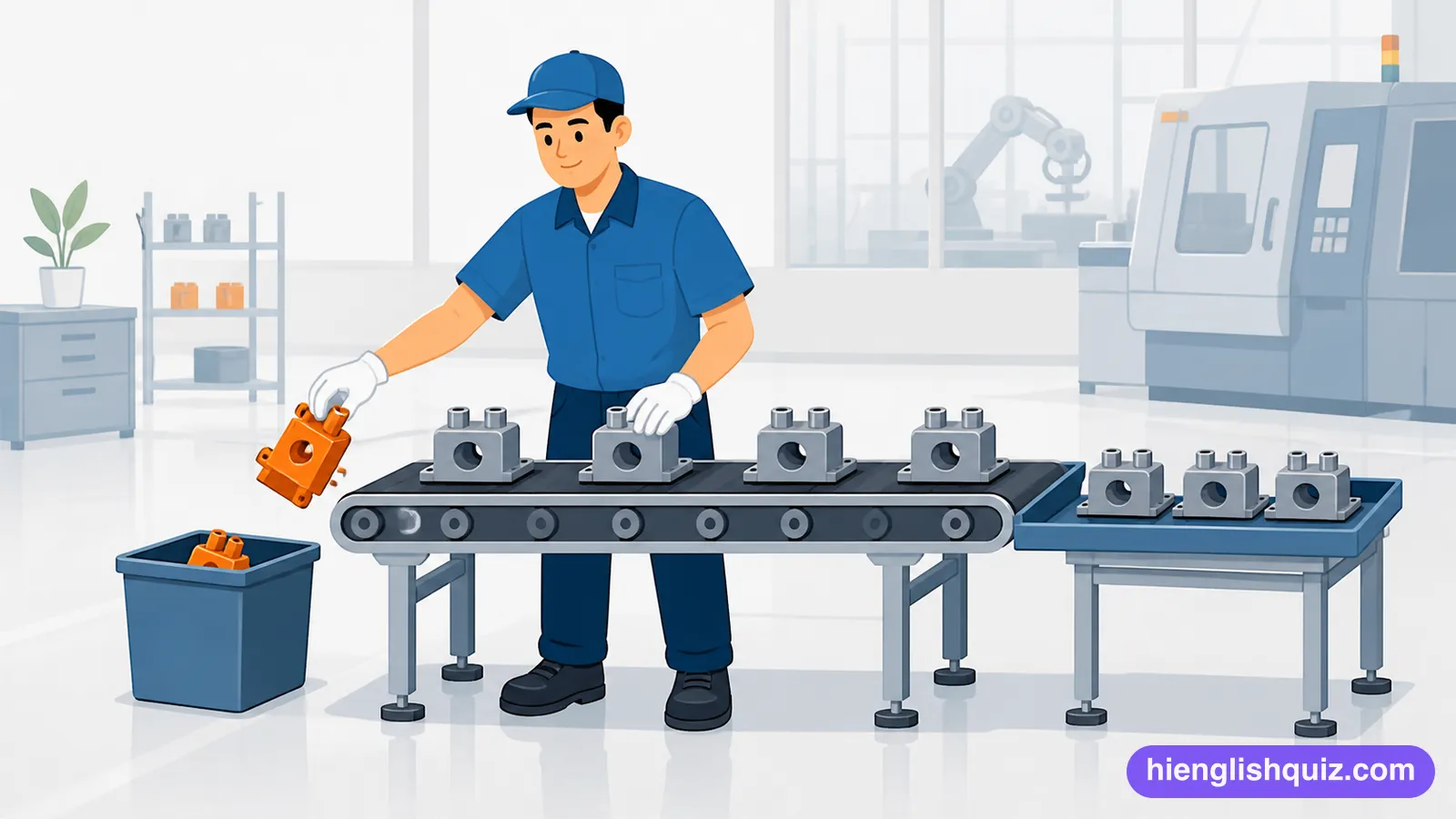
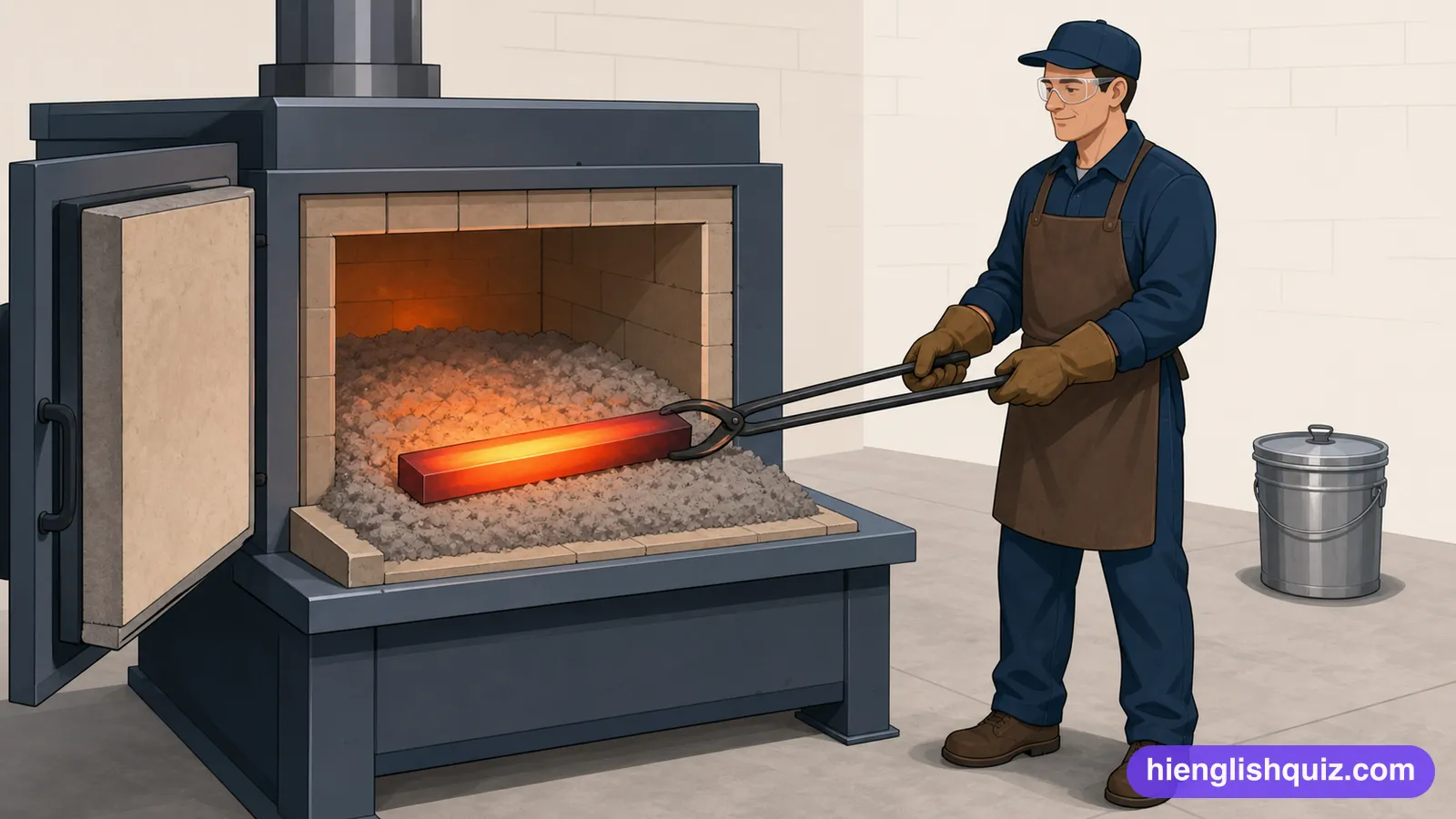
Ví dụ: Annealing the strip stopped the cracking at the fold.
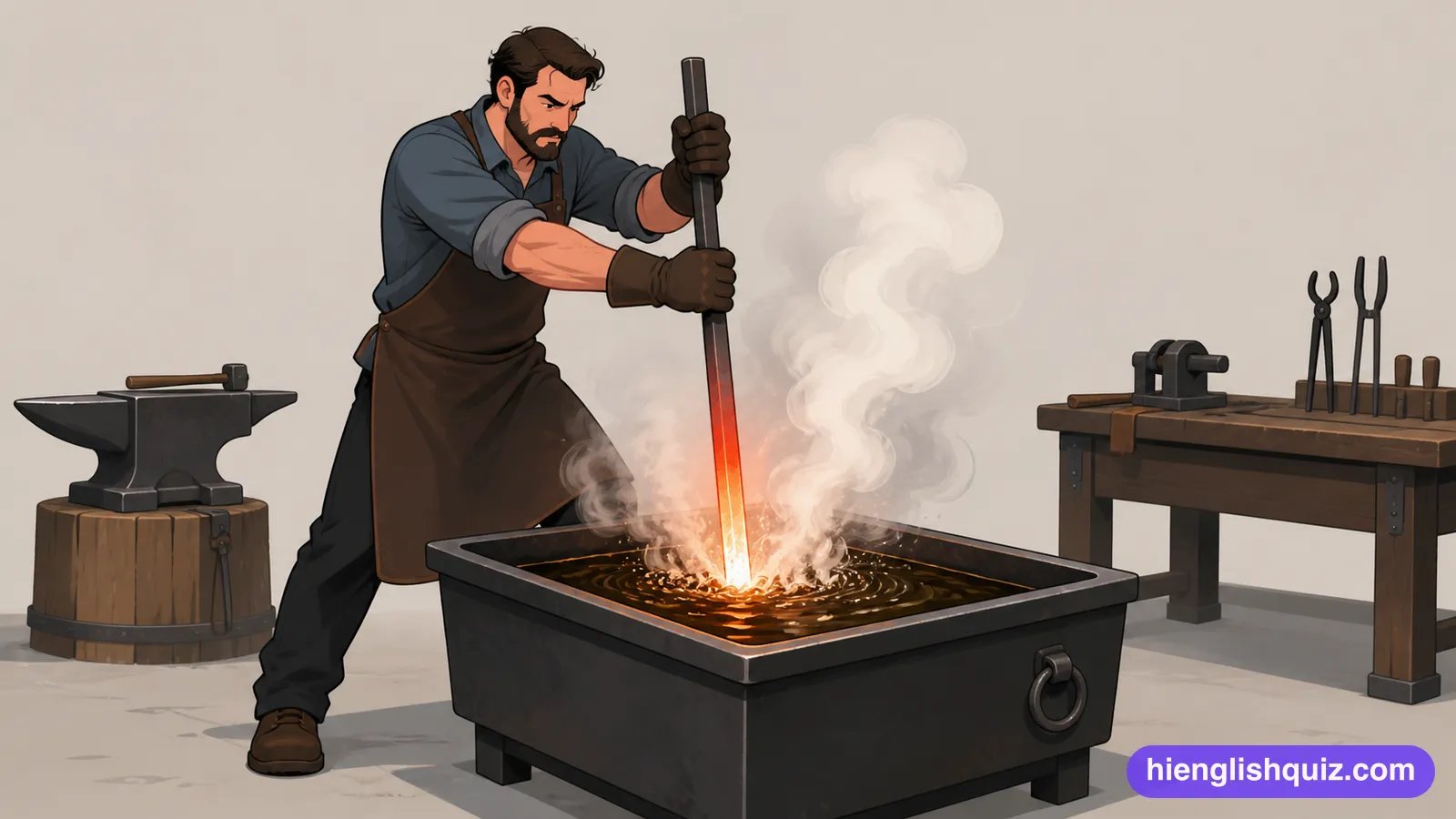
Ví dụ: Quenching in oil rather than water halved the distortion.
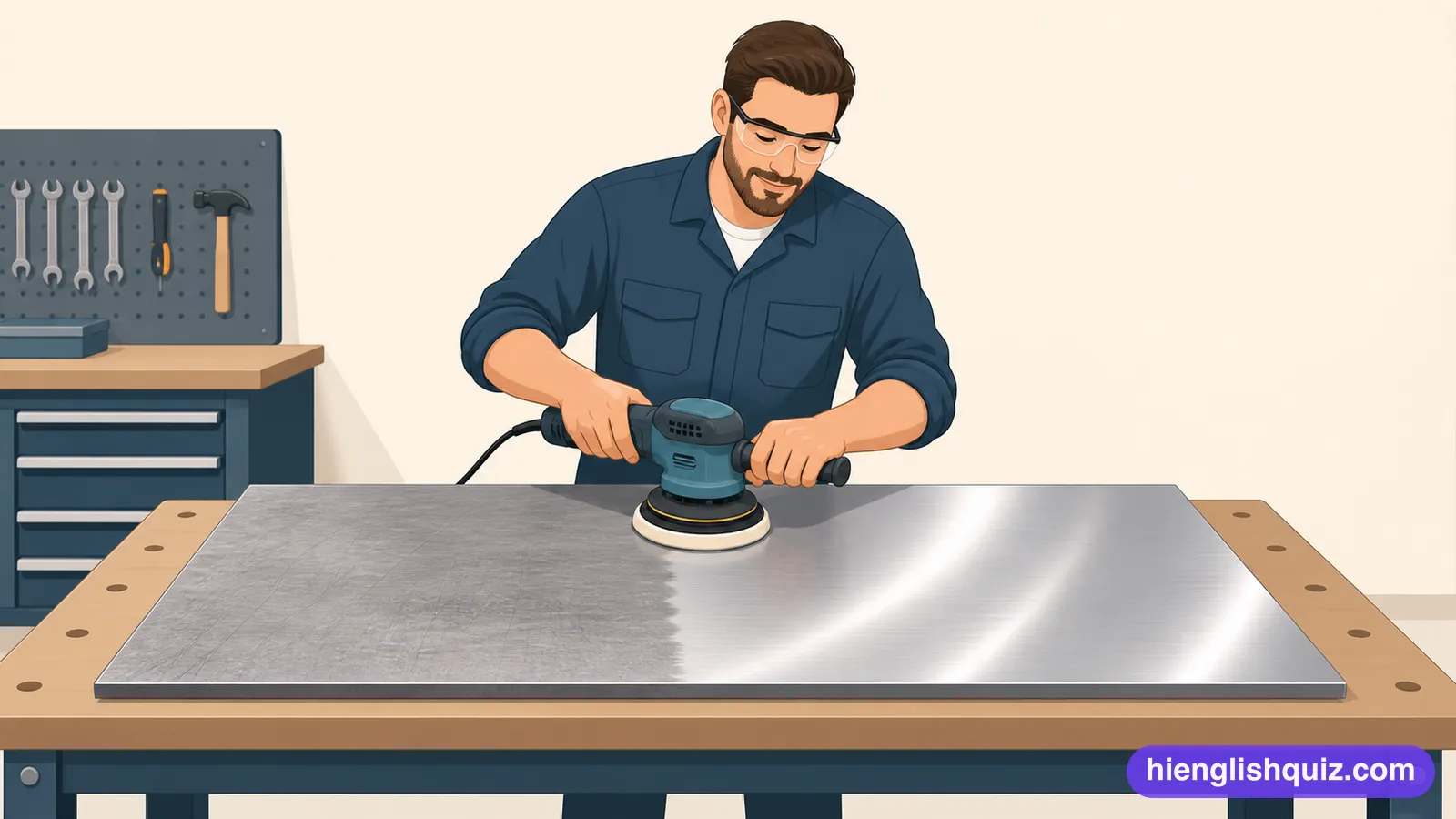
Ví dụ: The surface finish was specified in microns and measured by eye.
Ví dụ: Takt time was fifty-one seconds and the slowest station took ninety.

Ví dụ: A year of kaizen produced more than the last three projects.

Ví dụ: Preventive maintenance was the first budget cut and the first regret.