tolerance
/ˈtɑlərəns/- Nghĩa tiếng Việt
- Dung sai
- Định nghĩa tiếng Anh
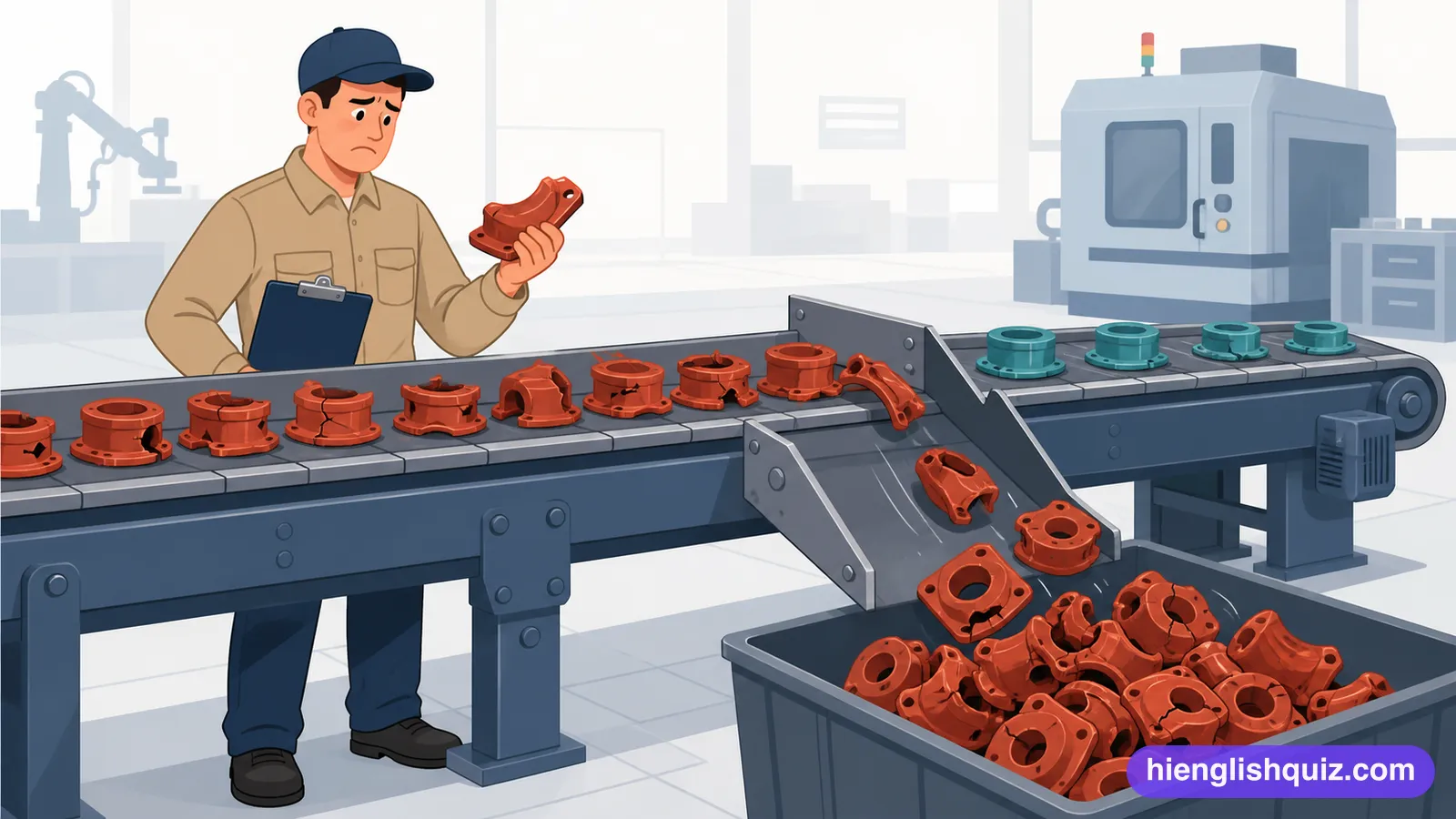
- The acceptable amount that a measurement can vary from the exact size without being rejected.
Ví dụ: The part was rejected for falling outside its tolerance.

 Hi EnglishQuiz
B216 từ · Trung cao
Từ vựng tiếng Anh kỹ thuật về máy móc và vật liệu, gồm tolerance, torque, calibration và các hệ thống hydraulic, weld cùng alloy mà kỹ thuật viên xử lý.
Ví dụ: The part was rejected for falling outside its tolerance.
Ví dụ: The mechanic tightened the bolt to the correct torque.

Ví dụ: The scale needed calibration before the test began.

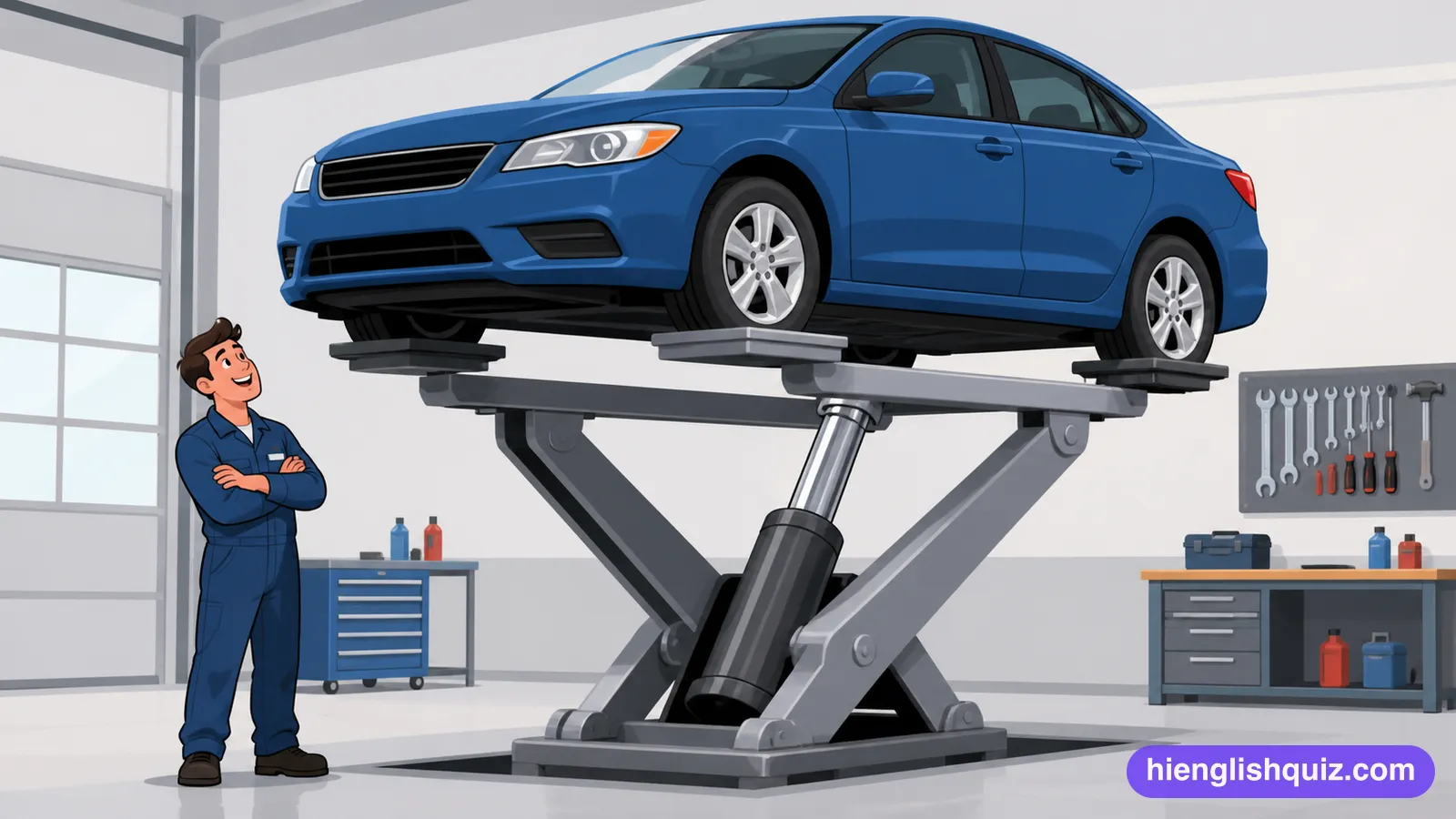
Ví dụ: A hydraulic arm lifted the car off the ground.
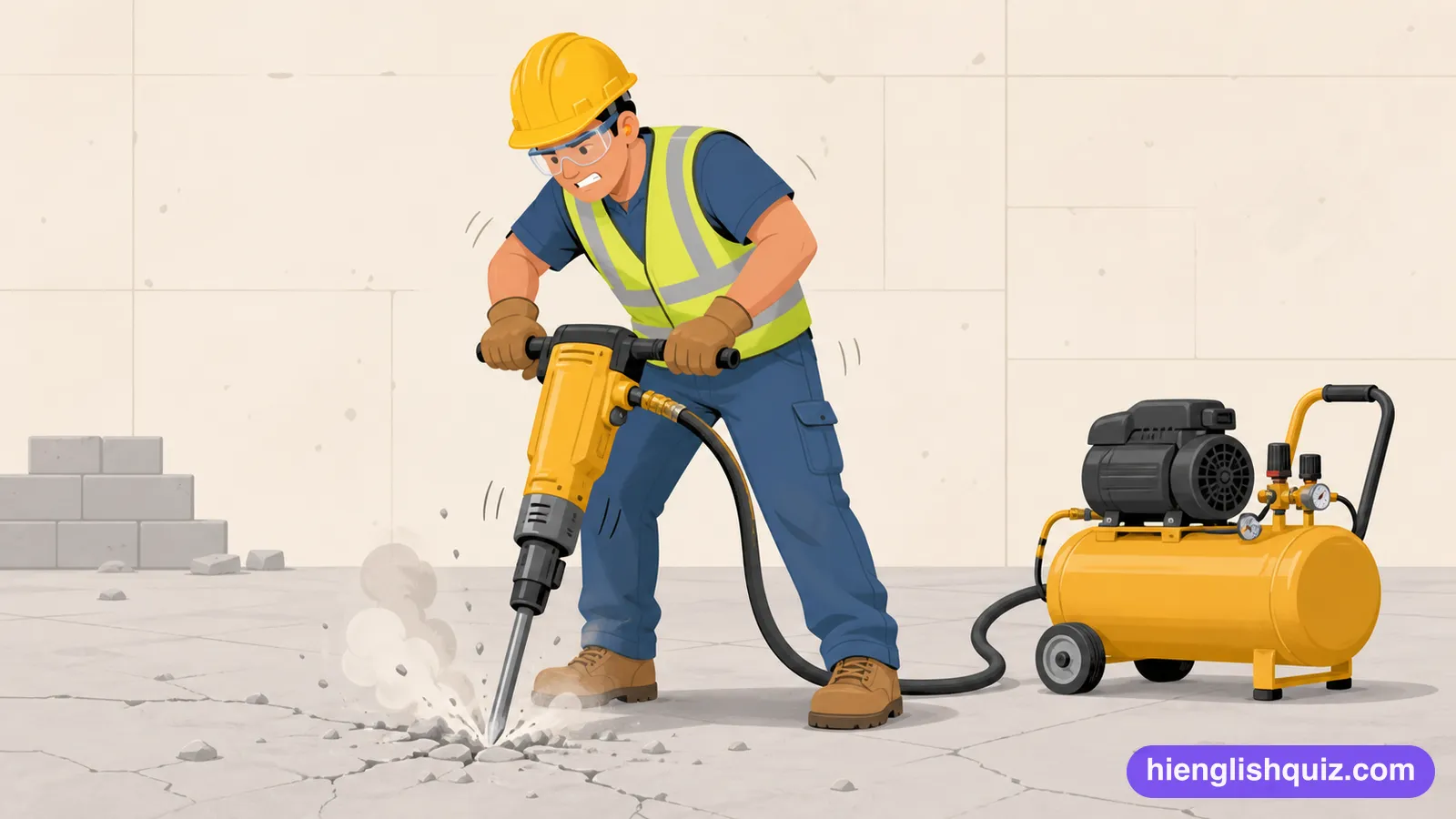
Ví dụ: The pneumatic drill broke through the concrete quickly.
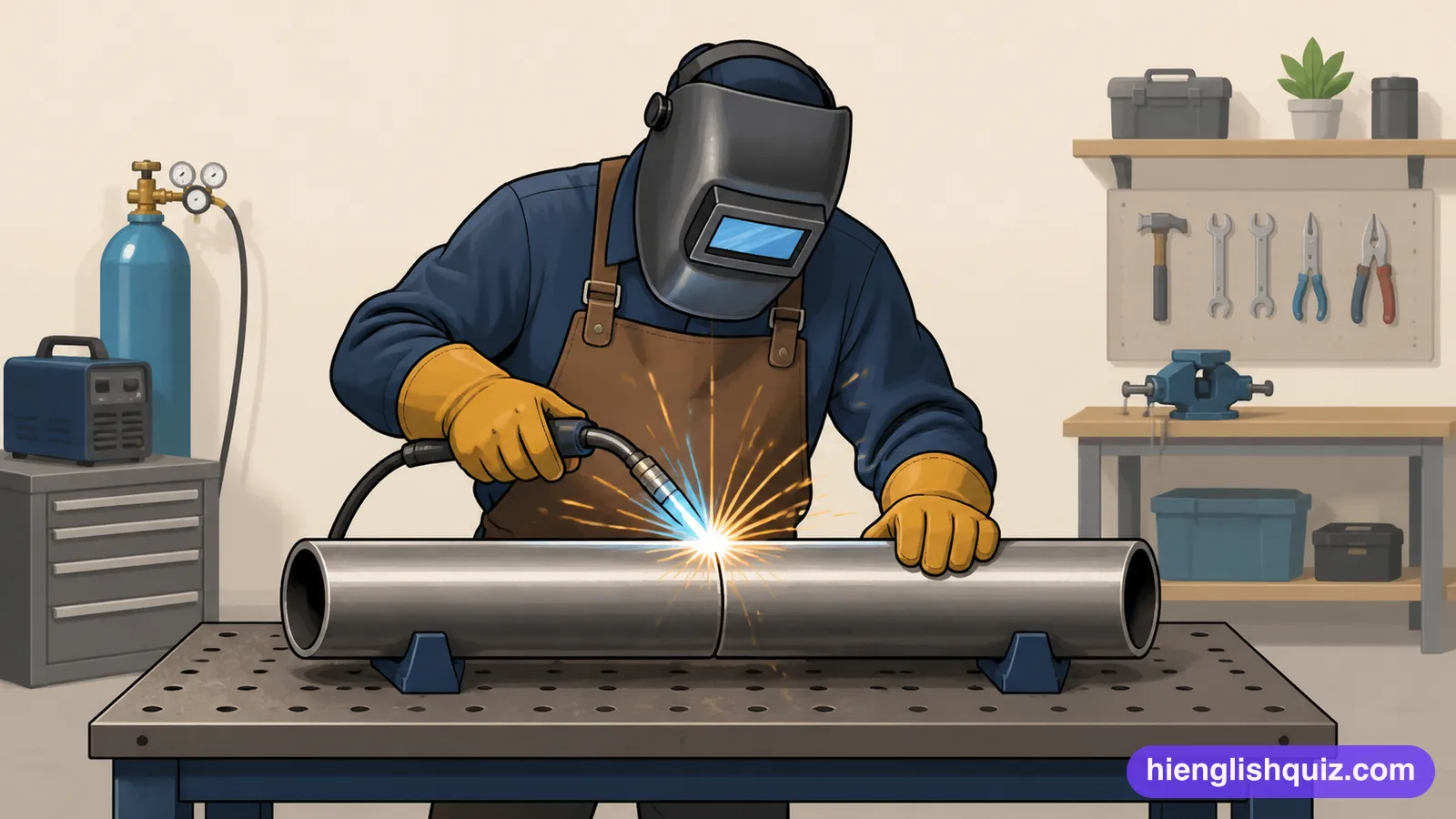
Ví dụ: The technician used a torch to weld the two pipes together.
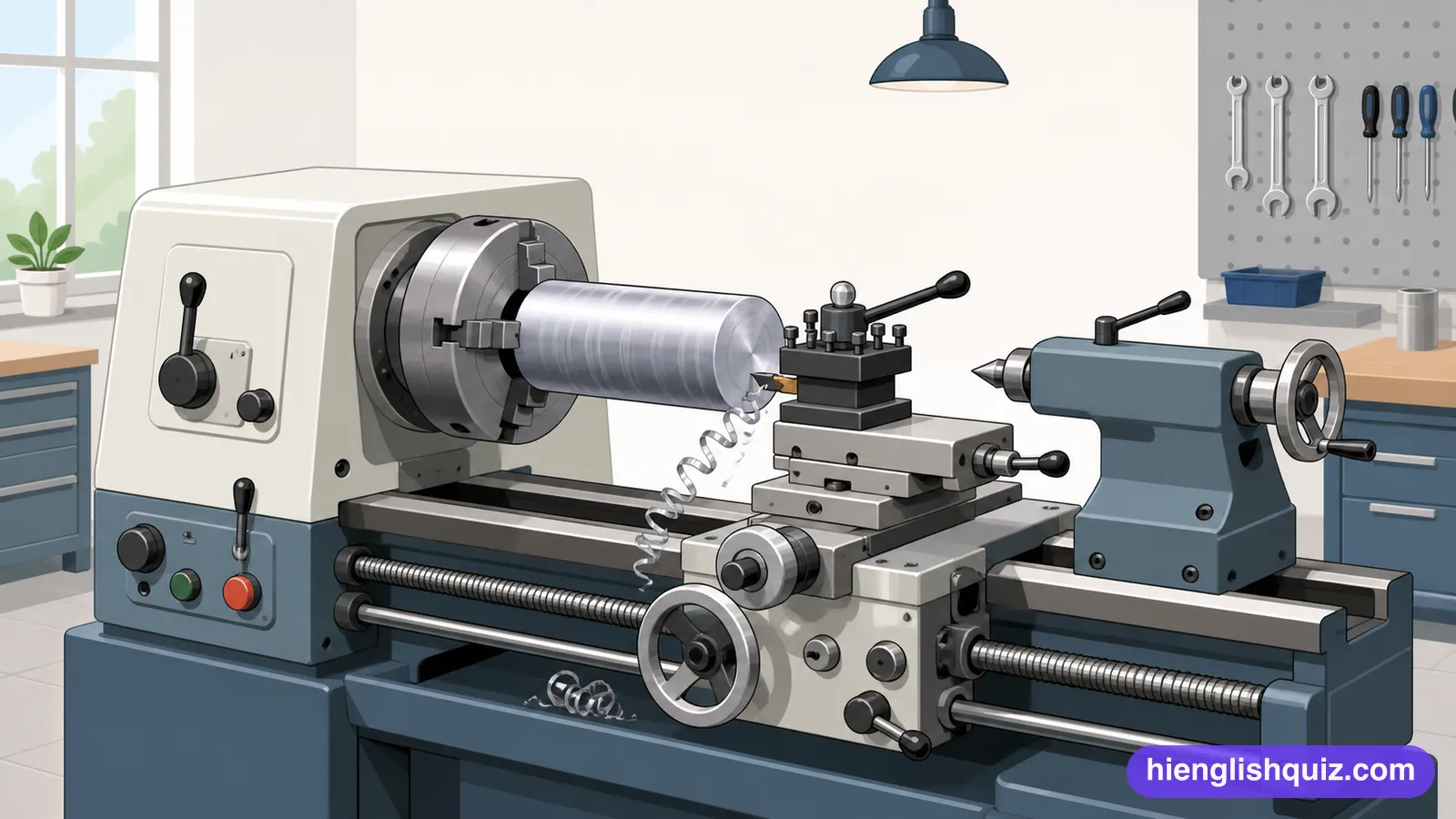
Ví dụ: He shaped the metal rod on the lathe.
Ví dụ: The fuel gauge showed the tank was almost empty.

Ví dụ: Bronze is an alloy of copper and tin.
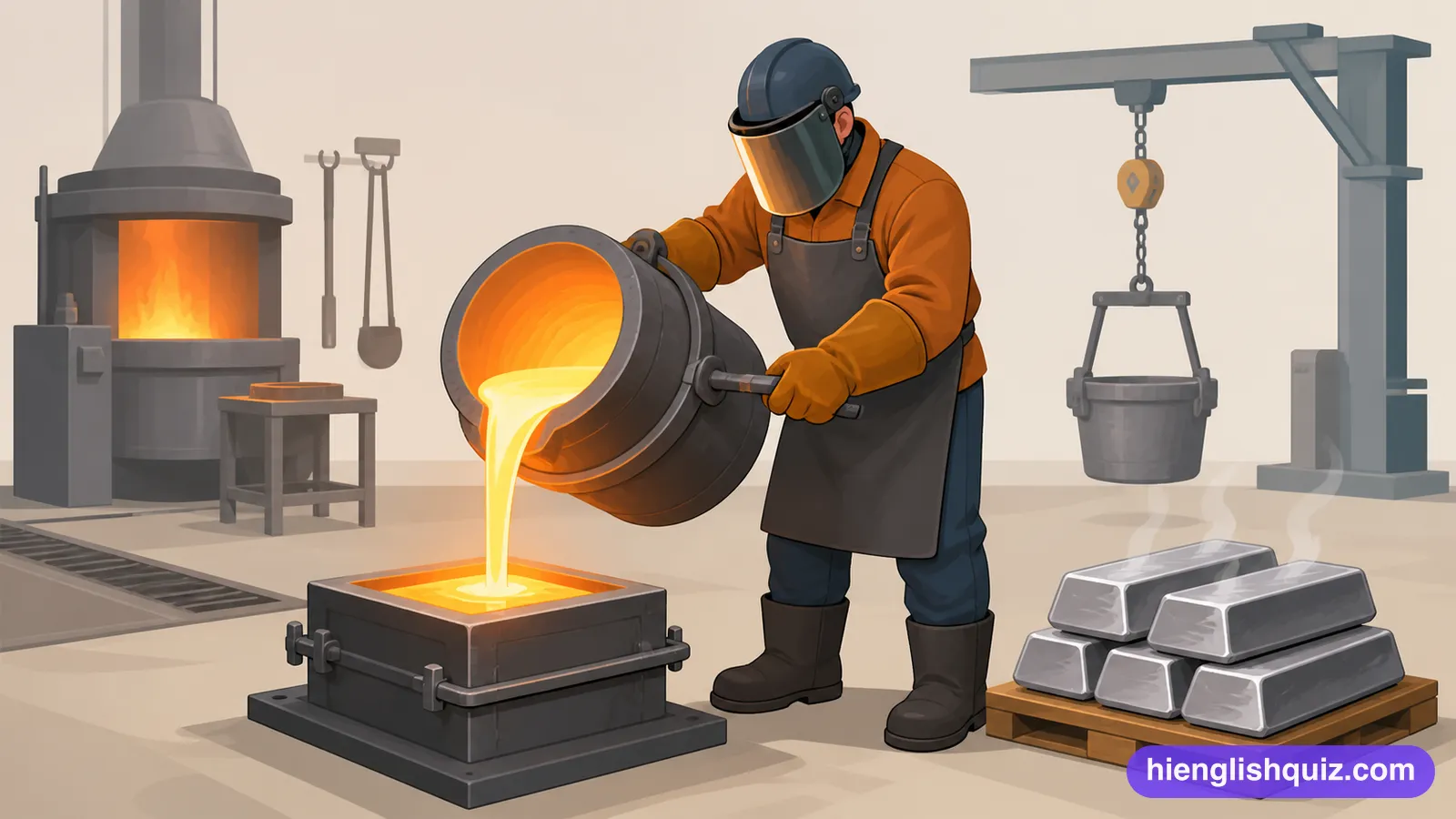
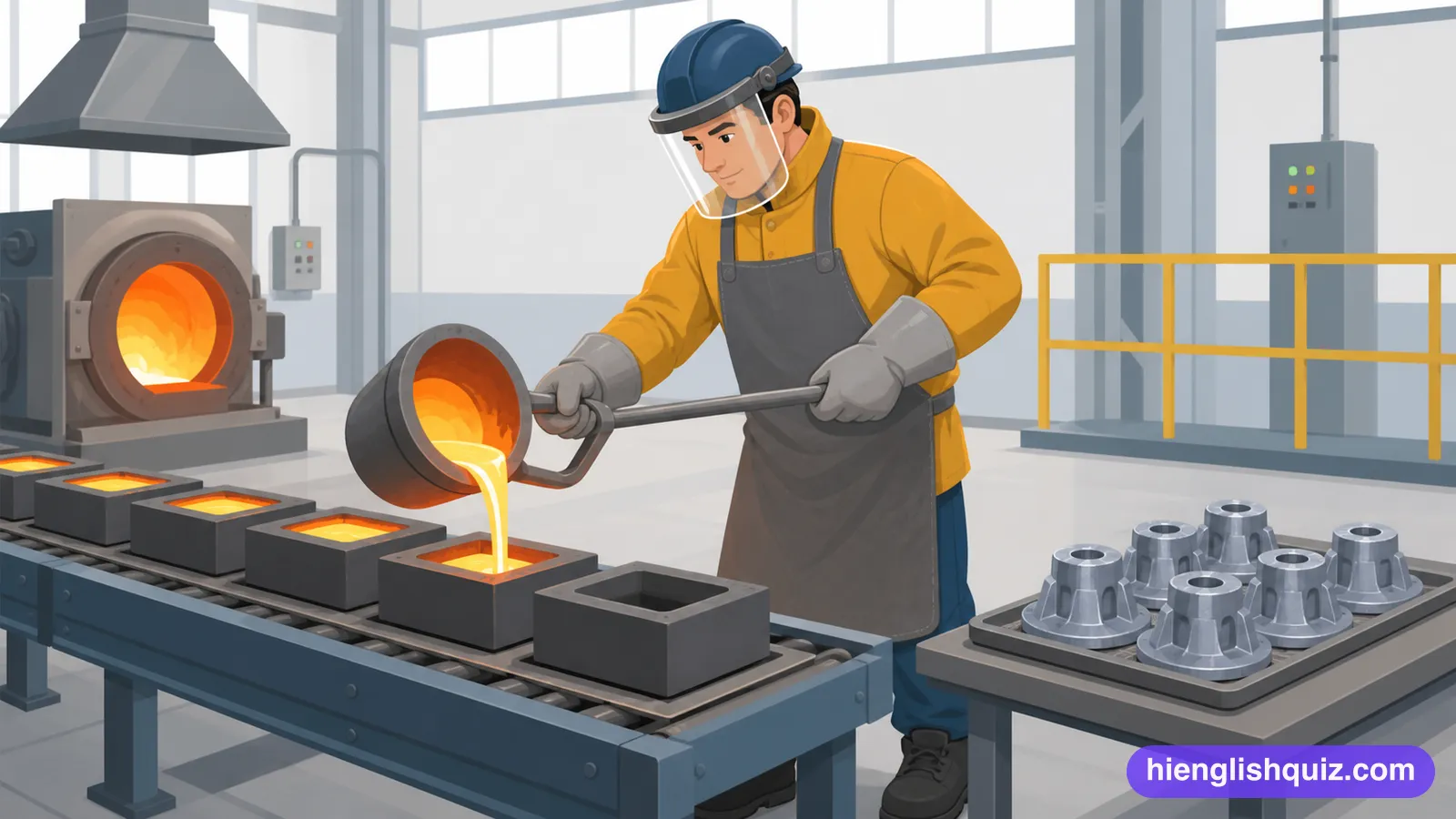
Ví dụ: The factory uses casting to make thousands of identical metal parts.
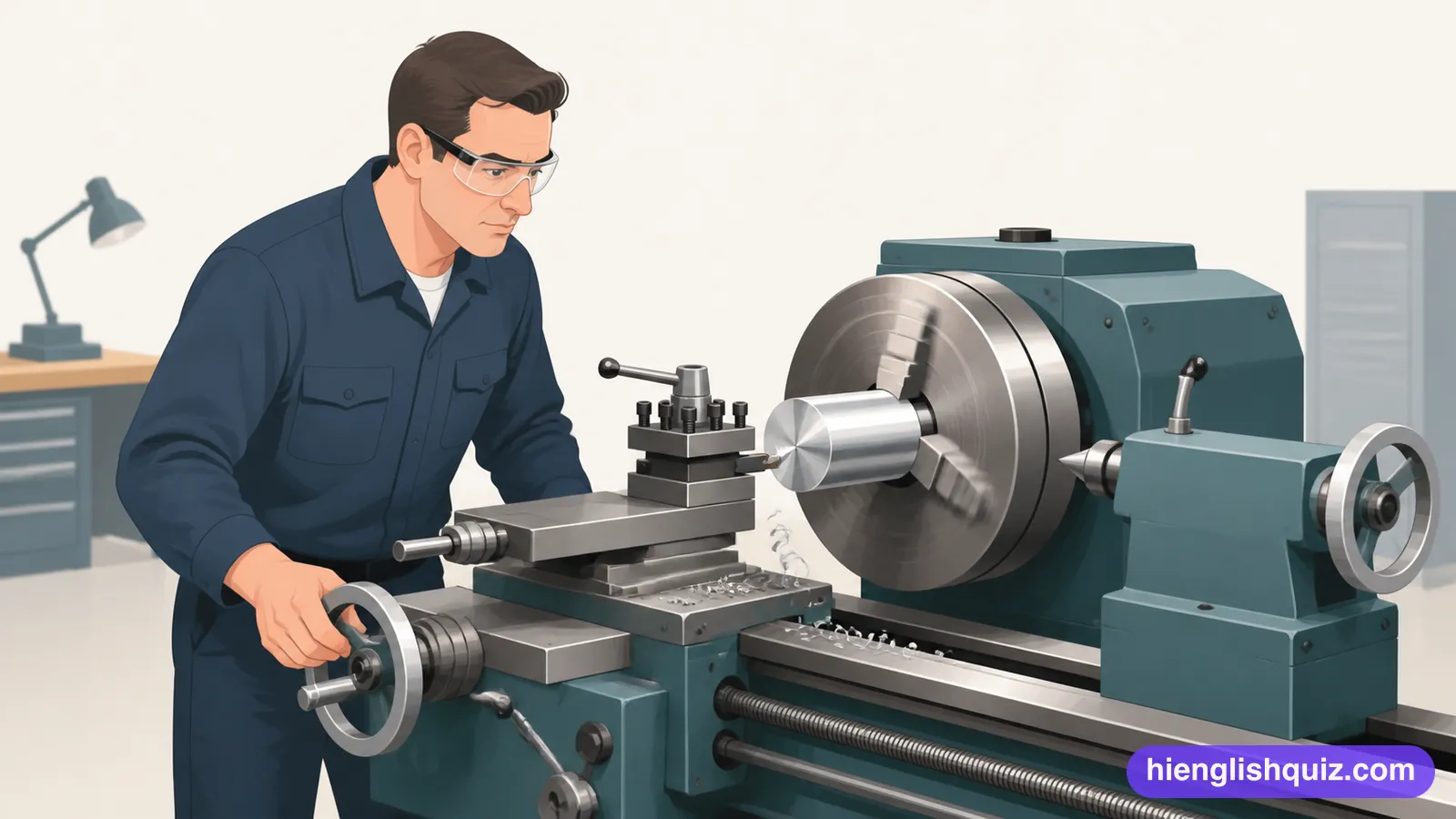
Ví dụ: Machining the housing takes eleven minutes a unit.
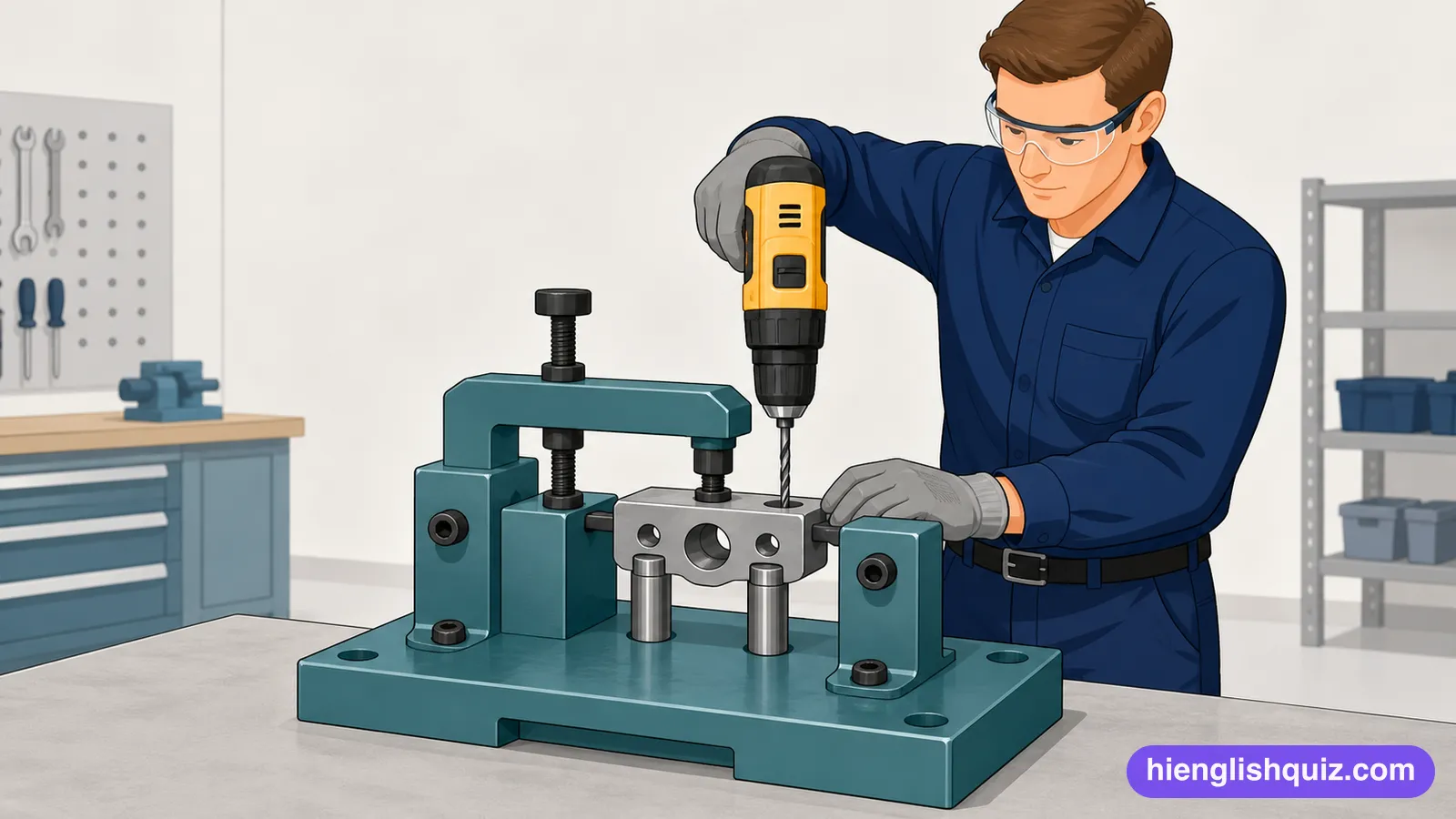
Ví dụ: One new jig halved the reject rate.
Ví dụ: The tolerance stack was what made the door refuse to close.
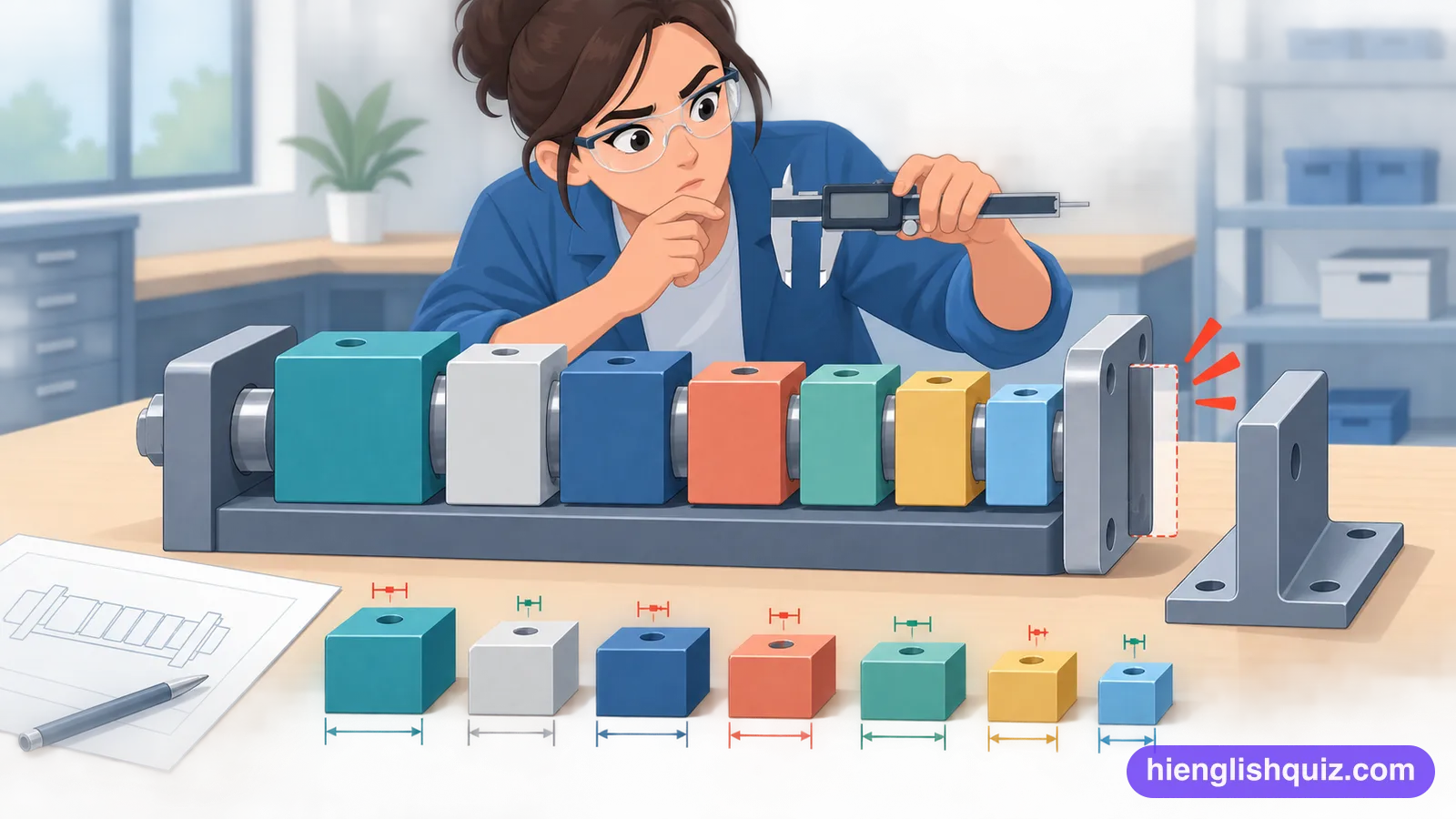
Ví dụ: The bill of materials ran to two hundred lines.

Ví dụ: The throughput rate rose once the second oven was installed.
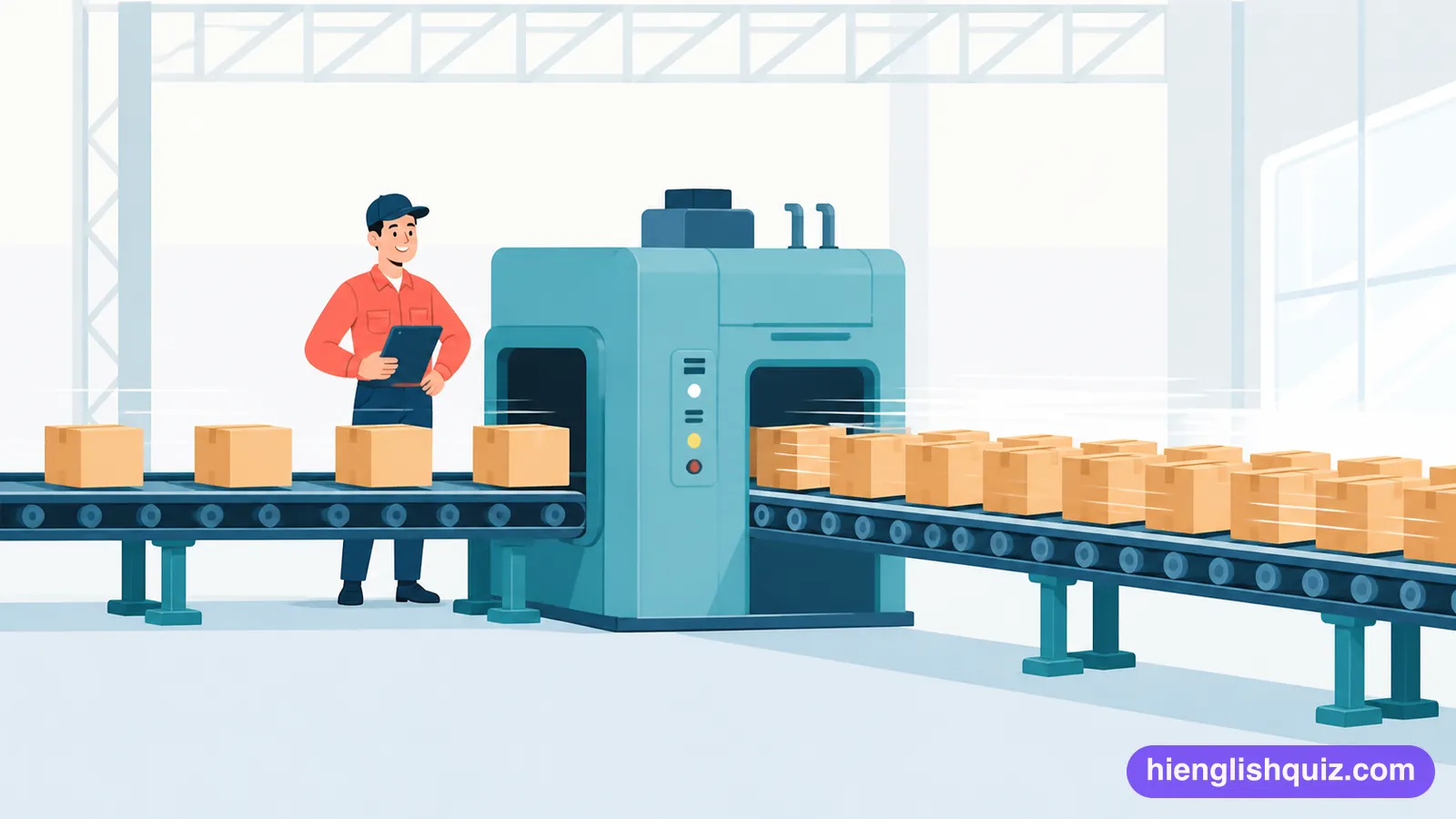
Ví dụ: A scrap rate of six per cent was quietly accepted for years.