payload
/ˈpeɪˌloʊd/- Nghĩa tiếng Việt
- Tải trọng
- Định nghĩa tiếng Anh
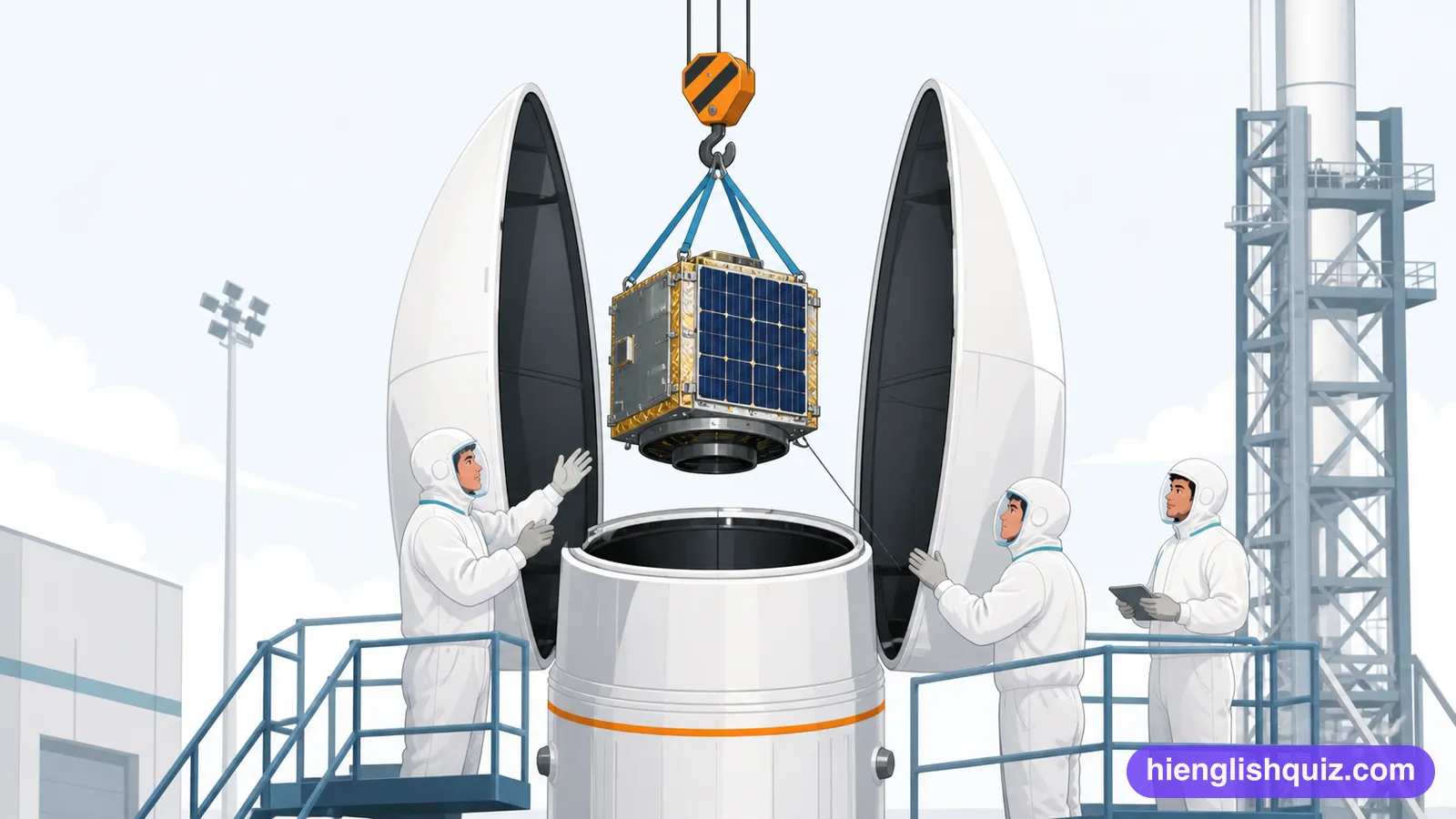
- The cargo or equipment that a vehicle or machine is designed to carry.
Ví dụ: The rocket's payload included two satellites.
 Hi EnglishQuiz
C222 từ · Thành thạo
Từ vựng kỹ thuật chuyên sâu về khoa học vật liệu và hệ thống sản xuất, gồm metallurgy, torsion, ductility cùng hysteresis, sintering và digital twin.
Ví dụ: The rocket's payload included two satellites.
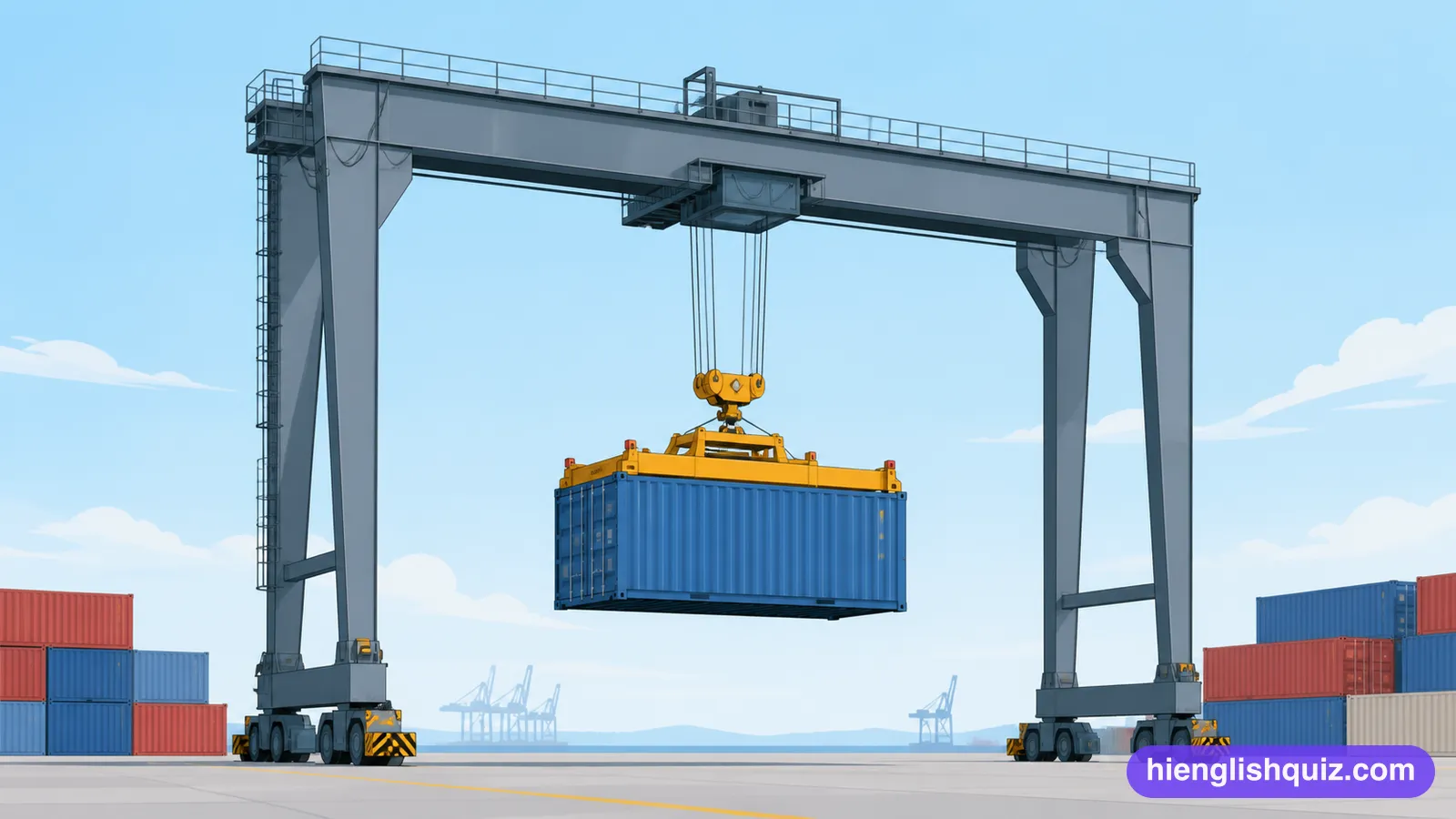
Ví dụ: A gantry crane moved the shipping containers into place.
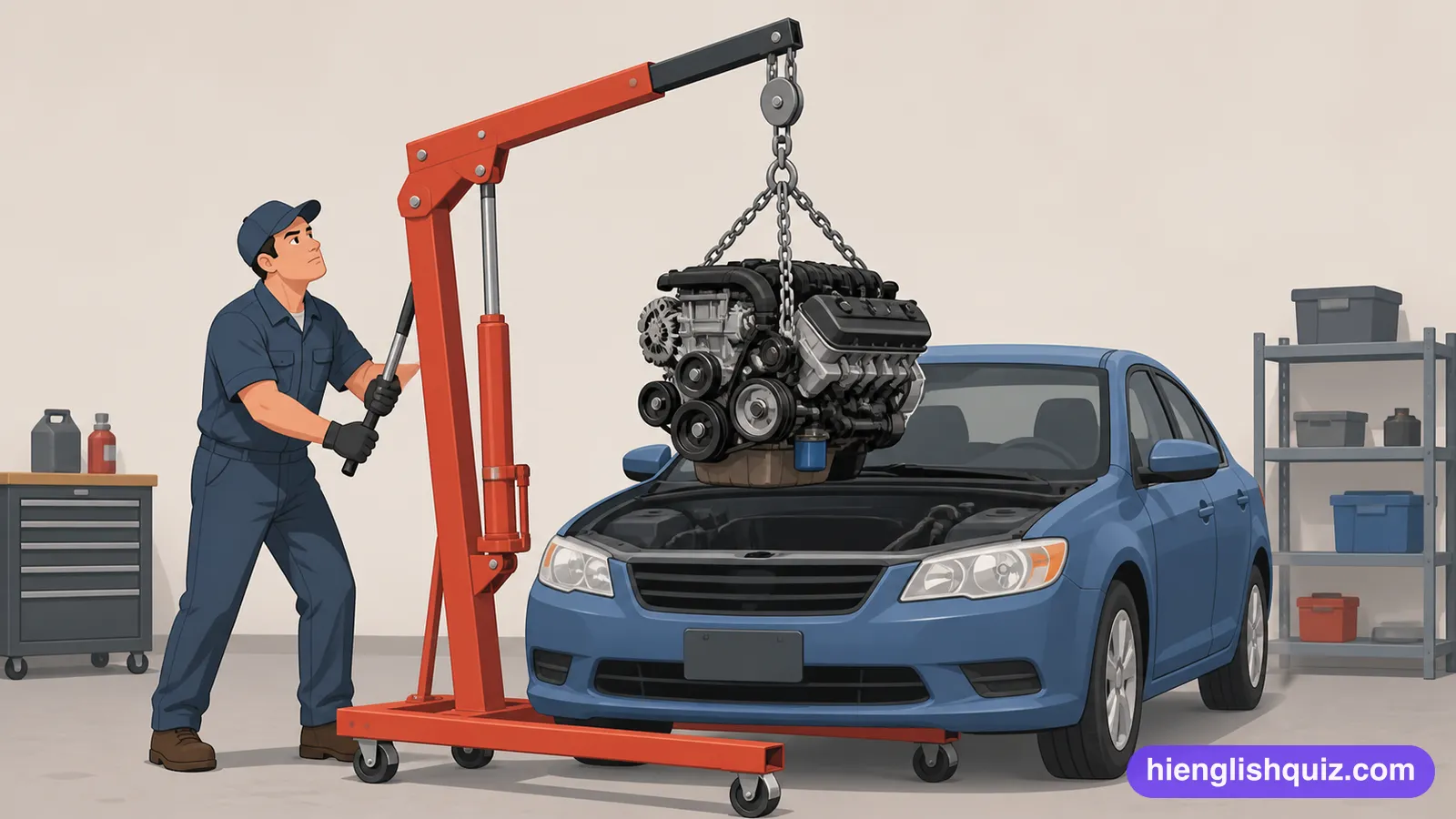
Ví dụ: Workers used a hoist to raise the engine out of the car.
Ví dụ: She studied metallurgy to understand why the alloy cracked.

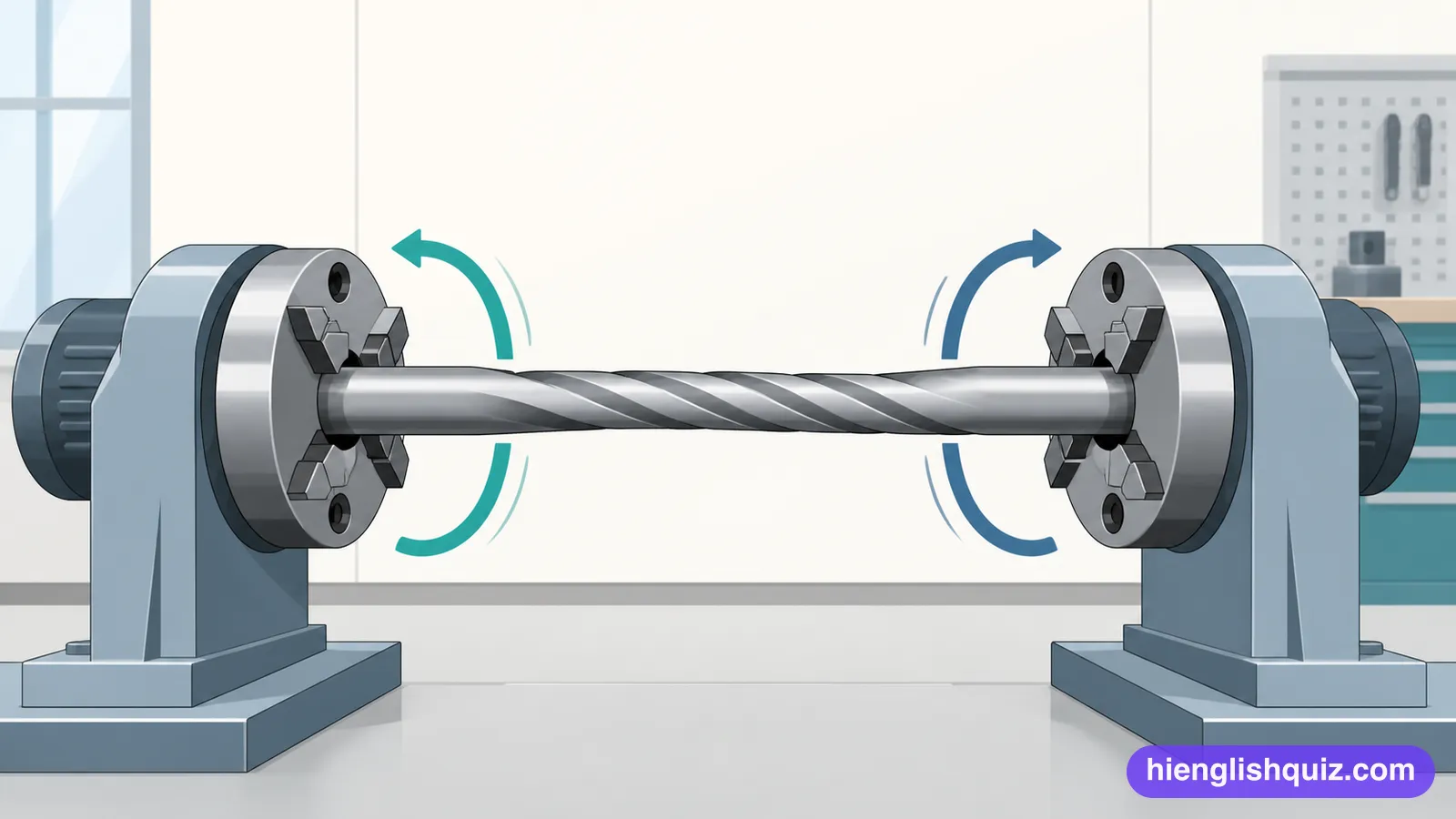
Ví dụ: The shaft failed under repeated torsion.
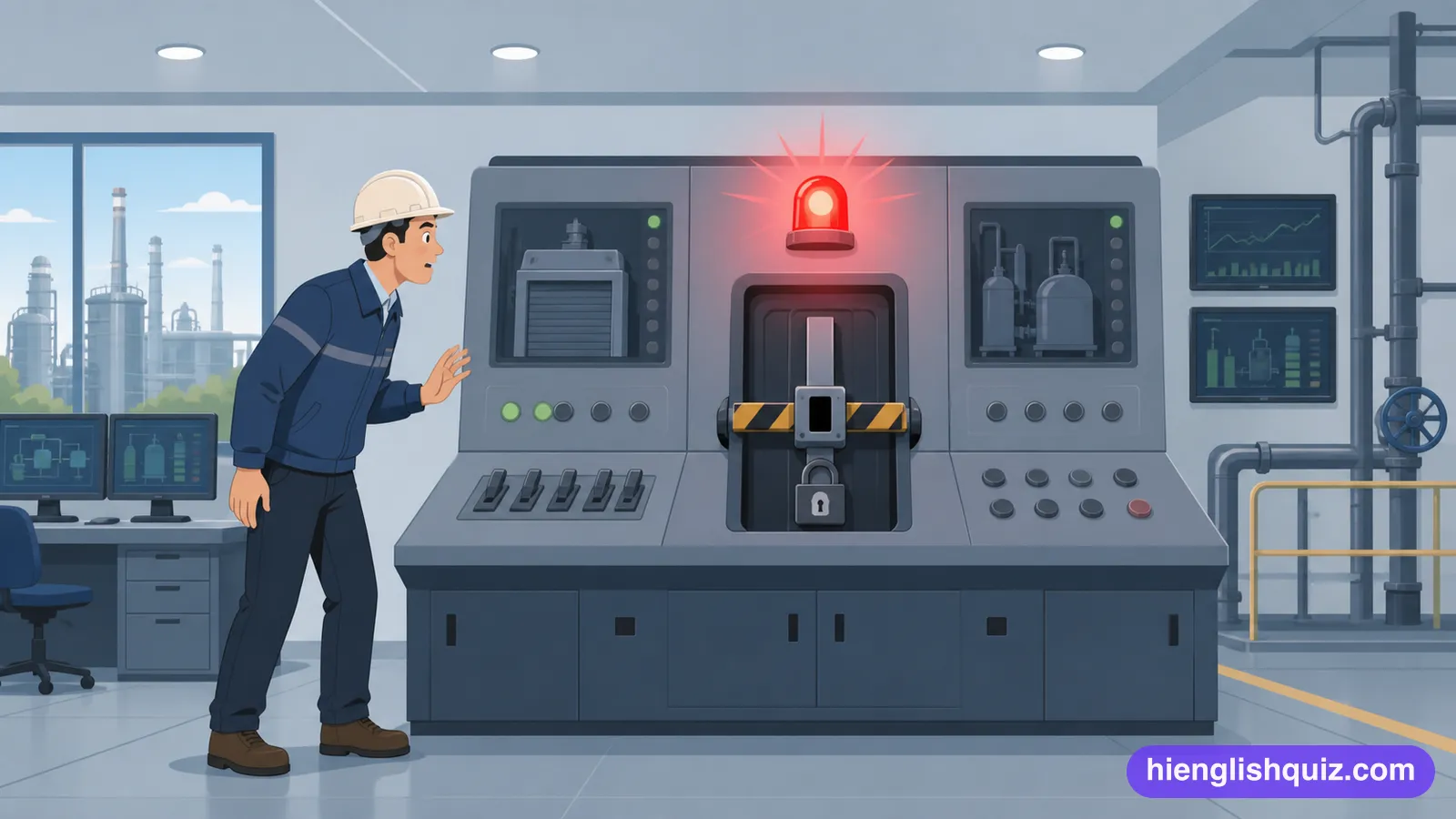
Ví dụ: The reactor has a failsafe system that shuts it down instantly.
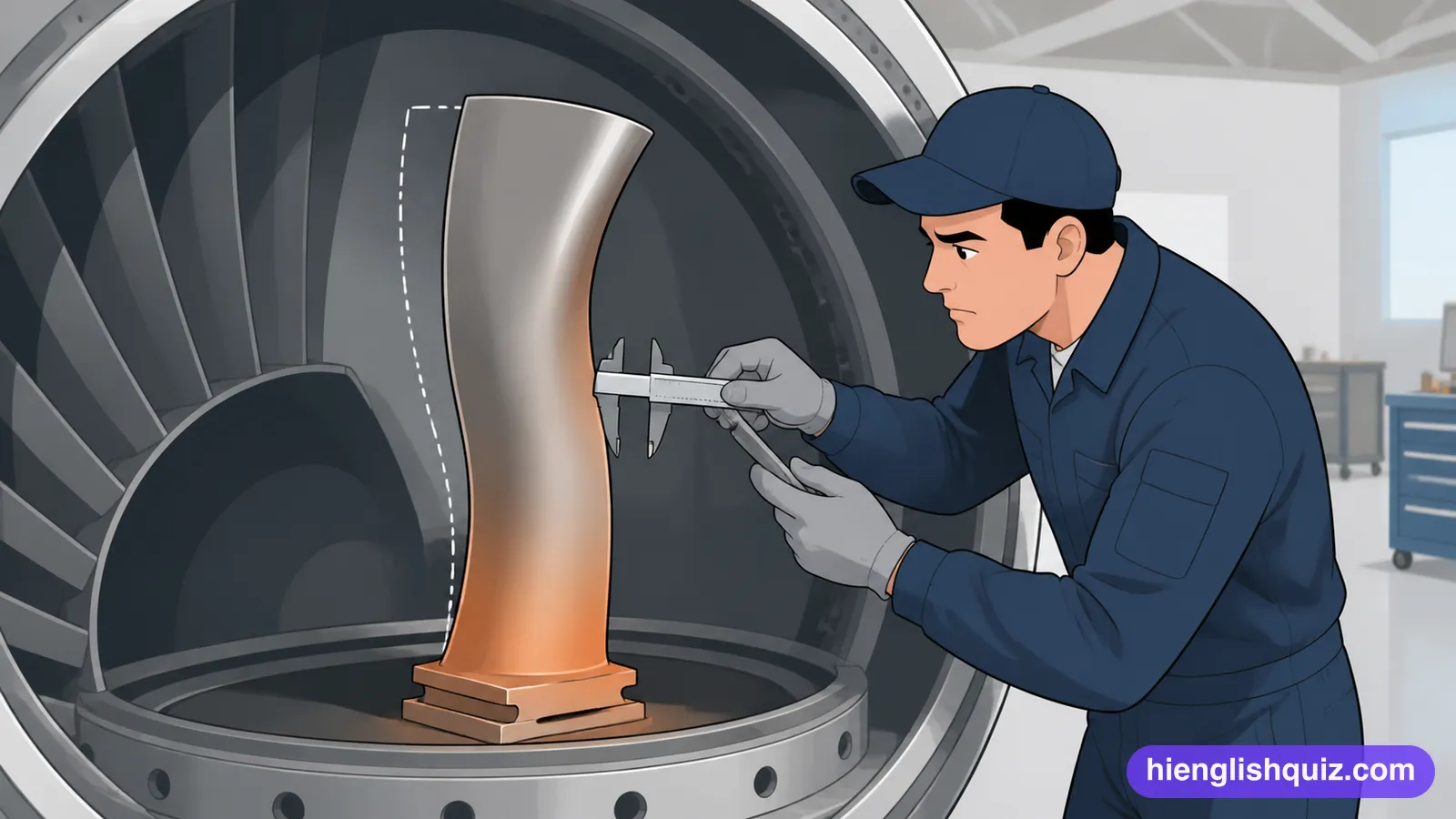
Ví dụ: Engineers monitor creep in turbine blades over years of use.
Ví dụ: The batch was flagged for non-conformance during inspection.
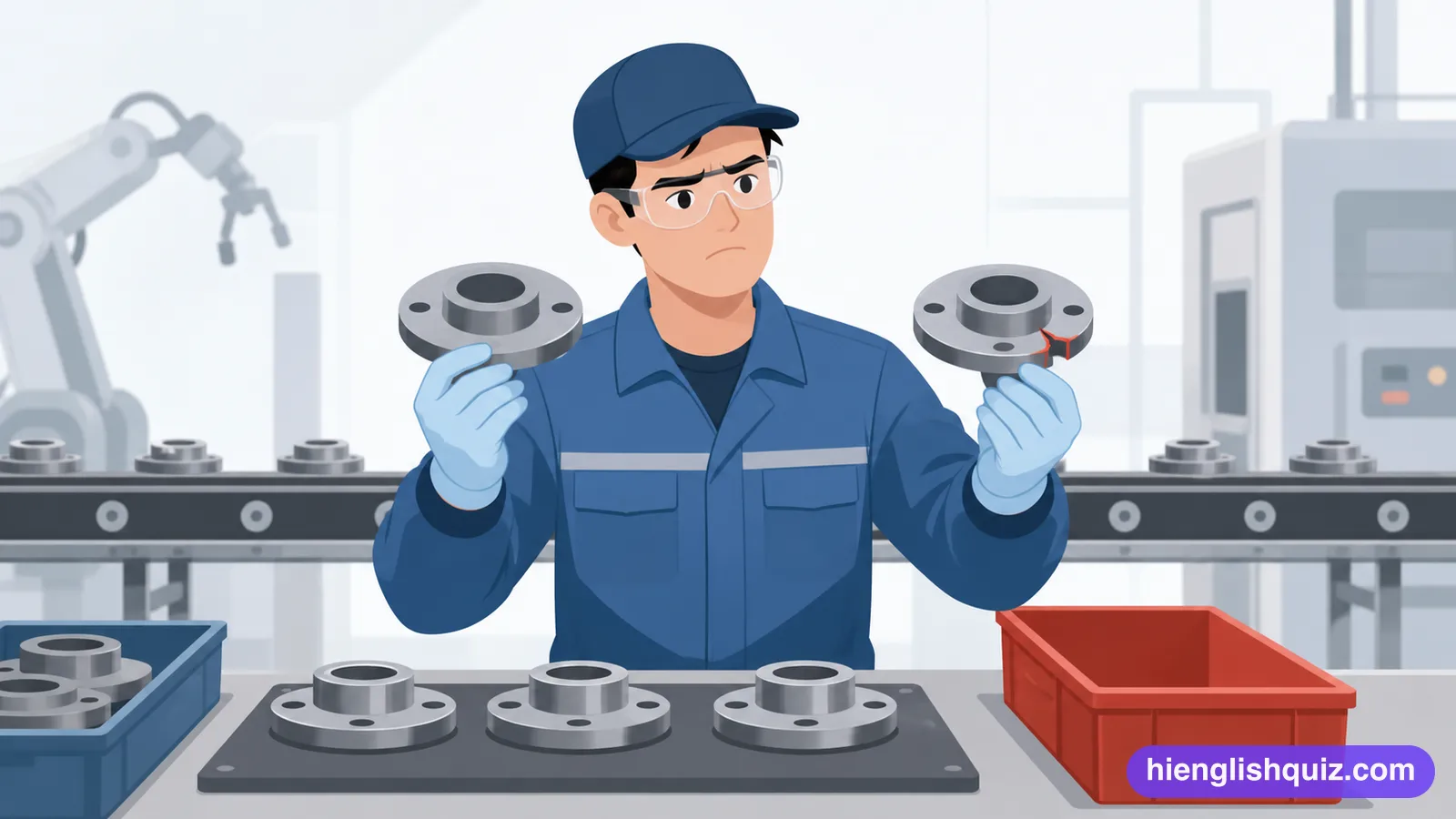
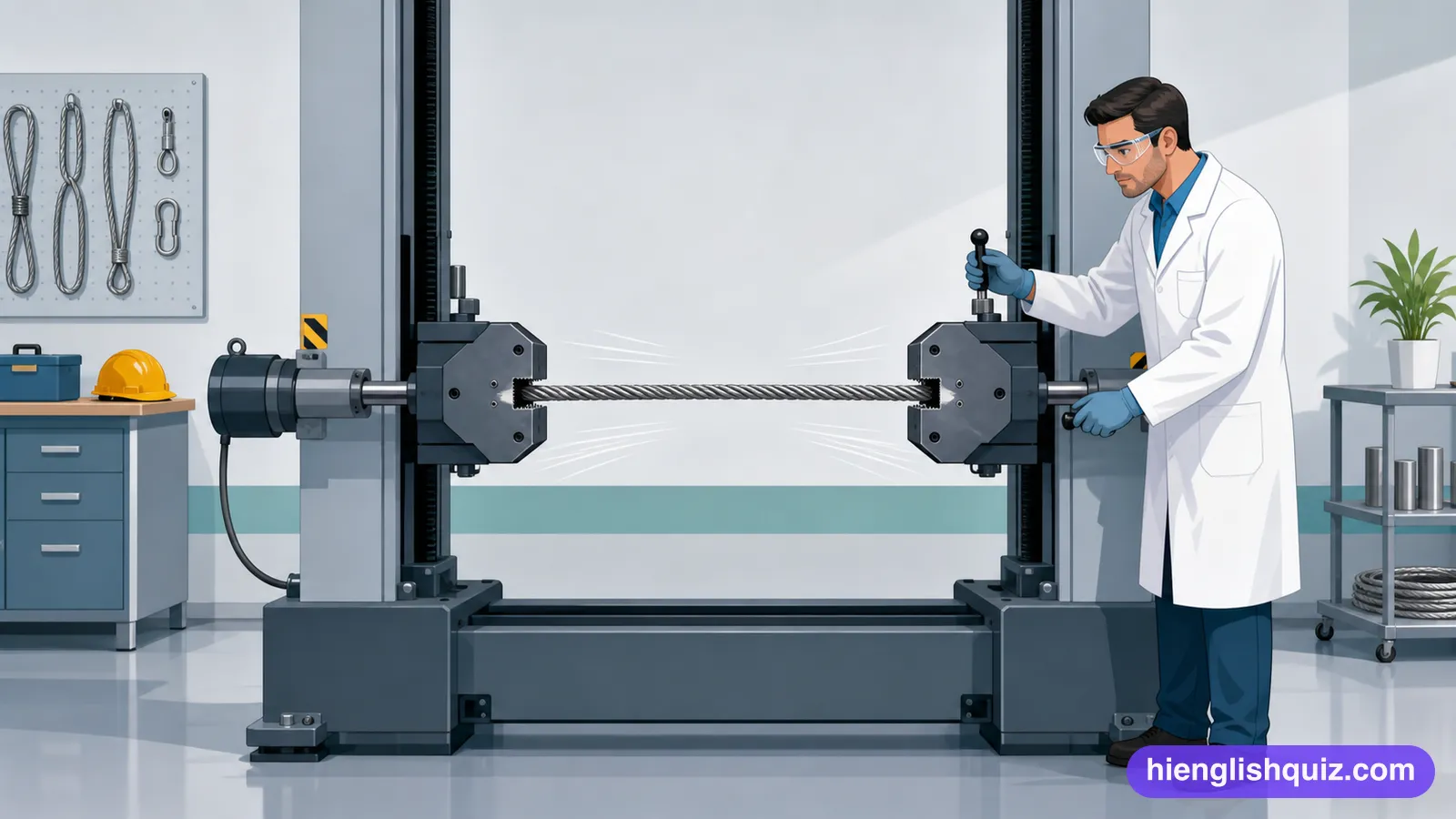
Ví dụ: Copper's high ductility makes it easy to draw into thin wire.
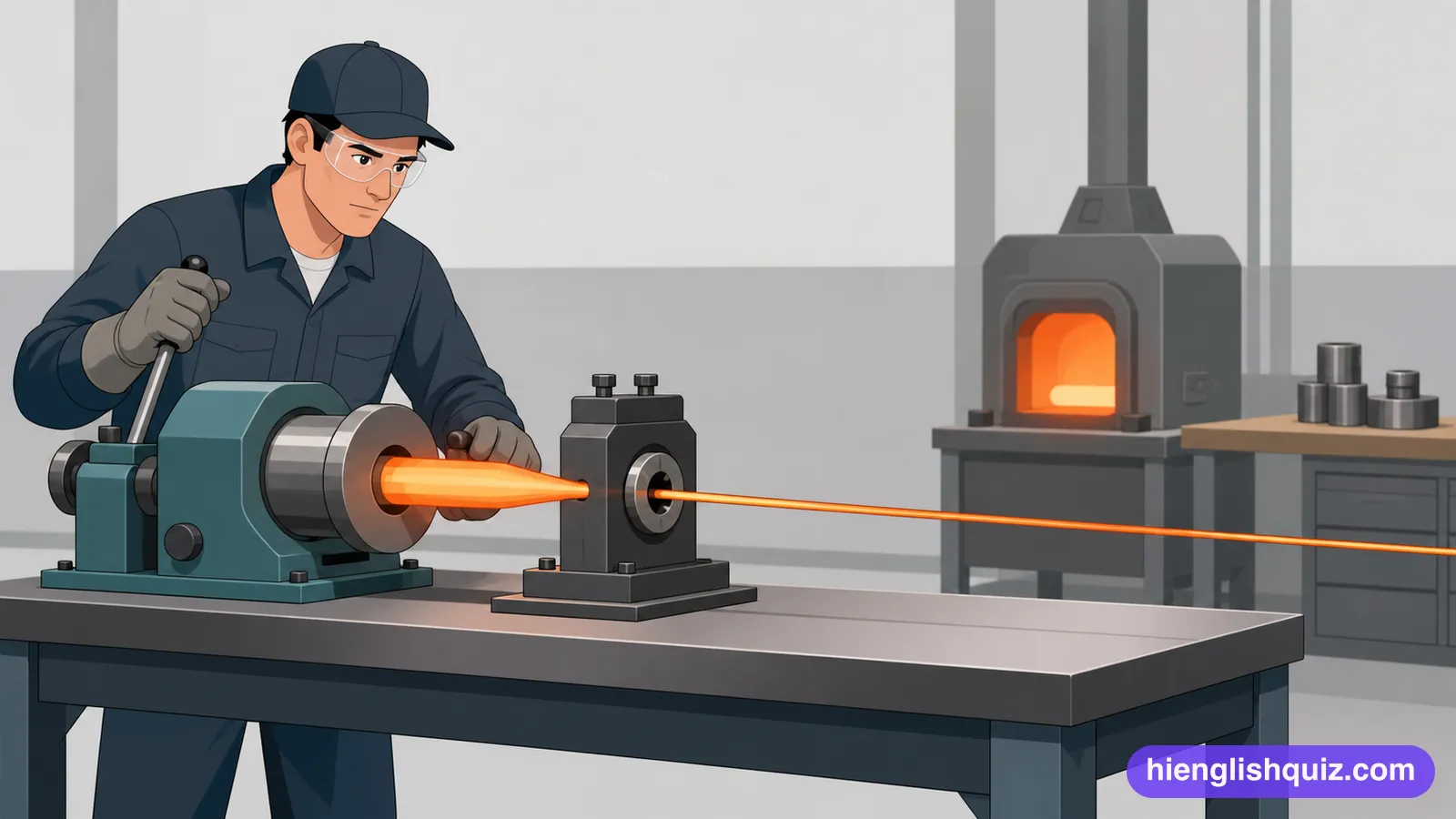
Ví dụ: Repeated bending caused work hardening in the copper wire before it cracked.

Ví dụ: Design for manufacture removed nine parts from the assembly.

Ví dụ: Failure mode and effects analysis found the fault before the tooling was cut.
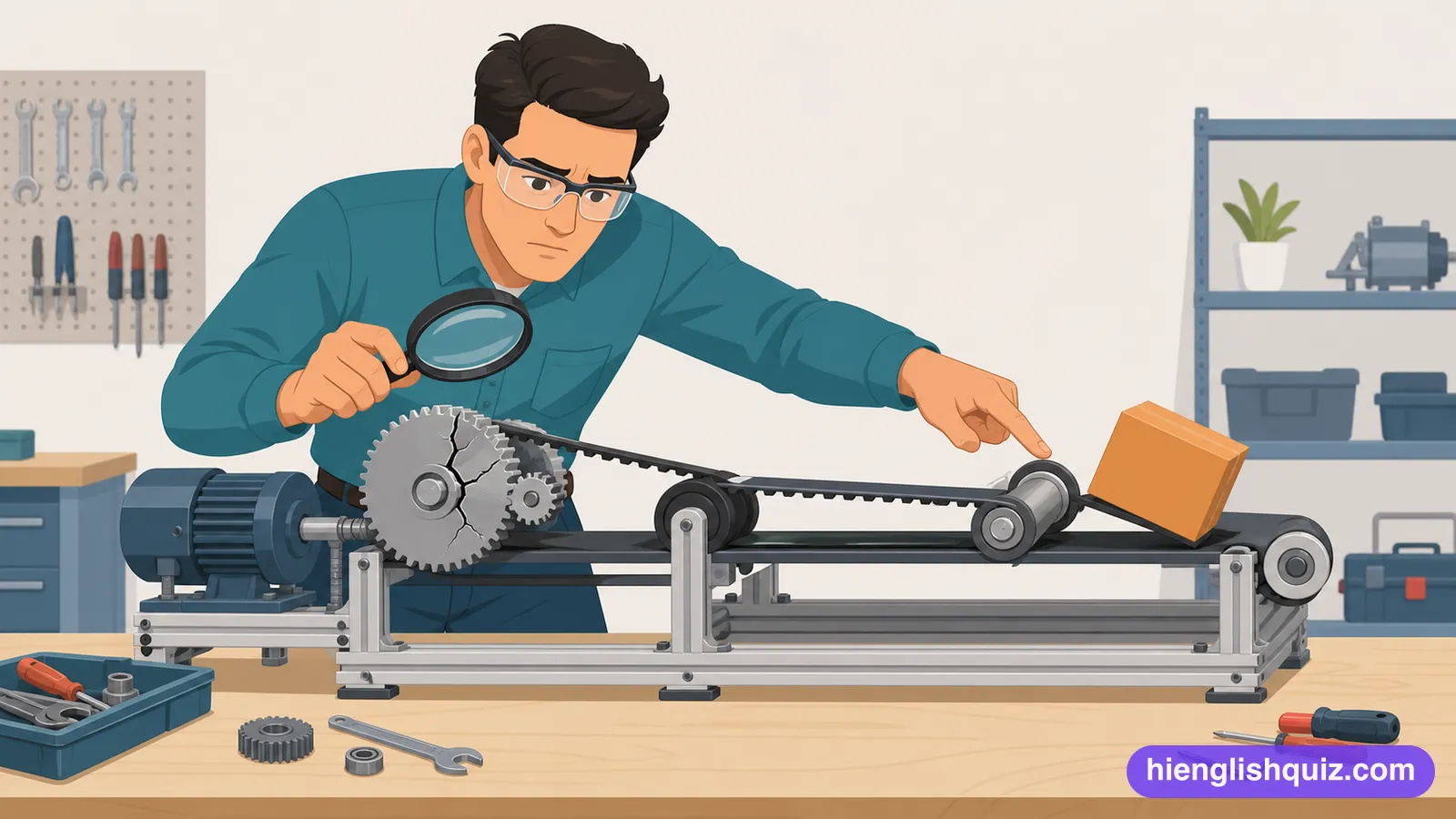
Ví dụ: A mean time between failures of nine hundred hours is not good enough.
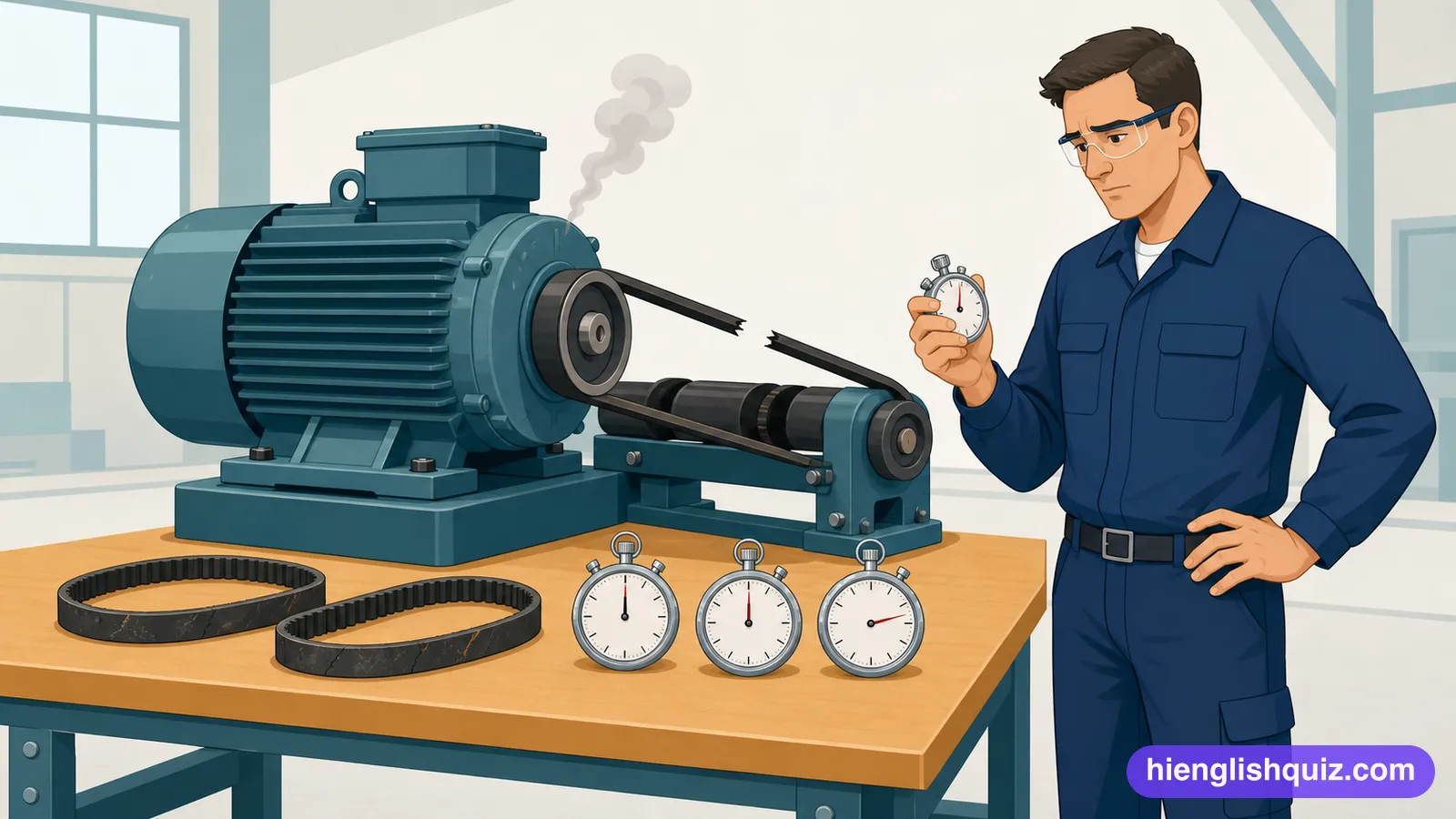
Ví dụ: A little tribology would have saved the entire bearing programme.
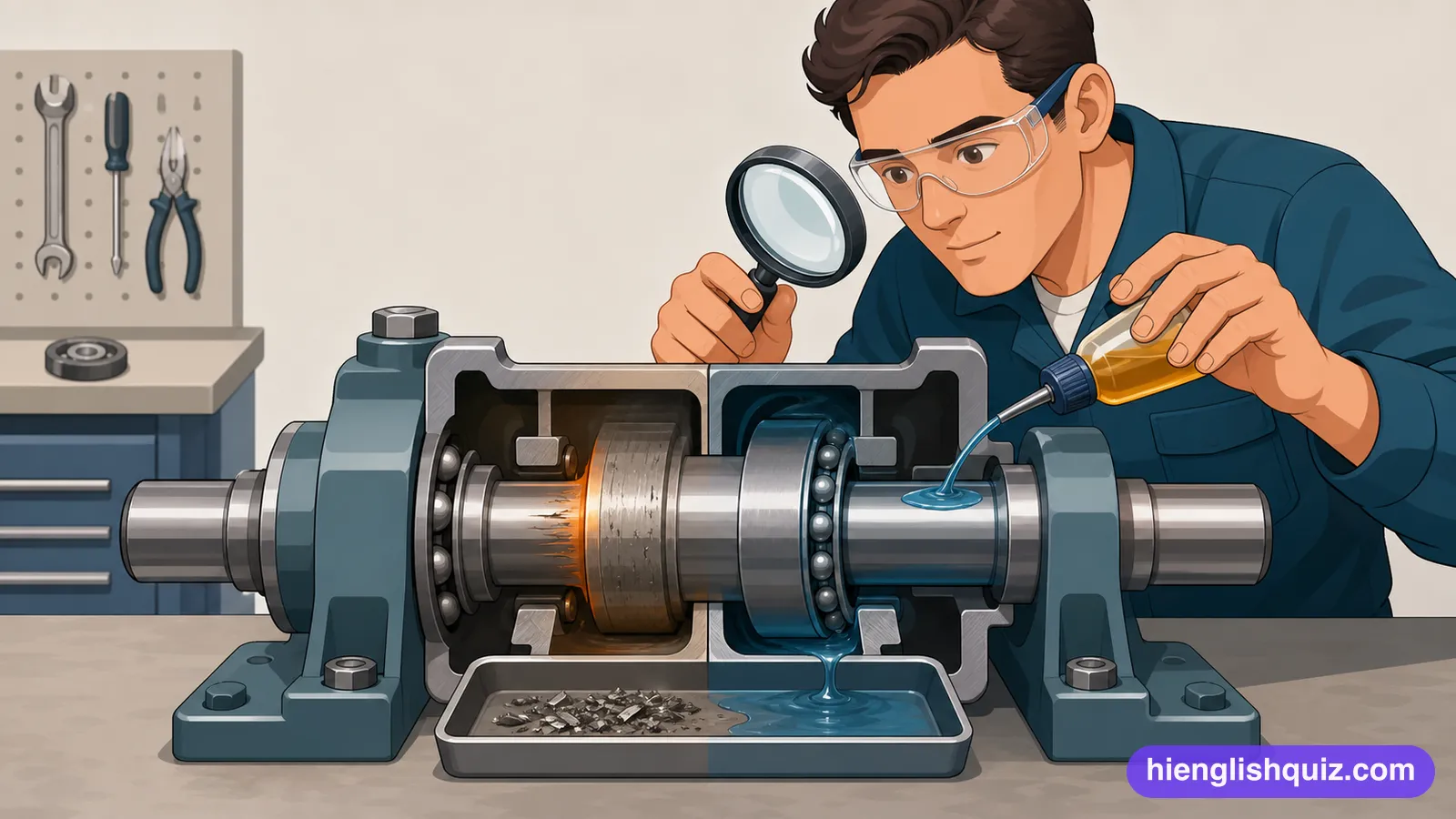
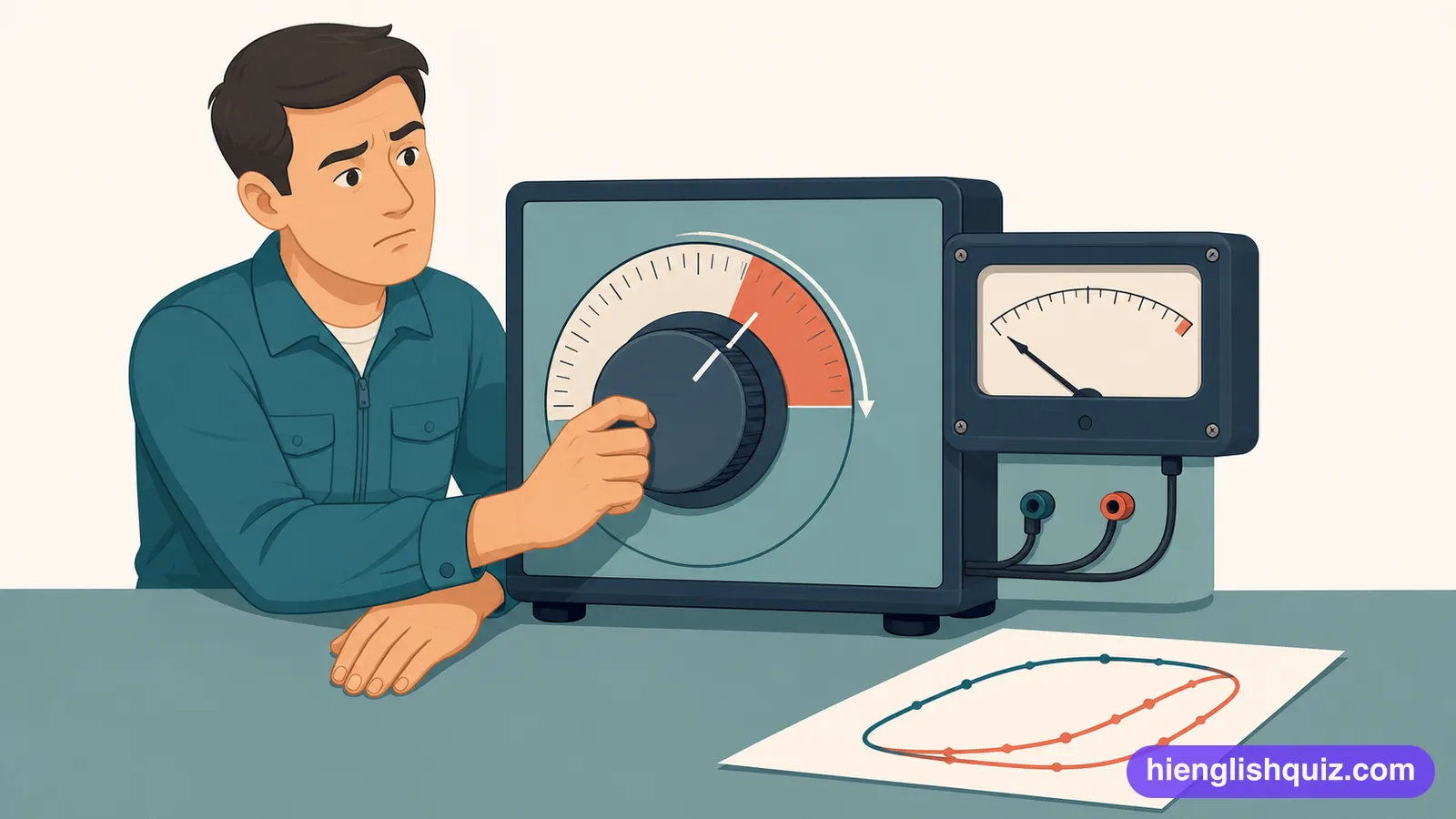
Ví dụ: Hysteresis in the sensor made the control loop oscillate.
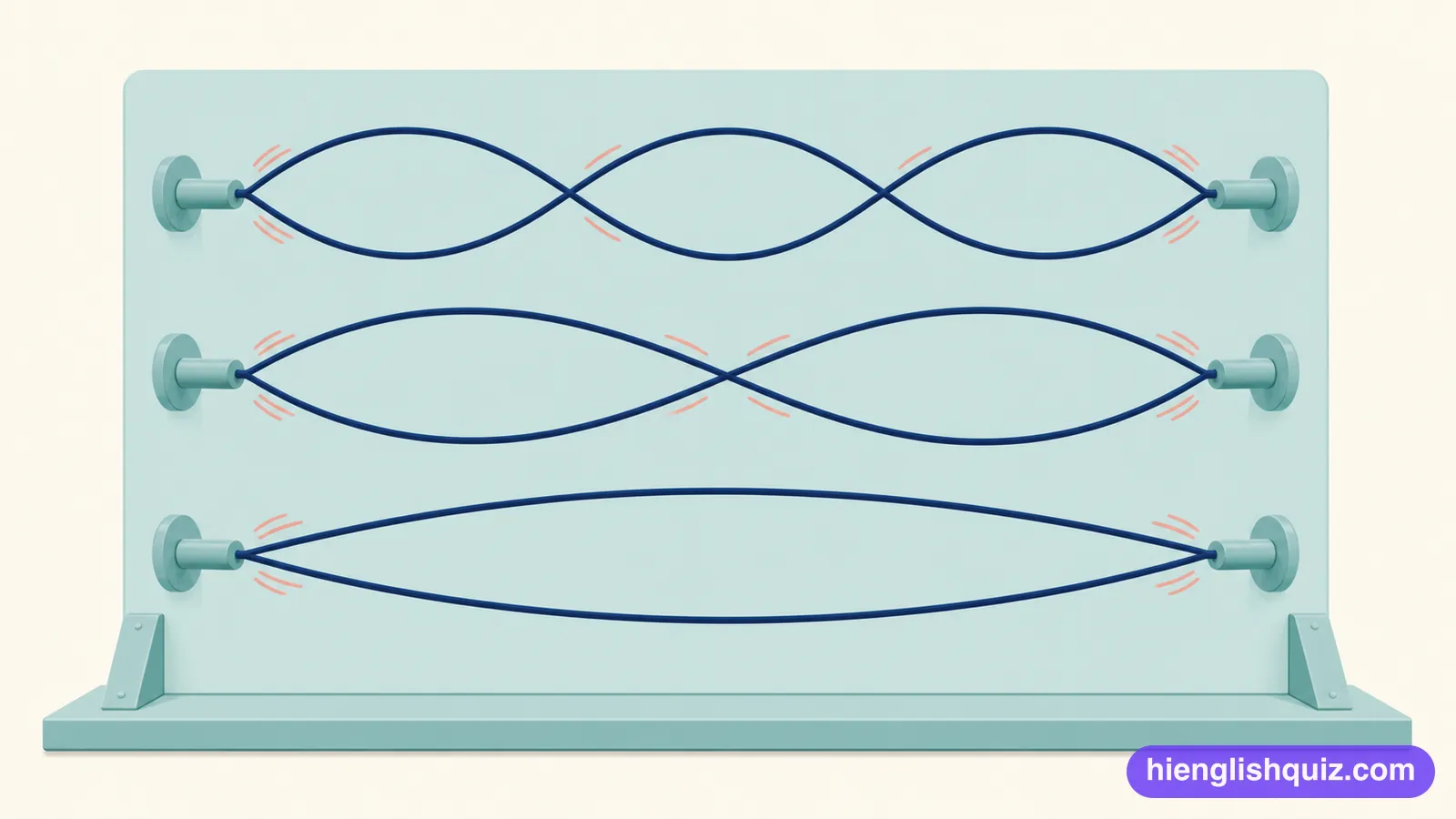
Ví dụ: One harmonic shook the whole gantry apart over eleven months.
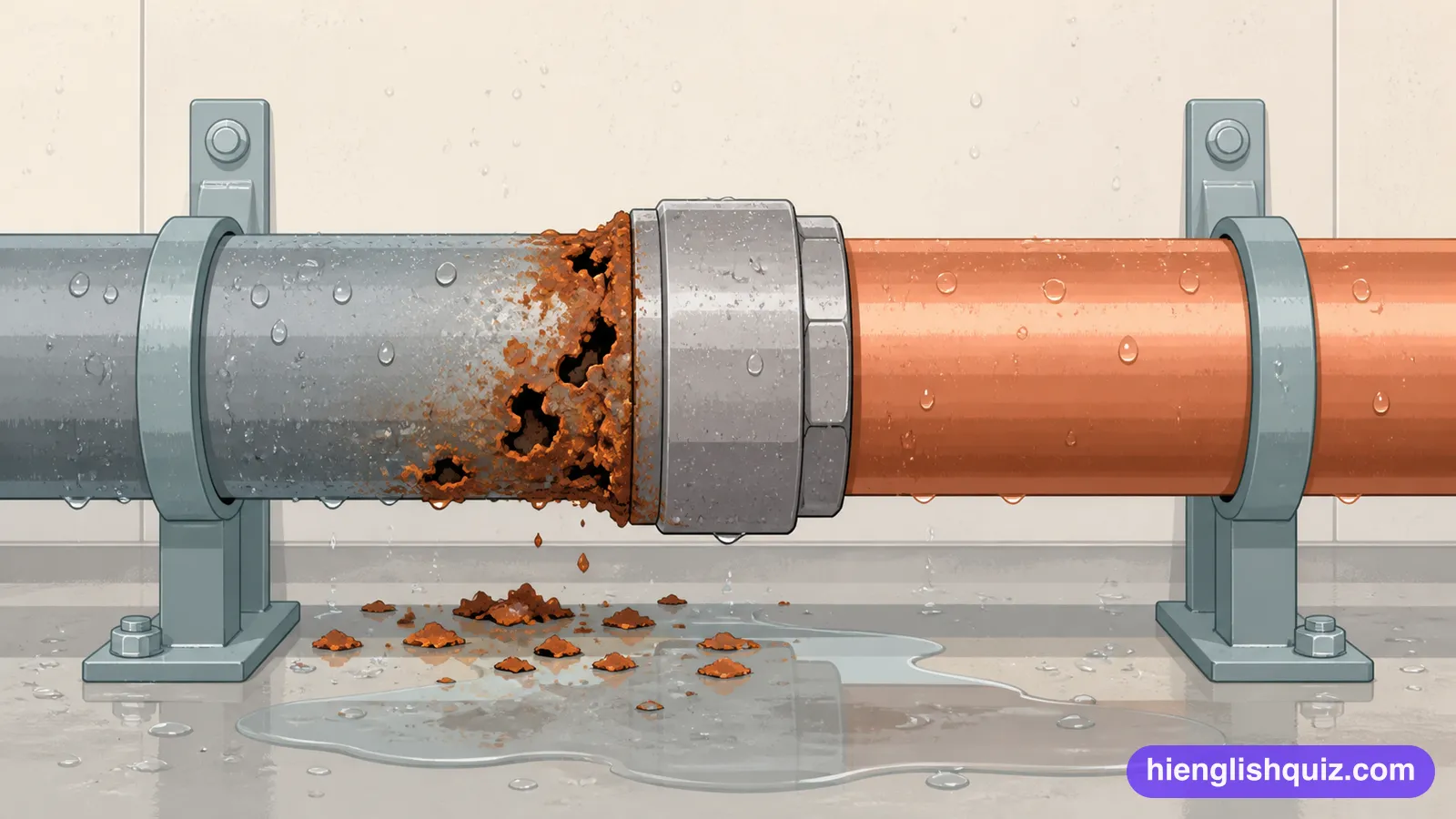
Ví dụ: Galvanic corrosion ate the fixings and left the panel untouched.
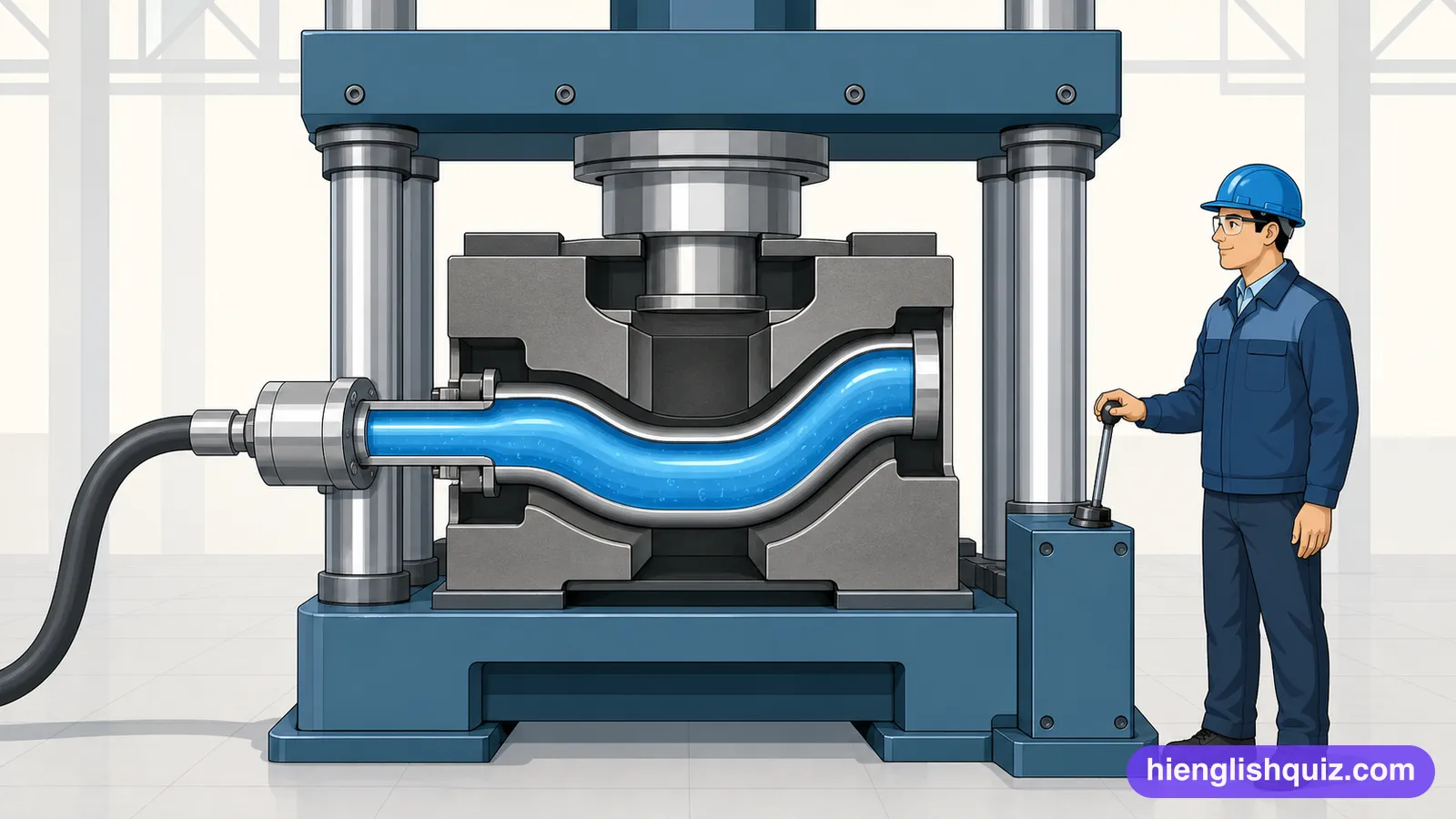
Ví dụ: Hydroforming produced one part where there had been five.
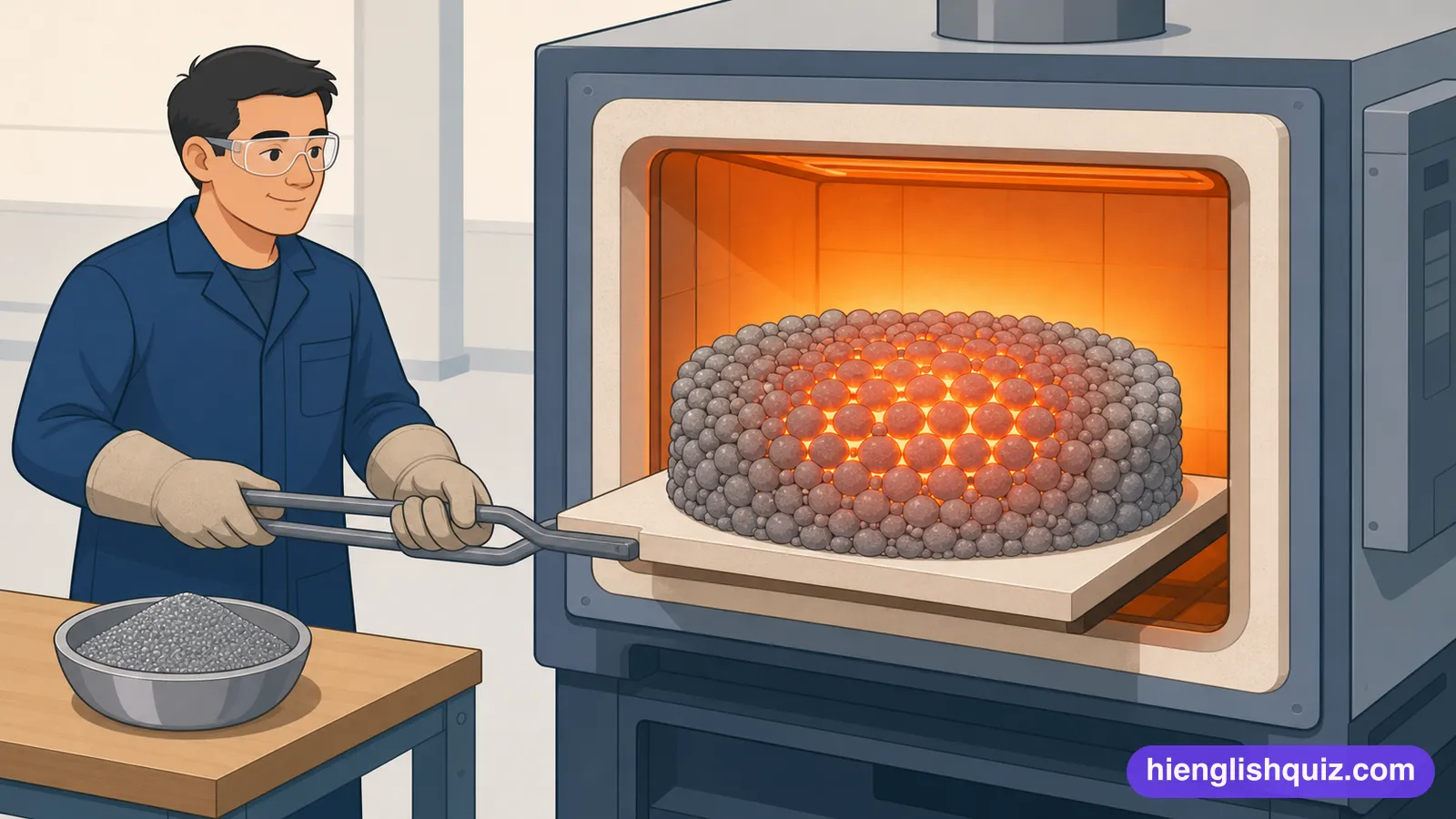
Ví dụ: Sintering gives a porosity that machining never could.
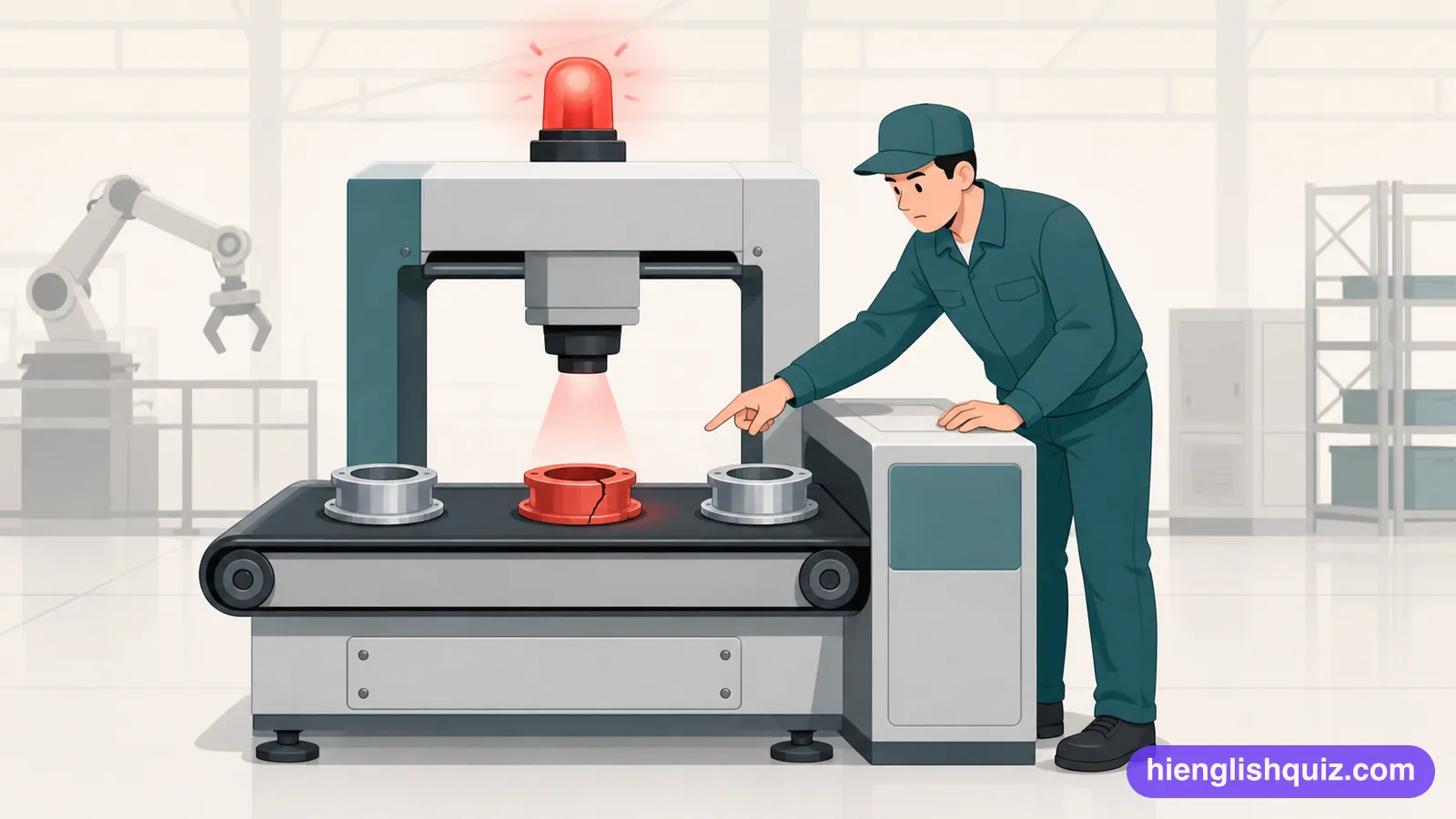
Ví dụ: Jidoka stops the line and stopping the line is the point.
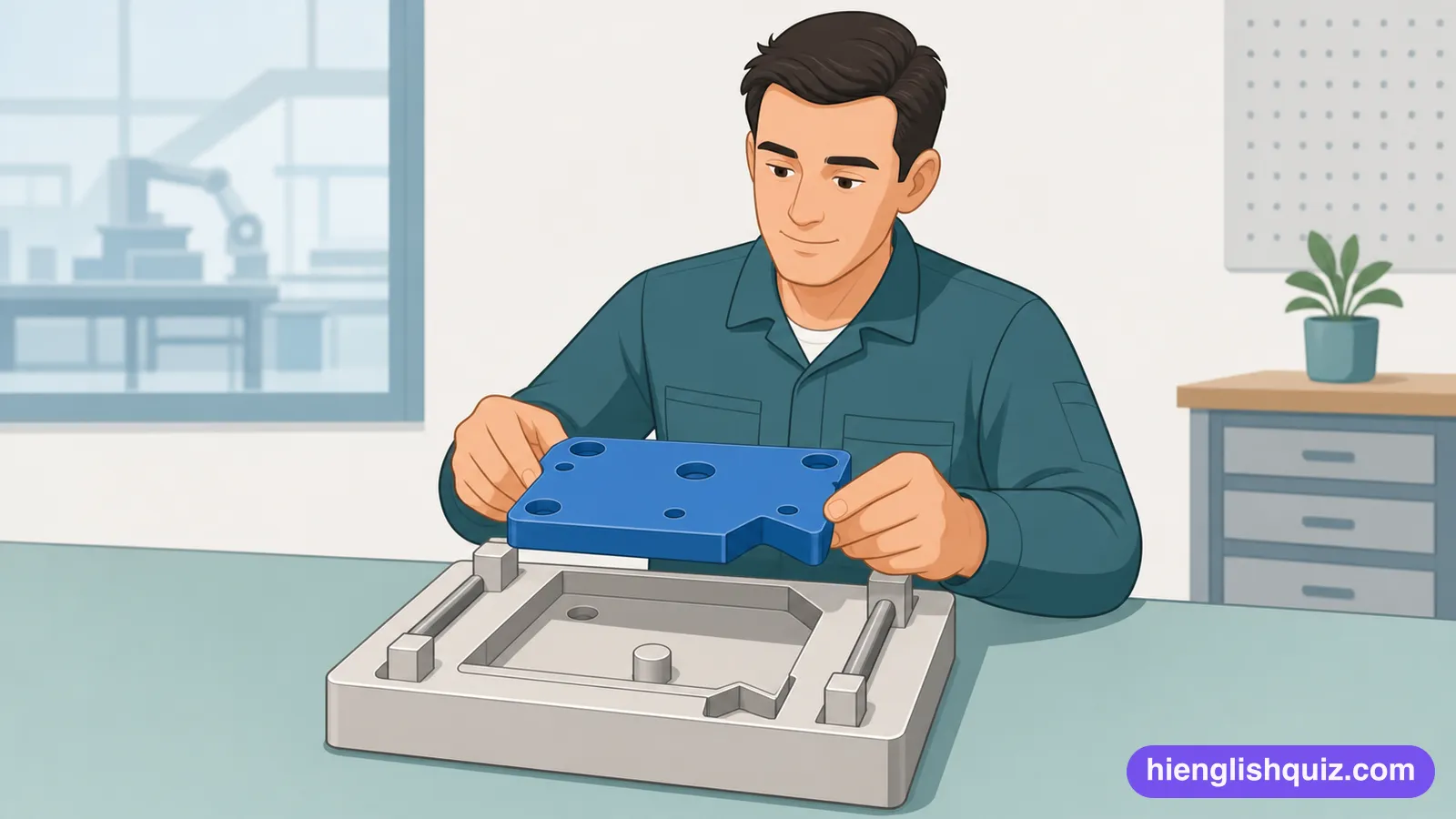
Ví dụ: One poka-yoke on the jig ended the reversed-part problem for good.
Ví dụ: The digital twin predicted the bearing failure eleven days out.