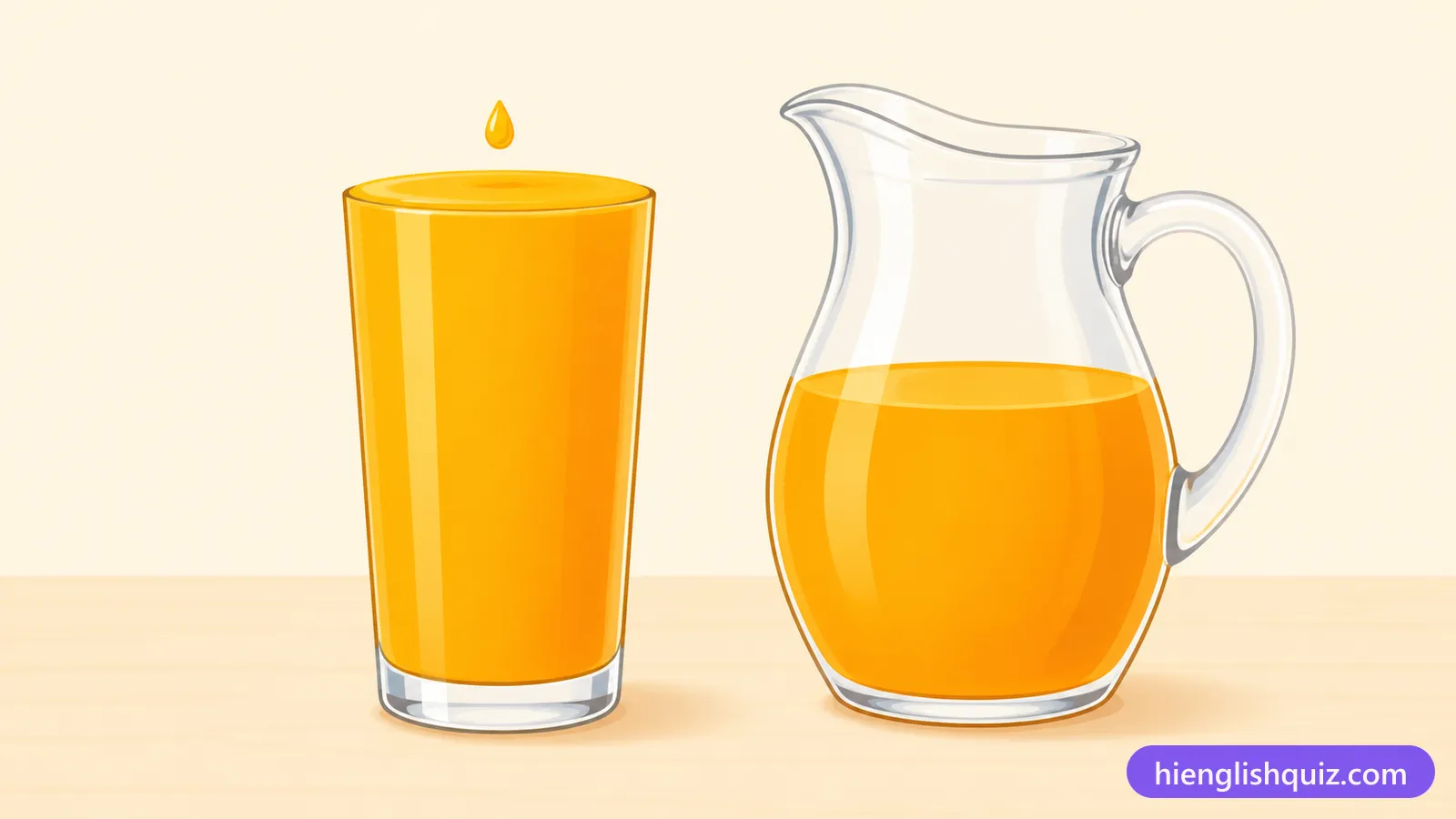
whisper
/ˈwɪspər/The opposite of shout — to speak very quietly.
Example: She had to whisper so she wouldn't wake the baby.

 Hi EnglishQuiz
A214 words · Elementary
Speaking and thinking vocabulary for everyday exchanges — whisper, shout, mention and wonder — the words learners need to describe how people talk and think.
The opposite of shout — to speak very quietly.
Example: She had to whisper so she wouldn't wake the baby.
The informal word for talk, used about a friendly, relaxed conversation.
Example: We had a nice chat over coffee this morning.

The formal word for answer, used about a question, letter, or message.
Example: He didn't reply to my text until the next day.

The opposite of noisy — making no sound at all.
Example: The whole class went silent when the teacher walked in.
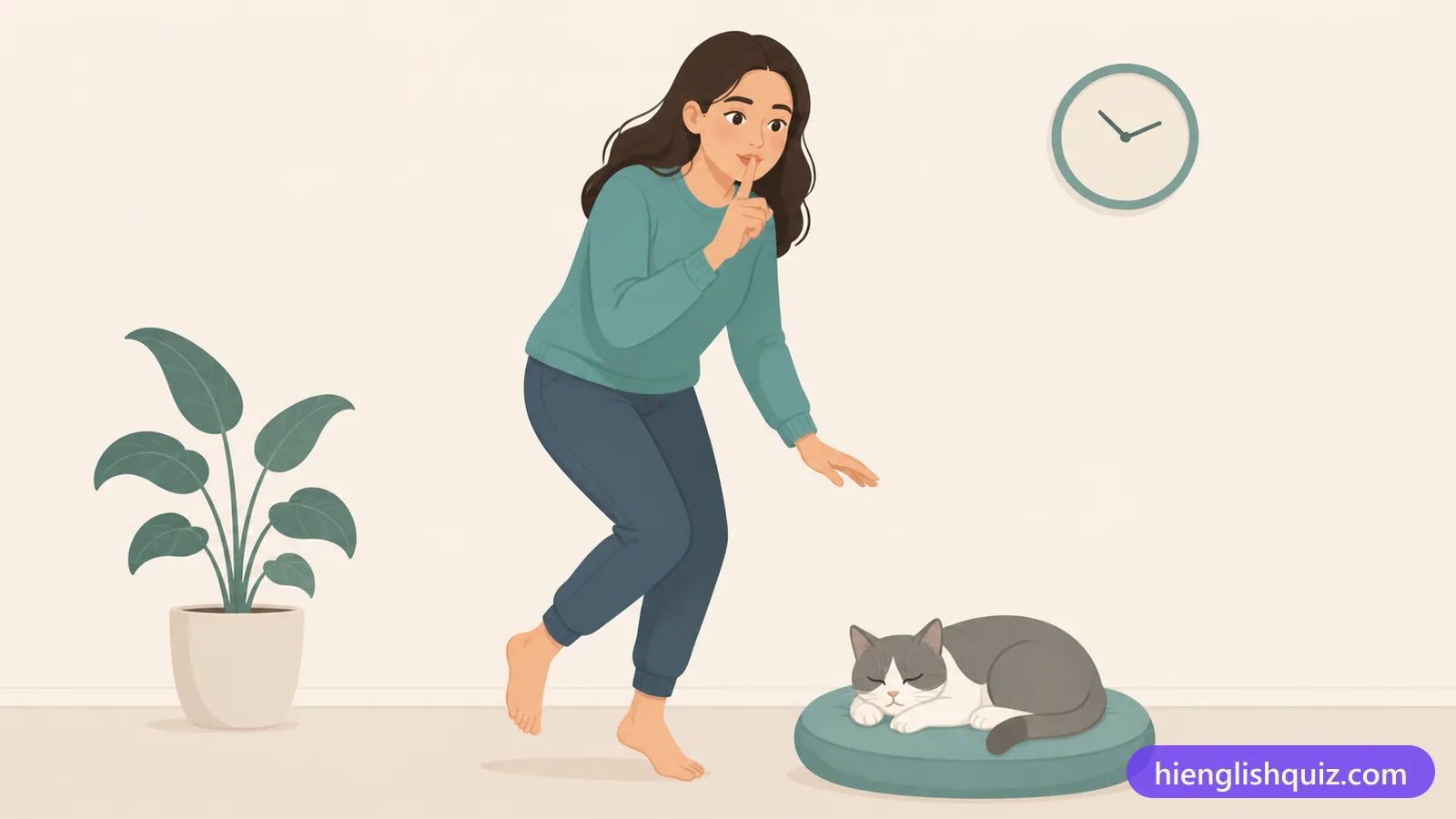
Another word for scream — very loud, often out of sudden anger or fear.
Example: Don't yell at me, I can hear you fine.
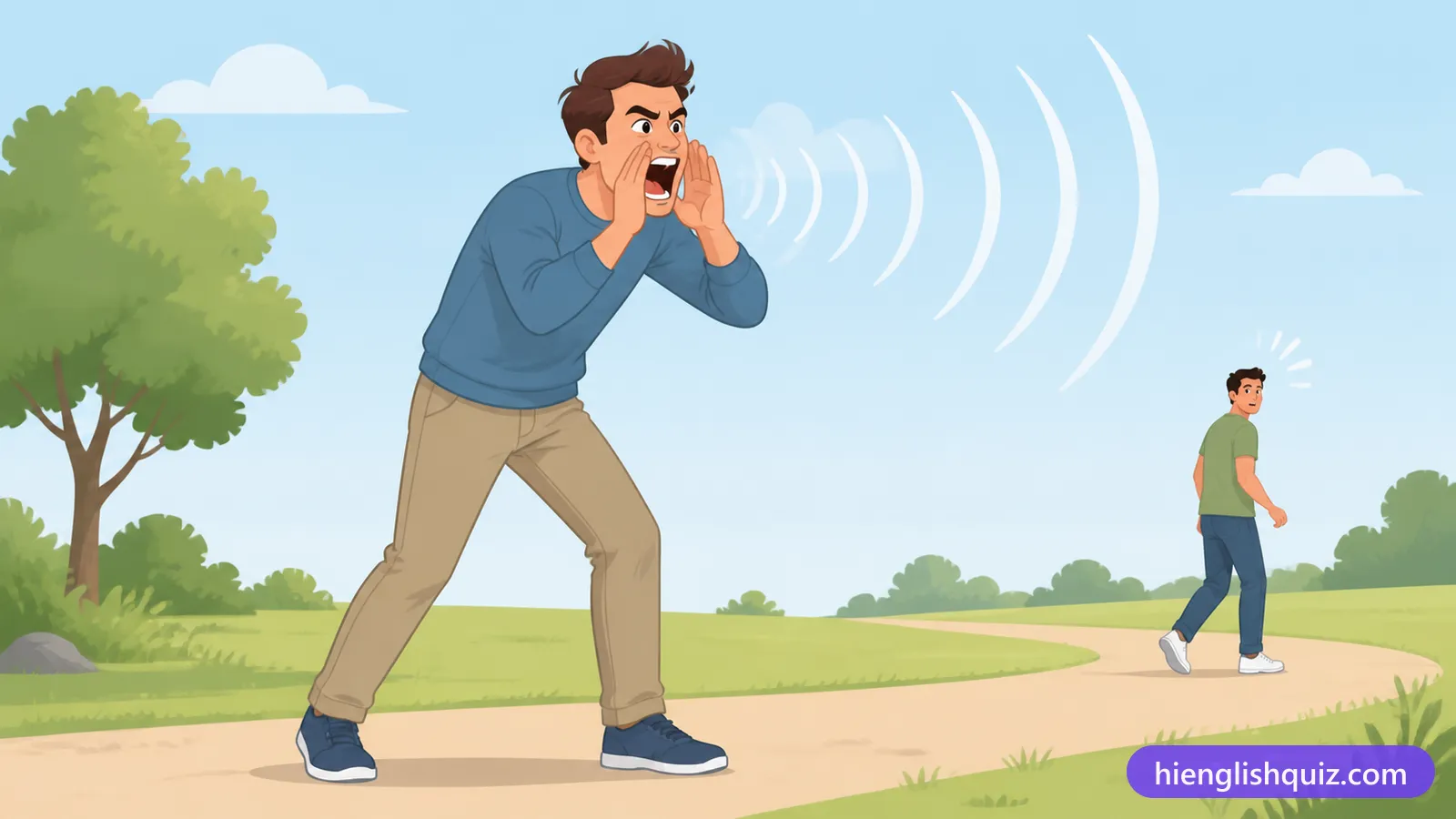
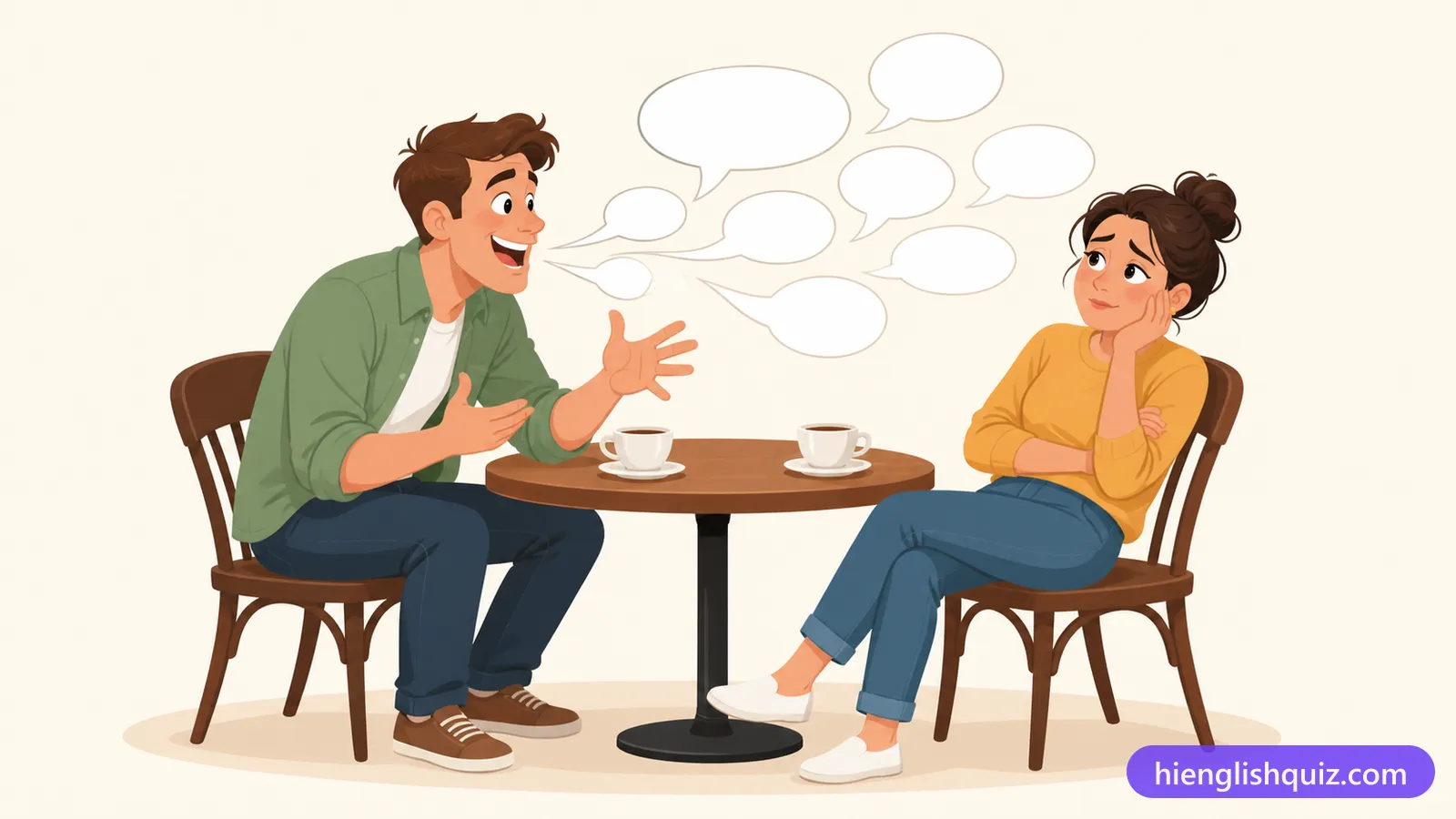
Another word for say — talking about something only briefly, in passing.
Example: He didn't mention the meeting was cancelled.

The opposite of agree — to disagree with someone, often raising your voice.
Example: They always argue about who should do the dishes.

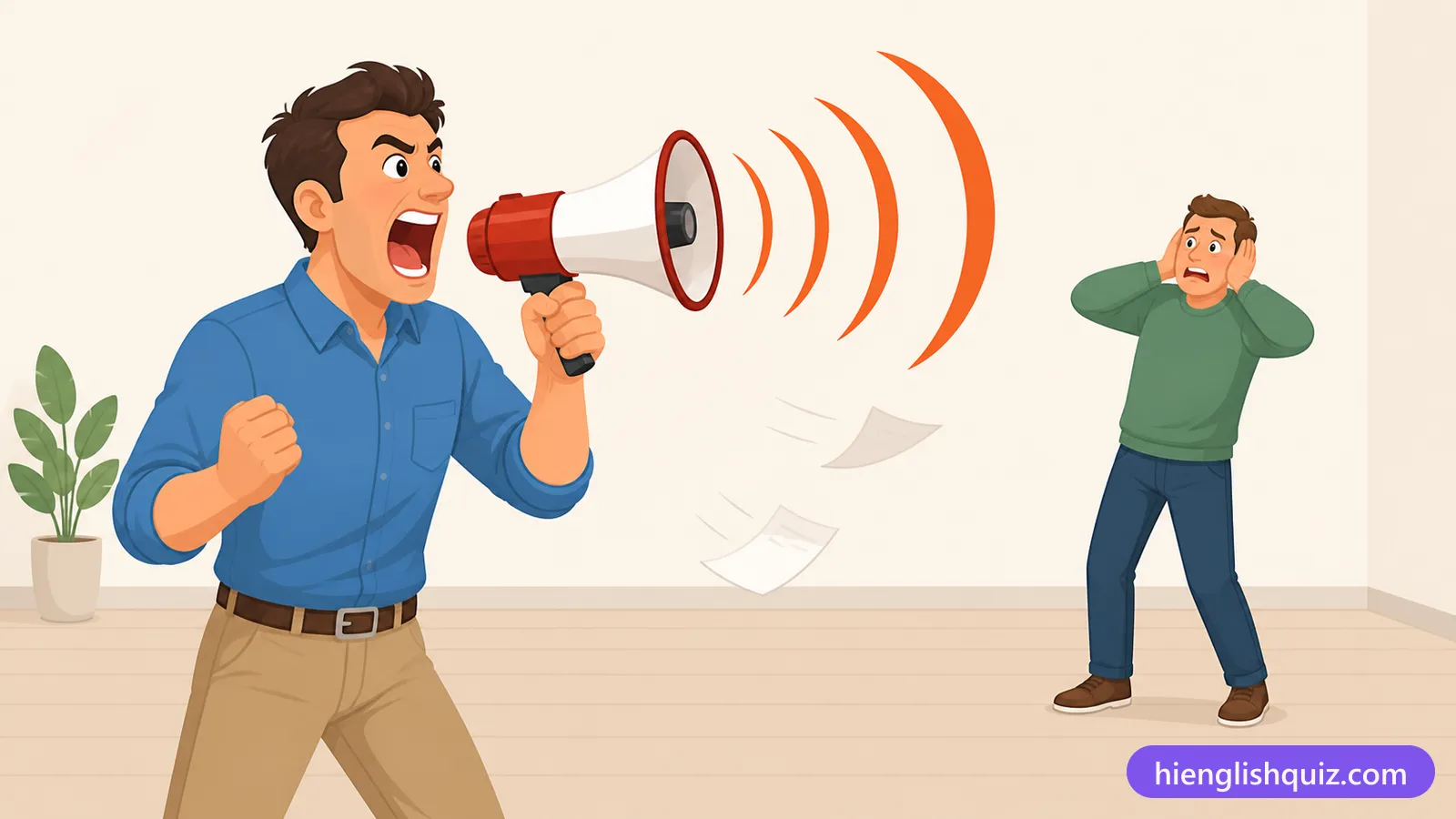
The opposite of whisper — to speak in a loud voice.
Example: He had to shout to be heard over the music.
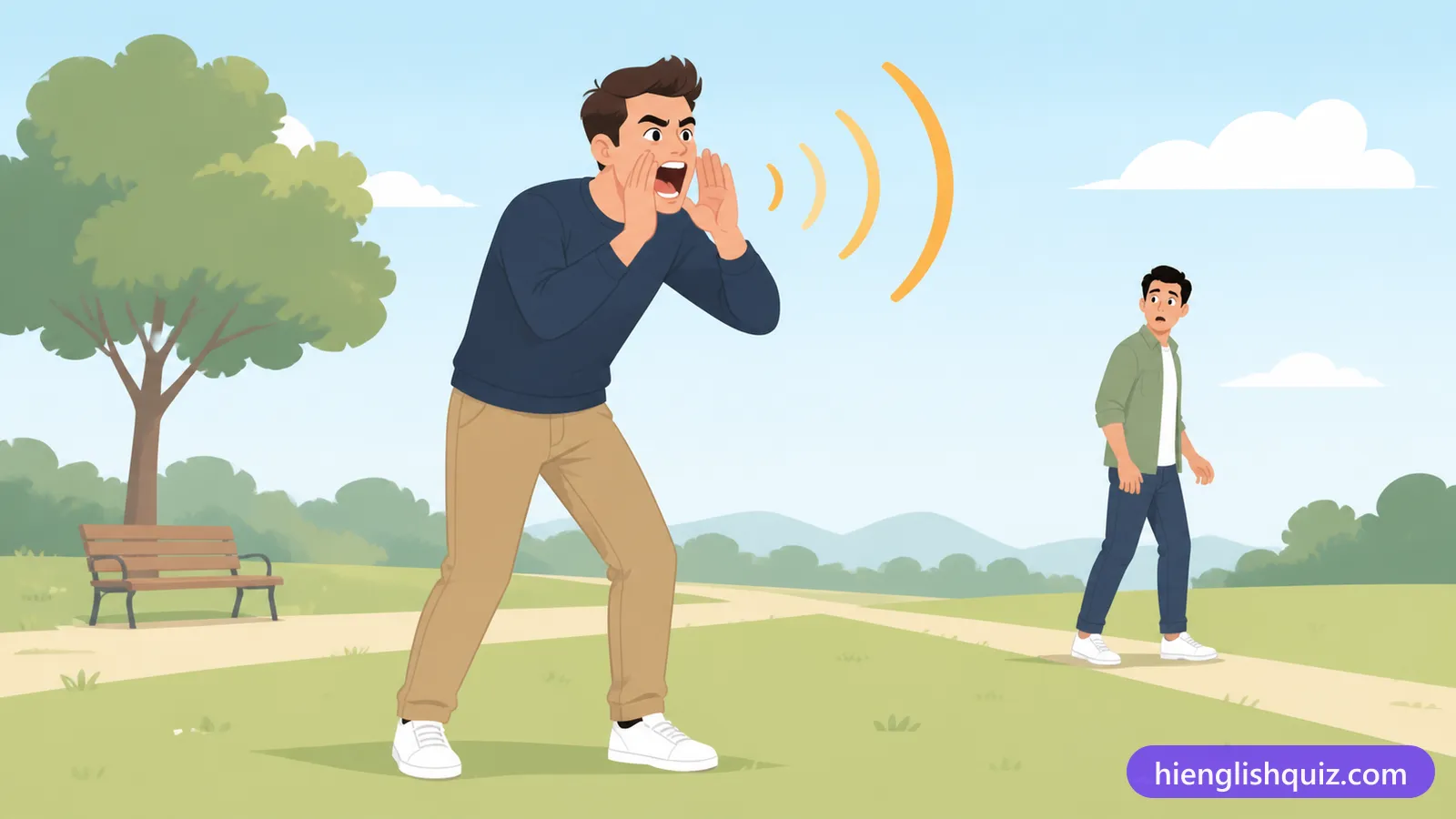
The opposite of reply — to say something because you want information.
Example: Can I ask you a quick question?

The opposite of silent — making a lot of noise, easy to hear from far away.
Example: The music was too loud for us to talk.
The opposite of forget — to keep something in your mind.
Example: I can't remember where I put my keys.

The opposite of know — to give an answer without being certain.
Example: I'll guess the answer if I don't know it.
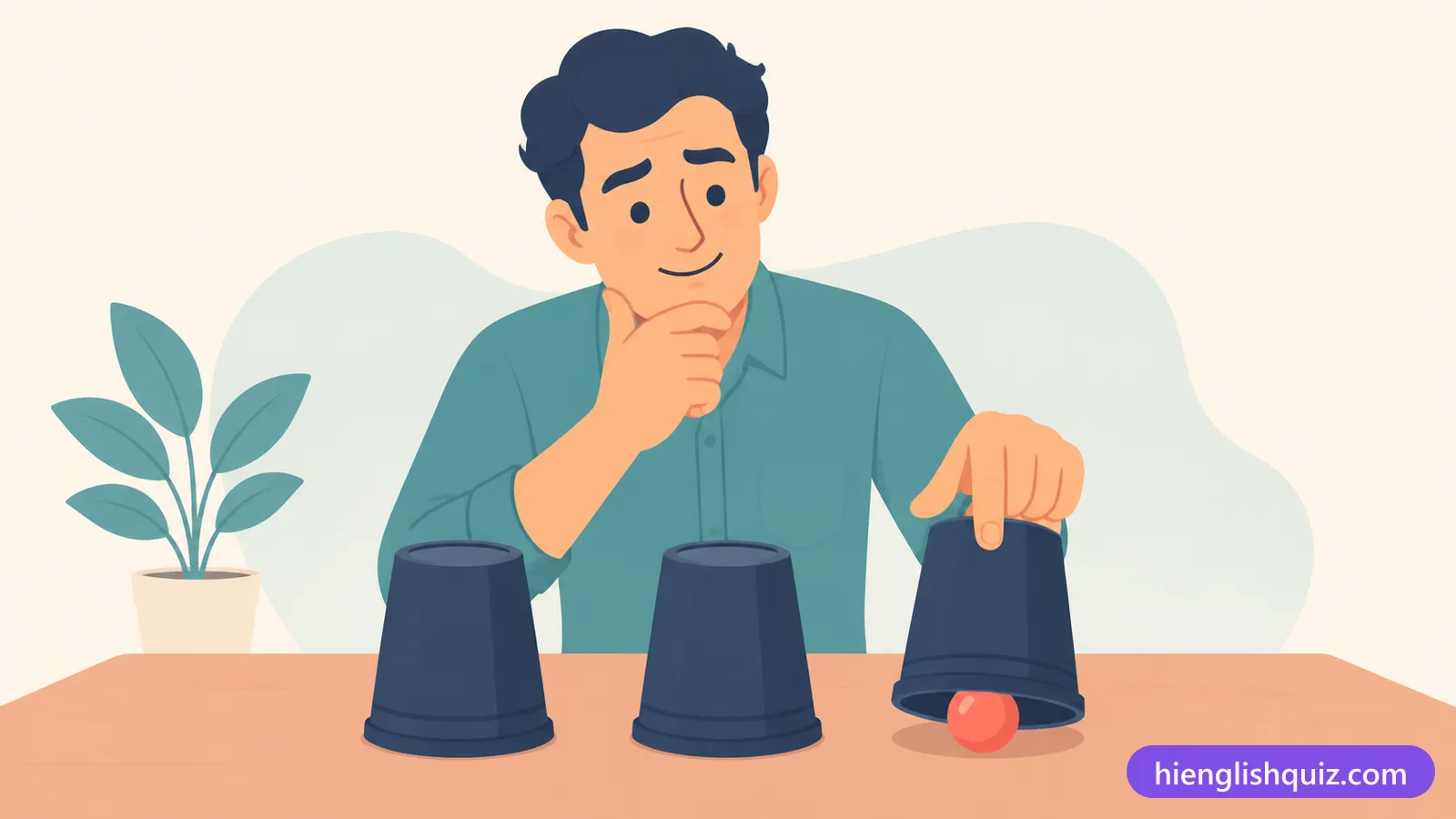
Another word for think — curious about the answer to something.
Example: I often wonder what my old friends are doing now.

Another word for choose — finally picking one option after thinking.
Example: We still need to decide where to go on holiday.