simple
/ˈsɪmpəl/The opposite of hard — easy to understand or do.
Example: The recipe was simple, so even I could cook it.
 Hi EnglishQuiz
A214 words · Elementary
Vocabulary for describing how easy, difficult or good something is — simple, tricky, confusing and fantastic — the first words learners use to judge a task or an idea.
The opposite of hard — easy to understand or do.
Example: The recipe was simple, so even I could cook it.
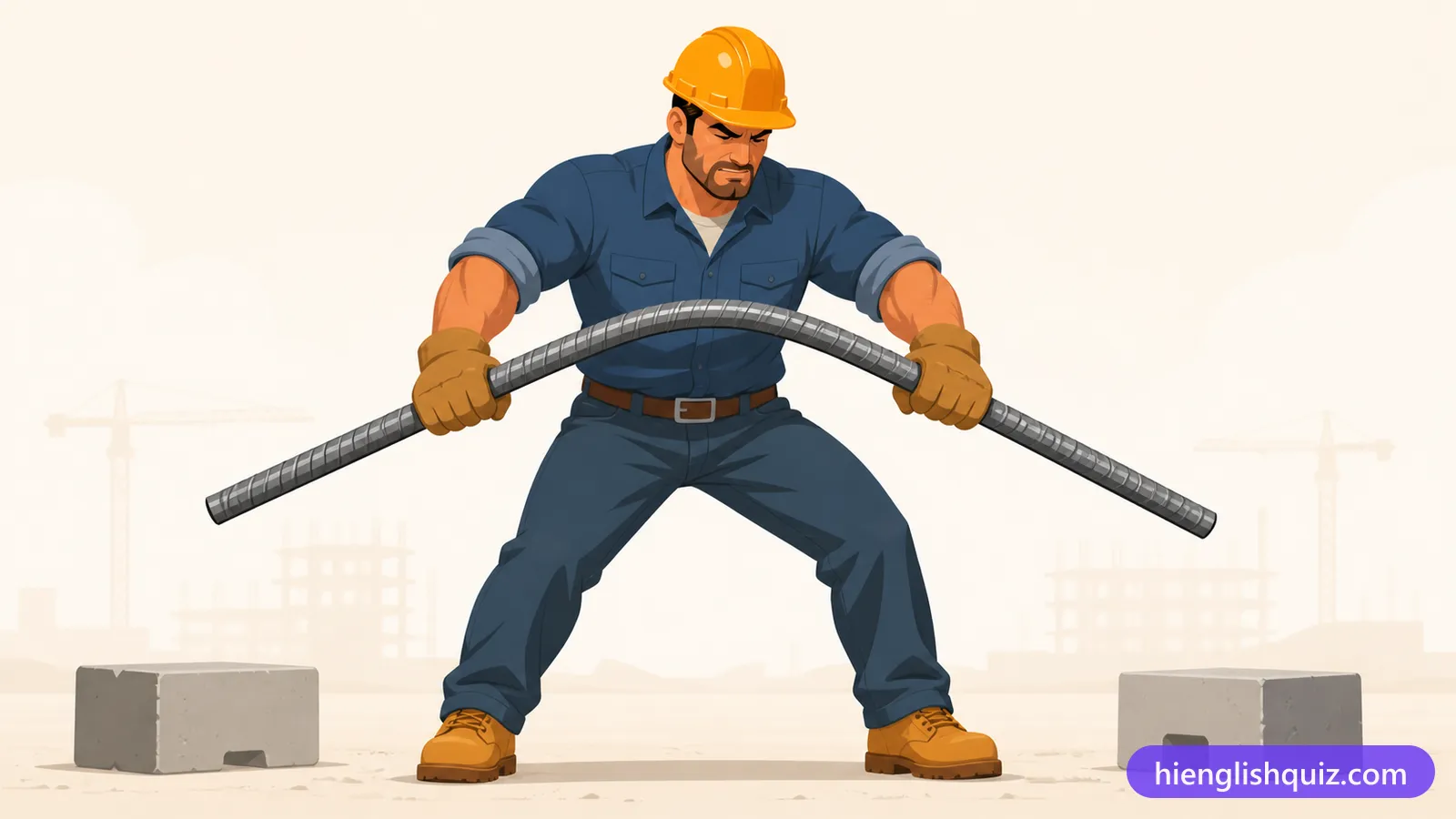
Another word for difficult — takes real effort to get through.
Example: That exam was really tough this year.
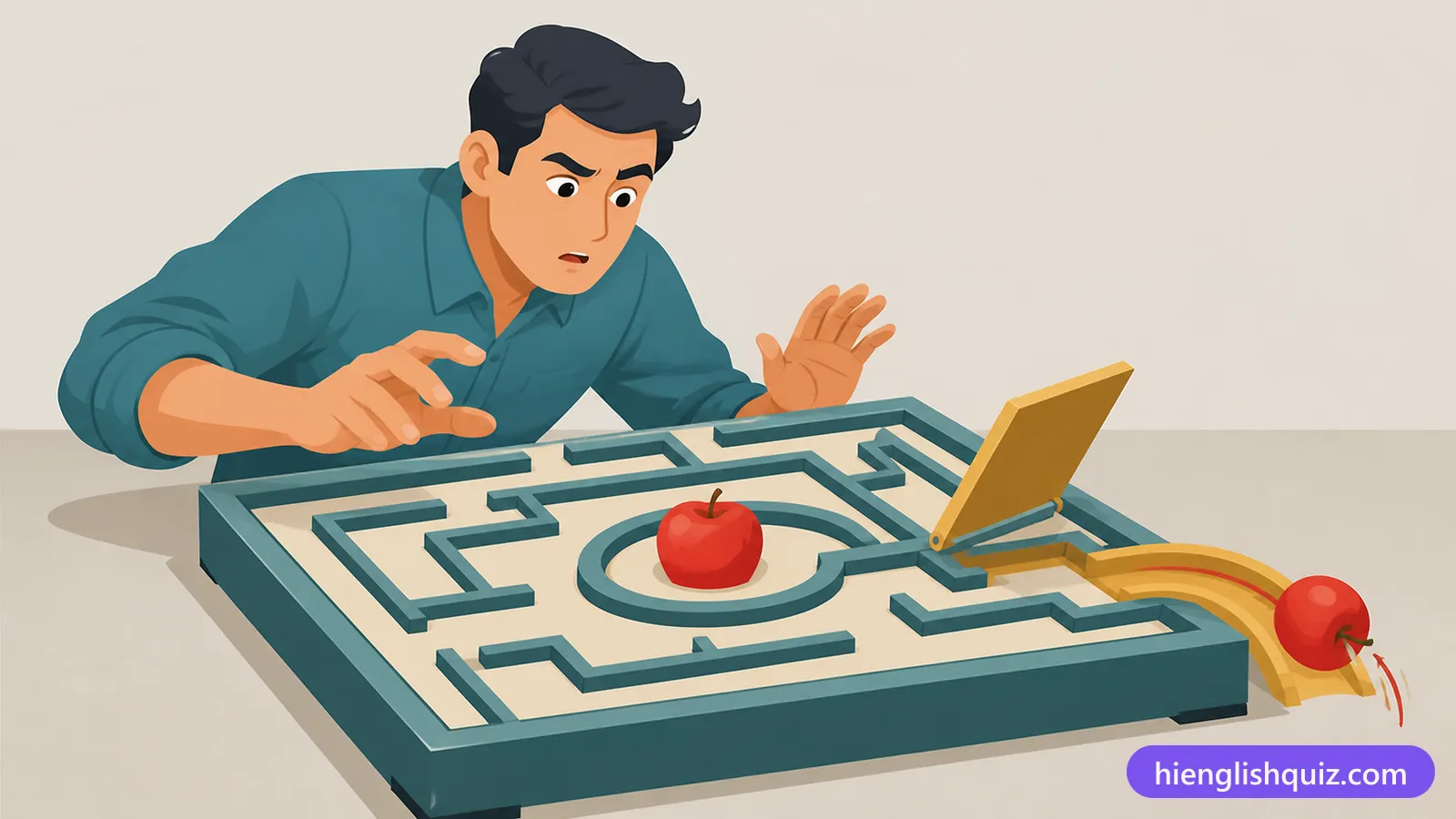
The informal word for complicated, used when a task hides an unexpected problem.
Example: Parking here is quite tricky during rush hour.
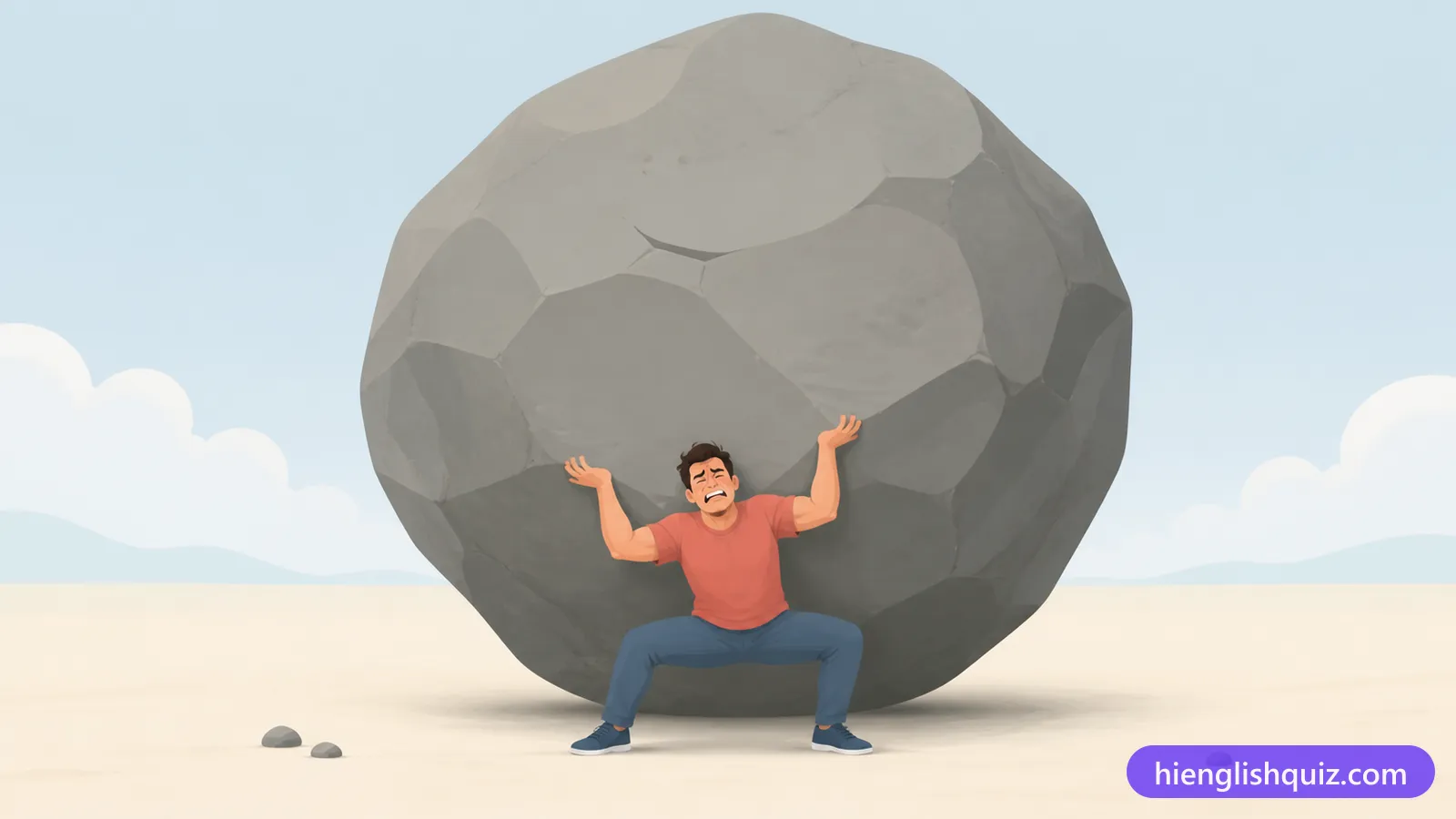
The opposite of possible — something that cannot be done at all.
Example: It's almost impossible to find parking downtown.
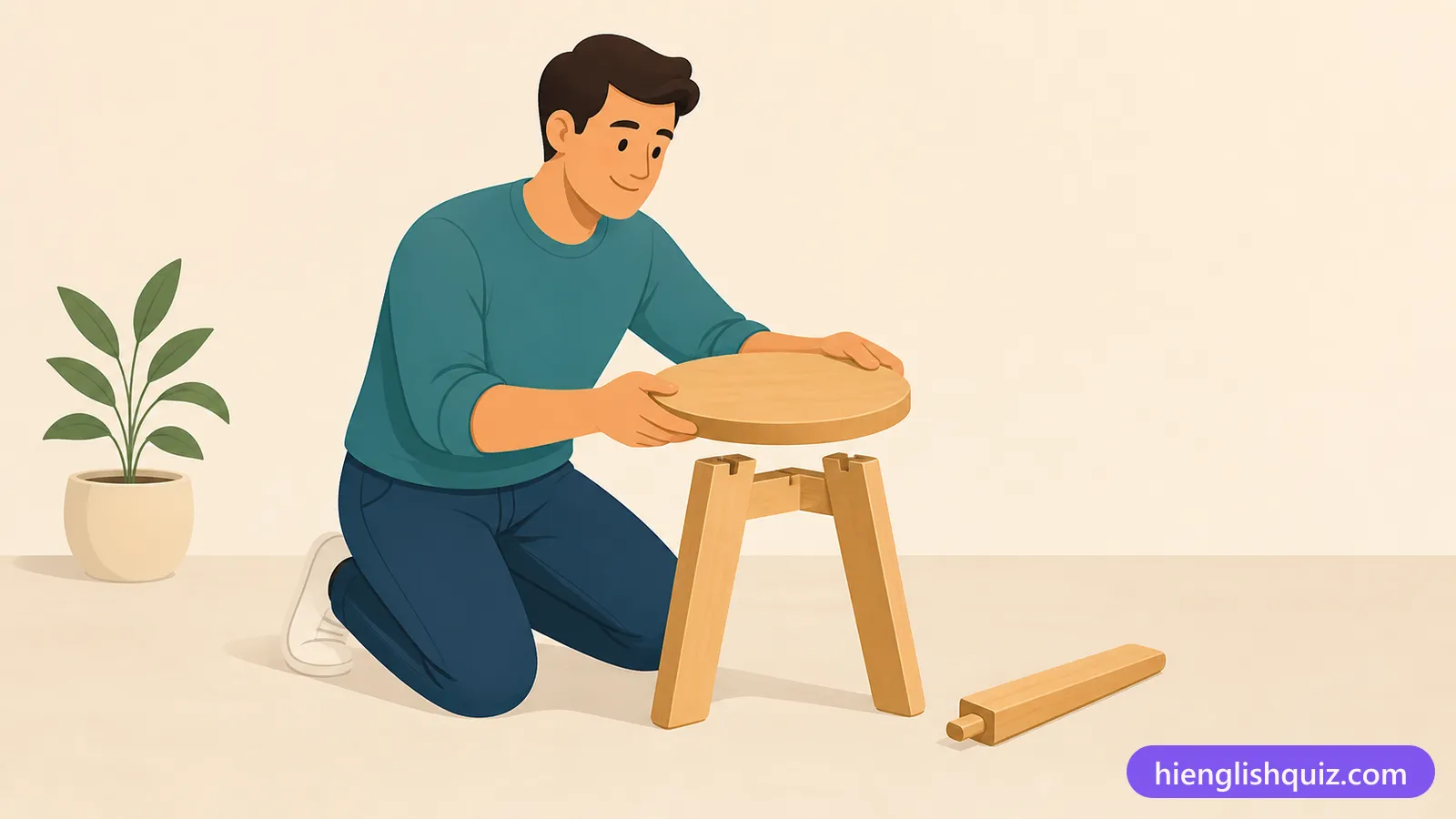
Another word for easy — needs very few steps to finish.
Example: It's just a basic recipe — flour, water and salt.
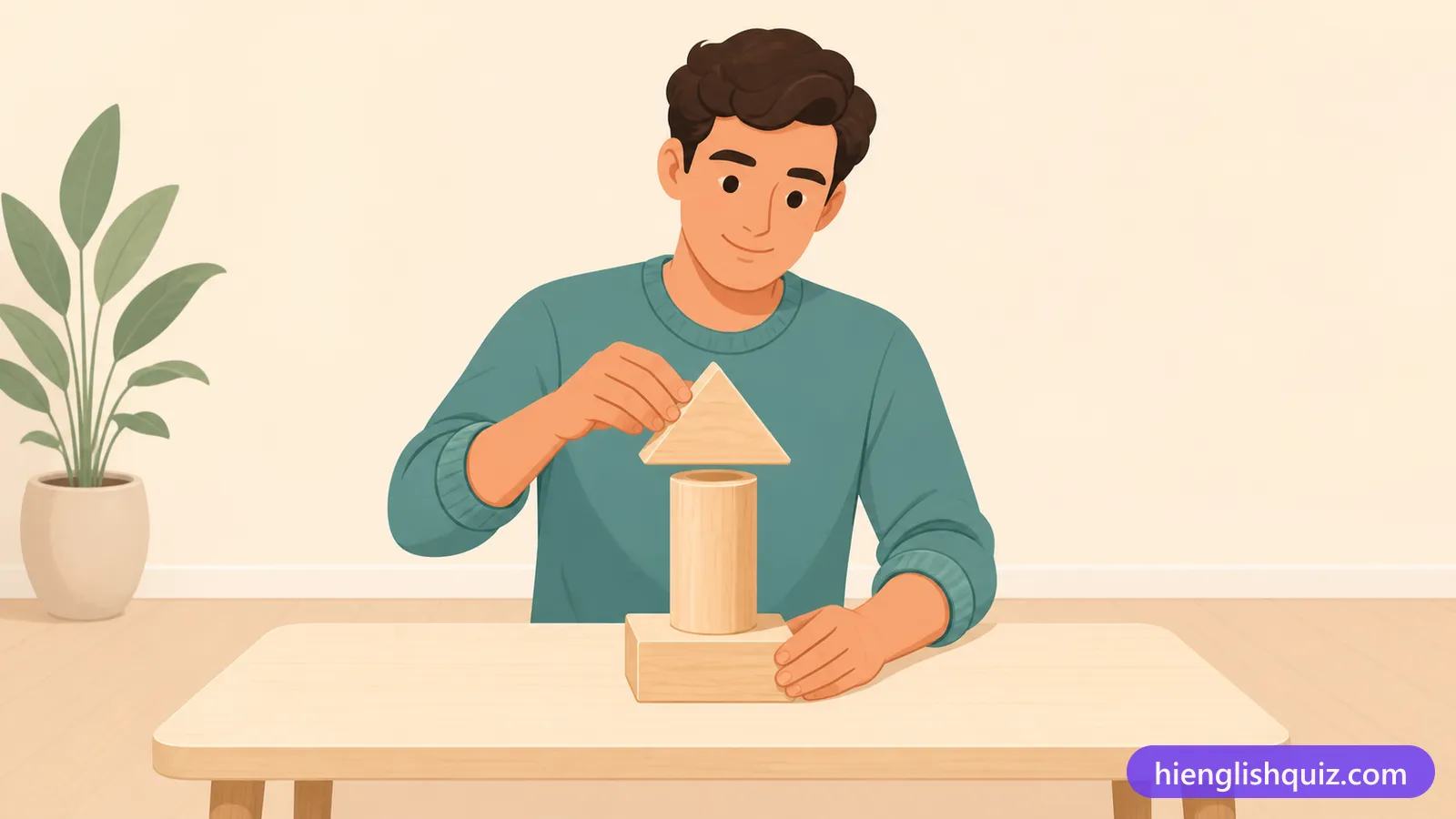
The opposite of simple — hard to understand because it has many parts.
Example: The tax form looked more complicated than it really was.

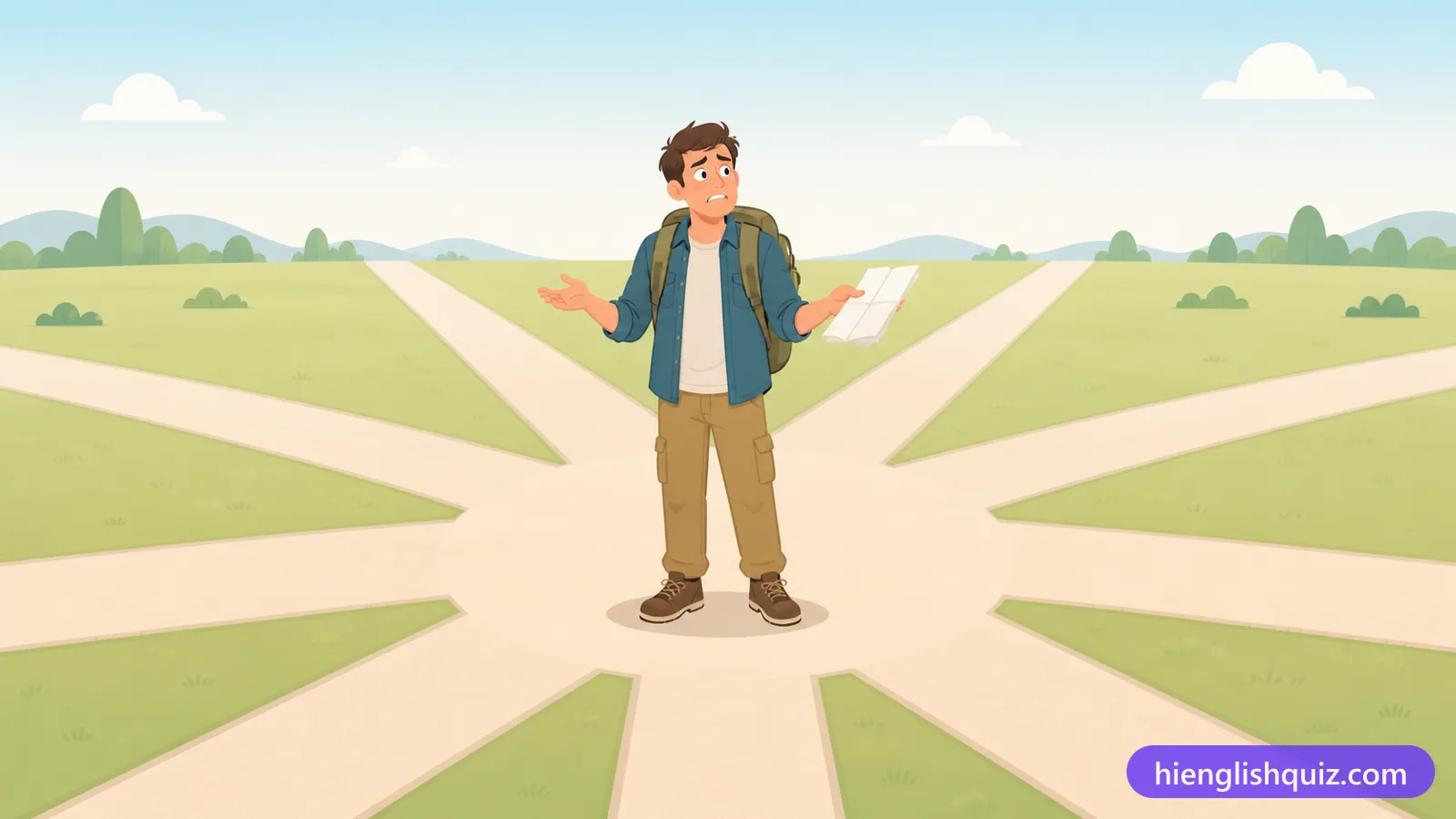
The opposite of clear — badly organised and hard to follow.
Example: The bus map downtown is really confusing for tourists.
The opposite of confusing — easy to follow and understand.
Example: The teacher gave clear instructions for the homework.
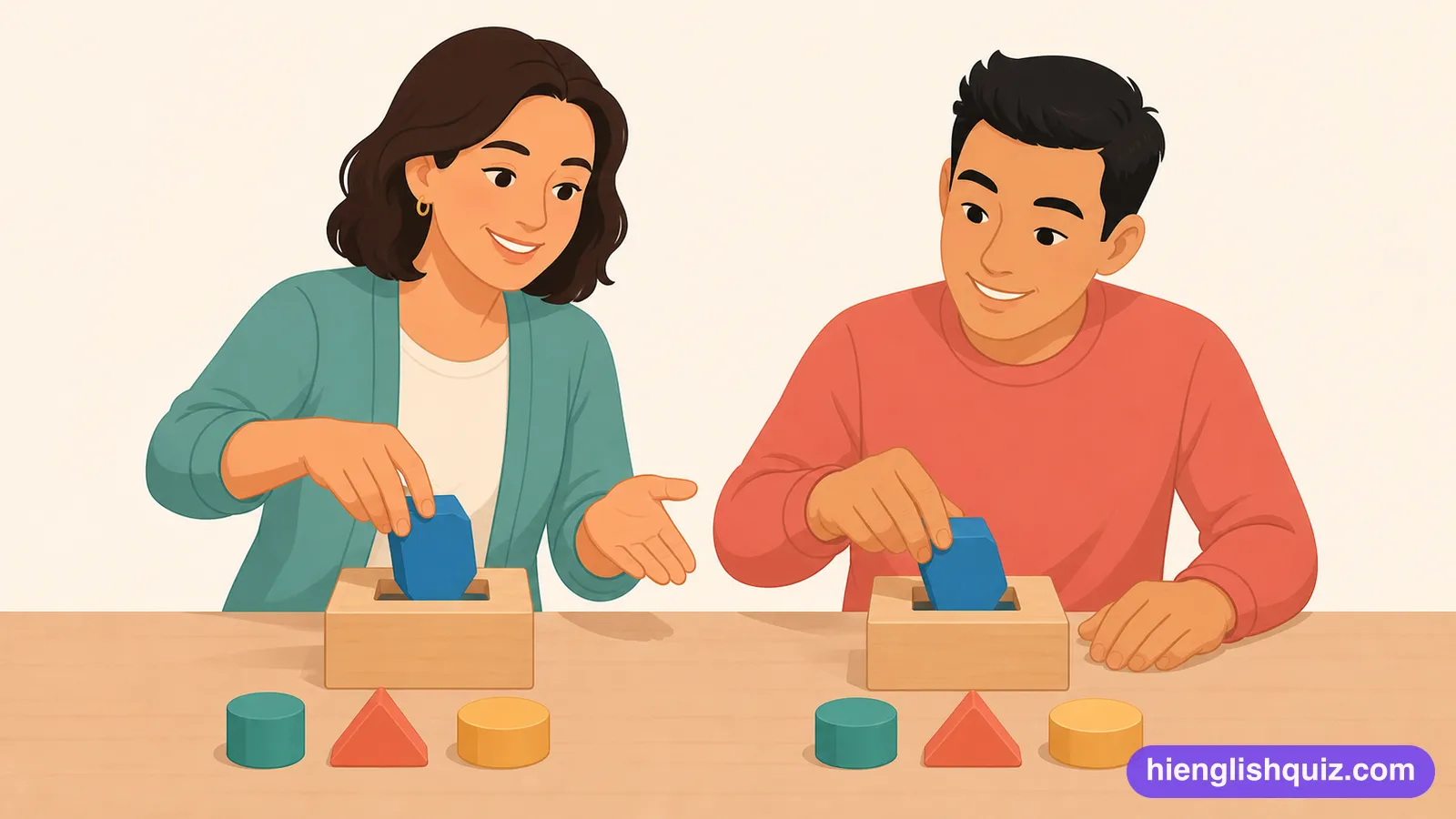
The opposite of unlikely — able to happen or be true.
Example: It's still possible to catch the last train if we hurry.

The opposite of tough — not needing much skill, effort or thought to do.
Example: The test was surprisingly easy this year.
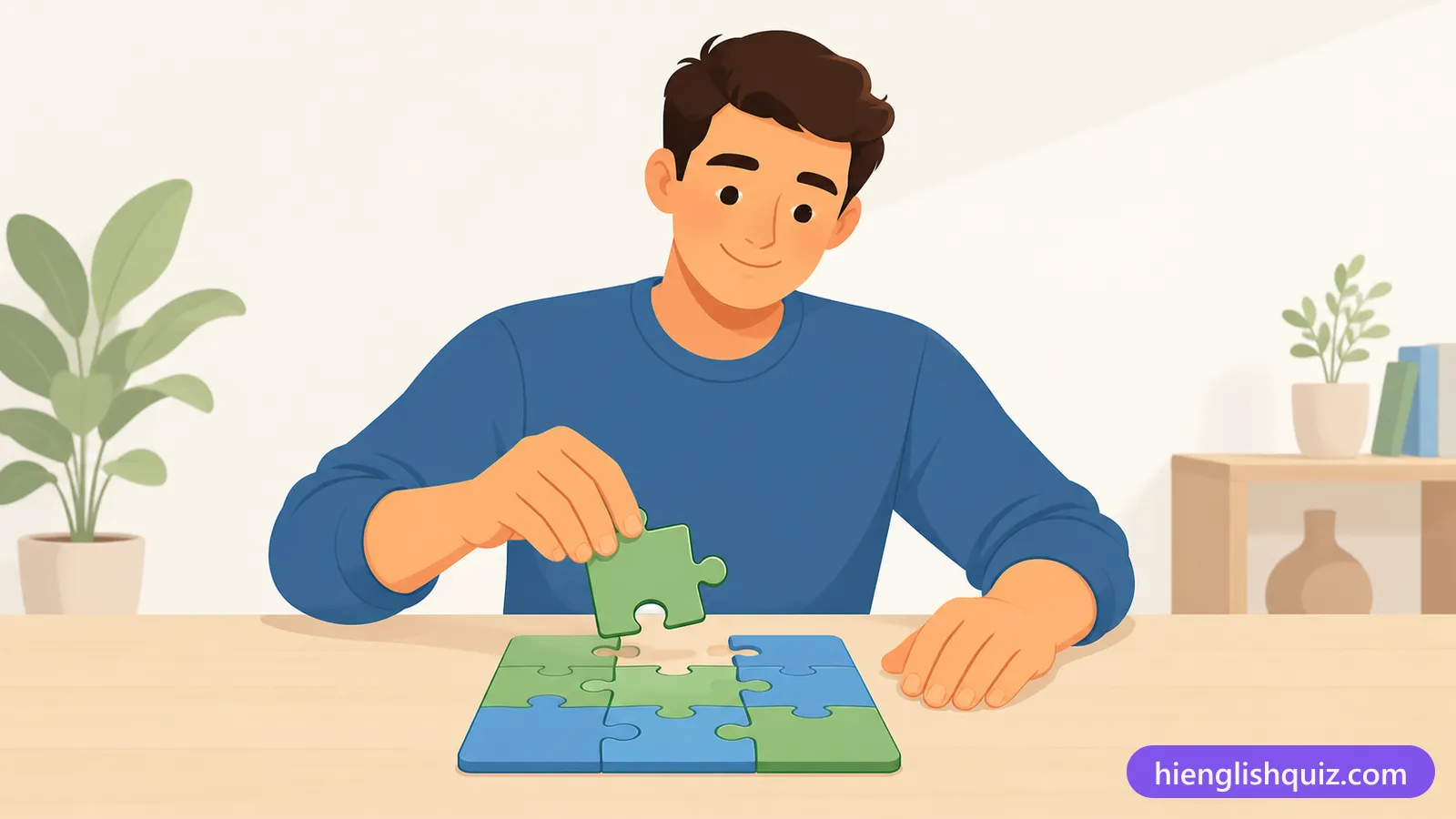
Another word for awful — extremely unpleasant, close to shocking.
Example: The film was terrible — we left after twenty minutes.
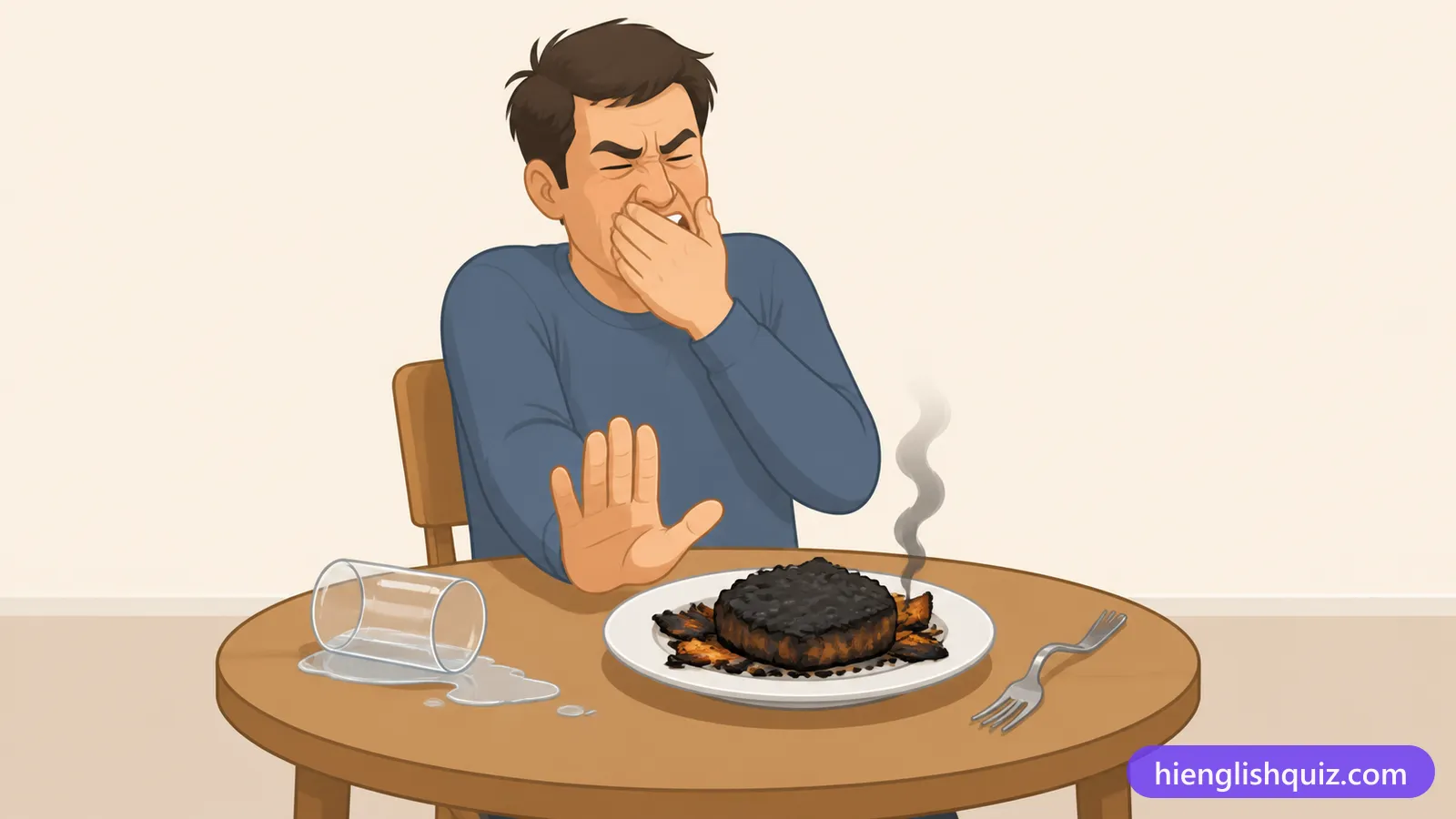
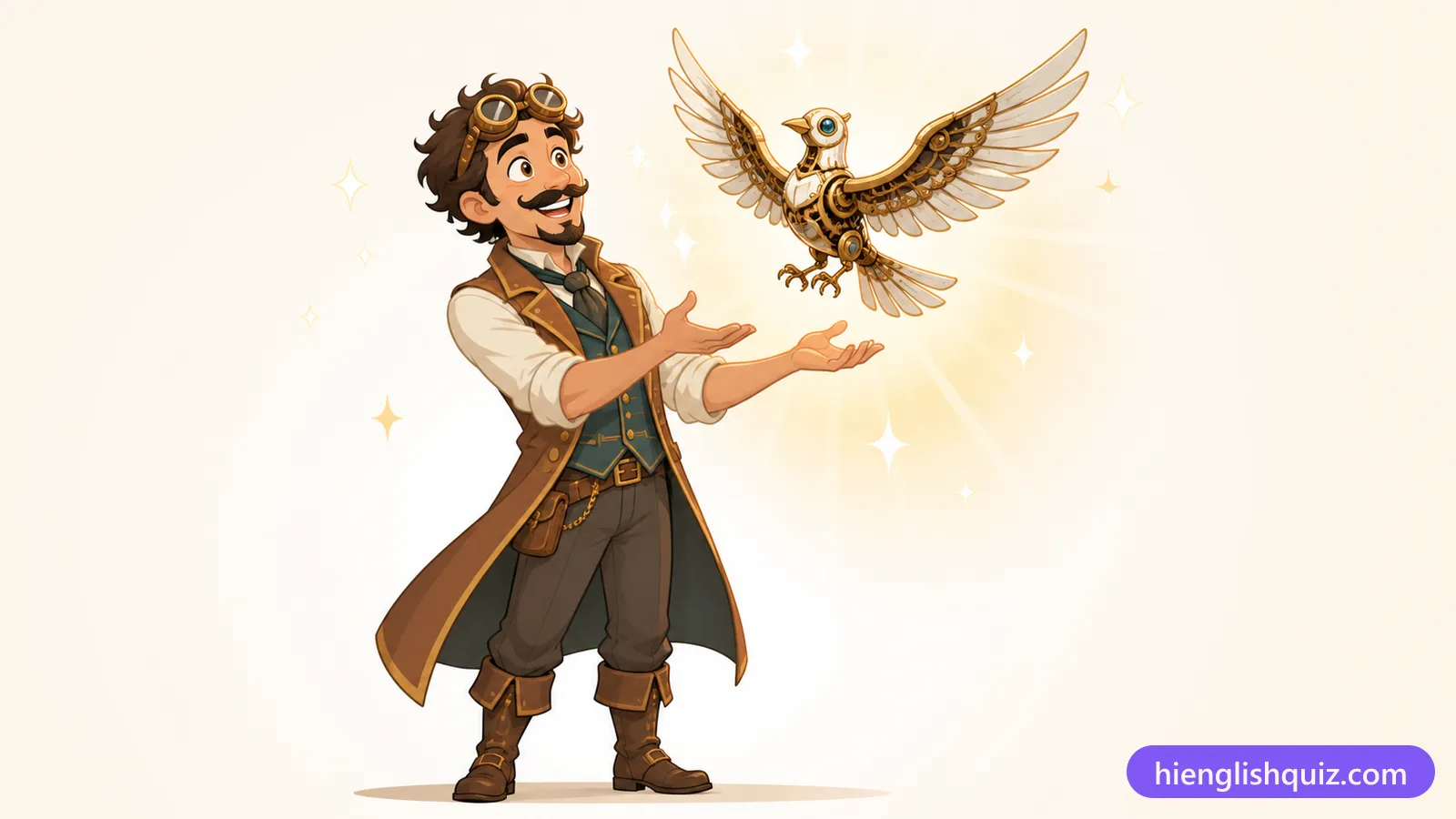
Another word for wonderful — impressive enough to make people take notice.
Example: The concert last night was absolutely fantastic.
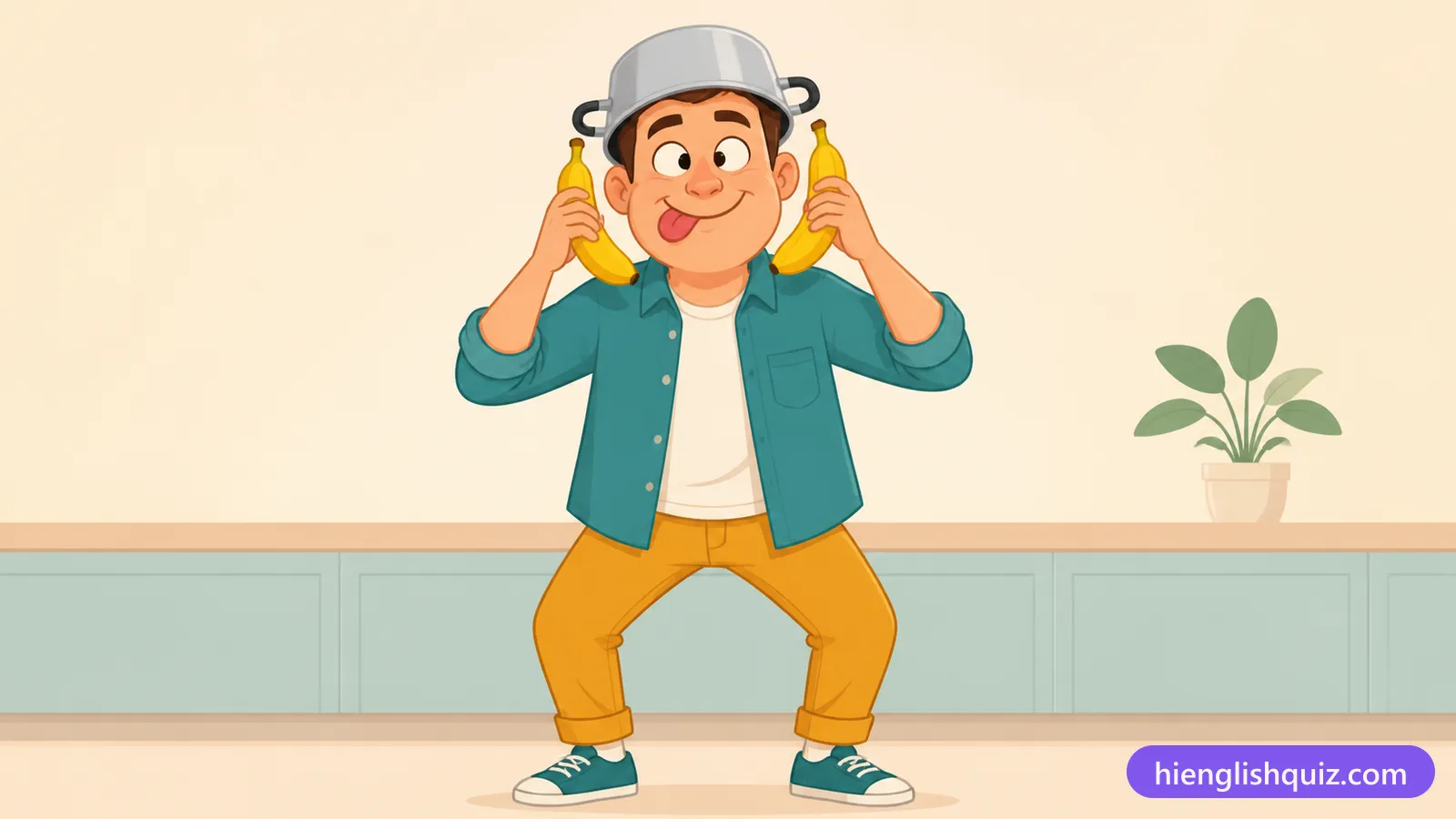
The informal word for stupid, used about a small, harmless mistake.
Example: I felt so silly when I forgot my own phone number.
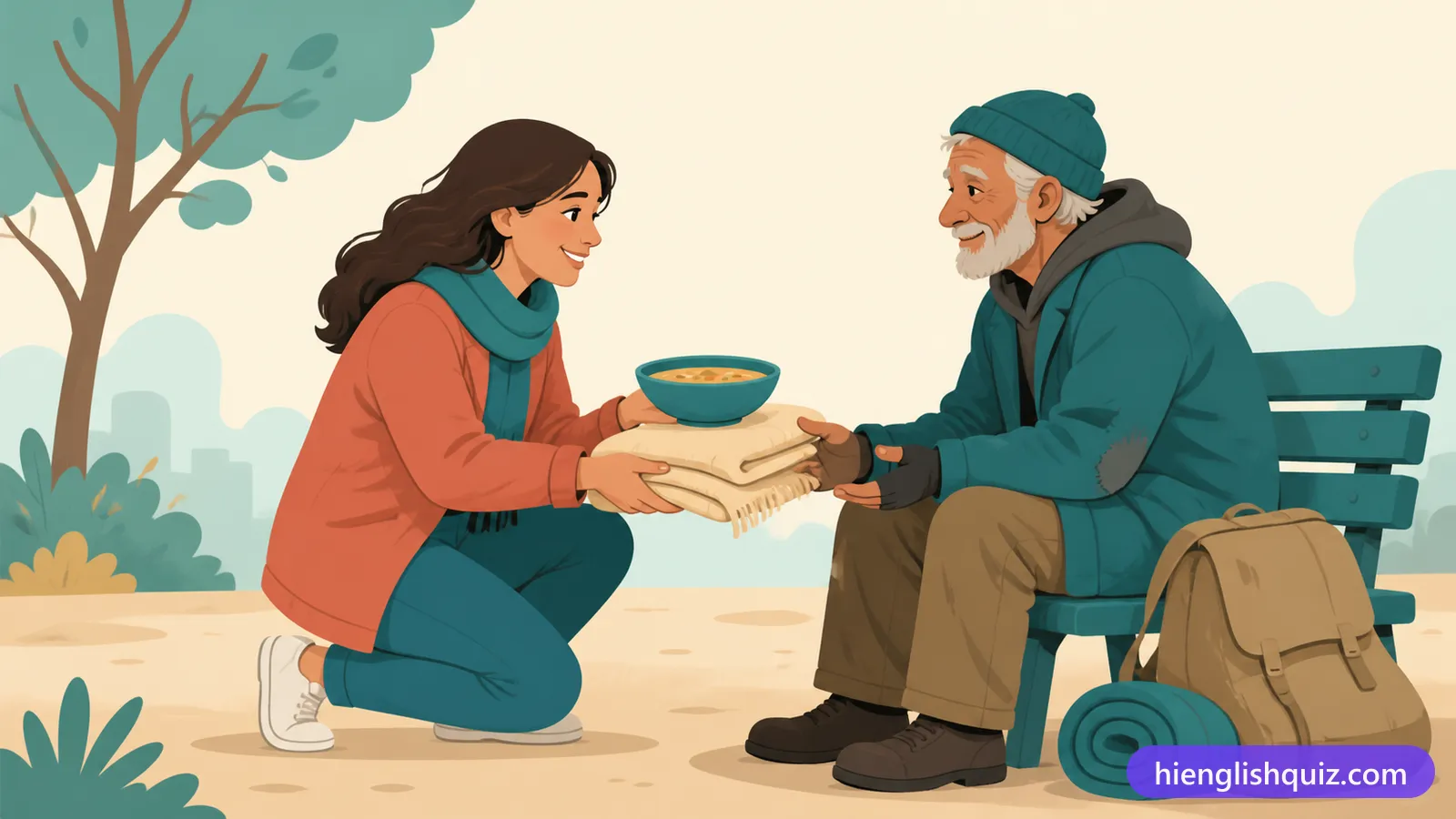
Another word for caring — someone who thinks about other people's feelings.
Example: It was really kind of you to help me carry the bags.