glad
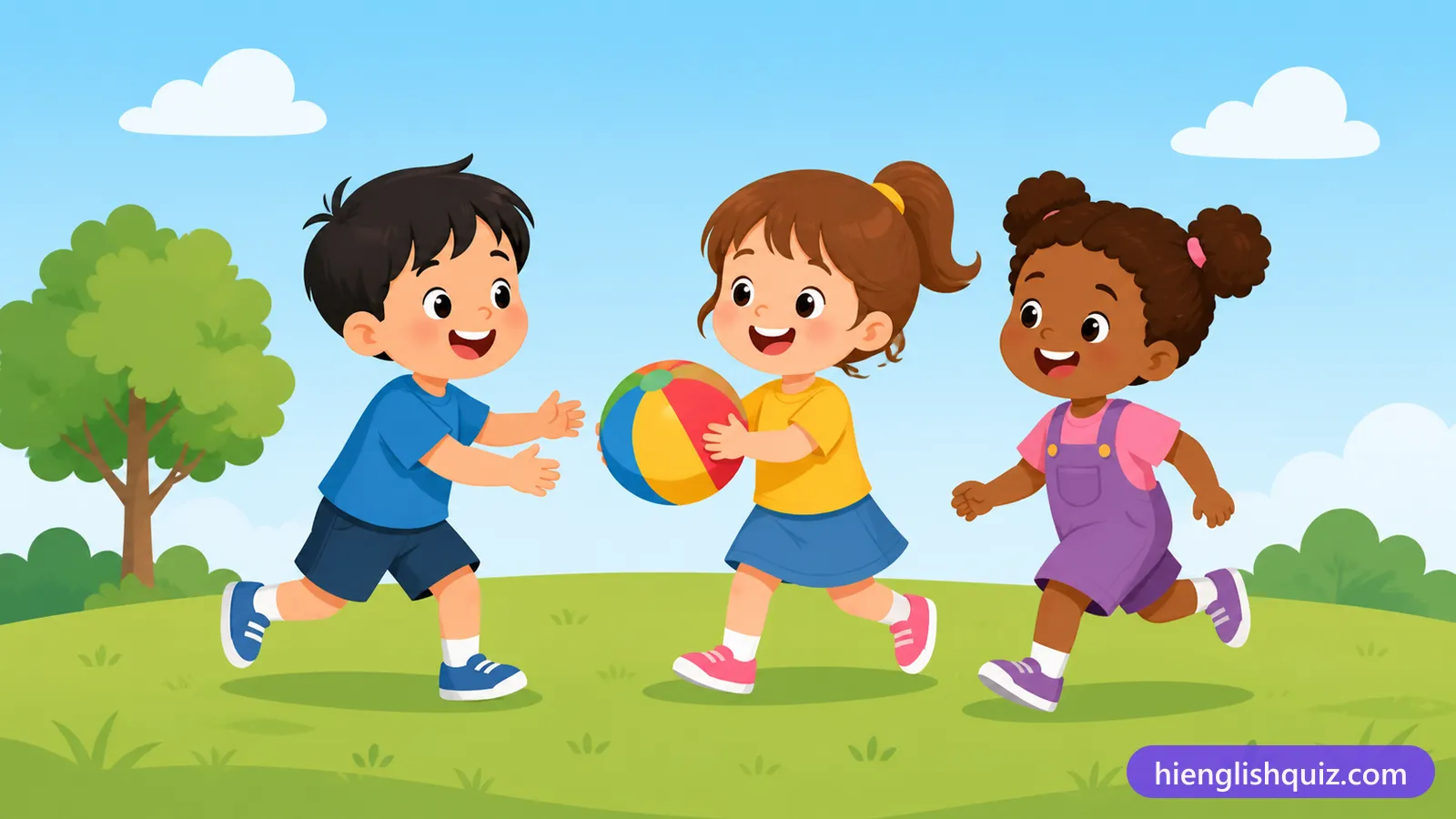
/ɡlæd/Another word for happy — a warm reaction when you hear good news.
Example: I'm so glad you could come to the party.

 Hi EnglishQuiz
A212 words · Elementary
Feelings and attitudes vocabulary for everyday emotions — glad, worried, annoyed and proud — the words learners reach for when they talk about how they feel.
Another word for happy — a warm reaction when you hear good news.
Example: I'm so glad you could come to the party.
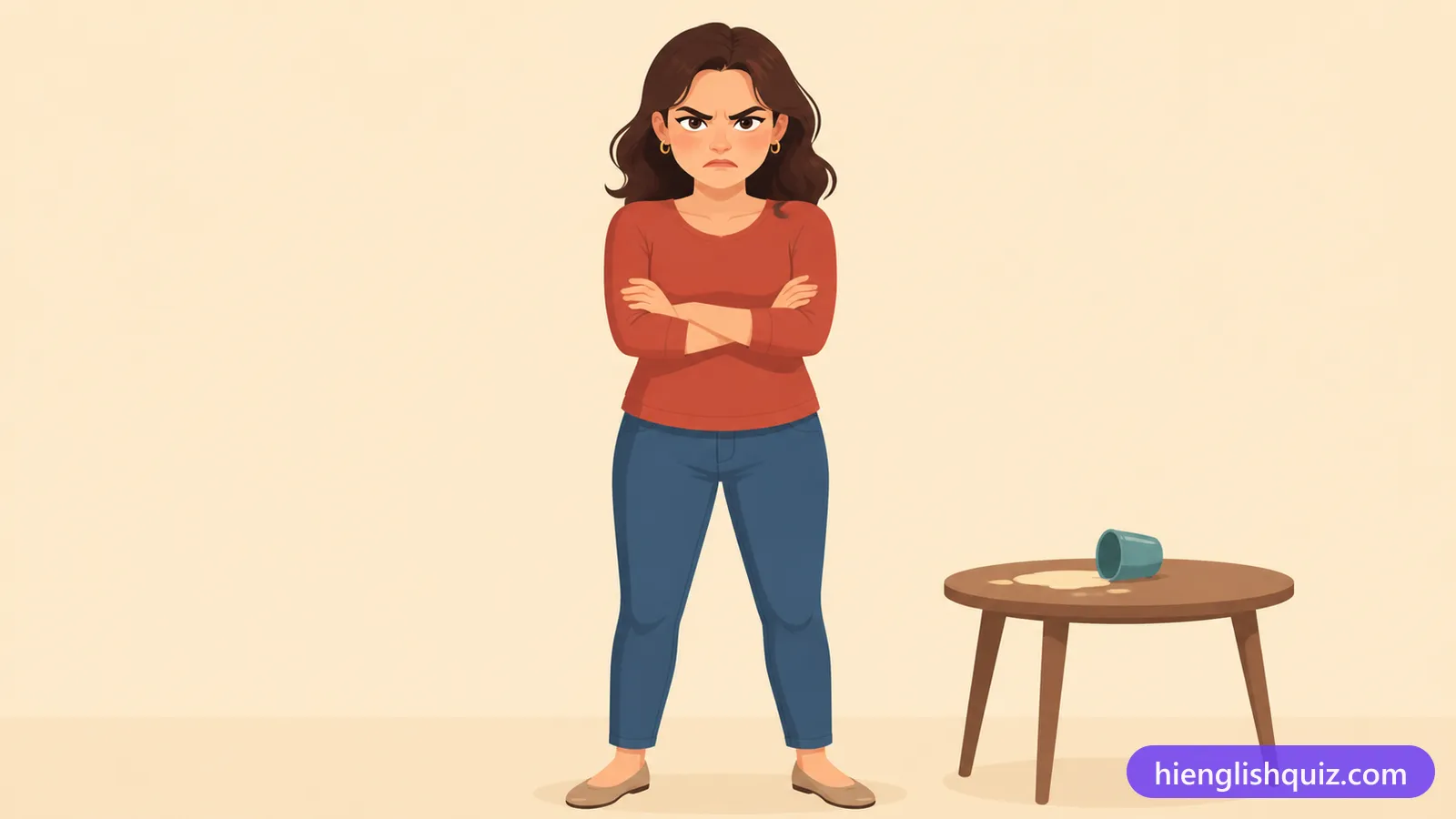
The informal word for angry, used about a small annoyance.
Example: Mum was a bit cross when I got home so late.
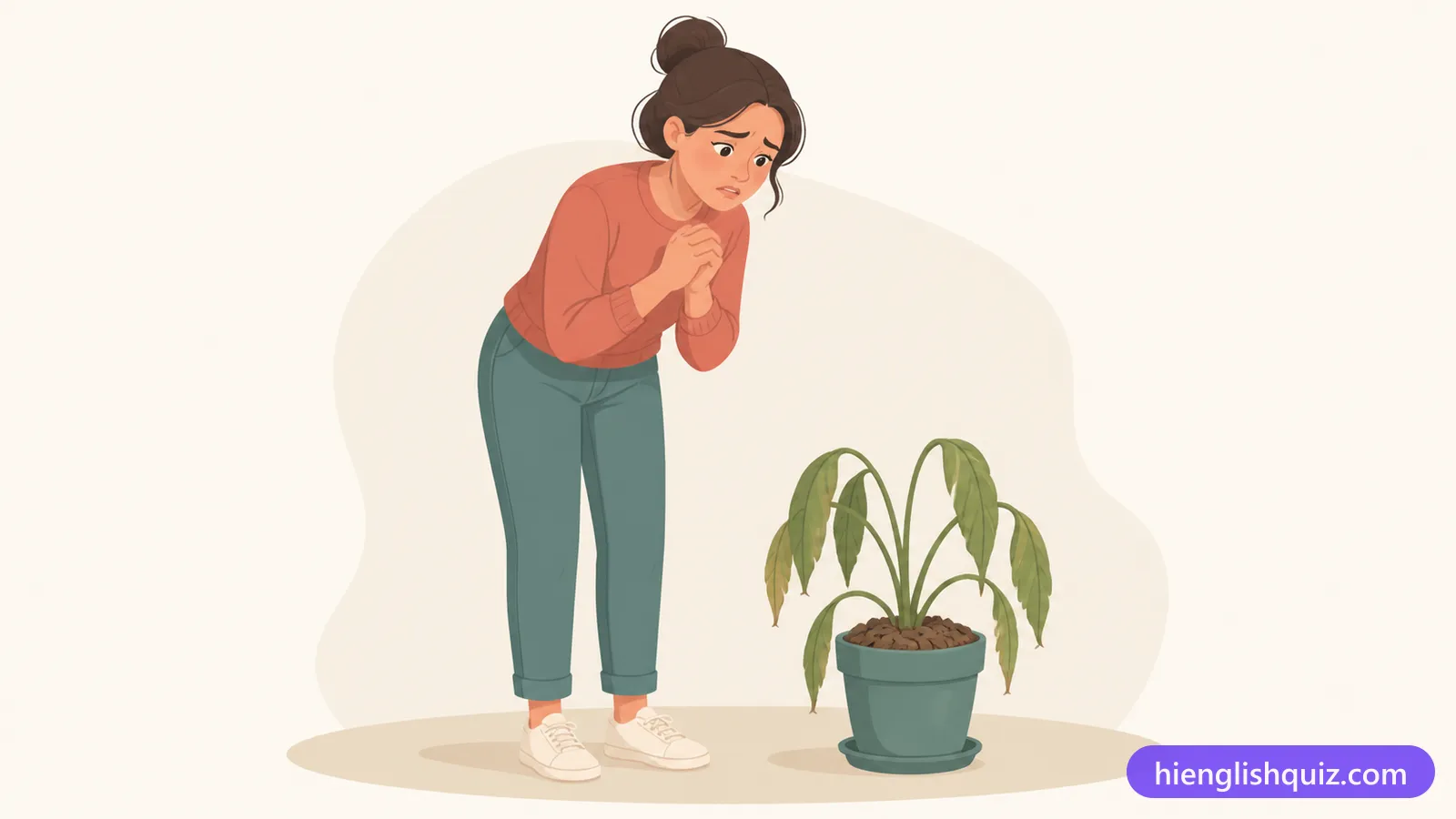
The formal word for worried, used about someone's health or safety.
Example: The doctor looked concerned about her test results.
Another word for surprised — much more intense, almost unbelievable.
Example: I was amazed by how quickly she learned the song.

The opposite of nervous — relaxed and in control of your feelings.
Example: Try to stay calm before the exam starts.

The opposite of bored — full of energy about something that's about to happen.
Example: The kids were excited about the trip to the zoo.

Another word for concerned — feeling a little afraid about what might happen next.
Example: I always feel nervous before a job interview.

The opposite of calm — anxious about something that might go wrong.
Example: She looked worried when her son didn't call back.
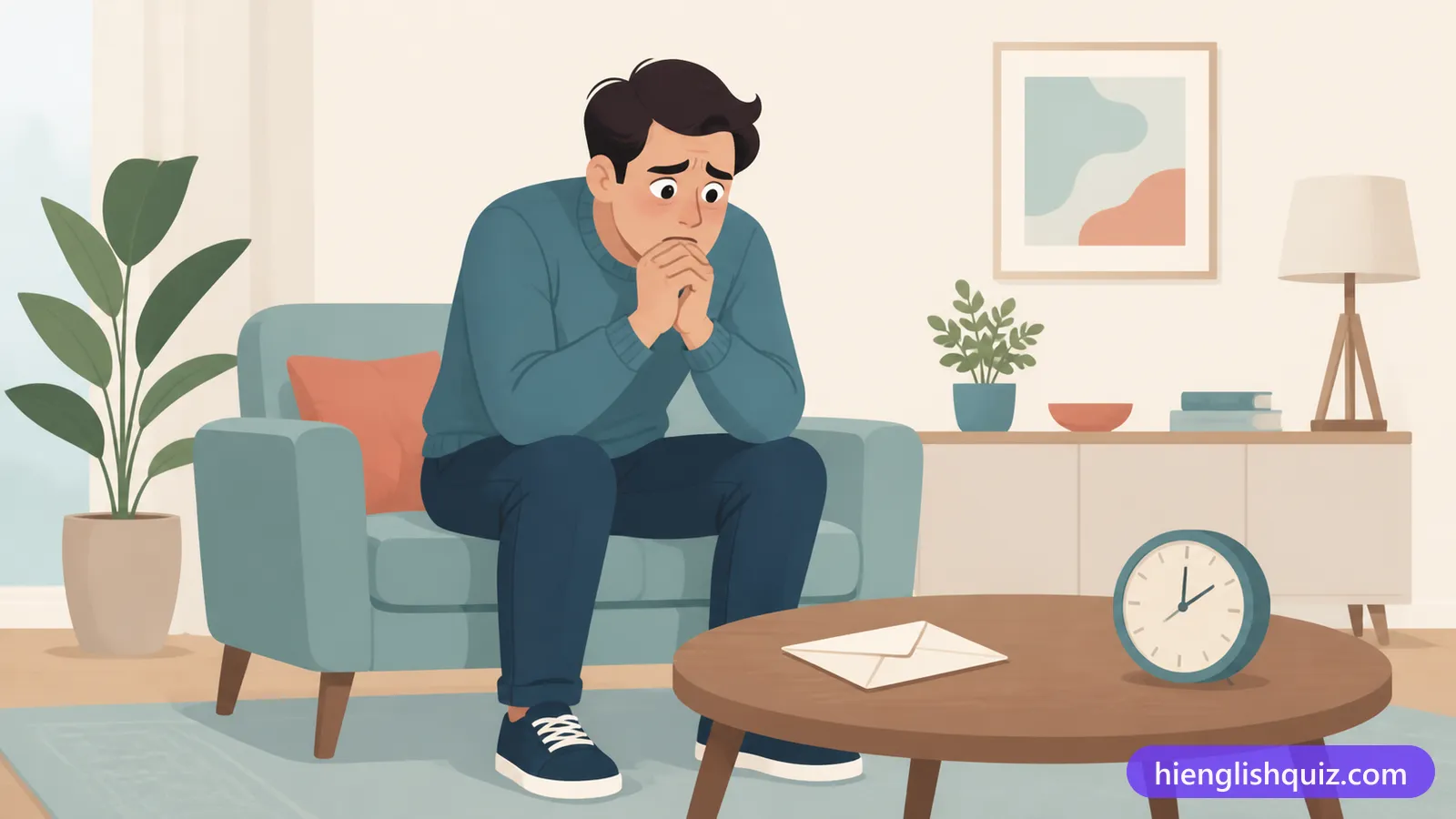
Another word for sad — feeling bad because something has gone wrong.
Example: She was upset when she lost her favourite necklace.

Another word for afraid — feeling frightened because something might hurt you.
Example: The little boy was scared of the dark.
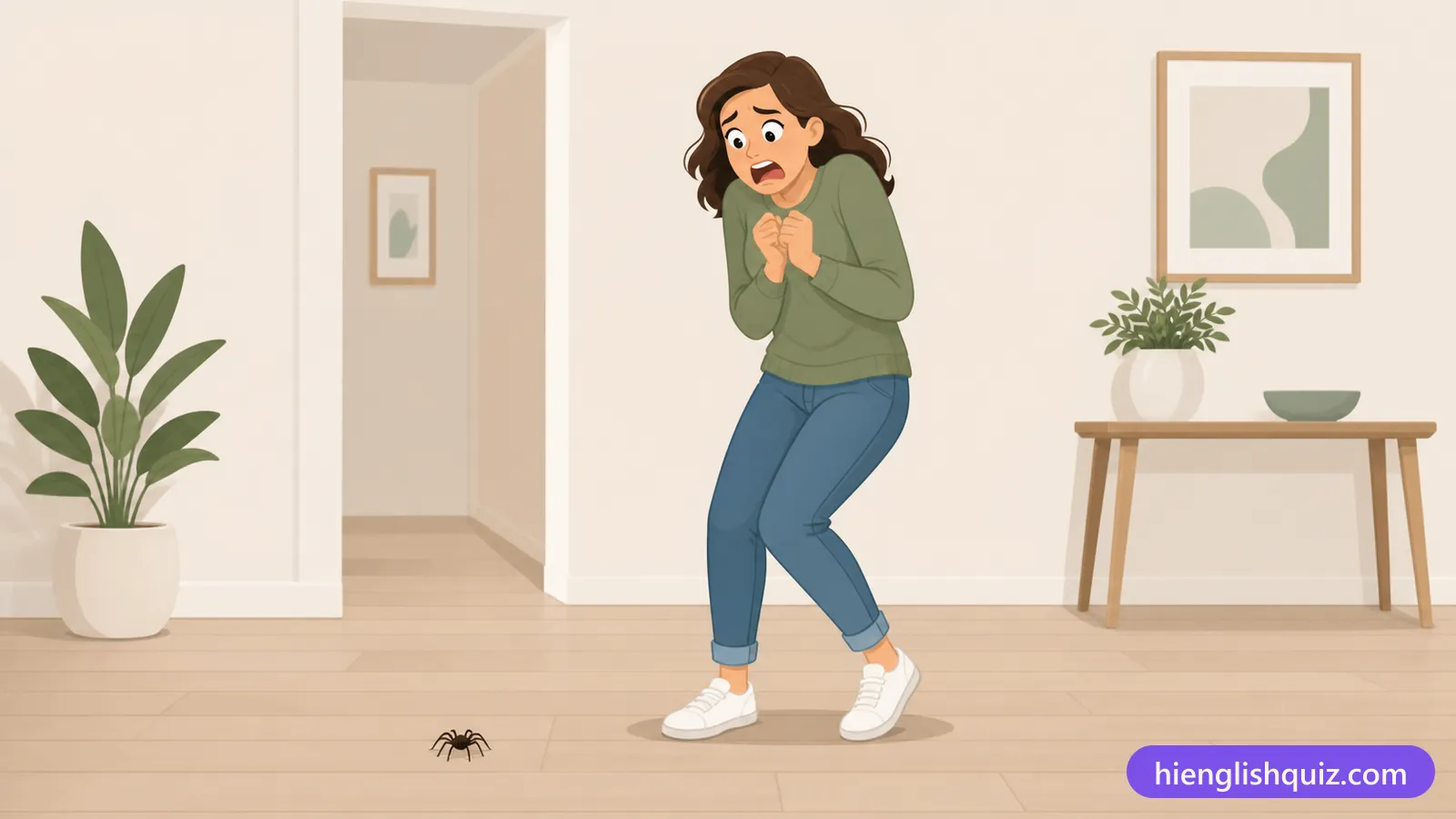
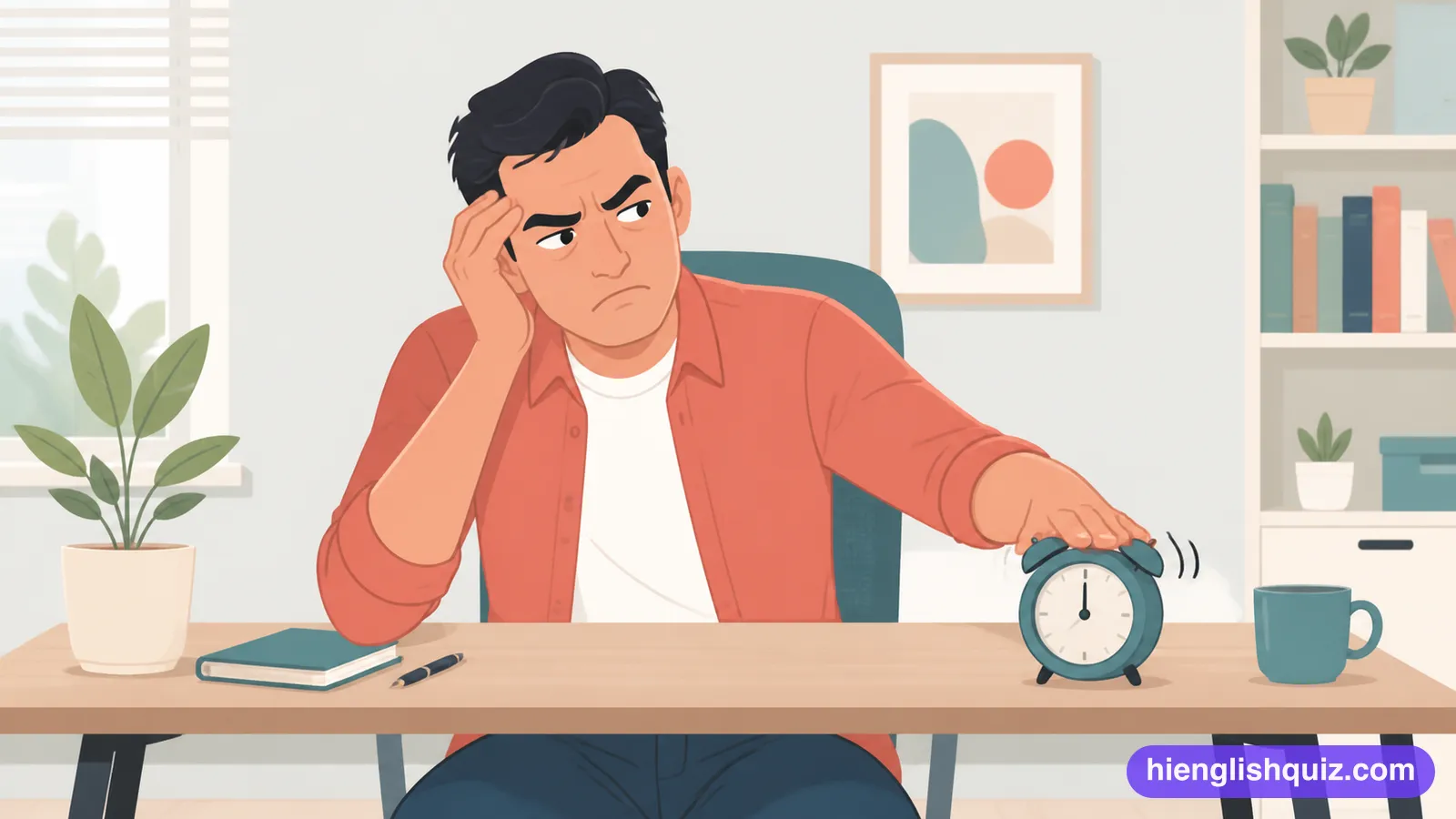
Another word for cross — only slightly angry, and it passes quickly.
Example: She was annoyed that nobody had told her about the change.
Another word for pleased — about something you or someone close to you achieved.
Example: His parents were quietly proud and said almost nothing.