full
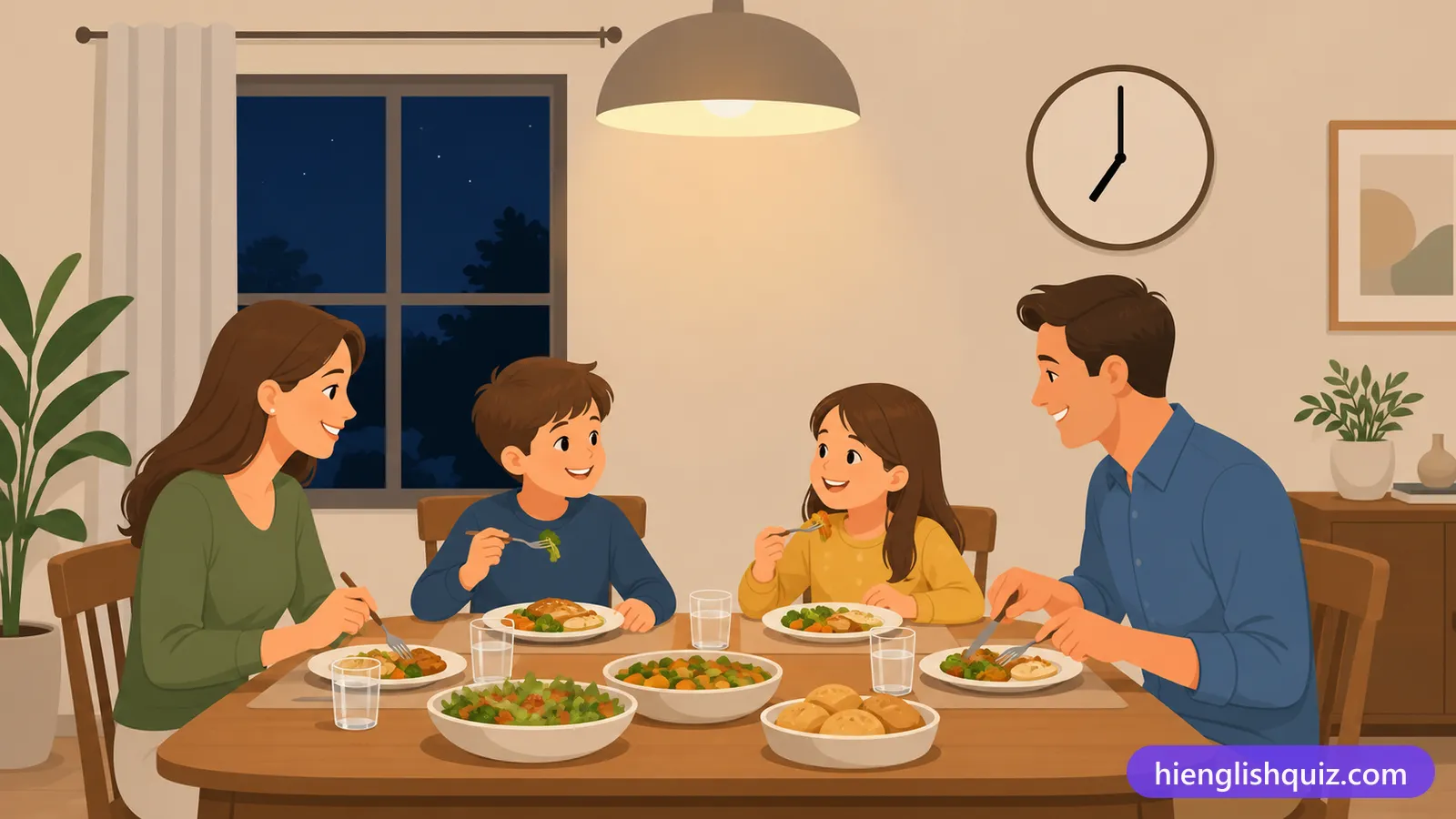
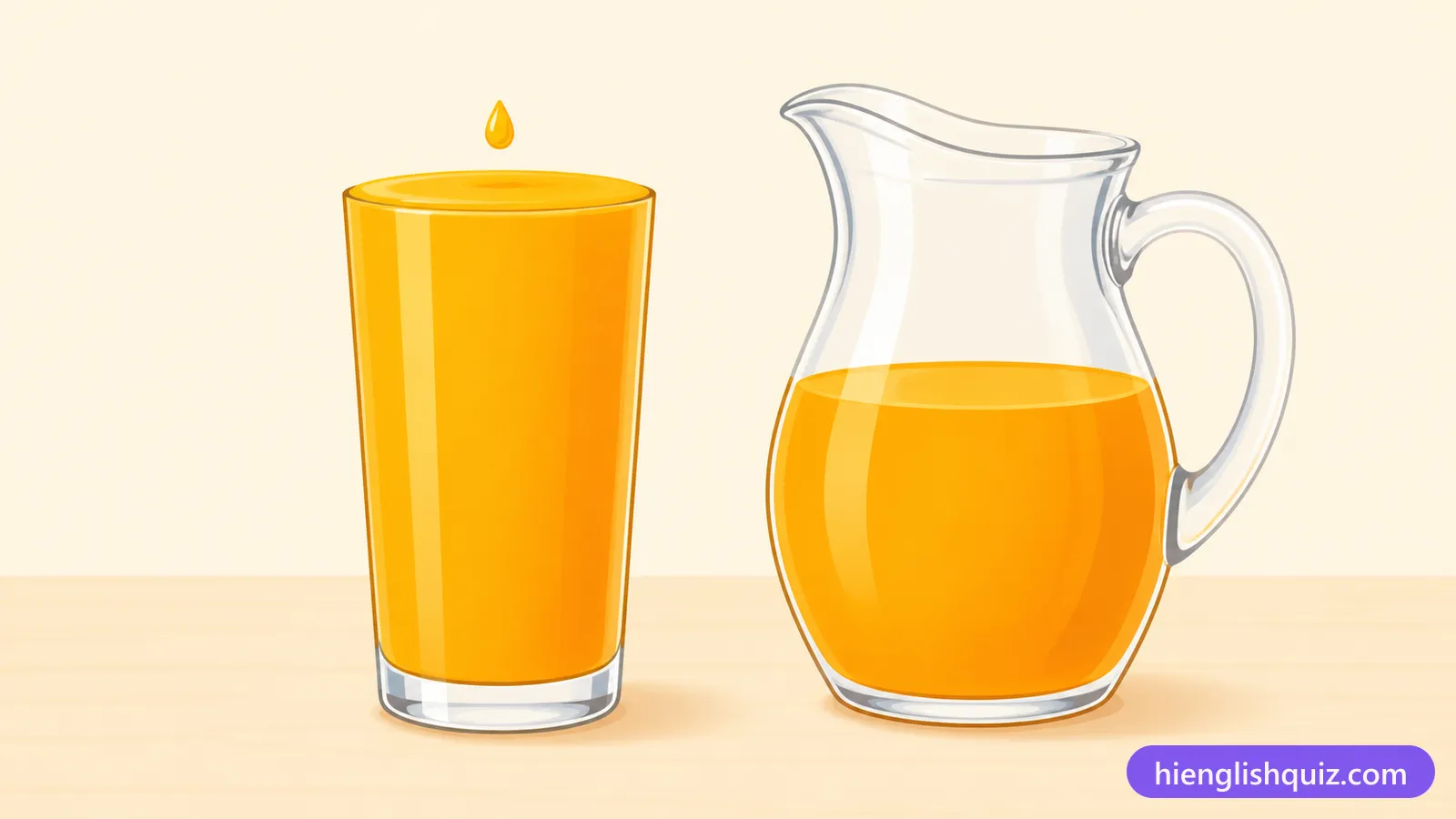
/fʊl/The opposite of empty — with no room left for more.
Example: Don't add more milk, the glass is already full.
 Hi EnglishQuiz
A214 words · Elementary
Vocabulary for size, amount and degree in everyday speech — full, heavy, plenty and quick — the basic words learners use to say how much, how big or how often.
The opposite of empty — with no room left for more.
Example: Don't add more milk, the glass is already full.
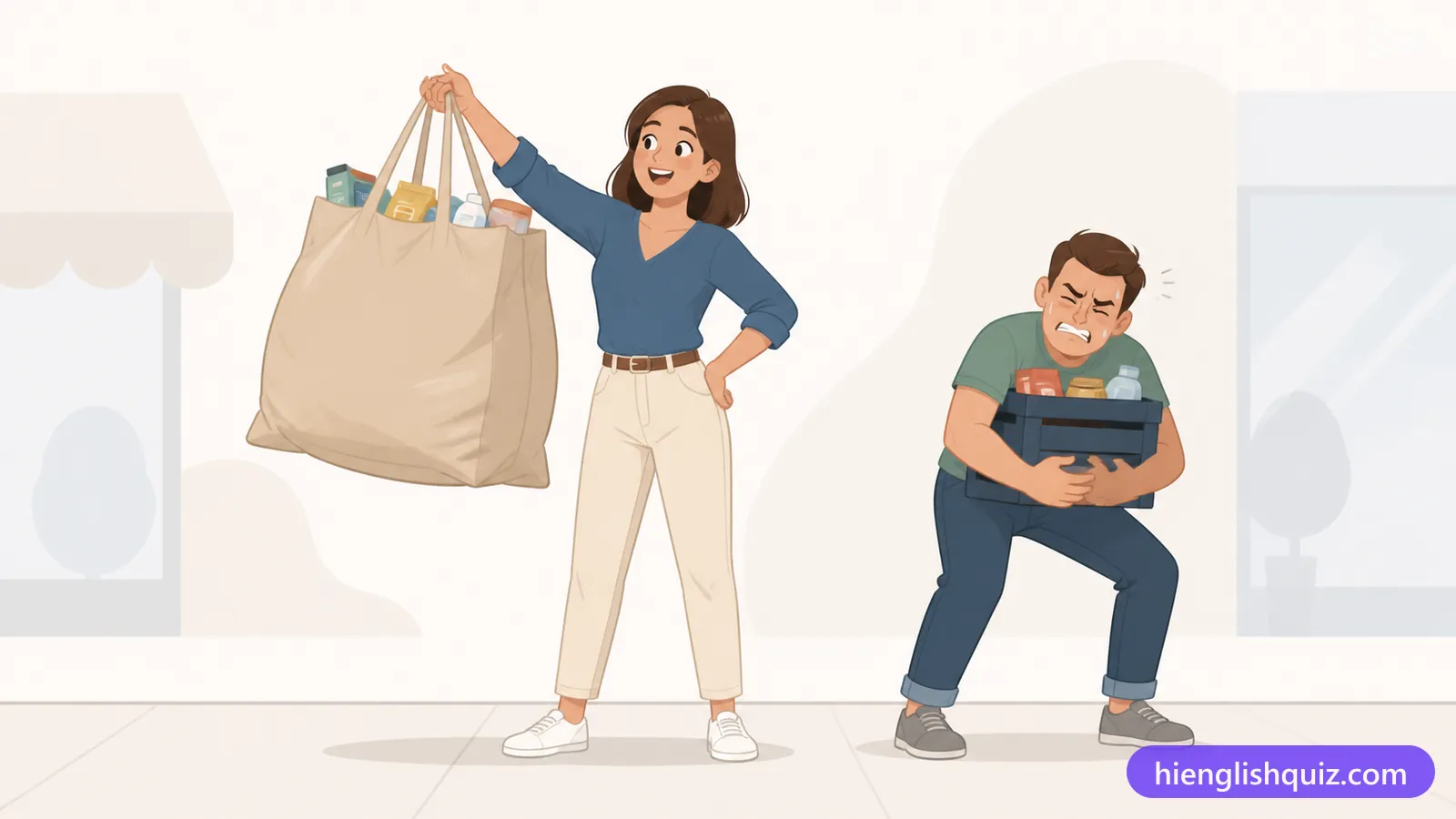
The opposite of heavy — easy to lift or carry.
Example: This bag is really light, you can carry it with one hand.
The opposite of many — only a small number of things.
Example: Only a few people came to the meeting.
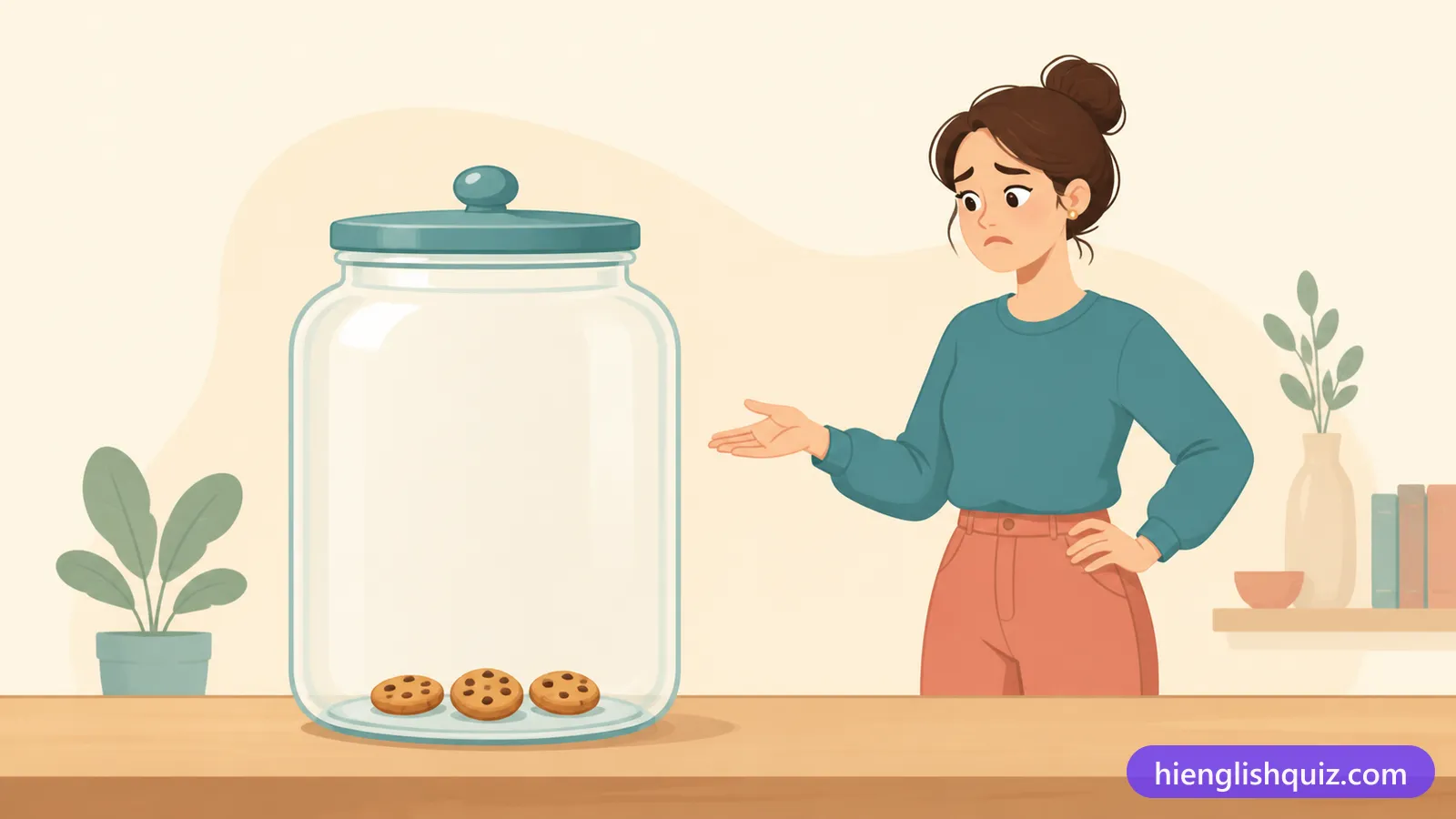
Another word for small — used just before a noun, sounding friendly.
Example: She has a little garden behind her house.
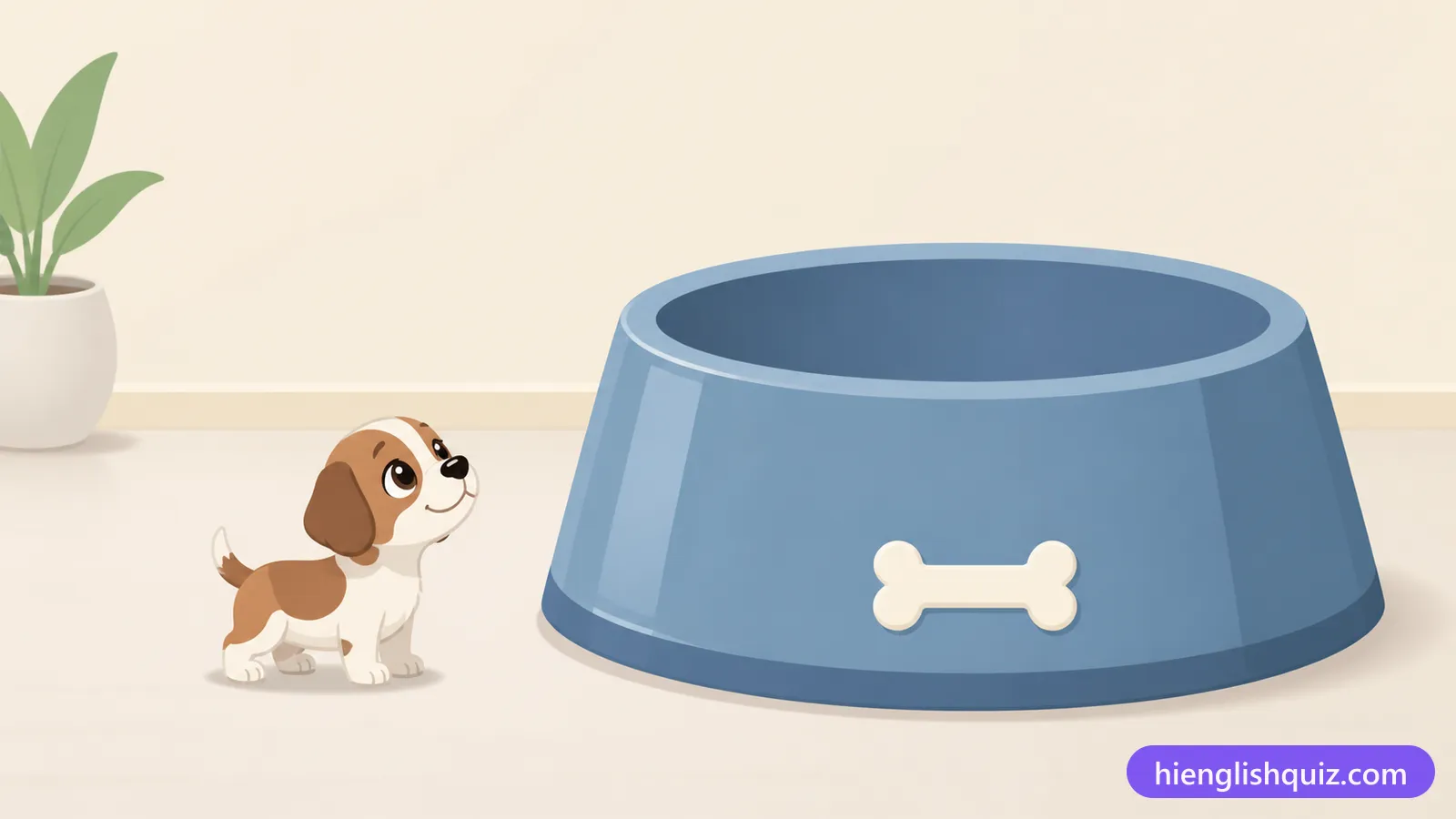
Another word for big — used in formal writing, not as extreme as huge.
Example: They live in a large house near the lake.
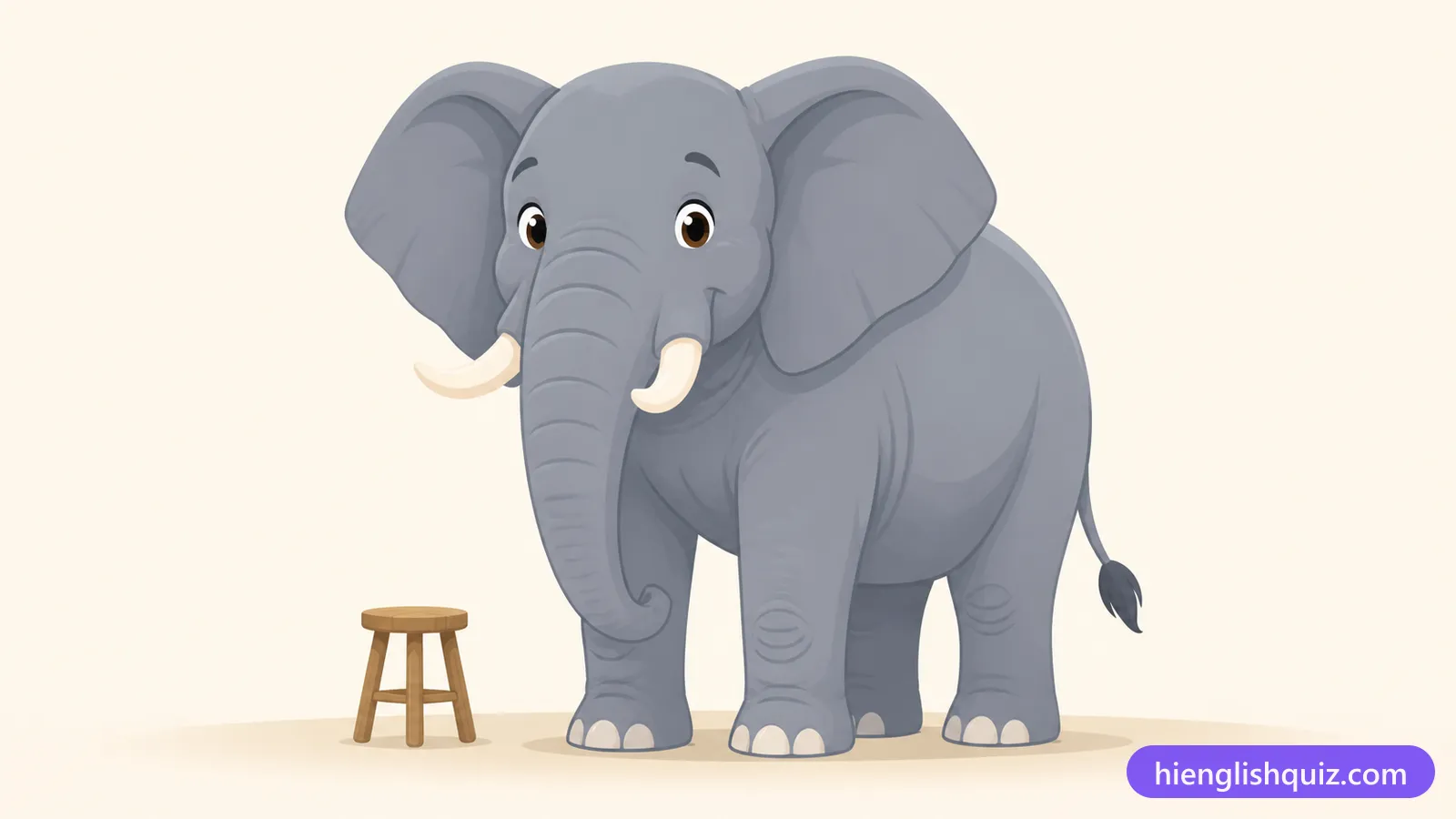
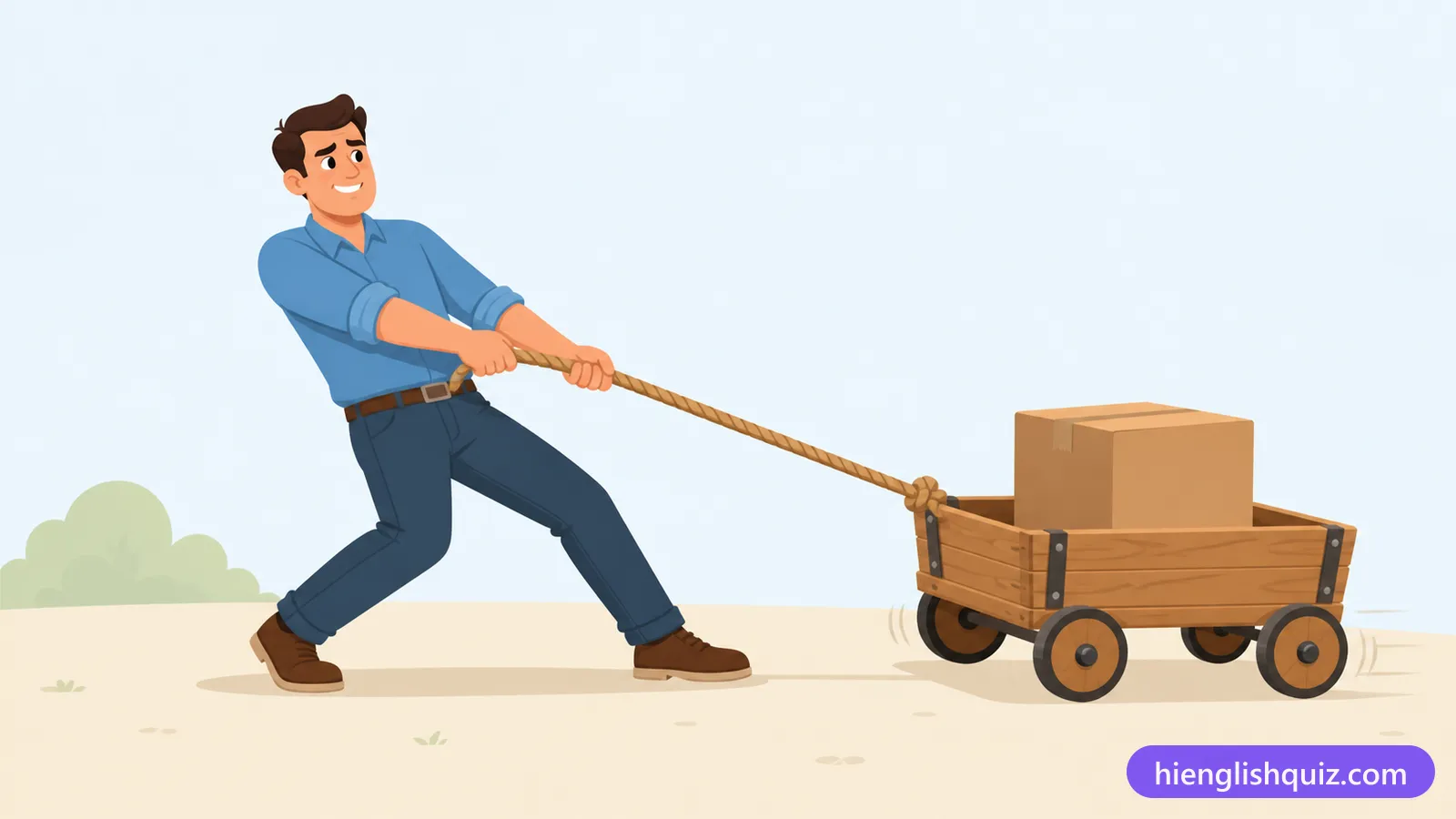
The opposite of light — weighing a lot, hard to lift or carry.
Example: This suitcase is really heavy — can you help me?
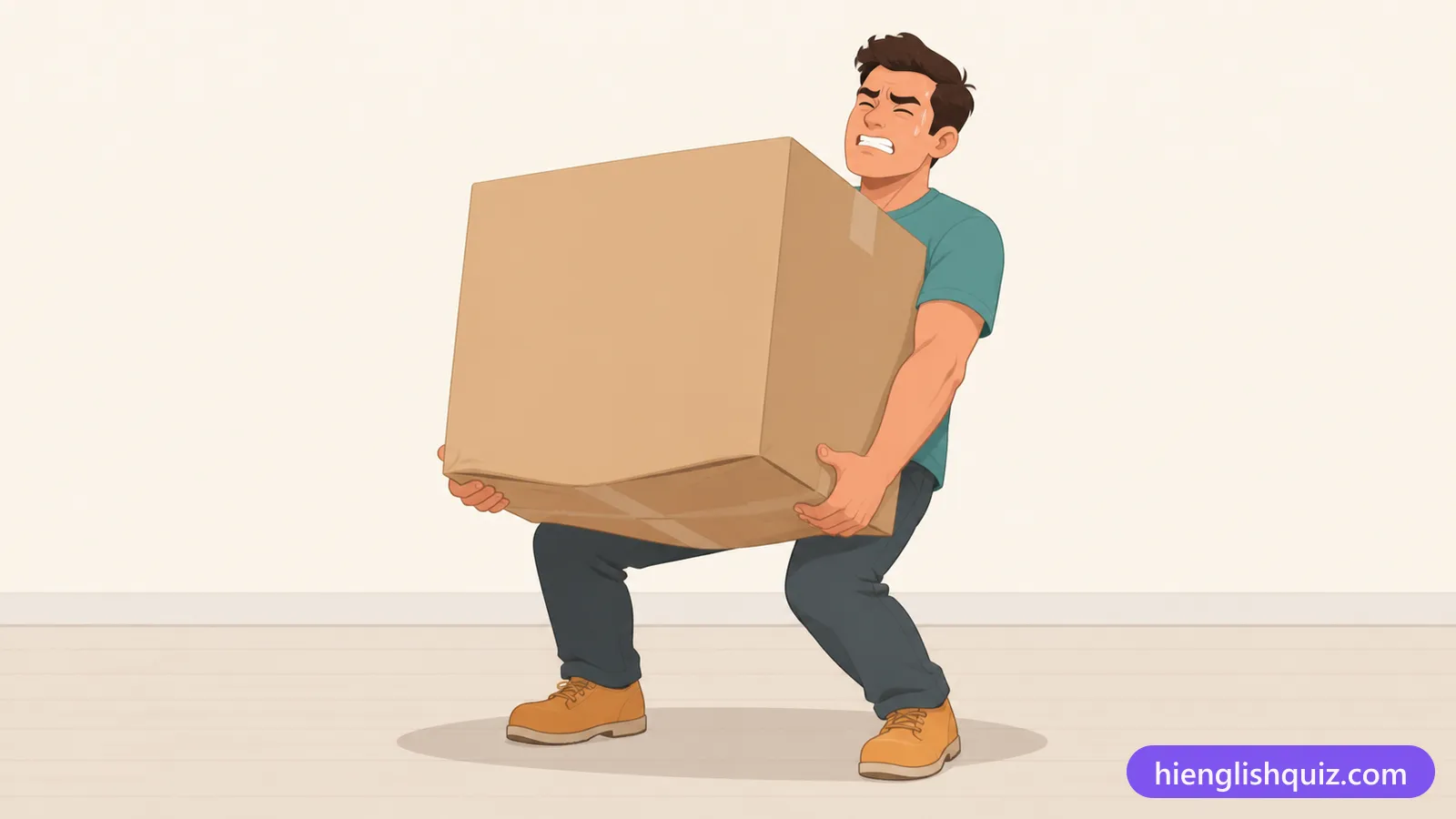
The opposite of few — a lot of people or things.
Example: There were so many people at the concert.
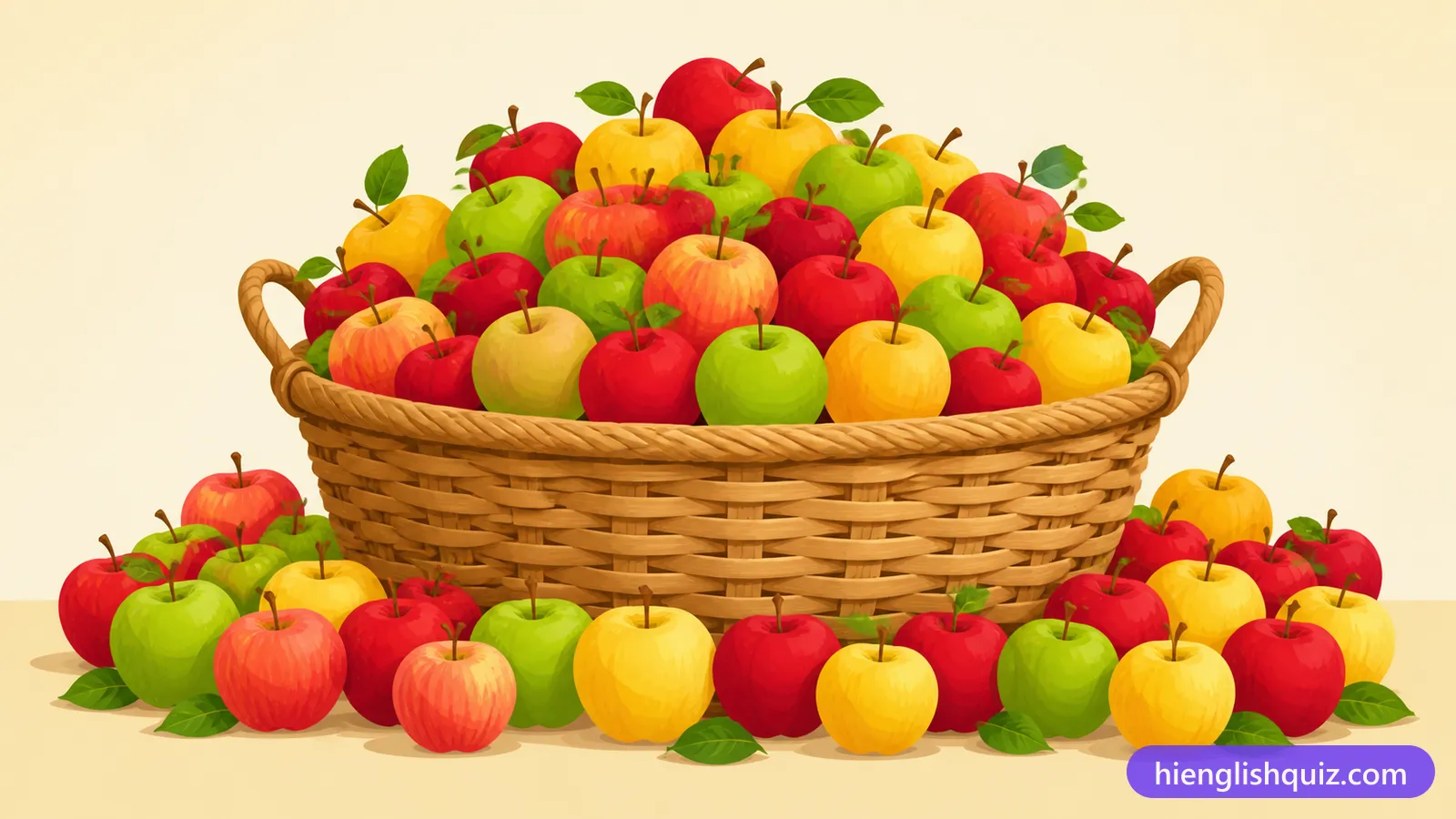
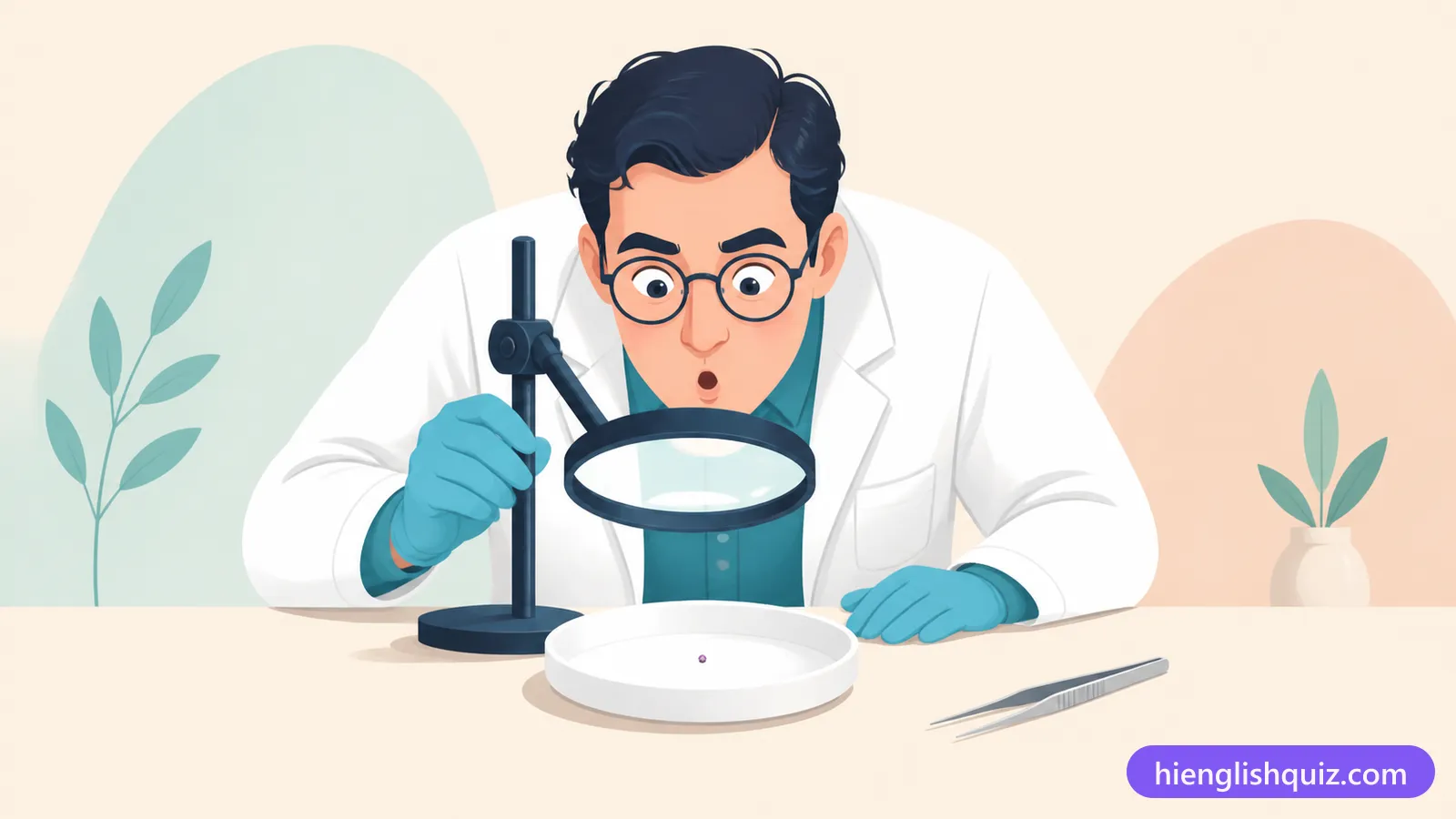
The opposite of huge — not big in size.
Example: We live in a small apartment near the city centre.
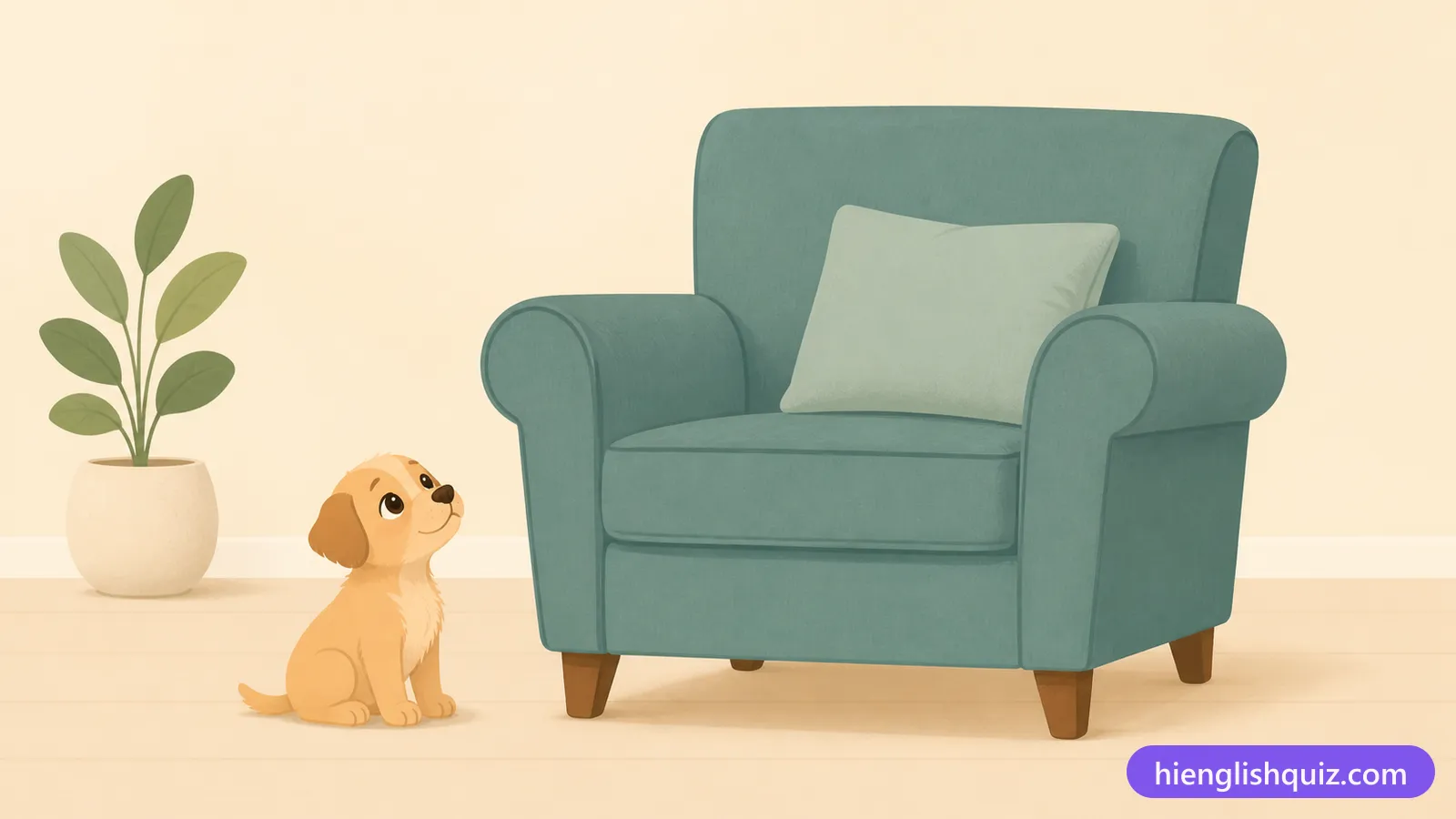
The opposite of high — a small amount or level, not measuring very much.
Example: Petrol prices are quite low this month.

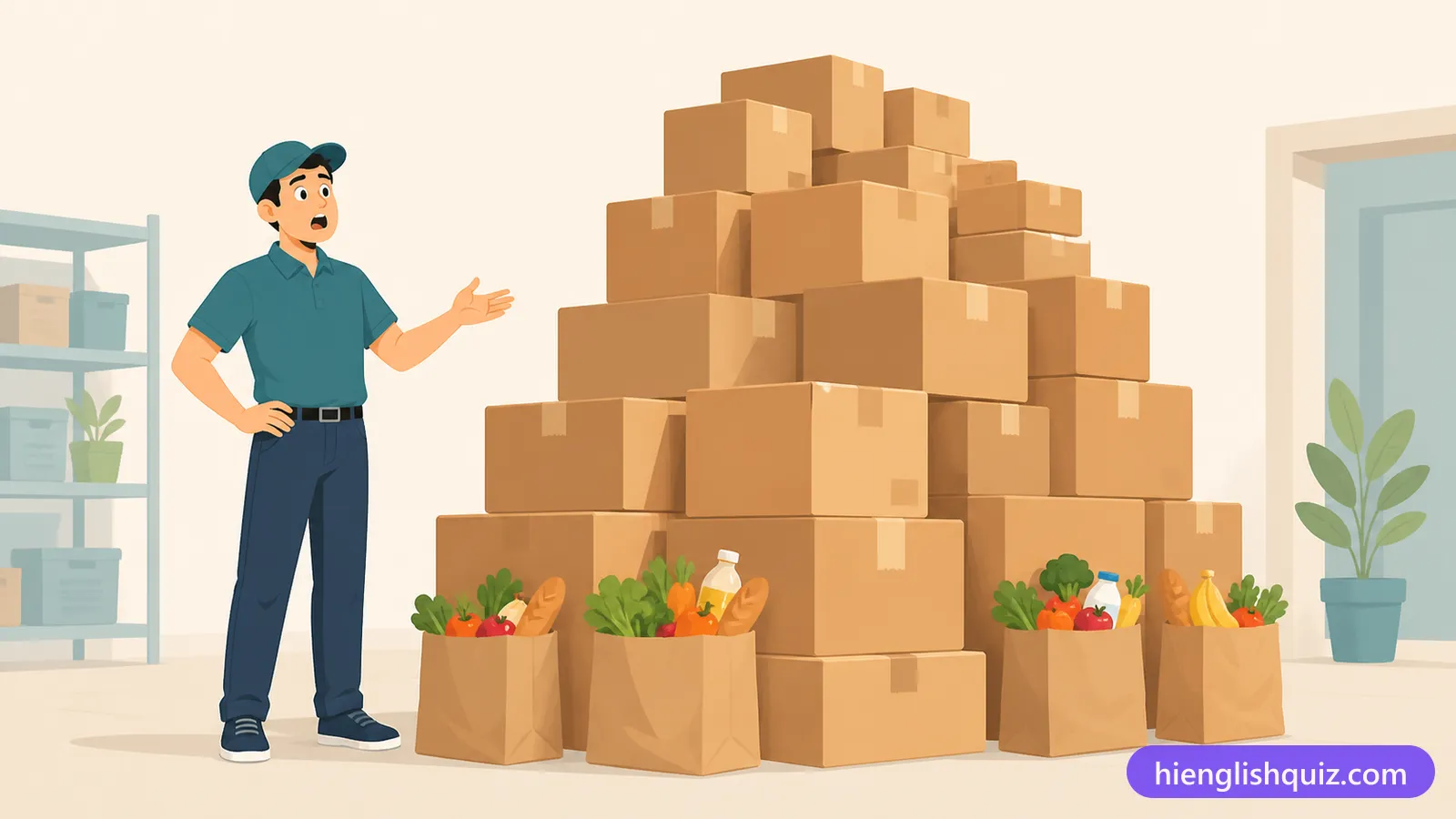
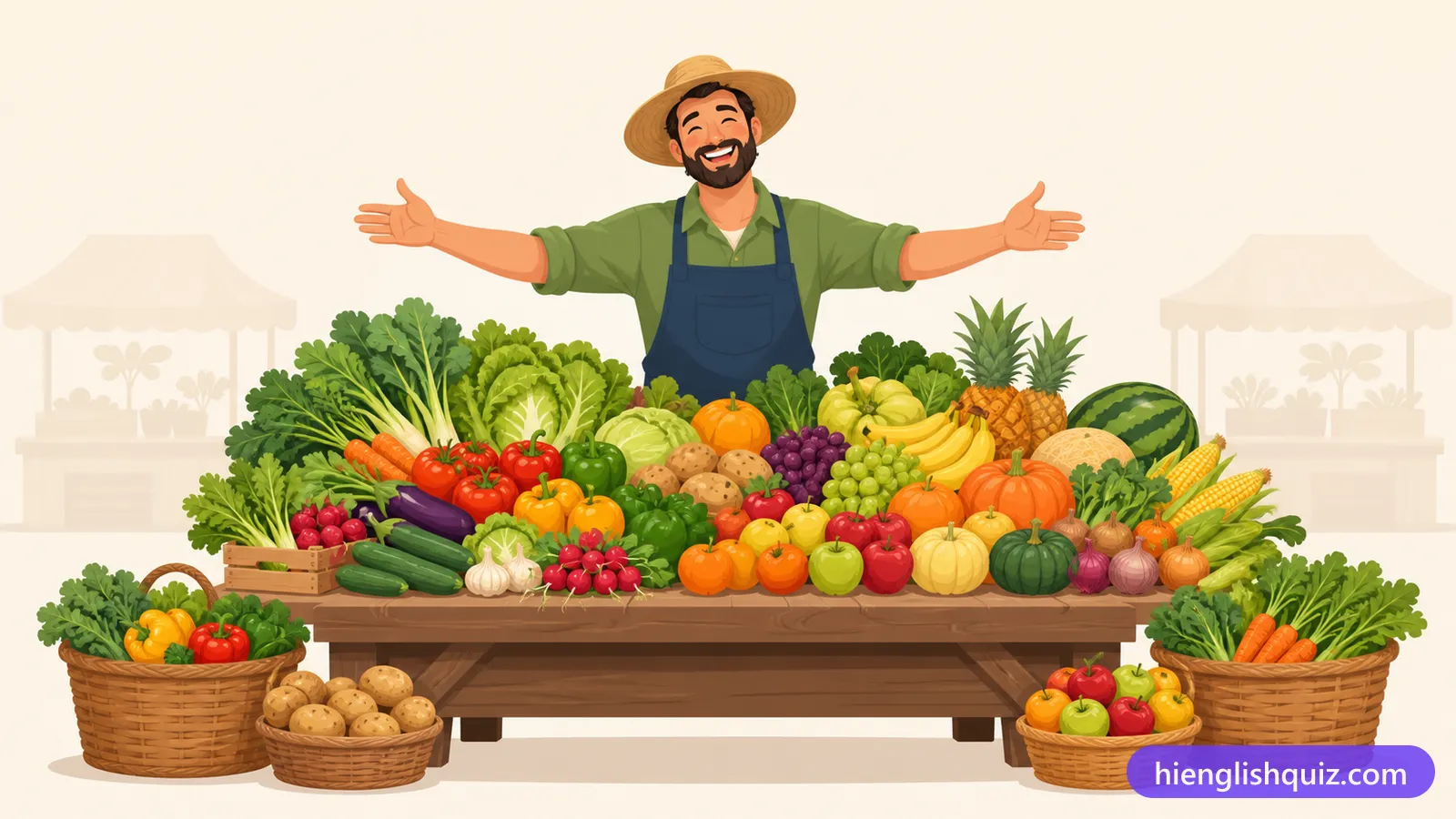
The opposite of low — a large, comfortable amount of something, more than enough.
Example: Don't worry, we have plenty of time before the train leaves.
Another word for fast — over in almost no time at all.
Example: That was a quick shower!

The opposite of late — before the expected time.
Example: She arrived early and had to wait outside.

The opposite of always — not even one time.
Example: He never eats breakfast before school.
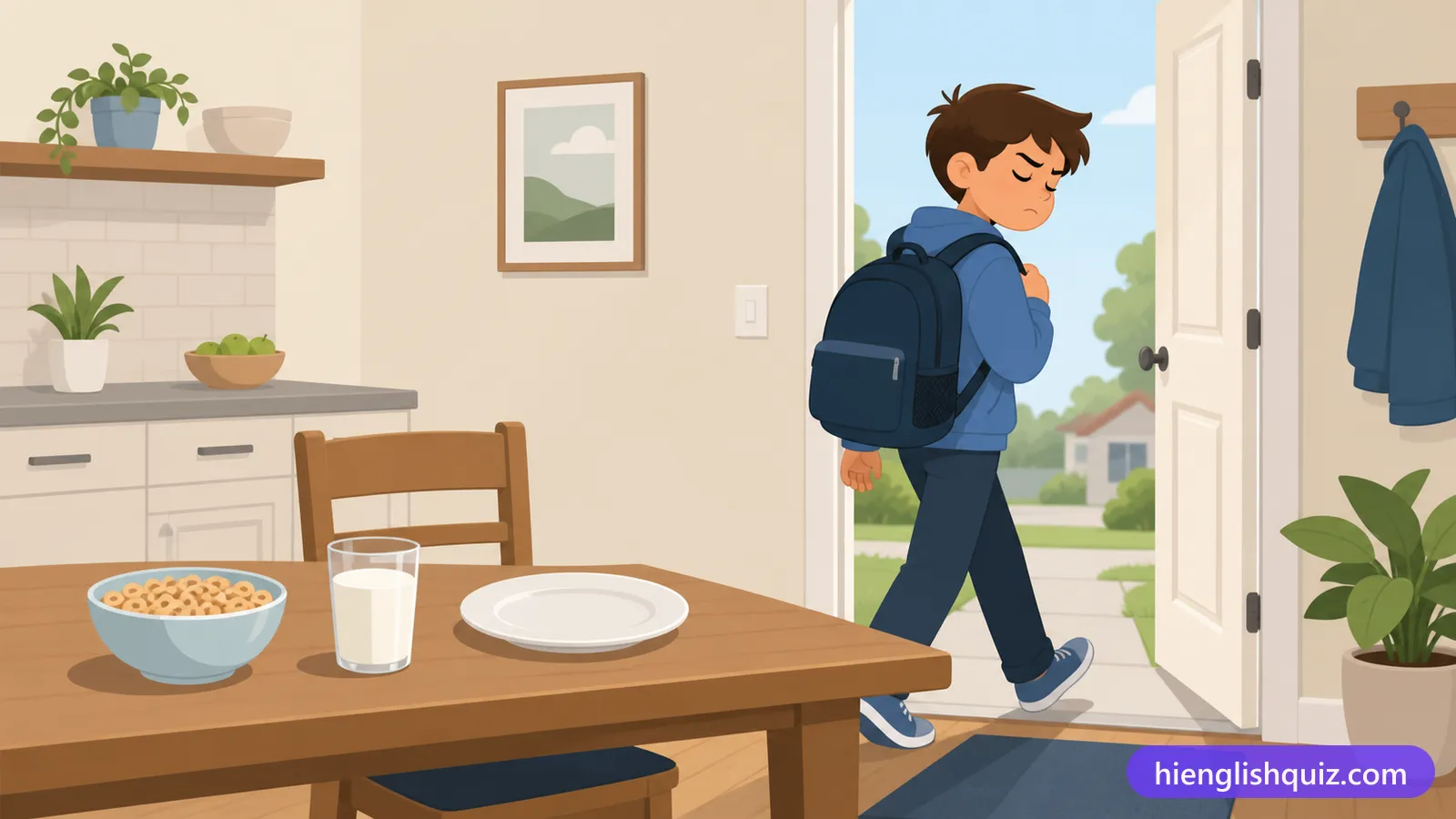
Another word for often — describing what happens most of the time.
Example: We usually have dinner at seven o'clock.