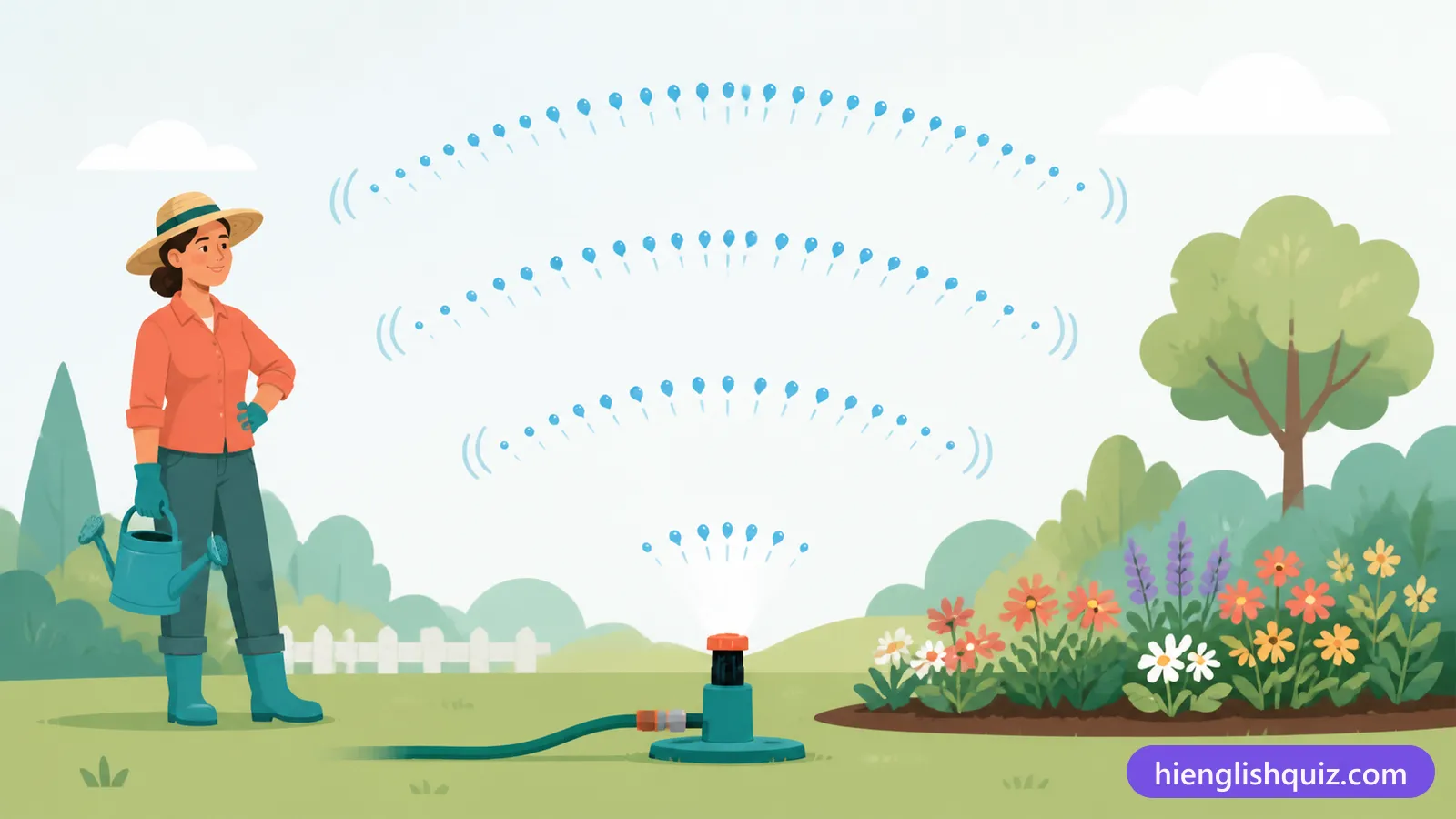
substantial
/səbˈstænʃəl/The formal word for large, used about a sum of money or a rise in something.
Example: The company reported a substantial increase in profits.

 Hi EnglishQuiz
B220 words · Upper-intermediate
Vocabulary for size, amount and degree with more precision — substantial, scarce, swift and overdue — grading quantity from minimal to immense, and pace from sluggish to brisk.
The formal word for large, used about a sum of money or a rise in something.
Example: The company reported a substantial increase in profits.
The opposite of plentiful — not easily available.
Example: Fresh water is scarce in this region.

Another word for too much — more than is reasonable, often said to criticize something.
Example: Critics said the movie's violence was excessive.

The opposite of important — too small to matter.
Example: It's just a trivial mistake, nothing to worry about.

Another word for enough — plenty, with time or space to spare.
Example: We arrived with ample time to spare before the flight.

The opposite of dense — spread thinly, with very little in a large area.
Example: The forest became sparse as we climbed higher.

The opposite of substantial — extremely small in size or amount.
Example: The changes to the plan were minimal.

Another word for satisfactory — just enough for a particular purpose.
Example: The hotel room was small but adequate.

Another word for huge — used in more formal or literary writing.
Example: The project required an immense amount of planning.

The opposite of adequate — not enough for what is needed.
Example: The evidence was insufficient to prove his guilt.

The formal word for on time, used about a person who never keeps others waiting.
Example: My manager is always punctual and expects the same from us.

The formal word for fast, used about a response or reaction.
Example: The government's response to the crisis was swift.

The opposite of energetic — moving or working slowly.
Example: The traffic was sluggish during rush hour.

Another word for quick — a reply or action that comes without any delay.
Example: She sent a prompt reply to every email.

The opposite of punctual — happening later than it should.
Example: This report is three weeks overdue.

The formal word for long-lasting, used about pain, delays or arguments.
Example: The dispute caused a prolonged delay at the airport.

The opposite of lasting — present for only a very short time.
Example: He caught a fleeting glimpse of her in the crowd.

Another word for swift — a quick, energetic pace, especially walking.
Example: We went for a brisk walk before breakfast.

Another word for prolonged — used about a process or discussion that takes longer than expected.
Example: After a lengthy discussion, they finally agreed.

Another word for occasional — used in formal writing about something that happens at regular intervals.
Example: The machine needs periodic maintenance to keep running well.