enormous
/ɪˈnɔrməs/Another word for massive — far bigger than you would ever expect.
Example: The whale was enormous, longer than the boat beside it.

 Hi EnglishQuiz
B116 words · Intermediate
Vocabulary for size, amount and degree with finer shading — enormous, limited, sudden and frequently — the words learners use to grade how big, how much or how often something happens.
Another word for massive — far bigger than you would ever expect.
Example: The whale was enormous, longer than the boat beside it.
The informal word for a large amount of something, used about time, money or people.
Example: We've got loads of time before the film starts.

The opposite of plenty — not very much of something.
Example: Food supplies in the village were limited after the flood.

The opposite of major — not very important or serious.
Example: It was only a minor problem, so we fixed it quickly.

The opposite of moderate — very intense, far beyond what's normal.
Example: Extreme weather conditions destroyed crops across the region.

Another word for wide — covering many different topics or subjects.
Example: The course covers a broad range of topics, from history to art.

Another word for huge — used about something impressively big, often surprisingly so.
Example: They just built a massive shopping centre near us.

The opposite of minor — large or important enough to have a big effect.
Example: There's been a major change to the schedule.

The opposite of extreme — average in amount, not too much and not too little.
Example: The doctor recommended moderate exercise, not intense training.

Another word for limited — used in formal writing about rules, access or amounts that are controlled.
Example: Access to the building is restricted after 6pm.

The opposite of gradual — happening all at once, without warning.
Example: There was a sudden knock at the door that made her jump.

The opposite of temporary — lasting forever, with no end in sight.
Example: The scar left a permanent mark on his arm.

The opposite of constant — only happening now and then.
Example: We still keep in touch, but only through occasional phone calls.

Another word for fast — used about growth or change happening quickly.
Example: The company saw rapid growth after launching its app.

Another word for right away — with absolutely no delay at all.
Example: The screen went black and then came back on instantly.

The formal word for often, used about things that happen again and again.
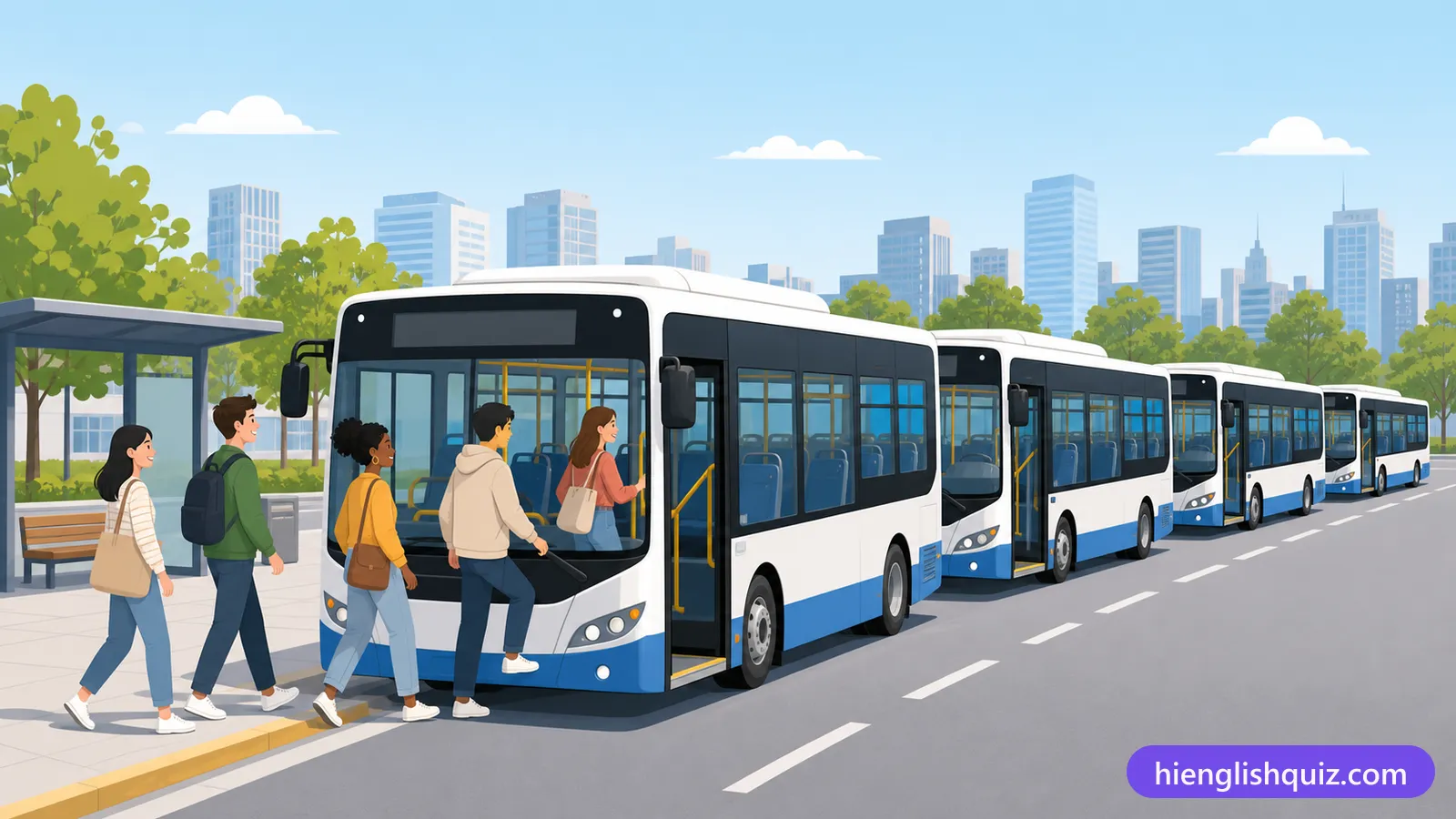
Example: The buses here run frequently, about every five minutes during rush hour.