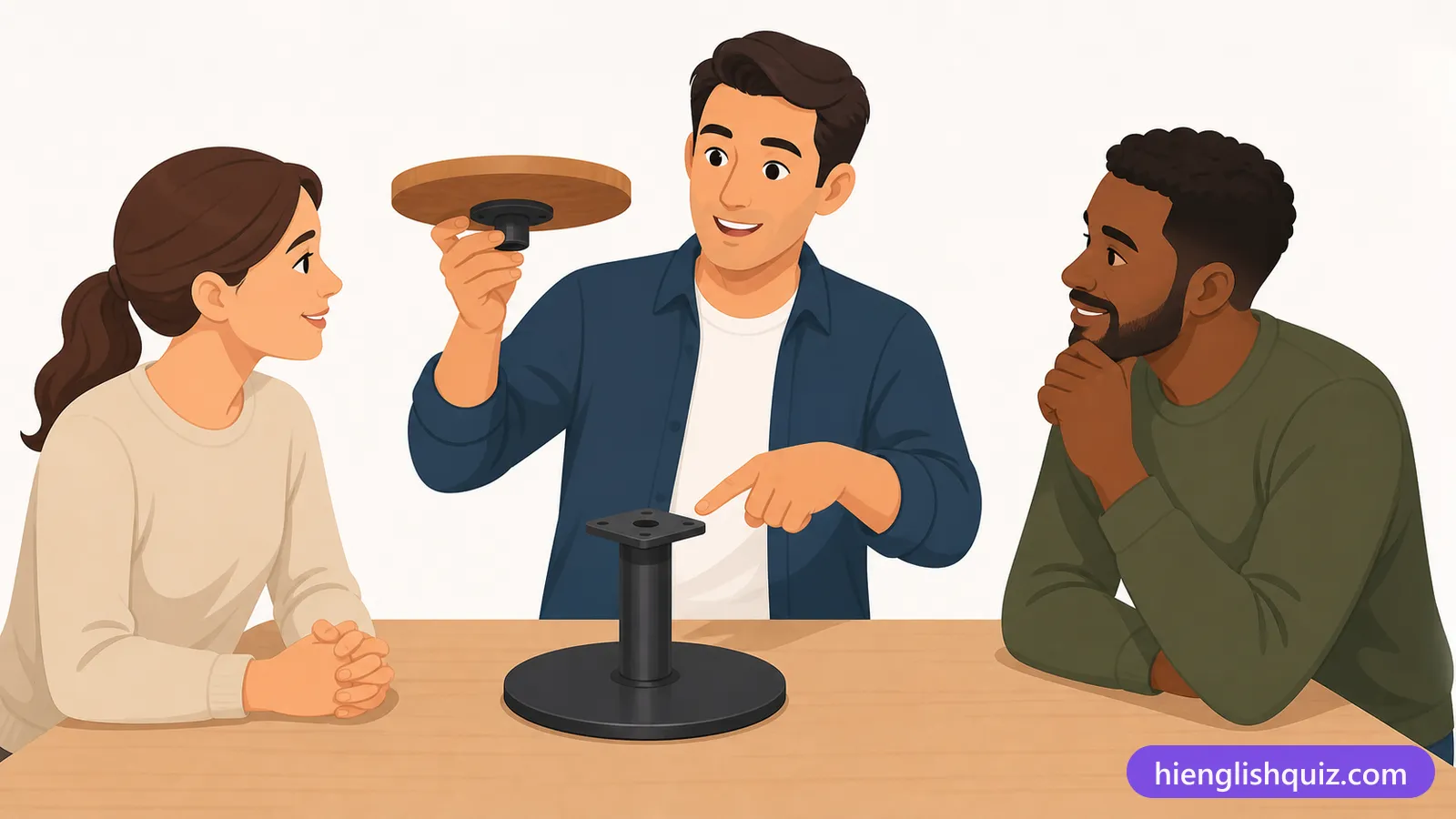
interrupt
/ˌɪntərˈʌpt/The opposite of listen — to start talking before someone else finishes.
Example: Sorry to interrupt, but your phone is ringing.

 Hi EnglishQuiz
B116 words · Intermediate
Speaking and thinking vocabulary for trickier conversations — admit, apologise, complain and persuade — separating what someone says openly from what they only assume or suspect.
The opposite of listen — to start talking before someone else finishes.
Example: Sorry to interrupt, but your phone is ringing.
Another word for talk — sharing rumours about other people's private lives.
Example: The neighbors love to gossip about the new family next door.

The formal word for saying sorry, used when you've done something wrong.
Example: He called to apologise for missing the meeting.

The opposite of deny — to say that something is true, especially something bad about yourself.
Example: She finally admitted she'd made a mistake.

Another word for tell — for official or important news, not just casual chat.
Example: The company will announce its new product next week.

The opposite of praise — to say that someone is responsible when something goes wrong.
Example: Don't blame me for something I didn't do.

The everyday word for saying you're unhappy about something, used about poor service or bad treatment.
Example: Guests often complain about the slow Wi-Fi here.
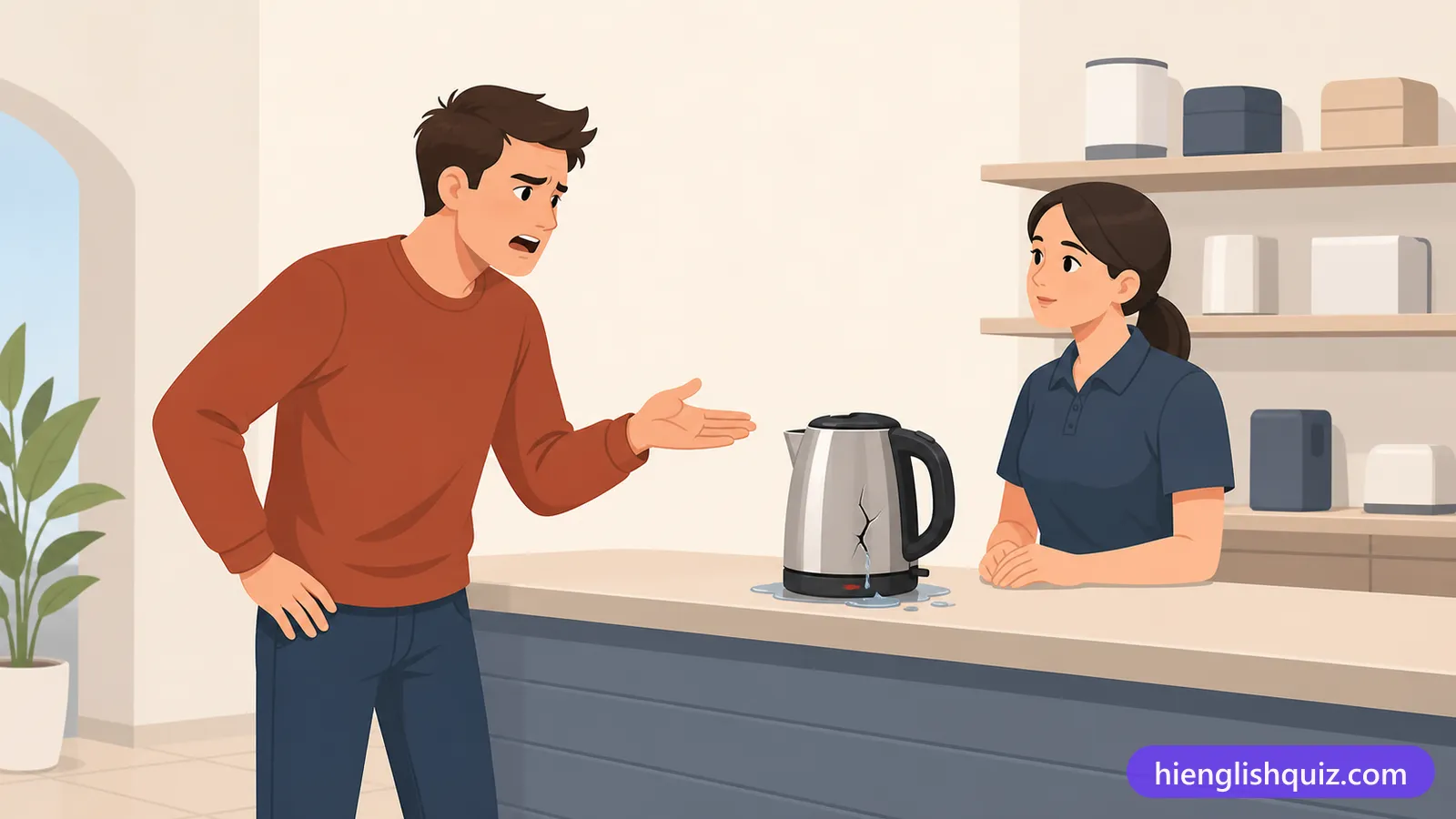
Another word for convince — done by giving good reasons, not by ordering someone.
Example: He tried to persuade her to stay a bit longer.

The opposite of speaking clearly — running words together so people can't catch what you say.
Example: She mumbled her name and the receptionist had to ask twice.

Another word for persuade — successfully getting someone to believe or agree with you.
Example: It took a while, but I managed to convince her to come.

Another word for guess — believing something is true without checking first.
Example: Don't assume everyone agrees with you.

The formal word for remember, used in writing or careful speech.
Example: I can't recall exactly where I left my keys.

Another word for understand — used when it happens suddenly, all at once.
Example: I didn't realise how late it was until now.

The opposite of believe — to think something might not be true, without solid proof.
Example: I doubt she'll finish the report by Friday.

Another word for think — believing something bad is probably true, without proof yet.
Example: The teacher began to suspect he was cheating.

The opposite of unsure — completely confident that something is true.
Example: Are you certain this is the right address?