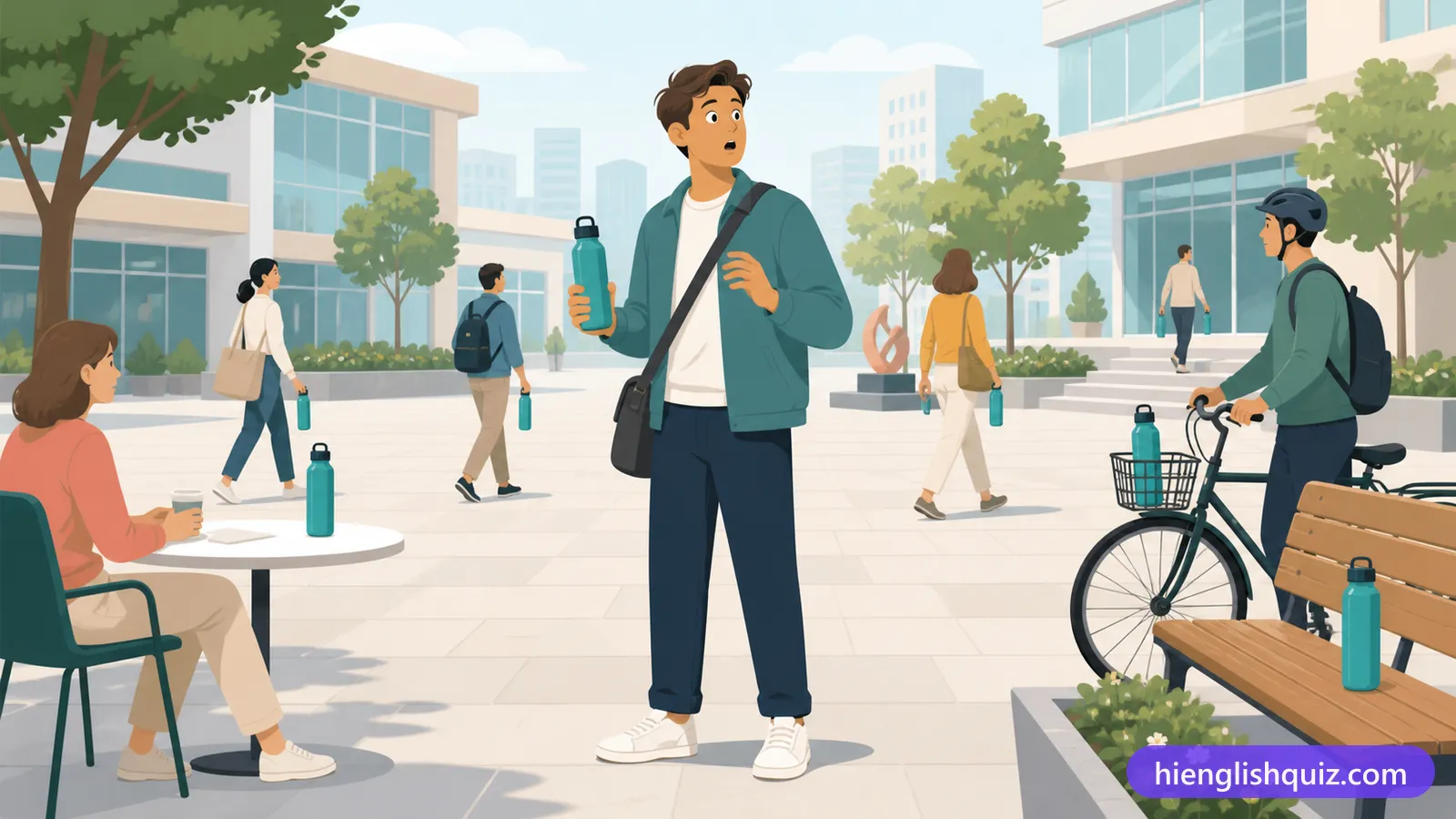
demonstrate
/ˈdɛmənˌstreɪt/Another word for show — proving something is true with clear evidence.
Example: The results demonstrate a clear link between diet and health.

 Hi EnglishQuiz
B116 words · Intermediate
Precise, formal vocabulary for academic and professional writing — demonstrate, indicate, significant and obtain — swapping an everyday verb for the more exact word a report or a letter needs.
Another word for show — proving something is true with clear evidence.
Example: The results demonstrate a clear link between diet and health.
The academic word for a large number, used for counting many separate things.
Example: The report lists numerous studies that support this idea.

The opposite of general — referring to one particular thing, not a whole group.
Example: Can you give me a more specific example of the problem?

The opposite of unclear — exact and stated in detail.
Example: Scientists need precise measurements to compare their results.

The academic word for talking about something, used when people share and compare opinions.
Example: Let's discuss the results before we write the report.

The academic word for suggesting something is likely true, used about facts, data or signs.
Example: Dark clouds usually indicate that rain is on the way.

The academic word for important, used for results or effects that clearly matter.
Example: There's been a significant improvement in her grades this term.
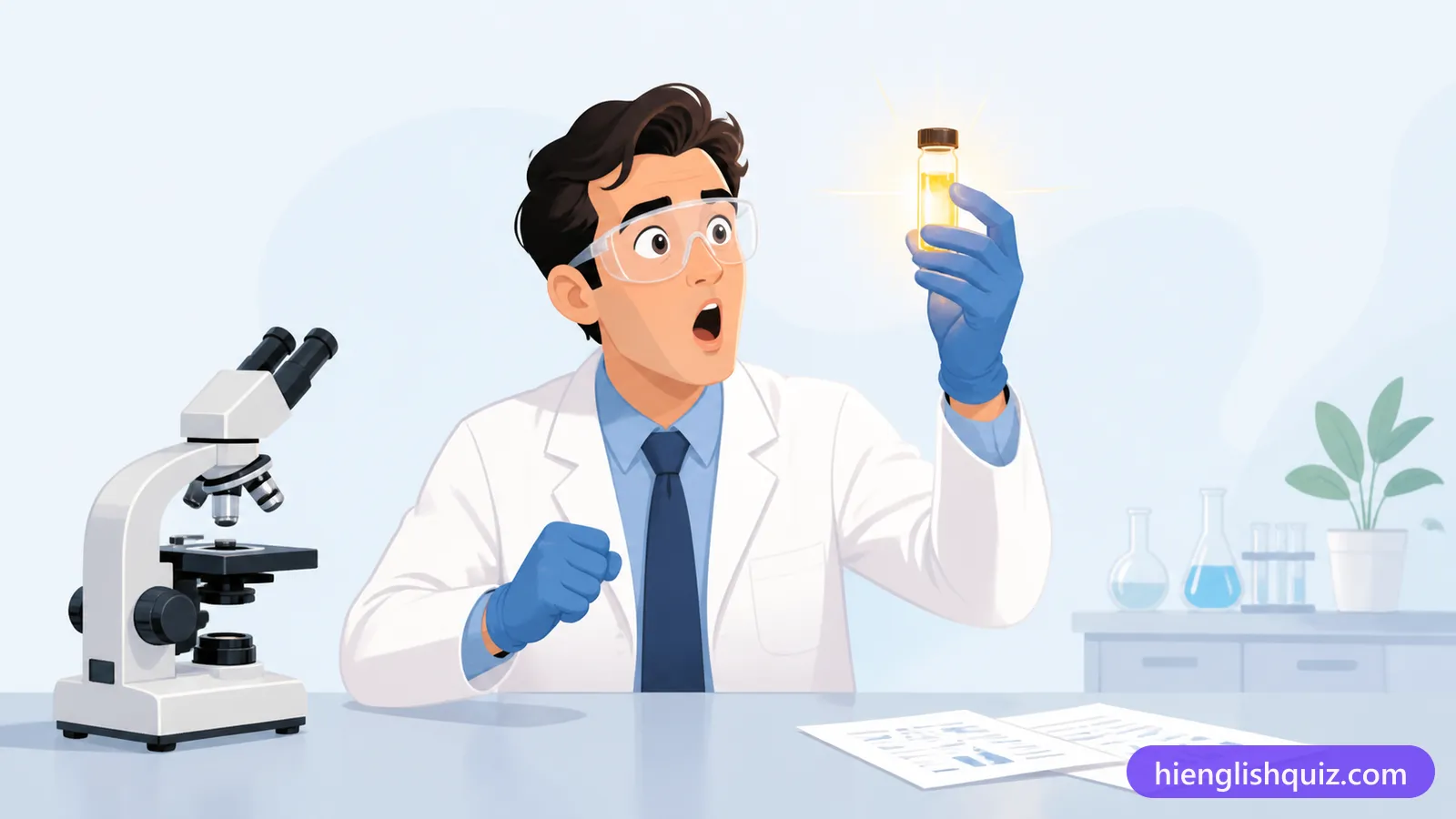
The academic word for working out exactly what something is, used about a problem or a pattern.
Example: Scientists managed to identify the virus within a week.
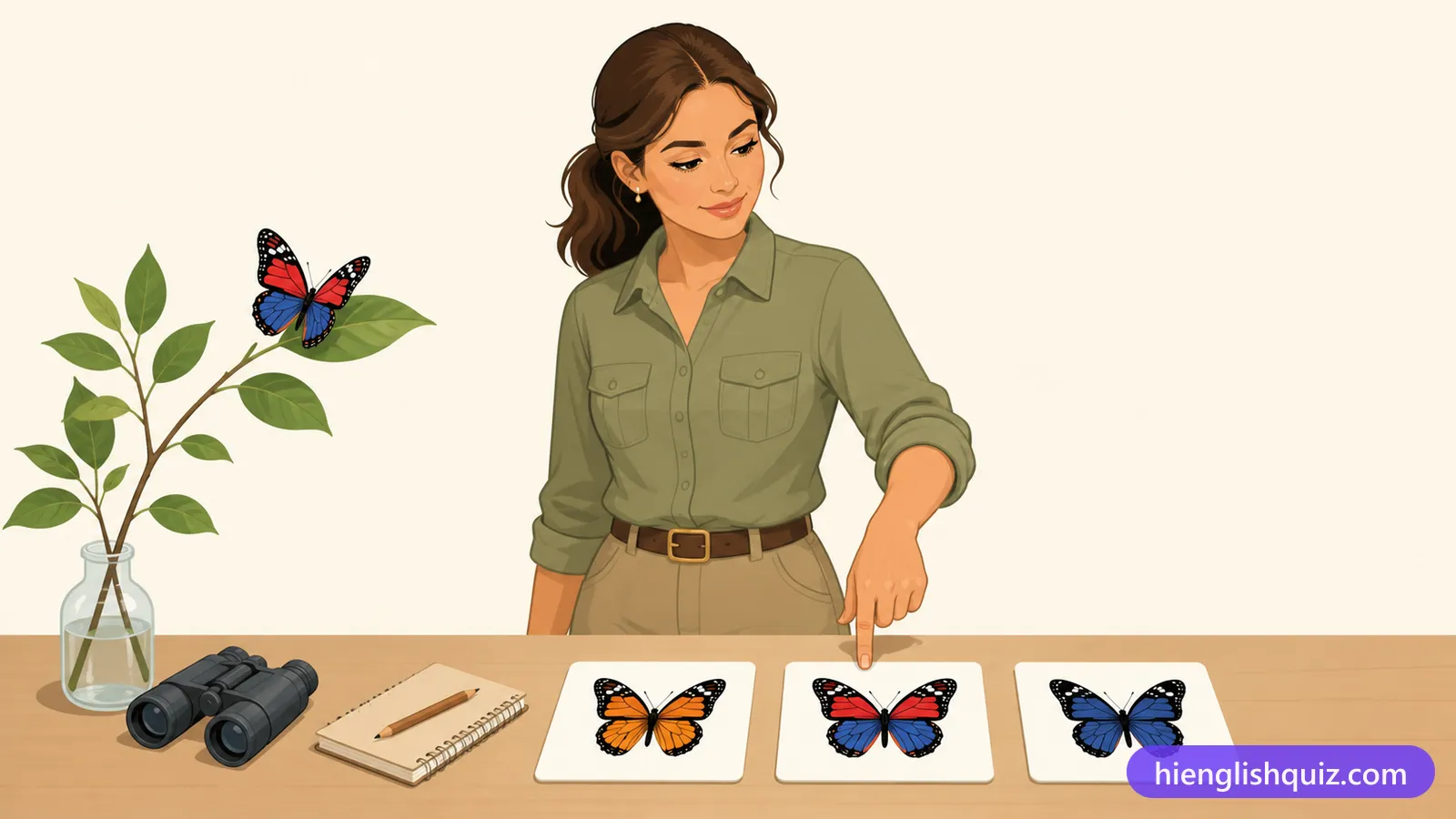
The academic word for guessing a number or amount fairly closely, used when you don't have the exact facts.
Example: We estimate that the repairs will cost around $500.

The academic word for drawing attention to something important, used about an idea or a finding.
Example: The teacher wanted to highlight the main causes of the war.

The formal word for buying something, used in shops, contracts or business.
Example: You can purchase tickets online before the show.

Another word for get — used when someone gives or sends something to you.
Example: She was excited to receive the award in front of everyone.

The formal word for politely asking someone for something specific, used for help, information or permission.
Example: Please request a new password if you can't log in.

The opposite of casual — suitable for official or serious situations.
Example: He wore a formal suit to the interview.

The formal word for telling someone something, used for official news or facts.
Example: We will inform you by email once your order has shipped.

The formal word for getting something official or hard to find, used for documents or permits.
Example: You'll need to obtain a permit before starting construction.