elucidate
/ɪˈlusəˌdeɪt/Another word for explain — making something difficult really clear, often step by step.
Example: The professor took time to elucidate the theory for us.

 Hi EnglishQuiz
C120 words · Advanced
Precise, formal vocabulary for academic and professional writing — elucidate, mitigate, corroborate and relinquish — the exact verbs a research paper or a legal document calls for.
Another word for explain — making something difficult really clear, often step by step.
Example: The professor took time to elucidate the theory for us.
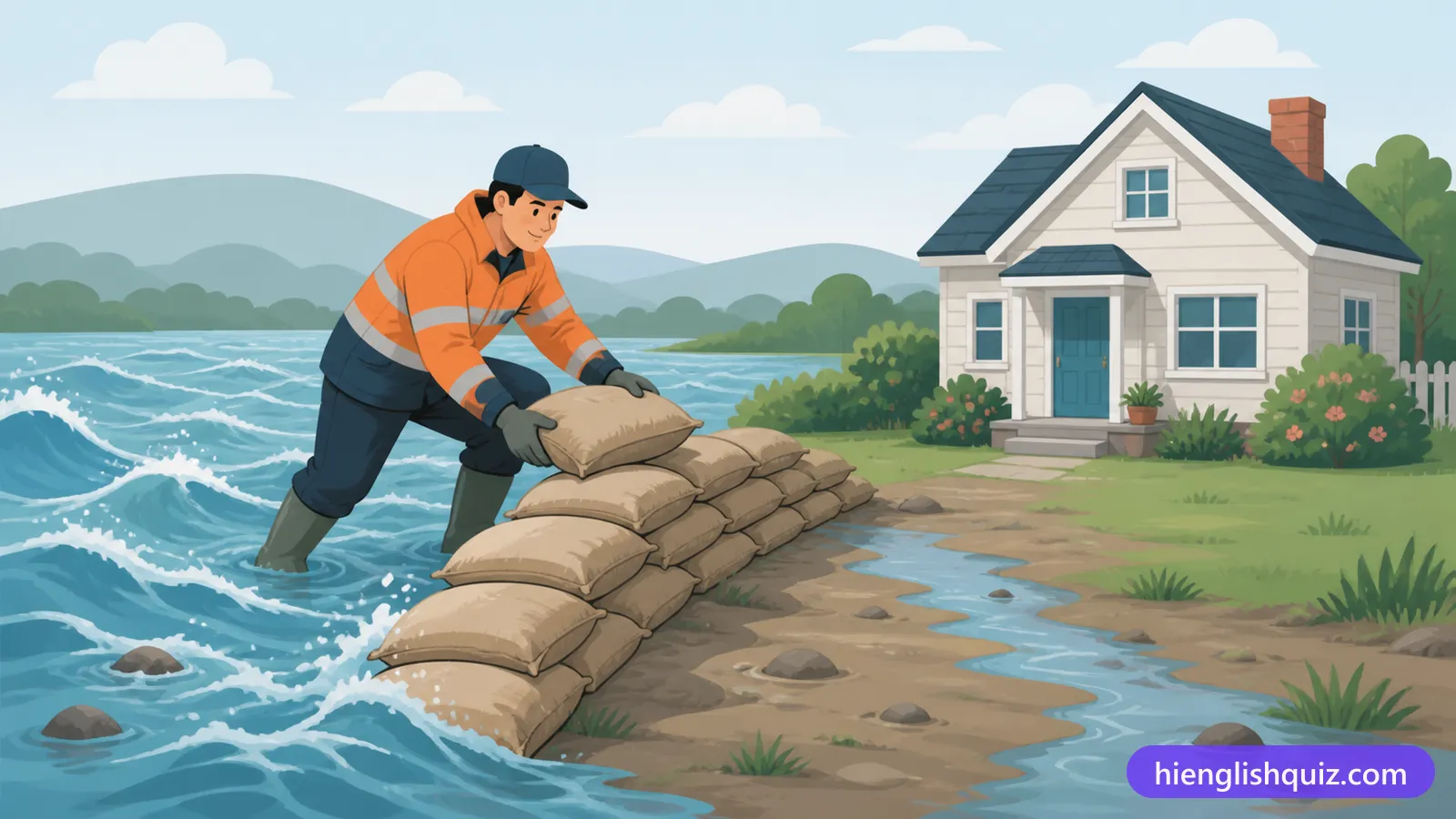
Another word for reduce — making a risk or amount of damage less serious.
Example: New regulations were introduced to mitigate the flood risk.
Another word for increase — adding more to something you already have, like a skill or budget.
Example: The company hired freelancers to augment its design team.

The technical word for happening at the same time, used about two prison sentences or overlapping events.
Example: He is serving two concurrent prison sentences.

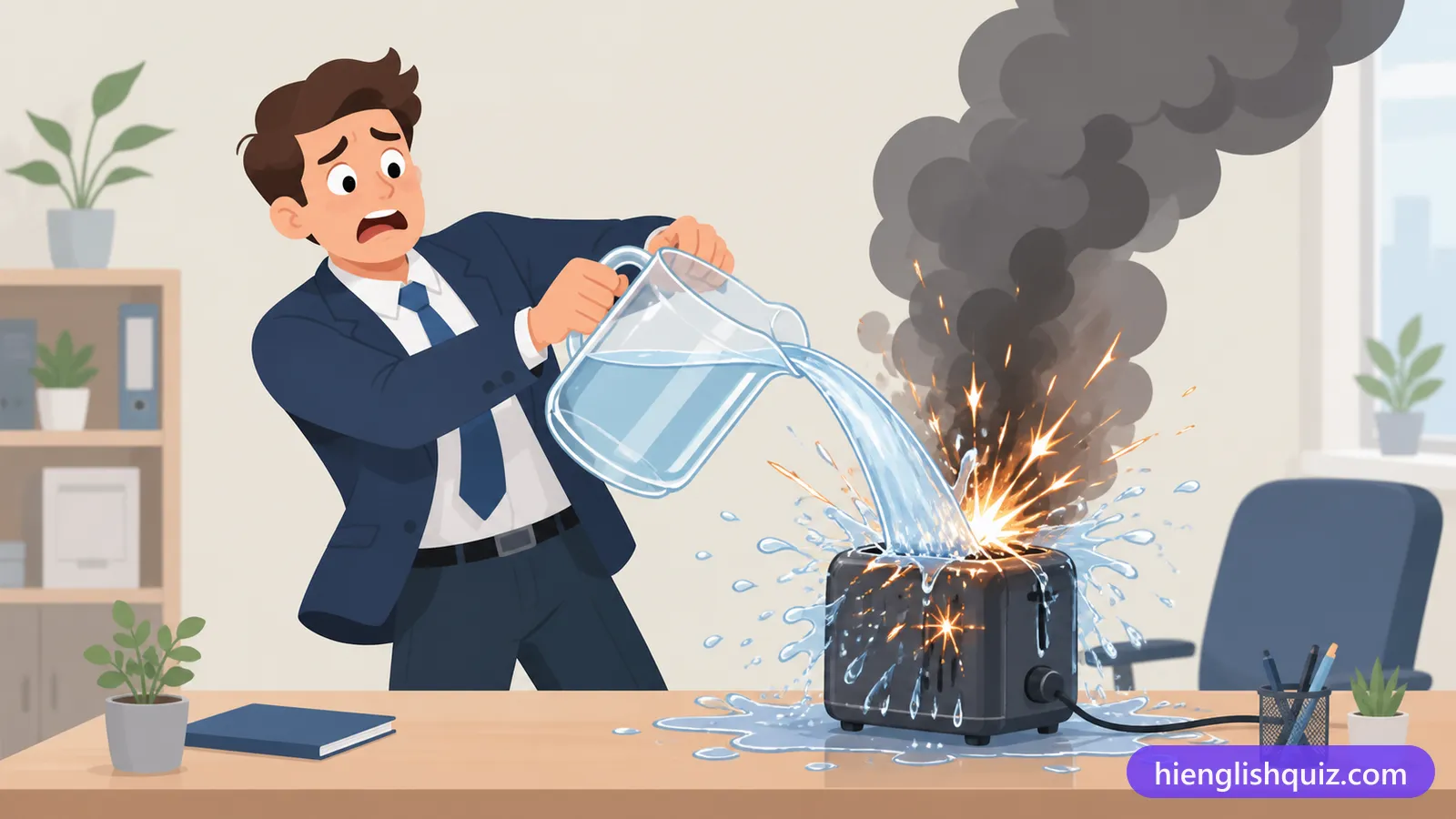
Another word for worsen — making an already difficult problem even more serious.
Example: Cutting the budget will only exacerbate the staffing shortage.
The academic word for confirming a claim, used when new evidence supports it.
Example: Two independent witnesses corroborate her account of the accident.

The academic word for backing up a claim with solid evidence, used about an argument or a theory.
Example: The lawyer needed more data to substantiate her claim.

Another word for weaken — gradually damaging someone's confidence, authority or argument.
Example: Constant criticism began to undermine her confidence.

Another word for subtle — showing fine, careful distinctions rather than simple ideas.
Example: Her analysis offered a more nuanced view of the crisis.

The academic word for a difference between things that should match, used about numbers, reports or accounts.
Example: Auditors found a discrepancy in the company's accounts.

The formal word for find out, used when you check facts carefully before being certain.
Example: Investigators tried to ascertain the cause of the fire.

The formal word for begin, used in official announcements and ceremonies.
Example: The ceremony will commence at exactly nine o'clock.

The formal word for give up, used about power or control.
Example: The king was forced to relinquish his throne.

The formal word for get, used about skills or property.
Example: She managed to acquire fluent French within a year.

The formal word for speed up, used about a process or a delivery.
Example: We called the office to expedite the paperwork.

The opposite of reversible — impossible to cancel or change once it's been decided.
Example: Once signed, the decision becomes irrevocable.

The formal word for use, used in official or technical writing.
Example: The factory plans to utilise solar power within two years.

The formal word for get or obtain, used in writing about official purchases or supplies.
Example: The department managed to procure new equipment this year.

The formal word for get rid of completely, used about diseases or serious social problems.
Example: The vaccine helped eradicate the disease within a decade.

The formal word for reveal, used when someone shares secret or private information.
Example: She refused to divulge her sources to the journalist.