meander
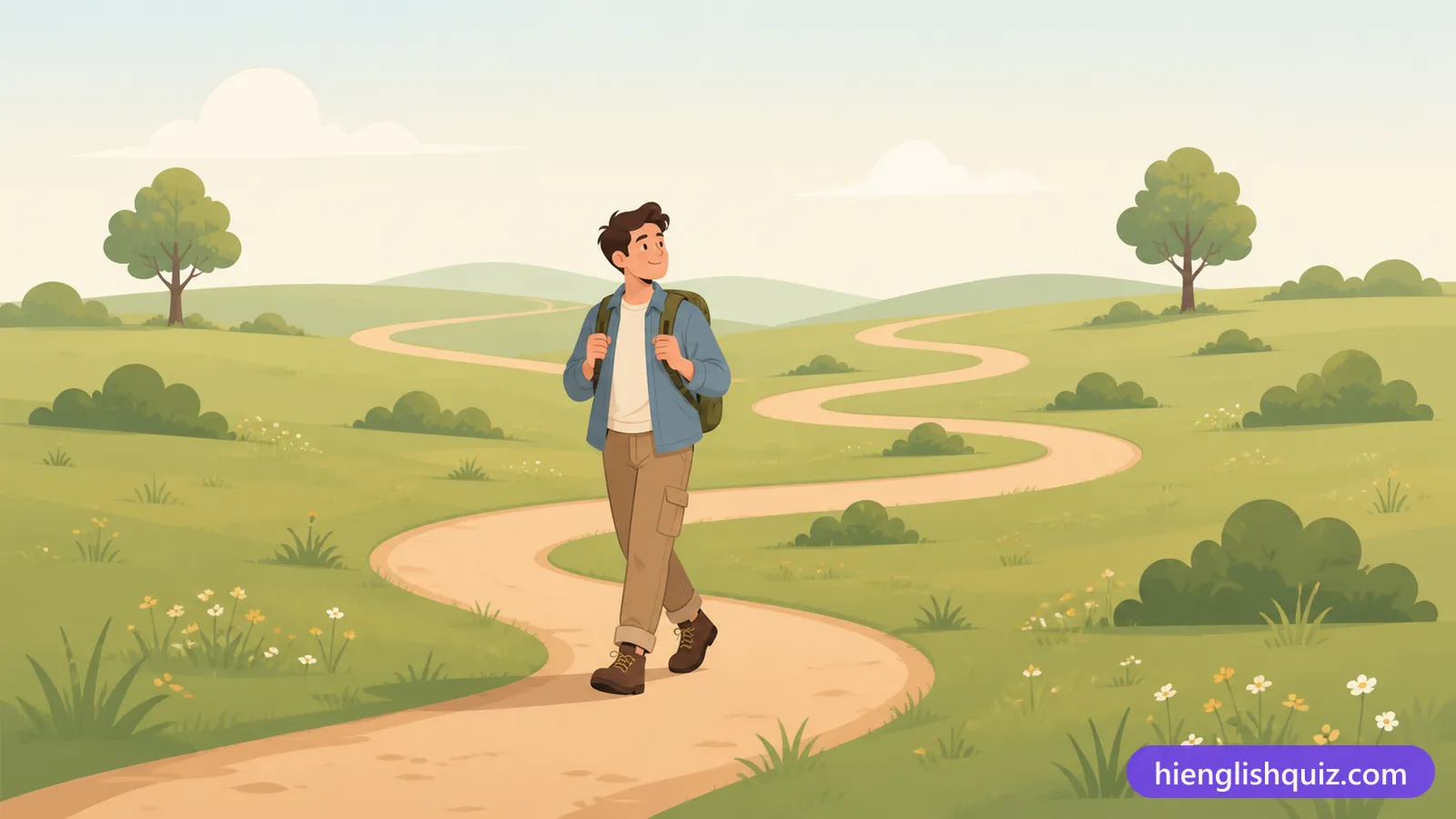
/miˈændər/Another word for wander — moving slowly with lots of turns, like a river or a conversation.
Example: The river meanders slowly through the valley before reaching the sea.
 Hi EnglishQuiz
C120 words · Advanced
Movement and action vocabulary with precise, literary verbs — meander, plummet, clamber and stride — the exact way a person or thing moves, from a confident stride to an unsteady totter.
Another word for wander — moving slowly with lots of turns, like a river or a conversation.
Example: The river meanders slowly through the valley before reaching the sea.
Another word for flinch — drawing sharply back in shock or disgust.
Example: I couldn't help but recoil at the smell from the fridge.
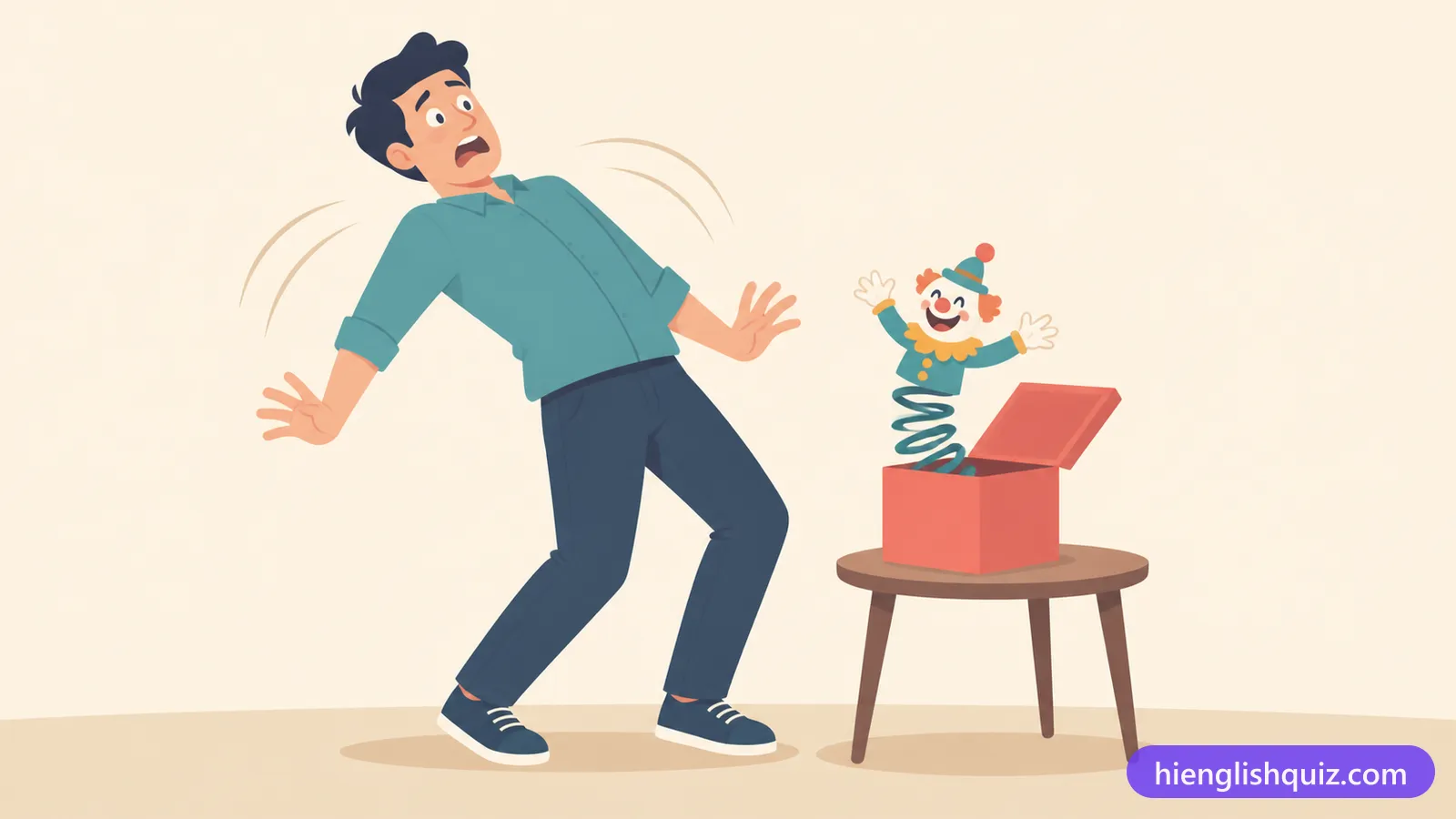
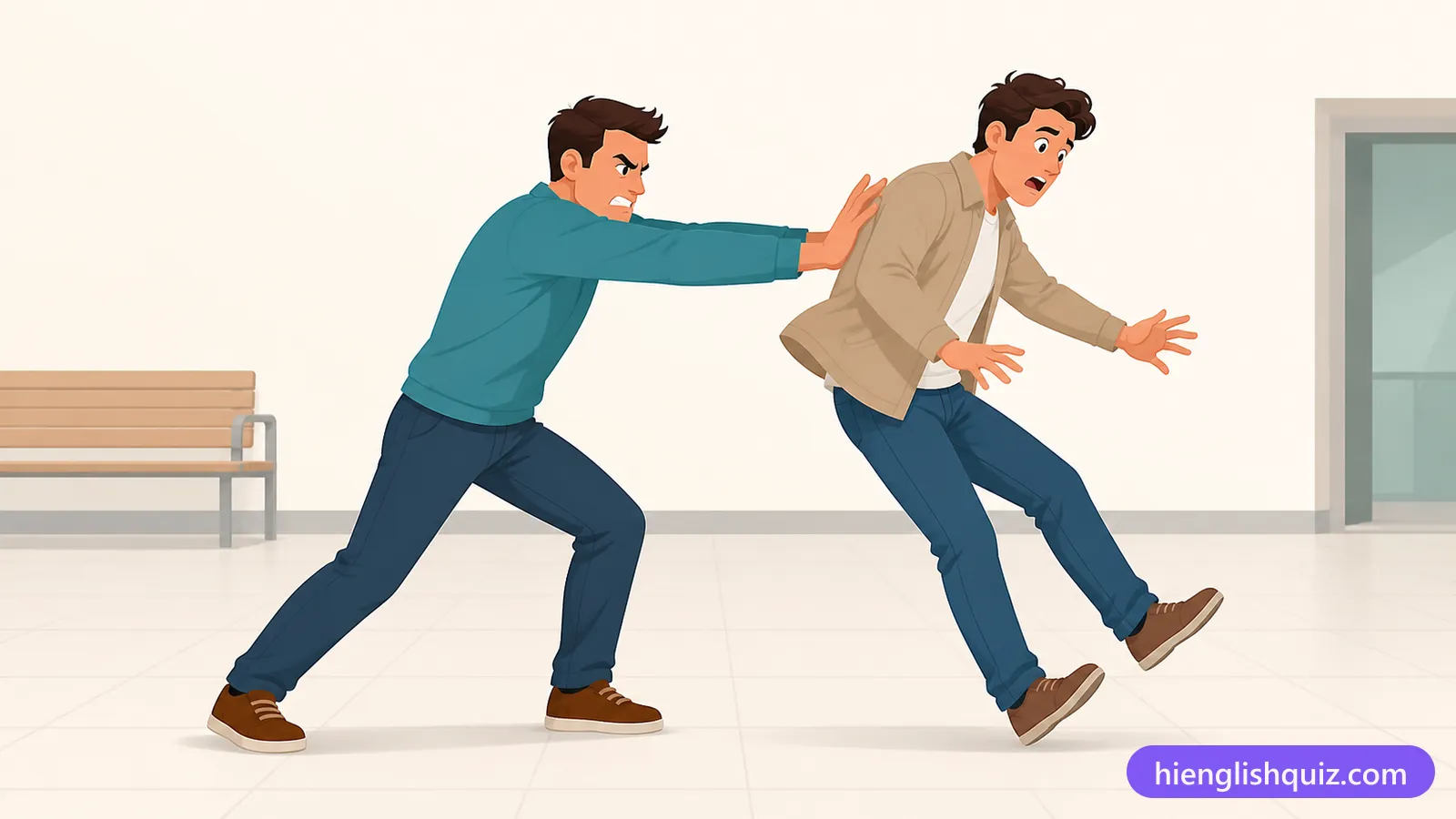
Another word for stagger — a sudden, unsteady movement, like a boat hitting a wave.
Example: The old lift lurches so badly I don't trust it anymore.
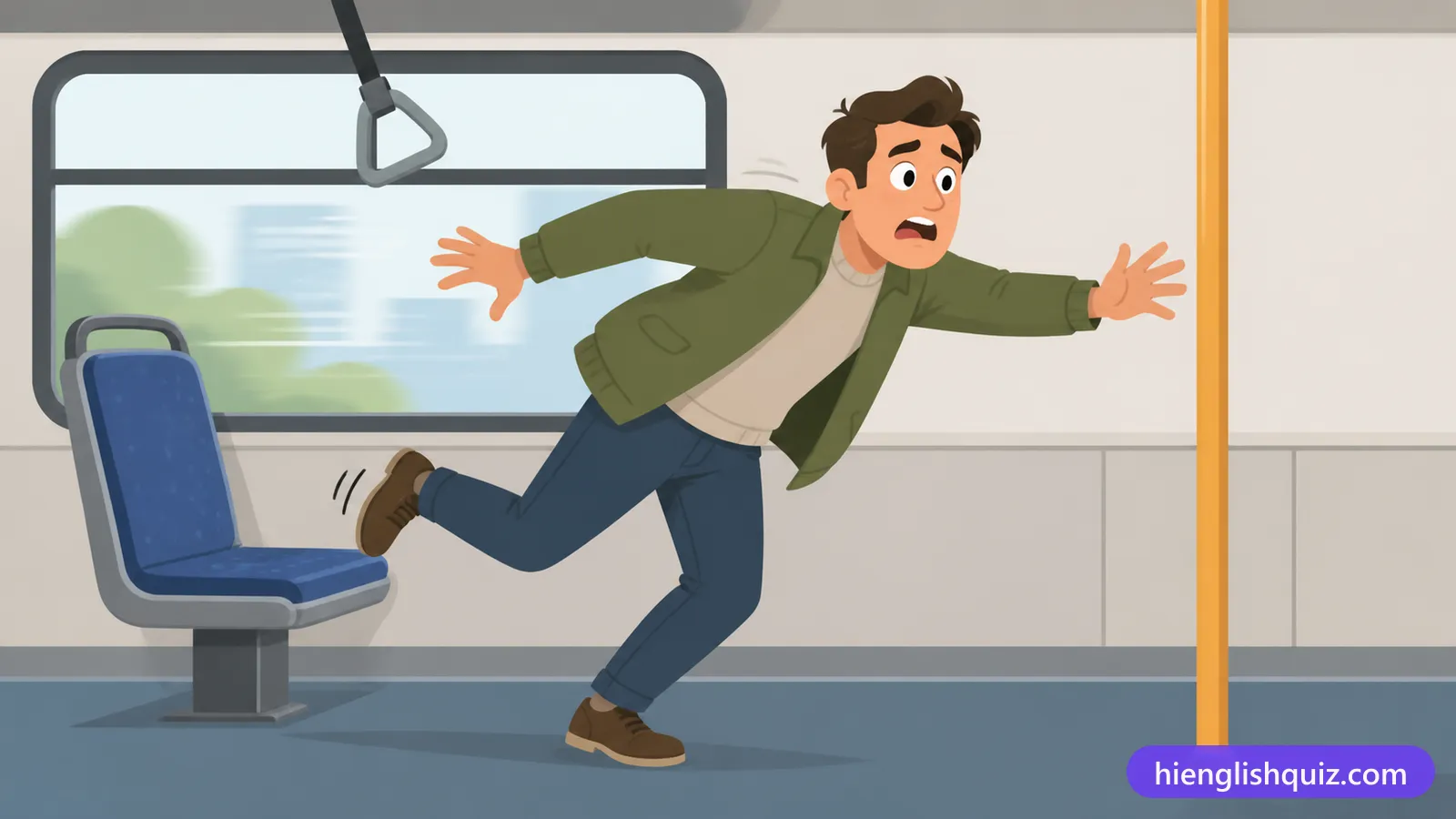
The opposite of rise — falling suddenly and steeply.
Example: Shares in the company plummeted after the scandal broke.
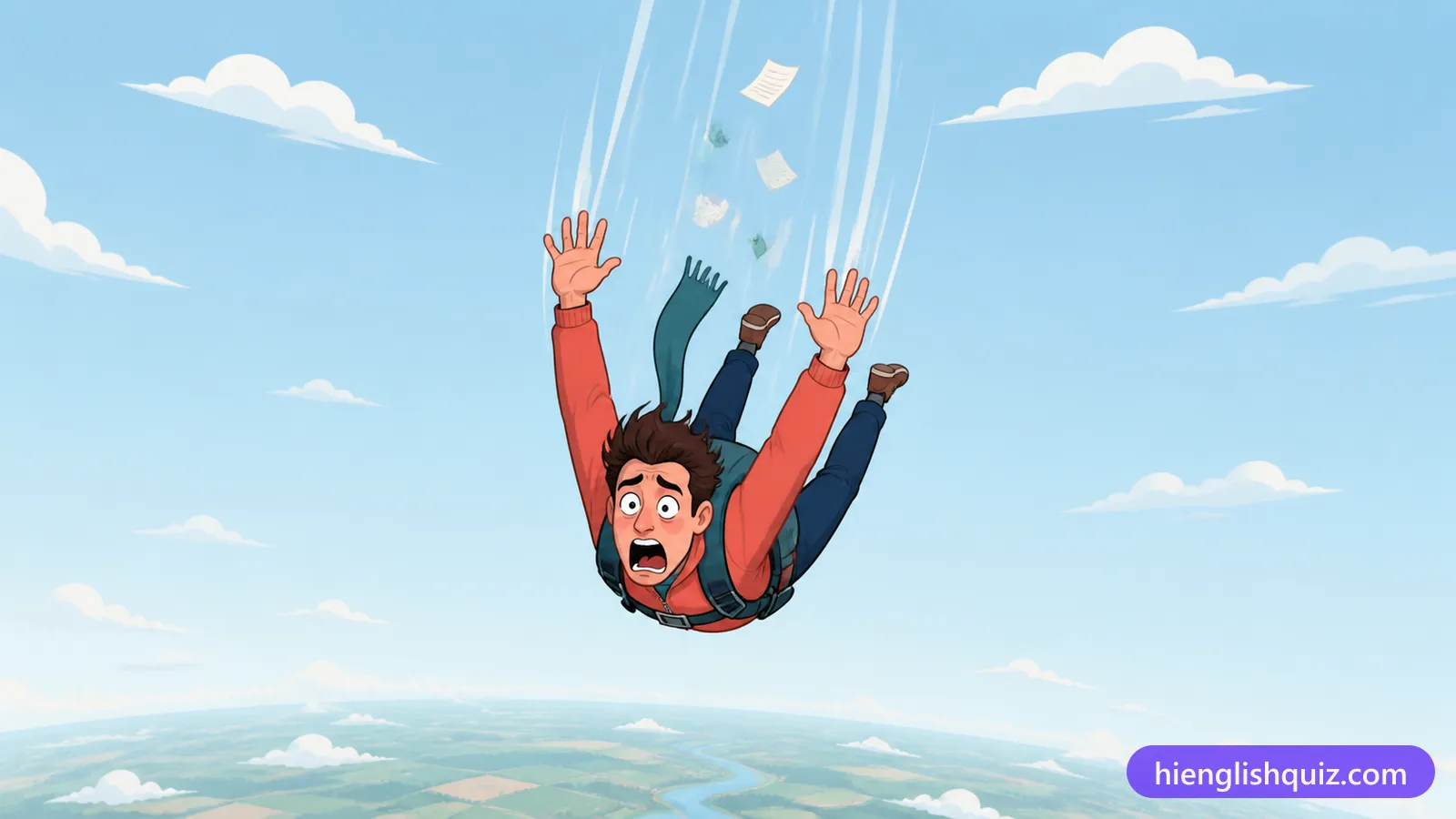
The opposite of advance — to move gradually back or grow smaller.
Example: The floodwater slowly receded, leaving mud behind.

Another word for swerve — when a vehicle or path suddenly changes direction.
Example: The cyclist had to veer sharply to avoid the pothole.
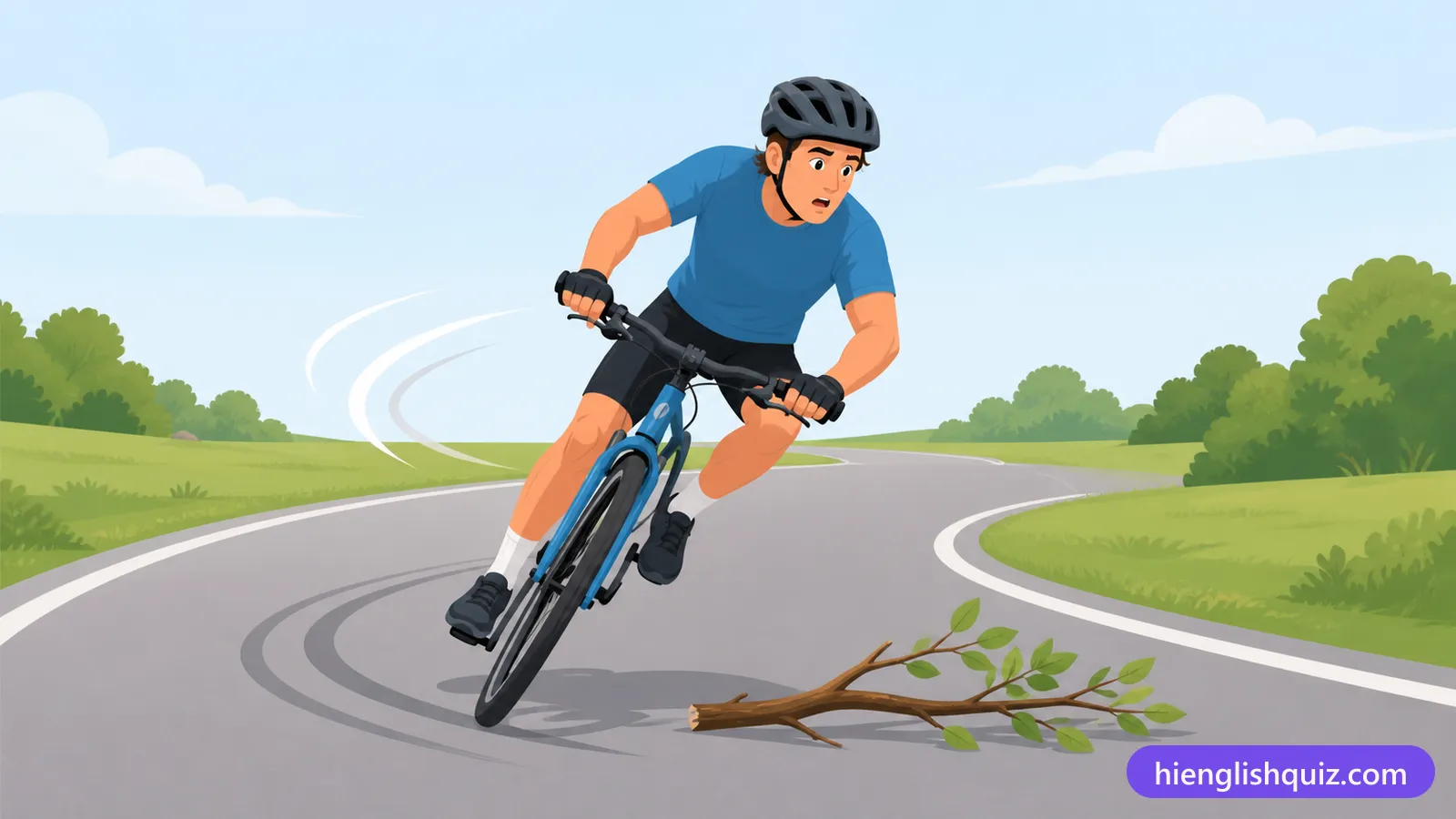
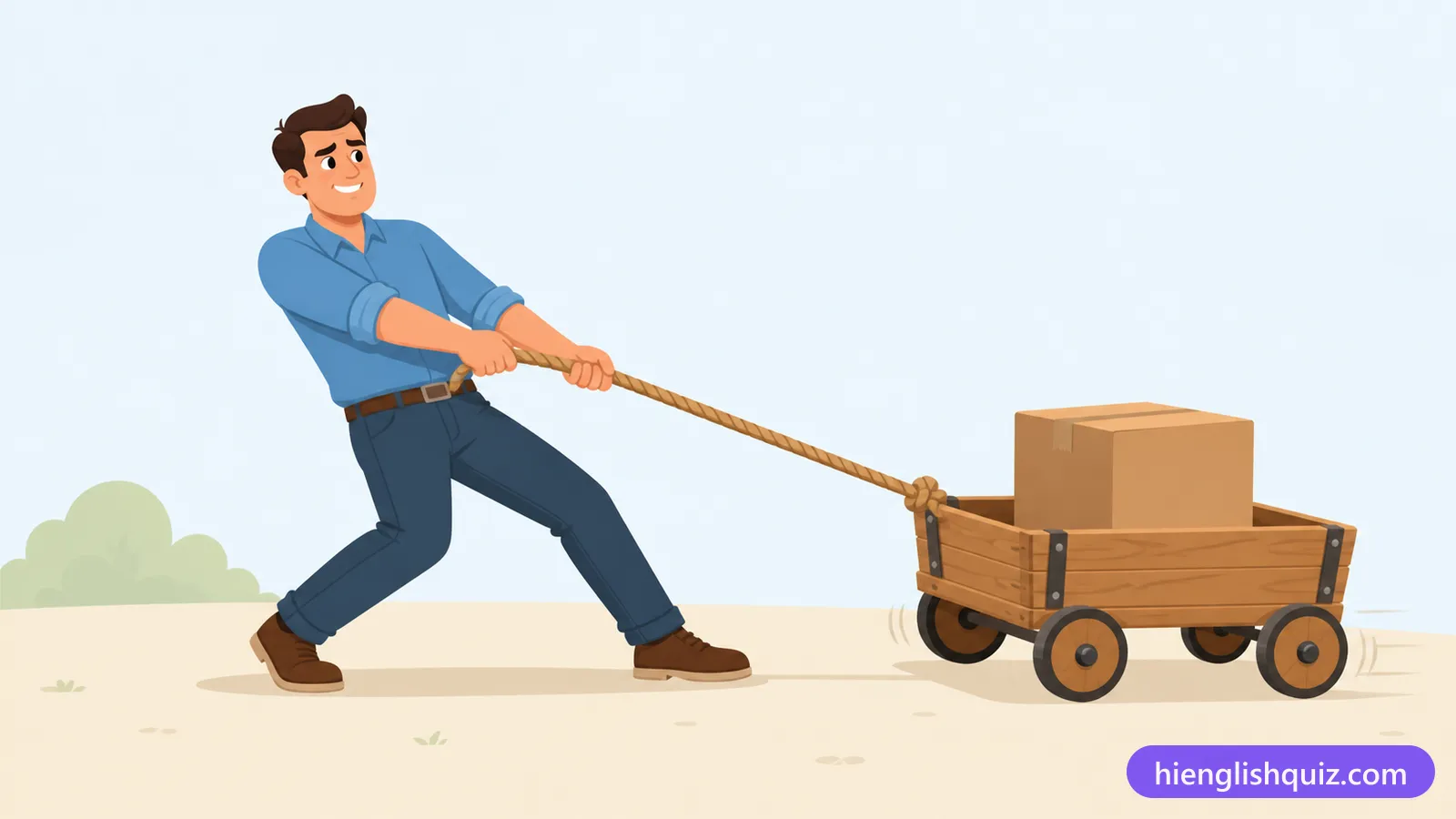
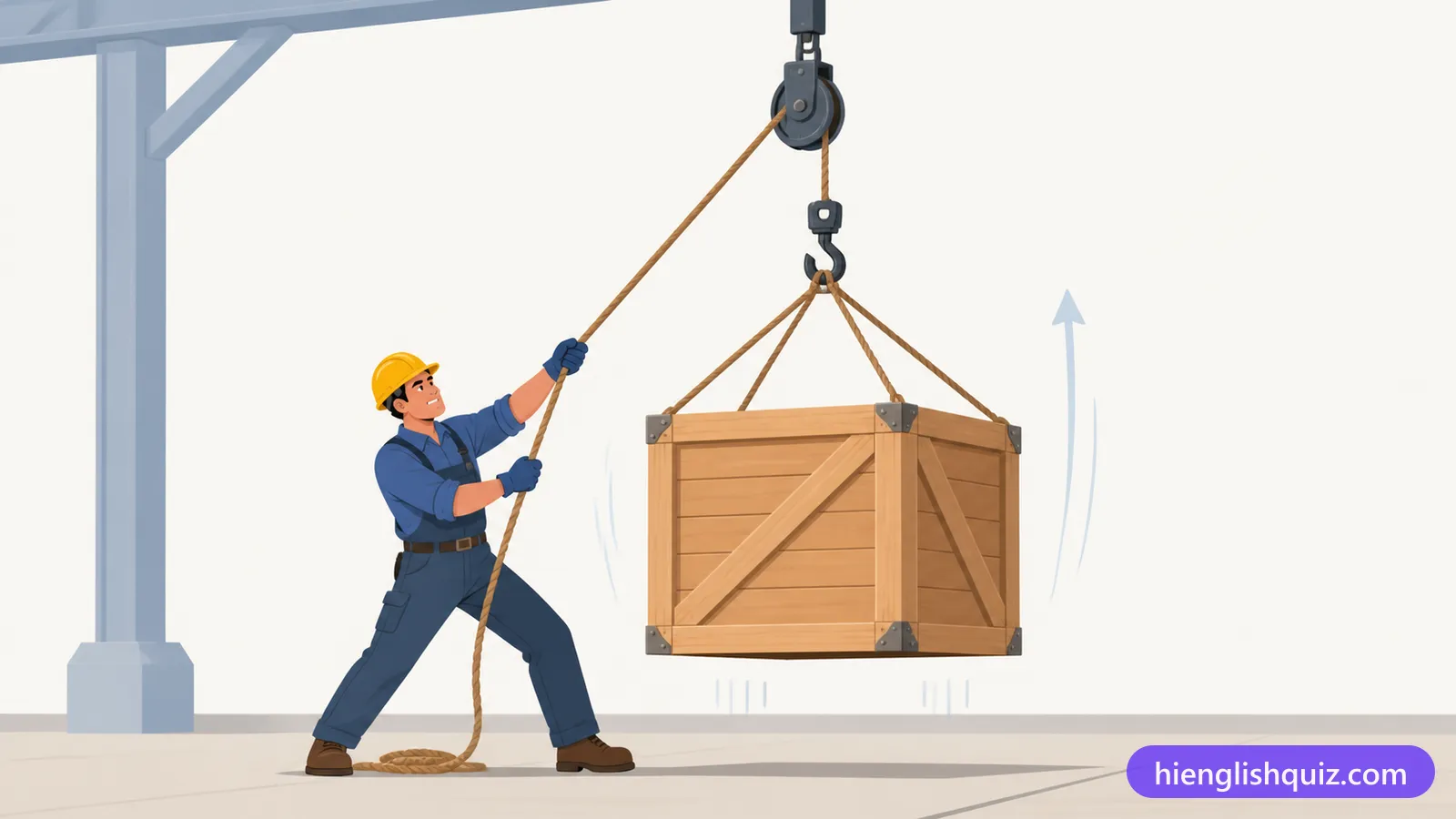
Another word for lift — raising something heavy using ropes, a crane or a pulley.
Example: They used a crane to hoist the piano to the top floor.
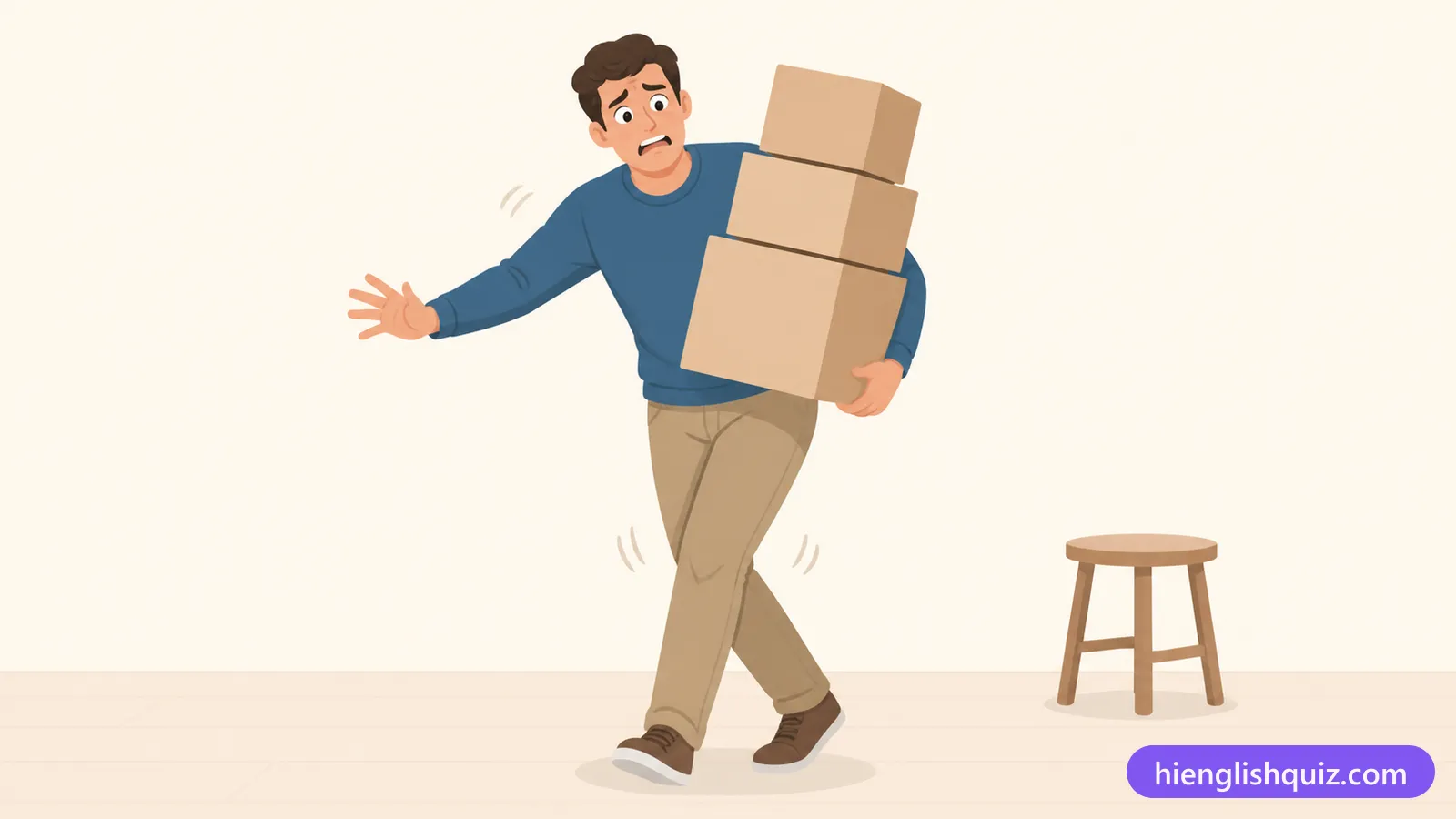
Another word for stumble — moving unsteadily from side to side, as if about to fall.
Example: The toddler tottered across the room towards his mother.
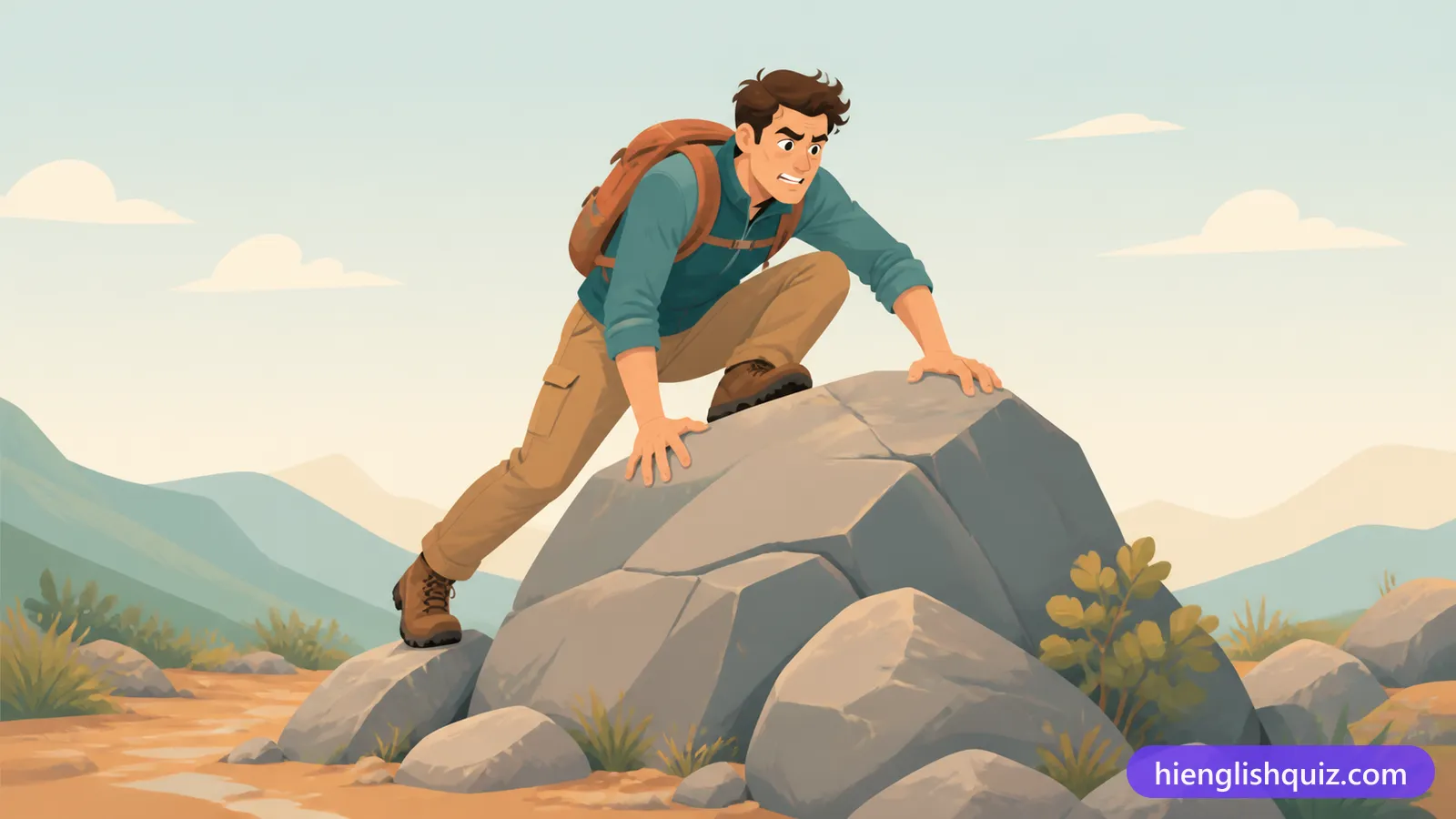
Another word for climb — moving awkwardly using both your hands and feet.
Example: We had to clamber over fallen rocks to reach the cave.
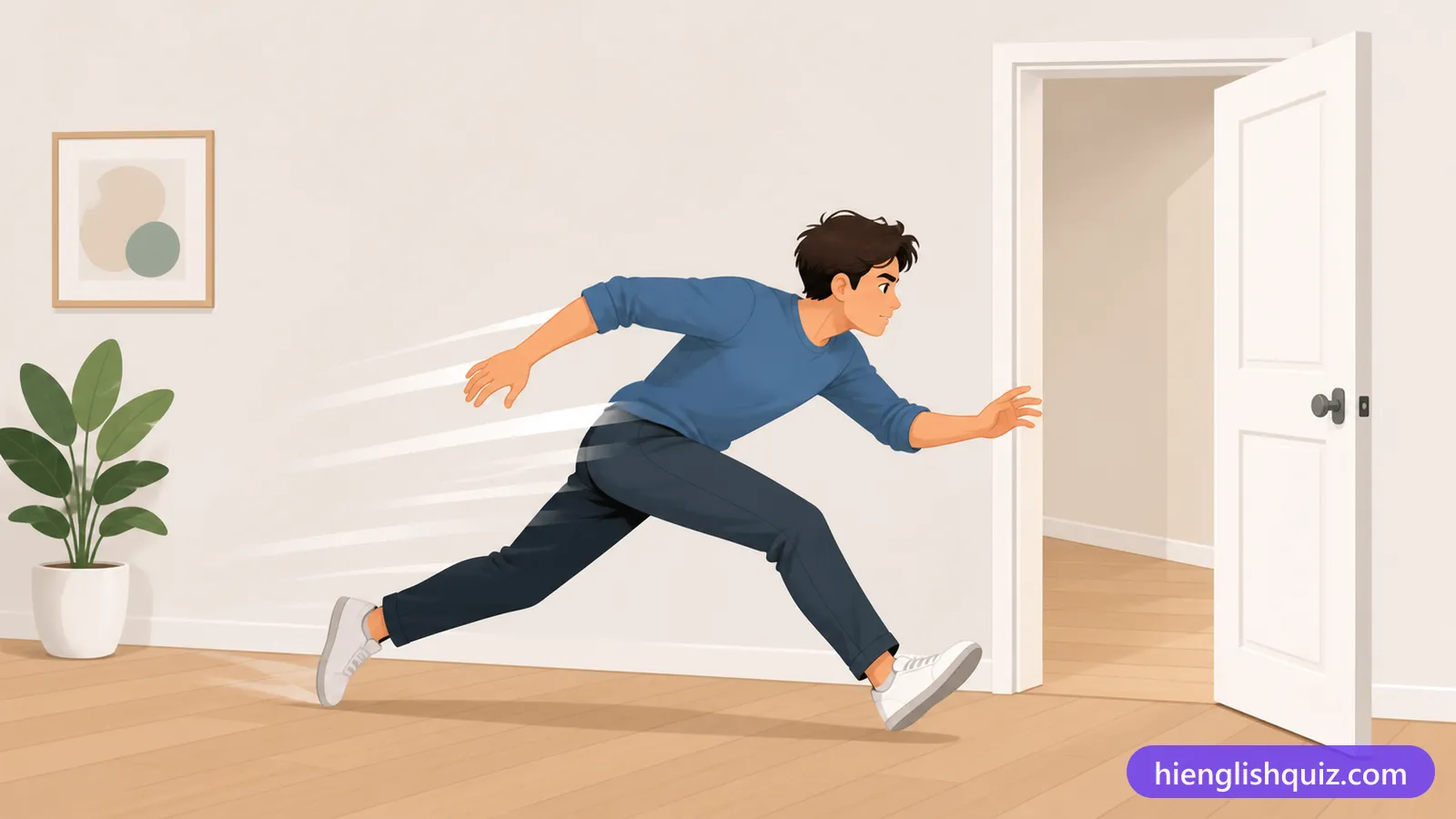
Another word for rush — moving suddenly and quickly in one direction.
Example: A rabbit darted across the path in front of us.
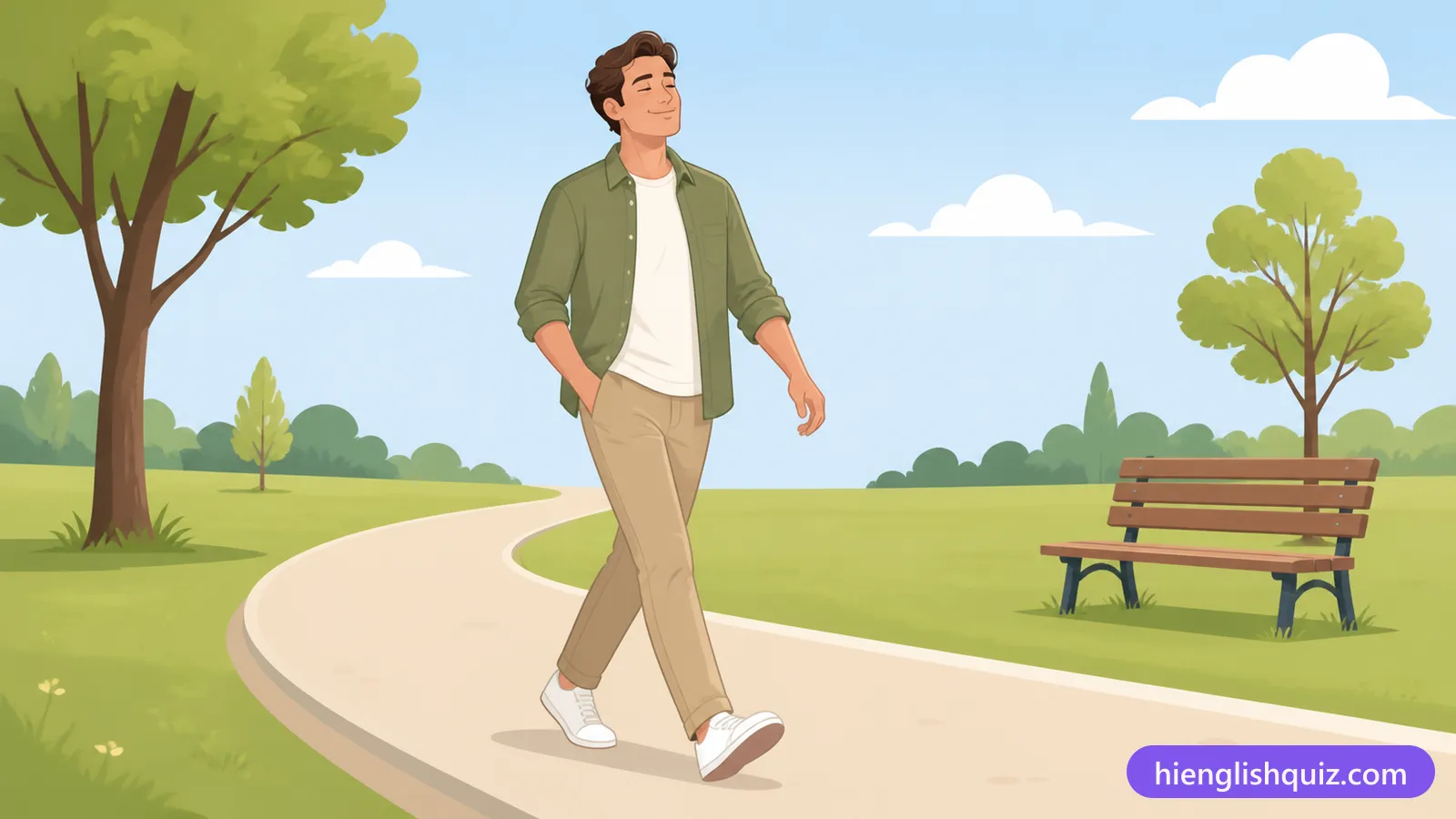
The opposite of shuffle — to walk with long, confident steps.
Example: She would stride into a meeting and change its whole temperature.
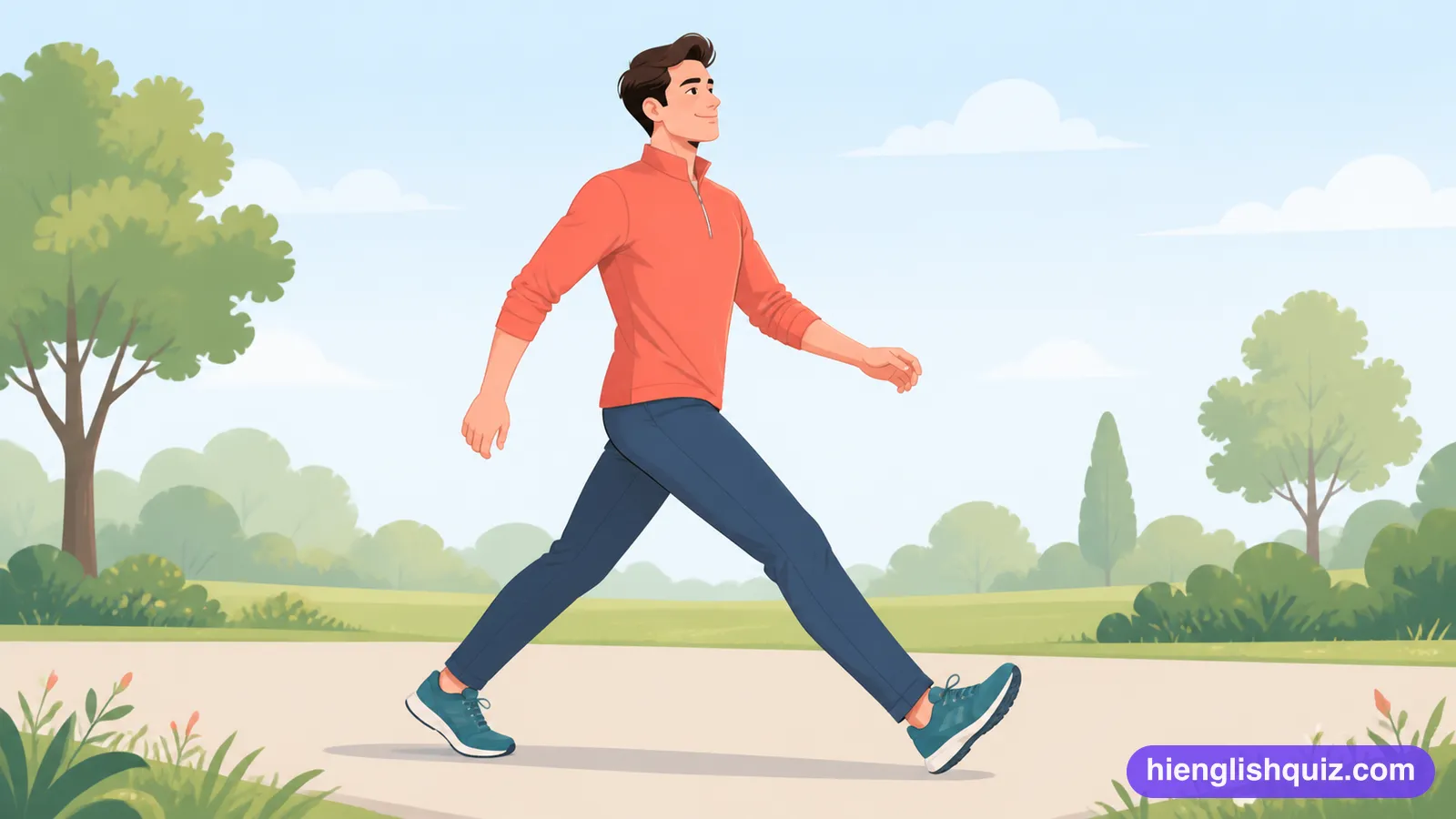
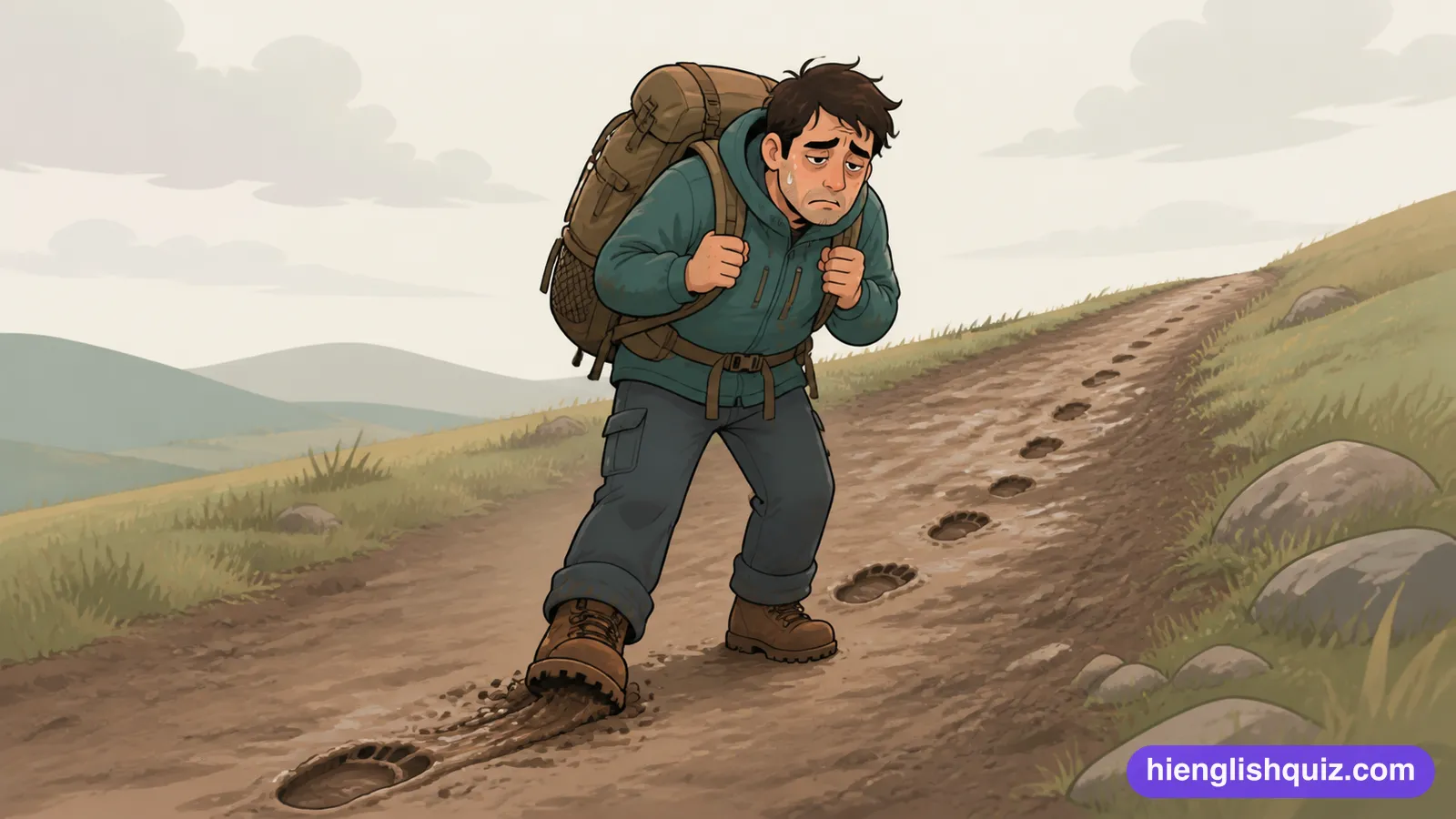
The opposite of stride — to walk slowly with heavy, tired steps.
Example: We had to trudge the last two miles through wet sand.
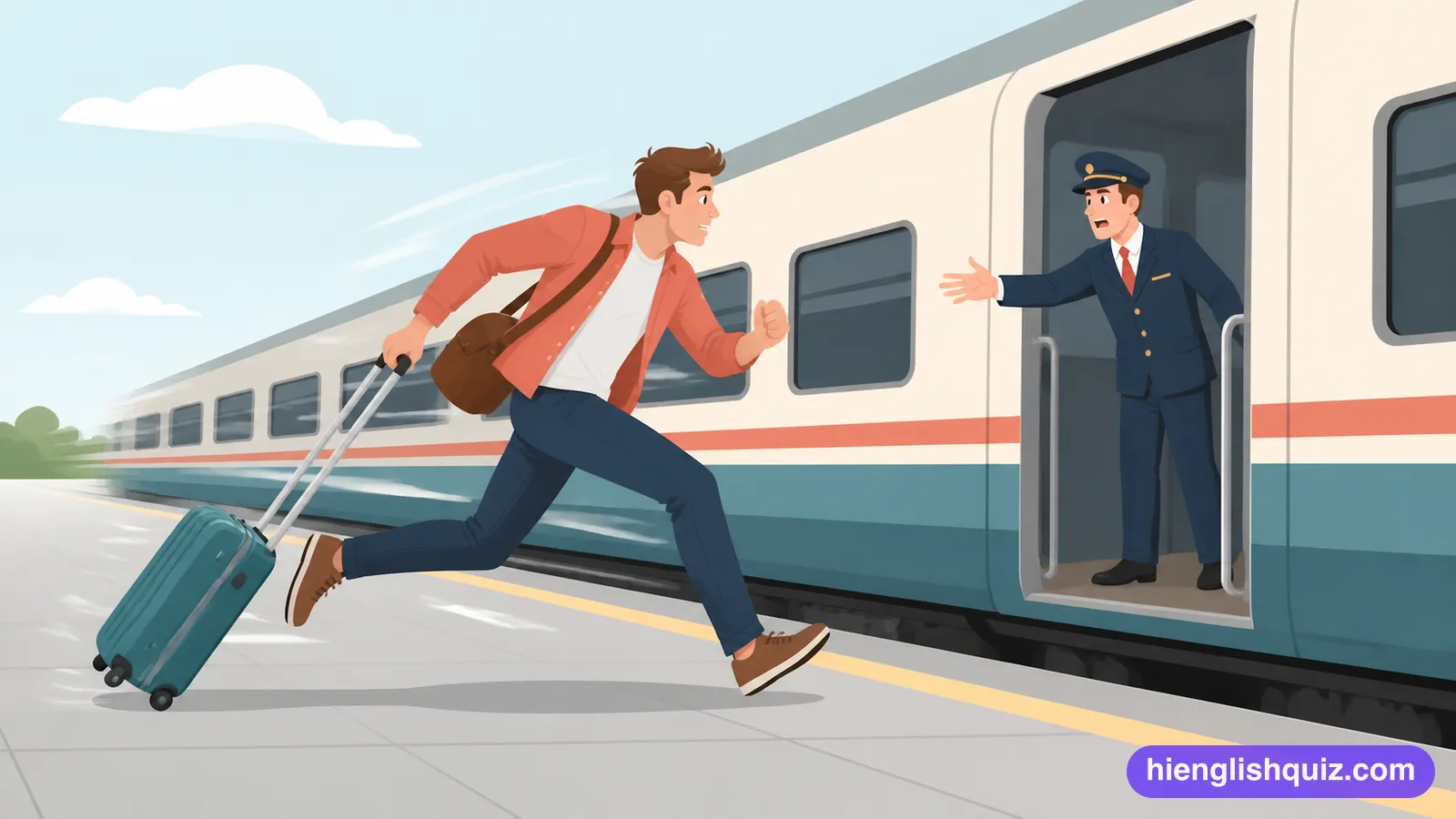
The opposite of dawdle — to move or act more quickly than usual.
Example: He had to hasten back before the gates were locked.
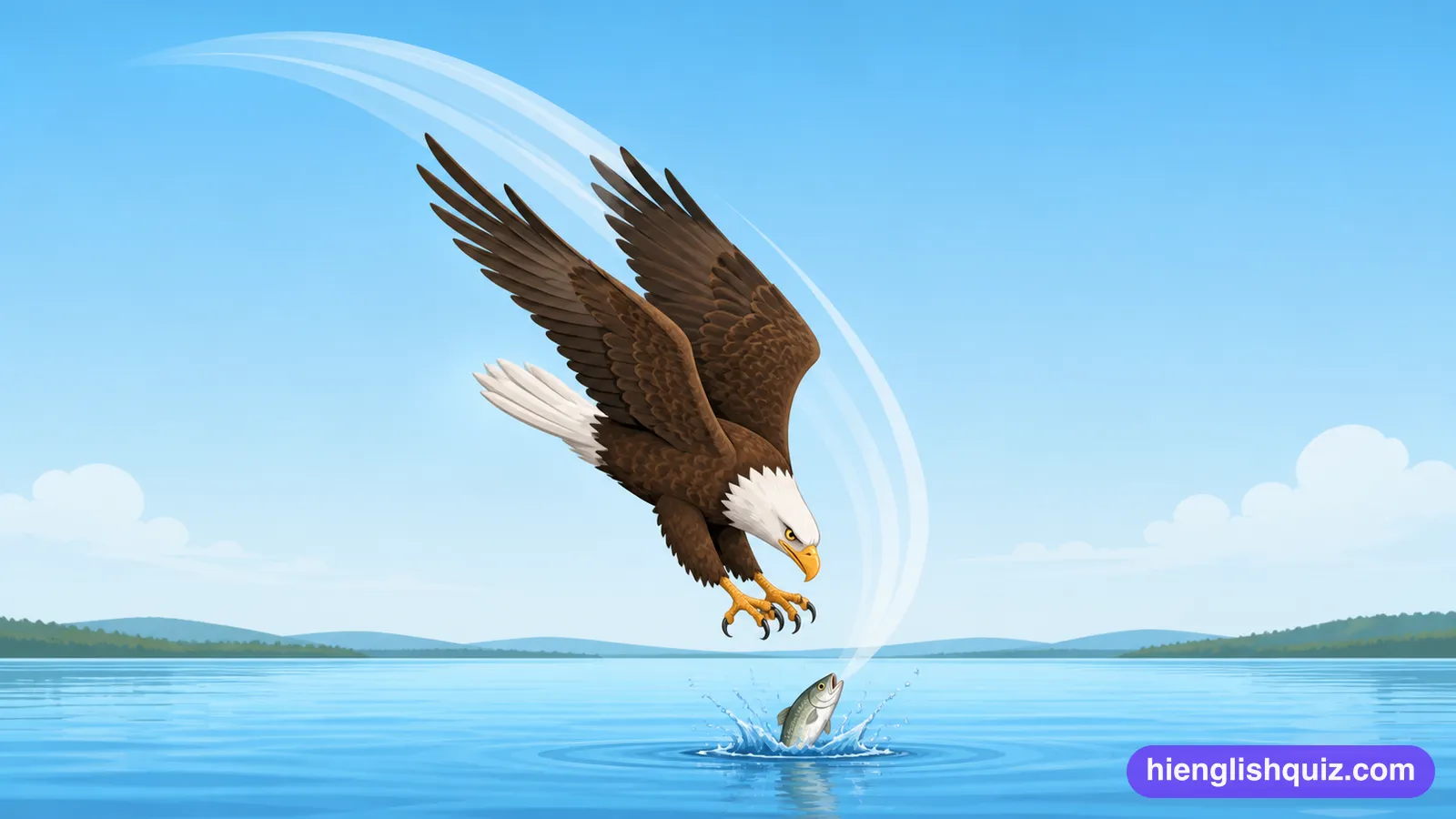
The opposite of soar — to drop suddenly downwards through the air.
Example: Gulls would swoop the moment anyone opened a bag of chips.
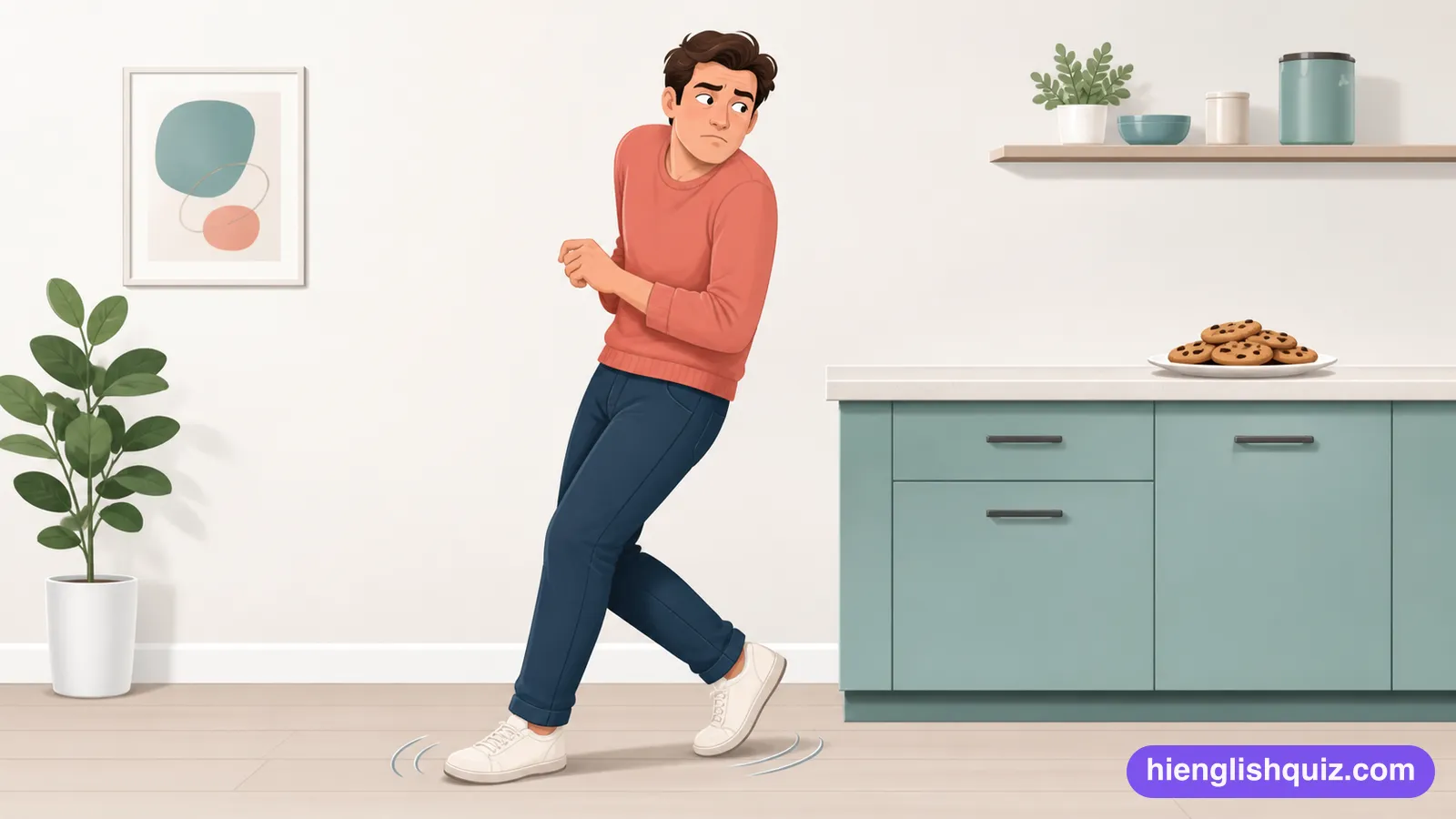
Another word for edge — to move sideways hoping not to be noticed.
Example: He tried to sidle out before the questions started.
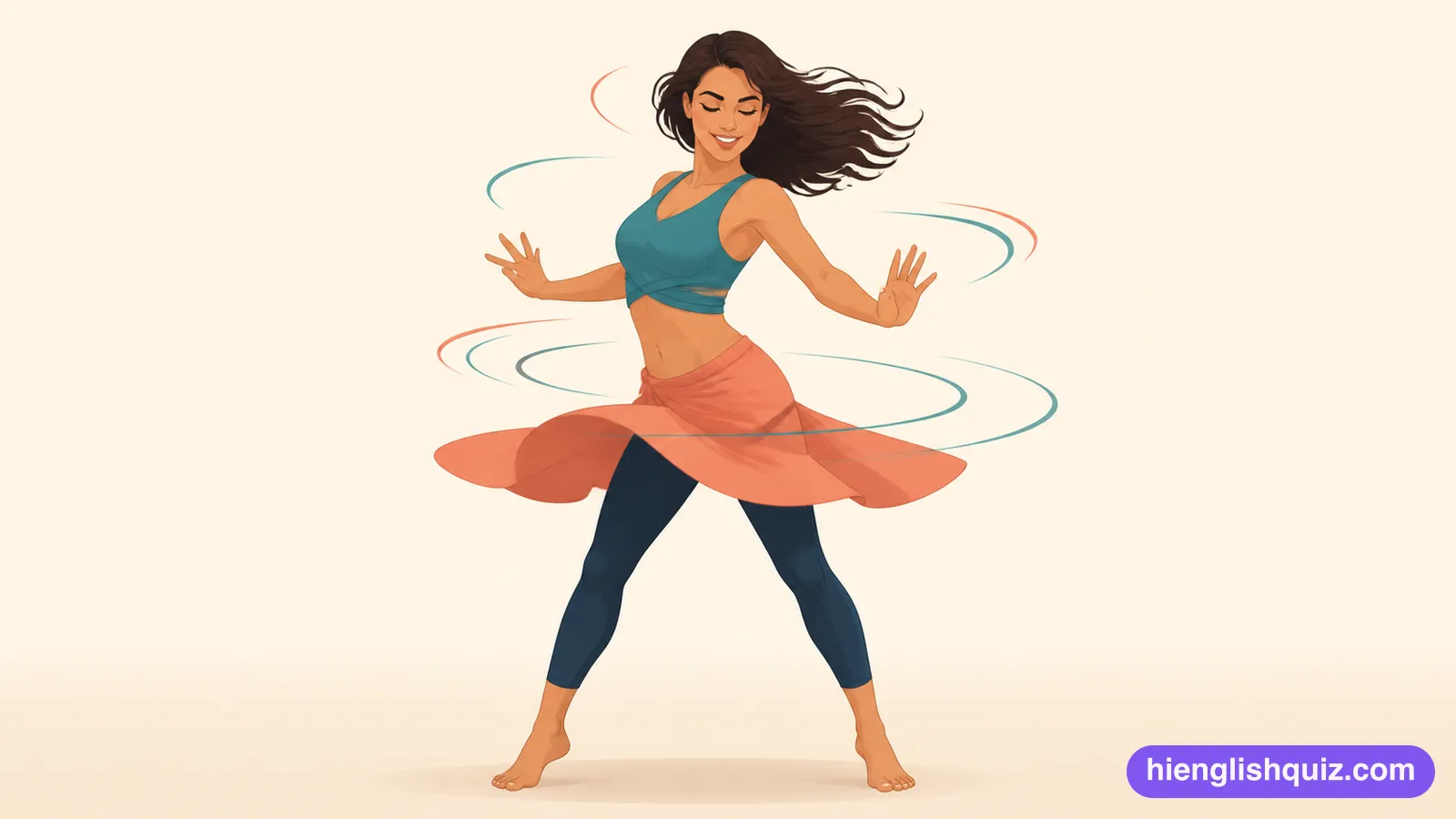
Another word for spin — to turn round and round very quickly.
Example: The whole rig began to gyrate as soon as the current took it.
Another word for leap — to jump over something using your hands.
Example: He can still vault a five-bar gate at sixty.

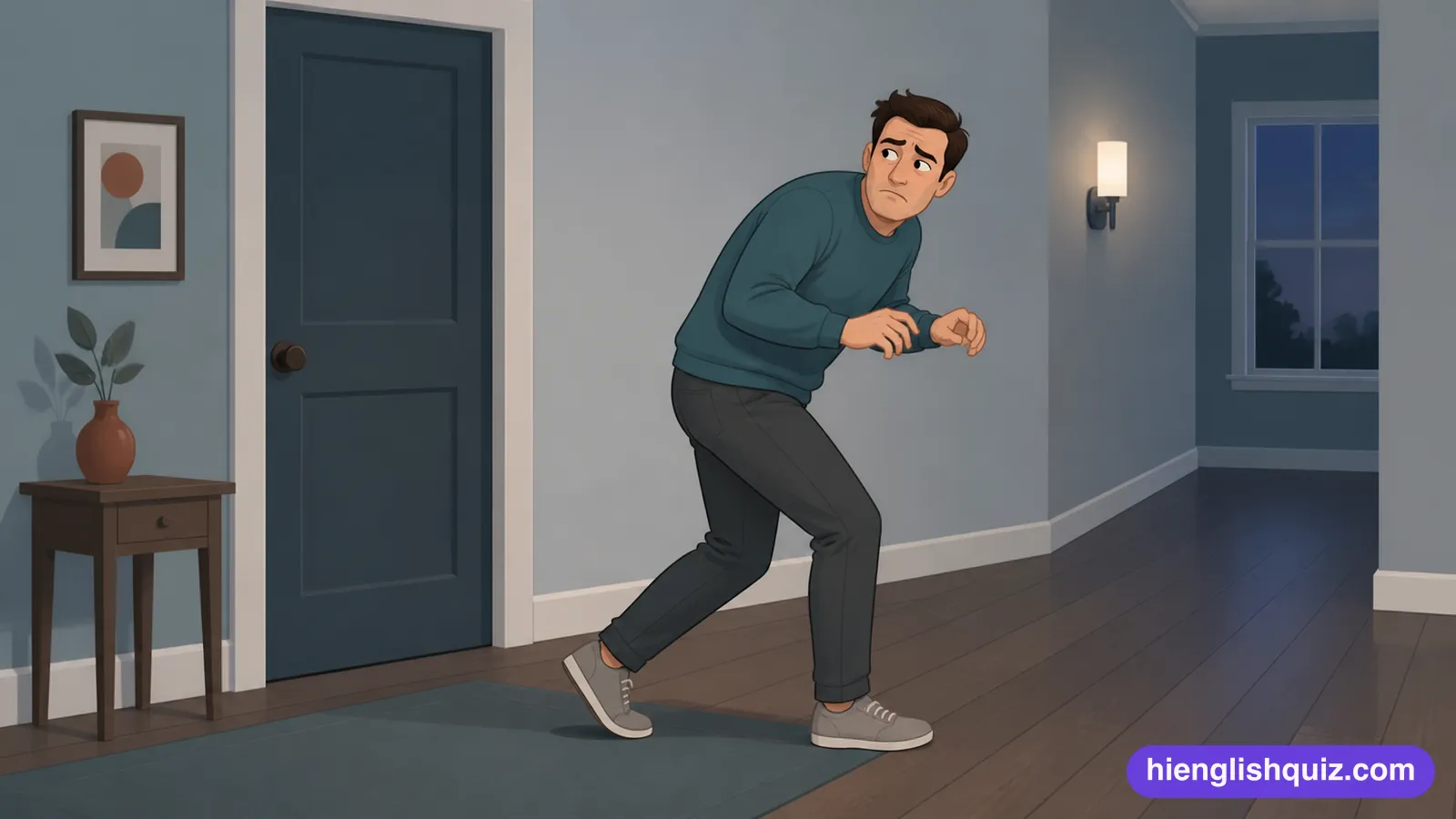
Another word for creep — to move quietly, as if you were ashamed.
Example: The dog would slink back in whenever the shouting stopped.
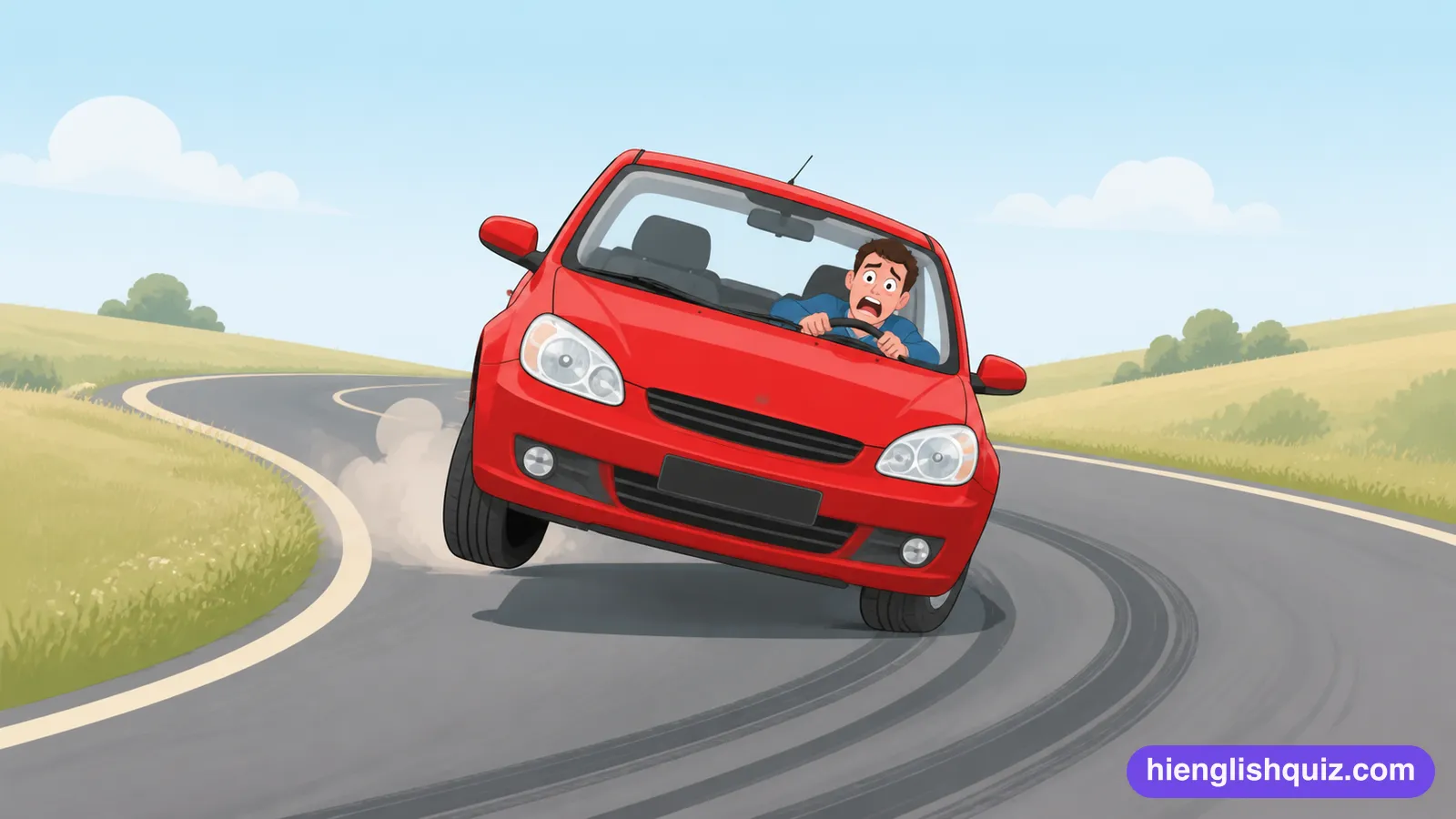
Another word for hurtling — moving fast and completely out of control.
Example: A careering trolley took out the whole display.
The opposite of board — to get off a train, a bus or a horse.
Example: Passengers should alight at the second stop for the museum.